Patenting, Trademarks, Copyright, Trade Secrets...
In the next installment of our micro-learning series, we’ll explore potential legal solutions to help you keep your ideas safe and sound.

Current challenges for a potato farmer

Meet the Network
Agri-TechE
Challenges for a potato farmer Nick Sheppard, Farm Manager, Upton Suffolk Farms (credit Nick Sheppard)
Nick Sheppard, Farm Manager, Upton Suffolk Farms (credit Nick Sheppard)

Rising input costs are among the challenges for a potato farm. Nick Sheppard, farm manager at Upton Suffolk Farms near Bury St Edmunds, led the first Agri-TechE farm walk of 2022 to show agri-tech in action and to discuss why innovation in a time of crisis is vital.

Nick explains: “Rising costs are a concern, particularly with the Ukraine situation. I paid less than £200 for nitrogen two years ago, around £300 last year. Now, if you can get it at all, it’s £650. I heard about a boat with DAP fertiliser that came over from Russia and got turned away at the port.

“Agri inflation is another big worry, with the AF Group talking about it hitting 22%.”

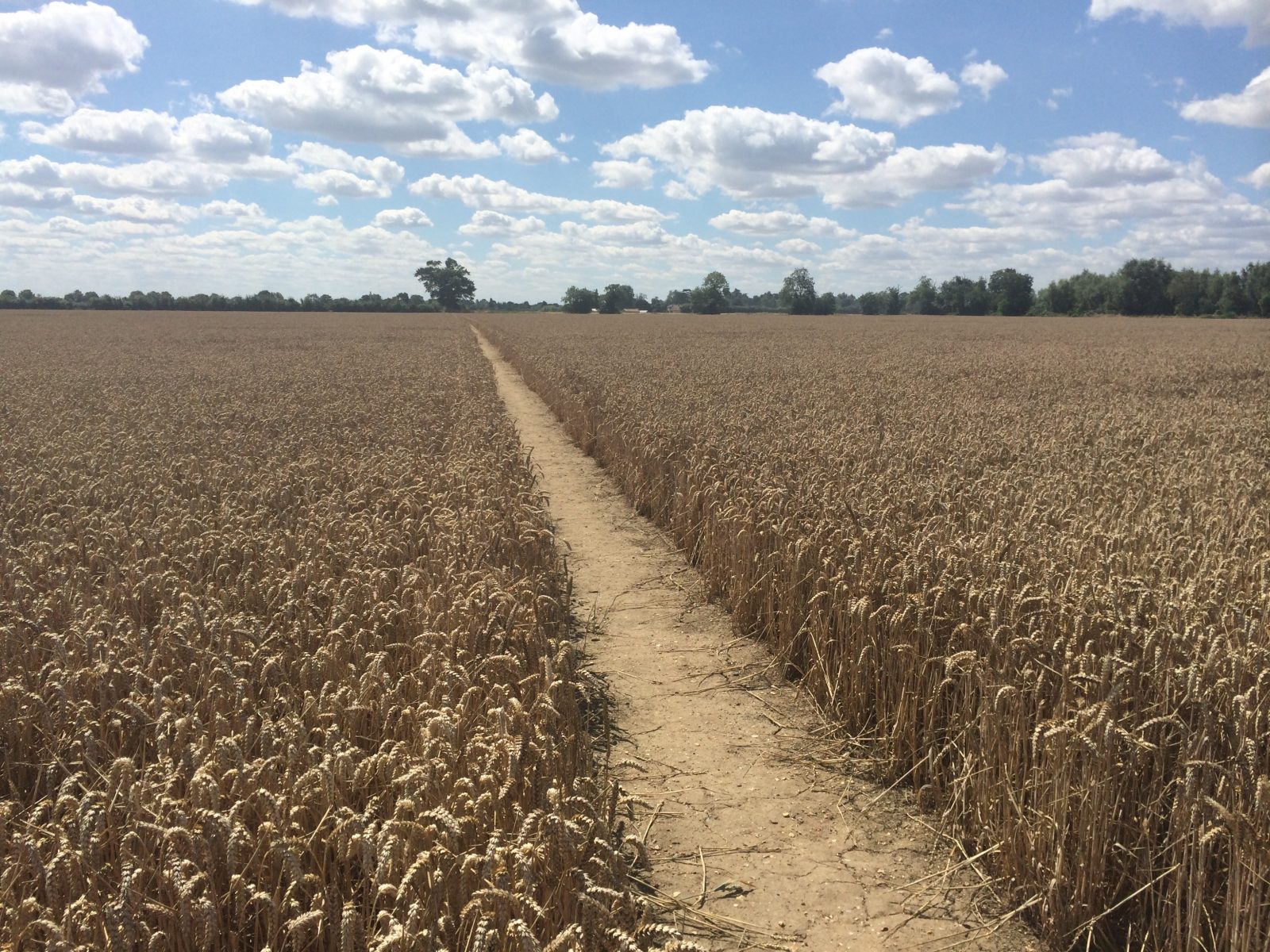
“We produce 123ha of potatoes, which is the financial backbone of the farming operation, and they are all for table rather than processing. We’ll be planting in early-to-mid March and harvesting from late July through to September. To extend the season we put some into short-term storage, but the rest are straight to the shelves of major supermarkets.”

Love growing potatoes

“I’ve been farm managing most of my working life – I’ve been at Upton Suffolk Farms for three and a half years, and before that I was a potato agronomist. I just love growing potatoes – it’s really my favourite crop, without a doubt.

sprout suppressant Potatoes growing
Potato sampling

“For salad potatoes, we need to be selling a million-plus tubers per hectare in order to make a reasonable return, but the goal is not just yield – we are after a particular size and quality. The value of a small potato (45mm diameter or less) is around £300/tonne, whilst potatoes larger than that might value as little as £50/tonne depending on the market and the contract.

“In late June/July we are out twice a week digging 2m plots, taking the potatoes back, doing size splits and measuring them, because the difference in returns is so huge. It’s a game of judgement.

“You can leave it two days from harvest and sometimes you lose loads of value. But on the flip side we can’t harvest tubers under 25mm as they’ll slip through the machinery. If there are a lot of tubers under 25mm I might let more potatoes grow over the 45mm band in order to get more of the small potatoes above the 25mm band. It is always a tough call on when to stop the potatoes growing.”

Many challenges for a potato farmer

Red Tractor Assurance

“We’ve kept the seed potatoes in cold storage until now, and I’d like to have planted them by early March if conditions are good. They’ve been stored at 3-4 degrees until just before Christmas, and then I switch on the ethylene generator to promote stem numbers and control chitting.

“Market forces completely determine what we do. Some supermarkets want more audits than others and there are different schemes. Both Red Tractor and LEAF are good schemes, but it all adds a bureaucratic overhead.

“Some of our potatoes also go to wholesale markets in London, where the chefs are very particular and prefer Maris Peer. To be fair it is a good eating potato, but there are new potato varieties coming along that can grow 1.5million tubers per hectare with better agronomic attributes – it is the height of breeding technology. But the consumers want Maris Piper and Maris Peer so that is what we grow.”

The farm also produces onions, grown as sets for supermarket sales, and sugar beet, which goes to British Sugar for its Silver Spoon brand.

Anaerobic digester offers multiple benefits

Rotormax
Rotormax in action

There is an anaerobic digester run by a third party on site supplying gas to the national grid. The farm grows maize and energy rye as a feedstock for the plant, which in turn produces liquid and solid digestate as by-products, which are used by the farm as a fertiliser.

To spread the digestate the farm has invested in a Rotormax, a machine from Holland. The spreader makes two-inch furrows into the soil and injects the digestate directly into the soil, to supply nutrient for the next crop. This limits exposure of the digestate to the air, reducing volatilisation.

“We store 20,000 cubic metres of digestate,” says Nick. “That’s going to supply most of the nutrition we need for our crops.”

Originally owned by Strut & Parker, the plant is now run by a professional AD operator called Material Change, which, Nick points out, “is producing far more gas and digestate, which is excellent.”

The other by-product, CO2, is sold into the drinks industry and goes to the Greene King Brewery in Bury St Edmunds.

Strategies to conserve soil

A major challenge for Nick is the soil, which varies in quality and depth across the farm.

“Our soil type varies hugely across the farm. Some fields are a blowing sand, which means if March and April are dry, the wind can wipe out any small sugar beet plant. We have started sowing barley between the rows of sugar beet to stop the blow. The barley is up just ahead of the beet, and we then spray it off in May when there is enough crop cover.

“We have weed beet issues, and we’re trialling a new technology that sprays out the weed beet. Last year we were one of the first in our grower group to try Conviso Beet and it performed well.

“Previously the field yielded 26t/ha of sugar which is – well, you might as well not bother. This year the Conviso Beet yielded 85t/ha. The costs increased by £100/ha, but this field was amongst our highest yielding.”

Soil analysis to monitor nutrients

“The mineral fertiliser usage is going down hugely. Now I’m tailoring it for each field based on the soil and digestate analyses.

“I’m working hard with an external consultant to improve the management of the soils. At pH 6.5-7 you’ve got full availability of micronutrients, but as you go higher than 7, the calcium in the soil starts to lock up more and more of the nutrients. All our soils are high pH – two fields are at 7 while the rest are 8-9 – so we have a lot of issue with lock-up of phosphate, manganese, and magnesium.

“I analyse with soil cores every three years right across the farm, but with the potatoes or onions, I analyse each year.

“We now also do tissue analysis. With a growing plant, you take the newest leaves in spring and summer, send them to a laboratory and the results come back three days later. They can tell you if the crop is short of nutrients and you can then apply a foliar spray onto that crop to redress the nutritional balance.

“This liquid digestate has a highly available nitrogen, so I’d rather use this in the spring rather than the autumn as there are very few crops you can use it on in the autumn.

“There are the Farming Rules in England for water and while I understand the drinking water aspect and the environmental side, we need clearer guidelines – some of the rules are practical, but some are very theoretical.”

 Use of cover crops

A big change in farming practices in recent years has been the use of cover crops, says Nick.

“Much of this land, ten years ago, would have been left bare as we are predominantly a spring cropping farm. Now we grow 240ha of green cover crops between our cash crops.

“This is for several reasons. Firstly, to provide cover for wildlife; secondly to improve soil organic matter and structure; and thirdly it gives us an outlet for our digestate – we can use that on the cover crop to stabilise the soil and protect the machinery, and it will then be incorporated into the soil directly or via sheep. It also makes the farm a far better place to look at in the winter, and the numbers and variety of bird life is also improving over the farm because of strategies like these.

“We graze over half of these cover crops with sheep that belong to a local farmer. He buys sheep from the uplands and fattens them down here. He pays me on a per sheep per day basis, which covers the cost of the seed, so financially it’s balanced.

“The other point with these cover crops is as an experimental potato cyst nematode (PCN) control. This pest eats the roots of the potato, limiting its ability to take up nutrition and water, hitting yield. We have high levels of PCN, Rostochiensis and Pallida. Some varieties of potato have tolerance against one of these or the other, but unfortunately our ability to diversify is limited, because if you are growing table potatoes the consumer just wants to buy the well-known varieties such as Maris Peer and Piper. There are far better potatoes to grow both agronomically and for eating quality, but the general public prefers the well-known varieties.”

Irrigation technologies

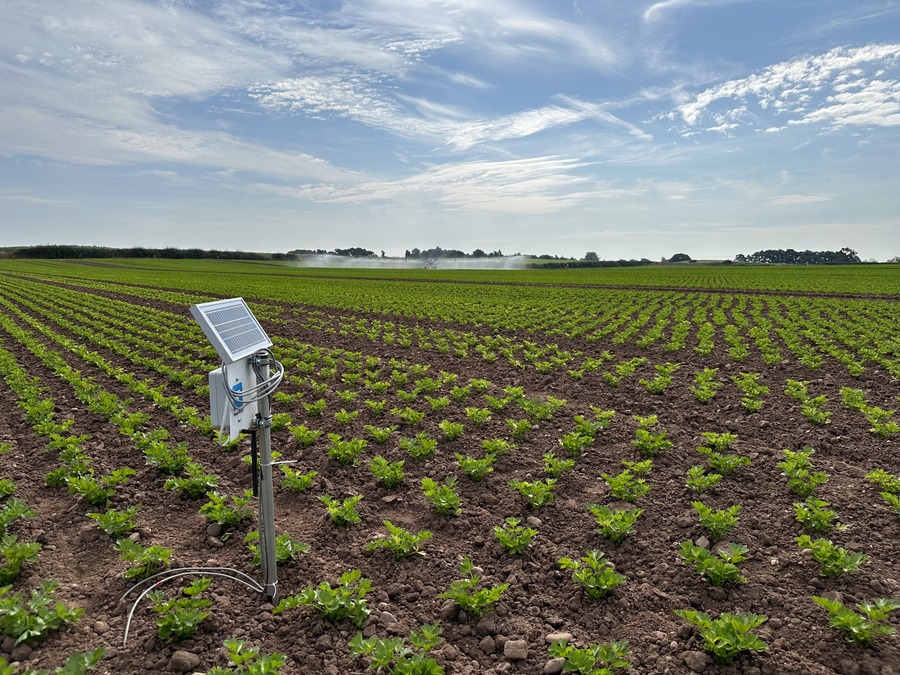
“For Red Tractor we have to justify all of our irrigation decisions. To help with this, we have installed soil probes, called EnviroScan, which go down a metre and read the water content of the soil at four difference depths. The sensors are solar powered and communicate via 4G. I get a daily update so I can see how the crops are using water with an app on my phone. However, it is a guide – I do still go out with my spade to check!

“As we know, the better the soil structure, the less water runs through. Building organic matter is difficult on this land. We hope for some small increases but certainly we look to maintain the existing levels.

“Since these irrigation tools first came out 25 years ago, I have learnt to irrigate much less than I was then. The technology has been valuable, but I still use my own decision-making. It has to be balanced with the weather forecast – an inch of rain tomorrow and I might not irrigate – because of course plants need a mix of water and oxygen so it’s important to balance irrigation.

Data management

Potatoes“The other thing we do with technology is the sprayer – I can sit in my office, write my spray recommendations, then send them to the sprayer driver, who can then complete that and mark how long it took and how much input has been used, which is important for food safety. I know exactly where they are on the farm, how fast the tractor is moving, and how much fuel they’ve used, all from my office. This is through the CASE Connect system from the tractor manufacturer.

“We manage the data through Gatekeeper. It’s complex and takes a lot of setting up; you’ve got to set up all the fields, all the areas, all the machinery. But then after that it’s just like a paper record: ‘I ploughed field x on date y and applied this amount of input’.

“It’s a big database; we’ve got over ten years of field records going back. Gatekeeper can also be used to guide the tractors via GPS, allow you to set variable seeding and application rates and monitor inputs. I probably don’t even use half of its capability.”

Importance of Agri-TechE
“Being a member of Agri-TechE helps us keep aware of what tech is available, and what’s coming on stream. We’ve had the big wins now in terms of 10% gains, so now we’re looking for those smaller percentage gains and the tech has got to be cost effective – so membership helps us evaluate that.”

Details of  future events 

Baseline for soil carbon vital ahead of changes, says Hutchinsons conference chair

Meet the Network
Agri-TechE
There was an emphasis on soils at the Hutchinsons National Carbon Conference. “Many things we can do to reduce emissions make perfect business sense,” said chair of the conference, Gary Mills-Thomas, Arable Business Director at H L Hutchinson Limited.

However, before making changes, he, and others, advised farms to assess their individual carbon situation to identify areas to focus on and provide a baseline to measure changes against. TerraMap Carbon and Omnia Carbon management offer an ideal means of doing this.

Hutchinsons’ Head of Soils Ian Robertson said well-managed healthy soil fulfilled four functions:

1. Plant production
2. Carbon sequestration
3. Filter and buffer water
4. Biological habitat and diversity

Building Soil Carbon with Steve McGrath, Rothamsted Research

Healthy, well structured soil meant better crop rooting and improved nutrient use efficiency, potentially creating opportunities to reduce fertiliser applications while maximising yield. Healthy soils were also more resilient and could facilitate management changes that reduced carbon emissions, such as zero tillage, he said.

Cover and catch crops, plus regular organic matter additions are vital for feeding soil biology, retaining moisture, and improving structure and workability.

Steve McGrath, Principal Research Scientist at Rothamsted Research, agreed and said soil was important for sequestering carbon, but soil type and land use affected its storage ‘capacity’.

He explained that different soils had their own “saturation point” for soil organic carbon (SOC) and levels would gradually decrease if organic carbon inputs fell as material was degraded. Soils with high clay or fine silt content were good at protecting SOC, as it became bound to mineral particles.

Glaia raises £1m for sugar-dot tech that increases photosynthesis

Meet the Network
Agri-TechE
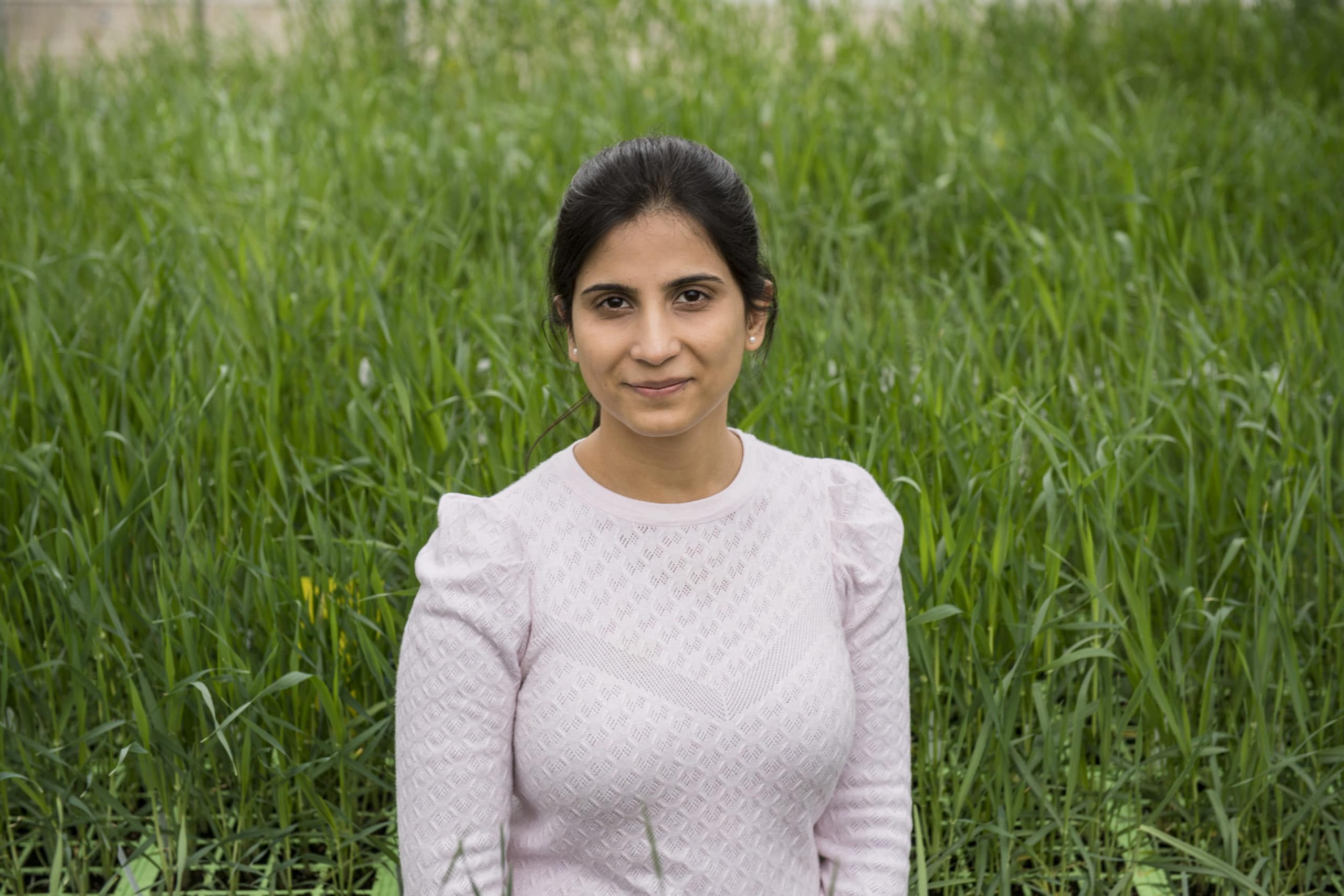
Imke Sittel and David Benito, Glaia

A £1M investment has been raised by Glaia, which develops ‘sugar dot’ technology to improve the efficiency of photosynthesis that boosts production without the need for inorganic fertilisers.

Glaia was founded in 2019 by two former University of Bristol scientists, Dr. David Benito and Dr Imke Sittel, and was one of the finalists in the 2020 GROW Agri-TechE Business Plan competition.
The investment will allow the company to commercialise their game-changing carbon-based technology, the ‘sugar dots’, which reduces emissions from crops by 30% when applied to the plants.

“You might think billions of years of evolution had fine-tuned photosynthesis to the max – but in fact, usually less than 1% of the sun’s rays absorbed by plants are turned into biomass,” said Glaia CSO Imke Sittel.

Applying Glaia’s new-generation biostimulants to the roots or leaves gives photosynthesis a much-needed boost, she added, increasing harvests by as much as 40% without increasing fertilisers or other climate unfriendly inputs.

The technology could revolutionise the production of staple and horticultural crops, but for now the team is focusing on hydroponic tomatoes and strawberries, where they estimate the added value could initially result in a fivefold return on investment for the growers.

The objective is to expand into the EU (Netherlands and Germany as a priority with pilot customers) within two years, and North America within three years. Globally, the market value of their product could be worth in excess of $1.9 billion for their first targeted crops.

The £1M investment has come from Green Angel Syndicate, the UK’s largest network of specialist investors fighting climate change, and Yield Lab Europe and will allow Glaia to scale up production and prepare their first product for market entry, including pilot customer projects.

Cam Ross, CEO of Green Angel Syndicate, said: “It was immediately apparent that the ground-breaking sugar dot technology could transform the CO2 influence of farming. We were impressed by the expertise and dedication of the Glaia team and believe they will have a great impact in reducing agriculture’s carbon intensity.”

Is there Johne’s Disease in the herd? New rapid testing service provides yes/no answer

Meet the Network
Agri-TechE

Is there Johne’s Disease in the herd? The answer to this question is what every dairy farmer and milk processor wants to know. Now a new rapid testing service from PBD Biotech will enable them to find out in days if a bulk milk or blood sample contains Mycobacterium avium subspecies paratuberculosis (MAP), the bacteria that causes this economically devastating disease.

Johne's Disease testing service launched by PBD Biotech

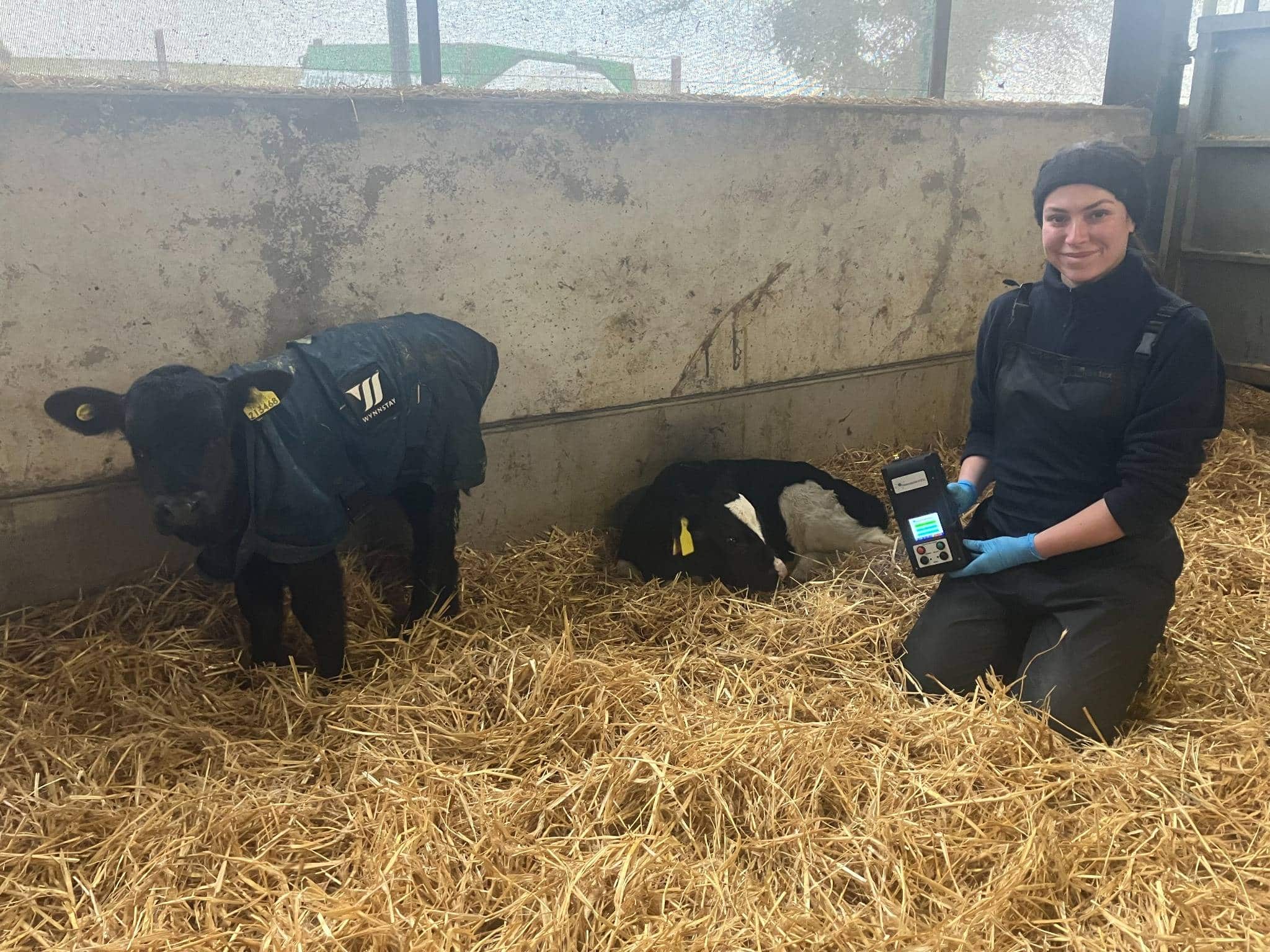
The service uses the diagnostic test Actiphage® to detect the presence of live mycobacteria in a sample of blood or bulk milk. The test can find 1-2 cells in 50ml of milk, providing a high level of confidence in its quality. The milk test is also a valuable herd management tool. If MAP is discovered in the milk, blood tests can identify infected individual animals in the milking herd, as well as in stock as young as six weeks, before they show clinical symptoms, offering the potential to eliminate the disease from the herd.

Johne’s Disease is a wasting disease in ruminants that causes severe economic loss. The disease is difficult to diagnose and can lie dormant in an animal until it is triggered by stress or another infection. The major route for transmission is from the mother to the unborn calf through the placenta or through feeding with contaminated milk. It can also be shed in faeces and infect mature adults.

Unlike bovine TB, Johne’s Disease is not a notifiable disease in England, Scotland and Wales so data on prevalence is limited. Small-scale farm surveys indicate 17.5% (±10%) of dairy herds are affected, and, despite milk being pasteurised, tests of retail milk have shown 10% to contain live MAP3

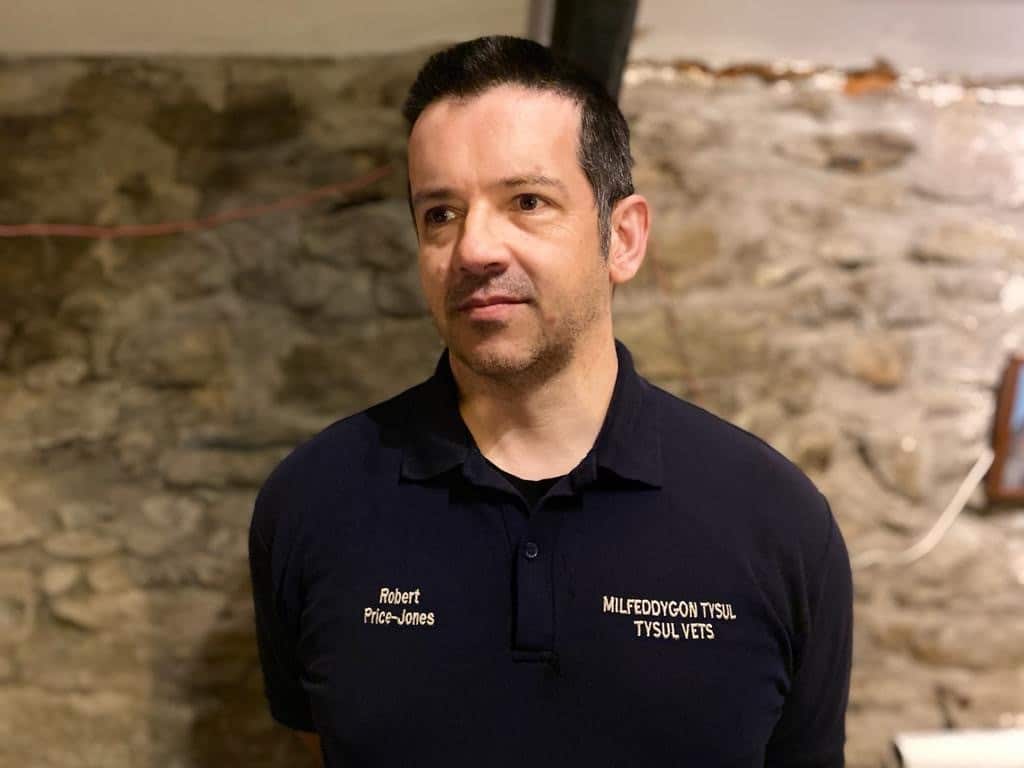
Robert Price-Jones, Clinical Director of Tysul Vets, says a pre-breeding test is urgently needed: “A significant number of dairies will have a Johne’s control plan in place to prevent infections, which is based on regular testing, calving hygiene, calf management and breeding policy, including culling positive animals.

“The problem is the hidden nature of the disease, its latency. Computer estimates show eradication of Johne’s in a herd with 10% prevalence through test and management procedures could take 5-10 years – or longer if only one strategy is used in isolation4.

“An accurate – more specific – diagnostic test for blood and milk that can be used as early as possible would improve control and eradication.

“A pre-breeding test would be a good way of helping to control Johne’s – preventing positive animals from being bred would reduce the spread of bacteria in calving areas and prevent infection of calves through milk or placental transmission.”

Jonnie Yewdall, Commercial Director at PBD Biotech, is a former dairy farmer and was devastated when purchased stock introduced Johne’s Disease into his herd.

“Our farm had never experienced Johne’s until we had to buy in cows to restock our herd after a bTB outbreak. For example, we lost all the cows purchased from one farm in a non-TB area in the north of England, which then infected more in the established herd and young stock. If we had had access to a pre-movement test, we could have tested all the new animals and prevented this situation.”

Many retailers and milk purchasers insist upon MAP testing, but the current tests are based on an immune response and fail to find animals at an early stage of infection. Actiphage detects the presence of the live bacteria that causes the disease and so is ideal as a pre-breeding test to prevent infected animals from calving, and as a pre-movement test to prevent newcomers bringing disease into the herd.

When used as part of a wider disease management programme Actiphage has the potential to eliminate Johne’s Disease/MAP from the herd and prevent re-infection.

For more details of the service visit pbdbio.com

Breedr raises £12 million for precision livestock trading platform

Meet the Network
Agri-TechE

Precision livestock company Breedr has raised £12 million to develop ‘Breedr Impact’, a data-driven financial product for livestock farmers.

farmer tech Breedr precision livestock platform
Ian Wheal, founder of Breedr, precision livestock management platform

The company says that restricted access to finance is a concern for livestock producers and a major cause of stress for UK farmers. The removal of EU farming subsidies, which can make up to 90% of a farm’s income, is an additional challenge. The lack of cash flow is holding farmers back from making investments into their operations, such as introducing sustainable practices, and yet farmers have an under-leveraged asset – livestock – on their farm.

Breedr Impact allows farmers to release cash from their livestock in order to expand their business. For the first time it makes it possible to utilise data to track livestock as an asset.

In early trials, this innovative asset purchase agreement has created strong returns for farmers and investors and is part of Breedr’s vision to democratise access to innovative financial products for a new generation of farmers.

Precision livestock

Breedr was founded in 2019 by Ian Wheal, who grew up on a farm in Australia, to revolutionise outdated and inefficient agricultural practices by moving to individual animal management. Via the free app and platform, farmers can record everything they need to know about their animals on their phone or laptop. They can track metrics such as weight, genetics, health and medication to improve animal welfare and profitability over time.

They can scan electronic ear tags, sync movements, record medicine use, store breeding and fertility information, and receive individual data analytics for each animal in real-time to improve efficiencies and reduce emissions. Breedr’s powerful growth algorithm and benchmarking tools use this data to predict the future growth of animals, guiding farmers on how to grow healthier animals and plan finishing dates.

In under three years, Breedr has helped over 1,100 UK farmers transform their businesses through free and easy data analysis of more than 160,000 registered animals. Farmers on the platform can additionally buy and sell cattle via the Breedr Marketplace, with over 6,000 animals worth £4.5 million having been traded since January 2021.

Transforming the future of farming

The new funding from Investbridge Capital brings the total raised by Breedr £17.5 million after the startup previously raised £5.2 million from investors including LocalGlobe and Forward Partners. The startup will use the funding to continue to build out its financial products and invest in its external expansion plans, particularly focused on the Australian and US livestock markets.

Ian Wheal, founder and CEO at Breedr, said: “We have created Breedr to put data at the heart of farming. By enabling farmers to grow healthier animals, we’re transforming the industry: allowing farmers to use their animals to make investments in their farms, improve trading and provide more transparency to the supply chain – which is sorely needed in this under-invested industry.

“We’re seeing the positive impact this is having already in the UK on helping to decrease methane emissions and improve cash flow for farmers and can’t wait to expand this model across the world, starting with Australia and the US.

“We’re delighted to have the support of Investbridge Capital and our crowdfunding investors to help us expand Breedr to support even more farmers.”

More about Breedr

Breedr benefited from early exposure in the REAP Start-up Showcase.

Silal and Aerofarms collaborate to increase resilience of Abu Dhabi agriculture

Meet the Network
Agri-TechE
A collaboration between Silal, Abu Dhabi’s leading fresh produce and agri-tech company, and AeroFarms, a leader in indoor vertical farming, aims to increase crop resilience and support the adoption of advanced farming systems in the country.

The two organisation have signed a Memorandum of Understanding (MoU) to forge a long-term research and development collaboration that aims to improve yield, reduce cost and waste, and enhance environmental sustainability practices in agriculture across the emirate of Abu Dhabi.

Increasing crop resilience

A particular focus would be to improve the genetics and seedling quality of vegetable and fruit varieties so they become more resilient and tolerant to extreme growing conditions.

The quality of the seedling quality is essential for good crop establishment, growth and yield and the collaboration would evaluate and test crops that have large consumer demand such as chilli pepper, capsicum, cucumber, tomato, lettuce, broccoli, courgette, melons, eggplant, strawberry, and blueberry.

Salmeen Obaid Alameri, CEO of Silal, explains that by working with AeroFarms, the company will explore advanced farming techniques that will enable local farmers to produce better, smarter, and more sustainably. This will bring far-reaching benefits for producers and consumers. “Our collaboration is another monumental step for Silal in its efforts to drive, deliver and safeguard the high-quality food supply for the UAE and its people.”

David Rosenberg, Co-Founder and CEO of AeroFarms, says the company is excited to partner with Silal to “create innovative agricultural breakthroughs that will improve the food system in the UAE.”

Indoor vertical farm test centre

The trials and experiments on the crops will be conducted at AeroFarms AgX facility, a state-of-the-art indoor vertical farm in Abu Dhabi, and the largest research centre of its kind in the world. Also, experiments on crops identified by both parties and which are valuable to local growers will be held in Silal’s farms. Additionally, knowledge transfer opportunities will be looked at for training, workshops, and seminars to share expertise with wider farming communities in Abu Dhabi.

More about Silal
 

Altered Carbon recognises a smell by its digital fingerprint

Meet the Network
Agri-TechE

Smells, such as those from ripe fruit or forest fires, are volatile organic compounds (VOC). If this ‘digital fingerprint’ can be detected in the air it can provide useful information about produce in storage or early warning of danger.

Altered Carbon, a spinout from the University of Bristol Robotics lab, is a world leading developer of commercially viable graphene sensors. Graphene has been described as a wonder material for its amazing properties, it has been much hyped but few companies have been able to capture its many benefits in a product.

Altered Carbon has achieved this and  K9Sense is a ultra-sensitive, super low-power, highly customisable and scalable graphene sensor technology that recognises the digital fingerprint of a smell.

Detecting smell 

The K9Sense can be applied to many applications.

Food waste  –  K9Sense can detect the freshness of produce without being intrusive, resulting in better control of transport conditions. The sensors can be combined with AI to control and adjust variables such as temperature and humidity whilst food is in transit to ensure it is kept at the optimum conditions. The technology is also able to detect which food is closest to its expiration date and therefore needs to be consumed first. These vital adjustments mean that food waste and spoilage will be minimised, and produce will arrive at its destination in optimal quality.

Vertical farming – sensors can be used to monitor plants in controlled environments, detecting VOC emitted by the plants down to concentrations of parts per billion. Combined with AI, they have the ability to critically monitor organic lifeforms and send out alerts regarding their wellbeing, that can trigger changes in stimuli such as water, nutrients, light, temperature, humidity, etc.

Forest fires – currently wildfires are detected using satellite imaging and remote IR cameras. However, this technology has significant limitations. Cloudy weather and smoke make it difficult to see from above, often allowing a wildfire to progress and become virtually unstoppable. Altered Carbon has recently completed a project with the National Physical Laboratory in London to apply its K9Sensors to this problem. The latest models are highly susceptible to No2 and could work alongside the latest IoT communications technology to enable the monitoring of vast landmasses for potential fires in many cases before a flame has ignited.

Co-development

Altered Carbon has developed its technology to a commercial stage and now wants to test it with real world clients who are keen to innovate with sensors, Ai and IoT.

More information

‘A dating service for plants and microbes’

Meet the Network
Agri-TechE
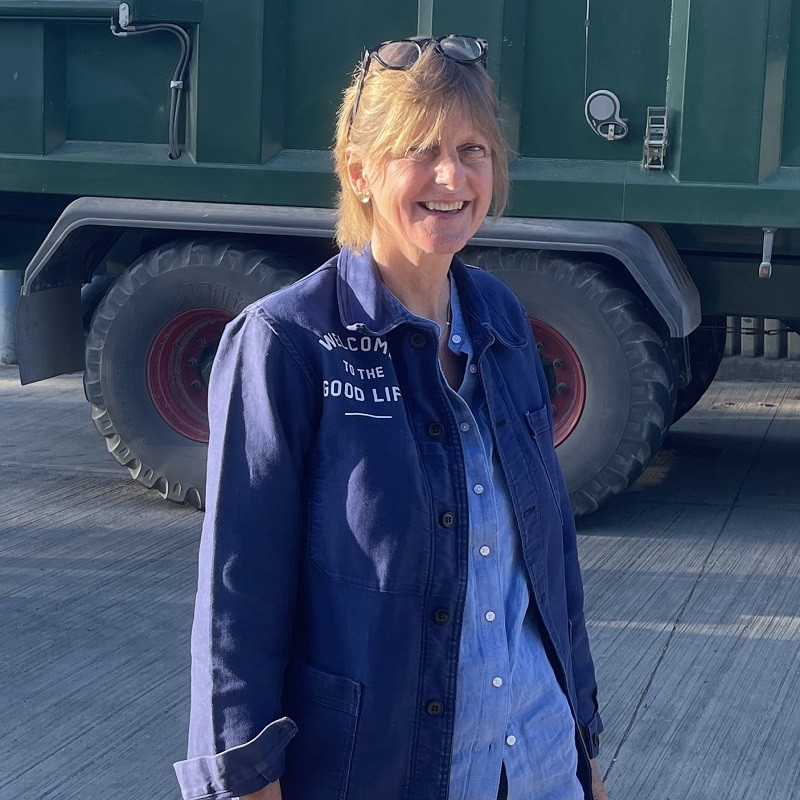
A ‘dating service for plants and microbes’ is how Peter Orrell, founder of MycoNourish, describes his company which is creating customised strains of mycorrhizal fungi that are tailored to suit specific crops.

The company has recently been selected out of 2,550 companies for inclusion in the FoodTech 500.
MycoNourish is a spinout from the James Hutton Institute and aims to release its first commercial products later in the year.

Specialised microbes enhance plant performance

The  initial focus for MycoNourish is optimising the performance of strawberry and tomato plants by influencing specific growth traits, helping to maximise crop quality and reduce wastage.

Peter explains: “We work with specialised microbes that help enhance crop production in agriculture, enabling more produce to reach the Class 1 standards required by supermarkets.”

“Mycorrhizae are beneficial fungi that live in the soil and enhance a plant’s performance by essentially acting as a secondary root system for the plant, improving access to nutrition and water resources.

“However, when the mycorrhizae colonise a plant’s root system they have a range of complex biological interactions, such as causing genetic adaptations in the plant which result in precise changes to how the plant grows. Genes get switched on that wouldn’t be on without this particular strain of fungi – and those adaptations can, for example, help more flowers to survive, or improve the quality of the nectar in the flowers which then improves pollination and that in turn improves the shape of the fruit. Each of these changes depend on which strain of mycorrhizae is used, so it’s vital to pair the right strain for each crop.

“We are building on this knowledge by taking a personalised medicine approach, using carefully selected mycorrhizae to optimise the crop.  For example, one mycorrhizal strain can increase the number of flowers on the plant, another that can increase the speed of flowering and the timing to fruiting. And yet another to improve health and resilience. We are able to use our groundbreaking technology to provide customised mycorrhizal solutions which are tailored to suit specific crops.”

Commercial product

We are developing a product that consists of ‘propagules’ of our fungal strain wrapped in a carrier material selected for the type of crop.

“We are initially working with two high-value crops, strawberry and tomato. It is really important for growers to maximise crop quality, as currently up to 10% of the crop fails to meet the Class 1 standards needed for retail, which means the grower is often forced to sell produce at a loss, or food is wasted at the primary production stage before it ever reaches a supermarket or consumer.”

A dating service 

“What we provide is a ‘dating service for plants and microbes’ – we help to match the best possible microbe for the particular crop, and its specific problems in production. Each strain is isolated from the others to ensure it produces consistent and reliable results.”

We’ve developed a library of these new customised strains, so when growers of a new crop ask for help, we can screen that crop against the fungal strains that we’ve created. Based on the growers’ desired outcome, we pick out a high performing mycorrhizal strain that is tailored to solve a specific problem in that crop’s production.

MycoNourish raises funding to improve crop production with innovative customised microbes

“Building this library took years of work. But now we can select a strain for a new crop within one growth season of that crop – so if we take something like June-bearing strawberries, that’s just a 60-day crop from planting to harvest – so we can move very quickly.”

Beneficial to field and undercover crops

“The value that the fungi bring varies slightly between culture systems and the needs of the crop.”
“For indoor systems, the plants have perfect environmental conditions and all the nutrients they need, so we’re not looking to improve plant nutrition, but instead we can, for example, alter aspects such as the ‘flowering phenology’ – to bring forward the window from flowering to fruiting, this results in a shorter development time and earlier fruit production.

“Out in the field we’re getting stronger plants – strawberries have a predetermined number of flowers they can produce in a growing season and commonly a portion of those flowers will abort during development due to suboptimal conditions, but with our mycorrhizal strains, we’re finding more of those flowers are surviving and going on to produce viable fruits; boosting yield.

“The product is set to be commercially available later in the year. We’re currently scaling up production ahead of launching the first two products.

“Our vision as a company is to sustainably enhance crop  yields, by taking the dynamics that occur in nature, and refining them for use in agriculture – providing increased profits for growers, environmental benefits, and a reduction in food wastage.”

MycoNourish will be joining other innovators at ‘Agri-TechE and ELMs – the Innovation Enablers’ on Tuesday 22nd March at 10:00 am – 4:00 pm at Rothamsted Research.
At this in-person event farmers and advisors involved in these early trials will be sharing their experiences – warts and all – and innovators with potential solutions will be giving quick-fire presentations. Measuring, monitoring and getting paid are all challenges to be discussed at this interactive event.

Light Science Technologies grow-light cloche gains £503k funding

Meet the Network
Agri-TechE

Light Science Technologies
Vickie Cooper, Innovate UK meets John Matcham LST, Tony Newell Zenith Nurseries and Andrew Hempsall LST.

Light Science Technologies  (LST) has  been awarded £503,000, by Innovate UK funding to develop an intelligent LED grow-light cloche for use within polytunnels and glasshouses.
The grow-light cloche will extend the growing season, enabling farmers to grow a wider variety of produce all year round. It will incorporate LST nurturGROW sensor and its nurturGROW luminaire, a semi-automated system for soil-based growing within polytunnels and glasshouses.
The consortium includes Zenith Nurseries, and the prototype will be tested at its growing site.
The solution aims to improve productivity by more than doubling the number of yields possible each year.
The initial potential UK market includes over 4,000 industrial growers, producing over 300 types of field-scale and protected vegetable and salad crops, and tree and berry fruits covering over 10 million m2.
The total market size for polytunnel in Europe is worth a potential £2.96 billion in 2022 with a predicted CAGR of 9.6% from 2021-28.
 
More about Light Science Technologies.

Farmers from Horticulture Nova Scotia are looking for innovation

Meet the Network
Agri-TechE

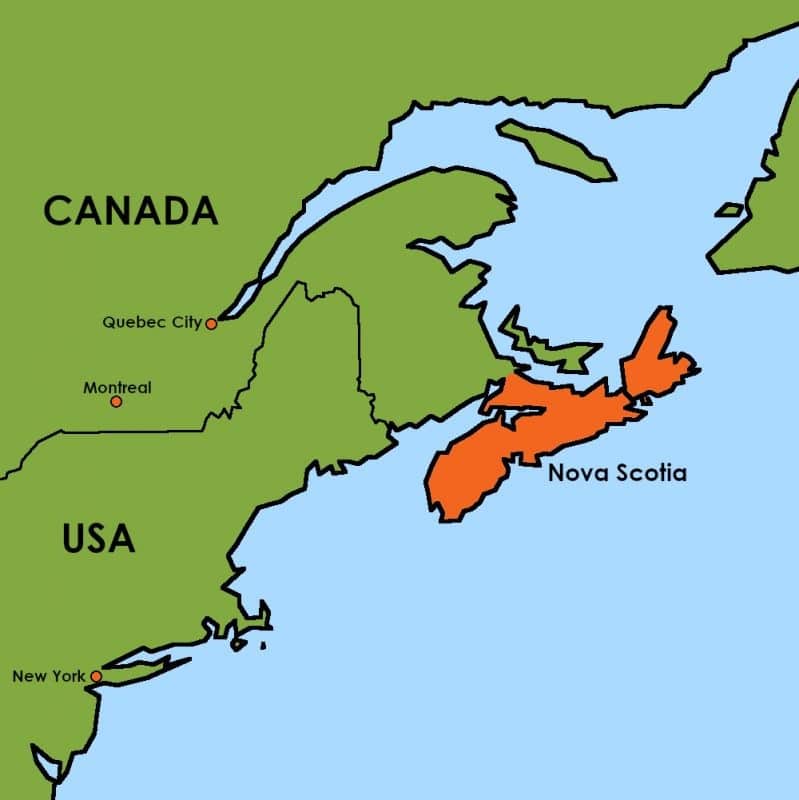
Do you have a technology or research that would be of value to vegetable and fruit farmers from Nova Scotia? Horticulture Nova Scotia are members of Agri-TechE and will be hosting a meet and greet event on 21st of April.
We talked to Marlene Huntley, Executive Director of Horticulture Nova Scotia  why the organisation and its membership are keen to develop closer links with the Agri-TechE ecosystem.

Horticulture Nova Scotia fruit and vegetable farmers looking for innovationIs Nova Scotia a big fruit growing region? 

MH. We have primarily family farms in Nova Scotia of all sizes and many are multi-generational. Our farmers sell to retail, farm markets, and direct from farm.
Nova Scotia is connected to the rest of Canada by an isthmus, so it surrounded by salt water and this means that the climate is conducive to a massive number of crops. The Annapolis Valley can be quite hot, and some crops typically grown in warmer climates, like sweet potatoes, are now grown here successfully.
The growing season can run from May through to October/November, depending on the crop. To extend the season, many are now being grown under cover such as day neutral strawberries.  We also have year-round greenhouse operations and over the last few years there has been a lot of interest and growth in innovative tier farming for greens.

Image from horticulturens.ca

Has the pandemic created challenges for your farmers?

Isolation protocols have created challenges for sure, especially with gathering limits, etc.
The main challenge has been with labour as many of our farmers depend on offshore workers.
Initially the pandemic caused many delays in bringing them to Canada and to our province, but the regulations to protect both them and the existing farm workers and families caused challenges as well, especially with housing while ensuring proper distance, facilities and gathering numbers.

What are you keen to gain through membership of Agri-TechE ?

We see Agri-TechE as a door to all the information we seek, and a source for the connections we need to move forward in our industry; we want and need to be part of that larger worldwide network!
Before the pandemic, our growers were travelling across North America and Europe seeking new machinery ideas and growing innovations to help in their success.
We don’t want to attempt to re-create and waste limited resources on research  and innovation that we know must exist, but we don’t currently have access to.

What type of innovation are your members interested in?

Members of our organization are always interested in technology – they live and breathe this on their farms!
Our farmers are vegetable, greenhouse vegetable, strawberry, highbush blueberry, bramble and associated nursery stock growers. They are interested in any tech that leads to more successful farming operations.
Scotia Horticultural Congress is a mixture of business, production, with an insert of others from outside the industry who bring motivation and insights.
We already use AI extensively, and are increasing the use of robotics, especially in areas such as weeding and disease assessment. So yes, a great appetite for technology!
To join the event “Agri-TechE for Fresh Produce – Meet Horticulture Nova Scotia” 14:00 BST 21st April 2022. 

Phased release nitrogen key to reducing input wastage – says Timac Agro

Meet the Network
Agri-TechE

Over 70 percent of the nitrogen applied in early Spring can be lost to the air or water, says Samuel Leadbeater of Timac Agro UK, which is based at Rothamsted Research. He is urging farmers to consider phased release nitrogen that will remain in the soil until released by microbial action as the soils warm and plants begin to grow.
Timac Agro’s soil health first approach can reduce the loss of expensive inputs and provide lasting benefits to soil structure and resilience.  The impact of increasing bioavailability of nitrogen can be seen in the protein content of the harvested crop, and the company offers an analysis service to enable farmers to quantify the benefits of its soil conditioners on the crop – including improvements in forage protein and nutrient content.
The company will be one of a number of technologists presenting in a session at “Agri-TechE and ELMS – the Innovation Enablers“, an in-person event on 22nd March at Rothamsted Research.

Role of microbes in soil is key

Samuel explains: “Our soils are immense reserves of nutrients, but these can be unavailable to plants when soil conditions are adverse, or without microbial action. Our approach is to improve the environment for the microbes so they can work better.”
Inorganic nitrogen applied to the soil in the spring releases large amounts of nitrogen and phosphorus, but cold conditions make plants slow to uptake. Under these conditions there is a high risk that expensive fertiliser will leach into waterways or be lost to the atmosphere or be stolen by other organisms.
It is estimated that across the year a commodity nitrogen, such as ammonium nitrate will be around 60% efficient, with early spring applications showing even greater losses.
Timac Agro has developed a phased release nitrogen, that uses a Humic complex to create a protective lattice around the nitrogen, binding it into the soil. Under the influence of temperature and moisture, this complex releases Nitrogen at a plant-friendly rate.
The N-Process molecule also releases a suite of trace elements and micronutrients which become available to the plant to increase the nutritional quality of the crop, including sulphur, magnesium, boron, zinc and manganese, all of which help the crop grow, but also including iodine, cobalt and selenium, which are trace elements crucial to the health of livestock that feed on the crop.
“Using our product, you can apply a lower rate of nitrogen and have more of it available to the plant,” explains Samuel. “This is particularly important for the first application of the season. In the south-west UK, with low temperature and high rainfall in the early spring, growers can see as low as 20% efficiency on their commodity nitrogen. Compare that to the Timac product, which can have 70% efficiency at this time. So, the increase in available nitrogen is stark.”
All Timac’s products act as soil conditioners, improving the chemical, biological and physical properties of the soil as well as fertiliser, releasing nutrients to the plants.

Soil acidity controls availability of nutrients

Soil pH is key to the availability of nutrients, especially phosphorus which is locked up when at both high (alkaline) and low (acidic) pH. Timac’s products contain CalcimerTM, a source of calcium from the sea, which acts as a pH buffer, regulating the acidity of the soil. Unlike liming the soil which can take months to show an effect, the highly porous nature and solubility of Calcimer allow it to take effect immediately.
“All our products enhance the bacterial and fungal community in the soil,” explains Samuel.
“Bacteria are essential to make better use of nutrients. This applies to organic sources of applied nitrogen, but it also applies to any existing organic matter in your soil, such as leftover roots and stubble, which contains nutrients that plants could potentially use.”
“Residues from the previous crop can break down in soil during the winter and then provide nutrients gradually over the growing season – but those nutrients will struggle to become available unless bacteria and fungi are present to break it down.”

Trials to show nutritional value of forage

Improved nutrient availability gives forage crops a higher protein and nutrient content, which is why Samuel says that a detailed forage analysis is the best way to demonstrate the benefits of a soil first approach to farmers as the results are not always visually apparent.
He says: “We want farmers to be confident in what they’re doing, so we offer to analyse their crop at harvest to help them evaluate the difference between our product and the commodity alternative.”
“Crop yield and quality improvements can add huge value, but this is only noticeable when you measure it, which is why we help the farmer do that.”
“It’s a matter of helping the grower set up trials on two separate fields, one using ours and one using the commodity. And then it’s a matter of sending one of our technicians at harvest time to take samples of both fields.”
“Our business model is based around a lasting relationship with the farmer, which is why in certain cases where trials are carried out by customers, we will bear the cost of analysis demonstrating the efficacy of our technologies, building trust and demonstrating value and return on investment.” Samuel is one of the innovators presenting potential technologies relevant to ELMS, alongside thematic experts who will be speaking at the Agri-TechE event “Agri-TechE and ELMS – the Innovation Enablers. Join us on Tuesday 22nd March @ 10:00 am – 4:00 pm.

Vitabeam’s novel ‘Quantum Energy’ lighting boosts yield and extends shelf-life

Meet the Network
Agri-TechE

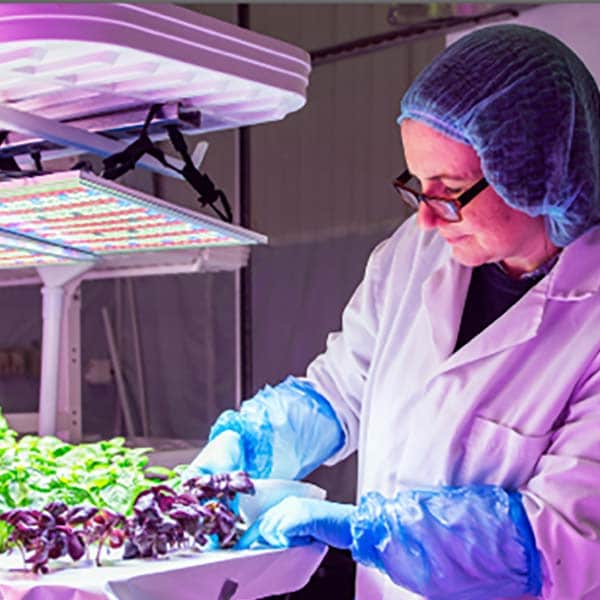
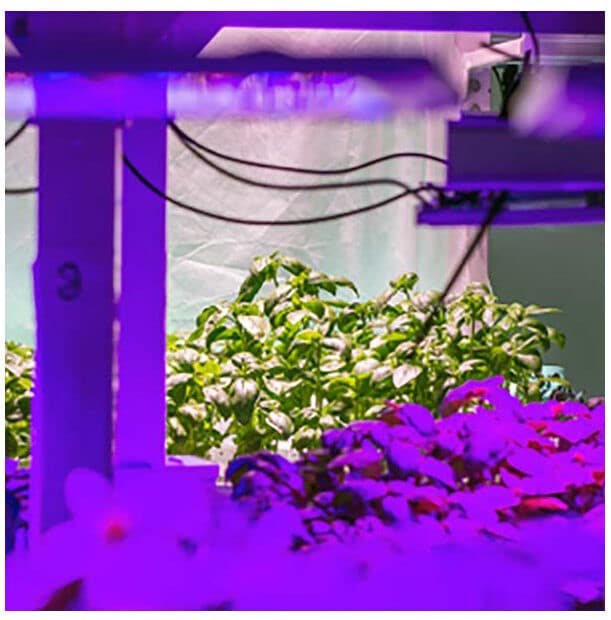
Moulds such as mildew and botrytis are major issues for undercover crops. Vitabeam has developed an innovative lighting system that promotes plant growth whilst improving product shelf life by disinfecting the product during growth and before packaging. Using a unique combination of light wavelengths, the company has created VQe (Vitabeam Quantum Energy), a lighting strip that can be easily used in combination with existing lighting systems.

Vitabeam is talking at the Agri-TechE event ‘Let there be light – powering plant production‘ on 22nd February 2022.

CEO James Millichap-Merrick explains that one contact in the USA was losing 33% of their lettuce at the greenhouse door due to mould attack, before they asked for help from Vitabeam.

“Currently moulds are controlled by spraying the crop with chemicals or by chlorine washing the product post-harvest, but Vitabeam offers the same control without leaving harmful residue on the product.

“The VQe MaxStrip is a safe light energy that can be used throughout the growth cycle of the crop, as well as during storage and shipping of the product. The light strip is hung above the crop and is used in conjunction either with natural lighting or artificial lighting.

“By adding to the spectrum of light already being used, VQe has been shown to give yield enhancements, with some growers finding 10% to 30.1% increases in yield over conventional lighting.”

Vitabeam is gaining interest from the US, India and China and is keen to talk to UK growers at the Agri-TechE event about trials of the product. James continues:
“We began new trials at the end of 2020, following Innovate UK funding, and we now have some really strong relationships – the trials are in greenhouse and polytunnel environments, working with fruits, basil, lettuce and other produce.

“There are known spectra of light that plants respond to, and growers we work with are using LED lighting to create specific ‘light recipes’ and enhance certain traits of the plant.

“Specifically, in basil, our lighting has created stronger plants with a more ‘crisp’ structure, which enhances shelf-life and cold storage. After harvesting, plants can wilt very quickly. Therefore, making the plant structurally stronger by using the VQe MaxStrip is a clear benefit for retailers and customers.

“We are really keen to contact more growers in the UK to establish more of these relationships. And that’s our mission for 2022 – starting with February’s Agri-TechE event.

“Every grower is unique, and there are plenty of variables for us to investigate which alter the performance of our lights, including distance from the crop, intensity, duration and different crop types. There’s a real interest in our technology, from growers, to understand how Vitabeam VQe benefits their growing systems.

Vitabeam VQe strip polytunnel

“Anybody who would like to connect with us can get in touch by email and we will discuss how Vitabeam can help their company, and if they are interested in trials, we can organise that starting with a site visit.”

The Agri-TechE event ‘Let There Be Light – Powering Plant Production’ will take place on Tuesday 22nd February from 10:00 am – 2:00 pm at the University of Essex’s STEM Building in Colchester.
Speaking along with James Millichap-Merrick will be Tracy Lawson and John Stamford from University of Essex, John Matcham from Light Science Technologies, Molly Allington from Albotherm and Jim Stevens from Vertical Future.
Find out more and book your place here.