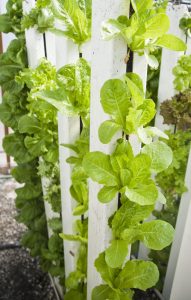
Growing in a pandemic – How has indoor farming faired?
 Agri-TechE
 “The funding environment is challenging but investment is there for companies with the right solutions,” says Phytoponics CEO Andy Jones. Three Agri-TechE members have announced major funding success this year to build up their indoor farming solutions, and all are set to meet at next week’s CEA-Lite event. Phytoponics has recently raised £0.5M to develop next generation deep-water culture (DWC) modules. Early trials suggest DWC may offer a more profitable alternative to rock wool, whilst cutting carbon emissions and reducing water usage by around 20%.
Andy’s company has recently announced collaborations with two major UK producers. In partnership with Total Produce, Phytoponics will grow strawberries at their facility in Stockbridge Research Station. Meanwhile, working closely with Edward Baarda Limited, the Phytoponics technology will also be applied to producing tomatoes.
Times are changing
Johnathan Ransom, CEO of Square Mile Farms, says views have shifted during the pandemic: “If food security and the damage the conventional food supply chain does to the environment weren’t a priority before COVID, they absolutely are now.”
The company’s Office Farming concept has raised over £500,000 in their latest funding round, beating their funding target by 251% on Seedrs. Johnathan thinks investment in indoor farming will also help change attitudes toward food by growing closer to the consumer, re-engaging the consumer and encouraging them to make better choices.
Cost remains key
But despite increased investment in Controlled Environment Agriculture, cost-effectiveness should remain the number one concern, according to Growpura CEO Jock Richardson. His company produces hydroponic bio-halls focussed on reducing overheads.
“The plants are on a simple conveyor system that provides a sophisticated mode of growth management,” explains fellow co-founder Nick Bateman. “Rather than having infrastructure (irrigation for example) taken to plants, we take the plant to where it needs to be, which gives us a lot of flexibility in how each plant is grown.”
Growpura is to play a key role in constructing a £22.5million demonstrator, education and training facility to help produce the next generation of indoor farmers in the UK. According to SEMLEP, the funding partners, the new facility will be based in Bedfordshire and will partner with SE Midlands college providers for apprenticeship provision, creating 73 new jobs by 2025 and 130 new apprenticeships by 2030.
Growpura, Square Mile Farms and Phytoponics will be discussing the drivers for innovation and investment with leading entrepreneurs, producers and investors in a webinar “CEA Lite ” on 10th September 2020, from 15:00 – 17:00. Book your place here.
Post Overview
Agri-TechE Related Posts

CEA as a Technology Proving Ground with LettUs Grow
Lettus Grow collaborates with Albotherm

Masters of the sun, wind and rain: Intelligent solutions to Controlled Environment Agriculture
Duncan Bannatyne endorses the world of Vertical Farming

Silal and Aerofarms collaborate to increase resilience of Abu Dhabi agriculture