Get the latest agri-tech news, events and opportunities direct to your inbox
Sustainable Farming Incentive opens 30th June 2022
Agri-TechE
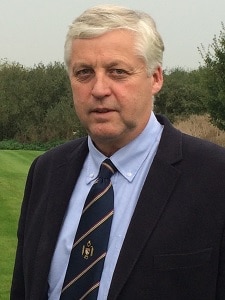
Defra Secretary of State George Eustice
English farmers will be able to apply to take part in the Sustainable Farming Incentive (SFI) – the first element of the government’s new Environmental Land Management (ELM) scheme – from next Thursday, 30 June 2022, it was confirmed by Defra Secretary of State George Eustice at Groundswell.
SFI is a programme of measures that will be introduced as modules. This will include:
Soil Health – Soil is fundamental to profitable farming. This module will include a sustainable farming soil standard to provide a measure of organic matter and farmers would be paid to sample their soil.
Nutrients – to investigate alternative approaches and reduce the use and cost of inputs.
Hedgerows – seen as a key ecological building block, so there will be support to increase this. A carbon code for woodland has already been established.
Integrated Pest Management (IPM) – This includes cultivation approaches such as: companion cropping growing two different plants together to ‘camouflage’ the crop; intercropping – sowing different varieties of seed in the same mix to build resilience; trap crops to divert pests and encouraging the populations of predators.
Speaking at Groundswell, Secretary of State George Eustice explained: “IPM has come of age but it is a risk to farmers to engage with it. It requires a change of culture and patience for natural systems to get on top of the problem and government needs to recognise this.”
Call for baseline metrics
Also on the platform was NFU president, Minette Batters, who was well supported when she called for metrics to define common baselines, particularly around soil recovery and also to create a statutory target for food production so that it fits within local plans.
“60% self sufficiency in food would be a good target, 75% would be an amazing opportunity,” she said, explaining that to meet this target field grown vegetables and fruit would need to increase. Although recognising the government support of ‘off-land’ growing in vertical farms she observed that more could be grown in the soil.
She also called for tools to better understand soil health and soil based carbon assessments.
Agri-TechE to support sustainable farming in the Innovation Hub
Exhibitors in the Innovation Hub at the Royal Norfolk Show will be demonstrating technologies of relevance to the SFI
Soil health across space and time – comparing same plot before and after harvest and plot 120m away in grassland, using soil health scorecard
Soil nutrient management – Niab
Soil nutrient management is an approach that aims to more closely match nutrient inputs, such as fertilisers and organic manures to crop demand at different stages of its lifecycle. Applying excessive nutrients, or those that are not ‘bio-available’, are a wasted resource. Niab will be discussing technology used to support soil nutrient management in the Innovation Hub.
Boosting plant performance and controlling disease – PfBio
PfBio is using naturally occurring and beneficial soil bacteria to suppress plant diseases. This type of ‘biocontrol’ is achieved by identifying varieties of the bacteria Pseudomonas that associates with a particular crop and boosting its presence, so it outcompetes the pathogen. Pseudomonas can also have other benefits, it stimulate the plant immune system as well as promoting plant growth, which increases both health and yield.”
Cereal camo-cropping for sugar beet – BBRO
BBRO are discussing some alternative approaches to pest management. The first is cereal camo-cropping, the theory is that growing a cereal crop in with the sugar beet helps to obscure it by reducing the soil-plant contrast which aphids use to locate sugar beet. The other approach is to use food dyes to change the ground colour and hide the emerging beet.
Get the latest agri-tech news, events and opportunities direct to your inbox
Funding and support for UK small and micro businesses working on net zero innovations
Agri-TechE
Opens: Monday 11 July
Closes: Tuesday 26 July 11am
Innovate UK is offering small and micro businesses a share of up to £30 million in grants alongside tailored business support delivered by Innovate UK EDGE. You can apply for up to £50,000 for highly innovative ideas that have a clear route to commercialisation through business growth.
Your project must lead to new products, processes or services that are significantly ahead of others currently available, or propose an innovative use of existing products, processes or services. It can also involve a new or innovative business model.
In your application, you must be able to show that you:
have a great idea
need public funding
have the capability to deliver the project
will deliver the project
Your idea must focus on either achieving net zero or self-driven healthcare, and how new technology can enable affordable, adoptable and investable innovations in these areas. We are particularly interested in proposals which will help you:
develop both your idea and your business
create a new revenue stream
evidence and enable your market, funding and commercialisation plans
show what’s feasible, helping you decide whether to pursue your idea further
catalyse further innovation on your path to commercial success
respond to changing market conditions
Your proposal must demonstrate how one or more of the seven technology areas outlined in the Department for Business, Energy and Industrial Strategy UK innovation Strategy will be applied to the specific challenge themes outlined below. The seven technologies are:
advanced materials and manufacturing
AI, digital and advanced computing
bioinformatics and genomics
engineering biology
electronics, photonics and quantum
energy and environment technologies
robotics and smart machines
Your project must focus on how one or more of the seven technology areas outlined above, can enable affordable, adoptable, and investible solutions for either:
Achieving net zero and reducing environmental impact through:
user-centric low carbon heating and cooling solutions
energy generation, storage, management, and active user engagement approaches to energy efficiency
zero emission powertrain system development, and digital solutions to optimise transport
environmentally focused manufacturing, supply chains and circular economy solutions
Innovate UK runs many different competitions, and each will have different eligibility and scope requirements. The guidance in this competition brief will always supersede any other guidance. If you are unsure or have any questions, please contact our Customer Support Service who will assist you further.
In applying to this competition, you are entering into a competitive process. This competition closes at 11am UK time on the deadline stated.
Get the latest agri-tech news, events and opportunities direct to your inbox
Innovation Agri-TechE Group: Commercial Assistant
Agri-TechE
Innovation Agri-TechE Group is looking to hire an assistant, someone with commercial exposure, strong administrative skills, diary management capability, tech savvy, with a sense of humour and flexible approach. Working alongside Business Development Director and assisting in commercial projects. Home based with some travel to site and potentially to meetings in the longer term. Part time to start with , but potential for more.
Get the latest agri-tech news, events and opportunities direct to your inbox
Shared goals for agri-tech evident at Wageningen
Agri-TechE
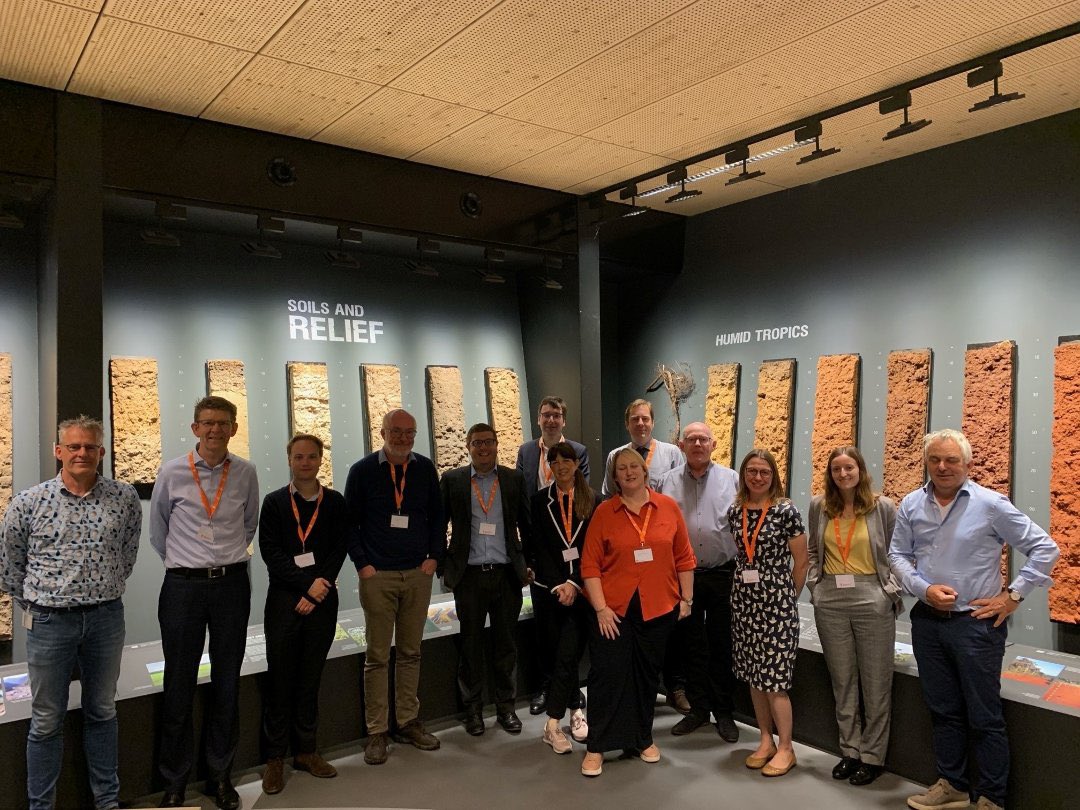
A shared vision and clear technology roadmap were two of the notable features of the Dutch approach to agri-tech that Becky Dodds, Agri-TechE membership and events manager, observed on a recent fact-finding trip to Wageningen in the Netherlands.
Becky Dodds, Membership and Events Manager at Agri-TechE
As one of the most high-tech-enabled farming regions in the world, I was keen to join a UK delegation to the Netherlands, one of our closest neighbours in Europe.
The jam-packed agenda – featuring everything from meetings with policy makers, understanding cutting edge research, and connecting with world-leading breeders and technology – made for a wealth of learning and relationship building opportunities on behalf of our network.
With low-lying land that was once underwater, much of what I saw looked just like home in the Fens! However, there were some notable differences – not particularly in the way the land was being farmed, but in the approach to tackling the challenges we face globally in agriculture.
Shared vision
The biggest difference to me is the way in which policy is structured to allow everyone to work towards key sustainability goals whilst allowing individuals to focus on their own area of expertise.
From the very top down, this centralised approach to choosing priorities for Netherlands plc enables alignment between different types of organisations with different agendas – frequently connecting individual priorities with those of sustainable development goals. This ethos strengthens the Netherlands as a global contributor to achieving these important goals.
This also allows for much more open and willingness to collaborate – the clear brief allows for cross sector applications, and reduces the conflict between different wants from different entities.
There’s also a general feeling of working towards the greater good of the planet whilst understanding that everyone has some kind of commercial or financial driver to be facilitated.
Often when a global vision is articulated it can feel like lip service, but here it seemed as though everyone truly understood the pressures we are facing and have already started taking genuine steps to tackle them.
A strong lead from government, in connection with the top sectors (there is a board of commercial stakeholders) provides a clear, relevant direction for the next 4 years or so. This enables academics at Wageningen and other institutes to prepare future scoping on what looks to be the priority areas for the next 7-8 years, this means Dutch programmes are proactive rather than reactive.
Keen to collaborate despite Brexit
Whilst Brexit came up in almost every conversation as a potential blocker, as well as the uncertainty created by rules still not being defined, it’s clear that the Dutch consider the UK an important partner and collaborator.
Indeed, our meeting with the Ministries reinforced to international organisations that they are welcome to participate in funding calls that would benefit both countries – who else knew that academics from the UK were top when it comes to co-authoring papers with Wageningen?
Perhaps, much like ourselves, the Dutch know they are not big enough to be able to compete internationally without some collaboration – both internally and externally. Certainly, as many of the challenges we face, affect the whole planet – to me it is obvious that progress could be made quicker, together.
There is much we can collaborate on with our friends across the North Sea – and one thing you’ll be sure of, is a very warm welcome.
Post Overview
4th June 2022
Agri-TechE
Agri-TechE Article
Uncategorised
Share this Page:
Related Posts
Start-Ups showcase exciting agri-tech opportunities at REAP
Get the latest agri-tech news, events and opportunities direct to your inbox
Increasing resilience and reducing inputs, ‘President’s Time for Tech’ at the Innovation Hub
Agri-TechE
Camouflage, clover and competition are just some of the strategies to reduce the need for chemicals being discussed in the Agri-TechE Innovation Hub (on stand 95 on Royal Avenue) at the Royal Norfolk Show on 29-30th June, sponsored by the British Beet Research Organisation (BBRO), as well as at the networking event ‘President’s Time for Tech’ on Wednesday 29th from 2pm-3pm.
Dr Vicky Foster, Head of BBRO, comments: “With the changing face of farming and the loss of many chemical actives there is a lot of exciting work to discuss. We are proud to be sponsoring the Innovation Hub, allowing a number of interesting companies to join us in showcasing new technology and advances in agricultural research.”
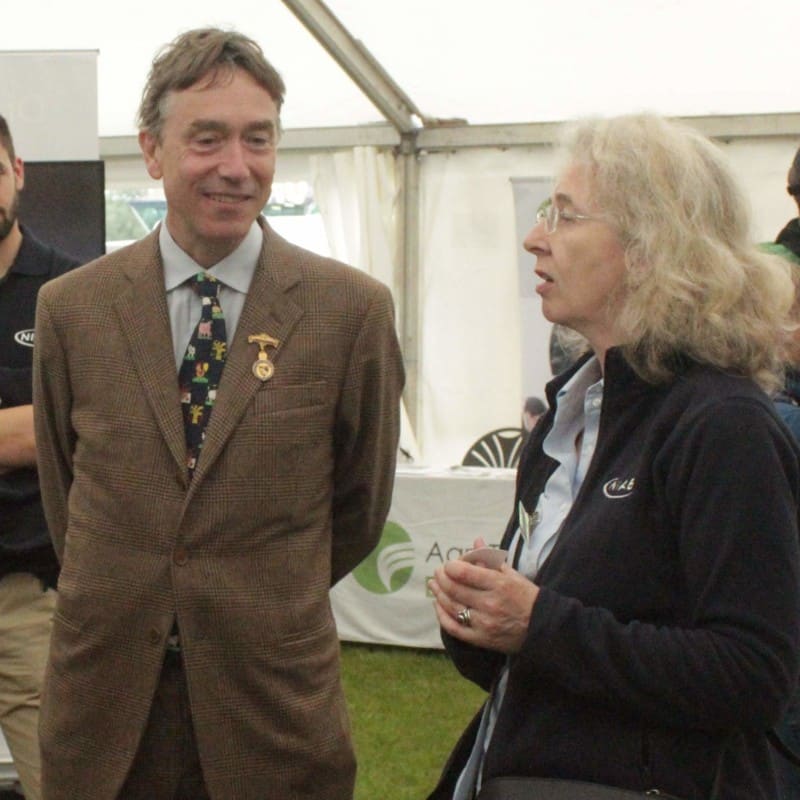
Lord Cholmondeley talking to Niab’s Lydia Smith in the Innovation Hub in 2019
Time for Tech
Agri-TechE is looking forward to welcoming VIPs to the stand, including the Dutch Ambassador, who will be accompanied by Philip de Jong, agricultural attaché at the Embassy in London, and Andrew Wood, the Honorary Dutch Consul for East Anglia. Also attending ‘President’s Time for Tech’ will be the President of the Norfolk Show, Lord Cholmondeley.
Dr Belinda Clarke, Director of Agri-TechE , says: “The Royal Norfolk Show is a major event in the agricultural year and we anticipate with the 175 year celebrations and the two year break, that it will be a vibrant show. We hope farmers and others with an interest in technology will keep a slot for ‘Time for Tech’ from 2pm-3pm on Wednesday 29th to come and network, see the exhibitors and meet special guests.”
Exhibitors at the Innovation Hub 2022 include:(click to read their stories)
Cereal camo-cropping – BBRO. Growing barley or wheat in a sugar beet field is thought to confuse the aphids that spread the disease Virus Yellows, helping to protect the crop and reduce reliance on chemicals.
Clover boosts nutritional value of milk – Barenbrug. With the cost of fertiliser at a seven-year high, growing white clover in grass offers an alternative source of nitrogen, producing more meat and milk from the same area with less cost.
Competition overcomes pests – PfBio. Naturally occurring and beneficial soil bacteria are used to suppress plant diseases and boost plant resilience without chemicals.
Soil nutrient management – Niab. Long-term trials show that soil health can be improved by closely matching crop demand to nutrient inputs such as fertilisers and organic manures.
Smart irrigation – DripUK. A recyclable drip tape system that reduces water, energy and labour while ensuring soil moisture levels at a critical time for potato farmers.
Risk assessment – Safe Ag Systems. An on-farm tool called Smart Auditor makes it easy to record checks, report safety issues and gain access to relevant information at the point of need.
Come and find us stand 95 on Royal Avenue on 29-30th June!
Get the latest agri-tech news, events and opportunities direct to your inbox
Reducing inputs by adding a touch of clover – Barenbrug in the Innovation Hub
Agri-TechE
Is grassland the most important crop of the 21st century? Find out all about grass for agriculture from Barenbrug at the Innovation Hub.
Organic nitrogen offers benefits
White clover fixes nitrogen in grassland
The cost of UK-produced ammonium nitrate increased by 50 per cent in a year, taking it to the highest price for seven years, according to Mhairi Dawson, Barenbrug’s R&D Manager. She says that this strengthens the case for using clover in grassland and benefiting from its ability to fix nitrogen.
“White clover will fix up to 150kg/ha per annum, depending on soil and climatic conditions,” she says, “which can unshackle producers from their reliance on artificial nitrogen.
“Clover itself is higher in protein than grass alone, typically providing a crude protein content of 27 per cent. Every 10 per cent increase in the amount of clover in the sward translates into a 1 per cent crude protein increase in first-cut silage.”
Ms Dawson says that some livestock enterprises are now relying on white clover alone for their grassland nitrogen requirements. “There’s no decline in productivity, yet they’re still getting the environmental benefit and the vastly lower costs. Research has shown that the white clover/grass combination produces more dry matter than grass alone. Couple that with improved digestibility – typically clover has a D value of more than 75 per cent – and the result is more meat and milk from the same area.”
Benefits of clover in grassland
White clover also improves grassland resilience during times of stress, emphasises Ms Dawson, such as during drought, flooding or periods of high disease pressure. In wet, late springs or early autumns that prevent travel and the application of artificial nitrogen, clover can provide grass with atmospheric nitrogen instead, allowing it to continue growing.
For those looking to over-seed, rather than include clover in a reseeding mixture, Ms Dawson recommends a maximum of 2.5kg/ha. “White clover supplies around 1.5m seeds per kilogram, so a little goes a long way.
“Its versatility in seeding is another attraction,” she points out. “Apply it with slurry or dung, spin it out from a spreader or even feed it through sheep by adding to a lick bucket or a molassed feed. By adding it while stock remain in the field, it will be pressed in by their hooves.” Variety choice depends on cutting and grazing requirements, with small-leaved varieties best for heavy sheep grazing and the very largest best for silage.
Barenbrug in the Innovation Hub
Yvonne Hargreaves, also of Barenbrug, comments about their presence in the Innovation Hub. “At Barenbrug, we’ve one simple goal: to help all farmers make the most of grass, forage and herbal leys – and that applies across the board, whether you’re producing milk, raising livestock or growing essential crops. Our innovative grass and forage genetics help generate practical agronomic and environmental gains across UK farming systems for increased productivity and sustainability.”
Get the latest agri-tech news, events and opportunities direct to your inbox
PfBio offers biocontrol on prescription
Agri-TechE
Jake Malone
“I see the agricultural landscape of the future as having multiple products for plant disease control that are quite bespoke,” says Dr Jake Malone, co-founder of PfBio, a spinout from the John Innes Centre.
PfBio is using naturally occurring and beneficial soil bacteria to suppress plant diseases. This type of ‘biocontrol’ is achieved by identifying varieties of the bacteria Pseudomonas that associates with a particular crop and boosting its presence, so it outcompetes the pathogen. It will be discussing biocontrol in the Innovation Hub 2022.
Biocontrol outcompetes the pathogen
Jake explains that Pseudomonas is a very strong and talented biocontrol organism.
“There are many different ways that biocontrol by bacteria can take place. The first is direct competition, where the beneficial bacteria consumes all of a particular micronutrient or fills the niche where the pathogenic bacteria would grow, so it is excluded and prevented from invading the crop plant. Another mechanism is through the production of antibiotics or toxins that selectively kill the disease-causing organism.”
Jake explains that there is significant interest in biocontrol, as the direction for travel of agrochemicals is withdrawal.
Agar plate showing colonies of the beneficial soil bacterium Pseudomonas fluorescens, isolated from potato field soil
“In addition to the widely publicised impact on insect pollinators, broad spectrum agrochemicals kill beneficial microorganisms as well as the target and this degrades soil health and reduces its ability to store carbon. Biocontrol strains are generally harmless to the environment, and are often specific to a particular pathogen, so the future will be identifying and isolating strains that will perform different functions.
“My background is in molecular microbiology, so I have developed an understanding of the bacteria that are associated with plants; my co-founder Andy Truman studies the natural products produced by the bacteria, such as antimicrobials and toxins. Together this is a powerful combination of skills for companies looking to move into biocontrol.”
Jake explains that biocontrol also has a beneficial side-effect: it boosts resilience of the crop plant.
“All plants have an immune system, and if this is primed to expect a pathogen attack then the plant can develop a defence. Pseudomonas can stimulate the plant immune system as well as promoting plant growth, which increases both health and yield.”
Jake and his colleagues will be participating in the Innovation Hub at the Royal Norfolk Show on 29-30 June 2022 to talk to farmers and others about biocontrol and how it works. He is looking forward to gaining feedback on the views of the industry about this disruptive and highly beneficial approach.
Get the latest agri-tech news, events and opportunities direct to your inbox
Cereals 2022 – an overview
Agri-TechE
Cereals has been running for over 40 years and this year it will be at Duxford, Cambridgeshire, on the 8th and 9th June 2022.
In addition to the working demonstrations and features such as the Niab Soil Hole and the NAAC Land Drainage Hub there is an impressive exhibition and two theatres.
There is a huge programme but below are some of the opportunities to meet with Agri-TechE members (with links to some of the stories in which they they have featured, to give you some background).
11:00 – 12:00 Alternative approaches to tackle high input costs – Daniel Kindred, ADAS
14:00 – 15:00 The fourth agricultural revolution is here
From driverless tractors to drone sprayers, gene editing to biofungicides, new technology is evolving at pace. This quick-fire session introduces the latest cutting-edge developments while asking the important question: do they pay?
Get the latest agri-tech news, events and opportunities direct to your inbox
Low Carbon Innovation Fund 2 (LCIF2)
Agri-TechE
Low Carbon Innovation Fund is a co-investment initiative worth over £100m aimed at SMEs operating in the East of England developing or deploying environmentally beneficial technologies.
Low Carbon Innovation Fund 2 (LCIF2) is seeking to invest £11m to help close funding rounds worth at least £30m. LCIF2 invests in early and late stage ventures that make measurable reductions to Greenhouse Gas emissions, with the creation of financial return and sustainability as the fund’s primary objective.
LCIF2 is interested in hearing from clean technology venture companies seeking investment and operating in England (or committed to setting up operations in England). The fund is being promoted in geographical areas covered by Local Enterprise Partnerships backing LCIF2.
If you would like to discuss a possible investment from LCIF2 in your company, please email Apply@LCIF.vc indicating:
Your company’s name and website;
The amount you are looking to raise for your current fundraising round;
The value of investment you have raised before the current fundraising (if any); and
Your projected revenues for the current year (if any).
Please note that LCIF2:
Invests only in companies that are expected to make a measurable contribution to reduction in Greenhouse Gases (GHGs);
Invests only alongside other co-investors (If you do not have such co-investors, LCIF2’s fund manager may be able to assist you with finding co-investors); and
Invests in both late stage ventures and early stage ventures.
Get the latest agri-tech news, events and opportunities direct to your inbox
Take your soil health agri-tech to Canada with 2022 HARVEST Program
Agri-TechE
Soil health is the theme of the 2022 HARVEST program, which connects emerging technology solutions to the Saskatchewan, Canada, agriculture industry.
Alex Fallon of SREDA discusses HARVEST with Agri-TechE director Belinda Clarke
The program is coordinated by the Saskatoon Regional Economic Development Authority (SREDA), located in Saskatoon. It provides financial support to companies with technologies that are applicable to the agriculture industry. The program also supports companies with travel and attendance at the Ag in Motion Outdoor Farm Expo.
Saskatchewan is known for its wide-open prairie landscape, and is home to roughly 40% of Canada’s cultivated farmland. The focus of its agri-science ecosystem includes support for global food security through the Global Institute for Food Security (GIFS) at the University of Saskatchewan by developing and delivering innovative solutions for the production of globally sustainable foods through research and new technology.
Research facilities include a $37M Plant Phenotyping and Imaging Research Centre (P22IRC) and Canada’s first integrated Omics and Precision Agriculture Laboratory (OPAL).
Agri-TechE members have benefited from previous HARVEST programs –
Successful applicants will receive:
Up to $2,500 (CAD) to cover travel-related costs to Saskatoon
Networking opportunities and connections to local industry experts
Attendance at the Ag in Motion Outdoor Farm Expo
Program Benefits:
Opportunity to showcase technology to the Saskatchewan agricultural industry.
Network with industry leaders and explore business opportunities in Saskatchewan.
Financial compensation of $2,500 CND is provided to each winner following their participation in the HARVEST program and trip to the Saskatoon Region.
Ag in Motion, Western Canada’s largest outdoor farm expo, takes place every July at Discovery Farm Langham, where technology and live demonstrations are showcased across 100 acres.
Discovery Farm Langham is a hub for applied research, demonstration projects and knowledge transfer initiatives – all with the vision of discovering practical solutions for Canadian farmers and aims to provide independent, unbiased information for farmers.
Important Dates:
Applications Close: May 30 at 1:00 PM (CST)
Notify Winners: June 6
Trip to Saskatchewan: July 19-21, 2022
Eligibility:
Technology must be focused on improving soil health
Technology must be applicable to the Saskatchewan agriculture industry (see industry fast sheet)
Located outside of Saskatchewan
Under 10 employees
Preference will be given to first-time visitors to Saskatoon
Get the latest agri-tech news, events and opportunities direct to your inbox
How wheat creates a chemical defence to disease
Agri-TechE
Wheat defends itself against disease by producing chemicals, new research has led to the discovery of the several sets of genes that are switched on in response to an attack and a new molecule named ellarinacin.
The research by the Osbourn and Uauy groups of the John Innes Centre leveraged recent advances in mapping of bread wheat’s complex genome to make the discovery.
Professor Anne Osbourn, John Innes Centre. Credit: JIC
Wheat is one of the most important cereal crops and supplies one fifth of the calories consumed by humans worldwide. Despite its agricultural importance, little is known about the chemicals wheat produces in response to pest and pathogen attacks.
Knowing genetic pathways produce certain useful chemicals means that these gene combinations could be bred into wheat varieties to make them more resistant to diseases at a time when climate change is making this more of a problem
New pathways
The researchers discovered six pathogen-induced biosynthetic pathways that share a common regulatory network and form part of an orchestrated defence response.
Investigation of the wheat genome reveals that these pathways are each encoded by biosynthetic gene clusters (BGCs) that produce flavonoids and terpenes. These chemicals may serve as phytoalexins or defence-related signalling molecules. The results provide key insights into the molecular basis of biotic stress responses in wheat and open potential avenues for crop improvement.
New chemicals
Professor Anne Osbourn, a Group Leader at the John Innes Centre and an author of the paper said: “From knowing little about wheat defence compounds, we have now discovered six previously unknown pathways for biosynthesis of defence compounds in wheat, including entirely new chemicals that haven’t been reported before.
“Our work continues, to investigate what these molecules are doing in wheat, how they contribute to defence against pathogens, and how the whole network of pathogen-induced gene clusters is regulated.”
Get the latest agri-tech news, events and opportunities direct to your inbox
Agricultural shows offer chance to compare notes
Agri-TechE
Minette Batters, NFU President, meets BBRO’s Vicky Foster at the last live Royal Norfolk Show
The Royal Norfolk Show celebrates 175 years in 2022. As the Show was established to showcase innovation, it is fitting that a feature of the show is the Innovation Hub, hosted by Agri-TechE in partnership with the Royal Norfolk Agricultural Association (RNAA) and sponsored by BBRO.
Sadly, a review of the challenges facing farmers in 1847 would be recognised today.
Concerns over food security – The Irish Potato Famine (1845-1852) was a period of mass starvation caused by blight, and the impact was increased by single-crop dependency. Ironically, imported wheat that could have been fed to people was used as cattle feed.
Improving soil health – An act that would recompense tenant farmers who invested their time and capital into improving soil health was rejected by parliament. The former Prime Minister Sir Robert Peel commented that although in principle there could be no objection, it would be “impossible to legislate in a manner likely to satisfy landowners.”
Yield prediction – Thomas Milner Gibson, former MP for Ipswich, led a movement to repeal taxes on knowledge and was pushing for an improvement to agricultural statistics so it would be possible to obtain a return from each tenant farmer for land under cultivation “approximate to the quantity of grain likely to be produced during the year, by estimating the quantities usually produced from the various qualities of soil, taking into account the sort of weather prevailing.”
Experts from the research community that participated in the Innovation Hub in 2021 reflect on how science is supporting innovative solutions.
Q. Food security is a continuing concern – do you think that the UK has potential to become more self-sufficient in food?
Increasing efficiency of photosynthesis could boost yields.
“While it is highly unlikely that we could become fully self-sufficient, there are some crops in which we are more or less already self-sufficient,” comments Christine Raines, Pro-Vice-Chancellor for Research at University of Essex. She gives the examples of staple foods such as wheat, barley, oats and potatoes. “For meat we are self-sufficient in lamb but not in other meats, so a way to improve on our current level would be to eat more plant-based products rather than beef and pork. Improving crop yields and management will be needed to help with this.”
Christine’s colleague Tracy Lawson, Professor in Plant Physiology, adds: “We also need to consider the impacts of predicted changes to climate on yields and in the geographical distribution of which crops are grown where.”
She comments that work in the Plant Productivity group is exploring strategies to improve crop yield through increasing efficiency of photosynthesis, and also looking at how plants respond to stress such as heat and water availability.
Q. Blight and single-crop dependency led to the Irish Potato famine – do you think there is a risk of such a situation again?
New varieties offer potential for greater resilience Credit: Georgina Smith
Christine Raines continues: “The threat from disease is real and new strategies are being developed that could help to mitigate against this, but we need to embrace fully the new breeding technologies such as gene editing if we are to secure our food for the future.”
Hayley London from the Earlham Institute agrees: “Plant genomics has revolutionised the agricultural industry, providing a greater understanding of desirable traits and enabling targeted approaches to breeding and crop improvement.”
By studying crop diversity and analysing the genes responsible for adaption and yield it is possible to breed crops with resilience to future climatic scenarios.
“We analyse how natural variation can be reclaimed from the wild ancestors and relatives of the most important crop species to help crop breeders select beneficial traits in diverse species essential for food.”
Hayley gives the example of how the organisation has played an integral part in decoding the bread wheat genome, creating a ‘genomic supermarket’ of wheat databases for breeders. The Earlham Institute is also part of the consortium ‘Designing Future Wheat’, collaborating with world-renowned UK institutions to increase wheat resilience.
ELMs aims to incentivise farmers to reduce negative environmental impacts and improve ‘ecosystem services’ such as pollinators, fresh water etc. but it will need new tools and techniques in order to measure, for example, soil health, sequestered carbon, biodiversity – is there agri-tech to support this?
Hayley continues: “A key element of ELMs is payment for ‘additionality’: an improvement that is above that which would have happened without an intervention, but this can be difficult to assess objectively.
“Genomics can support the creation of baselines for measuring improvements in soil health and biodiversity.”
Examples of where genomics can provide answers include:
Genomics can provide answers to complex questions
Metagenomic analysis – Healthy soil contains an abundance of microorganisms that facilitate nutrient cycles, carbon transformations and energy flows. Measuring the diversity of the soil microbiome – metagenomics – can therefore be used as a soil quality indicator. For example, The De Vega Group at the Earlham Institute is working with Ecospray on the development of Nemguard, a new biopesticide that uses a garlic extract to repel nematodes and is using metagenomics to understand the impact of this biopesticide on the soil microbial community.
RevMet – Beneficial insect pollinators are also in decline due in part to a reduction in wildflower meadows that offer a variety of food through the season. The Leggett Group at the Earlham Institute together with the University of East Anglia have developed the technology ‘RevMet’, which can analyse the pollen collected by bees, to evaluate the ratios of different species of plant available to the insects. RevMet provides a tool to measure the evidence that changes to land use are making a positive environmental impact, such as boosting biodiversity, improving soil quality, and water management.
Air-Seq – Early detection of pathogens can enable a timely and targeted approach, reducing the need for pesticides. The Leggett Group is also working on a surveillance method to identify spores of fungi and other pathogens in the air. The technology can provide early warning of new threats and provide better understanding of how diseases are spread.
Q. By altering land/soil management practices, could agriculture make a substantial contribution to carbon capture and storage efforts?
It is the mission of ELMs to deliver environmental benefits while providing farmers and other land managers with incentives, and financial reward for delivering essential ecosystem services while protecting UK natural capital.
University of East Anglia in the Innovation Hub
A key soil-derived ecosystem service is carbon storage. However, Brian Reid, Professor of Soil Science at the University of East Anglia (UEA), says: “when it comes to soil carbon, not all carbon is equal! Soil carbon credits must be tethered to stable carbon that is not easily degraded and therefore sustains long-term carbon sequestration.”
Brian’s colleague Sam Keenor explains that to enhance soil carbon storage, a source of economic remuneration to pay for soil carbon gains is required: “Such an approach will incentivise soil re-carbonisation practices over ‘business as usual’.
“A successful soil carbon trading platform has three elements: an attractive and fair price for carbon; a robust and trusted soil carbon accounting and trading platform with audit system to prevent double accounting; and assurance that carbon storage will be long term.”
Sam observes that currently, soil carbon is being traded in a fledgling market for around the £10-£15 price mark (per 1 tonne CO2e). “Such a price does not reflect the true value of soil carbon, nor does this reconcile with outgoings faced by farmers in achieving this sequestration.”
Q. Agri-TechE is emerging rapidly – how can farmers keep on top of developments?
Many of the farmer members of Agri-TechE have been involved in trials of new technologies, giving them early awareness of new developments and their potential.
Farmer Stephen Temple has been part of the Innovative Farmers Digestate project coordinated by Agri-TechE . He comments that being part of the agri-tech ecosystem provides mental stimulation and new ideas: “I am a research engineer trying to do some farming. I think the ability to see something new in an old problem and being able to approach challenges with a range of viewpoints and knowledge, from farmers and scientists alike, will potentially be the key to unlocking the future of farming.”
Learning is life-long at the new School of Sustainable Food and Farming, based at Harper Adams University, which is offering a range of short courses and research to help upskill and inform the current workforce, as well as feeding into other undergraduate degrees.
Harper Adams in the Royal Norfolk Show Innovation Hub
A mix of on-farm learning and virtual courses developed and run by the UK’s leading experts in agronomy, veterinary practice and nutrition, the courses will cover a wide range of topics including carbon sequestration, the potential of green energy production on farms (including anaerobic digestion), and understanding the value of carbon.
Professor Michael Lee, Vice-Chancellor of Harper Adams University, said: “The way Britain – and the world – farms is changing, and the future is upon us.
“Everyone – farmers, producers, and consumers – need to understand that the future sustainable production of our food is critical.
“What we are doing here is pioneering, and it will help the UK to lead the world in agricultural thinking and practice.
“The school will educate and support the sector to make the right decisions within their businesses to realise sustainable agriculture and a healthy agri-food sector.”
Innovation Hub at the Royal Norfolk Show 2022
The Innovation Hub, hosted by Agri-TechE in partnership with the Royal Norfolk Agricultural Association (RNAA) and sponsored by BBRO, provides an opportunity to talk directly to researchers and technologists involved in emerging agri-tech and to see demonstrations of the latest technology.
Some of the organisations in the hub this year will include:
Howseman Agriculture, irrigation experts, will be discussing trials of an innovative drip tape for potato and onion farmers that has the potential to deliver water, fertiliser and plant protection directly to the plant.
Niab will be showcasing its crop research activities in Norfolk and Suffolk, based at Morley Farms.
Safe Ag Systems will be demonstrating its software tool that simplifies compliance to health and safety regulations.
PfBio – sustainable plant disease control using soil bacteria.
BBRO – latest developments in sugar beet cultivation.
Post Overview
3rd May 2022
Agri-TechE
Agri-TechE Article
Uncategorised
Share this Page:
Related Posts
From Mobile Phones to Mobile Aircraft: Next-Generation Crop Analysis

 Agri-TechE




















 Agri-TechE