Patenting, Trademarks, Copyright, Trade Secrets...
In the next installment of our micro-learning series, we’ll explore potential legal solutions to help you keep your ideas safe and sound.

‘Go softy’, and the grass will thank you

Member News
The views expressed in this Member News article are the author's own and do not necessarily represent those of Agri-TechE.

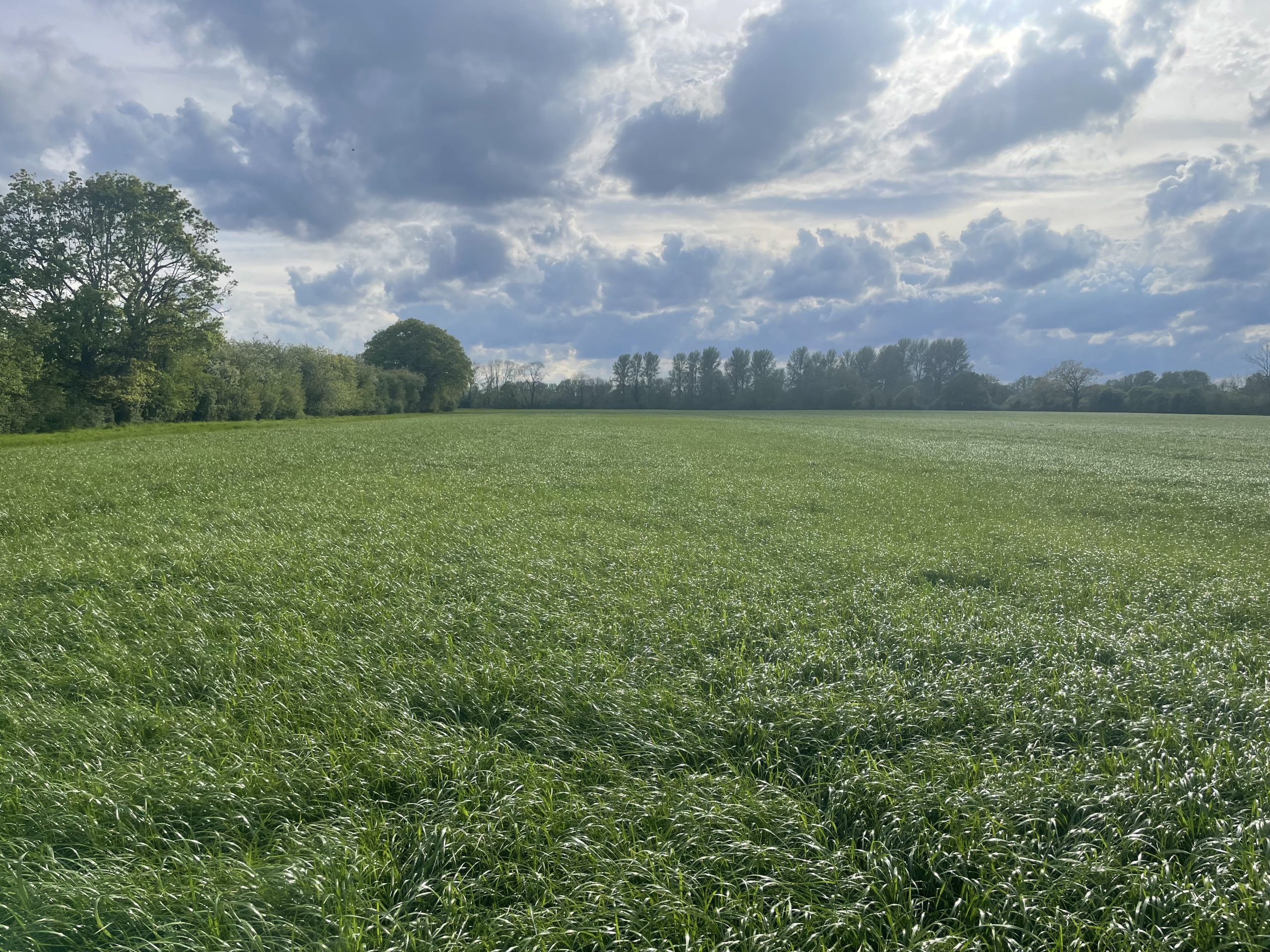
After the wettest 18 months ever recorded in England, Barenbrug’s grass experts urge growers to ‘go softly’ with first cuts.

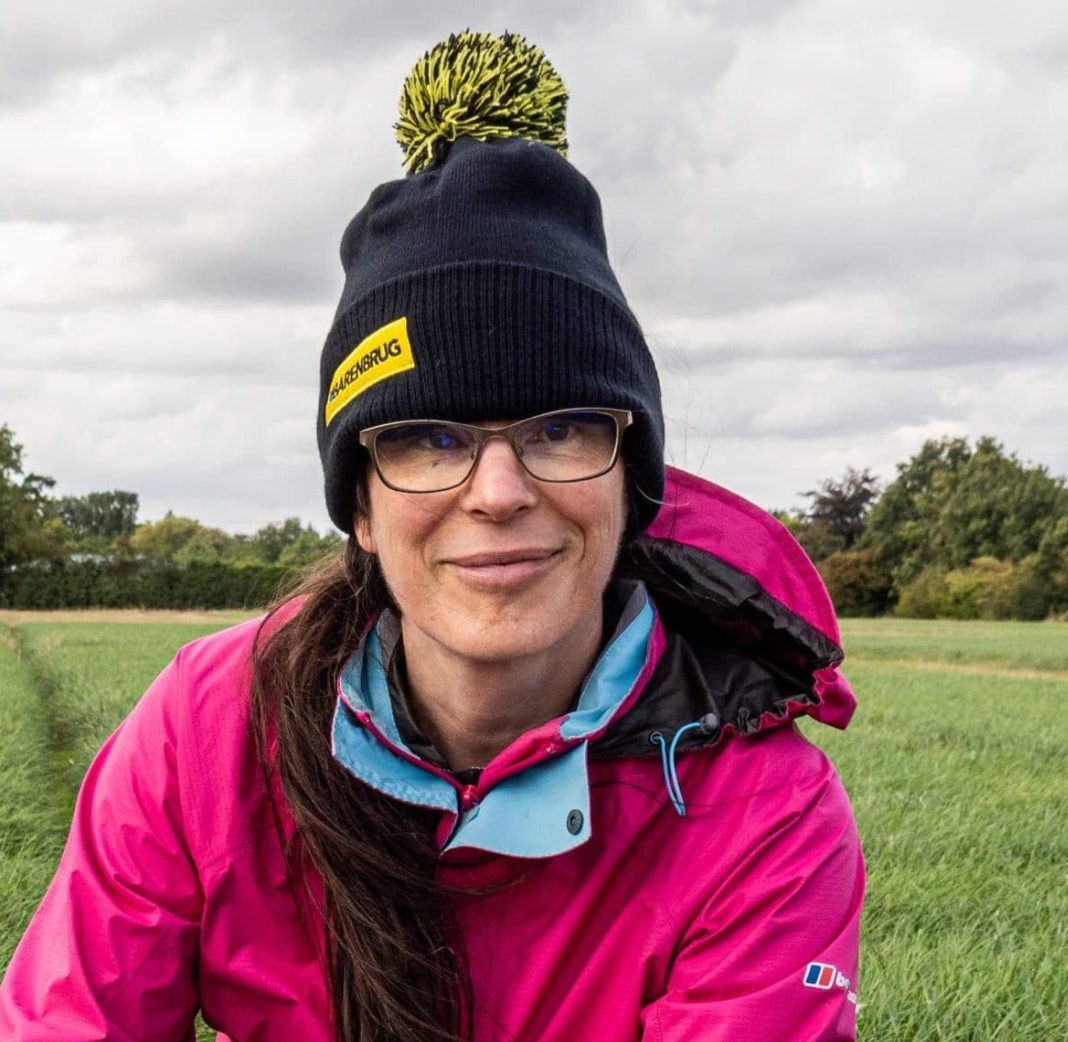
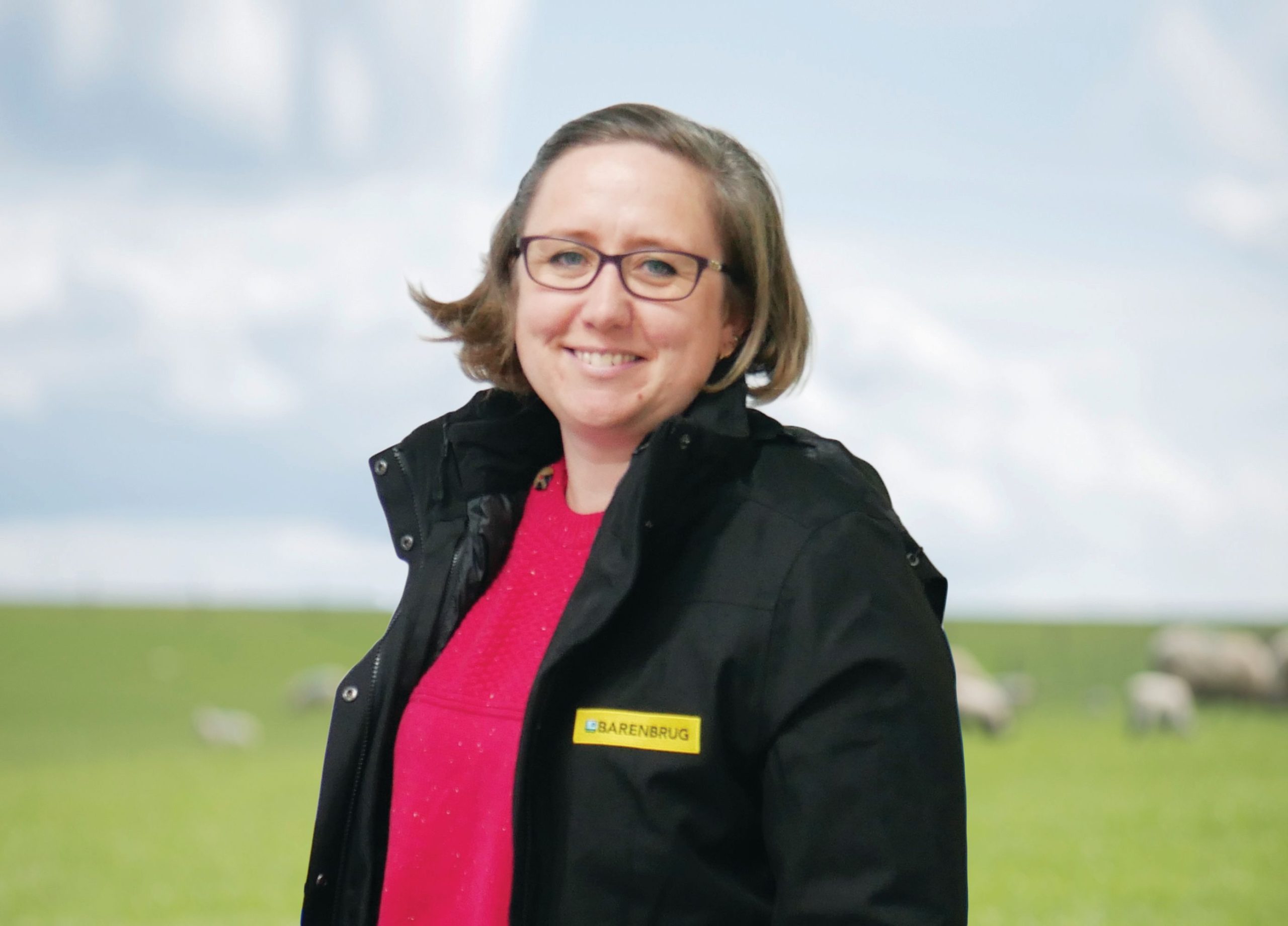
“Go softly and the grass will thank you,” says Janet Montgomery, Barenbrug’s agricultural product manager.

“You don’t need me to tell you it’s been a wet winter. And while grass is amazingly resilient – certainly compared to winter crops that have suffered from waterlogging and flooding – it’s not invincible.”

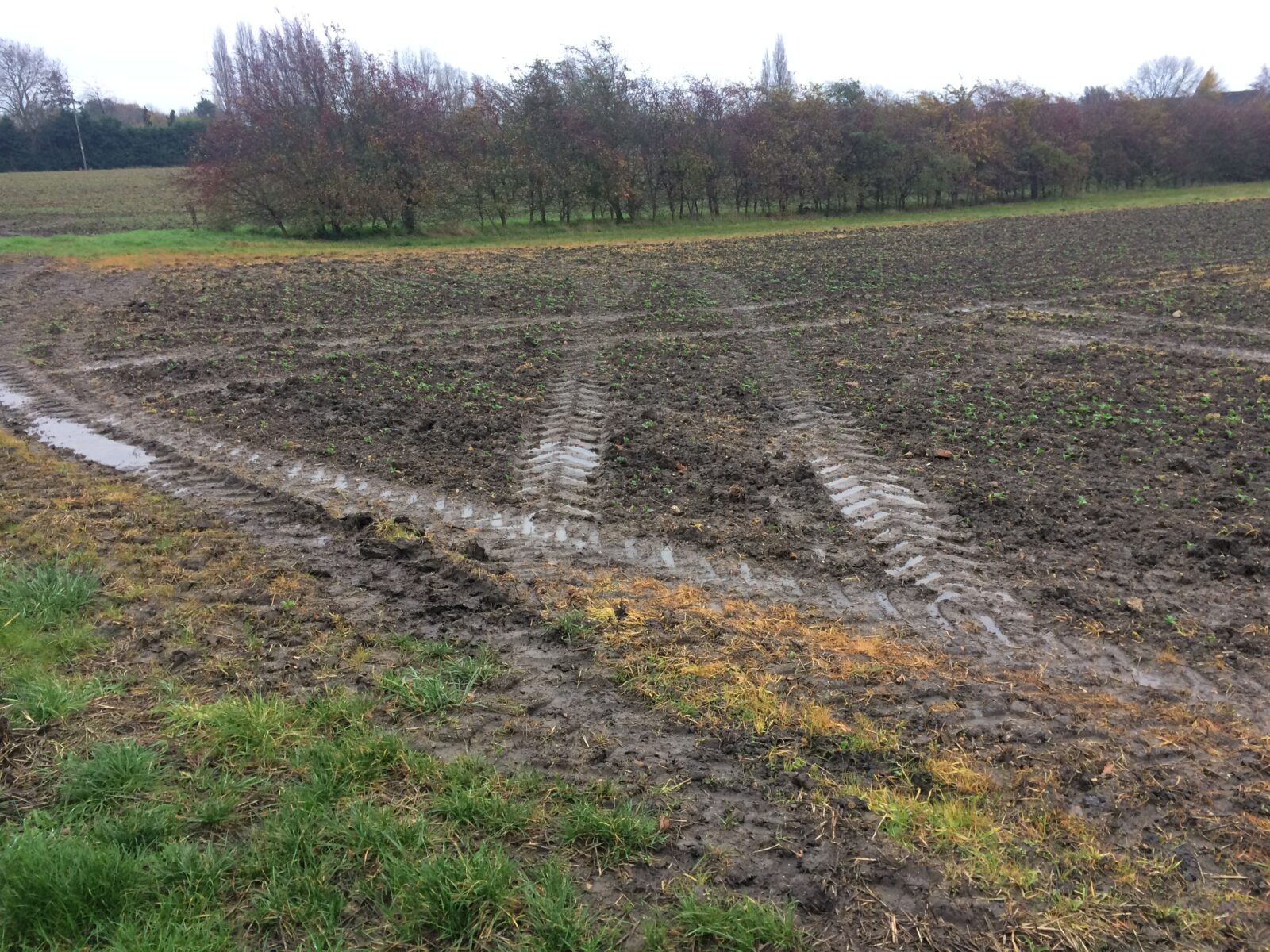
In fact, it’s not so much the grass itself as the soil beneath it, Janet stresses. “With all that rainfall – 1,695.9mm, to be precise – soils have been thoroughly saturated again and again and again. They’re in a fragile state.”

In emerging or establishing crops, there is little protection for the top layer of soil, which can lead to soil erosion, a compacted top layer and the loss of aeration, Janet points out. “But established silage grounds will have a more mature, more robust root structure. That will have helped to maintain a more favourable soil structure, despite the saturation.

“However, with soils still so wet, it will be very easy to cause lasting damage even in those fields. And that will have a lot of knock-on effects down the line, especially with future silage yields,” she warns.

The added complication is the relatively mild winter which, coupled with an abundance of moisture, has seen grass reach an unusually advanced growth stage by this time of year. That will put farmers under added pressure to proceed with an early first cut.

Field by field

“However tempting it may seem, my advice would be to hold off until you’ve made a thorough assessment of the field and soil conditions,” she advises. “All that heavy silage machinery will play havoc with soil structure if it’s too wet – visible surface damage to the crop, and the deeper, unseen but often more damaging effects brought about by compaction.”

Soil types often vary across a farm, especially where ground is rented away from the main holding. “Obviously, if you can attend to lighter soil types first, there’s less risk of damage and you give more time for the heavier types to come good.”

Do what needs to be done to check fields, Janet says. “Look at the drains, see how wet the soil is, even dig a hole if necessary to see how saturated the soil might still be.”

Optimise machinery

Pay particular attention to power to weight ratios, tyre pressures and axle weights, as well as trailer sizes if you have a choice.

Once a field is deemed ‘safe’ to travel, Janet says cut height should be chosen very carefully. “Having taken every precaution to protect the soil, the last thing you want to do is to damage the sward!

“That can often happen when a heavy crop is cut very short,” she explains. “Just avoid the temptation to go for a bumper first cut. That’s why we say go softly. If you’re easy on it now, it will reward you later in the season.”

Avoiding contamination provides another good reason not to cut too close to the soil surface. Any damage caused earlier in the season – poaching, or wheelings, for example – can increase the risk of silage contamination from soil.

“Set up the mower to be as flat as possible and again, don’t cut too short. Not only will regrowth be quicker and better from having left a decent residue, but it also reduces any chance of the rake catching the soil as well as providing better traction in the field for raking and carting.”

Janet says a combination of factors could see a wide variation in silage quality this season. “When you’ve taken your first cut, if you’re not happy with the quality, then come and discuss it with one of the Barenbrug team at one of the events we’ll be attending this spring and summer, such as Grass and Muck, or Groundswell.

“Bring along some photos of the field too, and we can not only help you index it but also give some pointers for improvement or remediation.”

Read more here

  • *I have permission from the copyright holder to publish this content and images.

J A Kemp: Patenting Plants in Europe and the UK

Member News
The views expressed in this Member News article are the author's own and do not necessarily represent those of Agri-TechE.

Plant patent-eligibility under the EPC J A Kemp

Background

Under Article 53(b) of the European Patent Convention (EPC), plant varieties and essentially biological processes for the production of plants cannot be patented. From the mid-1990s onwards, Article 53(b) EPC became controversial and the subject of several decisions of the EPO’s Enlarged Board of Appeal (EBA).

Following decision G1/98 (Novartis, 2000), a claim in which specific plant varieties are not individually claimed is allowable even though it may embrace (potentially many) such individual varieties. Plants can thus be patented if they can be claimed more generically.
Decisions G2/07 and G1/08 (Broccoli/Tomatoes I, 2010) relate to the definition of an “essentially biological” process for the production of plants. According to these decisions, a process which contains or consists of the steps of sexual crossing the whole genomes of plants and subsequently selecting plants is in principle unallowable.

Decision G3/19 (Pepper, 2020) and Rule 28(2) EPC confirm that plants that are the products of essentially biological (e. breeding) processes are also not patent-eligible1, so claims to them are unallowable.
Practice under this case law has also been helpfully codified in the EPO’s Guidelines for Examination, with several concrete examples provided of eligible and ineligible subject matter. Some issues are also addressed by a body of case law – principally the landmark EBA decisions above, but also cases from the Technical Boards of Appeal (TBAs). However, some uncertainties remain, and, as of early 2024, another fundamental issue is beginning to develop.

From the perspective of an Applicant, the following explores the patent-eligibility of various claim types, with comments on related issues such as scope of protection and patentability under other requirements of the EPC.

Patent-ineligible claims

In terms of claims to plants as products, it is clear even from Article 53(b) EPC itself that individual plant varieties are not patentable. However, this is not a significant concern in practice because this is also the norm internationally2, and Plant Variety Right (PVR) protection can be obtained instead.

As to claims to processes for producing plants, the term “essentially biological” in Article 53(b) EPC might be expected to require a weighing up of the different elements of the claimed process. In practice, however, the G2/07 and G1/08 decisions mentioned above (which exclude processes that include crossing/selection steps) are essentially used by EPO examiners to reject any claim that recites even a single breeding (crossing/selection) step. Processes defined entirely in terms of crossing/selection steps are thus of course unallowable, but so are those that, for example, begin with a transformation step, and go on to recite downstream breeding steps3. Similarly, a process of introgression of a trait, or of using a transgenic plant to generate further plants by breeding will be unallowable, as will claims that combine breeding and technical steps in other ways.

Following G3/19 and the introduction of Rule 28(2) EPC, claims to plants that are the products of such broadly defined essentially biological processes are also unallowable. In practice, essentially no plants obtained by processes of breeding (including introgression) as opposed to biotechnology can be claimed. This applies regardless of how the plant is defined. For example, a claim to a plant obtained by breeding will still be unallowable even if it is couched in terms of the presence of a beneficial gene because it is still the product of a breeding process. A claim to a plant obtained by a process consisting partly of breeding steps and partly of biotechnological ones such as transformation is also unallowable4.

Similarly, the EPO treats plant propagating material in the same way as a whole plant, to the extent that a claim to any plant part or tissue capable of propagation may be unallowable if the plant itself is patent-ineligible. We have encountered objections of this type to claims to a pollen grain, even though technical steps would in practice be required to grow a pollen grain into a plant.

Frequently, claims to the harvested/processed products of plants, even patentable ones, are also not themselves allowed even though the EPO’s Guidelines for Examination confirm that such claims are patent-eligible. This is for a different reason, namely that plant inventions are mostly manifested in other areas of the plant’s growth. Accordingly, products such as flour or oil obtained from them are often no different to those derived from conventional plants. For example, flour from the grain of a plant engineered for drought tolerance will typically not itself have any special characteristics just because the plant’s leaves retain water more effectively.

Patent-eligible claims

Notwithstanding the prohibition on patenting plant varieties, many claims to plants are in fact granted. This is because, in line with G1/98, plant claims are allowable if they can be written at a taxonomic level above that of a single variety. A claim will not be allowed if it amounts to nothing more than a collection of individual varieties but, where the invention lies in a trait, that can often be expressed more generically.

For example, a claim to a transgenic plant that contains a foreign gene (say from a bacterium or another plant) will generally be patent-eligible because the value of that invention is not confined to one variety. Similarly, even a narrower claim to a plant of a single species transformed in the same way will be patent-eligible as it is not a single variety. The same currently applies to so-called cisgenic plants in which the introduced gene is from the same species, to plants obtained by gene editing techniques such as CRISPR/Cas, and to technically produced mutant plants5.

Similarly, many process claims are allowable, as it is often possible to express a biotechnologically oriented invention in terms only of technical processes such as transformation, gene editing or mutation. As discussed above, it will not be possible to extend that claim up- or down-stream by adding breeding steps, and there will also be some claims to more complex, mixed processes that fail if the breeding steps cannot be validly dispensed with6. However, the majority of process claims relate to the introduction of one defined change by a biotechnological process, and these are routinely allowable. Claims entirely directed to screening or selection methods are also allowable. For example, it would be possible to claim a method for determining the outcome of a cross by detecting a certain marker sequence using PCR or another methodology, as long as either the marker or the technique itself represented a new and inventive contribution. Such claims are very similar to claims for sequence detection in medical diagnostics cases. Claims to other technical processes, such as plant tissue culture, are also patent-eligible.

Further, Article 64(2) EPC and corresponding provisions of national law extend the protection conferred by a process claim to products directly obtained by the claimed process. In the case of a method claim to the production of a plant, this is generally taken to mean the plant obtained immediately from the process, e.g. a first-generation transformant. It is currently, however, not clear to what extent screening or selection methods offer meaningful direct product protection. A claim to screening for a particular outcome from a cross may therefore not be infringed by dealing in plants identified using the method.

Article 8 of the EU Biotechnology Directive of 1998 further expands this protection to downstream generations of plants. Therefore, even though a process claim may only recite a step of, for example, transformation, it is still infringed by dealing not only in the first-generation plant directly obtained by the process, but also by dealing in plants downstream in the pedigree. Therefore, even where a product claim (which will in general naturally cover all generations) is not available, a process claim can have significant power. This tends to return some of the protection taken away by G2/07 and G1/08, in that, if the invention lies in what is introduced into the plant or the manner of the introduction, a process claim still reaches through to further plant generations.

Also, Article 53(b) EPC only relates to processes for producing plants. Other processes and uses, e.g. to extract useful products from plants, and some claims directed more towards agricultural practices7, are patentable on their own merits. The EPO’s Guidelines for Examination also call out the example of a seed coated with a beneficial chemical. Many other inventions in the plant science and agriculture area are also patentable for similar reasons, for example biotechnological products such as genes, vectors, constructs, agrochemicals, and agri-tech inventions such as farm equipment. Strategically, the best approach to maximise global protection is usually to claim everything possible and excise the claim types the EPO will not permit. It is worth conducting this review prior to EPO filing, in case there are no permitted claim types such that amendments can be entered, or to forego EPO filing if nothing can be done.

Other patentability requirements

In this regard, it is important to recognise that, although avoiding the Article 53(b) exclusion is a prerequisite and can be a significant hurdle, it is not the whole story. Any claim to a plant or a process for producing one has of course to comply with all the other requirements of the EPC. For example:

It may be necessary to make a deposit of biological material, typically seed, to ensure reproducibility and hence sufficiency of disclosure.

In claims to cisgenic, edited, or mutant plants, care has to be taken to ensure novelty. If the change made to the plant’s genome recreates a feature known in another genetic background, the claim may not be novel. It may be possible to circumvent this in a product claim by reciting an additional feature that could not be present in the pre-existing plant, for example that an introduced gene is driven by a heterologous promoter.

Inventive step/obviousness can also be a high hurdle in any EPO examination. In this area, one class of applications that are patent-eligible but hard to patent for inventive step reasons are so-called “event” cases, where the claim recites a plant that is transformed in a particular way at a particular location at which good expression is obtained. These can be enabled by making a deposit (see above), but EPO examiners tend to argue that they lack an inventive step because it is obvious to seek a beneficial location.

If sequence information is not available, for example in the case of a mutation, it can be difficult to satisfy the requirement for clarity. Marker information on the genomic position of a change may assist with this, especially if the markers are very close together.
The EPO’s strict approach to added subject matter and amendments can also be an issue. If a specification has been written with non-EPO (especially US) law in mind, it may be difficult to find basis (support) for the amendments ideal under Article 53(b) EPC. Please feel free to contact us at the drafting stage if input is needed on these issues.

In addition, there are some situations where a given plant could in principle be obtained either by technical processes as above or by breeding. This can, for example, arise in the case of gene-edited plants where the edit changes one allele into another and the resulting allele is already known in a different genetic background. In such a case, breeding could in principle have been used to bring that allele across into the recipient background. Here, the EPO will require the introduction of a disclaimer to the effect that plants obtained by an essentially biological process are excluded from the claim’s scope. How much of a difference this makes in practice depends on how realistic it would be to effect the same change by breeding. If that would not realistically be practical, the disclaimer has little practical impact. On the other hand, if breeding is a realistic alternative, the claim may be hollowed out in that third parties can benefit from the patent’s guidance about what goal to seek, but then obtain the same plant in a different way to avoid infringement.

Finally, it is worth noting that some older applications benefit from a more generous standard in some respects owing to a transitional provision in G3/198.

Uncertain areas – possible opportunities for protection

Other than the developing issue discussed below regarding NGT (gene-edited) plants, the EPO’s practice is currently mostly settled in the light of G3/19 and the earlier EBA decisions. The EPO’s comprehensive Guidelines for Examination (see above) reflect this. However, there are some possible claim types whose allowability is still uncertain, for example:

Claims to the use of a novel and inventive, but patent-ineligible plant (which might be a single variety or more generically defined) in a process to produce food, feed, or another plant product, or in another non-breeding process (including tissue culture or propagation). Such processes are arguably novel and inventive because any use of a novel and inventive product is by definition itself novel and inventive, and patent-eligible because they are processes for the production of something other than plants as such or exclude steps that could be considered essentially biological. If such claims were allowable, Article 64(2) EPC (see above) would render it an infringement to deal in the products obtained by the claimed process.
Claims to a plant that has a conventionally bred trait that makes it novel and inventive, but also a transgenic one, and claims to a process of transforming a novel and inventive, but conventionally bred, plant with a known transgene that confers another trait unrelated to the invention.
Claims to a non-propagating part (such as a leaf) or a cell of a novel and inventive plant that in itself is patent-ineligible. If allowable, such claims would in principle be infringed by the whole plant in the field, and by the use of the plant part to make a processed product.
Claims to food or feed products that retain the characteristics of a novel and inventive plant that in itself is patent-ineligible.

Claims to plants that are the progeny of two transgenic or edited parents. These are probably not allowable if framed in terms of a cross between those two parents. However, other options might exist, such as claiming the parents individually if they are independently inventive, or as a “breeding pair” if both transgenes/gene edits are required to give effect to the invention.
In the first four of the above, the question is whether it is permissible to derive novelty and inventive step from the conventionally bred parts of the plant’s genome, but to argue at the same time that the format of the claim removes it from the scope of Article 53(b) EPC. In the fifth, the combination of the two plants may be novel and inventive, but the issue is similarly whether presenting the two as elements of a combination that will be the subject of a cross is permissible. Obviously, it is also possible to argue that such approaches undermine the principles on which G3/19 was decided, and other issues might also arise9. However, it may be worth presenting such claims in the hope of securing comprehensive protection.

Uncertain areas – complexities and possible threats

One consideration to keep in mind is that the national patent laws of some European countries10 include a so-called breeders’ exemption to infringement, under which it is not an infringement to use the patented plant for the purpose of breeding, or discovering and developing other varieties. This is in addition to common general provisions to the effect that acts that are experimental or private and non-commercial in nature do not infringe. Under the EU Biotechnology directive (see above) and the national laws that implement it, there is also a farm-saved seed provision that permits farmers to use the product of one harvest of some crop species to propagate a crop and obtain a future harvest on their own holding.

None of these sector-specific provisions impact whether a patent will be granted by the EPO, but they are worth keeping in mind overall, as they may go to the effectiveness and attractiveness of the rights granted by the EPO. Further, because the legislation under which the Unified Patent Court (UPC) operates includes a breeders’ exemption, but some national laws of UPC contracting states do not, it may be worth considering both avoiding the election of a unitary patent and opting the resultant classical or “bundle” European patent out of the UPC’s jurisdiction in order to minimise the impact of breeders’ exemptions. This, however, has to be balanced against the greater cost of this route of protection and the fact that some key jurisdictions do have breeders’ exemptions anyway.

In the EU, another issue is also developing in relation to patent protection for gene-edited plants. In February 2024, the EU parliament voted to adopt a draft regulation in relation to plants obtained by what it describes as new genetic techniques (NGTs). These include, but are not limited to, plants obtained by gene-editing via CRISPR/Cas and similar systems. Other cisgenic and targeted mutagenesis approaches are also included.

The main thrust of the draft regulation is to reduce the regulatory burden that some NGT plants need to go through in order to be authorised for sale in the EU. Specifically, the proposal is to consider so-called “category 1” NGT plants equivalent to conventional plants and exempt them from the legislation on Genetically Modified Organisms (GMO). European regulation on GMO (i.e. originally transgenic, but also currently gene-edited) plants is of course infamously burdensome, such that very few have ever been approved. The category 1 plants that are potentially set for lower regulation are NGT plants that could in principle have been obtained by breeding processes, in that they do not include genetic material from outside the gene pool of the species in question (and those of other species with which it can be crossed). For example, gene-edited plants in which one known allele is switched to another known, but more desirable, allele would be category 1 NGT plants. The remaining “category 2” NGT plants would continue to be regulated in the same way as GMOs.

However, the European Parliament, which has a history of antagonism towards patenting in agriculture, has also amended the text it received from the EU Commission to propose a sweeping ban on patenting plants obtained by NGTs. Transgenic plants would be unaffected (but still very stringently regulated), but it is proposed to exclude, not only going forward but also retroactively, all NGT plants (not just those in category 1, and not just gene-edited plants) from patentability. It is also proposed to amend the EU Biotech directive’s provisions on patents accordingly.

If finalised in this form, such legislation would raise significant issues for applicants in the sector, in that PVRs would become the only option for protection of gene-edited and other NGT plants. PVRs are not necessarily or always less desirable than patents. Rather, they should best be thought of as a complementary right and part of an overall protection strategy. However, two big differences are that: (a) a PVR protects a single, individual variety, whereas a patent on a plant comprising a gene edit would more broadly protect a trait that could be used in multiple genetic backgrounds, and (b) it may only be possible to apply for a PVR later in the development process because it is necessary to provide physical plant material that meets so-called DUS11 criteria. PVRs are also always subject to a breeders’ exemption.

As well as these challenges, the Parliament’s proposal is also in conflict with the EPC and the practice/case law of the EPO, which is of course not an EU institution (and includes non-EU member states such as Switzerland and the UK). It is therefore not clear how or when the Parliament’s proposal would be implemented in practice, or whether national patent laws and the EPC could somehow diverge on this issue.

First, however, there remains a need for negotiation within the EU (between the Parliament (representing EU citizens), Commission (the EU’s professional civil service) and Council of Ministers (representing member state governments)) before any form of the Parliament’s proposal is finally adopted as law. It is possible that the Parliament’s proposals on patents will be reversed or at least moderated.

In the meantime, the practice of the EPO is unchanged. However, applicants in the sector need to keep aware of developments in this regard and tailor their intellectual property and general commercial strategies accordingly as matters develop.

Patenting plants in the UK

Although no longer a member of the EU, the UK of course remains an EPC member state, and its patent law, including the provisions relating to biotechnological inventions, is fundamentally in line with the EPC. Most UK patents on plants are granted by the EPO rather than through individual national applications. To the extent that UK patents might be applied for nationally via the UK Intellectual Property Office (UK IPO) rather than through the EPO, we believe the UK IPO’s practice would be in line with the EPO’s as discussed above.

However, unlike that in some continental European countries, UK patent law does not have a breeders’ exemption, and we have been advised by the UK IPO that there are no plans to introduce one now that the UK is outside the EU12.

Also, the UK has its own regulatory and legal framework for NGT plants. In terms of regulation, this is generally similar to what the EU now proposes, but it does not include any additional restrictions on patenting. The UK is also no longer bound to follow EU law-making in this or other respects. Therefore, if the EU Parliament’s proposal to restrict patenting of NGT plants comes to fruition, UK and EU law may diverge in that regard. What practical steps applicants should take in this event will depend on how the EPO reacts. However, there are scenarios in which some national UK filings may in future be treated more favourably than those made at the EPO.

Conclusions

Patent-eligibility, and the patenting of plants in Europe, is a complex area in view of legislative and case law developments over the years, but many claims to plants are currently allowable. Plant varieties and other plants obtained by breeding processes cannot be patented, but many plants obtained by biotechnological means can.
Plant breeding processes also cannot be patented, but biotechnological processes for obtaining plants can. Such claims can be powerful because of their reach over generations of plants bred from the initially obtained one.

Outside of patent-eligibility per se, patentability requirements are generally the same as for any other technology, but some sector-specific issues do arise. In terms of scope of protection, there are also sector-specific breeders’ and farm saved seed exemptions to infringement.
After some 25 years of controversy, what is patent-eligible under the EPC has been generally stable since the G3/19 decision of the EBA in 2020, but a new uncertainty is developing owing to the EU Parliament’s proposal to bar NGT plants from patentability. Applicants need to keep abreast of developments in this regard and tailor their IP strategies accordingly.

In the UK, the law and practice on patenting plants is general very similar to that under the EPC. However, if any form of the EU Parliament’s proposal to restrict patents on NGT plants is eventually adopted and enacted, UK and EU law may come to diverge on this point.
Regardless of these developments, PVRs should always be considered alongside patents, so as to maximise the protection available.

For more information, please contact us.

Footnotes

1. Reversing G2/12 and G2/13 (Broccoli/Tomatoes II, 2015), in which such plants were held patent-eligible. Under pressure from the EU, Rule 28(2) EPC was introduced in 2017 with a view to overriding these decisions, which were unpopular with breeders and legislators in a number of EPC member states. Rule 28(2) EPC was initially held by an EPO Technical Board of Appeal (TBA) to conflict with Article 53(b) EPC (as interpreted by G2/12 and G2/13) and hence not to be followed, but G3/19 confirmed the rule’s validity. For further discussion, see our commentary from the time.

2. The USA is an exception: in the USA, there are no restrictions analogous to Article 53(b) EPC, so plant varieties and breeding processes are both patentable. Plant variety protection (PVP) and (for some species) plant patents can also be obtained. In Europe and the UK, there are no specific plant patents, but PVR fulfils a similar role to both PVP and plant patents.

3. The Broccoli/Tomatoes I decisions do offer a derogation such that: “if a process contains within the steps of sexually crossing and selecting an additional step of a technical nature, which step by itself introduces a trait into the genome or modifies a trait in the genome of the plant produced, so that the introduction or modification of that trait is not the result of the mixing of the genes of the plants chosen for sexual crossing, then the process is not excluded from patentability …”. However, we are in practice not aware of any cases where this has been relied on successfully.

4. This is notwithstanding that Rule 28(2) EPC states that patent-ineligibility requires that the plant be “exclusively” obtained by means of an essentially biological process – this is not taken to mean that all of the steps by which it was obtained have to be essentially biological.

5. The aim of G1/98 was not to draw a distinction between plants obtained by breeding and those obtained by biotechnology, but between claims to individual varieties and those written more generically.

6. This is because G2/07 and G1/08 prohibit claims that contain “disguised” crossing steps. In our experience, this is not particularly consistently enforced, but some inventions do provoke an objection of this type.

7. For example, if a particular spacing of apple trees in an orchard were surprisingly shown to give an optimal yield, a process reciting planting the trees to achieve this would probably be patent-eligible.

8. In G3/19, an exception is made for applications/patents with a filing date before 1 July 2017, when Rule 28(2) EPC came into force. For these cases, the decisive case law is G2/12 and G2/13, under which the products of essentially biological were patent-eligible (even though essentially biological processes for the production of plants are not patentable owing to Article 53(b) EPC). This meant that a “conventionally” bred plant could in principle be claimed as long as all other requirements were met. In practice, this was always difficult, in particular because although it may be possible to define a trait at a high enough level of generality to avoid Article 53(b) EPC and G1/98, it tended to be difficult to define it precisely enough to meet the requirement for clarity under Article 84 EPC. A few applications were granted on this basis (see Board of Appeal decisions T1370/19 (positive on clarity) and T1988/12 (negative on clarity)). Some remain pending or under opposition/appeal.

9. For example, EPO examiners have tended to be resistant to claims to the application of a herbicide to a field of transgenic, herbicide resistant crop plants, such that the crop survives but weeds are killed. The applicant’s perspective on this would be that this is a use of the patentable crop plant, but the EPO’s perspective is frequently that the actual process of applying the herbicide is conventional and hence not inventive. In general, in such cases, the plants themselves are patentable, so this is not usually decisive.

10. For example, Germany, France, the Netherlands and Switzerland, but not the UK; the UPC agreement that creates the Unified Patent Court in which unitary patents and some “classic” or “bundle” European patents are litigated also contains a breeder’s exemption, so unitary patents and classic European patents that are not opted out of the UPC’s jurisdiction are in effect also subject to a breeder’s exemption.

11. Distinctness, uniformity, stability

12. When the UK was an EU member, there was a plan to introduce a breeders’ exemption to match the UPC legislation (see above), but we have been advised that this is now shelved.


BASF Innovation Collaboration Day: applications OPEN

Member News
The views expressed in this Member News article are the author's own and do not necessarily represent those of Agri-TechE.

Attention innovators! Applications for the BASF Innovation Collaboration Day 2024 will open on 1st May 2024. This is an exciting opportunity to collaborate with BASF experts and leverage our global resources to accelerate the development of your ground-breaking ideas and solutions.

We’re looking for game-changing innovative and sustainable solutions that have the potential to revolutionise the future of Enzyme and Agritech innovation.

If you have a breakthrough in Agritech for precision and digital applications, genetic editing, crop production, or plant health and resilience, we’d love to hear from you! To learn more about the BASF Innovation Collaboration Day 2024 and apply to join us in shaping a sustainable future for agriculture, please visit Innovation Collaboration Day (basf.com)

Commercial Director BASF UK & Ireland, Darren Budd
BASF logo for Innovation Collaboration Day 2024

BASF in the UK wants to hear from start-ups and early-stage companies developing innovative and sustainable solutions.

Commercial Director BASF UK & Ireland, Darren Budd invites you to apply.

“Today more than ever before, we are looking for answers to problems like climate change, scarcity of resources and nature restoration. And given the transformative action that is needed to tackle these challenges, it is clear that the solutions will be found through partnership. 

As one of the most innovative chemical companies in the world, we know that chemistry will be key to this.

After the success of the 2023 Innovation Collaboration Day, we are once again seeking start up and scale up innovators who would be interested in discussing their technology with BASF and exploring opportunities for collaboration.”

BASF Innovation Collaboration Day 2024

Applying for BASF Innovation Collaboration Day 2024

Applications are invited for technologies in Enzyme Innovation and Agritech Innovation. 

Applications are open 1 May – 31 May 2024.

Agritech Innovation

We are actively seeking innovators in the agricultural sector across the UK & Ireland for potential collaboration, including start-ups, SMEs and R&D incubators within universities and research institutes focused on agriculture and the farmed environment. Specifically, we are interested in hearing from innovators working on the following areas of work:

  • Precision and digital applications: innovative digital tools and applications that can be applied to various aspects of agriculture, production, soil management, and carbon soil management and sensor technologies that aid in monitoring biodiversity on agricultural land and measuring carbon levels in soils
  • Genetic editing: explore techniques that target plant traits to help achieve national targets such as carbon sequestration, net-zero emissions, and optimized crop inputs
  • Crop production: novel products that provide effective control of pests, weeds, and diseases, or support integrated pest management (IPM) approaches. Additionally optimised fertiliser utilisation technologies which help to reduce emissions and stabilise nutrients in soil and plants, minimising environmental impacts
  • Plant health and resilience: synthetic, biological, and plant stimulant technologies based on novel approaches. This cluster excludes seaweed extract companies and aims to find innovative solutions for enhancing plant health and resilience

Apply by 31 May 2024 to take part in BASF Innovation Collaboration Day 2024.

Simply complete the online form which can be found here.

How digital twins can help confront the challenges of scaling up cultured protein

Member News
The views expressed in this Member News article are the author's own and do not necessarily represent those of Agri-TechE.

Blog from Steve Thomas & James Westley, Cambridge Consultants

For companies developing cultured meat and other cultured ingredients, each step up in scale presents both technical and financial challenges. Predicting the performance of a cell expansion and differentiation process when climbing the process scale ladder from lab to pilot to commercial scale is an expensive and uncertain affair. At each stage, the investment in plant equipment grows exponentially, as does the volume of media required to run each development and optimisation culture. 

Increasing the volume of the culture process can completely change the physics of key process behaviours such as fluidic mixing, gas transfer, damaging turbulent energy dissipation and laminar shear. The biology’s response to these hard to predict changes is at best non-linear and at worse, chaotic. All this adds up to an uncomfortable high financial risk, low-certainty situation that technology leaders and investors thoroughly dislike. The challenge for bioprocessing engineering 

This begs a key question for bioprocessing engineering: what can cultured protein ventures do to gain insight into the behaviour of their processes before placing a bet on CAPEX and development costs? The GFI has highlighted the ability to better computationally model behaviours of these processes at scale as a top priority for cellular agriculture and have funded some projects with the Cultured Meat Modelling Consortium to address the question.   We at CC also believe that sophisticated predictive models – digital twins – that couple biology, heat transfer, mass transfer and fluid dynamics can shed light on potential issues when scaling up. These biofluidic digital twins are capable of:  Rapidly gaining insights into process behaviour across a wide operational, geometric, and fluidic parameter space  
  • Enabling ‘virtual’ sensors   Using a combination of the above to test control regimes, ultimately feeding into highly stable model-based control 
  • Exploring process behaviours to inform investment decisions 

Engineering biology is never straightforward. There is an enormous number of variables that influence the behaviour of a cultured meat process, ranging from media composition to aeration and agitation rates. Understanding the scaled process behaviour response across this vast design space far from economically viable, especially for expensive to change parameters like plant specifications.  

Digital twins trained with real data from lower-cost lab experiments and thermofluidic physics can be used to explore the design space much more economically. As an example, we have trained a digital twin to give us insights into the local volumetric oxygen mass transfer rate (KLA) , damaging viscous dissipation energy, and corresponding local biomass growth rate of S. cerevisiae for a range of bioreactor operating conditions and geometries.  

Below you can see a matrix of animations showing cell damaging zones around an impeller (left) and the local oxygen transfer rate (KLA, right) across a range of impeller tip speeds (top) and media viscosities (bottom). 

More visibility, with no added cost 

The control of a cultured protein bioprocess often depends on careful monitoring of process variables such as dissolved oxygen, glucose and lactate, via sensors. However, as processes scale up, the distribution of these variables widens in the reactor. A solution to this is to simply to increase the number of sensors, but his will have economic limits. Digital twins can unlock this trade-off via the creation of virtual sensors. Using the digital twin we developed in the previous example, we can infer the distribution of dissolved oxygen content, glucose and biomass growth rate throughout the bioreactor.  

Maximising yield and identifying problems early 

Cell culture bioprocesses are inherently complex and nonlinear, making it difficult to predict and control the behaviour of the system. Multivariate interactions, metabolism variability and spatial distributions all contribute to a very difficult control engineering problem.  

Digital twins can improve upon typical feedback control regimes and alleviate these issues by acting like dynamic reduced order models of the system. This approach can dampen out the instabilities and slow response time associated with typical closed-loop feedback approaches, ultimately improving performance.  This approach would be possible with the digital twin we have built but would require testing and validation using a real bioprocess. An added benefit is that it enables the detection of unexpected conditions in the cell culture, for example elevated oxygen uptake rate due to contamination. 

Delighting the consumer and reaching profitability 

The team here at CC believes that these types of approaches can address some of the biggest challenges with delivering cultured protein products. We can see a future for industrial biotechnology where these approaches can be extrapolated to enhancing product taste and texture by also considering the expression of volatile metabolites, proteins and lipids as part of the digital twin. Doing so will accelerate cultured protein companies towards delightful consumer experiences within a viable and sustainable business model. 

Ultimately the world needs to meet a significant challenge. At its heart is the commercial imperative to deliver a final product that meets not only the desired levels of quality and purity, but that also provides a company with a viable business model. Not only that, but food with bio-derived components must be put on consumers’ tables that is acceptable to their sensibilities and reflects the demand for sustainability. If you are looking for ways to revolutionise your approach to bioprocessing engineering and want to know more about how we can help, email Steve Thomas or James Westley. It’ll be great to hear from you. 

Beet farm near Wymondham in colour-based aphid pest trial

Member News
The views expressed in this Member News article are the author's own and do not necessarily represent those of Agri-TechE.

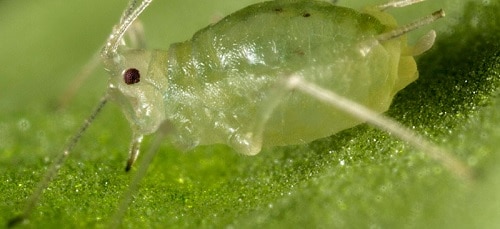
Scientists hope patchworks of multi-coloured crops will help hide them “in plain sight” from pests as a natural alternative to pesticides.

Using dyes, the so-called “camo-cropping” trial has been started by the Norwich-based British Beet Research Organisation (BBRO).

It has been introduced at Morley Farms, near Wymondham, Norfolk, in an attempt to protect sugar beet from aphids.

Farmer David Jones said pests can “reduce yield by 50% in a bad year”.

Fields of sugar beet have been dyed different colours using food dye at the farm.

Scientists hope to find out if the camo-crops deter aphids from landing on the sugar beet and, if they do, which colours prove most effective.

Mr Jones, from the Morley Agricultural Foundation, said growing sugar beet was a “a challenge”.

He said the farm has to cope with “lots of things all of the time, principally the weather, but also weeds, and particularly aphids come and attack the crops and transfer virus into the crop”.

“We’re always looking for new ways to control the problems we’ve got, if it’s without pesticide [then] that can be beneficial to what we do,” he said.

Dr Alistair Wright, from the BBRO, said had used “colour as a dye to reduce the contrast between the immature beet and the soil”.

He said: “We’re trying any approaches to deter the aphids from the crop and we know they use all sorts of senses when they are migrating in the spring.

“One of them is colour and the contrast between the plant and soil, so using the dye we are hoping to effectively hide the crops in plain sight form the aphids.”

Dr Wright said there were “early positive signs” but added results would not be fully known until the harvest.

He said the organisation was also trialling other methods such as increasing ladybirds and planting a grass from New Zealand which releases chemicals that kill aphids.

“There’s no silver bullet, no one thing we can rely on,” Dr Wright added.

PGRO Descriptive List expands with 12 new pea and bean varieties

Member News
The views expressed in this Member News article are the author's own and do not necessarily represent those of Agri-TechE.

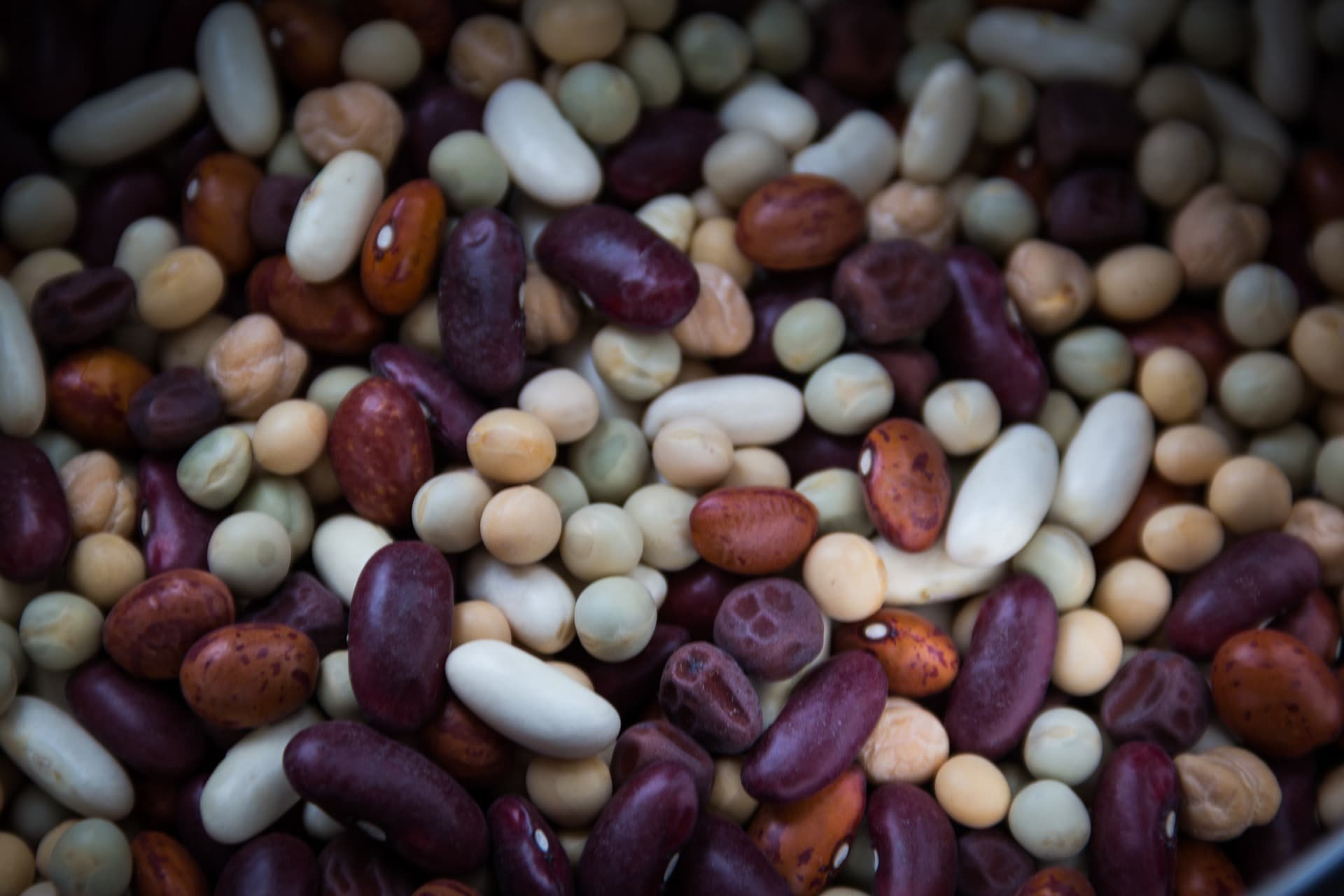
A total of six combining peas, two winter beans and three spring beans have completed the requisite number of years in trials and demonstrated the necessary qualities for inclusion.

Funded by the PGRO Pulse Levy, the Descriptive List trials are conducted annually at sites located in the major production areas. Summary data is based on a five-year rolling average to take account of seasonal variations.

The data gives growers the opportunity to compare different varieties and evaluate which will suit their situation. Promising new material from plant breeders is regularly submitted and those which suit the market and have traits of interest are likely to be supported and available for purchase in the future.

PGRO Senior Technical Officer Dr Chris Judge launched the 2024 list this morning during a webinar attended by almost 100 farmers, breeders, agronomists and industry stakeholders.

He explained that despite going through heatwaves, cold snaps and a wide variety of temperatures and conditions, trials were conducted successfully and the varieties grown across the country demonstrated good consistency in terms of yield and impressive disease resistance.

“The control yield for peas, spring beans and winter beans were all very similar to the 2023 Descriptive List,” Chris said. “Looking at the five years currently used in the datasets, yields were slightly down in 2023 compared to 2022 for all three pulse groups.”

New combining pea varieties

Two yellow combining peas – Concerto (LS Plant Breeding) and Batist (Senova) – are the new top-yielding varieties producing 115% and 113% of the control respectively. KWS Flam is the other new yellow pea, yielding 110%.

Pink peas

A new pink pea category has been created for the Descriptive List to accommodate the new variety Flamingo (Cope Seeds & Grain). In trials it was the lowest-yielding pea listed (78%).

Green peas

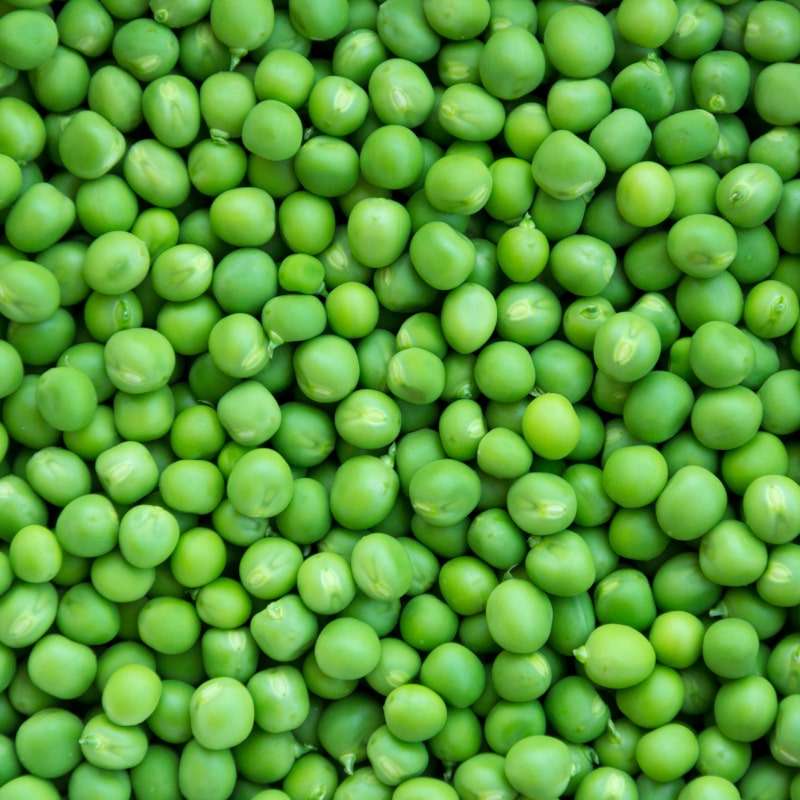
Shazam (Senova) and Reacher (IAR Agri) are the two green peas making their debut on the list, and both have good all-round qualities in terms of yield and disease resistance.

Marrowfats

Elsoms Seeds is the UK agent for a new marrowfat variety, Vision, which has become the highest yielder in that category, achieving 100% of the control.

Winter and spring beans

In 2023 many winter bean trials struggled with frost damage after two cold snaps in short succession last winter. Despite this, harvest conditions were good in the summer and two new varieties – LG Arctic (Limagrain) and Ninja (Senova) – have completed their ascent to the Descriptive List.

Conversely, spring bean trials suffered in the heat. The hotter-than-average June led to similar yields to 2022 when heatwaves also struck during key stages of crop development. Synergy (Saaten Union) is the highest yielding of the three varieties entering the list for 2024 (107%), closely followed by Navara (Senova) which yielded 106%, and LG Hawk (Limagrain) which returned 101%

A video of this year’s Descriptive List launch will be available on the PGRO’s YouTube channel this afternoon and the full Descriptive List data can be downloaded from the www.pgro.org.

Combining Peas

Concerto (115%) and Batist (113%) are the new top-yielding yellow peas.
Concerto joins LG Ajax and new variety Flamingo in having a downy mildew rating of 7, just behind Rivoli which has an 8.
New addition KWS Flam has a yield of 110%.
Flamingo is the first pink pea and has the lowest yield.
New green pea Shazam is a later-maturing variety with the joint tallest straw and a standing ability of 7.
New addition Reacher has resistance genes for pea seed-borne mosaic virus and pea enation mosaic virus and joins LG Aviator as the only green peas with resistance to powdery mildew.
Carrington (LS Plant Breeding) remains the top-yielding green pea at 111%.
Both Carrington and Bluetime have a rating of 8 for downy mildew.
Mantara and Rose remain the only two maple peas on the Descriptive List. Both have high levels of protein and good resistance to downy mildew.
New variety Vision becomes the top-yielding marrowfat with a yield of 100% and has the best downy mildew rating for any marrowfat (7).
Winter Beans

New addition LG Arctic has an above-average yield at 104% and has the joint highest downy mildew rating on the list (6).
Ninja is a new early maturing variety for the 2024 Descriptive List. As well as having the earliest maturity (8) it has the highest protein content of all winter beans.
Vespa continues to have the top yield (109%), with Vincent performing second best (107%).
Most winter bean varieties have scored a 5 for chocolate spot, with Vincent (6) and Vespa (7) having higher ratings.
Spring Beans

Synergy is a new low-vicine and low-convicine variety (LVC) and is higher yielding than the other two LVC varieties, Futura and Victus.
New varieties Navara and LG Hawk have yields of 106% and 101% respectively.
Genius remains the top yielding variety with 108%.
Yukon has the best downy mildew rating (8) and is the earliest maturing variety.
Maris Bead and LG Viper have good resistance to downy mildew (7), and LG Viper is also the top-rated variety for rust.

For more information or interview requests about the Descriptive List, contact ben@evecommunications.co.uk

Breeders’ notes:

Gemma Clarke, Cope Seeds and Grain Managing Director, said: “The inclusion of the Flamingo pink pea on the PGRO Descriptive List is the first time it has had a ‘pink’ section. This unique colour has attracted interest from human consumption markets via Hodmedods, bird and pet feed, and the Japanese snack pea market. We have experience growing it as a bi-crop with oats and separating them, taking the peas to a premium home and oats (husked or naked) to a milling or pet feed home. It has similar yields to marrowfat peas, so this premium is essential to warrant growing it.”

Senova has issued a press release on its four varieties which are joining the list today. Click here to read it.

Collaborative Efforts by Gardin Agritech and Bayer Crop Science: Improving Water Use Efficiency in Pepper Cultivation

Member News
The views expressed in this Member News article are the author's own and do not necessarily represent those of Agri-TechE.

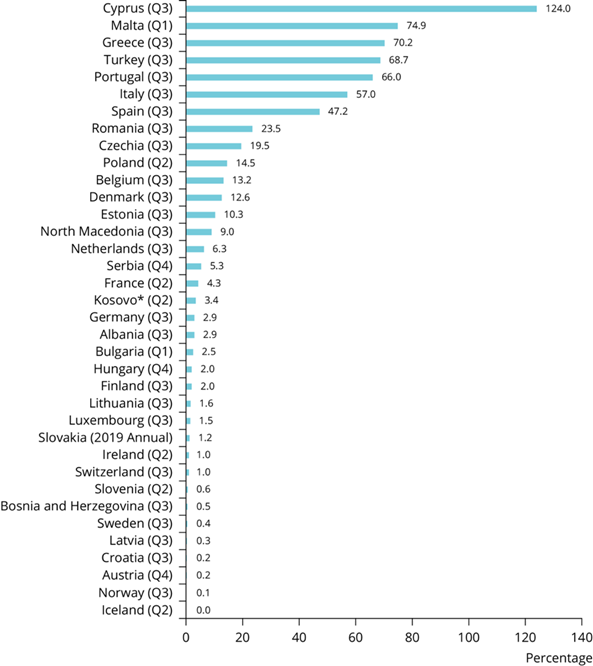
The growing concern over water scarcity in southern European regions due to shifting climate patterns poses significant challenges for agricultural activities. As highlighted in a recent report from the European Union, countries like Greece, Spain, and Italy are suffering more and more from acute water shortage events. The report estimated that up to 30% of European citizens live in areas with permanent water stress, while 70% in areas with seasonal water stress (Water scarcity report, European Environmental Agency, 2023)

Fig 1 – Worst seasonal water scarcity conditions for European countries in 2019, measured by the water exploitation index plus (WEI+)

The increases in frequency of hot and dry summers have led to tension building up between farmers and local authorities, in some cases leading to unprecedented limitation on the use of freshwater for agricultural uses, in some region of the Iberian peninsula with impact with the daily life: with a 20% reduction to the use of agricultural water and a complete ban on the irrigation of public parks, due to water reserves falling below 16% of their capacity at the beginning of the growth season and crippling droughts in the last year.

In response to these challenges, Gardin Agritech and Bayer Crop Science have decided to partner – utilising Gardin’s advanced phenotyping technologies, the collaboration aims to optimize water management strategies while maintaining crop productivity in protected cultivation under plastic cover.

The two companies chose Bayer’s Brenes Agricultural Innovation Hub (see Figure 2), in Sevilla, a global leading innovation facility for sustainable agriculture (Bayer turns Seville plant into benchmark for sustainable agriculture, March 2023).

Fig. 2. Bayer CropScience – Research Station Brenes. The site hosts a combination of fruiting crops, cereals and protected cropping.

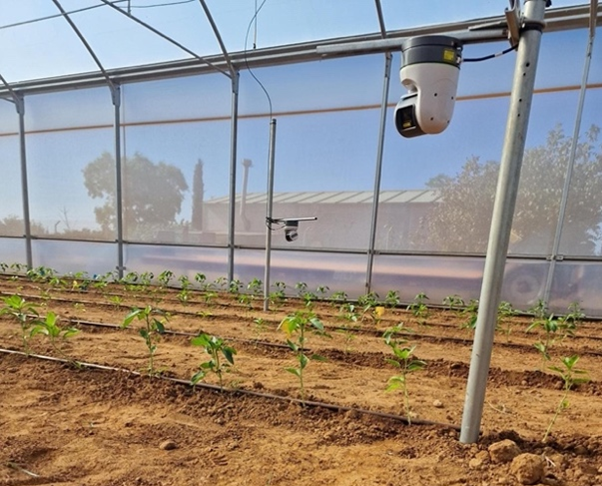
The collaboration focuses on deploying Gardin’s sophisticated sensing solution (Figure 3), capable of real-time monitoring of plant photosynthetic performance, to tailor watering strategies to the plant’s physiological responses.

Fig 3. The Gardin phenotyping sensor – a small device that can be installed anywhere in the farm. It monitors plants several meters away, scanning in any direction and capable of autonomously measuring plant productivity and stress.

Research has extensively shown the suitability of PAM chlorophyll fluorescence for the early detection of abiotic stresses such as drought and heat across a wide range of crops, including both C3 and C4 plants (Arief et al., 2023; Takayama et al., 2011; Woo et al., 2008; Li et al., 2006). This makes the Gardin platform a valuable tool for assessing plant health and water stress levels directly in the farm. By integrating this technology in their practices, Bayer aim to develop targeted irrigation strategies that optimize water usage without compromising crop yields.

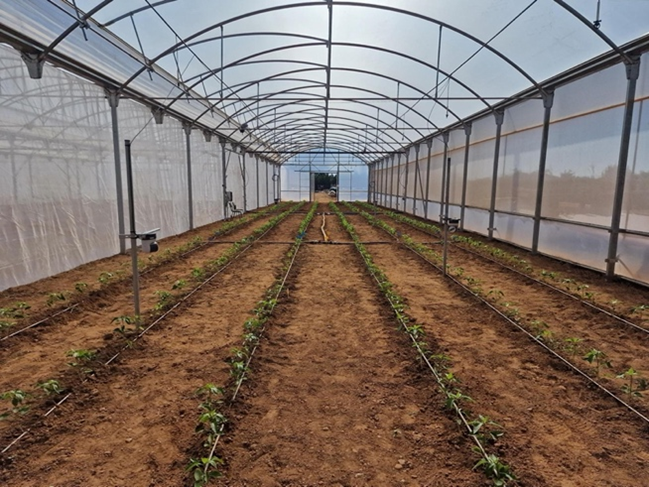
The partnership, which started in the summer of 2023, already produced striking results. In the first field trial, three conditions were compared: conventional irrigation, drought-stressed (-50% water), and plots with responsive irrigation schedules adjusted based on Gardin’s insights (See Figure 4)

Fig. 4. The trial setup with a close up of the Gardin sensors monitoring the crop.

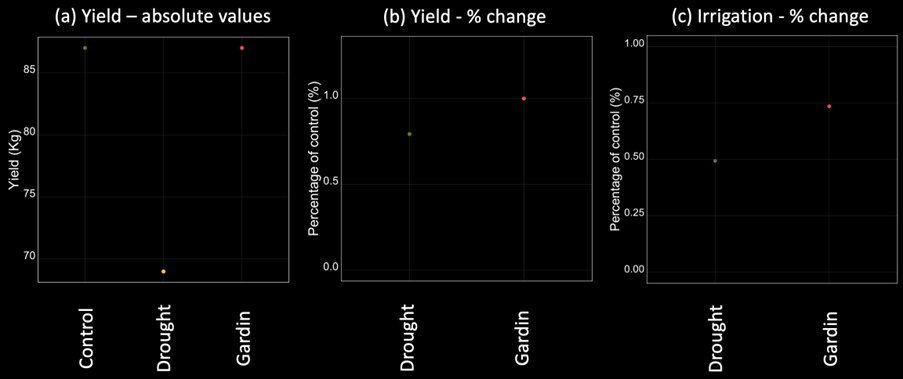
The results were gathered across two harvests over a period of roughly 5 months. Yield data showed that the droughted plots experienced a reduction of yields of roughly 25% as compared to well-watered controls. In contrast, the crop managed with optimized irrigation schedules maintained yields comparable to control plants (circa 101%). During the trial well watered crops received roughly 2000l of water, as compared to only 1000l for the drought stressed plants (50% reduction). Excitingly, the optimised irrigation schedule only used 1490l of water, a reduction of 25% as compared to controls (See Figure 5)

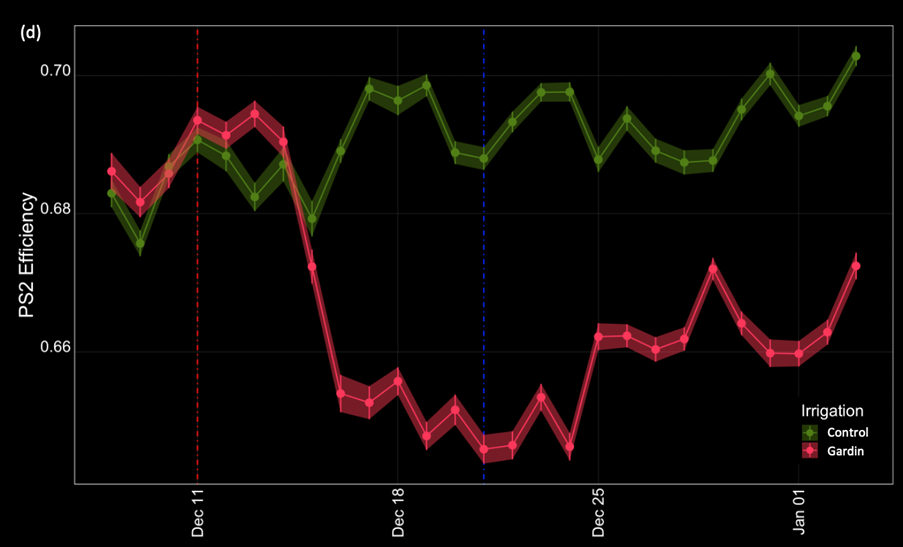
Fig. 5. Summary of results from trial. (a) Total harvest by condition (Kg); (b) Yield in the drought and Gardin treatment groups, expressed as percent of control; (c) Water used in the Drought and Gardin treatment groups, expressed as percent of control; (d) Close up of plant response to drought as measured by the Gardin sensors. Dashed red line – moment drought stress was initiated; Blue dashed line – moment when Gardin recommendation on irrigation strategy was implemented. Controls maintained roughly stable performance throughout the observed period. Gardin treatment responded to interruption of irrigation within 7 days; photosynthetic performance recovered following intervention.

Innovation and sustainability are at the core for Bayer CropScience. Our facilities at the Brenes site are a pioneering centre for the development of new formulations, technologies and strategies to help farmers and under this regard, is open to such sustainable and innovative collaboration with Gardin. Gardin’s insights allowed us to maintain high yields while drastically reduce our water consumption at the farm. This technology has the potential to help growers to protect themselves again the effect of adverse weather conditions, all while reducing their water reliance.

The insights produced by the Gardin platform are delivered to growers and researchers via a simple application accessible from anywhere on the web (see Fig. 6). The app, which reports data and alerts in real time, empowers users to monitor trials and the performance of their farms much more flexibly and proactively, ensuring that farm managers take the most timely action when it comes to responding to challenges such as environmental stress.

Fig 6. The Gardin web application displaying plant performance information in real time and accessible from anywhere. Left – The application allows to compare at a glance the performance of multiple farm areas; Right – Detailed view of plant responses over time.

These findings underscore the potential of precision irrigation technologies in improving water use efficiency in agriculture. By tailoring irrigation schedules based on real-time physiological data measured by the Gardin platform, growers can achieve substantial water savings without compromising productivity.

Dr Fabrizio Ticchiarelli-Marjot, who led this project as Gardin’s Lead Biologist said:

“Water scarcity is one of the most pressing challenges faced by the agricultural industry globally, and we are committed to supporting farmers and researchers in identifying novel practices to reduce their environmental impact, while ensuring the food production needed to feed a growing population.

We are thrilled to work with our partners at Bayer CropScience and together spearhead a transition where agronomical practices are driven by physiological changes in real time.

The aim is to achieve potential savings of 25% of irrigation water while maintaining yields unchanged will support the thousands of businesses struggling every year to cope with increasingly challenging weather conditions and policy”.

Gardin Agritech and Bayer Crop Science, based on the actual achievements, believe that this technology can be refined and scaled for broader applications in agriculture. By continuing to collaborate and innovate, they aim to empower growers with tools and knowledge needed to sustainably manage water resources and ensure the long-term viability of crop production systems in regions experiencing challenging environmental conditions.

In conclusion, the collaboration between Gardin Agritech and Bayer Crop Science represents a significant step forward in addressing water scarcity challenges in agriculture. Through the integration of advanced technologies and scientific expertise, they are paving the way for a more water-efficient and resilient agricultural sector, capable of meeting the demands of a changing climate while safeguarding food security for future generations.

Fabrizio Ticchiarelli-Marjot*, Manuel Jesus Guillen Portillo, Jose Pablo Gonzalez Gonzalez, Jorge Manuel Silva Nunes da Fonseca, Juan Salvador Gongora Gongora, Steven Grundy

* For correspondence reach out to Dr Fabrizio Ticchiarelli-Marjot, Gardin, f.ticchiarelli@gardin.ag

Earlham Institute spinout TraitSeq to transform agricultural sector

Member News
The views expressed in this Member News article are the author's own and do not necessarily represent those of Agri-TechE.

A new spin-out company is set to transform the agricultural sector by revolutionising plant and animal breeding, as well as the development of inputs such as agrochemicals, biostimulants, biologicals, and plant nutrients.

TraitSeq, the first spin-out company to come from the Earlham Institute in Norwich, accelerates and derisks the development of complex traits – such as water use efficiency, tolerance to stress, improved taste, and nutrient use – and novel agricultural inputs that interact with plant genetics.

These enhanced traits and inputs are enormously beneficial to farmers but, using conventional practices, have been notoriously difficult and time-consuming to develop.

TraitSeq combines artificial intelligence (AI) and transcriptomic expertise to provide accurate and robust RNA-based biomarkers for complex genetic traits and gene-input interactions in agriculture. This informs the accelerated development and enhancement of those desirable traits, paving the way for the creation of high-yielding, climate-resilient crops and novel agricultural inputs. 

The cutting-edge approach can be applied in plant breeding, livestock breeding, and agricultural input development, benefitting both global food security and the promotion of sustainable agricultural practices.

Joshua Colmer, CEO and Co-founder of TraitSeq, said: “TraitSeq has the potential to be transformational – not just for crop improvement but for a range of applications that we’re excited to be exploring.

“I’m confident TraitSeq will hugely benefit the sector – whether that’s guiding breeding programmes, identifying gene editing targets, or accelerating crop input development.” 

The technical basis for TraitSeq was developed during Joshua Colmer’s PhD project at the Earlham Institute, which was funded by the Biotechnology and Biological Sciences Research Council (BBSRC), part of UKRI, through an Industrial CASE Award. 

Professor Anthony Hall, Head of Plant Genomics at the Earlham Institute and Co-Founder of TraitSeq, said: “There are many complex traits in plants that breeders would love to be able to select for. But, until now, the tools simply haven’t existed to do this reliably. 

“TraitSeq uses cutting-edge, machine learning algorithms and bioinformatics tools for detecting biomarkers, and producing trait prediction models using transcriptomic data.

“We can identify biomarkers for traits that help mitigate or build resilience to climate change, such as water use efficiency, which will accelerate the development of new crops that can cope with the environmental challenges of the future.

“And the early-stage evaluation of gene edits could significantly improve the efficiency and speed of validation, while also reducing cost.”

John Bloomer, Director and Co-founder of TraitSeq, an agritech commercial leader with over 30 years of experience in the agrochemical, ag-biotech, and seeds industry said: “What excites me is TraitSeq’s ability to accurately predict field performance of new agritech products while they are still at a very early stage in the glasshouse. 

“This will accelerate our customers’ product development process and improve their R&D success rate, bringing new products to the market faster and at lower cost.”

Having seen the enormous potential in this PhD project, Colmer and Professor Hall worked with the Earlham Institute’s Business Development and Impact team and Earlham Enterprises Ltd – the Earlham Institute’s commercial arm – to develop the idea into a new venture, securing a range of funding and support on the journey to spinning out.

Dr Liliya Serazetdinova, Head of Business Development and Impact at the Earlham Institute, said: 

“TraitSeq is a great example of how we’re translating our cutting-edge science into real-world applications which will have an impact on agriculture and other sectors. 

“Josh has the spirit of innovation and enterprise, and is now inspiring other researchers and students to look at their research from a different angle of generating new value for the society.

“We’re delighted to announce the formation of our first spinout company and looking forward to collaborating with the team at TraitSeq in the future to realise the potential of Earlham Institute research.”

Yield and maturity considerations for growers planting winter beans this spring

Member News
The views expressed in this Member News article are the author's own and do not necessarily represent those of Agri-TechE.

The Processors and Growers Research Organisation (PGRO) has received a flood of calls from farmers who have winter seed sat in sheds after abandoning drilling last autumn.

While seed can be sown, research shows that rates should be increased to counter the yield impact, and that maturity will take up to 12 days longer in Eastern England.

The PGRO is re-issuing its advice to growers in light of the recent bad weather that has caused major disruption to farms across the UK.

Throughout October and November high levels of rainfall led to rivers overtopping and flood defences being breached, leaving tens of thousands of acres of farmland under water, sometimes washing away newly-sown crops.

This major disruption has caused the drilling of winter beans to be delayed or abandoned entirely, leaving frustrated growers with stockpiles of winter bean seed in their sheds.

Field trials in this area were last carried out in 2013 following an autumn characterised by torrential rain.

Principal Technical Officer Stephen Belcher drilled winter beans in the spring with four populations planted at three sites on three different sowing dates.

The trials work indicated that winter beans at 18 plants/m2 could be grown when planted in the spring, but on average the crop suffered a 34% yield reduction compared to when sown in the autumn.

The yield penalty was reduced to 18% by doubling the seed rate to 36-40 plants/m2.

Spring-sown winter beans also matured between 7 and 12 days later than autumn-sown seed.

Stephen said: “The autumn of 2023 has been extremely challenging for arable farmers and opportunities for fieldwork have been limited, resulting in many crops – including beans – being left unplanted.

“The situation has prompted many calls to the PGRO regarding the viability of using winter bean seed in the spring, and it is absolutely a viable option for growers, but they should expect a lower yield and later maturity than if autumn sown.

“Based on the work carried out in this area, our guidance is to treat the crop very much like a spring bean and to increase the plant population to around 36-40 plants/m2.”

For more information on drilling winter beans in the spring, you can visit PGRO website or read the original article from The Pulse magazine here.

For additional information and advice you can call PGRO on 01780 782585.

Episode 4 – To Till Or Not To Till?

Member News
The views expressed in this Member News article are the author's own and do not necessarily represent those of Agri-TechE.

In the fourth episode of Agriculture 2050, Katherine from Burleigh Dodds Science Publishing is joined by Professor Amir Kassam who is a world-renowned expert on Conservation Agriculture. In this episode, Professor Kassam considers the lasting impacts of agricultural intensification and the emergence of Conservation Agriculture as an alternative to tillage-based agriculture.

Listen to Episode Four here:

Spotify
Apple Podcasts
Acast

Agtelligence and Airbus; Unlocking Green Finance for Sustainable Agriculture

Member News
The views expressed in this Member News article are the author's own and do not necessarily represent those of Agri-TechE.

Amidst the escalating recognition of the global imperative to address environmental challenges, green finance has emerged as a compelling tool for propelling sustainable development. It is a pivotal instrument for allocating financial resources towards projects and initiatives to prioritise environmental protection and conservation. High-resolution satellite data, in synergy with the recommendations of the Task Force on Climate-related Financial Disclosures (TCFD) and the evolving framework of the Task Force on Nature-related Financial Disclosures (TNFD), is fundamentally reshaping the landscape of how we monitor, rigorously assess, and strategically invest in endeavours that champion environmental sustainability.
Agtelligence brings insights into biodiversity and soil health in the agricultural landscape; we do this by AI-driven time series analysis that captures environmental indicators, and we then apply a scoring methodology to simplify the data and make it accessible to all stakeholders via a dashboard or API. This data provision allows corporations to locate, evaluate, assess and disclose their business risks and impacts on nature aligned with global reporting frameworks.

Navigating the Green Finance Landscape:

Before we dive into the pivotal role of high-resolution satellite data within green finance, it’s vital to grasp the intricacies of the green finance landscape. Green finance spans a comprehensive spectrum of financial services and investment opportunities strategically oriented towards projects, activities, and companies deeply committed to environmental sustainability. This encompasses a diverse array of financial instruments, including green bonds, sustainable loans, that require rigorous environmental impact assessments.

The Surging Demand for Green Finance:

Addressing climate change and environmental challenges is accelerating the demand for green finance. As our planet faces increasingly dire consequences, there is a growing recognition that conventional financial practices must align with sustainability objectives. It is also the fastest-growing sector in the financial industry. This transformation has driven a surge in the demand for green finance as individuals, institutions, and governments acknowledge the critical role it plays in addressing the environmental issues of our time. In this context, green finance has evolved beyond a niche market to become a mainstream financial instrument. Investors and financial institutions increasingly integrate environmental, social, and governance (ESG) criteria into their decision-making processes. Green finance represents a proactive response to climate change, harnessing the power of financial instruments to foster a more sustainable and environmentally responsible global economy.

Green Bonds: Catalysts of Sustainability:

One prominent facet of green finance is the issuance of green bonds. These financial instruments are specially designed to fund projects and initiatives that deliver tangible environmental benefits. Essentially, green bonds are debt securities, much like traditional bonds, but they are exclusively allocated to support environmentally responsible endeavours. This could involve projects spanning sustainable agriculture, conservation initiatives, or biodiversity enhancement. The critical distinction is that the funds raised through green bonds are earmarked for initiatives that contribute to a greener, more sustainable future.
Green bonds operate as a financial instrument aimed at funding environmentally friendly projects. The raised capital must be allocated exclusively to environmentally beneficial projects. Investors purchase these bonds, providing the issuer with funds to undertake green projects. The issuer then pays periodic interest to the investors and repays the initial investment upon maturity. The appeal lies in supporting environmentally sound initiatives while gaining financial returns, aligning investors’ interests with sustainable development goals. Third- party verification ensures transparency and adherence to predefined environmental criteria, assuring investors of the projects’ eco-friendly nature.

Sustainable Loans: Banking on a Green Future:

Sustainable loans are another vital component of green finance. These financial arrangements entail providing loans to businesses and organisations committed to environmentally responsible practices. In essence, they offer a financial incentive for companies to implement sustainable measures. For instance, a business may secure a sustainable loan to improve the sustainability of its operations and manage the land it is responsible for in a way that enhances soil health and biodiversity. The financial institutions offer discounted rates, if the environmental aims are met. The repayment of these loans is typically linked to the achievement of predefined sustainability goals, aligning the financial interest of borrowers with their commitment to environmental stewardship.

Environmental Impact Assessments: Quantifying Green Outcomes:

As green finance matures, so does the importance of rigorous environmental impact assessments. These assessments serve as financial due diligence, offering an in-depth evaluation of a project’s ecological footprint. They quantitatively measure the environmental benefits of a proposed initiative and analyse its potential positive influence on sustainability. Financial institutions, investors, and regulatory bodies rely on these assessments to ensure that green finance investments genuinely advance environmental objectives. By leveraging data and analysis, these assessments play a pivotal role in determining the viability and alignment of projects with the broader goals of green finance.

Sustainable Agriculture and Green Finance

Agriculture uses 40% of the global land surface and stands as a cornerstone within the green finance landscape. The agriculture sector is pivotal in addressing environmental challenges and advancing the cause of ecological sustainability. In this section, we will delve into the intricate relationship between sustainable agriculture and green finance, shedding light on how financial mechanisms support and promote environmentally responsible farming practices.

Sustainable Agriculture: An Environmental Imperative:

Sustainable agriculture is not merely a buzzword but a comprehensive approach to farming that places long-term ecological harmony, resource conservation, and food security at its core. It seeks to meet present agricultural needs without compromising the ability of future generations to meet their own needs.
Why Sustainable Agriculture Matters in Green Finance:

The significance of sustainable agriculture within the green finance landscape is profound. Conventional agriculture practices, which often involve intensive resource use, monoculture farming, and heavy pesticide and fertiliser application, have been associated with soil degradation, water pollution, and biodiversity loss. In contrast, sustainable agriculture strives to mitigate these environmental challenges by embracing practices that integrate practices that enhance nature.

The scale of climate finance dedicated to sustainable agriculture is growing, yet it remains highly insufficient compared to the need. The Climate Policy Initiative (CPI) reports that the amount of climate finance going to agriculture and forestry pales in comparison to that for energy systems, industry, and transportation. Given the transformative role agriculture and forestry can play in human development and climate mitigation there is an urgent need for increased investment in sustainable agricultural practices.
One of the primary challenges in scaling up finance for sustainable agriculture is the lack of reliable and standardised data. The World Bank emphasises that data gaps in the measurement, reporting, and verification (MRV) of climate finance hinder the effectiveness and allocation of funds. These gaps make it difficult for investors to assess the impact of their investments and for governments to formulate policies that effectively channel resources into sustainable practices. Furthermore, the complexity and diversity of the agricultural sector, with its multitude of smallholder farmers and varied ecological conditions, add to the data challenges. Standardising metrics and improving data collection and analysis are crucial steps towards enabling more targeted and effective financing.

Investing in sustainable agriculture has a catalytic effect on other economic sectors and global development. The International Fund for Agricultural Development (IFAD) argues that investments in sustainable agriculture can boost economies, particularly in rural areas where agriculture is a primary livelihood. This investment stimulates local economies, creates jobs, and increases resilience to climate change. Moreover, sustainable agricultural practices contribute to several United Nations Sustainable Development Goals (SDGs), including poverty reduction, zero hunger, clean water, and climate action. The ripple effects of such investments extend beyond agriculture, fostering broader economic growth and environmental sustainability. As the United Nations Development Programme (UNDP) notes, sustainable agriculture financing is not just about food production; it’s an integral part of a holistic approach to sustainable development. By channelling funds into agriculture and forestry, there is an opportunity to address multiple global challenges simultaneously.

Green Finance’s Role in Promoting Sustainable Agriculture:

Green finance plays a central role in advancing sustainable agriculture by facilitating the flow of capital to projects and initiatives that embody ecologically responsible farming practices. These projects can encompass a wide spectrum, ranging from biodiversity promotion on arable lands to regenerative farming methods and initiatives aimed at reducing the agricultural sector’s carbon footprint.
Financial incentives and access to capital are essential elements that green finance provides to farmers and agribusinesses willing to adopt and scale up environmentally friendly agricultural practices. Such practices often entail efficient water resource management, improved soil health, and sustainable land management. By offering financial support for these endeavours, green finance not only encourages their adoption but also nurtures the cultivation of higher yields and reduced environmental impact.

See more about Agtelligence here

Episode 3 – How Sustainable Are Our Food Systems?

Member News
The views expressed in this Member News article are the author's own and do not necessarily represent those of Agri-TechE.

In Episode 3, Katherine from Burleigh Dodds Science Publishing is joined by Dr Dave Watson who is a leading authority on sustainable development and optimising value chains in agriculture. In this episode, Dr Watson – who has held previous positions at the FAO, CIMMYT and CGIAR – explores the unsustainability of modern food systems and the contributing factors to its demise.

Listen to Episode Three now:

Spotify
Apple Podcasts
Acast