Norwich Research Park event showcases research and technology platforms

Member News
The views expressed in this Member News article are the author's own and do not necessarily represent those of Agri-TechE.

Norwich Research Park event showcases the research and technology platforms innovative businesses can access


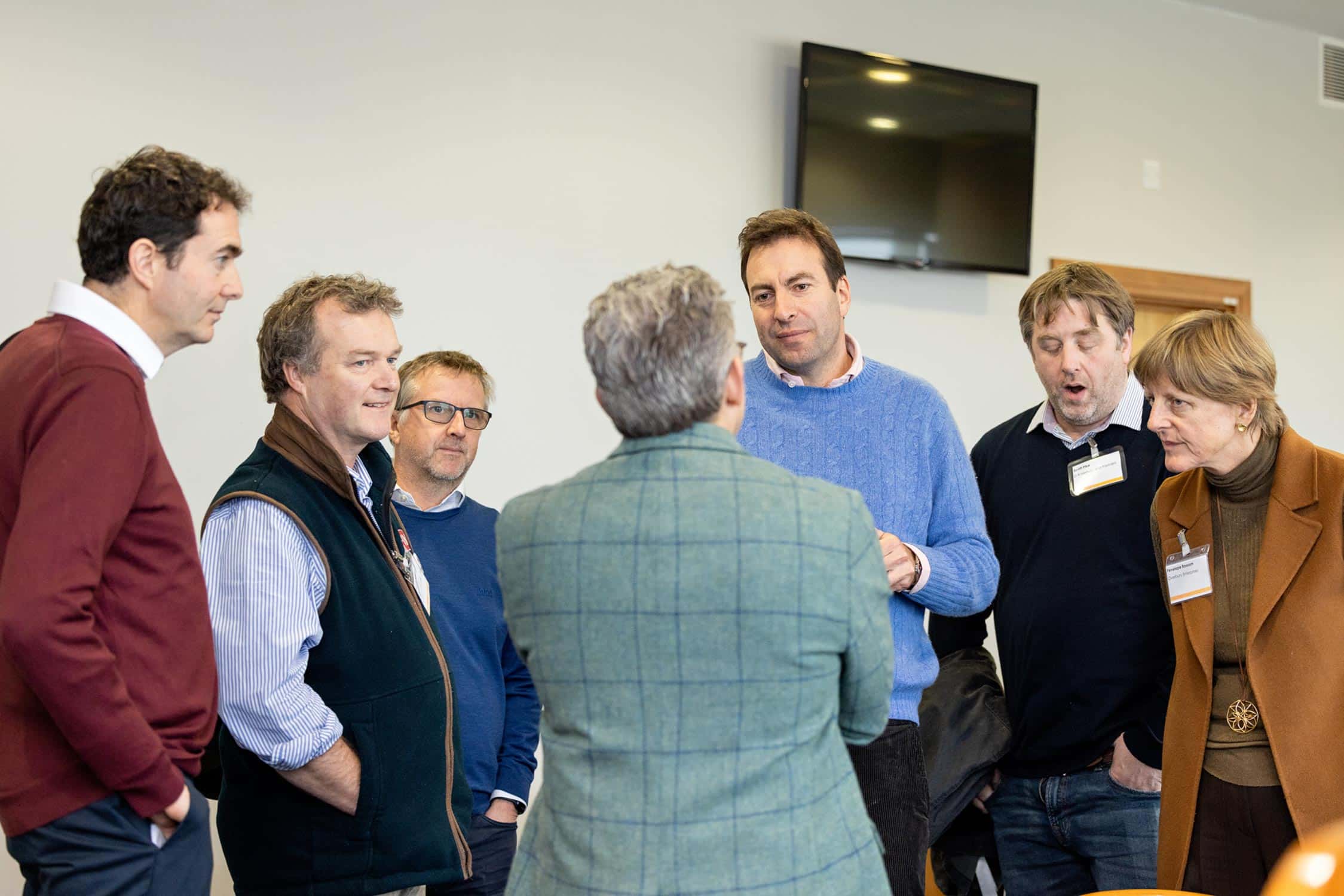
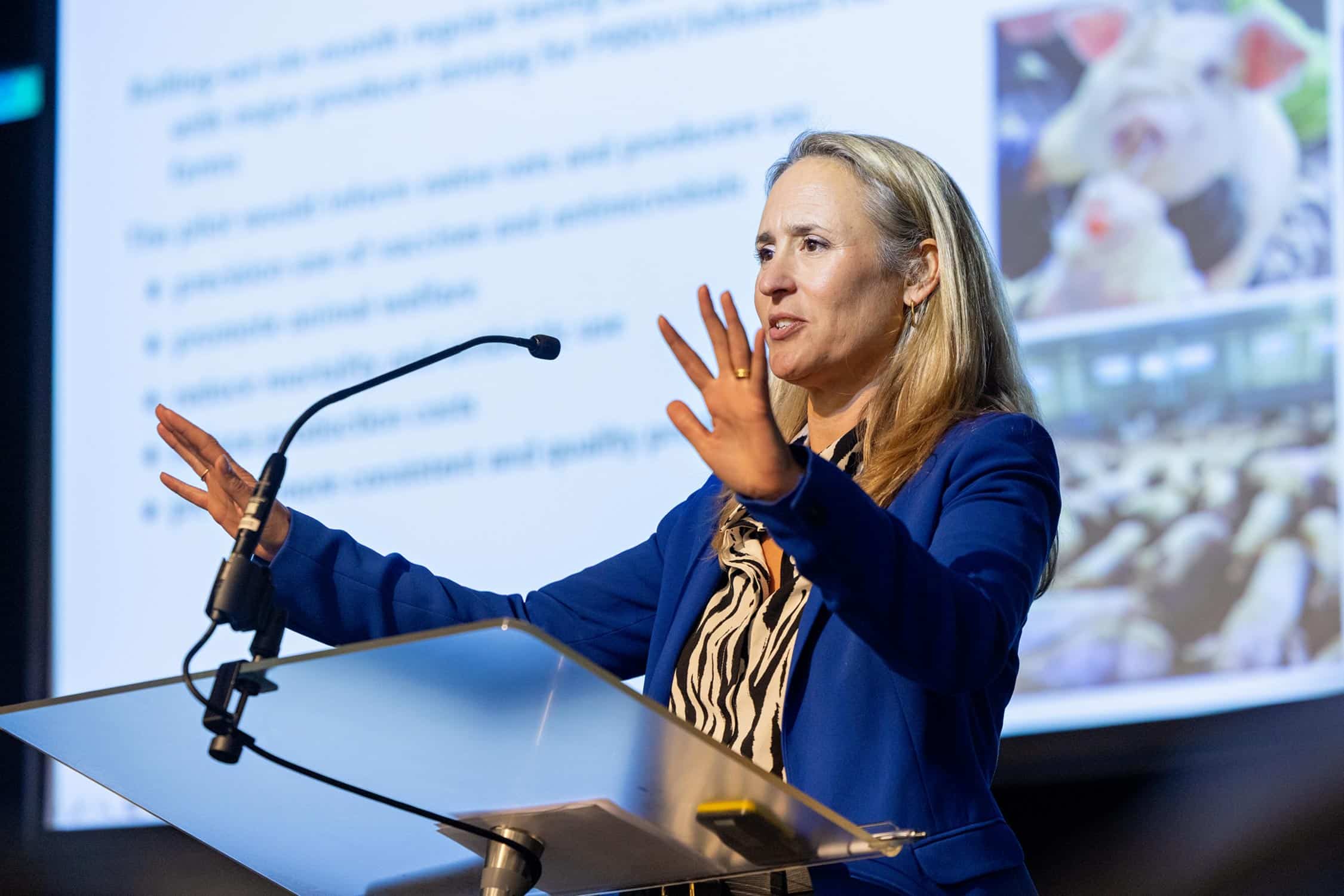
Anglia Innovation Partnership, the campus management organisation at Norwich Research Park, hosted its latest Enterprise Tuesday event on Tuesday 11 June at the John Innes Conference Centre, showcasing novel technology platforms and debating the value of ‘science push and industry pull’ activity in the cluster.


The event entitled ‘Research and Technology Platforms Open for Innovative Business’ presented case studies to explain how the specialist facilities were created, at the campus, how they are used in publicly funded research, on the campus, and their current and future potential application in industry.


Four of the platforms presented:


Dr Carolina Grandellis and Dr Iain MacAulay introduced the Biofoundry at the Earlham Institute, an engineering biology and automation facility for processing biological samples by using robots to do experiments faster and more accurately for microbiology and biotech companies wanting to screen a high number of bacterial strains.


Dr Alan Brailsford, Operations Manager, Quadram Institute presented information about QIB Extra which is the Quadram Institute’s commercial arm that works with industry partners in the food, diet and health sectors to provide its expertise and services to help develop their products with the profits being reinvested into further research.


Dr Penny Hundleby, Senior Scientist, John Innes Centre talked about the Crop Transformation platform which offers transformation and genome editing for a range of species including wheat, barley and Brassica crops. It can help to advance research in many areas of plant science by providing functional characterisation of genes of interest and by providing knock-out mutants using CRISPR/Cas9 based technologies.


Dr Ofir Meir, Chief Technology Officer at Tropic explained the working of its GEiGS (Gene Editing induced Gene Silencing) platform a frontrunner in the agriculture gene editing sector which uses universal gene editing tools such as CRISPR, to minimally edit the host’s own non-coding genes and redirect their silencing activity (RNAi) towards any desired target gene or gene family enabling critical disease resistance and valuable quality improvement traits across crops, livestock and aquaculture.


The second half of the event was a panel discussion –  ‘Strengthening engagement through ‘science push’ and ‘industry pull’’ chaired by Dr Nick Goodwin, COO of Anglia Innovation Partnership featuring James Phillips, Head of Translation and Innovations Capability at the Biotechnology and Biology Sciences Research Council (BBSRC), Linda Bedenik, Senior Policy and Public Affairs Manager, The Bioindustry Association, Luke Young, CEO and co-founder of Alora, Dr Jonathan Clarke, Head of Business Development at the John Innes Centre, Prof Brian Reid, Professor of Soil Science, UEA, Dr Jenny Longmore, Director of Research Operations, Norfolk & Norwich University Hospital and Dr Cathrina Edwards, PulseON Foods.


Roz Bird, CEO, Anglia Innovation Partnership, said: “Norwich Research Park is one of the largest research clusters in Europe, with over 30,000 people on site every day.


Our aim is to raise awareness of our technology and research platforms and encourage more research collaborations, and more industry access, to maximise the impact of the enormous amounts of publicly funded research taking place on the campus.


“These events are a really good way to highlight the genuinely fantastic opportunities that exist here and the importance of our facilities. We actively support fledgling companies with access to funding, facilitating collaborative partnerships and introducing them to useful business networks. Our unique combination of top-class facilities, access to funding and ease of collaboration means we can fast-track ideas to become viable start-up companies.


It was great to be able to show case unique technology and new enterprise activity yet again and to get a great response from our audience of over 100 delegates.”


  • *I have permission from the copyright holder to publish this content and images.

Commercialising Research in Sustainable Biostimulants

Member News
The views expressed in this Member News article are the author's own and do not necessarily represent those of Agri-TechE.

As part of our “Back to the Future” project, we’re asking Agri-TechE members to reflect on how the agri-tech industry has evolved over the past decade and to share their vision for the next ten years. By compiling these insights, we aim to create a powerful outlook on the future of agriculture, a compelling call to arms for the industry driven by the diverse perspectives of our community.

This submission is part of the collection of reflections and predictions from our members, offering unique perspectives on the industry’s past milestones and future directions. Each contribution adds to a broader dialogue about the innovations and challenges that will shape the next decade in agri-tech.

The Evolution of Land-Based Skills Training: Adapting to a Changing Landscape

Member News
The views expressed in this Member News article are the author's own and do not necessarily represent those of Agri-TechE.

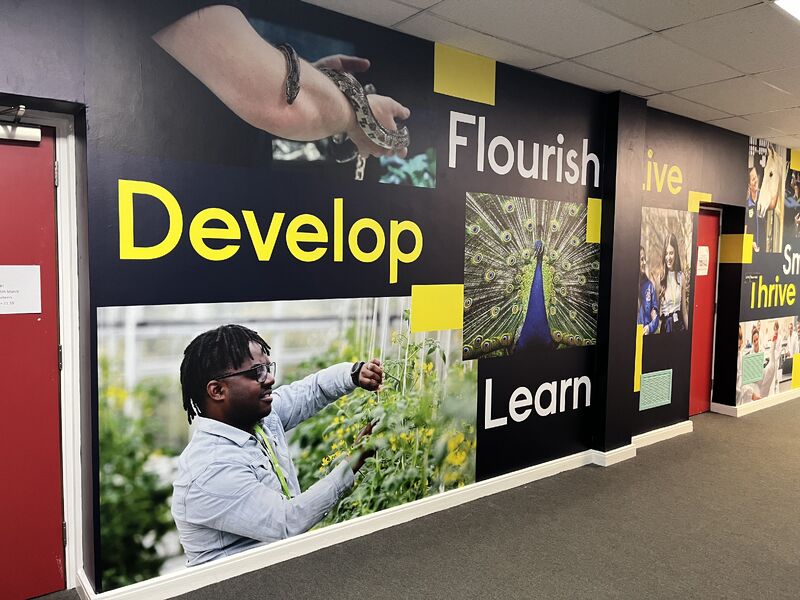
As we progress through the fourth industrial and agricultural revolutions, land-based skills training is undergoing a significant transformation. Universities like Anglia Ruskin Writtle are at the forefront of this change, adapting their curricula to meet the evolving needs of the industry and address global challenges such as climate change, food security, and sustainable resource management.

One of the most prominent shifts in recent years has been the integration of technology into land-based education.  Traditional agricultural and environmental management practices are now augmented by digital tools and data-driven approaches.  Students are learning to use Geographic Information Systems (GIS), drone technology, and precision agriculture techniques.  They’re gaining skills in using satellite imagery for crop monitoring, employing soil sensors for optimised irrigation, and utilising big data analytics for yield prediction.  Looking ahead, we can expect increased investment in cutting-edge equipment and software, as well as partnerships with tech companies to develop specialised courses in agri-tech and environmental informatics.

Sustainability and climate resilience have also moved to the forefront of land-based skills training. Curricula now incorporate principles of agroecology, regenerative agriculture, and carbon sequestration.  Students are being trained not just to maximise yield, but to do so in a way that preserves biodiversity, minimises environmental imp act, and contr

ibutes to climate change mitigation. We are already seeing the development of specialised programmes in climate-smart agriculture, sustainable forestry, and ecosystem restoration.

Another significant trend is the shift towards interdisciplinary and holistic methodologies. Recognising the complex and interconnected nature of land management issues, educational institutions are breaking down traditional barriers between disciplines.  Students are encouraged to understand the interplay between agriculture, ecology, economics, and social sciences.  This holistic approach better prepares them for the multifaceted challenges they’ll face in their careers.

Practical, hands-on experience has also gained increased emphasis in land-based skills training. Universities have strengthened their ties with industry partners, offering more internships, work placements, and collaborative research projects.  This approach not only enhances students’ practical skills but also improves their employability by providing them with real-world experience and industry connections.  In the future, we will see the establishment of innovation hubs or incubators focused on land-based industries, providing students with opportunities to work on real-world problems and even develop their own start-ups.

The globalisation of agriculture and environmental management has necessitated a more international outlook in land-based skills training.  Programmes now feature more international learning opportunities, global case studies, and courses focused on diverse agricultural practices from around the world.  This trend is likely to intensify, with universities developing partnerships with institutions in different climatic zones and offering students unique insights into diverse land management challenges and solutions.

Lastly, there’s growing recognition of the importance of soft skills in land-based professions. Communication, leadership, problem-solving, and adaptability have become increasingly valued by employers.  ARU Writtle, for example, are responding by incorporating more group projects, presentations, and leadership opportunities into their curricula.  We have already seen the introduction of specific sessions on professional skills for land-based careers, such as stakeholder engagement, conflict resolution in resource management, or science communication.

As we look to the future, institutions like Anglia Ruskin University Writtle are well-positioned to lead the next wave of innovation in land-based skills training.  By embracing these evolving trends, universities can prepare graduates to tackle the complex land management challenges of tomorrow, contributing to sustainable land management and food security worldwide.


Mercedes-AMG PETRONAS F1 Team accelerates towards Net Zero with investments into carbon removal & innovation

Member News
The views expressed in this Member News article are the author's own and do not necessarily represent those of Agri-TechE.

We are pleased to announce a new round of investment into innovative carbon removal initiatives as part of our ambition to become one of the world’s most sustainable sports teams.

As a Formula One team racing on multiple continents, we have worked tirelessly to understand the environmental impact that we have and the role that we can play in driving change.

We are reducing our race team’s emissions, targeting a 75% reduction by 2030 and setting SBTi-aligned targets for our entire supply chain to hit Net Zero by 2040, in line with our Climate Pledge Commitment.

Emissions reduction remains our primary focus, but we recognise that some sectors within our footprint may have lingering residual emissions which will require the highest quality, lasting carbon removals.

Carbon removal projects actively remove carbon from the atmosphere. Removal can be achieved through both natural and technological solutions, offering storage in a variety of locations and over a range of timeframes.

In line with the recommendations of the Oxford Offsetting Principles, high quality projects with long durability and low risk of carbon being released back into the atmosphere can be used to counterbalance residual emissions in support of Net Zero strategies.

Recognising that the carbon removal market is still in its infancy, with new project types and methodologies, we have begun to invest in a blended portfolio of nature-based and permanent removal initiatives that we anticipate will help us meet our Net Zero targets in the short, medium, and long-term. We are supporting schemes operating in different geographies and at different scales to promote innovation, build confidence and help make the case for market growth.

The first project is a carbon removal purchase, facilitated by Frontier, and is our first investment in permanent, technology-based carbon removal solutions.

To compensate a portion of our residual emissions, carbon will be permanently sequestered on our behalf, via new technologies such as direct air capture, enhanced weathering, and biomass sequestration. Upfront purchases will help to scale the most promising carbon removal start-ups by providing them with guaranteed demand and development through forward-looking commitments.

We have also made a three-year commitment to a soil carbon removal project in the UK, generating credits which will help compensate for a portion of our residual carbon emissions.

These pioneering projects, breaking ground in their respective sectors, are part of our blended approach and transition towards high-integrity removals in line with the Oxford Offsetting Principles.

Alice Ashpitel, Head of Sustainability, Mercedes-AMG PETRONAS F1 Team: “Innovation is at the heart of everything we do, both on and off the track. These new projects reflect our commitment to pioneering solutions that not only mitigate our environmental impact but also drive broader change.

“We’ve explored many solutions, from immediate projects to future tech, that can help us implement innovative carbon removal methods and reach our long-term climate goals. Independent experts have guided us through the process in selecting the projects that we’re announcing today. We remain committed to driving emissions reduction, and we hope our investment in innovative removals initiatives will boost their impact and help the market grow.”


Accelerating Carbon Removal Technologies with Frontier

Our agreement with Frontier will help accelerate carbon removal technologies that store carbon permanently (> 1,000 years), do not compete for arable land and have a path to being affordable at scale (< $100/ ton), even if they’re not there today.

These are crucial requirements to ensure long-term viability and we anticipate our carbon removal credits with Frontier contributing to our permanent removals as early as 2027.

Hannah Bebbington, Strategy Lead at Frontier: “A lack of customer demand has been a huge blocker to progress in carbon removal. Purchases like that made by the Mercedes-AMG PETRONAS F1 Team send a clear signal to entrepreneurs and investors that the market is ready to scale up. Every business that is serious about climate needs to be doing this.”

Supporting the Adoption of Regenerative Agricultural Practices with Blaston Farm

Closer to home, we are investing in a project at Blaston Farm in Leicestershire where this initiative is set to inspire wider adoption of regenerative agricultural practices across the UK.

We are purchasing nature-based carbon removal credits from Respira International to compensate for residual carbon emissions in our footprint today. Here, we’re not just capturing carbon; we’re enhancing soil health, boosting crop productivity, nurturing biodiversity and empowering farmers with new revenue opportunities.

Our investment at Blaston Farm aligns with stringent registry standards, ensuring that each greenhouse gas reduction is precisely calculated. This pioneering project represents a new carbon accounting methodology which, alongside independent validation, will help us uphold the highest levels of credibility and trust.

Soil is the world’s largest terrestrial carbon sink, emphasising the crucial role of soil management in climate change mitigation. A shift to Regenerative Agriculture has the potential to sequester atmospheric CO2, mitigating an estimated 5-10% of global emissions if widely adopted.

The project at Blaston Farm will demonstrate that conventional production systems are associated with soil organic carbon losses, whereas regenerative systems are recording gains.

David Wright, CEO of Ecometric: “Our highly accurate soil organic carbon monitoring system merges direct soil measurement with AI-driven image analysis. This fusion significantly enhances the accuracy and scalability compared to conventional systems. UK corporates are now empowered to actively participate in mitigating climate change through regenerative soil management, as demonstrated by changes in carbon stock. On behalf of Respira, Indigro and Hylton Murray-Philipson, Farmer and Estate Manager at Blaston Farm, we are delighted to collaborate with the Mercedes-AMG PETRONAS F1 Team offering them the potential to compensate for their ongoing emissions by funding domestic sequestration and, in turn, provide performance related financial reward back to the farm to incentivise their positive change”.

The investments announced today form part of our wider sustainability strategy and commitment to reach Net Zero.

Company at Norwich Research Park to grow rice on the ocean surface.

Member News
The views expressed in this Member News article are the author's own and do not necessarily represent those of Agri-TechE.

‘Ending world hunger, achieving food security and improved nutrition, and promoting sustainable agriculture’ is the United Nations’ no.2 goal. And, it’s one that a company based at Norwich Research Park is confident it can help solve by growing rice on the surfaces of the world’s oceans. Alora is aiming to create the world’s first ocean agriculture system with revolutionary technology that is set to increase yields, use zero freshwater and minimal land.

Alora is the first company in the world that is aiming to grow rice and other crops on the surface of the ocean. It has developed a patented genetic design that will enable its rice crop to grow in an ocean’s highly salinated environment. This means that crops can be grown without fertiliser or freshwater whilst achieving increased yields and incurring lower production costs. It has already developed a salt-tolerance trait allowing rice to grow in environments of up to 50% of the salinity of the oceans.

Using marine nutrients, a symbiotic approach and custom engineered soil replacement material, Alora’s Ocean Agriculture has higher yields than both traditional and modern methods of growing food, with the engineered platforms alone increasing yields by up to 70%.

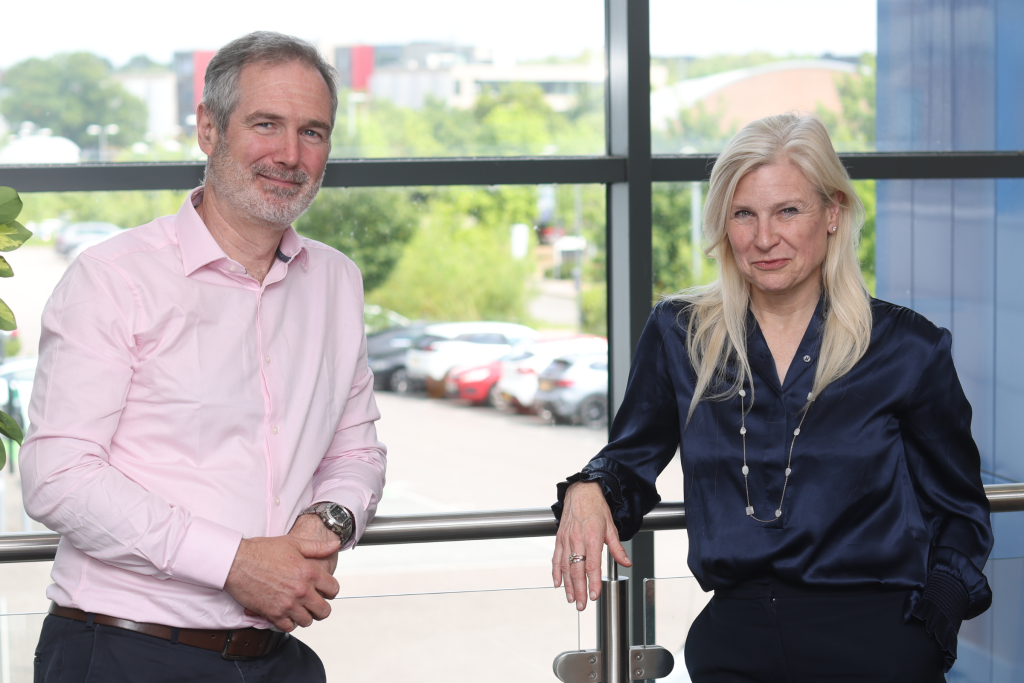
Alora was co-founded by Luke Young (photo: left) and Rory Hornby (photo: right), both 28, who first met when they were studying for their science degrees at Durham University. Luke recalls, “We first became friends because we were the only two people on our course who wanted to talk about science outside of our lectures. We found that we were both fascinated by its potential and we talked about loads of ideas. But the important thing for both of us is that we wanted to apply the results of scientific research so that it could have a positive impact on society.”

There were many avenues open to the friends but the one that really got them excited was how to help solve the world’s hunger crisis. Ocean agriculture was the vision that they shared.

Rory explains, “The first question we needed to answer was why the world’s food shortage is such a crisis when billions of pounds are poured into it each year. The answers lies in the limitations of agriculture. One, is the amount of fertile land that is available which contains all of the nutrients needed to grow crops and the other, is the available source of good fresh water. We realised both of these can be found in our oceans and started designing our solution.”

The biggest issue they faced was that ocean water has a high salt content which is not normally a good environment for growing staple crops. The solution was to engineer salt-tolerant varieties of rice that would adapt to the ocean environment, being able to absorb the nutrients available and survive in water that is more salinated than a land-based environment.

They did this by employing gene editing techniques to identify and ‘switch on’ the salt-tolerant genes in the rice varieties which they patented. The plant’s stem cells are then transformed and can be regrown with an active salt tolerance. The rice is grown on ocean surface ‘farms’ which consist of a number of covered pods to protect the growing rice from birds and the weather.

This method of growing rice also has a positive environmental impact. Rice grown on land is responsible for creating 1.5% of all global greenhouse gas emissions which is linked to the bacteria in the soil that thrives in rice paddy fields. That issue is removed by growing rice on the ocean’s surface.

Such was the interest in their ideas that IndieBio, a biotech accelerator programme based in San Francisco in California, invited Luke and Rory to set up Alora there, where it funded a development programme for them. Whilst there, they caught the attention of a Singaporean investor who funded the $500,000 USD they needed to get things off the ground.

With the concept proven, they moved to Canada to continue their work developing their first crop with a high salt tolerance, their marine farms and a stealth bacterial technology with the target of launching their first ocean farm pilot in Singapore in 2022.

Having raised $3.7m from investors, they then set about searching for a base from which to build their business. Having visited many potential sites including San Diego and Boston in the US and Amsterdam in Europe, they decided that Norwich Research Park presented them with the best location.

Luke explains why, “I had known about the fantastic reputation the John Innes Centre has for plant science from a couple of friends who worked there, so knew of Norwich Research Park’s existence. But we did not know just how large and well-suited it was until we visited. The team from Anglia Innovation Partnership were very proactive in showing us around and pulling together an itinerary to meet key people on the campus.”

“As soon as we walked into the Centrum building, we knew this was going to be our home. The chance to work with the six partner institutions on the Park, the world-class facilities and the talent pool for us to dip into as we grow our business presented an unbeatable proposition. With plans for new buildings that we could move into as we expand coupled with so much else at our fingertips meant we were able to make the decision to move here in just 24 hours!”

The next 12 months is anticipated to be a very exciting one for Luke, Rory and their team. They are currently preparing to open their Series A funding round later this year where they hope to raise between $15-30m USD to fund the establishment of their site in Norwich and their pilot projects around the world. They are hiring now to help get their first products on the market which they anticipate to be in the salt-degraded soils of South America, South East Asia, South Africa and the USA.

Currently, they have a number of partnership and pilot projects being run across the globe in places such as the US, Grand Bahama Island, Kenya, Namibia, Madagascar, Singapore, Vietnam and India where they hope to start harvesting rice for the local populations.

The opportunity ahead of them is massive. The soil-based rice market is worth around $376bn, where up to one-third of irrigated paddies are impacted by salt intrusion today. Ocean-based rice farming, where costs such as irrigation, pesticides and fertilisers are not needed and yields are expected to be better than land-grown rice, is expected to deliver greater profitability and greater sustainability. Plus, there is the added benefit of a reduced carbon footprint. And they don’t intend to stop at rice. Soya bean and cotton are next on the list for ocean farming.

Roz Bird, CEO of Anglia Innovation Partnership, said, “We are absolutely delighted that Alora has chosen Norwich Research Park to grow its business and develop its truly innovative and game-changing products. As one of the largest research communities in Europe, offering access to specialist technology platforms, networks and expertise, to meet Alora’s evolving needs, I have no doubt that they will succeed, following in the footsteps of the likes of Colorifix and Tropic – finding solutions to some of the world’s most critical problems, such as food security, and at the same time creating new jobs for our local economy.”

  • *I have permission from the copyright holder to publish this content and images.

IoT Solutions – Made Easy

Member News
The views expressed in this Member News article are the author's own and do not necessarily represent those of Agri-TechE.

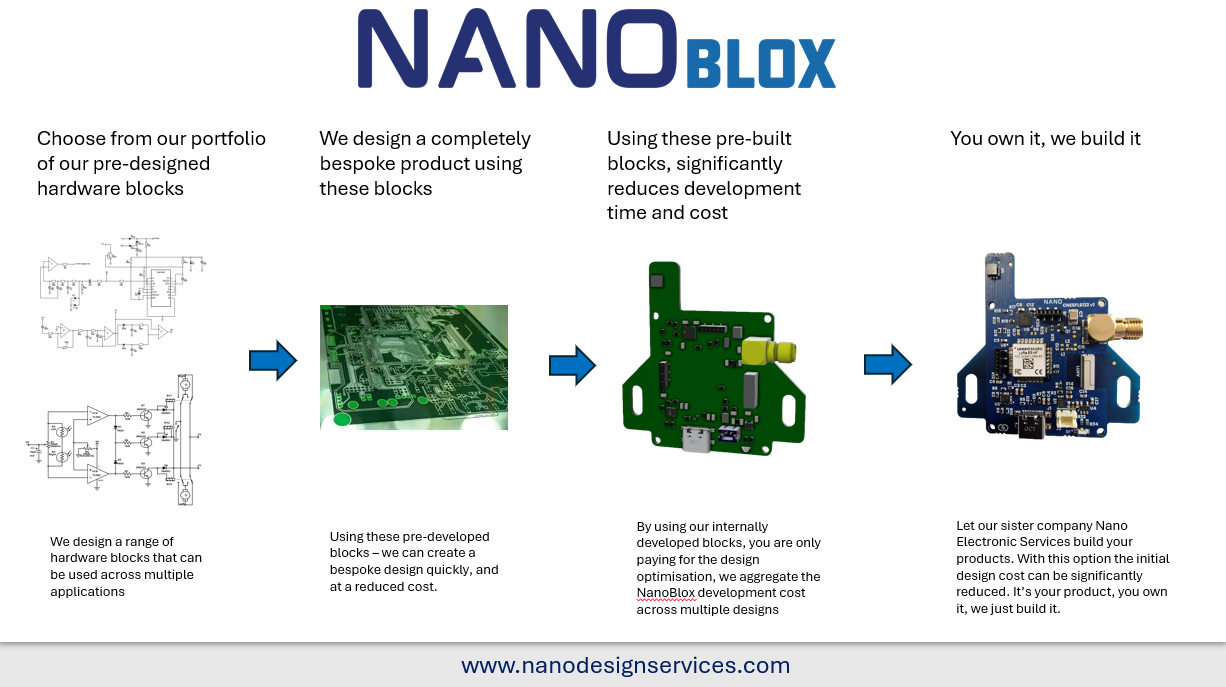
Customisable Designs

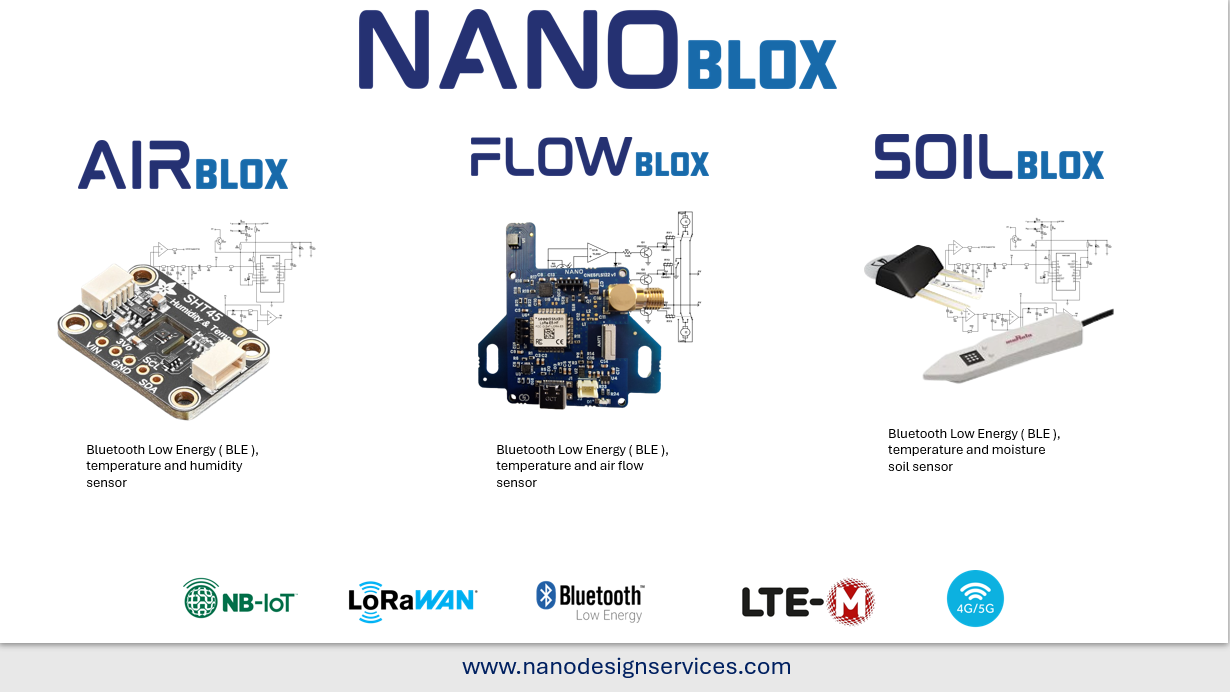
Select from one of our pre built CAD models. These designs are proven and tested and allow us to quickly create your own bespoke product from these core building blocks. Similar applications will use a common technology – IoT for example – will take a sensor input, maybe add some edge processing and then store data or send to the cloud. Why have different customers paying someone to design the same thing. This is where off the shelf hardware modules came from, allowing for easy design of common functions.

But what happens when the module isn’t quite right, there is a compromise, on space of functionality, or maybe the module becomes obsolete. NanoBlox takes this to the next stage, the module exists in the CAD system and can easily be modified to give customers exactly what they need, without having to pay for a full development. Instead only pay for the modifications – allowing for quicker time to market and reducing risk.

More at : www.nanodesignservices.com/nano-blox

  • *I have permission from the copyright holder to publish this content and images.

The EU AI Act and Intellectual Property

Member News
The views expressed in this Member News article are the author's own and do not necessarily represent those of Agri-TechE.

Intellectual Property and the EU AI Act

The European Union’s AI Act will establish a unified regulatory framework for AI across the EU, introducing significant new requirements for generative AI. Notably, it mandates the disclosure of copyrighted works used in training these systems. Here’s an overview of what this means for AI developers and providers.

Background on the AI Act Amendments

The amendments to the AI Act specifically target generative AI, mandating providers to publicly disclose details of copyrighted works used in training their models. This move addresses growing concerns about copyright infringement in the training processes of generative AI systems. These systems, capable of creating text, images, and other media, have seen explosive growth and investment, exemplified by OpenAI’s ChatGPT and Microsoft’s significant investments in AI.

Often, these AI systems utilise vast amounts of copyrighted material, sometimes scraped from the internet, leading to allegations of infringement from rightsholders. The new disclosure requirements could increase the legal scrutiny AI developers face, particularly in the EU, as they must transparently document their use of copyrighted materials.

New Obligations for Generative AI Providers

  1. Policy for Compliance: Providers of general-purpose models must establish policies to comply with Union copyright law, including honouring opt-outs from the EU’s commercial text and data mining (TDM) exception using state-of-the-art technologies.
  2. Global Scope: The AI Act requires compliance with EU copyright law even if the model is trained outside the EU. This ensures a level playing field by preventing providers from gaining a competitive advantage through lower copyright standards outside the EU.
  3. Disclosure Requirements: Providers must publicly disclose details of the content used for training their models. This includes listing main data collections or sets, such as large private or public databases, while protecting trade secrets and confidential business information. No exceptions are made for open-source models, and those fine-tuning general-purpose models must disclose new training data sources.

Broader IP Considerations

The AI Act aims to balance innovation with the protection of fundamental rights, including IP rights. The specifics of achieving this balance remain to be seen, but the legislation emphasises protecting the intellectual property of AI system developers, such as trade secrets, while mandating public disclosure under certain conditions. Suppliers must provide necessary information for compliance without compromising their IP or trade secrets, and authorities applying the AI Act must also protect these interests.

Impact on the UK and Future Developments

Post-Brexit, the UK’s approach to AI regulation has diverged from the EU’s. The UK has not implemented the EU’s text and data mining exceptions, limiting such exceptions to non-commercial research. While the UK Government is consulting on broader exceptions, it has yet to propose obligations for AI providers to disclose copyrighted works used in training.

The UK aims for a lighter regulatory touch to foster innovation within the AI space. However, this approach may face challenges in a globalised market where the EU’s stringent regulations could set a de facto standard. The UK’s narrower exceptions and different regulatory frameworks could impact its competitiveness in AI development compared to the EU.

Practical Steps for AI Developers in the UK

UK-based AI developers should collaborate closely with IP lawyers to navigate the complex landscape of training data and copyright compliance.

Key steps include:

  1. Identifying necessary works and applicable copyright restrictions.
  2. Evaluating the extraction of protected data and potential infringement risks.
  3. Considering jurisdiction-specific strategies for training and hosting models.
  4. Implementing safeguards like filters and human oversight to prevent infringing outputs.
  5. Documenting compliance efforts meticulously to adhere to regulatory requirements.

Conclusion

  • The EU AI Act represents a significant step towards regulating the use of generative AI and protecting intellectual property (IP) rights.
  • Providers must adapt to these new requirements, carefully considering where and how to train their models to ensure compliance with EU laws. This will involve detailed documentation, transparent disclosure of training data, and robust compliance policies to navigate the complex landscape of AI and IP.
  • The UK’s different regulatory approach adds another layer of complexity, emphasising the need for thorough legal guidance and strategic planning in AI development and deployment.

For assistance in navigating these intellectual property matters, contact ip21 today.

  • *I have permission from the copyright holder to publish this content and images.

New farm supports plan to transform the future of food

Member News
The views expressed in this Member News article are the author's own and do not necessarily represent those of Agri-TechE.

The University of Reading has agreed an ambitious plan to transform the future of food and farming through research.

The University has today (Monday 1 July) agreed a comprehensive plan for investment in research areas for agriculture and food and has completed a circa £16 million purchase of land at Tanners Farm, Farley.

The 635-acre site includes pasture, arable land and woodland, and is around five miles south of the University of Reading’s Whiteknights campus, and close to the University’s existing farming facilities at Hall Farm, near Arborfield.

The purchase of Tanners Farm, and the adoption of the Agrifood Futures Strategy, are significant events that will extend the University’s farming resources, marking a milestone in more than a century of agricultural research and education.

With the possibility of an updated Local Plan for Wokingham allocating parts of Hall Farm for a new garden village, the additional farmland will ensure there is ample space to continue the University’s world-class research, in a location that is still close to the University’s other facilities.

Professor Robert Van de Noort, Vice-Chancellor of the University of Reading, said: “The study of food and farming has been at the heart of the University’s work for more than a century. This new strategy will secure the future of agriculture at Reading for the next century to come.

“Our mission is to develop new methods and partnerships that will transform the way healthy, sustainable food is produced in Britain.

“This is another important step to raise Reading’s position among the world’s best for agricultural research. In time, this strategy and additional farmland will give our researchers the ability to find answers to critical questions of food security and sustainability. It will provide our students with hands-on experience as they train to become our future food growers and the stewards of the countryside.”

The funds for the purchase come from the University’s long-term capital investment funds. The University’s overall investment asset capital will remain broadly unchanged.

The new farm is an addition to the University’s existing agricultural facilities around Reading, which includes mixed farmland and facilities in Arborfield, Shinfield and Sonning.

Tanners Farm currently includes arable land where milling wheat, feed wheat and barley is grown.

University of Reading new farm

Future of food

The Agrifood Futures Strategy looks to position Reading to address some of the most important and complex challenges facing the global food system of 2050. It aims to align the University’s research with a vision for everyone globally to be able to consume a sufficient, healthy, sustainable and affordable diet that leaves the lightest possible footprint on the planet.

The strategy identifies three interlinked priority research areas, focusing on transformation to a resilient and fair food system; environmentally friendly farming systems; and developing healthy and sustainable foods.

The University currently has a large existing farming portfolio, including significant dairy and crop research. The University of Reading is ranked among the top 30 universities in the world for Agriculture and Forestry (QS World University Rankings by Subject 2024), behind only Oxford and Cambridge in the UK.

Research carried out on Reading’s farms has included:

  • innovative studies to cut greenhouse gas emissions from milk and dairy production;
  • work on techniques to promote the health and welfare of farmed livestock;
  • measuring ways to boost populations of bees and insect pollinators;
  • the development of new vaccines to counter bovine TB;
  • efforts to support cocoa farmers facing climate change and plant diseases.

Boosting biodiversity

Tanners Farm has been carefully managed, with schemes to encourage wildlife and protect the countryside. The University of Reading will initially lease the land to its existing users, continuing to support biodiversity schemes.

Professor Simon Mortimer, Head of the University of Reading’s School of Agriculture, Policy and Development, said: “This is an exciting development for the University’s ambitions to invest in the future of food and farming research and education.

“The University’s purchase of Tanners Farm will give us the opportunity to research and demonstrate solutions to some of the most pressing problems facing Britain and the world: how to keep feeding a growing population from finite resources, despite a changing climate, while reducing the impact of farming on the environment.”

Thinkable Studio & Gardin Selected for a Prestigious German Design Award

Member News
The views expressed in this Member News article are the author's own and do not necessarily represent those of Agri-TechE.

We are delighted to share that Thinkable Studio and Gardin have been selected for the prestigious German ‘Focus Open 2024 Baden-Württemberg International Design Award’ for Gardin’s revolutionary phenotyping platform.

Thinkable and Gardin received an honourable special mention for the design of one of the world’s most advanced agricultural technologies that helps to improve food crops, reduce resource usage and improves forecasting.

“This is one of those rewarding projects where you can see the impact of technology helping to heal and feed the planet! We are in the midst of an agricultural revolution and Gardin is leading the way in sensor technology for greenhouses, vertical farms and polytunnels.

In a wonderful partnership we designed and developed the Gardin sensor from concept into production between inhouse team and our friends at Gardin in a record 10-months.

We could not be more proud to be working again with Sumanta Talukdar and his talented team” Jorg Schlieffers, Managing Director, Thinkable Studio.

Andrew Hunter-Osborne, Director of Supply Chain & Operations says, “The success of Gardin to date has been built on very solid relationships with our both our strategic partners & customers alike.  The collaboration with the Thinkable team enabled us to realise concept to production against an aggressive schedule delivering our hardware to customers worldwide.  Thinkable not only designed a functional, stylish and robust product, but supported our wider manufacturing partners in ensuring a successful first build along with swift product certification. I look forward to working with Thinkable again in generating compelling hardware.”

The sensor will be exhibited at the awards ceremony in ‘Haus der Wirtschaft’ on November 7th 2024-Jan 25th 2025.

For more information please visit:

https://www.gardin.ag

https://www.thinkablestudio.com/en/gardin

  • *I have permission from the copyright holder to publish this content and images.

Celebrating 75 years of the Crop Centre’s pioneering agriculture research

Member News
The views expressed in this Member News article are the author's own and do not necessarily represent those of Agri-TechE.

The University of Warwick is celebrating 75 years of plant science research at its internationally recognised Crop Centre – the UK’s leading research facility for vegetable growers.

The Crop Centre, based at The University of Warwick’s Innovation Campus, Stratford-upon-Avon, was founded 75 years ago as the National Vegetable Research Station (NVRS) to address post-war pressure for food production.

Research has continued on the site ever since, now incorporated into the University’s School of Life Sciences (SLS).

Read the full Press Release here: https://warwick.ac.uk/fac/sci/wmg/news-and-events/news/wmgnews?newsItem=8a17841a909c4de00190df1baf8910b6

A new non-executive director for Zayndu brings extensive industry experience

Member News
The views expressed in this Member News article are the author's own and do not necessarily represent those of Agri-TechE.

Anne Williams, head of protected crops at Bayer Vegetable Seeds, has joined the Zayndu board as a non-executive director.

The announcement follows recent senior appointments to Zayndu’s sales and engineering teams, as the firm is making significant strides in expanding sales of its ActivatedAir cold-plasma seed treatment and priming system.

Anne Williams brings a wealth of industry experience. Her career started in crop protection before she moved to Monsanto, which has seen her work in the horticultural seed industry for the past ten years. She was the tomato global product manager at Monsanto and has been the head of protected crops at Bayer Vegetable Seeds since the acquisition of Monsanto by Bayer in 2018.

As the industry increasingly focuses on genetics to solve its agronomic challenges and increase yields, Anne believes that seed quality will also play a critical role.

“If you have good genetics, reaching the grower in great condition, then you get the best possible start for the crop,” says Anne. “There has been a lot of change in the demands of growers and what their crop cycles and management looks like. Healthy seeds with good vigour and germination get the whole process moving for a grower.

“ActivatedAir is a super interesting technology. It’s easy to use and green tech, which makes it very practical for operators to manage with no risk of exposure to harmful substances. It is also very adaptable to different crop species and varieties.

“It is clean, green and fast.”

Getting faster early growth and establishment is particularly helpful for leafy crops on a short growing cycle, explains Anne. Cutting a few days off each growing cycle could potentially mean fitting in an additional crop in a year, spreading a grower’s fixed costs and increasing profitability.

“A more even emergence also means it is easier to predict harvest times because you don’t have the frustration of waiting for the final percentage of the crop to be ready.

“For growers sowing into open fields, faster emergence means the crop is able to outcompete weeds better. You get better ground cover, which means you are much more efficient in terms of fertiliser, nutrient and water utilisation,” adds Anne.

Zayndu’s CEO, Ralph Weir, welcomes Anne to the board and is already witnessing the value she brings to the team.

“We are building a great depth of experience in the horticulture industry, plant science, seed technology and engineering to ensure that Zayndu is known for its knowledge and service as well as ActivatedAir,” says Ralph.

“Anne is a huge asset to the business. She is acutely aware of the challenges growers face and how enhancing seed quality can play an important part in solving them. We are delighted to be working with her as Zayndu enters an exciting chapter in its growth.”

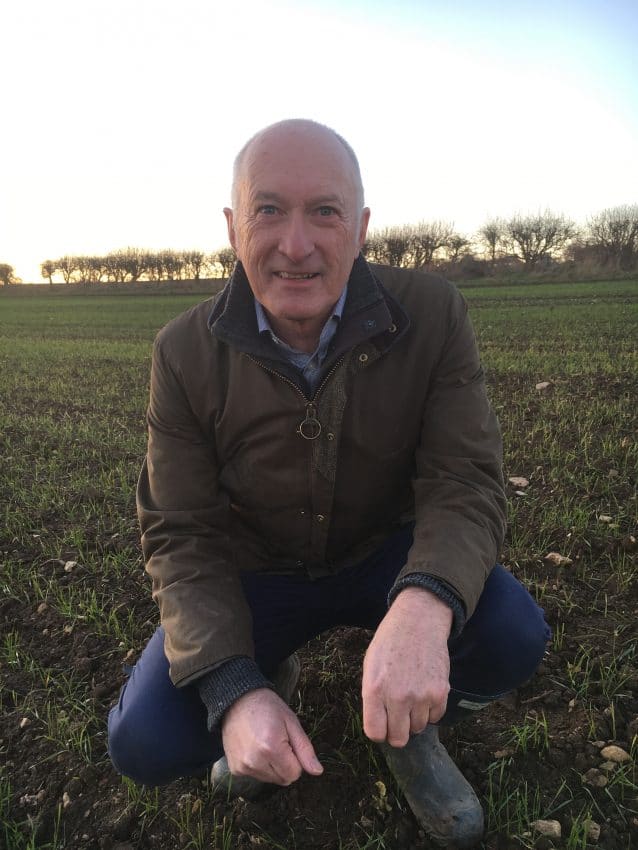
Rothamsted Enterprises welcomes new Chair

Member News
The views expressed in this Member News article are the author's own and do not necessarily represent those of Agri-TechE.
You must be logged in to view the content.