Royal Barenbrug Group celebrates 120 years of Innovation and Sustainability in the Grass Seed Industry

Member News
The views expressed in this Member News article are the author's own and do not necessarily represent those of Agri-TechE.

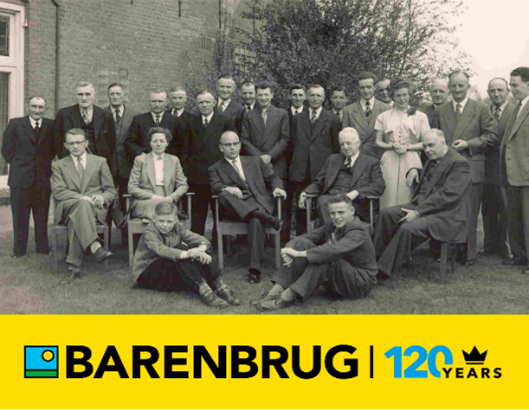
In June 2024 the Royal Barenbrug Group, a global grass-seed industry leader, proudly celebrates its 120th anniversary.  

Since its founding on 15 June 1904 by Joseph Barenbrug, the company has dedicated itself to helping feed the world sustainably and enhancing green spaces, through innovative grass-seed solutions.
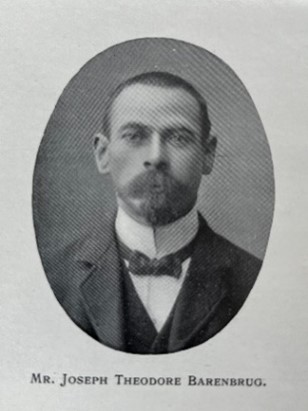
Joseph Barenbrug envisioned a world of possibilities with grass, initiating the development of diverse varieties for multiple purposes – a tradition which continues to this day.  Barenbrug creates solutions for every need and climate; from tasty and healthy forages with high nutritional values for livestock, to fine-leaved and attractive green grass for parks, gardens and strong, resilient sports pitches.  Barenbrug research has produced multi-species mixtures that enhance biodiversity and creates cover crops which improve soil fertility. 

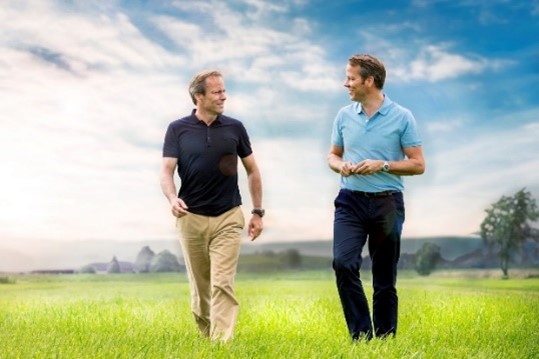
As a family-owned company, Barenbrug has stayed true to Joseph’s mission of helping customers to overcome challenges.  The fourth generation, represented by Frank and Bastiaan Barenbrug, continues this legacy, in the capacity as Supervisory Board members.

In recognition of its prestige, sustainable management and excellent reputation, Barenbrug was awarded the ‘Royal Predicate’ in 2004, a distinction granted only to companies of extreme importance in their field and able to demonstrate 100 years or more of effective business.


Dedicated to innovation
Barenbrug’s dedication to innovation is central to its R&D philosophy.  By investing significantly in our owned research programs, state-of-the-art facilities and building partnerships with leading institutions, Barenbrug stays at the forefront of grass seed technology.
Our continuous improvement ethos drives the company to explore new frontiers in seed science and to produce superior products which meet the changing needs of the market.  Improvements include more resilience in changing weather conditions, contributions to lower emissions, lower input requirements, better disease control, improved biodiversity and nutritional value.

Sustainable Practices
Sustainability is a core value in Barenbrug’s R&D efforts.  The company strives to develop grass seed mixtures which perform exceptionally, while contributing to environmental stewardship.  By reducing the need for water, fertilizers and pesticides, Barenbrug’s seed supports sustainable landscaping and agricultural practices.  Dedicated to creating a greener future, Barenbrug continues to innovate eco-friendly solutions.

Global Barenbrug Family
The cornerstone of Barenbrug’s success is its people.  Across all functions and locations, the passion, dedication and unique talent of our employees sets Barenbrug apart from the competition.  Barenbrug is committed to being a global family, fostering a sense of belonging, cooperation and mutual growth and increasing Barenbrug’s relevance and impact on a global scale.  Even though Barenbrug is represented in more than 20 operating companies around the world, we ensure that everyone becomes stronger by being part of a global family, maintaining strong relationships with each other, sharing experiences and ideas to help each other.  Our extended family includes our loyal suppliers, partners and customers around the world, with whom we share our culture and values.

Frank Barenbrug, Member of the Supervisory Board: “Reaching 120 years is a nice milestone for Barenbrug and it is a testament to our unwavering commitment to innovation, sustainability, and serving the needs of our customers and end-users globally.  Our mission to help feed the world sustainably and to enhance green spaces continually drives us to improve and adapt to the changing demands of the industry.”

Bastiaan Barenbrug, Member of the Supervisory Board, added:We are incredibly proud of the legacy that our great-grandfather Joseph Barenbrug started in 1904.  Over four generations, we have built on his vision and passion for grass seed development.  Today, our global Barenbrug team’s dedication and unique talents continue to set us apart.  We look forward to many more years of leading the industry with our cutting-edge solutions.”

Some Milestones in Barenbrug’s 120-year history

1904:    Barenbrug is founded by Joseph Theodore Barenbrug

1908:    Publication of the booklet Money in Grasses. This was published in the US market in 1909.

1952:    Barenza is Barenbrug’s first brand on the variety list. Many more will follow.

1979:    Barenbrug opens a seed cleaning facility in the USA

1983:    Barenbrug opens a subsidiary in the UK

1996:    Barenbrug opens a subsidiary and R&D station in New Zealand and in Australia

1997:    Barenbrug opens a subsidiary in South America in Argentina

2004:    During its 100th anniversary, Barenbrug became ‘Royal’, because of the important contribution to the grass seed industry over the last 100 years

2011:    Barenbrug opens a subsidiary in South Africa

2012:    Barenbrug opens a subsidiary in Brazil

2024:    Barenbrug celebrates its 120th anniversary.  It is still as passionate about providing the best sustainable grass solutions for sport, forage and recreation as it was back in 1904.
About Royal Barenbrug Group

With headquarters in the Netherlands, Barenbrug is a fourth-generation, family-owned company, dedicated to the research, development and production of grass seeds and legumes for agricultural and recreational markets.  With over 900 employees, active in more than 20 countries on six continents in all major climate regions, our mission is to increase animal productivity to help feed the world and to enhance the enjoyment of green spaces.  Together, our operating companies deliver annual net sales in excess of €370 million.  

More information can be found at www.Barenbrug.com


NFU calls on Government and kicks-off campaign at Cereals Event

Member News
The views expressed in this Member News article are the author's own and do not necessarily represent those of Agri-TechE.

A wet harvest could push farmers closer to breaking point, said NFU President Tom Bradshaw in a press briefing held by the organisation at this year’s Cereals Event.

Following months of disastrous weather coupled with high production costs, reduced farm support and low confidence across the arable sector, Mr Bradshaw said the resilience of farmers was being tested to its limit, as they could face crippling cash flow pressures over the next 12 months.

Speaking on the opening morning of the event (11 June), Mr Bradshaw stressed that without sufficient clarity on agricultural funding and support, the sector could be ‘sleepwalking’ into a crisis. He also highlighted the culminative impact on farmers’ mental health.

“If we have another wet harvest this year it will, without doubt, take a toll on their mental health and well-being,” he said.

With the general election looming (4 July), Mr Bradshaw called for the prospective governments to clarify their position on the level of support to safeguard farming businesses, food security, and farming’s future generations.

“We need clarity on the Sustainable Farming Incentive (SFI), as to how it is going to enable investment in food production while protecting the environment,” he said. “There are 70 million people living in the UK and investment in our food security should be an absolute priority for the next government.

“We also need to excite and attract the next generation to the industry. Are we going to be a museum of agriculture living in the past – or one that is driving the future?”

Prior to the Cereals Event, NFU combinable crops chair Jamie Burrows echoed similar concerns and highlighted how many farmers had been unable to get onto fields to plant crops, with many having experienced significant crop losses.

He described how it is now a ‘wait and see game in the run-up to harvest’ and that farmers are ‘in in the lap of the weather gods.

Mr Bradshaw also took the opportunity to acknowledge the positive work happening daily on farms to produce sustainable, high-quality foods that positively contribute to the UK’s net zero ambitions.

With that in mind, the NFU launched its sixth iteration of its #YourHarvest campaign, which aims to highlight to consumers the dedication of arable farmers across the UK by bringing harvest stories to life on social media.

The campaign will use videos and pictures across platforms to share what is happening on farm during harvest, helping to educate the public about the journey from field to fork while highlighting the challenges faced by British farmers.

The organisation is calling for farmers to get involved in the campaign by sharing pictures and videos during this year’s harvest on social media using the hashtag #YourHarvest.

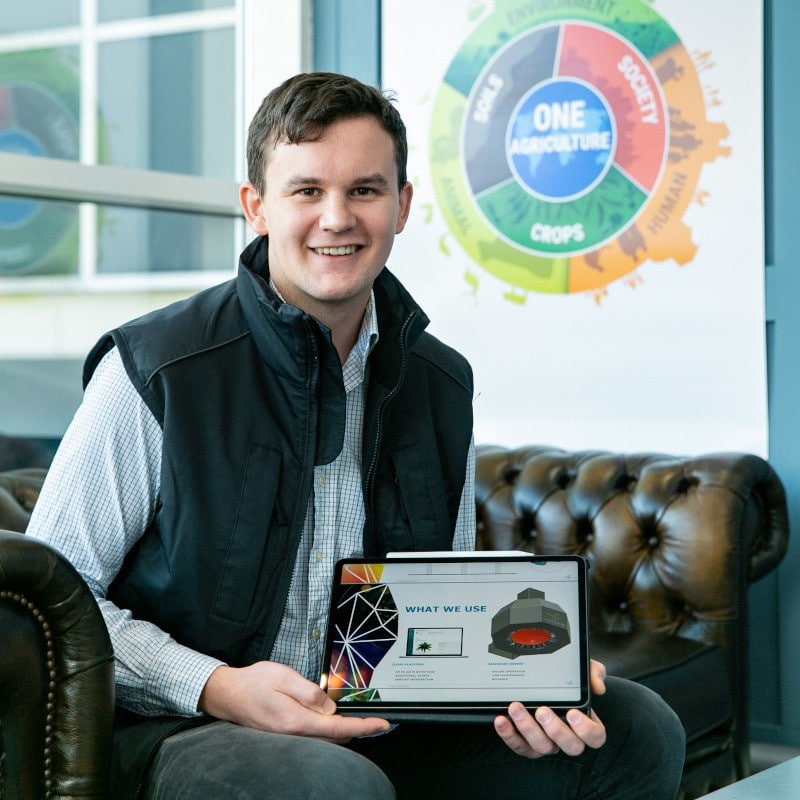
Meet Dr Diego Durantini, Relationship Manager for Marine, Agricultural and Environmental Science

Member News
The views expressed in this Member News article are the author's own and do not necessarily represent those of Agri-TechE.

Come with us to meet Dr Diego Durantini our Relationship Manager for Marine, Agriculture and Environmental Services at The University of East Anglia.

If your business operates in the agricultural, environmental or marine sectors, Diego is your primary contact for discussing funding opportunities, access to academic expertise, and knowledge exchange through collaborative research and joint funding. He can also assist you with consultancy, executive training, and introducing student and graduate talent through recruitment and internship programs.

Follow him on Linkedin and check out our UEA for Business webpages to explore all the opportunities we have for you and your business.

Two spin-out companies secure significant new funding from Innovate UK

Member News
The views expressed in this Member News article are the author's own and do not necessarily represent those of Agri-TechE.

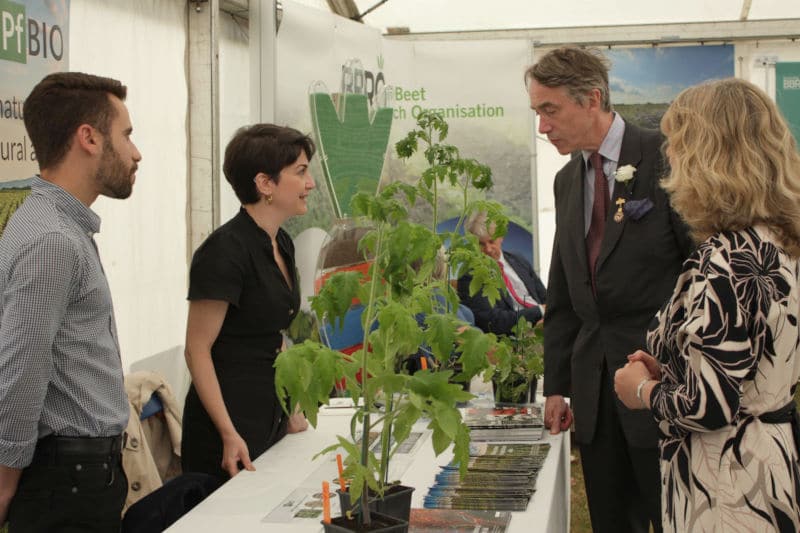
Two companies, TraitSeq and PfBIO, that originated from research carried out at Norwich Research Park, have announced significant funding that will help them with the next stages of their development. Both were successful in securing grants of around £100,000 from Innovate UK’s Launchpad programme. Only seven companies in the East of England received these grants where the focus is to develop new activity in agri-tech and food technology and drive innovation in food production and sustainability.

TraitSeq has developed a technology that uses machine learning methods that ultimately enables highly precise trait performance predictions to be made that could significantly enhance the speed and efficiency of breeding and product selection processes. This places TraitSeq at the forefront of empowering the agritech industry to develop high-yielding and climate-resilient crop varieties, animal breeds and agricultural inputs.

Developed by TraitSeq’s CEO and co-founder, Dr Joshua Colmer, during his PhD research at the Earlham Institute, at Norwich Research Park, this technology is particularly effective in tackling challenges that crops face such as drought tolerance and nutrient-use efficiency, which are notoriously difficult to screen due to their intricate genetic interactions and complex responses to environmental conditions.

PfBIO is a spin-out from the John Innes Centre at Norwich Research Park that is developing bacteria-based products as viable alternatives to synthetic agrochemicals, that will promote plant health and protect crops from major agricultural diseases.

Many pesticides and other agrochemicals have been, or will soon be, withdrawn from the market because of the detrimental impact they have on the environment, so farmers are having to move away from conventional chemical-dominated agriculture to more sustainable and eco-friendly methods.

PfBIO has developed technology that helps to identify the best natural biocontrol and plant-biostimulant bacteria strains so that it can create bioproducts tailored to specific crops and crop diseases. The resulting plant treatments are kind to the environment and can be used as effective alternatives to conventional agrochemicals.

TraitSeq’s Dr Colmer said: “We are delighted to have been successful with our Innovate UK grant application as only a select few companies in the region have achieved this. It significantly enhances the credibility of our business and affirms its potential value and viability. This grant will enable us to make significant strides towards validating our biomarker-based models in wheat, commercialising our platform and making an impact on UK breeding.

“We couldn’t have got to this point so quickly without the support of Anglia Innovation Partnership, the campus management organisation at Norwich Research Park, who helped fund our initial exploration and then provided us with a development programme and access to funders that has meant we have been able to rapidly establish and develop our business.

“Having a virtual tenancy at the Park has helped enormously. It means we are able to rent office space in the Centrum building when we need it and also benefit from the networking and collaboration opportunities that it offers. Having Norwich Research Park as our address has certainly helped to open new doors.”

PfBIO will use the grant award to fund a project to develop a commercial prototype product designed to naturally stimulate plant rooting and fruiting and recruit for its R&D team. Initially, the project will focus on the berry sector, but it will also explore other valuable crops.

Experiments will be performed in conditions that closely mimic commercial settings to prove the effectiveness of the generated biosolutions. If successful, this will generate new investment opportunities and new potential partnerships with manufacturing companies able to support PfBIO’s scale-up production.

Rosaria Campilongo, CEO of PfBIO, said, “Winning the grant from Innovate UK’s Launchpad competition is a game-changer for us. It accelerates the development of our first plant-biostimulant product and gets us much closer to being able to bring it to market.

“Being part of the vibrant Norwich Research Park community has been key for our business growth. Our R&D activities have benefitted hugely from being able to use the bioscience platform services, facilities and expertise at institutes such as the John Innes Centre.”

Roz Bird, CEO of Anglia Innovation Partnership, said: “I am delighted to see that TraitSeq and PfBIO are making great strides in bringing important new products and technology to market that will have really positive impacts on how we grow crops. Rosa and Josh are both excellent examples of the many amazing individuals working across the Park community.

“As one of the largest research communities in Europe, offering access to specialist technology platforms, networks and expertise, I have no doubt that we will succeed in finding solutions to some of the world’s most critical problems such as food security whilst, importantly, creating new jobs for our local economy.”

For more information about companies and other news visit the Norwich Research Park website!

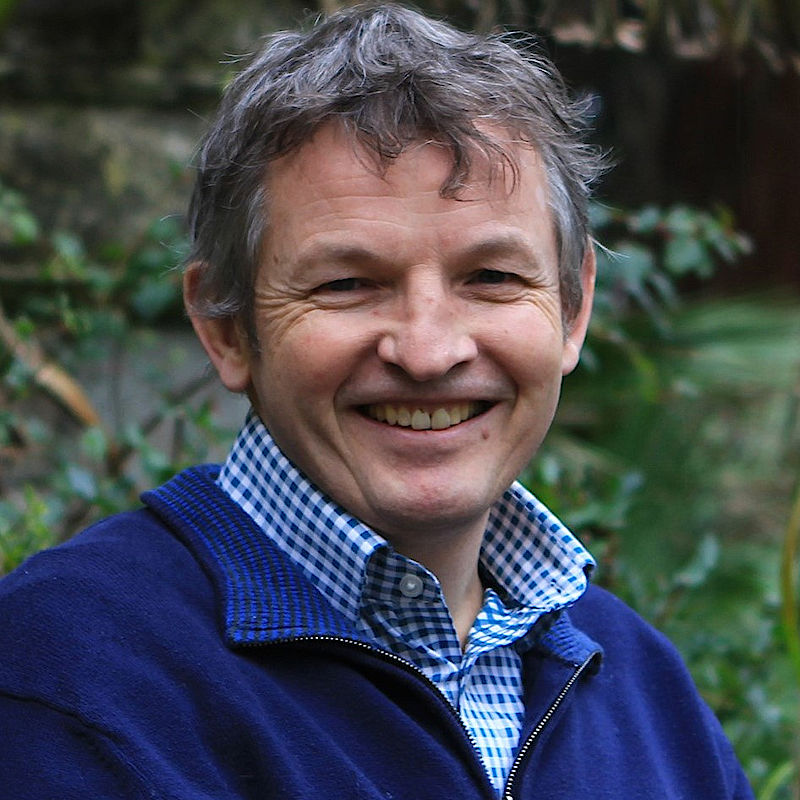
Images: TraitSeq CEO and co-founder Dr Joshua Colmer (left) (Image: TraitSeq)
PfBIO CEO Rosaria Campilongo (Right) (Image: PfBIO)

Enhance Your Crop Yield with NutriSphere-NL, The Premier Solution for Nitrogen Efficiency

Member News
The views expressed in this Member News article are the author's own and do not necessarily represent those of Agri-TechE.

Verdesian Europe & Africa – In the dynamic realm of agriculture, optimising nitrogen use efficiency (NUE) is essential for maximising crop yields and promoting sustainable farming. NutriSphere-NL has been demonstrated to significantly increase nitrogen availability and reduce nitrate losses, thereby boosting crop productivity. This blog will delve into the advantages and effectiveness of NutriSphere-NL, based on thorough studies conducted in the UK and the USA.

Understanding NutriSphere-NL

NutriSphere-NL is engineered to enhance the performance of urea-based liquid nitrogen fertilisers (UAN) by mitigating nitrogen losses through volatilisation and leaching. This improvement ensures more nitrogen is available to crops, facilitating better growth and higher yields.

Key Benefits of NutriSphere-NL

  1. Enhanced Nitrogen Use Efficiency (NUE) NutriSphere-NL considerably elevates NUE, ensuring that a greater portion of applied nitrogen is absorbed by plants instead of being lost to the environment. This leads to improved crop growth and higher yields.
  2. Reduction in Nitrate Losses Research conducted at the John Innes Centre and Niab in the UK has demonstrated that NutriSphere-NL reduces nitrate losses to field drains by an average of 14%. A similar study in Iowa, USA, showed a 21% reduction in nitrate losses.
  3. Improved Soil Mineral Nitrogen (SMN) Over a six-month period, soil treated with NutriSphere-NL exhibited 22% higher SMN compared to untreated soil, meaning more nitrogen is available in the soil for crop uptake.

Field Trials and Testing

1. Water Drainage and Nitrate Concentration: Salle Farms, Norfolk, UK

Objective: Assess the impact of NutriSphere-NL on nitrate concentrations in soil pore water.

Results:

  • Tile Drain Nitrate Reduction: Average reduction of 14%.
  • Maximum Reduction Observed: On May 1, 2020, nitrate concentration was 24% lower in NutriSphere-NL treated fields compared to untreated fields.

2. Agronomic Performance: Morley Farm, Norfolk, UK

Objective: Evaluate the agronomic performance of NutriSphere-NL in terms of soil mineral nitrogen (SMN), grain yield, and grain quality.

Results:

  • Soil Mineral Nitrogen (SMN): Increased by 22% in NutriSphere-NL treated fields.
  • Grain Yield: Average increase of 2.6%.
  • Grain Weight: Increased from 74.4 to 75.5 kg/hl with NutriSphere-NL.
  • Nitrogen Content in Grains: Improved from 1.81g/100g to 1.83g/100g with NutriSphere-NL.

3. Efficiency Metrics Evaluation: Various Locations, USA and UK

Objective: Measure the efficiency of nitrogen utilisation with NutriSphere-NL.

Results:

  • Agronomic Efficiency (AE): Increased by 5.4%.
  • Apparent Recovery Efficiency (ARE): Improved by 11.8%.
  • Nutrient Utilisation Efficiency (NUE): Demonstrated a combined efficiency increase of 11.8%.

Reducing Soil Nitrates and Suppressing Urease Activity

Studies have shown that UAN combined with NutriSphere-NL significantly reduces nitrates in soil pore water, ranging from 33% to 100%. Independent microbial diversity studies have revealed that NutriSphere-NL application completely suppresses urease activity.

KEY FACTS | NutriSphere​ NL ​is​ a​ UREASE ​inhibitor


  • Proven crop quality through improved NUE
  • Achieves zero impact on soil biome
  • Potential to reduce nitrogen inputs through increased efficiency
  • Suppresses urease activity
  • Improves yield response to nitrogen
  • Reduces impact of nitrate loss into soil pore water and waterways

NutriSphere-NL is a transformative solution for farmers aiming to enhance nitrogen use efficiency and achieve higher crop yields. Extensive research and field trials in both the UK and the USA provide compelling evidence of its efficacy in reducing nitrate losses and improving nitrogen availability. By incorporating NutriSphere-NL into your fertilisation program, you can enhance crop performance, support sustainable farming practices, and ultimately boost your profitability.

Link to Brochure

Discover the comprehensive testing and results in our brochure: “Nutrisphere-NL Brochure

Testing the air across Norfolk for a year

Member News
The views expressed in this Member News article are the author's own and do not necessarily represent those of Agri-TechE.

Technology captures fragments of airborne DNA to reveal the sometimes invisible biodiversity around us 

Researchers at the Earlham Institute in Norwich have begun a year-long project of sampling and sequencing the air at sites across Norfolk.

The cutting-edge approach they have developed in collaboration with the Natural History Museum, London, sucks thousands of litres of air through a filter, trapping any biological material floating nearby. This is then prepared, sequenced, and analysed to identify the species present.

The bulk of the DNA captured on the first day of sampling came from plants, likely reflecting the high pollen count in springtime.

Over the course of the next 12 months, the work will reveal new insights about the hidden biodiversity around us, differences between habitats, and how this changes with the seasons. 

All living organisms continually, and unwittingly, shed fragments of their DNA into the surrounding environment. Even tiny traces of environmental DNA – sometimes called eDNA – can be detected in the air.

Researchers at the Earlham Institute are capturing and studying airborne eDNA from different environments to learn more about the biodiversity we can’t normally see. 

Dr Richard Leggett, who has been leading the technology development underpinning this project at the Earlham Institute, said: “There are extremely small amounts of biological material in the air for us to sample. We have to pull in a lot of air – thousands of litres – to be confident we’ll have captured any traces of the organisms that might be in a particular habitat.  

“The cutting-edge technology we’re using, alongside new techniques we’ve developed, allows us to quickly find and sequence any DNA that was in the air – which could originate from plants, animals, bacteria, viruses, or even allergens.” 

One of the research group’s interests is crop pathogens, many of which use the wind to spread. These pathogens can be devastating for farmers, who can’t usually detect them until visible signs of infection appear on the plants – at which point it is often too late to save them. 

Dr Darren Heavens, a postdoctoral scientist in the Leggett Group, said: “The approach we’ve developed can be used by farmers to alert them to the appearance of pathogens, allowing them to take immediate action to minimise crop losses. 

“It potentially provides an unbiased, ‘always on’ monitoring system to continuously read the DNA and RNA sequences of microbes collected from the air. And, because we’re looking at the genome, we can even identify resistance genes or new strains emerging.”

The latest project sees the technology being deployed across Norfolk’s diverse habitats, with the process repeated every three months to reveal any seasonal trends. Encompassing the county’s coastline, forests, broads, and urban areas, the project will catalogue the species detected across eight sites. 

On the first day of sampling, the group identified DNA from plants, animals, bacteria, and fungi from all of the sites they visited. The majority of the biological material came from plants, reflecting a season in which the air is carrying large amounts of tree pollen.

The group also detected many airborne plant pathogens, including yellow rust – a serious crop pathogen – detected at a wheat field.

Each of the sampling sites has produced a distinct profile, which will now be tracked over the next 12 months to better understand the impact of the changing seasons. 

“We’re blessed to be based in a county with such an exceptionally diverse range of habitats and species,” added Dr Leggett. “This gives us a fairly unique opportunity to use the air to explore biodiversity across different environments and seasons – all without leaving Norfolk. 

“We’ve got a fair idea of some of the species we might expect to find and, at this time of year, it’s no surprise to find a lot of pollen in the air. But we may pick up things we can’t identify, or that have never been recorded in the region before.

“I’m not suggesting we’ll capture evidence of a Loch Ness monster on the Broads but this is one of the best approaches for finding traces of species we’d normally struggle to spot by eye.”

A key innovation in the approach came from needing to identify the wildly different species whose eDNA had been captured. 

Mia Berelson, a PhD student in the Leggett Group, explained: “When we normally sequence the genome of an organism, we collect some cells from it and extract the DNA. There’s only one individual so we know all the bits of DNA will belong to that one species.

“With the eDNA we’re collecting from the air, there will be fragments from many different species. It’s like being given one or two jigsaw pieces from lots of different puzzles, and then trying to complete all of them at the same time.” 

To deal with this challenge, the group developed MARTi – a piece of open-access software specifically designed to analyse mixed samples. As the fragments of DNA are read, MARTi compares the sequence to online reference libraries.

“MARTi is a piece of extremely clever software that logs and analyses what we find, before sorting through all these fragments to tell us the different species they belong to,” explains Dr Leggett.

Dr Matt Clark, Natural History Museum, London, said: “It was fantastic to have been involved in the launch of this project, which will see the sequencing of eDNA be used to unlock rich data about the biodiversity of Norfolk’s unique habitats and a key agricultural region feeding the UK. 

“When we previously worked together to trial similar technology in the old urban gardens surrounding the Natural History Museum during 2020-21, before we updated these areas, we were blown away by how the air-biome changes hugely across the seasons as indeed the ecosystem does. 

“Earlham Institute’s project is building further on the technology and will show how impactful the study of airborne eDNA can be.”

The project has been enabled by funding from the Biotechnology and Biological Sciences Research Council (BBSRC), part of UKRI, through its support of the Earlham Institute’s Decoding Biodiversity strategic research programme.

More information here


Livestock Breeding and Improvement with LIC UK

Member News
The views expressed in this Member News article are the author's own and do not necessarily represent those of Agri-TechE.

As part of our “Back to the Future” project, we’re asking Agri-TechE members to reflect on how the agri-tech industry has evolved over the past decade and to share their vision for the next ten years. By compiling these insights, we aim to create a powerful outlook on the future of agriculture, a compelling call to arms for the industry driven by the diverse perspectives of our community.

This submission is part of the collection of reflections and predictions from our members, offering unique perspectives on the industry’s past milestones and future directions. Each contribution adds to a broader dialogue about the innovations and challenges that will shape the next decade in agri-tech.

Back to the Future with LIC

Verdesian Europe and Africa: Embracing Our Global Responsibility

Member News
The views expressed in this Member News article are the author's own and do not necessarily represent those of Agri-TechE.

Verdesian Europe and Africa – Embracing Our Global Responsibility

Can our industry reverse the unintentional damage we’ve done to the environment and climate?

With the next generation of fertiliser stabilisers and to reach our goals, we must close the innovation gap in agriculture, with new technologies and methods of producing food which protect nature.

As one of the largest greenhouse gas emitting sectors of our global economy, efforts to reach the Paris Climate Agreement must put the transformation of global food systems at the heart of change. – SOURCE: UKCOP26 GLASGOW

With the advancement in technology, this has also lead to environmental issues across our industry

Environmental Issues – Ammonia Pollutant | Clean Air

  • Agriculture Is Responsible For 89% In Ammonia Emissions
  • Intensive Agriculture Has Led To x100 More Ammonia
  • Inorganic Fertilisers Are Responsible For 18% Of Ammonia Pollution

Greenhouse Gas Issues – Nitrous Oxide | Clean Air

  • There is x300 More Nitrous Oxide In Our Drinking Water
  • Agriculture Is Responsible For 87% Of Our Nitrous Oxide Emissions
  • Nitrous Oxide Has Seen A 23% Global Increase
  • Nitrous Oxide Has Seen A 20% Atmospheric Increase

Environmental Issues – Nitrate | Clean Water

  • Maximum Nitrate Allowance For Drinking Water Is 50 MG/L
  • Nitrate Levels Have Increased 83% Between 1980 – 2015
  • Excessive Levels To 15% In Nitrate Pollution
  • UK Water Companies Target A 20% Nitrate Reduction

Environmental Issues – Phosphate | Clean Water

  • Phosphate In Water At 0.002 MG/L Is A Safe Level
  • Phosphate Level At 0.006 MG/L Creates Algae Bloom
  • Bacteria Levels Have Increased To 0.006 MG/L
  • Phosphate Level Of 0.006 MG/L Depletes Oxygen

Soil and Microbes

  • Total Microbial Biomass Has Seen A 13% Average Reduction
  • Total Bacterial Biomass Has Seen 17% More Ammonia
  • Total Fungal Biomass Accounts For 19% Ammonia Pollution

Nitrogen applications lower soil pH which then reduces microbial diversity.

The results of our Global Responsibility

What we have done so far

REDUCED IMPACT ON THE ENVIRONMENT | The Air Results

  • Ammonia Emissions Reduced By 85% Over A 14 Day Period
  • Nitrous Oxide Emissions Reduced By 61% Over A 226 Day Period

REDUCED IMPACT ON THE ENVIRONMENT | The Soil Results

  • Terrestrial Organisms Have Increased By 0% Over A 12 Month Period
  • Soil Microorganisms Have Increased By 74% Over A 69 Day Period

REDUCED IMPACT ON THE ENVIRONMENT | The Water Results

  • Aquatic Organisms Have Increased x10 Over A 12 Month Period
  • Freshwater Fish Have Increased x10 Over A 12 Month Period
  • Nitrate Leaching Has Decreased By 21% Over A 290 Day Period
  • Phosphate Reduction By 25% With Independent Trials

REDUCED IMPACT ON THE ENVIRONMENT | The Agronomic Trial Results

  • 5.4% Yield Average Increase In 70 Field Trials
  • 3.7% Yield Average Increase In 62 Field Trials
  • 23% Efficiency Increase Over A 7 Month Period

Link To Presentation

You can find the link to our presentation on this here: Embracing Our Global Responsibility

  • *I have permission from the copyright holder to publish this content and images.

Bedfordia Group partners with Velcourt Ltd

Member News
The views expressed in this Member News article are the author's own and do not necessarily represent those of Agri-TechE.

As a long-term privately owned family business, Bedfordia Group has a strong commercial history of entrepreneurial activities across a wide range of sectors, including farming, anaerobic digestion, property, automotive dealerships (BMW and MINI) and related ventures.
Following a strategic review of the future management of its large-scale arable farming activities; the Group has decided to ‘partner in business’ with Velcourt Ltd under a Contract Farming Agreement (CFA).

John Ibbett of Bedfordia Group said: ‘Anyone within the farming community, however big or small, is facing an ever-turbulent external environment where it’s no longer a case of ‘business as usual.’  The ability to innovate and adapt to change will be key to remaining fit for the future. Our long-standing values of building strong collaborate relationships and striving for excellence make for a great fit with Velcourt. We are confident in our choice of partner and are looking forward to working together to advance our farming operation. We are excited for the future!’

Commencing 1st November, a newly appointed Velcourt Senior Farm Manager will take on the day-to-day management of the estate’s arable land, overseen by Ian Smith as Velcourt Farms Director (Midlands), previously the MD of Bedfordia Farms. Bedfordia Farms are pleased that its Milton Parc offices will also serve as a new regional hub for Velcourt, with both parties focussed on delivering long-term success and positive impact.

Read the full article here

ESG and Sustainability

Member News
The views expressed in this Member News article are the author's own and do not necessarily represent those of Agri-TechE.

As part of our “Back to the Future” project, we’re asking Agri-TechE members to reflect on how the agri-tech industry has evolved over the past decade and to share their vision for the next ten years. By compiling these insights, we aim to create a powerful outlook on the future of agriculture, a compelling call to arms for the industry driven by the diverse perspectives of our community.

This submission is part of the collection of reflections and predictions from our members, offering unique perspectives on the industry’s past milestones and future directions. Each contribution adds to a broader dialogue about the innovations and challenges that will shape the next decade in agri-tech.


If you haven’t yet contributed, please head to our Back to the Future Guidelines page to find out how you can share your insights on the industry’s direction, your strategic plans within it, and what you’re calling for the industry or consumers to do. Give your voice to our Back to the Future Project, and help shape our industry.

Hutchinsons Launches Ground-Breaking Easyplan Upgrade to Omnia

Member News
The views expressed in this Member News article are the author's own and do not necessarily represent those of Agri-TechE.

How the world of farm management software is changing

Crop production specialists Hutchinsons have launched a major upgrade to its Omnia Digital Farming system creating the next generation in farm management software for British agronomists and farmers.

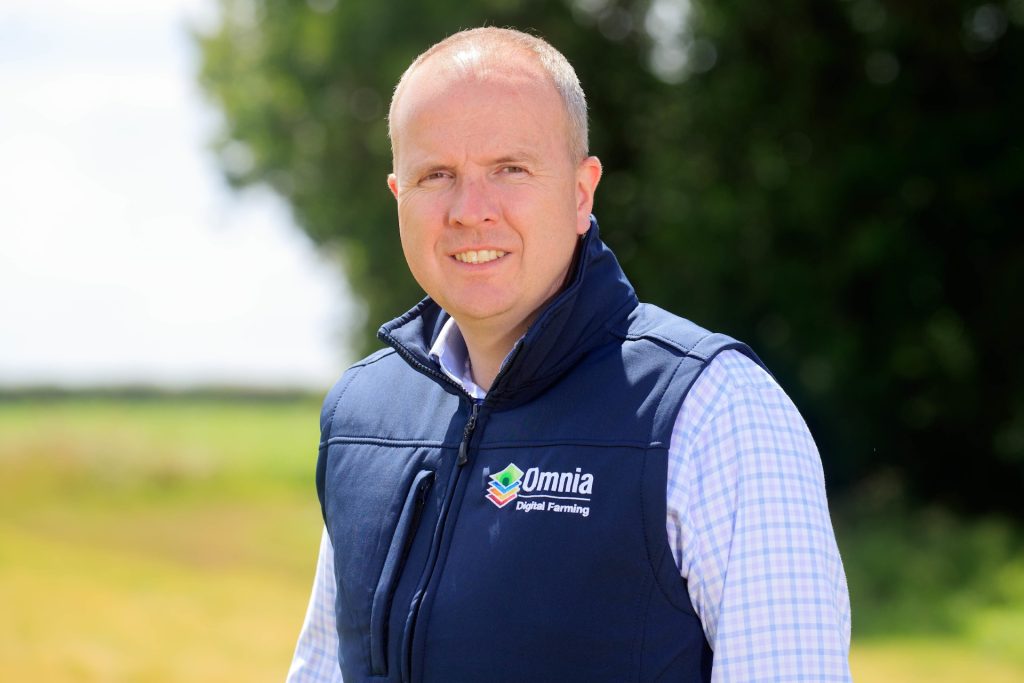
“This announcement represents a major digital leap forward in crop production which confirms Omnia as the most advanced and easy-to-use farm management system,” according to Hutchinsons Head of Omnia, Oliver Wood.

“The EasyPlan upgrade offers a set of exciting developments within Omnia allowing for complete paperless record keeping and work management, setting a new standard for farm management technology in the UK.”

“It’s a British system for British farmers and one not currently offered by any other precision software provider.”

“Since its launch as a precision mapping system eight years ago, the platform has evolved into a broader digital farming system offering a range of valuable and user-friendly business modules such as cost of production, yield mapping, rotational planning and carbon mapping tools,” he explained.

“With its user-friendly interface and unparalleled functionality, the EasyPlan upgrade takes this one step further and underlines Hutchinsons’ focus on innovation and excellence and unwavering commitment and vision for Omnia.”

What more does Omnia with the EasyPlan Upgrade offer?

  1. Field Diary module:

A significant extension of current Field Diary into a fully comprehensive farm management system.

Previously farm records such as field inspections could be held in the Omnia Field Diary, but it was not possible to record live operations or manage work orders as they happened. It is now possible to digitally plan and record all live field operations from rolling through to spraying with the new task management functionality. With a calendar view for task planning, multiple plans can be combined into a single task which can be logged in a specific area for operators to access.

As with previous Omnia functionality, this is compatible with the most popular machines and platforms, and it can be accessed online from any device (although for those that want to run a paper-based system this is still possible). These field records are then automatically shown within the existing Production module, to allow complete gross margin analysis.

  • Stock management

The addition of real-time stock management. The upgraded module allows for a real-time, feature rich, stock management system for keeping track of orders and physical inventory based on what is actually being used.

  • Spray Plan module

A completely new  module which allows users to create spray plans which are then audited by Hutchinsons bespoke HALO crop protection database. Agronomists and BASIS registered farmers now have the ability to write their own spray recommendations. The new HALO database on which the Spray Plan module is based, uses the industry standard regulatory data as its core which is checked and enhanced daily by Hutchinsons in-house technical experts to ensure regulatory compliance.

The Omnia Scout app will be upgraded this summer to bring some of this new functionality into farmers’ pockets. The update will allow operators to view and complete tasks in the field, along with providing an interactive tank mix tool for spray plans to help operators with product and water requirements. The Omnia Scout app is available for both Android and iOS devices.

Data security and governance has also been a major focus for the upgrade, Gordon McKechnie, Hutchinsons managing director explains. 

“Significantly, Omnia is now the first system ever with both an ISO 27001 ‘Information Security Management’ and Farm Data Principles certifications – the belt and braces of data security.

“These two schemes are evidence of the robust policies and procedures followed by Hutchinsons to govern and protect data and gives users full control over the access to their data and account security. Additional new functionality provides the ability to manage access and permissions for others on the account, such as farm staff.”

Omnia with the EasyPlan upgrade will be available within the current Field Manager and Business Manager subscription levels, with Business Manager being required for the HALO auditing functionality.

For those that are new to Omnia, the Omnia free Access account allows farmers to experience some limited functionality, including annual cropping plans, farm maps and visualising yield data.

To find out more about how the Omnia with the EasyPlan upgrade can improve the profitability and long term sustainability of your farm business, visit Hutchinsons at the Cereals event on 11-12 June at Newnham Farm.

  • *I have permission from the copyright holder to publish this content and images.

Decarbonising Farm Energy

Member News
The views expressed in this Member News article are the author's own and do not necessarily represent those of Agri-TechE.

As part of our “Back to the Future” project, we’re asking Agri-TechE members to reflect on how the agri-tech industry has evolved over the past decade and to share their vision for the next ten years. By compiling these insights, we aim to create a powerful outlook on the future of agriculture, a compelling call to arms for the industry driven by the diverse perspectives of our community.

This submission is part of the collection of reflections and predictions from our members, offering unique perspectives on the industry’s past milestones and future directions. Each contribution adds to a broader dialogue about the innovations and challenges that will shape the next decade in agri-tech.

If you haven’t yet contributed, please head to our Back to the Future Guidelines page to find out how you can share your insights on the industry’s direction, your strategic plans within it, and what you’re calling for the industry or consumers to do. Give your voice to our Back to the Future Project, and help shape our industry.