
Agri-TechE Newsletter
Get the latest agri-tech news, events and opportunities direct to your inbox
Earlham Institute
About
Combining expertise in genomics, data science and engineering biology with cutting-edge technologies, we translate complex data into practical tools and insights for farmers, breeders, and agri-tech businesses
Sustainable Agriculture
With the UK committed to achieving net zero by 2050, Earlham Institute is at the forefront of helping the agriculture sector adapt to climate change - building food systems that are sustainable, resilient and fit for the future.
Researchers are uncovering how microbes in the soil contribute to carbon storage and overall health, and how different land use practices influence these vital microbial communities. This work supports the development of sustainable land management strategies and microbially-informed agriculture.
The Institute is also exploring how plant roots interact with their surrounding environments. By understanding how roots develop to access water and nutrients, scientists aim to engineer root architecture and their surrounding microbial communities to improve resilience to climate stress, including drought and poor soil conditions.
- New project explores potential of soil microbes to achieve UK net zero goals
- Engineering plant roots and associated microbiomes for sustainable agriculture
Crop pathogens and disease
Scientists at Earlham Institute are playing a pivotal role in helping the agricultural sector stay ahead of evolving crop pathogens and disease pressures, examining how natural diversity in plant varieties could strengthen crop resilience.
In collaboration with industry partners, our scientists are looking at how crop pathogens adapt and evolve to evade resistance. The findings are an important step forward in informing effective resistance strategies and crop protection approaches.
The Institute has also developed rapid, in-field monitoring tools that can detect crop pathogens early by analysing genetic material in the air. This enables faster, more targeted responses—helping to reduce crop losses and minimise unnecessary pesticide use.
- Focus on fungi helps fight global threat to our food
- Devastating crop pathogens can be found by sequencing the air
Genomics for plant breeding
By developing advanced genomic resources for key crops - including cereals, vegetables and herbs - the Institute is enhancing the next generation of crops by enabling the use of modern breeding techniques such as gene editing and engineering biology.
Our scientists investigate how evolution and adaptation define the structure of plant genomes and populations, and how this genetic diversity drives variation in agronomic traits.
- Innovations in spatial imaging could unlock higher wheat yields
- New wheat diversity discovery could provide urgently-needed solution to global food security
Collaboration
We believe we can achieve more if we work together. That’s why we work closely with partners across the agricultural, technology, and research community to translate scientific advances into practical solutions.
The Institute offers expertise to support :
- R&D and product development,
- training and skills exchange,
- student and staff placements,
- and contract research and consultancy.
To explore collaboration opportunities, contact the Business Development and Impact Team at Earlham Institute.
You can also stay up to date with the latest research, events and insights via their website and newsletter.
The Earlham Institute is one of eight institutes that receive strategic funding from UKRI Biotechnology and Biological Science Research Council, as well as support from other research funders.
In the News
)
Earlham Institute and Syngenta to partner on AI models for agri innovation
)
Maternal wisdom – how mother plants prime their seeds for success
)
Earlham Institute and Natural History Museum launch deep tech startup Agnos Biosciences™
)
Innovations in spatial imaging could unlock higher wheat yields
)
Collaborating to create resilient celery
)
New wheat diversity discovery could provide an urgently-needed solution to global food security
)
New project explores potential of soil microbes to achieve UK net zero goals
)
Scientists look to biotechnology to improve crop resilience and nutritional value
)
New sequenced genome sheds light on weed resistance
)
Trust & Transformation – takeaways from REAP 2024
)
Emerging Agri-Tech: from Research to Practice
)
Testing the air across Norfolk for a year
)
Earlham Institute and Tozer Seeds receive knowledge transfer award
)
Earlham Institute spinout TraitSeq to transform agricultural sector
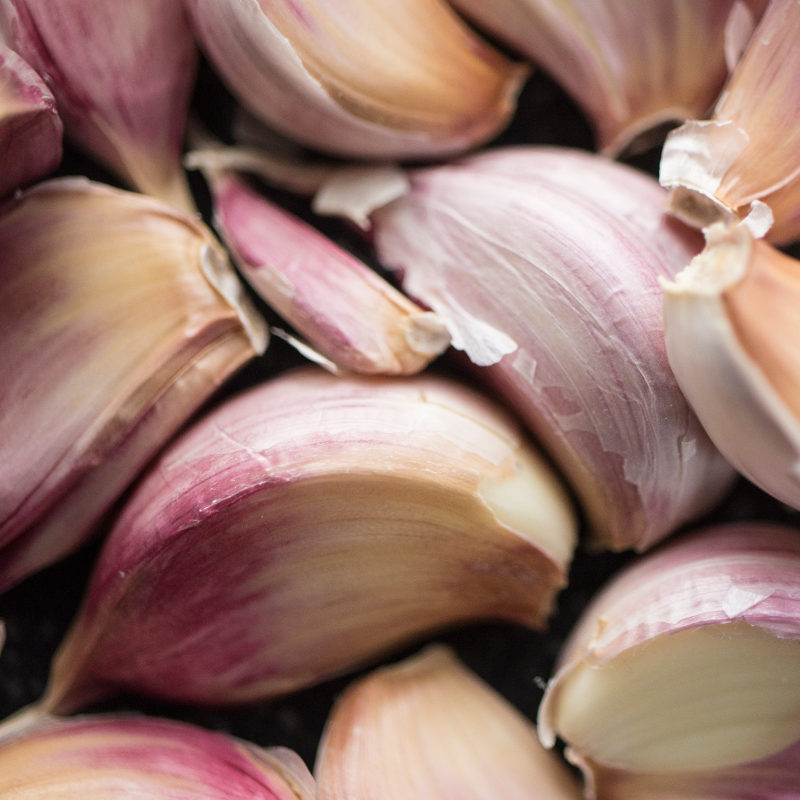)
Ecospray gains EU registration for garlic nematode deterrent
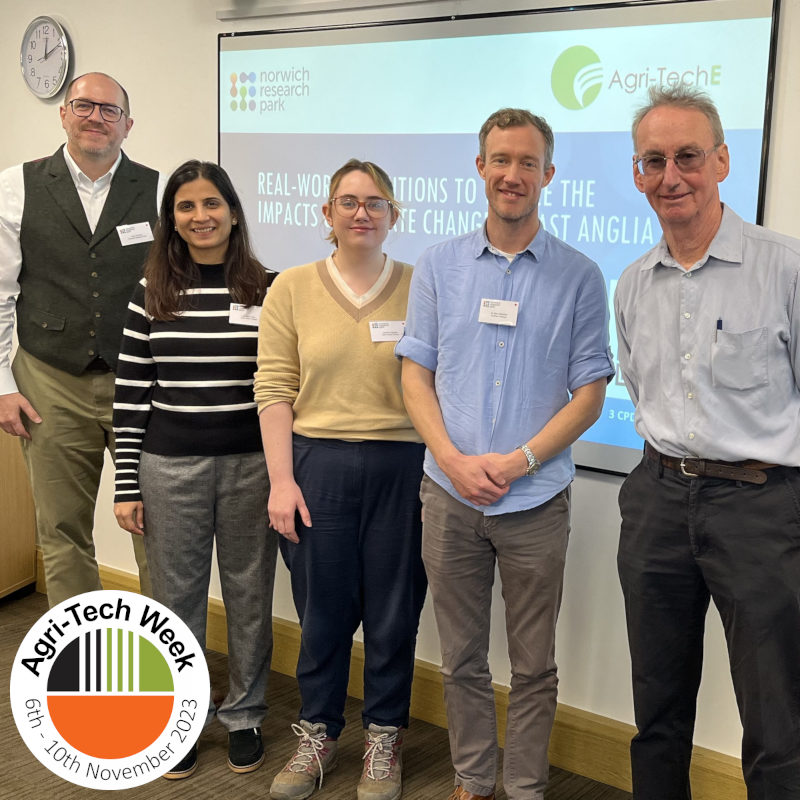)
ATW23: Research to tackle the impacts of climate change
)
Explore the exhibition at REAP 2023
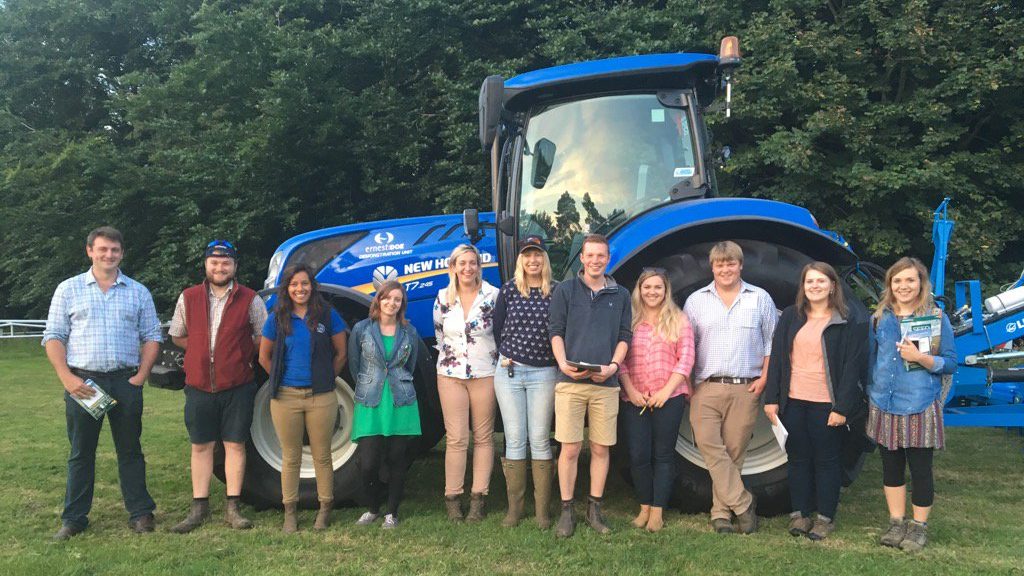)
On-farm research blog: investigating cereal trials
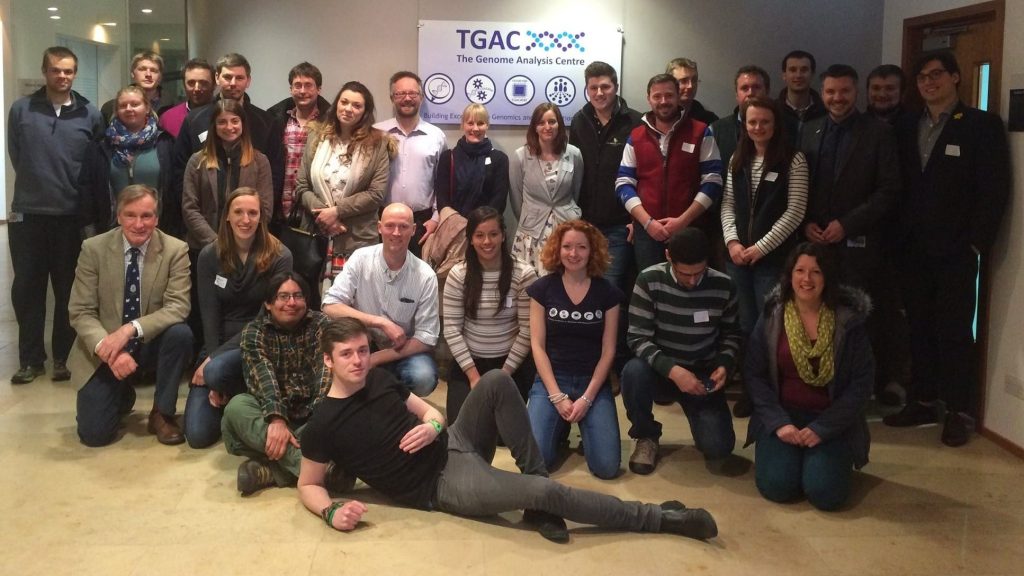)
ECIF visit to The Genome Analysis Centre
)
Earlham Institute awarded £31.4m to power data-intensive bioscience
)
Eagle Genomics and the Earlham Institute demonstrate excellent example of knowledge partnership
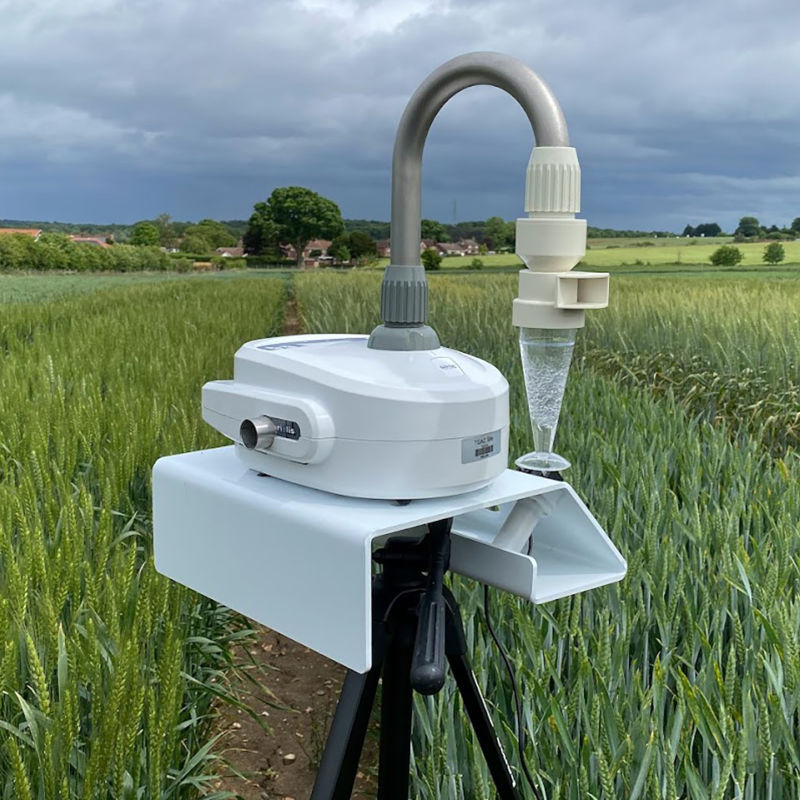)
How Air-seq from the Earlham Institute is making sense of agriculture
)
Machine learning tech that hunts for plant biomarkers awarded UKRI funding
)
BioFAIR life-science data sharing infrastructure gains £6.3M funding
)
Earlham Institute is supporting aquaculture with new genomic resources
)
Elephant grass – a biofuel that improves soil says Earlham Institute
)