The King’s Speech 2026: State Opening, Political Unravelling
 GK Strategy
Ordinarily, the King’s Speech would dominate Westminster: the formal opening of the new parliamentary session, a moment for the government to set out its legislative programme, and an opportunity to project authority, clarity and credibility. Yet this year, the State Opening has been overshadowed by the political drama engulfing No.10, and you’d be forgiven for forgetting that the King’s Speech was even happening. Speculation over the future of Keir Starmer’s leadership, the political manoeuvrings of potential leadership rivals, and the continued fallout from a disastrous set of local and devolved election results last week, has become the defining political story of the day, eclipsing what is usually one of the most significant set-piece events in the parliamentary calendar.
Starmer will be hoping the King’s Speech offers a moment of respite, and of potential reset: an opportunity to draw a line under weeks of damaging speculation, to reassert control of the narrative, and to demonstrate that the government has a credible plan for delivering on the promises set out in Labour’s election manifesto.
Sceptics will view this as a period of calm before the oncoming storm. With four ministers having resigned from Starmer’s government, it is perhaps inevitable that more will follow. Starmer’s hopes of reframing the political conversation to focus on the government’s legislative priorities rather than internal party politics will strike many as little more than wishful thinking.
The timing of the King’s Speech was deliberate, designed to act as a fire-break after the disastrous local election results, which were long predicted to reflect public dissatisfaction and frustration with the government’s pace of delivery, political priorities and strategic direction. It is likely to act as a brief pause during which the Prime Minister can catch his breath, but little more. The big question on everyone’s lips now becomes: irrespective of what’s in today’s King’s Speech, will the Prime Minister be in position long enough to deliver it?
What happens with the King’s Speech if there’s a change in Prime Minister?
Constitutionally, it is His Majesty’s Government, not Keir Starmer’s government. Regardless of whether Starmer’s premiership survives the coming days, the business of government will continue. Should Keir Starmer be replaced as Prime Minister, the government’s legislative agenda will remain largely intact. A new Labour Prime Minister will undoubtedly change the political tone and strategic emphasis across government departments. As ministers progress with developing the detail of legislation, however, there is likely to be greater scope for shifts in rhetoric, policy prioritisation and legislative approach. For businesses and investors, the risk is less a radical departure from announced items of legislation, but changing ministerial teams, policy priorities and expectations that will require close monitoring over the new parliamentary term.
Takeaways for farming and agri-tech
For food, farming and agriculture, little will change in legislation over the course of the new parliamentary term. The Department for Environment, Food and Rural Affairs (Defra) has picked up only one new item of legislation – the Clean Water Bill that aims ‘clean up the water industry’ through improved consumer protections and tighter regulatory oversight of water companies. While primarily focused on the water industry, the bill will include measures to strengthen and consolidate agricultural pollution rules as part of wider efforts to improve river and water quality.
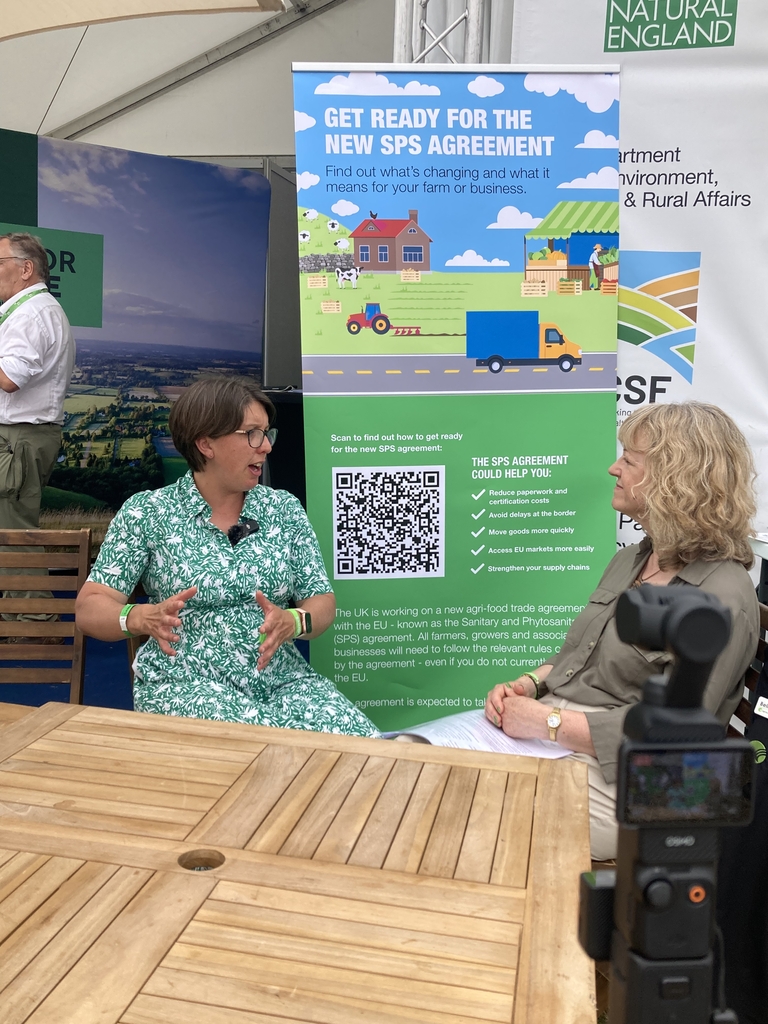
Of more immediate significance for many food and drink businesses, however, is the government’s continued focus on improving the UK’s trading relationship with the EU. The European Partnership Bill will provide a legislative framework for implementing existing and future sector-by-sector agreements with the EU. For food and drink, the government aims to ease the movement of goods to and from European markets. With an endorsement from Morrisons Chief Executive Rami Baitieh, the government estimates that a food and drinks deal with the EU has the potential to add up £5.1 billion a year to the economy. The Cabinet Office is the lead department responsible for seeing the legislation through parliament which broadens the scope of engagement opportunities for food and drink businesses.
The comparatively light legislative programme for Defra means that ministers and officials will have greater capacity and scope to progress its in-tray of non-legislative reforms and strategies. This includes an implementation plan of the government’s food strategy vision; responding to the Batters’ Farming Profitability review and publishing the 25 year roadmap for farmers; redesigning environmental land management and sustainable farming initiative programmes; and implementing the recently published Land-Use framework.
To discuss the King’s Speech and how GK can support your organisation, please reach out to James at [email protected]
- *I have permission from the copyright holder to publish this content and images.
Related Posts

Student placements – voice from the industry
ATW 2025: The National Food Strategy – the role of agri-tech in strengthening the UK’s food system
How should businesses be preparing for the new strategic partnership with Europe?
Succession or Stagnation: What really happens when succession planning is avoided
Bridging the Gap Between Innovation & On-Farm Adoption