MTC driving agri tech innovation through robotics and the success of its AgriScale programme
 Agri-TechE
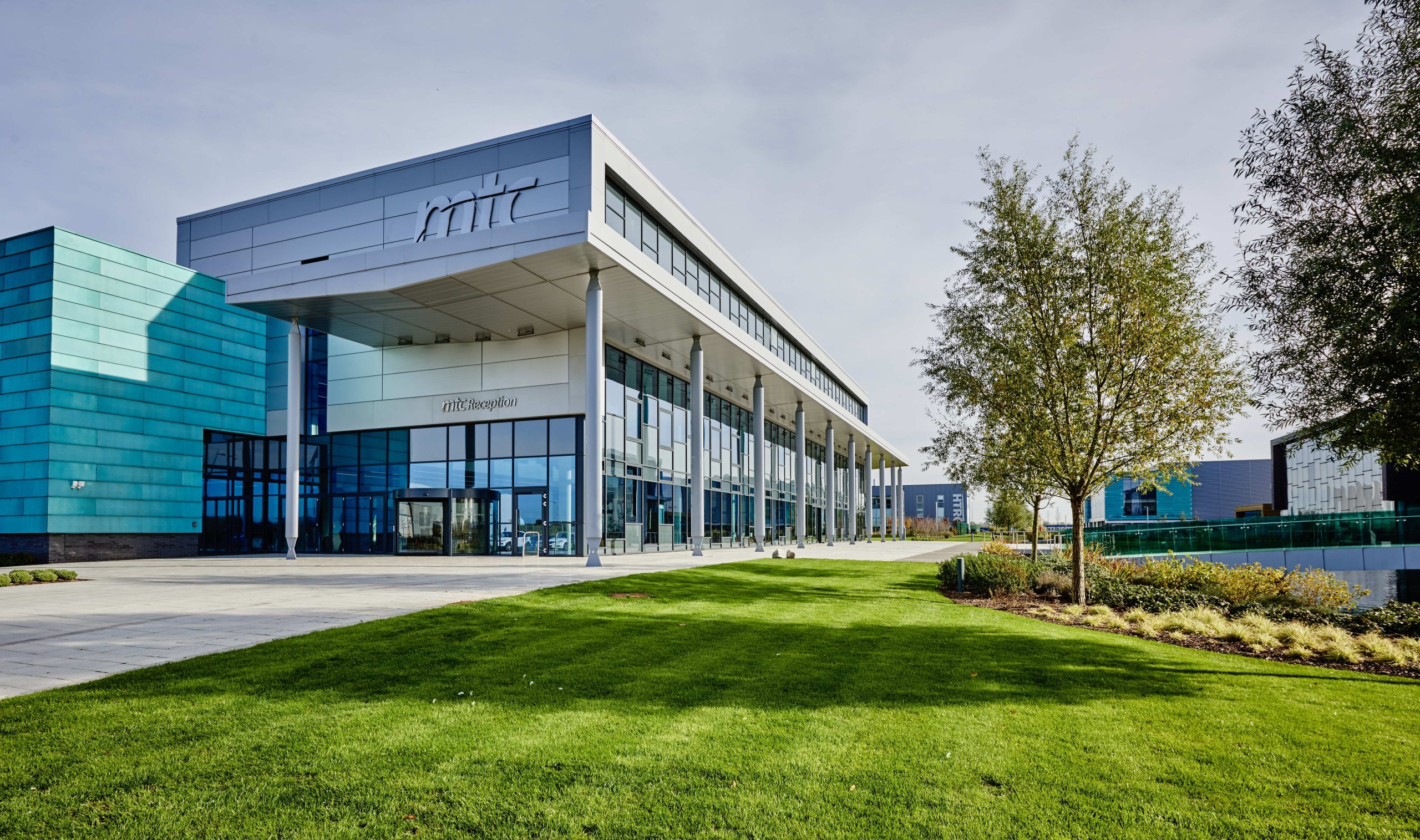
 The Manufacturing Technology Centre (MTC), an independent research technology organisation within the High Value Manufacturing Catapult (HVMC), is helping innovators bridge the gap between promising agri‑tech ideas and becoming commercially viable products.
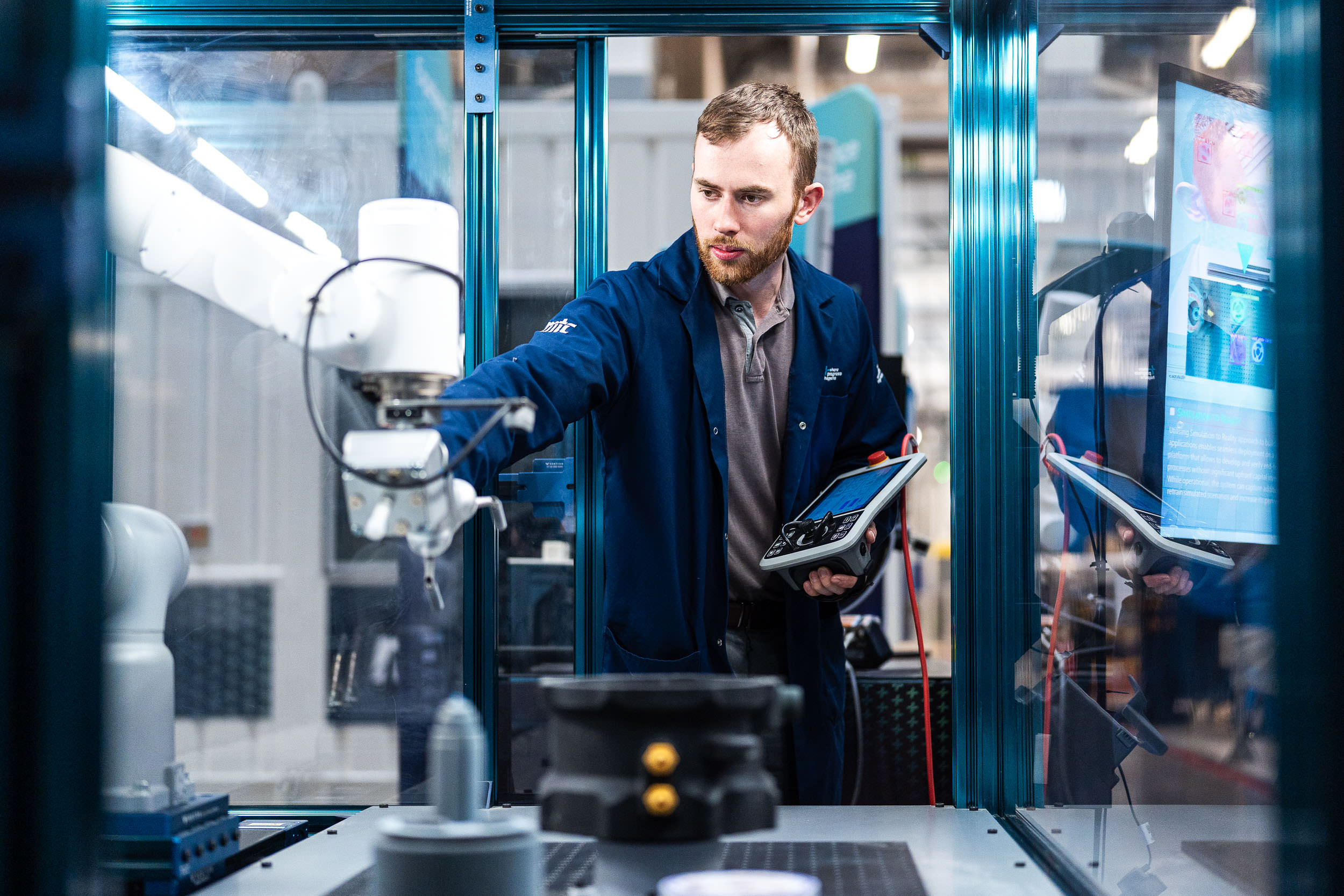
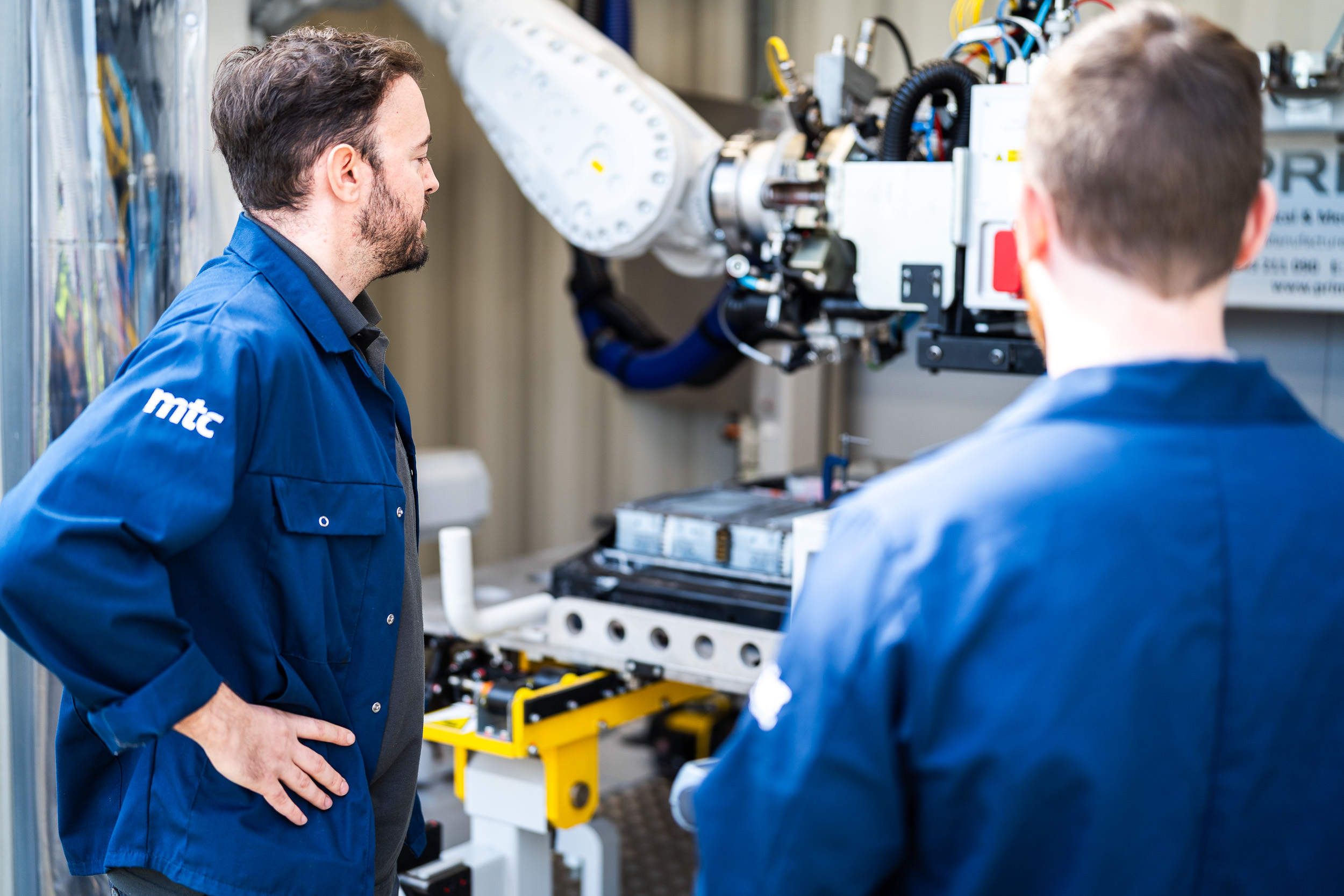
Drawing on expertise in robotics, manufacturing and scale‑up support, MTC works with entrepreneurial companies to overcome technical and production challenges that often prevent good ideas from reaching the field, helping innovators to attract investment. Bhavnita Patel, MTC’s Business Development Manager for agri-food, says too many strong ideas fail before reaching market.
“We’ve been working with DEFRA and Innovate UK to find the best way to help bridge that gap, taking a great technology to something that is manufacturable and commercially viable,” she says.
That approach took a major step forward with AgriScale, a pilot programme jointly delivered by the HVMC centers – MTC and the Warwick Manufacturing Group (WMG) to support agri‑tech companies tackling manufacturing challenges.
Following the success of the pilot, AgriScale has now been expanded into a major national initiative delivered by Innovate UK and DEFRA, with up to £13 million available in spring 2026 across two competition strands (Industrial Research and Experimental Development). The pilot supported five companies, and the newly expanded AgriScale competition will support innovators with market‑ready products who need help to scale manufacturing and reach commercial deployment.
“There are smaller pots of money focused on solving bottlenecks that businesses are facing with regards to scaling up, but there are also bigger pots of funding for a few companies to really help them reach that commercial point.” Bhavnita says.
Lindsay Roome, DEFRA Head of Agri-Tech and Innovation said: “AgriScale is helping innovative products and businesses to reach the next level on their production journey. This ultimately makes sure new solutions become available to farmers and growers.
“MTC and WMG brought fresh perspectives and a depth of experience and expertise that was transformational for pilot participants. We’re delighted that Innovate UK is extending the programme as we feel AgriScale is a key piece of the puzzle for UK Agri-Tech Advanced Manufacturing growth.”
Find out more about AgriScale here – entries close on 3 June 2026.
AgriScale in action: Earth Rover
One of the companies supported through the AgriScale pilot is Earth Rover, which is developing autonomous scouting and crop‑monitoring technologies designed to help growers improve efficiency and reduce labour pressures. Their experience illustrates how manufacturing and scale‑up support can accelerate the adoption of advanced robotics on farms.
One of the main challenges faced by start-ups seeking to scale is getting through the “valley of death”. Even if the technology is proven to be successful with clear customer demand, the scale up of manufacturing and supply chain is never simple.
“By looking ahead at volume production to support roll out to customers we have been able to address key manufacturing engineering, procurement and supply chain risks before they become a problem and prevent us from deploying our robots with farmers with the expected quality and in a timely manner. The growing season is unforgiving and won’t wait for any delays or interruptions. The AgriScale pilot with WMG has helped us look at some of those risks earlier than would have been possible.” Says James Miller, CEO of Earth Rover.
Robotics are constantly developing within agriculture, but are they supporting farmers or taking away vital jobs?
With over six hundred engineers, MTC is actively developing robotic solutions and supporting innovators in bringing them to market.
Mike Wilson, Chief Automation Officer, brings forty years of engineering experience to the agricultural sector. Speaking about current challenges, he believes there is a need for robotics to fill roles farms struggle to recruit for.

“It’s a common misconception that robots take jobs, and it’s not just on the farm; it’s across every industry sector.
I think the issue on farms is not that people are worried about employment, it’s they just can’t get workers.
It’s about using automation to do the jobs that farmers can’t get people to do anymore.
It’s about helping people to be more productive. There are robots now that clean parlours. And why not? Why have someone pushing a broom around when we can use a robot?”
Strawberry fields forever
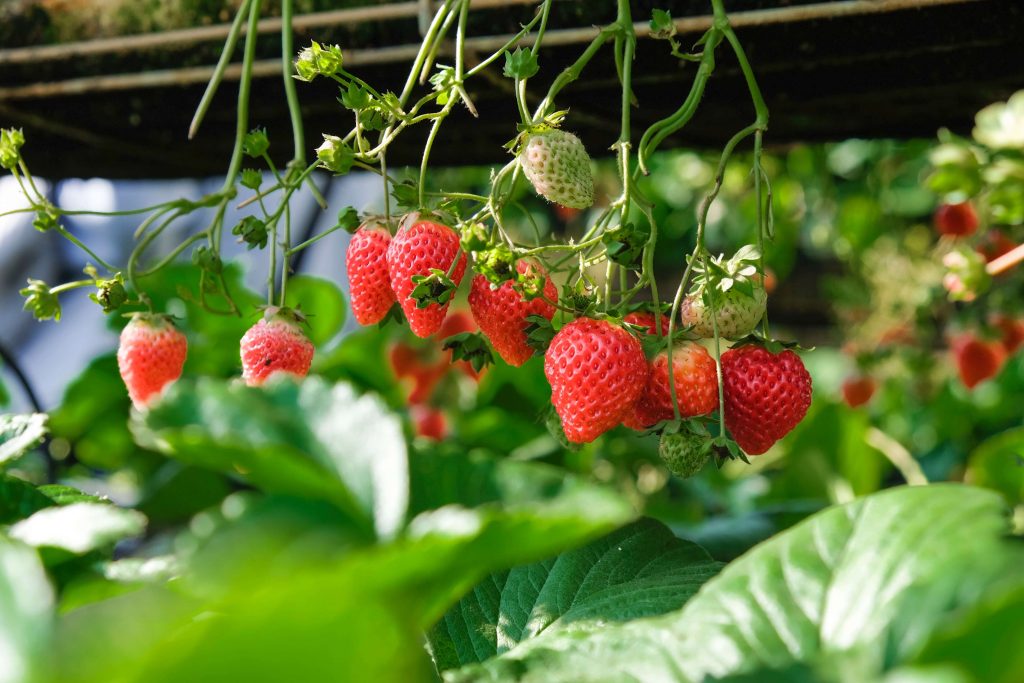
One area of intense academic focus has been robotic strawberry picking. However, Mike believes progress could be fast-tracked by prioritising tasks that are easier to automate while retaining human skills elsewhere.
“We’d make quicker progress if we concentrated on tasks that are easier to automate, using robots for the mundane jobs and letting people focus where their skills add value,” he says.
Mike sees opportunities for hybrid approaches, using technology available today, that support rather than replace skilled pickers – for instance utilising a robot that follows farm workers to collect the strawberries as they are picked, so that workers can focus on the picking.
Building resilience for UK farming
MTC’s team emphasises that robotics is ultimately about strengthening the sector to build more resilient and efficient farming businesses.
Making it more efficient makes it more resilient, and less susceptible to changes in costs, which we know the farming community faces at the moment.
“There are many growers at the moment struggling to find labour to harvest their crops. I’ve known people who have had to leave certain crops unharvested.”.
Bhavnita adds that UK‑developed technologies can support both domestic production and global food systems.
“It’s about augmenting what people can do to get the most out of not only domestic production but also supporting other countries through the technologies we’re developing and manufacturing within the UK,” she says.

Connecting with growers
One tip Bhavnita recommends for aspiring innovators is to work with growers and farmers at the outset of development.
“The people we’ve worked with who have been most successful in accelerating their technology have been companies that started working with growers or farmers very early on.
“You’ll find that some companies, where it’s very tech-led and less end-user-led, they end up going down a route they later have to modify.”
“Agri-TechE has been instrumental in helping us do the right thing based on that membership and the people within it, it brings the agri-tech community together, from technology developers to end users that will be using the technology on a daily basis” she says.
You can connect with other farmers and growers by becoming a member of Agri-TechE.
Introduction to Agri-Tech event
Dr Bhavnita Patel will be joining the panel Growth Catalysts and Innovation Champions at Agri-TechE’s upcoming event Introduction to Agri-Tech.
Even if something looks good in the lab or in trials, moving it to commercial farm use is a whole different ballgame: you need to be able to manufacture at scale, create a strong commercial value proposition, and ensure you have captured the value of your solution. Understanding the target market, future customers, and the scale-up journey is key.
Bhav will share her experiences of supporting businesses on technology adoption alongside Louise Sutherland, Director of Ceres Agri-Tech; Lizzie Wills, Senior Partner & Head of Private Equity, GK Strategy; and Kate Pressland, CEO Ag.Impact
The Introduction to Agri-Tech event is on 20 May 2026 at Throw’s Farm Technology Centre in Essex: Book here
Post Overview
Agri-TechE Related Posts

GoMicro Deploys Second AI Quality Control Unit to Australian Leafy Greens Grower

Back-to-Back Awards for Burleigh Dodds!
UK-based Drone Ag gains unique ENAC BVLOS authorisation for autonomous crop-trial monitoring in Italy

Everyone Wants AI. Few Businesses Are Ready for It
Dyson’s Fresh Approach to Agri-Tech Innovation