Engineered wheat contains double the iron

Research Digest
Agri-TechE

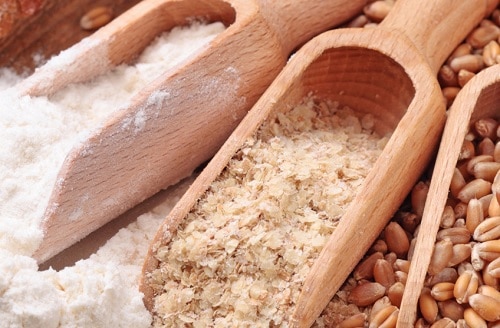
Engineered wheat contains double the ironProblems of iron deficiency could be alleviated with white flour made from the engineered wheat contains twice the typical amount of iron; something that cannot be achieved by normal breeding.

The two genes responsible for the transport of iron were found using the recently published wheat genome. Dr James Connorton, working with Dr Janneke Balk and Dr Cristobal Uauy of John Innes Centre, then used one of these genes to direct more iron into the endosperm, the part of the grain from which white flour is milled.

Iron occurs naturally in wheat, but it is largely found in the outer parts of the grain, the aleurone layer and the seed coat. Unfortunately, these parts of the grain are removed during production of white flour, resulting in low levels of iron in the final product. The endosperm is the inner starchy part of the grain used to make flour. It has very little iron naturally, so white flour made from commercial wheat varieties also contains low levels of iron. With the help of the BRACT Crop Transformation platform the team engineered the wheat so that the endosperm accumulated more iron.

By understanding the mechanisms of iron uptake into the endosperm of the plant, breeders can look at ways of incorporating this knowledge into wheat breeding programmes and work to produce wheat that gives white flour with enhanced iron content.

To read the paper in Plant Physiology:

Vacuolar Iron Transporter TaVIT2 transports Fe and Mn and is effective for biofortification James M Connorton, Eleanor R Jones, Ildefonso Rodriguez-Ramiro, Susan Fairweather-Tait, Cristobal Uauy, Janneke Balk, Published July 2017. DOI: https://doi.org/10.1104/pp.17.00672

First exhibitors announced for REAP

Agri-TechE

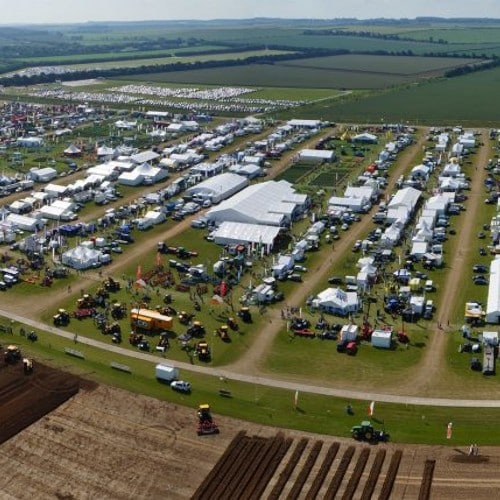
Robotics, smart irrigation management, “farm on a chip”, novel purchasing and procurement technologies for farmers, weather predicting and monitoring solutions are among the technologies we have featured at REAP in the Technology Exhibition.

We attracted over 220 delegates last year, of whom 75 per cent were agribusinesses, researchers and technology developers, and the exhibition received a lot of interest as it is in the hub of the venue, where delegates network and take refreshments.

Technologies on show at REAP

The Technology Exhibition will be a feature again this year and here is a taste of some of the exhibitors:

Prodata Weather Systems Agri-TechE member Prodata Weather Systemsare specialists in the supplier of weather stations and environmental monitoring solutions. They will be showcasing the latest product EnviroMonitor, an affordable, flexible and rugged system, which serves as your “eyes and ears” on the ground, delivering the environmental data that is essential to support decision making.

PBD BiotechPBD Biotech featured in the Start-up showcase last year and have developed a novel test for TB in cattle; the technology is now being considered alongside the current “gold standard” for TB testing.


Global Crop Improvement CompanyGlobal Crop Improvement Company (GCiC), suppliers of  biostimulants and speciality fertilizers, will be profiling Viscofol Black. This is a new humic acid product that is showing promise as a seed treatment for improved early crop establishment and root growth. Early results on spring cereals in 2017 are very encouraging, with more vigorous crops and deeper rooting easily evident in the trial plots. It is naturally extracted without chemicals, so Viscofol Black also qualifies as an organic product and is certified by OF&G in the UK.

Ozo InnovationsOzo Innovations at REAP 2017 (Ozo) is innovating in post-harvest wash of key crops. It is a lead participant in JadooJal, an Innovate UK funded project with Edinburgh Napier University and University of Nottingham. JadooJal will test the efficacy of Ozo’s Electrolysed Water (EW) against key spoilage/pathogenic microbes on valuable Indian food crops to quantify its benefits in terms of reduced spoilage, improved decontamination and shelf life extension.

30MHz - Smart sensors for industry-grade insights30MHz – The 30MHz Sensor Toolkit empowers businesses to turn metrics captured from the physical world into actionable insights at industry-scale, by providing all the building blocks needed for a scalable sensor network: from sensors to visualization, notifications, and machine learning.

Start-up showcase launches businesses

In addition to the established businesses exhibiting we will also have the popular ‘Start-Up Showcase’. In previous years this has helped to successfully launch a number of early stage businesses including:

  • Arlabion – developing next generation agrochemicals against Fusarium in wheat and onions. It now has a new product undergoing final trials with Niab.
  • Vidacycle – RFID tagging technology, now being used by Elveden Estates.
  • Entomics – use of insects to convert food waste into other products; it has secured over £1M in private investment and grant funding from regional and national schemes and filed several patents.
  • Yagro – a new procurement platform that is now selling to farmers across the UK to help manage costs on a range of on-farm products such as chemicals, fuels, feed and seed.
  • PBD Biotech  – novel test for TB in cattle, the technology is now being considered alongside the current “gold standard” for TB testing.

If you would like to participate in the Technology Exhibition do contact us to be considered.

REAP Conference 2017

Going global – Africa, Argentina and Asia

Agri-TechE

#AgriTechIsGlobalCould crop varieties that cope in extreme environments thrive in the UK? Would “no-till’ practices from the altiplano work below sea level on the fens? Would on-farm processing from other geographies work here? At a time of great economic, political and environmental change, looking outwards can provide sources of inspiration and innovation.

Science is global and so is agriculture therefore despite our nominally regional focus, we also help our members look beyond the boundaries of the east of England and indeed the UK itself. This openness is creating opportunities for joint ventures overseas.

Going East 

Earlier in July we held an event looking at sub-saharan Africa, and later this year we are supporting Agritex 2017 in Hyderabad, India.

Agri-TechE WeekMaria Beatriz Giraudo provides an opportunity to showcase members’ innovation activities and top quality agricultural production on an international platform and we are delighted that María ‘Pilu’ Giraudo is our key note speaker at REAP. Winner of the Kleckner Award from the Global Farmer Network, Giraudo is coordinating policies for sustainable development at the Ministry of Agroindustry for Argentina so she will be interested to hear about the work in this area.

Overseas members

Scarab Solutions is the global leader in crop pest and disease management software for protected cropsIn addition to members from across the UK, we are also working hard to provide a warm welcome to those from overseas. One of our most recent members, Scarab Solutions, has pioneered biological pest control innovation in South America. Use of our information and contacts will help embed them in the wider UK agri-tech ecosystem as they build their UK activities.

Virtual networking

As our membership has grown beyond the borders of the east of England, we are aware that it may be logistically difficult for them to engage in person at the level they would wish.

So, keen to ensure that maximum value is derived from our events, we provide reports, speaker contact details and slide decks after the event, as well as a list of those who attended, with an offer to make introductions.

Automation as an alternative to chemicals

Meet the Network
Agri-TechE

Philip Garford, Garford Farm Machinery“Weed control has certainly been changing in the past few years,” says Philip Garford, Managing Director of Garford Farm Machinery. He is set to speak at Agri-Tech’s annual REAP conference in November. We caught up with Philip for his views on crop management, advancing automation and Garford Farm Machinery.

Peterborough-based ‘Garford Farm Machinery’ develops, manufactures and distributes high quality row equipment products to the UK and world agricultural market.

Q: The theme for REAP 2017 is ‘Today’s Knowledge Meets Tomorrow’s Technology’. What is a current challenge in agriculture that Garford Farm Machinery is helping to overcome?

A: A big challenge in agriculture at the moment is the changing situation with crop management. The herbicides that were available are becoming less prevalent; chemicals have been taken away whenever there has been any risk of them getting into water courses or the food chain. There’s also been build-up in resistance in some weeds to specific chemicals.

We sell equipment to vegetable growers and traditional row crop growers, specialising in sugar beet and maize, for example. It is clear that huge problems have arisen with blackgrass, for which there is no reliable chemical answer for – engineering can be an alternative in weed control.

To combat blackgrass we clean up between crop rows with our Robocrop Inter-Row Weeder. Garford is finding that a number of customers are now considering growing their conventional cereal crops on wider row widths to enable inter-row spraying or inter-row cultivation. Cereal crops are just an example, as other crops such as the likes of oil seed rape can also be controlled with wider width.

Q: The Garford Robocrop InRow Weeder distinguishes weeds from the individual plants – how does this work?

Robocrop InRow eRotor 20 rowA: Our InRow Weeder uses video image analysis techniques to mechanically remove weeds from the inter-row and the crop row between the plants. It can be used on most crops that are planted with regular plant and row spacing, such as lettuce and celery.

All of our camera guidance systems utilise colour recognition and grid matching programmes. A typical cereal crop is grown in rows and is generally green, so you can see a concentration of green pixels in the image relating to where the crop rows are.

We can tell the InRow Weeder that plants will be spaced every 30 centimetres along the row, and it will look for concentrations of the pixels within that spacing. It organises the grid to lock onto them and the implement is hydraulically guarded, to ensure that it stays between the crop rows. If there is a discrepancy, the grid makes an adjustment accordingly. The Weeder uses that information to rotate the weeding rotor around the plants, cutting all of the weeds.

Q: As agri-tech continues to advance, could you see a future where farmers rely on fully autonomous machines or robotics?

Robocrop Eliminator (23)A: We deal with variables such as weed types, weed growth stages, soil type, soil moisture levels and crop growth stage. Although machine learning is coming on leaps and bounds, we’re a long way from a machine that will be able to recognise all these factors and adjust to keep working at 100% without error.

We are currently developing autonomous and robotic machines that have good output, but still have a human operator. It is important that we attend to the fine detail, ensuring that everything is working correctly – our customers require the machines to cover around 5 hectares per hour, so it is high value work.

You also have to think about machines moving from field to field, which requires going out on the road. There have been advances with driverless cars of course, and Case New Holland has an autonomous tractor buzzing away in fields, so one day it could be a possibility.

For now, we are focused on developing machine vision and machine learning. Once we get to the stage where we feel we have 99% reliability, then we can perhaps talk about being a fully autonomous operation. At the moment we can refer to them as robotic machines that increase performance and enable better crop husbandry.

Q: Before the machine vision weeding, Garford started out with a skew bar topper for sugar beet harvesters…

Robocrop Inrow Weeder at work aerial shotA: We designed and manufactured our own sugar beet harvester, which was sold through the late 1980’s, 1990’s and into the 2000’s. The skew bar topper was designed to remove the leaves from the sugar beet, without taking the top off the sugar beet itself, enabling farmers to collect higher tonnage from the crop.

The harvester was unique in not only having skew bar toppers, but also with the ‘Spiroll Cleaning System’, which was used for cleaning the sugar beet. It was very good at taking clods of soil and stones from the lifted crop; this was a big problem for growers in north Norfolk, so the machine quickly took off.

Q: Were you always drawn to the machinery side of things?

A: I started out farming on the Garford family farm. My father had a history in farm machinery; he formed a company to manufacture sugar beet harvesters back in the 1950’s. The company was then sold out, and he set up his own farm.

When he had three sons, he started to diversify again to farm machinery back in the 1970’s. We specialised in hoeing and bran spraying equipment, but still operated under the farm banner.

So yes, all of us – my father, my two brothers and I – were always very interested in machinery. Nothing on the farm would remain as it was for long; we were always changing things and coming up with ideas to make them work better.

To learn more about Garford Farm Machinery, please click here. For further details on the REAP 2017 conference, please click here.

REAP Conference 2017

New Cambridge Centre for Crop Science gets green light

Agri-TechE

A new Cambridge Centre for Crop Science (3CS) has got the go ahead and £16.9m of funding. It is to be a joint initiative between the University of Cambridge and Niab and will include a dedicated new building at Niab’s headquarters on Huntingdon Road and new glasshouses and field laboratories at Niab’s Park Farm site in Histon to support collaborative research.

3CS as an initiative is already up and running using current facilities and staff across the University and Niab, the new facilities will take this to the next stage. The next 2-3 years will see new projects and research and the recruitment of additional research staff.

David BaulcombeProfessor Sir David Baulcombe, head of Cambridge’s Department of Plant Sciences and the project lead for the University, explains: “3CS innovations will generate new crops and new ways of growing crops for food, fuels, industrial feedstocks and pharmaceuticals.


“We envisage that new 3CS crop technologies will enable higher crop yields and lower environmental impact for crop-based food production – as well as contributing to improved dietary health.”

Young researchers will be central to the success of 3CS, says Baulcombe, and the best will be recruited from around the world to be trained in interdisciplinary science, including the latest in plant genetics, bioinformatics, computational modelling and statistics.

Strong links with the agricultural industry through Niab  and the Agri-TechE cluster will mean that 3CS researchers will learn to understand how societal value and industry requirements feed into research design and translation.

While 3CS will make significant contributions to the main globally-traded crops such as wheat and rice, there will be a focus on advances in the genetics and agronomy of other UK crops, such as potato and legumes, and so-called ‘orphan crops’: those that lag behind in technological advances but are vital for smallholder farmers across the developing world.

“The delivery of both public goods and economic growth is an essential agenda for today’s plant scientists, with the need to produce sufficient healthy nutritious food without harming the environment,” said Niab’s CEO and Director Dr Tina Barsby. “Creating the facilities to bring together Niab and the University in 3CS presents an extraordinary opportunity for impacting this agenda through the development of world-class science and translation.”

Environment Secretary to explore future of farming at Royal Norfolk Show

Agri-TechE

Michael Gove meets Belinda Clarke at the Royal Norfolk Show Innovation Hub 2017
Michael Gove meets Belinda Clarke at the Royal Norfolk Show Innovation Hub 2017 [click to enlarge]
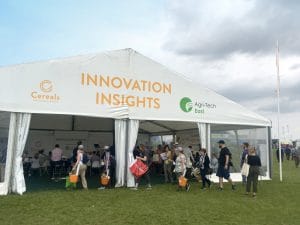
We welcomed Environment Secretary Michael Gove to the Innovation Hub on Stand 271 to meet with researchers and businesses and find out more about the latest research and emerging agricultural technologies.

From a ‘FitBit for cows’ that provides real time information on the health of a herd, to a demonstration of how ‘agrimetrics’ data can support farmers and boost food production, pioneering agricultural technology (agri-tech) on display at the show could provide new opportunities for East Anglia’s farmers.

Environment Secretary Michael Gove said: “Emerging technologies will play a vital role in boosting productivity and growth, unlocking the full potential of our farming industry as we adapt to a rapidly changing world and maintain our leading role on the global stage.

“The East of England is a real hotbed of agricultural innovation and the enthusiasm and passion of the region’s farmers, who exported a record £1.6bn of food and drink last year, is truly inspirational.”

Agri-tech contributes £14.4bn to the UK economy every year, underpinning the UK’s food and drink industry, our largest manufacturing sector. The government has already invested £160 million through the agri-tech strategy to help develop innovative solutions from the laboratory through to the farm.


Belinda Clarke with Colin McEwan of Innovation Hub sponsor BBRO

Dr Belinda Clarke, Director of Agri-Tech, an independent membership organisation supporting the development of the agri-tech cluster, comments: “Innovation is most effective when it is focussed on solving clearly defined problems.

By bringing progressive farmers, who are willing to pilot new approaches, together with those who have potential solutions, Agri-TechE is facilitating a step-change in agri-food production that is productive, profitable and sustainable.

“The Innovation Hub is a good showcase for the agri-tech cluster, showing how collaboration can accelerate innovation based on sound science.”

The Environment Secretary also plans to visit the show’s food hall, meet with food producers from across the east of England, and visit the ‘Broads Village’ which showcases the importance of the National Park to industry, culture and landscapes.

The Innovation Hub is made possible by a partnership between Agri-TechE and the Royal Norfolk Agricultural Association and is sponsored by BBRO.

Below are some photos from the Innovation Hub (click to enlarge)

Wensum Alliance at Royal Norfolk Show Innovation Hub 2017    Agrimetrics at Royal Norfolk Show Innovation Hub 2017    Crop Angel at Royal Norfolk Show Innovation Hub 2017

Niab at Royal Norfolk Show Innovation Hub 2017    SOYL at Royal Norfolk Show Innovation Hub 2017    University of Essex at Royal Norfolk Show Innovation Hub 2017

PolyMarker tools to help breeders access new research

Research Digest
Agri-TechE

A major hurdle to the uptake of research into new wheat varieties is that breeders do not have the specialist bioinformatics training required to utilise the latest discoveries.

To overcome this hurdle Dr Uauy of JIC has introduced practical training resources for breeders and developed tools to improve the accessibility of important data and methods.

One of these open-access tools, called PolyMarker, takes information from complex data sets and allows the identification of practical markers that breeders can use in marker-assisted breeding. This includes markers for some of the most important genes used by industry.

More information about PolyMarker

http://www.earlham.ac.uk/polymarker

New protein vital to signalling between plants and fungi found

Research Digest
Agri-TechE

A plant protein vital to chemical signalling between plants and fungi has been discovered, revealing more about the communication processes underlying symbiosis – the mutually beneficial relationship between plants and fungi.

“This is the first plant protein ever reported to be indispensable for communication between plants and the fungus in the rhizosphere,” says study principal investigator and research group leader Dr Uta Paszkowski.

“Symbiosis starts when the plant roots and fungi exchange various types of chemical signal in the soil. Even before the two organisms have made physical contact, signalling molecules are released into the rhizosphere – the region of soil accessible to both fungus and plant root. They form symbiosis for life, so it’s an important decision.”

“Wild type plants release something that conditions the fungus for symbiosis, but if the plant can’t talk to the fungus due to the missing transporter, the fungus won’t be able to respond.”

Symbiosis significantly enhances a plant’s ability to take up vital nutrients like phosphate from the soil, and understanding the processes involved holds great promise for the development of sustainable ‘biosolutions’ to enhance food production.

By analysing a mutant strain of maize (called Zmnope1) that does not form symbiotic associations with fungi, the scientists managed to identify the missing gene – NOPE1 – which codes for a transporter molecule not previously described in plants.

The new study, published in Nature Plants, suggests that the plant’s NOPE1 gene must be working properly if beneficial fungi in the soil – called arbuscular mycorrhizal (AM) fungi – are to properly respond to signals released by plant roots and begin the process of forming this vital symbiotic relationship.

The NOPE1 gene codes for a transporter of a molecule called N-acetylglucosamine (GlcNAc), a building block of chitin, which is a major component of the cell walls of most fungi and also of many signalling molecules.

It has previously been shown in the fungal pathogen Candida albicans that when GlcNAc is transported into a fungal cell it activates cell signalling. It increases the expression of genes that promote hyphal growth leading to pathogenic interactions with a host plant. In this new study, exposure of AM fungi to the exudate of rice plant roots with functional NOPE1 had a similar effect, causing the fungi to invade the roots of plants, and also to express virulence genes that help them attach to host plant cells.

The Cambridge team’s work now provides the first evidence that the previously unknown plant GlcNAc transporter protein also plays a role at the other side of this relationship – in the initiation of plant root colonization by AM fungi.

Wild type rice roots were shown to acquire and release GlcNAc, with uptake clearly dependent on NOPE1. The transporter they identified is the first plasma membrane transporter of GlcNAc ever identified in plants.


Wheat roots respond to blackgrass

Research Digest
Agri-TechE

Wheat plants respond to the presence of neighbours, including blackgrass, by changing the length of their roots, according to authors Stéphanie Swarbreck and Julia Davies.

Blackgrass is a major weed for winter cereals in Europe, that can cause substantial yield loss for wheat and oilseed rape. A low density of blackgrass can lead to a 10% decrease in wheat yield, and herbicide resistance is problematic. Though varietal differences in wheat sensitivity to blackgrass infestation has been noted by farmers in the field, wheat varieties are currently not selected based on this trait.

In this new study, the authors have developed an experimental system that enables detailed analysis of the wheat root system in young plants in the presence of a neighbour, either another wheat plant or a blackgrass individual. Their data show that the presence of a neighbour leads to shorter lateral roots, the fine roots that are responsible for taking up nutrients. This study provides new insights into the effect of the weed on wheat and could allow for screening wheat varieties that show less susceptibility to blackgrass infestation.
This work was supported European Union FP7 Marie Curie International Reintegration Grant, the Gatsby Charitable Foundation, the Broodbank Trust University of Cambridge, and the Newton Trust University of Cambridge.

Finch, J.A., Guillaume, G., French, S.A., Colaço R.D.D.R., Davies, J.M. and Swarbreck, S.M. Wheat root length and not branching is altered in the presence of neighbours, including blackgrass. https://doi.org/10.1371/journal.pone.0178176

Food for thought at the Royal Norfolk Show

Meet the Network
Agri-TechE

Food is to be enjoyed, shared and valued and this year’s Royal Norfolk Show will be creating a strong link between food, farming and the countryside, according the recently appointed Show and Programmes Director Mark Nicholas.

He says: “There’s a lot to be really proud about: it is the UK’s largest two day agricultural show, it showcases the innovation of the region and it is a great tribute to what a good country show is all about.

Mark Nicholas, RNAA“Too much of our information these days comes from the virtual world and here we can offer an experience that is real and memorable.”


It is vital that the show is relevant and reflects current interests. To achieve this Mark has spent time talking to the various stakeholders and creating a vision for the show that reflects the role of the Royal Norfolk Agricultural Association (RNAA) as part of the fabric of Norfolk.

He says: “We have a strong membership base of 3500 people, directly connected to farming so the agricultural components have got to have substance. The ‘innovation and enterprise’ theme reflects this.

“There will be 700 businesses trading here at the show, and a significant number of them are state-of-the-art agricultural machinery suppliers, with equipment worth millions of pounds.

“At the Innovation Hub, hosted by Agri-TechE and supported by BBRO (British Beet Research Organisation), we are demonstrating how science and emerging technologies are addressing the big challenge of how to do more with less.

“This is particularly true for those farming in some of Norfolk’s environmentally sensitive locations, with a fragile ecosystem, decreasing soil and uncertain water supplies.”

Big Data applications for agriculture

“Improved data about all aspects of the environment is making it easier to measure the impacts of different cultivation techniques; particularly how to close the gap between potential and actual yields. We have experts in soil, water, canopy cover and data analysis on hand to demonstrate some of the latest techniques that are currently being trialled.”

Alongside that is the need to make the industry accessible and entertaining to as many visitors as possible. The show is doing this within the ‘food, farming and the countryside’ theme, where there are displays that encourage visitors to look at the bigger picture and to understand that farmed land has many purposes.potato yield model

Mark continues: “A particular highlight is the Broads Village that marks the creation of a new national park last year. It will bring to life the industries associated with the Broads. Particularly how sustainable approaches to agriculture are balancing the demands for leisure activities, wildlife, food production and clean water.

“To encourage the involvement of younger people, we have the Discovery Zone and expect 10,000 children to visit. All sorts of people are coming in to demonstrate and entertain.”

Celebrating food micro businesses

The celebration element is captured in the ‘arts’ theme, which provides a platform for the lively Norfolk arts scene and the food hall, which offers a selection of Norfolk’s finest produce.

“There are over 20 bands performing over the two days and the closing ceremony will include a 1,000 strong choir. Singers from community, church and school choirs have been practicing a specially composed piece for the finale. “Norfolk Show showcase local producers

The food hall features 80 Norfolk food and drink producers. Mark was keen that as many of the micro-businesses were represented as possible.

“We have been grateful for the support of HSBC which has subsidised the cost of attendance and as a result we have an exciting selection of start-up businesses in the food hall.”

Ideas Factory designed map

As always the grand ring is one of the crown jewels of the Show, it’s a great arena for showing and demonstrating. In terms of entertaining the main act is the King’s Troop Royal Horse Artillery who will be performing on both days of the Show for their only performance outside of London this year.

With too much to do in a single day, visitors are being helped to prepare with a programme that will be distributed within the Eastern Daily Press on Friday 16 June. It includes a map designed by students at the Norwich University of the Arts Ideas Factory. “It is a fantastic map that brings the show to life and illustrates in a succinct way the three themes,” says Mark.

The RNAA has put a lot of effort into designing a show for Norfolk to be proud of.

As Mark concludes: “We are saying to people: ‘it’s your show; come and display, exhibit, explain, entertain and most of all enjoy’. It promises to be the best day out for everyone.”

More information about the Innovation Hub can be found here.

Increasing demand in Sub-Saharan Africa for UK Agri-Tech

Agri-TechE
Patrick Guyver and Hamish Drewry, Founders of AGRIinsight

Have you considered the African market for your products and services? A number of smaller companies operating successfully in Sub-Saharan Africa will be sharing their experiences in July. These will include Maria Yassin-Jah, CEO and co-founder of Aspuna – a company that has set up The Gambia’s first cassava processing operations – and Hamish Drewry, co-founder of AGRIinsight, an information technology company that is building business networks in Ethiopia and Tanzania, creating tools that will help these organisations have a more effective way of identifying, using and sharing relevant data.

Sub-Saharan Africa is a geographic area covering: West Africa (Nigeria), East (Ethiopia, Kenya, Uganda, Tanzania) and Southern Africa (South Africa, Angola, Zambia, Mozambique). All these markets are connected by a drive to increase agricultural productivity in a region with immense agricultural potential.

Hamish Drewry says there is a growing need for effective information management:

“Agricultural production and agribusiness together constitute an average of around 45% of the economy of sub Saharan Africa (SSA). The share of agribusiness (including logistics and retail) in GDP is around 20%, while the share of agricultural production is around 24% for low-income countries. Because of the substantial rural/urban migration that is now occurring, urban food markets are set to increase fourfold to exceed USD 400 billion by 2030, requiring major agribusiness investments in processing, logistics, market infrastructure, and retail networks.

“Additional pressure will come from the changes in the African diet as a result of the increasing middle class. SSA agribusiness will need to significantly expand and become more efficient to meet the needs.

“Therefore, the agribusiness sector will continue to develop significantly and investments both local and international will increase. The demand for commercially relevant information and analysis is growing. However, the availability of information is still limited and any that is accessible is dispersed; there is no focal point to publish and use. Hence the need for relevant, accessible and up to date agribusiness data on one robust, secure and easily accessible platform.”

Sub-Saharan AfricaUK DIT provides support for export

The UK’s Department for International Trade has an export campaign aimed at the agri-tech sector which covers this geographical area. Jelena Duza, Trade and Investment Advisor for Southern Africa, Agri-TechE & Healthcare, comments that although doing business in Africa does come with its challenges there is considerable potential in this region.

She says: “This region’s agricultural industry is estimated to have a market value of US$1 trillion.   Although diverse, the region is also undergoing increased political stability with an improving business environment and rising consumer class. This, combined with infrastructure development, has resulted in macroeconomic growth in many areas.

“Within the next two years the agricultural sectors offers the highest growth potential for Africa and ranks only marginally behind mining and metals. Agriculture is seen by government as crucial to sustainable development with anglophone markets considered the most attractive followed by francophone markets.”

However she advises: “Companies should be prepared to navigate around the slower pace of doing business and poor governance at times and local partnerships are essential to help them to do this. These partnerships can help to unlock barriers through local expertise, provide contacts and opportunities and help companies to tap into the immense business potential that the region offers.”

Sustainable intensification 

Africa is a diverse market with varying demand trends. Smallholder farms make up the largest percentage of agricultural production in Sub-Saharan Africa, numbering around 33 million, representing 80% of all farms in the region, and contributing up to 90% of food production in some countries.

The region is also seeing an intensification of agricultural investment and the UK agri-tech offer is well placed to respond to these opportunities. The major opportunities for UK companies are in crop protection, mechanisation, agroprocessing, grain handling and the livestock sectors. The DIT does provide advice on routes to market entry and can also assist in the process of identifying local partners through our bespoke services.

Jelena is looking forward to the Agri-TechE meeting and says: “I hope to raise awareness about the opportunities in Sub-Saharan Africa amongst the UK agri-tech industry and in turn, increase the level of business activity by UK Plc in this region.

“DIT’s mandate is to boost UK exports and through partnering with important role players such as Agri-TechE on these initiatives, we hope to open up Africa to the UK.”

For more information about the event Exporting your agri-tech to Sub-Saharan Africa, please click here.

Agri-TechE – Pioneering Agricultural Innovation

Agri-TechE