New wheat genome sequence is the most accurate yet

Research Digest
Agri-TechE

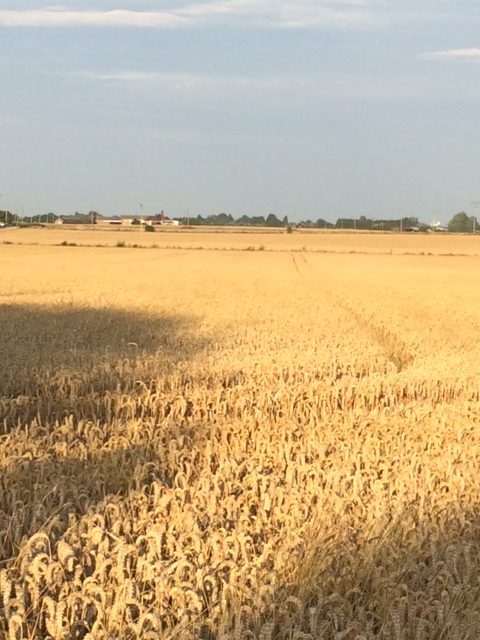
New wheat genome sequence is the most accurate yetThe wheat genome contains 17 billion bases – that’s five times the size of the human genome which has made it more difficult to sequence.  A major breakthrough has been made by a consortium led by the Earlham Institute, using new technologies has identified complete sets of genes and proteins essential to important agronomic traits in wheat creating a new wheat genome sequence assembly.

According to The Food and Agriculture Organisation of the United Nations, global crop yields must double by 2050 to meet future food security needs. Globally, wheat is one of the most important staple crops, providing a fifth of daily calories. Extensive knowledge of the wheat genome is needed to increase wheat yield in the future.

The most well-known genome project, The Human Genome Project, was completed in 2003 and the genomes of many organisms, including some plants, have also been decoded. However, despite the agricultural importance of wheat, the large size and hexaploid structure of its genome has made it historically difficult to fully sequence its chromosomes.

The new genome assembly, published in the journal Genome Research, predicts a large number of previously unknown wheat genes and defines where they are located along chromosomes.

The protein analysis research provided direct evidence that many of these genes coded for molecular machinery important for wheat growth and development, protection of wheat from diseases and resistance to harsh environments. This data helps researchers sift through the immense complexity of the wheat genome to identify which parts are playing an active role in the growth and development of wheat.

Over one thousand wheat disease resistance genes and their locations in the genome were revealed by the study. The knowledge will greatly aid marker assisted breeding of wheat disease traits. Also identified were over one hundred gluten genes, the analysis of which will be vital to changing gluten content in wheat.

The collaboration combined advances in genome sequencing and assembly technology from researchers based in Norwich, England at the Earlham Institute and the John Innes Centre with leading protein mass spectrometry data from the ARC Centre of Excellence in Plant Energy Biology at the University of Western Australia.

Professor Graham Moore, who leads the Designing Future Wheat Strategic Programme at the John Innes Centre, said: “The information generated by this project is already helping wheat breeding programmes in the UK and worldwide by providing a framework for selecting lines with improved characteristics, such as yield and disease resistance. This means wheat breeders can now develop new superior wheat varieties faster than ever before”.

Paper: An improved assembly and annotation of the allohexaploid wheat genome identifies complete families of agronomic genes and provides genomic evidence for chromosomal translocations  Genome Res. 2017.

Yellow rusts turns blue and other research stories

Agri-TechE

Bee friendly oilseed rape researchWithin the research digest we provide a round up of some of the interesting findings announced by the research institutes and also a trials updates.


Recent stories include: a major breakthrough for wheat breeders with the announcement of a new wheat genome sequence; a new trial for biostimulants following evidence that they can significantly increase yields;  launch of a new naming system for yellow rust that is based on genotype information and new insights into what makes oilseed rape bee friendly.

For more details have a look at the Research Digest. 


A yellow rust turns blue with new naming system

Research Digest
Agri-TechE

Extreme diversity in the wheat yellow rust population has led to the introduction of a new naming system for races discovered in the UK.

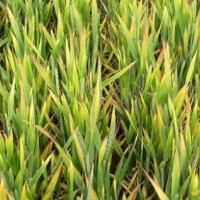

For example a new race, announced by the UK Cereal Pathogen Virulence Survey (UKCPVS) in 2016, has been named ‘WYR Blue 7’ under the new system – replacing its provisional name ‘Invicta’.

Yellow rust population changes led to a radical revision of disease ratings in the AHDB Recommended List (RL) last autumn.

Dr Sarah Holdgate, UKCPVS project manager based at Niab, said: “Last year was far from straightforward, from a yellow rust perspective. By mid-March 2016, we had received a record number of infected samples from wheat crops. It was a sign that something big was happening and the season ended with major revisions to RL ratings.

“Although we are still looking to pin down the race or races responsible for the breakdown, our monitoring has detected new races in the UK population and we are keeping an eye on them.”

The race provisionally named ‘Invicta’ initially appeared similar to old UK isolates (such as the Solstice race), based on its ability to cause disease. Subsequent genotyping, however, showed that the race appeared more similar to the Warrior population.

Dr Holdgate continued: “Until now, naming a race based on the variety on which it was first detected has served us well.

“But the system no longer copes with the complex genotypic and pathology data we are seeing and we feel it is important to avoid using a variety’s name.”

WYR Blue 7 is the first name to be allocated to a race under the new system (which reflects a system used in potato blight virulence surveys).

For details, click here to read the full news item on the AHDB website

Biostimulants tryout on Monitor Farms

Research Digest
Agri-TechE

Biostimulants will be tested on Monitor Farms for several combinable crops, including wheat, barley and oilseed rapeAn AHDB review, completed in 2016, found evidence of a significant increase in yield in at least one experiment for nine of the 11 biostimulant product categories assessed.  Now they are going to be put to the test. Running over three years, biostimulants will be tested on Monitor Farms for several combinable crops, including wheat, barley and oilseed rape.
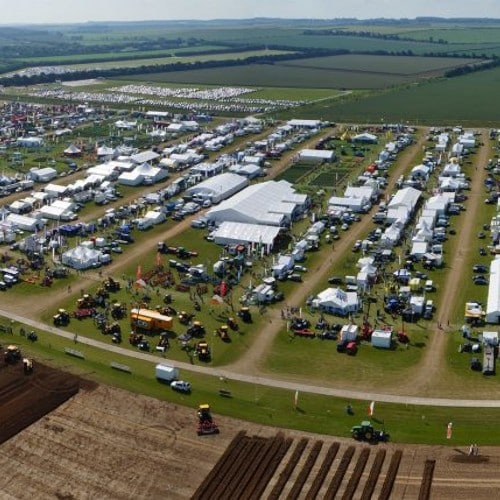


The work will promote discussion on the benefits of biostimulants and give growers the confidence to conduct on-farm trials and interpret findings.

Due to the biological nature of these products, consistent benefits have not so far been observed in trials conducted on cereals and data for oilseed rape is lacking.

Philip Dolbear, AHDB Knowledge Exchange Manager for the South West, said: “Our review demonstrated the potential of biostimulants but also made it clear that environmental conditions can make the difference between success and failure.

“These try-outs test biostimulants in a range of conditions and all follow the same protocol to help establish if such products work in these specific situations.”

The biostimulant market has expanded rapidly in recent years with numerous companies selling a wide range of products.

The four products used in the try-outs all include microbial and non-microbial components. Donated by Alltech Crop Science, they include a liquid product applied to the soil at planting and a foliar-applied liquid product.

Treatments will be applied to 2.5 ha of crop and compared to untreated crop in the same field. Various growth, yield and quality parameters will be measured.

Results will be analysed independently and presented at Monitor Farm meetings. The impact on crop yield, quality and margin will be discussed.

For details of Monitor Farm meetings.

Future agriculture, improving taste and paying for it all!

Agri-TechE

Agri-TechE reportsStimulating new ideas, sharing best practice and meeting people with challenges and solutions  – these are the aims of Agri-TechE meetings. We have certainly covered some ground already this year! If you’re one of our members and you missed out then there is a chance to catch up with our reports – short, sweet and informative – on our publications page.

A New Agriculture – What Will the Future Hold?

A precision farming specialist, a plant breeder and an agricultural engineer look to the future and give their three wishes. For the plant breeder the development of novel breeding technologies such as gene editing mean this is a hugely exciting time for plant breeding; hybrid wheat, improved pest resistance and breeding focused on benefits for consumers ranked highly. For the engineer, better cooperation, being ‘of the moment’ and valuing work experience were up on the list. And the agronomist wanted robots for variable seed rate, smarter drones and better connectivity. Read more in the report.

Show Me the Money! – Focus on Funding Revisited

There is money out there if you know where to look. Our speakers do and covered crowd sourced funding, grants and R&D tax credits in an accessible way. The devil is in the detail which is included in the report.

Delicious and Nutritious: Innovations for High Value Crops

Years of breeding have been directed a improving appearance and yield – taste hasn’t been a criteria. This is partially because it is subjective and also because it is hard to measure. Scientists and breeders discussed how this could be addressed. Also discussed was how breeding can increase nutritional value of the food, helping to address the ‘big challenges’ of malnutrition and obesity.

Bring Out Your Data!

Where are we now and what next were the discussions in this workshop. A new service developed from analysing text messages, a new way of measuring potato yield using smartphone images and improving forecasting iceberg lettuce production were among the examples discussed to show the different ways that data can be collated and analysed to provide new insights and services.


Members can view all our event reports on our publication page.

Not a member? Find out how to become one here.

It all adds up, says Dr Sargent of the Smith Institute

Meet the Network
Agri-TechE
Dr Cristina Sargent
Solving problems the answer is in the maths says Dr Cristina Sargent

Solving the problem starts with framing the right question. Dr Cristina Sargent of the Smith Institute believes that mathematics is a clear, objective way of resolving the type of complexity experienced in agriculture.

Improving forecasting for G’s Growers is one of the case-studies she will be discussing at the Big Data SIG ‘Bring Out Your Data’ on 21st March, which includes a brokerage workshop.

The Smith Institute completed over 100 projects in the last ten years across 12 high value sectors including aerospace, telecommunications, transport and defence.

What if we did this?

For agriculture it is work in prediction and creating models that will enable the analysis of various options using ‘what if?’ scenarios that is arguably the most interesting.

Dr Sargent says: “Often, it is not immediately apparent how we can use mathematical techniques to solve real life problems. This is why at the beginning we have in-depth conversations with a prospective client to understand the challenge they are facing and what they would like to achieve.

“We spend considerable time looking at current operations, models they may be using and data that they have access to. Once we are satisfied that we understand the problem we will design a solution. This may be a combination of models, algorithms and data. When creating a solution, data is just one piece of the puzzle.

“We need to select data that is relevant to the problem. It may come in different formats and collected at various frequencies. So, there is always a preparation stage, looking at the data, cleaning it up, checking for errors and deciding what is most pertinent.

“Once we have analysed it and have a feel for what is important, we devise a data strategy. This looks at relationships within the data that can reveal useful information and also the external data sources that might reveal new insights.

“By defining these relationships, it is possible to create a model that can be used for operation optimisation, scenario exploration and to help decision-making.

“Some clients have internal resources for data analysis and we can support this. Once we have identified the algorithms they need, the model and the most pertinent data, their staff are then on the right track and can adapt the model for their own needs.

“One example of this is in the area of animal welfare. For a large herd of cattle, it is important to identify signs of illness at an early stage, to stop disease spreading or to prevent contamination of the milk. Cattle that are unwell change their behaviours.

“By using various mathematical techniques it is possible to analyse and interpret the data collected from sensors attached to cattle to prevent the onset of bigger problems.”

How do I optimise inputs?

We asked Dr Sargent how her team might address the big question in precision farming:

If parts of the field have a better yield than others how do you decide the optimum amount of inputs to apply? Is it better to put your resource into improving the poorer land or to maximise the quality on the good land?

Dr Sargent considers the question and explains that the first stage is to ‘define the problem’. She says: “The first stage is to understand the dynamics of the problem in order to get to a point where you have the right data to define the relationship between spend and yield.

“Using historical data, it is possible to explore the relationship and ground truth it to see what factors are the most influential. With a sensible model, it should be possible to forecast optimal spend.”

Forecasting a barbeque weekend

Forecasting is another area where a small improvement could make a huge difference in profitability for farmers and producers.
The Smith Institute is working with G’s Growers on a model that will reduce waste in the production of Iceberg lettuces.

Salad consumption is very variable depending on weather – a ‘barbeque weekend’ will boost demand and a wet one depresses it. The maturity of the lettuce head is another variable; there is only a short time when it achieves the quality requirements of the supermarkets, if the head is too developed it will not have the required shelf life.

G’s has employed sophisticated monitoring systems to measure the growth of the lettuces and also collates data on weather and microclimate. This has enabled it to identify key growth stages and amend sowing and planting schedules to mitigate against potential shortfalls in crop availability.

The Smith Institute has been helping it to use this data to develop optimal production schedules that can cope with uncertainty. Additionally, it is creating an engine capable of crunching the data and creating ‘what if scenarios’ which would allow the in-house team to consider different management strategies.

Bring out your data

Forecasting and prediction is one of the areas that Dr Sargent will be discussing at the Big Data SIG. She is very interested to hear about these types of challenge in agriculture.

There will be an opportunity at the meeting to have a one-on-one discussion about specific challenges with experts, so, do make sure to ‘Bring Out Your Data’ on 21 March 2017 – click here to register.

First chance to hear about speedy broccoli

Agri-TechE

A new line of fast-growing sprouting broccoli that removes reliance on seasonality and could double crop production will be discussed at an Agri-TechE event at 13.00 on 22nd February at Centrum, Norwich Research Park.

Scientists at the John Innes Centre (JIC) are developing a new line of fast-growing sprouting broccoli that goes from seed to harvest in 8-10 weeks. It has the potential to deliver two full crops a season in-field or it can be grown all year round in protected conditions.

Dr Judith Irwin will be discussing the breakthrough; she explains that the part of the broccoli plant that we eat is the flower buds and there is a need for plants to experience a period of cold weather before they can flower. The timing of the switch to flowering is critical for a plant’s adaptation to the environment and its resulting yield.

“We harnessed our knowledge of how plants regulate the flowering process to remove the requirement for a period of cold temperature and bring this new broccoli line to harvest faster. This means growers could turn around two field-based crops in one season, or if the broccoli is grown in protected conditions, 4-5 crops in a year.”

This breakthrough could help with continuity of supply, as growers would no longer be reliant on seasonal weather conditions.

This innovation in crop production builds on the wealth of fundamental research carried out by Professor Dame Caroline Dean and her lab on vernalisation – the need for some plants to experience a period of cold weather before they can flower. Working collaboratively with Professor Dean, Dr Judith Irwin and her team focused on translating this knowledge to Brassica crop species.

The consequences of our changing climate are one of the main issues facing crop production. The UK’s reliance on imported vegetables is particularly acute with only 23% of our fruit and vegetables grown in the UK (British Food report 2017).

Dr Judith IrwinDr Irwin (pictured left) said: “This is a very exciting development as it has the potential to remove our exposure to seasonal weather fluctuations from crop production. This could mean broccoli – and in future other vegetables where the flower is eaten, for example, cauliflowers – can be grown anywhere at any time enabling continuous production and supply of fresh local produce.”


Judith and her team identified the new line as part of JIC’s GRO Institute Strategic Programme. They were surprised to see how rapidly it grew from seed to harvestable sprouting broccoli spears. Detailed analysis identified the gene responsible for this trait. They are now testing further generations under conventional glasshouse and controlled environment conditions. This line has been developed using conventional breeding techniques.

In order for this experimental line to move towards commercialisation the next steps involve flavour and nutritional analysis and performance testing under true protected and field commercial growing conditions.

Dr Irwin will discuss the new line of broccoli at an Agri-Tech’s ‘Nutritious and Delicious’ event at the Centrum , Norwich on 22 February.

New speedy broccoli from seed to harvest in 8 weeks

Meet the Network
Agri-TechE
Dr Judith Irwin
Dr Judith Irwin

‘This new broccoli is all about speed,” says Dr Jonathan Clarke, Head of Business Development at the John Innes Centre. “It takes 8-10 weeks from seed to harvest. We have accelerated the process, because of our scientific knowledge about flowering time.”

His colleague Dr Judith Irwin (Senior Scientist) revealed the details of the new broccoli during her presentation – ‘Developing a short generation broccoli for 21st Century horticulture’ – at Agri-Tech’s ‘Nutritious and Delicious’ event in Norwich.

We spoke with Jonathan Clarke about the short generation broccoli, moving production to urban farms and creating resilience to climate change.

A rapid growing process

The new broccoli line is fast due to the John Innes Centre’s knowledge about flowering. This is the specialism of Dr Irwin; she works in collaboration with Professor Dame Caroline Dean to translate fundamental research on the control of flowering from the reference plant Arabidopsis thaliana to Brassica crop species.

The timing of the switch to flowering (the part of the broccoli plant that we eat) is essential, as it is critical for adaptation to the environment and resulting yield. Judith explains: “We harnessed our knowledge of how plants regulate the flowering process to remove the requirement for a period of cold temperature and bring this new broccoli line to harvest faster. This means growers could turn around two field-based crops in one season, or if the broccoli is grown in protected conditions, 4-5 crops in a year.”

‘Climate-proof’ broccoli

Climate change is one of the most prominent challenges facing 21st century horticulture. It is the aim of the JIC scientists to produce crops with a more predictable and shorter flowering period, despite varying conditions.

Jonathan says: “We were looking at what was happening in the field and saw that the environment is changing – but it is not changing consistently. We can’t predict from year to year how much cold we are going to get. That creates a real problem for scheduling, as we don’t know when the crop will come to flower.

“In crops such as broccoli, we are effectively eating the flower. So if the plant hasn’t made the transition from vegetative to reproductive growth at the right time, we don’t get the flowers. This creates huge problems in terms of getting persistent performance in-field.

“While we can make some genetic changes – that might help us if those changes in our environment were consistent – it’s much more difficult when we are in an environment with inconsistent, unpredictable changes.

“So by focusing on the need of broccoli varieties for a period of cold (vernalisation) to promote flowering, the John Innes Centre has been considering the need for predictive breeding to suit a varied climate.

High value vertical farms

In addition to having a short growth period, there is a potential opportunity to move production into urban farms for continuous production.

Jonathan says: “The continuity of food production is vulnerable to changes in our climate. At JIC we have been challenging the way people think about how food production.  Potentially some forms of horticultural production could be moved into contained horticultural production systems – these could be simple glasshouse or more complex vertical farms where large quantities of produce is grown in a confined space.”


The John Innes Centre is an independent, international centre of excellence in plant science and microbiology, based at the Norwich Research Park. Its innovative research benefits agriculture, the environment, human health and well-being

Innovation For An Agricultural Revolution: REAP 2016 report

Agri-TechE

REAP 2016 - Innovation for an Agricultural RevolutionNew thinking was in abundance at REAP 2016 and we’ve captured the key points in our post-conference report, launched today. It is clear that for agriculture to realise its full productive, economic and environmental potential, we need to make changes – however it can be difficult to imagine how to do things differently.

The REAP 2016 programme was designed to bring together experts from agriculture, as well as other industries and other geographies, to inspire us with new perspectives. From challenges to manage soils more sensitively, to robotics, predictive crop modelling and pest forecasting and management, REAP 2016 brought together some of the opinion formers from the UK and beyond.

You can read the report online here and download it here. – and don’t forget to put Tuesday November 7th 2017 in your diary for REAP 2017!

You can also take a look at our other REAP reports from our Publications page.

REAP 2016 logo small (transparent bg)

Where is disruptive technology coming from?

Agri-TechE

Technology that ‘eats your lunch’ doesn’t suddenly appear from nowhere; although it can be an inspirational idea it has often taken decades to get to market.

A good way to check what is on the horizon is to keep abreast of the research that is coming out of the labs.  The Agri-TechE Research Digest provides a snap-shot for you of research that is being done to deliver outcomes.

For example featured research includes:

  • Automated bailer for use in controlled farming
  • Use of aerial imaging to predict crop yield in iceberg lettuce
  • BlightSense – a rapid biosensor system for in-field early detection of potato blight
  • Improving water uptake in sugar beet.

If you are working on something we would find of interest do let us know.

Designing healthier wheat starch

Meet the Network
Agri-TechE

Dr Brittany Hazard, Institute of Food ResearchMany of the major health challenges worldwide are diet related, which has led Dr Brittany Hazard’s research group at the Institute of Food Research to designing wheat starches to make them healthier and more nutritious.
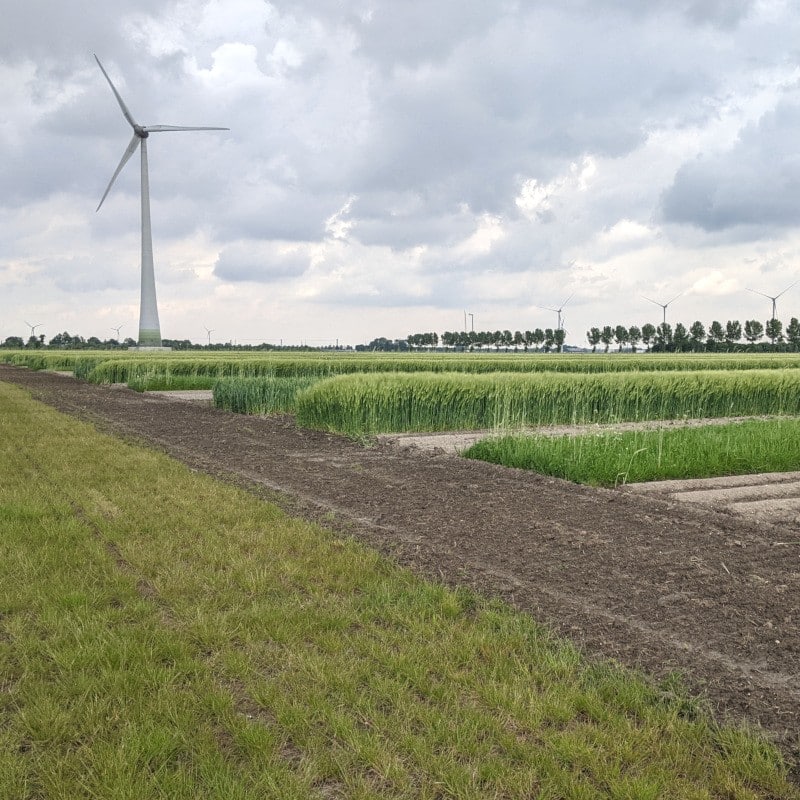
Her background is in wheat genetics and trait development, and she is working across the Norwich Research Park with the John Innes Centre to bring a multi-disciplinary approach to the issue by looking at crop improvement, food and health.

Dr Hazard is one of the speakers at our Pollinator event ‘Nutritious and Delicious – Innovations for Value-Added Crops’ on 22 February, so we asked her to explain how wheat starch can be improved for better health benefits. (more…)

Agri-TechE vents 2017

Agri-TechE

Agri-TechE hosts events throughout the year to inspire and facilitate discussions between participants with new ideas and fresh thinking. People from all sectors and disciplines welcome—whether you’re a grower, a researcher, technologists or an entrepreneur, come along and join in!

Pollinators are our regular network meetings, which are FREE for members to attend, while Special Interest Groups (SIGs) delve a little deeper into the bigger topics.

The below information is only a teaser – look out for more details on the Agri-TechE vents page throughout the year, and don’t forget that members can view and download event reports from our Publications page.

Pollinator: A New Agriculture – What Will The Future Hold

12 January, Royal Norfolk Agricultural Association

What does the industry want to see in 2017 for agri-tech? Given a genie in the bottle many farmers and growers would uses their 3 wishes to help make them more profitable, productive and sustainable. We are asking our experts from the worlds of plant breeding, agronomy and agri-engineering look into the crystal ball and visualise the developments that they would like to see in their sector.

Pollinator: Show Me The Money! Focus on Funding

23 January, Cambridge

“I’ve heard about crowd-funding – what is it and how can I get involved?” Two years on from our popular “Focus on Funding” Pollinator, we are looking at alternative sources of finance for innovative ideas which could be game-changers for agriculture and horticulture. There are five types of crowd funding; financial return equity, debt, royalty, non-financial reward, and donation. The Pollinator is for entrepreneurs and researchers with ideas or projects seeking funding; individuals or representatives of organisations looking for projects to support as crowd-funding; anyone who wants to learn about the principles of Crowd-Funding to support research or development of a new innovation for the agri-food industry.

Nutritious and Delicious – Breeding Innovations for Value-Added Crops

22 February, Norwich

The quest to improve nutrition and flavour through crop breeding is a long-standing challenge being accelerated due to novel breeding techniques and a better understanding of plant genetics and human and animal metabolism. From “Golden Rice” to purple tomatoes and better broccoli, this event will explore the potential for improvement of fruit, vegetables and grains, ranging from products already hitting the supermarket shelves, to those a bit further from market.

SIG: “Bring Out Your Data”

21 March, Rothamsted

We often hear of farmers who have such huge data sets that would give them real insights into the business, crop and management practice, if only they had time or opportunity to interrogate and manage the data simply and easily. This workshop will explore the various options available to those who are looking for partners to help them make sense of their data.

Here we will hope to help farmers and growers understand the options available for larger data sets that may require more work to derive better value. A number of providers will be featured who can, via confidential projects, offer bespoke solutions to manage and curate “big data” challenges. This event will be a brokerage opportunity for those with challenges and possible solutions to meet.

Member Give-and-Get Exchange

28 March, Cambridge

With a growing membership base representing the agri-food value chain from discovery research to on-farm technologies, Agri-TechE warmly welcomes its members to an invitation-only event to meet other members for an exclusive partnering event. This is a chance for the network to come together to really maximise the benefits of being part of the cluster – you may be looking for partners, collaborators, customers, industry insights, investments or just want to see who else is doing what across the membership. You’ll have the chance to show-and-tell what you do, what you’d like and how others can help you achieve it. With brief presentations, pitches and partnering opportunities, this exclusive event is only open to members of Agri-Tech and is FREE to attend.

Agri-TechE Week 2017

6-10 November, various locations

To celebrate innovation across the region we have a week of agri-tech events from 6-10th November 2017, with something to interest everyone.

Agri-TechE Week is a partnership initiative to showcase excellence in innovation across the agri-tech value chain, brokering links and fostering new relationships between businesses, researchers and government. It was founded in 2014 by Agri-Tech, the Royal Norfolk Agricultural Association and the Suffolk Agricultural Association.

Agri-TechE Week also provides an opportunity to welcome new collaborators, customers and partners to the east of England’s agri-tech ecosystem, and features events, visits, workshops and discussions across the east of England, as well as Agri-Tech’s annual REAP Conference in Cambridge.

More details will be revealed for each event throughout the year so keep checking back to the website to stay up-to-date on the latest news!