John Deere focused on precision technology
 Agri-TechE
  “Yield mapping is now cheap as chips, and you can’t buy a combine without it. It’s a really accurate technology – for a narrow width it takes readings every couple of seconds. It’s the most precise record you can make and extremely worthwhile” says David Purdy, Territory Manager at John Deere UK. He believes precision farming is critical to improving profitability for farmers.
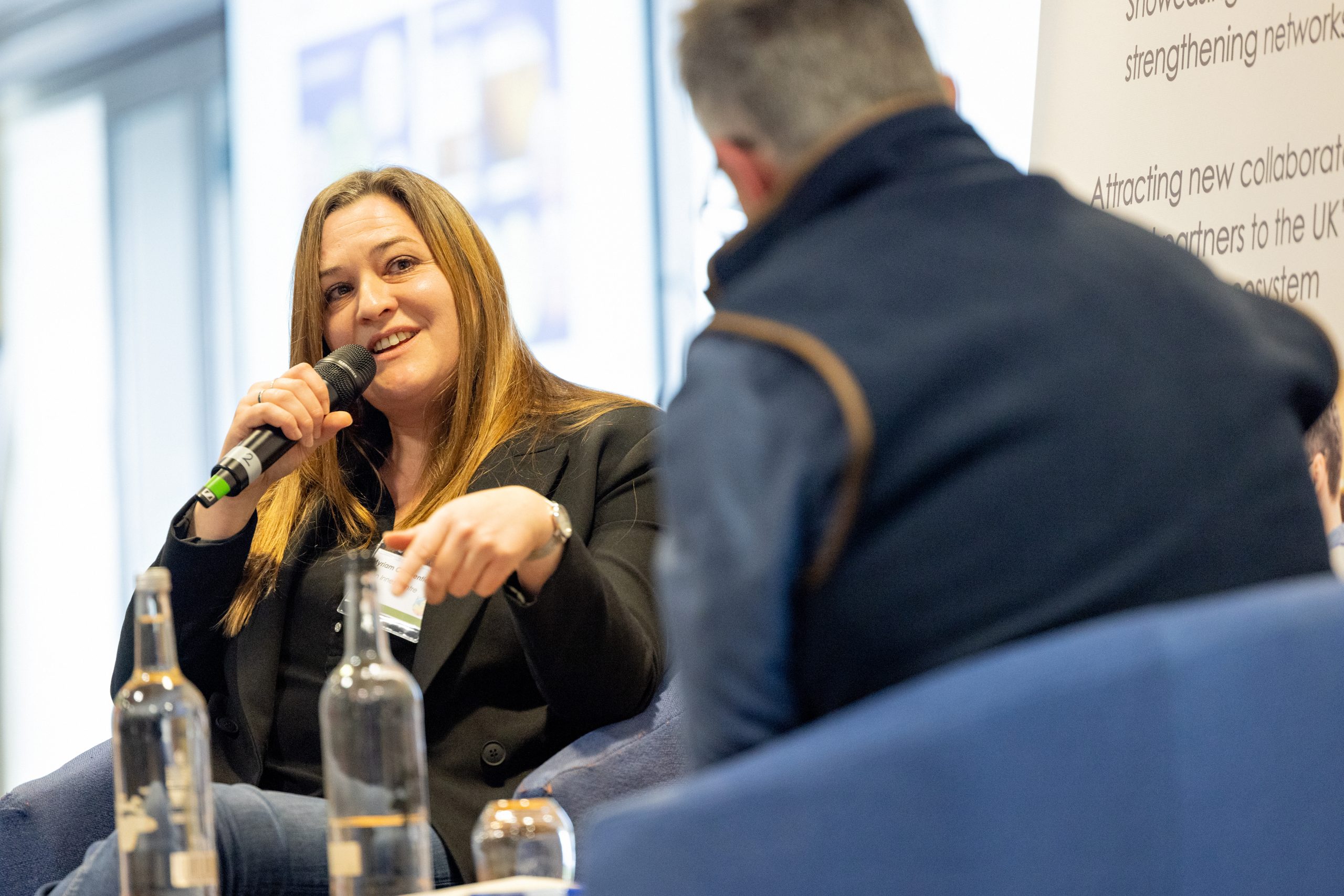
David will be sharing his insights on the relationship between current farming knowledge and new technology at this year’s Agri-Tech’s REAP conference on 7 November 2017.
Invest in management time
John Deere has been at the forefront of agricultural equipment manufacturing for 180 years; as the agriculture industry has evolved, so has John Deere, supporting best farming practice with precision technology. David believes this is critical to improving profitability for farmers.
He explains: “By taking five years of data it is possible to see which areas of the field are consistently lower yielding – which ones are normalised, and which ones are above normal. This indicates where to sample the soil to understand better what is happening and can drive a whole host of different decisions; particularly if a good farm manager or agronomist, spends time with the data that is collected.
“The issue, I think, is that often not enough management time is given to considering the options.”
Predictive maintenance
 The integration of sophisticated technology into farm equipment is enabling the company to provide intelligent data-backed services, for product support.
“We are collecting a huge amount of data about our machines, which can be used to improve their efficiency for farmers,” says David. “John Deere can mine this information to predict what might happen to a machine during its lifecycle.
“We can identify when a part is likely to fail, enabling us to make a preventative repair before it becomes an issue. We also go back to the supplier of that part, and tell them what needs to be improved. The aerospace and trucking industries already have this in place, but in agriculture we are well on our way.”
Managing traffic in the field
David cites the renewed interest in soil health as the stand out topic in farming. One method of preventing damage to soil health is to control traffic in the field
“Tyre pressure is one of the factors that can reduce damage to the soil as it is important to get the power to weight ratio right to avoid soil compaction,” explains David. “John Deere is talking to people where the fields are heavily trafficked. We have been able to help them reduce that dramatically, with the adoption of simple machinery alterations, guidance systems and good training for staff.” In addition the management and use of consistent guidance lines through the cropping year and beyond can also reduce traffic longer term
Integration of farm management systems
 A lack of interoperability between some technologies is a point often raised by farmers. Although there have been some integration of farm management systems – there are many issues.
David says: “The move towards precision farming has changed the industry dramatically over the last five years.
“It’s an evolving story and a positive one. Will the issue ever be totally fixed? Well, there are intellectual property factors to be considered, which lock people into using certain methods. When millions of USD is invested into developing these systems, there will always to be an element of competition. I don’t think we’ll get to a stage where everything will just plug and play, but I think that most manufacturers are beginning to sing to the same song sheet. The progress of technologies such as ISOBUS and machine connectivity is improving all the time.
“However, much of the issue is the speed of change. There are old legacy systems that are still in use. At present people want to connect these up to the newer technology but the development needed is not worth it. With wider adoption of digital technologies there will be less compatibility problems. It’s a function of time as much as willingness to integrate.”
David Purdy will be speaking as part of the Sofa Session at REAP 2017, which will reflect on the day and discuss the close interaction between emerging agri-tech and current knowledge amongst the farming and growing community. For further information, please click here.

Post Overview
Agri-TechE Related Posts
Swarm Ops is CAA Authorised for UAV Crop Spraying – and More!
Ten ways agri-tech has changed agriculture
#ATW21 Tuesday: Robotic Highways
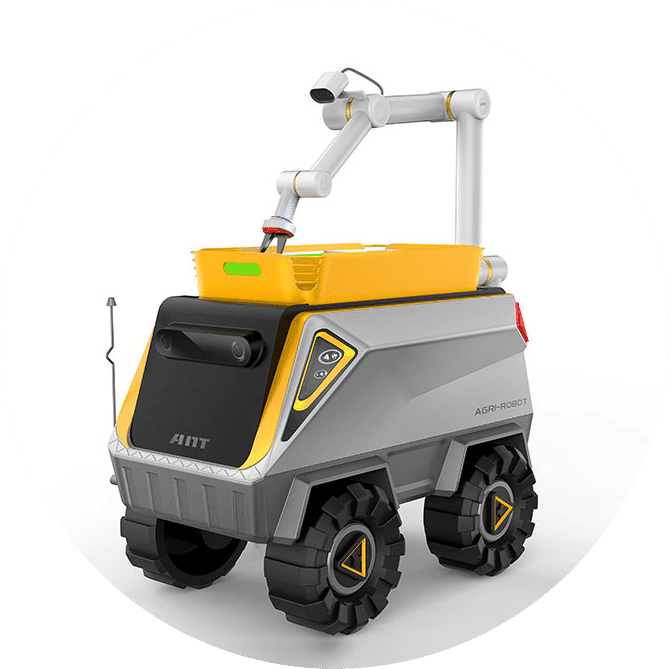
REAP Start-up Antobot raises £1.2m

Innovative vets adopts agri-tech for early dairy disease detection
 “It is deeply satisfying to win a prize in front of a lot of people” said Wilbur, the pig in children’s novel Charlotte’s Web, on winning a ribbon at the county fair. This year’s agricultural shows have seen the usual wealth of four and two-legged prize winners, and we are coming up to Awards season with the Yield Enhancement Network prizes, Farmers’ Weekly awards and others. Indeed, our keynote speaker for REAP 2017 won last year’s Kleckner Prize from the Global Farmers Network.
 Poul Hoveson (left), our Vice Chairman and host of a previous Water Special Interest Group meeting, was the Arable Farmer of the Year 2014 as well as Farmers’ Weekly
  Russell Smith Farms, members and host of a number of Agri-TechE events, was a finalist for Employer of the Year in the 2016 awards.
 Ambassadors of best practice



 A biological control system for beetle pests of peas and beans would reduce the need for blanket insecticide application and help to reduce the issues with resistance.
 Early results from the second year replicated cage trials were conducted at PGRO and Rothamsted Research Ltd and although not statistically significant data were promising, suggested some control over weevil numbers. Data from the year 3 trials will be available shortly.
 Research by Professor Jane Rickson, Dr Rob Simmons and other members of Cranfield University’s Soil and AgriFood Institute will be presented.


 In March this year, DEFRA published a document describing its


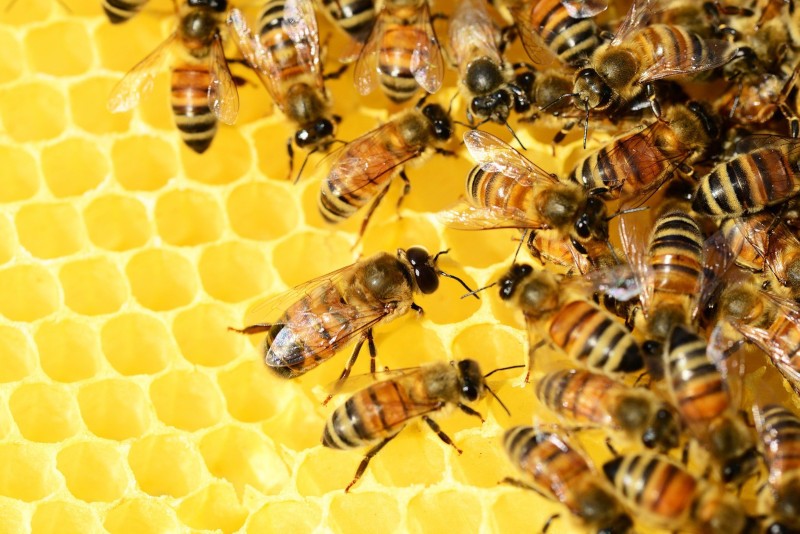
 Yet nature may provide an answer. The beeswax on which wax worms grow is composed of a highly diverse mixture of lipid compounds: building block molecules of living cells, including fats, oils and some hormones.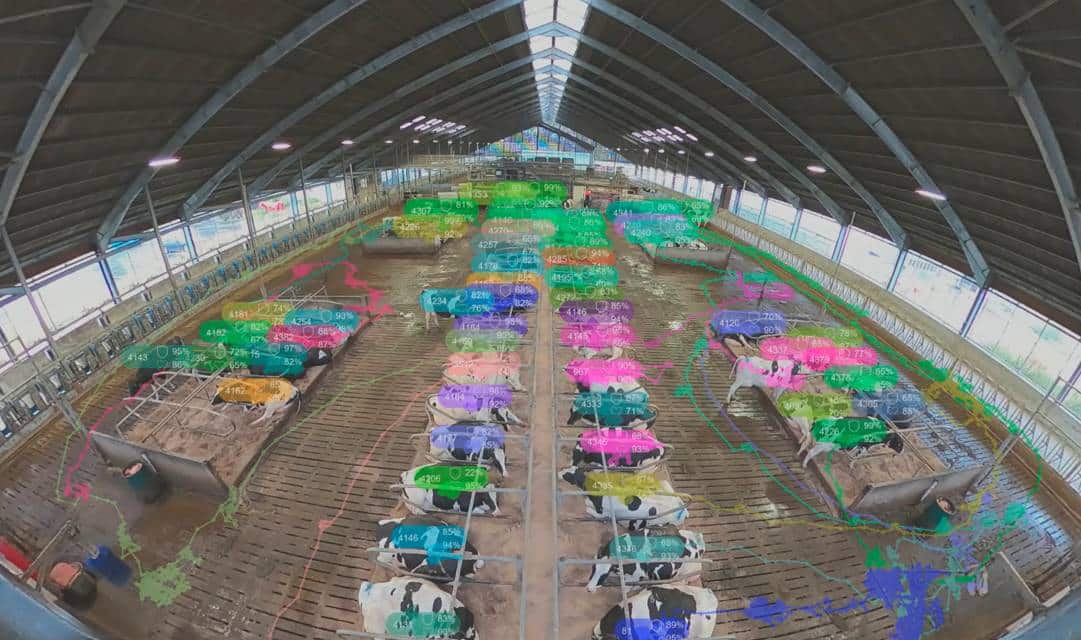

 So will Yagro now be looking at the overseas market?


 No, it’s not a new form of diversified livestock management – unicorns, gorillas and gazelles are terms used to describe businesses in various stages of growth and success. The final of our GROW agri-tech business plan competition has got us looking at the global deal flow into agri-tech and how start-ups are developing.
 With the final of GROW approaching we have been looking at the global landscape – how much is being invested, who are the rising stars, where the smart money is going, and how this is shaping the industry and the businesses within it.
 Unlike those in other more mature industries, global agri-tech deals have yet to deliver impressive and reassuring exits for investors. At Agri-Tech, we work with many companies seeking investment at various stages of their development, and one of our most common questions to them is about the expected size and scale of their exit – when can their investors expect to get their money back – plus more! We always encourage people to be really clear on the investment proposition – “how much”, and “by when” are the questions we know the investors will ask.




 Working with farmers, the Wensum Project has been testing and assessing how a variety of land management measures can reduce run-off into the river whilst maintaining farm profitability. The University of East Anglia will be displaying a 3D model that demonstrates how agricultural activity can be adjusted to reduce loss of nutrients, there will be a water analysis laboratory and a display of some of the cover crop plants and how their root systems can help. The Wensum is recognised as one of the most important chalk river habitats in the UK, with over 100 plant species and a rich invertebrate fauna.
 “The agricultural economy currently faces uncertainty, so it is more important than ever for farmers to have tools to better control their costs and improve performance,” according to Alex Dinsdale, Area Manager for SOYL. The company will be showing how an iPhone app can help farmers improve the precision of their farming. On a single farm, there is a great deal of variation between fields; in topography, soil type, and nutrition levels. SOYL is set to showcase a range of products: to manage variable rate applications, improve soil structure, map soil nutrients and identify variants in phosphorus, potassium and magnesium.
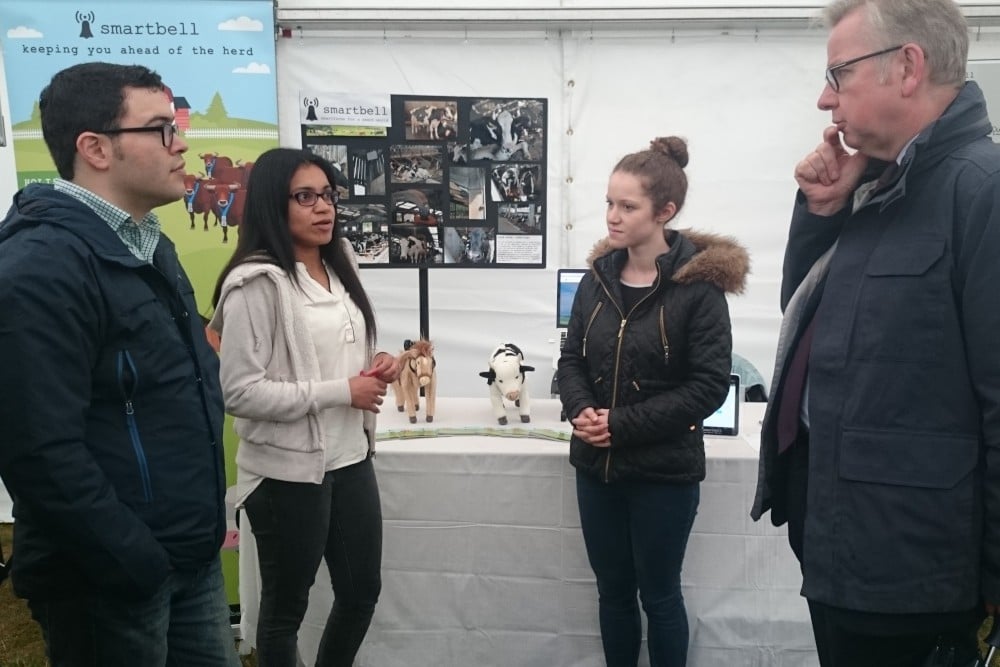
 Smartbell brings the expertise of an experienced herdsman to an automated dairy system. Using a ‘FitBit’ for cows, it is able to detect changes in behaviour by individual animals that may indicate that they are in pain, becoming fertile, pregnant or unwell or not eating.









 “Water is to me, I confess, a phenomenon which continually awakens new feelings of wonder as often as I view it,” said British Scientist Michael Faraday (1791-1867), inventor of the early electric motor.
 Innovations in water management can also deliver ecosystem services, with numerous examples, such as from the