Creating the optimum seed bed
 Agri-TechE
  “Omnia Precision software mirrors the way farmers and agronomists think when they look at a field,” says Oliver Wood, Precision Farming Technology Manager at Hutchinsons.
The company’s new precision agronomy service combines multiple factors such as soil type, weed burden, seed bed conditions and even potential yield which are represented by maps and over-laid to build variable rate application plans. This means that farmers can develop tailored seed rates for different parts of the field that are appropriate to the conditions at the time, thereby linking precision farming with agronomy.
“One of our customers, based in Essex, used Omnia Precision for his autumn drilling to help him calculate the most appropriate seed rates taking into account his heavy clay soils and blackgrass burden, and he will also be using the software for his spring drilling on a similar basis,” says Oliver.
Multi-Dimensional Analysis
 Omnia uses Multi-Dimensional Analysis, which allows the user to overlay different mapping layers such as soil type, weed pressure and seedbed conditions, which is critical for enhanced decision-making, Oliver argues.
“Most precision systems only work with a single layer of data, but we have developed a system that brings in multiple factors such as soil type, seedbed and weather conditions.
“For a seedbed conditions map, you would define the seedbed as ‘poor’ or ‘very good’, and define your weed pressure as being ‘high’ or ‘low’. The system brings these different layers together, merging them to create a pattern.
“If a seedbed is defined as ‘poor’, the system uses algorithms to suggest the best course of action. We have a model for the majority of combinable crops, such as wheat, barley, peas and beans, helping you to make a decision about seed rate.”
The models were produced as a result of years of trials. The software additionally gives the user the ability to change the solutions suggested, to reflect their personal attitude to risk. “We have specifically designed Omnia to be easy to use,” comments Oliver. “You don’t need to have advanced IT skills to be able to pick it up.”
Oliver’s experience includes a time managing a large palm oil plantation in Papa New Guinea. He came to Norfolk and joined Hutchinsons soon after.
 Omnia was shown for the first time at Cereals 2016. As well as being suitable for arable, Omnia also has nutrition models for a wide range of fruit crops, with Hutchinsons advising on a large proportion of the UK fruit sector.
Find out more
Oliver is set to speak about Omnia at “Smarter, Not Harder: Open Innovation for Smart Farming” at Elveden Farms on May 10.
The smart farming event is being run by Agri-TechE and Smart-AKIS for an audience of farmers, growers, technology developers and researchers.
Find out more about Omnia at www.omniaprecision.co.uk
Post Overview
Agri-TechE Related Posts
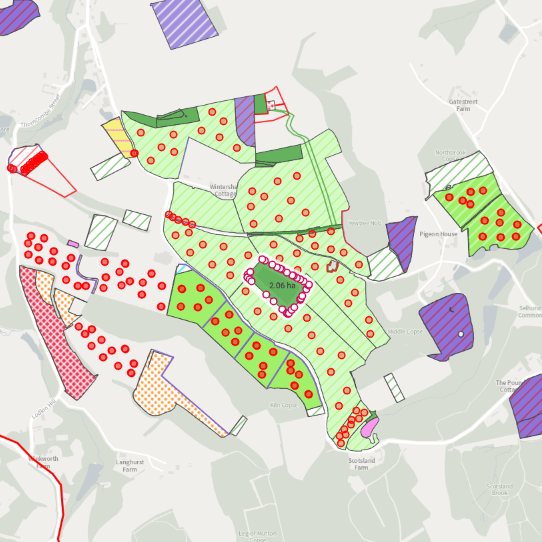
Showcase update: Land App supporting land managers and ELMS trials

REAP: time to change … and benefit from others’ experience
ATW 2024: Discover The Morley SAMS Project

Earlham Institute spinout TraitSeq to transform agricultural sector

How would you manage demand for water?

 Insect pollination is important for oilseed rape but some varieties provide an inferior source of nectar. Scientists researching the issue have found that the breeding system used can impact the amount and sugar content of the nectar.

 If you buy organic carrots from a major retailer in the UK, they have likely been washed with water filtered through a reed bed at Produce World’s factory in Yaxley, near Peterborough.
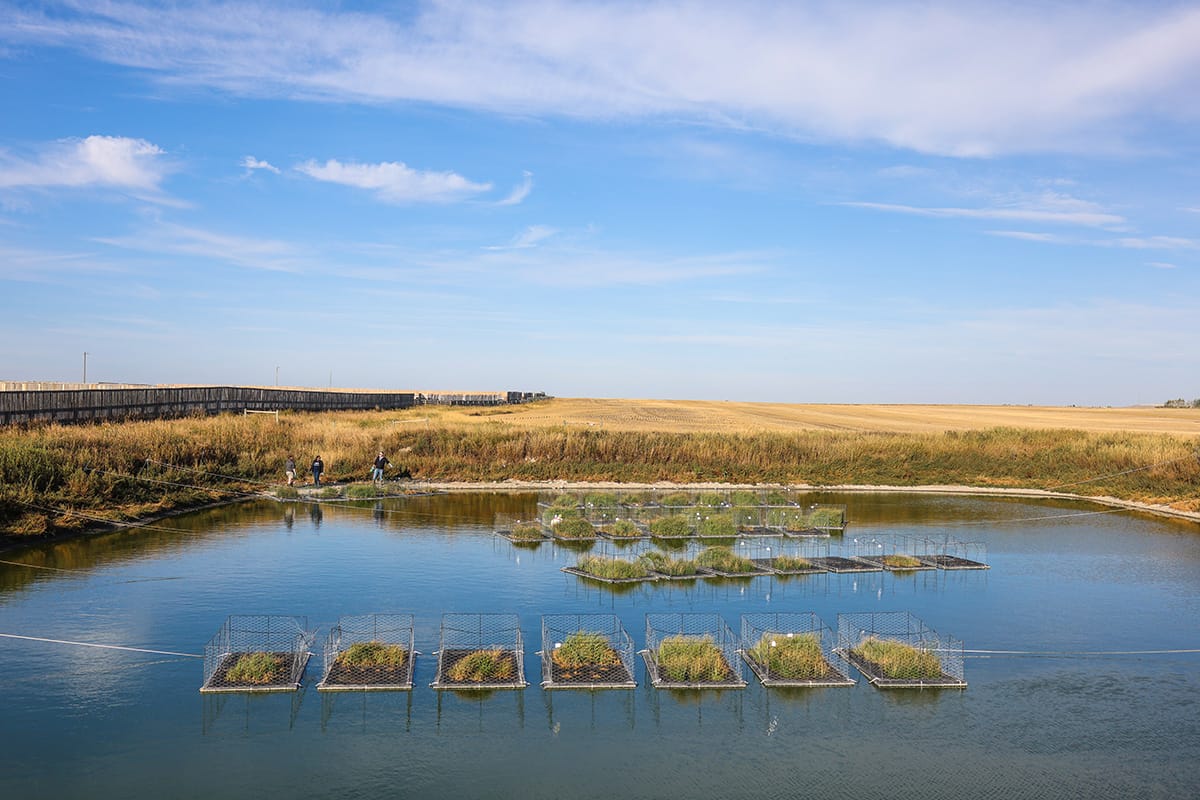




 In addition, a 3D water catchment model, root systems and laboratory water analysis will be demonstrated by the



 Some of the experiments with new technologies are related to reducing or optimizing the inputs applied to crops, improving post-harvest technology (e.g. washing or drying equipment), or other cultivation techniques such as seeding or drilling. Others report experimenting with different crop varieties, some even using older varieties, focusing on legumes or trialling the use of cover crops and green manures.






 ‘We are what we eat’ is an old saying, but still rings true. As knowledge about how the body uses this vital fuel grows, the importance of making our crops both more nutritious and delicious is gaining pre-eminence.
 There isn’t much we can do with the weather, but it is possible to breed crops that are more resilient to it.
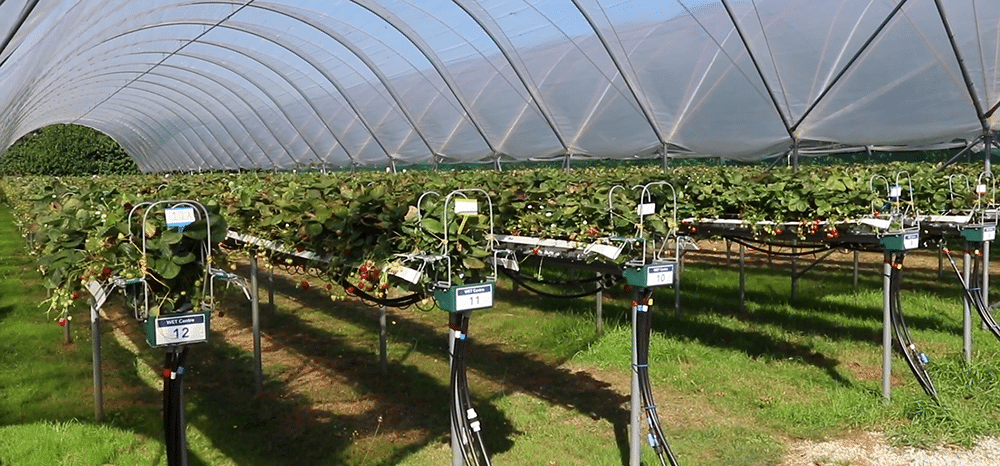
 Breeding to extend the growing season of strawberries from weeks to months has transformed this berry from a treat to a nutritious snack staple and has made it the most high value product in the supermarket.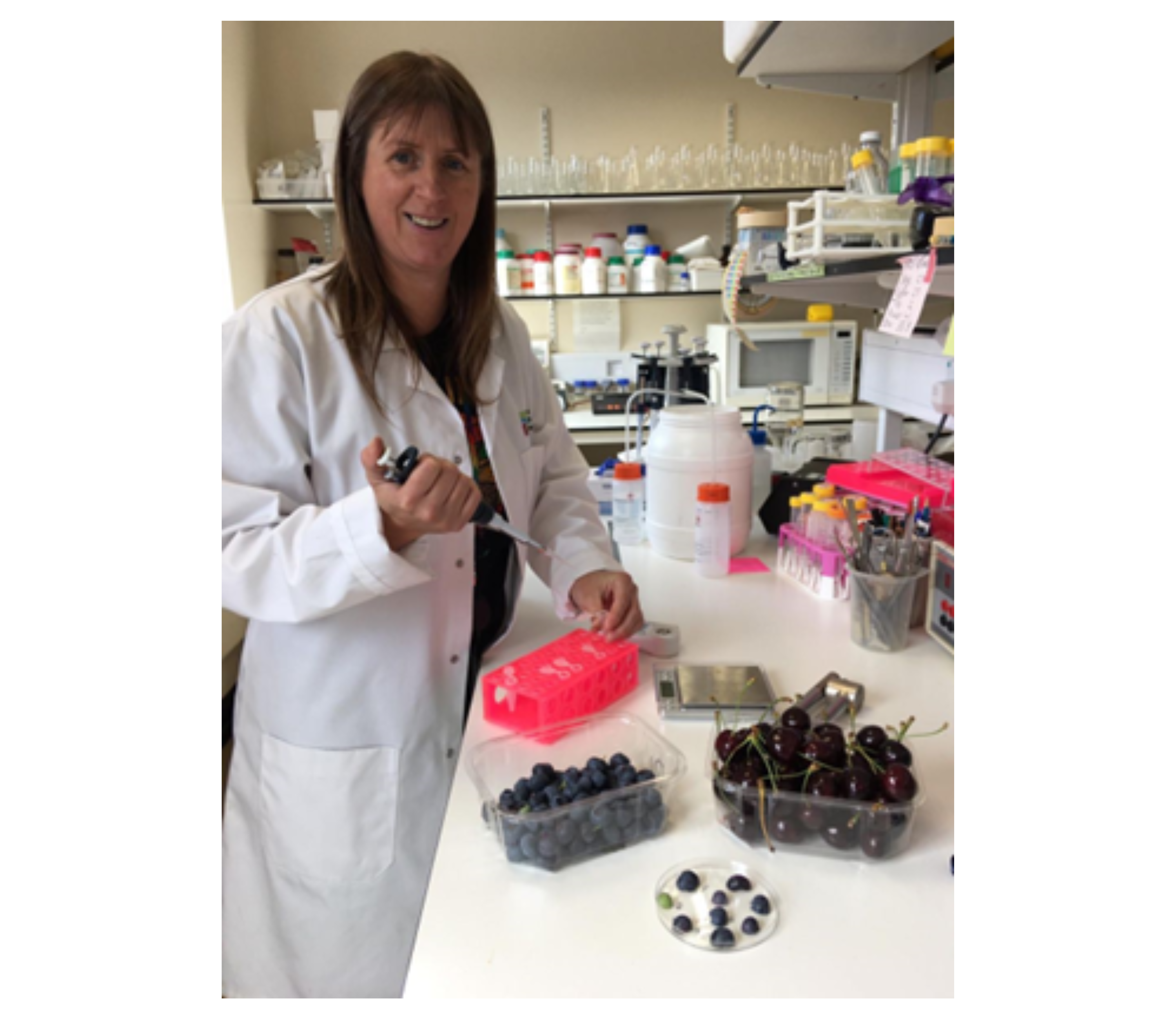



 The main diseases that affect wheat each have their own spectral signature, which means they can be detected remotely, even before there are significant impacts on the crop.
 Increasingly across the industry, a technique called Normalized Difference Vegetation Index (NDVI) is used to determine the health of the plant canopy. Healthy plants strongly reflect NIR light, as it isn’t used for photosynthesis. When a plant is diseased or weak, reflection of NIR is greatly reduced. The infrared images are processed using software to create the NDVI, which can identify the affected areas with pinpoint accuracy. A mathematical algorithm can calculate the difference in what is being reflected across an area of crops.
 Another subset of innovative algorithms can detect blackgrass at very young stages, with 80% accuracy; with more trialing, they aim to be able to detect the weed at pre-emergence stages, which would have a huge effect on both costs and yields, as would confident forward-selling due to accurate yield forecasts (80% by the beginning of May).
 Hummingbird has a particular focus on large arable farms, where there is economy of scale. The company, currently based at Imperial College London, already has over 100,000 hectares in its stakeholder base across the UK – a large part from its cornerstone industry backer, Velcourt – and currently provides an end-to-end service that integrates with existing farm management software.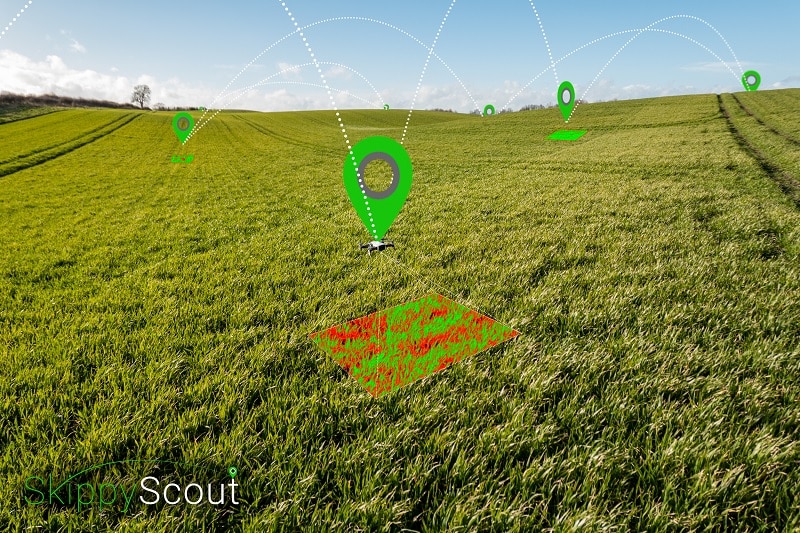

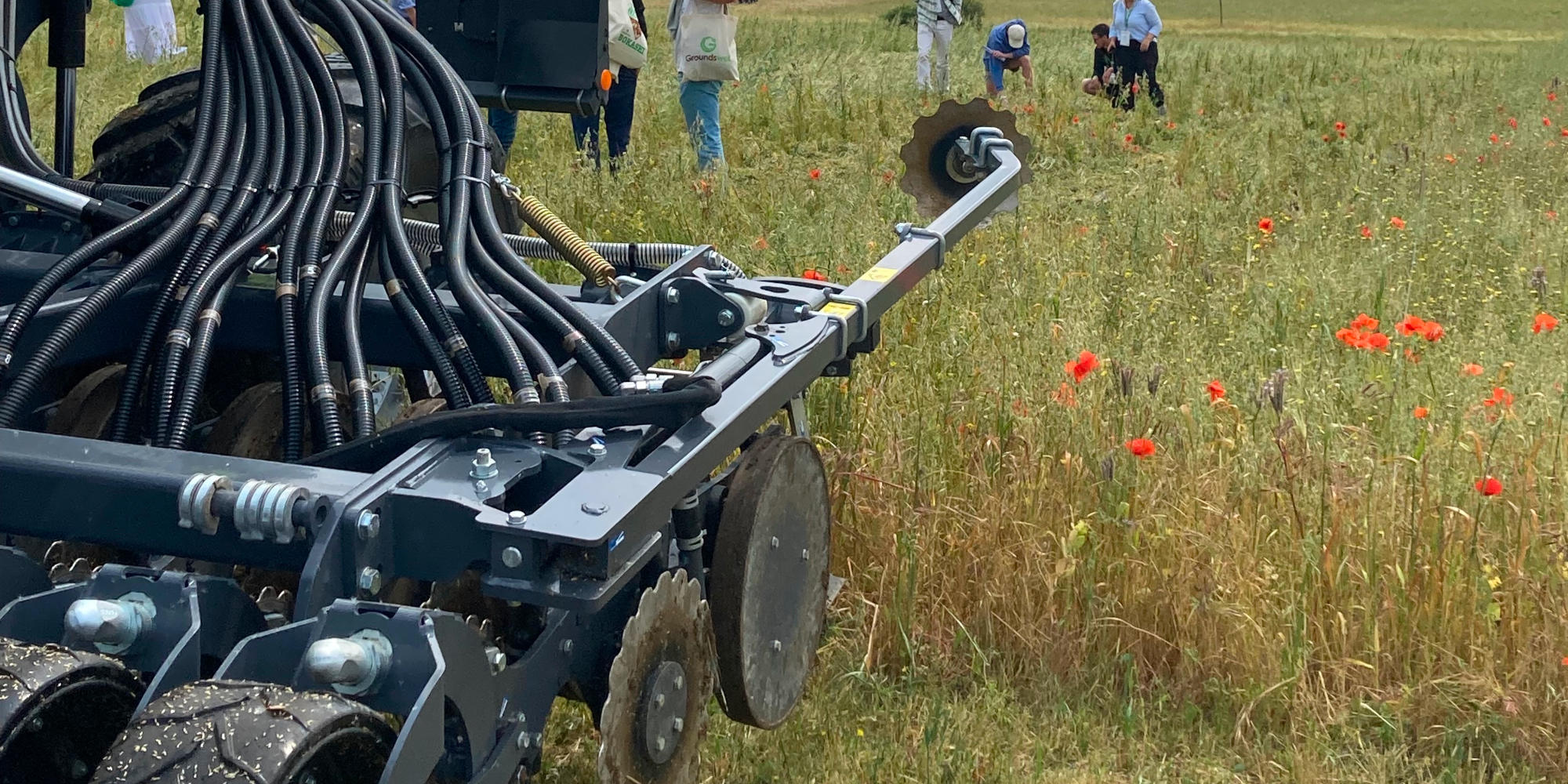
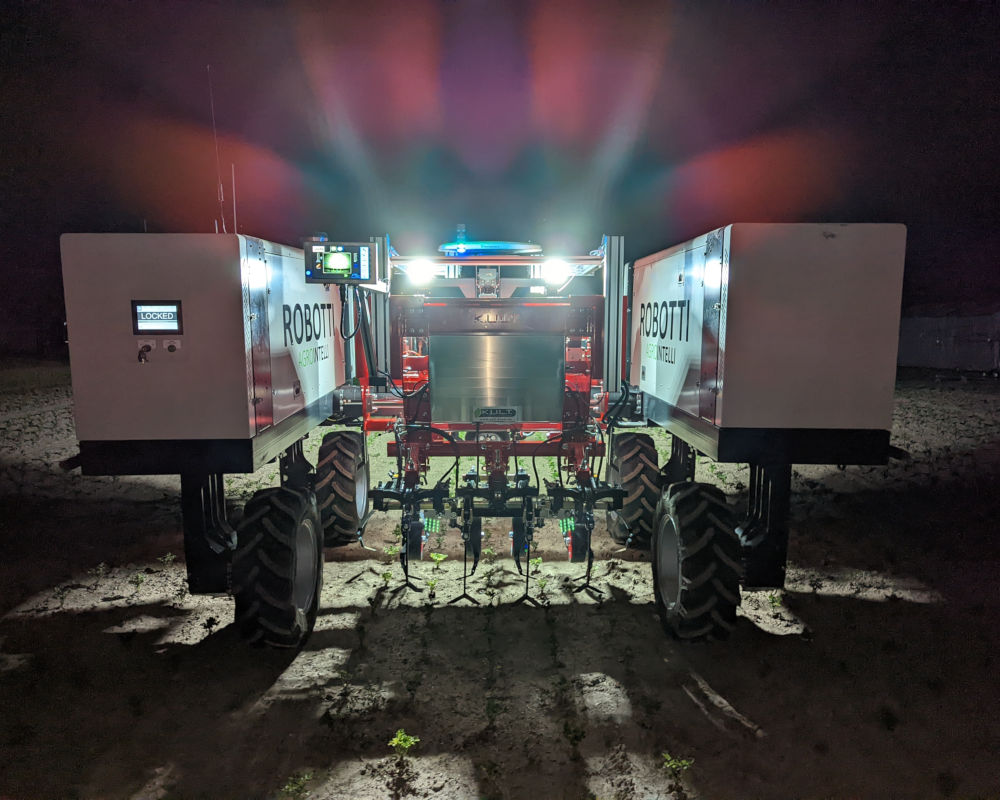
 Robotic sprayers and dual hoppers are just two of the ideas on the wish list for Agrovista’s Jack Harris. Always keeping an eye out for new technology, Jack is excited by the continuing improvement of robotics, drones and seed technology and gives his vision of the future.




 PHD student at the