The Productive Landscape: NatureTech for Profit and Planet
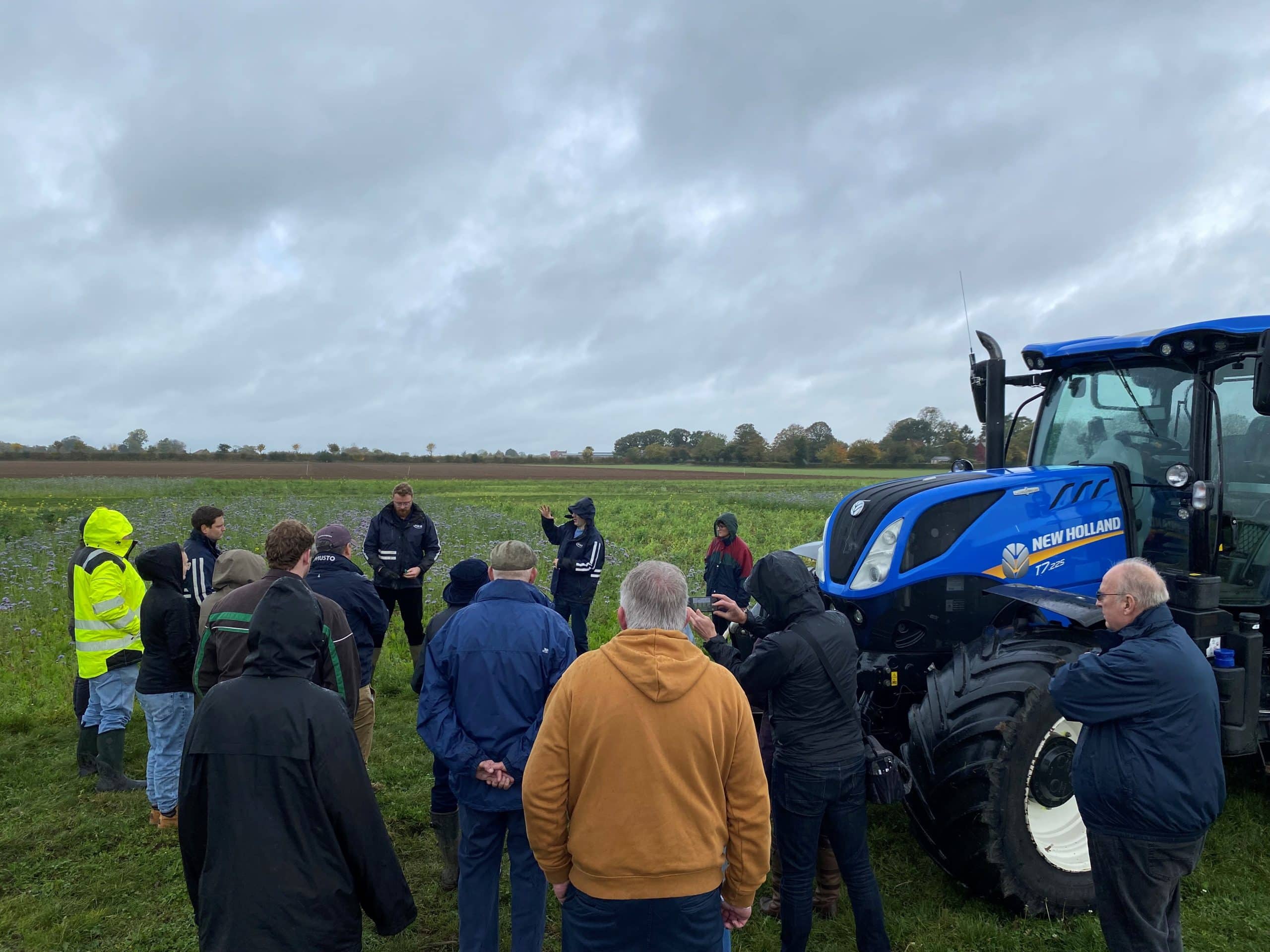
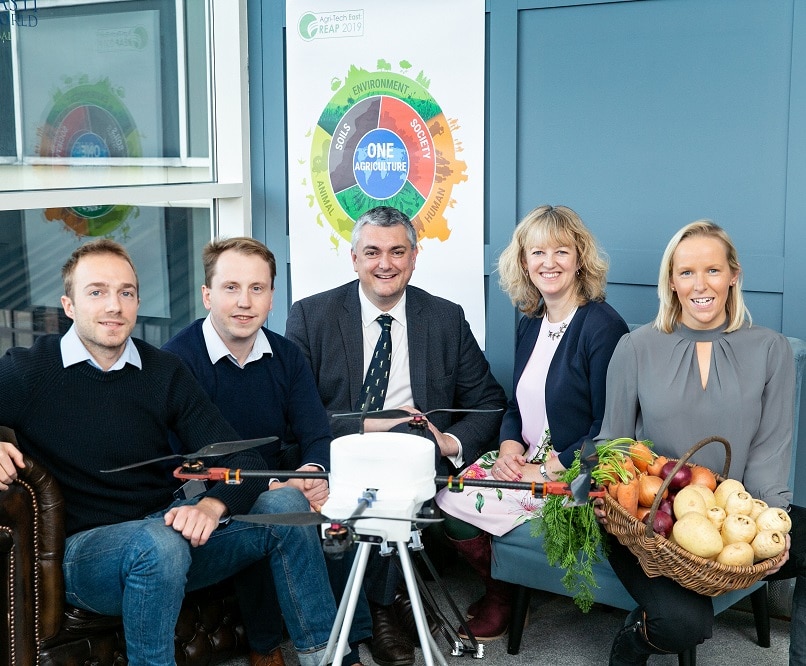
How can technology enable delivery of food, nature recovery, and climate resilience - all at once? The Head of the Environment Agency is asked: what's the national plan for dealing with land use pressures, plus you’ll hear from technologists and land managers working on nature-based and tech-enabled solutions for water, soils and climate adaptation.

The water balancing act in East Anglia

Agri-TechE Article
Agri-TechE

Water supply and demand is a big issue in East Anglia - Agri-TechE Water SIG aims to address this

How can farmers and growers increase resilience to water shortage?

Many are already using some strategies such as: improved storage through roof capture and reservoirs; smart abstraction through boreholes and bulk water transfers or improved irrigation using night and drip irrigation. At the next meeting of the Water for Agriculture SIG on the 1st October there will be an opportunity not just to discuss their experiences but also to model different scenarios in an interactive practical session.

There will also be an overview of the overall regulatory environment in which agriculture is operating. This will help build an understanding of how future water demands will be addressed and to gain a view on the scale and urgency of the response needed by the agricultural community.

The roundtable session “Thinking across sectors” will address the following questions:

  • What are the ways to increase supply and/or reduce demand?
  • What role does innovation play in this?
  • Over what time scale should water efficiency measures and demand management operate on?
  • What role does demand management play for public water supply and agriculture?

Find out more on our event page here.

Sensors to provide early warning of disease

Meet the Network
Agri-TechE

Andy Thurman of OmnisenseAnimals suffering from an illness change their behaviour. A sick cow might lie down in a different area, split itself away from the herd or change its eating pattern. A new technology which detects these changes will make it easier for farmers to identify the early stages of disease. (more…)

Advanced electronics will boost farmers’ incomes says speaker at Pollinator

Meet the Network
Agri-TechE

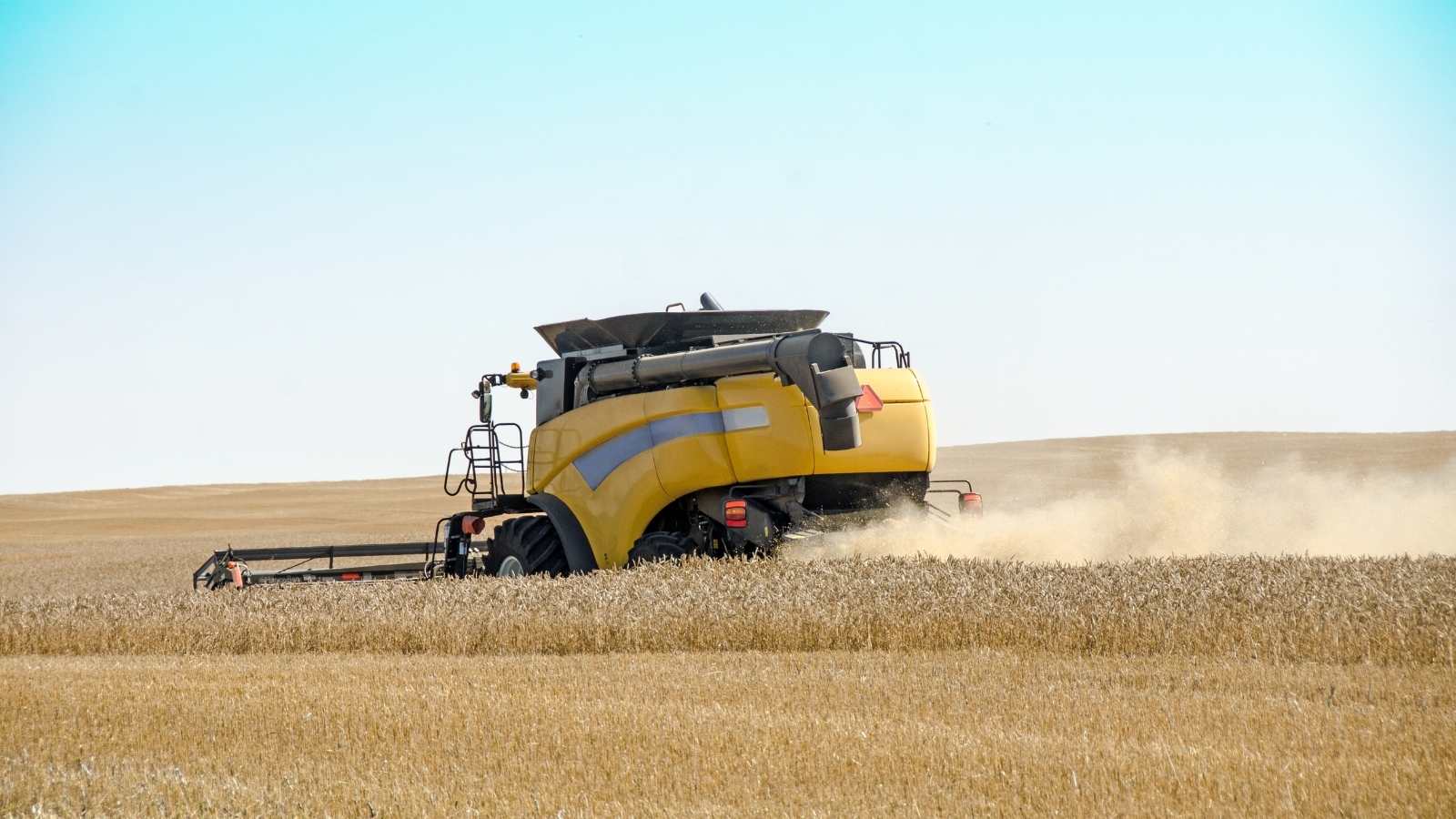
Technology in the field during harvestReducing downtime on farm equipment and improving resource utilisation are two areas where telematics is making an impact on agricultural production – but there is considerable scope for advanced engineering to make a greater contribution.  A speed dating format at the next Pollinator will ensure all participants get maximum value from the meeting.

One of the speakers, Ben Turner of Ben Burgess, a family run business that has been supplying the agricultural community with machinery since 1931, says that intelligent use of data to increase resource efficiency is now a key driver in the industry as it maximises crop yield and farm income and this is just one of the many opportunities.

“We have been investing in the latest technology to add value to the machinery we supply.

Telematics reduces downtime

“Our role has changed quite a lot over recent years. Originally we’d sell a machine and offer a maintenance package, servicing the vehicles when the farmer contacted us. Now we are able to be more proactive and prevent breakdowns, this is achieved through telematics, where information about the equipment is sent electronically so we can monitor its performance remotely.

“Now I can sit at my computer in the office reviewing the machinery we’ve sold hard at work in the fields. I know its exact location, the fuel in the tank, what job it’s doing and how much of the engine is being utilised.

“The farm manager can also access this, giving them invaluable information about asset usage. For example, tractors are serviced on hours worked rather than miles, when the engine is switched on the timer starts. If the tractor’s static for 20% of that time then it is not only wasting diesel but is being serviced too often.”Ben Turner

The software within the tractor can determine any potential problems, automatically generating an email alert if an issue is detected.

“What’s great about telematics is we know the problem without looking at the tractor,” says Ben. “I can order parts or send out a technician who knows exactly how to fix it. If it’s not vital, such as a blocked air filter, the next time one of my guys is in the area, they can pop in and replace it, preventing a problem from developing.”

For software issues the Ben Burgess service team can remotely access the control panel in the tractor to solve the problem with less inconvenience for the farmer.

Variable rate application attracting interest

GPS guidance systems have become so advanced that a tractor can self-steer to within a centimetre of accuracy, allowing the driver to miss a row and then back-fill, eliminating the need for a 3-point turn. Using the same tramlines reduces soil compaction and cuts down on overlap when sowing or applying fertiliser.

Ben explains “Most farming equipment now monitors something. A combine harvester records the amount of grain being harvested every second and when analysed with the location data, the farmer knows exactly where his field is most fertile. When drilling seed the next year, this information can be used to increase or decrease seed rate, making the most of the land and resources.”

Variable rate application can also be used for fertilisers and herbicides. New technology, only available in the last 6 months, can wirelessly programme the tractor with specific distribution instructions for each product, rather than manual entry.

Ben sees opportunities for extending this functionality to new areas and thinks that irrigation should be the focus for future developments in precision farming.

Precision sensors growth area

“Water is becoming increasingly scarce, so soil moisture content will be vital for maintaining crop yield. High sensitivity ground water sensors that measure the water present in soil to a depth of 100cm and send this information wirelessly to the farmer would help improve efficiency.

“Wind speed and direction can affect herbicide application. By using mini weather systems located in the field the farm manager would be able to make decisions about spray timing from the office, rather than checking the fields.”

Speed dating format to Pollinator

The Engineering, Electronics and Software Pollinator will have presentations from Ben and Andy Thurman, CEO of Omnisense. Andy will be talking about a new technology that detects early changes in livestock behaviour making it easier for farmers to identify the early stages of disease.

After these short talks that will help stimulate discussion, the meeting takes on a ‘speed-dating’ format allowing the delegates to locate others with a mutual interest. Belinda Clarke, Director of Agri-TechE says “We are bringing together technologists and entrepreneurs with new innovations and solutions to try and solve issues not currently addressed by existing technologies.”

You can read more about the discussions held at the Pollinator in the full report, which is available free to members on our Publications page.

How would you manage demand for water?

Agri-TechE Article
Agri-TechE

Water For Agriculture, Agri-TechWhat would you do differently if you were put in control of water management for the East of England?  There is an opportunity to find out by taking part in an interactive water supply and demand practical simulation, allowing a unique insight into Anglian Water’s decision making process.

Within the exercise there will be numerous investment options to choose such as innovation to increase water efficiency, techniques to secure additional water supply and research into demand reduction.

The exercise will reflect the evolving nature of water resource management in terms of climate, policy and water availability. Can you meet the challenge of making strategic investments in a future of unknowns?

More information see events. 

A soil improver that enhances both nutrition and hydration

Meet the Network
Agri-TechE

Paul Smith, head of business development from Biomation Biomation have developed a new approach to soil improvement that keeps crops well hydrated and nourished.

Paul Smith, head of business development from Biomation says: “Our product combines nutrient rich organic matter with a water absorbing polymer that also has soil binding properties. It is so good, plants can grow in builders sand.” (more…)

Fish, chips, peas and algae in new Innovation Zone at Royal Norfolk Show

Agri-TechE Article
Agri-TechE

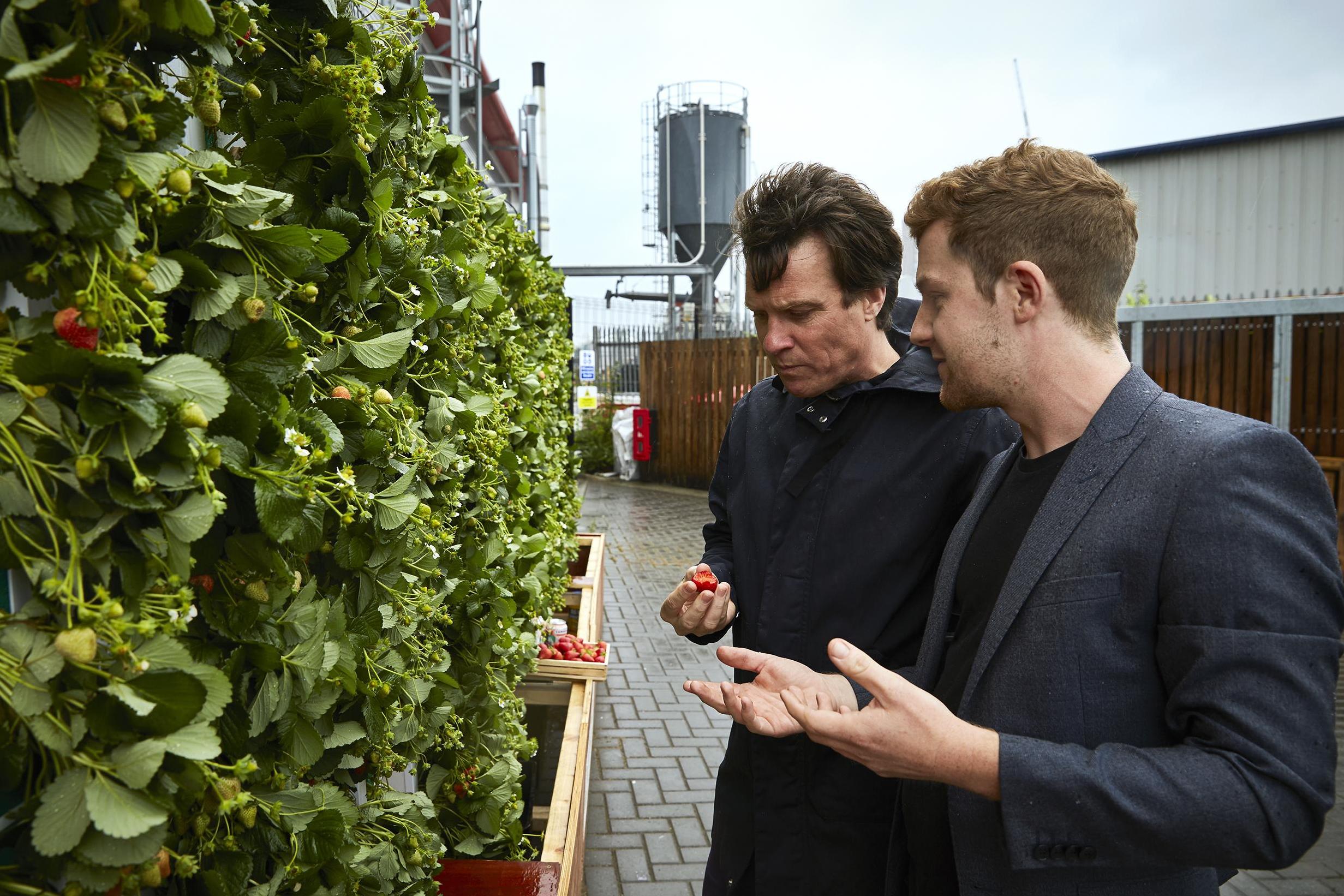
Wasted space on the sides of buildings could become the salad bowls of the near future with a pioneering approach to growing vegetables from Aponic Aeroponics, one of the organisations taking part in the Royal Norfolk Show’s new Innovation Zone, hosted by Agri-Tech.

The zone will also include a taste of the future with super-nutritious peas and algae rich in omega-3, an essential nutrient known to boost brain function. The introduction of the Innovation Zone is one of the Royal Norfolk Agricultural Association’s (RNAA) new initiatives to encourage a wider interest and understanding of new approaches to farming and food production. Bringing together the latest advances in agricultural science, technology and engineering, the Innovation Zone will provide an exciting new element to this year’s show.

Agri-TechE has been facilitating this and Belinda Clarke, director of the cluster organisation says: “We need new thinking in agriculture to meet new challenges. East Anglia is one of the driest regions of the country and vegetables and salad crops are among the thirstiest. Approaches which increase the precision of water use, improve the nutritional content of vegetables and offer new ways of growing food on land previously unsuitable for farming need to be discussed and considered.”

Growing fish and chips

trout imageAponic, one of the organisations on show, will be demonstrating how vertical soil-less growing towers can be used to easily create huge yields of herbs, salad crops, fruit, vegetables and fresh fish in a small area. Jason Hawkin-Row, founder of Aponic says: “Water is a finite resource and we are often told that we do not have sufficient land to grow all the food we need. “Growing plants in vertical tubes in nutrient rich water boosts yield and makes efficient use of water. You can easily produce a salad crop with 90% less water than conventional food production.”

Aponic is producing a commercial model which is attracting interest from the horticultural sector, particularly from strawberry farmers and small holders, and a domestic model that can be used to grow a range of crops, even potatoes, without the need for watering, digging and weeding. Jason says his interest originally came from his passion for fish. “I had fish in a garden pond and wondered if I could convert the ammonia that they were producing as waste into nitrates I could use as a fertiliser on my allotment. I developed a system of ‘trickle towers’ that worked like a bio-digester – nitrates were created for the plants and clean, highly oxygenated water was returned for the fish.”

Algae a super food supplement

algaeAlso on show will be a demonstration of a compact biofermenter by Algenuity, which can be used to grow algae as well as to better understand the best conditions to grow particular algae strains in specific locations worldwide. Andrew Spicer of Algenuity explains: “Algae are tiny microorganisms most closely related to plants and many are a rich source of EPA/DHA omega-3 polyunsaturated fatty acids found in fish oil. This nutrient is associated with protection against a number of major diseases including coronary heart disease, cancer and type 2 diabetes.

Our system would allow the production of a vegan source of these valuable nutrients suitable for enriching other foods. “ Algenuity is also involved in harnessing the internal biochemistry of algae to convert them into sustainable ‘factories’ for the production of high quality animal feeds, new pharmaceutical grade chemicals and crop protection products. One of the greatest innovations in pea production happened in Norfolk, it allowed peas to be frozen quickly after harvesting to conserve their fresh-picked taste.

Tasty peas

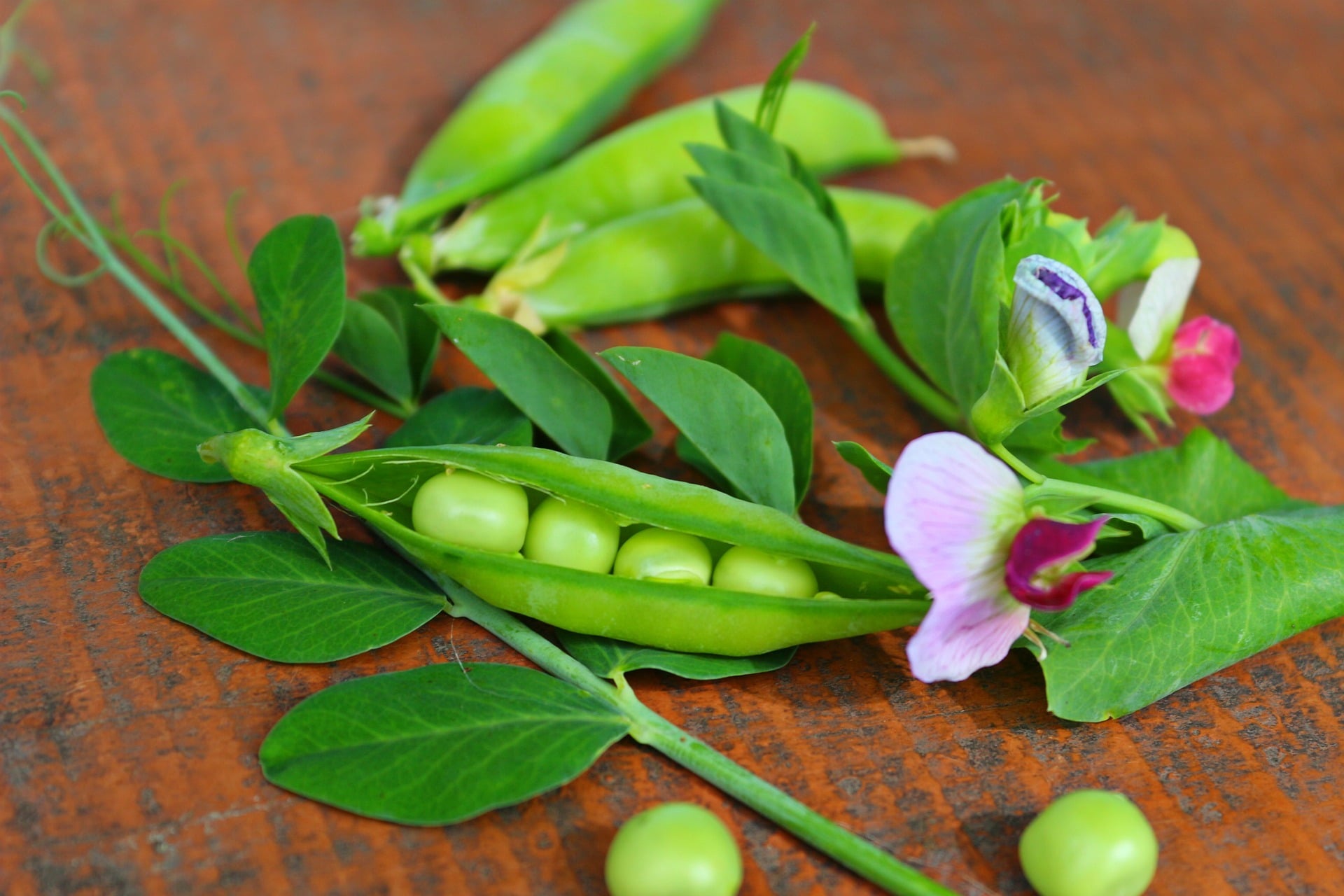
wheat peas brassicasWork at the John Innes Centre is directed at making this crop more desirable to the farmers by improving yields, taste, performance and market value. The research institute has collected peas of all different varieties over many years and is using new knowledge about its pulse genetic resources to benefit traditional breeding. Farmers and environmentalists are keen to ensure that sprays are only used when they are needed.

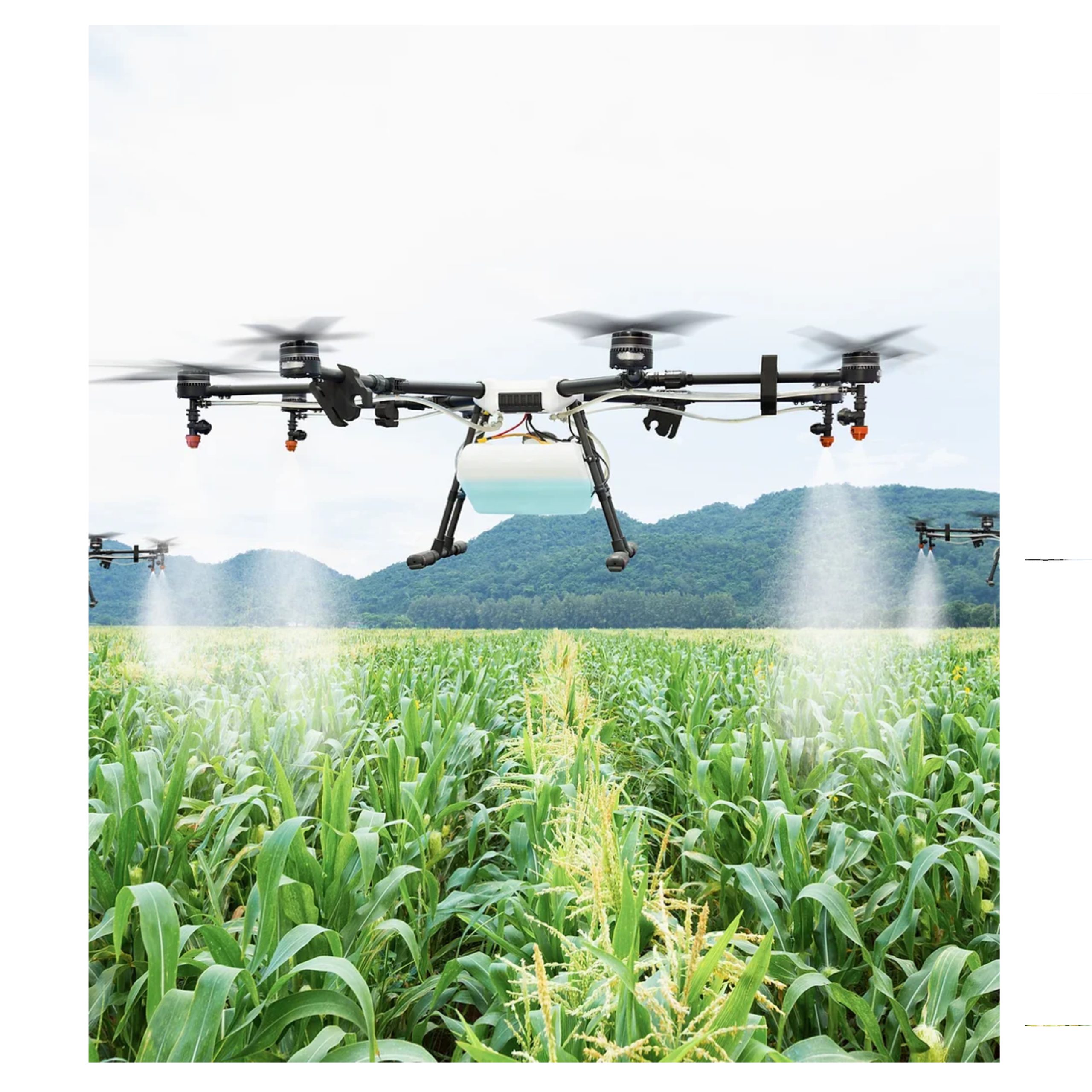
Improving prediction of disease and applying plant protection just to the crops that are at risk will reduce wastage of chemicals. This is known as precision farming and URSULA Agriculture will be showing how analysing data collected by UAVs (drones) flying over crops can enable better management and increase crop performance.

Alex Dinsdale of URSULA says; “Detailed and usable crop data, particularly in the form of digital field maps showing things like weed stress, disease pressures and variation in vigor, are increasingly seen by growers and agronomists as providing real value in crop management.

Traditional innovation

Greg Smith, CEO of the RNAA says: “Norfolk has always taken a lead in demonstrating new technologies, from the early days of Thomas Coke of Holkham who is credited with igniting the British Agricultural Revolution through the reforms he made to farming on his estates during the 1800’s. “His idea was to transfer knowledge and innovation on demonstration farms and at gatherings so it is great to see this tradition continuing at the Royal Norfolk Show.”

The Innovation Zone, which is sponsored by Larking Gowen, is at the Royal Norfolk Show from 1st to 2nd July 2015.

Forage legumes work for man and beast

Meet the Network
Agri-TechE
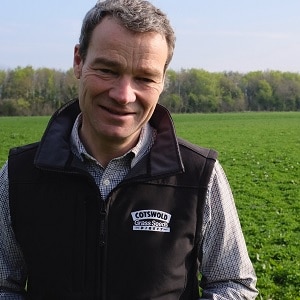
Ian Wilkinson, Managing Director of Cotswold Seeds
Ian Wilkinson

A 47% increase in net yield can be achieved by increasing the number of species in temporary grassland, according to Ian Wilkinson, Managing Director of Cotswold Seeds Ltd, a speaker at the June Pollinator. Extensive trials across Europe have revealed that forage legumes grown in a ley can increase the nutrient value of the sward, fix nitrogen to give an uplift to subsequent crops and provide invaluable food and shelter for insect pollinators. (more…)

Russell Smith Farms, a LEAF and Waitrose demonstration farm, welcomes Water SIG

Agri-TechE Article
Agri-TechE
Robert Smith, Russell Smith Farms

The Agri-TechE Special Interest Groups provide a unique opportunity for the farming community to meet with technologists and researchers from other sectors. This is creating a rich source of contacts for collaborative projects.

Robert Smith, of Russell Smith Farms, is looking forward to welcoming the Water for Agriculture SIG to his farm on 1st October and is also to hosting a Pollinator event on 22nd September. 


We asked Robert a few question about how he sees the cluster developing:


Q. Russell Smith Farms is one of the first farms to become members of Agri-TechE – why did you join?

I think agri-tech is something that is going to become vitally important in helping to feed the world. We are members of Agri-TechE and from what I’ve seen so far –at the meetings I’ve been to – people have been massively enthusiastic. The content has been excellent and it’s been successful in putting people together and encouraging exchange of ideas. It’s a wonderful catalyst for working with people in different fields – both literally and in terms of different subjects – of crop production.


Q. There is a Water for Agriculture SIG meeting planned for your farm at Elmdon – is water a big issue for you?

We are based at College Farm just outside of Duxford (site of Cereals 2014), with about 2,500 acres, this is includes about 1000 acres of potatoes, onions and root crops that we produce for the major supermarkets.

We have quite light land, which produces good quality onions and potatoes, but only if they have sufficient water so irrigation is essential to produce crops of good quality and quantity.

We have invested heavily in irrigation and now have four reservoirs including one we’ve just finished which is about 100 million gallons.

We wouldn’t dream of growing anything without irrigation, it is vitally important. We’re using booms for irrigation – we’ve tried other forms of irrigation before but we’ve found booms are more accurate and they aren’t affected by the wind. The machinery is certainly getting better in terms of accuracy and better distribution along the boom.

To ensure the best use of irrigation we use inputs such as crop stages, soil types, transpiration rate – and someone goes out with a spade, which sometimes you just can’t beat!


Q. Big data and precision agriculture are terms that are becoming more common – what is your interest in these areas?

There are few aspects of farming where technology is not involved, all our tractors now have guidance systems to ensure consistent working, so that widths are all the same and there’s no overlap of chemicals, we even have computers to aid us with weeding.

At the last Agri-TechE meeting about Big Data, we were talking to Niab and the Microsoft guys and seeing all the things people are doing with drones and monitoring, and creating software to improve the analysis and visualisation of data, and it is all very exciting.

We are hosting the ‘Technology, Electronics and Software’ Pollinator on 22 September 2015 at College Farm and this should be really interesting.


Q. Do you think it is important for farmers to see new technology demonstrated in the field?

Yes I do. We are a LEAF demonstration farm so we have lots of visitors; it is interesting for us to gain the feedback from others.

We are also a Waitrose demonstration farm, and our current project is examining the environmental aspects of farming – how to farm for profit but keep an eye on biodiversity and environmental impact on the farm.

Also two of the main plant breeders are present on our farms – KWS and RAGT – and they do lots of fieldwork with early generation crops.

So we are very active on a number of levels and look forward to welcoming people to the farm.

The Water SIG event: “Balancing water supply and demand workshop”  was originally to be held on 26th May but due to unforeseen circumstances we are postponing the event until later in the year.

The next Water SIG event is on 4th June 2015 at Salle Farms, Reepham, Norfolk, NR10 4SF

If you are interested in joining Russell Smith Farms as a member of Agri-TechE please click here.


Election wish list support Agri-TechE Strategy

Agri-TechE Blog
Agri-TechE

Unique wheat resources at RothamstedThe looming General Election poses a number of uncertainties, not least around the colour and composition of the future government, but also the impact on funding for agri-science and, subsequently, the support for translation of research into the field.

Through its election “wish list” the National Farmers’ Union is calling for the next government to confirm its continuing support and funding through the national Agri-TechE Strategy to ensure British science and innovation can reach more farm businesses and drive farming performance for the long term. But what does that really look like?

Collaboration

Collaboration  was discussed  at our last Pollinator and a number of  agribusinesses explained how they assessed the commercial benefits of these projects to develop a research portfolio that met the needs of the business.

The presenters recommended careful selection of the consortium partners, being realistic with timescales and outputs and agreeing in advance the way the partners will manage any intellectual property emerging from the project.

UK benefit?

And this is the major challenge across all sectors, that all too often the UK is a world-leading generator of ideas and innovation, but the exploitation and thus the added-value from those ideas often happens overseas.

To ensure that the UK economy and its agri-food industries derive the benefit from the UK’s research output, we need to continue to forge links between those generating the ideas and those able to exploit them, so that further development of research into products and services happens here.

Future ministers being challenged to balance the books must be in no doubt of the need for continued investment in agri-tech and the value it is bringing to the UK.

For that we need to keep generating case studies of successful engagement between industry and research base to keep the pressure on, so that the NFU’s election wish list is delivered.

Collaboration helping to provide crop protection answers

Meet the Network
Agri-TechE

The need for new thinking in the development of pest control is becoming more urgent as the EU is withdrawing many of the mainstay chemicals from usage. Natural products generated by microorganisms as part of a defence mechanism may provide an alternative to synthetic agrochemicals, and this is an area where collaborative research can fast-track new strategies. (more…)

Taking trials out into the field

Agri-TechE Blog
Agri-TechE
demonstrator farms
Photo courtesy of HexCam

The need for more demonstrator farms is a frequent request from farmers. When we ran a workshop last year to identify the most ‘trusted sources of information’ opportunities, top of the list was the desire to see what is happening in the field supported by peer-to-peer learning.

So it is encouraging to see a number of initiatives emerging across the region that will increase the opportunities for farmers to participate in trials and pilots.

The concept of demonstration and field-scale trials has always been popular, indeed back in the 18th Century the go-to place to learn about new crop and livestock innovation was ‘Coke of Holkham’s three day sheep-shearing competition’  which in its day attracted entrepreneurs from far and wide.

AgriGate

One of the most exciting developments currently is the Niab AgriGate Research Hub facility at Hasse Fen in Soham. Set amidst some of the most productive land in the region, it is a managed field laboratory for industrial-scale research in fresh produce, with a major focus on reducing waste. It  is now opening its doors – and fields – for business.

In addition to commercial field-based vegetable research trials with partners such as G’s Fresh, Greenvale AP, Barfoots, Strutt and Parker Farms and Tesco, the facility is also working on research projects which aim to increase flexibility in harvesting schedules.

Of particular interest to vegetable farmers includes work on soil health, the development of new agronomic practices to improve the quality and standing ability of crops, and projects to improve knowledge of crop growth and development in order to inform strategies for managing maturity – especially for salad and brassica crops.

Research on controlled and modified atmosphere storage is also a focus. Ethylene gas is a ripening agent, which occurs naturally in nature, it causes wilting in vegetables and flowers and ripening and decay in fruit.  The new research aims to improve the current ethylene scrubber technologies in order to extend the shelf life of fresh produce and preserve freshness.

Other areas of study include the development of new seed mixes to help manage field margins and attract pollinating insects.  These swards could also generate revenue by being harvested as feedstocks for anaerobic digesters.

AgriGate has been made possible following a £0.5M investment from the Eastern Regional Growth Initiative and the new facility welcomes commercial partners who are looking to run projects at the facility – they will even help write a grant proposal for public funding and will manage the project.

On farm 

Other demonstration opportunities include the successful LEAF (Linking Environment and Farming) programme which has built up a network of demonstration farms as exemplars of best practice in environmentally responsible farming. A strong network of collaboration has formed as a result.

And also the HGCA’s Monitor Farm initiative provides a great example of farmer to farmer knowledge exchange. It brings together groups of local farmers to share information about the financial and agronomic performance of their businesses, delivering real and relevant experience of best practice.

Participation in research

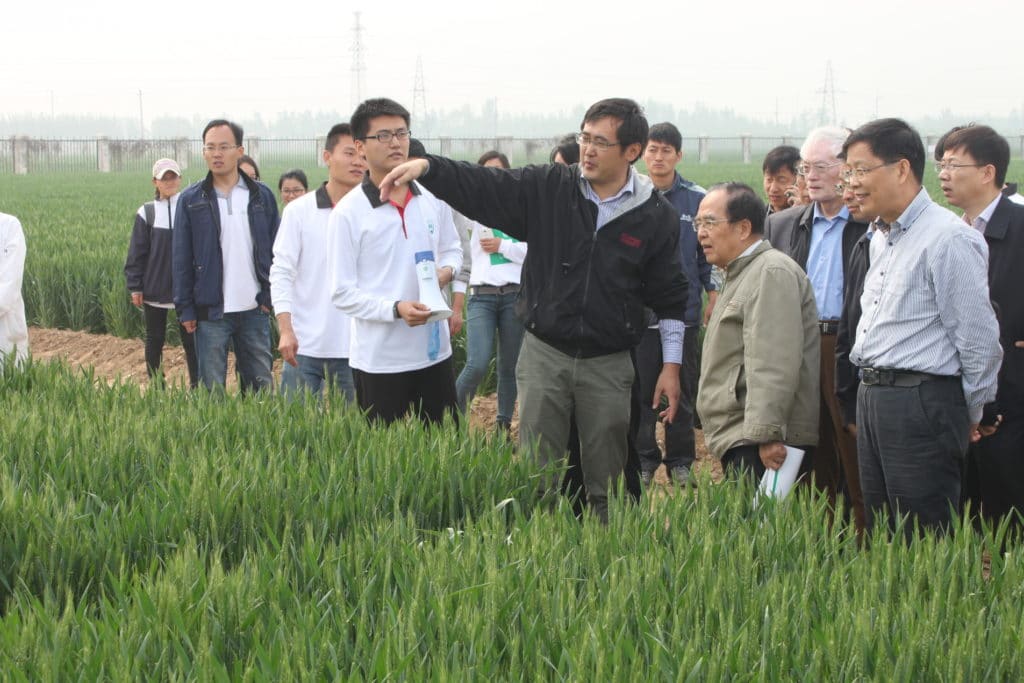
Trialling new innovations at field scale remains a critical element of the technology translation pathway, Rothamsted and the John Innes Centre have field-based trial facilities to support their research and a number of farmers grow trial plots for crop breeding companies (many of whom are also located in the region), and agricultural chemical distributors.

Sophi Taylor Building, Niab Park Farm

We often hear of the plea for an independent, dedicated field-based resource where new ideas can be road-tested and demonstrated in the field context. Niab’s Innovation Farm has proved a fantastic facility to do just this – showcasing some of the best plant genetic innovations in from businesses and universities and regularly hosting visits by farmers, breeders and technologists.

There will be an opportunity to visit trial plots and learn more about the results of trials of new seed mixes at our June Pollinator which includes a visit to the trial plots at Niab .

Anyone interested in finding out more about Agri-Gate and how to get involved should contact effie.mutasa@niab.com.

From precision to decision farming

Agri-TechE Article
Agri-TechE
Dr Malcom Hawkesford, is Deputy Head of Plant Biology and Crop Science at Rothamsted
Current monitoring techniques are massively labour intensive.

“Achieved yields for wheat at farm gate average 8t/ha in the UK. These are well below the national and recommended list trials and way below the UK record of 14.5 t/ha.

“Clearly achieved yields are below yield potentials,” says Malcolm Hawkesford, Deputy Head of Plant Biology and Crop Science at Rothamsted and co-lead in 20:20, a programme which aims to increase wheat yield to 20 tonnes of wheat per hectare within 20 years.

He continues: “Multiple factors contribute to this and if it was possible to have greater information about the growing environment, this could all help to inform a more effective management strategy and potentially boost yields.

A discussion of the micro-environmental factors impacting performance and the techniques that are emerging to help farmers identify them, is the theme of the next Agri-TechE Pollinator “Precision Agriculture to Decision Agriculture” – to be held on 11th March at Rothamsted.

Speakers include:

  • Welcome and Introduction – Clive Blacker, Director, Precision Decisions and Agri-TechE Precision Agriculture Specialist, UKTI
  • Two eyes in the zone – Stuart Alexander, Decision Support Services Commercial Manager, Agrii
  • UAV, satellite and field data: Working together for agriculture – Alex Dinsdale, Sales Manager, URSULA Agriculture
  • New technologies for measuring crop performance – Dr Malcolm Hawkesford, Head of Plant Biology and Crop Science Department, Rothamsted Research

The Pollinator will bring together farmers and researchers with technologists to improve understanding of the potential and limitations of current technology and the opportunities for new types of tools for monitoring and decision-making support.


This event is kindly sponsored by Anglia Farmers. 

You can read more about the discussions held at the Pollinator in the full report, which is available free to members on our Publications page.