What is the impact of digestate on soil?
 Agri-TechE
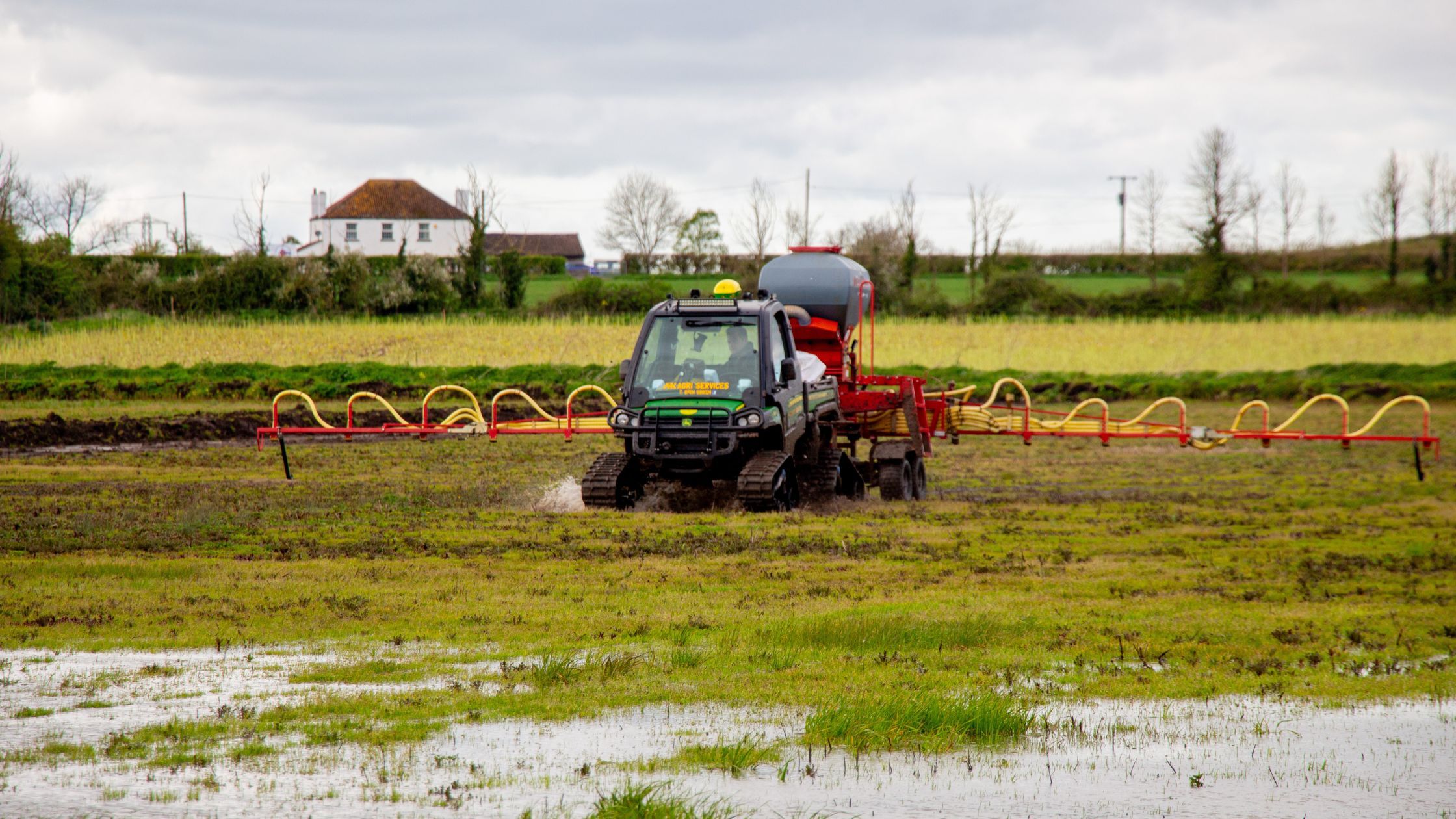
 Anaerobic digestion (AD) is becoming an increasingly attractive technology for farmers, as it adds value to waste material by converting it into biogas. Digestate, the by-product generated through the AD process, is a rich source of nutrients and has emerged as an alternative to chemical fertilisers.
Some of Agri-Tech’s farmer members have AD plants and regularly apply digestate on their fields. However, nutrient losses, particularly that of Nitrogen, are a common problem and can lead to leaching through the soil or to ammonia gas emissions.
Setting up field labs on a working farm
Having encountered those issues on farm, a group of seven farmers from the East of England, including five Agri-TechE members, decided to join the Innovative Farmers’ Network to set up a Field Lab and investigate how to maximise the nutrient value of their digestate. From sandy black soil to sandy clay loam, soil types vary greatly from one farm to the next and this is likely to have an impact on the efficiency of the digestate in supplying nutrients.

Based on their experience of managing an AD plant and utilising its organic output, farmers in the group were keen to focus on nitrogen stability and availability as key areas of investigation in the project. Nitrogen stability is being tested by adding acid to the digester to generate a more alkali digestate. A mix of deep-rooting and mycorrhizal-friendly cover crops (buckwheat, vetch, radish and black oat) and the addition of organic fibre were selected as treatments to increase the nitrogen readily available for crops from the digestate. Overall, these treatments are expected to not only capture more nutrients but also to have a positive impact on soil health, by improving soil structure and living conditions for the proliferation of beneficial micro-organisms.
With support from Niab and Cranfield University as research partners, farmers opted for a simple split-plot design where a field is ‘split’ into two, with the treatment on one side and the control on the other. This type of design works well with on-farm trials since they can accommodate different soil types and fit around the already busy schedule of a working farm business.
Another area that farmers would like to explore and one that is not often directly considered is the economic impact on each of their farms of applying digestate. Do the costs of production and storage outweigh the agronomic benefits? A cost-benefit ratio analysis will be undertaken to answer this important question.
From challenges to answers
Following digestate application and cover crop drilling in the Autumn of 2017, the first set of results from soil sampling all the different treatments came in earlier this year. Although it is too early to draw any conclusions, differences in nitrogen content was observed amongst farms. The benefits from the digestate and cover crop combination should be observed when harvesting the following cash crops this summer, which will be maize and sugar beet.

Farmers will be undertaking the next set of measurements, including assessment of soil structure (VESS) and counting worms. To facilitate this, Agri-TechE organised a training session, delivered by Niab at Cereals. Although we could not get our spades in the ground, the Soil Pit provided the perfect backdrop for David Clarke and Lydia Smith to explain differences in soil structure under different conditions.
A year into the Field Lab, one of the highlights has been the challenges of undertaking soil research across different farms, with all the environmental variations that this implies. But mostly, it has been fantastic to see farmers engage in all stages of the process, from designing the field trials to accommodate the project around their business, to interpreting and discussing the significance of the results with other farmers and researchers in the group. Now is the time for the next round of soil sampling, if the weather will let us.
If you’d like to learn more about this project, join us in September 2019 for an event covering the outcomes and findings of the project. Find out more about the event.
Agri-TechE has been coordinating the Innovative Farmers digestate group, in collaboration with the Soil Association and research partners Niab and Cranfield University. Farms involved in the project are Allpress Farms, Boxford Suffolk Farms, Euston Estate, Holkham Estate, JF Temple & Sons Ltd, JH Walter Energy and Upton Suffolk Farms. To find out more about the Innovative Farmers Network, visit the website.
Post Overview
Agri-TechE Related Posts

What opportunities does the ‘Brexit Freedoms’ bill offer to agri-tech?

Cambridge companies unite to meet the COVID-19 ventilator challenge in 6 weeks
Rebuilding the relationship between agriculture and the Labour government
Muntons sustainability in action

Phenotyping Indoor Crops




 I help to operate a network of business angel investors across Norfolk and Suffolk, called Anglia Capital Group. We hold pitching events throughout the year at which carefully selected companies are invited to pitch to our investor-members for potential equity investment.







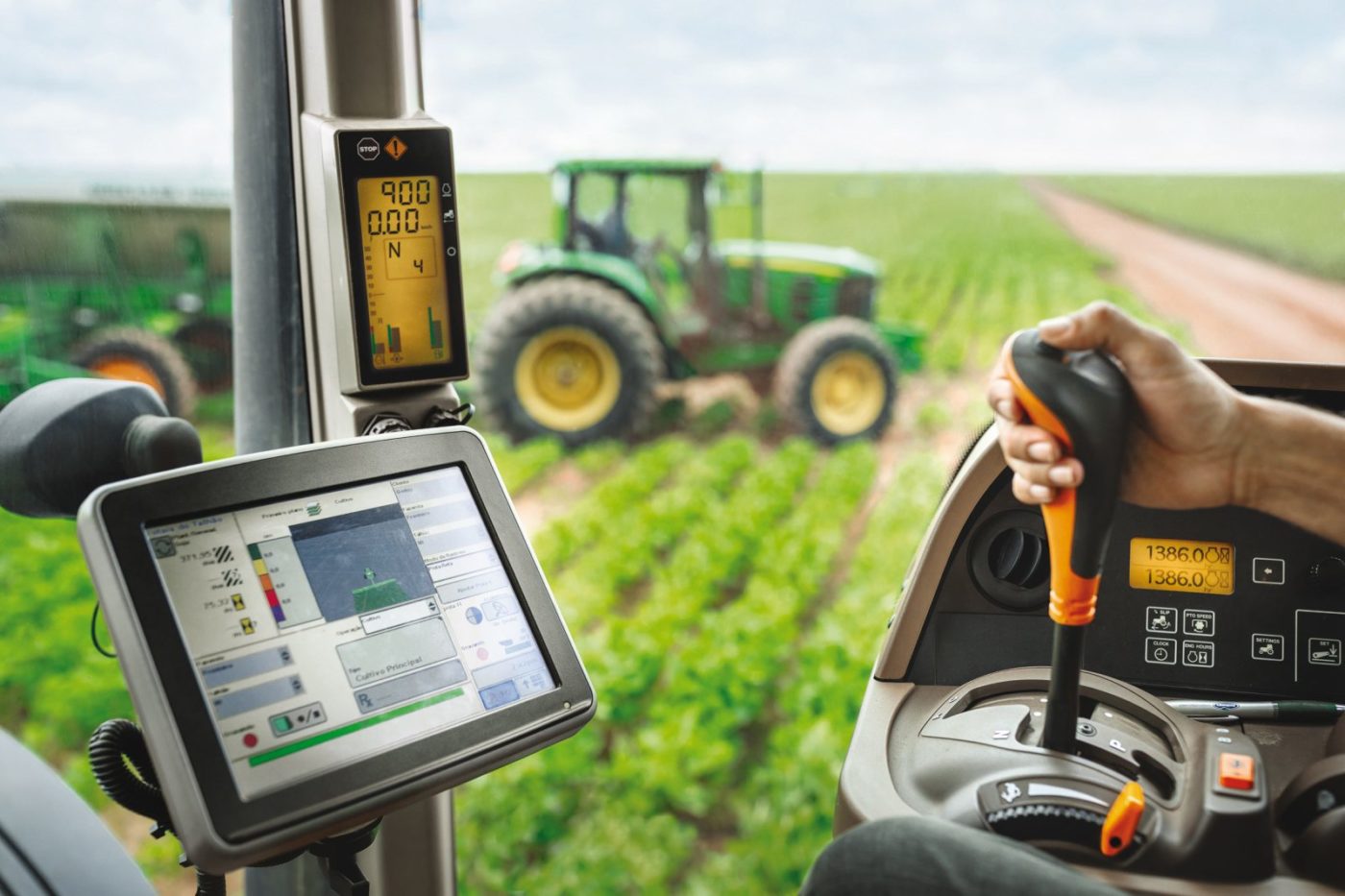
 be inconsistent. They recommended that tillage methods should be applied on a case by case basis. We were given a brief demonstration of the GPS system being used to coordinate farm machineries such as the drills and sprayers. The farm also boasts its own solar panels which currently generate about 90 megawatts of electricity and also allows them grow sheep under the panels. They plan to use the electricity generated to run the robotics system and to acquire more electric farm machinery.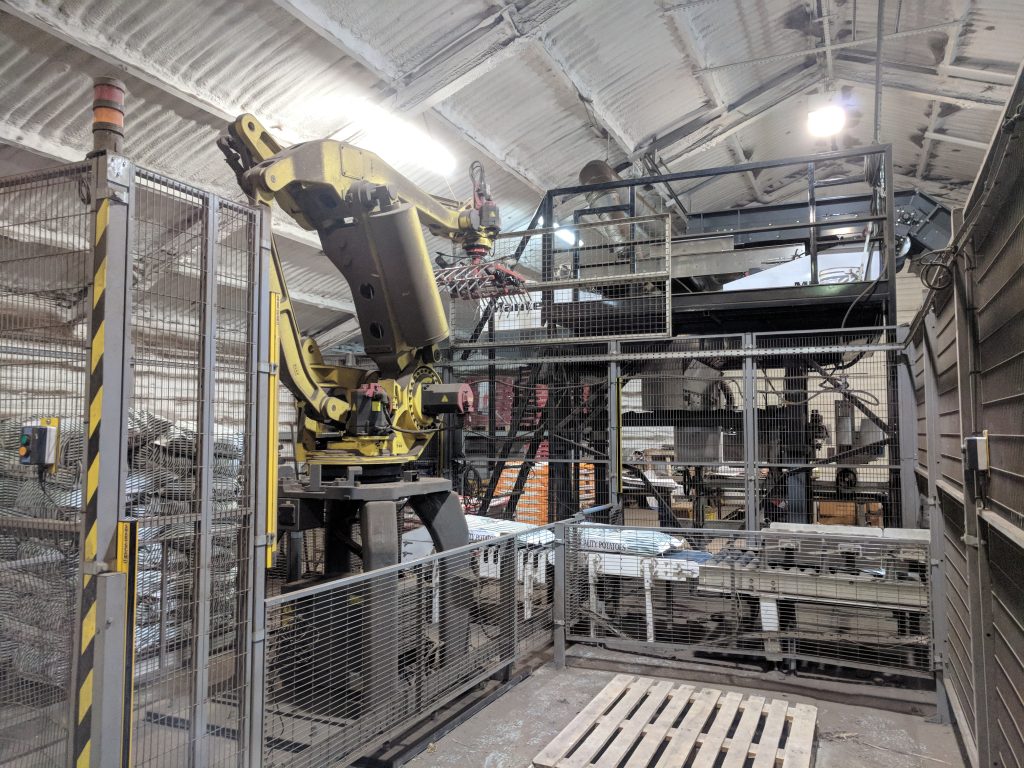




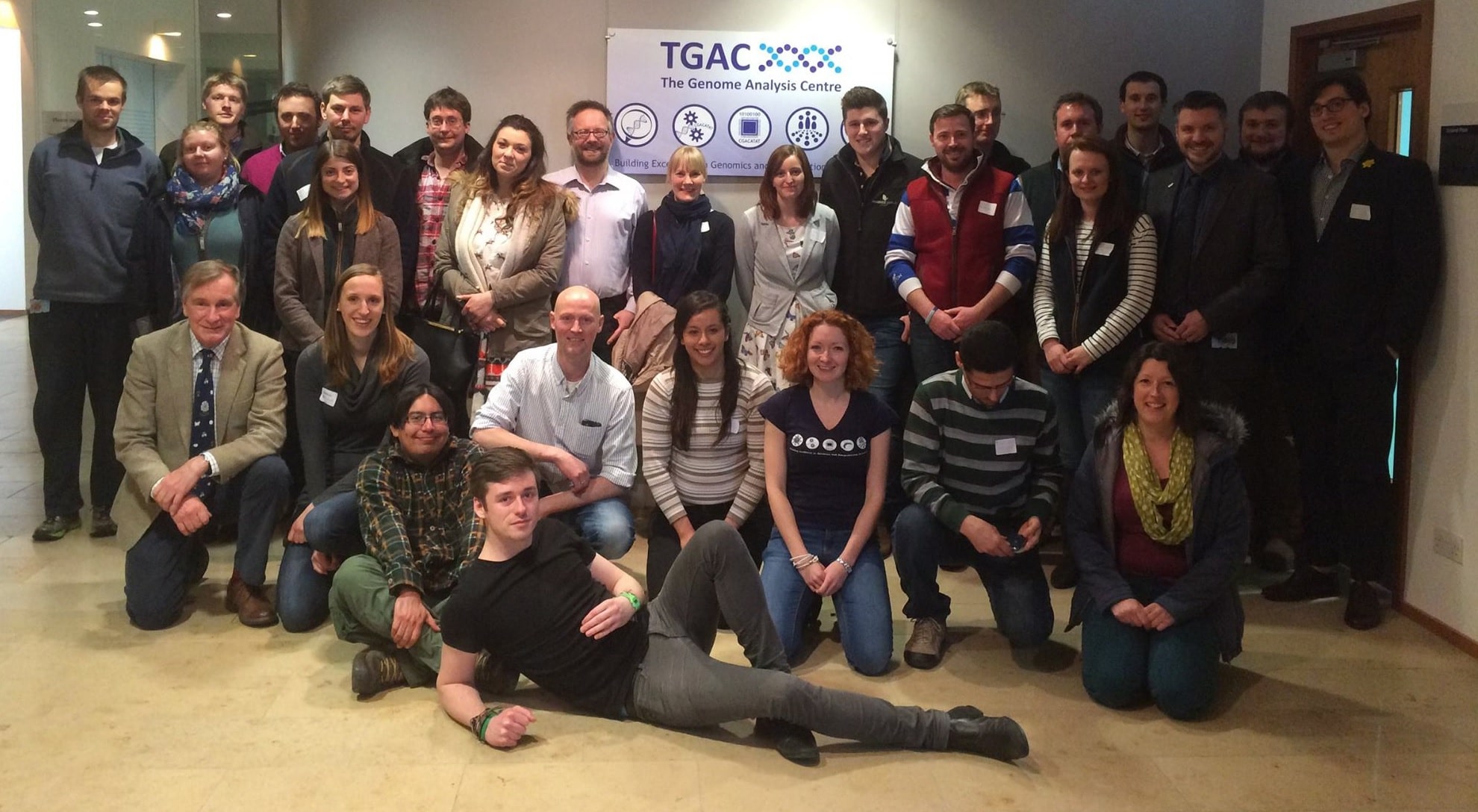




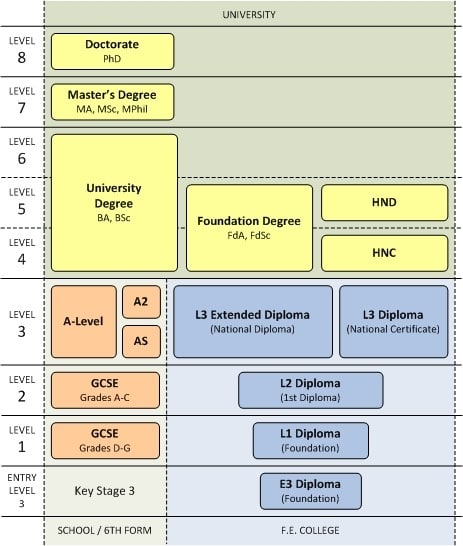
 If you wold like to be at the forefront in collaborative and industry led training and upskilling the young people of our future please do get in touch.


 Can two industries with apparently different purposes really be thought of as comparable and able to support each other? The answer – yes, absolutely, says Chrissie Freear of the PwC Agri-tech team.
 I can see a real benefit of Fintech and Agri-tech businesses collaborating and working together, not only in developing technology but also in going to market to offer their products and services, helping to solve real-world problems.
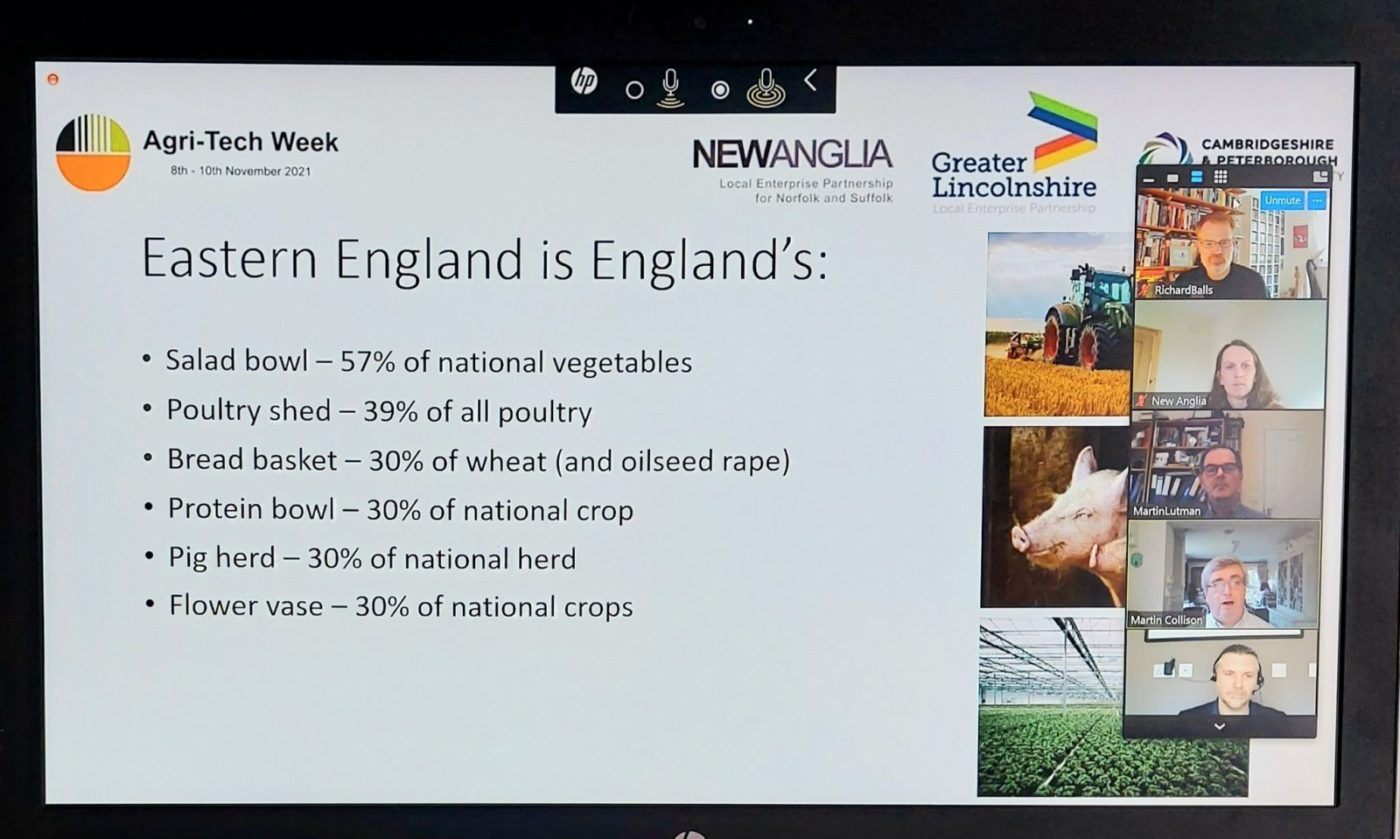


 We were delighted to welcome a board level delegation of farmers, scientists and businesses from










 Jamie Lockhart is entrepreneurial, with an interest in working with other businesses to share the benefits of spreading costs and using resources in new ways. He explains how he became involved in a pioneering trial on the farm.
 The trial aims to demonstrate the mutual benefit for both arable and grazing enterprises of grass in the rotation, and is being conducted by Brown & Co in partnership with AHDB, NSA and Frontier Agriculture Ltd.
 Note: Honingham Thorpe Farms is hosting a trial to demonstrate the benefit of introducing sheep into arable rotations for both the grazier and arable farmer. The trial is being conducted by Brown & Co in partnership with AHDB, National Sheep Association (NSA), the Organic Research Centre (ORC) and Frontier Agriculture Ltd. This project has received funding from the European Union’s Horizon 2020 research and innovation programme under grant agreement No 679302, as part of the Innovation for Sustainable Sheep and Goat production in Europe project (iSAGE – www.isage.eu).