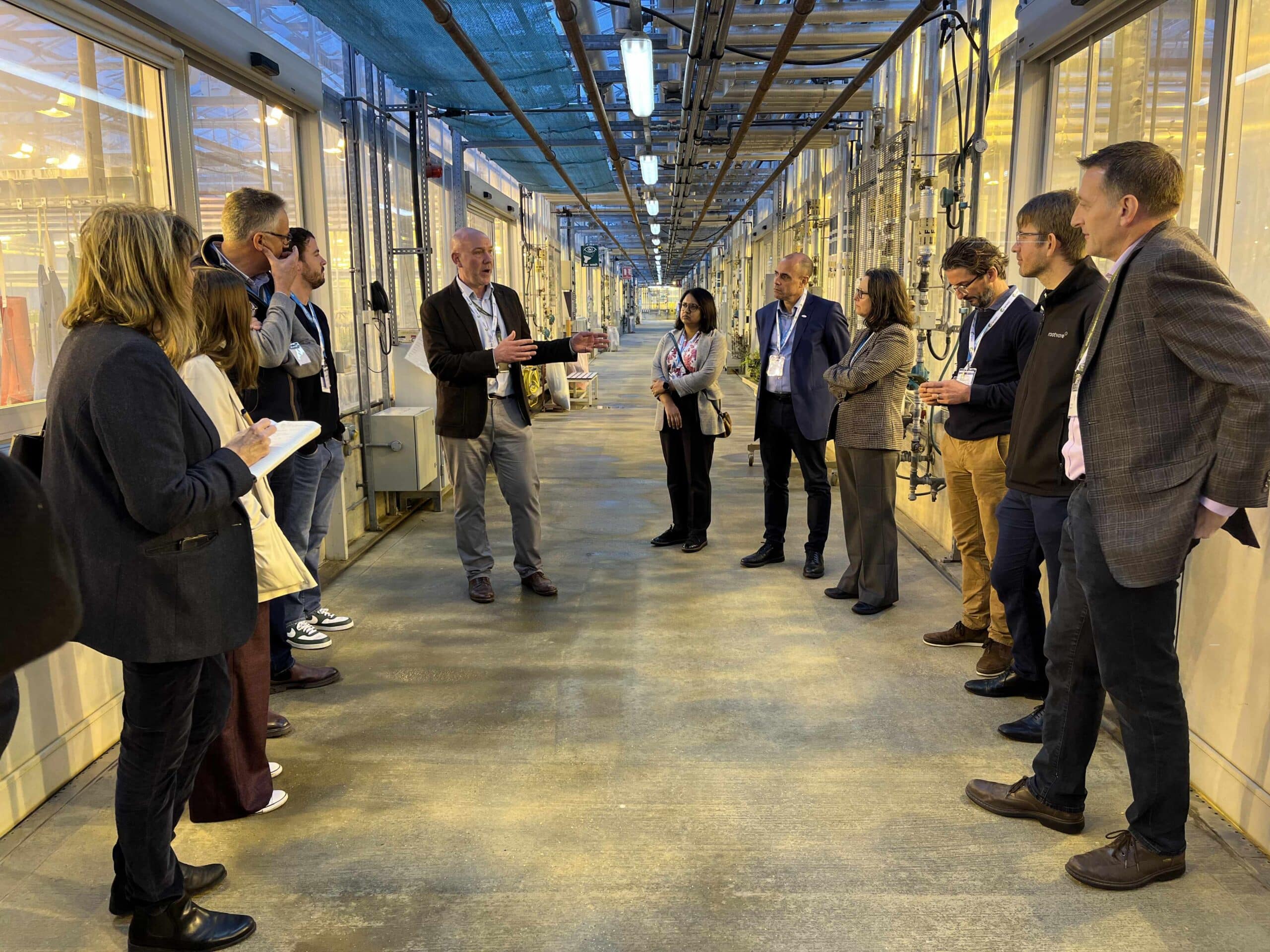
Rebuilding the relationship between agriculture and the Labour government
 GK Strategy
Food systems and agriculture cut across several government departments. For health secretary Wes Streeting, healthier diets, especially for children, are an important preventative measure to reduce downstream NHS demand for more expensive treatments. Energy secretary Ed Miliband views the availability and strategic deployment of land as central to delivering the government’s ambitions for expanding onshore solar and wind energy generation. In the science and innovation department, Liz Kendall recognises that innovation in agri-tech and food production is an important driver of economic productivity, while food and agriculture are consistent themes in trade negotiations with other nations for business secretary Peter Kyle.
Despite this, food and agriculture’s principal department – the Department for Environment, Food and Rural Affairs (Defra) – has struggled to find firm direction. Having been dealt a tricky hand early on in the parliament with the fallout of the agricultural property tax relief, Defra has since faced challenges in advancing key strategies intended to articulate a clear long-term vision for the sector. Farmers are still awaiting the publication of the 25-year roadmap for farming 18 months on from when it was first announced in November 2024. Historically, Labour has had a strained relationship with rural communities and the agricultural industry, and elements of this mistrust have persisted since the party entered government in 2024. At the heart of these challenges are mistakes with communication and perception.

Our conversations with policymakers suggest a real appetite to repair this relationship. Many Labour MPs in this parliament represent rural constituencies with slim majorities, so there is a political urgency to rebuild trust with farmers and rural communities. From a policy perspective, agri-tech was identified as a frontier industry in the government’s flagship industrial strategy in June 2025. This sends a strong signal that policymakers increasingly view the sector not simply through the lens of environmental stewardship or subsidy, but as strategically important to economic growth and national resilience.
Commercial organisations work hard to influence policy decisions and promote and enhance their reputation among policymakers. Businesses in the food, farming and agriculture sectors recognise they are central to the government’s ambitions to deliver a UK economy fit for the future. It’s not just big businesses that do it, either. Engaging in debates around policy is not limited to FTSE 250 firms, and success is not always reflective of the size of your government relations budget. It is driven by the ability to demonstrate strategic relevance, cultivate trusted relationships and communicate clear, solutions-based messages.

There are many opportunities for strategic engagement over the coming months. GK Strategy is here to help, through supporting conversations with local MPs, helping businesses identify the right official in DEFRA, or drafting more formal consultation responses select committee inquiry submissions.
From the development of the national food strategy implementation plan and sugar levy reforms, to the creation of the agri-tech export accelerator programmes and the £200 million farming innovation programme, businesses that knock on the door of government, in the right way, will be welcomed in. Our cross-sector and cross-party team at GK is immersed in food and agriculture policy. We are experts in supporting businesses and investors navigate the political and regulatory environment to identify and manage risks and capitalise on opportunities.
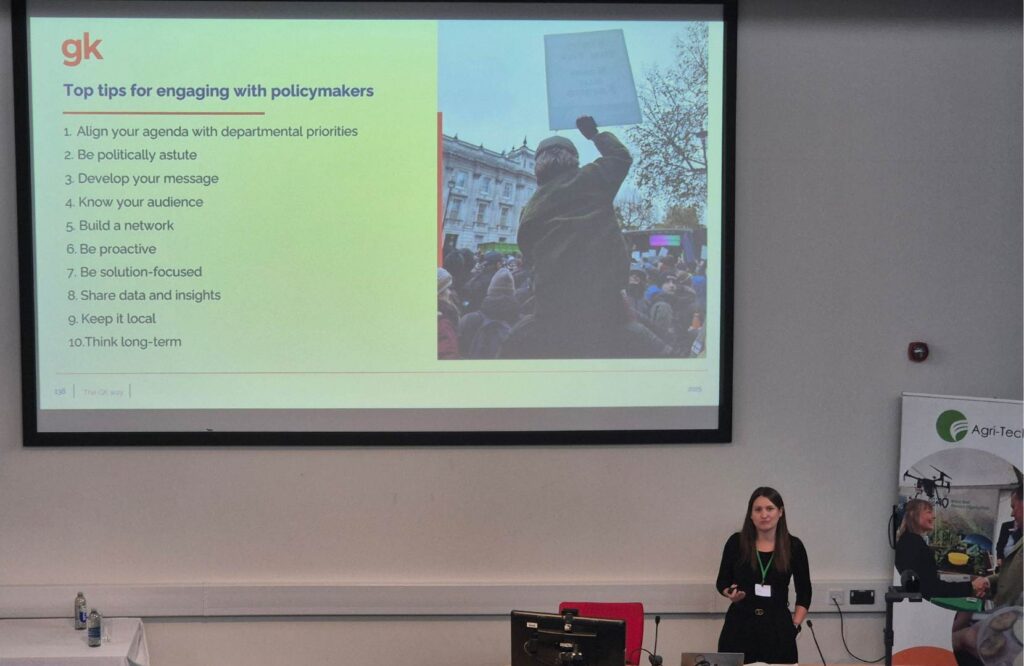
Introduction to Agri-Tech event
Lizzie Wills, Senior Partner & Head of Private Equity at GK Strategy, will be joining the panel Growth Catalysts and Innovation Champions at Agri-TechE’s upcoming event Introduction to Agri-Tech.
Even if something looks good in the lab or in trials, moving it to commercial farm use is a whole different ballgame: you need to be able to manufacture at scale, create a strong commercial value proposition, and ensure you have captured the value of your solution. Understanding the target market, future customers, and the scale-up journey is key.
Lizzie will feature alongside Louise Sutherland, Director of Ceres Agri-Tech; Bhavnita Patel, Business Development Manager, MTC; and Kate Pressland, CEO Ag.Impact
The Introduction to Agri-Tech event is on 20 May 2026 at Throw’s Farm Technology Centre in Essex: Book here
Related Posts
UK Agriculture & Technology: 2025 in Review

Uta Paszkowski recognised as a 2026 Top Agri-food Pioneer by the World Food Prize Foundation
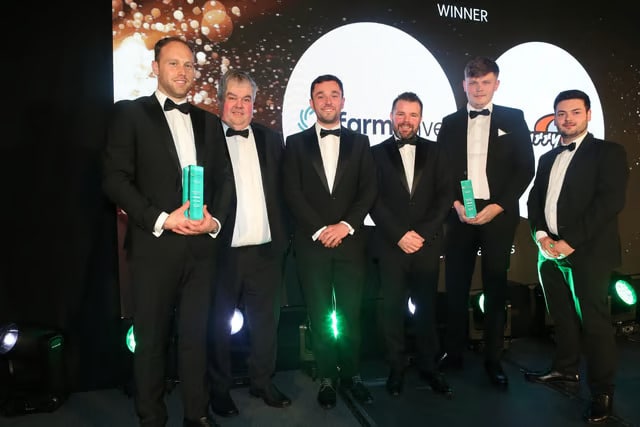
farmdrive Wins Innovation in Agriculture Award

Are we the change we wish to see in the world?

Are TRL’s “Tailored for Real Life” agriculture – or is it time for a change?