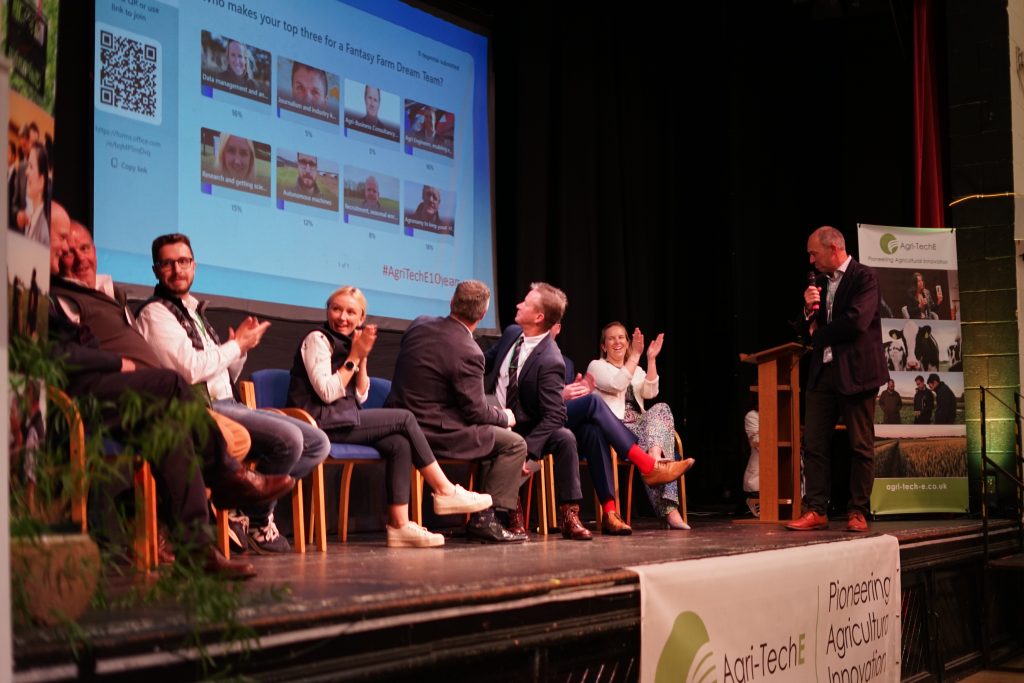
The Productive Landscape: NatureTech for Profit and Planet
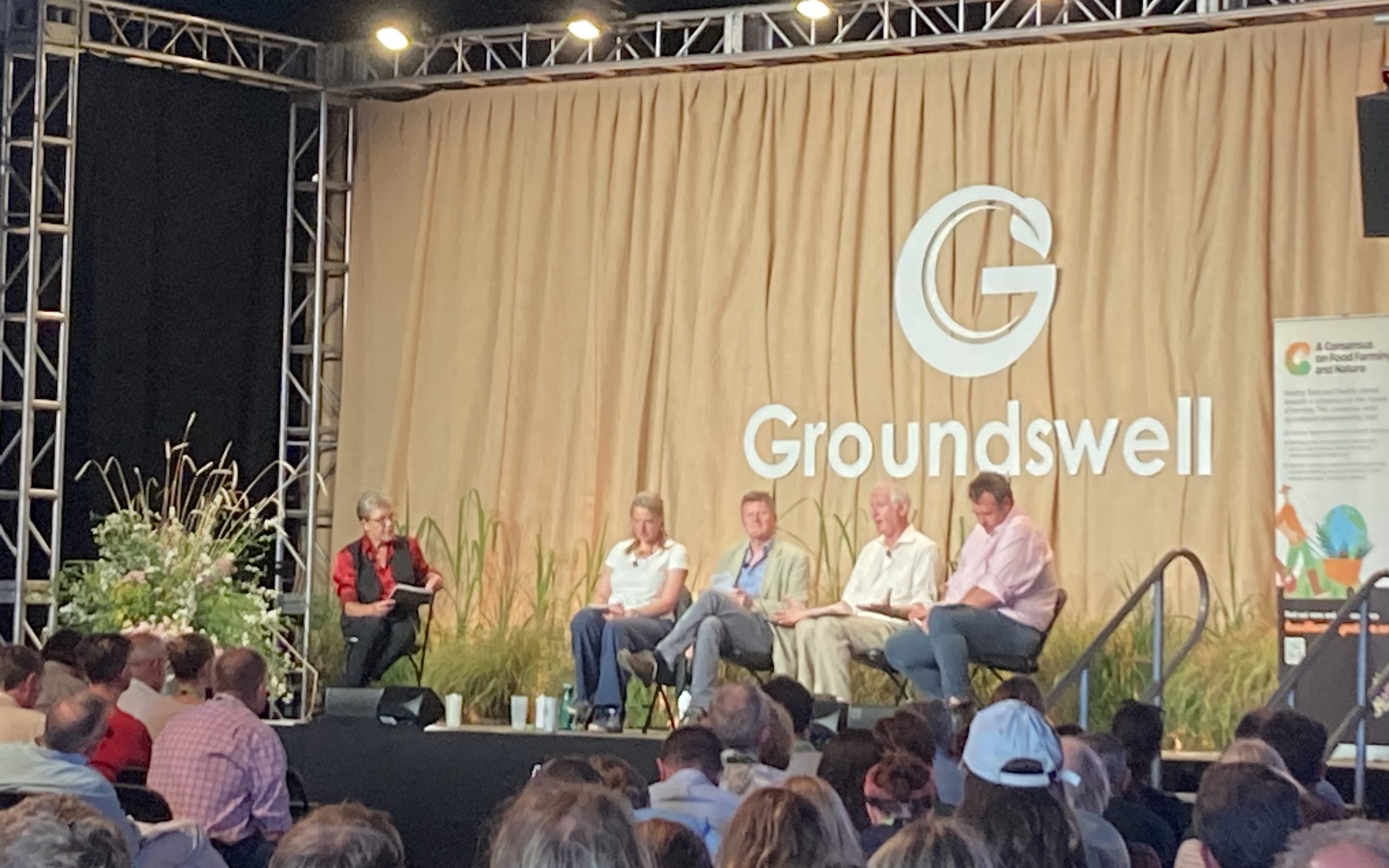
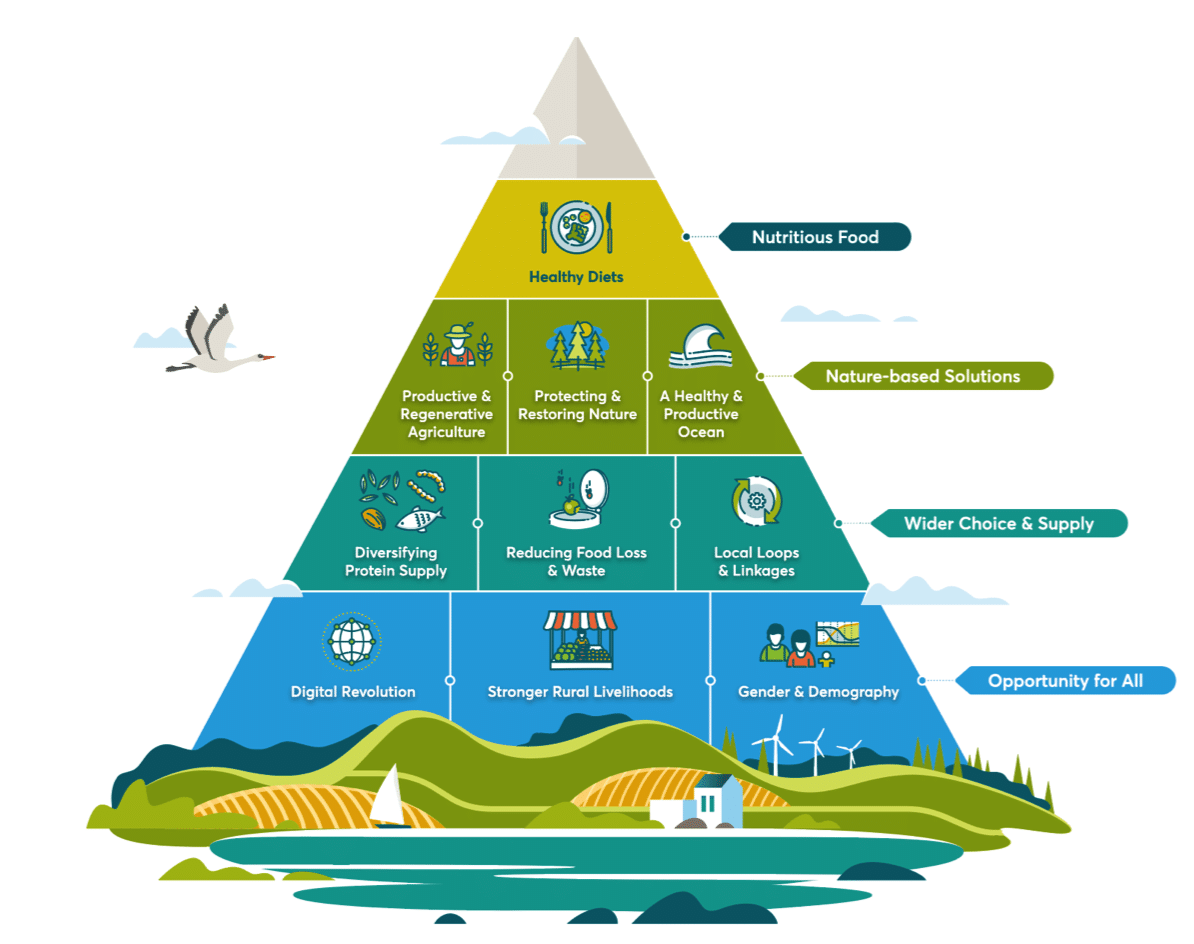
How can technology enable delivery of food, nature recovery, and climate resilience - all at once? The Head of the Environment Agency is asked: what's the national plan for dealing with land use pressures, plus you’ll hear from technologists and land managers working on nature-based and tech-enabled solutions for water, soils and climate adaptation.

Sustainability in Action ECIF Conference – The Future of Farming

ECIF
Agri-TechE

In April 2024, ECIF hosted its annual conference, this year titled ‘Sustainability in Action’. The conference featured presentations from industry leaders, a fun speed-dating session for networking, and a tour of the world-renowned Long Term Experiments at Rothamsted Research.

Designed to cater to recent graduates and early-career professionals from diverse backgrounds such as research, agronomy, engineering, and farming, the event aimed to equip attendees with insights, knowledge, and connections to drive sustainable practices in agriculture.

Gabby Hart, Customer Executive at Yagro, shares what she learned and what inspired at the ECIF Conference. Gabby has actively engaged in a number of ECIF activities that, including this blog, has earned her a Silver certificate of ECIF participation (the first we have awarded since the programme began in September 2023!).

Gabby’s take on the ECIF Conference

A brisk, damp day in April 2024 welcomed a group of early-career individuals to the Rothamsted Research site in Harpenden. We delved into the realms of sustainability in agriculture, shared our experiences and knowledge, and were invited to explore the well-renowned Rothamsted trials.

Keeping Carbon Neutral

We began the day with a variety of presentations from sustainability experts and pioneers in the industry. Charles Hesketh of the NFU spoke about their Net Zero strategy, aiming for net zero greenhouse gas emissions from the agricultural industry in England and Wales by 2040. In particular, they discussed their three pillar approach to achieve this: productivity improvement, farmland carbon storage, and bioeconomy-based measures.

We then heard from Megan Tresise at ADAS, who educated us on their YEN Zero network, and how they provide bespoke analysis for their net-zero community of growers who want guidance on how they can reduce their carbon emissions on farm. Next, Beatrice Guthrie from Holkham Farming Company informed us of their practices and how they use rotation strategies and soil health to improve their carbon footprint, highlighting the importance of figure-backed decision-making and using data as a tool for performance.

As someone with a keen interest in data, I found these talks captivating and inspired about the future of farming. I found myself considering how, as an industry, we all must unite in this movement towards sustainability, and we need to equip our farmers with as many tools as possible to guide them through this shift.

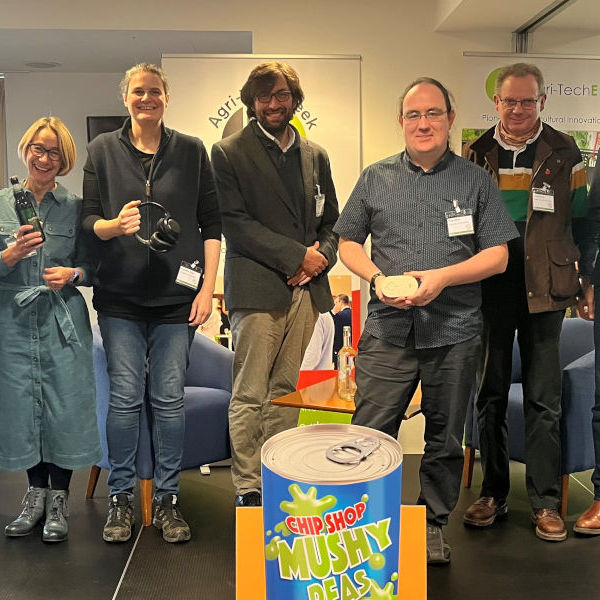
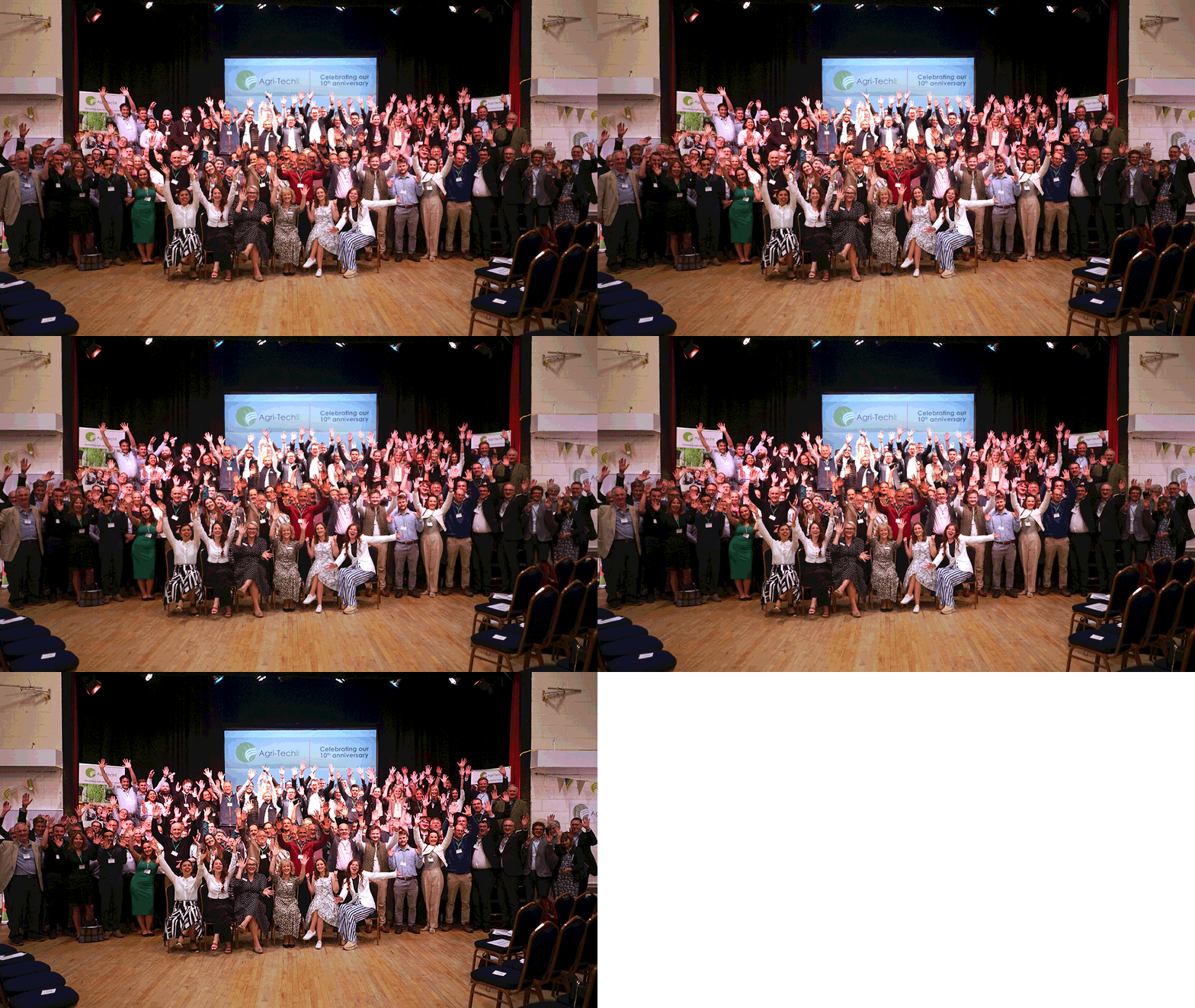
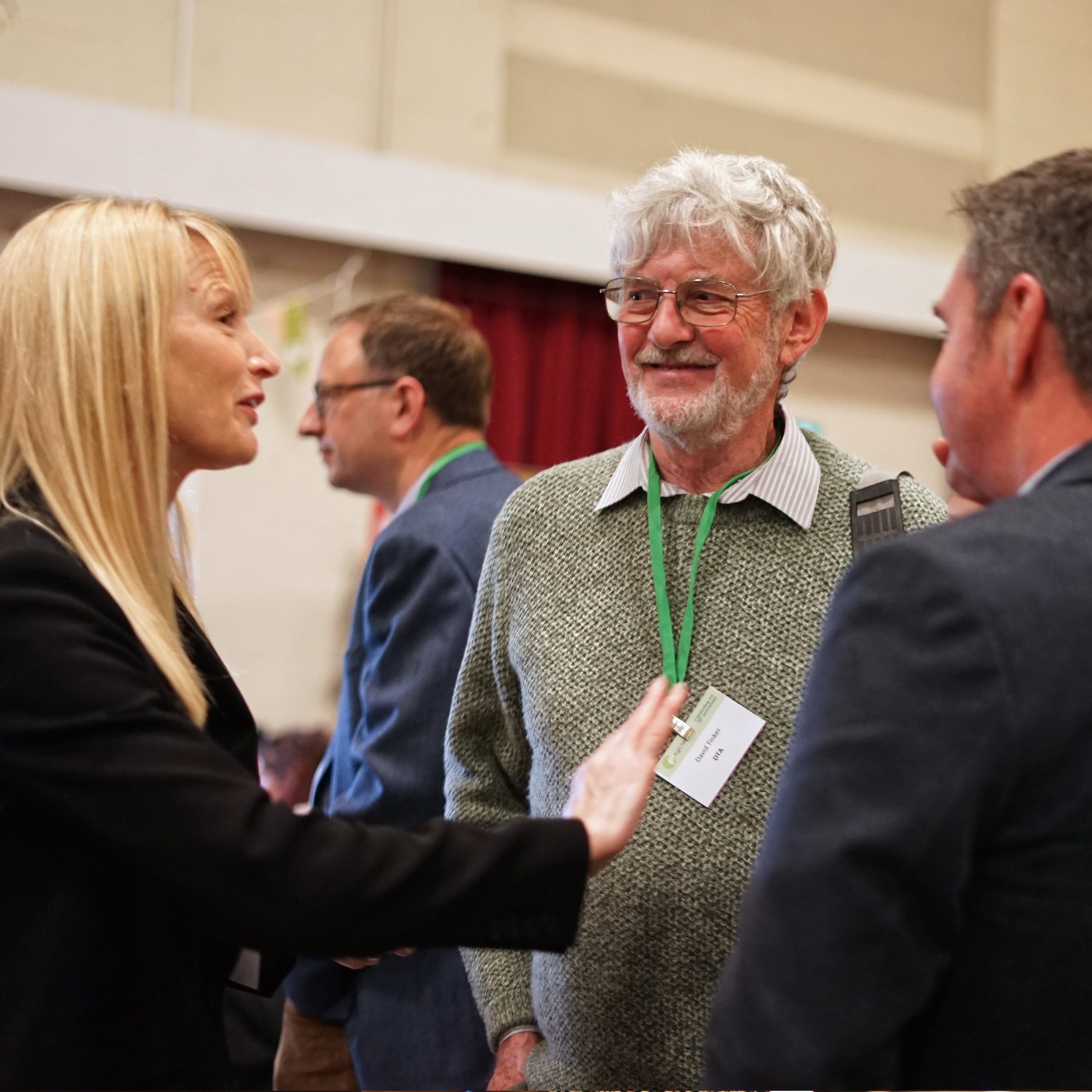
ECIF attendees at the Sustainability in Action ECIF Conference

The New Generation of Tech

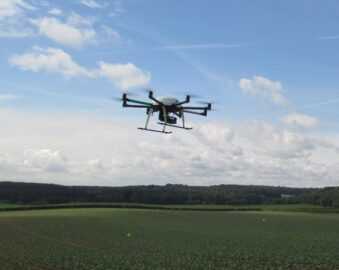
James Miller at Earth Rover astounded us with their impressive tech, ‘CLAWS’ (Concentrated Light Autonomous Weeding & Scouting), which uses concentrated light to eliminate even chemically resistant weeds, without the use of herbicides or tilling. In turn, this improves soil health and makes the process far more efficient, as well as being free from greenhouse gas emissions.

Following this, Casey Woodward at AgriSound excited us with their unique sensor device, ‘Polly’, which monitors pollinators to help protect and enhance insect biodiversity, as well as providing bespoke reports for easy understanding. The concept of this new generation of tech is staggering, and it was intriguing to think about the endless limits of what is to come with advancements in AI and machine learning.

Meet & Mingle

Following an academic morning, we had the chance to connect with others, over lunch, in groups, and individually. As someone who is fascinated by learning, it was eye-opening to hear about so many backgrounds, topics, discoveries, projects, all in one industry. I was grateful to get a glimpse of different things occurring throughout the farming industry, as without this, I would have never known the scope outside my bubble.

Meeting so many like-minded people and broadening my horizons was a great opportunity to build connections in the agricultural world. Coming from a strictly customer service background, speaking to others reassured me that I can become an expert in anything!

ECIF attendees networking at the Sustainability in Action ECIF Conference

The Oldest Agronomic Trials in the World

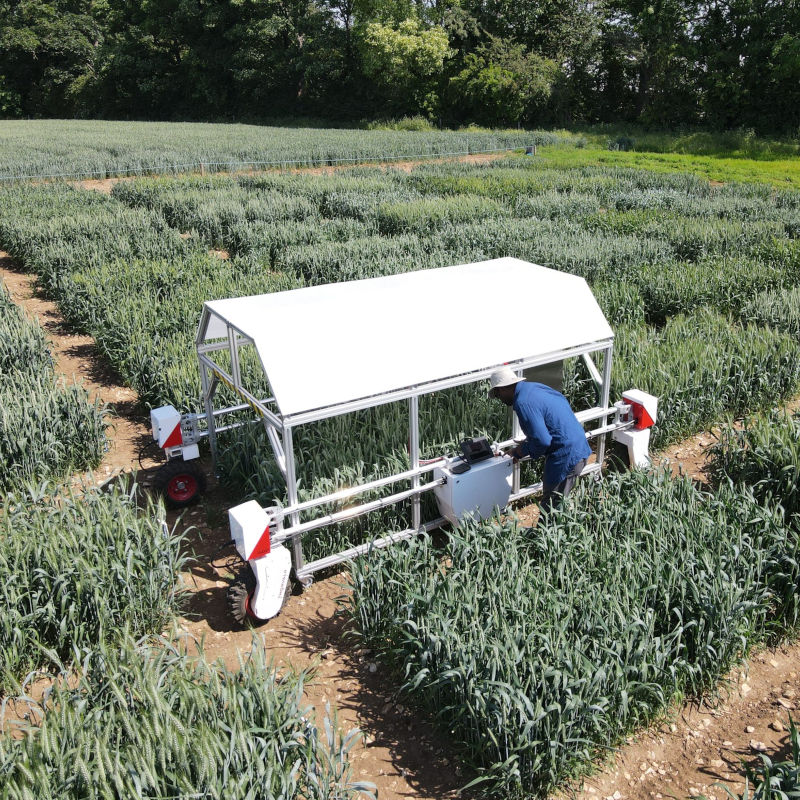
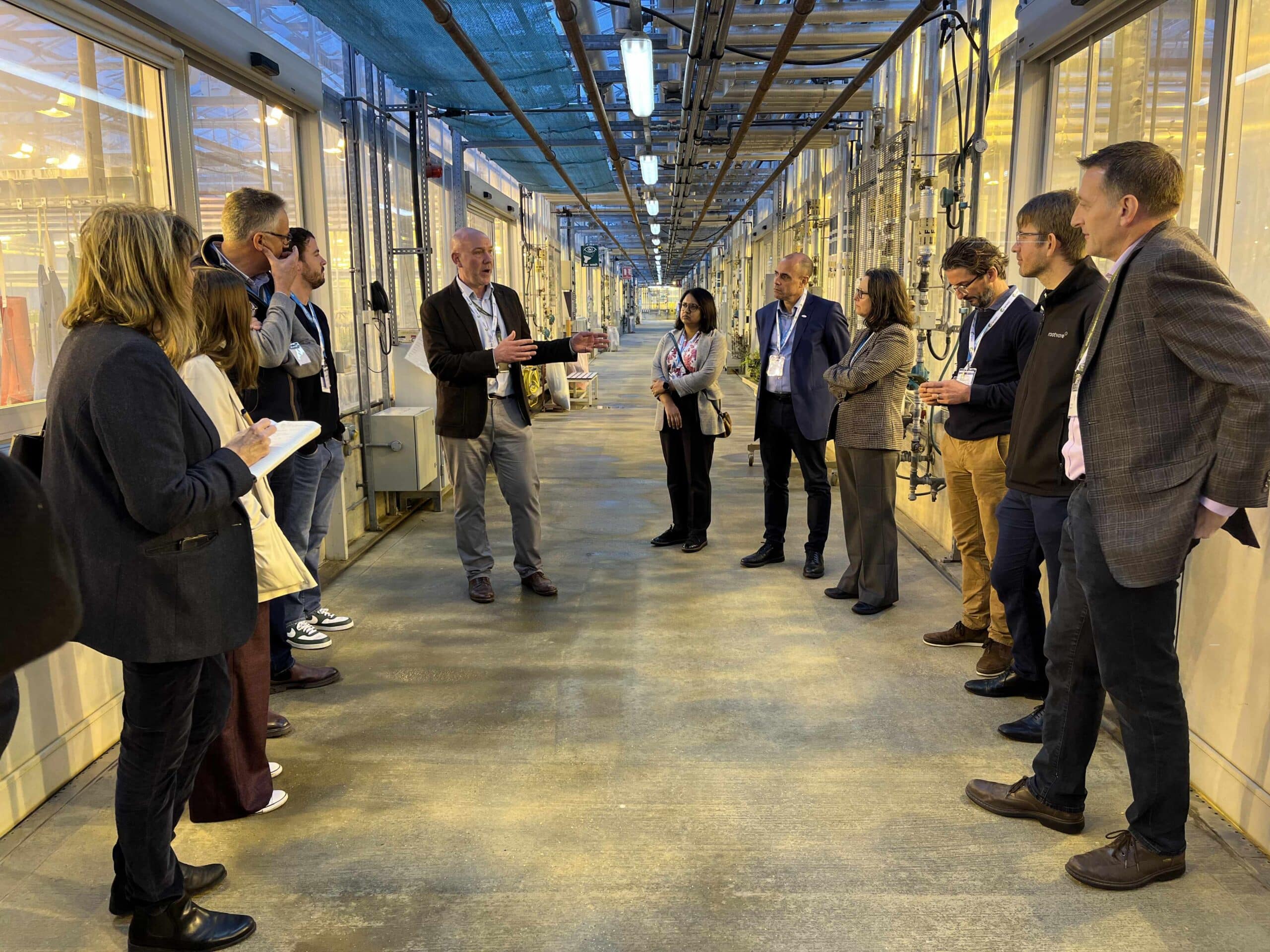
We were very fortunate to be granted a tour of the Broadbalk and Park Grass long-term experiments, which have been conducted since the mid-1800s. Despite the bitter weather, we waded through the fields, led by knowledgeable individuals working on the site, who provided us with a fountain of expertise on the trials.

I found it astonishing that these experiments have continued more or less as originally planned, with minor tweaks only being made to ensure they remain relevant and that the most appropriate methods are being applied. I felt privileged to be able to visit and indulge in information about such a famed research site.

ECIF attendees at the Sustainability in Action ECIF Conference - at Rothamsted
Sustainability in Action ECIF Conference - at Rothamsted

The Early-Career Innovators’ Forum (ECIF) is a platform uniting early career individuals passionate about agricultural innovation.

Join the ECIF Programme to enhance your knowledge and network in agriculture, and to attend free activities, including research, farm and industry visits, an annual conference, and professional skills webinars. Explore more about ECIF and how to join here.

Andalucía Agri-TechE Mission opens for applications

Agri-TechE Article
Agri-TechE

The rugged hills of Andalucía are well known for their sunflower fields and olive groves, but this diverse region in the southernmost tip of Spain is also a major exporter of strawberries and tropical fruits and home to more than 50% of Spain’s organic livestock farms.

Agri-TechE has teamed up with Andalucía TRADE and the British Embassy in Madrid to organise a trade mission to Almería that will provide an insider’s introduction to the region.

Fernando Ferrero, International Director of Andalucía TRADE (Agency for Economic Development & Transformation of Andalucía, Spain), says that the mission will provide an opportunity for mutual exploration of the opportunities in both countries.

“Agricultural activity is a major source of employment in the region, and it is supported by a wide range of university undergraduate courses specialising in agri-food. This provides access to a skilled and qualified workforce.

“There is also the benefit of a rapid distribution network to Europe and ease of access to this market for innovations.”

Andalucía Agri-TechE Mission opens for applications

Included in the mission is a tour of TECNOVA Innovation Centre with its facilities for validation of greenhouse and Controlled Environments technologies and development of post-harvest services and nutritional analysis.

Laura Bouvet, Knowledge Exchange Manager at Agri-TechE , comments: “This is an exciting opportunity to gain a better understanding of this region which is looking for technologies in smart irrigation, biologics, advanced breeding technologies and controlled environments.”

Agri-TechE member New Growing System originates from Andalucía; Guillermo Baquero, NGS’ Business Development Manager, says: “This mission will help to create closer links and understanding; I am delighted that Agri-TechE is helping to facilitate this knowledge exchange.”

Guillermo Baquero, New Growing System

This trip will give you the opportunity to learn about the Andalucía Agri-tech Industry, hold B2B meetings with Andalucía based companies and take part in guided tours around innovation centres and farming projects.

The cost of flights and accommodation will be covered by Andalucía TRADE. Flights from the UK to Spain will take place on Monday 23rd September, with return flight on Thursday 26th.

There are limited places on this mission so do apply promptly – closing date 7th July 2024.

Register your interest here.

Andalucia TRADE

Bedfordia Group partners with Velcourt Ltd

Member News
The views expressed in this Member News article are the author's own and do not necessarily represent those of Agri-TechE.

As a long-term privately owned family business, Bedfordia Group has a strong commercial history of entrepreneurial activities across a wide range of sectors, including farming, anaerobic digestion, property, automotive dealerships (BMW and MINI) and related ventures.
Following a strategic review of the future management of its large-scale arable farming activities; the Group has decided to ‘partner in business’ with Velcourt Ltd under a Contract Farming Agreement (CFA).

John Ibbett of Bedfordia Group said: ‘Anyone within the farming community, however big or small, is facing an ever-turbulent external environment where it’s no longer a case of ‘business as usual.’  The ability to innovate and adapt to change will be key to remaining fit for the future. Our long-standing values of building strong collaborate relationships and striving for excellence make for a great fit with Velcourt. We are confident in our choice of partner and are looking forward to working together to advance our farming operation. We are excited for the future!’

Commencing 1st November, a newly appointed Velcourt Senior Farm Manager will take on the day-to-day management of the estate’s arable land, overseen by Ian Smith as Velcourt Farms Director (Midlands), previously the MD of Bedfordia Farms. Bedfordia Farms are pleased that its Milton Parc offices will also serve as a new regional hub for Velcourt, with both parties focussed on delivering long-term success and positive impact.

Read the full article here

Hutchinsons Launches Ground-Breaking Easyplan Upgrade to Omnia

Member News
The views expressed in this Member News article are the author's own and do not necessarily represent those of Agri-TechE.

How the world of farm management software is changing

Crop production specialists Hutchinsons have launched a major upgrade to its Omnia Digital Farming system creating the next generation in farm management software for British agronomists and farmers.

“This announcement represents a major digital leap forward in crop production which confirms Omnia as the most advanced and easy-to-use farm management system,” according to Hutchinsons Head of Omnia, Oliver Wood.

“The EasyPlan upgrade offers a set of exciting developments within Omnia allowing for complete paperless record keeping and work management, setting a new standard for farm management technology in the UK.”

“It’s a British system for British farmers and one not currently offered by any other precision software provider.”

“Since its launch as a precision mapping system eight years ago, the platform has evolved into a broader digital farming system offering a range of valuable and user-friendly business modules such as cost of production, yield mapping, rotational planning and carbon mapping tools,” he explained.

“With its user-friendly interface and unparalleled functionality, the EasyPlan upgrade takes this one step further and underlines Hutchinsons’ focus on innovation and excellence and unwavering commitment and vision for Omnia.”

What more does Omnia with the EasyPlan Upgrade offer?

  1. Field Diary module:

A significant extension of current Field Diary into a fully comprehensive farm management system.

Previously farm records such as field inspections could be held in the Omnia Field Diary, but it was not possible to record live operations or manage work orders as they happened. It is now possible to digitally plan and record all live field operations from rolling through to spraying with the new task management functionality. With a calendar view for task planning, multiple plans can be combined into a single task which can be logged in a specific area for operators to access.

As with previous Omnia functionality, this is compatible with the most popular machines and platforms, and it can be accessed online from any device (although for those that want to run a paper-based system this is still possible). These field records are then automatically shown within the existing Production module, to allow complete gross margin analysis.

  • Stock management

The addition of real-time stock management. The upgraded module allows for a real-time, feature rich, stock management system for keeping track of orders and physical inventory based on what is actually being used.

  • Spray Plan module

A completely new  module which allows users to create spray plans which are then audited by Hutchinsons bespoke HALO crop protection database. Agronomists and BASIS registered farmers now have the ability to write their own spray recommendations. The new HALO database on which the Spray Plan module is based, uses the industry standard regulatory data as its core which is checked and enhanced daily by Hutchinsons in-house technical experts to ensure regulatory compliance.

The Omnia Scout app will be upgraded this summer to bring some of this new functionality into farmers’ pockets. The update will allow operators to view and complete tasks in the field, along with providing an interactive tank mix tool for spray plans to help operators with product and water requirements. The Omnia Scout app is available for both Android and iOS devices.

Data security and governance has also been a major focus for the upgrade, Gordon McKechnie, Hutchinsons managing director explains. 

“Significantly, Omnia is now the first system ever with both an ISO 27001 ‘Information Security Management’ and Farm Data Principles certifications – the belt and braces of data security.

“These two schemes are evidence of the robust policies and procedures followed by Hutchinsons to govern and protect data and gives users full control over the access to their data and account security. Additional new functionality provides the ability to manage access and permissions for others on the account, such as farm staff.”

Omnia with the EasyPlan upgrade will be available within the current Field Manager and Business Manager subscription levels, with Business Manager being required for the HALO auditing functionality.

For those that are new to Omnia, the Omnia free Access account allows farmers to experience some limited functionality, including annual cropping plans, farm maps and visualising yield data.

To find out more about how the Omnia with the EasyPlan upgrade can improve the profitability and long term sustainability of your farm business, visit Hutchinsons at the Cereals event on 11-12 June at Newnham Farm.

  • *I have permission from the copyright holder to publish this content and images.

Call for start-ups as Tesco Agri T-Jam competition returns

Agri-TechE Article
Funding Finder
Agri-TechE

Introductions to Tesco’s supplier network

The competition is held in partnership with Leading Edge Only (LEO), the global innovation marketplace, and start-ups will be given fast-track introductions to Tesco’s supplier network. The overall winner will earn a potential trial with one of Tesco’s supply chain partners, as well as receive feedback and mentoring by Tesco’s Sustainable Agriculture & Fisheries team.

Speak at REAP 2024: The Agri-TechE Balancing Act – Optimising One or Managing Many?”

We are also delighted to offer Agri-TechE membership to the winner, alongside the opportunity to speak at our 2024 REAP conference on 6th November. REAP brings together people from different areas of the agritech and science industries to turn challenges into business opportunities and facilitate mutually beneficial collaboration.

Peter Illman, Sustainable Agriculture Manager at Tesco, was a speaker on the Supply Chain Panel at REAP 2023. He says: “I was impressed with the REAP conference. It had high quality stands and presentations, and its intimate scale allows for more effective interactions, as compared with big global events.”

Peter Illman speaking as part of the Supply Chain session at REAP 2023

Dr Belinda Clarke, Director of Agri-TechE , says: “REAP has a strong track record of introducing early-stage companies and technologies to a receptive and supportive environment of potential end-users and supply chain partners.

“We were delighted to be approached by Tesco to offer the winner of the T-Jam pitch event a speaking slot at REAP. Time and again we have seen the benefit for early-stage ventures of engaging meaningfully with agri-food supply chain partners to help inform the development and impact of their innovation.

“Understanding how their solution aligns with real-world needs is invaluable, and the benefit of working with Tesco is clear. We can’t wait to see the cohort of 2024!”

The 2023 Tesco T-Jam was won by Agri-TechE member NatureMetrics.

Entries close Sunday 30th June 2024. Full details, entry form and criteria can be found at leadingedgeonly.com/organisation/tesco/tesco-agri-t-jam-2024.  

Following the application and selection process, up to ten start-ups will be selected to present their innovations at the T-Jam pitch day in September.

Tesco is looking for technologies that address the following priority areas:

  • Reducing GHG emissions
  • Improving soil health and resilience
  • Supporting biodiversity
  • Improving water quality and water use
  • Responsible reduction in chemical inputs such as pesticides
  • Reducing agricultural and food waste
  • Reducing crop losses
  • Improving animal health and welfare, reducing use of antibiotics
  • Rapid disease diagnostics

LettUs Grow and Valoya India partner to bring advanced aeroponic technology to India/Middle East

Member News
The views expressed in this Member News article are the author's own and do not necessarily represent those of Agri-TechE.

In an exciting partnership that will introduce aeroponic technology to India and the Middle East, LettUs Grow and Valoya India will combine their expertise to optimise crop production for indoor growers.

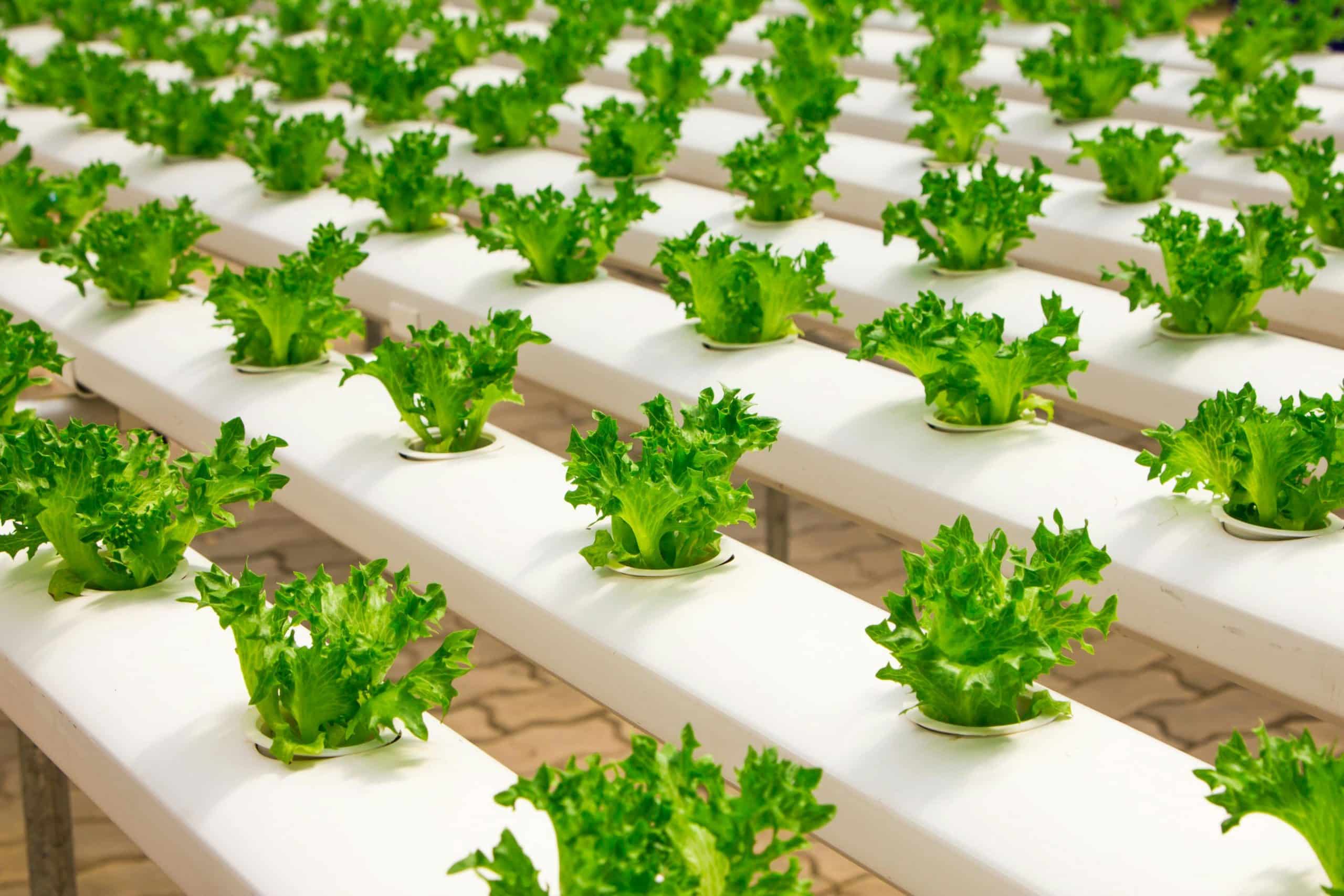
Valoya India is the second group to join LettUs Grow’s global partnership programme, which focuses on licensing aeroponic technology to key agricultural manufacturers around the world. LettUs Grow’s aeroponics has been shown to improve growth rates in comparison to hydroponic irrigation methods, as demonstrated in successful growth trials at Wageningen University’s R&D greenhouse facility, and more recently at Stockbridge Technology Centre in collaboration with CHAP.

Valoya India will licence LettUs Grow’s patented ultrasonic aeroponic irrigation systems and offer a turnkey building solution for vertical farming companies. This will allow growers to increase yields, improve the quality of their crop and minimise water use. LettUs Grow’s expertise in aeroponics alongside Valoya India’s world-leading manufacturing capacity will bring the benefits of aeroponics to the exciting emerging controlled environment agriculture (CEA) market in India, as well as the more established markets in the Middle East.

Valoya stands as a pioneer in research-oriented LED lighting solutions tailored for horticulture. Leveraging patented technology and a wide spectrum, Valoya’s solutions are crafted to maximize plant growth across various sectors including crop science, crop production (greenhouse, controlled environment agriculture (CEA), medicinal plants and vertical farming), even extending to unique applications like algae cultivation. With an impressive track record of over 700 plant trials spanning more than 300 plant species, Valoya has established itself as the industry leader. Strengthening its global footprint, Valoya operates subsidiaries strategically positioned in the USA and Valoya India (eAge Electronics Pvt. Ltd), each committed to catering to the specific needs of their respective markets.

India has been penned as one of the world’s fastest growing economies, with the agricultural sector being the significant contributor to its growth, and is the second largest producer of food grains, fruits and vegetables in the world. With climate change, water scarcity and soil degradation becoming a growing threat to agricultural development, CEA provides an alternative to traditional outdoor farming, which is dependent on using large quantities of water, fertiliser and pesticides.

By combining LettUs Grow’s state-of-the-art aeroponic technology with Valoya’s ambitious plans for turnkey vertical farming solutions, the partnership aims to strengthen and support food security across India, addressing the challenges posed by the changing climate and water usage. The partnership will also look to support the Middle Eastern CEA market, who face similar challenges and are striving to increase the amount of produce that is produced locally.

Charlie Guy, CEO of LettUs Grow, said: “India is primed to become one of the most exciting emerging markets for CEA, and this partnership marks another significant step forward in our mission to reduce the impact of fresh produce production across the globe, through careful innovation and collaboration. By working together with Valoya, we aim to empower farmers across India and The Middle East to improve access to fresh produce, allowing the agricultural sector to thrive, while still conserving precious groundwater reserves and resources.”

LettUs Grow and Valoya will conduct crop growth trials from a Valoya India labs based at eAge Electronics offices in Noida, UP, India. The focus will be to tailor the technology to the Indian market. This will also provide the opportunity for future collaborators, tech adopters and growers to see aeroponics in action.

“We are thrilled to partner with LettUs Grow to introduce their unique aeroponics to the growing CEA sector across India and the Middle East. Combined with Valoya’s cutting edge LED lighting solutions and spectrums for horticulture applications, we believe it could be an extremely beneficial and advantageous turnkey solution for all our clients.” said Dhruv Mahajan, Vice President at Valoya India. “We are very excited to conduct, observe and document the results of our combined trials and develop tailor-made solutions for a host of crops/plants suited to the India and Middle East Markets as a starting point to our collaboration.”

See more here


  • *I have permission from the copyright holder to publish this content and images.

Top tips to keep your business secure

Member News
The views expressed in this Member News article are the author's own and do not necessarily represent those of Agri-TechE.

Keith Franklin – RuralTech LLP

As cyber attacks become increasingly sophisticated and frequent, it is important to prioritise cyber security measures to protect sensitive data, safeguard your network and maintain customer trust. Here are some top tips:

1. Be careful about who or what you trust

46% of UK businesses experienced a cyber-attack in 2023, with an average cost of more than £3,000, and many of those attacks were preventable. Phishing scams have become more and more subtle and convincing. Don’t trust anything until you’re absolutely satisfied that it’s legit.

Visit here for helpful government information.

2. Protect your email by using a strong and separate password

Cybercriminals can use your email address to access many of your personal accounts, leaving you vulnerable to identity theft. The government advice on this issue can be found at: www.ncsc.gov.uk

3. Turn on 2-step verification (2SV)

Turning on 2SV is one of the most effective ways to protect your online accounts from cyber criminals. 2-step verification (2SV) is also known as two-factor authentication (2FA) or multi-factor authentication (MFA).

4. Install the latest software and app updates

Applying security updates promptly will help protect your devices and accounts from cyber criminals. Updates include protection from viruses and other kinds of malware and will often include improvements and new features.

Manufacturers eventually stop providing updates for older devices. If you continue to use a device that is no longer supported you are not safe!

5. Backing up your data

As highlighted in the article above, backing up your data regularly is crucial in today’s digital age. It protects against data loss, provides peace of mind, saves time and money, facilitates device upgrades, and protects against security threats.

6. Ignorance isn’t bliss

In the case of business security, the more your people know, the better. As a business owner, it’s your responsibility to ensure that your people are aware of the threats and risks, and to make sure they’re properly prepared to respond. Whether that’s through training sessions, centralised documents or just having regular chats, whatever works for you, awareness is one of the most powerful weapons in your cyber security defence.

Waitrose nature-friendly farming scheme has Reading support

Member News
The views expressed in this Member News article are the author's own and do not necessarily represent those of Agri-TechE.

Scientists from the University of Reading are meeting British farmers and food businesses as Waitrose launches its Farming for Nature scheme to accelerate nature-friendly farming.

Waitrose is committing to support more than 2,000 of its British farmers to move to nature-friendly farming practices, helping to boost financial resilience of farms in the long-term and combat the effects of climate change.

This comes in response to an industry wide need to move to more resilient farming methods and demand from Waitrose customers: four in ten say they are worried about the impact that modern farming has on nature and wildlife.

Waitrose and the University of Reading will establish a three-year Knowledge Transfer Programme, backed by a grant from UK Research and Innovation (UKRI). This partnership will aim to bridge the gap between cutting-edge agricultural research and practical farming applications, giving farmers a direct resource to information to implement on their own farms.

Professor Carol Wagstaff, Research Dean for Agriculture, Food and Health at the University of Reading said:

“Reading has more than a century of expertise in agricultural innovation, and we know that to secure our food and nature in the century ahead, we need to make long-term plans.

“Farmers, researchers, retailers and shoppers all have a part to play. Farming for Nature provides the leadership to make Britain’s food system a force for good in fighting climate change and biodiversity loss, while remaining profitable.”

Key parts of the regenerative agriculture plan include:

– Waitrose unveils ‘Farming for Nature’ – working with its British farmers to move to nature-friendly farming

– Waitrose to source UK meat, milk, eggs, fruit and vegetables from farms that use regenerative practices by 2035

– Builds on commitment to reach net zero across Waitrose’s UK farms by 2035, and the entire supply chain by 2050.

Regenerative agriculture is a way of farming that focuses on improving the health of the soil and the environment, making it healthier and more productive. It helps tackle issues such as top-soil erosion – the loss of the most fertile layer of soil – which is being accelerated by some farming methods and can make it harder to grow crops. This, among other concerns, is why change is needed now to ensure food security in the future.

Unveiling the plans to its British farmers at the Waitrose farm in Hampshire, the Leckford Estate  where Waitrose has been farming regeneratively since 2020, Executive Director James Bailey committed the supermarket to play its part revolutionising the British food system.

In his speech to farmers, James Bailey announced that Waitrose will work with them to produce food that works in harmony with nature, to source meat, milk, eggs, fruit and vegetables from UK farms which use regenerative practices by 2035.

it is hoped this will protect British farmers against the effects of climate change, enhance nature and ensure customers can buy the best and most delicious British-grown produce for many years to come.

James Bailey, Waitrose Executive Director, said: 

“We want Waitrose customers to know that when they shop with us, they are voting with their purses and wallets for a food system that restores and works in harmony with the natural world, and that supports a financially sustainable future for British farmers.

“We have a duty to help our farmers make the move towards more nature-friendly growing, and we’re committed to playing our part in the revolution that our country’s food system requires.”

Key parts of the plan include collaborations with LEAF and the University of Reading. Farming for Nature builds on the Partnership’s Plan for Nature and commitment for Waitrose’s UK farms to be Net Zero by 2035, and the Partnership’s clear dedication to play its part in limiting the global temperature rise to 1.5°C.

Earlham Institute and Tozer Seeds receive knowledge transfer award

Member News
The views expressed in this Member News article are the author's own and do not necessarily represent those of Agri-TechE.

A new project is bringing together the Earlham Institute and Tozer Seeds to apply the latest genomic tools for accelerating plant breeding programmes.

Their ambition is to halve the time it takes for new vegetable varieties to reach producers.

The £260,000 project is being supported by Innovate UK, the UK’s national innovation agency, through its Knowledge Transfer Partnership awards. 

It will enable cutting-edge research to be applied in an industrial setting, supporting the implementation of new marker-assisted and genomic-based selection methods for desirable traits in celery and other vegetables commercialised by Tozer.

The Earlham Institute has been developing and pioneering the use of new technologies to overcome issues of scale and complexity in data-intensive bioscience, including approaches that could be used to accelerate crop breeding. 
There is an urgent need to develop improved, more resilient crops, both to cope with increasing global demand and to introduce resilience to climate change and plant pathogens.

There are many desirable traits breeders want to introduce to make improvements to their lines. But finding the right genetic ‘recipe’ is incredibly complex due to the interrelated nature of the genes that govern them and the laborious  methods traditionally used in breeding programmes.

This project will help Tozer’s breeders identify new biodiversity associated with a wide range of desirable traits they want to get into their future lines. The goal is to see new and improved vegetable varieties, including celery, reaching producers in half the time as current approaches. 

Read more here

NatureMetrics quantifying the richness of biodiversity with eDNA

Agri-TechE Article
Meet the Network
Agri-TechE

One of the companies using eDNA is NatureMetrics. The global nature intelligence company is working with Unilever as part of its new regenerative agriculture programme, the aim is to create metrics that will enable Unilever to measure the impact of changes to farming practice on biodiversity. NatureMetrics will be using its eDNA technology and digital analytics to analyse soil biology and invertebrates at four critical locations in Unilever’s supply chain.

Positive impacts of regenerative farming

To get a better understanding of how NatureMetrics is providing insights into the positive impact of regenerative farming, we spoke to the company’s Tom Ludwig, Head of Onshore Industries.

Tom explains that the company was established ten years ago by Dr Kat Bruce following a breakthrough discovery in her PhD and further research.

Tom says: “Kat was working on ways to quickly assess the presence of the Great Crested Newt, a protected species, in water bodies.

Tom Ludwig NatureMetrics
Tom Ludwig, NatureMetrics

“She had the foresight to see how the technology could expand, not just to detect individual species, but the whole composition of communities – the broader web of life across lots of different types of landscape.

“Kat is still involved in NatureMetrics but is also working at a national and international policy level, advising standards for biodiversity monitoring.”

Enabling biodiversity strategies

Roll forwards to 2024, and NatureMetrics is now an international player with over 500 clients in 104 countries, mostly multinationals operating in energy, mining, forestry and agriculture. It offers consultancy services in addition to testing, analysis and data analytics – that will enable corporates to understand their impacts and dependencies on nature.

The underlying eDNA technology provides a snapshot of biodiversity from a soil or water sample. This provides a profile of the ecosystem that is invaluable to organisations in creating biodiversity action plans.

Tom continues: “We have a consultancy team with knowledge of the regulations, and they help guide our corporate clients as they devise their strategy, and screen for risks across their supply chains.

“The company needs to build internal frameworks to support the strategy and knowing what and how to sample in order to create a representative picture of the ecosystem is vital. Our eDNA technology is an enabler for that.”

Indicators of soil health 

“The kits are easy to use – we’ve even had school children using them for citizen science projects – and then the samples are analysed in our labs,” Tom explains. “We match the DNA against a very large reference library. It’s a bit like forensics at a crime scene.

“Certain groups of species are associated with particular ecosystem functions, such as nutrient cycling. Therefore, the presence of these ‘functional groups’ is an indicator of soil health.”

eDNA can detect functional groups of species and this is an indicator of soil health

Future is predictive analysis on a landscape scale

Tom sees the future as a combination of sampling technology such as eDNA with satellite observation and bioacoustics.

“We see ourselves as nature data aggregators. When you combine species data from eDNA with habitat and landcover assessments you move to another level. We are looking to develop metrics to assess ecosystem condition and to build a comprehensive picture of biodiversity across the landscape, which could be used by many different industries.

“We are going to move the needle on ecosystem assessment. There are loads of incredibly exciting things that you can start to do with these big data sets, and we are just scratching the surface.

“Until now people have been looking at physical habitats – ‘I have x amount of hedgerow, wildflower strips etc so if this is increased it’s going to be better’. However, when you combine data sources to train up a model, you can start to understand the living web and be predictive, moving the narrative to ‘if I do this, we can reintroduce particular species such as rare butterflies’.

“For the first time it will be possible to assess the condition of the ecosystem and measure the outcomes of the interventions – this is vital if effective management of ecosystem resources is to be incentivised and rewarded.”

NatureMetrics will be one of the speakers at Agri-TechE ‘s event ‘Digging Deep: A Showcase of Below-Ground Tech Advancements’, hosted by Cranfield University on 16 May 2024.

University of Essex opens £3m plant lab to tackle climate change

Agri-TechE Article
Agri-TechE

This week the University of Essex opened the doors of its ground-breaking Smart Technology Experimental Plant Suite (STEPS) facility. Backed by a £3 million investment, the state-of-the-art centre is dedicated to advancing plant science and agriculture through cutting-edge technologies and interdisciplinary collaboration.

The flagship STEPS facility integrates a range of advanced tools and techniques to comprehensively study and adapt plants for an increasingly volatile climate. It features a commercially standard vertical farm, an indoor field replicating diverse environments, and suites simulating a warming world.

With these resources, researchers can manipulate CO2 concentration, humidity and temperature levels to mimic future climate scenarios, and sophisticated computer plant scanning technology enables precise analysis of photosynthetic processes.

Agri-TechE headed to the launch

Agri-TechE Director of Communities, Becky Dodds, expressed her enthusiasm at attending the opening ceremony – when she had the opportunity to explore the facility’s cutting-edge technologies first-hand. “It was a privilege to attend the launch of the STEPS facility this week,” said Dodds.

“The new technologies available at the University of Essex are truly state-of-the-art, showcasing robotics, automated control systems, vertical plant panels, and digital replicas of plants, all integrated as a comprehensive set of tools to advance our understanding of nature itself.”

Dodds emphasised the facility’s role in addressing pressing challenges, stating, “Seeing the research and technology working in harmony creates a compelling vision for the future of agriculture. From optimising plant genetics to enhancing water usage efficiency in the face of climate change, the potential for transformative impact is immense. And having all these innovations under one roof – the future of agriculture is undeniably exciting!”

To hear more about Becky’s reflections on the launch event, watch her video here:

Collaboration takes centre stage

The STEPS project includes a collaboration with Innovation Agritech Group (IAG), a fellow member of Agri-TechE . IAG installed the commercially standard vertical farm unit, the modular GrowFrame, making Essex the first university in the UK to possess such a facility.

The significance of the STEPS facility extends beyond its technological capabilities. It represents a hub of innovation and collaboration, where researchers from diverse backgrounds come together to address pressing global challenges. By fostering interdisciplinary cooperation and leveraging state-of-the-art technologies, the STEPS facility is poised to make significant contributions to the fields of plant science, agriculture, and climate resilience.


Logo University of Essex
Logo Innovation Agritech Group

‘Go softy’, and the grass will thank you

Member News
The views expressed in this Member News article are the author's own and do not necessarily represent those of Agri-TechE.

After the wettest 18 months ever recorded in England, Barenbrug’s grass experts urge growers to ‘go softly’ with first cuts.

“Go softly and the grass will thank you,” says Janet Montgomery, Barenbrug’s agricultural product manager.

“You don’t need me to tell you it’s been a wet winter. And while grass is amazingly resilient – certainly compared to winter crops that have suffered from waterlogging and flooding – it’s not invincible.”

In fact, it’s not so much the grass itself as the soil beneath it, Janet stresses. “With all that rainfall – 1,695.9mm, to be precise – soils have been thoroughly saturated again and again and again. They’re in a fragile state.”

In emerging or establishing crops, there is little protection for the top layer of soil, which can lead to soil erosion, a compacted top layer and the loss of aeration, Janet points out. “But established silage grounds will have a more mature, more robust root structure. That will have helped to maintain a more favourable soil structure, despite the saturation.

“However, with soils still so wet, it will be very easy to cause lasting damage even in those fields. And that will have a lot of knock-on effects down the line, especially with future silage yields,” she warns.

The added complication is the relatively mild winter which, coupled with an abundance of moisture, has seen grass reach an unusually advanced growth stage by this time of year. That will put farmers under added pressure to proceed with an early first cut.

Field by field

“However tempting it may seem, my advice would be to hold off until you’ve made a thorough assessment of the field and soil conditions,” she advises. “All that heavy silage machinery will play havoc with soil structure if it’s too wet – visible surface damage to the crop, and the deeper, unseen but often more damaging effects brought about by compaction.”

Soil types often vary across a farm, especially where ground is rented away from the main holding. “Obviously, if you can attend to lighter soil types first, there’s less risk of damage and you give more time for the heavier types to come good.”

Do what needs to be done to check fields, Janet says. “Look at the drains, see how wet the soil is, even dig a hole if necessary to see how saturated the soil might still be.”

Optimise machinery

Pay particular attention to power to weight ratios, tyre pressures and axle weights, as well as trailer sizes if you have a choice.

Once a field is deemed ‘safe’ to travel, Janet says cut height should be chosen very carefully. “Having taken every precaution to protect the soil, the last thing you want to do is to damage the sward!

“That can often happen when a heavy crop is cut very short,” she explains. “Just avoid the temptation to go for a bumper first cut. That’s why we say go softly. If you’re easy on it now, it will reward you later in the season.”

Avoiding contamination provides another good reason not to cut too close to the soil surface. Any damage caused earlier in the season – poaching, or wheelings, for example – can increase the risk of silage contamination from soil.

“Set up the mower to be as flat as possible and again, don’t cut too short. Not only will regrowth be quicker and better from having left a decent residue, but it also reduces any chance of the rake catching the soil as well as providing better traction in the field for raking and carting.”

Janet says a combination of factors could see a wide variation in silage quality this season. “When you’ve taken your first cut, if you’re not happy with the quality, then come and discuss it with one of the Barenbrug team at one of the events we’ll be attending this spring and summer, such as Grass and Muck, or Groundswell.

“Bring along some photos of the field too, and we can not only help you index it but also give some pointers for improvement or remediation.”

Read more here

  • *I have permission from the copyright holder to publish this content and images.