Get the latest agri-tech news, events and opportunities direct to your inbox
Greenstalk’s smart bird scarer overcomes the curse of the woodpigeon
Agri-TechE Article
Meet the Network
Agri-TechE
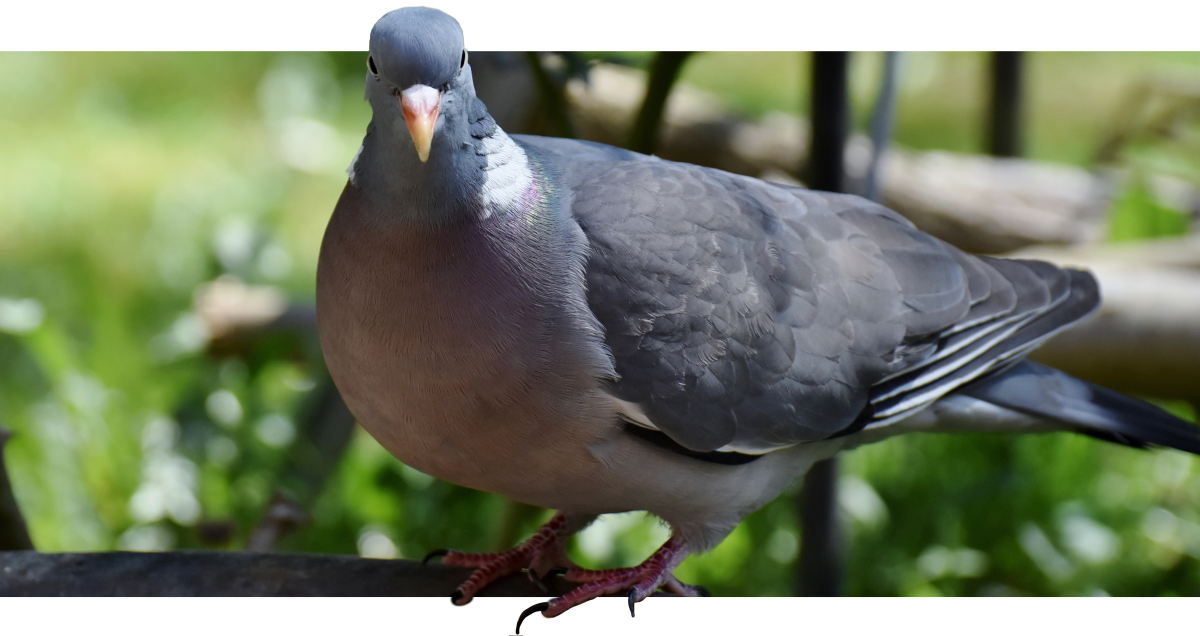
Woodpigeons are a major and increasing problem, with some growers estimating a 10-40% loss of yield in oil seed rape, peas, and brassicas*. Gas cannons are widely used to scare pests but are time-consuming to check and maintain. Now agri-tech company Greenstalk has developed a smart bird scarer that can be monitored remotely.
The smart bird scarer is fitted with a weather station and can be linked to a soil probe and other sensors, enabling it to transmit data over the internet. The farmer can then monitor all the information – and check the bird scarer is working as expected – via smartphone. It also uses ten times less gas, so is kinder to the environment.
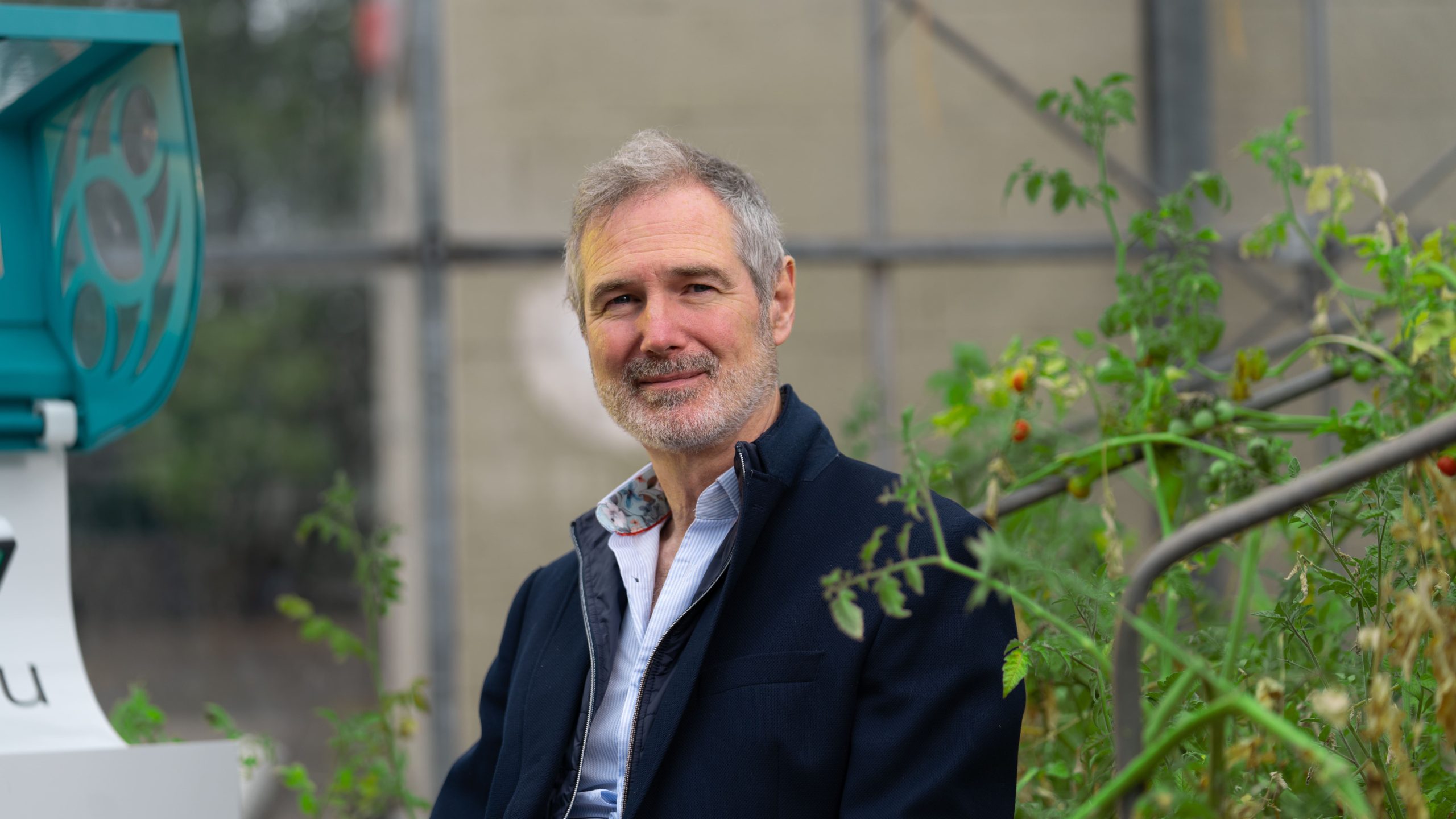
David Aarons explains: “Getting machinery, devices and sensors to talk to each other over the internet enables farmers to manage their operations more efficiently and make data-driven decisions.”
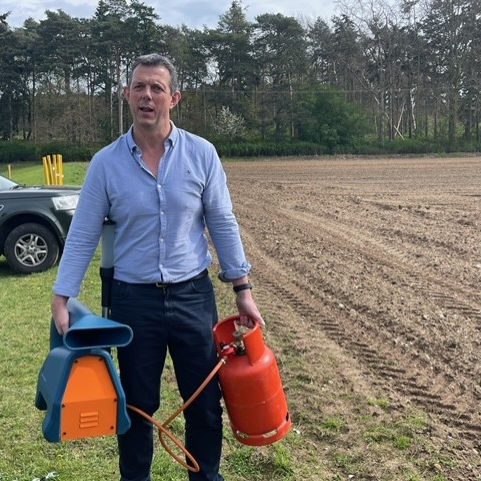
The smart scarer was born out of a conversation with Jamie Lockhart, Managing Director at Frederick Hiam, looking at ways to add functionality to existing farm equipment and collect data from ‘things’ – such as tractors, sprayers, irrigation systems, water tanks and weighbridges.
Jamie Lockhart explains that he had a ‘wish list’ of improvements he wanted to make at Frederick Hiam’s main farm, Brandon Fields in Suffolk, including upgrading an old weighbridge to prevent it from needing to be replaced, and introducing monitoring sensors with various functions across the site.
Greenstalk first upgraded the farm’s WiFi with a 10GB (superfast) fibre connection across the entire site, and from this the project grew incrementally.
Jamie says: “Many farmers are nervous about investing in new technology, but Greenstalk’s Internet of Things approach makes existing machinery smarter and more efficient. It is something we can adapt to work with so many applications, which is what makes it so exciting.”
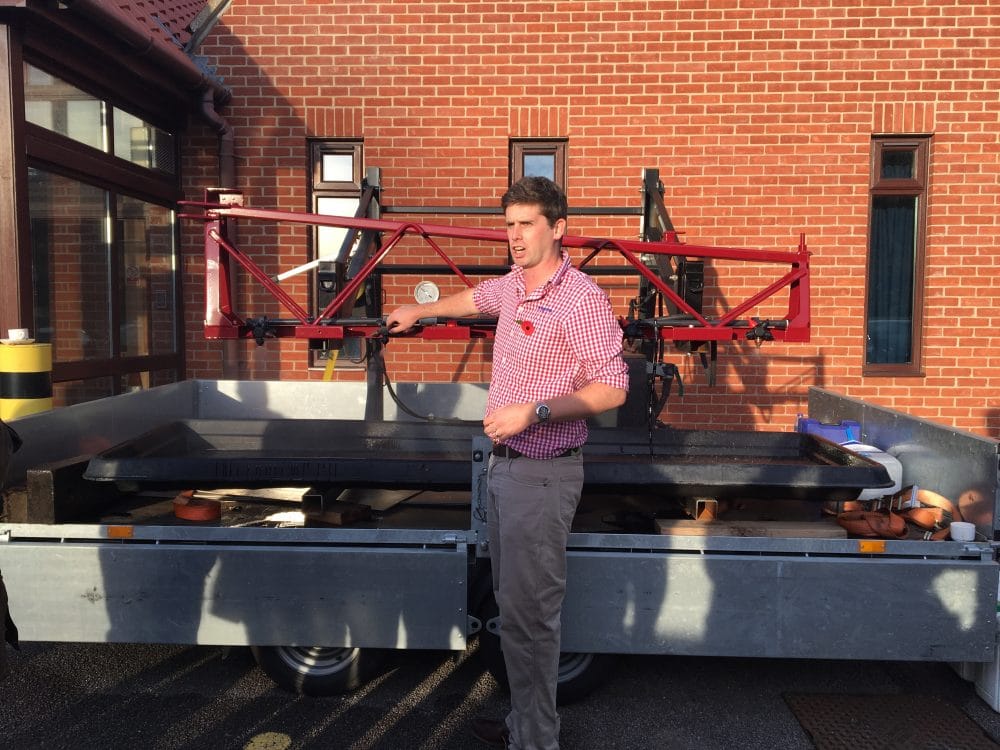
Jamie Lockhart (of Frederick Hiam) with the ‘gas gun’ project with Greenstalk
Greenstalk will be demonstrating how the Internet of Things can make legacy equipment smart in the Agri-TechE Innovation Hub at the Royal Norfolk Show 2024 on 26-27th June. The hub is sponsored by BBRO.
Get the latest agri-tech news, events and opportunities direct to your inbox
Groundswell 2024 – see us there
Agri-TechE Article
Agri-TechE
Groundswell 2024 will demonstrate just how far farming has changed. The Regenerative Agriculture Festival brings together farmers, environmental organisations and others in a productive conversation about sustainable agriculture.
Similar in format to a music festival, the event has many different stages, which are just as likely to feature commercial livestock farmers sharing their migration to Net Zero as evangelistic rewilders!
The event provides a forum to learn about the theory and practical applications of regenerative farming and is hosted by the Cherry family on their farm in Hertfordshire. John and Paul Cherry have farmed for over thirty years, converting their mixed farm to a no-till system in 2010.
Groundswell 2024 takes place at Lannock Manor Farm, Hertfordshire, SG4 7EE, on the 26th & 27th of June 2024. Tickets go on sale at 10am on 22nd April 2024.
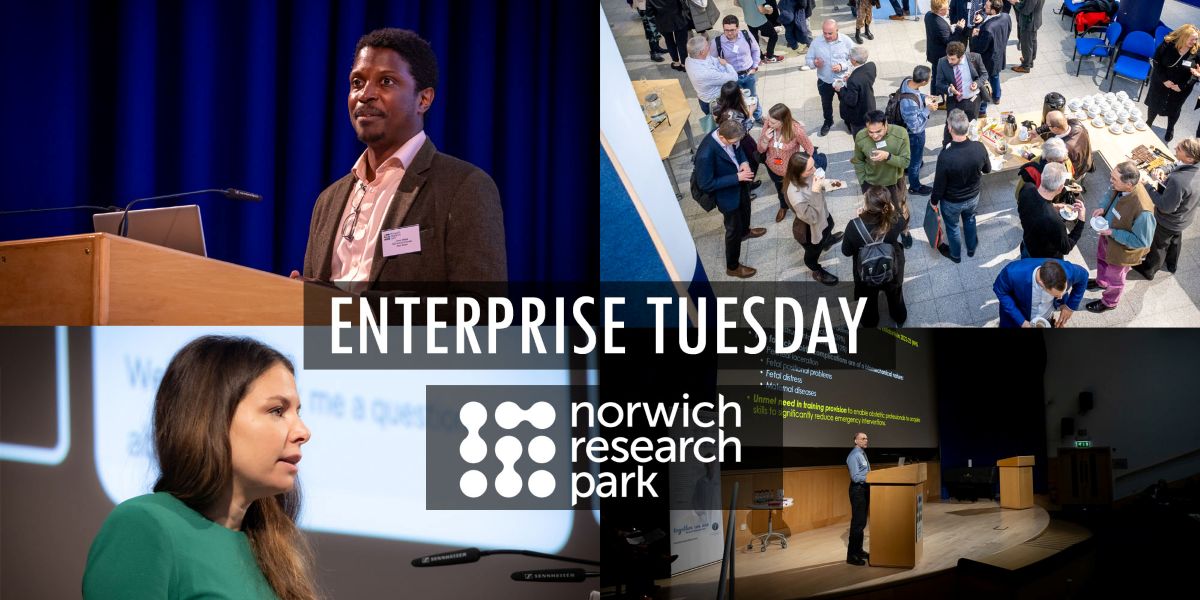
Agri-TechE will have a stand at the festival – number MS 3 which is in the Indoor Marquee Stands East, opposite the food court – and are taking part in the BASIS Knowledge Trail. Visit our stand and fill out a fun questionnaire to collect points! Many of our members will also have a presence – full details below. We look forward to seeing you there.
Agri-TechE members at Groundswell 2024 include:
ADAS: one of the UK’s largest independent providers of agricultural and environmental applied/strategic research and consultancy.
AF Group: one of the UK’s largest agricultural purchasing co-operatives working with thousands of farmers across the UK.
AHDB: a statutory levy board, funded by farmers, growers and others in the supply chain and managed as an independent organisation.
AngloAmerican: producing a low chloride, multi-nutrient fertiliser suitable for organic use that can boost crop yields and aid more sustainable farming.
Barenbrug: a leading grass breeder, producing more than 3,000 tonnes of UK grown grass seed each year, distributed to both amenity and agricultural markets through an efficient network.
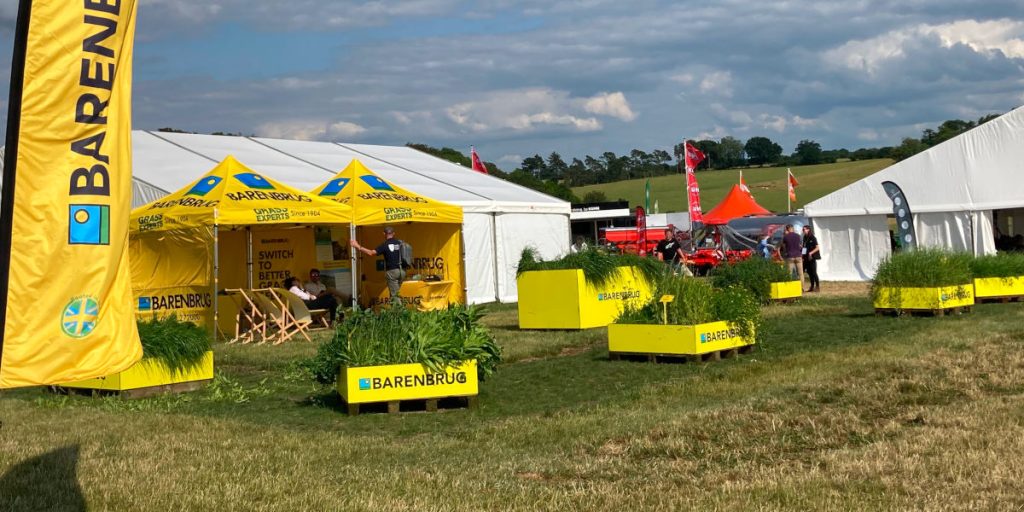
Barenbrug at Groundswell 2023
Birkett Long: specialist lawyers, patent attorneys, IFAs and HR advisers offering the full range of advice.
Brown & Co: leading provider of agency, professional and consultancy services across rural, commercial and residential property, agriculture and the environment.
Burleigh Dodds Science Publishing: providers of a database of curated scientific content to empower the agricultural community to build a sustainable future.
Cranfield University: recognised worldwide by industry, government and academe for its research and teaching in food biosciences, soil, digital and sustainability.
Eurofins AgriGenomics: a genomics services supplier with a wide range of tailored, high throughput genotyping solutions.
FramFarmers: providers of a purchasing, grain marketing and administrative function for 1,250 farming businesses across the UK, acting as an extension to individual farm offices.
Future Biogas: the largest producer of biomethane in the UK. It aims to design and operate the next generation of Anaerobic Digestion plants delivering Bioenergy with Carbon Capture and Storage (BECCS) while helping to decarbonise UK farming.
Hutchinsons: a leading agronomy company with over 200 arable and horticultural agronomists nationwide, providing growers with the highest standards of agronomic advice and an unrivalled range of services.
Map of Ag: the company’s Pure Farming data permissioning platform allows farms and industry to find, access, interoperate, re-use and above all control how and where their data is used.
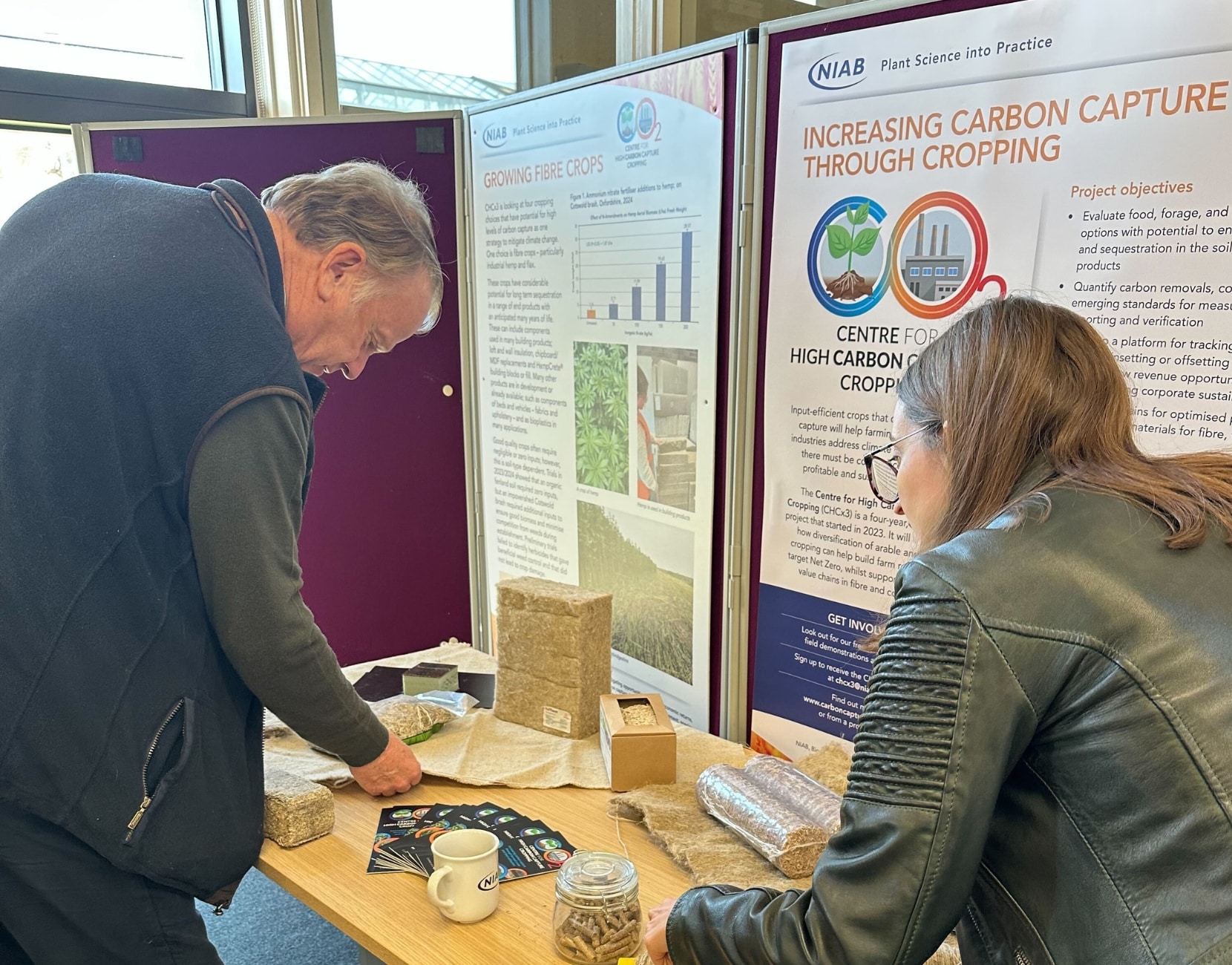
Niab: a major international centre for plant research, crop evaluation and agronomy – a unique national resource, with nearly 100 years of experience and an internationally recognised reputation for independence, innovation and integrity.
Niab at Groundswell 2023
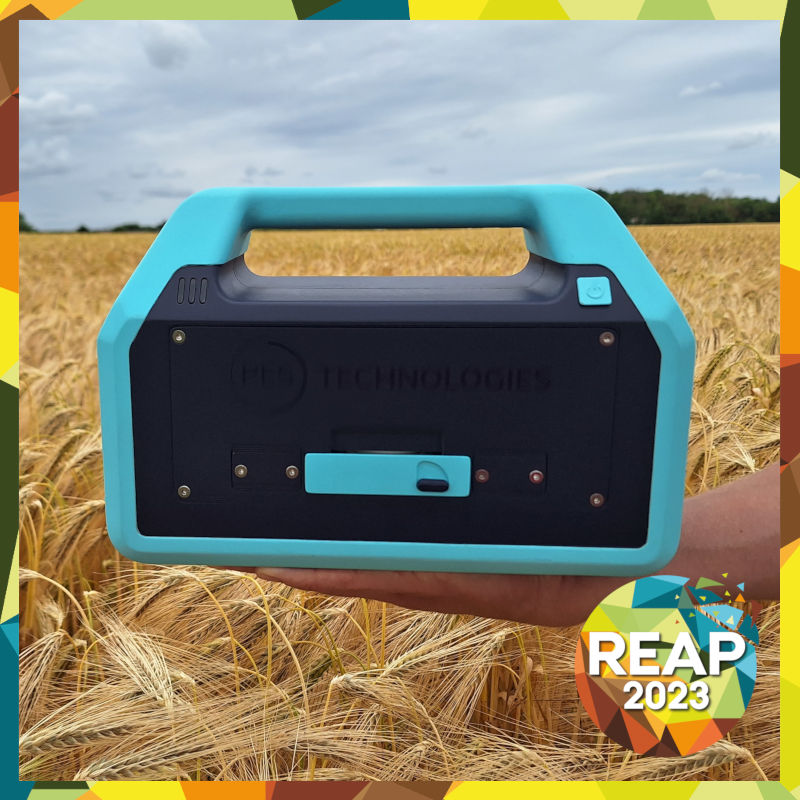
PES Technologies: soil health measurement tool provides biological, chemical and physical soil health indicators, including microbial biomass and soil organic matter content, in-field in five minutes, straight to your mobile phone.
Ponda: developing next-generation biomaterials from paludiculture crop typha, with the aim of connecting the creation of healthier textiles for the fashion industry to the urgent need for carbon locking land restoration.
Rothamsted Research: the longest running agricultural research station in the world, providing cutting-edge science and innovation for nearly 170 years.
Savills: a real estate services provider with an international network of more than 600 offices and associates, offering a broad range of specialist advisory, management and transactional services to clients all over the world.
Sentry: one of the largest national farming companies in the UK, with 20,000 hectares of land under cultivation for clients throughout the country, annually growing over 400,000 tonnes of local produce.
SRUC: Scotland’s Rural College provides education, research, and consultancy (through SAC Consulting) to create a natural economy fuelled by responsible use of the world’s natural resources.
Timac Agro: a specialist in plant and animal nutrition with extensive expertise in crop nutrition, soil conditioning and fertiliser efficiency, offering a specific range of fertilisers adapted to local soils and farmers’ needs.
University of Essex: bringing expertise in both plant science and and automation, giving businesses access to world-leading research, unlocking funding opportunities, and providing in-depth, evidence-led business advice.
University of Reading: provides world-class expertise and facilities in agri-tech, encompassing many disciplines across the whole University, with specialisms in crop and livestock science, sustainable land management, international development, and applied economics and marking.
Yagro: creator of a platform and tools with the aim of driving insight and productivity by making cutting edge data and analytics capability broadly available across the agricultural sector.
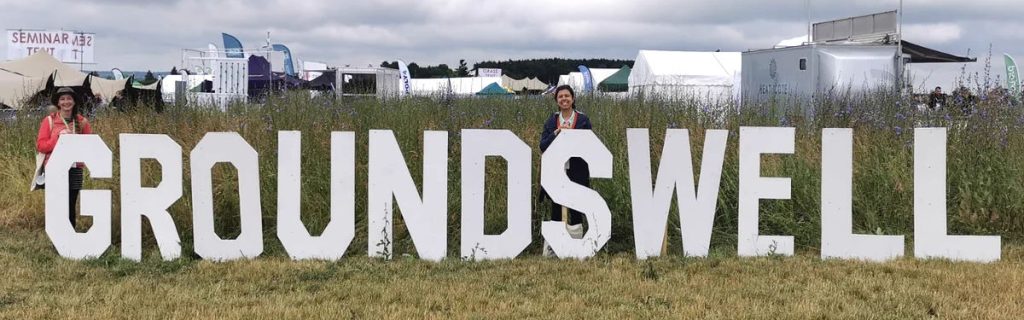
Groundswell 2022 [credit: Groundswell]
Post Overview
4th June 2024
Agri-TechE
Agri-TechE Article
Regenerative Agriculture
Share this Page:
Related Posts
Looking Ahead: Building Resilience After Another Testing Season
Get the latest agri-tech news, events and opportunities direct to your inbox
Innovation Hub 2024 at the Royal Norfolk Show
Agri-TechE Article
Agri-TechE
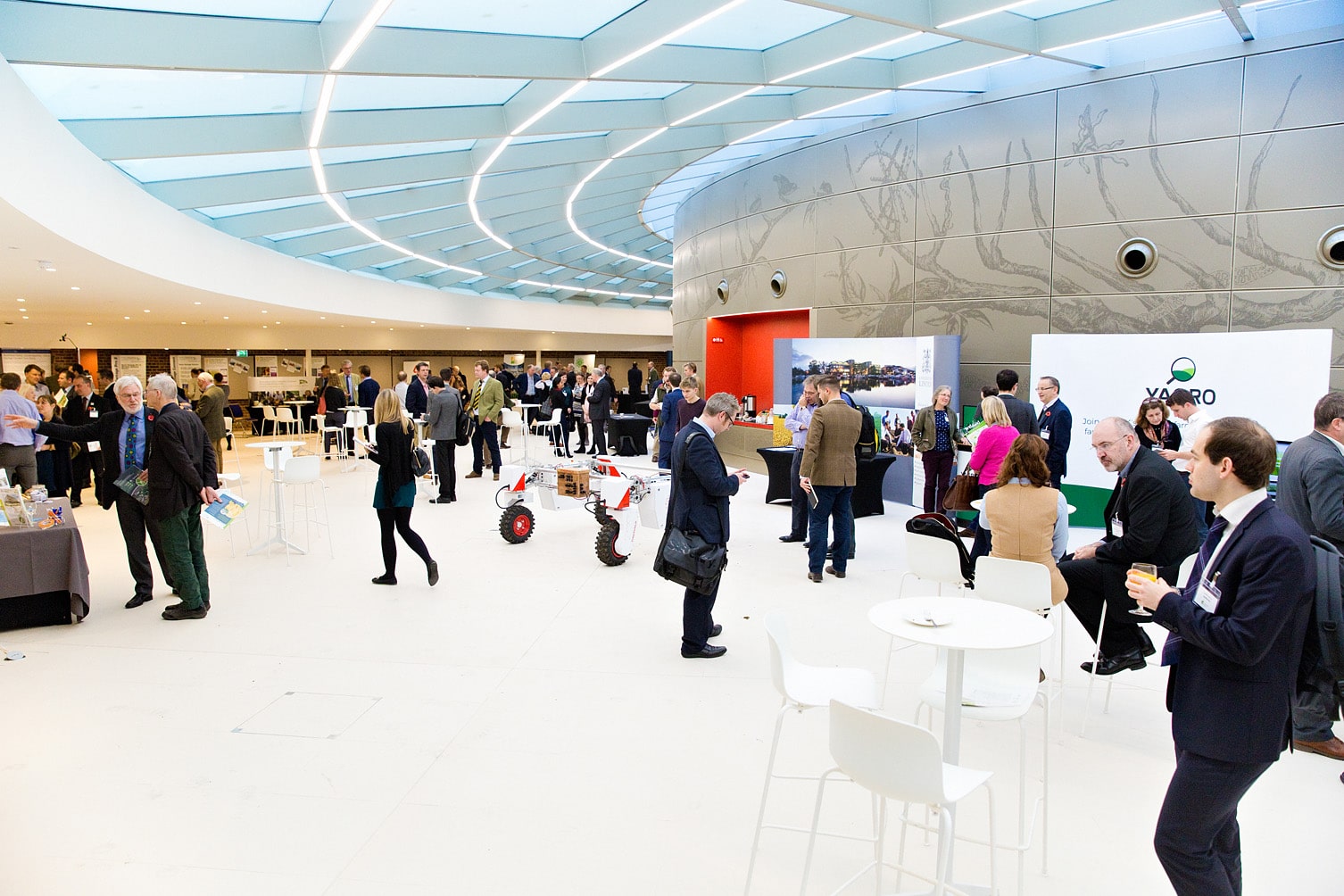
A robot firing light beams to kill weeds, a smart bird scarer, a novel way to reduce lamb loss, new tools in the fight against viruses, and alternative crops and water management for wetlands. These are just a few of the technologies and ideas being discussed in the Agri-TechE Innovation Hub at the Royal Norfolk Show (26 and 27th June 2024).
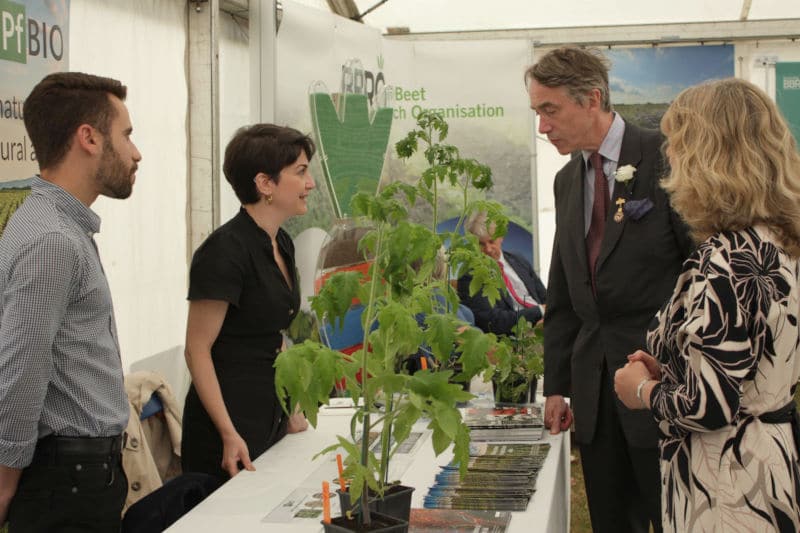
The hub is sponsored by BBRO and curated by the membership and networking organisation Agri-TechE .
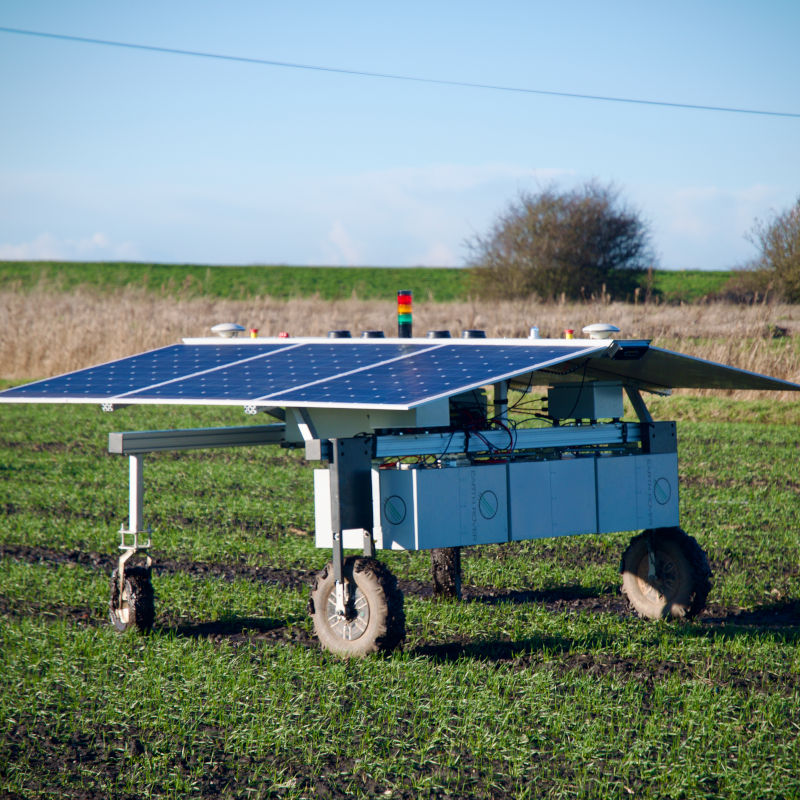
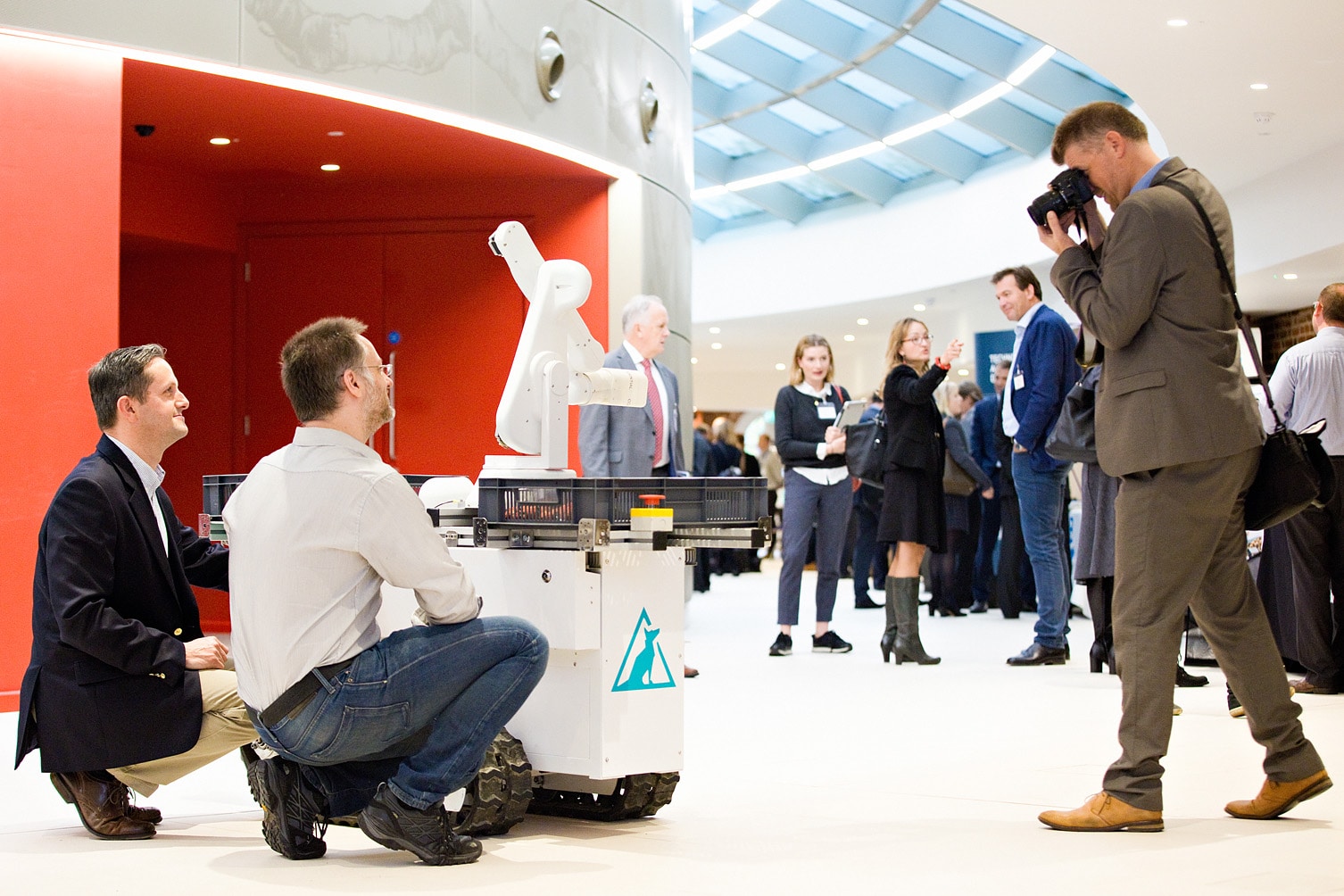
Pulsed light is being used to spot and kill weeds in commercial trials of the Concentrated Light Autonomous Weeding and Scouting (CLAWS) robot from Earth Rover.
The lightweight robot uses 3D cameras and advanced AI to monitor the crop and identify and destroy weed seedlings at an early stage, without the need for chemicals.
Reducing loss of lambs with genetic markers – 3CR Bioscience
49 percent of lamb mortality occurs within the first 48 hours after birth, which is devastating for farmers and economically impactful. A new tool, developed by 3CR Bioscience, is making it easier for breeders to detect recessive gene variations that can be lethal when present in both parents.
Smart water management for food and the environment – Broads Authority
As a record-breaking wet winter follows one of the hottest summers, the Broads Authority says smart water management could provide solutions.
Water tables remain high, creating difficulty for some crops, but with appropriate planning, permissions, and investment, this excess could be used as a supply for the dry summer periods.
There will be a discussion of the FibreBroads project. Read more.
Creating next-generation insulation from wetland crop plants – Ponda
Ponda is a biomaterials company developing novel textiles from truly regenerative fibres.
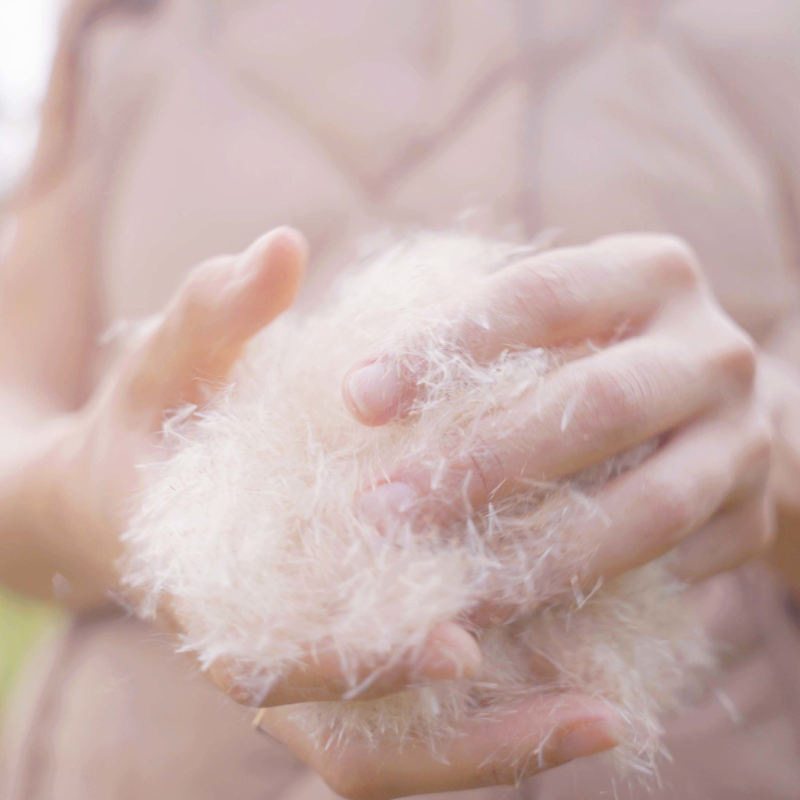
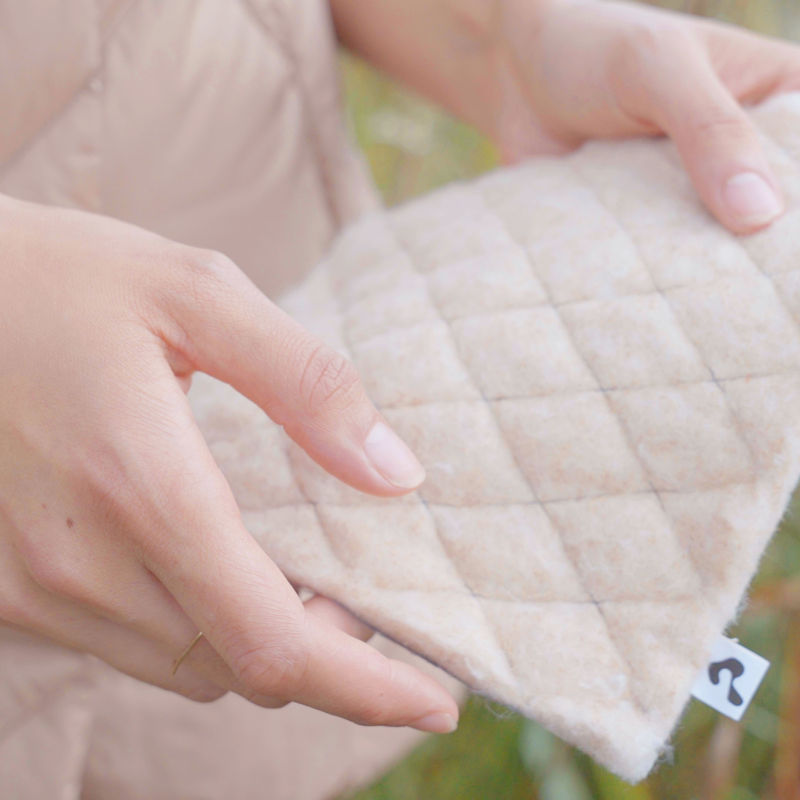
Its first product, BioPuff®, is a warm and naturally water-repellent alternative to feather and synthetic fillers. It is created by extracting fibres from plants, such as Typha, that are grown on regenerated wetlands.
Smart scarer overcomes the curse of the woodpigeon – Greenstalk
Woodpigeons cause a significant loss of yield. Gas cannons are widely used to scare pests but are time-consuming to check and maintain. Greenstalk has helped farming business Frederick Hiam Ltd to overcome this problem with a smart scarer that can be monitored remotely.
The Internet of Things solution enables data to be collected from tractors, sprayers, irrigation systems and water tanks and transmitted over the internet. This enables the farmer to monitor things in real-time via a smartphone and react quickly to problems.
Harper Adams will be showing their work in paludiculture, biodiversity net gain, and sustainability focused agri-tech.
It is increasingly becoming possible for farmers to monetarise the ‘natural capital’ associated with their businesses. Harper Adams University is partnering with Cranfield University to looking at how advanced remote sensing and modelling could allow landowners to monetarise and manage both high and low water flows in a catchment. Read more.
In future a range of environmental services such as nutrient removal, flood mitigation, habitat creation or peat re-wetting will become an established enterprise on many farms. To achieve this requires good metrics to measure and manage these assets, such as those being developed by Harper Adams. Read more.
Eurofins Agrigenomics is pleased to offer solutions for your breeding challenges, using genetic testing to enable you to reach your goals faster. Using state of the art technologies and mobile applications, they can help you shape your livestock for best meat or milk production, or your crop for greatest yield.
There is still a bit of space to squeeze in more exciting agri-tech so do contact us if you would like to participate.
Get the latest agri-tech news, events and opportunities direct to your inbox
Is holding water in the environment the secret to sustainable food production?
Meet the Network
Agri-TechE
As a record-breaking wet winter follows one of the hottest summers, the smart management of water resources is a key priority for sustainability. The Norfolk Broads, an ecologically vulnerable area stretching from south of Norwich to near the coast at Horsey, could provide some of the solutions.
Andrea Kelly of the Broads Authority comments: “The winter rain this year has more than topped up depleted groundwater, and water tables remain high, creating difficulty for some crops, fields, and farms.
“However, with appropriate planning, permissions, and investment these excesses could potentially be used as a supply for the dry summer periods.
“The Broads National Parks grass marshes and peatland fens are able to store this water in the environment and keeping the water levels high has other benefits. It can reduce land subsistence levels and also the amount of carbon that is lost when the peat dries out.”
Andrea Kelly
“It is estimated that for every 10cm increase in the water table, there is a corresponding reduction in emissions of three tonnes of CO2 equivalents per hectare,” Andrea continues. “In some areas, sub-irrigation of land with pipes and dykes can be used to maintain a high-water table.
“As some crops, such as celery, prefer a wetter soil, a small rise in the water table does not preclude growing essential food, but in some areas fibre crops such as thatching reed create lots more discussion about land use and public services.”
The Horsey Wetland Project
For marginal land not suitable for food crops it is possible to produce UK-grown fibre for the construction industry. These crops can have a dual role as they can filter and clean the water. The FibreBroads Project (June 2023 to March 2025) aims to overcome the barriers to achieving commercially viable paludiculture (profitable wetland crops), including the development of bio-based construction materials.
The Broads Authority is collaborating with partners including Cranfield University to develop a global model for water table management in the Broads with more precise models available for farms in the drained peat areas of the Broads.
Andrea says that they are working with Norfolk FWAG to engage with farmers to discuss methods for holding water in the environment.
Get the latest agri-tech news, events and opportunities direct to your inbox
Trials show CLAWS robot can accurately target weeds with killer beam
Meet the Network
Agri-TechE
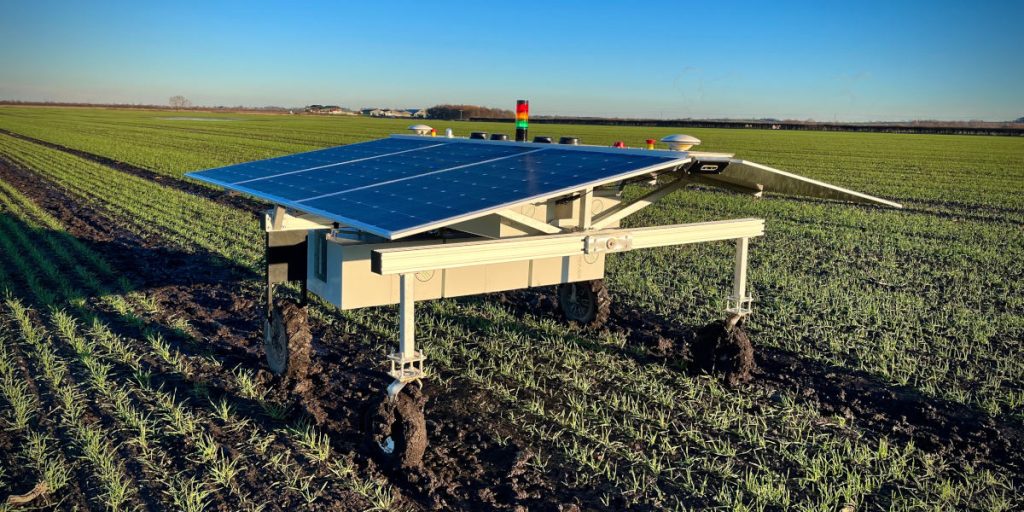
Pulsed light is being used to spot and kill weeds in commercial trials of the CLAWS (Concentrated Light Autonomous Weeding and Scouting) robot from Earth Rover. The lightweight robot uses 3D cameras and advanced AI to monitor the crop as well as identify and destroy weed seedlings at an early stage, without the need for chemicals.
Earth Rover Marketing executive Cristina García explains that CLAWS acquires its per-plant crop data by scanning the entire field, identifying and indexing each plant’s location and size. As processing is done ‘on the edge’ rather than in the cloud the scouting data is available in real time, offering incredible speed and accuracy.
CLAWS on-farm
Cristina says: “The robots are managed through a Farm Control and Intelligence System which generates a digital replica of the farm. This powerful tool enables growers to control CLAWS quickly and easily, and to use the data to enable a rapid review of critical information about the crops, including detailed maps, crop health status, and growth rates.”
CLAWS takes photos of the ground using its 3D cameras. Earlier field trials have confirmed that it is able to distinguish between crop plant and weed seedlings across a variety of crops. It uses a concentrated pulsed beam of light to target the growth point or meristem of the weed to kill it.
The pulsed light is safe as it dissipates after it reaches the target, unlike a laser which can bounce off something that is reflective such as a stone, glass or broken crockery. CLAWS can weed, scout, or do both simultaneously.
The high level of interest in trialling CLAWS in the 2024 season demonstrates the market pull for automation technology and the company sees the future as farmers having a fleet of robots providing 24/7 management of the crops.
The Earth Rover Team with CLAWS
Cristina continues: “Building on the success of last season’s trials, we are expanding the range of crops and enhancing the capabilities of the robot for this year and are collaborating with five growers across the season.
“We envision a future where CLAWS will become a standard tool on the farm, and the notion of robots working alongside farmers will become normalised, driving further innovation and advancement in agri-tech.”
Earth Rover welcomes expressions of interest in becoming a Pioneer for its 2025 field trials. Cristina invites growers to reach out via email at info@earthrover.farm. “We will be happy to arrange a call to discuss further.”
Get the latest agri-tech news, events and opportunities direct to your inbox
Ponda creating novel textiles from regen fibres and paludiculture
Agri-TechE Article
Meet the Network
Agri-TechE
Ponda is a biomaterials company developing novel textiles from truly regenerative fibres using paludiculture. It aims to connect the regeneration of some of our most precious ecosystems to the production of responsible materials for the textile industry.
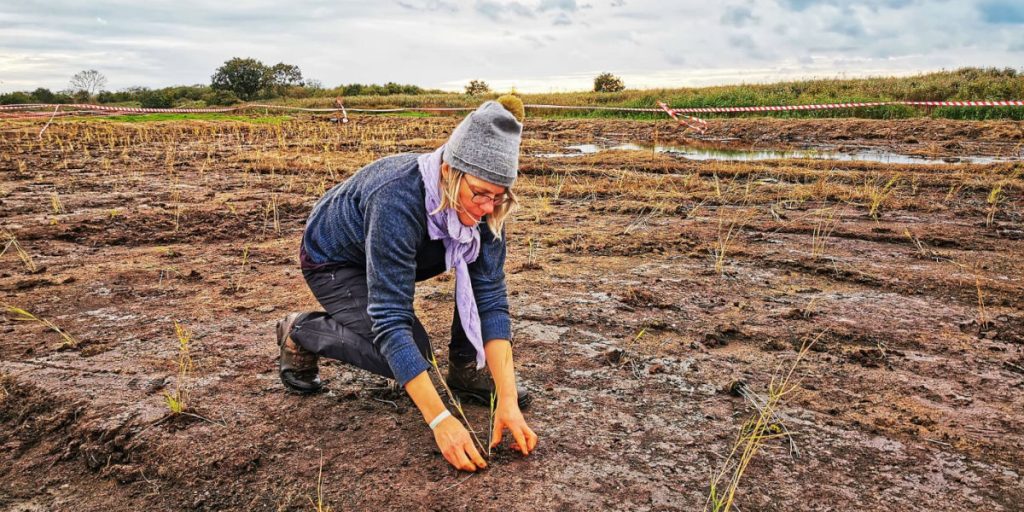
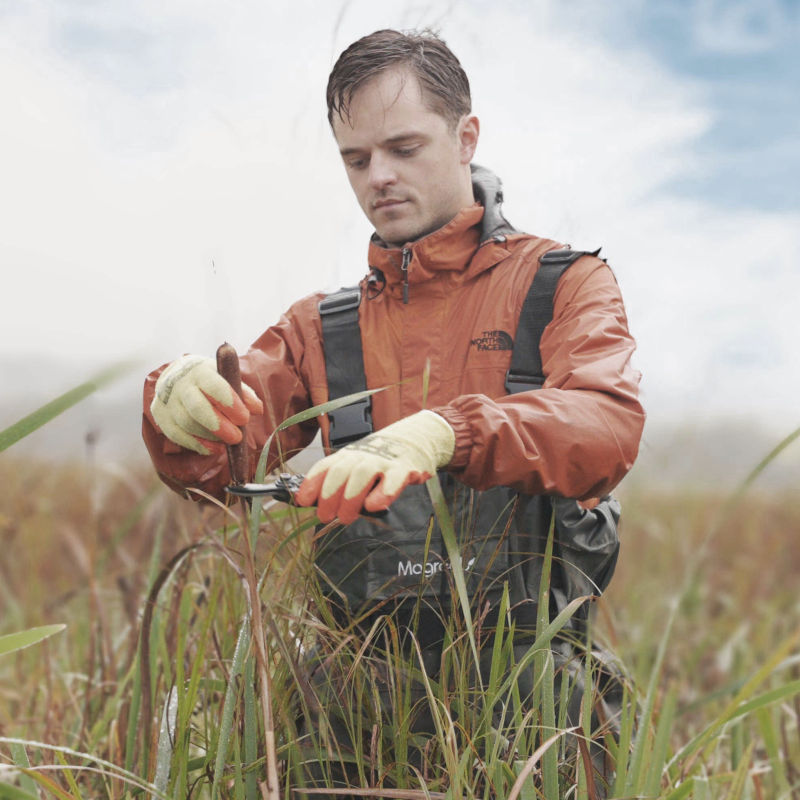
Ponda partners with farmers and conservation groups to regenerate wetlands by cultivating Typha Latifolia, a native, shallow-water, rhizomatous perennial plant. Thriving in freshwater or slightly brackish marshes, Typha proves to be an ideal, low-maintenance crop for wetland restoration. Farming under these conditions is defined as paludiculture.
Ponda has patented a fibre extraction method to harness the seed head fibre, transforming it into a valuable insulation material for the textile industry.
Q Where did the idea for Ponda come from?
Ponda‘s origins lie in a thorough examination of materiality, addressing environmental challenges in the fashion industry. Much of the industry’s footprint originates from material choices at the beginning of the supply chain. We aimed to explore new fibres in this space. Moreover, brands and manufacturers are seeking novel, regenerative materials to replace existing, damaging textiles. Conversely, drained wetlands, often a consequence of conventional agriculture, now contribute to 5% of global CO2 emissions. These wetlands are amazing ecosystems that store twice the carbon of all trees combined and serve as habitats for 50% of all animal species. Our goal was to create a link between these worlds, where each side could benefit the other.
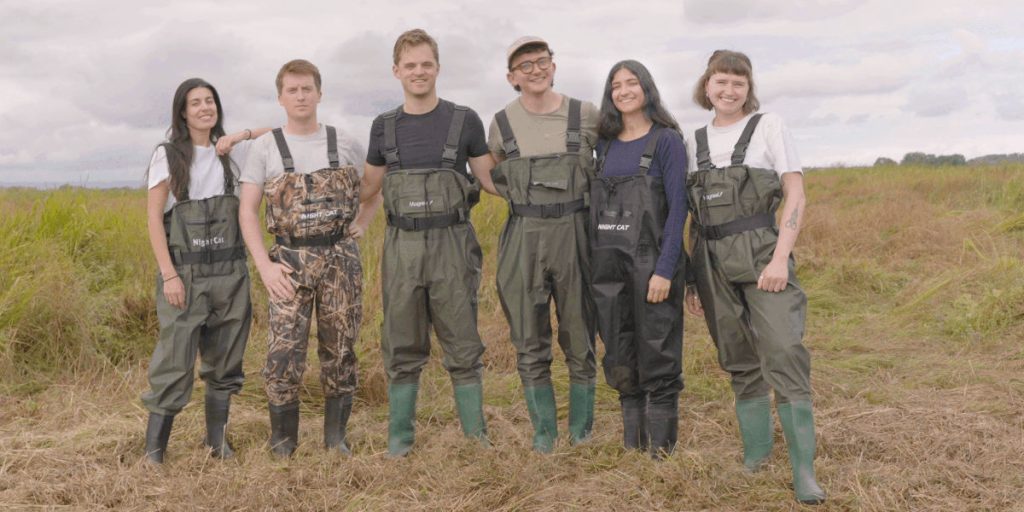
Our team comprises individuals united by a shared commitment to effecting positive change on a global scale. Originating from a Master’s course in Innovation Design Engineering, jointly offered by the Royal College of Art and Imperial College London, the founding team conceptualised an idea that was then turned into a company. We began as teammates and, over the years, developed a strong friendship.
Previously known as Saltyco, we underwent a rebranding process in the past year, emerging as Ponda. The name “Ponda” is derived from “Pond” and “Agriculture,” symbolising our focus on revitalising wetland ecosystems within farmed landscapes. Our regenerated wetland farms serve as expansive ponds brimming with biodiversity, fostering climate resilience across our environment.
Q. Why typha? Is a good substitute for something that is less environmentally friendly?
Typha was a natural choice for us due to its remarkable efficacy in wetland restoration. Our first product, BioPuff®, exemplifies this synergy between sustainable materials and environmental regeneration. Beyond providing warmth, BioPuff® actively contributes to enhancing biodiversity, capturing carbon, and fortifying the resilience of our industry. By significantly reducing reliance on conventional fillers, BioPuff® represents a leap forward in insulation technology. Its exceptional warmth, natural water repellency, and puffiness make it a great choice. Moreover, BioPuff® upholds ethical standards, being cruelty-free and fully traceable from plant to puffer. When compared to conventional materials, BioPuff® offers exceptional warmth, suitable for a wide range of temperatures, from chilly autumns to moderately cold winters.
Q. There is lots of clothing waste that could be recycled, and peatlands can be used for growing food – how would you justify the use of peatlands for clothing?
While textile recycling is a positive step in reducing waste, it’s insufficient to tackle our broader challenges. Issues like limited supply, quality concerns, and the environmental impact of recycling highlight the need for more comprehensive solutions. Regenerative practices such as paludiculture are crucial for advancing sustainability objectives.
When considering the use of peatlands for clothing production rather than food production, it’s essential to strike a balance that prioritises sustainability and resource efficiency. By repurposing peatlands for textiles, we can diversify land use, alleviating pressure on traditional agricultural areas and strengthening the resilience of food systems. Nevertheless, careful planning is essential to ensure that clothing production does not compromise food security or degrade vital ecosystems
Moreover, the cultivation of Typha Latifolia emerges as a key strategy for peatland restoration. Typha’s unique ability to absorb nutrients from water addresses growing concerns about water quality, making it an invaluable asset in ecosystem management. This sustainable solution not only sequesters carbon and supports biodiversity but also sustains farmers’ livelihoods through paludiculture practices.
Q. What are you wanting to achieve at the Royal Norfolk Show – if farmers are interested in growing typha what are the next steps?
The outcome of our exhibition aims to raise awareness about regenerative agriculture practices and their beneficial effects on modern farming. Through our exhibition, we strive to enlighten not just the public but also policymakers about the potential of regenerative methods in shaping the future of UK agriculture. Moreover, we aim to actively involve farmers, igniting their curiosity in Paludiculture techniques during the event. Our ultimate aim is to cultivate partnerships with interested farmers after the show, facilitating the exploration and adoption of Typha cultivation and other Paludiculture initiatives.
Get the latest agri-tech news, events and opportunities direct to your inbox
Harper Adams is supporting farmers monetarise natural capital
Agri-TechE Article
Meet the Network
Agri-TechE
It is increasingly becoming possible for farmers to monetarise the ‘natural capital’ associated with their businesses. Harper Adams University is focused on the tools, relationships and skills to develop the monetarisation of a range of environmental services.
Since April 2024, it has become compulsory, with only a few exceptions, for developers of residential and commercial projects to enhance biodiversity by at least ten percent – already some local authorities have increased this to 20%. This Biodiversity Net Gain (BNG) is a measurable improvement for wildlife, and it can be achieved either on-site, offset, or through purchasing statutory ‘Biodiversity Credits’ that will be used to create habitat projects in the future.
Every development project will need a BNG plan to gain approval, but the calculations are complex. Harper Adams University is working with Legacy Habitat Banks to develop the tools and approaches needed to support calculations of BNG as well as to build ecological skills in specialists and other adjacent professional roles to ensure the opportunities that BNG offers are optimised both financially and environmentally.
The UK Habitat Classification is the official description and grading of habitats and feeds into the statutory Biodiversity Metric, the standard method of baselining biodiversity. However, these are difficult for non-specialists to interpret.
Scott Kirby, Harper Adams University
Scott Kirby, Agriculture and Sustainability Consultant at Harper Adams, comments: “There are real opportunities emerging for landowners to develop alternative income streams through the provision of ecosystem services and public good. Some markets like BNG are underpinned by legislation and are developing rapidly. However, they need to establish a 30-year commitment with the developer that takes into account the opportunity cost of any alternative uses for that land.
“Other services such as Carbon sequestration lack the regulatory governance and are developing in a more complicated voluntary environment with a myriad of options.
“At Harper Adams we are especially interested in horizon scanning for other ecosystem services that landowners may be able to develop. A recently established project partnering with Cranfield University is looking at how advanced remote sensing and modelling could allow landowners to monetarise and manage both high and low water flows in a catchment.
“We see a future where a range of environmental services such as nutrient removal, flood mitigation, habitat creation or peat re-wetting become an established enterprise on many farms.
“To achieve this requires good metrics to measure and manage these assets, such as those being developed by Harper Adams.”
Get the latest agri-tech news, events and opportunities direct to your inbox
3CR Bioscience reduces loss of lambs through rapid ID of genetic markers
Agri-TechE Article
Meet the Network
Agri-TechE
49 percent of lamb mortality occurs within the first 48 hours following birth*, which is devastating for farmers and economically impactful. A new tool, developed by 3CR Bioscience, is making it easier for breeders to detect recessive gene variations that can be lethal when present in both parents.
Differences between individuals of the same species are known as traits and may result from particular sequences in the animals’ DNA. New tools developed by 3CR Bioscience for genotyping are making it easier for breeders to identify these sequence variants and select animals, or plants, with improved qualities and greater resilience to disease or environmental stress. This is key to increasing food security.
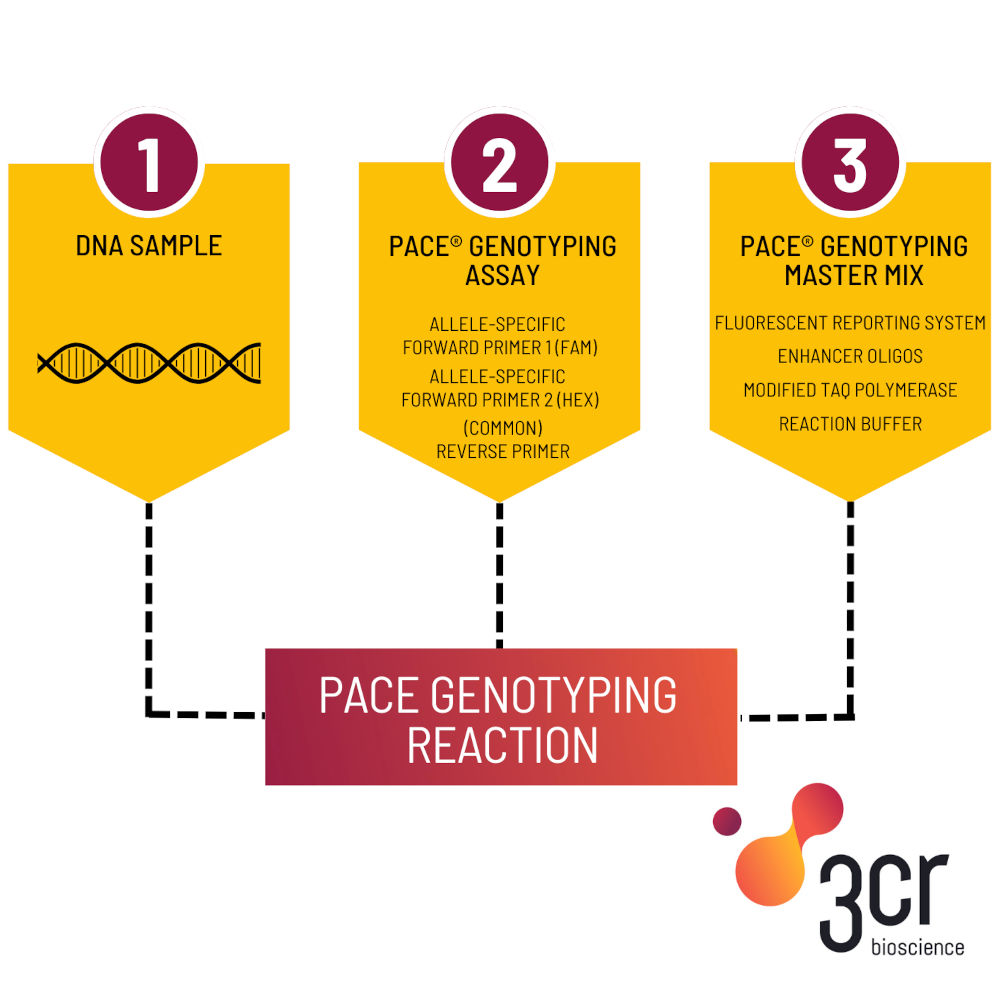
3CR Bioscience is a leader in PCR genotyping technology and has developed a patented range of reagents (PACE®) and tools that can accelerate many applications in plant and animal breeding. This includes marker-assisted breeding, pathogen detection, and gene editing, which can significantly reduce both time and costs for the breeder.
Dr Sarah Holme
Dr Sarah Holme of 3CR Bioscience explains: “DNA sequence variants called SNPs (Single Nucleotide Variants) act as useful biomarkers for breeders.
“3CR Bioscience offers a suite of productivity tools for SNP genotyping and has developed a patented range of PCR reagents (PACE®) for replicating the desired section of DNA for analysis.
“With these tools and reagents, breeders can quickly validate markers, implement genomic selection, and conduct marker-assisted selection, thereby identifying and selecting animals with desirable traits more rapidly.”
Overcoming loss of lambs
A recent project has used PACE PCR genotyping to reduce early loss of lambs in French dairy sheep**.
High mortality rates are attributable to a variety of genetic and environmental factors. Some recessive genomic variants are known to be lethal if they are present in both the ram and the ewe.
A team at INRAE in France used PACE PCR to identify these causal variants in multiple key genes. With this knowledge, it will become possible to improve the selection of rams and improve lamb survival rates.
Sarah continues: “The speed and accuracy of PACE genotyping facilitates the rapid analysis of large numbers of animals, this aids the understanding of genetic relationships for animal health as well as evolutionary patterns, and conservation efforts.”
3CR Bioscience is talking about SNP genotyping in the Agri-TechE Innovation Hub at the Royal Norfolk Show 2024 on 26-27th June. The hub is sponsored by BBRO.
Get the latest agri-tech news, events and opportunities direct to your inbox
BBRO raises a ‘wall of yellow’ against a virus set to reduce yields by 30%
Agri-TechE Article
Meet the Network
Agri-TechE
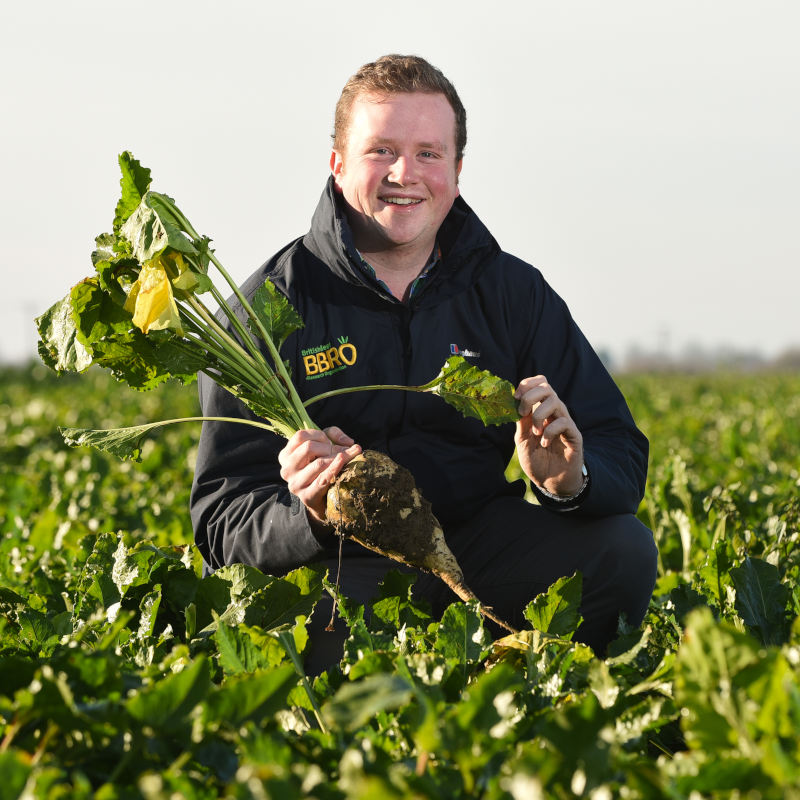
It is estimated that there will be yield loss of 30-50% for sugar beet growers this year due to a resurgence in Virus Yellows, a disease spread by peach potato aphids. BBRO is working hard to find alternatives to the neonicotinoid seed treatments that have historically been used to protect the crop.
Dr Alistair Wright says the organisation will be showing a ‘Wall of Yellow’ in the Innovation Hub at the Royal Norfolk Show. It will demonstrate advances in seed breeding aimed at finding varieties of sugar beet that are tolerant or resistant to this devastating viral disease.
He says: “Virus Yellows is transmitted by aphids, which – due to our mild winter – have been able to overwinter along with the virus.
“For 2024 the Virus Risk Forecast predicts infection rates without protection to be 84%; therefore, the sugar beet industry has been authorised to use a neonicotinoid product (CruiserSB). However, we are trying a host of different approaches to avoid this in the future.”
Dr Alistair Wright
A Virus Yellows Taskforce was set-up in 2023 to ‘supercharge’ the research in this area, and work includes: investigating the development of mature resistance to the virus in aphids; push-pull strategies to draw the aphids away from the crop and into flowering or brassica strips; coloured dyes to divert the aphid away from green shoots; testing for virus tolerance/resistance in existing varieties; and gene editing.
Dr Wright continues: “The change in law has opened up opportunities to explore gene editing and we are a sub-partner in a new Innovate UK project between British Sugar, Tropic BioScience and The John Innes Centre.
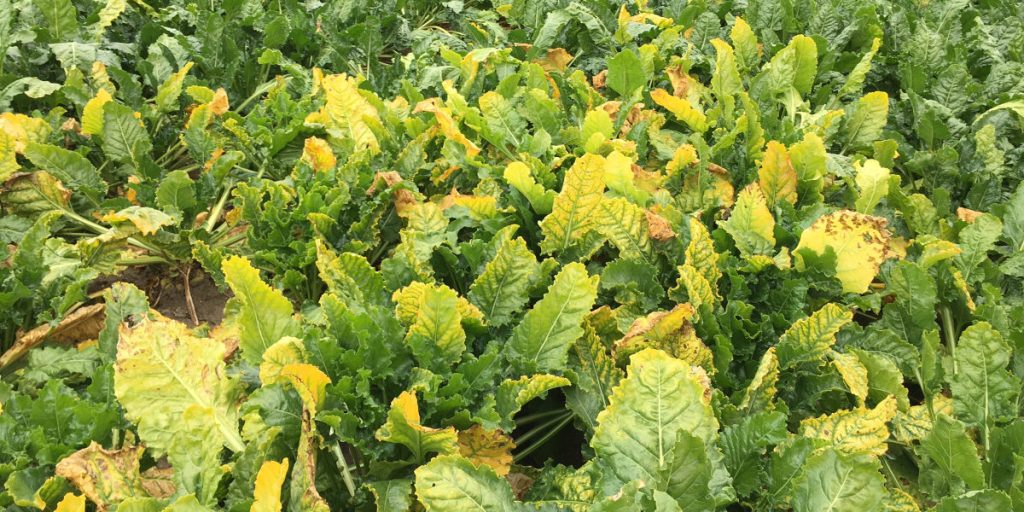
Virus yellows infected plants in-field
“This work will be ground-breaking when it is commercially available – but this is still a long way off. Any advancements made will have to go through rigorous testing before entering a breeding programme. But this could finally give our crop immunity to the Virus Yellows complex”.
Sugar beet production is a vital part of Norfolk’s agricultural economy, with more than half of the UK’s national crop processed in the county each year. The crop offers an opportunity for farmers to break up pest and disease cycles on their farms, such as black grass. The crop also helps to break up workloads on-farm as it is sown in the spring and harvested in autumn and winter, whilst also providing a vital habitat and food source to migrating birds such as pink-footed geese.
Get the latest agri-tech news, events and opportunities direct to your inbox
Sustainability in Action ECIF Conference – The Future of Farming
ECIF
Agri-TechE
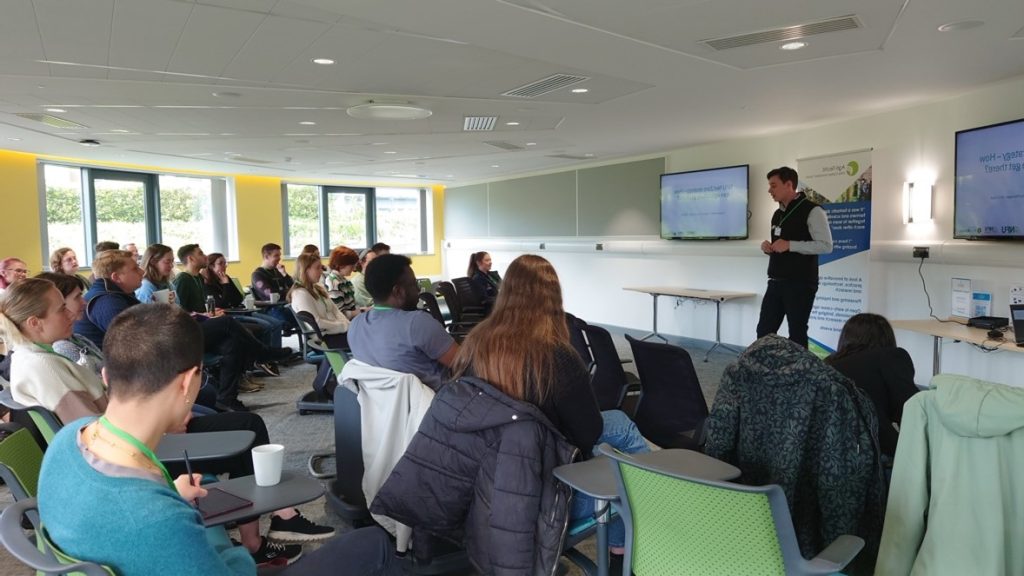
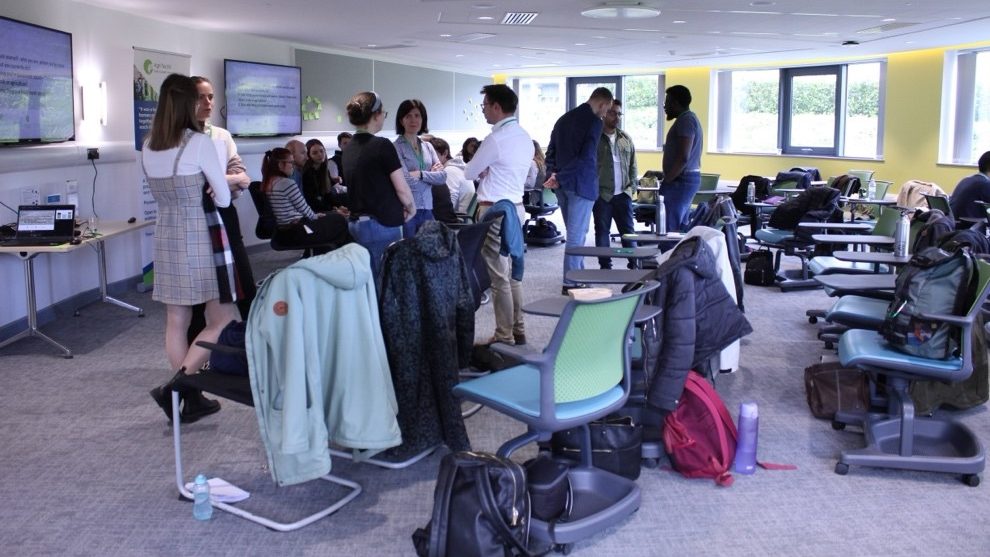
In April 2024, ECIF hosted its annual conference, this year titled ‘Sustainability in Action’. The conference featured presentations from industry leaders, a fun speed-dating session for networking, and a tour of the world-renowned Long Term Experiments at Rothamsted Research.
Designed to cater to recent graduates and early-career professionals from diverse backgrounds such as research, agronomy, engineering, and farming, the event aimed to equip attendees with insights, knowledge, and connections to drive sustainable practices in agriculture.
Gabby Hart, Customer Executive at Yagro, shares what she learned and what inspired at the ECIF Conference. Gabby has actively engaged in a number of ECIF activities that, including this blog, has earned her a Silver certificate of ECIF participation (the first we have awarded since the programme began in September 2023!).
Gabby’s take on the ECIF Conference
A brisk, damp day in April 2024 welcomed a group of early-career individuals to the Rothamsted Research site in Harpenden. We delved into the realms of sustainability in agriculture, shared our experiences and knowledge, and were invited to explore the well-renowned Rothamsted trials.
Keeping Carbon Neutral
We began the day with a variety of presentations from sustainability experts and pioneers in the industry. Charles Hesketh of the NFU spoke about their Net Zero strategy, aiming for net zero greenhouse gas emissions from the agricultural industry in England and Wales by 2040. In particular, they discussed their three pillar approach to achieve this: productivity improvement, farmland carbon storage, and bioeconomy-based measures.
We then heard from Megan Tresise at ADAS, who educated us on their YEN Zero network, and how they provide bespoke analysis for their net-zero community of growers who want guidance on how they can reduce their carbon emissions on farm. Next, Beatrice Guthrie from Holkham Farming Company informed us of their practices and how they use rotation strategies and soil health to improve their carbon footprint, highlighting the importance of figure-backed decision-making and using data as a tool for performance.
As someone with a keen interest in data, I found these talks captivating and inspired about the future of farming. I found myself considering how, as an industry, we all must unite in this movement towards sustainability, and we need to equip our farmers with as many tools as possible to guide them through this shift.
The New Generation of Tech
James Miller at Earth Rover astounded us with their impressive tech, ‘CLAWS’ (Concentrated Light Autonomous Weeding & Scouting), which uses concentrated light to eliminate even chemically resistant weeds, without the use of herbicides or tilling. In turn, this improves soil health and makes the process far more efficient, as well as being free from greenhouse gas emissions.
Following this, Casey Woodward at AgriSound excited us with their unique sensor device, ‘Polly’, which monitors pollinators to help protect and enhance insect biodiversity, as well as providing bespoke reports for easy understanding. The concept of this new generation of tech is staggering, and it was intriguing to think about the endless limits of what is to come with advancements in AI and machine learning.
Meet & Mingle
Following an academic morning, we had the chance to connect with others, over lunch, in groups, and individually. As someone who is fascinated by learning, it was eye-opening to hear about so many backgrounds, topics, discoveries, projects, all in one industry. I was grateful to get a glimpse of different things occurring throughout the farming industry, as without this, I would have never known the scope outside my bubble.
Meeting so many like-minded people and broadening my horizons was a great opportunity to build connections in the agricultural world. Coming from a strictly customer service background, speaking to others reassured me that I can become an expert in anything!
The Oldest Agronomic Trials in the World
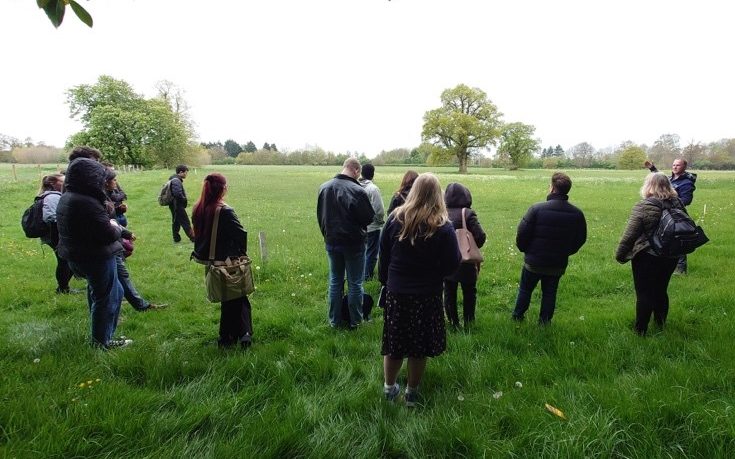
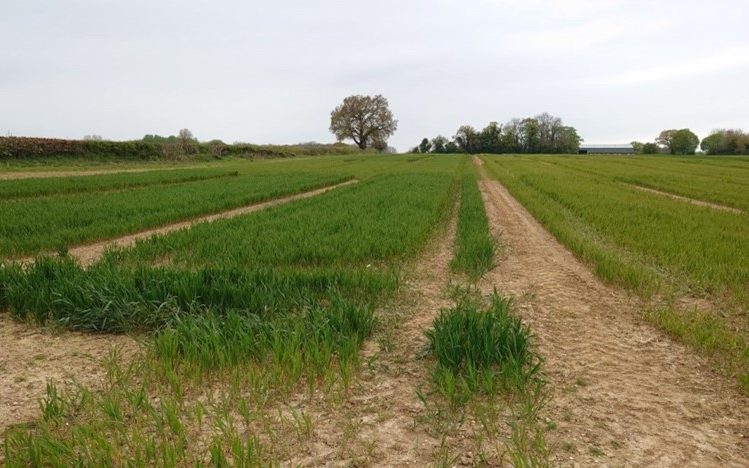
We were very fortunate to be granted a tour of the Broadbalk and Park Grass long-term experiments, which have been conducted since the mid-1800s. Despite the bitter weather, we waded through the fields, led by knowledgeable individuals working on the site, who provided us with a fountain of expertise on the trials.
I found it astonishing that these experiments have continued more or less as originally planned, with minor tweaks only being made to ensure they remain relevant and that the most appropriate methods are being applied. I felt privileged to be able to visit and indulge in information about such a famed research site.
The Early-Career Innovators’ Forum (ECIF) is a platform uniting early career individuals passionate about agricultural innovation.
Join the ECIF Programme to enhance your knowledge and network in agriculture, and to attend free activities, including research, farm and industry visits, an annual conference, and professional skills webinars. Explore more about ECIF and how to join here.
Post Overview
30th May 2024
Agri-TechE
Agri-TechE Article
Early Career Innovators' Forum
Events
Share this Page:
Related Posts
‘From Farmer to Pharma – and Beyond – with Medicinal Cannabis and Industrial Hemp ‘ Event Report
Get the latest agri-tech news, events and opportunities direct to your inbox
Andalucía Agri-TechE Mission opens for applications
Agri-TechE Article
Agri-TechE
The rugged hills of Andalucía are well known for their sunflower fields and olive groves, but this diverse region in the southernmost tip of Spain is also a major exporter of strawberries and tropical fruits and home to more than 50% of Spain’s organic livestock farms.
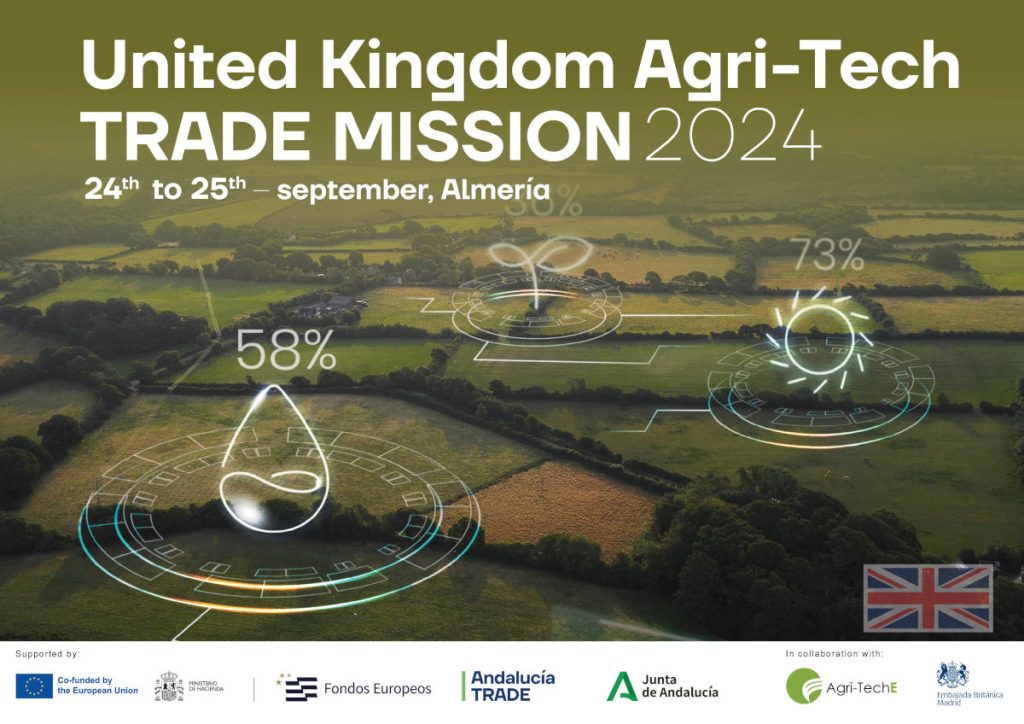
Agri-TechE has teamed up with Andalucía TRADE and the British Embassy in Madrid to organise a trade mission to Almería that will provide an insider’s introduction to the region.
Fernando Ferrero, International Director of Andalucía TRADE (Agency for Economic Development & Transformation of Andalucía, Spain), says that the mission will provide an opportunity for mutual exploration of the opportunities in both countries.
“Agricultural activity is a major source of employment in the region, and it is supported by a wide range of university undergraduate courses specialising in agri-food. This provides access to a skilled and qualified workforce.
“There is also the benefit of a rapid distribution network to Europe and ease of access to this market for innovations.”
Included in the mission is a tour of TECNOVA Innovation Centre with its facilities for validation of greenhouse and Controlled Environments technologies and development of post-harvest services and nutritional analysis.
Laura Bouvet, Knowledge Exchange Manager at Agri-TechE , comments: “This is an exciting opportunity to gain a better understanding of this region which is looking for technologies in smart irrigation, biologics, advanced breeding technologies and controlled environments.”
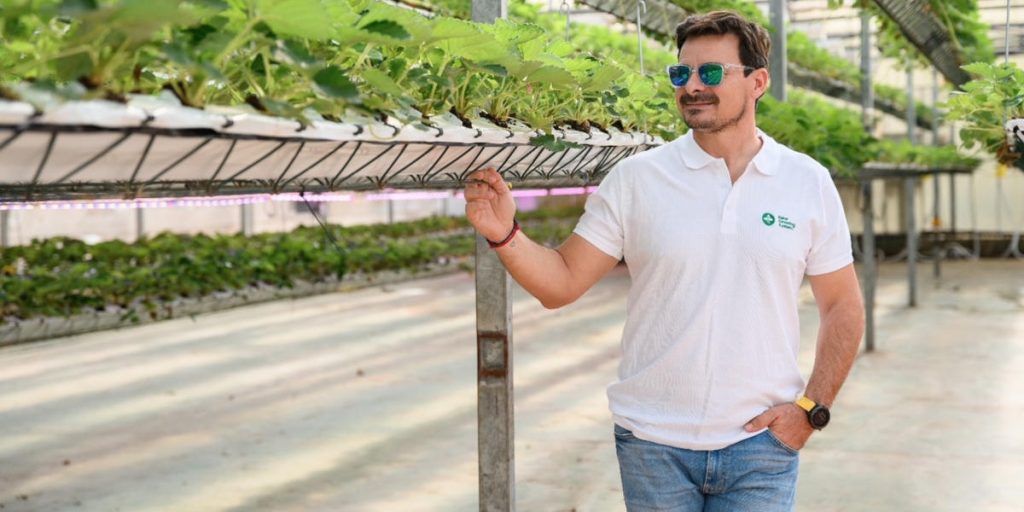
Agri-TechE member New Growing System originates from Andalucía; Guillermo Baquero, NGS’ Business Development Manager, says: “This mission will help to create closer links and understanding; I am delighted that Agri-TechE is helping to facilitate this knowledge exchange.”
Guillermo Baquero, New Growing System
To apply: AndalucíaMission 24 – 25 September 2024
This trip will give you the opportunity to learn about the Andalucía Agri-tech Industry, hold B2B meetings with Andalucía based companies and take part in guided tours around innovation centres and farming projects.
The cost of flights and accommodation will be covered by Andalucía TRADE. Flights from the UK to Spain will take place on Monday 23rd September, with return flight on Thursday 26th.
There are limited places on this mission so do apply promptly – closing date 7th July 2024.
The views expressed in this Member News article are the author's own and do not necessarily represent those of Agri-TechE.
As a long-term privately owned family business, Bedfordia Group has a strong commercial history of entrepreneurial activities across a wide range of sectors, including farming, anaerobic digestion, property, automotive dealerships (BMW and MINI) and related ventures.
Following a strategic review of the future management of its large-scale arable farming activities; the Group has decided to ‘partner in business’ with Velcourt Ltd under a Contract Farming Agreement (CFA).
John Ibbett of Bedfordia Group said: ‘Anyone within the farming community, however big or small, is facing an ever-turbulent external environment where it’s no longer a case of ‘business as usual.’ The ability to innovate and adapt to change will be key to remaining fit for the future. Our long-standing values of building strong collaborate relationships and striving for excellence make for a great fit with Velcourt. We are confident in our choice of partner and are looking forward to working together to advance our farming operation. We are excited for the future!’
Commencing 1st November, a newly appointed Velcourt Senior Farm Manager will take on the day-to-day management of the estate’s arable land, overseen by Ian Smith as Velcourt Farms Director (Midlands), previously the MD of Bedfordia Farms. Bedfordia Farms are pleased that its Milton Parc offices will also serve as a new regional hub for Velcourt, with both parties focussed on delivering long-term success and positive impact.

 Agri-TechE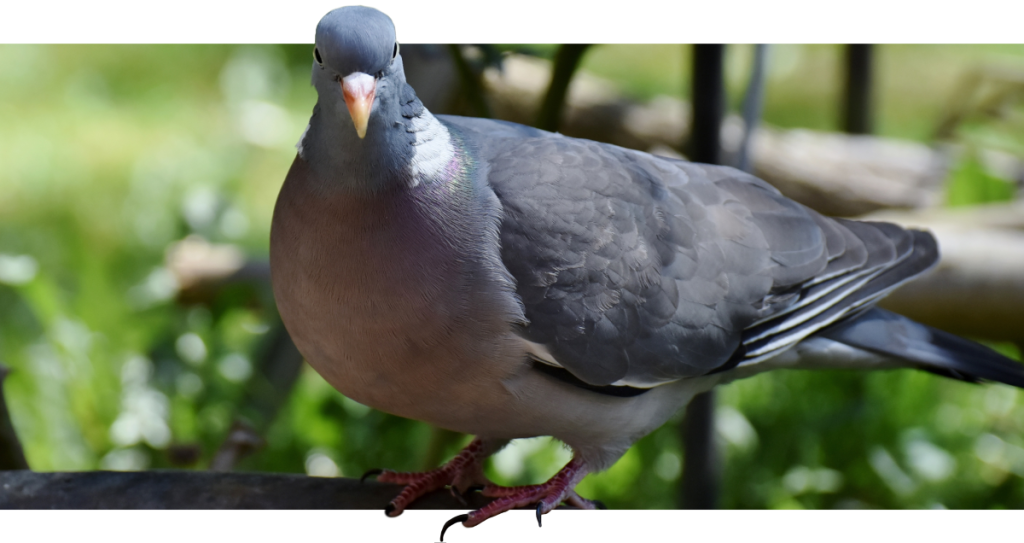




![Groundswell 2022 [credit Groundswell]](https://www.agri-tech-e.co.uk/wp-content/uploads/2024/04/Groundswell-2022-credit-Groundswell-1024x512.jpg)




















 Bedfordia Farms Ltd