Irrigation scheduling without the manual guesswork: how Ostara makes it possible

Member News
The views expressed in this Member News article are the author's own and do not necessarily represent those of Agri-TechE.

Water is one of the world’s most valuable, and volatile, resources.

Droughts, seasonal variation, and unpredictable weather mean that outdoor growing is increasingly at the mercy of conditions beyond a farmer’s control.

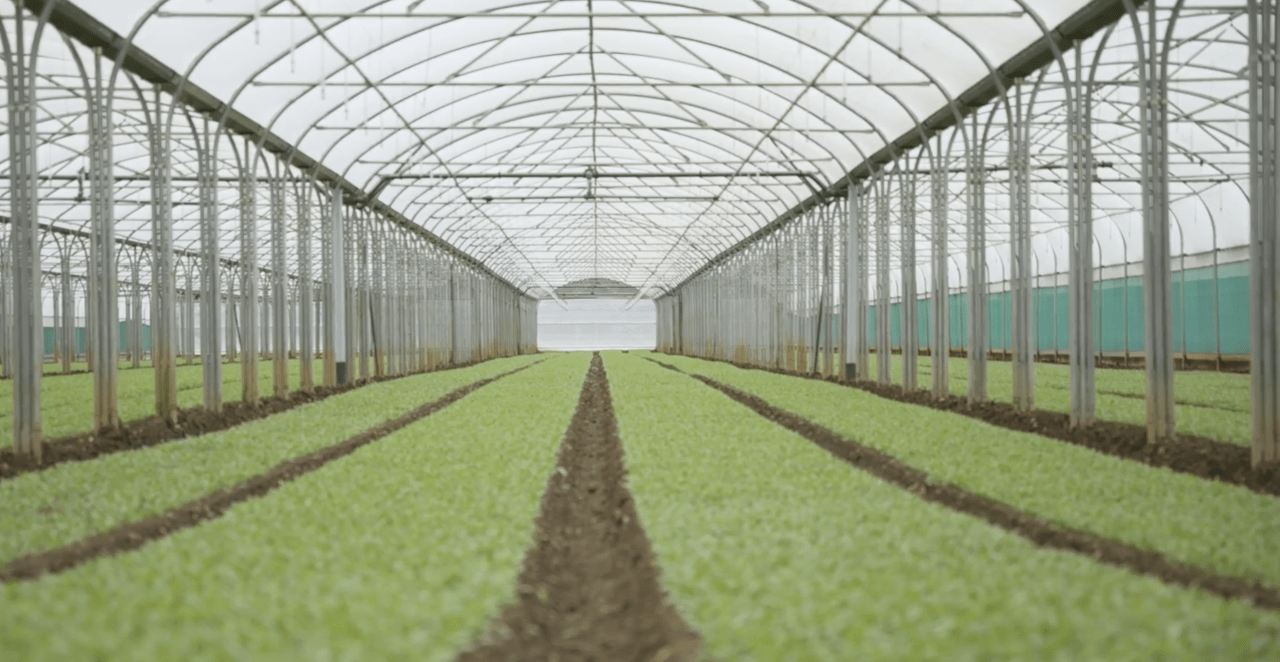
Polytunnel growing changes that and with the right irrigation system in place, growers can buffer against that volatility, delivering consistent, precisely managed water to crops regardless of what’s happening outside. But getting irrigation right inside a polytunnel is harder than it sounds, and most operations are still doing it the hard way.

The fact is, getting irrigation right is one of the highest stakes jobs in a polytunnel. Temperature a few degrees off costs you quality. But irrigation errors, too little water, or too much, can kill a crop outright, faster than growers have time to notice and respond.

And it’s one of the more manual jobs too.

Most polytunnel operations have some version of an irrigation system: substrate probes to monitor moisture, dripper lines to cover more ground at once, timer-controlled valves to relieve some of the manual labour.

But the substrate probes sit behind a login only the MD knows, the irrigation controls are out in tunnel four, and the timers run on a fixed schedule regardless of what conditions are doing – which means that if the weather shifts, it’s still on you to run around manually topping up.

You end up with a fragmented picture of what’s actually happening, and irrigation that’s managed against average conditions rather than actual ones.

This article covers what genuinely responsive irrigation scheduling looks like – and how Ostara brings together the monitoring, control, and automation that makes it possible.


What optimal polytunnel irrigation actually looks like

Crop water needs aren’t fixed. It depends on the crop, the location, the weather conditions, and so on.

Which means the answer to ‘what’s optimal crop irrigation’ varies from day to day  – or even from morning to afternoon, given that research on polytunnel-grown strawberries in coir recorded VPD swinging from 0 to 5 kPa within a single day.

So an irrigation schedule set for average conditions doesn’t move with that.

Getting irrigation right requires four things working together:

  1. Monitoring: granular visibility across every relevant variable to understand when and how much water is needed – evapotranspiration (ET), vapour pressure deficit (VPD), substrate moisture top and bottom of the bag, run-off percentage per irrigation event, EC, pH, water temperature, PAR, weather.
  2. Control: the ability to act on what you’re seeing quickly – adjusting shot volume, irrigation frequency, and timing across every valve and zone when needed.
  3. Automation: irrigation scheduling that responds to conditions and targets rather than a fixed programme set once and reviewed weekly – so you get precision without needing the manual labour to execute every response.
  4. Optimise: closing the loop by tracking what impact your irrigation schedules and amounts have on the variables you’re monitoring – so that you can refine and improve your irrigation approach over the time.

Where most polytunnel irrigation systems fall short

Most polytunnel operations have some of the components to achieve that ideal irrigation set up: substrate probes, a weather station, timer-controlled valves.

But they’re fragmented.

Moisture data sits in one system, weather data in another, and the irrigation timer runs independently of both – dosing water at set times, without the context of current conditions or what the crop actually needs.

Errors quickly show up through disease outbreaks and poor harvest – and often this impact on yield is accepted as just part of the job.

But it doesn’t have to be. A 2020 trial at NIAB’s East Malling Research Centre found a 7% yield uplift when irrigation was triggered by live substrate moisture sensors – watering based on actual crop needs rather than a set schedule.

And a 2025 review had even better outcomes, showing that adaptive scheduling based on real-time data can deliver water savings of 30-50% and yield increases of up to 20%.


How Ostara makes better irrigation scheduling possible 

Replacing a fragmented, person-dependent irrigation setup with something the whole team can operate from one dashboard (for all tunnels) brings immediate time savings and yield improvements.

From there, once you’re ready to test out a more automated approach, Ostara also layers in VPD-driven and weather-responsive scheduling and continuous refinement over time.

Here’s how each piece works together.

All the data that drives irrigation decisions, in one place – and proactive alerts when it matters

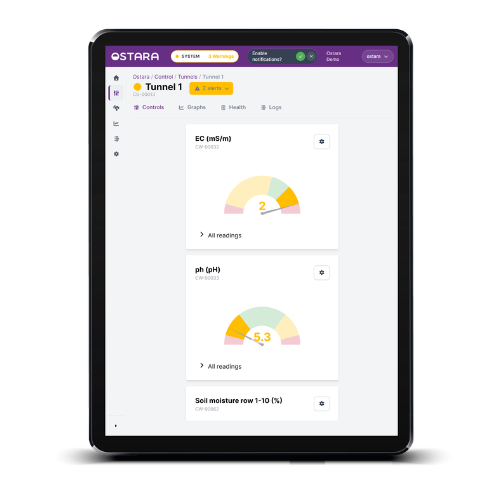
Ostara brings everything that should impact an irrigation decision into a single dashboard: substrate moisture, VPD, ET, EC, pH, water temperature, PAR, rainfall, weather forecast – no more fragmentation across separate logins and systems.

Each is tracked in real time, and surfaced as an easy-to-read graph.

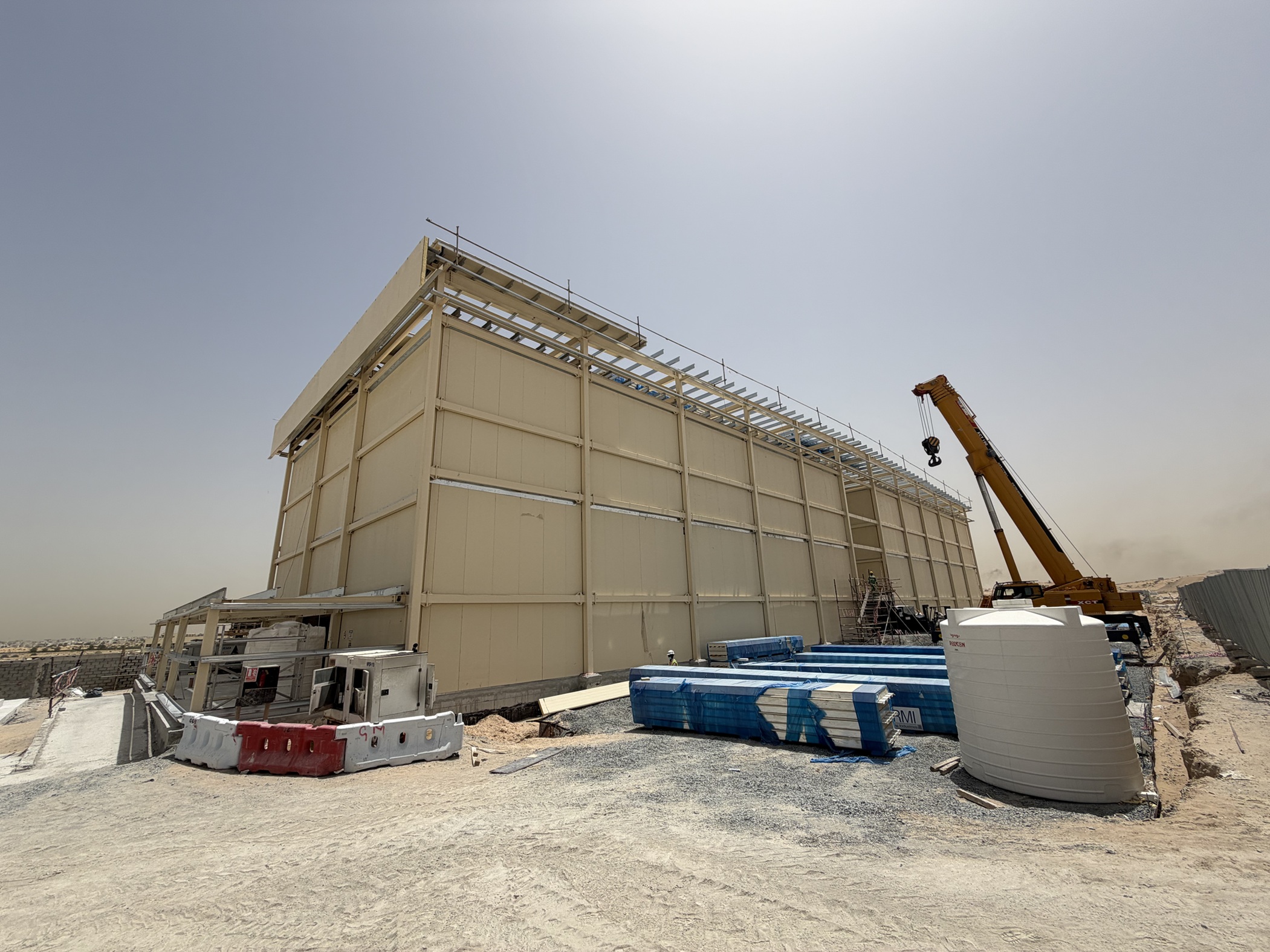
Growers at the Bahrain Ministry of Agriculture incubation site, for instance, described having real-time access to data as a highlight of partnering with Ostara – being able to monitor and control their farm from anywhere in the world.


Ostara Picture1
Ostara Picture3

Change the time-frame (last day, last week, last month) to interrogate how your irrigation timing and shot volumes are actually impacting conditions, and make informed adjustments.

When something moves outside acceptable ranges, Ostara alerts you immediately of the irrigation risk – rather than you picking it up at the next manual check, when it might be too late.

Before Ostara: substrate moisture in one system, weather data in another, and no clear picture of what either is actually telling you to do.

After Ostara: one dashboard, real-time visibility across every variable, and an alert before the problem becomes a yield issue.

 Full irrigation control, across every valve, from one dashboard

Ostara connects to your existing irrigation valves via TWL’s two wire irrigation decoders – a reliable system that can connect to up to 100 valves per unit.

Once it’s set up, you can control every aspect of your irrigation programme through Ostara – scheduling, shot volume, frequency, manual top-ups when it’s hotter than expected.

The platform is organised to reflect how your unique farm layout actually works, so you can control irrigation by tunnel, by zone, by bay.

And, because it’s the same platform as for your monitoring data, you’re not switching between systems to see what’s happening and act on it. You see VPD spiking in tunnel three and adjust the afternoon shot volume from wherever you are – or ask your team member to do it from their phone.

Before Ostara: the timer runs at 10am or 2pm regardless of conditions, and any adjustment to that means someone physically walking the tunnels to do it.

After Ostara: any member of the team can check conditions and adjust irrigation from their phone, at any time.

When you’re ready, run irrigation to hit your targets automatically

Once you’ve built confidence in what the data is telling you, you can choose to hand the execution over to Ostara.

Set your targets, define your safety limits (irrigation frequency, water usage, etc), and the system delivers the irrigation needed to hit those targets continuously – adjusting intelligently based on actual crop needs, drawing from the granular monitoring data.

VPD is Ostara’s primary automation trigger for irrigation – soil moisture readings are monitored, but we’ve found them too variable to use as a reliable control signal on their own (if you know of a reliable-every-time soil moisture sensor, let us know!)

You define what optimal looks like for your operation. Ostara delivers it.

Plus, the longer Ostara runs your irrigation, the more we learn. The system accumulates data on what’s working – conditions, irrigation patterns, crop response – and Ostara’s team of farm control expe

rts reviews that with you over time, identifying opportunities to fine-tune your settings and get closer to optimal conditions.

Manual override is always available. Switch from auto to manual with a single tap, or use the physical switches on the panel to bypass the software entirely if needed.

Before Ostara: the schedule is set once, reviewed when something goes wrong, and optimised by instinct.

After Ostara: your targets are set, the system executes them, and your irrigation approach gets sharper every season.

Weather-responsive irrigation scheduling

Ostara integrates weather forecast data via Open Meteo, feeding upcoming conditions into your irrigation scheduling ahead of time.

That means forecast evapotranspiration – the predicted water loss from crops and substrate across the day – feeds directly into how much irrigation is scheduled. A high-ET day tomorrow is accounted for today, and a forecasted 20mm of rain overnight adjusts the morning cycle before it runs, with no desperate scrambles to fix it later.

Before Ostara: weather conditions shift, but the irrigation timer doesn’t stop – it runs two cycles it shouldn’t have, and your crops are over-watered and at risk.

After Ostara: tomorrow’s forecast is factored into irrigation scheduling – it’s smart automation that adjusts to actual crop conditions, not just a timer.

Works with your existing irrigation setup – no rip and replace needed

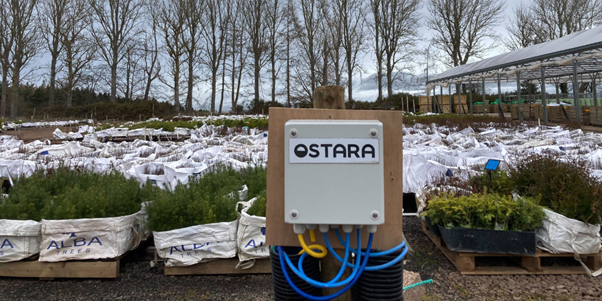
Ostara supplies an electrical panel that connects to your existing irrigation setup via TWL two-wire decoders. A single cable runs from the panel, with decoders attached along it, each one controlling a valve – your existing valves stay exactly as they are.

There’s no replacing functional equipment to add automation, no large upfront hardware costs.

Setup is straightforward, and the Ostara team handles installation and configuration with you, so you’re not left figuring it out alone.

Once it’s running, any electrician can support it, because the system uses standard components – and the Ostara team is on hand for any issues you encounter on the software side.

Before Ostara: automation means starting from scratch with a new system.

After Ostara: the infrastructure you’ve already invested in is connected, monitored, and controllable from anywhere, anytime.

Ostara doesn’t just control irrigation – bring all climate variables into one platform

Irrigation decisions don’t happen in isolation. VPD, temperature, fertigation – they each affect what a crop needs to thrive in a polytunnel environment, and what optimal irrigation actually looks like on any given day.

Managing them across separate tools means you’re always making irrigation decisions without the full picture.

Ostara covers the complete polytunnel climate control stack – irrigation, vent managementtemperature, humidity, fertigation – all configurable in the same dashboard.

At the Bahrain Ministry of Agriculture site, for instance, Ostara connected and controlled both the irrigation and fertigation network from the same platform. Whereas for Haygrove’s trials, the focus was on vent management.

So when VPD spikes and you need to adjust both vents and irrigation frequency, you’re doing it in one place rather than across three systems. Or, even better, the system handles those adjustments for you without you lifting a finger.

Wrapping up: Recover the yield your irrigation timer is costing you

Catastrophic irrigation failures are obvious: the crop that didn’t survive the heatwave, the mould outbreak after a week of overwatering.

What’s harder to see is everything in between – the yield and quality quietly lost to an irrigation schedule that was almost right, most of the time.

Ostara brings together the monitoring data that currently sits across separate systems, connects it directly to your irrigation controls, and lets you set the targets while the system executes – so irrigation responds to what the crop actually needs, not what a schedule set last month assumed it would.

The result is that yield losses which were previously invisible start showing up as yield recovered.

“Ostara enables me to make faster decisions, save valuable time, keep crops healthy and helps drive productivity and sustainability across every hectare.” – Freddy Cavieres, Haygrove

If you’d like to understand how Ostara would work for your specific operation, get in touch with the team.

FAQs

What is an irrigation schedule?

An irrigation schedule defines when, how often, and for how long water is delivered to crops. In commercial polytunnel operations, this typically means a series of timed valve openings throughout the day, set by zone or by crop type, with shot volume and frequency adjusted for growth stage and conditions. The goal is to match water delivery to actual crop demand rather than running a fixed programme regardless of what conditions are doing.

What is an automated irrigation system?

An automated irrigation system replaces manual valve operation with software-controlled scheduling – opening and closing valves at set times, for set durations, without requiring someone to be on-site. More advanced systems go further, adjusting schedules in response to live data: VPD, weather forecasts, evapotranspiration rates, and substrate conditions.

What are the disadvantages of a smart irrigation system?

The main downsides of automated irrigation systems are upfront cost, setup complexity, and the risk of over-relying on a fixed schedule if the system isn’t connected to live environmental data. A smart system that runs on timers alone (without responding to actual conditions) can still over or underwater crops when weather shifts. The other common issue is fragmentation: monitoring data in one platform, irrigation controls in another, with no connection between them. A well-integrated system addresses both problems, but not all smart irrigation products do.

Is automatic irrigation worth it?

Yes: the labour savings alone typically justify the investment. Research at NIAB’s East Malling Research Centre found a 7% yield uplift when irrigation was triggered by live sensor data rather than managed manually, and a 2025 review found adaptive scheduling can deliver water savings of 30-50% and yield increases of up to 20%. The payback case is strongest when the system connects monitoring data to control.

Which irrigation system is best for polytunnel operations?

The best irrigation management system for a commercial polytunnel operation is one built specifically for that environment – not adapted from glasshouse or outdoor agriculture. Key things to look for: compatibility with existing valve infrastructure, remote control across multiple zones, live monitoring data in the same platform as the controls, and weather forecast integration so scheduling adjusts ahead of conditions rather than after. Ostara is purpose-built for commercial polytunnel operations and covers all of these.

Can I automate irrigation in an existing polytunnel without replacing my existing setup?

Yes. Systems like Ostara connect to your existing irrigation valves via TWL two-wire decoders, meaning your existing infrastructure stays in place. The Ostara electrical panel handles the connection between the software and your existing valves – no rip and replace needed, and no specialist hardware required for servicing.

Can I control irrigation remotely without being on site?

Yes – any irrigation platform with a software control layer should allow remote management via phone or laptop. With Ostara, for instance, you can check live conditions, adjust schedules, change shot volumes, and trigger manual top-ups from anywhere.

How do I get my irrigation system to respond to weather forecasts automatically?

You need an irrigation platform with weather forecast integration built in. Ostara, for instance, integrates forecast data via Open Meteo, which pulls from official forecasting services and provides granular hourly and daily predictions including evapotranspiration totals. Upcoming conditions feed into scheduling decisions ahead of time – so a hot, high-ET day tomorrow adjusts today’s programme, rather than the grower scrambling to respond after the fact.

What’s the best way to manage irrigation across multiple polytunnel zones?

The most effective approach is a centralised control platform that lets you set and adjust scheduling per zone from one dashboard, rather than managing separate timers or controllers for each tunnel or bay. Ostara, for instance, organises controls to reflect your farm layout, so you can manage by tunnel, by zone, or by bay, with the same interface across all of them.


 

More to Harvest: Why the Difference Starts Earlier than You Think

Member News
The views expressed in this Member News article are the author's own and do not necessarily represent those of Agri-TechE.

Step into any indoor farm, and one thing becomes obvious very quickly: nothing is left to chance.

Light recipes are programmed with precision. Nutrients are carefully measured. Climate systems hum quietly in the background, keeping conditions steady. Every square metre is working hard, and every crop cycle has a clear target attached to it.

Indoor farming is built on control.

And yet, even in the most controlled environments, not every harvest turns out the same.

Some trays are just that little bit fuller. Some crops look more uniform and synchronised. Some cycles simply deliver more weight at harvest. It’s rarely dramatic. In fact, often it’s subtle. But over time, those small differences add up.

When your environment is optimised, progress may not come from adding more—it might start with a better beginning.

The Limits of Optimisation

For many growers, most of the obvious efficiencies have already been captured. But with all of the technical adjustments put in place to deliver gains, each new tweak produces smaller returns.

At that point, pushing harder often means higher cost or greater risk; increasing inputs affects margins; expanding your footprint requires capital; and overcomplicating a stable system can introduce instability.

Once you’ve optimised your environment, the next step forward may not come from adding more—it may come from starting better.

When Fresh Weight Really Counts

In indoor farming, fresh weight isn’t just a number on a report; it’s what goes into packets, boxes, and deliveries. And ultimately, it’s what your customers see and what gets invoiced.

A few extra grams per batch might seem minor, but over an entire room and multiple cycles, they add up. They influence revenue per square , improve forecasting accuracy, and lessen the need to overproduce.

More fresh weight means more to harvest and sell.

Equally important, consistent harvests reduce surprises, enhance planning, and build confidence within your operation and with customers. Keeping them satisfied and earning their loyalty is what truly counts.

Starting Where Growth Begins

Here’s the part that’s easy to overlook: by the time you’re adjusting lighting or nutrients, the crop is already well underway. The real opportunity may lie earlier.

ActivatedAir seed priming focuses on the very beginning of the growth cycle. By promoting stronger and more uniform early development, it helps create the foundation for improved performance later on. The technology doesn’t require you to change your routines or overhaul your setup. It simply requires a small space within your facility and operates on your schedule, ready when you need it.

And the impact shows up where it matters most: at harvest.

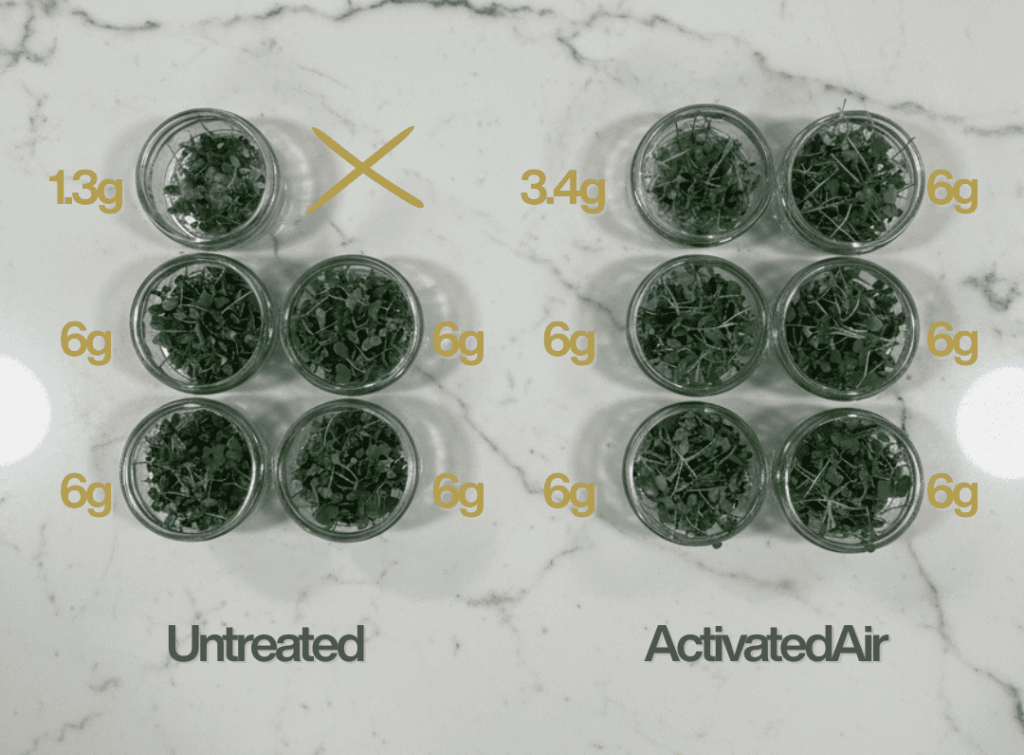
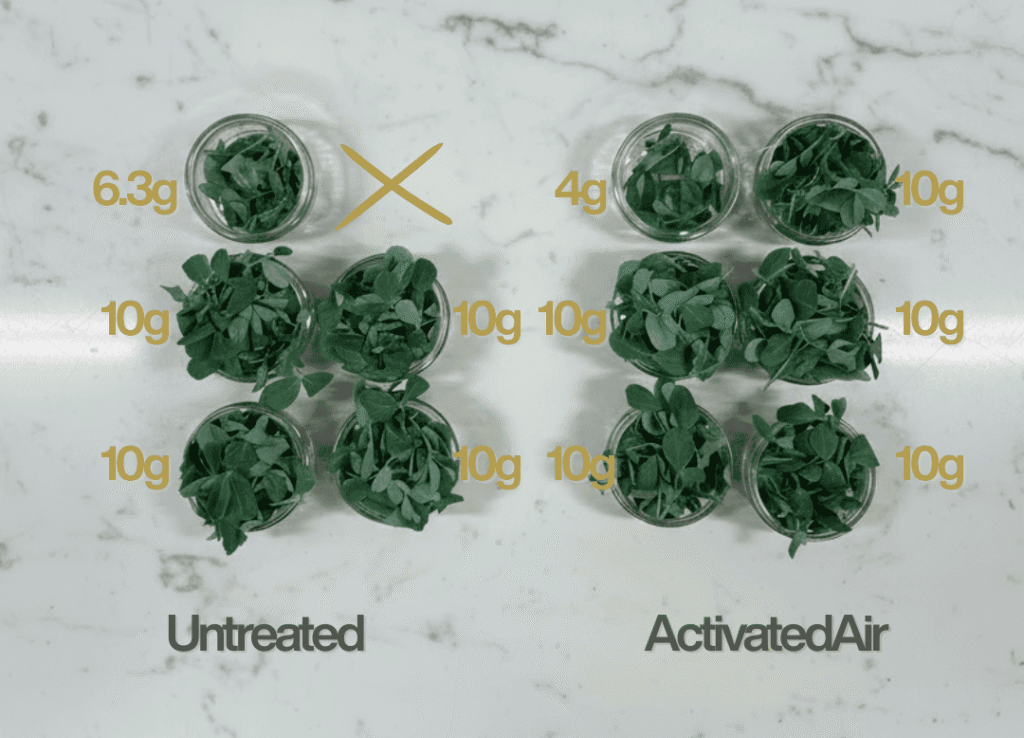
In side-by-side comparisons under the same growing conditions, ActivatedAir-treated seeds have delivered measurably higher fresh weight than untreated seeds.

Same seed.
Same environment.
Same inputs.

More to harvest.

These aren’t just claims—they’re measurable results.

  • *I have permission from the copyright holder to publish this content and images.

LettUs Grow’s Advanced Aeroponics Unlocks Multi-Million Pound Market Opportunity: Vitamin B12-Fortified Salad Crops

Member News
The views expressed in this Member News article are the author's own and do not necessarily represent those of Agri-TechE.

LettUs Grow, the Bristol-based pioneer in Advanced Aeroponics™ technology, announces the successful completion of a ground-breaking research project that enables commercial-scale fortification of salad crops with Vitamin B12, opening a significant new market opportunity for controlled environment agriculture (CEA) growers.

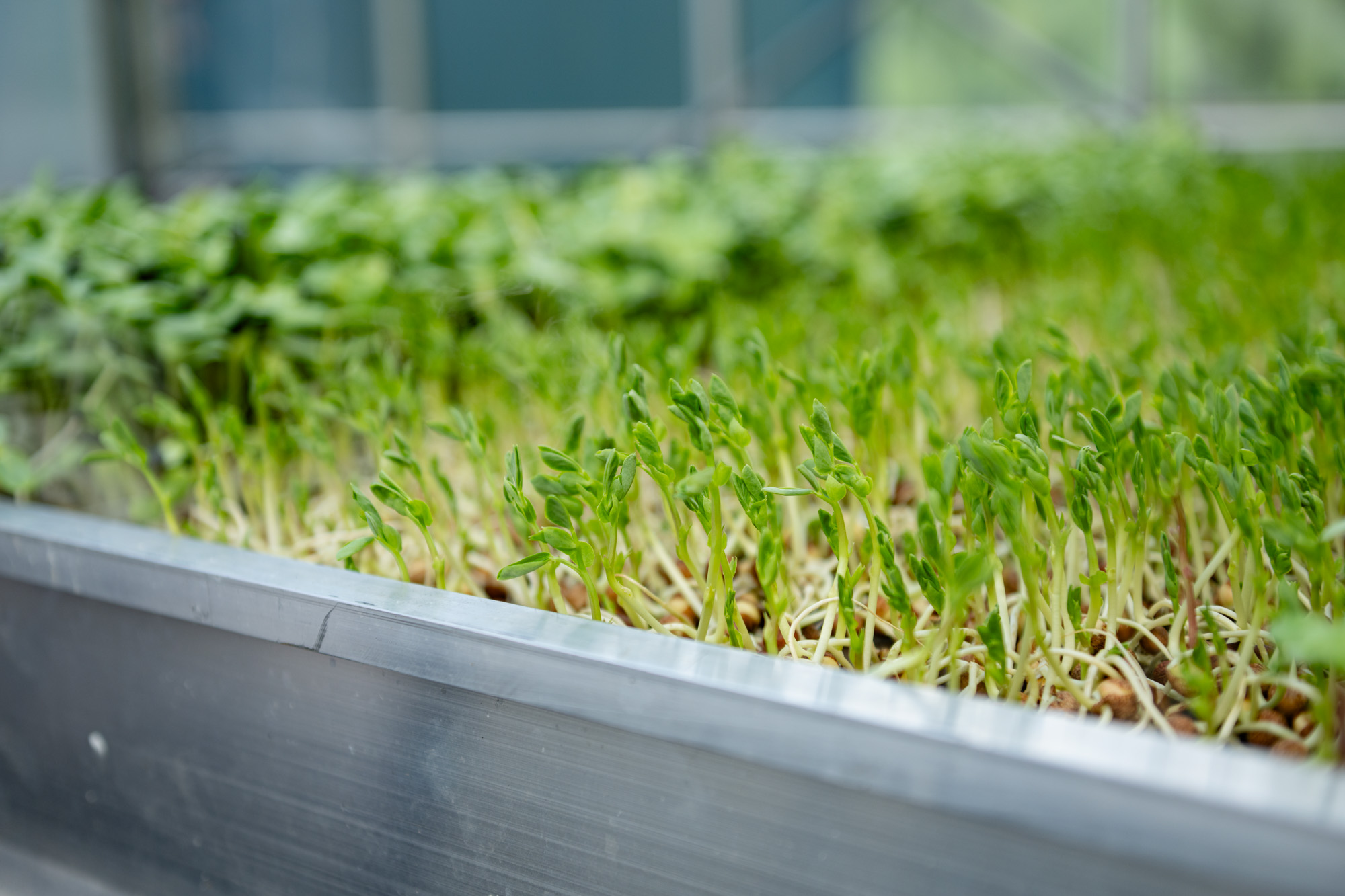
The multi-year collaboration between LettUs Grow, the John Innes Centre, the Quadram Institute, and the University of Bristol has demonstrated that pea shoots grown using Advanced Aeroponics can deliver the recommended daily allowance (RDA) of Vitamin B12 in a single 15-gram serving at an additional production cost of less than one penny per bag.

First-of-its-kind research partnership demonstrates how aeroponic technology can deliver new revenue streams for UK growers while addressing a major public health need.

With an estimated 6% of the UK population deficient in B12 and a further 44% with insufficient levels, the breakthrough offers growers a commercially viable route to premium-priced, nutritionally enhanced produce for health-conscious consumers particularly those following plant-based diets.

The research, published first in Communications Biology, confirms that B12-fortified pea shoots maintain shelf-life, retain nutrient content through cold storage, and deliver bioavailable nutrition that the human body can absorb all critical factors for commercial viability.

The Market Opportunity

Vitamin B12 deficiency represents a growing public health challenge, particularly as consumers adopt more plant-based diets. Globally, B12 insufficiency is common, especially in populations consuming low amounts of animal-derived foods and in older adults.

Current solutions, primarily tablet-based supplements, face adoption barriers: they’re easily forgotten, less effective when taken without food, and many consumers prefer to receive nutrients through whole foods rather than supplements.

This creates a significant market gap that fortified salad crops can fill:

Premium pricing potential: Health-enhanced produce commands higher margins
Growing consumer demand: Plant-based diet adoption accelerating
Minimal cost addition: <1p per bag fortification cost
Differentiation: First-to-market advantage for early adopters
Retail appeal: Clear consumer health benefit, easy messaging


How Advanced Aeroponics Enables Commercial-Scale Fortification

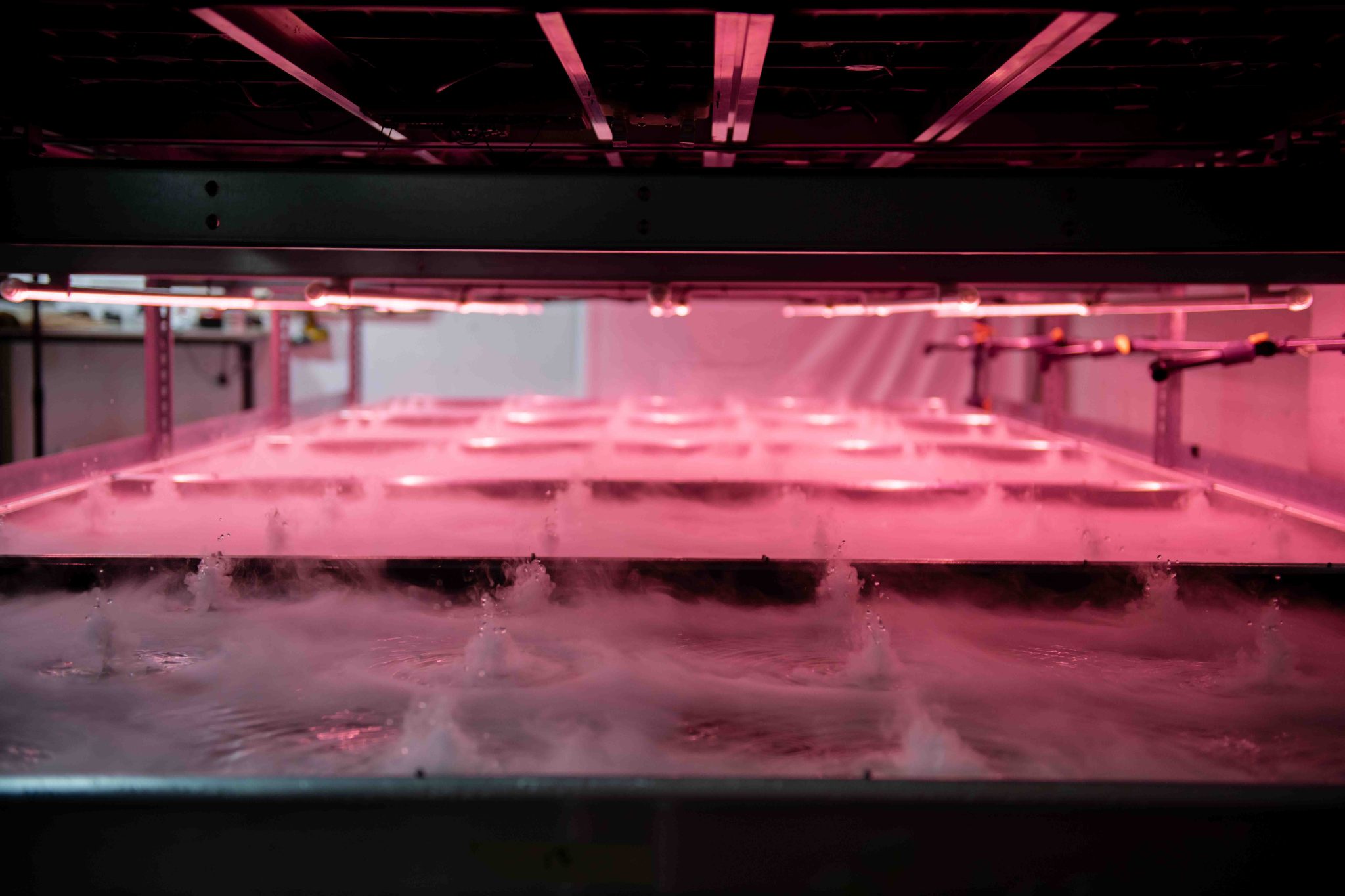
LettUs Grow’s patented ultrasonic aeroponic technology was critical to achieving commercial viability.

The system delivers a nutrient-enriched mist directly to plant roots suspended in air, allowing precise control over B12 application. During the eight-day cultivation period, plants absorbed the most bioavailable form of B12 (cyanocobalamin), with leaves accumulating sufficient quantities to deliver the RDA in a single serving.

Key advantages of the aeroponic approach:

Precise nutrient delivery: Ultrasonic misting ensures controlled, efficient B12 application
Cost-effectiveness: Much more cost-effective than any prior methodologies
Scalability: Works in both vertical farms and horticultural glasshouses
Proven performance: Exceeded RDA targets while maintaining crop quality and shelf-life

Critically, experiments confirmed that the fortification persists through cold storage and that simulated human digestion successfully releases the vitamin for absorption as essential factors for retail distribution.

Commercial Pathway for Growers

LettUs Grow is now working with commercial partners to bring B12-fortified salad crops to market.

Jack Farmer, Chief Scientific Officer at LettUs Grow, commented:
“The exciting thing about this project is that it is the first time the enhanced yield potential of aeroponics has been combined with the nutrition enhancement of B12 fortification in a way that can be scaled up to commercial volumes.

“For growers and retailers, this represents a genuinely unique market opportunity. The additional cost is minimal, less than 1p per bag, but the consumer value proposition is clear: a convenient, food-based source of an essential nutrient that millions of people struggle to get enough of.

“We’re already in discussions with growers and retailers about commercial deployment. Pea shoots are the first application, but the technique is adaptable to other rapid-cycling salad crops grown in controlled environments.”


Beyond Pea Shoots: The Broader Opportunity

While the initial research focused on pea shoots, the fortification method is predicted to work across other salad crops commonly grown in CEA environments, including:

  • Microgreens and baby leaf salads
  • Leafy greens (lettuce, spinach, rocket)
  • Herbs and specialty crops

This positions Advanced Aeroponics as an enabling technology for a new category of “functional foods” as crops grown specifically to deliver enhanced nutritional benefits.

The approach also addresses “hidden hunger” when people consume sufficient calories but lack essential micronutrients necessary for good health. With rising interest in sustainable diets and growing awareness of nutritional deficiencies, market demand for fortified produce is expected to accelerate.

Research Partnership Delivers Commercial Innovation

The project exemplifies how industry-academic collaboration can accelerate commercial innovation in agriculture.

Dr Bethany Eldridge, first author of the study and recipient of BBSRC grants to facilitate the research-industry partnership, said:
“The beauty of this work is how it marries high tech and low tech in such a cost-effective way. Pea shoots are literal sponges for B12, while controlled environment farms provide an environment in which we can tailor its uptake by the plants.

“This method diversifies ways of getting B12 naturally into your diet, especially if you are not consuming meat and dairy as vegans or vegetarians, or if you are consuming them in smaller quantities as part of a flexitarian diet. Globally B12 levels are in decline and if we can find a variety of ways that we can get it into food in a bio-accessible way, then that is exciting.”

Professor Antony Dodd, Group Leader at the John Innes Centre and corresponding author of the study, added:
“This novel fortification method can be done at extremely low cost to growers as a way of providing consumers with a cost-effective way of supplementing their diet with Vitamin B12 in a form that their body can use.”

Professor Martin Warren, Chief Scientific Officer at the Quadram Institute, noted:
“Vitamin B12 deficiency is often framed solely as a concern for people following vegetarian or vegan diets, but the reality is far broader. Across many populations, inadequate B12 intake contributes to what nutritionists call ‘hidden hunger.’ Developing practical ways to incorporate B12 into everyday foods offers an exciting route to improve nutritional resilience.”

Growth Potential

LettUs Grow is working with growers and retail partners to bring B12-fortified pea shoots to supermarket shelves in 2026.

The company is also exploring applications of the fortification technique across other micronutrients and crop types, with potential to create a new generation of nutritionally enhanced fresh produce.

For growers interested in exploring B12 fortification or other applications of Advanced Aeroponics technology, LettUs Grow facilitates trials, and delivers turnkey greenhouse and indoor farm projects through its global network of delivery partners.


Learn more: lettusgrow.com

For media enquiries:

Portia Hill
portia.hill@lettusgrow.org

  • *I have permission from the copyright holder to publish this content and images.

Inside JEPCO’s sustainable shift to indoor leafy salad production

Member News
The views expressed in this Member News article are the author's own and do not necessarily represent those of Agri-TechE.

JEPCO is blending decades of growing expertise with cutting-edge indoor systems to drive resilient, high-quality salad production all year round.

The loss of tools to combat pests, weeds and diseases in the salad sector, combined with changes in market dynamics, has encouraged Lincolnshire-based third-generation leafy salad producer JEPCO who grow 800 Ha of outdoor leafy salads to increase its glasshouse production capacity. They see controlled environments as providing an opportunity to adopt new technologies to boost output whilst improving produce quality and consistency.

As part of that programme, Jepco has been preparing production strategies with an in-house development team and research facility.

“Our goal with indoor production is to be carbon neutral, produce 52 weeks of the year and mitigate a lot of the risks we take outdoors with climate change,” says Richard Pett, development manager at JEPCO. “Producers are getting more and more extremes, with dry times, wet times, or hail. Since the middle of August, the sector have also had difficulty controlling aphids in the field.

“We’re just not getting the tools to control field pests anymore. Weed control is another example where fewer herbicides are available to us. We have been using camera guided and GPS hoes for 20 plus years, and we’re looking at robotic and laser weeders. There aren’t those options with pest control.”

Moving some production into greenhouses will allow JEPCO to remove aphids, other insect pests and foreign contaminants from their growing equation, says Richard.  They have also seen that indoor production gives them much more control over the quality needed for specific catering markets, such as sandwich production.

“Soil from outdoor lettuce is a huge problem. If we get heavy rain just before harvest, soil splashes onto the leaves. It must then be washed vigorously before being sent to customers, which affects its shelf life.

“Since moving our lettuce production destined for sandwiches indoors, we have almost eliminated non-conformities,” he adds.

The obvious challenge to increasing indoor production is the capital investment required to build the facility. That is why Richard and JEPCO’s assistant development manager, Hannah Greensmith, have been examining the latest glasshouse technology to maximise output. “There is so much technology and innovation out there at the moment. It’s about identifying it and seeing how it can help us,” says Richard.

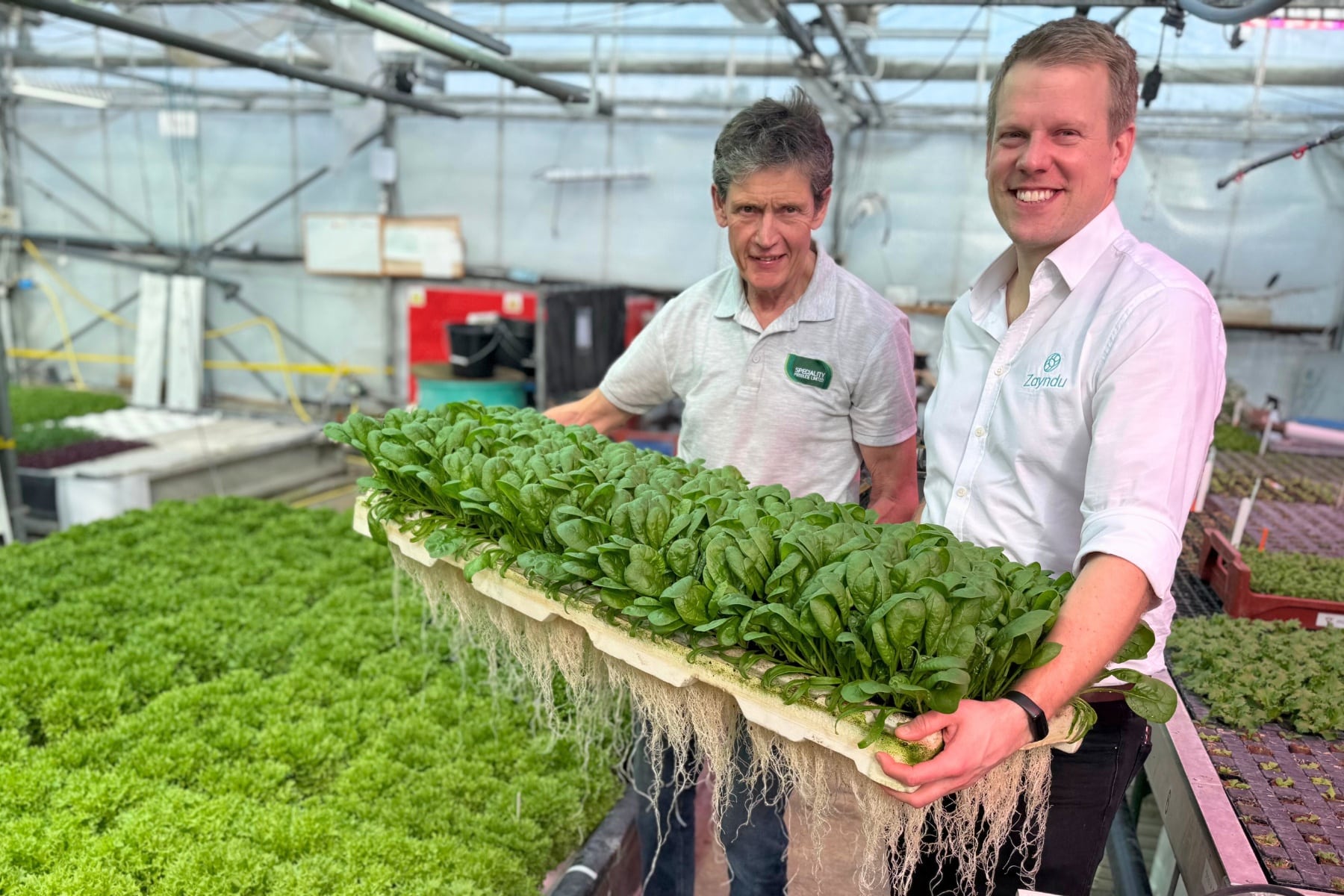
One innovation JEPCO has been trialling is Zayndu’s ActivatedAir plasma seed priming. Based in Loughborough, Zayndu sells its on-site seed-priming system globally to vertical farms and glasshouses. Nathanael Dannenberg, UK and North America business development manager for Zayndu, introduced Richard to ActivatedAir, having previously collaborated on other technologies.

“We deploy machines into growers’ facilities that are capable of priming seeds using Zayndu’s cold plasma technology,” says Nathanael. “The process is pesticide and residue-free, and being based on-site, it gives growers control over when they prime seeds.

“The priming creates microfissures in the seed surface, which increases water absorption. It also kick-starts the seed’s biochemical pathways, stimulating germination. This makes seeds germinate quicker and more evenly.”

In short-cycle crops, the impact on output can be astonishing, states Nathanael. In JEPCO’s case, a yield increase would manifest as a shorter time to harvest. This would increase output from the same capital investment in the glasshouse, as Richard explains: “A key driver for working with Zayndu is that if we reduce the number of days to harvest by three days per cycle, then we can get another crop cycle in per year.”

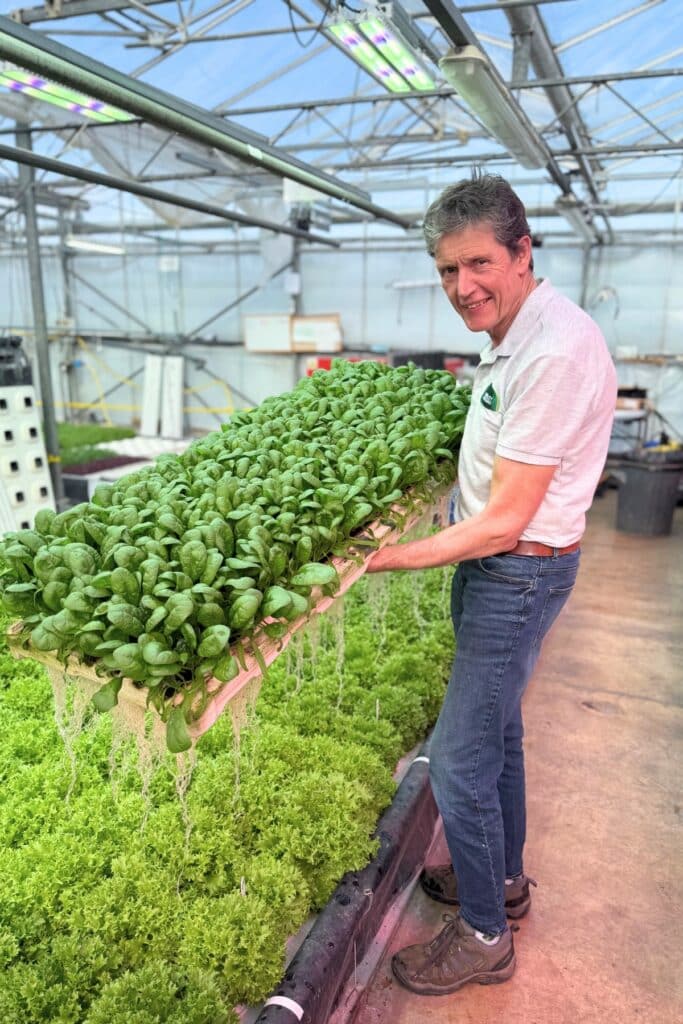
The trials on ActivatedAir were conducted in JEPCO’s dedicated research greenhouse. Smaller than a commercial greenhouse, Richard says that they can accurately replicate a production situation. In this case, he observed an average 11% increase in spinach yields and 13% in rocket across multiple replicates over a nine-month period.

“There does seem to be a definite difference, and we have done quite a few trials now across rocket and spinach. The results are reliable; we are seeing a difference every time, which is exciting.”

Richard sees all the technologies they are testing as building a cumulative effect, which supports the justification for a significant capital outlay to build more glasshouse capacity.

“You take 11-13% from priming the seed, perhaps another 3% from adding a biome to the water in the hydroponic system, plus other measures, and it all adds up. We most definitely see a role for technologies like Zayndu’s seed priming,” he concludes.

Zayndu was established in 2019, harnessing cold plasma to create the powerful plant stimulant, ActivatedAir™. Now, a world leader in the industry, the business supports growers worldwide in generating stronger, healthier plants with increased disease resistance. The seed dry priming process is simple, uses no artificial chemicals and leaves no residue.

Get in touch

Want to know more about how you can increase your yields up to 25%? Find out more on our website or book a discussion with one of our experts.

  • *I have permission from the copyright holder to publish this content and images.

LettUs Grow joins QuBOOSTR Consortium to pioneer UK glasshouse rubber production

Member News
The views expressed in this Member News article are the author's own and do not necessarily represent those of Agri-TechE.

LettUs Grow is proud to announce its participation in QuBOOSTR. This £2.4m precision breeding project is a collaboration between lead partner QuberTech, the John Innes Centre and LettUs Grow. The initiative is funded by the UK Government Defra’s Farming Innovation Programme and delivered in partnership with Innovate UK.

The QuBOOSTR project aims to domesticate dandelions, a plant that naturally produces latex in its root system, as a sustainable source of rubber for the UK. Historically, dandelion latex levels were too low to be commercially viable. However, this consortium is leveraging gene editing and analytical tools to optimise the plants for higher-grade production at scale. By combining the John Innes Centre’s world-leading plant science with QuberTech’s gene-editing expertise and LettUs Grow’s Advanced Aeroponics™ technology, the partnership will optimise the crop for high-density, soil-less indoor farming.

For LettUs Grow, this project represents a significant expansion of aeroponic applications into “opportunity crops”. Our Aeroponic Rolling Bench™ technology provides the precise, soil-free environment necessary to enhance root growth and allow for the clean and easy access required to harvest and study latex-producing roots. By proving the efficacy of aeroponics for industrial crops, we are opening new doors for commercial growers to diversify beyond food into high-value industrial commodities.

“LettUs Grow are very excited to commence this Innovate UK project, using our unique Aeroponic Rolling Bench technology to support Qubertech in their mission to boost resilience of the global rubber supply. By boosting crop performance and enabling clean and easy access to the crop roots, we believe this exciting R&D could further expand the market for high-tech glasshouse operators worldwide.” – Jack Farmer, Co-Founder and CSO of LettUs Grow.

The programme facilitates research-industry collaborations to pioneer innovative biotech and farming solutions. The QuBOOSTR (Quality Bioengineering for Optimised Output & Sustainable Technologies in Rubber producing crops) project enables the UK to innovate new crops and break down the barriers currently holding farmers back. Crucially, it addresses the need for sustainable, UK-based supplies of global commodities, such as rubber, which are threatened by climate change and supply chain vulnerabilities.

For questions or to arrange interviews, contact: 

Portia Hill

LettUs Grow Marketing Lead

portia.hill@lettusgrow.org

Airponix Awarded £830K Innovate UK DEFRA Grant

The views expressed in this Member News article are the author's own and do not necessarily represent those of Agri-TechE.
Airponix’s technology and ambition to transform global seed potato production and sustainable agriculture has been recognised with the award of an £830K Innovate UK DEFRA Investor Partnership grant, subject to securing £1.7 million in match funding and finalising heads of terms with a lead investor by 3 December.

The Innovate UK grant and part of the investment will fund the construction of a 2,300 m² high-tech seed potato production facility in Scotland, designed to supply up to 25% of the Scottish G0 seed potato market. This facility will act as a scalable model for sustainable, high-yield, and water-efficient production using Airponix’s proprietary aeroponic technology.

As an alternative route, Airponix has also reached an in-principle partnership agreement with a major UK grower, which would involve applying for a smaller grant requiring only 30% project funding but with significant upside in market reach.

Global Expansion and Strategic Engagements

Airponix continues to build international presence and partnerships across multiple key regions and events:

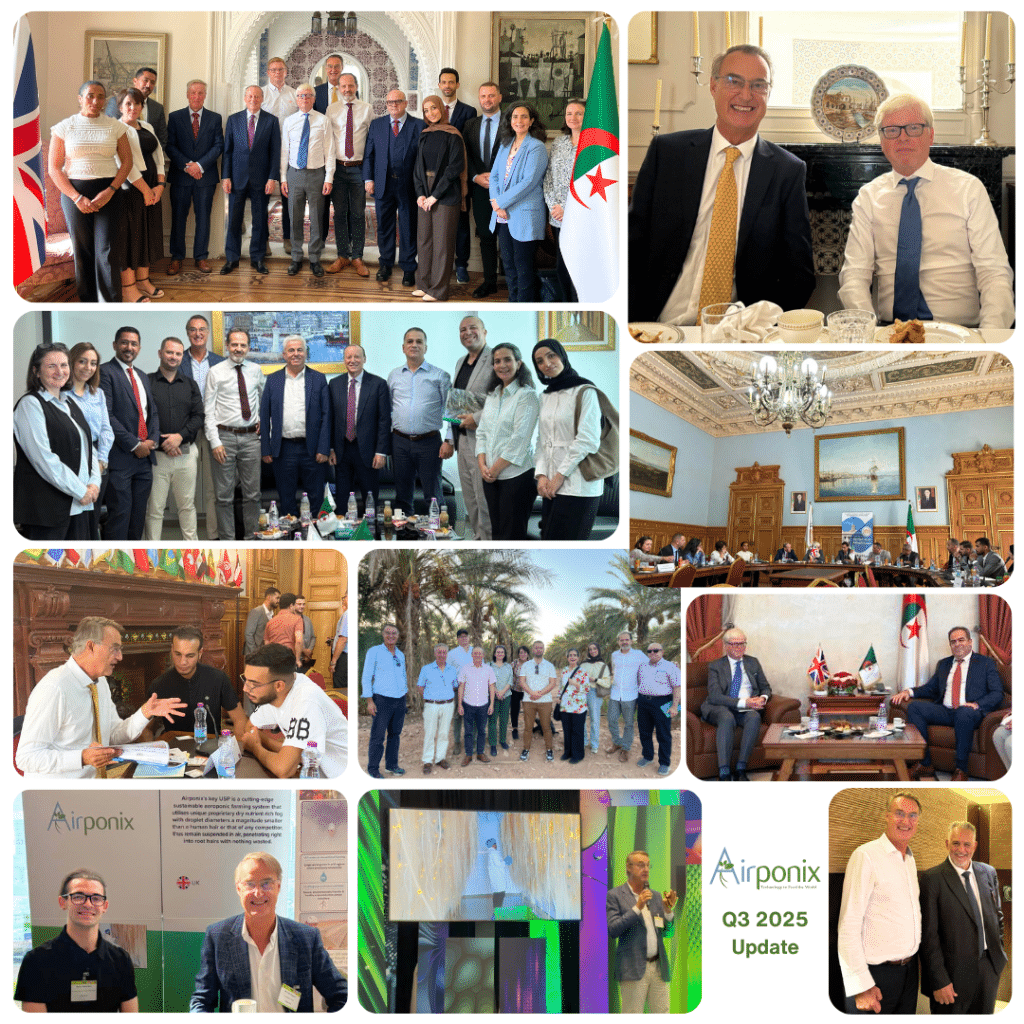
World Agri-TechE Innovation Summit (London): In September, Michael and Matt attended the World Agri-TechE Innovation Summit, engaging with investors, innovators, and policymakers from across the agricultural technology sector. The summit offered valuable opportunities to connect with international stakeholders and explore partnerships aligned with Airponix’s mission.

Algeria: CEO Michael Ruggier joined the first-ever UK Agri-TechE delegation organised by the British Embassy and ABBC, meeting Ambassador H.E. James Downer, MADAR Holding, and senior officials from the Ministry of Agriculture. Discussions are progressing toward a partnership to enable Algerian growers to produce their own seed potato tubers domestically.

Australia: Airponix was selected for the Farmers2Founders “Land x Launch” Australia Cohort, under the Innovate UK Global Incubator Program – Agri-Tech. Following two years of mentorship from Farmers2Founders, Michael has just returned to Australia to build on existing partnerships and explore new opportunities for growth.

Saudi Arabia: Later this month, Michael will attend the UK Department for Business and Trade (DBT) AgriTech Mission during the Saudi Agriculture Show (19–23 October 2025). He will be speaking at the event and pursuing new investor and collaboration opportunities across the region.

Investment Opportunity

With £350K already secured from a cornerstone investor at an £8 million valuation, Airponix is now entering a major growth phase. We invite investors and strategic partners to participate in this unique opportunity to scale sustainable agriculture globally.

Access Investment Documents: http://bit.ly/APXDocuments

Investment enquiries: CEO@airponix.com

  • *I have permission from the copyright holder to publish this content and images.

From space science to dinner plates: the future of farming indoors

Member News
The views expressed in this Member News article are the author's own and do not necessarily represent those of Agri-TechE.

Extreme weather events, from heavy rainfall to heatwaves and droughts, are increasingly threatening crop yields globally, so new solutions are needed for agriculture.

An international team from the University of Cambridge, University of Adelaide, University of Western Australia and NASA have reimagined how we grow food into the future.

The paper was published in the journal ‘Trends in Plant Science’ and has been chosen for inclusion in an upcoming 30th anniversary special issue titled ‘Big concepts – shaping the future of plant science’.

The work highlights how new developments in controlled environment agriculture (CEA) offer a powerful opportunity to accelerate the translation of fundamental plant science discoveries into real-world agricultural impact.

“With the right investment, these innovations could redefine what it means to grow, eat, and share food in the 21st Century,” said co-author Professor Alex Webb, Head of the Circadian Signal Transduction group at the Department of Plant Sciences.

“Controlled environment agriculture allows crops to be grown indoors under the precise control of light, temperature, humidity, carbon dioxide, and nutrients, while reducing pest risks,” says Dr Alison Gill, postdoctoral researcher at the ARC Centre of Excellence in Plants for Space, the University of Adelaide, and first author of the paper.

“The result is food that can be produced anywhere, year-round, with yields up to 20 times greater than traditional agriculture, with much less arable land and water required.

“By combining decades of plant science with new technologies to track crop health and fine-tune plant growth, we can grow food that is more consistent, nutritious and tailored to our needs. CEA is not a platform that will replace traditional farming, but it is a powerful supplement.”

While the work was inspired by research focused on growing plants in controlled environments in space as part of a UK and Australian Space Agency funded collaboration, the greatest impacts will be here on Earth.

“What began as space science, with experiments designed to grow food beyond Earth, has enabled us to create a blueprint to deliver big impacts back home. In Australia, container farms could bring fresh produce to remote outback communities, cut food miles, and help supplement farmers’ incomes during drought using recycled water,” says Dr Gill.

“We also envisage indoor plant-based pharmaceuticals and other high value bioproducts as a massive economic opportunity for CEA.”

To date, successful CEA production has been limited to small, pick-and-eat crops like lettuce, herbs, cucumbers, and microgreens, with considerable challenges in building and running the high-tech farms efficiently.

“We have identified specific targets that plant scientists must address, and the routes by which this could be achieved, as a pre-requisite for controlled environment agriculture to form a viable production platform going forward,” says Plants for Space Director and the paper’s senior author Professor Matthew Gilliham.

“This includes a pre-breeding pipeline for traditional horticulture, broadacre agriculture and even forestry, increasing opportunities beyond pick-and-eat crops.”

Professor Webb said creative minds are needed to adapt crops to indoor environments, in combination with the latest technologies.

“It is only now that we have these tools, so by combining precise environmental control with cutting-edge plant science, we can begin to grow plants that are best suited to meet the challenges ahead,” he said.

“If implemented to its potential it would secure fresh food supplies locally all year round, even under extreme weather, from inner cities to the most remote corners of the planet and beyond.”


Reference: Gill, A. R. et al., ‘Turbocharging fundamental science translation through controlled environment agriculture’, Trends in Plant Science, 2025, DOI: 10.1016/j.tplants.2025.08.014.

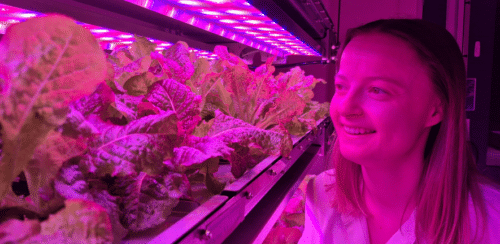
Image: Dr Alison Gill from the University of Adelaide looks over a crop grown in a controlled environment. Photo credit: Lieke Van Der Hulst.

  • *I have permission from the copyright holder to publish this content and images.

Revolutionising British strawberries: Dyson Farming’s new growing system

Member News
The views expressed in this Member News article are the author's own and do not necessarily represent those of Agri-TechE.

Dyson Farming is proud to unveil its latest breakthrough in sustainable agriculture: the Hybrid Vertical Growing System (HVGS), a pioneering innovation that’s transforming how strawberries are grown in Britain.

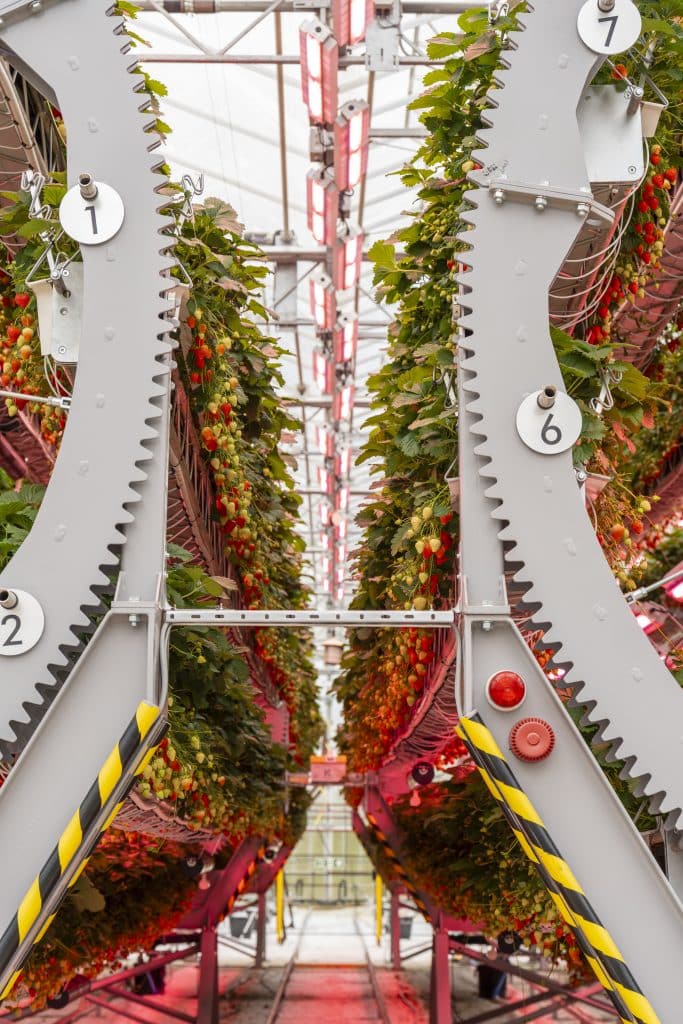
Located in our 26-acre glasshouse in Carrington, Lincolnshire, the HVGS boosts strawberry yields by an astonishing 250%. Instead of traditional rows, strawberries are cultivated on towering, Ferris wheel-like rigs, reaching over 5.5 metres tall, that rotate to ensure optimal exposure to sunlight and LED lighting. This vertical approach maximises space, enhances fruit quality, and allows for year-round production, even in the depths of winter.

The system is powered by renewable energy and surplus heat from our adjacent anaerobic digesters, which also supply CO₂ to enrich plant growth. Rainwater harvested from the glasshouse roof irrigates the crops, while advanced climate control systems maintain ideal growing conditions.

Robotic technology plays a key role too: vision-guided machines pick only the ripest fruit, while UV-emitting bots protect plants from mould. Insect predators are deployed instead of pesticides, ensuring a healthier, more natural crop.

This innovation marks a bold step toward food security, sustainability, and self-sufficiency in the UK.

How Earth’s earliest photosynthesizers could offer farmers a new commercial – net zero – opportunity

Meet the Network
Agri-TechE

Member Spotlight on: Tattva, with Founder Prantar Mahanta Tamuli

With the rising demand for a more sustainable economy, researchers have discovered a new method to harness the world’s oldest plants, cyanobacteria, to help reduce global carbon emissions.

Prantar Mahanta Tamuli, the founder of Tattva – recent recipient of the Innovate UK Smart Grant – discusses his discovery and the opportunities it presents for the farming sector.

Cyanobacteria, over 3.5 billion years old, are recognised as the first organisms to develop photosynthesis and contribute oxygen to the Earth’s atmosphere. In their rock formations, known as stromatolites, these structures can sequester carbon, but until now, they have taken thousands of years to grow.

However, through his research, Prantar has discovered a method to artificially grow the bacteria in days, producing a new material that is poised to be instrumental for both the architectural and agricultural landscape.

“Growing the bacteria allows us to harness their ability to sequester these minerals in the form of calcium carbonate in just ten days.

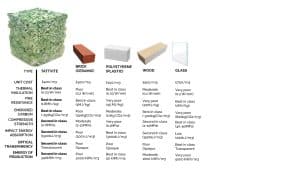
Using the organism cyanobacteria to create a new building material, Tattva aims to replace the four primary conventional materials — brick, foam, wood, and glass.

Prantar Mahanta Tamuli
Tattva Founder & CEO

“These four materials are some of the most used with a market size of about $1.11 trillion.

“They contribute about seven gigatons of materials of CO2 in the atmosphere, so even if you’re replacing an extremely small percentage, you’re looking at a massive global impact,” Prantar adds.

“The estimates show us that about one ton of carbon can be sequestered in about four cubic meters of this material when we grow it.

How does this stack up against traditional materials?

In comparison to conventional materials, the new cyanobacteria structure has both practical and sustainable properties.

“It’s like a brick, but extremely insulating and fire resistant, so it has very valuable, functional properties that we use in the current construction industry. But the main difference is that it sequesters carbon dioxide rather than emitting it,” says Prantar.

Initial prototypes and pilot projects have demonstrated the material’s application in the construction industry, but Tattva plans to expand into the agricultural sector.

What could this mean for farming?

The farming industry is facing challenges in reaching net-zero targets. Working with his co-founder Andy Grey, chairman of Devon Agriculture Association, Prantar is exploring ways to incorporate their discovery into farming systems to create commercial opportunities, aid in reducing carbon emissions, and achieve sustainability targets.

It could also unlock an enormous market for farm diversification, utilising a vertical farming production approach. We discussed vertical farming and biological production as potential future farm diversifications in our recent online event.

In the future, could farmers be growing construction materials and sequestering carbon at the same time?

“The process is essentially seeding, growing, and harvesting. We grow the bacteria in a solid-state reactor — a bed where the material is grown. This bed can be stacked vertically, which means that the principles of vertical farming we use today, and the principles of scaling food production, can also be applied to scale this new material technology.

“Therefore, the model we are approaching or developing is one of growing this material and supplying it to cities in much the same way our food is grown on farms and supplied to cities, within the same network,” he states.

“The estimates show us that about one ton of carbon can be sequestered in about four cubic meters of this material when we grow it.”


Big news for Tattva

Tattva have recently been awarded the Innovate UK Smart Grant of £650,000 (for an overall project award of £925,000) to scale the business and their bioengineered material, Stromate.

“With this grant, we hope to unlock its true potential to transform our world and usher in a new future that is regenerative, safe, and carbon negative,” Prantar states.


Join the conversation

You can stay up to date and learn more about the latest innovations by being a member of Agri-TechE . Tattva has found it to be a valuable asset for their business development.

“There are very few who know about something like this development, and that is where knowledge transfer is absolutely essential,” Prantar says.

“[Agri-TechE ] has helped us with this, exploring the dimensions of what would work in the agricultural domain, scaling and how it can help and those kinds of aspects.

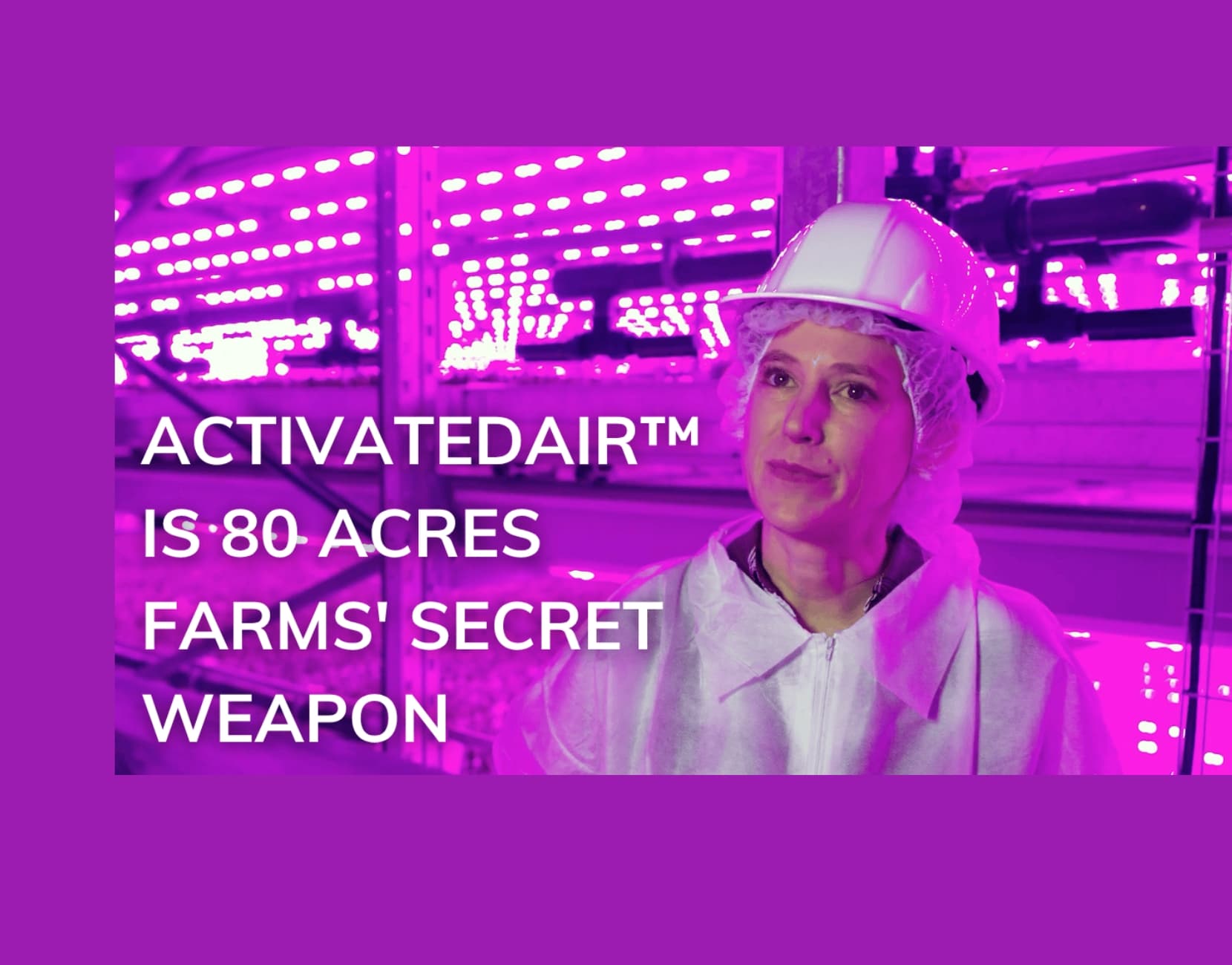
How ActivatedAir® is 80 Acres Farms’ Secret Weapon

Member News
The views expressed in this Member News article are the author's own and do not necessarily represent those of Agri-TechE.

ActivatedAir® is being used by some of the largest growers in the world, and it doesn’t get much bigger than 80 Acres Farms.

They discovered ActivatedAir® at an industry exhibition. After thoroughly examining the science behind cold plasma, 80 Acres began a free trial, producing remarkable results.

It unlocked incredible outcomes for their business. Higher and more consistent seed germination delivers crops that achieve their target specification quicker, maximising their growing space.

See for yourself

Megan Gambrill, 80 Acres Farms senior manager of growing, explains how they began trialling ActivatedAir® and the results they saw on the crops they tried. She also discusses how ActivatedAir® seed priming is practically incorporated into their growing process.

How does 80 Acres maximise its output from its facility?

Noah Zelkind, 80 Acres head of operations, explains the role getting their crops off to the best start with ActivatedAir® plays in increasing output using the same growing space.

Read the full case study

To read the full blog, or follow along with other case studies, head to www.zayndu.com.

Full case study: https://zayndu.com/case-study/80-acres-farms/

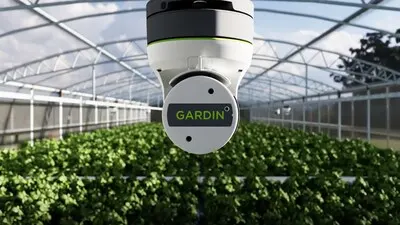
Gardin Raises $4.5M with Breakthrough Photosynthesis Sensor & AI Platform

Member News
The views expressed in this Member News article are the author's own and do not necessarily represent those of Agri-TechE.

Gardin Raises $4.5M to Advance Precision Agriculture with Breakthrough Photosynthesis Sensor & AI Platform to Monitor Greenhouse Crop Health at Scale, in Real Time

Gardin Agritech has raised a $4.5M Seed 2 financing round led by Navus Ventures with participation from new investor Oxford Innovation Finance as well as existing investors LDV Capital, MMC Ventures, Seedcamp, Alchimia Investments and angel investors.

Gardin is growing their list of customers leveraging their novel optical photosynthesis sensor & AI that measures crop photosynthesis in real time, giving growers early insight into plant health and development. This allows for faster, more targeted interventions, resulting in improved yields, better crop quality and more efficient use of resources such as water, light and energy. Clients have reported up to 10x return on investment.

Since commercial launch in June 2023, Gardin’s sensors have been deployed across a wide range of environments – from polytunnels in Spain and Morocco to greenhouses in the Netherlands and Canada – and used successfully on more than 20 crop species, from algae to tomatoes. In 2025, the company is doubling down on light optimisation and energy efficiency enabling growers to make informed decisions, with trials already showing growers can achieve 20-30% in energy savings. Gardin’s technology also aids research into hardier seed varieties, contributing to a more sustainable and secure food supply.

The news comes at a critical time for the $200 billion global Controlled Environment Agriculture (CEA) market, which is expanding rapidly due to rising demand for reliable food supplies and decreasing setup costs.

Yet the sector faces mounting pressures: energy and labour costs have surged, emissions regulations are tightening and there’s a shortage of skilled growers to operate indoor farms, greenhouses and seed breeding businesses. Existing tools lack the sophistication to process vast amounts of data and deliver timely insights, leaving many operations struggling to adapt efficiently. This underscores a pressing need for AI-powered solutions capable of analysing large swathes of data in real time – enabling smarter, automated decisions and unlocking the full potential of precision agriculture.

Agriculture Investments Limited, one of the UK’s most progressive fruit producers, adopted Gardin’s technology after seeing its potential to deliver scalable, confident decision-making for more resilient, high-quality crops.

“We have been long believers that to truly optimise food production we need to be able to change the greenhouse climate to adapt to the crop’s needs but there was no solution on the market that could solve this with high confidence and scaleably…. Until we met Gardin. Gardin’s unique sensor + AI is able to detect changes in crop photosynthesis and provide clear, actionable insights based on that. As a result, within a couple of months of trialling Gardin’s product we decided to sign a multi-year contract,”

said David Moore, Director of Agriculture at Agriculture Investments.

Fromboer reports a 5% yield increase per square meter thanks to more uniform, high-quality production and improved cost control. “The sensor contributes to homogeneous production with high quality and cost control. Overall, I estimate yield is at least 5% higher per square meter,” said Leonard Boer, Owner & Head Grower at Fromboer.

Ridder highlights Gardin’s ability to drive profitability boosts of up to 30%, yield gains of 15%, and early detection of crop stress weeks in advance – marking a shift from traditional climate control to data-driven “crop control.” “For many years now we have been able to effectively automate climate control around the crop, the next phase is to incorporate real time feedback from the crop and move from ‘climate control’ towards ‘crop control’. Gardin has developed the key technology to enable this,” said Sander Baraké, CTO at Ridder. “Results include profitability boosts of up to 30% by optimizing winter LED efficiency and maximising summer light. Yield increases of up to 15% and early detection of biotic and abiotic stresses by up to 4 weeks before crop walking,” he continued.

With this new round of funding, Gardin will enhance its platform and grow their commercial team to expand its customer base across continents.

Led by serial entrepreneur Sumanta Talukdar, who previously co-founded and exited WaveOptics for over $500 million, brings decades of experience across optics, photonics, sensors and computer science,

“Navus Ventures are in my opinion the best Ag focussed investor in Europe with a deep knowledge and network in this ecosystem. The whole Gardin team is very pleased to partner with Navus,” said Sumanta Talukdar, Founder & CEO of Gardin.

“Gardin has developed a unique affordable technology that gives growers an actual pulse on their plants and therefore business. A great addition to our portfolio and fit with our strategy and background, we are looking forward to helping Sumanta and the Gardin team through the next phase of commercial scaling,” said Jaap Zijlstra, director at Navus.

Phase two for Farm Diversification

Agri-TechE Article
Agri-TechE

Farm diversification has become more critical than ever for farm profitability. Beyond the offerings of their natural capital, like glamping, ag-tech provides future diversification opportunities to innovative farms. This involves creating a closed loop where farmers can, for example, process their own waste, create biological fertilisers, or high-value out-of-season plants.

Could farms become mini manufacturers for insect protein, fermentation products, or high-value produce grown in a controlled environment?

Modular insect farms are a ground-breaking and profitable waste management solution to help solve challenges like water pollution from excess poultry manure, simultaneously reducing our reliance on imported protein, says Larry Kotch, CEO of Flybox.

Flybox is developing smaller-scale insect farms. Larry says insect farms can be more efficient than an AD system while boasting greener credentials. The two technologies are also highly complementary.

“If you’re a farmer, you can diversify into the new protein source,” says Larry.

“You could convert an old poultry shed into an insect protein factory and have a guaranteed end market. We are trying to make it much more accessible with a lower requirement for capital.

“Previously, insect protein production was based around large factories with teams of entomologists and ingredients experts, which had a high amount of risk.”

Black-soldier-Fly-close-up-2@0
flybox

As agriculture moves from the chemical to the biological age, there’s also potential for farmers to manufacture their own inputs, believes Joanne Neary, Senior Technical Lead at the Centre for Process Innovation (CPI).

For years, CPI has had queries from farmers, mainly in America, asking for advice on how to culture certain bacteria, explains Joanne.

“You would get questions from a farmer with an IBC container trying to grow microbes which they have tested on plots of tomatoes, asking us to help them refine the process.  These days, the majority of enquiries are for non-farming businesses that have fermentors, but it’s an interesting concept to move this onto farms.”

Farmers making compost teas are already carrying out a process similar to a lab fermenter, so it is only a small step to a more formalised process, believes Jo. If the biologicals are produced correctly, it is cheaper than buying them because they do not need the sophisticated formulation to keep the organisms alive.

She says: “Much of the R&D budgets for commercial biological production is looking at the formulation. It is key to ensure the microbes are still viable when the product is stored, however it is packaged. You need the cells to stay in dormancy but still be viable.

“The cheaper approach is to make something on farm and use it immediately. You won’t have something that is stable, but if you can make it when you need it, why would you care?

“Another nice aspect of DIY biologicals is if you understand your soil microbial population, or if there’s a particular problem, you could tailor it to your needs.”

Centre-for-process-innovation_asset
Mark Horler

Mark Horler, Chairman of UK Urban Agri-TechE (UKUAT), believes that controlled environment growing technologies could be a viable proposition for arable and livestock farmers, providing they have the infrastructure. They would also link ideally with the quintessential farm diversification – a farm shop.

“UKUAT has identified a great deal of interest in controlled environment growing technologies as a form of diversification for farmers and landowners,” says Mark. “However, significant challenges and barriers remain. That might be in practical terms, for example, the capital cost, integration with renewable energy, or simply knowing where to get started and how to make appropriate choices.”

Firms like Grow Dynamics offer modular growing solutions more suited to the scale and cost farmers seek, but advice is still needed to navigate a complex landscape.

He adds: “Protected and controlled environment horticulture encompasses a wide range of technologies and approaches – from low tech/ low cost/ low control, for example, polytunnels, right the way through to Totally Controlled Environment Agriculture (TCEA) such as vertical farming. UKUAT tries to help bust some of the myths that have arisen around this topic and help farmers find the right advice.”


JOIN TODAY ONLINE! Future Farms Agri-TechE webinar – April 24th

Larry, Joanne and Mark will discuss the opportunities of future farm diversification in a webinar on April 24th, hosted by Agri-TechE .  It’s a chance to delve into the technology, with information on how to get started and the opportunity to ask the speakers questions.

To register to attend or find out more: Future Farms: Vertical Growing, Insect Cultivation & DIY Biologicals