The Productive Landscape: NatureTech for Profit and Planet
How can technology enable delivery of food, nature recovery, and climate resilience - all at once? The Head of the Environment Agency is asked: what's the national plan for dealing with land use pressures, plus you’ll hear from technologists and land managers working on nature-based and tech-enabled solutions for water, soils and climate adaptation.

Closing the Loop – making nitrogen fertiliser from waste

Meet the Network
Agri-TechE

Oxford-based CCm Technologies has developed a method of producing nitrogen fertiliser from bio-solids and the carbon dioxide captured from the waste gases. The fertiliser returns carbon to the soil and stimulates an increase in micro-organisms, promoting a healthy soil. The process is one of the emerging technologies to be discussed at the Agri-TechE vent ‘Closing the loop on the circular economy’ on 5th June 2019.

Peter Hammond CCm Technologies
Dr Peter Hammond CCm Technologies – Closing the Loop

Dr Peter Hammond of CCm Technologies explains: “We can make equivalents of most compound fertilisers and these have performed well in trials. Findings just reported in the Journal of CO2 Utilisation* show a yield enhancement compared to soil enriched with compost.
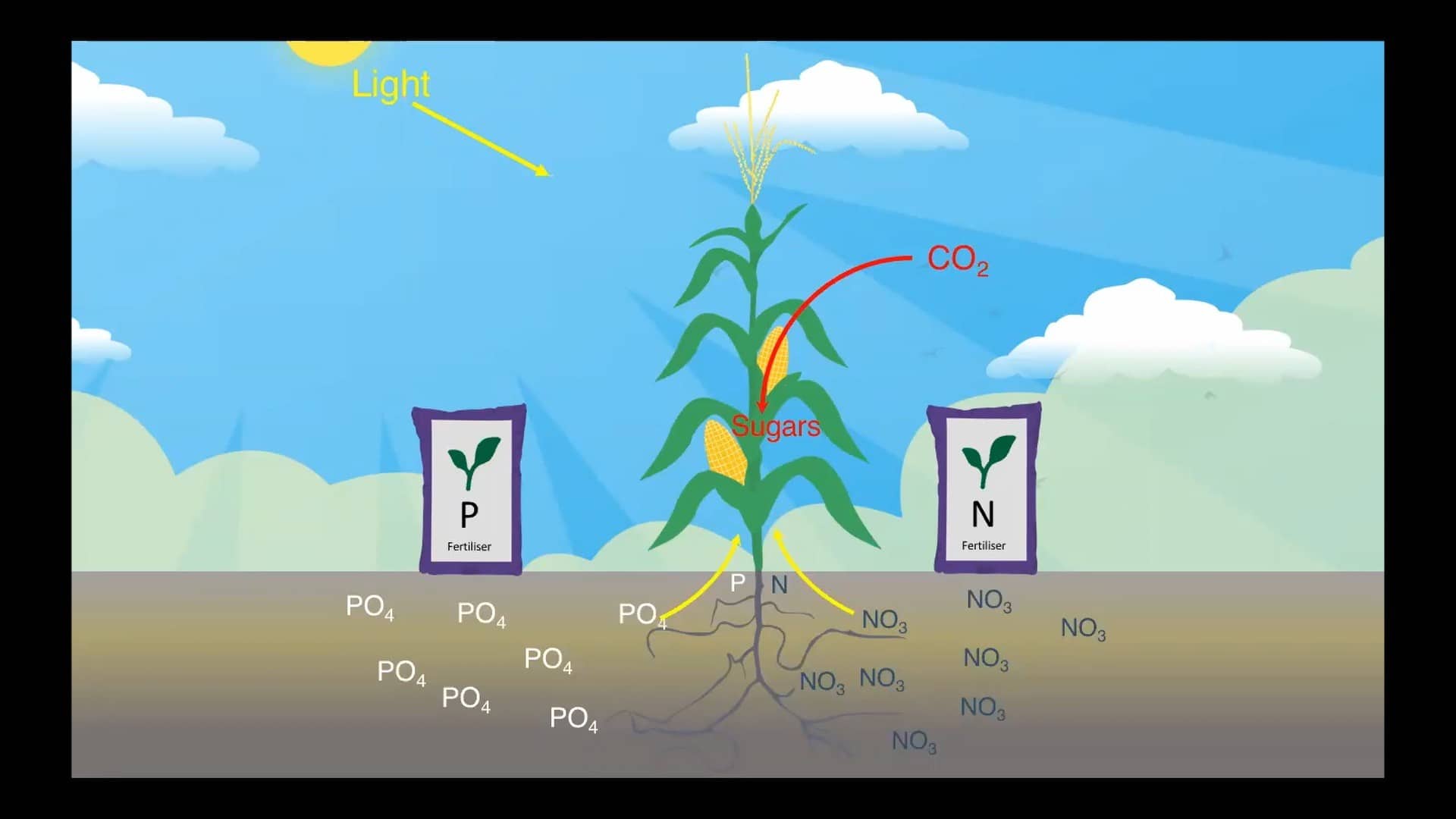
“The fertiliser uses bio-solids from anaerobic digestion and carbon dioxide sourced from post combustion gas streams and plant materials. The carbon is converted to calcium carbonate in the final product, which makes the nitrogen more bioavailable and increases the carbon content of the soil. With this organic carbon we have seen uplift in the populations of soil micro flora and fauna.”
University of Sheffield’s soil science facility, P3, has established that CCm’s fertiliser material increases water and nutrient retention around the root ball by between 35-60% dependent on different control materials, replenishes soil carbon, raises the pH and temperature of the soil and boosts microbial activity in excess of 25% compared to the compost control. Peter is confident about its performance.
He says: “The process is able to source much of its nitrogen from non-fossil sources. It is scalable and in directly comparative trials carried out by Velcourt, Royal Agricultural University and Harper Adams University it produces the same yield response as conventional ammonium nitrate – and has done so for the last four years.”
The obstacle now is gaining industry support.
Peter continues: “Scale-up of production and market acceptance are the main obstacles – however, we do have a plant capable of producing 5,000t at the moment with two larger facilities planned for construction this autumn in the UK and another in Canada.”
Dr Belinda Clarke, director of the membership organisation Agri-Tech, says: “CCm Technologies is one of a number of inspirational approaches that use waste from one process as input to another. The event will also look at novel uses for crop waste.”
Other speakers at the event include: Gareth Roberts, CEO of Cambond; Naomi Pendleton, Head of Technical and CSR at AMT Fruit; Joe Halsted, CEO of AgriGrub; Steve Taylor, CEO of Celbius; Fabio Flagiello, Visiting Researcher, Universita’ di Napoli Parthenope; and it is to be chaired by Meredith Lloyd Evans, CEO of BioBridge.
Closing the Loop on the Circular Economy’ takes place on Wednesday 5th June 2019 from 13.30 – 17.00, at Centrum on the Norwich Research Park. Find out more at www.agritechenew.wpengine.com/events

How to create value from food waste

Agri-TechE Article
Agri-TechE

2-4 million people could be fed their 5-a-day nationally on fruit and veg that is currently rejected for cosmetic reasons such as colour, shape and size, it has been estimated by WRAP.
AMT Fruit, part of the Munoz Group, is one of the UK’s largest citrus specialists, and they are addressing the problem in a number of inventive ways, were discussed at an event ‘Closing the Loop on the Circular Economy’.

Naomi Pendleton, Head of Technical and CSR at AMT Fruit Ltd, spoke at the event. She explains that the company works with over 250 growers to supply Tesco with 11 million boxes of citrus each year – that’s approximately 140 million nets of citrus.
circular economyShe says: “We have been focusing on reducing food waste in our global operations for a number of years, and through our efforts to date we have reduced overall operational waste by 30% from 2015 to 2018, the majority of which (81%) is citrus fruit waste.

“This has been achieved in a number of ways including: revising and broadening product specifications; expanding our sourcing countries; introducing new product lines; and developing partnerships with food charities, which have seen the donation of 1 million portions of fruit.”

AMT conducted consumer research to gauge attitudes and as a result was able to work with their retailer customer Tesco to accept an increased amount of ‘scruffy’ fruit and to introduce a new giant line of over-sized fruit. This resulted in Spanish growers supplying an extra 10% of their crop to Tesco. Further improvements to the delivery strategies have extended the shelf life of citrus fruits by 40 million days.

However despite these efforts the organisation still has in excess of 2,000 tonnes of waste each year from the UK operation.

Create value from food waste

Naomi explains: “Our citrus waste is too wet and acidic and full of rots and moulds which makes it unpalatable for animal feed. We were having to send all our waste to AD plants. At the start of 2018 we were introduced to Joe Halstead from AgriGrub, who was looking for locally sourced viable waste products on which to grow his black soldier fly larvae.”

AgriGrub feeds waste vegetables and fruit to the larvae of Black Soldier Flies and when they are an optimum size they sell the larvae – branded as Calci worms – to pet food distributors and retailers as a form of live feed for reptiles. Their virtuous by-product is called frass, and is a sustainable source of nutrients for plants, and a novel bio-repellent for crop protection.

There is already a significant body of evidence on the efficacy of chitosan (the active component in frass) as a biopesticide. However for many years the cost of extracting the chitosan was considered too great, as the process involved boiling crustacean shells in sulphuric acid. Frass from insects, however, needs little processing and represents an economically viable source of chitosan for agriculture.

Joe Halstead explains: “We are focusing our attention at the moment on higher margin crops which have few treatment options for pests and diseases as this is likely to give us the best return in the least time. However longer term I hope and expect frass to have broadacre application, especially where neonicotinoids are being phased out. Our first frass trials, on brassicas, showed a 94% reduction in aphid numbers on frass treated plants versus controls.

“It is in the field where routine synthetic pesticide usage is most damaging to our environment, so ideally we’d like to see frass and its bio-repellent qualities used in the field to repel insects rather than killing them. This spares non-pest species and allows beneficial insects to persist in the local environment.”

Naomi says the relationship is working well: “This is a great example of a circular economy created through a mutually beneficial relationship. Our presentation will discuss this relationship, how it works and the benefits for all, including those for local farmers.”

Find out more Closing the loop on the circular economy 

Dr Belinda Clarke, says: “Food waste is a major issue and the work AMT Fruit is doing with AgriGrub is one of a number of inspirational approaches that use waste from one process as input to another.

Event is over.

Climate change and agriculture – time for an agri-hackathon

Agri-TechE Blog
Agri-TechE

SUN - Climate change and agriculture - time for an agri-hackathonThe extreme vulnerability of UK agriculture to climate change has been revealed in a report by the Parliamentary Office of Science and Technology on Climate Change and Agriculture, which brings renewed urgency to the need to have fresh thinking about ways to mitigate the impact.
The UK’s NFU President, Minette Batters, told delegates at the 2019 Oxford Farming Conference that UK agriculture should aspire to achieve net zero emissions by 2040.

Climate Change and Agriculture 

A recent report from the Parliamentary Office of Science and Technology on Climate Change and Agriculture highlights the crucial need to help agriculture become more climate resilient, and suggests some approaches, technologies interventions which can help. Greenhouse gas emissions from livestock, loss of carbon from over-managed soils and release of nitrous oxide by soil microbes on addition of slurries or fertilisers are reasonably well-documented. But as average temperatures rise, the potential spread of plant and animal pests and diseases, and increasing pressure on water availability also pose a real threat to the industry.
Managing crops, animals and land differently (including use of inputs) can help mitigate the risk, but the report also cites new technologies which can help. These include the breeding of new crop varieties to tolerate lower water availability and increased salinity, as well as livestock breeding targeted at helping animals cope better with heat stress.
Linked to that are new approaches for management of livestock (such as ventilation) to help reduce heat stress in managed systems.
With a few caveats, vertical farming also features high on the list of tech that can help mitigate the problem. Optimising light, heat and providing carbon dioxide (potentially as a by-product from other industrial, or low energy sources) can also potentially make a difference. Crucial to the calculations in the report is the assumption of changes to the human diet, such as the substitution of animal protein by legumes, fruit and vegetables. Also critical is the issue of food imports.
At present the UK imports 40 % of the food it consumes; avoiding importing embedded emissions in food produced elsewhere needs to be part of trade discussions with other countries. Fixing climate change is urgent, challenging and complex. It needs research, action and probably regulation to help drive different behaviours.

WWF supports Agri-hackathon 

Scientists at the University of Cambridge this week announced the creation of the new Cambridge Centre for Climate Repair, and we hope our agri-hackathon, with partners Barclays Eagle Labs and Allia, with support from sponsors BASF and WWF, will go some way to helping find innovative solutions.
Agriculture sits at the very pivot of the climate change agenda. While agriculture has (not unreasonably) been identified as needing to make some changes for the sake of the planet, increasing resilience of the agriculture system to these influences is crucial for the future of the industry as well.
Report: Climate Change and Agriculture

The World at a Crossroads; Searching for a solution

Agri-TechE

The World at a Crossroads; Searching for a Concrete Solution, was the theme of the 10th Asian Leadership Conference (ALC),  held on 14-15 May, 2019 at The Shilla, Seoul. Agri-TechE director Dr Belinda Clarke was invited to present developments in Smart Farming. 

Belinda said: “I was invited by Prof Kyeong-Hwan Lee, Director of the Agricultural Robotics and Automation Research Centre at Chonnam National University, and we had an excellent meeting about future collaborations as they further develop the agri-tech focussed innovation ecosystem around the University and build on the cluster of relevant companies already co-located with the University.

Belinda’s session was ‘Smart Farming 4.0’, with the aim of showcasing the best of future potential technologies to enable global agriculture to reach its full potential, as sustainably as possible. Talks ranged from vertical farming, to the latest innovations in farm machinery, to robotics and automation.

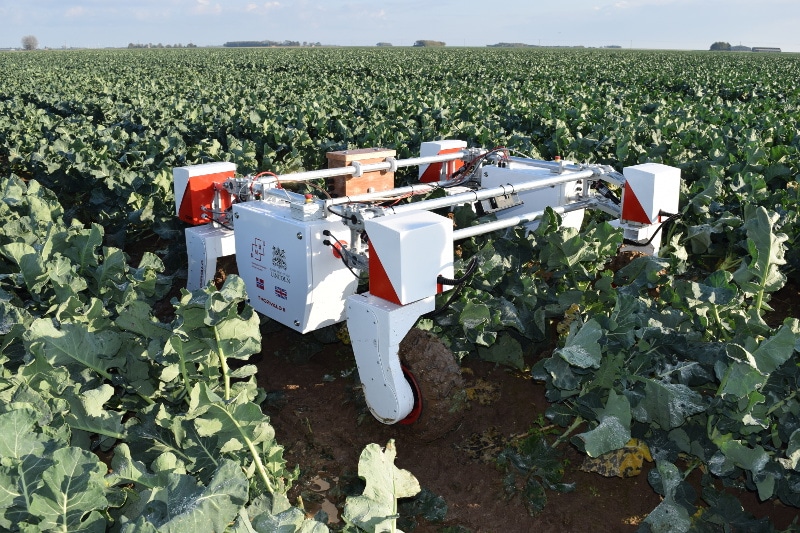
Belinda featured some of Agri-Tech’s scores of members, including the University of Essex robotic strawberry harvester, the University of Lincoln’s computer vision work to identify mature broccoli heads ready for harvest, the Hands-Free Hectare developed by Harper Adams University and Precision Decisions, and the Potato Yield Model developed by Niab CUF and Agrimetrics.

The ALC, hosted by The Chosunilbo, is the country’s premier international conference where global leaders come together to discuss and provide possible solutions for the pressing issues that Asia is facing today. World-renowned political leaders, global corporate CEOs, and academic leaders have participated in the conference since it was first held in 2005. Participants at the conference include C&D-level and senior executives of Korea’s biggest-listed companies, senior government leaders and officials, professors and researchers.

Since its very first conference, the ALC has presented unique themes that address the status of society, and provides a great opportunity to seek ways to bring peace and prosperity to the world.

The Asian Leadership Conference 2019 - Korea 2
From left to right: Prof Yong-Joo Kim, Dept of Biosystems Engineering at Chungnam National University (conference session moderator);Thomas Seiler, CEO of U-Blox;Prof Noboru Noguchi, Vice Dean of Hokkaido University in Japan; Dr Shufeng Han, Principal Engineer, John Deere USA; Luuc Grammans, Researcher (Plant Factories) at Wageningen University and Research; Belinda Clarke, Director of Agri-Tech

Belinda continues: “We were honoured to have in the audience Yoon Dong-Jin, the Director General of the Agri-Bioindustry Policy Bureau.
“It was a real privilege to be part of the Asian Leadership Conference and showcase some of the best of UK agri-tech developed by our members via this prestigious global platform. I am excited about developing our links with colleagues at the Universities, supported by the British Embassy in South Korea, for this important market through which our members can springboard further into South East Asia.
The Duke of York also spoke at the conference and hosted a Pitch@Palace event.

The Asian Leadership Conference 2019 - Korea 1
From left to right: Prof Yong-Joo Kim, Dr Shufeng Han, Luuc Grammans, Thomas Seiler, Belinda Clarke, Prof Noboru Noguchi

30MHz gains €3.5m to accelerate development of agri-data platform ZENSIE

Agri-TechE Article
Meet the Network
30Mhz

30 MHZ receive 3.5m Euro investment30MHz has announced funding of 3.5 million EUR from two agricultural related funds: SHIFT Invest and the Rabo F&A Innovation Fund.
The funding will be used to accelerate product development and to further improve worldwide distribution of its agri-data platform ZENSIE, which makes it easy for growers to deploy wireless sensors and start capture the metrics most crucial to their operations in minutes, without technical expertise.
Jurg van Vliet, 30MHz CEO, says “ Although we have only been active in the horticultural and agricultural sector for two and a half years, we fully understand its potential and it is ripe for DIY digitization – ZENSIE’s ease of use means that it will become the go to product in the market. By working with our customers and partners we are looking forward to further developing the platform and thanks to this recent investment we are now able to further expand internationally.”
The investment in 30MHz will continue to drive its growth as a dominant brand in the sector, helping it to move closer to its vision of creating a space where all products and services are digitally accessible for growers, advisers, suppliers, distributors and researchers.
Antony Yousefian, UK Director at 30MHz, comments: “With the Series A complete, we can really accelerate development and expansion internationally too.
“Our early success in the UK and probably globally wouldn’t have been possible without being part of Agri-Tech. Their guidance, networking and opportunities have been invaluable.”
Read the full investment announcement on the 30MHz website here.
REAP 201930Mhz took part in the Technical Exhibition at REAP – for more details about how to participate in the exhibition click here. 
 

Agricompas and Farming Data announced as winners of the Agri-TechE Catalyst Challenge Fund

Agri-TechE Article
Meet the Network
Agri-TechE

Two Agri-TechE members are leading projects as part of the Colombian Prosperity Fund Programme.
The “Digitising cacao production in Colombia” is run by Agricompas,  in partnership with the University of Lincoln and the University of Reading in the UK, and Fedecacao and Solidaridad Network in Colombia.  It aims to support women and smallholders in post-conflict areas.
Farming Data Limited were also winners with a project to deliver an “Integrated trading platform and data analytics for Colombian small farmers”. It will be working with Colombian partners: Región Central, RAP-E, ASOCAFE Manantial and Patrimonio Natural.
The winners of the Colombian Prosperity Fund Programme were announced by the Agri-TechE Catalyst Activity with its implementing partners, Innovate UK and the International Center for Tropical Agriculture-CIAT.
The Colombian Prosperity Fund Programme is investing up to £3 million in seven new agriculture projects around the country. The projects are managed by consortia of private sector companies, academic bodies and civil society from the UK and Colombia. The expected impacts are greater agriculture productivity; inclusive growth; poverty reduction; gender equality; women’s economic empowerment, as well as new commercial opportunities between both countries.
More information about the programme – click here 

Water stewardship tool gives field specific advice

Agri-TechE Article
Agri-TechE

To give advice to farmers when preparing to spray oilseed rape herbicides,  Agrimetrics and BASF have developed a water stewardship tool, giving field specific advice on when to spray.
The app helps farmers to determine whether or not it is safe to apply quinmeric or metazachlor products over an 8 day period.
More information about BASF can be found on their member page here.
If you are unable to watch the video opposite you can view it on YouTube here.

Satellites for agriculture explained in new report

Agri-TechE Article
Agri-TechE

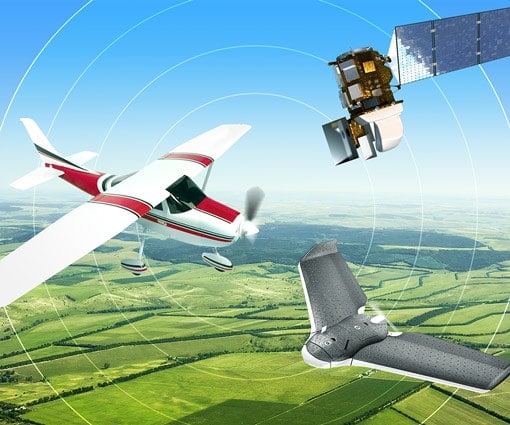
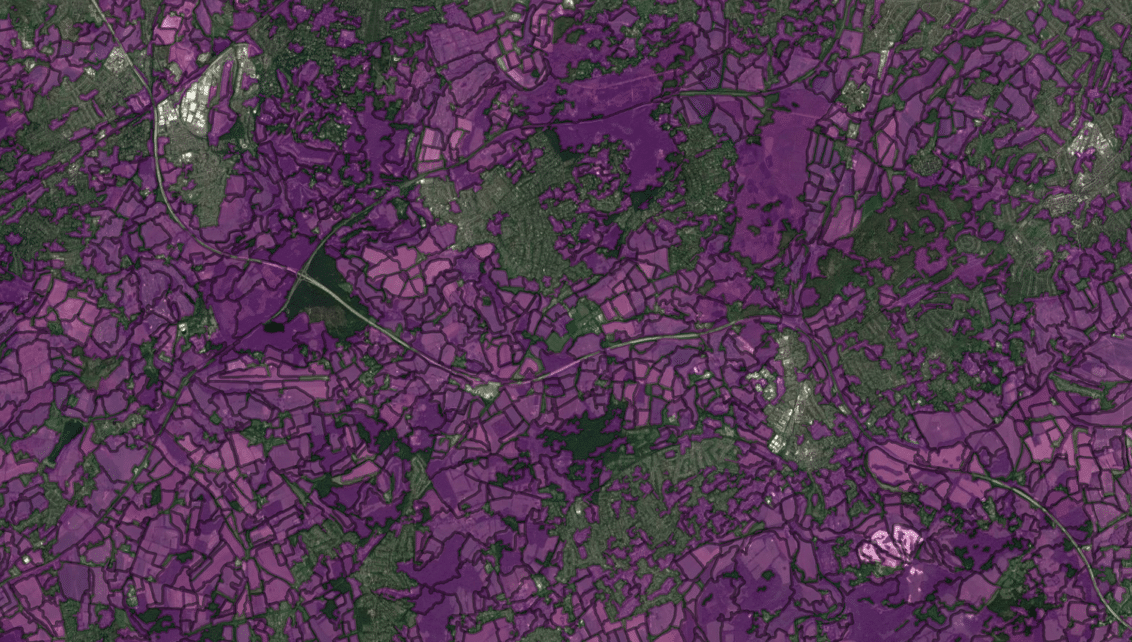
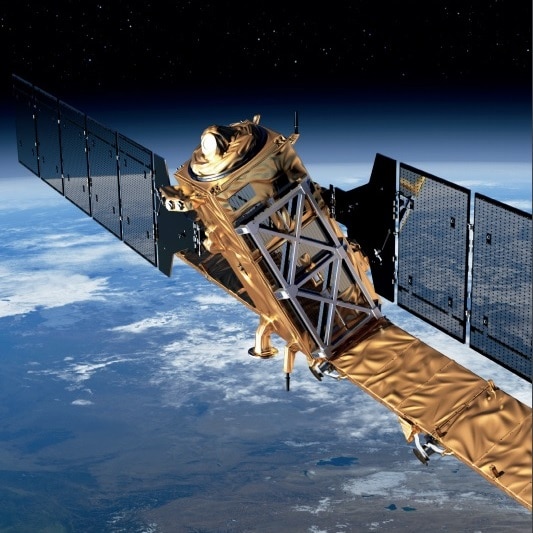
Satellite Earth Observation is a form of remote sensing that uses a number of satellites with different instrumentation to provide information about the Earth’s surface and atmosphere from platforms up to 36,000km away in space.Satellites for Agriculture report
AHDB and the Satellite Applications Catapult, have collaborated on a report which gives a helpful overview of the potential applications of this technology and the opportunities available to farmers and growers from the space sector.
Satellites can assist growers with:

  • Detecting and controlling pests and disease
  • Understanding water and nutrient status
  • Planning crop nutrition programmes
  • Informing in-season irrigation
  • Predicting yields
  • Estimating harvest timing

A new breed of non-traditional agricultural businesses proposing advanced data-intelligence capabilities to farmers are emerging and challenging the more established agronomy, precision farming and farm management businesses. These companies are adapting developments in computer vision and big data analytics to harness this surge in data availability to increase the speed, quality and variety of products and  services available to farmers.

Added value services

  • Real-time updates on current field, soil and crop conditions
  • Real-time decision support (eg when to irrigate)
  • Precision profit mapping
  • Disease and pest identification
  • Immediate alerts to canopy conditional change (eg water stress)
  • Harvest forecasting
  • Hyper-localised weather
  • Fleet management and performance tracking
  • Animal tracking and monitoring
  • Enhanced field planning – eg field profiling and variety selection
  • Visualisation and augmented reality to enable direct in-field assessment of live operational
    and historical issues

Current UK market leaders exploiting EOS data for in-season agricultural decision support are advertising  average yield benefit of between 3 and 8% over the farmers’ traditional best practice when used for input applications.
The report is available to read here.

Good vibes used to generate free energy

Meet the Network
Agri-TechE

Vibrations from motors and industrial machinery create energy that is usually wasted. Now Cambridge-based 8power is capturing this energy to run a predictive maintenance system that enables the machine to self-diagnose its own faults.

Paul Egan 8power free energy
Paul Egan 8power

Paul Egan, CEO of 8power, says that the technology is “taking existing dumb, dark machines and making them smart, intelligent assets”. He explains: “Most motors vibrate within a known range of frequencies and only a modest amount of vibration is required to generate sufficient energy to power sensors. Our solution means that a sensor can operate for 10 years without a battery.”
There are many applications for 8power’s energy harvesting. One example is work with ABB, a Swiss-Swedish robotics company, to increase the capability of its sensors.
Paul says: “We have been able to improve the performance of sensors so that they are able to sense, process and report more data, more often. Additionally we have been able to move some of the AI algorithms currently running in the cloud down onto the asset itself. This not only improves the quality of the available data, it also shortens time to fault identification and can reduce the cost of maintenance or repair.”
8power sees many applications for its technology within the agri-food industry. Drying equipment, irrigation systems, and conveyor belts for washing produce post-harvest are all examples of equipment that generate vibrations and where breakdown has a high economic cost.
Paul continues: “Currently we are using the energy to power a condition monitoring and predictive maintenance system. Our solution can produce up to 100mW with moderate vibration. This may seem like a trivial amount but is more than enough power to regularly run sensors and long-range wireless.
“We are aiming to develop systems that can predict faults and to use the skills of the existing maintenance teams to retro-fit and commission these sensors.”
Paul is one of the speakers at the Agri-TechE Pollinator “We’ve Got the Power; On-Farm Solutions to Energy Demands” being held on 23 May 2019 at 1:30 – 5:00 pm at Hethel Innovation, NR14 8FB.

PGRO Pulse Agronomy: Field bean seed quality 2018

Member News
Agri-TechE

High levels of bruchid damage and very dry weather at harvest in 2018 have led to variable bean seed quality. Field bean samples tested at PGRO from August to October 2018 had an overall average germination capacity of 79.5%, with winter beans having an average of 79% and spring beans 83%.

Germination can be affected by physical damage to the seed caused when harvesting over-dry crops, chemical contamination by glyphosate, or insect damage such as bruchid damage, and if saving seed on-farm, it is important to test seed for germination capacity.

At low levels of bruchid infestation, germination losses may not be significant in larger seeded varieties, although damaged beans can be more susceptible to moulds. It’s likely that lightly infested seeds have a greater chance of survival, with the size of seed and portion remaining following larval feeding being important determinants of germination capacity.

At high levels of seed damage by bruchid, germination is affected, and losses between 10 and 15% germination have been recorded in laboratory tests when bruchid damage is between 40% and 80%. There is potential in the field for the damage to cause seeds to decay before germination occurs, and damage close to the point of attachment with the hypocotyl can cause establishment failure. This occurs more frequently when bruchid damage levels are high.

Crops that are harvested at low moisture content, particularly when less than 12%, may incur mechanical damage during harvesting or cleaning. Mechanical damage to seed causes seedling abnormalities and increased infection by soil-borne pathogens such as damping off (Pythium spp.), lowering the germination capacity.

If glyphosate has been used as a desiccant, seedling abnormalities are likely to arise if the seed from the treated crop is used.

See more in the Pulse ebook Winter 2018-19:

BioBridge celebrates 30 years of innovation consultancy on April 1st 2019

Member News
Agri-TechE

No, not an April Fools’ joke – BioBridge Ltd, the Cambridge-based independent life science innovation consultancy, was founded in 1989 and has been at the forefront of biotechnology and life science advances since then, from a ground-breaking report for Frost&Sullivan on biotechnology in animal breeding and production, via helping establish new approaches to xenogeneic therapies and biopharming, to current involvement in the latest green and blue biotechnology advances.
Dr Meredith Lloyd-Evans, founder and CEO of BioBridge Ltd, said “Since we started, we have  worked with  over 100 clients from  individuals to giant corporations through start-ups and SMEs to governments, spread over the world from Japan via Europe to Canada and the East coast of America. We are very grateful to our clients for their support, especially our long-term relationships stretching from 10 to 25 years. Using our expertise in innovation and exploitation in Life Sciences, we’ve been able to work with and help creative people and companies build strong advances in marine and crop biotechnology, tissue engineering, animal health, medical devices and industrial biotechnology. Our expertise allows us to carry out highly- focused projects for companies on specific topics, and  the  breadth  of  experience  means  we can offer support to strategic decisions at top level, as well.”
Looking to the future, Meredith is strongly involved in efforts to build sustainable economies based on marine and aquaculture biomass, in areas such as blue bioproducts for chemical, plastics and health uses, and is helping create European and international groupings to achieve this, via the BioMarine organisation. In Animal Health, he is working with the US-based Vaxiam Group to accelerate productive linkages between European and Chinese companies and research activities. In dermatological healthcare, BioBridge has successfully helped companies find new ingredients, especially from natural sources, and new products for management of long-term skin conditions. He is an active member of IBioIC, the Scotland-based Industrial Biotechnology Innovation centre, and works with IBioIC and the Bio-Based Industries Consortium on marine biotechnology workshops and seminars. In Spring and Summer 2019, he will be contributing to round-tables, panel discussions and EU-supported conferences in the Blue Economy. Work, and the opportunity to contribute to progress, does not stop!

PwC Cambridge moves to new home in St John’s Innovation Park

Member News
Agri-TechE

PwC Cambridge has moved to a new home in the flourishing St John’s Innovation Park, opposite the Cambridge Science Park.PWC Office opening, in march 2019
The new office move was celebrated with an official opening on 27 March 2019, attended by over 150 guests and staff.
The new office brings together more than 200 staff members from the Cambridge and Norwich teams. The relocation will allow PwC to be closer to their clients, and provide greater support in PwC’s priority fields of agri-tech, life sciences and artificial intelligence. The demand for expertise in these areas is increasing, and PwC is committed to ensuring it is best placed to help prepare its clients for future growth potential.
The new office space will encourage collaboration, inclusivity and flexibility. The doors will also be open for clients, local busineSian Steele PwCsses and charities to use the new space, encouraging a greater sense of community throughout the city and region.
Sian Steele, PwC Cambridge office senior partner, said:
“Cambridge is an international city and we have a wonderful and diverse team. We pride ourselves on looking after one another as well as our clients. The move will allow us to address new challenges and opportunities within the city and surrounding areas. We want to be part of the team helping the city go from strength to strength, and our new office will no doubt help us to achieve this.”
Chrissie Freear, PwC Cambridge office senior manager and agri-tech team leader said:
 “Moving to our new office demonstrates our commitment to the East and provides a great collaborative environment to bring together our range of specialists, in our key focus areas such as Agri-Tech. We are delighted that the new office has already been used as a venue by some agri-tech guests who were particularly impressed with our agri-moss wall!”