The Productive Landscape: NatureTech for Profit and Planet
How can technology enable delivery of food, nature recovery, and climate resilience - all at once? The Head of the Environment Agency is asked: what's the national plan for dealing with land use pressures, plus you’ll hear from technologists and land managers working on nature-based and tech-enabled solutions for water, soils and climate adaptation.

wHen2go smart tool helps protect water resources from OSR herbicides

Agri-TechE Article
Agri-TechE
To help growers time the application of its key oilseed rape herbicides and  minimise risk to water sources, BASF has developed a new smart tool wHen2gO with Agrimetrics. 

The wHen2gO Smart Tool considers soil type, drainage and cultivation method when assessing the drainage rate of the soil in the field. By pairing this information with forecasted weather, the tool will then provide an eight-day forecast with a traffic light system indicating the optimum timing of product application for water stewardship.  It will be available to download for all mobile devices via the BASF agricentre website.

drinking water check zones
Surface Water Drinking Water Safeguard Zones (SWDWSgZ) using on the Environment Agency’s “Check Zones” (Credit Environment Agency)

At present, the stewardship advice for the two products metazachlor and quinmerac is voluntary. If you are in a drinking water safeguard zone these actives need to be applied no later than the 30th of September and outside of these zones the latest application date is the 15th of October, but only if soil conditions are good and will not result in drain flow. However, by demonstrating use of the wHen2gO Smart Tool, and following its advice, these restrictions have been relaxed, offering increased flexibility for application.
Paul Goddard, BASF Stewardship and Value Chain Manager, comments: “ “We have developed this Smart Tool with both water requirements and growers in mind. We are trying to help people do the right thing with regard to stewardship of water. Detections of metazachlor and quinmerac, in water at non-compliant levels pose a threat to their registration, so it is important that we take steps now to minimise this.
“wHen2go will not take the decision for you – that must be done by the sprayer operator – but it does enable a more informed decision to be made”.
wHen2Go has been developed independently with Agrimetrics, part of the Government’s tech strategy for agriculture.
For more information about wHen2go. 
 

Does crop sensing data correlate with improved yields?

Agri-TechE Article
Agri-TechE

Almost 50 field experiments are being set up across Europe as part of the INNO-VEG project, developing innovative methods for vegetable and potato crop research that can be easily upscaled and adopted by farmers. The four-year project, which aims to produce an overarching protocol for integrating crop sensing data into field research methodologies, is being led by ADAS in the UK with partners in Belgium, France and the Netherlands.
Reliable research methods are crucial to underpin the evidence base needed to meet the challenges of sustainable intensification of field vegetable and potato production. The project, originally set up in 2018, will evaluate the suitability of using crop sensing data to assess treatment differences in field experiments.
ADAS soil scientist and project lead Lizzie Sagoo explains, “We know that crop sensing data, for example, from drones or tractor-mounted sensors can show up differences in crop performance across a field. We want to see whether these techniques accurately assess final crop yields. If they do, they can be used instead of the labour-intensive and expensive standard field assessments.”
Traditional crop research relies on replicated treatments in small plots and intensive measurements. It is usually led and delivered by agronomy, consultancy or academic organisations meaning that farmers are not asked to play active roles in research and, typically, only host experiments.
“If we can show that crop sensing data can be used to assess differences in crop treatments, we can upscale to split-field or tramline comparisons. Then, we can adopt a farmer-led approach to delivering research in this sector. The model will enable farmers to apply treatments to different areas of a field using their own farm equipment and carry out accurate measurements using high-resolution crop data,” says Sagoo.
ADAS head of agronomics Daniel Kindred continues, “We have developed approaches to bring scientific rigour to farmer-led research in combinable crops like wheat. Treatments can be set up in line trials and statistically compared using yield maps from a combine harvester.
“The main barrier to adopting this approach is that yield mapping, although technically possible, is very rarely used for field vegetable crops. However, high-resolution spatial crop imagery can be easily collected during the growing season from all field vegetable crops. If this can be used as an indicator or a proxy for the final crop output, it can also enable field-scale research.”
In 2020, field validation experiments will test the protocol being developed during the 2019 field-scale research experiments to develop a framework for farmer-led research. The framework will then be tested in farmer-led field experiments during 2021.
Information collected from farmer groups and field testing will be used to refine the framework to ensure the outputs are presented in formats that are easily understandable and written in sufficient detail to facilitate the adoption of the farmer-led approach.
This project brings together an internationally respected group of researchers with extensive experience of field vegetable and potato production systems, crop sensing techniques, spatial data analysis and on-farm advice.
Sagoo says, “Our ultimate aim is to provide farmers with a methodology for carrying out research on their own farms, where they can test new approaches such as varieties, establishment techniques or fertiliser management.”
In addition to the field experiments, the project team is setting up a cross-border network to facilitate innovation between the precision farming/sensor technology industry, research organisations and the field vegetable and potato crop sectors. The network is being developed by Delphy in the Netherlands and is due to launch later this year.
“The INNO-VEG innovation network will focus on facilitating innovation by realising the value of crop sensing technology in the delivery of field vegetable and potato research. We invite anyone with an interest in this area to join to network,” says network lead Cor Van Oers from Delphy. Other project partners are Inagro in Belgium and ARVALIS – Institut du vegetal in France.
The INNO-VEG project has received funding from the Interreg 2 Seas programme 2014-2020 co-funded by the European Regional Development Fund under subsidy contract No 2S05-032.

Organic producers can now benefit from approved biostimulants from Olmix-Micromix

Agri-TechE Article
Agri-TechE

Organic farmers can now make use of two unique biostimulants to improve crop health and productivity, following their approval by Organic Farmers & Growers.
“C-Weed 50 and C-Weed AAA are the first Olmix-Micromix products to achieve organic certification, meaning farmers can now use them to improve crop establishment, protect against disease and drought stress, and stimulate growth and overall yields,” explains sales manager Chris Gamble.
“Interest in our biostimulants has soared in recent years, as comprehensive trials data and scientific research has proven their benefits beyond all doubt. I’ve had many discussions with organic farmers in the UK who are keen to adopt this technology, so I’m delighted that we have now secured official approval.”
Both products contain a highly concentrated extract of the algae Ascophyllum nodosum, which has unique marine-based compounds that alleviate stress and stimulate growth in land plants. C-Weed AAA also has additional plant-based amino acids which are essential for cell growth.
“Olmix harvests the algae only during periods of rapid growth, and uses a cool extraction process – this ensures that the natural biostimulant compounds remain intact and are not denatured by heat,” adds Mr Gamble. “C-Weed has been extensively trialled and is proven to be far more active than any other algae-derived products on the market, meaning it can be used at significantly lower application rates, saving both time and money.”
Both products can be used in a tank mix with micronutrients or other organic treatments, and can be used throughout the season to support the plant at different growth stages, from establishment and rooting to flowering. “Proven results include increased rooting and leaf growth, higher yields and quality, and elevated resistance to pests and diseases,” says Mr Gamble. “C-Weed also has strong anti-stress properties, boosting plant health and productivity during times of drought or other abiotic stress.”
Many conventional farmers across the UK and Europe use C-Weed to support crop health and productivity, particularly at times of stress – now organic producers can do the same, he adds. “We are now in the process of securing certification for a wide range of other natural products, meaning we’ll soon be able to offer organic producers a complete package of plant care.”

Record high temperature recorded by ProData Weather Systems

Agri-TechE Article
Agri-TechE

Yesterday (25 July 2019) weather station company Prodata Weather Systems recorded a high of 39.5C. A test-site weather station recorded the temperature near to Soham, Cambridgeshire. Prodata Weather Systems is based at the Espace Business Centre in Littleport, with several testing sites around the county where they can test the latest Davis weather stations and their environmental data collecting equipment. Company owner, John Dann, said: “We knew yesterday would be warm, but it rather exceeded our local expectations. Our weather station recorded a high of 39.5C, which we believe is the highest recorded for this local area. Official recording stations are showing a high of 38.1C, which was a record-breaker in itself. Our station is not part of the official recording system, but we know our systems are accurate for type and offer solid environmental data. This data is invaluable to us all, whether we are amateur weather watchers or professionals needing solid data to run their businesses. It also highlights just how much of the local micro-environment can influence exact temperature records.”

KisanHub to digitise global agricultural supply chains with £3.4M investment round

Agri-TechE Article
Agri-TechE

Agricultural supply chains should efficiently deliver produce from farmers to consumer. However, when these complex systems do not function effectively, it can make or break agricultural business and affect communities around the world.
KisanHub - agriculture softwareThat’s why Agri-TechE member KisanHub is digitising agri supply chains for the world’s largest food and beverage companies, thanks to £3.4M investment from venture capital firm Sistema_VC alongside venture capital firms Notion and IQ Capitalwho.
KisanHub’s core technology brings together public and private data and the platform is built to connect farmers with the rest of the supply chain. This round of funding will build on their 2018 progress by signing deals with two out of the five largest global food and beverage companies in the world.
KisanHub’s CEO, Dr Sachin Shende, said: “KisanHub’s existing clients are looking to scale the implementation across tens of thousands of farmers growing crops on millions of hectares of land spanning their global supply chain. This is a massive undertaking and also a massive opportunity for KisanHub with a big positive impact on sustainability.Dr Sachin Shende, KisanHub
“The Series A round will help KisanHub to scale the team to scale the platform with focus on enhancing Data Insight capabilities of the platform. We are excited to have Sistema_VC joining us on this journey and it is great to have our existing investors, Notion and IQ Capital, backing us again.”
How the KisanHub platform works

  • Connects multiple actors in the supply chain including farmers, agronomists and procurement managers.
  • Collects a multitude of data sources and process them using its own IoT and aerial image processing cloud.
  • Algorithms provide the insights which make the supply chain and procurement process more reliable and predictable.

The investment will be used to continue the development of the platform and implementation of it across multiple geographies for global brands. KisanHub currently has 14 enterprise clients using its platform to bring together supply chain data to help simplify complex decisions. This helps to make agriculture predictable and profitable, helping enterprises and farmers move from intuition-based decision-making to analytical decision-making.

Weather firm Sencrop ranked by Crunchdex as ‘one to watch’

Meet the Network
Agri-TechE

Sencrop LeafcropA new leaf wetness sensor has been launched by digital farming and weather start-up Sencrop, which has also been named by tech-tracking index Crunchdex as ‘one to watch’ amongst European technology start-ups.
In the three years since its inception, Sencrop has grown its team to more than 40 employees from seven countries, raised €10m in funding, and attracted the attention of more than 10,000 farmers, winemakers and fruit growers across ten European countries.
It claims that its weather sensor solutions – Raincrop, Windcrop and Sencrop Plus – give farmers a new edge in ‘agro-meteorology’, measuring air temperature, humidity, rainfall and wind speed, and connecting with other local stations, to improve on-farm decision-making and maximise productivity through a simple app.  It has a network of more than 300 on-farm weather stations in the UK.
Sencrop is the only agri-tech firm to make the June top ten. The Crunchdex rankings are based on a dozen metrics such as recruitment, fundraising, web traffic, app ratings and social media reach and influence.
“We’re delighted with the ranking,” says co-founder Martin Ducroquet. “It’s a tremendous recognition for all the hard work that our small but growing team has put into innovative product development, reliable customer support and advanced but accessible technological principles.”
The new Leafcrop, a leaf wetness sensor,  promises better disease prediction and frost protection for vineyards and orchards.

“Things cannot stay as they are”

Agri-TechE Article
Agri-TechE

REAP 2019 Rosie Begg“We have a new generation of conscientious consumers who care about provenance, health and farming practices.  Farming will become more sustainable because, I believe, it’s the only way to have a resilient business in the future. Things simply cannot stay as they are” comments Rosie Begg, Head of Farm Strategy at Gorgates Products fruit and one of the speakers at REAP 2019. “I hope that exemplary farmers will be kind enough to share their expertise and wisdom to facilitate progress. Collaboration, in my opinion, will lead the way.”

Innovating for One Agriculture 

An emphasis on the farming community’s responsibilities as custodians of the countryside and environment, along with the Basic Payment Scheme phase-out and the reduction in the armoury of sprays, will drive the wider adoption of new technology and bio-innovations to increase efficiency and manage costs.
“Farming is certainly part of the solution to protecting the environment but if we are going to see environmental changes at the speed and scale that is needed we must be more open and educate the public on our practices to encourage joined-up thinking where everyone is part of the solution.

Working with nature

“On our farm we are trialling combination crops within our blackcurrant plantations: yarrow to help reduce snails, and phacelia planted every eighth row in one of our fields to encourage not only pollinators but also hoverflies to eat the aphids and reduce the need for pesticides. We recently counted 75 bees over five different stretches and some were absolutely huge so it is definitely working.
“Another change we have made is to introduce precision farming to optimise fertiliser usage, save costs and reduce the environmental impact.
“Our farm will need a lot of investment over the coming years and this can only be prioritised by improved analysis of the data to determine what we can afford to do at this point in time, and what inefficiencies are threatening our farming business.”

Looking for trends 

“I believe that data driven decision-making will be key to our farm’s success and we have already benefited from that approach. We analysed our blackcurrant data from the past ten years to look for evidence of any patterns in yield and costs. The findings showed a significant drop-off in yield after year ten at one of our farms. We also noticed that despite the virgin blackcurrant land being too far away to irrigate, the benefits from this soil outweighed the lack of irrigation. This data allowed us to plan our rotations for the next ten years and will be analysed regularly.
“Sometimes the changes required to our farm seem overwhelming, but data will allow us to plan informed step changes over a timescale we can afford. Panic fixing things at a higher cost when they go wrong is not a sensible course of action.”
REAP 2019

Rosie Begg has a degree in Business Management and after working in London for six years gaining experience in Finance, PR and Marketing decided to return to run her family’s farm in Norfolk. She is Head of Farm Strategy at Gorgate Products Fruit Farms, working alongside the Head of Farm Operations in managing their blackcurrants, arable crops and Victoria plums.
Rosie will be part of the REAP 2019 Sofa Session “Next Generation Innovation” on 6 November – see more about REAP here.

Focus on fruit – technologies moving into the sector

Agri-TechE Blog
Agri-TechE

Some of the best ideas have been pioneered for one use before making a difference elsewhere. Agriculture and horticulture are no exception and right now we’re getting inspired by the potential for arable-focussed solutions being applied in the fruit industry. And in parallel, the fruit industry is pioneering other technologies to move out of the glasshouse and into the field.

Drones are increasingly being used to monitor orchardsA role for drones 

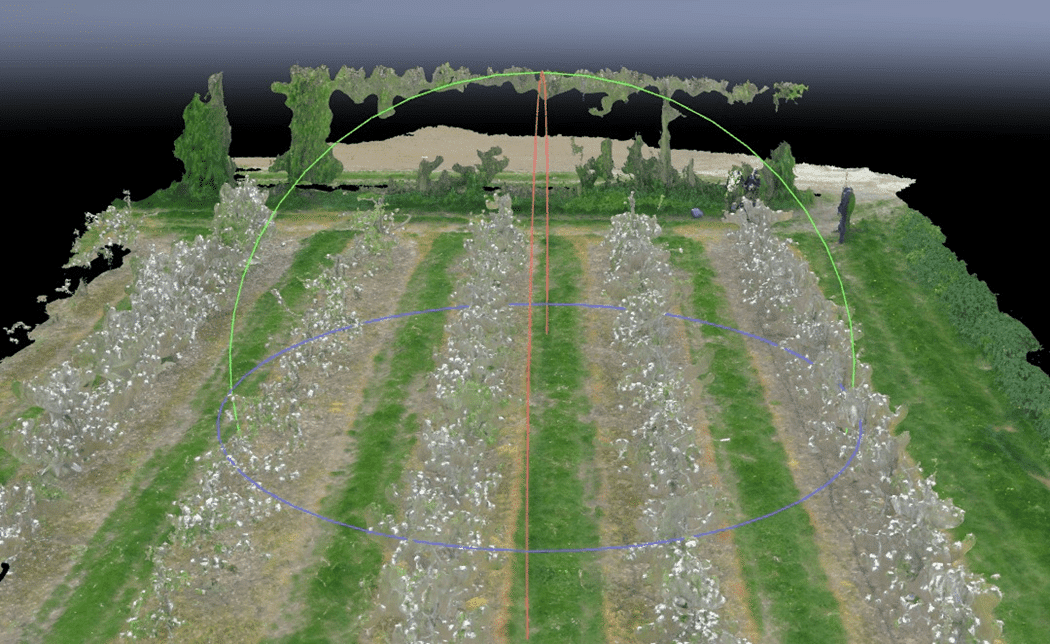
Take drones, for example. Not just for mapping field and soil variability and the performance of broadacre crops, increasingly they are being used to monitor orchards where counting individual blossoms can help predict fruit yield. Similarly, much of the plant breeding and genome technologies developed for large scale commodity crops has been applied to top, soft and vine fruit, with genome mapping and marker-assisted breeding transforming the speed of development of new varieties.
The potential “wins” for technology in the UK fruit industry are huge. Extending both the season and the shelf-life of perishable-but-popular berries is key, as well as innovating for new markets such as on-the-go snacks, new flavour profiles, and products with added health or nutritional benefits.

Harvesting and disease control by robots?

Strawberry fields forever
Effectively managing pests and diseases remain a challenge, whether the crop is grown undercover or outside – and the need to support or enhance the effectiveness of flower pollination is particularly pertinent given that just the pollination services of just 3 bee species provide a value of more than £600m a year to the UK economy through better crop yields and quality.
We hear a lot about the “rise of the robots” and the potential for automation, and the fruit industry appears poised to be one of the early adopters for these technologies. Not only are labour costs rising, but the availability of labour is also declining, with disturbing quantities of unpicked fruit crops rotting on the plant.
Robots lend themselves well to validation in a clean glasshouse rather than a muddy field. Automated fruit harvesters can also detect degrees of ripeness and sweetness but also increase efficiency and speed of crop management and harvest. So a robot that proves its worth indoors can help pave the way for application in more challenging and changeable environmental conditions.
Orchard - focus on fruitWith the pressure on to reduce the carbon footprint of the industry, the potential for new, greener packaging solutions and application of the so-called “circular economy” to add value from waste is significant. Unused berries, for example, can be a rich source of vibrant colourants for the cosmetics industry.
In general, the supply chain for fruit tends to be shorter, with fewer players than for commodity crops. But this puts additional pressure on logistics, supply chain management, predictive crop modelling and process automation to ensure supply meets demand. Here, again, technologies from arable production as well as the outdoor salad industries can help.
Find out about the members who joined us at Fruit Focus 2019 as part of  the Innovation Insights session.

Fruit Focus 2019 is to be held at Niab EMR (previously East Malling Research Centre), New Road, East Malling, Kent, ME19 6BJ

Transforming Food Production – Agri-TechE members in 19 of the 31 projects

Agri-TechE Article
Agri-TechE
Greg Clark, Secretary of State for Business, Energy and Industrial Strategy

The first wave of successful projects under the “Transforming Food Production” programme have been announced, with Agri-TechE members participating in 19 of the 31 Collaborative R&D projects.
In his announcement today (28 June 2019) , Greg Clark, Secretary of State for Business, Energy and Industrial Strategy., revealed that industry partners were contributing a further £8.8m to the overall total of £22.4M for project funding.
Agri-TechE members’ projects include:
Rothamsted Research
Productivity of dairy cows  £233,286 grant for the use of GPS tracking to improve the productivity of grazing dairy cows.
Blackgrass forecasting –  £1,001,182 to use AI to develop blackgrass forecasting models that could help save farmers over £0.5Bn a year to help identify successful manages strategies.
Automated disease analyser  Rothamsted Research is a partner on a project worth £927,394 with Hutchinsons, ADAS and Spearhead to develop SpraySaver, the world’s first automated field analyser system for early disease detection of crop pathogens.
Fotenix Ltd 
Vertical farming – Fotenix Ltd working with the Centre for Crop Health and Protection (CHAP) and others – a share in a £990,856 grant to help develop new vertical farming systems by combining different technologies to optimize growing conditions.
Soft fruit robot – Also Fotenix is sharing a grant of £1,242,623 with the University of Lincoln (and others) to develop First Fleet, the worlds first autonomous multi-modal soft fruit robots
University of Lincoln
Blueberry picking robot – University of Lincoln is also sharing a grant of £105,435 (with others) for a feasibility study to develop an autonomous blueberry picking robot.
Vision-guided weeding – £698.058 grant (with others) to develop the next-generation of vision-guided weeding systems to reduce chemical use. It is also sharing a grant of £439,100 with others to develop environmentally sensitive weed control systems using precision digital field mapping combined with engineered vehicles.
Farmscan AG and Harper Adams University
Hands free farm – this duo is working with others in a grant worth £1,588,964 to develop a totally autonomous “Hands Free Farm” which will develop robotic skills, smart machines and evaluation technologies for smaller and more precise machinery.
B-Hive Innovations and Harper Adams University
Potato measuring – these organisations share a grant of £390,859 to develop TUBERSCAN, to measure potatoes as they are growing in fields, helping optimise harvesting and crop resource use.
Potato Storage – B-Hive is also working with the AHDB and others on a project worth £520,046 to develop a smart storage solution for the potato industry with the aim of reducing waste by 110kt and improve packer profitability by £108m a year.
Small Robot Company
Electrical weeding solution – SRC is sharing a grant of £690,380 with others to develop a prototype electrical weeding solution for new crop types
Breedr
Beef supply chain – working with others on a grant of £2,441,794 to develop the world’s first “beef data bank” – a platform for data covering the beef supply chain to help avoid disease, improve business performance and improve product quality.
Folium Food Science Ltd
Blight detection by drone – Folium will be working with the University of East Anglia and others on a grant of £909,984 to develop a system for prevention of bacterial blight infection, using drones to detect and then treat blight using a new biotic treatment.
The Natural Resources Institute
Cool harvests – NRI at the University of Greenwich is sharing a £311.690 grant with others to develop in-field cooling systems to rapidly remove heat from produce immediately after harvest.
John Innes Centre 
Fertiliser decision support The John Innes Centre is sharing a grant of £1,189,803 with others to develop a fertiliser decision tool that will enable farmers to better optimise fertilise applications and increase nutrient uptake by plants.
Yagro Ltd
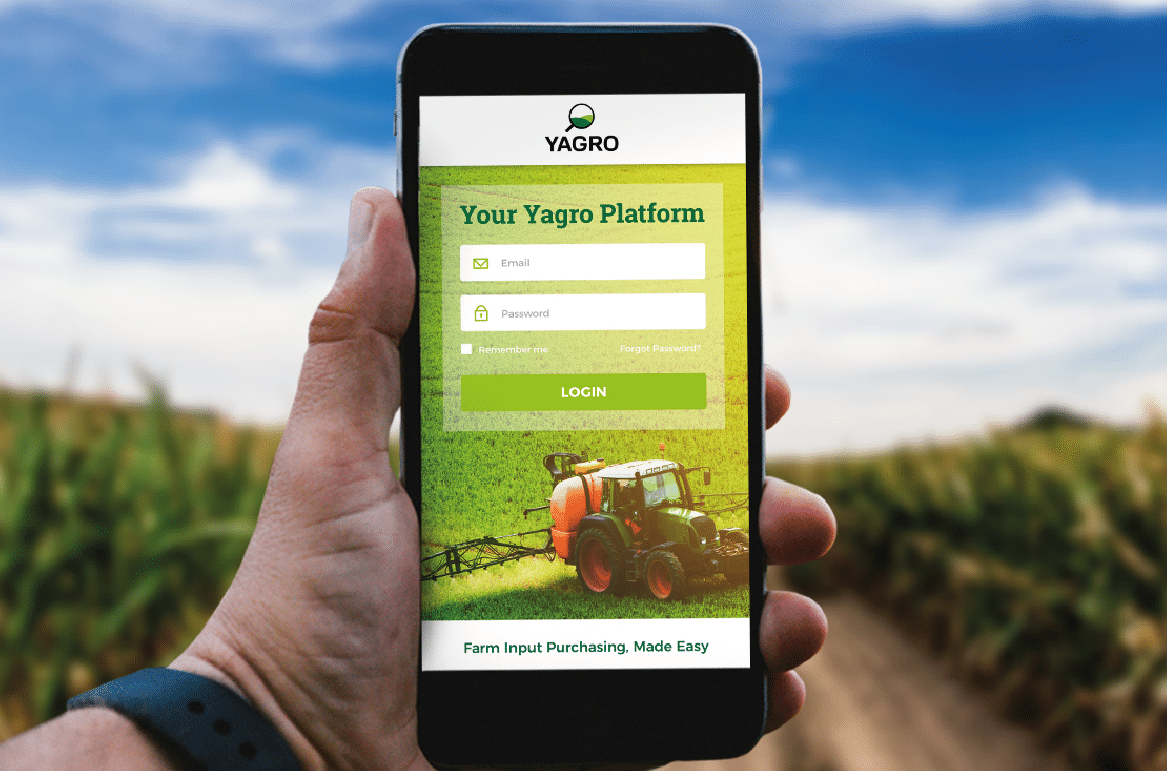
Boosting farm productivity – Yagro is sharing a grant of £558,146 with others on new technologies to optimise farm productivity to drive a more financially sustainable farming sector.

Transforming Food Production 

TFP is a £90m programme of the Industrial Strategy Challenge Fund (ISCF) and which aims to put the UK at the forefront of advanced sustainable agriculture; transforming food production whilst reducing emissions, pollution, waste and soil erosion.
More information – Gov.uk

New at Fruit Focus – Innovation Insights

Agri-TechE Article
Agri-TechE

Robotic harvesters, advanced sensors, pollinator attractants, an online market place to reduce waste, and decision support systems for improved traceability and productivity – are among the technologies to be presented by members of Agri-Tech, in an exciting new Innovation Insights feature at Fruit Focus, 17th July 2019, East Malling Research Centre.

Innovation Insights at Fruit Focus

Fruit Focus Innovation InsightsThis will be the first time that the Agri-Tech  has had a presence at Fruit Focus.
“Last year we took Innovation Insights to Cereals and the format – lightning presentations of a wide range of emerging technologies – proved very popular with farmers and growers,” explains Belinda Clarke, Director of Agri-Tech. “The networking session was animated and provided an excellent opportunity for people to discuss their particular issues directly with others who might have a solution.
“Industry input is vital to ensure that emerging technologies are fit for purpose and our members are looking forward to gaining this input and a better understanding of the issues that growers are facing.”
Fruit Focus is the leading technical event for producers of soft and orchard fruit and vines. It is attended by about 2,000 growers and industry professionals. Limited free tickets are available for members; please contact us for the discount code.

Speakers at the Fruit Focus Innovation Insights include:

  • Consus Fresh has developed an intelligent software-based system to reduce the burden of audits, improve efficiency and increase productivity.
  • Lincoln Institute for Agri-Food Technology (LIAT), a world leading university developing cutting-edge technologies for agriculture and horticulture, will be showcasing their latest thinking around novel glasshouse design for fruit production.
  • Prodata Weather Systems is a specialist UK supplier of cost-effective weather-monitoring equipment.
  • Hutchinsons is a leading agronomy company and provides advice independent of manufacturers and supported by an in-house research and development programme.
  • Soil Moisture Sense provides complete weather stations including sensors for soil moisture, soil temperature, air temperature, relative humidity, light and rain.
  • Timac Agro is a specialist in plant and animal nutrition with extensive expertise in crop nutrition, soil conditioning and fertiliser efficiency.
  • University of Essex has one of the UK’s leading plant productivity research groups.
  • Cambridge Consultants creates and delivers breakthrough products and services. It has recently developed Mamut, an autonomous robot for harvesting.
  • Weather Logistics specialises in climate impacts using seasonal forecasting techniques.
  • Natural Resources Institute (University of Greenwich) offers wide-ranging expertise including post-harvest handling of perishable produce, quantification of post-harvest losses, food safety, grain storage, and market economics.

Fruit Focus 2019 is to be held at Niab EMR (previously East Malling Research Centre), New Road, East Malling, Kent, ME19 6BJ.

One Agriculture at REAP

Agri-TechE Blog
Agri-TechE

REAP 2019 - Innovating for One AgricultureAccording to the World Health Organisation, “One Health” is an approach to designing and implementing programmes, policies, legislation and research in which multiple sectors communicate and work together to achieve better public health outcomes.

Productive and sustainable

Agri-TechE believes it is time for a “One Agriculture” approach and this is our theme for REAP 2019. We have long pioneered an “open innovation” approach to agriculture, encouraging and enabling innovations from different sectors to be applied to crop, livestock and countryside management.
The changes facing the UK’s industry, coupled with the global opportunities for sustainable intensification mean the time is right for a more holistic, longer-term, integrated systems approach to achieve better outcomes.
There are examples of best practice in all parts of the industry, from smallholder artisan producers, to large scale farmers feeding global supply chains. Yet the fragmentation, uncertainty and pressures facing the UK’s industry needs unification by knowledge exchange, technology adoption and enabling policies. Approaches, ideologies and beliefs vary, but the common theme is the need to be profitable, productive and sustainable.
This concept will be explored at REAP 2019 as we apply the paradigm of One Health to the industry.

REAP 2019: Innovating for One Agriculture

At the farmer breakfast (invitation only), we’ll be exploring the implications for “One Agriculture” on-farm? We’ll be asking questions such as:

  • What does this mean for farmers and how can they embrace the concept?
  • What channels of communication and information will be needed, what needs to change?
  • Where are the opportunities for One Agriculture to improve the productivity, sustainability and profitability of UK agriculture?

It’s time for “One Agriculture”

One Agriculture brings together technologies, expertise and thinking from different sectors and applications and unifies them for integration into farm practices and adoption by the industry. The keynote speakers, Dr Simon Doherty (President of the British Veterinary Association) and Heleen Prinsen (Southern Dutch Organisation for Agriculture and Horticulture) will share examples of how One Agriculture can work in practice and our Emerging Agri-TechE session will showcase some of the latest research in development and evolving for commercial application.

Agri-tech start-ups to watch

The ever-popular Start-Up Showcase is back and it is bigger than ever. A proven, high-profile  platform to help early agri-tech businesses connect with investors, advisors, customers and collaborators, this session introduces some of the UK’s most exciting new enterprises to REAP delegates.
Previous Start-Up Showcase speakers have represented companies such as Hummingbird Technologies, Yagro, fieldmargin, Small Robot Company and PBD Biotech
It has been apparent for a while that upheavals of once-in-a-generation proportions is coming to the sector, leading to changes in the way food is produced, the countryside is managed and research and technology are developed and adopted.

Next Generation given a voice 

Our 2019 “Sofa Session” will explore One Agriculture through the lens of the so-called “next generation” farmers, technologies and scientists currently establishing and developing their careers. We will hear the views of some of the UK’s promising young leaders in agriculture, horticulture, technology development and research about how they are innovating for the future in their sectors, the changes they would like to see and their vision for One Agriculture.
As ever we’ll be welcoming a cohort of exciting agri-tech companies with innovations and solutions – last year’s exhibitors are showcased in a short video to give a flavour of what was on offer. Just get in touch to book your stand. Sponsorship opportunities are also available to profile your organisation alongside some of the leading thinkers in the UK’s agri-tech community.
See you there!
To register for REAP – click here 

BASF and Rothamsted launch Sustainability Challenge

Agri-TechE Article
Meet the Network
Agri-TechE

A Sustainability Challenge that enables early career scientists to discuss their ideas on the future of farming in a corporate environment, has been announced by BASF and Rothamsted Research, who are working together in a long-term collaboration to shape modern sustainable agriculture.
The goal is to jointly address current agricultural challenges by identifying areas of R&D where novel approaches to science can accelerate innovation.

Sustainability Challenge

“We are encouraging the Rothamsted scientists to take a critical look at agricultural practices, address environmental, social and economic challenges through scientific research, and develop valuable practical skills for multidisciplinary projects,” says Julia Harnal, head of Global Sustainability and Governmental Affairs at BASF’s Agricultural Solutions division. “This is how we will drive modern sustainable agriculture together.”
The first initiative, designed as a hands-on training program, is a Sustainability Challenge which is framed as a competition to develop skills in collaborative research projects. Teams of Rothamsted researchers from all over the world are challenged to develop proposals on topics such as the future of farming, sustainable agriculture or innovation to mitigate the effects of climate change. The program includes coaching from BASF experts and a leading Design Thinking agency on how to co-design collaborations with partners. The first challenge took place this year.
After successfully pitching their concepts, the winning teams visited the headquarters of BASF’s Agricultural Solutions division in Limburgerhof, Germany, earlier this year, to exchange ideas on sustainable farming with industry experts.
“We are delighted to partner with BASF. No single organization can solve today’s agricultural challenges alone, so this is a great chance for our young researchers to learn what makes a collaboration project with industry successful,” says Achim Dobermann, Director and Chief Executive of Rothamsted Research.

PhD studentships on soil health

In addition, BASF and Rothamsted are launching PhD studentships focusing on soil management.
Healthy soil is essential for successful sustainable farming and plays a vital role in addressing climate change.
To accelerate research in soil health, PhD scientists will work with experienced multidisciplinary teams from Rothamsted, BASF and universities to address critical scientific knowledge gaps in soil health. BASF and Rothamsted Research have been collaborating for many years.
To mark the Institute’s 175th anniversary in 2018, both organisations renewed their commitment to a long-term collaboration with further initiatives to come.

BASF also supporting  GROW Agri-Hackathon 

BASF are also supporters of the GROW Agri-Hackathon   which is open to everyone with an interest in sustainability. It is being held 5-7 July 2019