Breedr shows how livestock farmers can generate real value from EID tags

Meet the Network
Agri-TechE

Traceability and improving quality in food production are anticipated to be key themes at the Oxford Farming Conference. This follows recent announcements by the Defra Secretary of State of plans for a new livestock traceability service that uses electronic ID tags. Breedr will be at the conference to demonstrate how its new app can extract invaluable information from data collected by these tags, generating real value for farmers.
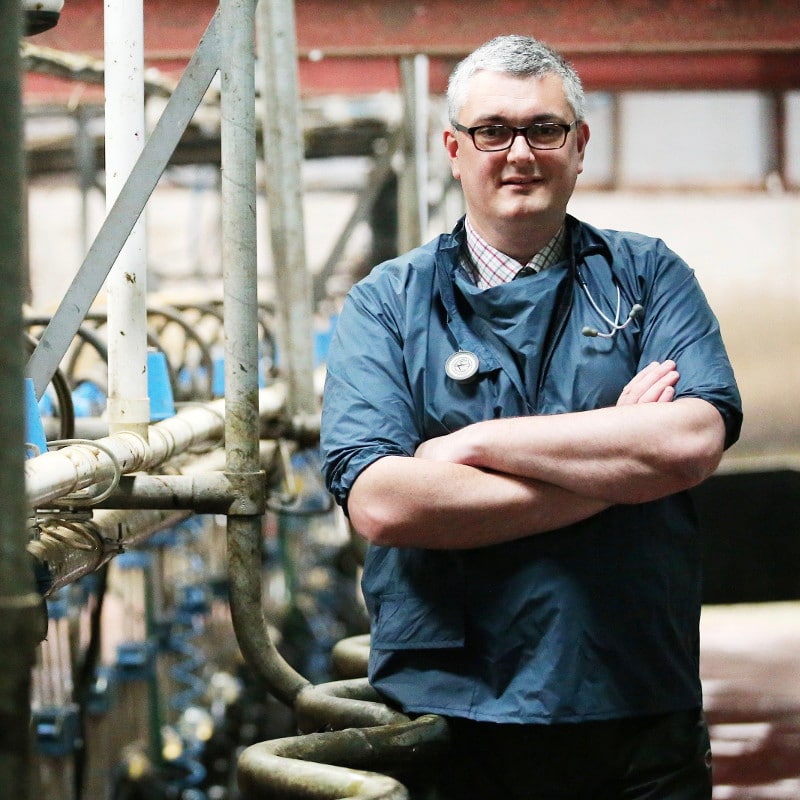
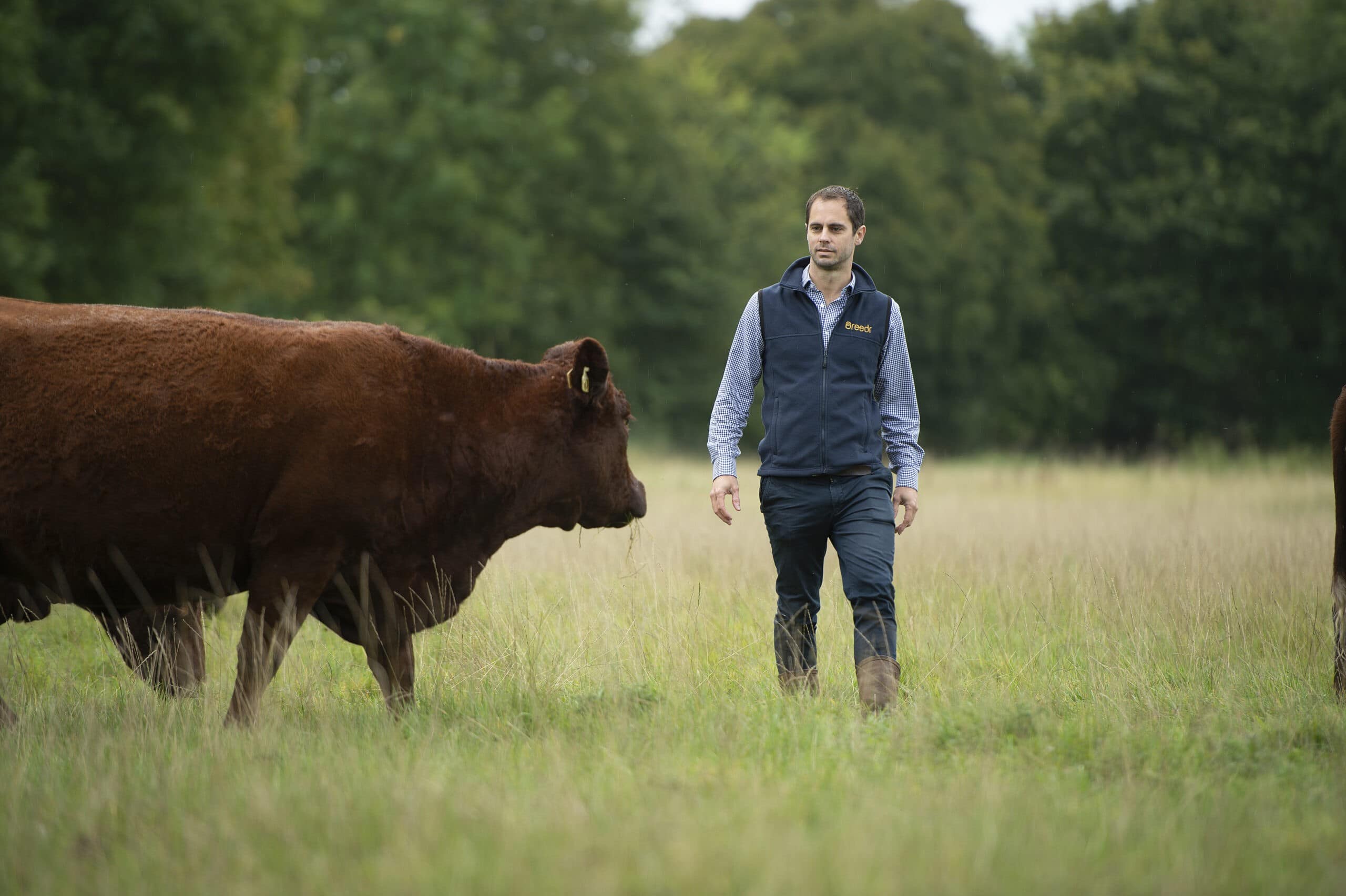
Ian Wheal is founder of Breedr, a productivity app for livestock farmers, which can be used to improve the profitability of every animal – increasing quality and reducing waste.
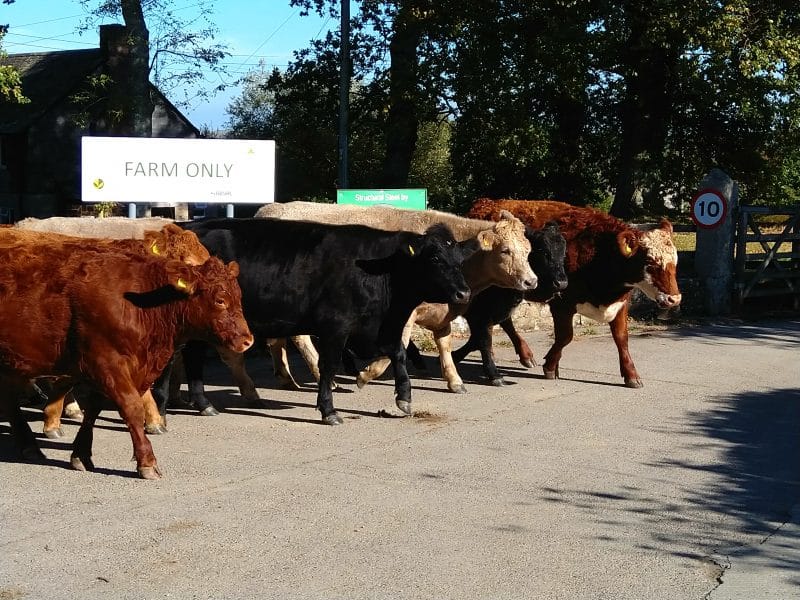
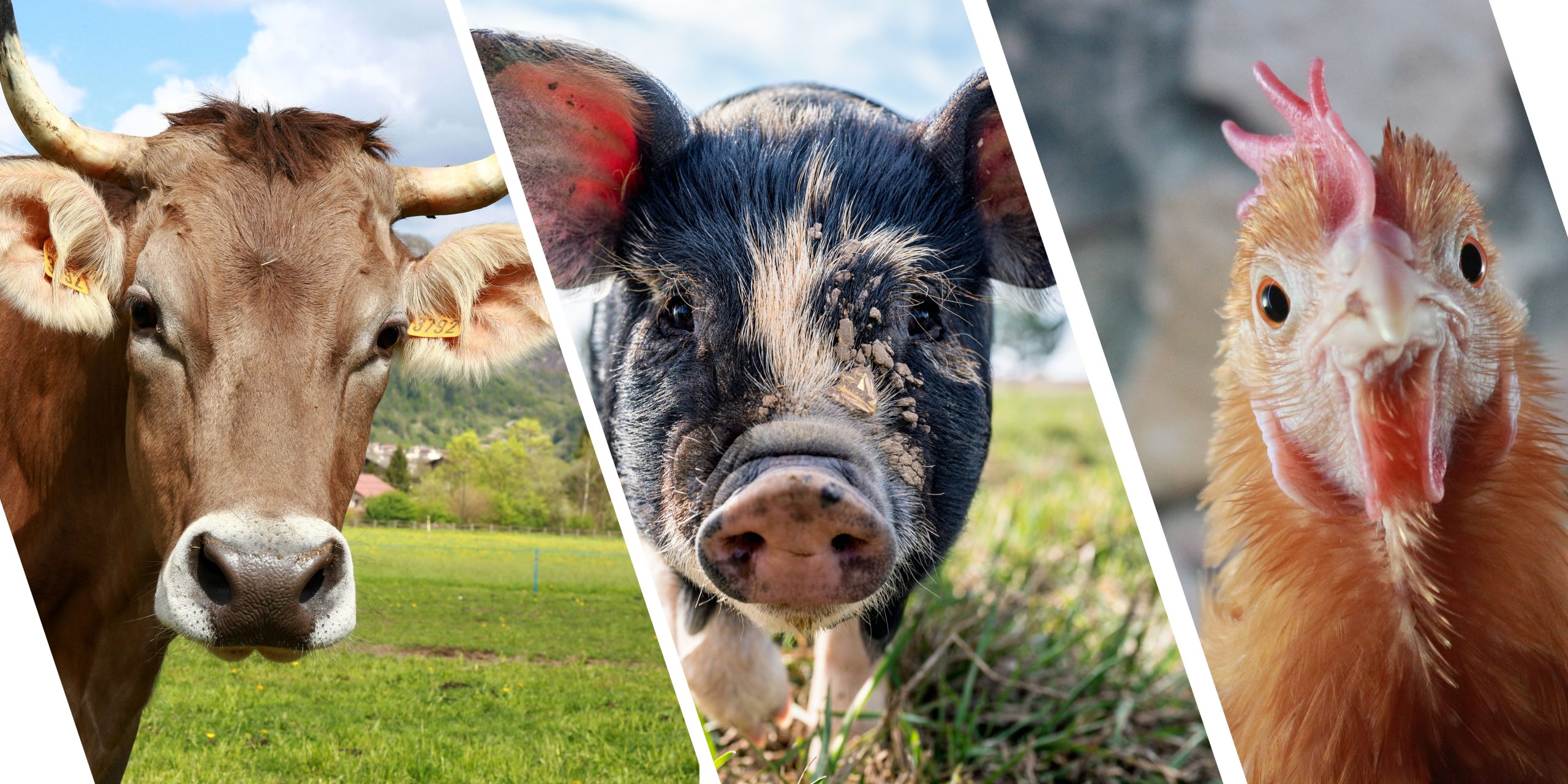
He comments that, given data about the breed of animal, live weight and growth rate, Breedr can estimate the optimum date for slaughter, which enables improved management of the animals. He says: “Keeping cattle, or other livestock, beyond the optimum cull date not only means wasted feed, but also additional fat which makes the meat less desirable.”
The value of a beef carcass is based on the EU-wide EUROP grid, which uses conformation and fat class. Cattle that fall outside the grid incur sizeable discounts. By analysing six years of data provided by Rothamsted Research’s North Wyke Farm, Breedr estimates that farmers could generate up to £400 additional revenue per animal by increasing meat yield through improved selection of dam/sire pairings and more accurate prediction of sale or slaughter date.
Wheal says: “EID tags, when used with a weigh beam, make it easier for farmers to capture information about live weight gain. This data, when combined with breeding data, can be used by Breedr to offer insights that will improve the quality of beef produced.
“Our aim is to make it easier for farmers to produce beef in spec and to have the data to provide the evidence. This will reduce the amount of waste for the processor and improve the price for the farmer. By building up a reputation for quality beef the farmer will be able to move to trading online and build relationships with processors and retailers. Breedr facilitates this.”
Breedr aims to create a virtuous circle where consumer behaviours and buying decisions are fed back through the value chain to inform decisions on breeding, feeding and animal welfare. Livestock producers can use Breedr to provide data evidence that they are producing premium meat.
The government’s Livestock Information Service will identify and track animal movements – initially cattle, sheep, pigs and goats – via electronic IDs and is set to come into action in the near future.
The Oxford Farming Conference is being held on 2-4 January 2019. The Politics Briefing is at 10.15 on Thursday 3 January. The headline political briefing will challenge the latest developments of the proposed British Agricultural Policy, presented by the Defra Secretary of State Michael Gove.
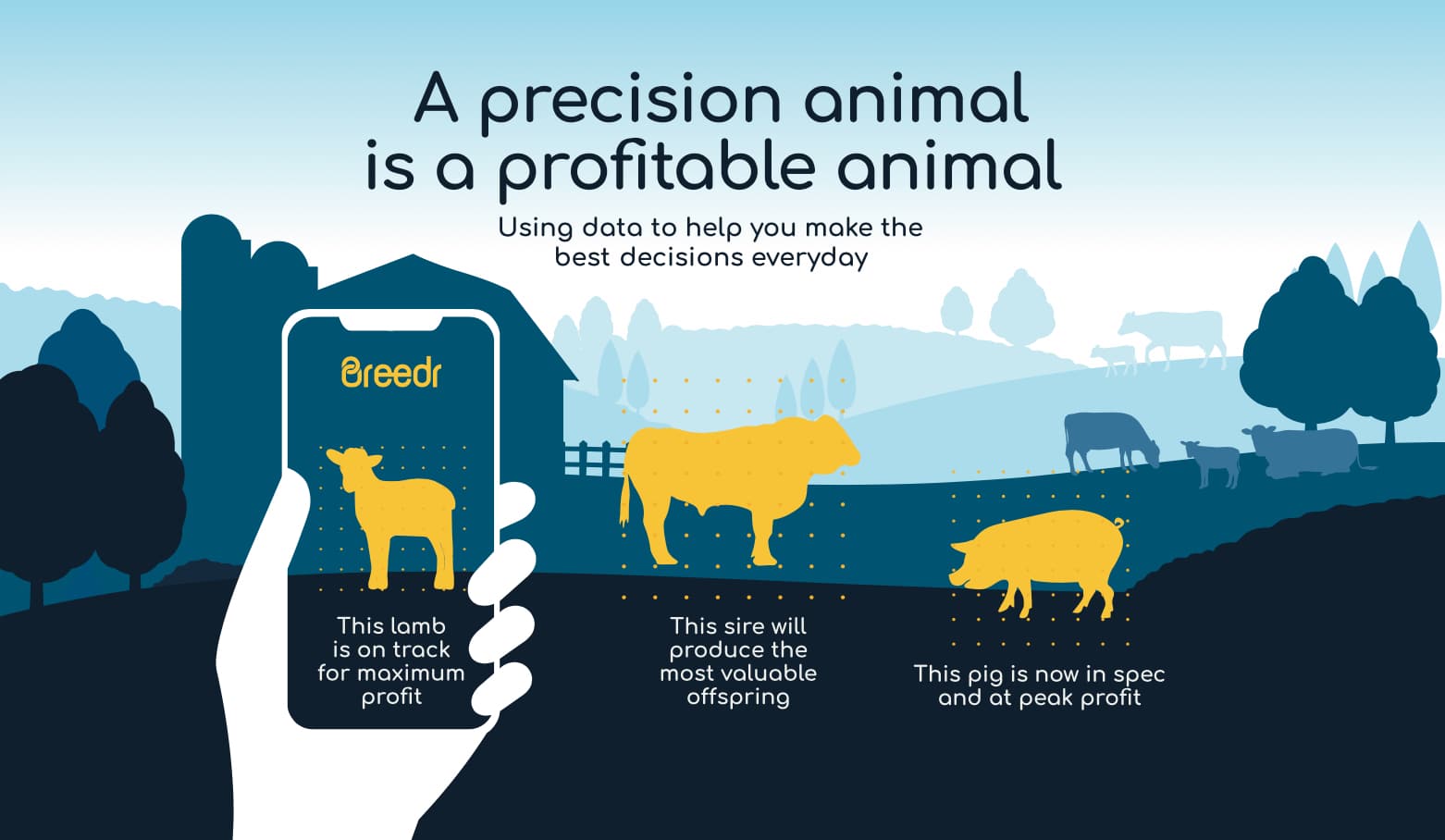
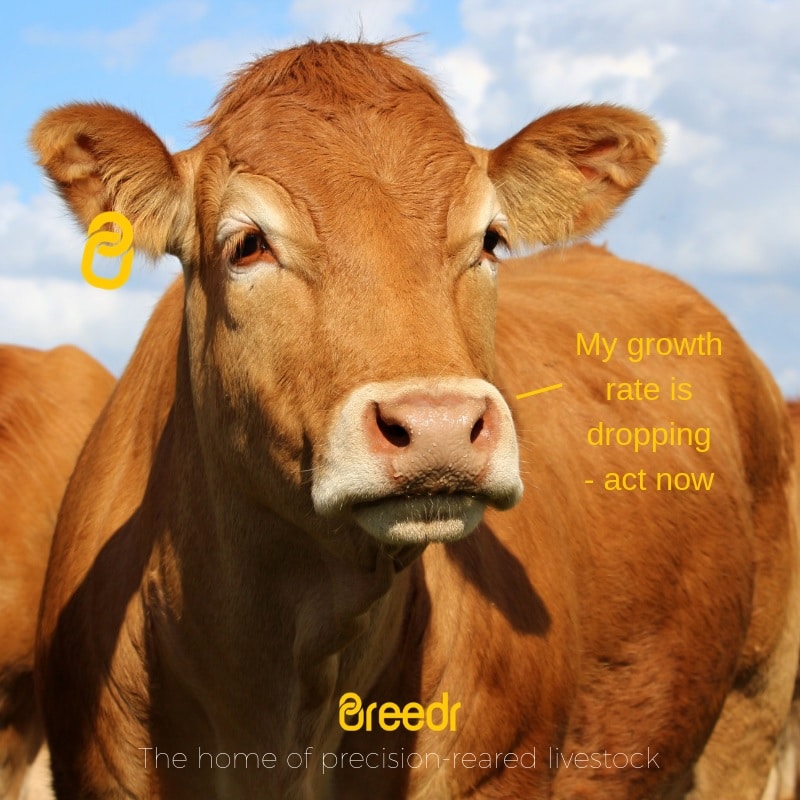
Breedr precision animal graphic

Oxford Farming Conference – latest on Agricultural Bill

Agri-TechE

The Oxford Farming Conference always stimulates much debate, but with the current political turmoil it should be a lively affair.
The headlining political briefing will see the latest developments in the proposed British Agricultural Policy presented by the Defra Secretary of State and this will be followed by a panel session with his opposition counterpart and NFU President Minette Batters and Dr Clive Black of Research at Shore Capital.
It is anticipated that the discussion will include plans for the new livestock traceability service and the need to put food at the heart of the Agricultural Bill.
The NFU comments that food was noticeably absent from the Agricultural Bill when it was published in September – but making it central to UK policy is a moral obligation, argues NFU president Minette Batters.
She argues that as climate change becomes more serious, the UK may be able to produce food when many parts of the world won’t, making it a “moral imperative” to use British land to grow food, while still having a strong environmental focus. Writing in a blog on the OFC website she observes that it’s not just about food security – but water and green energy security too.
“When I look at how Holland looks after and treats its water system…it is prepared for times of flood and drought,” she says.
Linking food, farming, water, energy and the environment requires a joined up approach that forges partnerships across the whole agri-food industry and others too, says Ms Batters.

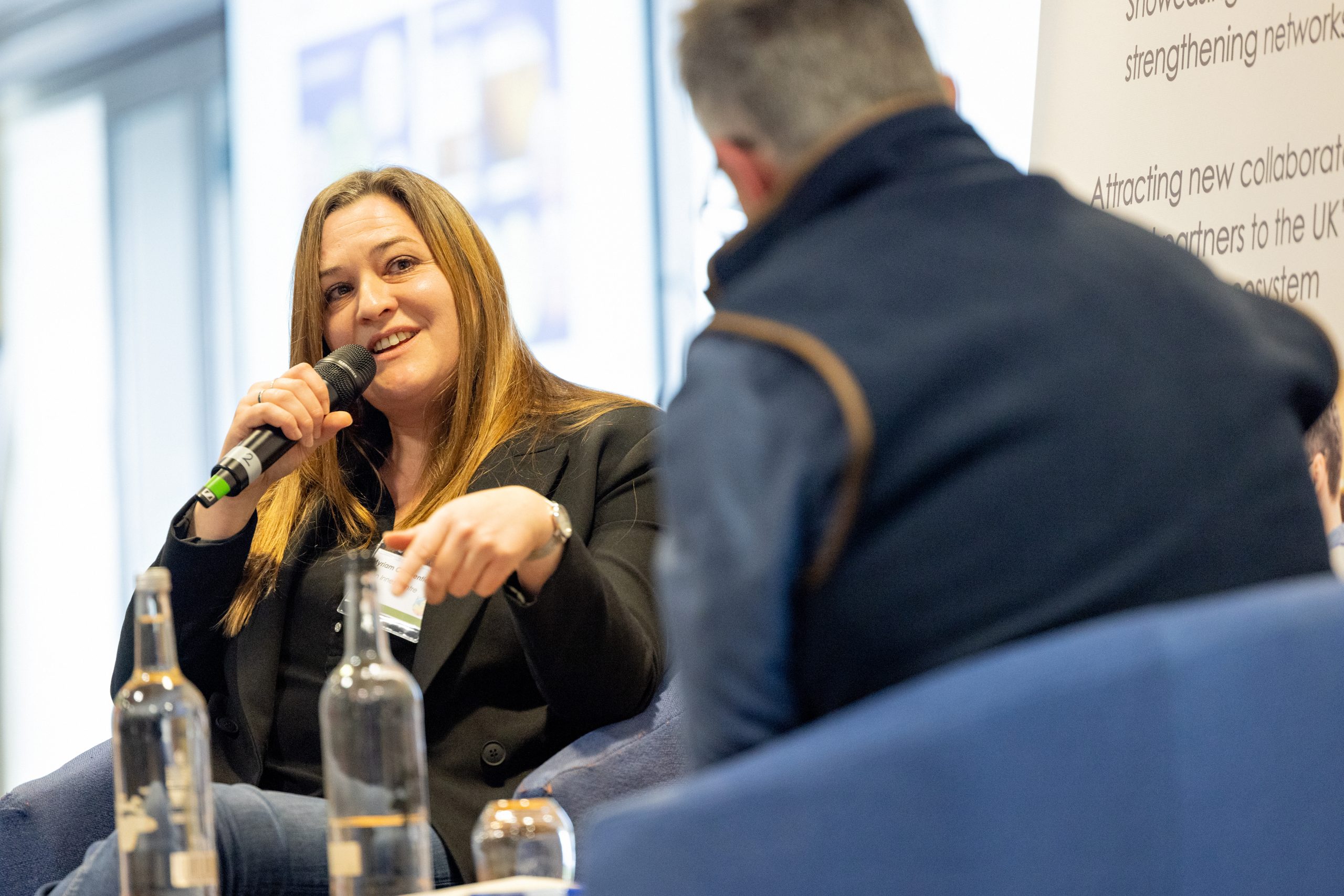
Minette Batters at Innovation Hub
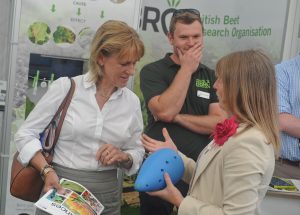
NFU Chairman Minette Batters meets Agri Tech members at the Norfolk Show, 2018.

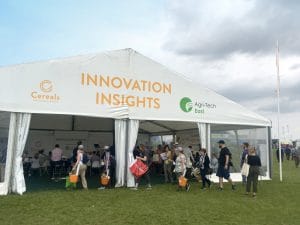
Ms Batters came to visit the Agri-TechE Innovation Hub at the Royal Norfolk Show this year and was impressed with the range of solutions  on show.
Many Agri-TechE members are participating in OFC and this includes: AHDB, BASF,  Breedr and Map of Ag who are sponsors.
Oxford Farming Conference 2- 4th January 2019.

Map of Ag acquires precision farming company Precision Decisions

Agri-TechE Article
Agri-TechE

Map of Ag, a leading provider of agricultural insight and knowledge to the agri-food industry, has acquired Precision Decisions Ltd, further expanding its data reach capabilities.
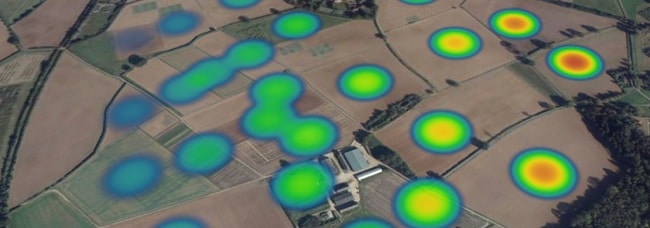
This acquisition, complemented by the recent acquisition of Evidence Group (EBVC) in the veterinary animal health sector, is key to Map of Ag’s strategy to derive insights and provide valuable data to the food and agricultural supply chain. Precision Decisions provide a range of products and services to the agricultural sector including precision soil sampling, market leading sensor technologies and variability mapping solutions through their MiFarm™ platform, as well as a range of consultancy services. They are focused on developing new technologies to provide data, insights and image analyses which enable farmers to manage their farm and field variability and make better, data-driven decisions.
Map of Ag Founder Forbes Elworthy said of the acquisition: “Our purpose is to connect agricultural and food industries via data so that we have better information, better communication and better, more profitable businesses as a result.
“Precision Decisions’ expertise in precision farming methods, soil health and farm IT solutions is a significant step in achieving a transformational and global agricultural information platform, which will empower farmers in decision making, as well as providing farm-based analyses and insight to the agri-food supply chain.”
Precision Decisions Managing Director and founder Clive Blacker added: “We are on the cusp of an agricultural data revolution and connectivity is the holy grail. As we advance data capture tools and insight, the way we farm will change dramatically along with the ability to improve food production for an ever-increasing global population and raise profitability of farms.”
In July 2018 Precision Decisions won the Future Food Award at the BBC Food and Farming Awards for its Hands-Free Hectare (HFH) project.
Agriculture and food production as an industry collects enormous amounts of data from farming, processing and packaging right up to when the food reaches consumers’ plates. These recent acquisitions provide Map of Ag with the foundation to create an agri-tech data powerhouse, where capturing, enriching and managing this data will enable its customers to continually generate valuable, actionable insights for the agri-food supply chain and farmers alike.

Martin Lishman’s ImpacTrack wins Gold at LAMMA 2019

Meet the Network
Agri-TechE

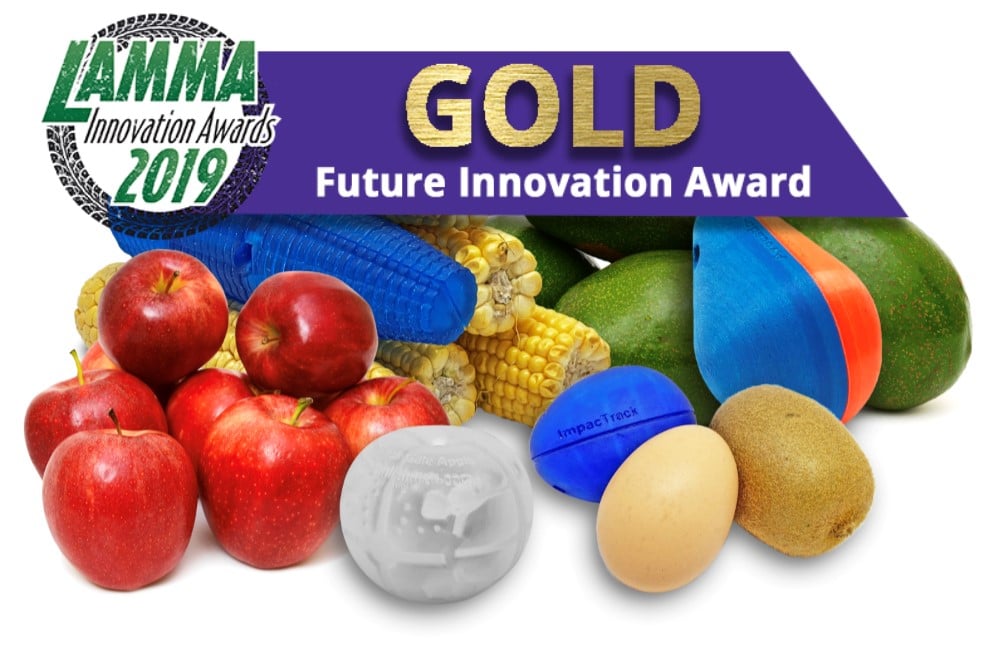
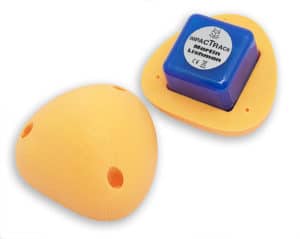
Martin Lishman - Gold Award ImpacTrack ShapesImpacTrack – a new, low-cost data logger with a family of synthetic food shapes, developed by Martin Lishman Ltd – has impressed the judges of the Innovation Awards at LAMMA 2019, who have awarded it a Gold Medal in the Future Innovations category. Using low-cost digital Agri-TechE solutions to meet the challenge of reducing food waste in agriculture has been the driving force behind the development of this novel concept.
“The fact that 1.3bn tons of food are wasted globally each year, with almost 60% of crops spoilt, damaged or wasted during post-harvest operations, presents a huge challenge to the food production industry”, says Dr Gavin Lishman, Managing Director of Martin Lishman Ltd. “But digital Agri-TechE solutions, leading to more efficient post-harvest methods, do not need to cost the earth and can reduce losses to as low as 1-2%.”
ImpacTrack is a small data logger cube that can be installed within the packaging of any fresh produce to monitor temperature and impact shock during transit over any distance by road, rail, sea or air. The data gathered can be downloaded at the end of the journey via Bluetooth to any smart phone or tablet using the ML Sensing App. The logger can also be encased in a 3D printed shape that mimics the size, shape and density of the fruit or vegetable being processed, which allows real-time monitoring or recording of damage during handling by machines or humans at any stage from the field to the shop floor.
Martin lishman Carrier-Shell
The ImpacTrack dummy shape reproduces the movement characteristics of fruit and vegetables prone to damage and bruising during handling and transport and therefore gets as close as possible to a realistic representation of impact ‘black spots’ in handling machinery. If handling is in water, as with apples, the dummy is also able to float with the real fruit. Shapes already created are Gala apple, sweetcorn, Haas avocado, carrot, parsnip, strawberry, potato and egg. Other shapes such as onion, mango, banana and peach are equally possible.
ImpacTrack is a vital quality control tool for the reduction of damage and bruising whilst fruit or vegetables are in transit or in the picking or packing process. The ability to monitor impacts during these processes will result in fewer discarded items, leading to less waste and higher production yields.
ImpacTrack is believed to be the first low-cost device to record both impact and temperature while also mimicking the characteristics of the produce being monitored. As well as reducing financial losses due to waste, it will help handlers and shippers to be more aware of the effects of their processes, both positive and negative, leading to more sympathetic handling systems, fewer insurance claims and potentially lower premiums.
“ImpacTrack is an example of a game-changing technology that can be used worldwide and adapted to suit all types and sizes of production and handling facility,” says Dr Lishman, “It will make a significant contribution to the challenge of reducing waste losses and increasing food production.”

REAP Report – Agri-TechE For A Productive Future

Agri-TechE

There was a upbeat mood at the Agri-TechE conference REAP 2018, as farmers, growers, technologists and researchers looked towards innovation as a way to create a more productive future.
With the uncertainties around Brexit, the first Agricultural Bill in 70 years and the loss of core agrichemicals, agriculture is at a crossroads, and the discussion at REAP was all about doing things differently.
Delegates were asked to focus on a big question: how to prioritise investment in innovation in agri-tech? Should it be to extract greater value from current crops and practices? Or should we have a greater ambition and see this as an opportunity to radically change the way we use our land and generate food components?
This question was approached in different ways through the day. The emerging technology, the discussions and the big debate are all captured in this REAP report and also in a video made on the day. Read the report online here or download it here.
If this stimulates your thinking why not come along to one of our networking meetings or join Agri-TechE to make your contribution to the future of agricultural production.

CropTec Agri-TechE debut

Agri-TechE

Farming is all about decisions, and improving the quality of the information available can make a big difference not just to the yield but, crucially, to the profitability.
Decision support is the theme of Agri-Tech’s stand at CropTec 28-29th November 2018 at East of England Showground. It is the first time the independent membership organisation has had a formal presence at the show.
Director Dr Belinda Clarke says: “Farming is complex. The market is volatile, the weather is changeable and so is the soil; conditions can vary considerably across a single field. We are now seeing the adoption by farmers of intelligent systems that can predict consumer demand, forecast yield and inform cultivation strategies.
“Our stand will provide an overview of exciting emerging technologies and also those that are already proving their value in the field.”

Start-up Showcase 

Lizzie Creed, Receptive Technologies, speaking as part of the REAP 2018 Start-Up Showcase

Three of the exciting newcomers profiled in the Start-up Showcase at  REAP conference will be on the Agri-TechE stand at CropTec:
Receptive Technologies: One person is killed every 11 days in agriculture despite an overwhelming volume of information and process. Farm365 is a new app-based tool that uses a mobile phone to read QR codes on equipment, making it easier to fit health and safety checks into everyday practice, and creates electronic reports that help compliance.
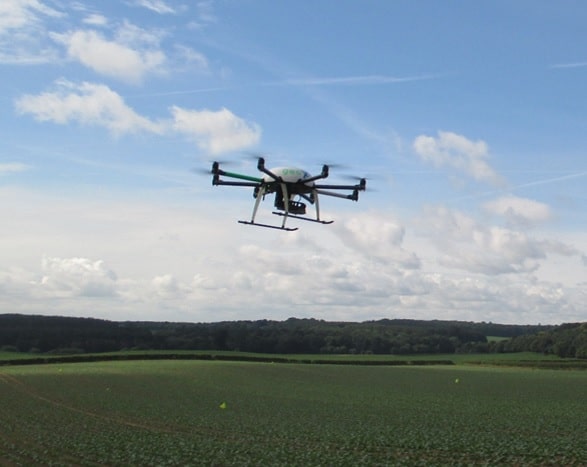
Axomap: The best crisps are made from potatoes that have higher dry matter content; Axomap’s remote sensing drone makes it easier to spot the individual plants that are producing spuds with these desirable qualities.
Nova Extraction: Increasing interest in the use of herbal essences and cannabis oil for health and wellbeing has created a demand for high quality, pure botanical extracts. Early-stage company Nova Extraction has developed the world’s first industrial, off-grid, clean-tech extractor. It is now available for flower, herb and food producers to rent, providing producers with affordable and consistent technology to extract flavours or fragrances in-field.

Also featured will be new Agri-TechE members, including:

Irrigation from Howseman Agriculture

Howseman Agriculture, which is offering a smart irrigation system that uses 25-30 per cent less water than a traditional hose and reel system with a fraction of the labour input. It gained an “Innovation for Water” award at this year’s Lincolnshire Show.
Consus Fresh Solutions, which supports quality assurance and traceability post-harvest. The easy to use software captures information about product quality, storage conditions, labour and packaging and makes it readily available for audits such as BRC Fresh Produce Standards, Assured Produce Standards.
By automating the process, Consus helps fruit, flower and producers to comply with UK and EU regulations, meet the contractual requirements of their customers, save time and reduce waste.
Also on the Agri-TechE stand will be: Outfield, Farmscan AG, GermainsItaka Solutions, uVue Technologies, Agrimetrics and Rothamsted Centre for Research and Enterprise (RoCRE)

Strong representation of members at CropTec

Dr Clarke continues: “Agri-TechE was established with the recognition that to create true innovation you need to provide novel solutions to industry problems. By bringing scientists and technologists from different fields together with potential end-users and industry experts we have facilitated the rapid growth of a thriving agri-tech sector.”
Antony Yousefian of smart sensing company 30MHz, which will also be at the show, agrees. Initially his knowledge of farming was limited but they now have a number of clients using low cost sensors to provide real time monitoring of stress in plants. He says: “Innovation and the will to innovate is in abundance in UK agriculture, though sometimes it needs someone to light the match, and this is what Agri-TechE does best.”
Other members at the show will include: AHDB, BASF, Bayer, Elsoms Seeds, Harper Adams University, Hummingbird Technologies, PGRO, Prodata Weather Systems, Rothamsted Research, RTK Farming, Sentry Limited, Small Robot Company, Syngenta, University of Hertfordshire, University of Lincoln.

Chalante developing new weapon against cattle nematodes

Agri-TechE

Simon Aspland, ChalanteEarly-stage animal health biotech developing first novel chemistry for 30 years Increasing resistance to anthelmintics, anti-parasitic drugs used to treat worms (nematodes) in cattle and other animals, is threatening the viability of the international livestock industry. There have been no new drug families with novel modes of action in cattle for 30 years. Now early-stage company Chalante has developed a parasiticide with a novel mode of action that promises a new approach to tackle this problem which impacts productivity.
Chalante is one of eight emerging agri-tech companies featured in this year’s REAP Start Up Showcase, hosted by membership network Agri-TechE to profile the next big breakthroughs in agricultural innovation.
Simon Aspland (pictured) is General Manager of the animal health biotech, Chalante. He explains: “Most anthelmintics disrupt neuromuscular transmission in the nematode by focusing on a specific molecular target. This has put the nematode under evolutionary pressure and it has been able to develop resistance. “Our drugs target different molecular targets in nematodes, which they haven’t had a chance to develop a defence against yet, so this will be a new resistance breaking product.”
Cattle nematodes usually have a two-stage life-cycle, with eggs being shed in faeces. The larvae are able to live freely in pasture before being ingested by cattle. The larvae then migrate to the gut lining and mature to become worms. In the gut they absorb nutrients, depriving the host that then fails to thrive, reducing milk or meat production. Some cattle are resilient to the parasites and become carriers, re-infecting pastures through their faeces in future seasons.
Chalante With an effective anthelmintic and management of the environment it would be possible to control these damaging parasites. Chalante has gained seed funding to develop two lead programmes: a monthly chewable preventative for heartworm in dogs, which is a life-threatening mosquito borne condition; and an injectable parasiticide to treat gastrointestinal nematodes and lungworms in cattle and other livestock.
The company has conducted initial trials, which demonstrate that the chemistries are effective against macrocyclic lactone-resistant pests.
The company has now entered Series A funding raising with the aim of further developing this work. Simon, who did his PhD in Cambridge, has a strong track record in biotech. He says: “Chalante is the fifth company of which I’m a co-founder. The most recent, co-founded through my work for innovation company Acidophil (acidophil.com), was a crop protection company called AgriMetis, and work on insecticides for crops provided part of the inspiration for working on parasiticides for animals.”
AgriMetis (www.agrimetis.com) raised $10 million Series A, $23.5 million Series B and it just closed a publicised deal around an insecticide with leading agricultural company Monsanto. In addition to co-founding AgriMetis, Acidophil has supported the creation and early development of Chalante.
Simon sees similar potential for Chalante: “Our focus is on developing innovative parasiticides that specifically address major problems in the animal industry. Our goal is to advance these products through the early high-risk stages and then partner with companies with capacity and experience to bring these products to market.”
Dr Belinda Clarke, Director of Agri-Tech, which is developing an agri-tech cluster of farmers and producers, technologists and scientists, commented: “Resistance to antimicrobials and agro-chemicals is a growing, global problem for animal health and agriculture more widely. Chalante’s novel chemistry is a welcome addition to the armoury.”
Find out more at chalante.com.

Enabling beef producers to meet changing consumer preferences

Agri-TechE

Ian Wheal, BreedrChanging customer tastes mean that almost half of prime beef now fails to meet ideal market specifications*, resulting in lower prices for producers and waste in the value chain. Breedr has developed an easy-to-use app that will help farmers finish cattle to retailers’ specifications with greater precision, underpinned by the data to evidence this.
The company launched at REAP  the Field to Yield trial with Rothamsted Research at North Wyke, which aims to improve the metrics available to farmers. 
Breedr co-founder Ian Wheal (pictured) was brought up on a mixed livestock farm in Australia, where his father was one of the first to adopt electronic tagging. The tags capture information about the performance of individual animals and enable an audit trail to be created of medical interventions, time on grass etc.
Wheal explains that this knowledge of data-driven production has helped him to develop a decision support system for UK producers. He says: “There is a big drive towards loin (steaks) and mince (burgers) from consumers, however the current EU-wide EUROP grading system, which is used to value beef, was originally designed when rump was the main piece of beef consumed. “The result is that today’s farmers are flying blind when trying to meet the specifications of retailers for meat with less fat and improved taste.”
Data from the Agriculture and Horticulture Development Board (AHDB) suggests that if customers have a bad eating experience it can take up to 12 weeks for them to buy that specific cut of meat again.
Breedr’s Field to Yield project with Rothamsted Research is looking at ways to improve the metrics available to both farmers and processors, to truly understand the yield of an animal and the quality of its meat.
Wheal continues: “Currently producers use their experience and expertise to visually assess conformation and estimate carcass weight as a percentage of live weight, but it seems this no longer syncs with what retailers need for their customers. We are looking at ways to capture this information in a more evidence-based way that will provide farmers more meaningful insights.
“One example would be to provide better understanding of how genetics and breeding can create a desirable frame size. Also, to investigate how the use of 3D camera technology can help standardise measurement and give a much earlier predictor of value, and better align to the actual needs of a processor.”
BreedrBreedr aims to create a virtuous circle where consumer behaviours and buying decisions are fed back through the value chain to inform decisions on breeding, feeding and animal welfare, and livestock producers can provide data evidence that they are producing premium meat.
Breedr is working with Professor Michael Lee, Head of Sustainable Agricultural Sciences at Rothamsted Research North Wyke and Chair in Sustainable Livestock Systems at Bristol Veterinary School, on the Field to Yield project, which is funded by the Impact Labs. Prof Lee is excited by the project and comments: “Our research shows that it is possible to produce livestock with the desired attributes within 18 months from pasture based finishing, to balance the needs of production efficiency, product quality and environmental impact. But to achieve such targets requires excellent pasture management, appropriate animal genetics and visualisation tools to predict carcass and eating quality.”**
A spokesperson from the Impact Lab says: “Livestock makes a valuable contribution to the UK economy. Supporting farmers to produce high quality meat with lower inputs and reduced environmental impacts will improve their competitiveness in the global market.” Breedr aims to bring data to the supply chain that can help processors and retailers buy appropriate animals, increase usable meat for their need and reduce variance in supply.
Wheal comments that most buyers are now data-analysts: “If buyers have the evidence to show that a particular producer consistently produces meat of the desired quality then it becomes easier to assess fair value. “Data paves the way for a different type of relationship between producers and their customers where a quality product is rewarded and the guesswork is removed.”
Livestock producers interested in gaining early access to the Breedr technology are invited to take part in the Field to Yield trail.
More information is available www.breedr.co  
 References *AHDB data. **Takahashi et al. 2018 3 Wilkinson and Lee, 2018

DryGro offers arid regions sustainable high protein alternative to soy

Agri-TechE

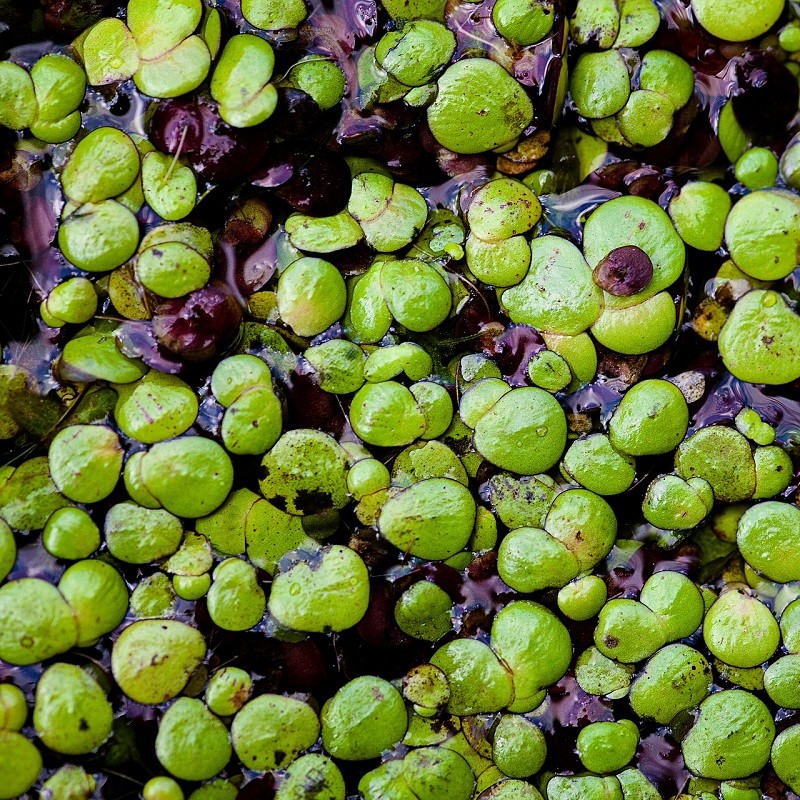
Sean Peters, DryGroIt might be considered a nuisance by pond owners, but ‘duckweed’ offers a high protein alternative to soy that can be grown in arid countries with very little water. Start-up company DryGro is set to disrupt a huge global market, with a growing system for Lemnoideae that promises to revolutionise animal production in sub-Saharan countries.
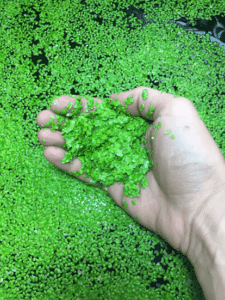
DryGro is one of eight emerging agri-tech companies featured in this year’s REAP Start Up Showcase, hosted by membership network Agri-TechE to profile the next big breakthroughs in agricultural innovation.
DryGro founder Sean Peters (pictured) explains: “Duckweed, or Lemnoideae, is a simple round-leaved pondweed that multiplies quickly on the surface of water, is rich in protein and is a viable alternative to soy which is widely used in animal feed. “We have developed a technology that would allow it to be grown in an enclosed environment using recycled water. This creates the opportunity for a sustainable source of high-grade animal feed to be grown close to livestock producers and their local markets.”
Animal feed accounts for 70% of the soybean market which was valued at $US 146.23 bn in 2017* with the main suppliers in Brazil and the USA. The value chain is long and production is insufficient to meet the increasing global demand for meat. Additionally, further expansion of soybean growing regions would eat further into vulnerable rainforests.
Peters continues: “Although reducing the consumption of meat might be popular in some regions, it is not Europe, US or Canada that is driving the demand for meat. This is coming from China and southern African countries where the ‘eat less meat’ message has less traction.
“Lemna solves part of the problem: it is a sustainable alternative to soy that requires much less land and water. With our growing system Lemna produces an order of magnitude faster than soy, using 1/100th of the water.

High value protein with minimal water usage

Duckweed“We have found that there are many places, like Kenya, that have water – but it is highly seasonal. Our system is front-loaded with water so crops can be grown year-round and topped up when rainwater is available.”
Sean Peters’ early career was with Proctor & Gamble before his interest in entrepreneurship took him to Emory University, USA, where he headed up a research department looking at how early stage companies grow.
From there an MBA took him Oxford where he met DryGro co-founders geo-engineer Tim Kruger and eco-entrepreneur Charlie Curtis. The company became established in 2014 and they were soon joined by Brendan Cawley as CTO. Early work with plant scientists at Rothamsted Research, supported by funding from the Agri-TechE Catalyst, has enabled the company to identify the best strains of Lemna and test the prototype under lab conditions.
Then in 2017 DryGro took the system out into the field, and is now scaling their growing facility in Kenya until it is big enough for a full industrial project. Peters says that the company is taking it a step at a time: “We have strong IP protected by patents and are getting significant interest. The industry sees this as a potential solution to a big and growing problem. At this stage we are concentrating on making the technology robust, collecting the data to ensure that it can scale effectively and creating a dialogue with the leading players.
“We are not rushing it – it is important to get this right and to bring in the funding that will help us to scale. This has the potential to disrupt an entire commodity market, while building a much more environmentally friendly, climate-change resilient supply chain for animal production.”
Visit DryGro’s website at www.drygro.com.
*Transparency Market Research ‘Soyabean market growth, trends and forecast’

A Guide to Claiming R&D Tax Credits for Farm Businesses

Member News
Agri-TechE

R&D credits were introduced in 2000 to help stimulate innovation in the UK. They subsidise companies innovating either in the form of a reduction in the amount of tax companies pay or a credit against tax. So there’s money waiting in HMRC’s coffers for deserving farm businesses who are innovating in their field!
Despite agriculture contributing £8bn to national GDP and directly employing 425,000 people, the value of R&D claims made to government from the sector was only 0.2% of the total amount claimed. So it’s widely agreed that agricultural businesses are missing out on a lot of potential credit from the government.
EmpowerRD are a digital-first R&D claims advisor who combine industry-leading expertise with an intelligent claims platform to dramatically reduce the cost of claiming for R&D credits. They charge claimants 5% of their credit or less – which EmpowerRD estimates makes them 3-4 times cheaper than traditional advisors and accountants.

Common Misconceptions

You needn’t wear a white coat to claim R&D credits, sometimes a pair of wellies will do!
While many farm businesses will be employing a lot of advanced technologies on site, they may think that only the manufacturers of those technologies have the right to claim. However, we know that many farm businesses in the UK are eligible for R&D tax credits but aren’t currently claiming.

Activities that Qualify

To help understand the opportunity, here are three areas of activity that could qualify for R&D credits, but might be overlooked by farmers:

  1. Developing different processes to check their success: e.g. experimenting with new feed compositions or feeding techniques.
  2. Experimenting with bespoke technical solutions to solve a problem on the farm: e.g. implementing novel odour control methods.
  3. Appreciably improving technical solutions to increase their efficacy: e.g. improving an irrigation system to make it functional to the topography of your farm.

Even if a business’s attempts to innovate end up being unsuccessful they can still make a claim. So, if you’re unsure about whether you are eligible to claim then get in touch and one of our team will be able to advise.

Timac Agro UK Launch new website and competition

Member News
Agri-TechE

To improve and support the business visibility, Timac Agro UK has launched its brand new website today: www.uk.timacagro.com
Timac Agro UK is a specialist in plant and animal nutrition,  offering a specific range of fertilisers adapted to local soils and farmers’ needs.
New features include:

  • Improved and more interactive functionalities such as:
  • Insightful explanation about the wider Roullier group and Timac Agro International’s DNA including the CMI by Roullier, our industrial capability and commercial presence
  • Added news section with regular content coming both from our UK operation and the international group
  • Revamped product catalogue providing description, technical information and many more
  • A dedicated career page to get insight on what it is to work for Timac Agro UK

We hope that this is another development in TIMAC AGRO UK in 2018!
To mark the occasion of our brand new website, we have also included a competition to win a TIMAC AGRO UK branded Schöffel©. Details are on the website, and there are plenty of ways to enter. Find out more and enter.

Field bean quality very variable this year says PGRO

Member News
Agri-TechE

High levels of bruchid damage and very dry weather at harvest in 2018 have led to variable bean seed quality.
Field bean samples tested at PGRO from August to October 2018 had an overall average germination capacity of 79.5%, with winter beans having an average of 79% and spring beans 83%. Germination can be affected by physical damage to the seed caused when harvesting over-dry crops, chemical contamination by glyphosate, or insect damage such as bruchid damage, and if saving seed on-farm, it is important to test seed for germination capacity.
At low levels of bruchid infestation, germination losses may not be significant in larger seeded varieties, although damaged beans can be more susceptible to moulds. It’s likely that lightly infested seeds have a greater chance of survival, with the size of seed and portion remaining following larval feeding being important determinants of germination capacity.
At high levels of seed damage by bruchid, germination is affected, and losses between 10 and 15% germination have been recorded in laboratory tests when bruchid damage is between 40% and 80%. There is potential in the field for the damage to cause seeds to decay before germination occurs, and damage close to the point of attachment with the hypocotyl can cause establishment failure.
This occurs more frequently when bruchid damage levels are high. Crops that are harvested at low moisture content, particularly when less than 12%, may incur mechanical damage during harvesting or cleaning.
Mechanical damage to seed causes seedling abnormalities and increased infection by soil-borne pathogens such as damping off (Pythium spp.), lowering the germination capacity.
If glyphosate has been used as a desiccant, seedling abnormalities are likely to arise if the seed from the treated crop is used.
You can see their full Winter 2018-19 magazine online.
PGRO