Collaborative Efforts by Gardin Agritech and Bayer Crop Science: Improving Water Use Efficiency in Pepper Cultivation

Member News
The views expressed in this Member News article are the author's own and do not necessarily represent those of Agri-TechE.

The growing concern over water scarcity in southern European regions due to shifting climate patterns poses significant challenges for agricultural activities. As highlighted in a recent report from the European Union, countries like Greece, Spain, and Italy are suffering more and more from acute water shortage events. The report estimated that up to 30% of European citizens live in areas with permanent water stress, while 70% in areas with seasonal water stress (Water scarcity report, European Environmental Agency, 2023)
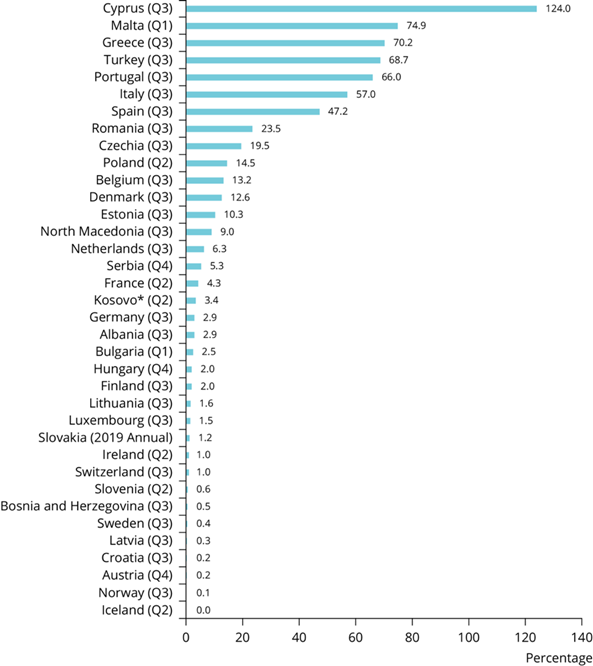
Fig 1 – Worst seasonal water scarcity conditions for European countries in 2019, measured by the water exploitation index plus (WEI+)

The increases in frequency of hot and dry summers have led to tension building up between farmers and local authorities, in some cases leading to unprecedented limitation on the use of freshwater for agricultural uses, in some region of the Iberian peninsula with impact with the daily life: with a 20% reduction to the use of agricultural water and a complete ban on the irrigation of public parks, due to water reserves falling below 16% of their capacity at the beginning of the growth season and crippling droughts in the last year.

In response to these challenges, Gardin Agritech and Bayer Crop Science have decided to partner – utilising Gardin’s advanced phenotyping technologies, the collaboration aims to optimize water management strategies while maintaining crop productivity in protected cultivation under plastic cover.
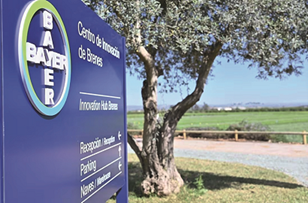
The two companies chose Bayer’s Brenes Agricultural Innovation Hub (see Figure 2), in Sevilla, a global leading innovation facility for sustainable agriculture (Bayer turns Seville plant into benchmark for sustainable agriculture, March 2023).

Fig. 2. Bayer CropScience – Research Station Brenes. The site hosts a combination of fruiting crops, cereals and protected cropping.

The collaboration focuses on deploying Gardin’s sophisticated sensing solution (Figure 3), capable of real-time monitoring of plant photosynthetic performance, to tailor watering strategies to the plant’s physiological responses.

Fig 3. The Gardin phenotyping sensor – a small device that can be installed anywhere in the farm. It monitors plants several meters away, scanning in any direction and capable of autonomously measuring plant productivity and stress.

Research has extensively shown the suitability of PAM chlorophyll fluorescence for the early detection of abiotic stresses such as drought and heat across a wide range of crops, including both C3 and C4 plants (Arief et al., 2023; Takayama et al., 2011; Woo et al., 2008; Li et al., 2006). This makes the Gardin platform a valuable tool for assessing plant health and water stress levels directly in the farm. By integrating this technology in their practices, Bayer aim to develop targeted irrigation strategies that optimize water usage without compromising crop yields.

The partnership, which started in the summer of 2023, already produced striking results. In the first field trial, three conditions were compared: conventional irrigation, drought-stressed (-50% water), and plots with responsive irrigation schedules adjusted based on Gardin’s insights (See Figure 4)
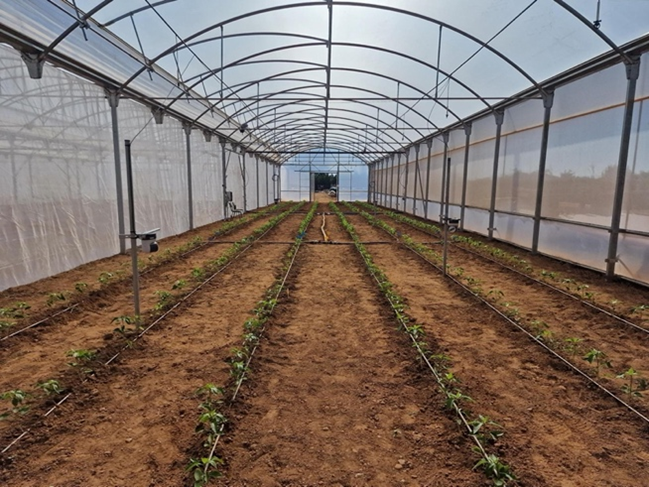
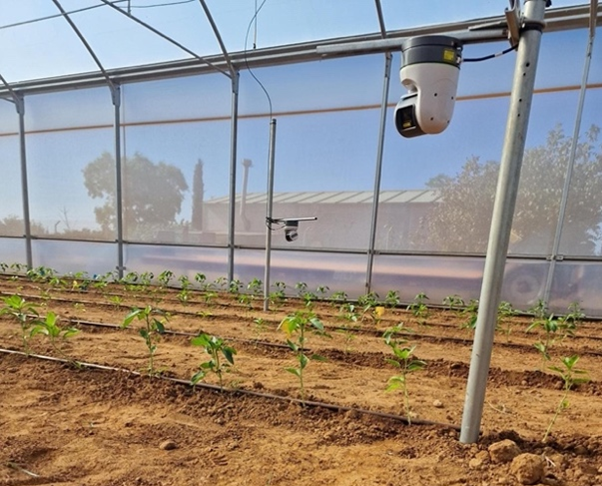
Fig. 4. The trial setup with a close up of the Gardin sensors monitoring the crop.

The results were gathered across two harvests over a period of roughly 5 months. Yield data showed that the droughted plots experienced a reduction of yields of roughly 25% as compared to well-watered controls. In contrast, the crop managed with optimized irrigation schedules maintained yields comparable to control plants (circa 101%). During the trial well watered crops received roughly 2000l of water, as compared to only 1000l for the drought stressed plants (50% reduction). Excitingly, the optimised irrigation schedule only used 1490l of water, a reduction of 25% as compared to controls (See Figure 5)
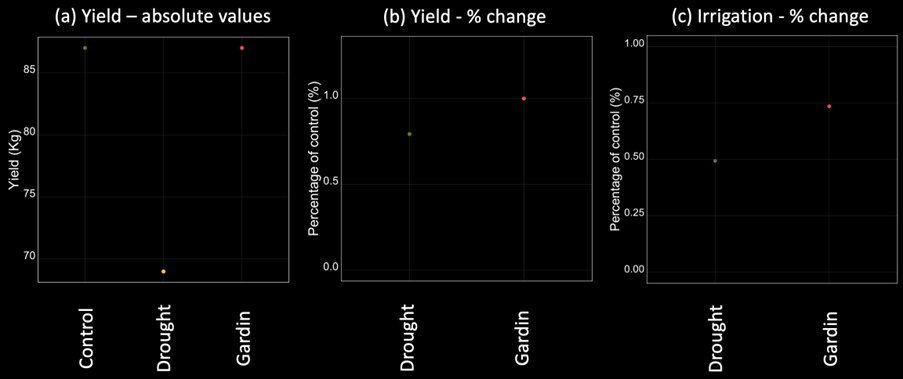
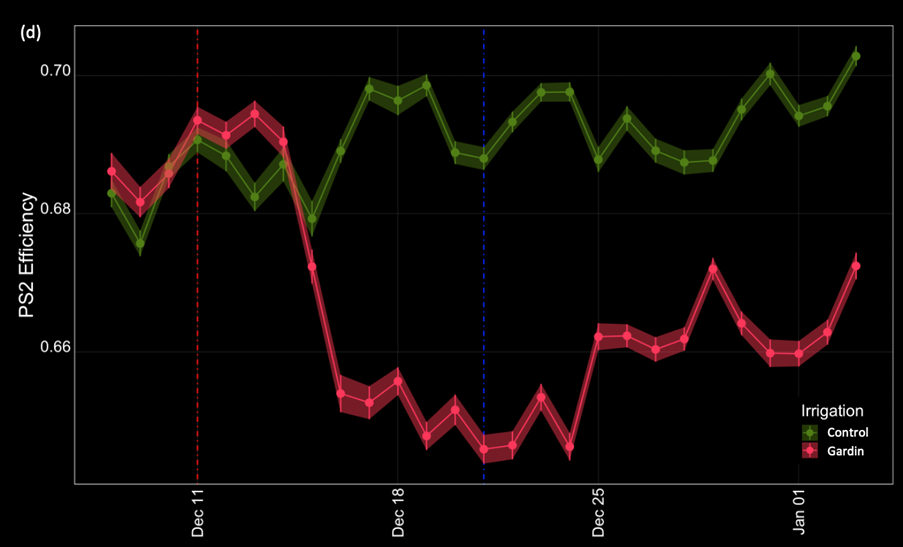
Fig. 5. Summary of results from trial. (a) Total harvest by condition (Kg); (b) Yield in the drought and Gardin treatment groups, expressed as percent of control; (c) Water used in the Drought and Gardin treatment groups, expressed as percent of control; (d) Close up of plant response to drought as measured by the Gardin sensors. Dashed red line – moment drought stress was initiated; Blue dashed line – moment when Gardin recommendation on irrigation strategy was implemented. Controls maintained roughly stable performance throughout the observed period. Gardin treatment responded to interruption of irrigation within 7 days; photosynthetic performance recovered following intervention.

Innovation and sustainability are at the core for Bayer CropScience. Our facilities at the Brenes site are a pioneering centre for the development of new formulations, technologies and strategies to help farmers and under this regard, is open to such sustainable and innovative collaboration with Gardin. Gardin’s insights allowed us to maintain high yields while drastically reduce our water consumption at the farm. This technology has the potential to help growers to protect themselves again the effect of adverse weather conditions, all while reducing their water reliance.

The insights produced by the Gardin platform are delivered to growers and researchers via a simple application accessible from anywhere on the web (see Fig. 6). The app, which reports data and alerts in real time, empowers users to monitor trials and the performance of their farms much more flexibly and proactively, ensuring that farm managers take the most timely action when it comes to responding to challenges such as environmental stress.
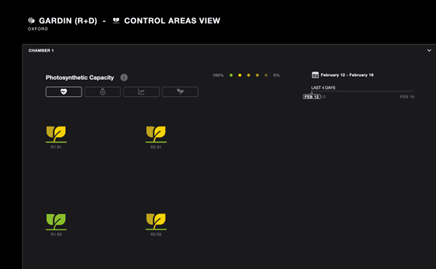
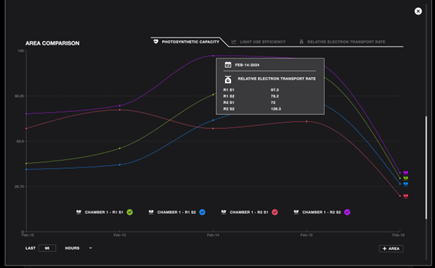
Fig 6. The Gardin web application displaying plant performance information in real time and accessible from anywhere. Left – The application allows to compare at a glance the performance of multiple farm areas; Right – Detailed view of plant responses over time.

These findings underscore the potential of precision irrigation technologies in improving water use efficiency in agriculture. By tailoring irrigation schedules based on real-time physiological data measured by the Gardin platform, growers can achieve substantial water savings without compromising productivity.

Dr Fabrizio Ticchiarelli-Marjot, who led this project as Gardin’s Lead Biologist said:

“Water scarcity is one of the most pressing challenges faced by the agricultural industry globally, and we are committed to supporting farmers and researchers in identifying novel practices to reduce their environmental impact, while ensuring the food production needed to feed a growing population.

We are thrilled to work with our partners at Bayer CropScience and together spearhead a transition where agronomical practices are driven by physiological changes in real time.

The aim is to achieve potential savings of 25% of irrigation water while maintaining yields unchanged will support the thousands of businesses struggling every year to cope with increasingly challenging weather conditions and policy”.

Gardin Agritech and Bayer Crop Science, based on the actual achievements, believe that this technology can be refined and scaled for broader applications in agriculture. By continuing to collaborate and innovate, they aim to empower growers with tools and knowledge needed to sustainably manage water resources and ensure the long-term viability of crop production systems in regions experiencing challenging environmental conditions.

In conclusion, the collaboration between Gardin Agritech and Bayer Crop Science represents a significant step forward in addressing water scarcity challenges in agriculture. Through the integration of advanced technologies and scientific expertise, they are paving the way for a more water-efficient and resilient agricultural sector, capable of meeting the demands of a changing climate while safeguarding food security for future generations.


Fabrizio Ticchiarelli-Marjot*, Manuel Jesus Guillen Portillo, Jose Pablo Gonzalez Gonzalez, Jorge Manuel Silva Nunes da Fonseca, Juan Salvador Gongora Gongora, Steven Grundy

* For correspondence reach out to Dr Fabrizio Ticchiarelli-Marjot, Gardin, f.ticchiarelli@gardin.ag

Earlham Institute spinout TraitSeq to transform agricultural sector

Member News
The views expressed in this Member News article are the author's own and do not necessarily represent those of Agri-TechE.

A new spin-out company is set to transform the agricultural sector by revolutionising plant and animal breeding, as well as the development of inputs such as agrochemicals, biostimulants, biologicals, and plant nutrients.

TraitSeq, the first spin-out company to come from the Earlham Institute in Norwich, accelerates and derisks the development of complex traits – such as water use efficiency, tolerance to stress, improved taste, and nutrient use – and novel agricultural inputs that interact with plant genetics.

These enhanced traits and inputs are enormously beneficial to farmers but, using conventional practices, have been notoriously difficult and time-consuming to develop.

TraitSeq combines artificial intelligence (AI) and transcriptomic expertise to provide accurate and robust RNA-based biomarkers for complex genetic traits and gene-input interactions in agriculture. This informs the accelerated development and enhancement of those desirable traits, paving the way for the creation of high-yielding, climate-resilient crops and novel agricultural inputs. 

The cutting-edge approach can be applied in plant breeding, livestock breeding, and agricultural input development, benefitting both global food security and the promotion of sustainable agricultural practices.

Joshua Colmer, CEO and Co-founder of TraitSeq, said: “TraitSeq has the potential to be transformational – not just for crop improvement but for a range of applications that we’re excited to be exploring.

“I’m confident TraitSeq will hugely benefit the sector – whether that’s guiding breeding programmes, identifying gene editing targets, or accelerating crop input development.” 

The technical basis for TraitSeq was developed during Joshua Colmer’s PhD project at the Earlham Institute, which was funded by the Biotechnology and Biological Sciences Research Council (BBSRC), part of UKRI, through an Industrial CASE Award. 

Professor Anthony Hall, Head of Plant Genomics at the Earlham Institute and Co-Founder of TraitSeq, said: “There are many complex traits in plants that breeders would love to be able to select for. But, until now, the tools simply haven’t existed to do this reliably. 

“TraitSeq uses cutting-edge, machine learning algorithms and bioinformatics tools for detecting biomarkers, and producing trait prediction models using transcriptomic data.

“We can identify biomarkers for traits that help mitigate or build resilience to climate change, such as water use efficiency, which will accelerate the development of new crops that can cope with the environmental challenges of the future.

“And the early-stage evaluation of gene edits could significantly improve the efficiency and speed of validation, while also reducing cost.”

John Bloomer, Director and Co-founder of TraitSeq, an agritech commercial leader with over 30 years of experience in the agrochemical, ag-biotech, and seeds industry said: “What excites me is TraitSeq’s ability to accurately predict field performance of new agritech products while they are still at a very early stage in the glasshouse. 

“This will accelerate our customers’ product development process and improve their R&D success rate, bringing new products to the market faster and at lower cost.”

Having seen the enormous potential in this PhD project, Colmer and Professor Hall worked with the Earlham Institute’s Business Development and Impact team and Earlham Enterprises Ltd – the Earlham Institute’s commercial arm – to develop the idea into a new venture, securing a range of funding and support on the journey to spinning out.

Dr Liliya Serazetdinova, Head of Business Development and Impact at the Earlham Institute, said: 

“TraitSeq is a great example of how we’re translating our cutting-edge science into real-world applications which will have an impact on agriculture and other sectors. 

“Josh has the spirit of innovation and enterprise, and is now inspiring other researchers and students to look at their research from a different angle of generating new value for the society.

“We’re delighted to announce the formation of our first spinout company and looking forward to collaborating with the team at TraitSeq in the future to realise the potential of Earlham Institute research.”

Yield and maturity considerations for growers planting winter beans this spring

Member News
The views expressed in this Member News article are the author's own and do not necessarily represent those of Agri-TechE.

The Processors and Growers Research Organisation (PGRO) has received a flood of calls from farmers who have winter seed sat in sheds after abandoning drilling last autumn.

While seed can be sown, research shows that rates should be increased to counter the yield impact, and that maturity will take up to 12 days longer in Eastern England.

The PGRO is re-issuing its advice to growers in light of the recent bad weather that has caused major disruption to farms across the UK.

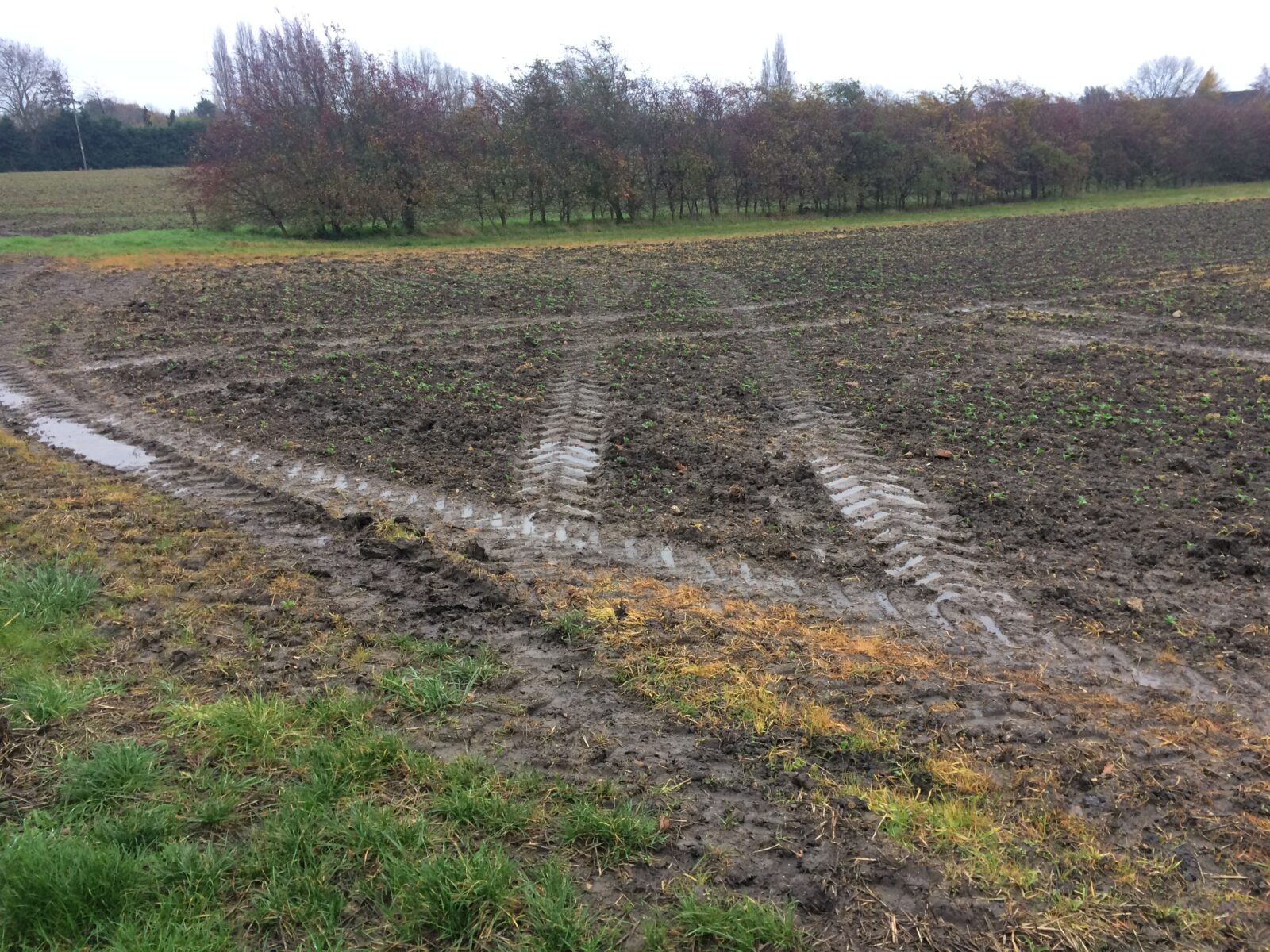
Throughout October and November high levels of rainfall led to rivers overtopping and flood defences being breached, leaving tens of thousands of acres of farmland under water, sometimes washing away newly-sown crops.

This major disruption has caused the drilling of winter beans to be delayed or abandoned entirely, leaving frustrated growers with stockpiles of winter bean seed in their sheds.

Field trials in this area were last carried out in 2013 following an autumn characterised by torrential rain.

Principal Technical Officer Stephen Belcher drilled winter beans in the spring with four populations planted at three sites on three different sowing dates.

The trials work indicated that winter beans at 18 plants/m2 could be grown when planted in the spring, but on average the crop suffered a 34% yield reduction compared to when sown in the autumn.

The yield penalty was reduced to 18% by doubling the seed rate to 36-40 plants/m2.

Spring-sown winter beans also matured between 7 and 12 days later than autumn-sown seed.

Stephen said: “The autumn of 2023 has been extremely challenging for arable farmers and opportunities for fieldwork have been limited, resulting in many crops – including beans – being left unplanted.

“The situation has prompted many calls to the PGRO regarding the viability of using winter bean seed in the spring, and it is absolutely a viable option for growers, but they should expect a lower yield and later maturity than if autumn sown.

“Based on the work carried out in this area, our guidance is to treat the crop very much like a spring bean and to increase the plant population to around 36-40 plants/m2.”

For more information on drilling winter beans in the spring, you can visit PGRO website or read the original article from The Pulse magazine here.

For additional information and advice you can call PGRO on 01780 782585.

Episode 4 – To Till Or Not To Till?

Member News
The views expressed in this Member News article are the author's own and do not necessarily represent those of Agri-TechE.

In the fourth episode of Agriculture 2050, Katherine from Burleigh Dodds Science Publishing is joined by Professor Amir Kassam who is a world-renowned expert on Conservation Agriculture. In this episode, Professor Kassam considers the lasting impacts of agricultural intensification and the emergence of Conservation Agriculture as an alternative to tillage-based agriculture.

Listen to Episode Four here:

Spotify
Apple Podcasts
Acast

Agtelligence and Airbus; Unlocking Green Finance for Sustainable Agriculture

Member News
The views expressed in this Member News article are the author's own and do not necessarily represent those of Agri-TechE.

Amidst the escalating recognition of the global imperative to address environmental challenges, green finance has emerged as a compelling tool for propelling sustainable development. It is a pivotal instrument for allocating financial resources towards projects and initiatives to prioritise environmental protection and conservation. High-resolution satellite data, in synergy with the recommendations of the Task Force on Climate-related Financial Disclosures (TCFD) and the evolving framework of the Task Force on Nature-related Financial Disclosures (TNFD), is fundamentally reshaping the landscape of how we monitor, rigorously assess, and strategically invest in endeavours that champion environmental sustainability.
Agtelligence brings insights into biodiversity and soil health in the agricultural landscape; we do this by AI-driven time series analysis that captures environmental indicators, and we then apply a scoring methodology to simplify the data and make it accessible to all stakeholders via a dashboard or API. This data provision allows corporations to locate, evaluate, assess and disclose their business risks and impacts on nature aligned with global reporting frameworks.

Navigating the Green Finance Landscape:

Before we dive into the pivotal role of high-resolution satellite data within green finance, it’s vital to grasp the intricacies of the green finance landscape. Green finance spans a comprehensive spectrum of financial services and investment opportunities strategically oriented towards projects, activities, and companies deeply committed to environmental sustainability. This encompasses a diverse array of financial instruments, including green bonds, sustainable loans, that require rigorous environmental impact assessments.

The Surging Demand for Green Finance:

Addressing climate change and environmental challenges is accelerating the demand for green finance. As our planet faces increasingly dire consequences, there is a growing recognition that conventional financial practices must align with sustainability objectives. It is also the fastest-growing sector in the financial industry. This transformation has driven a surge in the demand for green finance as individuals, institutions, and governments acknowledge the critical role it plays in addressing the environmental issues of our time. In this context, green finance has evolved beyond a niche market to become a mainstream financial instrument. Investors and financial institutions increasingly integrate environmental, social, and governance (ESG) criteria into their decision-making processes. Green finance represents a proactive response to climate change, harnessing the power of financial instruments to foster a more sustainable and environmentally responsible global economy.

Green Bonds: Catalysts of Sustainability:

One prominent facet of green finance is the issuance of green bonds. These financial instruments are specially designed to fund projects and initiatives that deliver tangible environmental benefits. Essentially, green bonds are debt securities, much like traditional bonds, but they are exclusively allocated to support environmentally responsible endeavours. This could involve projects spanning sustainable agriculture, conservation initiatives, or biodiversity enhancement. The critical distinction is that the funds raised through green bonds are earmarked for initiatives that contribute to a greener, more sustainable future.
Green bonds operate as a financial instrument aimed at funding environmentally friendly projects. The raised capital must be allocated exclusively to environmentally beneficial projects. Investors purchase these bonds, providing the issuer with funds to undertake green projects. The issuer then pays periodic interest to the investors and repays the initial investment upon maturity. The appeal lies in supporting environmentally sound initiatives while gaining financial returns, aligning investors’ interests with sustainable development goals. Third- party verification ensures transparency and adherence to predefined environmental criteria, assuring investors of the projects’ eco-friendly nature.

Sustainable Loans: Banking on a Green Future:

Sustainable loans are another vital component of green finance. These financial arrangements entail providing loans to businesses and organisations committed to environmentally responsible practices. In essence, they offer a financial incentive for companies to implement sustainable measures. For instance, a business may secure a sustainable loan to improve the sustainability of its operations and manage the land it is responsible for in a way that enhances soil health and biodiversity. The financial institutions offer discounted rates, if the environmental aims are met. The repayment of these loans is typically linked to the achievement of predefined sustainability goals, aligning the financial interest of borrowers with their commitment to environmental stewardship.

Environmental Impact Assessments: Quantifying Green Outcomes:

As green finance matures, so does the importance of rigorous environmental impact assessments. These assessments serve as financial due diligence, offering an in-depth evaluation of a project’s ecological footprint. They quantitatively measure the environmental benefits of a proposed initiative and analyse its potential positive influence on sustainability. Financial institutions, investors, and regulatory bodies rely on these assessments to ensure that green finance investments genuinely advance environmental objectives. By leveraging data and analysis, these assessments play a pivotal role in determining the viability and alignment of projects with the broader goals of green finance.

Sustainable Agriculture and Green Finance

Agriculture uses 40% of the global land surface and stands as a cornerstone within the green finance landscape. The agriculture sector is pivotal in addressing environmental challenges and advancing the cause of ecological sustainability. In this section, we will delve into the intricate relationship between sustainable agriculture and green finance, shedding light on how financial mechanisms support and promote environmentally responsible farming practices.

Sustainable Agriculture: An Environmental Imperative:

Sustainable agriculture is not merely a buzzword but a comprehensive approach to farming that places long-term ecological harmony, resource conservation, and food security at its core. It seeks to meet present agricultural needs without compromising the ability of future generations to meet their own needs.
Why Sustainable Agriculture Matters in Green Finance:

The significance of sustainable agriculture within the green finance landscape is profound. Conventional agriculture practices, which often involve intensive resource use, monoculture farming, and heavy pesticide and fertiliser application, have been associated with soil degradation, water pollution, and biodiversity loss. In contrast, sustainable agriculture strives to mitigate these environmental challenges by embracing practices that integrate practices that enhance nature.

The scale of climate finance dedicated to sustainable agriculture is growing, yet it remains highly insufficient compared to the need. The Climate Policy Initiative (CPI) reports that the amount of climate finance going to agriculture and forestry pales in comparison to that for energy systems, industry, and transportation. Given the transformative role agriculture and forestry can play in human development and climate mitigation there is an urgent need for increased investment in sustainable agricultural practices.
One of the primary challenges in scaling up finance for sustainable agriculture is the lack of reliable and standardised data. The World Bank emphasises that data gaps in the measurement, reporting, and verification (MRV) of climate finance hinder the effectiveness and allocation of funds. These gaps make it difficult for investors to assess the impact of their investments and for governments to formulate policies that effectively channel resources into sustainable practices. Furthermore, the complexity and diversity of the agricultural sector, with its multitude of smallholder farmers and varied ecological conditions, add to the data challenges. Standardising metrics and improving data collection and analysis are crucial steps towards enabling more targeted and effective financing.

Investing in sustainable agriculture has a catalytic effect on other economic sectors and global development. The International Fund for Agricultural Development (IFAD) argues that investments in sustainable agriculture can boost economies, particularly in rural areas where agriculture is a primary livelihood. This investment stimulates local economies, creates jobs, and increases resilience to climate change. Moreover, sustainable agricultural practices contribute to several United Nations Sustainable Development Goals (SDGs), including poverty reduction, zero hunger, clean water, and climate action. The ripple effects of such investments extend beyond agriculture, fostering broader economic growth and environmental sustainability. As the United Nations Development Programme (UNDP) notes, sustainable agriculture financing is not just about food production; it’s an integral part of a holistic approach to sustainable development. By channelling funds into agriculture and forestry, there is an opportunity to address multiple global challenges simultaneously.

Green Finance’s Role in Promoting Sustainable Agriculture:

Green finance plays a central role in advancing sustainable agriculture by facilitating the flow of capital to projects and initiatives that embody ecologically responsible farming practices. These projects can encompass a wide spectrum, ranging from biodiversity promotion on arable lands to regenerative farming methods and initiatives aimed at reducing the agricultural sector’s carbon footprint.
Financial incentives and access to capital are essential elements that green finance provides to farmers and agribusinesses willing to adopt and scale up environmentally friendly agricultural practices. Such practices often entail efficient water resource management, improved soil health, and sustainable land management. By offering financial support for these endeavours, green finance not only encourages their adoption but also nurtures the cultivation of higher yields and reduced environmental impact.

See more about Agtelligence here

Episode 3 – How Sustainable Are Our Food Systems?

Member News
The views expressed in this Member News article are the author's own and do not necessarily represent those of Agri-TechE.

In Episode 3, Katherine from Burleigh Dodds Science Publishing is joined by Dr Dave Watson who is a leading authority on sustainable development and optimising value chains in agriculture. In this episode, Dr Watson – who has held previous positions at the FAO, CIMMYT and CGIAR – explores the unsustainability of modern food systems and the contributing factors to its demise.

Listen to Episode Three now:

Spotify
Apple Podcasts
Acast

PGRO alerts growers to SFI’s potential impact on pulse crops

Member News
The views expressed in this Member News article are the author's own and do not necessarily represent those of Agri-TechE.

The Processors and Growers Research Organisation (PGRO) is advising growers who are entering agreements for the Sustainable Farming Incentive (SFI) to ensure that they fully understand the potential impact their decisions will have on future pulse crop rotations.
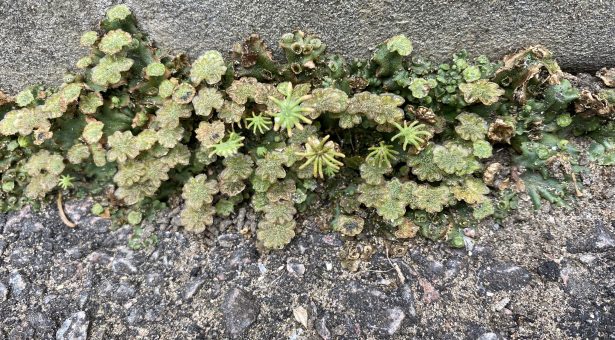
Concerns are growing that well-intentioned SFI agreements could negatively impact future pulse production opportunities. With legumes being included in some SFI options it could mean that they are left in the ground for a number of years – or are very frequently present – increasing the likelihood of soil-borne diseases in future pulse crops.

PGRO has set out a detailed paper written by Dr Becky Howard highlighting some of the potential unintended consequences which it advises all arable farmers to read before embarking on an SFI option. The paper has been published at www.pgro.org.

PGRO CEO Roger Vickers said: “We are not against the Sustainable Farming Incentive – we agree that farmers should be paid for providing positive environmental outcomes.

“But PGRO and others involved in the pulse sector have serious concerns over the impact some options will have on cropping in the long term.”

A number of SFI options encourage the use of either long-term or frequent short-term use of legume species, in either legume-rich ley mixtures or catch and cover crops. Examples include the highly-rewarded NUM3, IPM3, and Countryside Stewardship AB15 options.

Other options are also detracting from more minority crops, in particular Actions for Wildlife AHL 1 and AHL 2.

The potential green bridging effect and risk to future pulse cropping as a result is significant, as disease and pest levels build in the soil, and may seriously impact the viability of pulse crops in the future. A normal, sensible rotation, would not encourage pulses closer than one crop in five, and yet in an SFI scenario soils might easily have almost continuous host legumes present.

Crop protection could also be an issue, Mr Vickers says. “Factoring in that CRD now considers beans to be a major crop and therefore excluded from the EAMU system for agricultural chemical use, and the already minimal portfolio of crop protection products available for pulses in general, this adds to the increasing jeopardy for their future production. Many of the greatest threats are soil borne disease for which there are no seed treatments available.

“These unintended consequences are not certain as insufficient research has been conducted, but are a logical potential outcome based upon life cycle and alternative host considerations.”

The benefits that pulses bring to the rotation have been recognised many times by the government.

Pulses provide nitrogen, and improve soil fertility for the following crops, they have a favourable environmental profile and growing more of them is seen as having huge potential to help reduce carbon emissions from the UK agricultural sector.

“Hence why there are initiatives such as the NCS Project,” Mr Vickers adds. “Growers need to know the possible risks to their pulse-growing capabilities if they do enter an SFI agreement.”

Vertical Future listed as the #1 Controlled-environment-agriculture technology company globally in the “FoodTech 500”

Member News
The views expressed in this Member News article are the author's own and do not necessarily represent those of Agri-TechE.

UNITED KINGDOM: UK-based CEA technology and data company Vertical Future has been recognised as the number one CEA technology company globally in this year’s FoodTech500, a 35 position rise through the ranks compared to 2023. VF also ranked #12 amongst all companies globally in the food technology space.

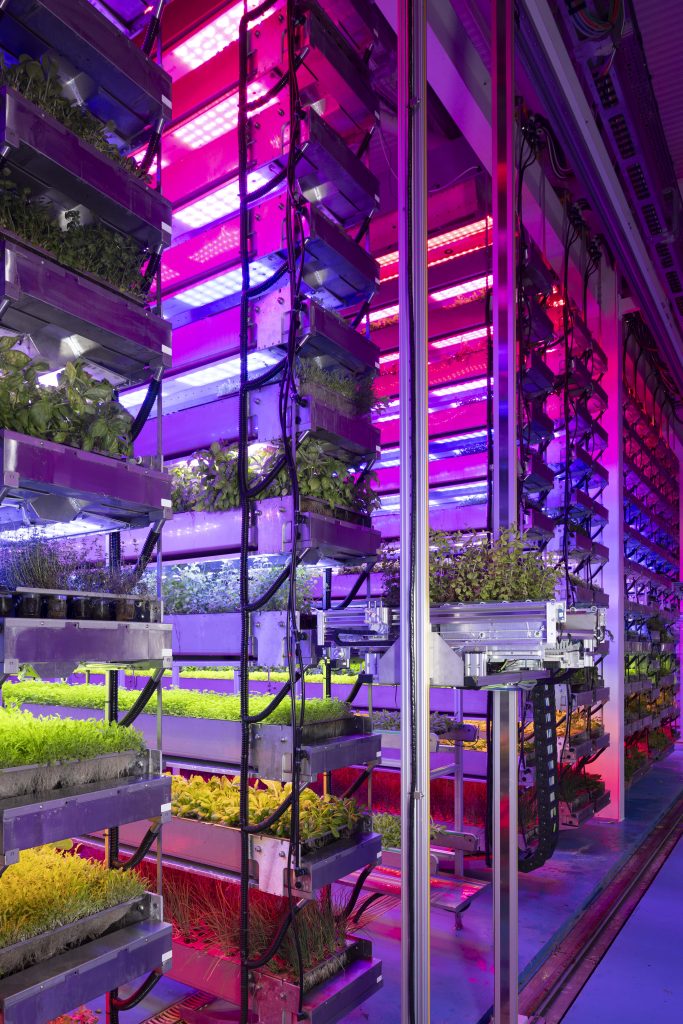
VF designs, manufactures, and deploys intelligent autonomous CEA systems across the globe. The systems and the technologies within them are primarily used to improve food production, addressing key issues such as food scarcity, water security, population growth, and complex global supply chains. Increasingly, however, VF’s systems are finding their way into new use cases such as pharmaceuticals, nutraceuticals, integration with greenhouses, and even (as per recent news), research and development for application in outer space, working with NASA and the U.K. Space Agency.

2023 was a difficult year for the global CEA sector, encompassing many failed business models, negative press, and overall difficult market conditions. There were many reasons contributing to these market difficulties, including poor technology selection, over-expansion, the drying up of capital investment, rising interest rates, and a natural attrition rate given the relative lack of maturity of the sector and number of new market entrants who were insufficiently funded or chose the wrong business model.

Positive activity, including substantial capital investments in Q4 of 2023 followed by several large-scale deals in the U.S. and more broadly, have led to a more positive outlook on the sector. This is coupled with a continued rise for innovative solutions that address the impact of climate change and many other negative factors addressing the world today.

The independent recognition validates VF’s innovative, unique model, that has, since 2018, been plant science and technology-led, following VF’s initial phase as a vertical farming grower across London and the U.K. The achievement comes after eight years of hard work and pivotal strategic decisions, such as moving almost every operation in-house (including manufacturing), focusing on scale to achieve price parity, championing a science-led approach, and providing products and services to secondary markets.


FoodTech500 by Forward Fooding is the world’s first list of global entrepreneurial talent at the intersection of food, technology, and sustainability. Since its launch in 2019, it had over 9,000 applicants, reached over 180 countries, and amounted to $24,6 billion USD in investment raised by the winners. The ranking is based on business size, digital footprint, and sustainability practices.

Commenting on the achievement, Jamie Burrows, Founder and CEO of Vertical Futures, said:
“We are delighted with Vertical Future’s recent recognition as the #1 CEA technology company globally and #12 amongst the entire global Food Technology community on the FoodTech500 list. It’s the market telling us that our almost eight years of hard work, movement from being an operator to a tech and data company, and constant push to develop the best system and overall model have not been in vain. Strategic decisions combined with our hard work and top-of-the-range, innovative offerings are all factors that together make Vertical Future unique. Our journey is far from over.”

About Vertical Future
Vertical Future (“VF”) is a global CEA technology and data company, headquartered in London and founded in 2016. VF designs, manufactures, and deploys autonomous vertical farms across the world into multiple use cases, from food through to pharmaceuticals, and soon to be reforestation. VF’s fully integrated model is unique globally with a goal of contributing to healthier people and planet. VF has raised over £37 million of funding to date, has received over 12 Innovate U.K. grants, and operates with a team of over 60 staff across engineering, software engineering, plant sciences, operations, and commercial. To find out more about Vertical Future, go to verticalfuture.com.

Lettus Grow: Ro-Gro Launches Pioneering Biofortified Microgreens

Member News
The views expressed in this Member News article are the author's own and do not necessarily represent those of Agri-TechE.

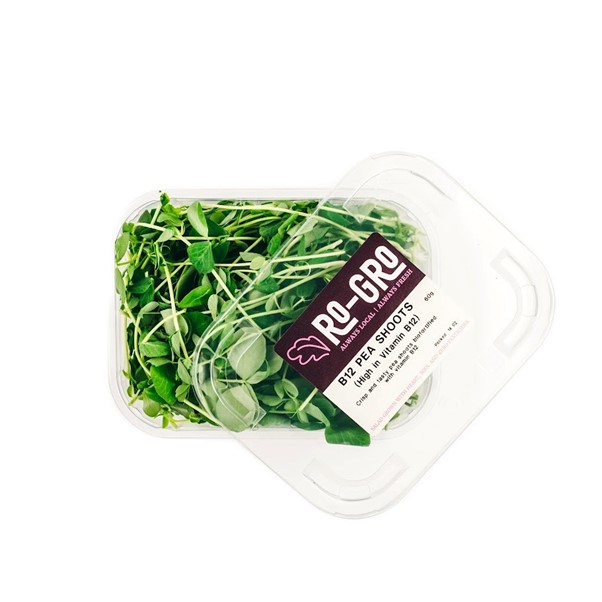
In an industry first, vertical farm Ro-Gro has cultivated biofortified pea shoots with added Vitamin B12, available in Spring 2024 to retailers and hospitality.

A joint collaboration between vertical farm Ro-Gro, plant and microbiology research institute the John Innes Centre, food and health bioscience facility, the Quadram Institute, and indoor farming tech firm LettUs Grow has resulted in the very first pea shoots biofortified with vitamin B12 coming to market. The pea shoots grown in Ro-Gro’s vertical farm in Kent are biofortified with B12, using ultrasonic aeroponic technology developed by LettUs Grow.

Read the full article here

Cambridge Consultants: Trusted soil measurement is the key to scaled regenerative agriculture

Member News
Agri-TechE
The views expressed in this Member News article are the author's own and do not necessarily represent those of Agri-TechE.

Sustainability is now core to the mission, vision and strategy of businesses and nations worldwide. Everyone has net zero targets and grand plans to minimise environmental impact.

But questions about implementation and traceability are emerging.

Few are more pertinent than the thorny issue of measurement and traceability. How do you reliably and quantifiably measure the impact of initiatives to ensure your net zero ambitions remain on track? And do they stand up to external scrutiny?

Cambridge Consultants explore this topic.

Read the full report here.

Barenbrug: Check ‘Made for SFI’ seed mixtures carefully

Member News
The views expressed in this Member News article are the author's own and do not necessarily represent those of Agri-TechE.

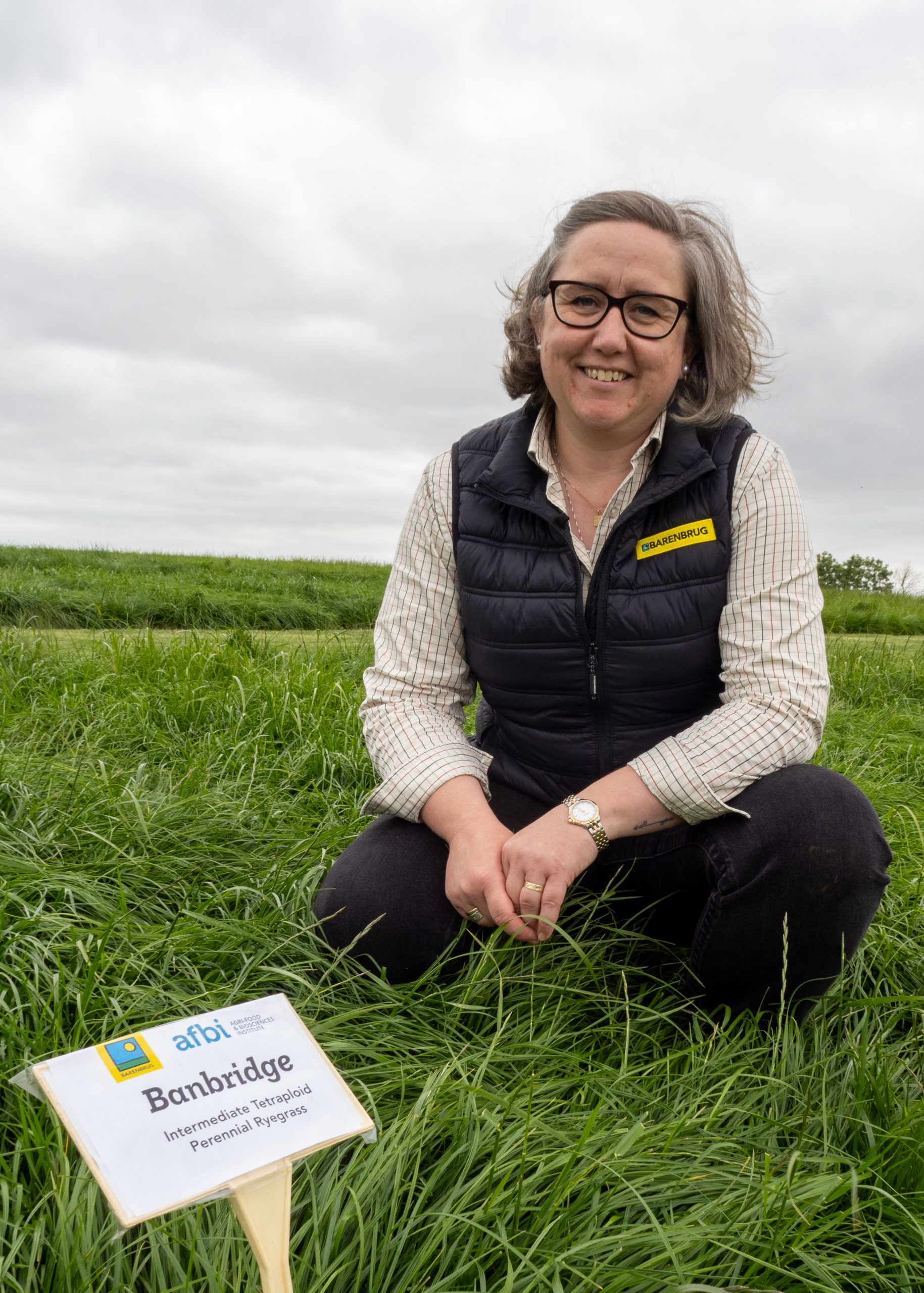
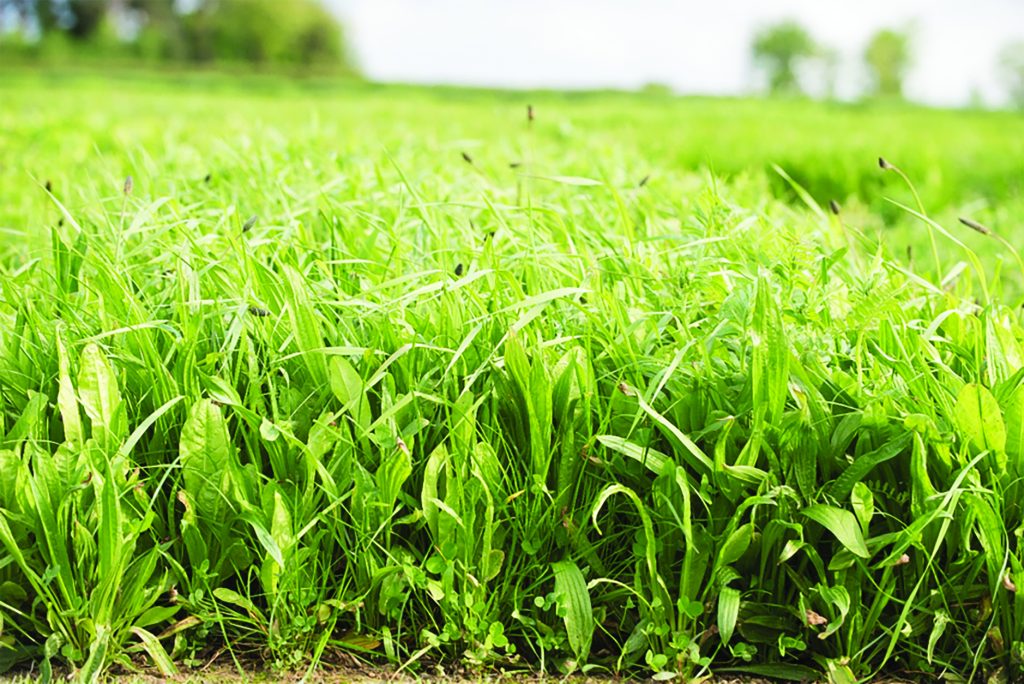
Growers who signed up for herbal leys as one of the 23 options from the 2023 Sustainable Farming Initiative programme should seek competent advice on the suitability of mixtures being sold as ‘SAM3 compatible’, Barenbrug says, as seed decisions loom.

The UK grass-seed breeder points out that while Defra has issued guidelines as to what will properly constitute a ‘herbal ley’ under the scheme, those guidelines are not yet mandatory.

“A seed mixture that has been constituted only to tick boxes against the SAM3 guidelines is perhaps not the best approach,” suggests Janet Montgomery, Barenbrug’s agriculture product manager.

“While it may serve to meet the bare minimum required by the guidelines, it risks doing little or nothing to achieve the full intention of a herbal ley, environmentally or agronomically.

“The best herbal leys deliver improvements in soil health, structure and fertility, and increased biodiversity, while remaining agronomically productive,” Janet says.

“That’s the true spirit of the SFI: delivering environmental benefits with approachable principles that continue to deliver productivity as part of a conventional farming system,” she points out.

“Yet some mixtures labelled ‘SAM3’ might be little more than a standard mix with a ‘top-up’ of legumes and herbs.

“It’s a bit like buying an unknown brand of cola: while the label shows all the same ingredients as the top brand, there’s always a difference in taste. It’s all about know-how – knowing how to blend to get the best results.”

Similarly, a below-par seed blend is likely to result not just in a poor herbal ley, but unsatisfactory agronomic performance to boot, she warns.

“A herbal ley is a really approachable, accessible way to enter SFI,” observes Janet. “Done well, it will deliver – and will demonstrate that SFI doesn’t have to be difficult, or result in lower productivity, if the right agronomic decisions are made.

“Yet if someone’s had a bad experience as a result of a sub-standard mixture, who’ll want to come back to the idea of a herbal ley?”

Janet acknowledges that while the absence of firm guidelines makes it more difficult to ‘second-guess’ what will be deemed acceptable under SAM3 measures, Barenbrug’s approach has been to review its own experience of herbal leys and select species that are known to perform well when grown together, and which offer secondary benefits such as sward resilience.

“What’s more, when designing the SFI mixture, we made the decision to go ‘all out’ for the maximum recommended number of species. That’s five grasses, three legumes, and five herbs.

“We don’t yet know how SFI claims like SAM3 will be checked and enforced, but we believe pursuing the highest quality route ensures top-notch agronomic performance without compromise, while meeting all the environmental requirements that the scheme is designed to address.”

SAM3 promises payments of £382/ha through the planting of a herbal ley.

Real-Time Disease Protection with Roboscientific

Member News
The views expressed in this Member News article are the author's own and do not necessarily represent those of Agri-TechE.

As part of our “Back to the Future” project, we’re asking Agri-TechE members to reflect on how the agri-tech industry has evolved over the past decade and to share their vision for the next ten years. By compiling these insights, we aim to create a powerful outlook on the future of agriculture, a compelling call to arms for the industry driven by the diverse perspectives of our community.

This submission is part of the collection of reflections and predictions from our members, offering unique perspectives on the industry’s past milestones and future directions. Each contribution adds to a broader dialogue about the innovations and challenges that will shape the next decade in agri-tech.

Back to the Future with Roboscientific