Explore advancements in the arable industry
Join us at CropTec, the UK’s leading technical event for the arable sector, on 14-15 January 2026 at the NEC Birmingham. Gain exclusive insights from industry-leading specialists and explore the latest innovations shaping the arable industry.

Data driving up performance in broiler production

Meet the Network
Agri-TechE

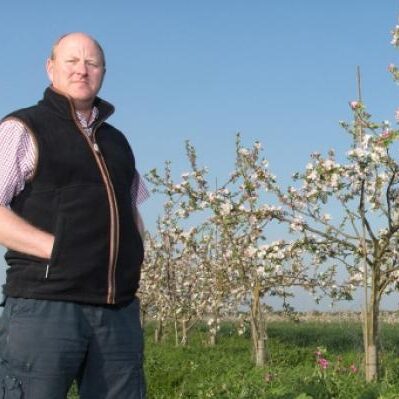
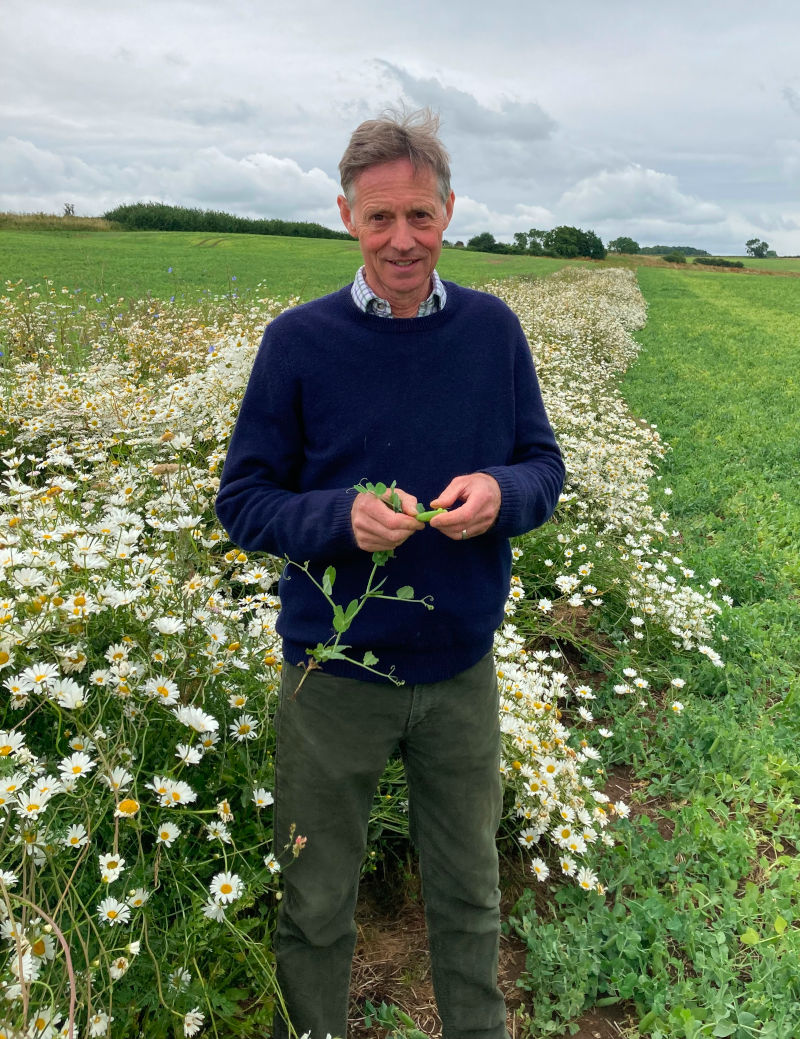
Poultry farmer Peter Mason, farm manager of Uphouse Farm Ltd., is a big believer in precision farming, taking a data-driven approach to improving performance across the farm’s broiler business. This includes live monitoring of key performance metrics such as FCR, live weight gain and daily feed/water intake per bird. Peter was on the farmer panel at REAP 2022. Ahead of the conference we asked him more about the operation at Uphouse Farm.

“We are an 840,000-bird site spread across two farms, both running the higher welfare, in-house hatching ‘Nestborn’ system. We have two great teams of stockmen who are all dedicated to achieving the highest welfare and performance from our birds. The technology we have installed in the sheds gives them a great platform on which to achieve this, and allows us to collect daily performance data and analyse it. If there is a drop in performance, we analyse the information to try and understand the cause.

“For each shed there is an interface that provides a summary of key information, such as numbers of birds remaining in the shed, how much they are eating and drinking, humidity, temperature, lighting pattern and much more. This data then entered each day into a spreadsheet and compared against target performance.

“Attention to detail is crucial for us; if you think about even one drinker line or pan line at the wrong height, this can impact the performance of thousands of birds in each shed. If you then multiply this up over seven and a half flocks per year, across two farms, that will have a significant impact on bird performance.

“The farm also has a 2.2MWh biomass plant, burning our own chicken manure, producing sustainable heat for our own sheds via process called Fluidised Bed Combustion. This produces a drier heat, which reduces the levels of CO, CO2 and ammonia compared to using LPG, consequently creating a much healthier environment for the birds. As well as using around half of our manure produced annually to heat the sheds, a lot goes into our arable operation, which makes the farm cyclical in nature – which is great from a sustainability point of view.

Challenges

“Broiler farming is a high-input high-output business. Soaring input costs and ever-increasing pressure for environmental sustainability are two huge talking points in our industry. Feed is our largest input, making up around 70% of the cost of each flock, simultaneously being responsible for around 80% of greenhouse gas emissions in the poultry sector. That makes our FCRs one the biggest driver of both economic and environmental sustainability.

“The continued adoption of emerging technologies combined with continued analysis of big data will have a huge part to play here, as they will help deliver new efficiencies and continuous improvement around this key metric.”

“Beyond feed, one of the biggest inputs is electricity, and these costs have gone up 165% in the last eight months, which has been a real kicker. For context, across the farm in the height of summer, we have 384 fans that need powering to ensure our birds have an optimal environment in the sheds. We do have 600 KWh of ground and roof mounted solar, but that doesn’t get close to covering our parasitic load.

“We are always looking for new technologies to improve our energy efficiencies, and have commissioned an energy audit to help us do that. I would love to ideally take the farm off-grid, making us self-sustainable, but the only way I can see this happening at present would be to invest in an AD (anaerobic digestion) plant or install battery storage technology when that becomes available.

“Even with ever improving technology, the main issue is large-scale energy generation is an enterprise in itself. The farm already has a full-time heating and farm engineer managing the three biomass boilers, and an AD plant would take significant input of time. However, with the ever-increasing cost of electricity, this is something the business has to consider.

Summary

“I am excited about the potential of data-led and data-driven decision making for the poultry industry and think we can do more in terms of using the data available. Collaboration is key to achieve higher efficiency in our sector and I believe we have a lot to learn from each other.

“At the end of the day, I am a farmer, not a data analyst. We have access to a huge amount of data, and I would like to be able to analyse this in more depth to understand better what we need to change and then see that applied in practice.”

Ruminating on the Future of Net Zero

Agri-TechE Blog
Agri-TechE

From milk, manure and meat to fleece, eggs and honey – animals have always played a key role in farming, and they contribute significantly to global diets and incomes.

But their impact on greenhouse gas (GHG) emissions can’t be ignored. How can we make the most of the benefits they bring while reducing the impact of their digestive systems on the planet?

Farmed ruminant species – cattle, sheep and goats – are thought to be responsible for around 30% of all global methane emissions linked to human activity.

Given the global trajectory towards reaching “Net Zero” GHG emissions, including the NFU’s ambition for British farming to reach this target by 2040, this raises important questions around the future of farmed animals.

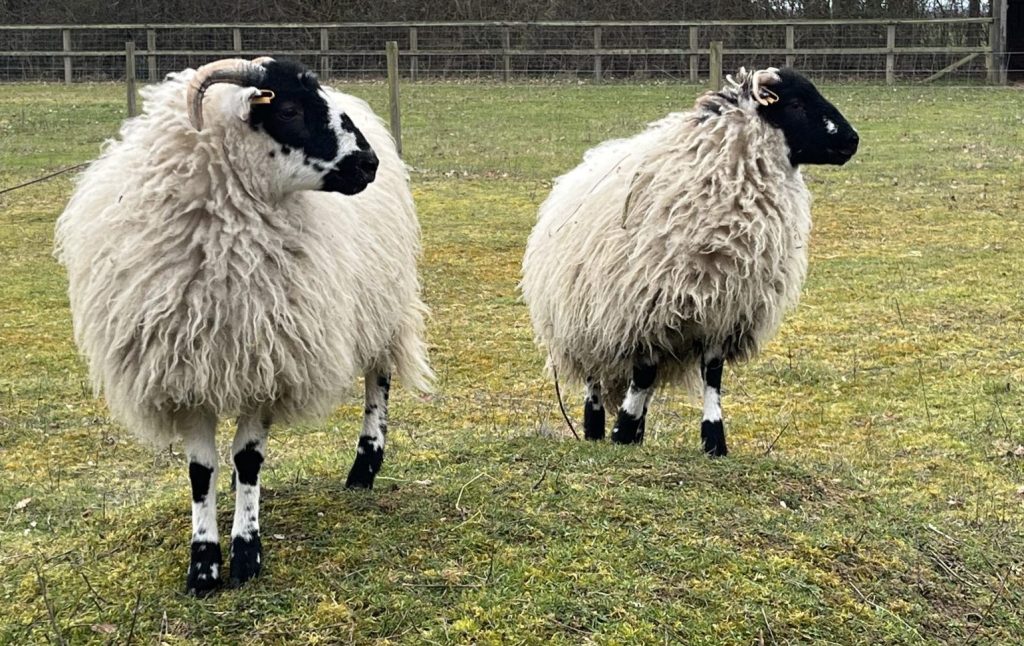
Belinda's sheep

How can we make the most of the benefits they bring while reducing the impact of their digestive systems on the planet?

Innovate to Mitigate

A recent discussion among peers and policymakers at the All-Party Parliamentary Group for Science and Technology in Agriculture explored the huge potential of innovation in mitigating GHG emissions. The focus was on animal feed production as a significant contributor to net GHG emissions from agriculture. For example, 85% of the emissions from pork result from the feed.

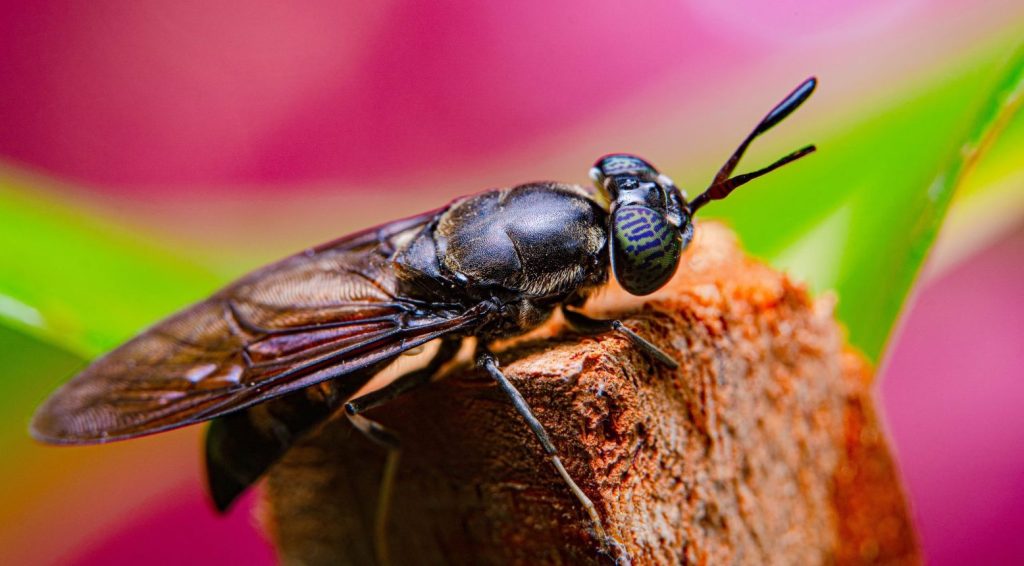
Innovative solutions include increasing home-grown pulses to replace imported soya, introducing entirely novel protein sources such as insects (as in AgriGrub’s Black Soldier Fly insect-meal or via Better Origin’s insect larvae container farms), and supplementing the diet with seaweeds to adjust gut bacteria in ruminant animals and reduce the production of methane. Niche devices are also being designed to address emissions “at source” – for example Zelp (featured in Agri-TechE ’s 2019 REAP Start-Up Showcase) has created a methane-absorbing muzzle for cows.

Innovation in the form of precision breeding also has a role to play. There is a genetic element to the amount of GHG that an individual animal produces, we can take an epigenetic approach to identify these animals and ensure these low emitting traits are passed on in future herds. Antler Bio are researching key genetic markers to promote sustainability through data-driven epigenomics.

There exists a suite of other technical processes that can contribute to net zero agricultural GHG emissions on livestock farms, including generating green energy on-farm, harnessing robotics to maximise efficiency, deploying AI for welfare and productivity, and using electric vehicles for feed distribution and transport.

As encouraging as these technologies are however, mitigating via innovation will never be enough.

black-soldier-fly

How does livestock fit into Net Zero?

While acknowledging the challenges of livestock, they still have an important role to play. There is an important trade-off (albeit a slightly imbalanced one) in that some animals can deliver important ecosystem services. For example, using animals in conservation grazing help grasses tiller (develop side roots), while soft hooves gently disturb soil to create micro-habitats for insects, microbes and seed germination. The right animal species can thin out, or clear, invasive vegetation and all animals reliably produce all-important fertiliser.

Understanding the role of animal production as part of healthy ecosystem delivery is a crucial element of the net zero journey. A recent report published by EIT Food (in collaboration with Innovate UK KTN) on the ruminant livestock industry and net zero targets considered the need to improve the understanding and complexity of carbon sequestration (the process of capturing and storing carbon in the soil). Unlike many industries, livestock farming has the capacity to both create and reduce GHG through regenerative agriculture practices such as soil enrichment and increasing biodiversity.

The bigger conversation about overall land management for net zero

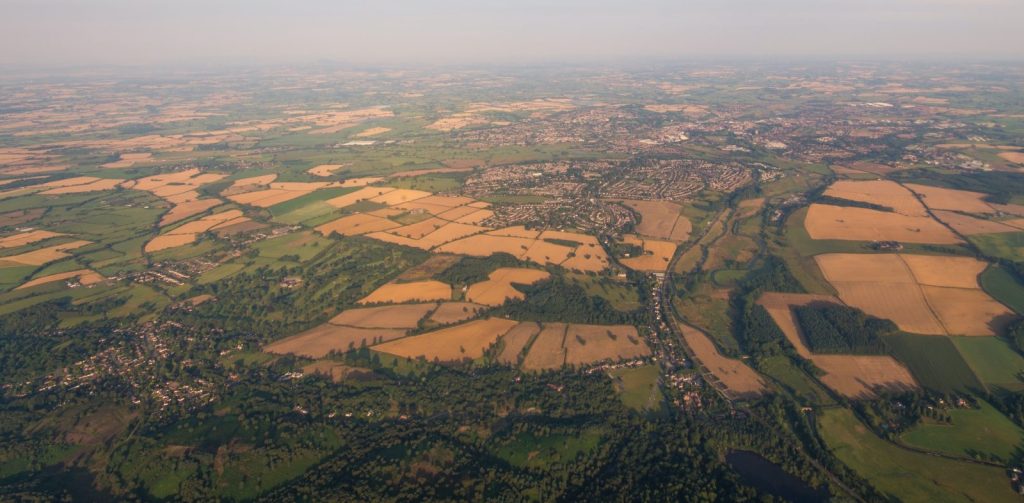
While one can use tech at the level of individual animals, herds or even species level, the bigger conversation must also address the role of animals in land use. Farmland occupies three quarters of the land mass in the UK and Ireland, with around 65% permanent grassland. As such a huge landscape, grass-based meats have a massive role to play in sustainability, however livestock land needn’t be restricted to a single output.

In February 2023, The Royal Society published a policy report that calls for a strategic rethink of the way decisions are made about how landscapes and the services they provide are managed. The Multifunctional Landscapes report promotes a holistic approach to land management that considers both market and non-market outputs – including biodiversity habitats, flood alleviation and carbon sequestration.

landscape

By shifting to a multifunctional perspective and moving away from prioritising just those with immediate financial return, the landscape can increase its efficiency by producing a range of outputs – including those that support net zero.

Measure to Manage

To understand – and enhance – the benefits of ecosystem services we need better tools to understand and compare them. The EIT report included expected calls to incentivise, inspire and train farmers, but more crucially, it affirmed the urgent need for a standardised set of metrics and appropriate tools to measure them. The lack of standardised GHG data, including a baseline reference point from which to quantify and benchmark, continues to be a huge pinch-point.

Farmers and landowners must be able to measure GHG emissions in order to manage them.

This limitation is (slowly) being recognised. Last week, Defra published a Nature Markets Framework – a mechanism for increased investment in nature through the sale of ‘units’ of ecosystem services. The British Standards Institution (BSI) has been appointed to expediate a pipeline of investment standards which will facilitate consistent measuring, monitoring, and validation of on-farm interventions. The report acknowledges, quite rightly, that in order to make any headway in this debate, you need to be able to measure in order to manage.

Without doubt, animal production has implications for the net zero ambitions of the industry. However, with a multi-solution approach of enabling policies, targeted research and innovative technologies, mitigation is possible – and crucial.

Members are invited to join our interactive BlogChat online on 22nd May 2-3pm, where we’ll be discussing this topic in more detail. Please contact info@agri-tech-e.co.uk if you’d like to join and we will send the meeting info.

UEA expert calls for human vaccine to protect poultry workers

Research Digest
Agri-TechE

As the bird flu pandemic claims a child fatality in Cambodia, an expert at University of East Anglia in emerging zoonotic diseases calls for vigilance and development of a human vaccine to protect those working closely with poultry.

The UK government says that the scale of avian influenza outbreaks across the UK and Europe have been unprecedented, with cases being confirmed into the second year of an outbreak for the first time. The UK has faced its largest ever outbreak of bird flu, with over 320 cases confirmed across the country since late October 2021 (as of February 2023).

The Avian Influenza Prevention Zone (AIPZ) was introduced in November 2022 to make it mandatory to keep poultry indoors. The AIPZ means that all bird keepers need to take extra precautions, such as restricting access for non-essential people on site, ensuring workers change clothing and footwear before entering bird enclosures and cleaning and disinfecting vehicles regularly to limit the risk of the disease spreading.

However, Prof Diana Bell, from UEA’s School of Biology, says further measures should be taken.

Prof Bell was the first to predict a pandemic following the discovery that avian virus H5N1 had killed three rare Owstons civet cats in a zoo in Vietnam in 2005. She said at the time that the spread to mammals was concerning.

Now she warns that the virus is widespread in poultry globally and jumping to a new range of animals, including humans.

Sir Jeremy Farrar, a former member of Sage and Chief Scientist designate of the Word Health Organization, said the avian H5N1 virus posed the biggest current pandemic threat to the world after Covid. He is calling for development of a human vaccine for the disease to avert a disaster.

Prof Bell agrees with the need for a vaccine.

“Today’s news (Feb 2023) that a child has died in Cambodia is very sad and worrying, and I hope it is an isolated case. But we must understand that this virus has already been found to spread to and kill many mammals, from porpoises to bobcats and grizzly bears.

“More intensive testing of dead birds and mammals is required to track the H5N1 genotype(s) responsible for these and the human case,” she added.

Same parents, different outcomes

Agri-TechE Article
Agri-TechE

Maria Jensen, Antler Bio, speaking at REAP 2022

“I have two racehorses with the same parents, but one has won 5M, the other €5K; why?” This was the question that fuelled the curiosity of Maria Jensen, founder and CEO of Antler Bio, to look at the impact of nurture on gene expression. The result is the EPIHERD Platform, a technology that bridges the massive data gap between an animal’s potential and its performance.

The company originally started by looking at racehorses, but is now focussed on the dairy industry, where more effective breeding and management would revolutionise productivity. Maria outlined the huge potential for Antler Bio’s technology in the Agri-TechE REAP 2022 Start-Up Showcase.

Maria explains: “A farmer can have two genetically similar cows on the same farm, but one might produce three times as much and is much healthier than the other. It’s evident that genetics alone does not explain these differences.

“I considered that if we could better understand the data behind the best producing and healthiest individuals and were able to more accurately identify the next generation of animals to meet these standards, then the industry could be producing at least three times as much high-quality produce with the current number of animals and with even fewer resources, thereby reducing methane output by up to 40%*.”

Current genetic testing looks for the presence and absence of gene variants that can affect different traits, such as milk yield, conformation, and fertility. These tests, however, do not quantify how much relevant genes are expressed and whether they are even active. It is also recognised that environmental factors such as nutrition, animal husbandry and stress can influence gene expression and directly impact the animal’s performance. Understanding these processes and their mechanisms is called epigenomics.

Maria continues: “Our innovative EPIHERD Platform focuses on the analysis of epigenomic data, looking at expression of key genes that impact health and performance, not just the presence or absence of a gene as with classical genetic testing. By measuring which genes are actually active in an animal and their level of activity we bridge the existing data gap between the animal’s DNA and the environment it resides in.

“In addition, by understanding which events trigger desirable or undesirable gene expression we can give precision recommendations regarding habitat, animal husbandry and feed in order to unlock the herd’s full potential and support herd health in a natural way.”

EPIHERD aims to help farmers:

  • Analyse herd performance against its actual potential
  • Improve animal management and husbandry in a targeted way
  • Strategically select individuals for breeding and production
  • Detect developing health disorders before any symptoms arise
  • Reduce GHG emissions/carbon footprints via increased efficiency
  • Gain a rapid ROI with low risk

Maria Jensen, Antler Bio, in the REAP 2022 Start-Up Showcase

Based in Dublin and Cambridge UK, the company has so far raised over £1M in equity and grants including from Innovate UK and is looking towards further fund raising.

“The Innovate UK project started in February 2022,” says Maria. “We are currently generating proprietary epigenomic data from samples such as blood and milk from dairy cattle and building the EPIHERD platform. This will deliver results and insights to the farmer in an easy-to-understand and actionable format. This platform is scalable to plants and even humans in the future.”

Dr Belinda Clarke, Director of Agri-TechE , comments: “The potential role of so-called epi-genomics in breeding improvement has been hugely under-exploited to date. I am sure that Antler Bio’s innovative approach will attract significant interest from the agri-tech innovation ecosystem. REAP has provided profile for many exciting early-stage businesses with collaborators, end users and investors. 14 of the companies previously featured have collectively raised over £92 Million in the last three years.”

Find out more at antlerbio.com

*Epigenetic regulation of milk production in dairy cows, Singh et al: pubmed.ncbi.nlm.nih.gov/20131087


REAP 2022: Making Sense of AgricultureREAP 2022: ‘Making Sense of Agriculture’ – Tuesday 8th November 2022 

From yield mapping and precision livestock through to digital twins and cloud computing, at REAP 2022 we will be exploring the technology and looking at the implications from a field to landscape level. Making technology farm-centric is core to Agri-TechE ’s mission so a key feature of the conference will be a panel of farmers and producers discussing the emerging technologies and future scenarios.

reapconference.co.uk

ATW22: Wednesday: Robotic dairy in action

Agri-TechE Article
Agri-TechE

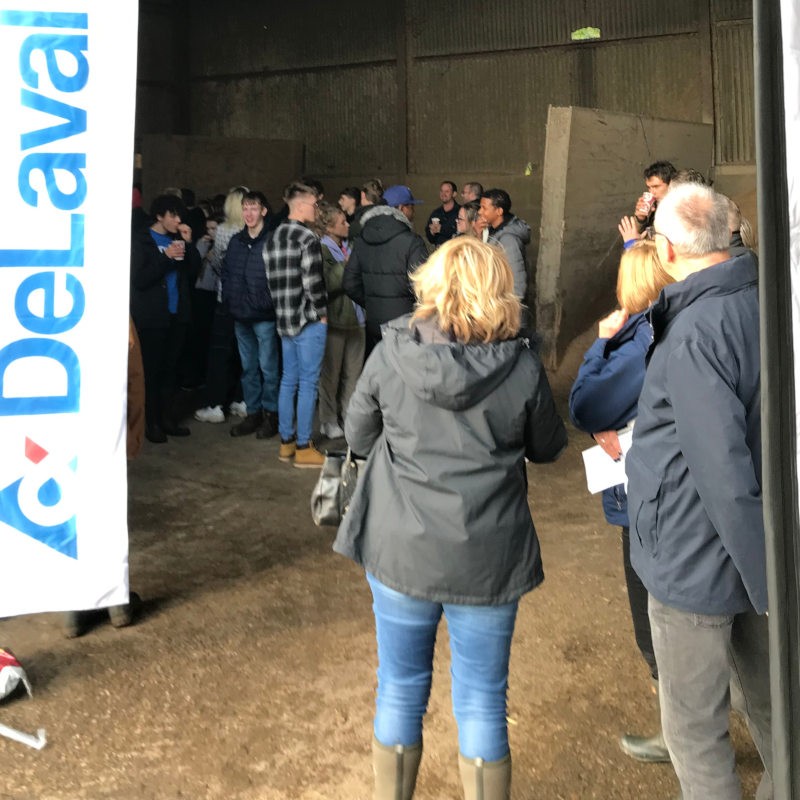
Mill Farm Dairy cowThere was a chance to see a robotic dairy in action at this Agri-TechE Week event hosted by the Royal Norfolk Agricultural Association (RNAA). The RNAA also sponsored a farmer’s bursary for the REAP conference, held on Tuesday of Agri-TechE Week.

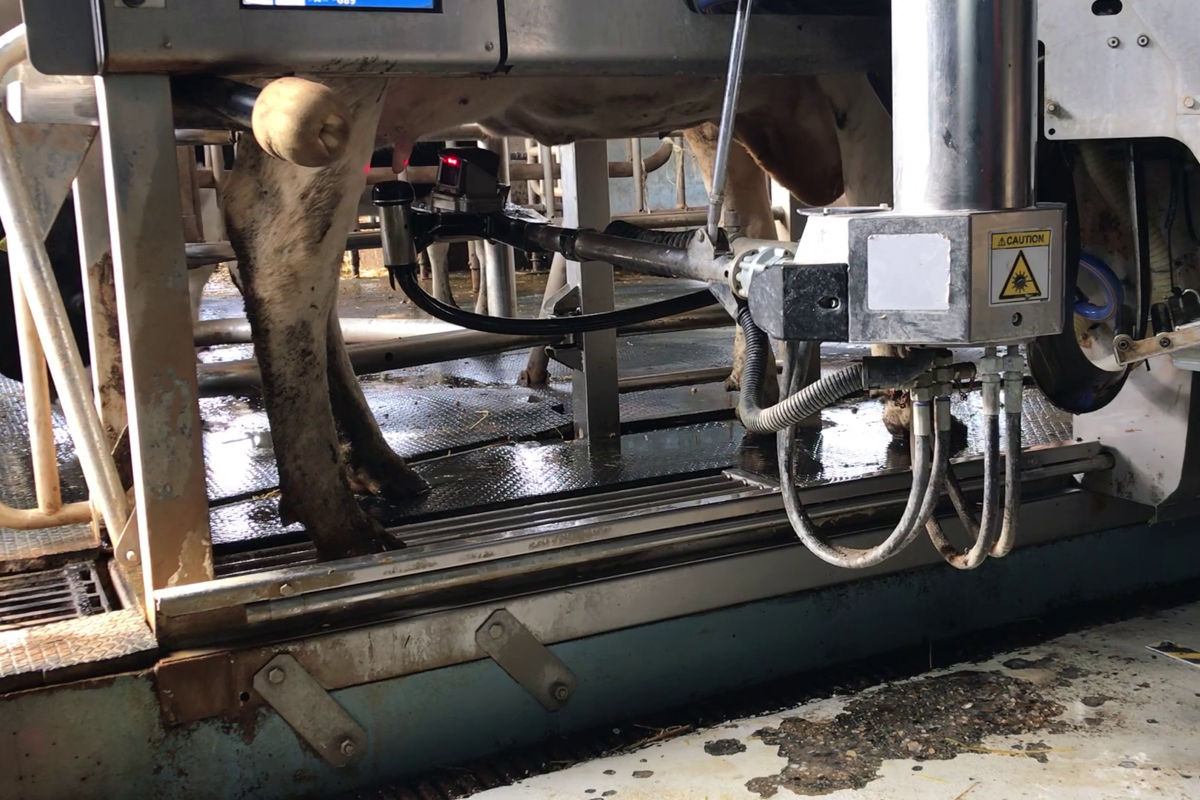
The tour of Mill Farm Dairy gave attendees the opportunity to see the sophisticated robotic technology in action and provide insights into how the milking robots are helping to improve cow health, reproduction and milk productivity.

Improving the work-life balance for dairy farmers

Mark Barnes is a third generation Norfolk dairy farmer with a herd of 180 Holstein cows. He has recently invested in three DeLaval milking robots.

The concept behind robotic milking is that instead of fixed milking times the cows can present themselves for milking when they want.  The robot identifies the cow issues the correct amount of feed is given, and decides if the cow is allowed to be milked, which is both time dependent (depending on stage of lactation) and individual milk yield. It then cleans the udder and stimulates the flow with milk with warm water and compressed air.

For some cows this may be up to five times a day and many of DeLaval’s customers report that the volume of milk produced has increased and they have freed up time for other activities.

Ten percent of cows in UK are now milked by robot and the use of robotics also enables automated collation of individualised data for each cow. It is possible to add features such as automated progesterone testing that are able to identify fertility periods more accurately increasing breeding efficiency and to treat conditions while the animal is being milked.

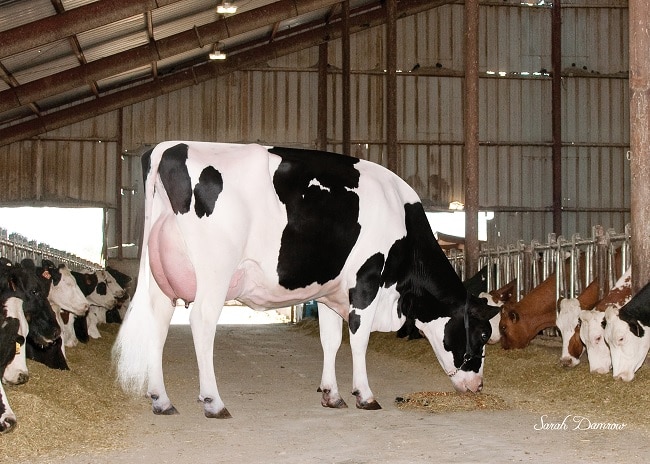
Not all cow breeds or individuals are suitable for robot milking. The udder needs to be pointing down to allow the robot to attach the sucking device. For this reason, breeding is now directed at developing breeds that are more suited to automated milking.

Thank you to Taylor IMS for supporting this event.

More about RNAA.


ATW Logo 2022

Agri-TechE Week is a partnership initiative founded in 2014 by Agri-TechE with the Royal Norfolk Agricultural Association. The week features a mix of in-person and virtual events that are designed to showcase exciting developments in agri-tech. It is coordinated by Agri-TechE working closely with partners across the innovation ecosystem and aims to provide opportunities to attract new customers and partners and to broker collaborations and international connections.

REAP 2022 bursary enables more farmers and students see how the digital world is shaping agriculture

Agri-TechE Article
Agri-TechE

Peter Mason, Uphouse Farm
Peter Mason of Uphouse Farm will be on the Farmers Panel at REAP 2022

“At the end of the day, I am a farmer, not a data analyst. We have access to a huge amount of data, and I would like to be able to analyse this in more depth to understand better what we need to change and then see that applied in practice,” says poultry farmer Peter Mason, farm manager of Uphouse Farm Ltd. He will be on the Farmers’ Panel of REAP 2022 with the theme ‘Making Sense of Agriculture’. There is a REAP 2022 bursary available for farmers and students. 

“I am excited about the potential of data-led and data-driven decision-making for the sector and think we can do more in terms of using the data available. Collaboration is key to achieve higher efficiency in our sector and I believe we have a lot to learn from each other.”

REAP has been the launchpad for many successful collaborations and having a good representation of farmers to shape the discussions is key.

The farmer-tech session last year, in which early adopters discussed the challenges of introducing new tools and processes, was particularly insightful.

Why not come to REAP 2022 to learn about how the digital world is helping the agri industry make more informed decisions?

To enable as many farmers as possible to attend, the REAP 2022 bursary is available for farmers, and also to students in full time education in agriculture or a related science.

Farmer-centric innovation is core to the REAP conference and rate of technology adoption is increasing, judging by the speed in which cutting-edge agri-tech featured in the Start-Up Showcase is becoming operational in the field.

Royal Norfolk Agricultural Association is sponsoring the REAP 2022 bursary

The bursary for REAP 2022 is kindly sponsored by the Royal Norfolk Agricultural Association (RNAA).

RNAAMark Nicholas MBE, Managing Director of the RNAA, says: “The RNAA is a leading organisation in Norfolk for the promotion of and support to food production, farming and the countryside. Over 175 years we have harnessed the farming community and provided a connection with consumers through events such as the Royal Norfolk Show, the UK’s largest two-day agricultural Show, and the Norfolk Farming Conference. As a membership organisation we facilitate a community of growers, farmers, landowners and industry professionals to showcase the Agri-food sector.

“The RNAA is delighted to support the REAP Conference 2022 and the deep dive into the next phase of on-farm digital technology. We see knowledge exchange as a vital means to inform practitioners within the industry and to inspire new entrants. As a sponsor we are particularly keen to ensure that the conference is as accessible as possible to UK growers, farmers and those in full-time education in agriculture.”

Why not come to REAP 2022 to learn about how the digital world is helping the agri industry make more informed decisions?

Interested in the REAP 2022 bursary? Hear from others that have participated in previous REAP conferences:

Tom Pearson, Farmer at Manor Farm, Caxton, Cambs, comments: “Our farm has long term goals of sustaining and eventually increasing output while maximising biodiversity, carbon sequestration and net zero farming. We are always on the look-out for incremental and game changing technology that helps us reach that goal. Hearing from current start-ups in AgTech and farmer-led projects helps us to be early adopters and know how to act now to adapt our business to accommodate these new technologies and practices.”

Robert Gemmill, Farmer at Sayers Farm, Essex, agrees: “Being a small arable farmer in Essex, growing a small range of crops using traditional cultivation and drilling methods, the REAP conference will hopefully stimulate new thinking to progress the farm and business in the future.”

Like many of the events in Agri-TechE Week, REAP offers BASIS points, which endorses its educational value, something that is appreciated by Seamus Kelly, Tractor Driver at Besthorpe, Norfolk: “Innovation is important in a future career because its more about implementing solutions instead of working around our problems hoping they will go away on their own. I am attending the conference to update my knowledge and information with the view to make valuable contributions to our agriculture based projects.”

Jessica Nuboer, Student at Wageningen University, The Netherlands, comments: “I am keen to learn more about regenerative agricultural practices and its relation to conventional norms. As an industry, I believe agribusiness needs to heal topsoil, prevent chemical runoff and pollution of freshwater resources, and practice responsible agriculture. I believe that by attending the REAP conference, I will gain the relevant knowledge and networking opportunities to support my future.”

UK growers, farmers and those in full-time education in agriculture (or an agriculture-related discipline such as plant science, agri-engineering, environmental sciences etc.) are eligible to apply for a bursary, which reduces the delegate ticket to £60 (+VAT) per delegate.

Apply for the bursary now. The closing date for applications is Friday 28 October 2022.


REAP 2022: Making Sense of AgricultureREAP 2022: ‘Making Sense of Agriculture’ – Tuesday 8th November 2022 

From yield mapping and precision livestock through to digital twins and cloud computing, at REAP 2022 we will be exploring the technology and looking at the implications from a field to landscape level. Making technology farm-centric is core to Agri-TechE ’s mission so a key feature of the conference will be a panel of farmers and producers discussing the emerging technologies and future scenarios.

reapconference.co.uk

Better Origin raises $16million for insect mini-farms

Member News
Agri-TechE

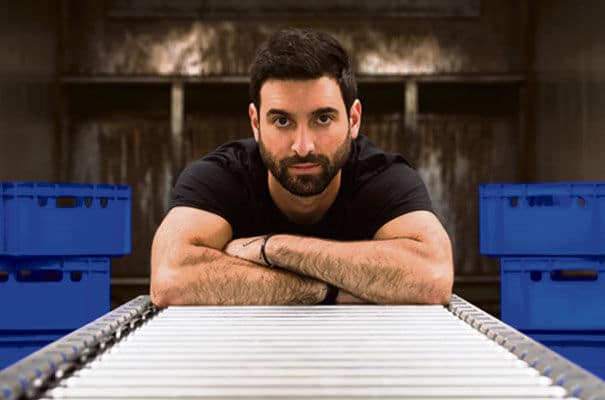
Fotis Fotiadis, CEO, Better Origin

Cambridge-based Better Origin, developers of AI enabled insect mini-farms that can fit inside shipping containers, has raised $16million in a Series A funding round.

Fotis Fotiadis, CEO and co-founder of Better Origin, says: “One of the biggest problems our generation will face is how to produce food sustainably and securely. Our solution is to localise the food supply chain and convert food waste back into food.

“We’re tackling a huge problem – the inefficiency of our broken food chain – but with support like this, we’re more motivated than ever.”

The $16 million funding round was led by UK investors Balderton Capital, with participation from existing investors Fly Ventures and Metavallon VC, and will be used to help the company scale internationally and grow the team.

“Fotis, Miha Pipan, and the Better Origin team are working to fundamentally change our broken food chain, for the benefit of everyone,” says Suranga Chandratillake, general partner at Balderton Capital. “Climate change, the pandemic, political tensions and our growing population have demonstrated time and again how fragile our current systems are. They’ve also shown how farming currently exacerbates the challenges we face and solutions so far are not leading to the wholesale change we need. Better Origin presents a new approach and we believe it can have a transformational effect on food and farming systems.”

More information about Better Origin.

Is there Johne’s Disease in the herd? New rapid testing service provides yes/no answer
Meet the Network
Agri-TechE
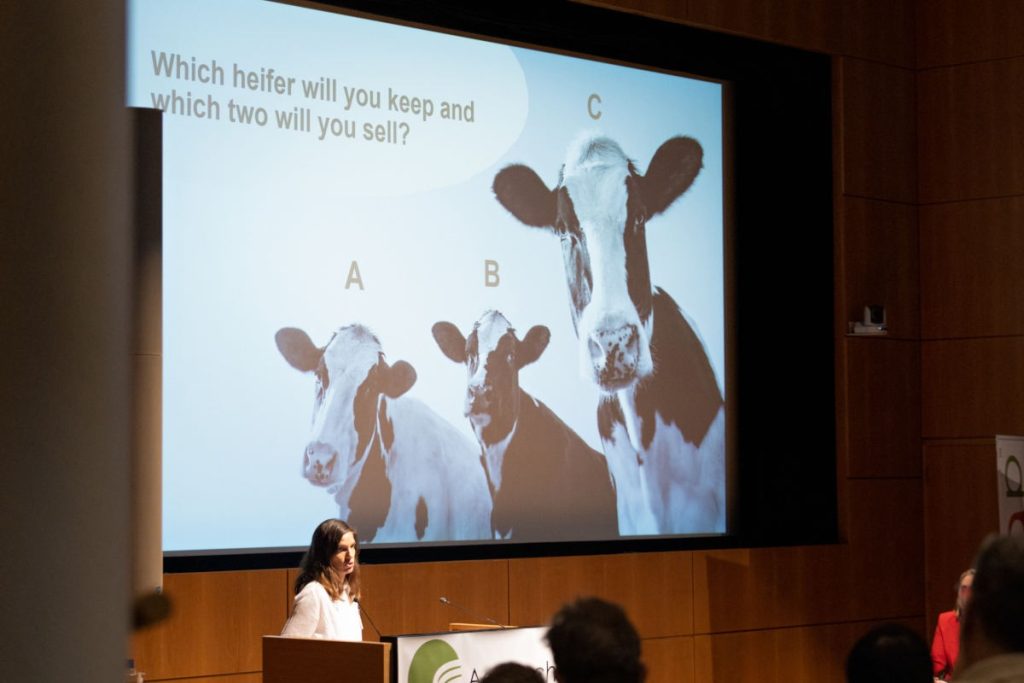
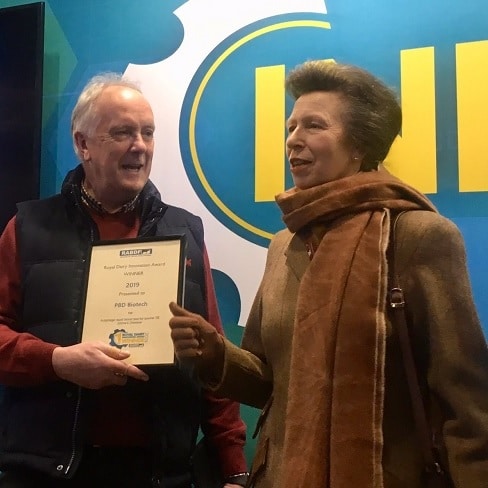
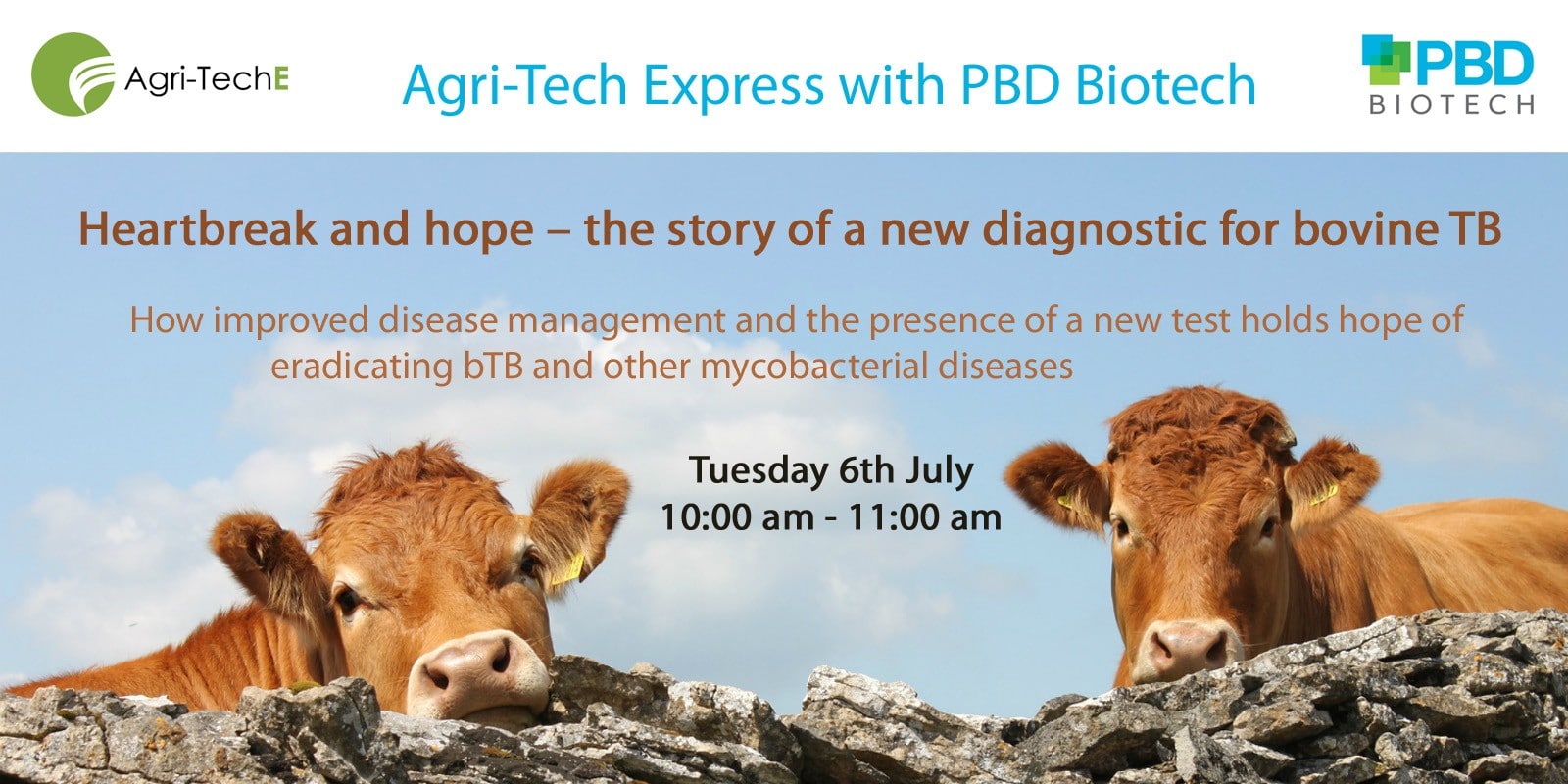
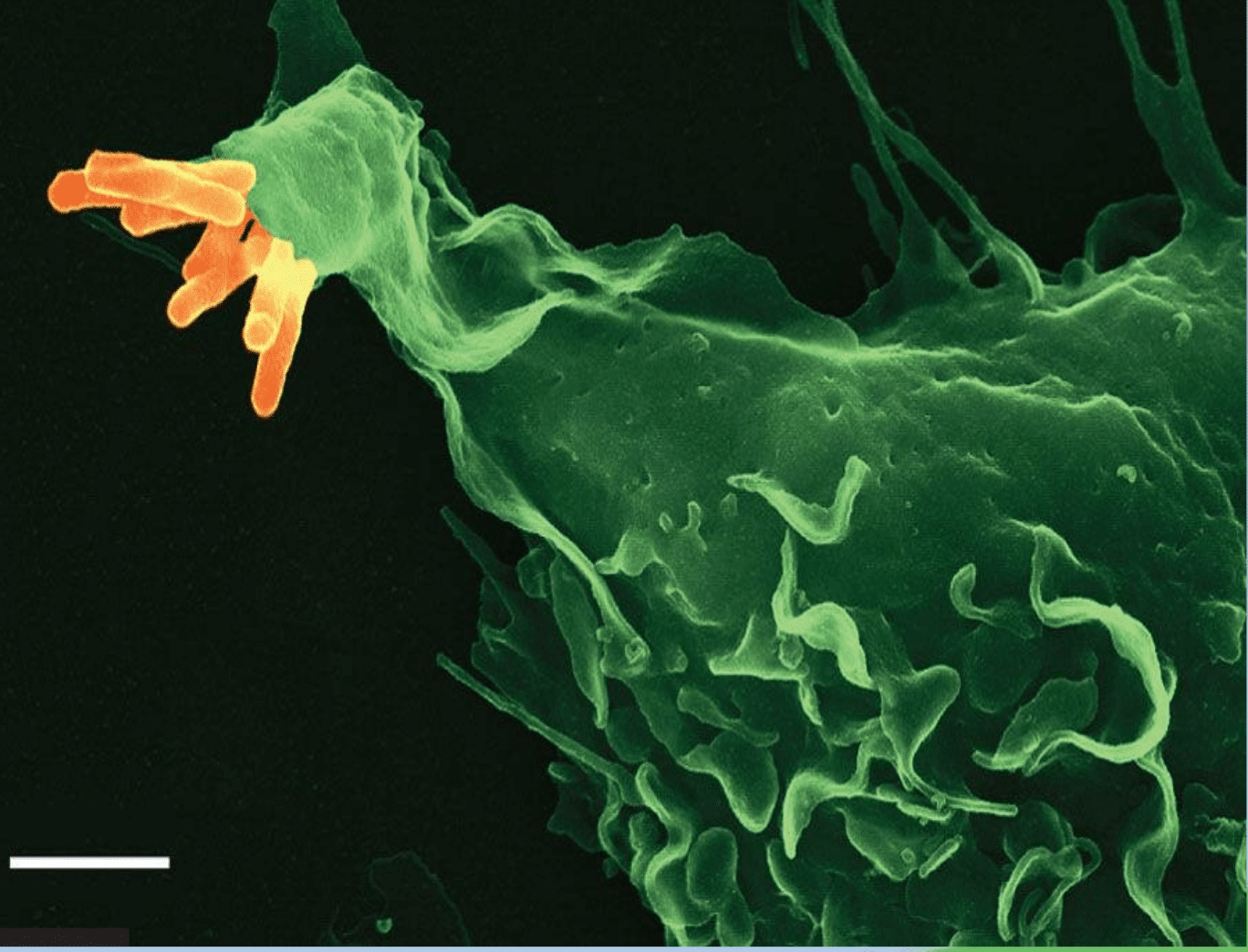
Is there Johne’s Disease in the herd? The answer to this question is what every dairy farmer and milk processor wants to know. Now a new rapid testing service from PBD Biotech will enable them to find out in days if a bulk milk or blood sample contains Mycobacterium avium subspecies paratuberculosis (MAP), the bacteria that causes this economically devastating disease.

Johne's Disease testing service launched by PBD Biotech

The service uses the diagnostic test Actiphage® to detect the presence of live mycobacteria in a sample of blood or bulk milk. The test can find 1-2 cells in 50ml of milk, providing a high level of confidence in its quality. The milk test is also a valuable herd management tool. If MAP is discovered in the milk, blood tests can identify infected individual animals in the milking herd, as well as in stock as young as six weeks, before they show clinical symptoms, offering the potential to eliminate the disease from the herd.

Johne’s Disease is a wasting disease in ruminants that causes severe economic loss. The disease is difficult to diagnose and can lie dormant in an animal until it is triggered by stress or another infection. The major route for transmission is from the mother to the unborn calf through the placenta or through feeding with contaminated milk. It can also be shed in faeces and infect mature adults.

Unlike bovine TB, Johne’s Disease is not a notifiable disease in England, Scotland and Wales so data on prevalence is limited. Small-scale farm surveys indicate 17.5% (±10%) of dairy herds are affected, and, despite milk being pasteurised, tests of retail milk have shown 10% to contain live MAP3

Robert Price-Jones, Clinical Director of Tysul Vets, says a pre-breeding test is urgently needed: “A significant number of dairies will have a Johne’s control plan in place to prevent infections, which is based on regular testing, calving hygiene, calf management and breeding policy, including culling positive animals.

“The problem is the hidden nature of the disease, its latency. Computer estimates show eradication of Johne’s in a herd with 10% prevalence through test and management procedures could take 5-10 years – or longer if only one strategy is used in isolation4.

“An accurate – more specific – diagnostic test for blood and milk that can be used as early as possible would improve control and eradication.

“A pre-breeding test would be a good way of helping to control Johne’s – preventing positive animals from being bred would reduce the spread of bacteria in calving areas and prevent infection of calves through milk or placental transmission.”

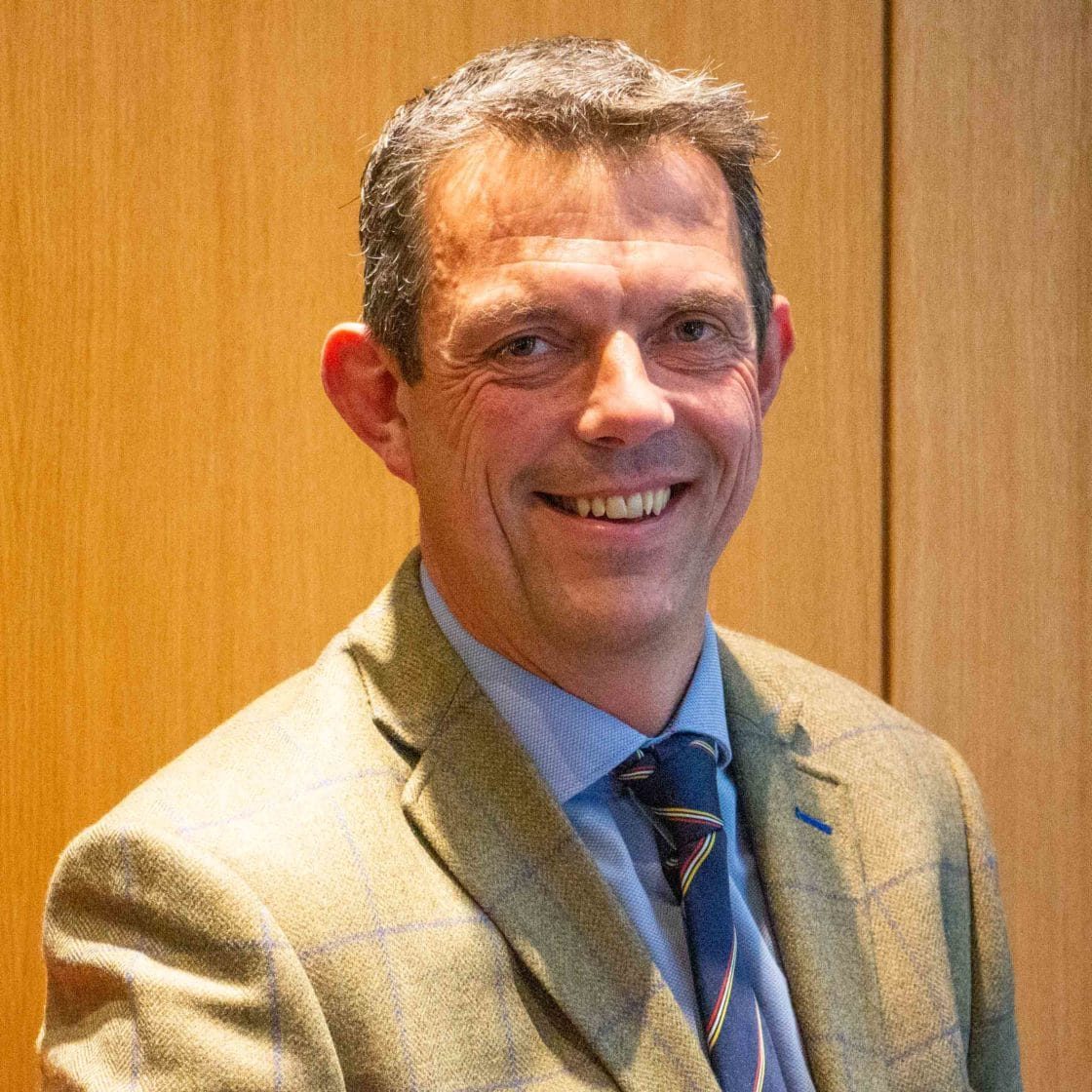
Jonnie Yewdall, Commercial Director at PBD Biotech, is a former dairy farmer and was devastated when purchased stock introduced Johne’s Disease into his herd.

“Our farm had never experienced Johne’s until we had to buy in cows to restock our herd after a bTB outbreak. For example, we lost all the cows purchased from one farm in a non-TB area in the north of England, which then infected more in the established herd and young stock. If we had had access to a pre-movement test, we could have tested all the new animals and prevented this situation.”

Many retailers and milk purchasers insist upon MAP testing, but the current tests are based on an immune response and fail to find animals at an early stage of infection. Actiphage detects the presence of the live bacteria that causes the disease and so is ideal as a pre-breeding test to prevent infected animals from calving, and as a pre-movement test to prevent newcomers bringing disease into the herd.

When used as part of a wider disease management programme Actiphage has the potential to eliminate Johne’s Disease/MAP from the herd and prevent re-infection.

For more details of the service visit pbdbio.com

PheroSyn to develop supply of novel pheromones for the pear gall midge and the pear leaf midge

Agri-TechE Article
Agri-TechE
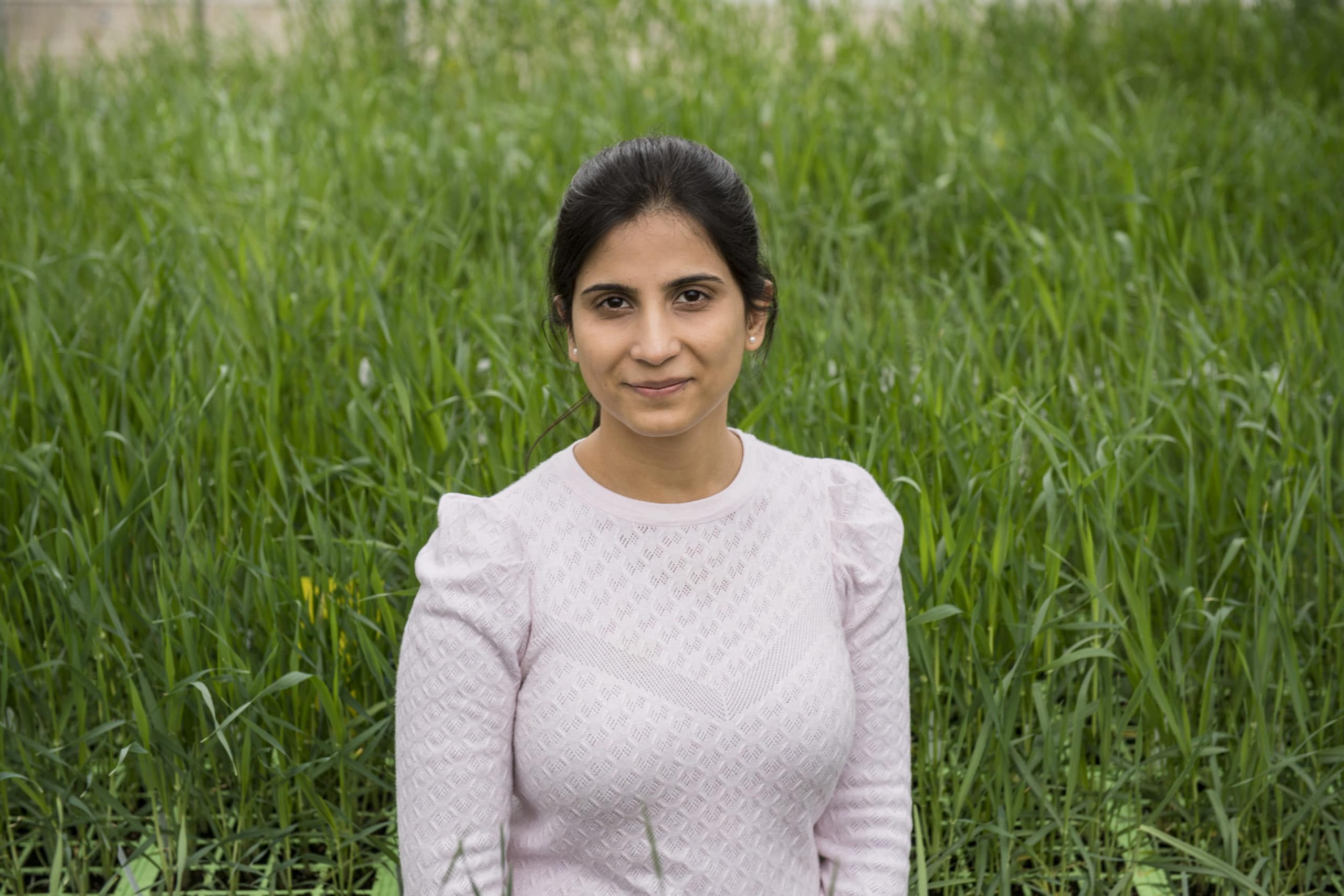
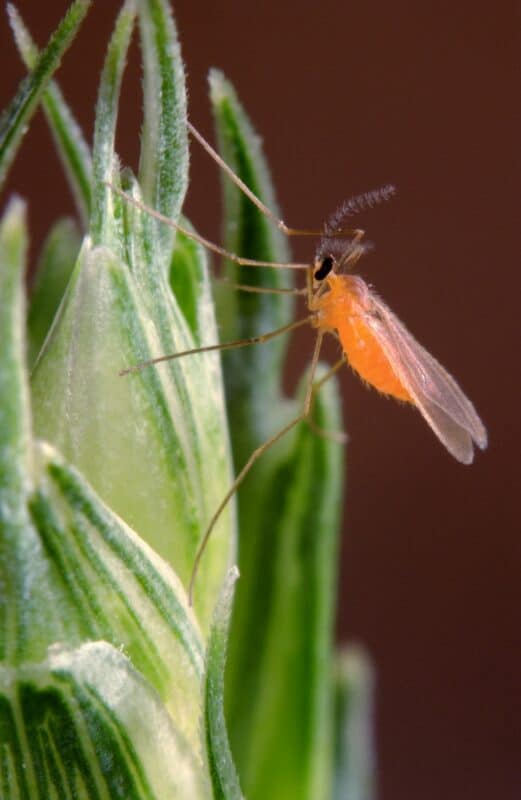
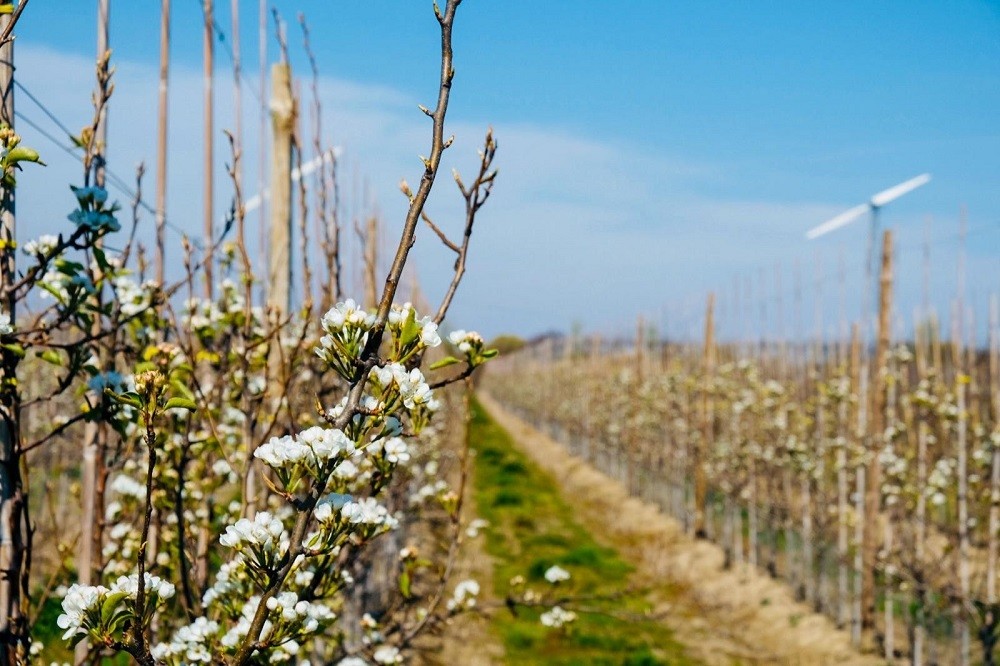
Pherosyn midge pheromone pear orchardRothamsted spinout PheroSyn has secured a £0.5m Innovate UK smart grant to develop and validate new high-value pheromones for the management of pear gall midge and pear leaf midge, significant pests in fruit production.

Insects use pheromones to communicate; synthetic pheromones can disrupt mating and lure pests away from crops, and can also be used in traps.

Pheromones form a critical component of Integrated Pest Management (IPM), but there are currently very few fruit midge pheromones available compared with other crop pests. This 36-month project is a collaboration with Rothamsted Research and Andermatt Biocontrol UK, and will build on recent technological advances at PheroSyn and Rothamsted Research.

The efficacy of the pheromone products in trapping and monitoring midge populations in fruit production systems will be confirmed by Andermatt Biocontrol, a leading supplier of biological-based plant protection and pheromone products to farmers and growers. The grant will fund three years of field validation trials with Andermatt Biocontrol.

Importantly, the project also includes end-user validation, and the establishment of a supply chain for R&D, manufacture and distribution of the products to farmers and growers.

More information about PheroSyn. 

Innovative bee delivery tech helps strawberries fight botrytis

Agri-TechE Article
Agri-TechE
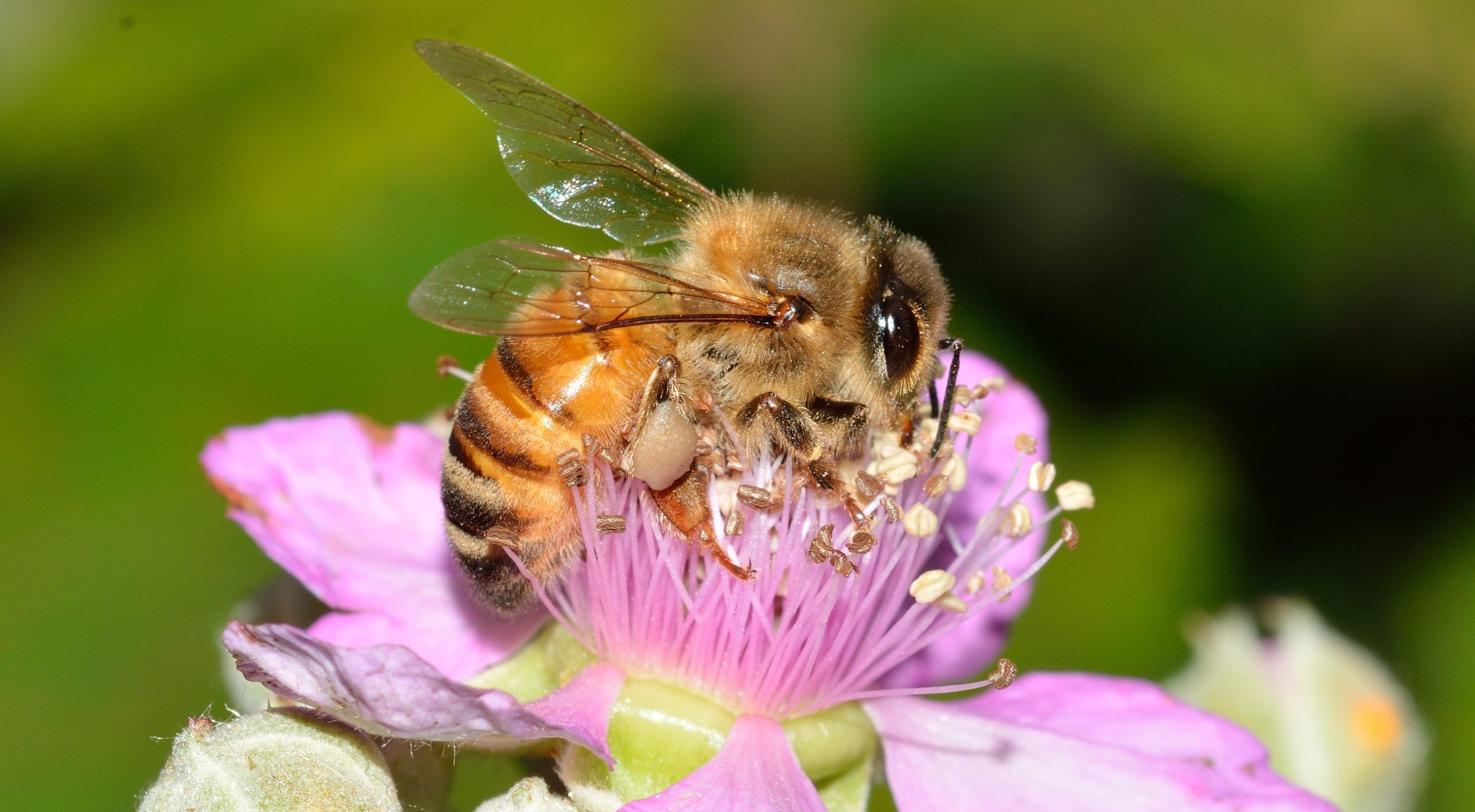
A bumblebee carrying the BVT all-natural plant protection product directly to a bloom (web)
(credit: BVT)

An innovative bee delivery system that builds up the natural immunity of plants to various fungal diseases, including botrytis, a global threat to fresh fruit and vegetables, is to be introduced to the UK at Agri-TechE ‘s online event ‘Feel the Buzz’ on 26th April 2022.
Dr Belinda Clarke, Director of Agri-TechE , comments: “Insects perform a range of services as pollinators and natural predators. There is much discussion of falling numbers, but we are reviewing technologies such as AI and acoustics that can enhance their effectiveness and utility whilst discussing ways that producers can overcome the shortage.”
Botrytis can have a devasting impact on the yield of strawberries and other crops. It enters the plant through its flowers or wounds and lays dormant until the conditions are moist, or the plant is weakened. The grey mould spreads quickly in warm, damp conditions, so undercover crops are particularly vulnerable.

Canadian company Bee Vectoring Technology (BVT) uses commercially reared bumblebees to deliver a beneficial fungus that boosts the plant’s immune system, increasing its resilience to botrytis. A tiny amount, just one teaspoon of active ingredient per acre, is delivered directly to the flowers of strawberries while they are being pollinated by the bumblebees, which protects them from infection.

Ashish Malik, CEO and President, Bee Vectoring Technology (credit BVT) (web)
Ashish Malik (credit: BVT)

Ashish Malik, Chief Executive Officer (CEO) of BVT, will be speaking at the event. Previously the VP of Global Marketing for Biologics at Bayer CropScience, where he was responsible for advancing its strategy to develop integrated crop solutions that include biological products together with traditional chemical products, Ashish sees potential for the bee vectors to deliver a range of products.

He says: “Bee Vectoring is an innovative all-natural system which helps produce a better berry crop – including higher yields and better shelf life – all without the use of chemicals. The application of the plant protection product using bees does not use water, and does not require heavy machinery, so no fossil fuels are used either. It is a breakthrough environmental system which is giving excellent results.”

BVT proprietary bee delivery system on-site at a crop field (web)
BVT proprietary bee delivery system on-site (credit: BVT)

BVT uses both honeybees and bumblebees, with the former optimised for open fields, whilst the latter tend to be a better option indoors and for certain outdoor crops. Bumblebees can carry more powder, fly in colder temperatures, require no maintenance and have hives that last longer (6-10 weeks, their natural life cycle).

Ashish Malik will be speaking alongside Tasha Tucker, CEO of Olombria; Casey Woodward, CEO of AgriSound; Eric Hewitson, BDM of Wyld Networks; and Richard Rogers, Principal Scientist at Bayer. The discussion will include how to encourage pollinators, enhance their efficiency and even harness them to do additional jobs. The event takes place online on Tuesday 26th April.

Register here.

Internet of bees – Wyld Networks at insect-tech event

Agri-TechE Article
Agri-TechE
internet of bees
Smart beehive sensor enables remote monitoring

Commercial bee-keepers will be able to monitor their hives remotely with an innovative lid sensor being developed by Wlyd Networks and Bayer. The collaboration emerged after the Agri-TechE mission to St Louis in Missouri.

Mission valuable

Satellite IoT Consultant Eric Hewitson of Wyld Networks comments: “Wyld learnt an immense amount from the Agri-TechE mission to St Louis in early 2020, making great contacts in some of the key companies and organisations and gaining an understanding the immense scale of agriculture in the region. In numerous ways this reframed how Wyld perceived its place and potential in the agri-tech ecosystem.”

Wyld Networks simplifies sensor to satellite connectivity and this is a growing requirement. The new generation of low earth orbit (LEO) satellites will very soon provide near global connectivity, and this will offer a huge opportunity to deploy sensors in remote areas where there is little cellular coverage.

Its product, Wyld Connect, enables sensors to send data directly to LEO satellites – at low cost, low energy and minimal investment.

Eric continues: “Since the mission we have started projects with Bayer and KWS and have many other potential opportunities arising from people and companies we met.”

Internet of bees

Wyld, in partnership with Bayer, is designing, building and testing a satellite connected beehive lid sensor. The project will gather data from hive health such as temperature, humidity and hive weight and combine this with the lid sensor data. Testing is taking place in beehive sites in the USA, Canada and Germany.

In addition,  in collaboration with KWS it is testing satellite connected soil moisture sensors with a view to deploying across multiple field assets where cellular coverage is poor or unavailable. The need for connectivity everywhere at low power and low cost is critical for delivering granular data sets over time. Satellite IoT is the solution to meet this data demand.

Eric will be talking about the smart beehive lid sensor at the Agri-TechE event “Feel the buzz – Insect-tech explored” an online event on the 26th April 2022.

More about Wyld Networks 

Breedr raises £12 million for precision livestock trading platform

Meet the Network
Agri-TechE

Precision livestock company Breedr has raised £12 million to develop ‘Breedr Impact’, a data-driven financial product for livestock farmers.

farmer tech Breedr precision livestock platform
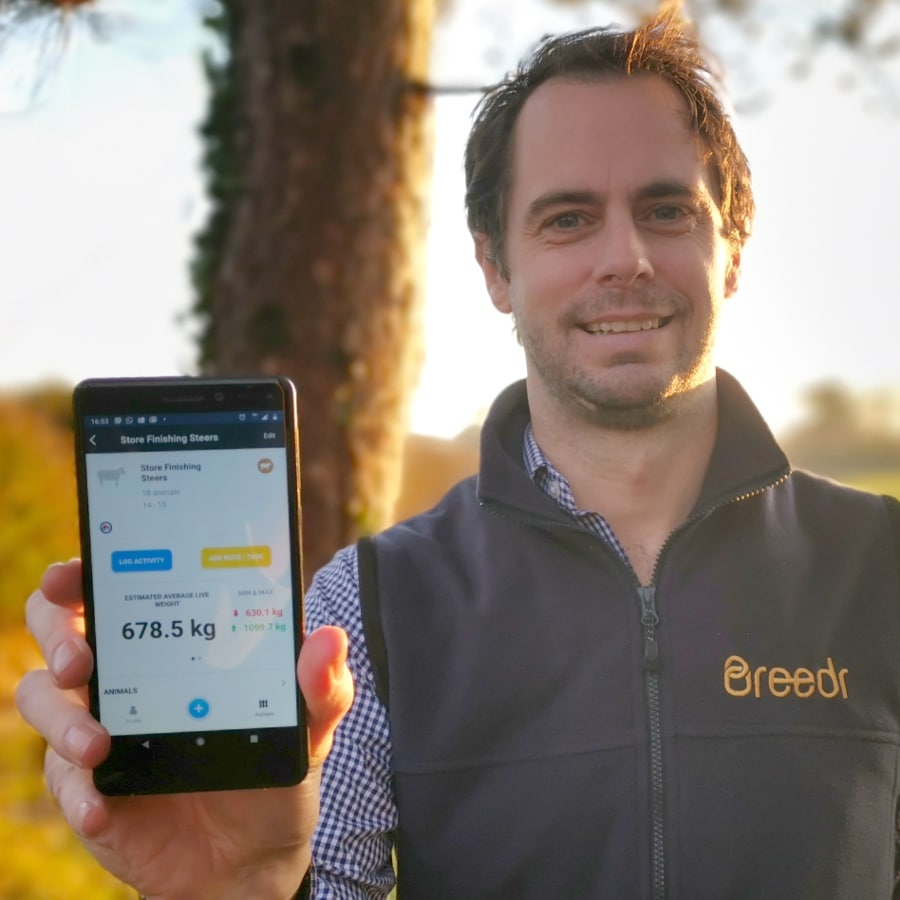
Ian Wheal, founder of Breedr, precision livestock management platform

The company says that restricted access to finance is a concern for livestock producers and a major cause of stress for UK farmers. The removal of EU farming subsidies, which can make up to 90% of a farm’s income, is an additional challenge. The lack of cash flow is holding farmers back from making investments into their operations, such as introducing sustainable practices, and yet farmers have an under-leveraged asset – livestock – on their farm.

Breedr Impact allows farmers to release cash from their livestock in order to expand their business. For the first time it makes it possible to utilise data to track livestock as an asset.

In early trials, this innovative asset purchase agreement has created strong returns for farmers and investors and is part of Breedr’s vision to democratise access to innovative financial products for a new generation of farmers.

Precision livestock

Breedr was founded in 2019 by Ian Wheal, who grew up on a farm in Australia, to revolutionise outdated and inefficient agricultural practices by moving to individual animal management. Via the free app and platform, farmers can record everything they need to know about their animals on their phone or laptop. They can track metrics such as weight, genetics, health and medication to improve animal welfare and profitability over time.

They can scan electronic ear tags, sync movements, record medicine use, store breeding and fertility information, and receive individual data analytics for each animal in real-time to improve efficiencies and reduce emissions. Breedr’s powerful growth algorithm and benchmarking tools use this data to predict the future growth of animals, guiding farmers on how to grow healthier animals and plan finishing dates.

In under three years, Breedr has helped over 1,100 UK farmers transform their businesses through free and easy data analysis of more than 160,000 registered animals. Farmers on the platform can additionally buy and sell cattle via the Breedr Marketplace, with over 6,000 animals worth £4.5 million having been traded since January 2021.

Transforming the future of farming

The new funding from Investbridge Capital brings the total raised by Breedr £17.5 million after the startup previously raised £5.2 million from investors including LocalGlobe and Forward Partners. The startup will use the funding to continue to build out its financial products and invest in its external expansion plans, particularly focused on the Australian and US livestock markets.

Ian Wheal, founder and CEO at Breedr, said: “We have created Breedr to put data at the heart of farming. By enabling farmers to grow healthier animals, we’re transforming the industry: allowing farmers to use their animals to make investments in their farms, improve trading and provide more transparency to the supply chain – which is sorely needed in this under-invested industry.

“We’re seeing the positive impact this is having already in the UK on helping to decrease methane emissions and improve cash flow for farmers and can’t wait to expand this model across the world, starting with Australia and the US.

“We’re delighted to have the support of Investbridge Capital and our crowdfunding investors to help us expand Breedr to support even more farmers.”

More about Breedr

Breedr benefited from early exposure in the REAP Start-up Showcase.