The Productive Landscape: NatureTech for Profit and Planet
How can technology enable delivery of food, nature recovery, and climate resilience - all at once? The Head of the Environment Agency is asked: what's the national plan for dealing with land use pressures, plus you’ll hear from technologists and land managers working on nature-based and tech-enabled solutions for water, soils and climate adaptation.

REAP Start-Up Showcase for farmer-centric agri-tech innovation

Meet the Network
Agri-TechE
The REAP Start-Up Showcase has helped to launch many agri-tech innovations that address a real world challenge. Below is an update on some of the companies that have been featured over the last six years. We keep the line-up for the REAP start-up showcase highly confidential to ensure the attendees (potential clients and investors) get the full benefit of the presentation, as it has been the launch-pad for some of the most exciting young companies in agri-tech – as you can see below. AGRIinsight – has announced major commercial partnerships with Tanzania and Kenya based partners, completing the digitisation of their rice supply chain. The company can now offer a full digital ‘farm-to-fork’ service that allows smallholders to connect directly with large urban markets.
Better Origin (formerly Entomics) – featured in the Forbes article ‘Three Greentech Startups To Watch In 2020 And Beyond: Bringing Innovative Solutions To Food Waste’.
Breedr – has launched the world’s first fully-traceable livestock marketplace, hailed by John Royle, Chief Livestock advisor for the NFU, as “creating a virtual supply chain that builds confidence and trust between producers and processors … and supports the NFU net zero target.”
Connecting Food – the French Foodtech start-up has raised more than €5M since its creation in 2016, accelerating its technological and commercial development and asserting itself as a market leader in food transparency.
Vidacycle – has developed a new product focus on the needs of viticulture.
EcoNomad Solutions – has gained £140k from the SHAKE Climate Change Programme to commercialise its innovative biodigester aimed at small farms.
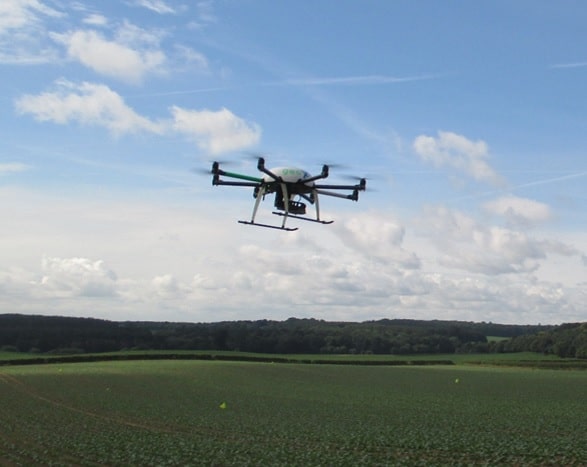
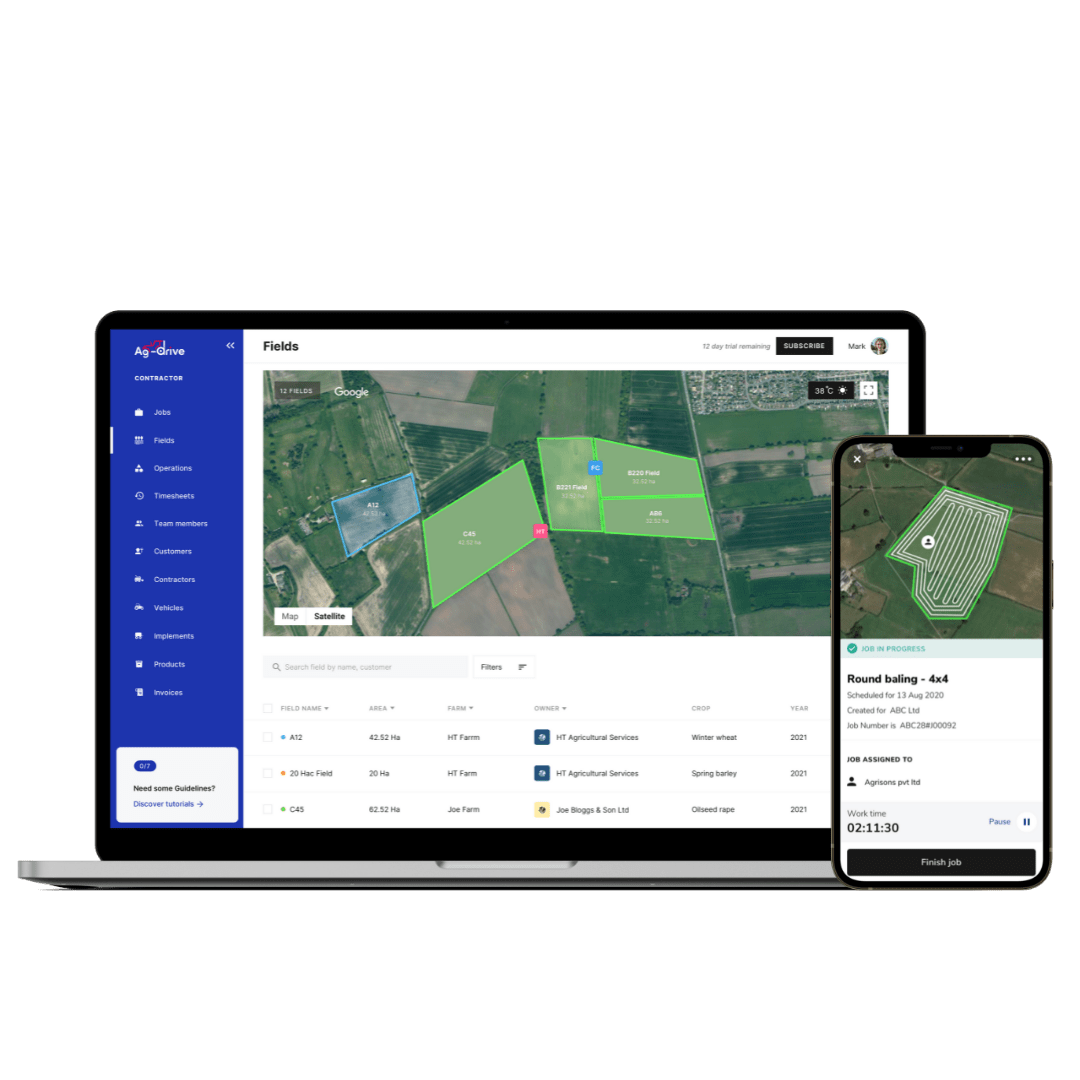
fieldmargin – has launched DroneDeploy to make it easy to create a visual record of your farm using a drone, enabling farmers to draw maps, make notes, leave messages for the team and more, with or without an internet connection.
Yagro – has launched a new product developed with the input of a farmers to analyse the cost of production at a field level.
PBD Biotech – has had their novel phage-based technology test, Actiphage, named by APHA as one of the unvalidated tests to be used in bovine TB disease management.
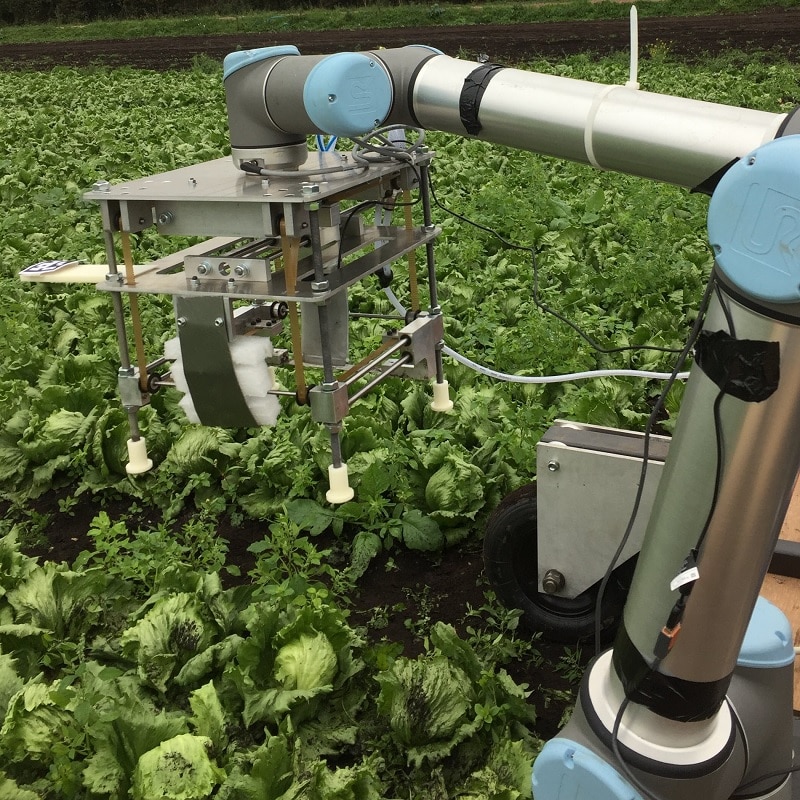
Dogtooth Technologies – has been mentioned by FT.com as one of the companies “accelerating certain robotics and automation projects in an effort to counter farm labour shortages.” Dogtooth Technologies is developing a prototype strawberry harvester.
Hummingbird Technologies – has signed resellers for its innovative data analytics and artificial intelligence platform that improves the management of cereal crop health. Winner of the 2019 Agri-TechE Innovation award.

Small Robot Company – has developed the first non-chemical robotic weeder and has announced a strategic partnership with SpaceTime Labs on a Per-Plant farming solution for Latin America.
Farming Data – is delivering an “integrated trading platform and data analytics for Colombian small farmers”, working with Colombian partners: Región Central, RAP-E, ASOCAFE Manantial and Patrimonio Natural. Its digital platform enables direct transactions between farmers and buyers through SMS and smartphone application.
FOLIUM Science – has announced a partnership with John Innes Centre to accelerate development of its Guided Biotics technology that could eliminate or reduce the need for antibiotic use in the raising of farm animals.
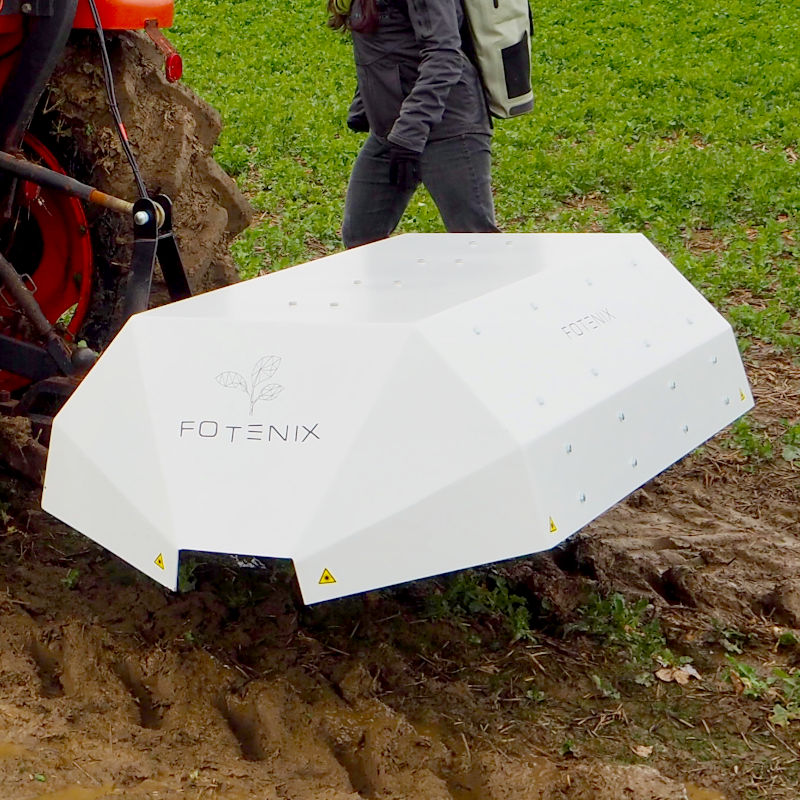
Fotenix – has been selected for the #TescoAgriTJam; the company is making high quality disease analytics accessible to smaller farmers.
FungiAlert – was highlighted by StartUs Insights as a top genetic testing start-up for its unique soil health analyses and microbial discovery platform.
Glas Data – has secured £140k funding and announced partnership with Agrimetrics to add value to farmers’ data and make it more meaningful.
GrainSense – has been congratulated by The Innovation Platform, who hailed its hand held device for measuring grain quality on the spot as a breakthrough
MOA Technologies – profiled by Chemical & Engineering News as taking a back-to-the-drawing-board approach to pesticide discovery: “probing for novel biological targets inside weeds and other pests, experimenting with new chemical building blocks, and taking advantage of cutting-edge tools like DNA-encoded libraries”.
Nova Extraction – has launched a low-energy extractor that is gaining interest as a means to gain a high yield of cannabidiol (CBD) from leaves of Cannabis sativa.
DryGro – received £1.4m in Series A investment to progress towards commercial-scale production of sustainable protein.

About the Start-up Showcase – agri-tech innovation 

The REAP Start-Up Showcase offers a proven, high-profile platform that helps early agri-tech businesses connect with investors, advisors, customers and collaborators. This year’s selected companies will be introduced to REAP delegates on the day.
The Start-Up Showcase will feature at REAP 2020 on Tuesday 10th November.
More information about REAP 

Internet of Agri-Things set to unleash farmer innovation

Agri-TechE Article
Agri-TechE

To accelerate development of new sensors for the Internet of Agri-things, and tackle issues such as rural crimes including sheep-rustling, Norfolk and Suffolk County Councils have laid the UK’s first free Innovation Network of internet gateways spanning across rural East Anglia.
“If they find an isolated area where the sheep are penned, they literally cut off the head, the hooves, throw the bodies into the van and drive off…” former video producer Kate de Vries learned from Nottinghamshire Constabulary something of the range of rural crimes that county were fighting. But as cases of organised sheep rustling rise in the UK, de Vries, now an Economic Development Officer at Norwich County Council, sees herself as part of the solution.
“You can build or buy a sensor to monitor almost anything – movement, vibration, sound, air quality, GPS – these are small, low cost devices that feed back to the owner via long range radio waves,” de Vries explains.

Internet of Agri-Things

These diverse sensors, which together make up the Internet of Things (IoT), have the potential to revolutionise agriculture by transmitting live data to their owners, but they require nearby receiver ‘gateways’ in order to get their message across.
To bring all sensors in the region online, throughout rural East Anglia, Norfolk and Suffolk County Councils, in partnership with the New Anglia LEP, have combined to build a region-wide network of gateways, available free of charge to anybody.

“The network has big potential to protect the farming community from theft,” says de Vries. “For example, by installing a movement sensor upon the farm gate, linking to an infra-red camera on the road, attempts to enter the sheep field could be recorded and sent live to the land owner.”

The Norfolk and Suffolk Innovation Network is being rolled out as we speak. Norfolk is now about 50% covered. A formal launch is taking place on 15th September, and will allow anybody in the region to create a sensor array at low cost and connect it to the network free of charge.

“This is a huge boost for technologists to get local projects up and running,” de Vries continues, “you can go to your business client – to the local farm – and you can demonstrate to that client how your sensor technology works, rather than having to build your own network of gateways in advance. The IoT Innovation Network is just one aspect of Norfolk County Council’s ambition to make Norfolk the best connected rural county within the country.”

Free and easy to get connected

“The Innovation Network represents a wonderful opportunity,” agrees David Whattoff, MD of METOS UK, who supply sensors used by Ben Burgess. Carl Pitelen of Ben Burgess noted that the Innovation Network was “really easy to install and set up”. Ben Burgess are working with one potato farmer, for example, with soil based sensors picking up a range of data including rain and weather data, for disease monitoring and control. Previously data had to be collected manually, now the weather stations tick away returning information every 15 minutes via the gateway installed on Norfolk County Council’s County Hall headquarters.

The Innovation Network, which was set up following a successful bid for £440,000 from the New Anglia Local Enterprise Partnership (LEP), is intended to help digital companies in Norfolk and Suffolk to launch new products at lower cost and risk to themselves.

However Kate de Vries is keen to point out that farmers and land owners are also free to use the network to solve problems directly themselves.

“What we’re saying is, this is a prototyping network – anybody can play with it – access to the network is free of charge and sensors can be purchased at very low cost from various local suppliers.”
To learn more about the network contact Norfolk County Council’s Innovation Network team via email: in@norfolk.gov.uk or visit the website: www.norfolk.gov.uk/digital

YAGRO Analytics unlocks farm data to analyse cost of production down to field level

Agri-TechE Article
Agri-TechE

YAGRO Ltd, the Cambridge-based data and technology company, has announced the release of its ground-breaking new product, YAGRO Analytics, which aggregates on-farm business data into a simple online tool, and gives the farm manager incredible detail and insight on the farm’s current and historical performance.
YAGRO Analytics effortlessly ingests and processes data on variable costs yields, to produce cost of production figures across crops, varieties, and down to individual fields. Behind all this sits detailed analysis on prices, rates, and products – even analysing the quantity of active ingredients applied per field.

Steering group of farmers informed development

“Managing data is one of the limiting factors on the growth of the business,” says John Barrett, Director at Sentry Ltd. “YAGRO Analytics really shows the variance in performance from field to field, and highlights what we can change to make an improvement to the business.” Andrew Francis is Farms Director at Elveden Farms Ltd, and a member of the National Steering Group of 15 high profile farms from across the UK. The group has been guiding product development to ensure it delivers for the farm.  He comments:  “We know we want to measure and analyse more than most, the tough bit is processing that data so we can draw conclusions before it is out of date.”
Jamie Lockhart, Director of Farming at Honingham Thorpe Farms in Norfolk, agrees, “It’s answered questions I’ve wanted to know for years.
“Delivering this data to us in a usable format, unlocks so many options for us.  I can now see the cost of production per tonne and I can start treating individual fields as cost centres.

YAGRO Analytics offers great understanding, benchmarking and KPIs

Farm Managers looking for the extra edge in their business can rely on three benefits of the system:

  • Better understand your farm business by bringing together your own information, seeing how fields compare to each other and over years
  • Gain a reliable comparison against others, through highly detailed and verified analysis against similar farms to see where you stand, and the art of the possible
  • Collaborate with farms you trust, by forming a private group where you can explicitly share and compare key performance metrics from your farms With these, the system aims at critical business questions such as ‘which varieties are performing best financially?’; ‘in which crops do I hold a cost advantage?’; ‘can I share performance data with farms that I know and trust?’; ‘what drives my excess costs in poor performing fields?’, and many more.

The process is simple for the farm manager, only requiring basic data exports, and minimal correction on data flagged by YAGRO’s proprietary Data Ingestion Engine.
“This is game changing for the farm manager,” explains Gareth Davies, CEO of YAGRO. “It’s the first time a farmer’s data actually pulls its weight and becomes intelligent and helpful.
Daniel Jolly, Head of Business Development, describes: “It’s all about giving the farm manager that confident decision-making ability, as well as helping sharpen the edge for the business in these challenging times. The best businesses have to keep on getting better, and we hope to play a huge part in that with this Analytics tool.”

Better decision making 

The tool is the result of 18 months of intense R&D, partly funded through the UK Government’s Transforming Food Production Initiative.
The system is available to farms at an annual subscription of £1 / acre, with a minimum of £1,000. To ensure the highest quality and trust in data sets, YAGRO is restricting intake to only 200 farms between now and the end of 2020.
Mr Davies adds: “As a fully independent company focused solely on the farmer, we live or die by the value we provide to the farm. The response so far has been outstanding. This is the first module in an exciting range of tools we are bringing to market over the next 12 months, helping the farm manager make better business decision through information and analysis.”
More about YAGRO 

Fruit with your cereal: Is agroforestry profitable in the UK?

Agri-TechE Article
Agri-TechE

Stephen Briggs gives the lowdown on the UK’s largest agroforestry operation in Cambridgeshire, where he grows cereals and fruits, side by side in strips, across 52 hectares of rich fenland soil. Agri-TechE caught up with him to find out more.
“The reality is, climate change is with us” Stephen points out, “and it’s going to get worse and more challenging for farmers. We’ve got to look at the way we farm to safeguard our crops against the increasingly extreme weather we’re having.”
At the Agri-TechE online event “Seeing the Wood for the Trees,” on 8th October at 10am, Stephen will explain how apple trees have protected his crops and his soil, all whilst pulling carbon out of the atmosphere. Can you justify taking high-quality land out of production for agroforestry?
“I’m not,” he replies, somewhat frustrated by the question, “I’m doubling down productivity across my farm, by effectively growing in three dimensions, throughout the year.”
Stephen’s journey in cultivating cereals and fruits side by side began ten years ago, at Whitehall Farm in Peterborough, where rows of apple trees have been planted 24 metres apart. This apparently allows plenty of space for cereal cropping in between using conventional farming equipment.
“Our trees grow 4m tall, which gives a 40m radius of protection from the fenland winds – which is what we’re seeking. By slowing down the wind, we protect the cereals and we stop water loss and wind erosion from the soil, which is otherwise a real issue here.”
“Below ground, too, we see a massive improvement in soil quality, health, beneficial fungi – the tree roots go down far lower than the cereals, bringing life to the soil.” Your cereals and your trees are competing for resources – surely this will harm their growth?
“Nope.”
“That might seem counter-intuitive,” he admits, “but if you think about a cereal – you sow wheat or barley in the autumn, and that’s photosynthesising through the winter and growing strongly in April to June. The trees are dormant over winter, and they don’t really wake up until April when they’ve got the leaves on, but then they carry on right through to October.”
“The way I see it, I’m just making maximum use of my soil because one of my two crops is always growing.” What about the shadows?
“Shade isn’t really an issue,” says Stephen, who also works as an adviser for Abacus Agriculture Consultants. “You plant the trees in a North-South direction,” he explains, “so the sun shines onto cereals on the east side of the trees in the moring and on the west side of the trees in the afternoon at any time of year. And you don’t let the trees grow tall – the cropping alley is much wider than the height of the tree.”
In his role as an advisor, Stephen has helped farmers around the UK make practical alterations to improve and maintain soil health without impacting profit. “Profitability is vitally important,” he says, “a farm needs to be profitable just like any other business.” This approach has at times been controversial…
…Does agroforestry always work, or is it limited to certain locations?
“It’s a matter of developing the right system in the right place – I’ve helped people develop livestock and shelter systems in the highlands of Scotland… I’ve helped horticultural units develop in the South-East… It’s about making sure the design and implementation of the system is appropriate and futureproofed for the farming environment in question.”
Why this and why now?
“Look, I’ve been farming for 15 years, and I’ve seen every record there is in terms of hottest day, wettest month, driest year – they’ve all been breaking year in year out… Everyone’s trying to farm in the same old way, but the climate’s changing, it’s got to be more climate-smart farming now.”
Integrating trees on his farm is seemingly helping Stephen protect his crops and his soil from environmental damage, but there are other benefits to boot. “We’re sequestering 4.5tonnes carbon per hectare just with our fruit trees,” he says. Carbon capture is set to become an important source of income for farmers and land owners, as will be discussed further in October’s online event “Seeing the Wood for the Trees”, on 8th October at 10am. Stephen will be speaking alongside three others:

  • Phillip Ayres, of Elsoms seeds, will be discussing how seed technologies in their pipeline could boost tree germination and early growth by 50-100%, which would dramatically reduce planting costs
  • Greg Beeton, of Brown & co, will be advising on Woodland Carbon Units and alternative income streams to be earnt by planting trees alongside arable land
  • Jim O’Neill, of the Forestry Commission, will be tying the conversation together and discussing how woodlands can be integrated seamlessly into farming practise

Cambridge agritech incubator Barn4 on Niab Park Farm gains funding

Member News
Agri-TechE
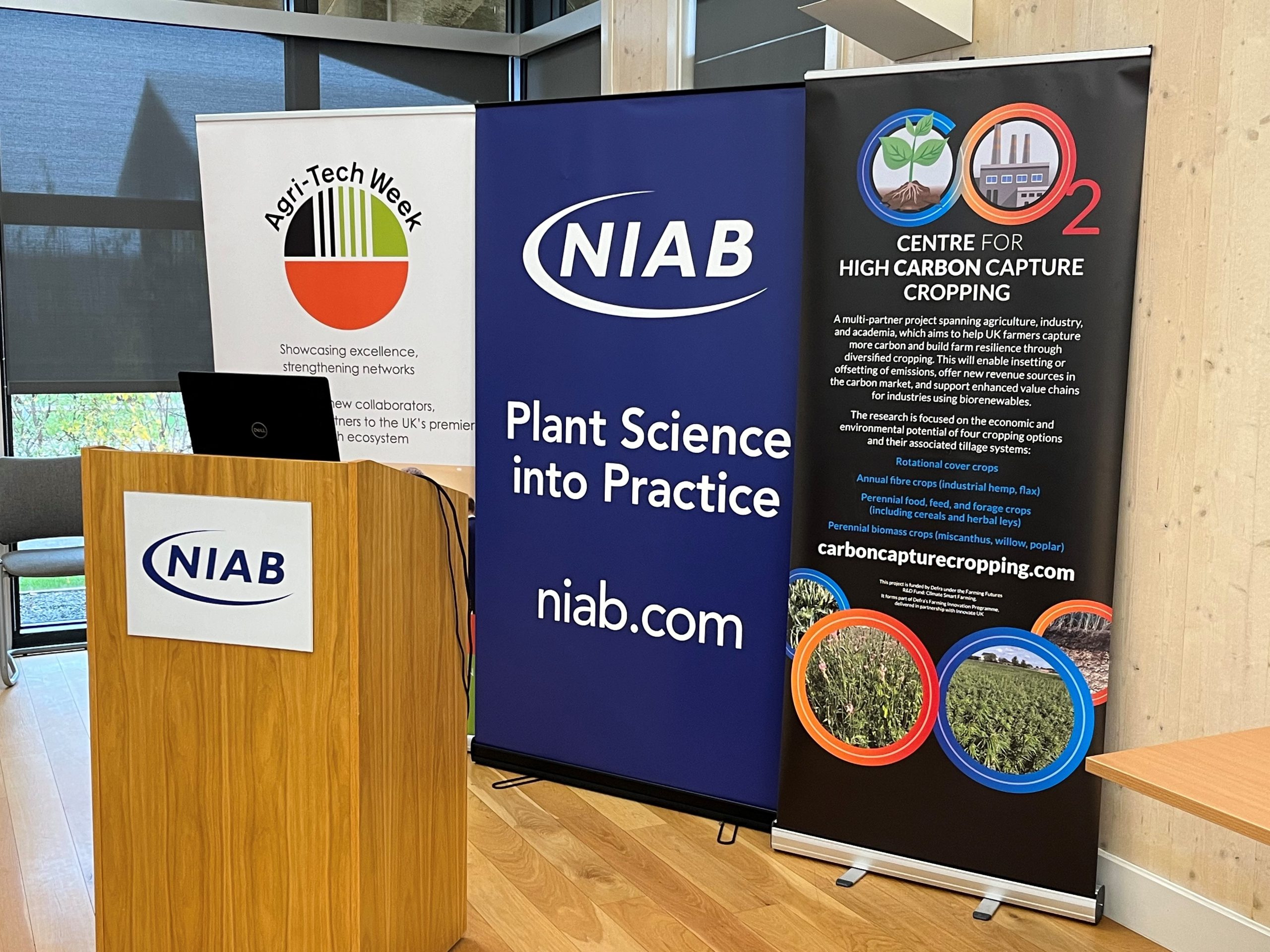
Barn4, a purpose-built Cambridge agritech incubator that will give start-ups access to sector specific expertise and laboratory facilities is to be co-located on the Niab Park Farm site in Histon.  Tenants will gain access to the recently redeveloped Park Farm field research station, which includes two new large research and office buildings and state-of-the-art research glasshouses.
Niab (The National Institute of Agricultural Botany) was founded in 1919 with a mission to provide independent science-based research and information to support, develop and promote agriculture and horticulture; helping the industry to fulfil its potential in supplying food and renewable resources, while respecting the natural environment. Her Majesty The Queen is Niab’s patron.
Niab also supports the Eastern Agri-TechE Innovation Hub, where a number of companies with expertise in controlled environment agriculture and the circular economy are based.

Cambridge agritech incubator Barn4
Barn4 will be a Cambridge agritech incubator providing access to sector specific expertise and facilities

The Barn4 development is supported by £2.5 million funding from The Cambridgeshire and Peterborough Combined Authority, and  will be open to tenants from spring 2021.
It will provide facilities for up to 15 companies with 45 staff
In addition to laboratory, workshop and office space, meeting rooms and video-conferencing facilities. Tenants will be able to gain access to Niab’s high performance computing capability, specialist laboratory facilities and both indoor and outdoor growing spaces.

Unique access to facilities and expertise

The unique offering of state-of-the-art technical facilities and links to Niab, the Cambridge technology cluster and the wider agricultural sector will be ideal for early stage companies to grow and flourish.
Dr Juno McKee, Director of Niab Ventures, says:  “Niab will work with a network of commercial and academic partners to provide a complete ecosystem within which technology driven start-ups and spinouts can thrive.”
Simon Clarke MP Minister for Regional Growth and Local Government  says, “Investing in innovative agritech projects is at the heart of this Government’s commitment to create new, green jobs and reach our target of Net-Zero by 2050. That is why we are investing £2.5 million from the Local Growth Fund in this exciting project to create space for start-ups and small businesses in Cambridgeshire to grow and innovate, creating new jobs for the region and supporting this world-leading centre for agritech.”
Niab’s Director of Commercialisation Dr Michael Gifford explains that to date there have been gaps in support for start-ups including access to sector specific expertise, basic research facilities with laboratory space, field plots, and engineering workshops:  “We are thinking about agritech in its widest sense and expect to have companies specialising in plant genetics, pest management, soil health, and AI to support sustainable farming decisions, farm robotics and much more.”

A Cambridge agritech incubator

A study carried out for Niab by the University of Cambridge’s Judge Institute showed that agritech start-ups felt that they would benefit from sector specific technical expertise and advice – exactly the type of support to be provided with the Cambridge Barn4 logoagritech incubator Barn4.
“In Barn4, Niab will be able to provide an environment in which young companies can thrive in the agritech sector. It allows companies to access the region’s unrivalled technology sector whilst also being on the doorstep of some of the most fertile farmland and progressive farmers in the world,” finishes Dr Gifford.

REAP exhibitors to benefit from AI facilitated brokerage

Agri-TechE Article
Agri-TechE

The REAP conference has always been a great platform to profile and launch new technologies, products and services, and the exhibition area increased significantly last year, reflecting the increasing maturity of the solutions on offer.
This year REAP 2020 is a virtual conference and this has created the opportunity for Agri-TechE to pioneer the use of AI facilitated brokerage to ensure everyone benefits from the networking perspective, as Becky Dodds, Membership and Events Manager for Agri-TechE , explains. “By bringing together farmers, technologists and researchers with funders and business support, Agri-TechE has supported the growth of  a very active agri-tech innovation ecosystem. Increasingly we are seeing the collaborations between members and the wider community becoming commercial ventures and this is very exciting,” Becky says.
“Until now we have focused on facilitating these interactions in person, using our knowledge and contacts within the industry, but there is only so much a small team can achieve.  For a while now we have been looking at different ways that technology can support this type of personalised brokerage to enable Agri-TechE to expand its scope and reach, particularly now that we have an increasingly national, and international, membership.
“The move to a virtual conference offers us the opportunity to fast-track the use of some of these technologies which have become more robust over the last few months. We want to create the REAP vibe online and I see the potential of using AI technologies to achieve this.” Agri-TechE has experimented with different formats for its events. This has included webinars with discussions using voice, chat and Twitter and fully digital events, one of which was the Virtual Innovation Hub in partnership with the Royal Norfolk Agricultural Association.

Innovation Hub success 

The Royal Norfolk Show has been running for over a hundred years and was only previously stopped by war. The Innovation Hub has been a high profile feature,  so when the show was cancelled Agri-TechE decided to create a Virtual Innovation Hub. This was a very successful pilot and has provided learnings that are being incorporated into a Technology Hub at REAP 2020.
Becky continues:  “Exhibitors at REAP 2020 will be part of a day of interactive content with a focus on replicating the networking experience digitally.
“There will be a central exhibition Hub open all day – and post-event – where attendees can seek out your business or discover the products and services you offer via the search and also within the platform’s AI powered networking capabilities which will actively find delegates that are most relevant to your offering.
“In addition to being able to display multimedia content on their stands,  each exhibitor will be able to offer private live chats with visitors, too.
“Of course, our team will be behind the scenes as usual providing support as required and there will be a promotional campaign across the Agri-TechE website and social media channels for maximum impact.
“We are very excited about using the very latest technology to create an immersive environment for networking and business interactions.”

To take part in the Technology Hub at REAP 2020 get in touch.

The deadline for registering for an online exhibition stand is 26th October 2020

Could soil health provide an income stream? David R Montgomery thinks it can

Meet the Network
Agri-TechE

“Frankly those soil maps of the world that show its degradation do depress me, but they also hold the seeds for optimism,” says David R Montgomery, MacArthur Fellow, professor of geomorphology at the University of Washington and keynote speaker at the Agri-TechE REAP conference on 10th November 2020.

“For while there is much work to do, there is much to be gained by doing it. Investing in rebuilding healthy, fertile soils is one of the best investments humanity could make in our collective future.”

The theme for REAP 2020 is “From micro-scape to landscape – innovating at the frontier”.  Soil is a good example of how new methods are needed both to see the whole picture and also to manage the fine details.

Through investigations at every level David Montgomery believes that it really is possible to change the world from the ground up.  He says in his book “I find it fitting that the words humus and human share the same Latin root, restoring healthy soils is the best investment we can make in humanities future.  So as we grapple with the daunting problems of feeding the world and cooling the planet, let us not lose sight of a simple truth. Sometimes the answers we seek are right beneath our feet!”

Montgomery has travelled the world, meeting farmers at the forefront of an agricultural movement to restore soil health. He sees the huge societal benefits of this work and potential for reforming government subsidies to incentive practices that build soil health and carbon storage.  We asked him about this ahead of his talk at REAP.

Growing a Revolution

Q. In your book Growing a Revolution you comment that “…something is seriously wrong with our agricultural system if hardworking Iowans on best agricultural soil can’t make money….” do you think reliance on subsidies is the problem?

DM. We should be using our subsidies to help ensure the economic livelihood of farmers who are good stewards of the intergenerational trust that fertile soil can, and should, be.

Subsidises take many forms, but today in the US at least, most of our subsidies discourage good stewardship of soil health. I would strongly favor reforming but not eliminating agricultural subsidies. In my view, they should be restructured from top to bottom to prioritize and  incentivize practices that build soil health.

Q. Taking a big picture view – you advocate a ‘soil health moonshot’, how would this help?

DM. I see the moonshot analogy as referring to harnessing social willpower to focus on rapidly achieving a goal that would seem out of reach without such focus.

I’m suggesting is that we reorient a portion of the fortune that we already spend on governmental support for agriculture and agricultural research to addressing the challenge of using intensive agriculture to restore rather than continue to degrade the world’s farm and ranch land soils.
Of course, the more funding for research and demonstration farms the faster we might pull off a major shift in practices. (And for the record, my university does not have an agriculture program so we’re not likely to benefit from this proposal!)

Q.  You also propose that  ‘carbon credits could provide an income stream for farmers based on societal value of carbon’, how would you see this working?

DM. I would advocate linking adoption of specific verifiable practices (like no-till and cover crops) to credits based on regionally calibrated studies to establish an expected benefit (increase in carbon content or maintenance of it in the soil). I think we need to reward farming not only for increasing carbon but for not degrading it in the first place.

Q. On the micro scale – how can farmers measure carbon and is this a good proxy for soil health?

DM.  Soil health is microbial, nutritional and physical. Certainly, the simplest measure of soil health is the organic matter (carbon) content of the soil.

But soil carbon only captures one dimension— what’s there to eat in the soil – not whose there and how active they are. So you also want to know something about the microbial population — it’s abundance and diversity. That makes microbial biomass, respiration (activity), and the soil fungi-to-bacteria ratio key indicators of soil health as well. Meta-genomics can tell you a lot more about the community structure, though we’re still learning how to interpret what that means for soil health.

Q. Much of your research has been in continental or tropical climates, do you think these principles can be universally applied?

DM. Yes, one of the key takeaways for me from writing Growing a Revolution is that the principles seem to apply widely even if the specific practices need to be tailored to regional and local climate and soils.

And I’ve been on farms at the Groundswell conference in England that have successfully applied these ideas.

Q. FinallyWhat measures would you like to see all arable farmers take to ‘boost carbon’?

The simplest advice I can offer boils down to ditch the plough, cover up, and grow diversity. I’ve seen the recipe of minimal disturbance (no- or low-till), keeping the ground covered with living plants at all times (cover crops) and growing at least 3 or more crops in a rotation work on farms around the world. Some add innovative animal husbandry to the mix to accelerate soil building. One thing I’d like to see is more farmers tinkering with these systems to better adapt the specific practices to their on-the-ground situation.

More information about the REAP Conference

More information about ‘Growing a Revolution’

FOLIUM Science extends Guided Biotics®technology to plants

Meet the Network
Agri-TechE

More than 400 species of plant – many of them used for food production – are impacted by Xanthomonas blight. Now a collaboration between FOLIUM Science, developers of Guided Biotics technology which makes the bacteria self-destruct and Jake Malone’s Group at the John Innes Centre (JIC) which is focussed on bacterial infections in plants, promises to offer a new approach to controlling pathogens such as Xanthomonas and Xylella.
Dr Simon Warner, leader and Chief Development Officer at FOLIUM Science, says “Our Guided Biotics® technology has the potential to change the way that bacterial disease in crops is treated.
“The project has made such good progress it is progressing to trials, with a view to generating the first sets of data in the first half of 2021”

Guided Biotics cause bacteria to self-destruct

FOLIUM is developing a new class of highly specific anti-bacterial technology based on a natural biomolecule called RNA, which is delivered directly to the pathogen.
RNA has a sequence, just like DNA, and if specifically coded it can trigger a natural process in the target bacteria that guides the bacteria’s own enzymes to degrade and digest the cell material. The process leaves no residues and so overcomes the problems of resistance.
The ‘Guided Biotic’ enables highly selective control of unwanted bacteria – even those resistant to antibiotics – while protecting closely related beneficial species of bacteria.
It can be introduced to young birds or livestock via a probiotic to treat the gut and help stabilise the microbiome. Alternatively, it can be used to counter infection, and stop the creation of biofilms – colonies of bacteria that are difficult to treat.  The partnership with John Innes sees its first move into plant diseases.

Significant commercial potential 

Guided Biotics
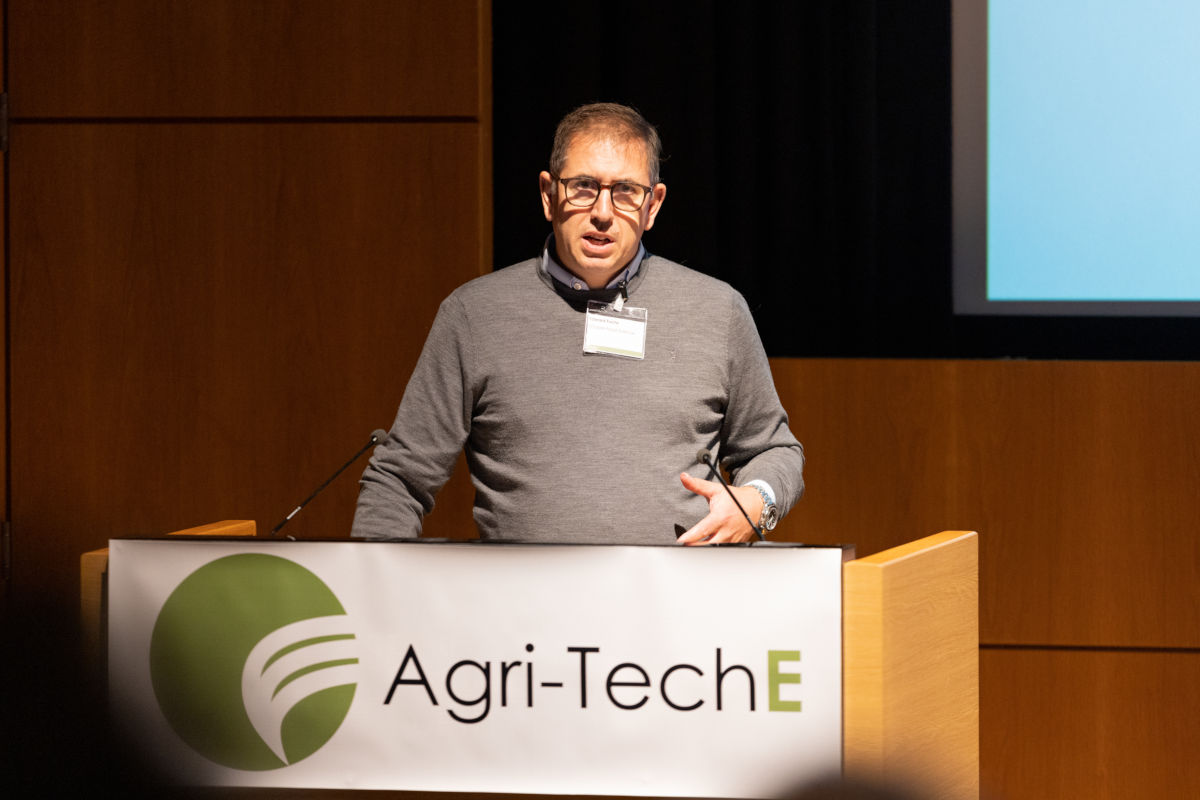
Co-Founder Edward Fuchs presented FOLIUM Science in the REAP Start-Up Showcase

During the project, FOLIUM Science has purchased unencumbered worldwide rights to several unique and proprietary strains of epiphytes; organisms recognised for their ability to protect some plant species from fungal infection.
The integration of the naturally protective attributes of these strains into FOLIUM Science’s Guided Biotics® platform will accelerate the development of products that can be used to combat the devastating losses caused by bacterial blight.
The commercial potential for the Guided Biotics products has been recognised by additional funding from Innovate UK. This will enable the JIC and FOLIUM Science project team to carry out trials of these product candidates and generate data to demonstrate efficacy in specific crops.
More information about FOLIUM Science
 
FOLIUM Science featured in the REAP Start-Up Showcase – don’t miss the next generation at REAP 2020

Deep Branch technology to create protein from waste gas in REACT-FIRST project

Meet the Network
Agri-TechE

Transforming carbon dioxide released from power stations into high protein animal feed, is the aim of REACT-FIRST, an initiative that aims to create the UK’s first scalable route to the sustainable protein generation.
The project, which will contribute to meeting the UK’s Net Zero climate change commitment as well as to the circular economy,  has gained £3M from Innovate UK as part of the government’s Transforming Food Production strand of the Industrial Strategy.

Protein from waste gas

REACT-FIRST is led by  Deep Branch, a carbon recycling biotechnology company that has pioneered a process that uses microbes to convert carbon dioxide from industrial emissions and turns them into high-value proteins.
Members of the REACT-FIRST consortium are:
Deep Branch, Drax, BioMar, AB Agri, Sainsbury’s, Scottish Aquaculture Innovation Centre (SAIC), Synthetic Biology Research Centre at the University of Nottingham (SBRC Nottingham), The Institute of Aquaculture at the University of Stirling, Nottingham Trent University’s School of Animal Rural and Environmental Sciences, and Innogen at the University of Edinburgh.

An alternative to imported protein

REACT-FIRST uses technology developed by Deep Branch, which employs microbes to convert carbon dioxide directly from industrial emissions into a new type of single-cell protein,  called Proton .
Peter Rowe, CEO of Deep Branch, explains that most animal feed protein sources are imported from overseas, making the UK dependent on complicated and fragile supply chains.  “Deep Branch’s technology represents a new way of generating more sustainable animal feeds. Creating protein from waste gas.”
REACT-FIRST will obtain critical data about cost, digestibility, nutritional quality and carbon footprint of Proton, creating a sustainable source of will contribute to reducing the environmental impact of meat production systems.
REACT-FIRST, with its consortium of industrial and academic organisations,  is the first time that the resources and expertise of all parties have been unified towards a single goal.

Contribution to Net Zero

Speaking about the REACT-FIRST project, Science Minister Amanda Solloway said: “To protect our environment and meet our world-leading target of Net Zero greenhouse gas emissions by 2050, we must harness the very best of UK innovation across all sectors, supporting the most creative and pioneering ideas.
“From robotics assisting our farmers in fruit picking, to technology that converts CO2-to clean animal feed, the incredible and cutting-edge projects we are backing today represent the future of farming. Working with the best of British science, we are accelerating the transition to net zero food production, boosting jobs and productivity and driving forward the UK’s economic recovery.”
Melanie Welham, Executive Director, BBSRC, part of UK Research and Innovation, adds: “This project, and others like it will help increase UK agricultural productivity and global competitiveness. At UKRI our aim is to turn the food production sector into a beacon of innovation. Brilliant ideas like this one go a long way to making food production more sustainable, efficient and less carbon intensive but they need support to get them from the drawing board to the farm.
“UKRI’s funding programme for this sector is ongoing. In our current funding round we’ve awarded funding to 9 innovative companies. In the future we encourage businesses to come forward with fresh ideas to help UK agriculture.”

Robot Highways, University of Lincoln part of team developing ‘world’s first robotic farm’

Meet the Network
Agri-TechE

‘Robot Highways’  provides a vision for the future of soft fruit farming. It will create the largest known global demonstration of robotics and autonomous systems (RAS) technologies that fuse multiple application technologies across a single farming system.
The project, which aims to ensure industry sustainability by addressing labour shortages, the need for global food production and reduce the environmental impact of the farming sector, was awarded funding of £2.5m by Innovate UK.

World’s first robotic farm

Robot Highways will deliver what is widely considered to be the world’s first robotic farm. A fleet of robots will perform a multitude of on-farm functions as one operation, powered by renewable energy.
The successful consortium responsible for delivering ‘Robot Highways’ consists of Saga Robotics, the University of Lincoln, the University of Reading, Manufacturing Technology Centre Limited, Berry Gardens Growers, BT, and Clock House Farm.
Aiming to be delivered by 2025 across the UK, ‘Robot Highways’ will harness Artificial intelligence and machine learning technologies  and crucial improvements will be made to telecommunications infrastructure in rural settings.
The University of Lincoln – through its Lincoln Institute for Agri-food Technology – will be leading the academic contribution to robotic development and coordinating the fleet control system.

Huge potential 

Professor Andrew Hunter, the University of Lincoln’s Deputy Vice Chancellor for Research and Innovation, said: “It is widely agreed that robotics will transform the food and farming industries in the coming years, but there is still so much research and development to be done.
“Robot Highways is extremely timely as it will service a pressing national and international need and positions Lincolnshire, and the UK, at the leading edge of research innovations in this truly global industry.
“Agri-food is the largest manufacturing sector in the UK – twice the scale of automotive and aerospace combined – supporting a food chain which generates a Gross Value Added (GVA) of £113bn, with 3.9m employees in a truly international industry.” Prof Simon Pearson, Director of Lincoln Institute for Agri-Food Technology, said: “This is a significant step forward in taking robotics onwards towards the market. I’m delighted that opportunities are being realised for the sector and agri-food robotics specifically.”
Read more at lincoln.ac.uk/news

Transforming Food Production announces 9 innovative projects

Member News
Agri-TechE

Nine innovative projects that apply big data, AI and robotics to UK farming will benefit from £24 million government investment to help the UK meet its net zero target by reducing carbon emissions in food production.

The Transforming Food Production initiative is part of the wider industrial strategy and aims to fund larger more inspirational risky projects that would not be possible without government support.  Agri-TechE members involved in these projects include:  B-Hive, Deep Branch Biotechnology, Niab and University of Lincoln.
Katrina Hayter, Challenge Director, Transforming Food Production comments: “I was delighted and inspired by the great response from the UK’s agriculture community to this call, which was for bold, innovative approaches to radically change the way food is produced.
“We set out to attract new-to-agriculture companies to work alongside those who understand the industry and were really impressed by the range and number of applications that were received. This was an ambitious call, with the aim of funding a few, large, exciting transformational projects and we are optimistic that with Innovate UK’s support, these projects will go on to be game-changers for the UK food system.
The projects include alternative production systems with a supporting strand to create demonstrations.  It also encouraged new players to bring new technologies and skills into the sector, for example Drax power station and Optimal are new to agriculture.

Agri-TechE members are involved in Transforming Food Production projects 

REACT-FIRST converts carbon dioxide into clean animal feed Led by Nottingham company Deep Branch Biotechnology, the project will use its unique technology to turn carbon dioxide from Drax Power’s Selby power station into animal food with minimal water usage and without the need for arable farmland.
The funding will allow the consortium to provide a greener alternative to soy and fishmeal for the animal industry, enabling industries that traditionally create higher levels of waste, such as agriculture, to contribute to a cleaner environment.
The project will work with leading retailer Sainsbury’s as well as the Scottish Aquaculture Innovation Centre to integrate into the fish and poultry supply chain, helping to ensure that industry demand is met. ( Read more about this project)

World’s first Autonomous Growing System (AGS), led by Optimal Labs in London, this project will provide autonomous technology that controls climate, irrigation and lighting, enabling any crop variety to be grown in any location. This will significantly increase production levels and resource-efficiency in existing UK greenhouses, helping to protect the UK’s food system against climate change and population growth. Niab is one of the collaborators.

Robot Highways demonstrator of autonomous technology (Lincoln) led by Saga Robotics, will receive nearly £2.5 million to perform the largest known global demonstration of robotics and autonomous technologies on a farm. The robots will assist farmers by carrying out essential, energy intensive physical farm processes such as picking and packing fruit and treating crops to reduce critical pests and diseases. The consortium includes the University of Lincoln. (Read more about this project.)

Production at the Point of Consumption autonomous growing systems  (Maidstone) led by Evogro, will receive nearly £850,000 to research and develop the next generation of autonomous growing systems, to ensure they are affordable for new consumer markets, and to make it an economic method to produce mainstream crops.

InFarm2.x vertical growing systems (London) led by vertical farming business InFarm will receive over £3 million to develop a farming system that can grow a wider variety of fruit and vegetables than is currently possible by growing their crops in vertically stacked levels, rather than on a single level surface, such as a field. It will also use technology including gas sensors and monitoring cameras to observe the growth patterns of their crops, helping to identify the optimal growing conditions, increasing productivity.

AGRI-SATT growing food from algae in deserts (London) led by Feed Algae, will receive over £4 million for its project which is based around an algae growing system that exploits natural seawater to produce food in deserts. This project aims to combine data from the growing system with satellite data to automate production and increase the nutritional quality of the food produced.

GelPonic water conservation (Manchester), led by AEH Innovative Hydrogel, has developed a new growth material that will improve crop yields on farms worldwide. It will receive over £1 million to develop a material that conserves water and protects plants by filtering pathogens and includes a new graphene-based IoT device that allows remote-monitoring of conditions in vertical farms.

REMEDY precision technology for dairy producers (Bath), led by Quality Milk Management Services, will receive over £1.7 million to provide precision technologies to dairy farmers enabling them to access real time data to ensure their farm is as productive, efficient and environmentally friendly as possible. This includes technology such as wearable devices for cows that tracks their behaviour and nutrition, ensuring farmers can make more informed decisions when managing their farm.

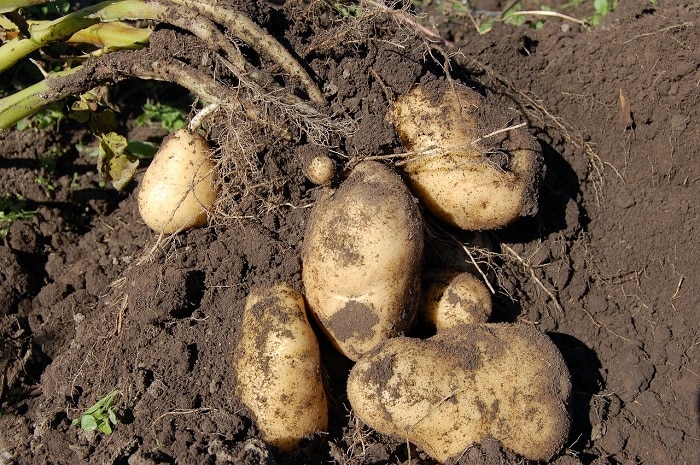
TUBERSCAN-DEMO improving potato yield (Lincoln), led by B-hive, will receive nearly £2 million to develop and test an innovative demonstrator system to measure average potato sizes and yield throughout potato fields, providing insights that will enable selective harvesting to take place, optimising crop yield and resource use. It is anticipated that this technology could generate an estimated 5-10% increase in UK marketable potato production.

The investment in new resource efficient, low-emission production systems is part of the government’s commitment to boost spending on research and development to £22 billion by 2024 to 2025. It follows the publication earlier this month of the government’s ambitious R&D Roadmap, announced by the Business Secretary.

Blossom Genetics named in top ten most promising European cannatech startups

Meet the Network
Agri-TechE

Cannatech start-up, Blossom Genetics has been named as one of the most promising cannabis start-ups in a review by the publication EU-Startups.Blossom Genetics cannatech
The editor has chosen 10 European-born startups founded in the past few years that are changing the cannabis landscape of Europe; with innovative products ranging from stress-relief chewing gum, to CBD-infused tampons for pain relief.
In recent years, Europe has been witnessing a shift regarding the legalization, cultivation, and trade of medical cannabis, creating a new opportunity for startups and entrepreneurs.
Blossom Genetics, founded in 2019 by Oliver Davies, Oskar Fletcher and Naeem Dungarwalla, aims to utilising their experience of growing and breeding soft fruit to develop medical grade cannabis genetics and products.
The current cannatech portfolio consists of two different products: cannabis genetics and medical cannabis (whole cannabis flower). The London-based startup raised an initial pre-seed funding round led by Deepbridge Capital in April 2020 to accelerate the journey.