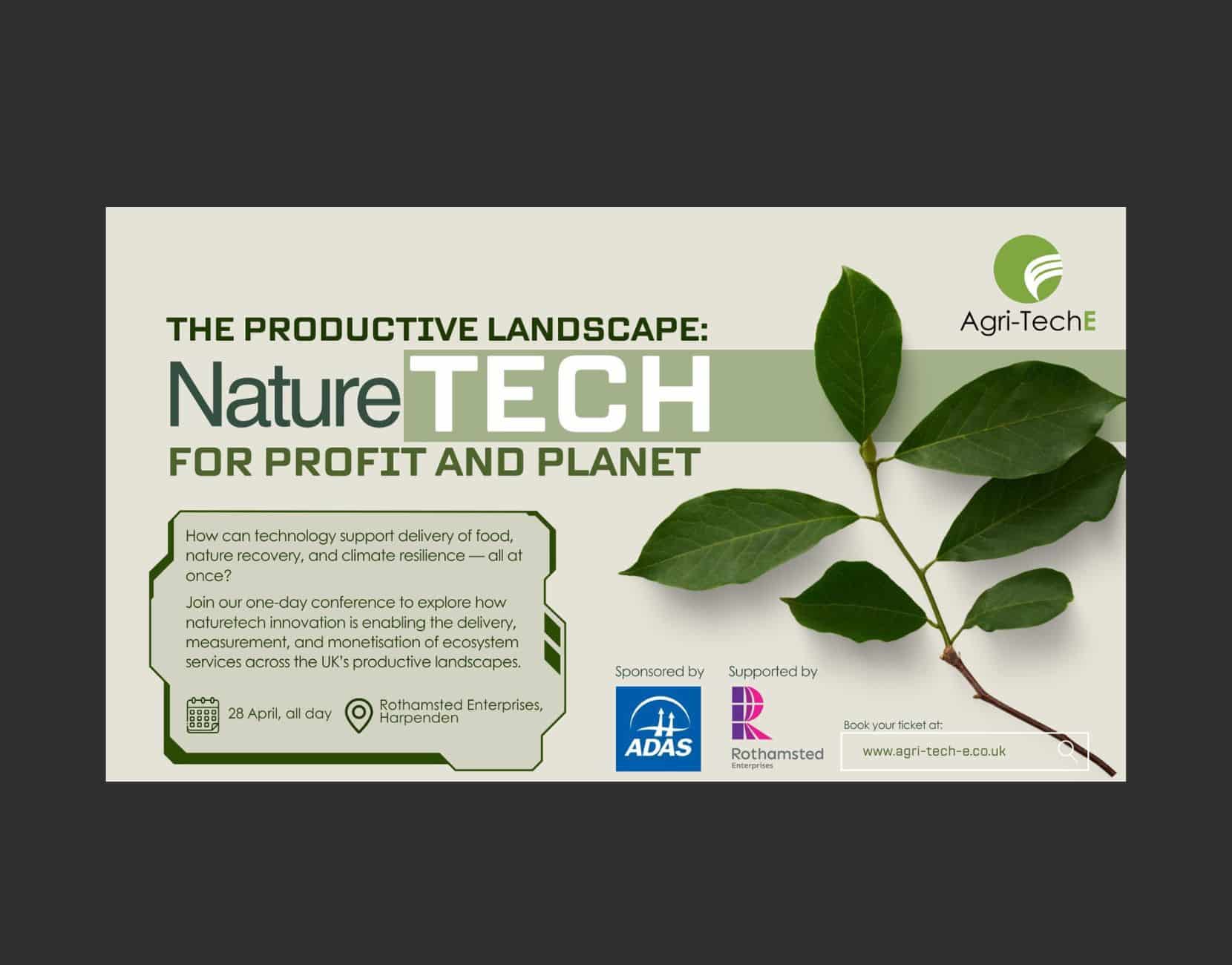
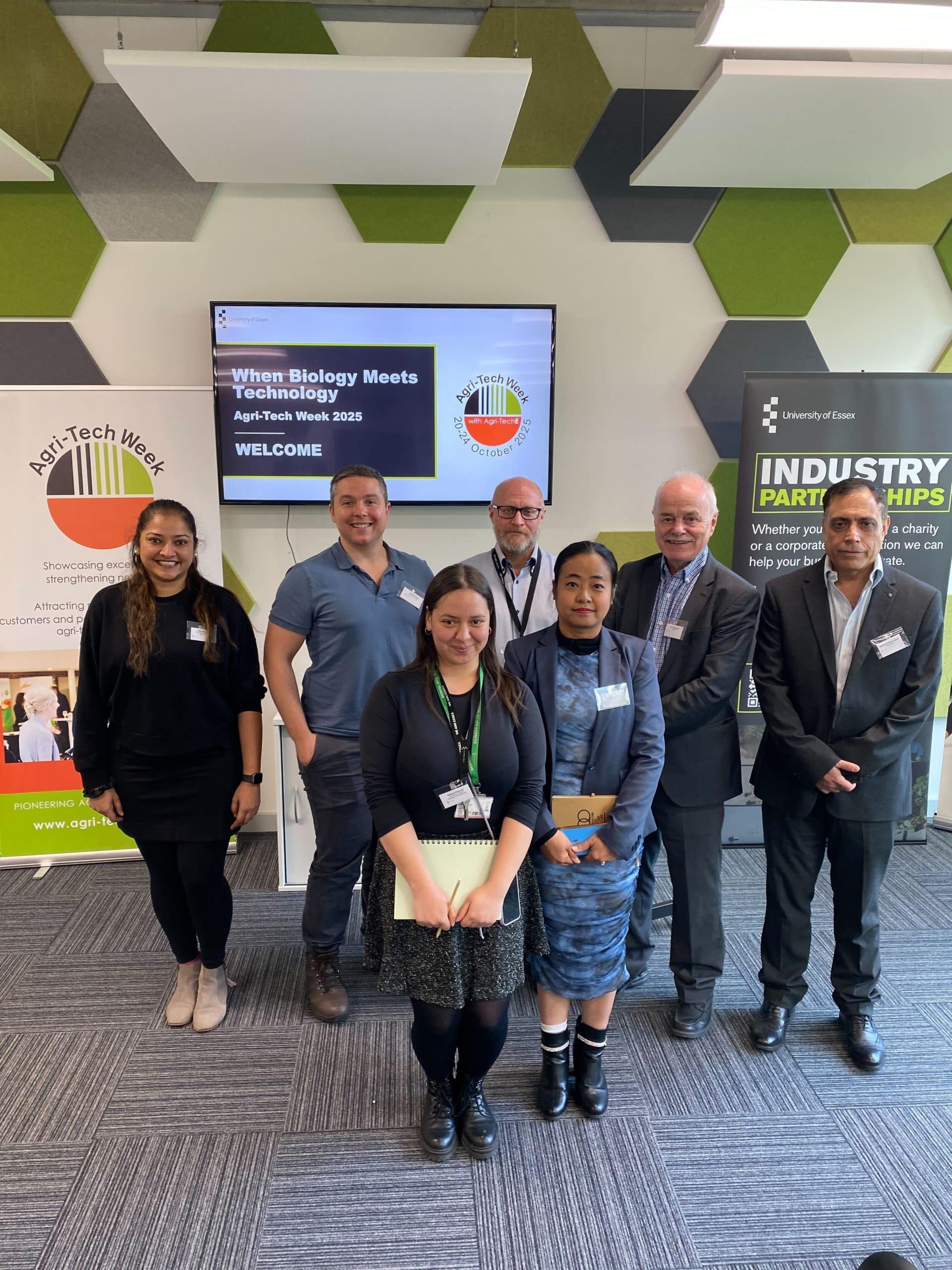
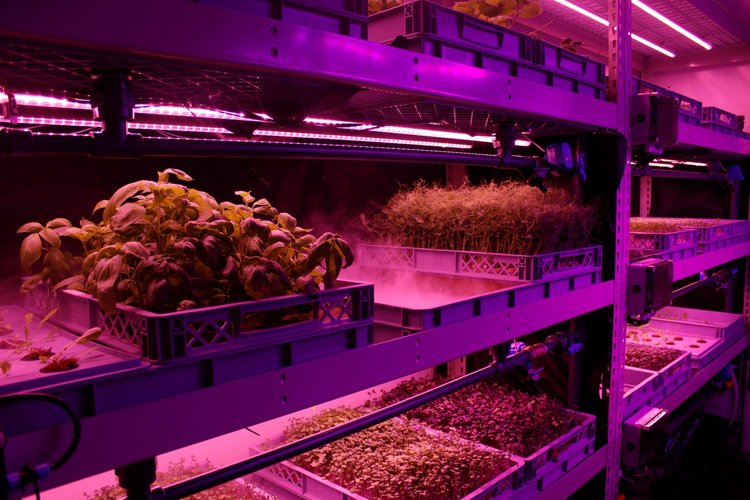
The Productive Landscape: NatureTech for Profit and Planet
How can technology enable delivery of food, nature recovery, and climate resilience - all at once? The Head of the Environment Agency is asked: what's the national plan for dealing with land use pressures, plus you’ll hear from technologists and land managers working on nature-based and tech-enabled solutions for water, soils and climate adaptation.

Small Robot Company and SpaceTime Labs collaborate on per plant farming approach

Meet the Network
Agri-TechE

Aerial and terrestrial robots are set to transform Latin American agriculture following an agreement between the Small Robot Company and SpaceTime Labs, to collaborate on delivery of a ‘per plant’ approach to farming.

Per plant farming offers yield boost

Per plant farming aims to maximise yields whilst reducing the impact on the environment. This approach currently exists on a small scale in research institutes and trial farms and has been shown to achieve yields 235% times higher than commercially grown wheat.
The Small Robot Company has developed a farming as a service business model using swarms of small autonomous robots. By working with SpaceTime Labs it will extend this to offer ‘sense-predict-act’ service that integrates weed, disease and nutritional management.
The companies will work with leading Brazilian and Argentinian farmers to prototype, test and scale per plant farming – to maximise yields for all key commercial crops in Latin America.

Collaboration between UK and Brazillian companies

SpaceTime Labs is a Brazilian company, that develops industrial scale automated machine learning, computer vision and advanced analytics platforms aimed at solving complex operational planning, optimization and risk management problems. Particularly those of resource-intensive sectors which are exposed to climate and water risk.
Sam Watson-Jones, co-founder of Small Robot Company, said: “The opportunity is immense and our strategic partnership with SpaceTime Labs means that we can enter this market with confidence. Now is the time for us to work together to create a more sustainable farming model in Latin America, starting with Brazil and Argentina.”
Juan Carlos Castilla-Rubio, Founder and Chairman of SpaceTime Labs, comments: “Our strategic partnership with Small Robot Company will allow us to automate a “sense-predict-act” delivery model that acts upon the many variables that are responsible for yield productivity gains and losses at a plant level.  So, partner farmers in Latin America can have a step-change in performance across the board,”
The UK International Trade Secretary Liz Truss said: “The UK is a world leader in technology and is at the forefront of the Agri-TechE industry. We have pioneering scientists and expert farmers, so it’s fantastic to see British businesses like the Small Robot Company reach international markets and develop new innovative technology for Latin American farmers. This is just one great example of the global trading opportunities out there for UK Agri-TechE industry.”
Altered Carbon: New study shows importance of manure for soil health

Agri-TechE Article

Research Digest
Agri-TechE
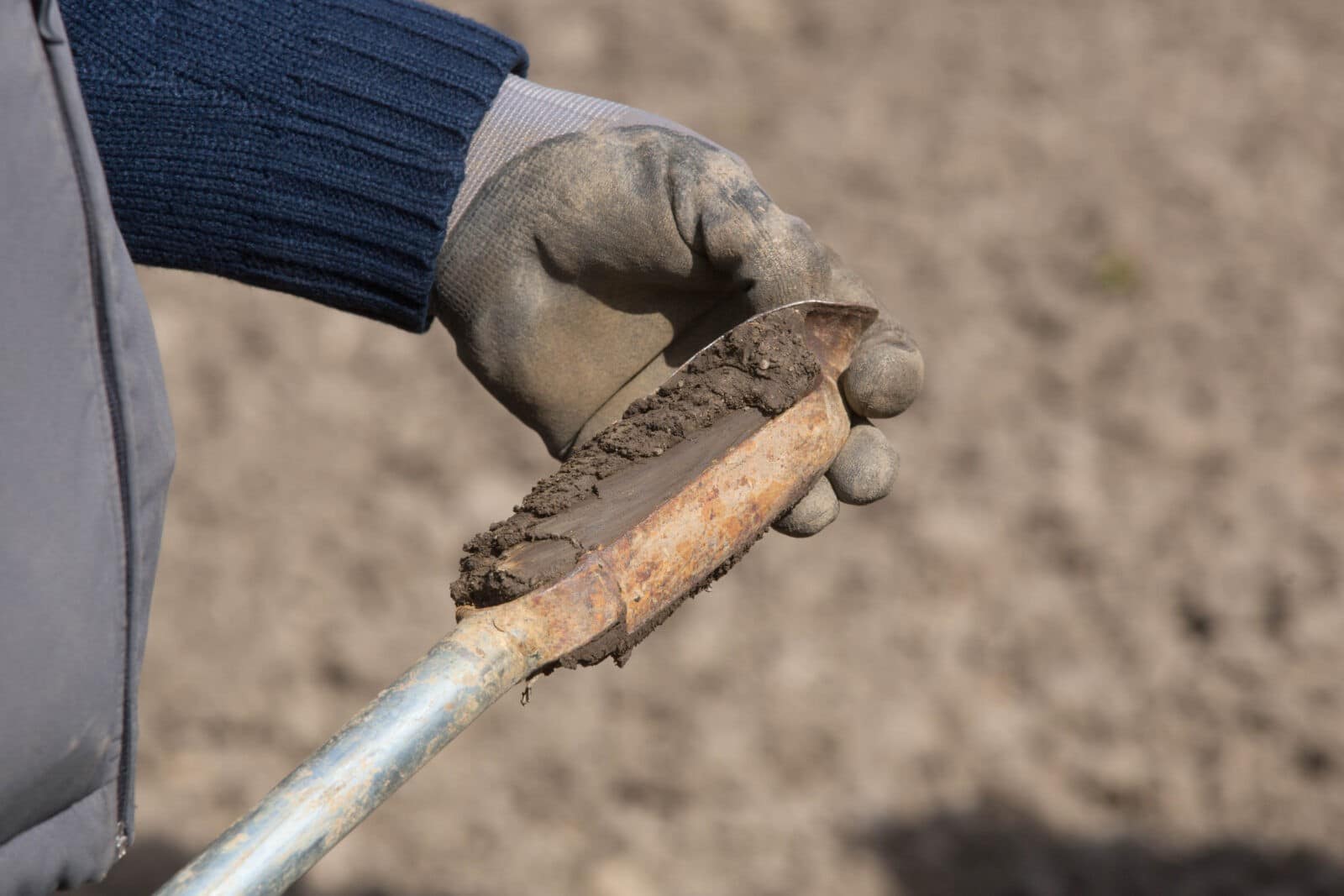
The Victorian-era switch from manure to artificial fertiliser has resulted in damage to the microbial communities that maintain soil structure and soil health, according to new work from Rothamsted Research. Andrew Neal, lead researcher of the study, says it’s all to do with carbon in the soil.
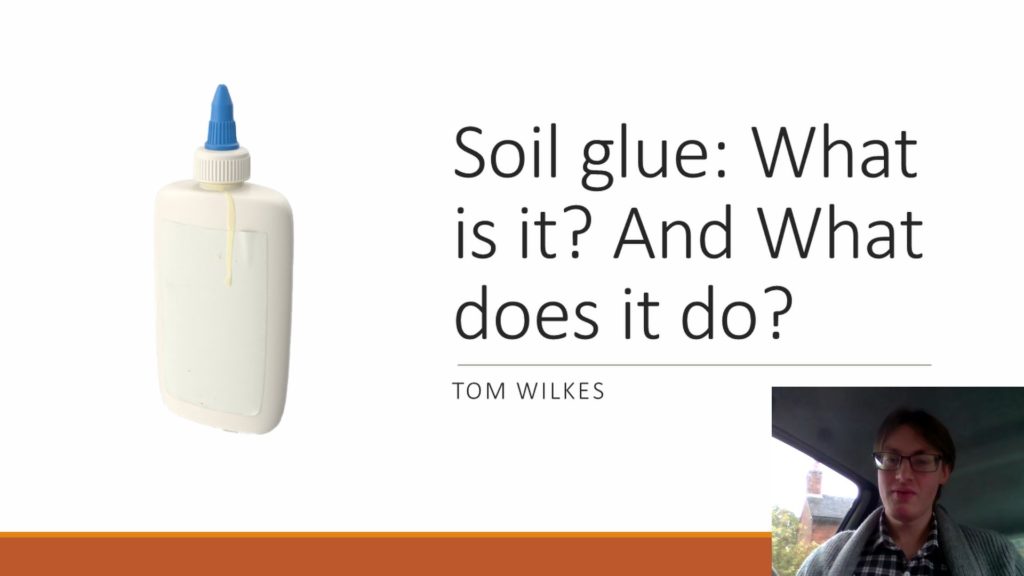
According to Professor Neal, microbial communities in the soil use carbon to create a glue-like polymer which maintains soil structure. As the soil loses carbon, the microbe community changes, and in turn the soil pores become smaller and less connected. Over decades, the result is drastically reduced availability of water, nutrients and oxygen. X-ray imaging was used to analyse soil structure, allowing a microscopic journey through the pore network…

Why is carbon being lost from the soil?

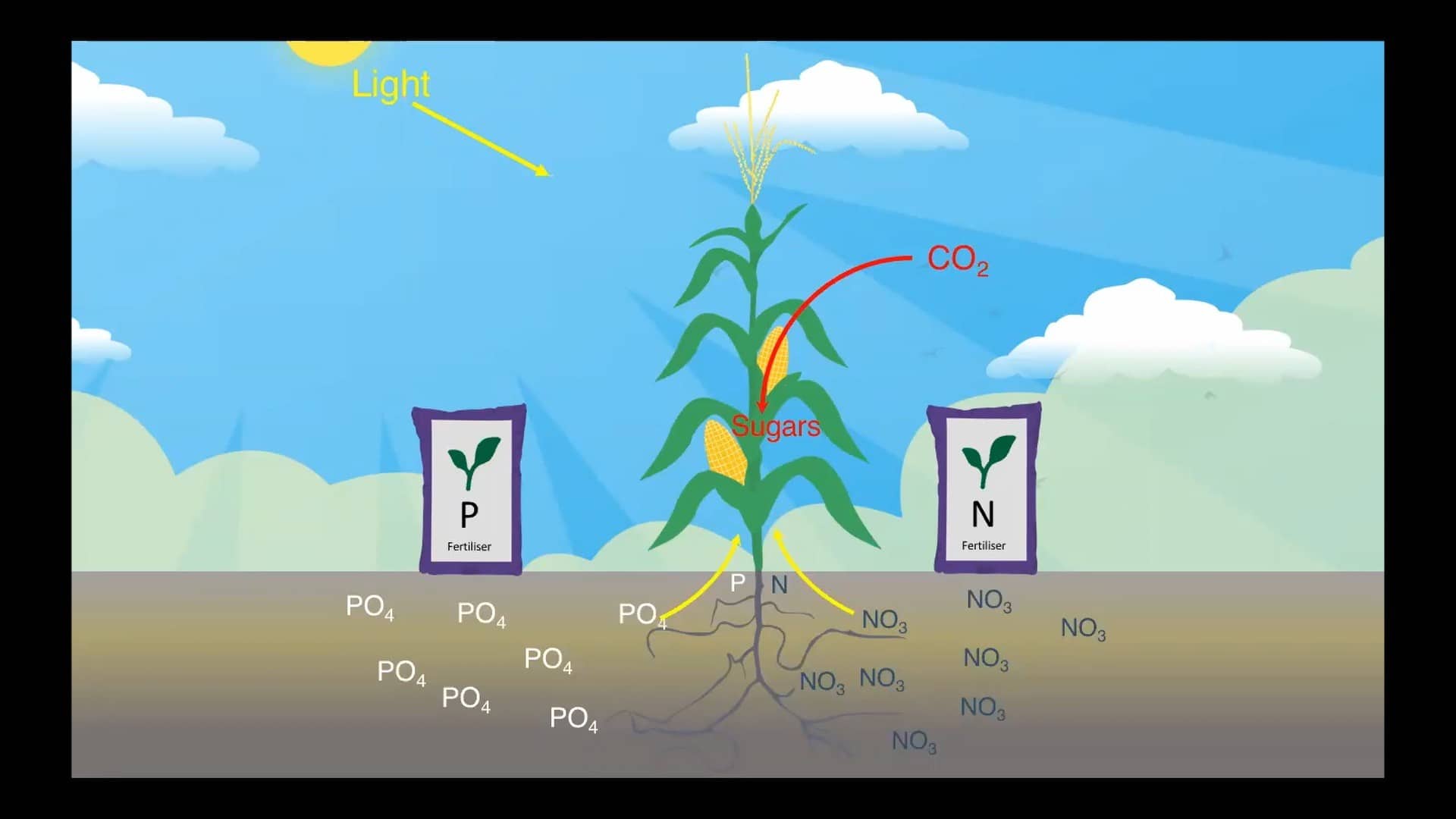
“Manure is high in carbon and nitrogen, whereas ammonia based fertilisers are devoid of carbon,” says Neal. Results suggest that decades of artificial fertiliser inputs on UK soil have changed the balance of carbon and nitrogen in the soil, changing the way microbes get their energy, which has in turn altered the soil structure.
In the experiment, long-term pasture land fertilised with manure was found to have an excellent soil structure, home to a diverse community of microbial life. By comparison, soil with high nitrogen content, but lower carbon content, had an altered microbial community which was associated with less pores and connectivity in the soil.
As the pores close up, and oxygen in the soil is lost, microbes are forced to turn to nitrogen and sulphur compounds for their energy. This inefficient process drains nutrients from the soil and results in increased emissions of the greenhouse gas nitrous oxide.
The authors say that addition of nitrogen and phosphorous fertilizers – without a source of carbon – is likely to be degrading the natural fertility of the soil, causing long-term reduction in yield potential, as well as increasing risk of flooding and drought damage.

A chance encounter…

Soil health depends on soil carbon
The study combined genetics with x-ray imaging to study soil health

Whilst soil carbon was already known to drive climate and water cycles the world over, it took a chance discussion between experts working at very different scales to discover the reason why.
The idea to look at the link between the living and non-living components of soil came about through a discussion between an expert in microbial genetics Professor Andrew Neal, and Professor John Crawford – now at the University of Glasgow – who studies the way complex systems behave.
“The question of how soil health can be managed effectively is difficult because it is such a complex combination of biological, chemical and physical processes,” says Neal. The latest study is the first to dig into the intimate two-way relationship between the microscopic life in soil and its structure at a sufficiently small scale.
The report adds to a growing body of evidence suggesting that the recycling of carbon into the soil, through manure or through more innovative solutions (link to UEA, paper crumble), is crucial to restoring the fertility of UK soils.
For a link to the publication, please click here

Innovation Insights for Circular Agriculture

Agri-TechE Article

Agri-TechE
Welcome to Innovation Insights for Circular Agriculture.

We hope you’ll be informed and inspired by our video showcase, which features contributions by twelve Agri-TechE member businesses, all of whom are part of the circular economy – helping to avoid waste, utilise resources more efficiently and make better use of co-products and by-products.
At Agri-TechE we’ve been exploring what circular agriculture means for our members. What are the implications for food production? Does it provide an alternative source of revenue? What technologies are required?
To discuss these issues join us on Twitter from 2 – 3pm, 8th July 2020 and use the hashtag #CircularAg2020 to chat, ask questions, and learn more about the businesses featured in the film.
Do tag us on socials using @Agri_Tech_E and #CircularAg2020

Find out more about the members involved

Visit each of the member pages by clicking on the links below

B-Hive Innovations

BBRO

COGZ

Cranfield University

Germains Seed Technology

Martin Lishman Ltd

Natural Resources Institute, University of Greenwich

Norfolk Rivers Trust

Pix4D

Prime Agriculture LLP

The Morley Agricultural Foundation

The Sainsbury Laboratory, Norwich

Missed the Twitter Q&A? Catch up now and look through the Twitter Moment

Got a question?

You can still submit a question via the form which we’ll pass on to the member organisation on your behalf. Your email address will only be used so we can send you a response.

BASIS registered?

Pick up your points for joining us today

  • This field is for validation purposes and should be left unchanged.
  • A few lines about what you have learned will help us know you have earned your points today.

Like what you see?

If you’ve enjoyed engaging with the Innovation Insights event today and would like to get your agri-tech fix monthly, then you can sign up to our free newsletter online.

Map of Agriculture acquires Rezare Systems

Agri-TechE Article
Agri-TechE

Map of Ag is a pioneer of real time predictive marketing for agriculture,  and the group has recently acquired Rezare Systems, a specialist agri-software development house.
Map of Ag provides agricultural analysis and modelling technology with market insights based on data from  more than 74,953 farms, with more than 4 million observations going back to the 1994 harvest and up to 150 layers of insight against each farm.
From offices in the UK, Argentina and New Zealand it provides expert knowledge and insight to agriculture and food chain industries enabling them to maximise the impact of planning and decision-making.
Map of Agriculture Group (Map of Ag) has added New Zealand-based Rezare Systems, to its portfolio in a deal which completed on 30th June.
“We are delighted to be bringing Rezare into the Map of Ag family,” said CEO Richard Vecqueray. “With its exceptional capabilities in data solutions in a range of agri and environmental sectors we are creating a powerful IT services unit within the group which will help us accelerate our growth.”
The acquisition comes at a time when Map of Ag is increasingly supporting its customers with data-driven solutions across the agri sectors for net-zero carbon commitments, sustainability metrics, animal welfare, responsible use of antimicrobials and farm assurance.
Commenting on the deal, Andrew Cooke, Rezare Systems group Managing Director said: “This was a great fit. We bring a set of skills, know-how and experience where Map of Ag had a gap, and culturally we are natural partners owing to our joint Anglo-NZ heritages. I’m delighted we will be part of Map of Ag’s exciting growth journey.”
Rezare Systems was formed in 2004 since when it has grown an enviable track record in delivering bespoke solutions for its customers. These include smart biological models, web and mobile development, predictive analytics and algorithm-driven solutions, genetics and performance recording technologies, and industry leadership in farm data exchange and standards. The business has over 40 staff of whom 30 are developers and technologists.
The acquisition includes Rezare’s UK and Australia subsidiaries. Cooke will join the Map of Ag board and will become Chief Technical Officer. Rezare UK Managing Director, Julian Gairdner, will join the business as Chief Commercial Officer.
The Rezare brand will be retained and it will continue to service its existing clients and deliver new bespoke solutions and business, Vecqueray added. “We have a powerful combination which will allow us to be more innovative than before when it comes to meeting customer’s needs.”

Glaia shares in £3.5m SHAKE funding for exciting agri-tech

Member News
Agri-TechE

Three exciting companies have received funding from SHAKE Climate Change Programme to develop solutions for sustainable agriculture.
The three tech firms were chosen from an initial 17 applicants last summer. Of this initial cohort, ten were chosen for a further three-months of intense training to build their ventures. The three successful ventures were then recommended to receive £140,000 funding to develop their businesses under continual mentorship for a further 8-12 months, followed by aftercare support.

Glaia improving photosynthetic efficiency

Only 50 percent of the sun’s energy is used by plants and less than 1 percent is converted into biomass. Glaia has developed a new class of plant additive called ‘sugar dots’ that can increase photosynthetic efficiency naturally, increasing yields by up to 20 per cent.
The sugar dots technology, which has been developed by a team at the University of Bristol, has a well-defined mode of action, high efficacy

David Benito-Alifonso, Glaia

and is patent protected. Studies have shown that sugar-dots are non-toxic and they are already found in food products such as beer and honey.
David Benito-Alifonso says: “Sugar-dots are water soluble and can be applied as a foliar spray or within an irrigation system and have been tested on a variety of crops from soft fruit through to wheat and sorghum. The plant performance improvement results have been impressive and the technology can be applied across agriculture.”
Glaia took part in the Agri-TechE GROW business plan competition and are members.
EcoNomad Solutions affordable biogas

Economad affordable AD

Anaerobic digestion (AD) turns waste into biogas and a nutrient-rich soil additive – but the current solutions are too complex and expensive for smallholdings.
To give smaller farmers the benefit of AD, agri-tech start-up EcoNomad Solutions (founded by Ilan Adler and Alex Demenko see left at REAP ) has re-engineered the technology to create a more affordable option that uses passive heating methods and naturally occurring bacteria.
London-based EcoNomad Solutions, help small farms to improve resource management sustainability and agricultural waste recycling. Their proprietary technology includes biogas and nutrient recovery systems suitable for even the smallest of smallholders.

PheroSyn replacing pesticides with pheromones

The third company to receive the £140k grant is PheroSyn Ltd, whose mission is to scale up the production of and make available pest insect pheromones that can be deployed to protect crops and reduce the use of pesticides.

About Shake Climate Change Programme

The SHAKE Climate Change programme is specifically designed to attract entrepreneurs or start-ups who have developed early stage science or tech-based ideas that can have a significant impact on climate change, as well as form the basis of a sustainable and socially responsible business within the sector.
Professor Angela Karp, interim director and CEO of Rothamsted Research, co-developed the programme with partners at Cranfield University, UCL (University College London), and the University of Hertfordshire.
Professor Karp says:  “All three of the finalists have displayed great ingenuity in their initial ideas to help reduce the climate impact of food and farming, and they have taken really well to the training and mentorship we have provided so far. I am fully confident they will continue to go from strength to strength.”
The SHAKE fund was set up by a consortium of leading scientific research and academic institutions last year in the wake of the climate emergency, with financial backing from the UK-based charitable arm of major European bank, Societe Generale.

Innovation for a circular economy

Agri-TechE Article

Agri-TechE
The circular economy provides an alternative to the ‘take-make-waste’ linear model, and offers an opportunity in agriculture to extract greater value from byproducts, Alex Dinsdale, Regional Growth Manager for Agri-TechE explains how members are adopting this strategy ahead of the launch of a video ‘Innovation Insights in a circular economy’.

Click here to view the short film now!

Reusing resources, closed-loop systems, byproducts and co-products – may still be novel concepts to some but the circular economy is becoming increasingly mainstream and represents an evolution of the ‘reuse, reduce, recycle’ message we grew up with as children. For those involved in agriculture there are already close alignments – organic farms, for example, often employ a ‘closed loop system’ where non-food products are used for energy generation or soil improvement.
At Agri-TechE we’ve been exploring what the circular economy means for our members. What are the implications for food production? Does it provide an alternative source of revenue? What technologies are required?
There are obvious benefits to adopting a circular economy approach to food and farming. Resource extraction and utilisation on-farm can and does generate negative environmental impacts. But by adapting systems in line with the circular approach, input resource use and costs, waste, and associated climate impacts are reduced while natural capital and biodiversity can both improve.

Food waste presents an opportunity for the whole food chain to improve its performance and reduce losses

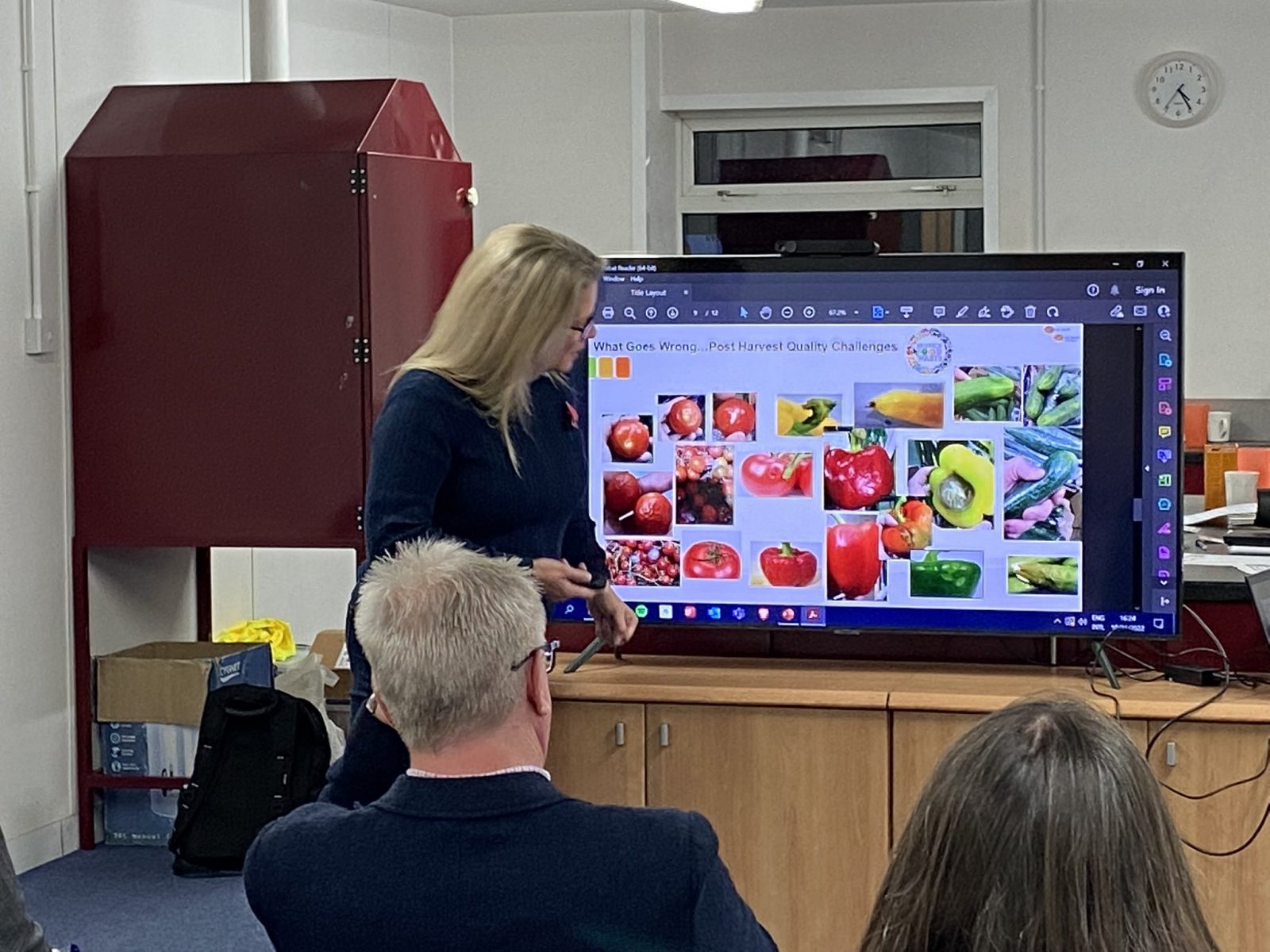
According to Cranfield University’s Horticultural Quality and Food Loss Network, over one third of food produced across the whole food chain is wasted; with 51% of this waste occurring before it reaches the consumer.
Much of this spoiled food is as a result of crop physiology itself, as well as damage by pests and disease. By undertaking research into crop biology, genetics, food spoilage, food storage and shelf life, the network aims to overcome these issues and reduce loss in the food value chain.

Restoring soil fertility and health can reduce the need for synthetic inputs and help to reduce resource loss from the system

Morley Agricultural Foundation, takes soil health very seriously. David Jones, Morley’s farm manager, makes good use of farmyard manure – a co-product of meat production from a neighbouring livestock farm –  to improve the soil structure and as a source of crop nutrients.
Manure can be a pollutant if nitrates are allowed to enter water courses. So the manure is stored on a concrete pad in a roofed barn to protect it from rain and applied to the fields in late summer, providing ‘slow release’ nutrients to the following crop and reducing the need for synthetic fertilisers.

Improved targeting of agrochemicals

Combining drone, artificial intelligence and remote sensing technology provides an opportunity to improve targeting of, and reduce the need for, inputs such as herbicides and nitrogen fertiliser.
Pix4D’s Fields software, for example, analyses field data captured using drones. This data, provided by converting aerial images into insightful maps, gives users the tools for faster and better decision-making, for things such as variable rate application of inputs and crop scouting to identify disease risk at an early stage.
By selectively applying inputs in this way – where they’re needed – less is used, and that which is applied is used more efficiently.
The video will include: These and other businesses, all members of Agri-TechE , will be demonstrating how they are a part of the circular economy in agriculture in our short film on Innovation Insights in Circular Agriculture, which will be shown on 8th July with interactive session at 14.00 – more information. 
Click here to view the short film now!

Consus developers of intelligent audit systems to merge with Affinitus Group

Meet the Network
Agri-TechE

Consus Fresh Solutions, developers of intelligent audit systems for packhouses, has announced it is to merge with the Affinitus Group. Affinitus has extensive experience throughout the Fresh Produce, Food Service, Agricultural and Warehousing sectors providing cutting edge ERP, CRM, Mobile Devices and Dashboard functionality so there is considerable synergy between the two organisations.
Derek Thompson, co-founder of Consus Fresh Solutions, says:   “It is clear that the merger will yield extremely positive results for everyone and especially smaller grower packer operations. Our software naturally aligns itself with the Affinitus’ offering and we will continue to develop new solutions to complement our existing options and give customers more choice.”

Derek Thompson, co-founder of Consus Fresh Solutions

Smaller vegetable, fruit and flower producers still using paper-based systems struggle to meet the ever-increasing requirements of retailers for quality assurance and traceability.  To address this
Thompson was himself a packhouse manager for many years and so understands the pressures on producers: “Each retailer can have different requirements for size or ripeness and varying specifications for shelf-life. Confirming that these requirements are met before produce is dispatched from the packhouse is vital to ensure that the customer accepts the consignment,” he says.
“To respond to these needs, some have doubled their QA teams in recent years to meet the requirements of the BRC Global Standard and those of retailers, Red Tractor and the Soil Association – all of which need similar information presented in different formats.”

Consus technology improves productivity for producers intelligent audit systems
Consus technology improves productivity for producers

Consus has been working with leading producers to develop a paperless system. It automates many of the elements of QA, highlights issues with batches of produce and provides actual detailed costing to determine profitability and cost per pack. This reduces the number of people required for QA and enables faster decisions to be made about fresh produce.
Thompson continues: “Many producers already have good quality systems in place; we saw a need to support them by capturing the information electronically and creating labels with unique barcodes that would allow produce quality and full transactional history to be tracked post-harvest from field to dispatch.
“The Consus system is consistent with BRC and reports can be generated to meet the varying needs of auditors and retailers.”
More about Consus Fresh Solutions. 
 

New tech helps fertiliser go further: Hockley Agro at the Innovation Hub

Agri-TechE Article
Agri-TechE
New chemistry creates eco-fertiliser
Brand new chemistry from Hockley Agro UK

Precision application of foliar fertilisers is more effective if the product can coat the leaf, so one Agri-TechE member is offering an innovative biodegradable super-spreader that has been shown to boost effectiveness whilst reducing environmental side-effects.
The new technology can be added to herbicides or insecticides or any foliar spray. Join Peter Rosevere of Hockley Agro at the Innovation Hub to get the lowdown.
 
Visit their stand in the Innovation Hub to learn more.

Reusing paper for a soil-carbon boost: UEA and Greenworld Ltd at the Innovation Hub

Agri-TechE Article
Agri-TechE
Recycled paper for healthier soils
Can recycled ‘paper crumble’ give healthier soils whilst reducing emissions?

Could a co-product from paper recycling help farmers to improve soil health whilst building carbon stocks?
“Soil carbon enables soil to self-structure, and thus increases water infiltration, increase water storage and decreases the risk of flooding,” says Brian Reid, Professor of Soil Science and Associate Dean for Science (Innovation) at the University of East Anglia.
UEA is working with Greenworld Ltd to explore the potential of Paper Crumble (PC) to improve soils and improve the delivery of public goods. The partners are discussing their work at the Innovation Hub.
Brian continues: “We are looking forward to talking to famers and growers about the opportunities to increase soil carbon and achieving Net Zero on the farm to help realise this vision.”
Visit their stand in the Innovation Hub to learn more.


Empowering the potato: TSL at the Innovation Hub

Agri-TechE Article
Agri-TechE
Genetic developments at TSL could improve potato processing

 
Potato performance and quality is always a hot topic. At The Sainsbury Lab, in Norwich, scientists have been using the latest methods enable some improvements for the humble spud.
“Our goal at TSL is replace chemistry with genetics for control of important crop diseases, so that farmers and consumers everywhere can benefit from reduction in the need for agrichemical applications, by enabling creation of crop varieties that carry genetic resistance.”
Join Jonathan Jones, Agnieeszka Witek and Sebastian Fairhead for an update on how high-tech breeding can improve lives for potato growers at the Innovation Hub on Wednesday 1st July.
Visit their stand in the Innovation Hub to learn more.

Improved yields under uncertain conditions: Crop4Sight at the Innovation Hub

Meet the Network
Agri-TechE

Benchmarking potato yields
Benchmarking potato yields with Crop4Sight could boost profits

As extreme conditions seem to be getting more frequent, tools that enable growers to mitigate the impacts within the growing season will be invaluable. Crop4Sight is aiming to do just that with its growth tracker that uses imaging via the camera-phone and Bluetooth enabled scales to allow farmers to benchmark crop development.
Paul Coleman of Crop4Sight explains: “If the crop is performing differently to intended then understanding optimum yield potentials and crop value increases is key to making the greatest financial return.”
Crop4Sight will be demonstrating the web and app elements of the product via laptop and iPad and discussing the role of plant physiology and agronomy in agriculture, so don’t miss the opportunity to visit Paul and the team at the Innovation Hub today, Wednesday 1st July. 
 
Visit their stand in the Innovation Hub to learn more.

Building soil carbon for healthier soils

Agri-TechE Article
Agri-TechE

Could a co-product from paper recycling help farmers to improve soil health and building carbon stocks? Greenworld Ltd, a recycling and waste management company, together with The University of East Anglia (UEA) are to discuss how Paper Crumble can be used to enrich soil, giving arable farmland a boost of nutrients, organic matter and increase its potential as a long-term carbon sink.

Recycled paper for healthier soils
Can recycled ‘paper crumble’ give healthier soils whilst reducing emissions?

Brian Reid, Professor of Soil Science and Associate Dean for Science (Innovation) at the University of East Anglia, explains that as the Agriculture Bill unfolds farmers will be paid to ensure land management is optimised and to increase soil carbon stocks.
While fossil fuels are often highlighted as the main protagonist of climate change, in actual fact losses of soil carbon have had an equally important impact on the levels of CO2 in the atmosphere.
“Soil carbon enables soil to self-structure, and thus increases water infiltration, increase water storage and decreases the risk of flooding,” says Brian. “It is also the cornerstone to soil health and soil function. Soil microbial communities drive the transformation of soil nutrients and supply these nutrients to the crops, they regulate pathogen population that infect crops and they degrade chemicals such as herbicides and pesticides, thereby stopping their build-up in soils. But to function properly these microbes need soil carbon.”
Collectively, these ‘services’ are considered in today’s vernacular as ‘goods’. DEFRA is seeking to use public money, under the new Agriculture Bill, to pay for public goods. This could be a win-win for farmers, as increasing soil carbon stocks is a short circuit to improving soil health and delivering public goods. “We are at an exciting transition where governments are appreciating the role soils have in re-sequestering and storing carbon”.
UEA is working with Greenworld to explore the potential of Paper Crumble (PC) to improve soils and improve the delivery of public goods. Although PC has been applied to land for many years, with varied trials on soil structure, limited research has been done with regard to carbon capture.
Steve Kilham, Director of Greenworld based in Kings Lynn, explains: “PC can be applied to land under agreement from the Environment Agency. Permits for land spreading are granted where there will be no detriment to the receiving soil and where benefits can be asserted. We were keen to work with UEA to quantify the benefits to farmers of using PC and the results are promising.”
Brian continues: “The NFU has a Net Zero 2040 aspiration to neutralise the carbon footprint of farming. Within this aspiration is the vision to make gains through improved soil carbon management and interventions that will build soil carbon stocks. We are looking forward to talking to famers and growers about the opportunities to increase soil carbon and achieving Net Zero on the farm to help realise this vision.”