Patenting, Trademarks, Copyright, Trade Secrets...
In the next installment of our micro-learning series, we’ll explore potential legal solutions to help you keep your ideas safe and sound.

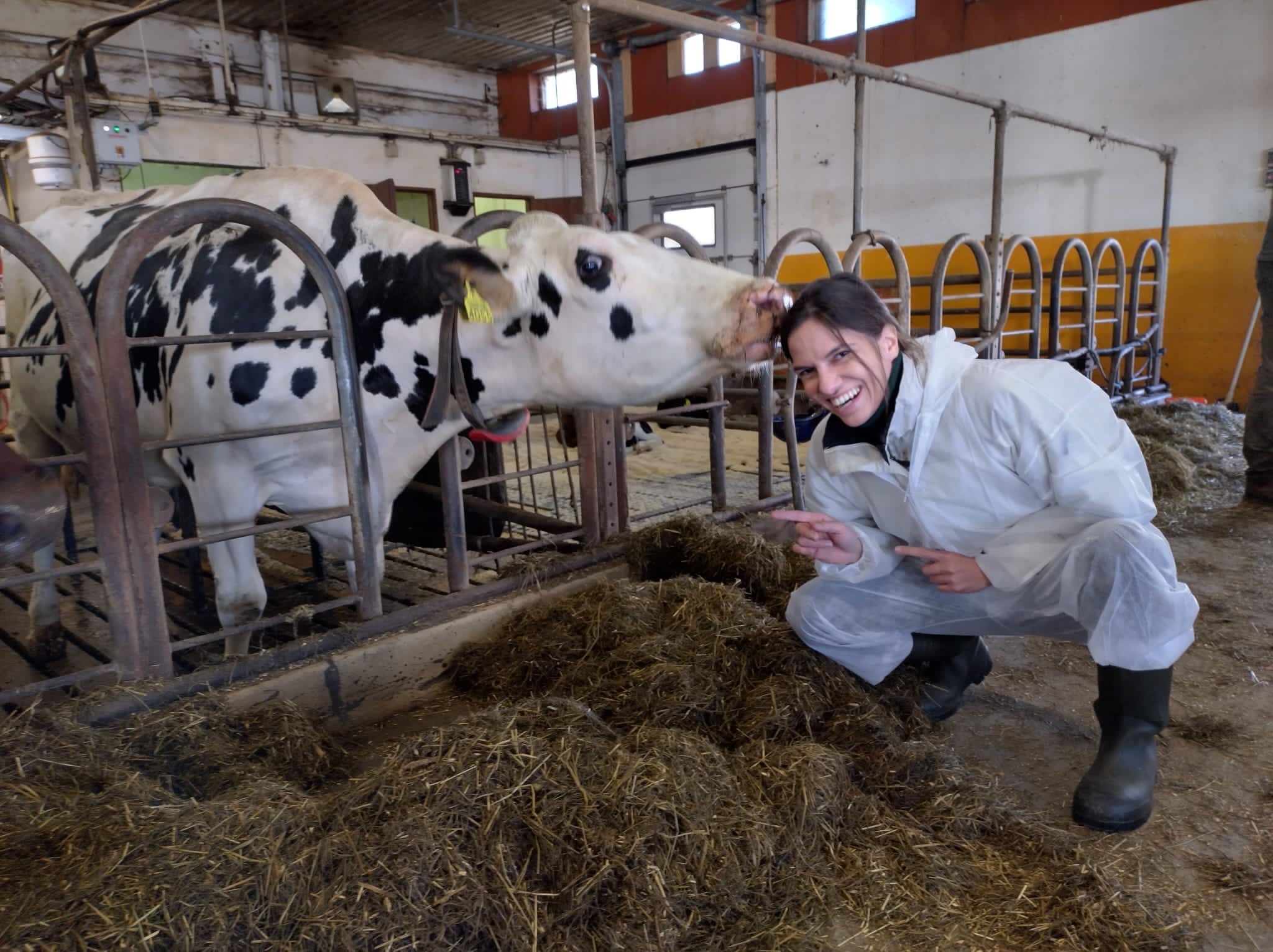
Livestock Breeding and Improvement with LIC UK

Member News
The views expressed in this Member News article are the author's own and do not necessarily represent those of Agri-TechE.

As part of our “Back to the Future” project, we’re asking Agri-TechE members to reflect on how the agri-tech industry has evolved over the past decade and to share their vision for the next ten years. By compiling these insights, we aim to create a powerful outlook on the future of agriculture, a compelling call to arms for the industry driven by the diverse perspectives of our community.

This submission is part of the collection of reflections and predictions from our members, offering unique perspectives on the industry’s past milestones and future directions. Each contribution adds to a broader dialogue about the innovations and challenges that will shape the next decade in agri-tech.

Back to the Future with LIC

Verdesian Europe and Africa: Embracing Our Global Responsibility

Member News
The views expressed in this Member News article are the author's own and do not necessarily represent those of Agri-TechE.

Verdesian Europe and Africa – Embracing Our Global Responsibility

Can our industry reverse the unintentional damage we’ve done to the environment and climate?

With the next generation of fertiliser stabilisers and to reach our goals, we must close the innovation gap in agriculture, with new technologies and methods of producing food which protect nature.

As one of the largest greenhouse gas emitting sectors of our global economy, efforts to reach the Paris Climate Agreement must put the transformation of global food systems at the heart of change. – SOURCE: UKCOP26 GLASGOW

With the advancement in technology, this has also lead to environmental issues across our industry

Environmental Issues – Ammonia Pollutant | Clean Air

  • Agriculture Is Responsible For 89% In Ammonia Emissions
  • Intensive Agriculture Has Led To x100 More Ammonia
  • Inorganic Fertilisers Are Responsible For 18% Of Ammonia Pollution

Greenhouse Gas Issues – Nitrous Oxide | Clean Air

  • There is x300 More Nitrous Oxide In Our Drinking Water
  • Agriculture Is Responsible For 87% Of Our Nitrous Oxide Emissions
  • Nitrous Oxide Has Seen A 23% Global Increase
  • Nitrous Oxide Has Seen A 20% Atmospheric Increase

Environmental Issues – Nitrate | Clean Water

  • Maximum Nitrate Allowance For Drinking Water Is 50 MG/L
  • Nitrate Levels Have Increased 83% Between 1980 – 2015
  • Excessive Levels To 15% In Nitrate Pollution
  • UK Water Companies Target A 20% Nitrate Reduction

Environmental Issues – Phosphate | Clean Water

  • Phosphate In Water At 0.002 MG/L Is A Safe Level
  • Phosphate Level At 0.006 MG/L Creates Algae Bloom
  • Bacteria Levels Have Increased To 0.006 MG/L
  • Phosphate Level Of 0.006 MG/L Depletes Oxygen

Soil and Microbes

  • Total Microbial Biomass Has Seen A 13% Average Reduction
  • Total Bacterial Biomass Has Seen 17% More Ammonia
  • Total Fungal Biomass Accounts For 19% Ammonia Pollution

Nitrogen applications lower soil pH which then reduces microbial diversity.

The results of our Global Responsibility

What we have done so far

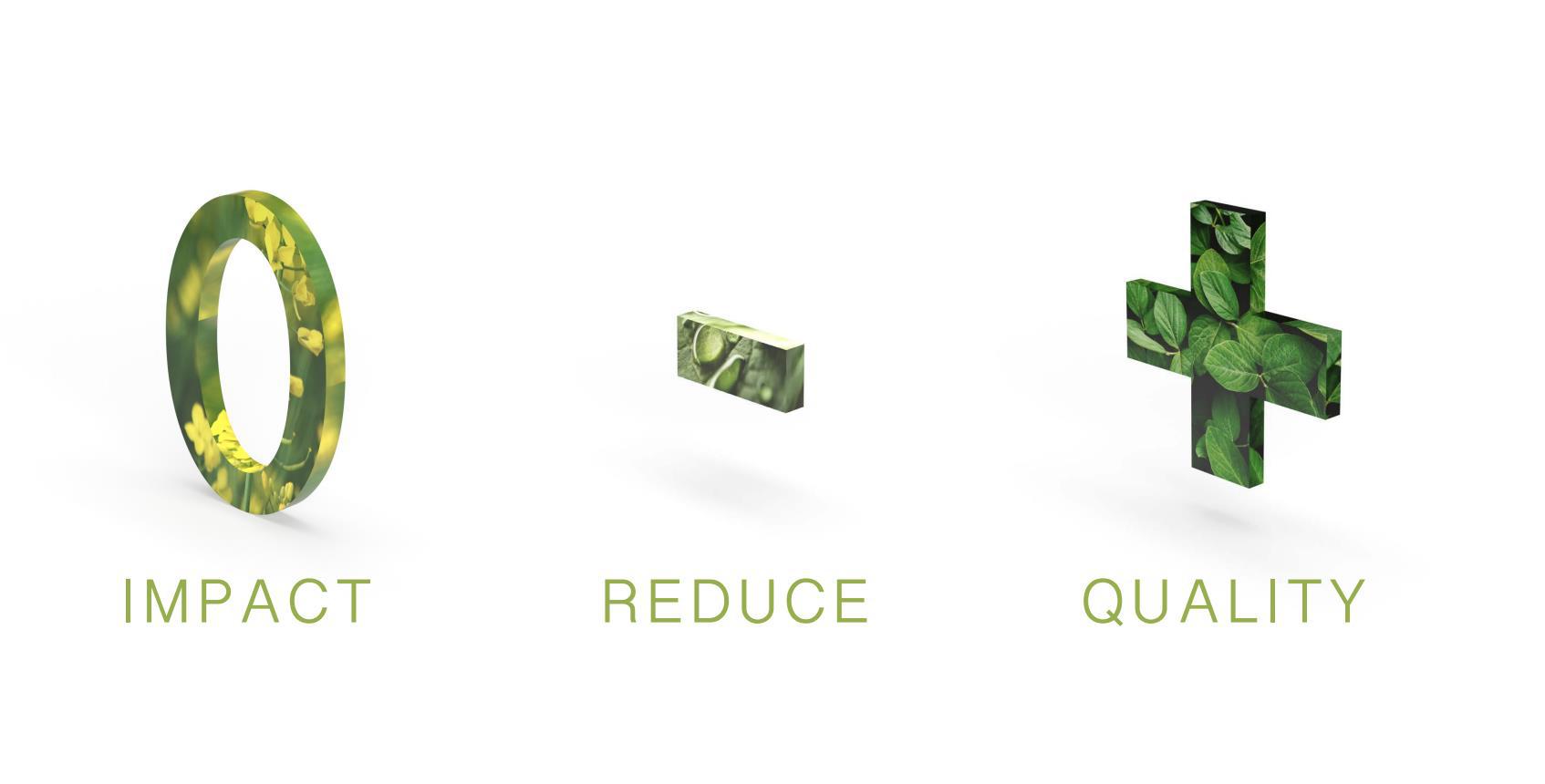
REDUCED IMPACT ON THE ENVIRONMENT | The Air Results

  • Ammonia Emissions Reduced By 85% Over A 14 Day Period
  • Nitrous Oxide Emissions Reduced By 61% Over A 226 Day Period

REDUCED IMPACT ON THE ENVIRONMENT | The Soil Results

  • Terrestrial Organisms Have Increased By 0% Over A 12 Month Period
  • Soil Microorganisms Have Increased By 74% Over A 69 Day Period

REDUCED IMPACT ON THE ENVIRONMENT | The Water Results

  • Aquatic Organisms Have Increased x10 Over A 12 Month Period
  • Freshwater Fish Have Increased x10 Over A 12 Month Period
  • Nitrate Leaching Has Decreased By 21% Over A 290 Day Period
  • Phosphate Reduction By 25% With Independent Trials

REDUCED IMPACT ON THE ENVIRONMENT | The Agronomic Trial Results

  • 5.4% Yield Average Increase In 70 Field Trials
  • 3.7% Yield Average Increase In 62 Field Trials
  • 23% Efficiency Increase Over A 7 Month Period

Link To Presentation

You can find the link to our presentation on this here: Embracing Our Global Responsibility

  • *I have permission from the copyright holder to publish this content and images.

Bedfordia Group partners with Velcourt Ltd

Member News
The views expressed in this Member News article are the author's own and do not necessarily represent those of Agri-TechE.

As a long-term privately owned family business, Bedfordia Group has a strong commercial history of entrepreneurial activities across a wide range of sectors, including farming, anaerobic digestion, property, automotive dealerships (BMW and MINI) and related ventures.
Following a strategic review of the future management of its large-scale arable farming activities; the Group has decided to ‘partner in business’ with Velcourt Ltd under a Contract Farming Agreement (CFA).

John Ibbett of Bedfordia Group said: ‘Anyone within the farming community, however big or small, is facing an ever-turbulent external environment where it’s no longer a case of ‘business as usual.’  The ability to innovate and adapt to change will be key to remaining fit for the future. Our long-standing values of building strong collaborate relationships and striving for excellence make for a great fit with Velcourt. We are confident in our choice of partner and are looking forward to working together to advance our farming operation. We are excited for the future!’

Commencing 1st November, a newly appointed Velcourt Senior Farm Manager will take on the day-to-day management of the estate’s arable land, overseen by Ian Smith as Velcourt Farms Director (Midlands), previously the MD of Bedfordia Farms. Bedfordia Farms are pleased that its Milton Parc offices will also serve as a new regional hub for Velcourt, with both parties focussed on delivering long-term success and positive impact.

Read the full article here

ESG and Sustainability

Member News
The views expressed in this Member News article are the author's own and do not necessarily represent those of Agri-TechE.

As part of our “Back to the Future” project, we’re asking Agri-TechE members to reflect on how the agri-tech industry has evolved over the past decade and to share their vision for the next ten years. By compiling these insights, we aim to create a powerful outlook on the future of agriculture, a compelling call to arms for the industry driven by the diverse perspectives of our community.

This submission is part of the collection of reflections and predictions from our members, offering unique perspectives on the industry’s past milestones and future directions. Each contribution adds to a broader dialogue about the innovations and challenges that will shape the next decade in agri-tech.


If you haven’t yet contributed, please head to our Back to the Future Guidelines page to find out how you can share your insights on the industry’s direction, your strategic plans within it, and what you’re calling for the industry or consumers to do. Give your voice to our Back to the Future Project, and help shape our industry.

Hutchinsons Launches Ground-Breaking Easyplan Upgrade to Omnia

Member News
The views expressed in this Member News article are the author's own and do not necessarily represent those of Agri-TechE.

How the world of farm management software is changing

Crop production specialists Hutchinsons have launched a major upgrade to its Omnia Digital Farming system creating the next generation in farm management software for British agronomists and farmers.

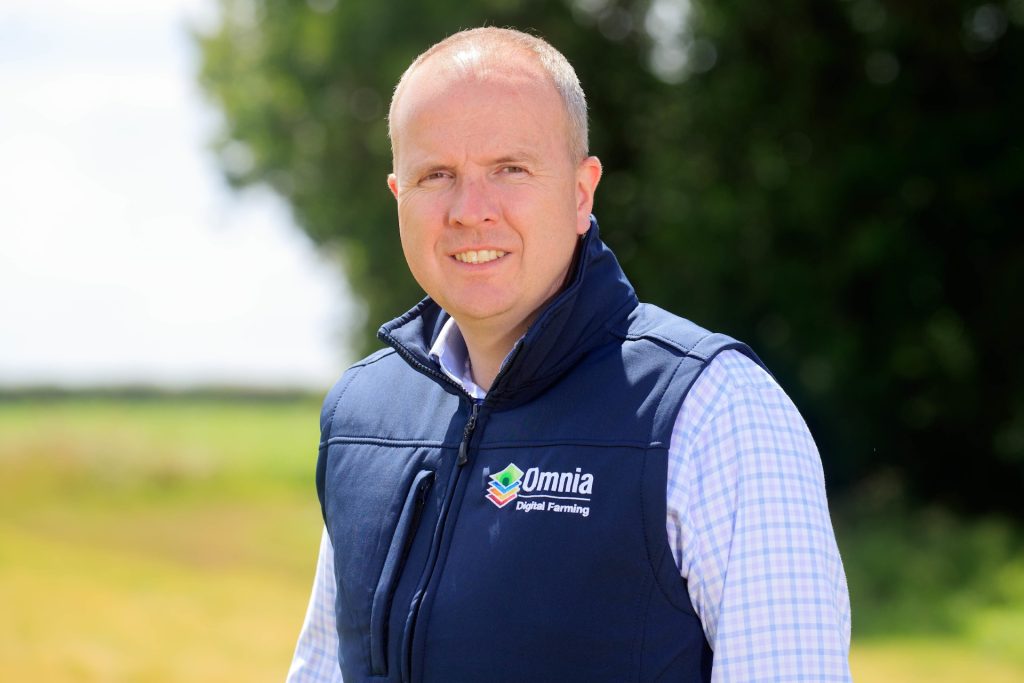
“This announcement represents a major digital leap forward in crop production which confirms Omnia as the most advanced and easy-to-use farm management system,” according to Hutchinsons Head of Omnia, Oliver Wood.

“The EasyPlan upgrade offers a set of exciting developments within Omnia allowing for complete paperless record keeping and work management, setting a new standard for farm management technology in the UK.”

“It’s a British system for British farmers and one not currently offered by any other precision software provider.”

“Since its launch as a precision mapping system eight years ago, the platform has evolved into a broader digital farming system offering a range of valuable and user-friendly business modules such as cost of production, yield mapping, rotational planning and carbon mapping tools,” he explained.

“With its user-friendly interface and unparalleled functionality, the EasyPlan upgrade takes this one step further and underlines Hutchinsons’ focus on innovation and excellence and unwavering commitment and vision for Omnia.”

What more does Omnia with the EasyPlan Upgrade offer?

  1. Field Diary module:

A significant extension of current Field Diary into a fully comprehensive farm management system.

Previously farm records such as field inspections could be held in the Omnia Field Diary, but it was not possible to record live operations or manage work orders as they happened. It is now possible to digitally plan and record all live field operations from rolling through to spraying with the new task management functionality. With a calendar view for task planning, multiple plans can be combined into a single task which can be logged in a specific area for operators to access.

As with previous Omnia functionality, this is compatible with the most popular machines and platforms, and it can be accessed online from any device (although for those that want to run a paper-based system this is still possible). These field records are then automatically shown within the existing Production module, to allow complete gross margin analysis.

  • Stock management

The addition of real-time stock management. The upgraded module allows for a real-time, feature rich, stock management system for keeping track of orders and physical inventory based on what is actually being used.

  • Spray Plan module

A completely new  module which allows users to create spray plans which are then audited by Hutchinsons bespoke HALO crop protection database. Agronomists and BASIS registered farmers now have the ability to write their own spray recommendations. The new HALO database on which the Spray Plan module is based, uses the industry standard regulatory data as its core which is checked and enhanced daily by Hutchinsons in-house technical experts to ensure regulatory compliance.

The Omnia Scout app will be upgraded this summer to bring some of this new functionality into farmers’ pockets. The update will allow operators to view and complete tasks in the field, along with providing an interactive tank mix tool for spray plans to help operators with product and water requirements. The Omnia Scout app is available for both Android and iOS devices.

Data security and governance has also been a major focus for the upgrade, Gordon McKechnie, Hutchinsons managing director explains. 

“Significantly, Omnia is now the first system ever with both an ISO 27001 ‘Information Security Management’ and Farm Data Principles certifications – the belt and braces of data security.

“These two schemes are evidence of the robust policies and procedures followed by Hutchinsons to govern and protect data and gives users full control over the access to their data and account security. Additional new functionality provides the ability to manage access and permissions for others on the account, such as farm staff.”

Omnia with the EasyPlan upgrade will be available within the current Field Manager and Business Manager subscription levels, with Business Manager being required for the HALO auditing functionality.

For those that are new to Omnia, the Omnia free Access account allows farmers to experience some limited functionality, including annual cropping plans, farm maps and visualising yield data.

To find out more about how the Omnia with the EasyPlan upgrade can improve the profitability and long term sustainability of your farm business, visit Hutchinsons at the Cereals event on 11-12 June at Newnham Farm.

  • *I have permission from the copyright holder to publish this content and images.

Decarbonising Farm Energy

Member News
The views expressed in this Member News article are the author's own and do not necessarily represent those of Agri-TechE.

As part of our “Back to the Future” project, we’re asking Agri-TechE members to reflect on how the agri-tech industry has evolved over the past decade and to share their vision for the next ten years. By compiling these insights, we aim to create a powerful outlook on the future of agriculture, a compelling call to arms for the industry driven by the diverse perspectives of our community.

This submission is part of the collection of reflections and predictions from our members, offering unique perspectives on the industry’s past milestones and future directions. Each contribution adds to a broader dialogue about the innovations and challenges that will shape the next decade in agri-tech.

If you haven’t yet contributed, please head to our Back to the Future Guidelines page to find out how you can share your insights on the industry’s direction, your strategic plans within it, and what you’re calling for the industry or consumers to do. Give your voice to our Back to the Future Project, and help shape our industry.

LettUs Grow and Valoya India partner to bring advanced aeroponic technology to India/Middle East

Member News
The views expressed in this Member News article are the author's own and do not necessarily represent those of Agri-TechE.

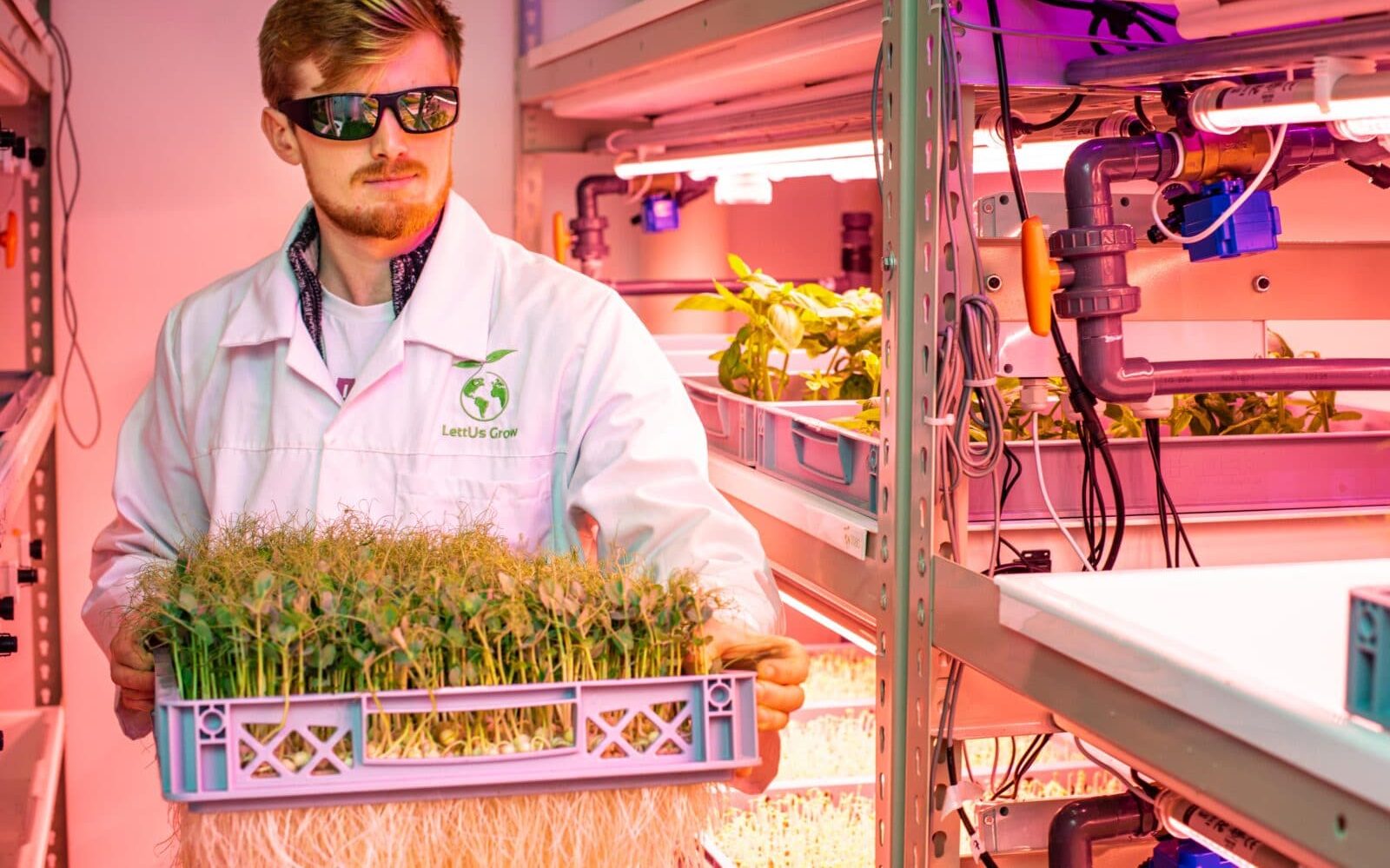
In an exciting partnership that will introduce aeroponic technology to India and the Middle East, LettUs Grow and Valoya India will combine their expertise to optimise crop production for indoor growers.

Valoya India is the second group to join LettUs Grow’s global partnership programme, which focuses on licensing aeroponic technology to key agricultural manufacturers around the world. LettUs Grow’s aeroponics has been shown to improve growth rates in comparison to hydroponic irrigation methods, as demonstrated in successful growth trials at Wageningen University’s R&D greenhouse facility, and more recently at Stockbridge Technology Centre in collaboration with CHAP.

Valoya India will licence LettUs Grow’s patented ultrasonic aeroponic irrigation systems and offer a turnkey building solution for vertical farming companies. This will allow growers to increase yields, improve the quality of their crop and minimise water use. LettUs Grow’s expertise in aeroponics alongside Valoya India’s world-leading manufacturing capacity will bring the benefits of aeroponics to the exciting emerging controlled environment agriculture (CEA) market in India, as well as the more established markets in the Middle East.

Valoya stands as a pioneer in research-oriented LED lighting solutions tailored for horticulture. Leveraging patented technology and a wide spectrum, Valoya’s solutions are crafted to maximize plant growth across various sectors including crop science, crop production (greenhouse, controlled environment agriculture (CEA), medicinal plants and vertical farming), even extending to unique applications like algae cultivation. With an impressive track record of over 700 plant trials spanning more than 300 plant species, Valoya has established itself as the industry leader. Strengthening its global footprint, Valoya operates subsidiaries strategically positioned in the USA and Valoya India (eAge Electronics Pvt. Ltd), each committed to catering to the specific needs of their respective markets.

India has been penned as one of the world’s fastest growing economies, with the agricultural sector being the significant contributor to its growth, and is the second largest producer of food grains, fruits and vegetables in the world. With climate change, water scarcity and soil degradation becoming a growing threat to agricultural development, CEA provides an alternative to traditional outdoor farming, which is dependent on using large quantities of water, fertiliser and pesticides.

By combining LettUs Grow’s state-of-the-art aeroponic technology with Valoya’s ambitious plans for turnkey vertical farming solutions, the partnership aims to strengthen and support food security across India, addressing the challenges posed by the changing climate and water usage. The partnership will also look to support the Middle Eastern CEA market, who face similar challenges and are striving to increase the amount of produce that is produced locally.

Charlie Guy, CEO of LettUs Grow, said: “India is primed to become one of the most exciting emerging markets for CEA, and this partnership marks another significant step forward in our mission to reduce the impact of fresh produce production across the globe, through careful innovation and collaboration. By working together with Valoya, we aim to empower farmers across India and The Middle East to improve access to fresh produce, allowing the agricultural sector to thrive, while still conserving precious groundwater reserves and resources.”

LettUs Grow and Valoya will conduct crop growth trials from a Valoya India labs based at eAge Electronics offices in Noida, UP, India. The focus will be to tailor the technology to the Indian market. This will also provide the opportunity for future collaborators, tech adopters and growers to see aeroponics in action.

“We are thrilled to partner with LettUs Grow to introduce their unique aeroponics to the growing CEA sector across India and the Middle East. Combined with Valoya’s cutting edge LED lighting solutions and spectrums for horticulture applications, we believe it could be an extremely beneficial and advantageous turnkey solution for all our clients.” said Dhruv Mahajan, Vice President at Valoya India. “We are very excited to conduct, observe and document the results of our combined trials and develop tailor-made solutions for a host of crops/plants suited to the India and Middle East Markets as a starting point to our collaboration.”

See more here


  • *I have permission from the copyright holder to publish this content and images.

Decarbonising Energy

Member News
The views expressed in this Member News article are the author's own and do not necessarily represent those of Agri-TechE.

As part of our “Back to the Future” project, we’re asking Agri-TechE members to reflect on how the agri-tech industry has evolved over the past decade and to share their vision for the next ten years. By compiling these insights, we aim to create a powerful outlook on the future of agriculture, a compelling call to arms for the industry driven by the diverse perspectives of our community.

This submission is part of the collection of reflections and predictions from our members, offering unique perspectives on the industry’s past milestones and future directions. Each contribution adds to a broader dialogue about the innovations and challenges that will shape the next decade in agri-tech.


If you haven’t yet contributed, please head to our Back to the Future Guidelines page to find out how you can share your insights on the industry’s direction, your strategic plans within it, and what you’re calling for the industry or consumers to do. Give your voice to our Back to the Future Project, and help shape our industry.

Agri-TechE Innovation and Collaboration with Rothamsted Enterprises

Member News
The views expressed in this Member News article are the author's own and do not necessarily represent those of Agri-TechE.

As part of our “Back to the Future” project, we’re asking Agri-TechE members to reflect on how the agri-tech industry has evolved over the past decade and to share their vision for the next ten years. By compiling these insights, we aim to create a powerful outlook on the future of agriculture, a compelling call to arms for the industry driven by the diverse perspectives of our community.

This submission is part of the collection of reflections and predictions from our members, offering unique perspectives on the industry’s past milestones and future directions. Each contribution adds to a broader dialogue about the innovations and challenges that will shape the next decade in agri-tech.

Top tips to keep your business secure

Member News
The views expressed in this Member News article are the author's own and do not necessarily represent those of Agri-TechE.

Keith Franklin – RuralTech LLP

As cyber attacks become increasingly sophisticated and frequent, it is important to prioritise cyber security measures to protect sensitive data, safeguard your network and maintain customer trust. Here are some top tips:

1. Be careful about who or what you trust

46% of UK businesses experienced a cyber-attack in 2023, with an average cost of more than £3,000, and many of those attacks were preventable. Phishing scams have become more and more subtle and convincing. Don’t trust anything until you’re absolutely satisfied that it’s legit.

Visit here for helpful government information.

2. Protect your email by using a strong and separate password

Cybercriminals can use your email address to access many of your personal accounts, leaving you vulnerable to identity theft. The government advice on this issue can be found at: www.ncsc.gov.uk

3. Turn on 2-step verification (2SV)

Turning on 2SV is one of the most effective ways to protect your online accounts from cyber criminals. 2-step verification (2SV) is also known as two-factor authentication (2FA) or multi-factor authentication (MFA).

4. Install the latest software and app updates

Applying security updates promptly will help protect your devices and accounts from cyber criminals. Updates include protection from viruses and other kinds of malware and will often include improvements and new features.

Manufacturers eventually stop providing updates for older devices. If you continue to use a device that is no longer supported you are not safe!

5. Backing up your data

As highlighted in the article above, backing up your data regularly is crucial in today’s digital age. It protects against data loss, provides peace of mind, saves time and money, facilitates device upgrades, and protects against security threats.

6. Ignorance isn’t bliss

In the case of business security, the more your people know, the better. As a business owner, it’s your responsibility to ensure that your people are aware of the threats and risks, and to make sure they’re properly prepared to respond. Whether that’s through training sessions, centralised documents or just having regular chats, whatever works for you, awareness is one of the most powerful weapons in your cyber security defence.

Waitrose nature-friendly farming scheme has Reading support

Member News
The views expressed in this Member News article are the author's own and do not necessarily represent those of Agri-TechE.

Scientists from the University of Reading are meeting British farmers and food businesses as Waitrose launches its Farming for Nature scheme to accelerate nature-friendly farming.

Waitrose is committing to support more than 2,000 of its British farmers to move to nature-friendly farming practices, helping to boost financial resilience of farms in the long-term and combat the effects of climate change.

This comes in response to an industry wide need to move to more resilient farming methods and demand from Waitrose customers: four in ten say they are worried about the impact that modern farming has on nature and wildlife.

Waitrose and the University of Reading will establish a three-year Knowledge Transfer Programme, backed by a grant from UK Research and Innovation (UKRI). This partnership will aim to bridge the gap between cutting-edge agricultural research and practical farming applications, giving farmers a direct resource to information to implement on their own farms.

Professor Carol Wagstaff, Research Dean for Agriculture, Food and Health at the University of Reading said:

“Reading has more than a century of expertise in agricultural innovation, and we know that to secure our food and nature in the century ahead, we need to make long-term plans.

“Farmers, researchers, retailers and shoppers all have a part to play. Farming for Nature provides the leadership to make Britain’s food system a force for good in fighting climate change and biodiversity loss, while remaining profitable.”

Key parts of the regenerative agriculture plan include:

– Waitrose unveils ‘Farming for Nature’ – working with its British farmers to move to nature-friendly farming

– Waitrose to source UK meat, milk, eggs, fruit and vegetables from farms that use regenerative practices by 2035

– Builds on commitment to reach net zero across Waitrose’s UK farms by 2035, and the entire supply chain by 2050.

Regenerative agriculture is a way of farming that focuses on improving the health of the soil and the environment, making it healthier and more productive. It helps tackle issues such as top-soil erosion – the loss of the most fertile layer of soil – which is being accelerated by some farming methods and can make it harder to grow crops. This, among other concerns, is why change is needed now to ensure food security in the future.

Unveiling the plans to its British farmers at the Waitrose farm in Hampshire, the Leckford Estate  where Waitrose has been farming regeneratively since 2020, Executive Director James Bailey committed the supermarket to play its part revolutionising the British food system.

In his speech to farmers, James Bailey announced that Waitrose will work with them to produce food that works in harmony with nature, to source meat, milk, eggs, fruit and vegetables from UK farms which use regenerative practices by 2035.

it is hoped this will protect British farmers against the effects of climate change, enhance nature and ensure customers can buy the best and most delicious British-grown produce for many years to come.

James Bailey, Waitrose Executive Director, said: 

“We want Waitrose customers to know that when they shop with us, they are voting with their purses and wallets for a food system that restores and works in harmony with the natural world, and that supports a financially sustainable future for British farmers.

“We have a duty to help our farmers make the move towards more nature-friendly growing, and we’re committed to playing our part in the revolution that our country’s food system requires.”

Key parts of the plan include collaborations with LEAF and the University of Reading. Farming for Nature builds on the Partnership’s Plan for Nature and commitment for Waitrose’s UK farms to be Net Zero by 2035, and the Partnership’s clear dedication to play its part in limiting the global temperature rise to 1.5°C.

Earlham Institute and Tozer Seeds receive knowledge transfer award

Member News
The views expressed in this Member News article are the author's own and do not necessarily represent those of Agri-TechE.

A new project is bringing together the Earlham Institute and Tozer Seeds to apply the latest genomic tools for accelerating plant breeding programmes.

Their ambition is to halve the time it takes for new vegetable varieties to reach producers.

The £260,000 project is being supported by Innovate UK, the UK’s national innovation agency, through its Knowledge Transfer Partnership awards. 

It will enable cutting-edge research to be applied in an industrial setting, supporting the implementation of new marker-assisted and genomic-based selection methods for desirable traits in celery and other vegetables commercialised by Tozer.

The Earlham Institute has been developing and pioneering the use of new technologies to overcome issues of scale and complexity in data-intensive bioscience, including approaches that could be used to accelerate crop breeding. 

There is an urgent need to develop improved, more resilient crops, both to cope with increasing global demand and to introduce resilience to climate change and plant pathogens.

There are many desirable traits breeders want to introduce to make improvements to their lines. But finding the right genetic ‘recipe’ is incredibly complex due to the interrelated nature of the genes that govern them and the laborious  methods traditionally used in breeding programmes.

This project will help Tozer’s breeders identify new biodiversity associated with a wide range of desirable traits they want to get into their future lines. The goal is to see new and improved vegetable varieties, including celery, reaching producers in half the time as current approaches. 

Read more here