Supply Chain Management with Mills & Reeve

Member News
The views expressed in this Member News article are the author's own and do not necessarily represent those of Agri-TechE.

As part of our “Back to the Future” project, we’re asking Agri-TechE members to reflect on how the agri-tech industry has evolved over the past decade and to share their vision for the next ten years. By compiling these insights, we aim to create a powerful outlook on the future of agriculture, a compelling call to arms for the industry driven by the diverse perspectives of our community.

This submission is part of the collection of reflections and predictions from our members, offering unique perspectives on the industry’s past milestones and future directions. Each contribution adds to a broader dialogue about the innovations and challenges that will shape the next decade in agri-tech.
Back to the Future with Mills & Reeve

Agritech Thymes: One of Europe’s oldest grape plant variety rights is invalidated

Member News
The views expressed in this Member News article are the author's own and do not necessarily represent those of Agri-TechE.

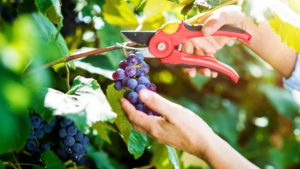
The Italian courts recently heard a case of infringement of a Plant Variety Right (PVR) held by Sun World International LLC protecting the Sugraone grape variety and of the corresponding trademark ‘Superior Seedless’.

The defendants: Gianni Stea Import-Export s.r.l. and Angela Miglionico, were accused of infringing both the PVR and the trademark. In response, they counterclaimed that the PVR lacked novelty and that the trademark was invalid for non-distinctiveness. The lack of novelty argument is an interesting argument given that the PVR is one of the oldest seedless grape variety rights to exist, having been filed by Sun World in 1983 and held unchallenged. The PVR was near expiry when the case was brought, but clearly valuable enough for Sun World to attempt to enforce.

The defendants argued that the Sugraone PVR lacked novelty over public marketing of the variety in the USA during the late 70s. They provided evidence in reports of significant areas of land in California being used to cultivate the variety. It is generally difficult to prove public prior use of any variety or invention, but especially so when it dates back several decades. However in this case, the proprietor of the PVR in seeking to reinforce the distinctive character of the trademark under dispute alongside the PVR, gifted the evidence to the defendant that the variety was indeed publicly available in the 70s. A testimony provided to the court by the Senior Vice President of Sun World to the EUIPO during the trademark discussions referred to use of the trademark ‘Superior Seedless’ to market the Sugraone variety in the 70s thereby admitting that the variety was disclosed to the public before the PVR was filed, and even before the available grace period at the time.

Sun World tried to escape this admission by arguing that such activities were not novelty destroying for the PVR because novelty could not be destroying by marketing harvested material of the variety i.e. the grapes themselves, however the court disagreed and held that the action of an offer for sale covered both plant and fruit and pointed out that UPOV includes harvested material in the definition of novelty.

The PVR was therefore held to lack novelty, after many years of being in force. Of course breeders must consider what marketing activities they are undertaking relative to the timing of filing for PVRs, more so this case highlights the need for an integrated defence strategy when disputes span across IP rights to ensure that arguments in defence of one right do not prejudice another.


This article was prepared by Partners Punita Shah and Ellie Purnell.
  • *I have permission from the copyright holder to publish this content and images.

Cross-Cutting Technologies with Cambridge Consultants

Member News
The views expressed in this Member News article are the author's own and do not necessarily represent those of Agri-TechE.

As part of our “Back to the Future” project, we’re asking Agri-TechE members to reflect on how the agri-tech industry has evolved over the past decade and to share their vision for the next ten years. By compiling these insights, we aim to create a powerful outlook on the future of agriculture, a compelling call to arms for the industry driven by the diverse perspectives of our community.

This submission is part of the collection of reflections and predictions from our members, offering unique perspectives on the industry’s past milestones and future directions. Each contribution adds to a broader dialogue about the innovations and challenges that will shape the next decade in agri-tech.

Back to the Future with Cambridge Consultants

Know your enemy…

Member News
The views expressed in this Member News article are the author's own and do not necessarily represent those of Agri-TechE.

Discovery-driven sustainable solutions to plant-nematode interactions

Problem we’re looking to solve

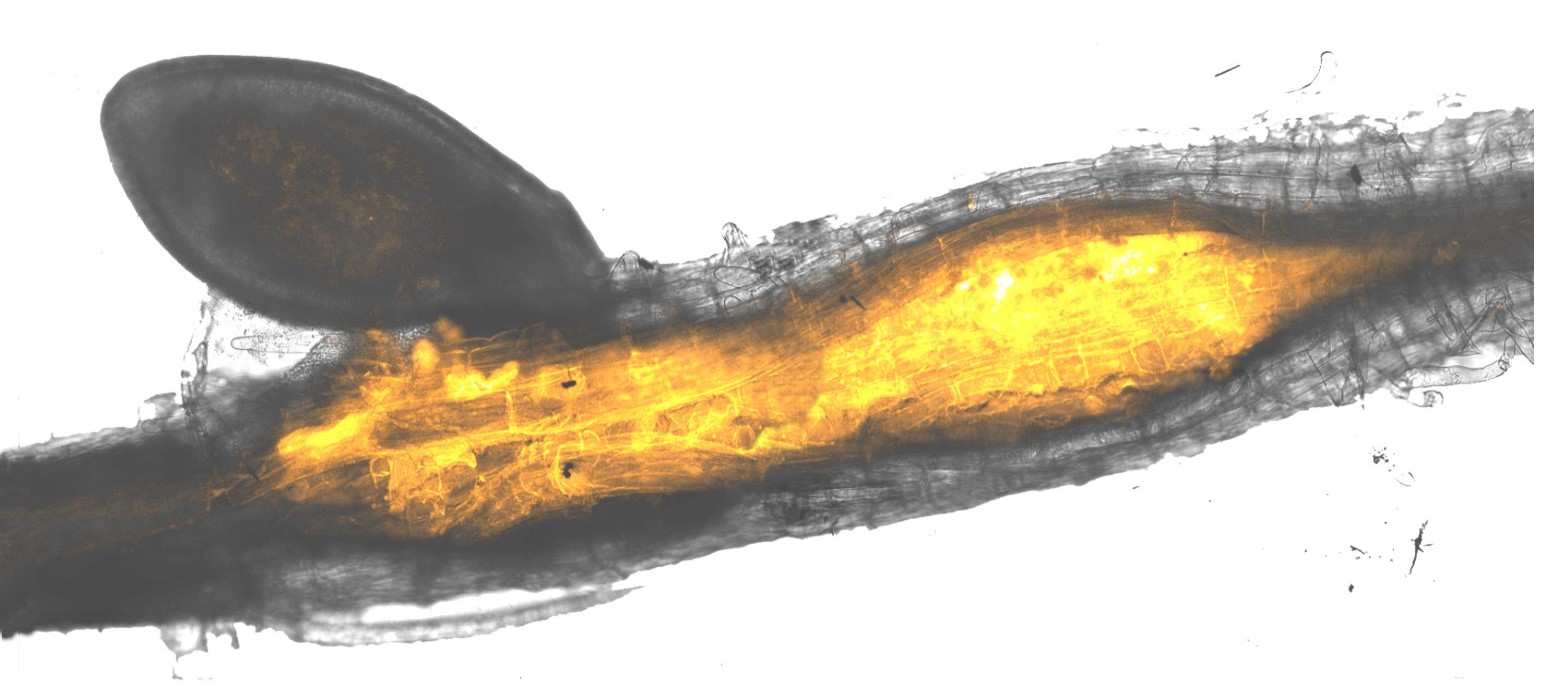
The problem we have chosen to work on is the molecular dialogue between two kingdoms of life: plants and their invading parasitic nematodes (microscopic worm-like creature).

We are driven by fundamental discovery and, given that the outcome of this molecular dialogue results in plant disease that constrain human food security, we have a profound sense of responsibility to also deliver sustainable solutions to these parasites.

To give an idea of scale, parasitic nematodes affect most crops, can cause up to 80% yield loss, and are estimated to account for $100 billion in annual loses to global agriculture.


Solution

It is widely accepted that plants which are inherently (i.e. genetically) resistant to a disease are an optimal solution in agriculture from practical, financial, and sustainability/equity-oriented points of view because no additional work/cost/inputs are required to prevent disease and thereby yield loss.

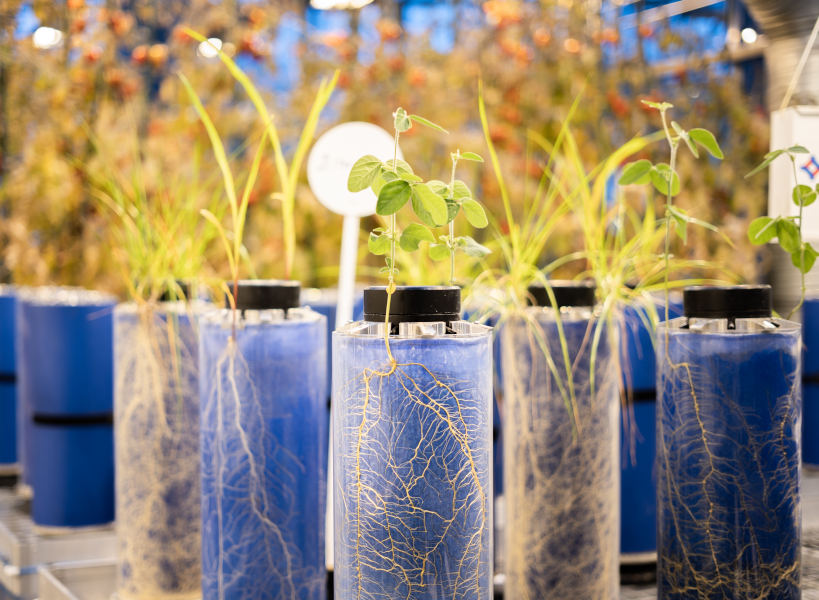
Given the scarcity of such resistant plants, we focus on identifying, characterising, and ultimately understanding the plant genes that are responsible for resistance and susceptibility to disease.


picture1s
nematode1

Why Cambridge, why now, and history of working in this area

While Cambridge has a not insubstantial history of plant-nematode research (dating back some 60 years), the reason why our group is based here is because of critical mass and future direction. Our research group is based at the Crop Science Centre, a recent initiative between the Department of Plant Sciences and the National Institute of Agricultural Botany (Niab) designed to deliver transformational change in agriculture, rooted in fundamental discovery.

Principles of sustainability and equity in farming unite our collective aims. In addition to this impetus, the Crop Science Centre also houses a concentration of expertise on plant interactions with other organisms (ranging from pathogenic to beneficial) that is rare, if not unique. This allows us to share thinking and resources, drawing parallels across systems, to accelerate our collective research.


What is the research – how does it work, what resources are used and who is involved?

How you get to a resistant plant is important. There are, in essence, two ways to do this: the first, and most intuitive, is to add a gene to the plant that has some negative impact on the pathogen (often so called “resistance genes” or “R genes”); the second, and somewhat unintuitive, is to remove a gene from the plant that the pathogen was relying on manipulating in some way in order to cause disease (so called “susceptibility genes” or “S genes”).

The evolutionary biologist might favour the S gene because of a fundamental rule of nature: breaking things is easy – making things is hard. Intuitively, we all know this to be true without the proof. It is easier to break your phone, than it is to make yourself a new phone.

The same is true with the interactions between proteins: mutations that change the shape of a protein are much more likely to break its function than they are to make a new function. This is important because many R genes added to plants work by recognising pathogen proteins in order to mount an immune response. Breaking this recognition is “easy”, and so pathogens readily evolve to avoid this type of resistance.

On the other hand, resistance derived by removing an S gene from the plant, that the pathogen was manipulating and relying on, requires the pathogen to regain this ability in some way (i.e. making something new), and making things is “hard”. As a result, it is generally harder for pathogen evolution to overcome a resistant plant derived from the loss of an S gene, than it is for pathogen evolution to overcome a resistant plant derived from the addition of an R gene.

The biotechnologist and the politician might agree with the evolutionary biologist because of CRISPR/Cas genome editing (termed CRISPR). CRISPR is a revolutionary technology that allows precise edits in the genomes of almost any organism. CRISPR/Cas is extremely good at making targeted deletions in crop genomes, and its approval for commercial use in many geographies is streamlined compared to other biotechnological approaches to crop improvement (e.g. genetic modification).

There is a clear opportunity to use CRISPR/Cas to develop disease resistant crops – based on fundamental understanding – provided the resistant plant is derived by making a targeted deletion (i.e. removing a gene). It is for this reason, that the biotechnologist, the politician, and the evolutionary biologist might favour the S gene.

Discovering more S genes is therefore paramount. We recently discovered a new way to find S genes – termed, “the hologenome theory of S gene discovery”. The term hologenome, coined for use in the hologenome theory of evolution, argues that we should consider the host plus all of its associated symbiotic microbes as a single entity, because they are inseparable in all practical senses.

We used this definition to consider the host and the plant-parasitic nematode – a plant-pathogen of global agricultural importance – as a single unit. Conceptualising them in this way, we could ask, “what is the metabolic capacity of the plant-nematode hologenome?”

Identifying metabolic pathways that were in part contributed by the host genome and in part contributed by the parasite’s genome would highlight genes in the plant that the nematode relies on – and thereby new S genes for CRISPR-mediated crop improvement.

What are the milestones, timelines and what happens next?

Our current work in this area is progressing on two fronts:

1) Discovery of additional S genes based on hologenome theory; and

2) Translating these discoveries into crops   using genome editing. Recent legislation (The Precision Breeding Bill) accelerates the approval process, so we anticipate rapid deployment of new material in field trials in the coming years.


If we solve the problem what can we expect?

Most plants, and all crops, can be infected by one species of plant-parasitic nematode or another. These parasites have a profound impact on global agriculture – affecting both the richest and the poorest farming systems with equal vigor, but of course unequal outcomes.
Addressing plant diseases is therefore a problem of not just sustainability, but also of equity.

Could agri-tech bridge the farming divide?

Member News
The views expressed in this Member News article are the author's own and do not necessarily represent those of Agri-TechE.

As part of our “Back to the Future” project, we’re asking Agri-TechE members to reflect on how the agri-tech industry has evolved over the past decade and to share their vision for the next ten years. By compiling these insights, we aim to create a powerful outlook on the future of agriculture, a compelling call to arms for the industry driven by the diverse perspectives of our community.

This submission is part of the collection of reflections and predictions from our members, offering unique perspectives on the industry’s past milestones and future directions. Each contribution adds to a broader dialogue about the innovations and challenges that will shape the next decade in agri-tech.

AgritechE: What do you think is the game-changing tech development we’ve seen in the last 10 years?

Farmable:

Our team works with a large number of fruit growers, who deal with high volumes of people in their operations, particularly around harvest time. It has been very inspiring to see the advancements in robotics that could automate some of the more human-intensive work happening on farms around the world.

Examples of robotics teams that inspire us are:

  1. GUSS: Autonomous Sprayers
  2. Saga Robotics: Autonomous treatment for powdery mildew
  3. Tevel: Autonomous harvesting robots

Challenges still remain. The cost of even piloting these technologies is high and really only accessible to the largest operators out there. Network connectivity and having the necessary technology skills on a farming team are two other factors that can put these types of advancements out of reach for many farms.

So while these advancements are important for the long term viability of the industry, there are barriers to adoptions that need to be addressed first.


AgritechE: What’s the biggest challenge to widespread adoption?

Farmable: Network connectivity.

This is a real frustration for a huge number of farms globally. Our team works with farms primarily across the UK, Germany, Spain, South Africa and Australia. The number of farms who still struggle with network access out in the fields is high. And if you want to record data digitally in the field, in real time, we need rural connectivity.

Fortunately, teams like Starlink are working hard to solve this on a global scale but admittedly it’s frustrating to see that this is still such a significant barrier in 2024.


AgritechE: What do you think is the most exciting thing we’ll see in 10 years’ time?

Farmable: It will be very exciting to see technology empower small and medium sized farms to operate profitable, sustainable businesses.

Family farms are at risk of being left behind in a generation that uses pen and paper to operate a business. At Farmable we aspire for a future where:

  • All farms have network connectivity
  • Digital tools are accessible for all (easy to use and low-cost)

These are fundamental rights to any business that wants to survive in the long run so we feel obligated to ensure the farms that feed us also have these basic services.

If we can do that, small and medium farms have a chance at competing with the big farms. Technology can help them more easily comply with regulations, opening doors to new markets and ensuring they receive value for their products. This becomes a reality when product quality can be verified and traced using technology that is accessible to all. It will allow all farms, small and large, to receive fair payment for the products they grow.

Technology will hopefully be the great equaliser in the future of farming.

Learn more about Farmable

Future-Proofing Tomato Production in the UK

Member News
The views expressed in this Member News article are the author's own and do not necessarily represent those of Agri-TechE.

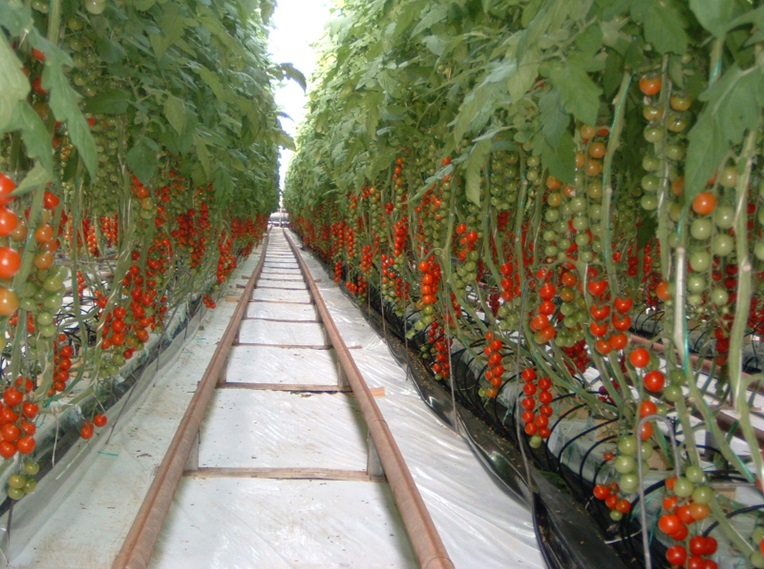
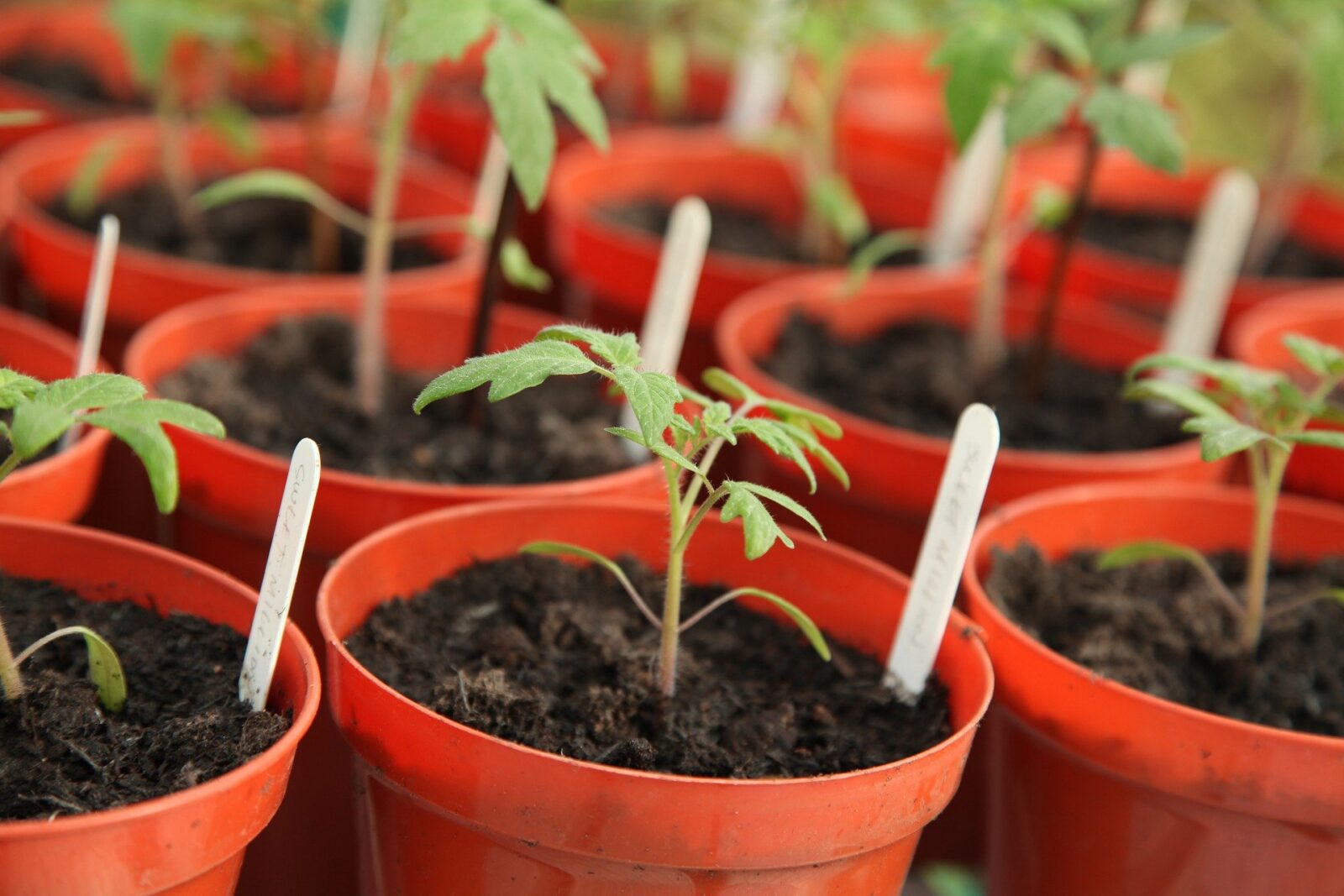
We are launching a new collaboration with Fera Science Ltd, ADAS, and the British Tomato Growers’ Association (BTGA) to explore a new application for our biostimulant technology!

This is our first big project exploring the potential of our first active ingredient for biostimulation on a high-value crop. More specifically, we will explore its potential to enhance the resilience of tomato plants to heat and drought stress and reduce the carbon footprint of food production.

Our technology was originally developed by academics from Rothamsted Research and Oxford University to boost wheat yields. On that crop, our evaluation field trials show potential to boost yields by up to 22% depending on crop variety and environmental conditions.

We aim to develop science-based biostimulants that are adaptable to existing agricultural practices. To achieve that, in our new study the BTGA will act as Knowledge Exchange Champion and ADAS will model the economic and carbon benefits under three grower scenarios.

Working the Agri-TechE Network:

As part of our project, we will be seeking expertise and insights from UK tomato growers. If that is you, check details of our project below and follow our venture page on LinkedIn for upcoming announcements on how you can contribute to this exciting project.

You can explore the project details further here.

If you are an input distributor servicing growers in this market, contact our Business Development Director Bianca Forte via LinkedIn to learn about our B2B business model and explore a potential collaboration with us.

  • *I have permission from the copyright holder to publish this content and images.

Making Data-Based decisions with AbacusBio

Member News
The views expressed in this Member News article are the author's own and do not necessarily represent those of Agri-TechE.

As part of our “Back to the Future” project, we’re asking Agri-TechE members to reflect on how the agri-tech industry has evolved over the past decade and to share their vision for the next ten years. By compiling these insights, we aim to create a powerful outlook on the future of agriculture, a compelling call to arms for the industry driven by the diverse perspectives of our community.

This submission is part of the collection of reflections and predictions from our members, offering unique perspectives on the industry’s past milestones and future directions. Each contribution adds to a broader dialogue about the innovations and challenges that will shape the next decade in agri-tech.

AbacusBio goes Back to the Future

Top Biostimulants Solutions Provider in the UK 2024

Member News
The views expressed in this Member News article are the author's own and do not necessarily represent those of Agri-TechE.

Sugarox is delighted to share that we have been recognised by AgriBusiness Review as one of the Top 5 UK Biostimulant Ventures to Watch in 2024.

Our dedicated team of plant biologists and organic chemists is leading the way in developing precision formulations based on single active ingredients (AIs) inspired by powerful plant molecules. Our first product, a biostimulant based on trehalose-6-phosphate, is currently undergoing field evaluation. Results so far show promise in boosting wheat yields by up to 22%.

Working the Agri-TechE network:

We believe that collaboration can accelerate the adoption of our cutting-edge biostimulants and make a meaningful impact on crop productivity and sustainability.

We are building SugaROx to become a world-leading venture focused on the science of crop stimulation and early stages of product development. Our first product is 2-3 years away from launch. Through a B2B business model, we want to partner with go-to-market channels to accelerate R&D and sell our products to farmers in the UK and key agricultural countries.

If that is you, follow the link below to learn more about our technology, and reach out to our Business Development Director Bianca Forte via LinkedIn to start a dialogue with us.


  • *I have permission from the copyright holder to publish this content and images.

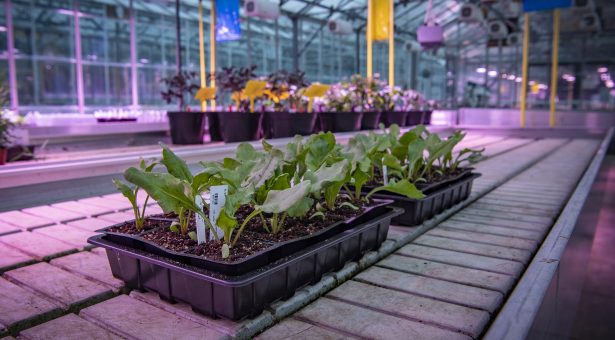
Phenotyping Indoor Crops

Member News
The views expressed in this Member News article are the author's own and do not necessarily represent those of Agri-TechE.

As part of our “Back to the Future” project, we’re asking Agri-TechE members to reflect on how the agri-tech industry has evolved over the past decade and to share their vision for the next ten years. By compiling these insights, we aim to create a powerful outlook on the future of agriculture, a compelling call to arms for the industry driven by the diverse perspectives of our community.

This submission is part of the collection of reflections and predictions from our members, offering unique perspectives on the industry’s past milestones and future directions. Each contribution adds to a broader dialogue about the innovations and challenges that will shape the next decade in agri-tech.

Gardin goes Back to the Future.

Farmers needed for paid on-farm trials

Member News
The views expressed in this Member News article are the author's own and do not necessarily represent those of Agri-TechE.

The search is on for forward-thinking farmers to take part in paid trials exploring soil health, the potential of pulses and sustainable slug control.

The British On-Farm Innovation Network (BOFIN) is looking to increase the number of farmers taking part in its Defra-funded projects bringing scientific innovation onto real farms. The number of on-farm trialists will double in two of its three current projects.

Participants are required to run trials on their farms, and to share findings and observations within and outside the project. In return they receive full back up and support from BOFIN and other project partners, as well as a payment for their involvement.

Oxfordshire farmer and founder of BOFIN Tom Allen-Stevens said: “We’ve had a hugely successful year across three projects. Farmers have proven across the trials and monitoring that they can deliver scientifically valid data, adding real value to the progress we’re making towards a more sustainable agriculture.

“We’re now looking to build on this success in 2024-25 and welcome farmers wanting to help shape the future of our industry to register their interest via our website.”

BOFIN co-partners with scientists and researchers to deliver three projects which put farmers centre stage to trial innovative ideas and techniques:

The Nitrogen Efficient Plants for Climate Smart Arable Cropping Systems (NCS) project currently has 10 farmers carrying out trials and BOFIN is looking for an additional 10 for the 2024-5 season. Participating farmers who are known as Pulse Pioneers compare the effects of pulse crops on the health of their soil and subsequent crops.

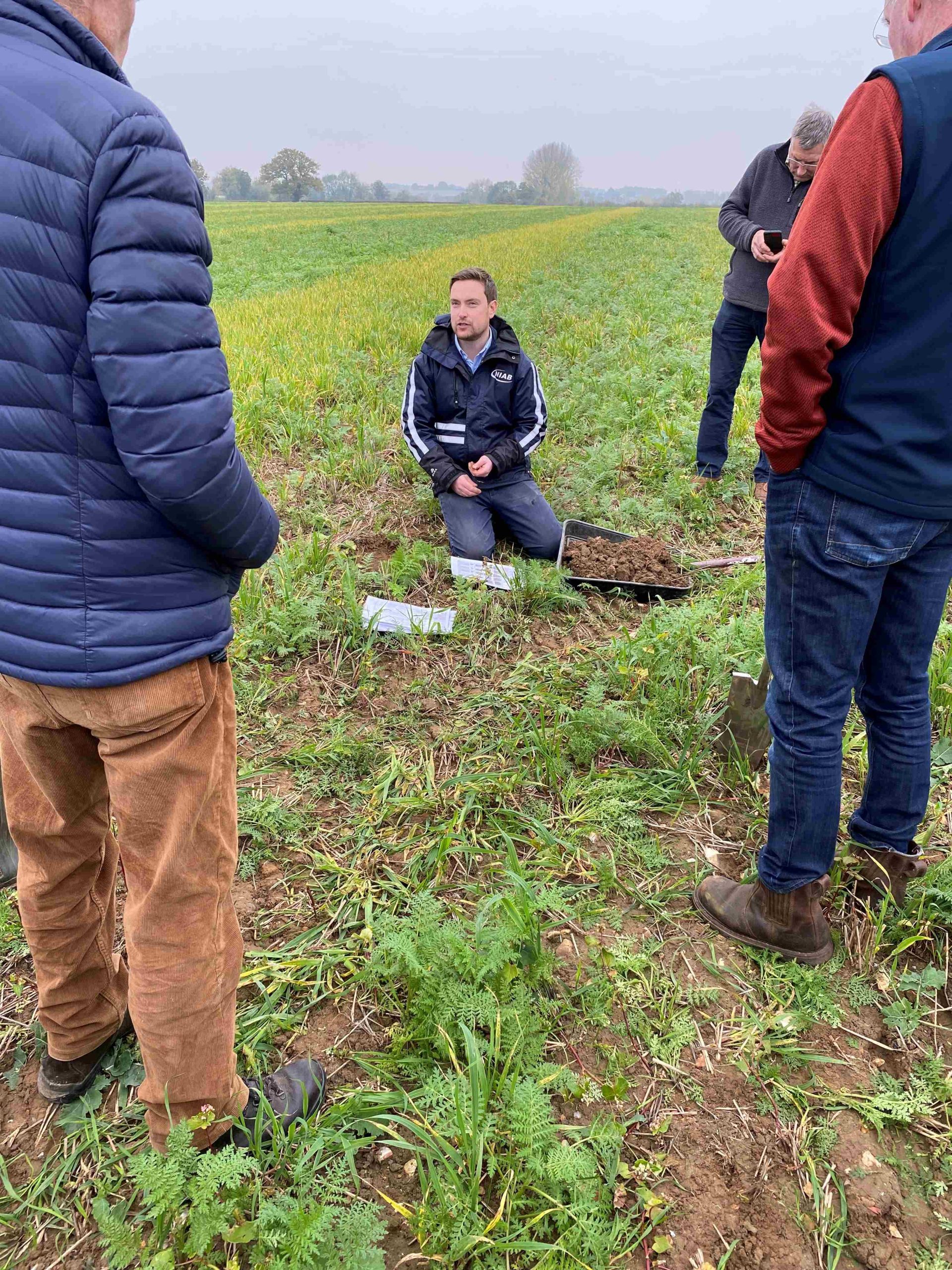
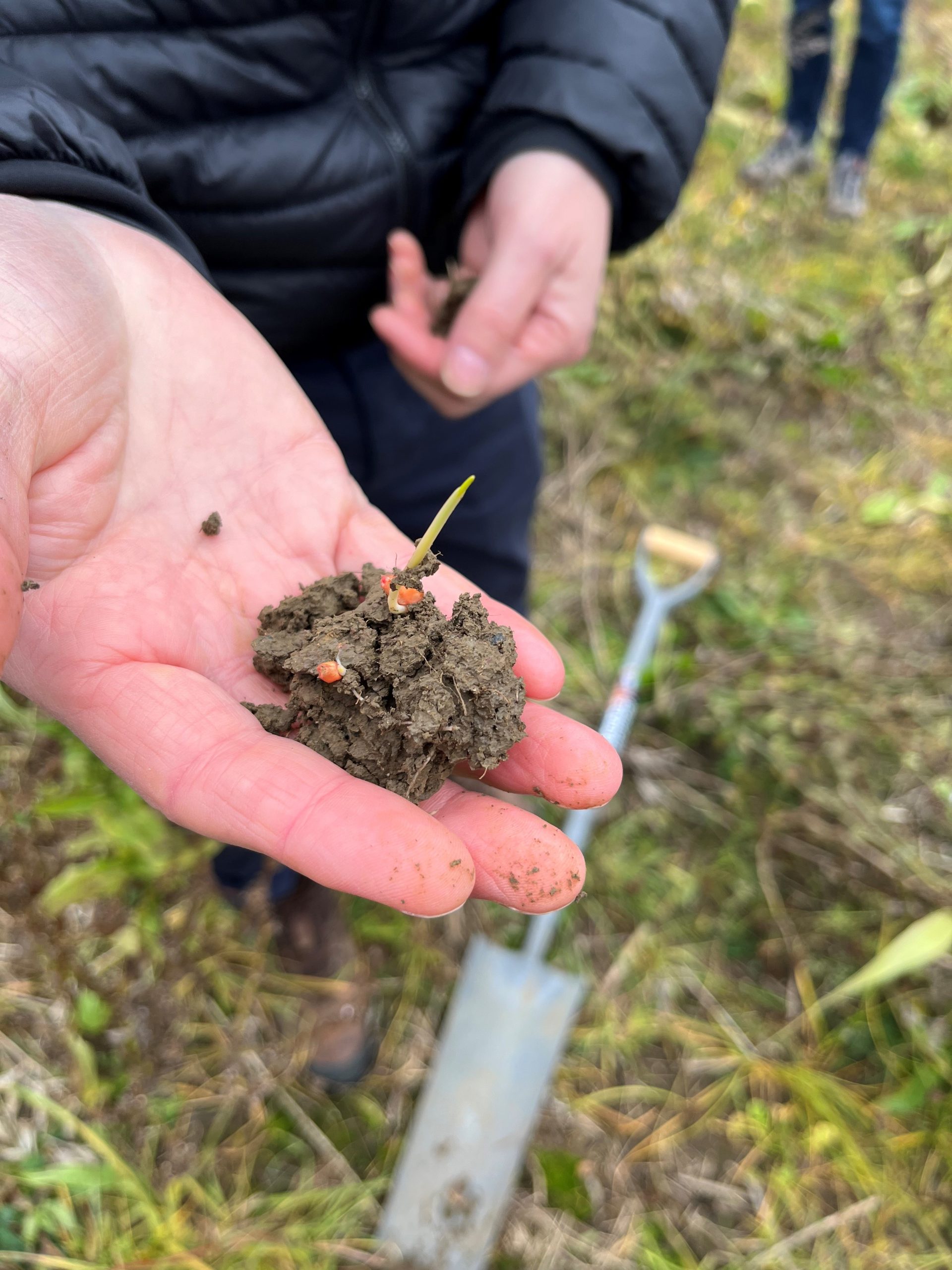
Meanwhile the Thriving Roots Underpin Total soil Health (TRUTH) project is creating a farmer-led platform to quantify and evaluate soil/root interactions and explore the capabilities of a novel sensor. The farmers – known as Root Rangers – are trained to use soil testing tools to inform practices and evaluate novel genetics and bioproducts. The first year saw 10 farmers sign up as Root Rangers, and BOFIN is looking to enlist another 10 for 2024-5.

Finally, the Strategies Leading to Improved Management and Enhanced Resilience against Slugs (SLIMERS) project is trialling ‘slug resistant’ wheat and developing two commercial services from current proof-of-concept: Patch prediction and precision mapping, and autonomous slug treatment using nematodes. Farmers involved are known as Slug Sleuths, and with 27 already on board the team is looking to boost this to 30 for 2024-5, with 10 of those trialling slug resistant wheat.

Cambridgeshire farmer Rhys Jones, who is a Slug Sleuth and Root Ranger said it was important that farmers are part of the conversation about the industry’s future. “Being involved with agricultural trials helps us to look at new ways of doing things and means we can influence the direction we go in,” he said.

Slug Sleuth Andrew Barr, who farms in Kent added that learning was a vital part of success in farming: “There’s so much we need to learn, and farming keeps changing and evolving. I’ve been frustrated in the past that academic trials were not targeted to what farmers really needed solutions for, or that the results of the academic trials were not communicated to farmers. That’s not the case if we do the on-farm trials that we think are necessary, in conjunction with the academics.”

Any farmers interested in taking part in trials and playing a part in the future of farming can find out more and register interest by visiting the BOFIN website www.bofin.org.uk/getinvolved


No Such Thing as a Typical Farmer

Member News
The views expressed in this Member News article are the author's own and do not necessarily represent those of Agri-TechE.

As part of our “Back to the Future” project, we’re asking Agri-TechE members to reflect on how the agri-tech industry has evolved over the past decade and to share their vision for the next ten years. By compiling these insights, we aim to create a powerful outlook on the future of agriculture, a compelling call to arms for the industry driven by the diverse perspectives of our community.

This submission is part of the collection of reflections and predictions from our members, offering unique perspectives on the industry’s past milestones and future directions. Each contribution adds to a broader dialogue about the innovations and challenges that will shape the next decade in agri-tech.

Back to the Future with AF Group

From farm to fashion: Paludiculture on BBC Countryfile

Member News
The views expressed in this Member News article are the author's own and do not necessarily represent those of Agri-TechE.

Have a look at this fascinating BBC Countryfile segment featuring Ponda, a next-generation biomaterials company pioneering the global promotion of paludiculture. At minute 30:00, you’ll see how Ponda’s innovative insulation material, BioPuff®, is showcased alongside the ground-breaking paludiculture practices at the Great Fen, where we collaborated on our first UK project to create sustainable materials from this regenerative practice.

  • *I have permission from the copyright holder to publish this content and images.