The views expressed in this Member News article are the author's own and do not necessarily represent those of Agri-TechE.
As part of our “Back to the Future” project, we’re asking Agri-TechE members to reflect on how the agri-tech industry has evolved over the past decade and to share their vision for the next ten years. By compiling these insights, we aim to create a powerful outlook on the future of agriculture, a compelling call to arms for the industry driven by the diverse perspectives of our community.
This submission is part of the collection of reflections and predictions from our members, offering unique perspectives on the industry’s past milestones and future directions. Each contribution adds to a broader dialogue about the innovations and challenges that will shape the next decade in agri-tech.
Post Overview
This story has been submitted by an Agri-TechE member.
The views expressed in this Member News article are the author's own and do not necessarily represent those of Agri-TechE.
Agri-TechE Week 2024 celebrates its 11th year – our largest yet, featuring eleven events curated by Agri-TechE and hosted by our incredible member community. This week exemplifies innovation, collaboration, and forward-thinking in agri-tech.
Each event reflects the strength of our ecosystem, fostering vital connections between growers, researchers, and technology developers. Thank you to our members for hosting and making Agri-TechE Week possible and showcasing what our community can achieve.
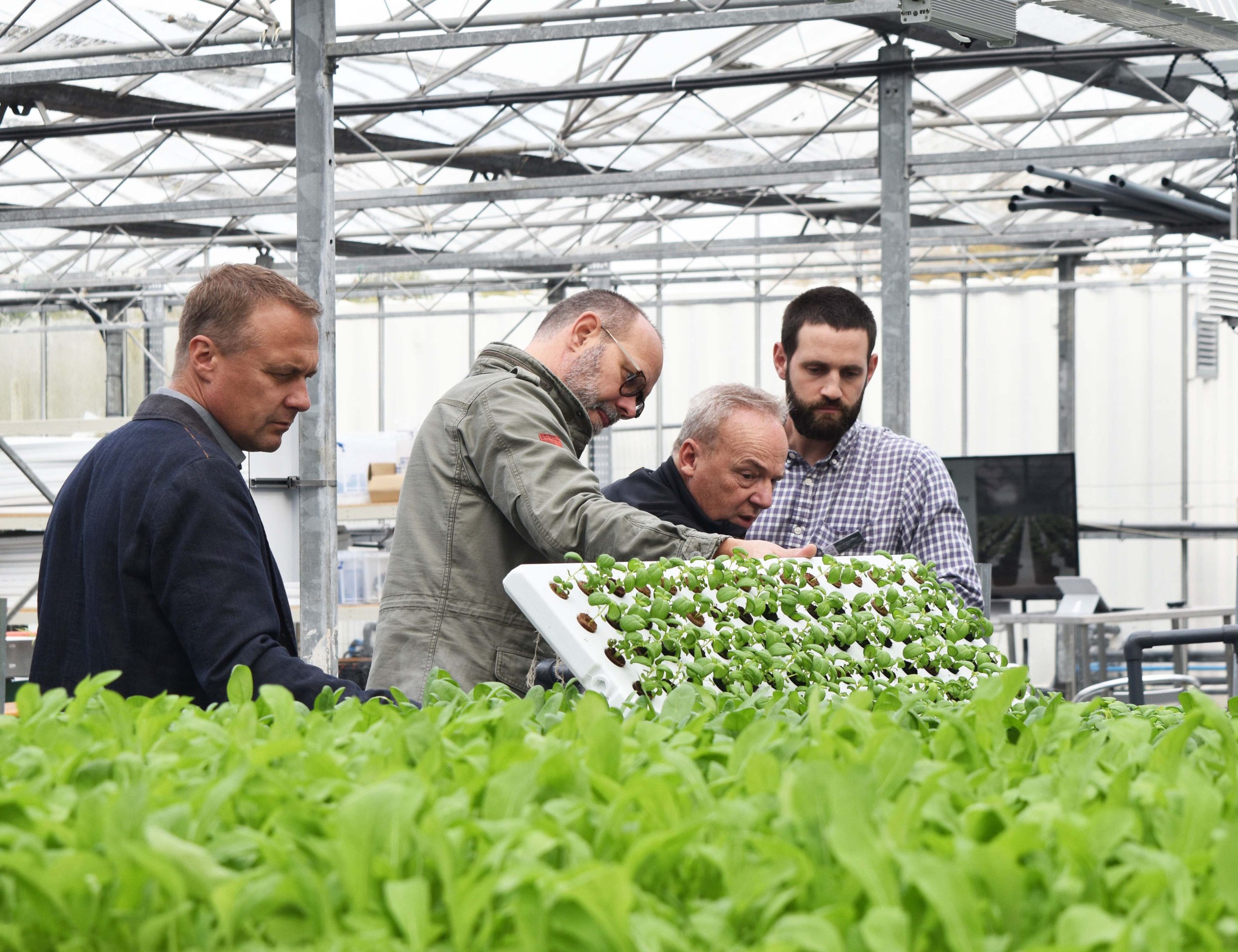
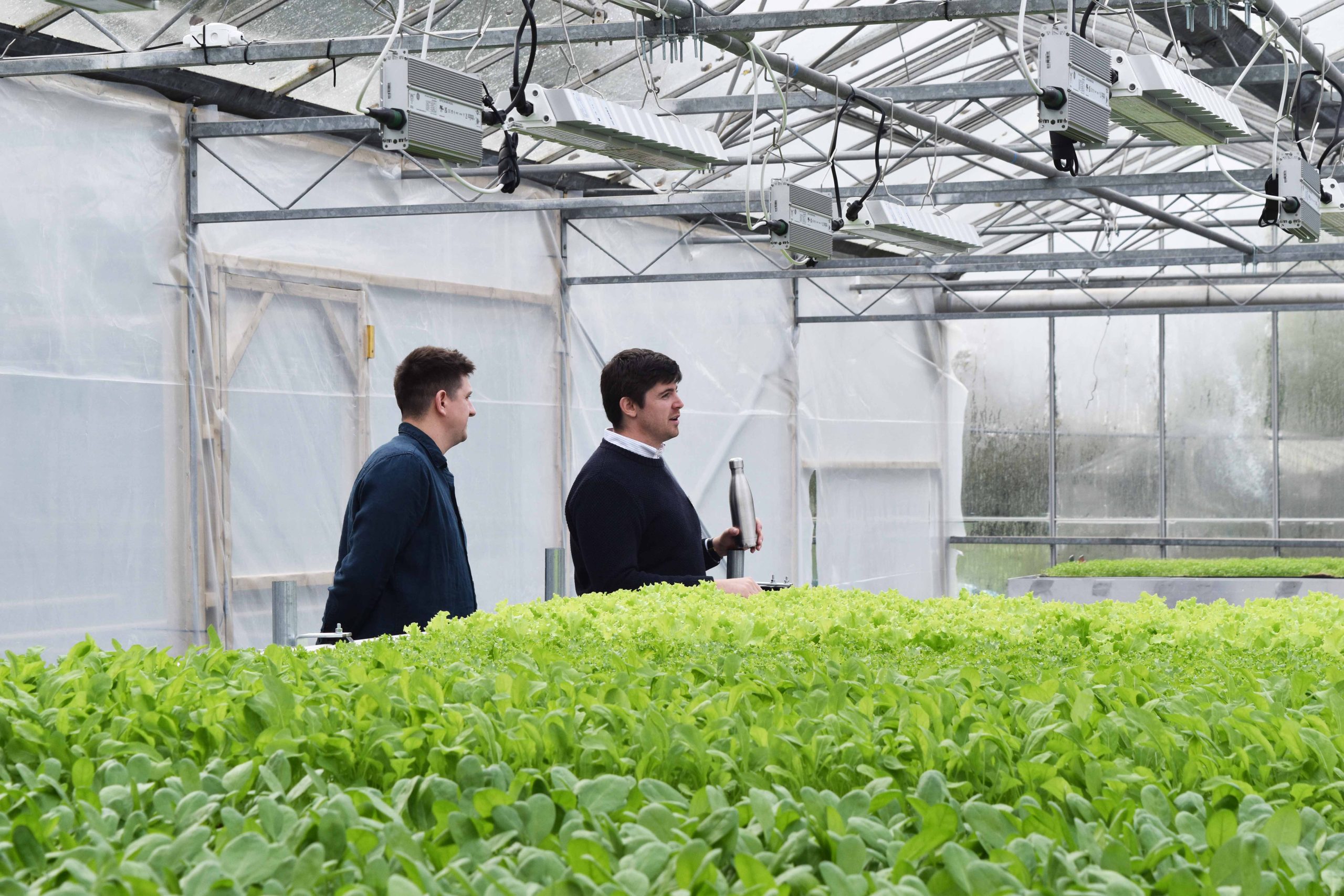
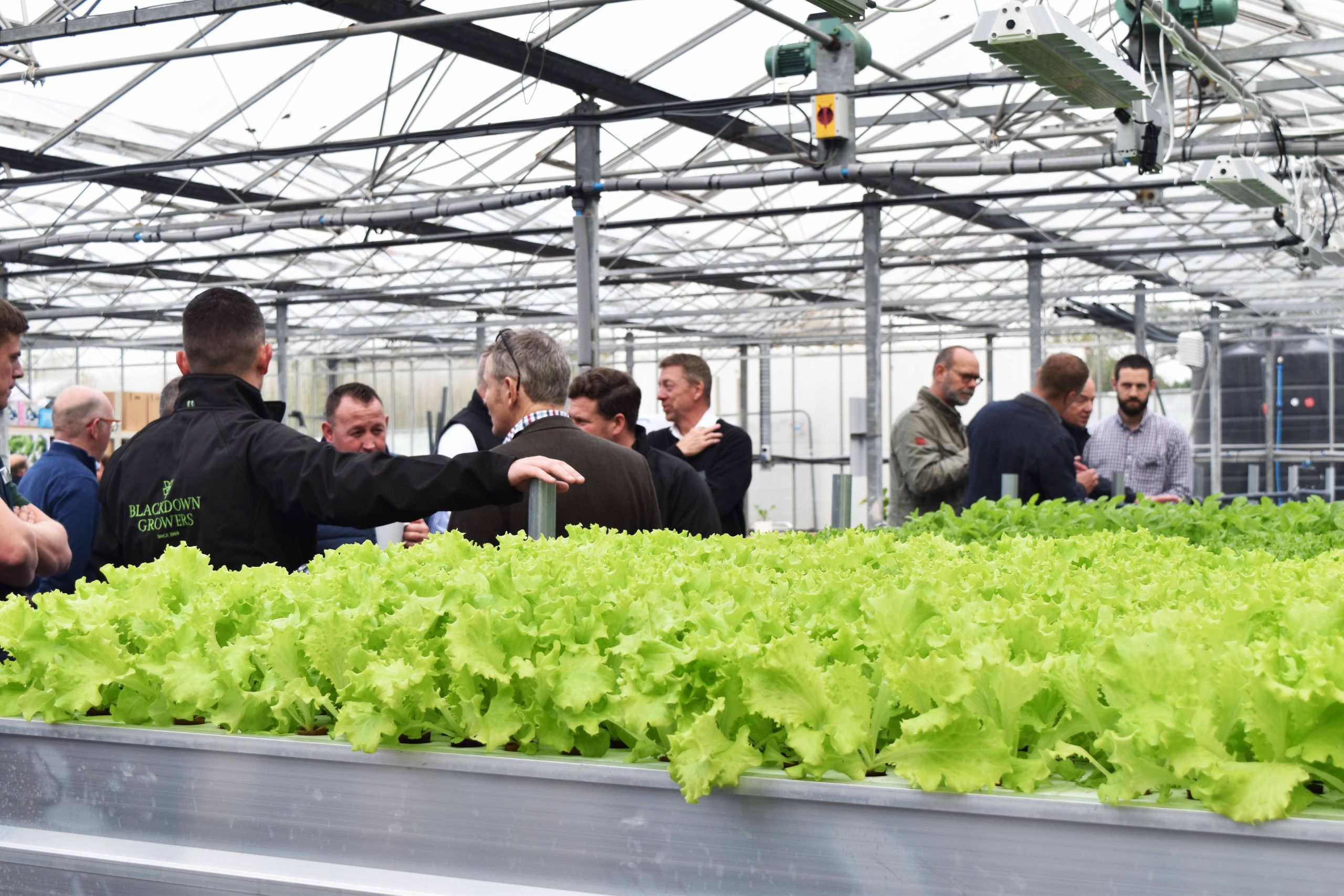
Organised by the RNAA, Fischer Farms opened their doors to a group of Norfolk farmers and advisers all eager to learn about innovative ways to grow uniform crops all year round.
Fischer Farms is a vertical farming operation that is leading the way in scalable food production to provide a more resilient and sustainable way to feed people. The organisation has a multi-channel route to market supplying mainly food service and wholesale. The facility in Norwich specialises in the production of leafy greens and aromatic herbs.
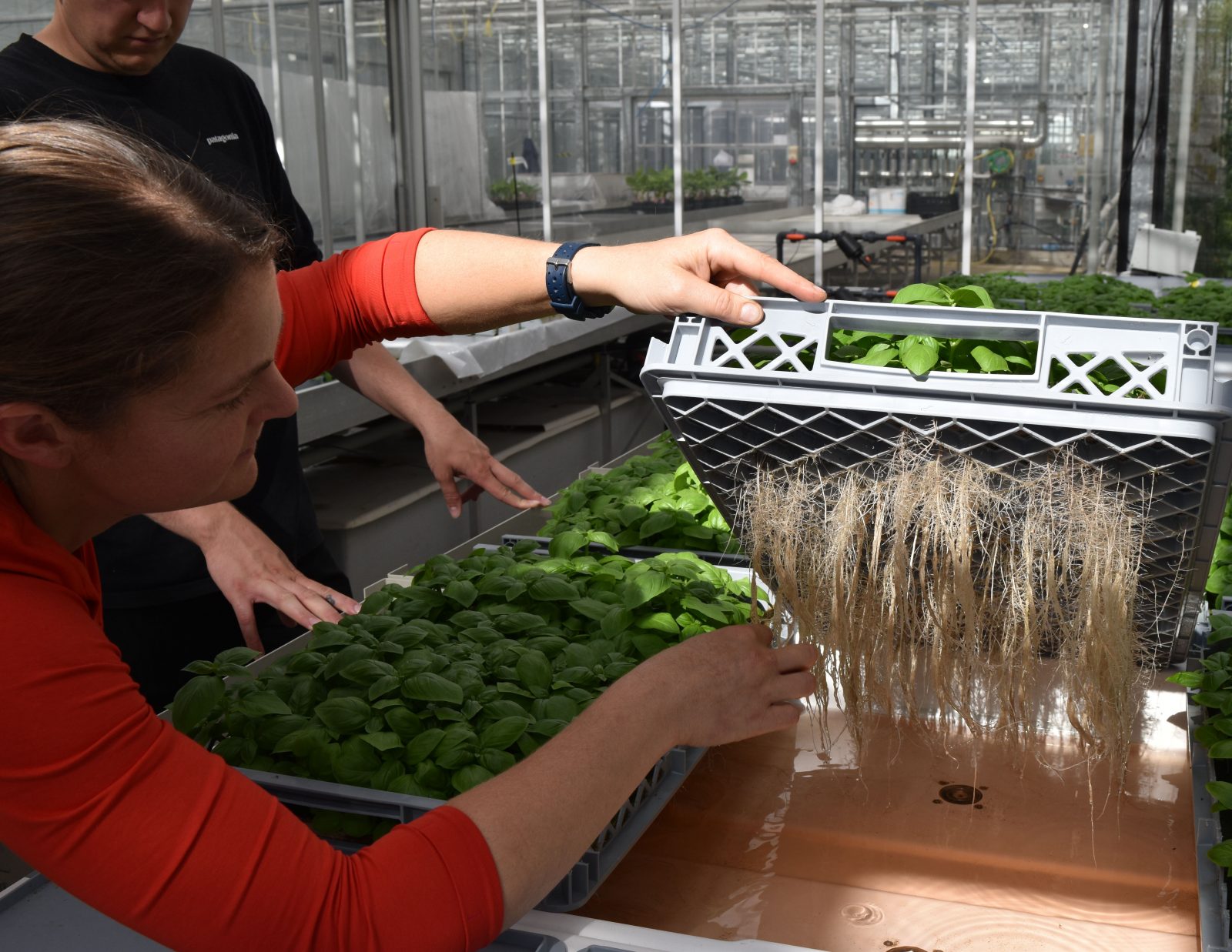
We got to see how basil, watercress and chive is grown on the site – the basil smelled and tasted particularly fresh and delicious! All three crops start off in a damp mat of rockwool, on which seeds are spread at different densities.
The group was particularly interested in learning about the different growth requirements for these crops. For example, basil and chive only need watering once a day, but watercress requires a steady stream of water. While watercress and basil are harvested once, chive on the other hand goes through several rounds of cutting.
One of the advantages of growing crops in a protected environment is that all aspects of the growing cycle can be controlled, from the day and night cycles to the temperature, airflow and water. We discovered that the water used on site, coming from either the mains or collected rainwater, is filtered to become purified and then supplemented with a bespoke concoction of nutrients required for different crops.
Leafy greens aren’t the only crops of interest to Fischer Farms. Research & Development is the focus of a second facility based in Lichfield, where trials are taking place to test growing alternative crops such as soft fruits. The R&D site is continuously looking at ways to innovate, through growing different crops – such as pharmaceuticals, trialling different growing regimes or engineering solutions for vertical growing.
Following the visit to Fischer Farms, we heard about the establishment of the Food Enterprise Park. The hub is supporting food production in Norfolk through the co-location of businesses that can add value through food processing and agri-tech solutions. Find out more about Fischer Farms and the Food Enterprise Park.
Post Overview
This story has been submitted by an Agri-TechE member.
The views expressed in this Member News article are the author's own and do not necessarily represent those of Agri-TechE.
Agri-TechE Week 2024 celebrates its 11th year – our largest yet, featuring eleven events curated by Agri-TechE and hosted by our incredible member community. This week exemplifies innovation, collaboration, and forward-thinking in agri-tech.
Each event reflects the strength of our ecosystem, fostering vital connections between growers, researchers, and technology developers. Thank you to our members for hosting and making Agri-TechE Week possible and showcasing what our community can achieve. Here’s a look at today’s event!
Satellite Earth observation is transforming agriculture by optimising farming practices, improving crop yield predictions, and supporting sustainable land management. During this online Agri-TechE Week event delivered by ADAS, three experts showcased how satellite data is streamlining agricultural processes, from improving harvest predictions to monitoring land use.
Ben Hockridge: PeaSat Project and Vining Pea Yield Prediction
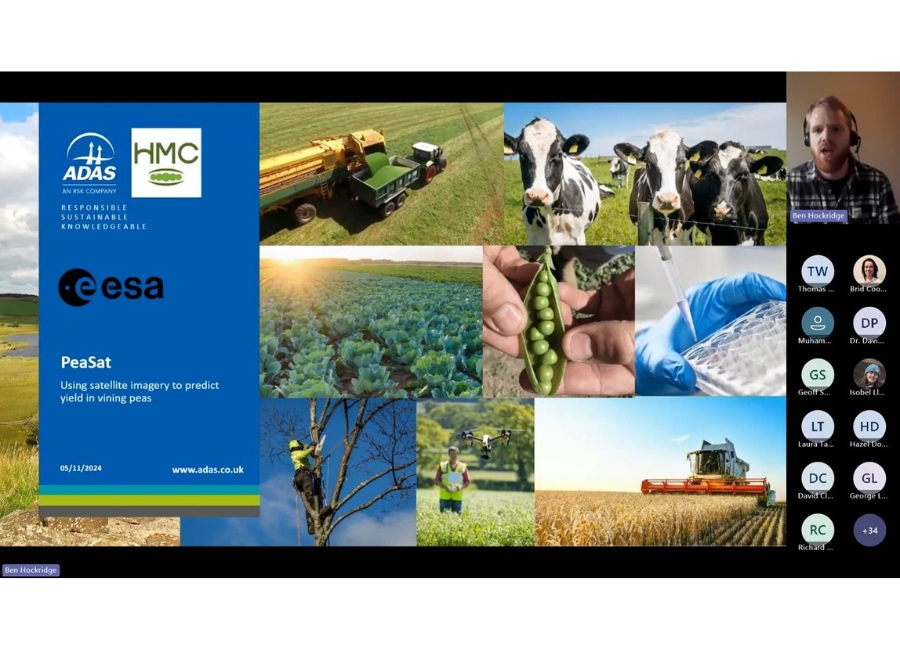
Ben Hockridge from ADAS presented the PeaSat project, a European Space Agency-funded initiative aimed at improving vining pea harvest management.
Vining peas have a narrow harvest window, often causing growers to bypass around 7% of their crops.
Using satellite imagery, weather data, and machine learning, the project developed models to predict yields with greater accuracy. The best model achieved an R-squared of 0.71, and future plans include refining these models and developing a user interface to improve communication between growers and processors.
Andy Shaw: making remote sensing practical for farmers
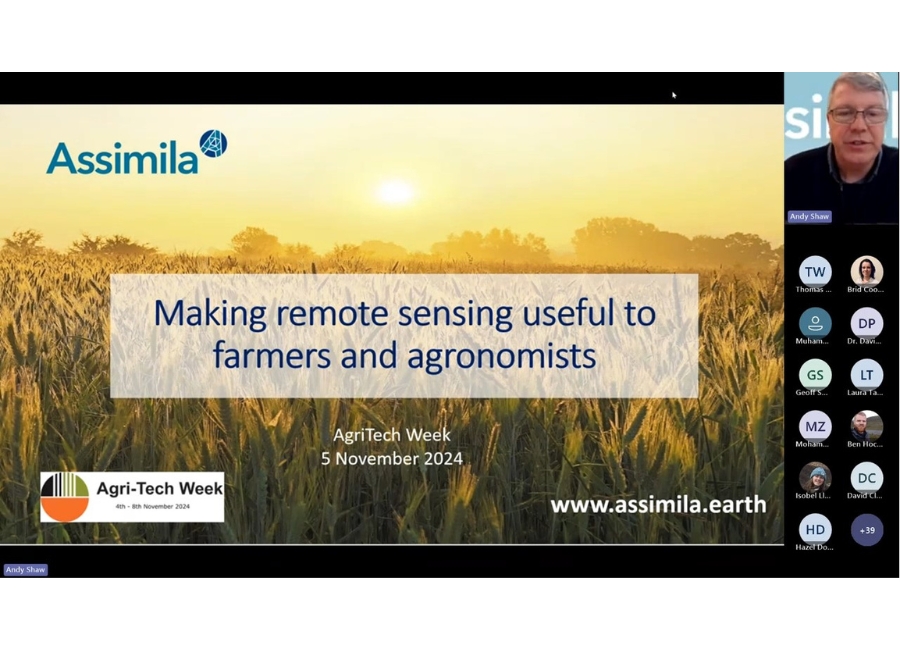
Andy Shaw from Assimila highlighted how remote sensing and satellite imagery can address challenges like carbon management and sustainable farming. He discussed their work using satellite data, soil information, and crop models to improve nitrogen use efficiency.
By optimising fertiliser application, farmers can reduce costs and environmental impacts. He stressed the importance of making these insights actionable and accessible, using data integration to guide better decision-making in the field.
Dr Geoff Smith: EU Grassland Watch and grassland monitoring
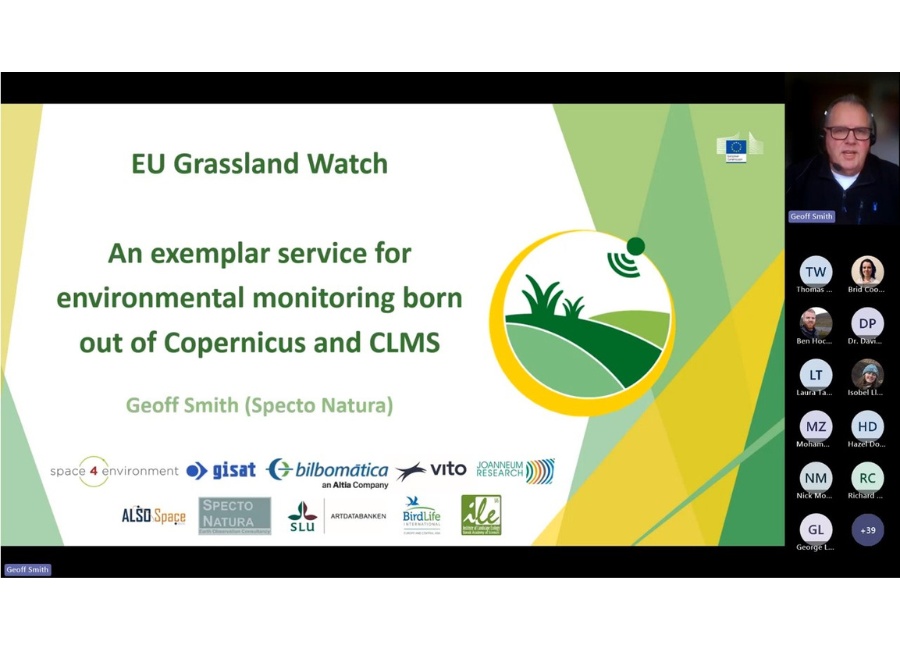
Geoff from Spectro Natura introduced the EU Grassland Watch project, which uses satellite data to monitor grasslands in protected Natura 2000 sites. By tracking grassland conditions over time, the initiative helps assess the health of these areas and track environmental changes.
The project combines satellite imagery with geospatial data and digital models to provide users with detailed, real-time insights into grassland management practices. The service is designed to be accessible to users with limited remote sensing expertise.
Q&A and final remarks
During the Q&A session, presenters discussed project timelines and data availability.
Andy Shaw noted that their nitrogen use efficiency project is in its second year, with opportunities for farmers to participate in trials. The rapid advancement of satellite technology, especially since the launch of Sentinel satellites in 2014, was also highlighted.
These developments have greatly expanded the capabilities of Earth observation, making satellite data more accessible and valuable for precision farming.
Post Overview
This story has been submitted by an Agri-TechE member.
The views expressed in this Member News article are the author's own and do not necessarily represent those of Agri-TechE.
“One season’s seeds, seven years of weeds” – is an old saying but well observed. The benefits of a soil-first strategy, to build up fertility and resilience of soils, is widely accepted but a full transition to regenerative farming still carries many unknowns, Rachel Holdsworth reports.
The last event of Agri-TechE Week 2024 was a meeting at Niab hosted by the Centre for High Carbon Capture Cropping (CHCx3) titled: “Can regenerative farming get us closer to Net Zero”. The need for monitoring and sensing technologies was stressed by many speakers and also a more objective evaluation of its merits.
Is Net Zero achievable?
Many regenerative farms are moving towards ‘Carbon Neutral’ where a balance is struck between emissions produced and carbon sequestered. However, Net Zero requires a further step, if emissions are not reduced then additional amounts of carbon need to be stored each season.
Work by FCT has demonstrated that raising soil organic matter levels by just 0.1% (e.g. 4.2% to 4.3%) per hectare can sequester approximately 8.9 tonnes of CO2e per year (at 1.4 g/cm3 bulk density). This is an extraordinary figure; in practice that is not only possible but being exceeded by farmers and growers building healthy soils. However, as Liz Bowles CEO of Farm Carbon Toolkit explained, as soil health improves it will become saturated and reach a plateau where no further carbon will be absorbed.
Thus, the importance of creating a baseline so that the impact of interventions and rotations on the soil can be monitored and better understood, becomes vital to inform decision-making.
Soil is not the only channel for Net Zero, carbon can also be stored in perennial crops and emissions produced on farm, reduced by substituting fossil fuels used for agrochemicals and fuel for those from renewable sources.
The challenge for those wishing to monetarise carbon is where the tipping point comes, at what point does the carbon capture exceed the farm’s own production?
Liz commented that her preferred ambition would be to promote ‘farming for a positive climate outcome’ and to stress instead the benefits that can be achieved by regenerative farming – resilience to drought and floods, greater biodiversity, cleaner water.
Earlier adopters pioneering the way
There are many evangelical regenerative farmers, and Andrew Ferguson. General Manager of the Leckford Estate (John Lewis Partnership) is one. He described the ‘Farming for Nature’ programme which is supporting 150 of the farms that supply Waitrose with the knowledge needed to de-risk the transition.
The farm has introduced EMI scanning of the fields to determine variability and develop a baseline for monitoring interventions. Andrew stresses that definitive measurement is not possible but by being consistent – ensuring samples are taken at the same points in the same way – then relative change can be determined.
The major change over the last 5 years, has been to create a consistent rotation and process across the farm and develop a patchwork of fields that is good for wildlife year around. He has introduced companion cropping, new types of cash crops and enhanced diversity through poly cropping. His experiences and learning points are then shared by the group.
A cattleman at heart, a big concern had been the use of silage during the summer when water shortage killed the grass. He comments that a big improvement has been made by switch to herbal lays which provide green stuff well into summer and also a habitat for wildlife.
The farm also uses methane capture, harvesting sufficient gas from 450 cattle to fuel four tractors.
Andrew sees regenerative farming as a system – not a series of practices – as the value of the sum is greater than the parts. He gives the example of how healthy soils improve water retention quoting a difference of 6.5 tonnes per hectare yield of spring barley on unimproved soils, compared to 10.5 tonnes on those of the same soil type where regenerative practices had been introduced.
He stressed that accurate carbon data is crucial to quantify sequestration and that although SFI payments are generous that their approach made sense even without them. “We are better than carbon neutral, but not yet Net Zero as we haven’t reduced our emissions.”
Lastly, he referred to the behaviour-gap where consumers buying behaviour is different to their expressed intentions. “This is where Waitrose has stepped up to drive the industry forward.”
Will the city drive change?
Dr George Crane, Investment Manager for Yara Growth Ventures, which makes $25m investments each year into agri-tech and green hydrogen developments, was also cynical about consumer demand driving change.
He sees instead that the city is embracing climate finance and ESG reporting, and this is will in time reward companies that are respectful of the environment, resilient to climate change, and reducing emissions at a field or farm level.
Although agri-tech will be needed, he stressed that innovations need to have an intent that resonates with the value chain not just funding calls. “Someone must be prepared to pay for it so it must deliver value in productivity or profitability.”
He comments that publications have a bias towards positive outcomes of regenerative processes but that more objective assessments are needed to prevent unintended consequences. This is where MRC (monitoring, reporting, verification) technologies are needed to measure net value.
Going circular needs legislation to keep up
The circular economy could also provide multiple benefits, with Miha Piapan CSO of Better Origin explaining that food waste, not suitable for human consumption, has potential to be transformed by insects, such as black soldier flies, into a source of protein for animals and humans.
However, the legislation brought in after the ‘mad cow’ BSE outbreak has restricted this development. As insects are ‘farmed animals’ food waste is not a legal feed stock. Additionally, the costs of production are still too high for insect protein to compete with Soy as an animal feed.
He argued that the following measures are needed to accelerate growth of the insect economy:
• Policy over food waste needs to change – to enable growth and investment into the sector
• Greater access to scaling capital – agri-tech start-ups face a ‘second chasm’ to build the infrastructure required for pilots and to de-risk the technology – this has become harder to achieve over recent years.
• Incentives for ‘Net Zero’ such as carbon credits to become regulated to build confidence and drive adoption
Workshop – future direction
The workshop finished with an interaction session to capture the high calibre knowledge in the room.
The need to collate an evidence-base to support a move to regenerative farming was discussed further.
With warns that there is potential for unintended consequences including:
• Build-up of weed burden in soils
• Overwintering of pests in cover crops containing wild relatives of crop plants
• Introduction of alien plant species through bird mixtures and wildflower strips
• Build-up of soil pathogens such as wire worm
• Long-term consequences of direct drilling
The opportunity to change to novel crops, or older crop varieties that had fallen out of favour, was discussed with particular reference to:
• Legumes – Pulses, lentils, soy, sainfoin
• Fibres – hemp and flax
• Novel crops – cranberries and agro-floristry
• Perennial crops – such as kernza wheat
Niab has conducted a lot of research in this area and has identified which have greatest potential when taking into account the need for breeding to produce varieties of crop suitable for the UK climate, soils and cultivation and the need for knowledge of opportunities for market substitution and the infrastructure requirements.
Lastly, Dr Lydia Smith of Niab touched on the need to look beyond our shores and gain expertise from other geographic areas and the potential for pan-country value chains.
Further resources and knowledge will be shared on the knowledge hub, and she urged delegates to register ahead of its launch. www.carboncapturecropping.com
*I have permission from the copyright holder to publish this content and images.
Post Overview
This story has been submitted by an Agri-TechE member.
The views expressed in this Member News article are the author's own and do not necessarily represent those of Agri-TechE.
As part of our “Back to the Future” project, we’re asking Agri-TechE members to reflect on how the agri-tech industry has evolved over the past decade and to share their vision for the next ten years. By compiling these insights, we aim to create a powerful outlook on the future of agriculture, a compelling call to arms for the industry driven by the diverse perspectives of our community.
This submission is part of the collection of reflections and predictions from our members, offering unique perspectives on the industry’s past milestones and future directions. Each contribution adds to a broader dialogue about the innovations and challenges that will shape the next decade in agri-tech.
Post Overview
This story has been submitted by an Agri-TechE member.
The views expressed in this Member News article are the author's own and do not necessarily represent those of Agri-TechE.
Opened in 2024 by HRH The Princess Royal, the Rural and Veterinary Innovation Centre (RAVIC) Inverness is SRUC’s new £12.5m facility developing new links between science and industry to tackle global challenges in animal and human health, climate change, and food security.
RAVIC is an SRUC flagship initiative at the interface of farming, aquaculture, animal and human health, creating opportunities for collaborative entrepreneurship, commercial development and education.
The centre will provide critical expertise and infrastructure to better manage challenges including antimicrobial resistance, zoonoses, and the effects of climate change through applied research, innovation, education, and consultancy.
In its first six months RAVIC has emerged as a dynamic hub for pioneering research and innovation, actively supporting over 100 businesses – from major multinational companies to family farms, SMEs, and entrepreneurs.
RAVIC’s Head of Business Development, Dr Adam Giangreco says:
‘By advancing sustainable farming practices, enhancing animal health and welfare, and driving economic growth, RAVIC is laying the groundwork for a more resilient future. Looking ahead, the Centre’s commitment to fostering collaboration and innovation will be crucial in shaping the future of rural development.
Most importantly, we must maintain a laser-sharp focus on impact. Whether that’s by providing space, collaborative expertise, learning opportunities or specialist infrastructure, every activity should be directed towards delivering meaningful and measurable outcomes that benefit the region’s people, businesses, and environment.’
The 1750m2 RAVIC facility has office space, state-of-the-art laboratories and 55 seat lecture theatre. It offers long-term tenancies in bespoke 25m2 units. Hot desking facilities and newly launched ‘virtual memberships’ for users who require only intermittent access.
RAVIC can connect people or companies to SRUC’s nationwide network of consultants, vets, and academics across our 7 campuses and 24 consulting offices, or link businesses directly with each other when that’s what is needed.
Over the next 12 months, RAVIC hopes to expand its network of supported businesses and successful projects. Businesses, entrepreneurs, and researchers are being urged to join its mission to create innovative solutions that not only benefit our natural economy but also help shape a resilient, more sustainable future for all.
The views expressed in this Member News article are the author's own and do not necessarily represent those of Agri-TechE.
Agri-TechE Week 2024 celebrates its 11th year – our largest yet, featuring eleven events curated by Agri-TechE and hosted by our incredible member community. This week exemplifies innovation, collaboration, and forward-thinking in agri-tech.
Each event reflects the strength of our ecosystem, fostering vital connections between growers, researchers, and technology developers. Thank you to our members for hosting and making Agri-TechE Week possible and showcasing what our community can achieve.
On Monday 4th November, BugBiome hosted its first ever event as part of Agri-TechE week, exploring biologicals and broader integrated crop management solutions. The event featured two dynamic panel discussions, bringing together start-ups and industry leaders to discuss the future of biological crop protection.
This event provided a comprehensive perspective on the emerging opportunities, challenges, and collaborative pathways in sustainable crop protection.
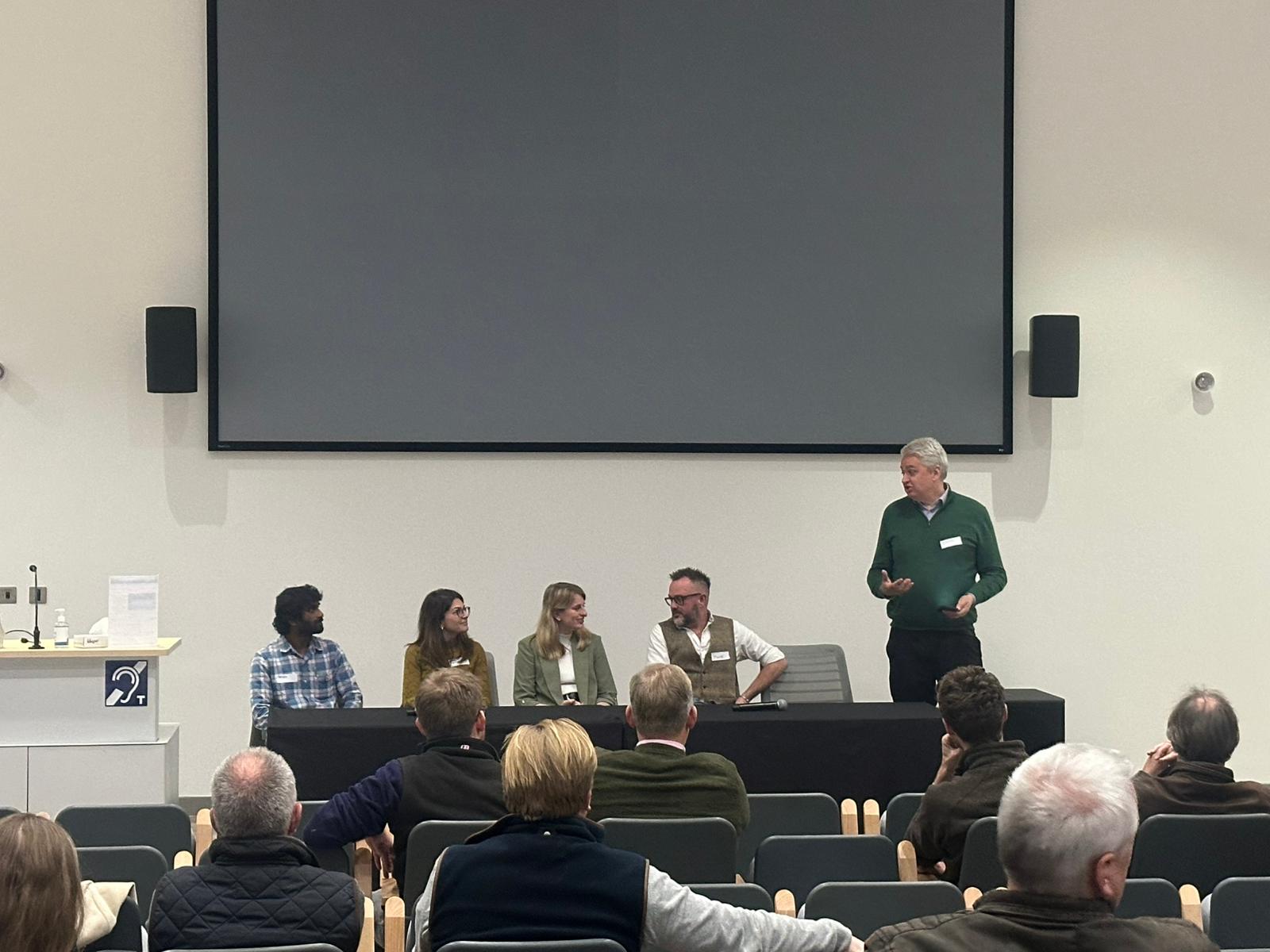
The first panel included innovative start-ups: BugBiome, PheroSyn, Enstic, and PfBIO. Panellists shared insights on their cutting-edge technologies and how these advancements integrate with comprehensive crop management strategies. Discussions touched on navigating regulatory hurdles and incorporating feedback from agricultural stakeholders—particularly farmers and agronomists—to create novel, sustainable products that address specific needs within the crop protection market.
Frederick (Teddy) Sarathchandra – (enstic), Phil Taylor – Bayer, Mark Harrington – PheroSyn, Jack Haslam – Fargro, Alicia Showering – BugBiome, Simon Aspland – Event Chairman, Stefan Tresch – BASF, Tim Lacey – Hutchinsons
The second panel welcomed speakers from established industry players, including Fargro Limited, H L Hutchinson Limited, BASF, and Bayer. This session addressed the complexities of scaling biological solutions to market, including challenges like short formulation shelf lives and regulatory demands. Panellists shared examples of how they are supporting start-ups in bringing sustainable crop protection innovations to market.
The event highlighted how important collaboration is between start-ups and established agricultural companies to successfully bringing biologicals to market, as well as the critical feedback loop with farmers and agronomists to ensure practical, impactful solutions.
BugBiome would like to thank everyone who attended and made their first event a success, with a special thanks to everyone who participated in the excellent panel discussions and to Agri-TechE for their support.
*I have permission from the copyright holder to publish this content and images.
Post Overview
This story has been submitted by an Agri-TechE member.
The views expressed in this Member News article are the author's own and do not necessarily represent those of Agri-TechE.
Agri-TechE Week 2024 celebrates its 11th year – our largest yet, featuring nine events curated by Agri-TechE and hosted by our incredible member community. This week exemplifies innovation, collaboration, and forward-thinking in agri-tech.
Each event reflects the strength of our ecosystem, fostering vital connections between growers, researchers, and technology developers. Thank you to our members for hosting and making Agri-TechE Week possible and showcasing what our community can achieve. Here’s a look at today’s event!
BASF hosted a fringe event as part of the 11th annual November Agri-TechE Week. Our goal was to delve into sustainable agriculture and the transition towards a more innovative, technology-driven farming system. The event was based at The Grange where BASF has a long-term partnership with the owners, Andrew and William Pitts.
William provided an excellent insight into the challenges facing modern farmers, who strive to remain commercially viable as well as enhancing and protecting the environment and biodiversity. The Grange is the perfect venue to showcase resilient agricultural practices that balance food production with environmental stewardship.
The event brought together industry stakeholders to discuss the key challenges facing modern farming and explore how new technologies can support farmers.
Richard Corden, BASF Head of Solutions and Services presented innovations aimed at addressing some of these issues, such as nitrogen inhibitors to reduce environmental impact, digital platforms for precision agriculture, and efforts toward carbon net-zero across the agricultural value chains. Richard also explained how Closed Transfer Systems, such as EasyConnect helps protect farmers from exposure to Crop Protection products while reducing environmental impact and protecting our water.
Alice Johnston, BASF Sustainability Manager discussed the importance of understanding farm baselines, how to measure and, more importantly, understand how we can positively influence from our interventions.
Delegates were introduced to “Project GAP,” which is in its second year at The Grange, exploring the impact of a reduced input system on crop rotations, value chains, economic impact on farm and the role that emerging technologies may have to help mitigate some of the challenges.
The event and discussions moved into the fields at The Grange, an opportunity to hear about “Project Fortress,” demonstrating how different cropping methods and options can help improve water infiltration, soil carbon, and biodiversity, thought provoking and insightful which generated more discussions.
We finished with lunch at The Grange, and back at the barn an opportunity to network with lots to discuss, it’s clear the industry has its challenges but great opportunities as well as we collaborate for a brighter, more sustainable future.
*I have permission from the copyright holder to publish this content and images.
Post Overview
This story has been submitted by an Agri-TechE member.
The views expressed in this Member News article are the author's own and do not necessarily represent those of Agri-TechE.
Agri-TechE Week 2024 celebrates its 11th year! Our largest yet, featuring nine events curated by Agri-TechE and hosted by our incredible member community. This week exemplifies innovation, collaboration, and forward-thinking in agri-tech.
Each event reflects the strength of our ecosystem, fostering vital connections between growers, researchers, and technology developers. Thank you to our members for hosting and making Agri-TechE Week possible and showcasing what our community can achieve. Here’s a look at today’s event!
On a still, misty morning, we set off on a quick farm tour on one of The Morley Agricultural Foundation’s (TMAF) tractor and trailers. David Jones introduced us to TMAF and explained that it is a charity that has evolved over more than 120 years. Its current objective is to fund and support agricultural research and education relevant to East Anglian agriculture. Every year, TMAF provides £500,000 to projects and maintains close connections with Niab, BBRO, the John Innes Centre, and various universities.
David highlighted that research is only valuable if the knowledge is shared with others. This sharing can include hosting visits, open days, maintaining a website, publishing papers, and attending conferences. TMAF also funds short courses and offers educational bursaries.
Introducing the Morley SAMS Project
The main focus of the day was the Morley SAMS (Soil and Agronomic Monitoring Study). The project involves 30 sites, each 400 square meters, spread across the farm. These sites are closely monitored for soil and crop properties while the fields are farmed using the best commercial practices.
Now in its sixth year, the project aims to continue well into the future, documenting how agricultural practices evolve, monitoring their impacts on soil health and crop production. Weather and field records are also recorded and allow these to be linked back to measured data. Most fields have more than one monitored site capturing the spatial variation in soil properties across farm – including some headland sites – showing that even under the same conditions, different sites yield varying crop results.
Field Demonstrations and Hands-On Learning
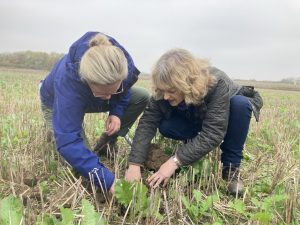
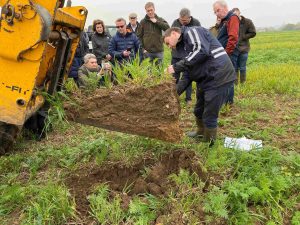
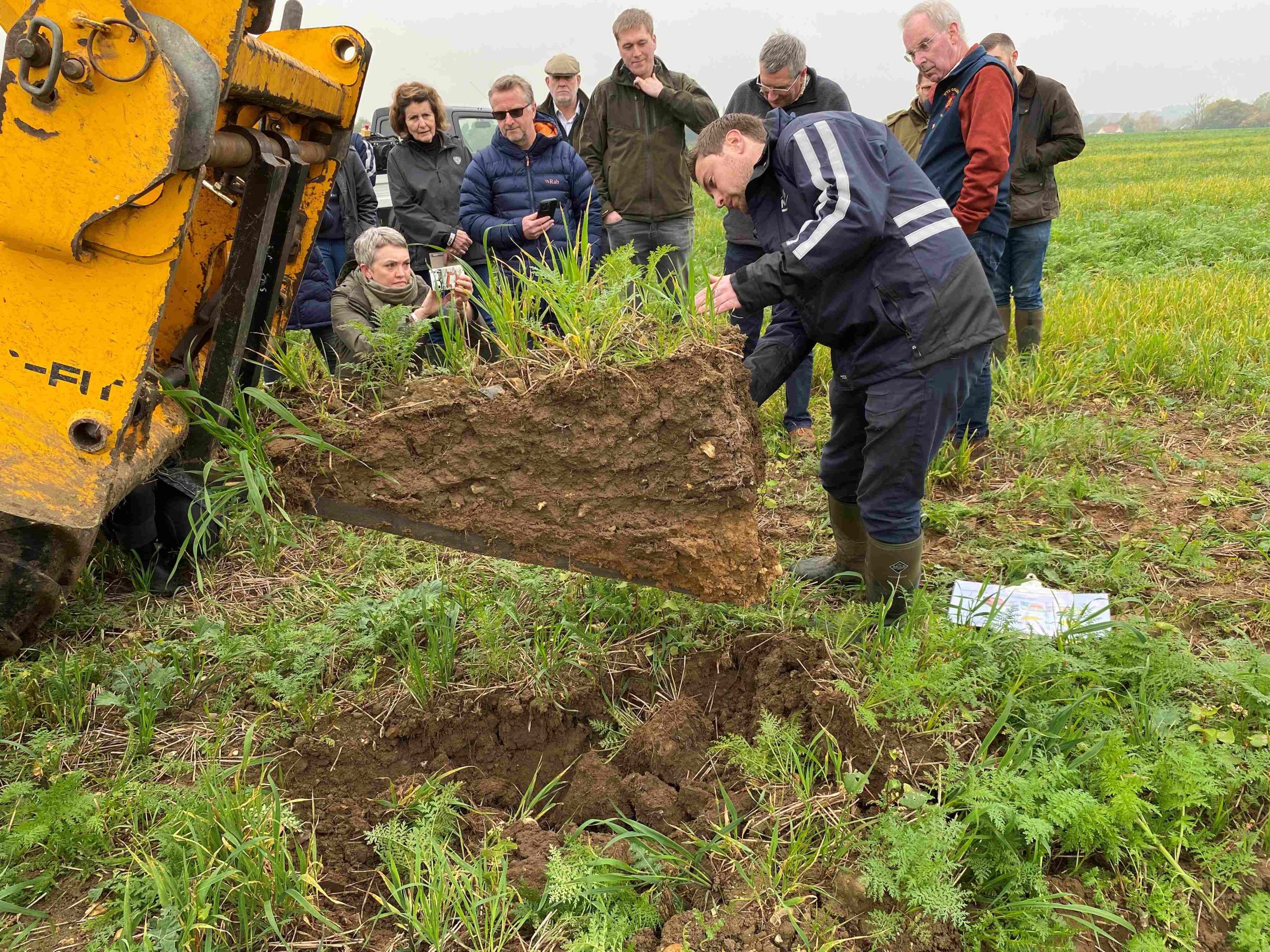
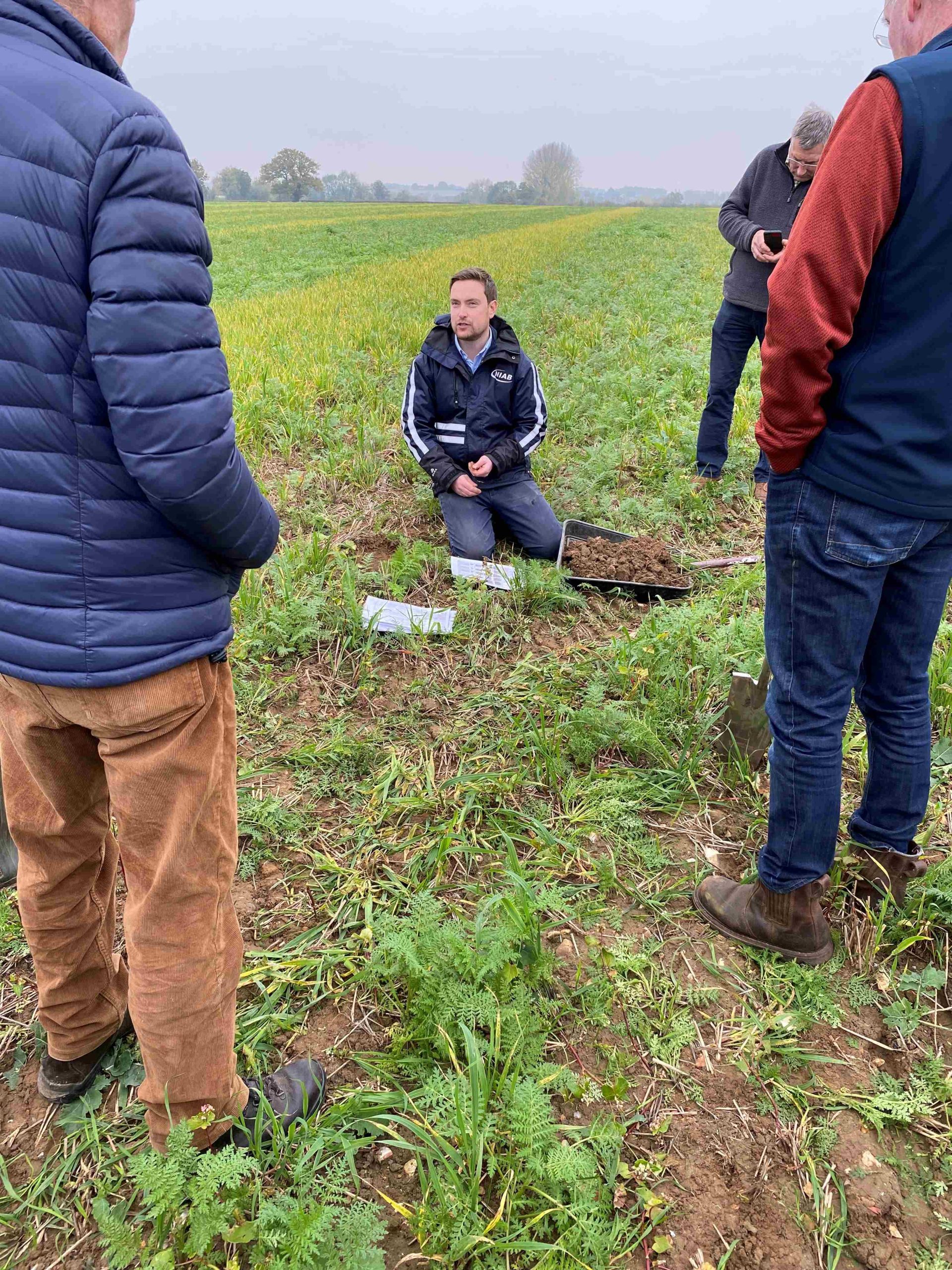
We moved to a field containing SAMS sites, where David Clarke from Niab demonstrated how to do a Visual Evaluation of Soil Structure (VESS). David Jones used a JCB to lift a chunk of soil, exposing its profile with visible roots and structure. We all tried assigning a VESS score in the field.
Key Findings from Year 6
After a break for coffee and a sticky bun, David Clarke presented some results from the first six years. One example showed how a harvested sugar beet crop affected the VESS score on headlands but returned to normal with proper management within two years.
Another finding indicated a link between earthworm populations and crop yield—both tend to thrive under good conditions. The correlations and links between soil health measures and agricultural production and environmental risk where also discussed.
Looking Ahead
The aim of the Morley SAMS project is to monitor consistently and identify potential correlations over time. With six years of valuable data, the project aspires to attract new collaborators and resources.
The Morley SAMS project is more than just research; it represents a long-term commitment to understanding and sharing knowledge to support the future of farming.
*I have permission from the copyright holder to publish this content and images.
Post Overview
This story has been submitted by an Agri-TechE member.
The views expressed in this Member News article are the author's own and do not necessarily represent those of Agri-TechE.
Decision support tools developed by Delytics have added significant value to Zespri International since Zespri and their key clearance laboratories and suppliers started using them in 2007. Now embedded in Zespri’s stringent QA processes, the tools developed by Delytics are helping growers in multiple countries predict the right time to pick their Gold kiwifruit to service markets early and maintain a consistent quality for their high value Gold crop.
Hear what Zespri has to say…
(This video refers to our Managing Director, Mark Loeffen, and the late Dr Bob Jordan, who was a valued Delytics team member for many years).
The views expressed in this Member News article are the author's own and do not necessarily represent those of Agri-TechE.
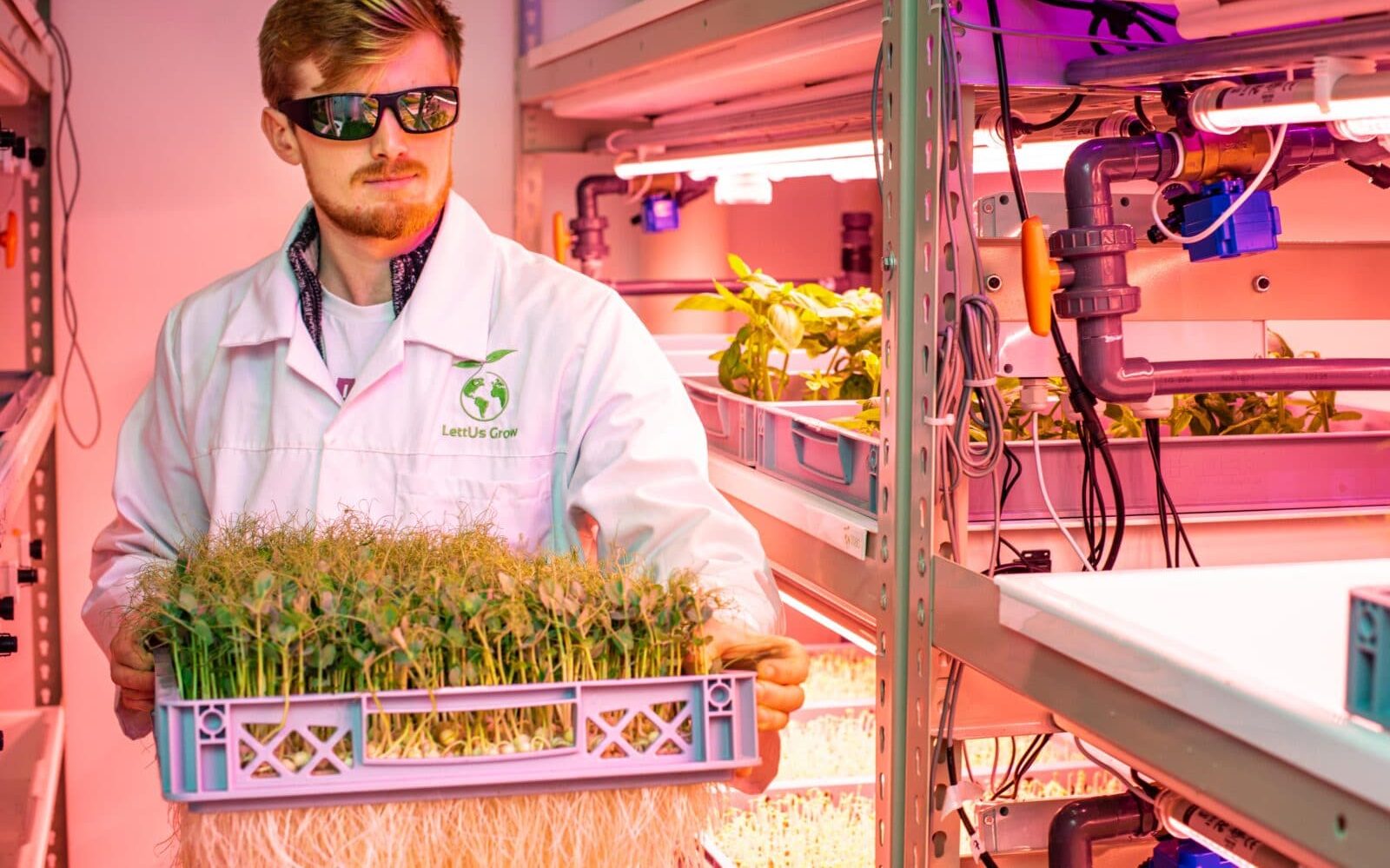
LettUs Grow, experts in advanced aeroponic irrigation, officially unveiled their latest Aeroponic Rolling Bench™ product to an exclusive group of industry partners, customers and commercial growers. The invitation-only technology showcase, held at their Heath Farm: Aeroponic Innovation Centre in Bristol, UK, reinforced the company’s ambition to bring the advantages of aeroponics to the global greenhouse industry at scale. Attendees included leading horticultural technology partners and collaborators from across the UK and the EU, who supported the development of LettUs Grow’s flagship product.
Aeroponic Rolling Benches combine LettUs Grow’s ultrasonic aeroponic irrigation with industry standard rolling bench systems, allowing large-scale indoor growers to increase productivity and outperform annual yield targets. Until now, this breakthrough technology has only been available in vertical farming systems, and now offers greenhouse growers the ability to bring the benefits of aeroponic technology into their current operations with ease.
The showcase brought together collaborators from across the industry, who are key to the development and delivery of Aeroponic Rolling Benches. LettUs Grow have worked with growers, manufacturers and innovators from the early stages of the product’s development, so that Aeroponic Rolling Benches can be utilised by as many growers as possible around the globe. Attendees of the event included industry leaders such as Bosman Van Zaal, Meteor Systems and Staal & Plast, who are all key manufacturers in the production of Aeroponic Rolling Benches.
Charlie Guy, Chief Executive Officer of LettUs Grow said, ”This day marks an important milestone in our company’s development in the greenhouse sector. Before we open the site to larger audiences officially next year, we wanted to bring our existing partners and customers together to celebrate the vital collaborations that are now enabling us to scale our technology globally. We’ve always known that collaboration is absolutely vital in the agritech industry, and we are both proud and grateful that so many of our partners who made this product possible could join us for this celebration.”
Bas Dirven, R&D Manager at Meteor Systems, commented on the event saying “This is our first visit to Heath Farm, and it’s inspiring to see our collaboration come to life and connect with others involved in this journey. We’ve been working with LettUs Grow to develop custom aeroponic plug trays tailored to their system, and we’re excited to see the impact our efforts will have on the cultivation process and for growers using the technology.”
Following the positive feedback from attendees, LettUs Grow will be releasing information on future events and tours throughout 2025 exclusively to their newsletter subscribers, and on the LettUs Grow website. If you are interested in visiting the site privately, please contact enquiries@lettusgrow.com
*I have permission from the copyright holder to publish this content and images.
Post Overview
This story has been submitted by an Agri-TechE member.
The views expressed in this Member News article are the author's own and do not necessarily represent those of Agri-TechE.
As part of our “Back to the Future” project, we’re asking Agri-TechE members to reflect on how the agri-tech industry has evolved over the past decade and to share their vision for the next ten years. By compiling these insights, we aim to create a powerful outlook on the future of agriculture, a compelling call to arms for the industry driven by the diverse perspectives of our community.
This submission is part of the collection of reflections and predictions from our members, offering unique perspectives on the industry’s past milestones and future directions. Each contribution adds to a broader dialogue about the innovations and challenges that will shape the next decade in agri-tech.
Ten years is a long time in agriculture. During the mid-2010s, many farmers were growing wheat and oilseed rape on short rotations that invariably involved significant soil inversions as they had many chemical options available to control pernicious weeds, pests and diseases.
Today, oilseed rape is grown on just over a third of the hectares of its peak due to the lack of pest control options, you can get SFI payments for not using an insecticide, and the use of the plough is less and less evident.
And the changes have not stopped there: UK agriculture is undergoing a remarkable transformation, with the noise of drones and the hum of laptops replacing some of the more traditional sounds on the farm, and while the core values of dedication, hard work, and experience remain, the methods employed are evolving rapidly.
Precision agriculture is at the forefront of this change, offering a vision of producing more food with less waste, all without expanding agricultural land. This technology and data-driven approach utilises tools like GPS for precision drilling and fertiliser application, while generating vast amounts of data to optimise farm operations. The benefits are clear: reduced environmental impact, increased efficiency and profitability and a boost towards achieving net-zero targets. Producing food and biomaterials to the highest quality standards rather than just exporting our environmental and carbon footprint and growing less.
However, the path to a high-tech future is not without its challenges. The adoption of these technologies comes with a hefty price tag and requires a new skillset and mindset for farmers to navigate. There is a need for government support whether through incentives, knowledge exchange, education, training and clear data protection regulations to encourage wider adoption, and the complexities of adoption may well act as a deterrent for some farmers.
The future of precision agriculture extends beyond hardware and software. The exciting field of genetics offers a glimpse of revolutionary advancements. The Precision Breeding Act, introduced in May 2023, paves the way for a new era in agricultural science. Imagine crops with greater resistance to disease, capable of enduring extremes of weather, high in vital vitamins and nutrition and delivering higher yields – such crops already work in the field but will require a pragmatic approach by regulators if the significant benefits for society that they offer are to be unlocked for use on UK farms.
Farming in the UK in ten years’ time will undoubtedly be at least as different as the previous ten years but there is much to be optimistic about. Better crop varieties grown in a better way, with a real understanding of what inputs are needed and where optimising land use for food, biomaterial and biodiversity production, combined with a better connection between those that produce food and those that eat it, will certainly result in a more sustainable approach and a better future.
Post Overview
This story has been submitted by an Agri-TechE member.

 Norwich Research Park





 Royal Norfolk Agricultural Association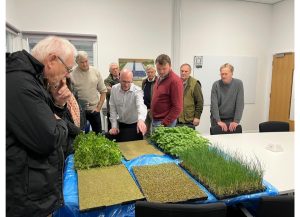
 ADAS
ADAS


 Holdsworth Associates
 Is Net Zero achievable?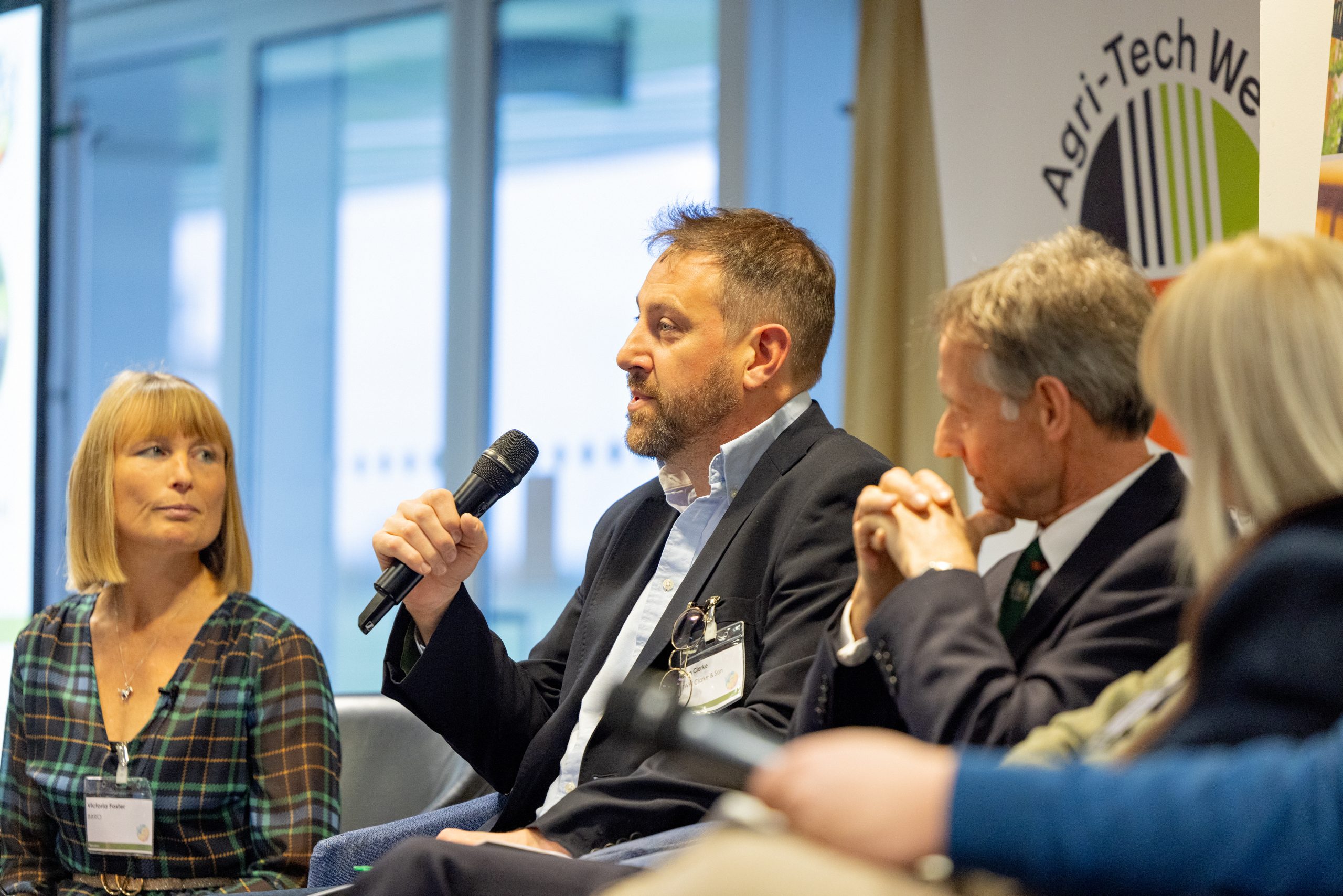
 Vitabeam


 SRUC
SRUC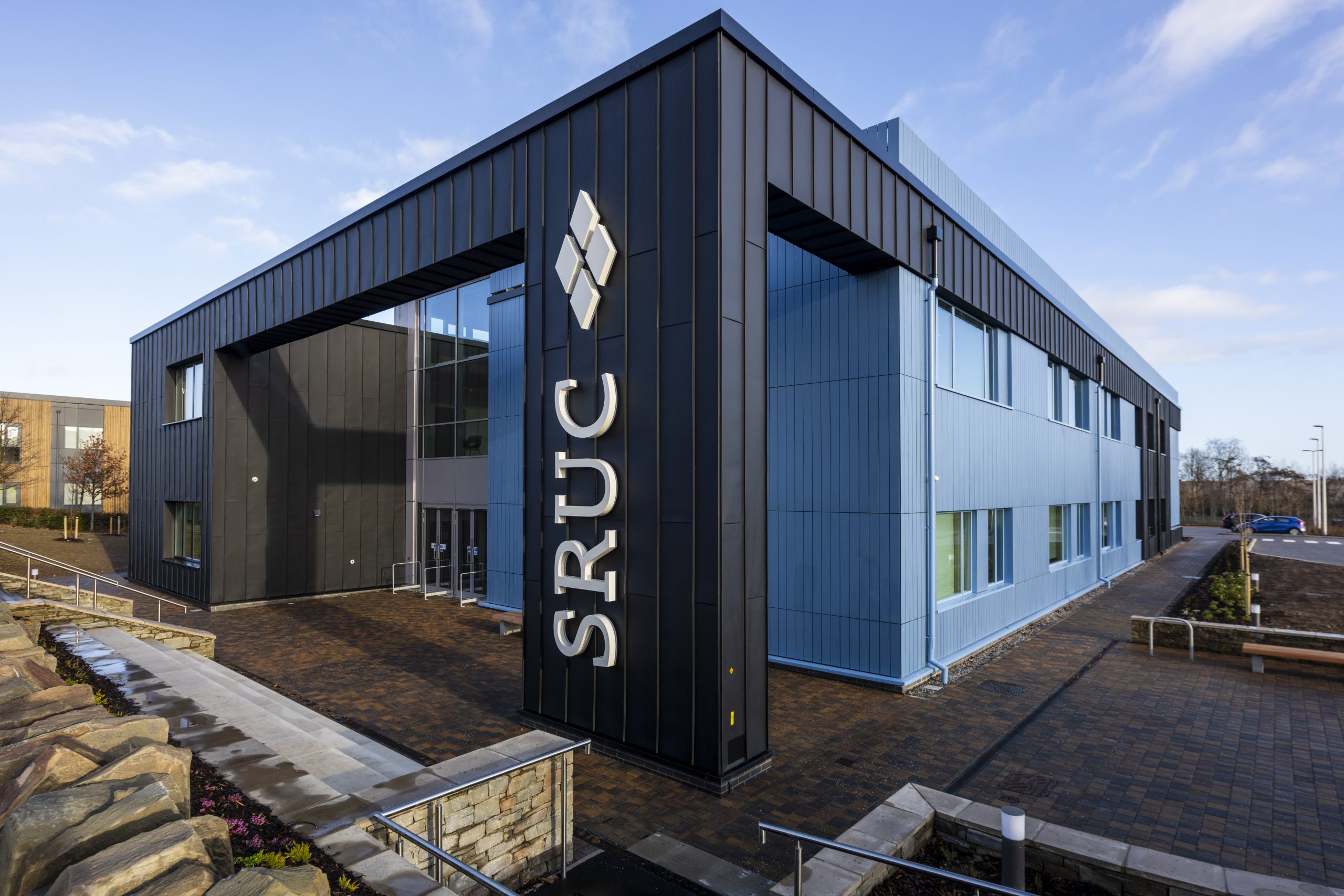


 BugBiome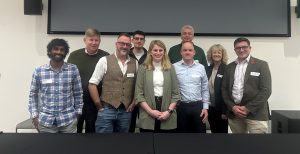



 BASF
BASF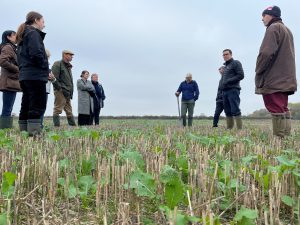



 The Morley Agricultural Foundation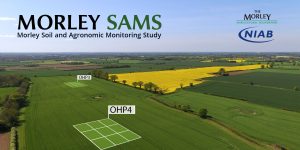


 Delytics Limited

 LettUs Grow Ltd.