The views expressed in this Member News article are the author's own and do not necessarily represent those of Agri-TechE.
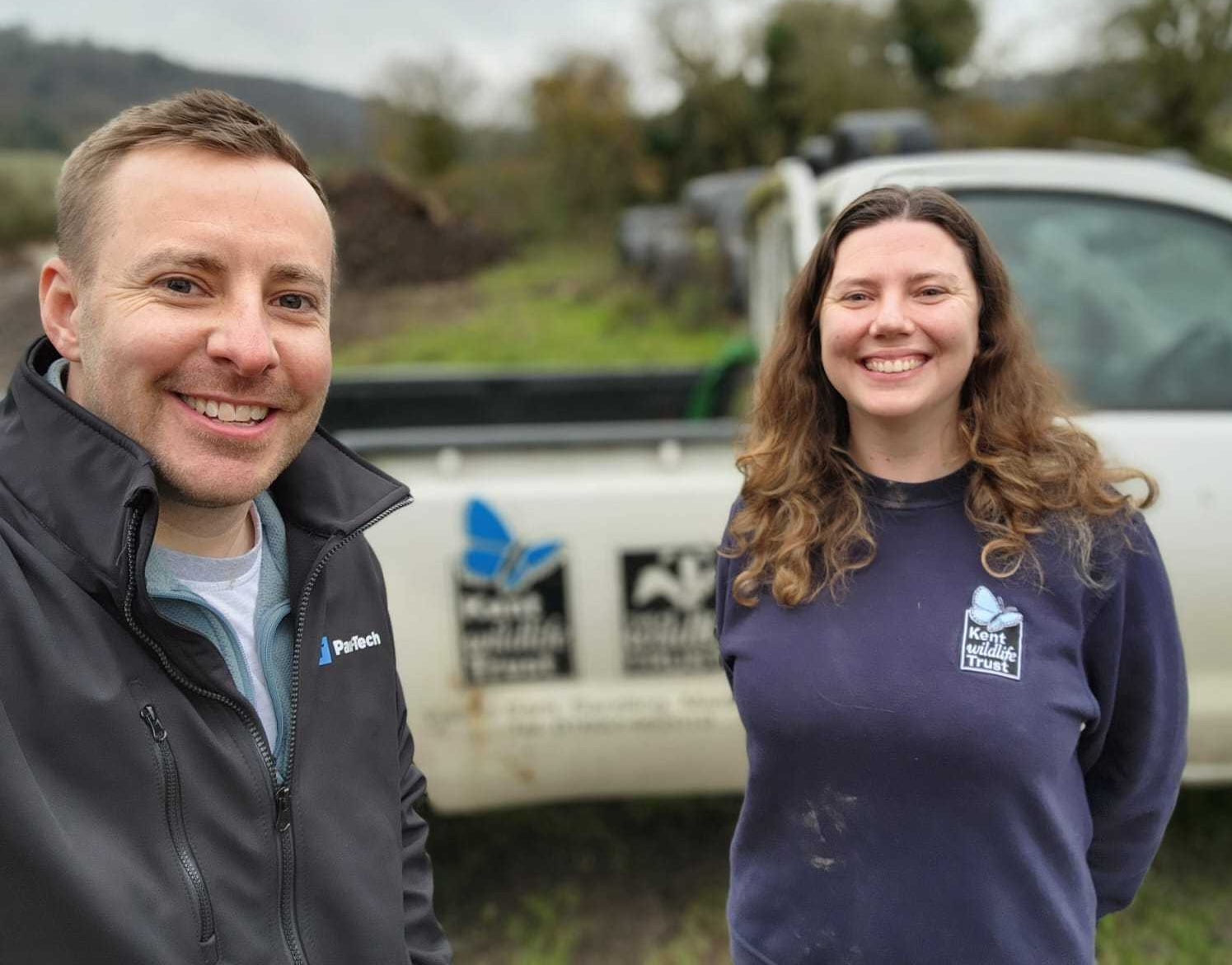
Paul-Tech soil stations are contributing to an exciting field trial led by Kent Wildlife Trust, in collaboration with Bockhanger Farms Ltd, Court Farm, the University of Reading and funded by the Co-op Foundation. This innovative two-year project focuses on assessing the impact of homebrew compost extracts on winter wheat yields and soil health. The trial explores how recycling on-farm waste can reduce synthetic nitrate use while maintaining productivity.
The project not only aims to generate data-driven insights into the role of microbial activity in developing healthy soils and crops but also to foster knowledge-sharing among farmers. Networking events will bring farmers together to discuss the challenges and successes of transitioning to more resilient farming practices.
Over the course of two years, three trial sites will be set up, two at Bockhanger Farms Ltd and one at Court Farm near Rochester. Soil Scientist Tom Sizmur from the University of Reading is leading on the trial methodology and design, while Ellen Wilson from Kent Wildlife Trust leads on the trial delivery and monitoring. Since starting, the project has also partnered with Court Farm, who will also take part in the trial, and FWAG South East, who are supporting in the delivery of farming events.
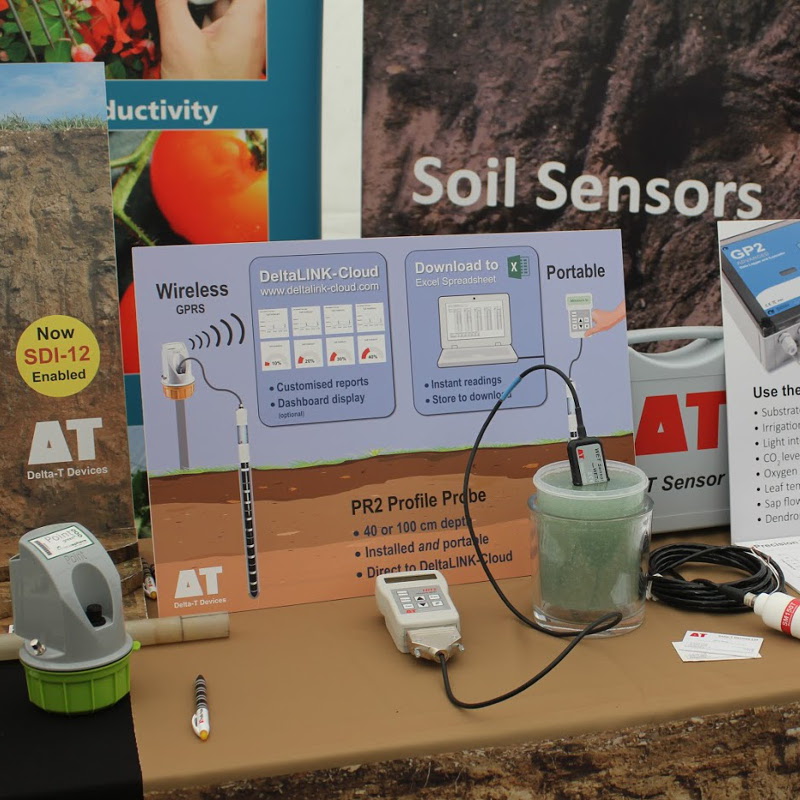
In November 2024, Paul-Tech installed six soil stations at Bockhanger Farms Ltd, followed by another six at Court Farm in December. These soil stations provide real-time data for the trial, helping researchers better understand when nutrients are released, how long they remain available, and when they are utilized or leach from the soil.
This collaboration tests the value of Paul-Tech’s advanced soil monitoring technology in driving sustainable agricultural practices. By delivering real-time, actionable insights, our soil stations are paving the way for innovative solutions that enhance both soil health and farming productivity.
*I have permission from the copyright holder to publish this content and images.
Post Overview
This story has been submitted by an Agri-TechE member.
The views expressed in this Member News article are the author's own and do not necessarily represent those of Agri-TechE.
Imagine for a moment if no companies and products had any name or branding.
Aside from the commercial world being a far less interesting place, how would anyone know what they were buying, or assess the quality of what they were investing hard earned cash into. In short, how would consumers be able to confidently make a repeat purchase of a product or, avoid a product that left ‘a sour taste’?
A brand, a name and what that means to you are major factors in deciding what you buy as a consumer. If a purchase experience is good, as a consumer you are more likely to purchase that same product or a product from the same entity, feeling confident in the past experience of quality or purpose met. This is how reputation is built.
Imagine now of if any business could legally select any name or branding or logo they chose to put on products they sold or services they offered – the results would be beyond confusing for consumers and efforts of businesses almost worthless without making their mark with their quality and potential reputation amongst consumers.
In place to regulate this and guard against such chaos is the trade mark system.
Registered trade marks not only help you protect your brand as a business but help customers identify the origin and quality of purchases to maintain quality future purchases associated with a specific brand.
Trade mark attorneys at ip21 are experts in drafting trade mark registration applications to give the best coverage for your brand and to alleviate a burden of proving rights when the need arises to enforce the rights against third parties.
A brand like no other
Imagine now receiving a letter from a lawyer, stating that you are obliged to stop using the name of your business or stop selling your product, because their client already owns the rights to that brand (or a brand closely similar to yours) – a brand printed on all your merchandise, that your customers have associated with you for years, that you’ve just paid to have a giant sign of made for your premises. Disputes and rebrands can be lengthy, costly and stressful – as well as often preventable with adequate preparation and if needed, reasonable negotiation to reach an amicable settlement.
Looking objectively, how distinctive do you think your brand is amongst other sellers in your area of trade? Making sure your brand stands out from the crowd helps a smoother trade mark registration and distinguishes you from the competition. This should be a key consideration in your commercial strategy.
Key takeaways
– SEARCH
o Always check your brand is available before you start using it – a professional search will be most thorough and cost-saving down the line.
– IS IT REGISTRABLE?
o Could your brand be considered descriptive, non-distinctive or offensive? Such factors can block registration.
– TRADE MARK YOUR BRAND
o Registered rights are always easier to prove in disputes and put you in a stronger position should a dispute arise.
– INVEST IN PROFESSIONAL HELP
o There’s a significant value difference between the protection of a professionally-written vs a non-professionally written trade mark registration. Infringement and opposition disputes often hang on the specific, fine detail of the text under each class of your specification. Losing disputes can result in obligations to pay money to the opposing party, disposing of stock and rebranding. It’s worth having the best quality registration you can!
A large portion of our business is trying to fix issues that were preventable with sufficient preparation at the outset and particularly at the point of choosing a brand to start with. It’s always cheaper and easier (and less stressful) to prevent problems than fix them!
Our experienced trade mark team offers free initial consultations, including international advice, so contact ip21 today to speak with one of our expert trade mark attorneys for guidance and support.
You’ve put a lot into your products and services, make sure trade marks work to help you protect that investment.
Written by Rachel Daniel
*I have permission from the copyright holder to publish this content and images.
Post Overview
This story has been submitted by an Agri-TechE member.
The views expressed in this Member News article are the author's own and do not necessarily represent those of Agri-TechE.
The Genetic Technology (Precision Breeding) Act 2023 could come into force as early as spring 2025. It empowers the Food Standards Agency (FSA) to create a new simplified regulatory pathway for the marketing authorisation of precision bred plants and animals, and derived food and feed products. Here we review the latest policy developments which shed light on what this new regulatory pathway will look like for applicants.
As a brief recap, the Act applies to animals, plants and algae, which are considered “precision bred” if their genome is altered using modern biotechnology in a stable (heritable) way that could have occurred through traditional breeding. The FSA is granted powers under the Act to establish a simplified, proportionate, and science-based regulatory pathway for the marketing authorisation of Precision Bred Organisms and food and feed produced from Precision Bred Organisms in the UK.
The FSA is currently developing this new regulatory pathway, the so-called Precision Breeding Regulatory Framework. Their Delivery Plan and Policy Update (linked below) were both updated last month, providing us with the most recent details on the practicalities of this new regulatory pathway.
Under the new pathway, organisms will first need to be confirmed as having Precision Bred Organism status by the Department for Environment, Food & Rural Affairs (Defra). This process will confirm their equivalence to traditionally bred organisms, which are not subject to premarket approval. Defra’s decision may take up to about 3 months. Only then can an application for food or feed authorisation be submitted to the FSA.
The FSA will implement a two-tiered food or feed marketing authorisation process. Tier 1 applications will be granted marketing authorisation without the need for a bespoke risk assessment. Instead, they will follow a new “lighter-touch” audit and registration process which is “greatly simplified compared to other regulated products processes”. The FSA estimates that decisions on Tier 1 applications will take two months.
Tier 2 applications, by contrast, will require a bespoke risk assessment focusing on specific safety concerns in a process that is “closely aligned with existing regimes”. The estimated timeframe for Tier 2 application decisions is significantly longer, taking 12 to 24 months depending on complexity. This complexity will be assessed by the FSA based on the novelty and scientific and risk management complexity of the application.
Applicants will need to determine the applicable tier to their product through a triage process based on a set of food safety criteria concerning novelty, nutritional quality, allergenicity, toxicity and other safety concerns. Products that raise any safety concerns will require Tier 2 approval. These concerns will presumably inform the focus of the bespoke risk assessment involved in Tier 2 applications.
The FSA estimates to receive about 18 applications per year, divided equally between the two tiers.
In short, the FSA is setting up a simpler faster (2 month) Tier 1 application process for the food and feed marketing authorisation of Precision Bred Organisms, alongside a bespoke slower (1-2 year) Tier 2 application process to tackle specific safety concerns. Questions remain about the exact triage criteria that will decide the tier of an application, with detailed guidance for applicants expected to be released soon.
Follow our Agritech Thymes blog for further developments.
The views expressed in this Member News article are the author's own and do not necessarily represent those of Agri-TechE.
Co-developed ‘Business Leader Brief on Sustainability’ helps agricultural businesses plan their data-driven transformation
Richard Bonn of Aethr Associates is encouraging agricultural businesses to take a proactive approach to sustainability
Natural capital software developer Trinity AgTech has announced a partnership with strategic sustainability consultancy Aethr Associates.
To mark the new collaboration the two companies have developed a ‘Business Leader Brief on Sustainability’, a resource designed to tackle two of the most pressing challenges faced by food and farming businesses globally.
Firstly, the brief explains the inherent complexity of sustainability improvements across the diverse range of areas requiring effective management.
Secondly, it highlights businesses’ critical need for accurate, reliable, and regular data collection to drive meaningful progress on sustainability.
Aethr Associates’ co-founder Richard Bonn said: “By adopting a proactive stance on sustainability, agricultural leaders can unlock opportunities to enhance efficiency and strengthen resilience.”
He added: “Stakeholders across supply chains face growing pressure to address climate change, meet consumer demands, and align with retailer expectations for environmental responsibility. However, sustainability shouldn’t be limited to a top-down, compliance-driven approach.
“By building sustainability data and insights in a way that is efficient and empowering, businesses can unlock significant opportunities to enhance value and drive meaningful change.”
Glyphosate is one of the most frequently used herbicides in the UK across all crop production systems, including annual and perennial crops, and non-cropped areas. It is a non-selective foliar-acting herbicide with no soil residual activity, and is used to control weeds post-emergence. In cereal crop production, glyphosate is used regularly to control a range of weeds as part of stale seed bed technique pre-drilling.
GLYPHOSATE USAGE
The stale seed bed technique allows newly emerged grassweeds to be removed prior to crop drilling, which reduces the pressure on in-crop herbicide programmes. As such, it is a vital component of weed management control regimes, with glyphosate applied when target weeds are at their very early growth stages to improve the likelihood of successful control. Over the past 30 years, there has been a significant and sustained increase in the use of glyphosate on cereal crops in the UK (Figure 1), and there are now many reports of multiple glyphosate applications pre-drilling between every crop in the rotation, year-on-year. Although the resistance risk from a single application is typically low, multiple glyphosate applications between every crop in the rotation is likely to contribute to the development of resistant weed populations, and therefore may not be a sustainable management strategy in the long-term (WRAG, 2021).
Figure 1. Glyphosate use on UK cereal crops. Data shows the total UK cereal crop area treated with glyphosate (1990-2020). Data sourced from Pesticide Usage Survey (2022).
Several factors have contributed to sustained increases in glyphosate use, including its efficacy across a broad range of weeds, and its cost effectiveness. In addition, in recent years, regenerative agriculture techniques have become more commonplace across the UK as part of the Agricultural Transition Plan and schemes within it, such as the Sustainable Farming Incentive (SFI), with farmers and growers altering agricultural practices to conserve and rehabilitate the environment, whilst continuing to produce food. One of the core components of regenerative agricultural practice is limiting disturbance to the soil to protect and improve soil structure, build soil organic matter, and reduce carbon release into the atmosphere. Glyphosate use facilitates the adoption of such practices by minimising the need for weed (and cover crop) control by soil cultivation or disturbance (e.g. ploughing, tilling) (Neve et al., 2024). As such, increased adoption of regenerative agriculture practices across the UK may have, in part, driven recent increases in glyphosate use, though not in isolation (Pullman, 2023).
GLYPHOSATE RESISTANCE
Over the last 20 years, there has been a rapid increase in herbicide resistant grassweeds within arable cropping systems – particularly black grass (Hull et al., 2014), whilst Italian ryegrass is emerging as a significant concern. This is due to various factors, but has been driven primarily by a reduction in the availability of different herbicide products as a result of regulatory policy changes, a lack of new herbicides on the market, and consequent over reliance on a limited group of modes of action.
Recent patterns of glyphosate use (Figure 1) have led to a heightened risk of glyphosate resistance emerging in arable cropping systems, and as of December 2024, reduced sensitivity had been detected in Italian ryegrass and sterile brome populations (ADAS, 2024). Worldwide, there have been many cases of glyphosate resistance reported, which have demonstrated that reliance on the use of glyphosate alone (without mitigation measures, e.g. cultivation) is a key driver for the development of resistance.
The Weed Resistance Action Group (WRAG) reported on 10th January 2025 the discovery of the first field population of any weed to have glyphosate resistance in the UK. You can read the story here.
GUIDELINES FOR MINIMISING THE RISK OF GLYPHOSATE RESISTANCE
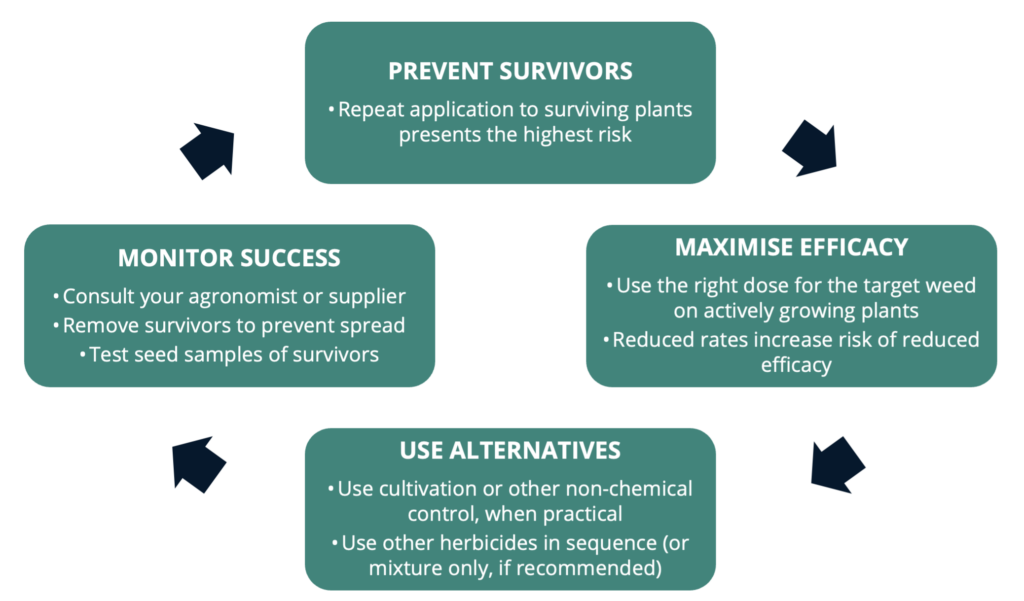
Various actions can be taken to minimise the risk of glyphosate resistance emerging in arable cropping systems. The WRAG produces guidance on pesticide resistance issues to help protect crops and the long-term efficacy of herbicides. It splits its guidance on glyphosate use into four key pillars (Figure 2):
Prevent survivors
Maximise efficacy
Use alternatives
Monitor success
Figure 2. WRAG guidelines for reducing the risk of glyphosate resistance in the UK.
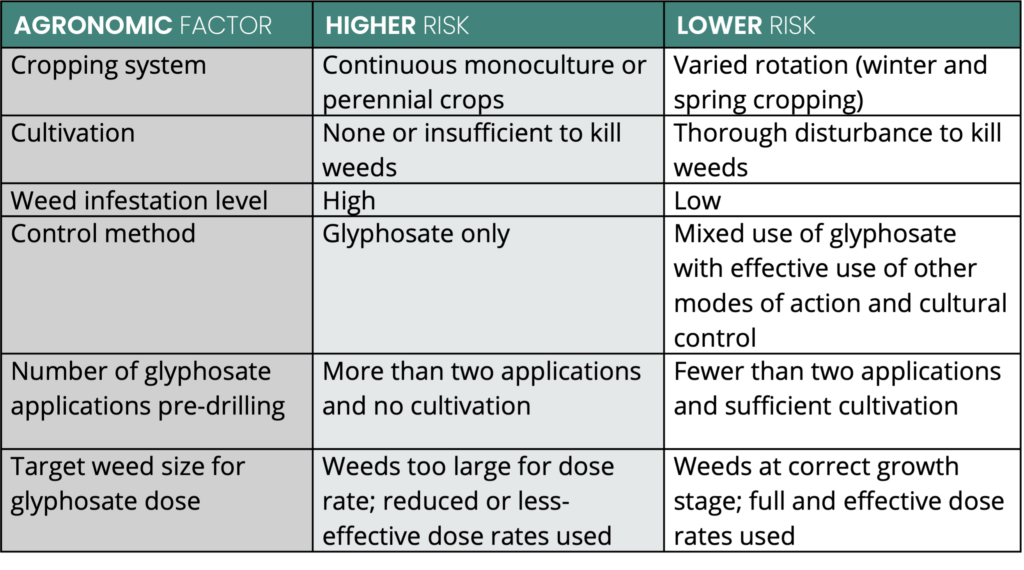
WRAG also summarises various risk factors for glyphosate resistance (Table 1).
Table 1. WRAG summary of risk factors for glyphosate resistance in the UK.
As summarised in Figure 2 and Table 1, ensuring diversity in glyphosate control of weed populations is fundamental to its stewardship. This can be achieved through non-chemical control techniques such as cultivation, or judicious crop rotation in regenerative agricultural systems. Minimising the number of glyphosate applications is also vital, whilst maximising the efficacy of those applications can be achieved by spraying at the correct dose rate, target weed growth stage, and in suitable environmental conditions (e.g. 15-25°C, and at least 6 hours before rainfall).
PRACTICAL RECOMMENDATIONS
To minimise the risk of glyphosate resistance emerging in arable cropping systems, it is vital to work with your agronomist to implement the following WRAG guidelines:
Prevent Survivors: Avoid repeat applications to surviving plants.
Maximise Efficacy: Use the right dose for the target weed on newly emerged plants, and use the manufacturer’s recommended dose rate. Reduced rates that allow more surviving plants may encourage the development of resistance.
Use Alternatives: Ensure glyphosate use is supplemented by sufficient non-chemical controls (e.g. cultivation) to kill surviving plants, and use herbicides of different modes of action (in sequence or mixture) as recommended.
Monitor Success: Remove surviving plants to prevent seed spread, and report suspected survivors to your agronomist, crop protection adviser, and / or manufacturer of the glyphosate product applied for resistance testing.
REFERENCES
ADAS (2024) Weed management and resistance. AHDB Agronomy Conference 2024.
Hull et al. (2014) Current status of herbicide-resistant weeds in the UK. Aspects of Applied Biology, 127, Crop Production in Southern Britain: Precision Decisions for Profitable Cropping, 261-272.
Neve et al. (2024) Current and future glyphosate use in European agriculture. Weed Research, 64: 181–196.
Pullman (2023) Glyphosate use rises in UK farming while overall pesticide use falls. Wicked Leeks / Riverford Organic Farmers.
Weed Resistance Action Group (2021) Guidelines for minimising the risk of glyphosate resistance in the UK.
*I have permission from the copyright holder to publish this content and images.
Post Overview
This story has been submitted by an Agri-TechE member.
The views expressed in this Member News article are the author's own and do not necessarily represent those of Agri-TechE.
iBoxit, KNEE3D and PfBIO have been named winners at a competition showcasing innovative business ideas at Norwich Research Park.
In collaboration with the University of East Anglia (UEA) and The Royal Society, the Innovation Hothouse competition saw eight finalists pitch their innovative ideas to a panel of expert judges.
All were either spin-out or start-up companies founded by researchers, scientists, entrepreneurs or students based on the park campus.
The winners were announced at an event at the end of November and received cash prizes, as well as either a year’s virtual tenancy or a marketing support package – plus specialist mentoring from market experts.
It was the latest in a series of Enterprise events run by Anglia Innovation Partnership, the campus management organisation at Norwich Research Park.
iBoxit
The overall winner was iBoxit, a collaboration with UEA, which has developed a sustainable packaging solution for the UK seafood industry that increases the shelf life of fish during transportation.
The product combines antimicrobial functions to preserve freshness and maximise nutritional value. It is constructed of recyclable materials and removes Expanded Polystyrene (EPS) from the supply chain.
John Farley, CEO at iBoxit, said: “Firstly, I want to say what a fantastic event it was. Being one of eight companies pitching some great ideas to the panel of judges was a great experience in itself. But to come out as the overall winner is such an honour.
“We have been based at Norwich Research Park for a while now and really appreciate the world-class facilities, the talent that is here and the profile you gain. Winning this competition adds more credibility to our business as we look to get our products to market.”
KNEE3D
Runner-up KNEE3D, a start-up borne from research at UEA and the Norfolk and Norwich University Hospital (NNUH), aims to offer a novel, one-stop AI-assisted 3-D imaging analysis suite for knee osteoarthritis.
It will help implement effective preventative strategies as early as possible to expedite new therapeutics in drug development in clinical trials.
KNEE3D director Tom Turmezei said: “I am really pleased to have been chosen by the judges as one of the winners of the 2024 Hothouse competition. The KNEE3D team believe that the prize of a virtual tenancy at Norwich Research Park will give us a great platform to establish ourselves as a company and open up access to facilities as we become part of the growing business community.
“Participating in the competition really helped us focus on honing our pitching skills for the next steps in our journey, which will be invaluable when we start looking for investment and will certainly raise our profile in the right circles.”
PfBIO
A spin-out from the John Innes Centre, runner-up PfBIO has developed a bacteria-based solution to promote plant health and protect crops from major agricultural diseases.
Its platform, BioSIFT, enables quick identification of the best beneficial bacteria to be applied to specific crops.
Dr Rosaria Campilongo, CEO at PfBIO, said: “I am delighted that PfBIO has been chosen by the judges as one of the winners. This recognition adds significant credibility to our vision and strengthens our standing with potential investors and collaborators.
“It’s an exciting milestone as we move forward with the next stage of our company’s growth and development.”
Finalists
The other five finalists were also commended for their innovative business models.
Vida Vodka, a start-up from UEA, is using waste bread that would have otherwise ended up in landfill to create an environmentally-friendly sustainable vodka.
PathoProst™ Detect, a start-up from UEA, has developed a urine test to help detect aggressive prostate cancer in men.
Bioscopic, a spin-out from the Quadram Institute, is looking to develop compounds based on beneficial bacteria found in infants that will help adults combat diseases and conditions including cancer.
BirthView, a spin-out from UEA, has developed a virtual reality-based simulator that can model the ‘cardinal movements’ of human childbirth. This will enable clinicians to evaluate labour before the actual event and make adequate decisions to minimise complications for mother and baby.
Healthium™, a start-up from NNUH, has developed a digital platform with the aim of improving the treatment effectiveness of urinary tract infections (UTIs).
Sheng Qi, professor of Pharmaceutical Material Science and Technology at the School of Chemistry, Pharmacy and Pharmacology and associate dean of Innovation at UEA, said: “The standard of pitches and the sheer quality of the innovation on display from the eight finalists was highly impressive. Choosing the winners proved to be an exceptionally challenging task for the judges, as every finalist was deserving of recognition.
Prof Qi, who was also chair of the judging panel, added: “Ultimately, we awarded the top three places to iBoxit, KNEE3D and PfBIO because they stood out for the clear strategies they had to bring their products to market and the significant potential of their solutions to address the critical issues they aim to resolve.”
TraitSeq
Last year’s winners, TraitSeq, have continued to progress well while being based at Norwich Research Park on the virtual tenancy they won.
TraitSeq CEO Joshua Colmer said: “Winning the Hothouse competition really helped our development as a company. The training we received throughout the competition process significantly improved our pitching skills, which was instrumental in securing Innovate UK funding for our pre-seed round.
“Exposure at – and after – the event connected us with value-adding angel investors, including one who participated in our pre-seed funding round in April 2024.”
TraitSeq is now generating revenue by delivering commercial projects to agri-tech companies while simultaneously developing its own proprietary technology platform. It has expanded both its technical and commercial teams to accelerate growth, supported by commercial revenue, Innovate UK funding and investment.
Joshua continued: “We have continued to grow our network of industry collaborators and customers, which has significantly enhanced our understanding of industry challenges and how our technology can provide solutions. This has also helped us identify high-priority sectors and challenges.
“Looking ahead to 2025, we are considering a funding round in Q2 to accelerate the development of our technology platform and expand our team to increase our capacity for delivering and learning from commercial projects.”
Roz Bird, CEO at Anglia Innovation Partnership, said: “It’s great to see that last year’s Hothouse competition winners, TraitSeq, have made significant progress, supported by their year’s free virtual tenancy and the opportunities to raise their profile, establish new contacts and gain access to funding.
“There is huge potential for brilliant business ideas to emerge from the community we have here at Norwich Research Park and it’s events like this that showcase the very real opportunities to investors.
“Since the first Enterprise Tuesday event in November 2022, we have moved up several levels in terms of performance and ability to deliver,” Roz added. “We continue to attract and retain high-growth businesses and we have nurtured and grown our entrepreneur community.
“With our real estate investment partnership with Vengrove and funding from Greensphere Capital available for some of our start-up and spin-out companies, the future is looking very positive for the Norwich Research Park campus.
“This investment, combined with the growing sense of community, access to specialist facilities and ease of collaboration, will fast-track ideas and maximise the impact of publicly-funded research.”
*I have permission from the copyright holder to publish this content and images.
Post Overview
This story has been submitted by an Agri-TechE member.
The views expressed in this Member News article are the author's own and do not necessarily represent those of Agri-TechE.
We are delighted to announce that Joeeta Murphy has joined the ip21 team as our new Head of Life Sciences and Associate Director. Joeeta’s appointment marks an exciting step forward in our commitment to delivering exceptional intellectual property services to clients in the dynamic and innovative life sciences sector.
Joeeta brings a wealth of experience in intellectual property law, combined with a deep understanding of the complexities faced by clients in this specialised field. As a CIPA (Chartered Institute of Patent Attorneys) Council Member and an active participant in CIPA’s Professional Development working group, Joeeta has demonstrated a passion for advancing professional standards and supporting innovation in life sciences.
Joeeta has also been recognised globally for her contributions to the field, having been listed in the prestigious IAM Strategy 300 for the second consecutive year. This accolade highlights her outstanding ability to develop and implement strategies that maximise the value of IP portfolios. The IAM Strategy 300 identifies the best and brightest in the field through rigorous annual research, and we are proud to have Joeeta’s expertise as part of our team.
Her impressive track record includes developing and managing client portfolios in this sector, as well as fostering strong relationships with foreign agent clients working in related areas. These qualities, combined with her leadership, position ip21 to expand its technical expertise, build new client relationships, and further strengthen existing ones.
Speaking about Joeeta’s appointment, Managing Director Richard Jones shared: “Joeeta is an industry-leading patent attorney whose expertise and leadership will be invaluable in growing our client base and supporting our existing clients in the life sciences sector. We’re thrilled to have her join the team and look forward to the impact she will make as Head of Life Sciences.”
We warmly welcome Joeeta to the ip21 family and look forward to further developing the the services we provide to our clients in the life sciences, pharma, medtech sectors and beyond.
Stay tuned for updates as Joeeta begins her journey with us, and feel free to reach out if you’d like to learn more about how our growing team can support your intellectual property needs.
*I have permission from the copyright holder to publish this content and images.
Post Overview
This story has been submitted by an Agri-TechE member.
The views expressed in this Member News article are the author's own and do not necessarily represent those of Agri-TechE.
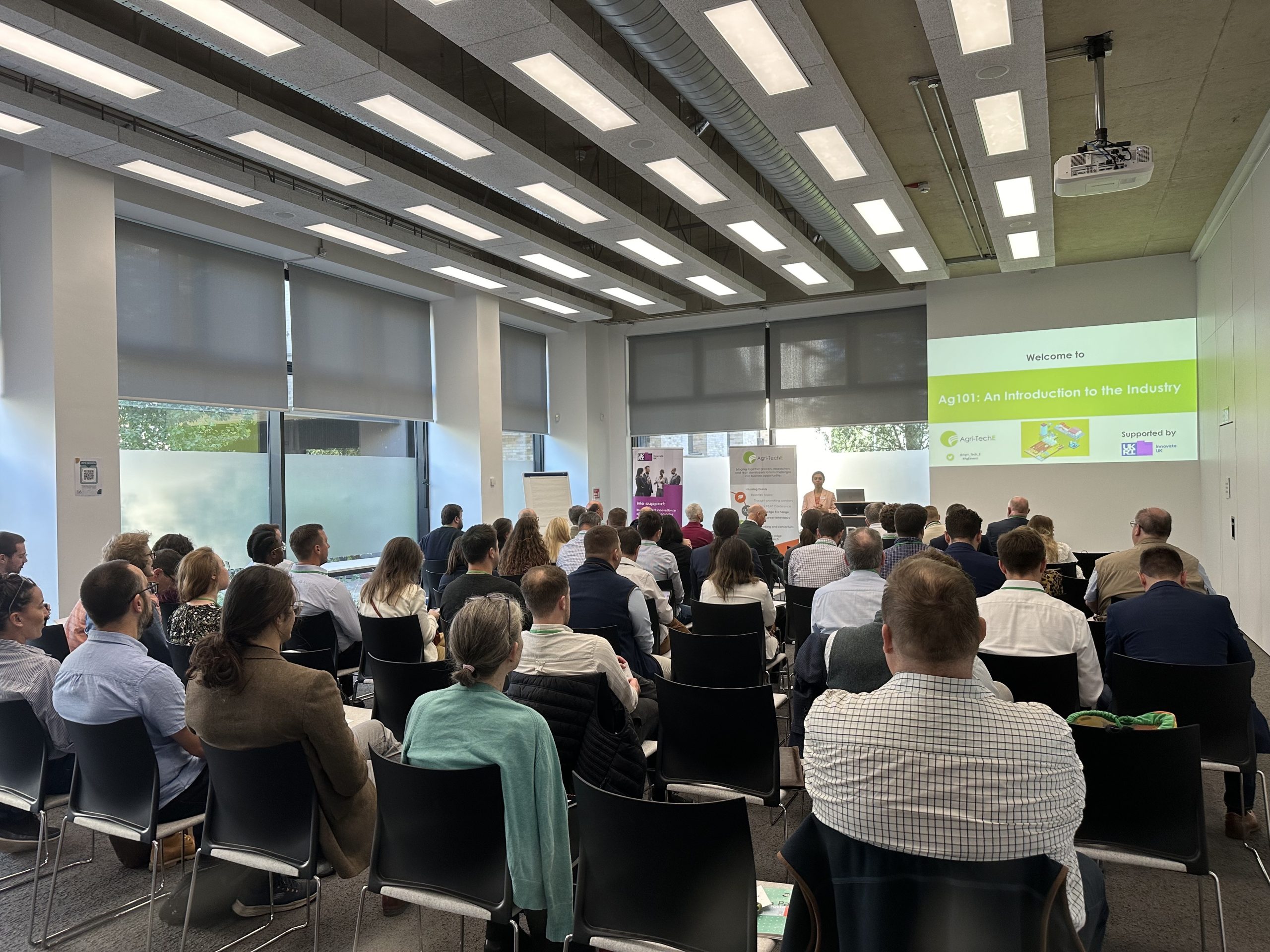
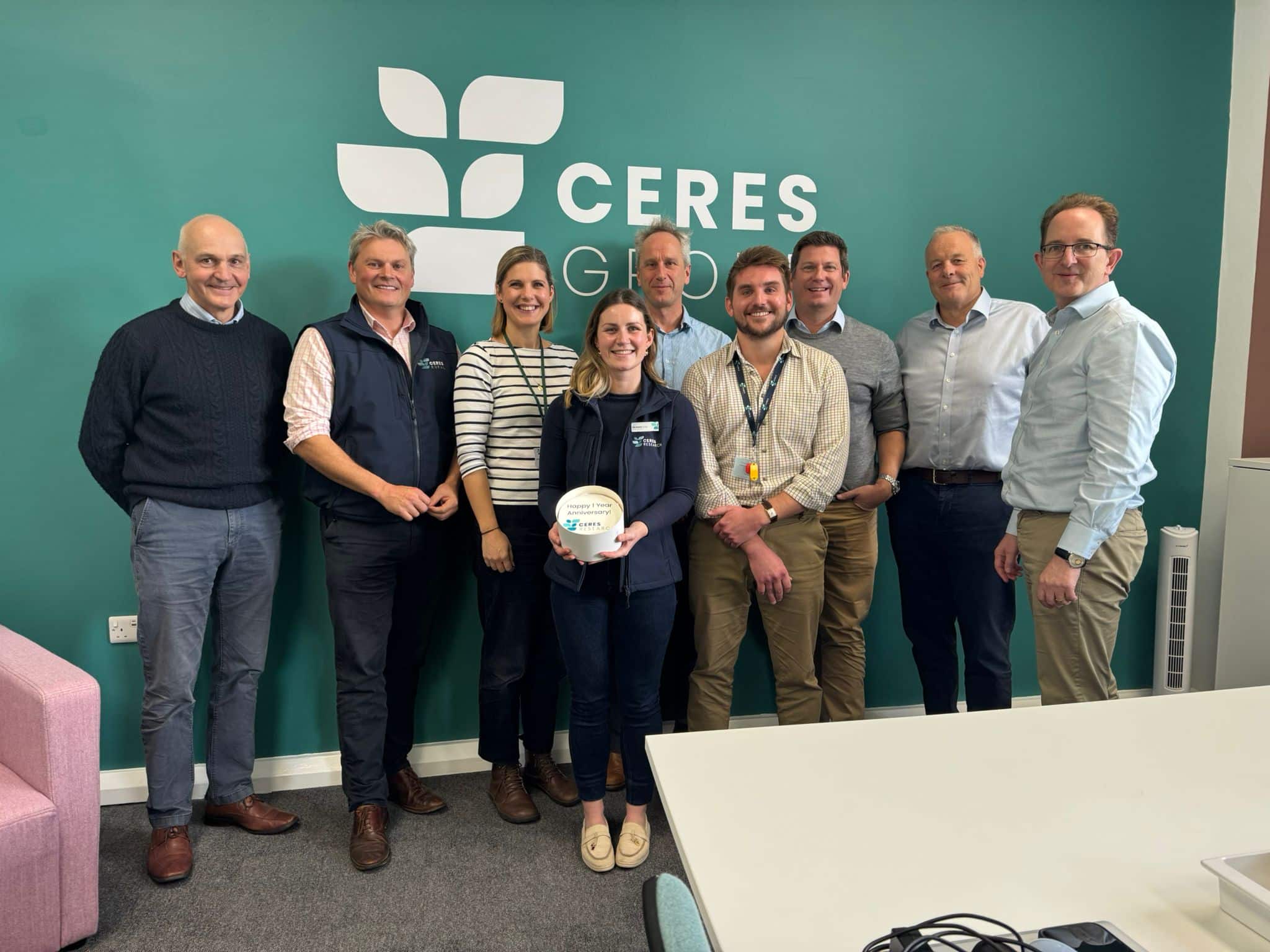
Ceres Research was delighted to deliver itsfirst technical event for clients in early December at the Young Farmers Club in Essex. Alongside farming experts from our partners at Ceres Rural, we provided a comprehensive overview of the 2024 harvest season, reflecting on successes and challenges faced, before looking at strategies for the 2025 season. The event featured insights from various experts–a summary of each talk provided below.
Session 1: Looking back on harvest 2024
A personal perspective – Tom Streeter
Tom shared his personal experience at Harps Farm, highlighting the diverse cropping programs and the challenges faced, such as yield timing, break crop options, and weather impacts. Tom also discussed the economic challenges on the farm relating to cost of production, greater economies of scale, machinery and market prices. He emphasised the importance of managing risk through informed decision-making and investment planning, as well highlighting sustainability not just in terms of traditional environmental or business thinking, but also farmer mental health – encouraging farmers and landowners to check in with Yana if they or their team need support.
Key take away:
Manage the risk within the business by following informed decision-making.
What does the data tell us? – Dr Alex Setchfield
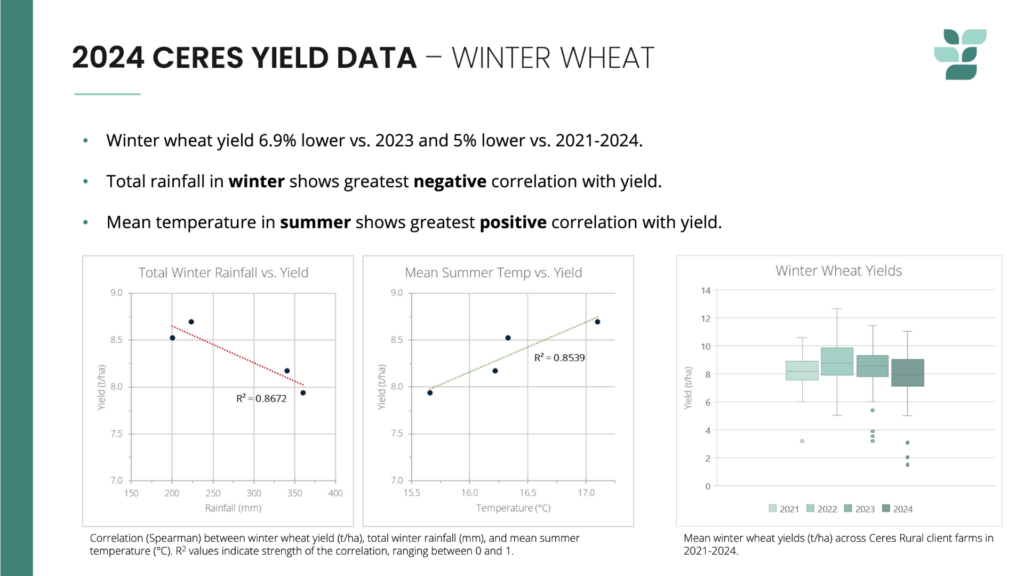
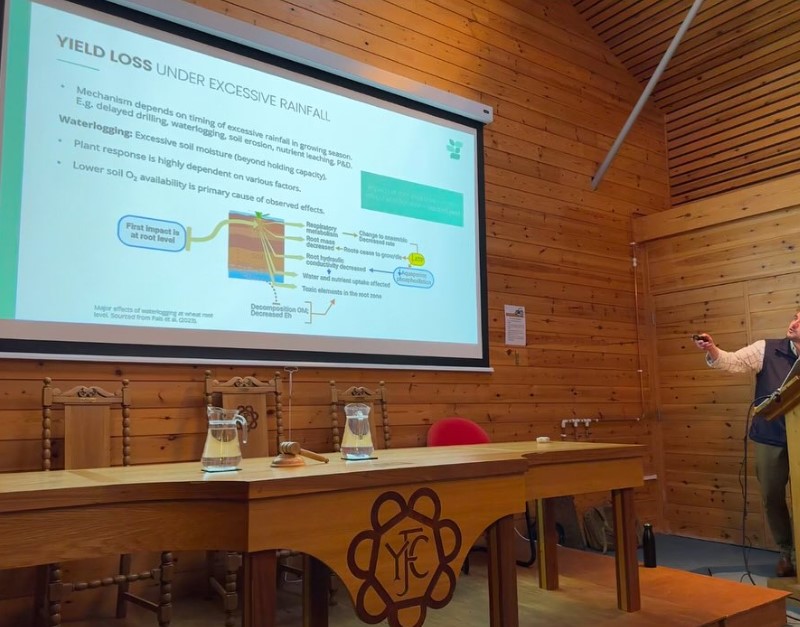
Alex presented data-driven insights, showing how the 2023/24 weather patterns affected cereal yields. The data conclusively revealed that excessive rainfall and higher temperatures are correlated to crop performance. He discussed the detrimental effects we will continue to see as climate change increases the likelihood of these weather extremes. Alex explained the mechanisms behind yield loss under excessive rainfall, which related to lower soil oxygen availability affecting root growth and corresponding shoot growth above ground.
Figure 1: Winter Wheat yield example in response to rainfall and temperature this harvest year
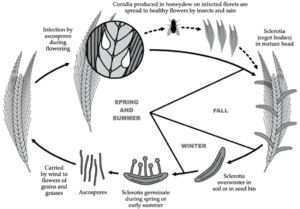
Alex also discussed the lifecycle of ergot, considering its detriment to the crop this year, emphasising that the sclerotia (ergot bodies in mature heads) drops off into soils and germinates causing infection in the following crop in spring. Alex explained that there is little direct impact of ergot on wheat yields as such, but it is detrimental to the grain qualitydue tocontamination, with cleaning required to make it marketable and safe for human consumption. Alex then focused on practices to reduce ergot, such as ergot–free seed, managing host grassweeds and manipulating crop rotations to reduce the sclerotia. Sclerotia can survive for 1-3 years and so a 3-4 rotation with unsusceptible crops could lead to a reduction in the number of viablesclerotia in the field to take hold of the crop.
Yield losses depend on the timing and type of adverse weather, with issues like waterlogging affecting crops at root and shoot levels. The fungal pathogen ergot thrives in cool, wet conditions during flowering, contaminating grain despite low yield impact. High-performing crops for 2024 include spring oats, spring beans, and winter beans. Integrated management strategies are critically important.
System reflections: what worked and what didn’t? – Jock Willmott
Jock reflected on the positives and negatives in the 2024 season. Overworked soil and compromised timings were identified as areas needing improvement. It was noted that it was a challenging harvest when soils that were either very wet or dry were then drilled and followed by 2+ inches of rain. Those that drilled early then got caught out by disease. On the other hand, effective field drainage, deep soil loosening, light tine drills, the use of pre-emergence herbicides and a lot of patience were among the successful strategies.
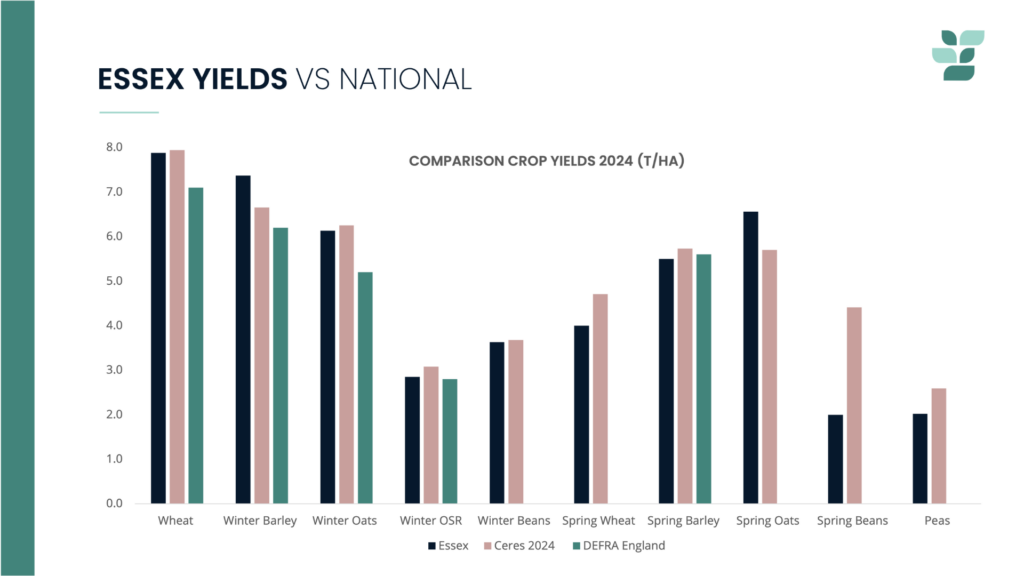
Jock discussed national crop trends in 2024, using data from Essex-specific yields, alongside the complete Ceres 2024 data, and Defra England’s dataset, highlighting that heavy land is becoming less consistent at achieving high wheat yields. Medium and lighter land is suffering less and potentially benefiting more from additional rainfall. Additionally, the typical yield penalty for later drillings is less than it used to be because of the warmer conditions associated with climate change.
Figure 3: Essex yields vs national yields across several crops
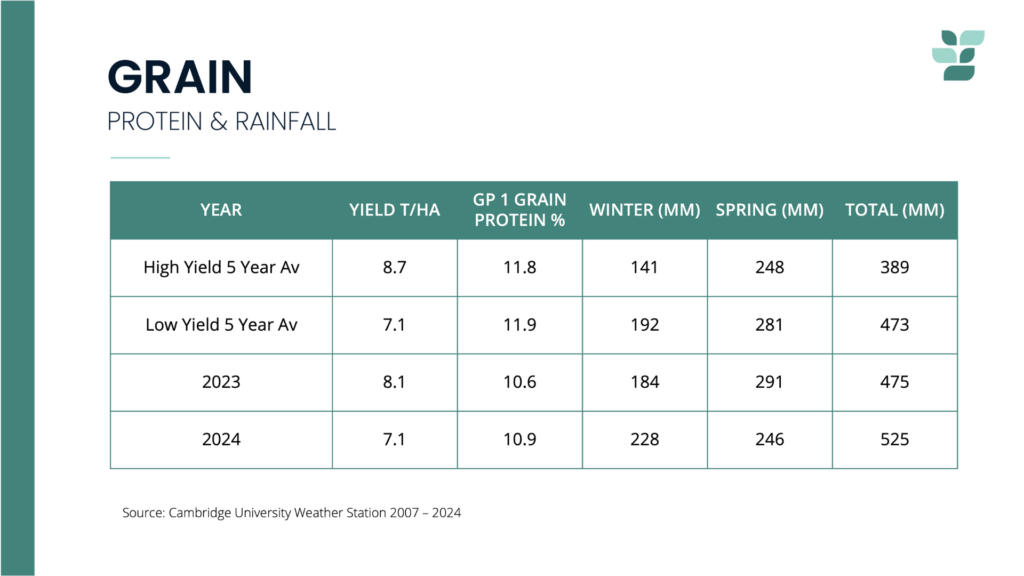
Jock discussed wheat protein content – looking at the data, there seemed to be a correlation between grain protein levels and seasonal rainfall, showing that higher rainfall during winter and spring tends to result in lower grain protein percentages. So, it is getting harder to achieve consistent protein content in the grain, but the mechanisms behind this change are still unclear.
Figure 4: Wheat grain protein and rainfall
Key take away:
Warmer winters are influencing our crops, meaning adaptation in practice is required to continue maximising crop productivity. It is important to review growth stages, disease levels and crop health in early February and discuss potential strategies for the year ahead earlier than before.
Session 2: Looking ahead to harvest 2025
Sustainability of cropping programs – Alice Andrews
Alice discussed strategies for sustainable cropping, focusing on the benefits of diverse rotations, including:
Control of pest and disease
Enhancing soil health/biology
Balancing nutrient replenishment in the soil
Spreading the risk for commodity prices and growing conditions
Maximising winter what margins
Alice covered financial aspects and gave some examples for winter beans, sprint oats and winter oilseed rape, where SFI actions were stacked to derisk and increase crop gross margins.
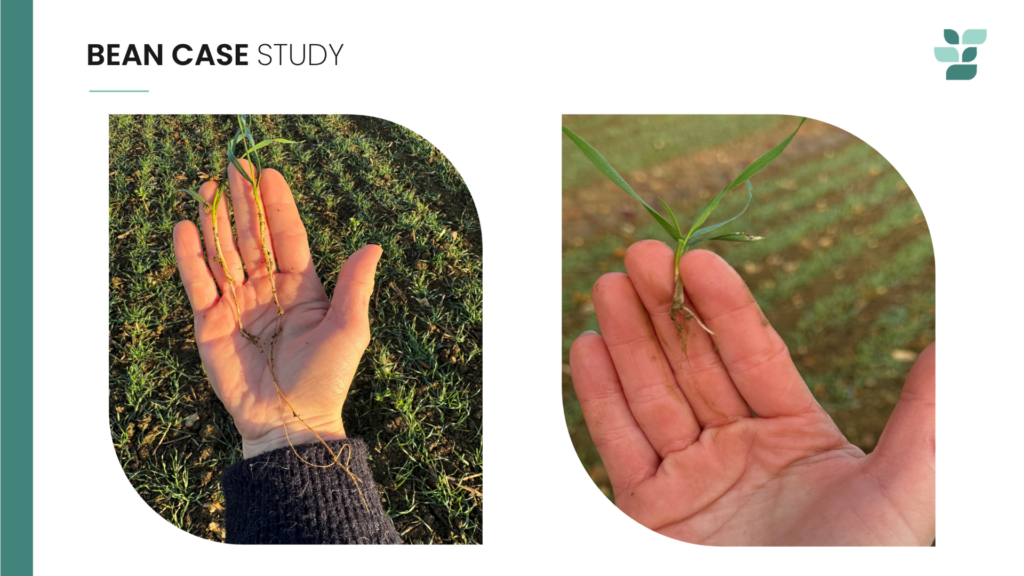
Alice provided two case studies; one of beans and the second of spring oats, highlighting the importance of tailoring break crops to suit individual farms. Alice explained that whilst some agronomic practices maximise break crop yields, their success is largely influenced by the weather.
Figure 5: Wheat crop establishment showcasing rooting depth following a bean rotation (left) and oilseed rape rotation (right)
Key take away:
Diverse crop rotations offer benefits across the farming business, such as improved soil health, workload balance, pest control, and reduced market risks. Break crops should maintain or enhance winter wheat yields, but must be tailored to individual farm conditions.
Harnessing soil biology – Dr Dannielle Roche
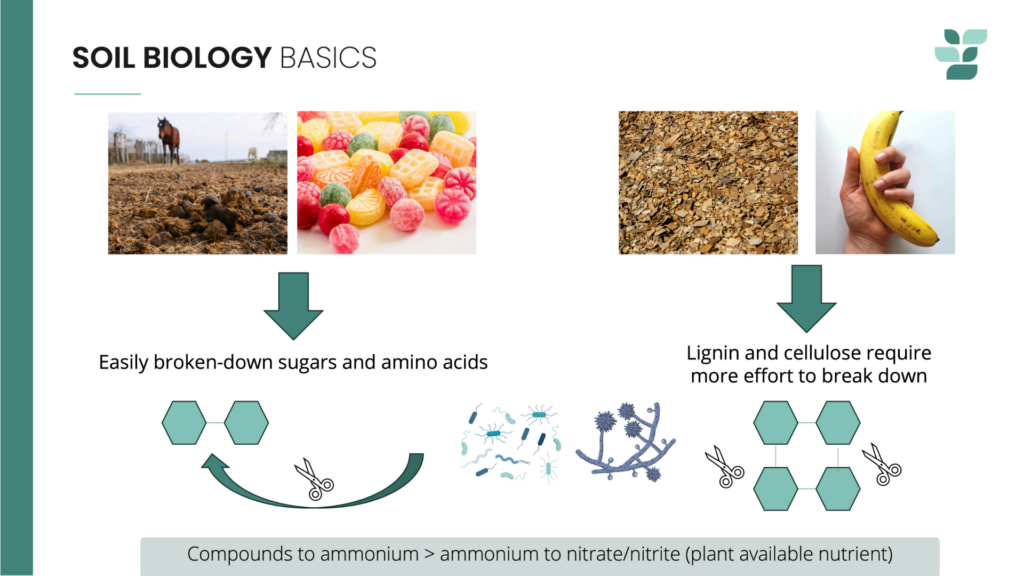
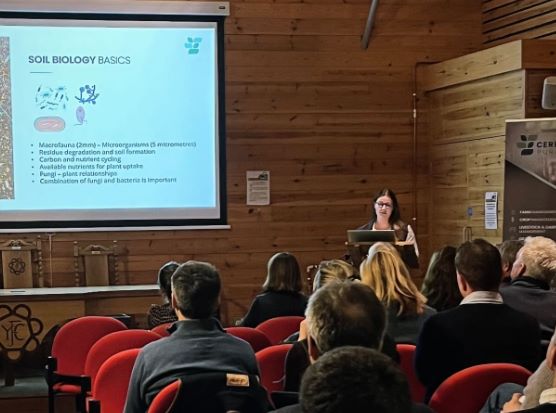
Danni explored the mechanisms behind soil biological activity and organic matter breakdown, discussing the important and differential roles that fungi and bacteria have in organic matter breakdown and soil nutrient bioavailability for plant uptake.
Figure 6: Mechanistic understanding of soil microbial activity in the breakdown of different substrates
Danni also explained the linkages between soil biology with physical and chemical soil properties, and their innate interdependence. Danni then discussed the potential future impact of temperature and water availability on soil microbial processes, and how to approach these changes resiliently. First, she highlighted the fact that ‘what we don’t know, we can’t measure!’ and suggested adding microbial analyses to soil testing to gain a better understanding of what is needed to promote the microbial community on each individual farm. Danni discussed options to promote soil biology in dry conditions, such as amendments like mulches or biochar to increase water retention of the soil. Similarly, she discussed options for water-logged conditions, such as adding gypsum (a flocculent) that can increase pore space in the soil, allowing for improved water infiltration. Danni briefly touched on the importance of having a diverse microbial community and general practices to promote this diversity including: crop rotations, cover crops/additions, and more tailored fertiliser application.
Key take away:
Don’t underestimate the importance of soil biology in a changing climate. There are multiple ways to harness this changing biology to promote soil nutrient bioavailability and uptake in crops, despite adverse weather conditions.
Grants, SFI (sustainable farming incentive) and CFAs (contract farming agreements) – Rachel Bush
Rachel finished off the session discussing SFI and other rural grants, and the financial performance and future viability of CFAs. Rachel suggested some SFI ‘easy wins’, highlighted in the table below.
SFI 2024 ACTIONS
CSAM1: Soil Analysis – £6/ha + £97/agreement
CIPM1: Integrated Pest Management Plan – £1,129/plan
CNUM1: Nutrient Management Plan – £652/plan
SFI Management Payments: £20/ha up to 50ha
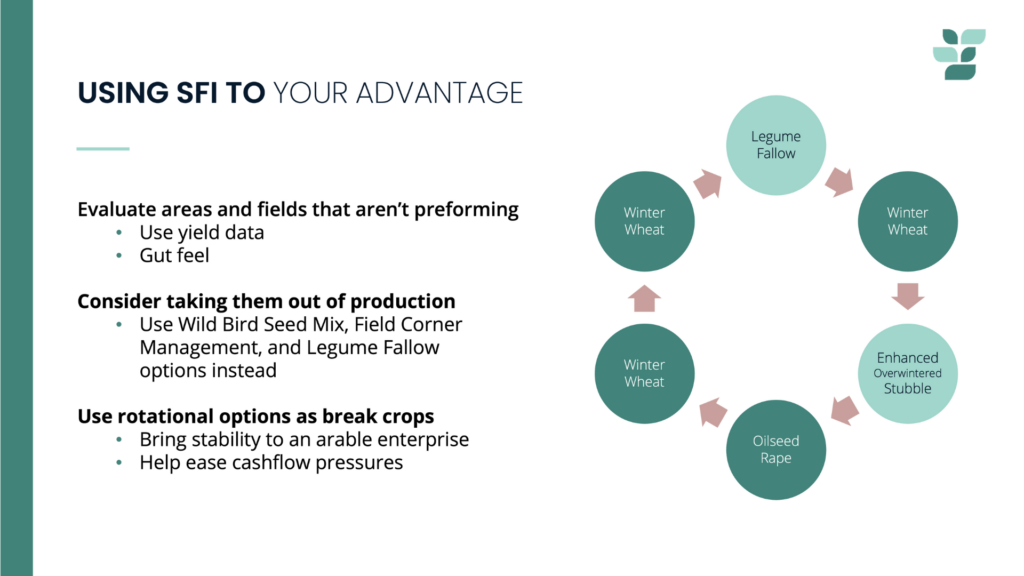
Rachel also discussed how to use SFI to your advantage and provided some suggestions of where to start (below).
Figure 7: Ways of using SFI to your advantage, with an example of what to include in an arable rotation
Rachel explained capped actions (i.e. capped at 25% of the farmed area), which are provided below.
CAPPED ACTIONS
CIGL1 – Take improved grassland field corners or blocks out of management
CIGL2 – Winter bird food on improved grassland
CAHL1 – Pollen and nectar flower mix
CAHL2 – Winter bird food on arable and horticultural land
CAHL3 – Grassy field corners and blocks
CIPM2 – Flower-rich grass margins, blocks or in-field strips
WBD3 – In-field grass strips
AHW1 – Bumblebird mix
AHW9 – Unharvested cereal headland
AHW11 – Cultivated areas for arable plants
When discussing CFAs, Rachel explained that unfortunately 2025 harvest budgets are not looking healthy and the sharp reduction in BPS has compounded poor prices. Rachel highlighted that there is no ‘one size fits all’ in terms of CFAs, and contractors need to thoroughly understand their own cost of production when negotiating terms. For landowners, she highlighted the need to consider the longevity of the CFA relationship, and a landowners own ability and desire to manage SFI agreements themselves.
Key take away:
Providing your business with a stable income requires planning your rotations properly, don’t knee-jerk to current weather conditions – coordinate with your agronomist as to how options can fit into your business.
Rob Metson – “Another excellent Ceres event, James and I thank the team for providing the professional and informative mix of speakers at the recent Reflect and Project 2024. Advice was encouraging, mind provoking and revealing. Here’s to some much-needed improvement and calming waters!”
*I have permission from the copyright holder to publish this content and images.
Post Overview
This story has been submitted by an Agri-TechE member.
The views expressed in this Member News article are the author's own and do not necessarily represent those of Agri-TechE.
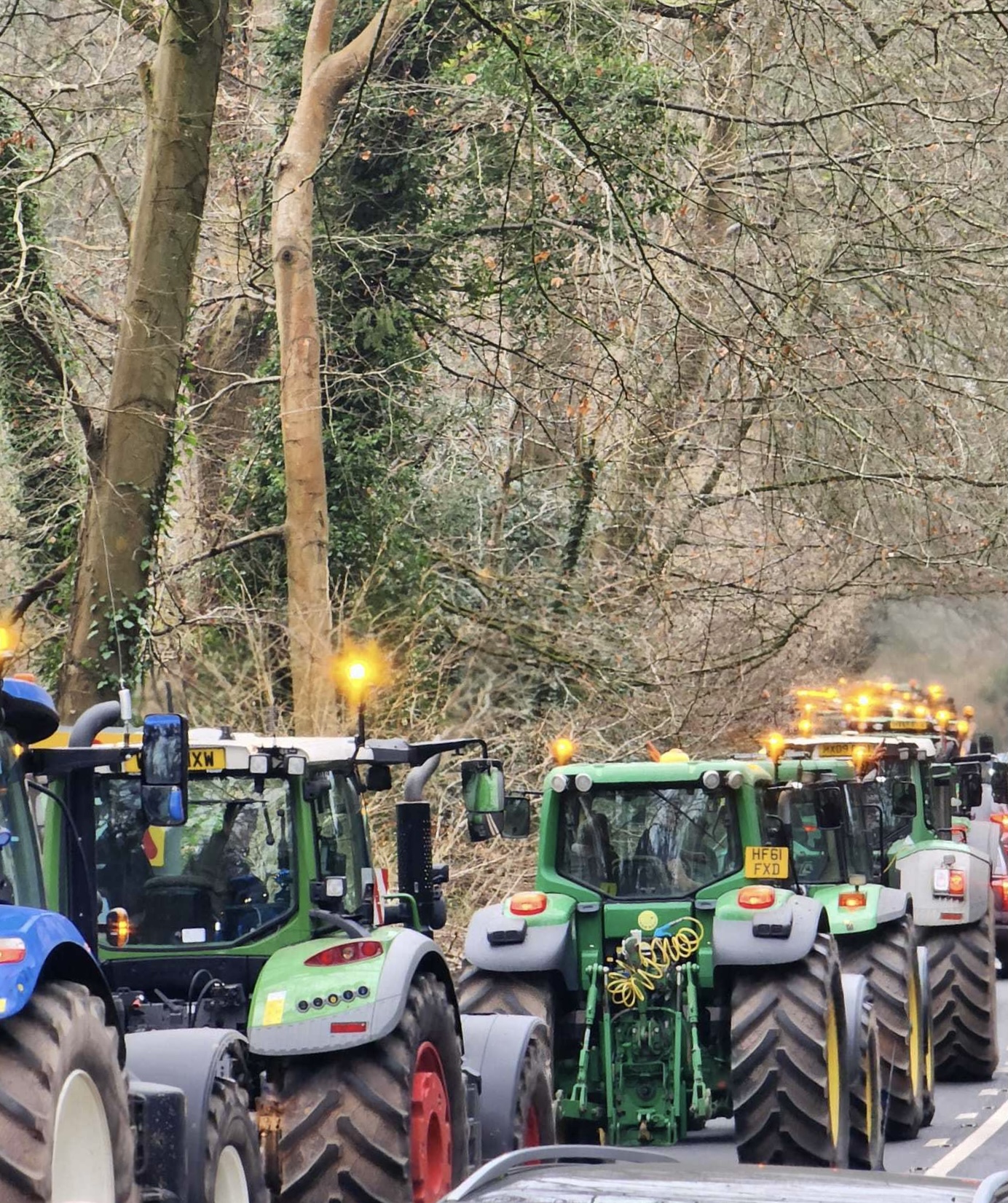
On the 29th December we were excited to attend the Romsey Young Farmers Tractor Run 2024, held in Romsey, Hampshire, England. This inspiring event brought the community together to celebrate and support British farmers. With the powerful message “Support British Farmers,” the tractor run showcased the hard work and dedication of local farmers while raising awareness of the vital role agriculture plays in our daily lives.
The event featured over 200 tractors, and the organisers made a huge effort to entertain the community with festive Christmas-themed decorations. The tractor drivers were also fantastic sports, flashing their lights and tooting their horns, creating a lively and engaging atmosphere for everyone. All of this was done while emphasising the main theme – supporting British farming, which plays such a huge role in food production and sustains our communities.
For Paul-Tech, attending the event was not only a way to show our support but also an opportunity to better understand the challenges and opportunities British farmers face daily. Engaging with the community and seeing their enthusiasm reinforced our commitment to providing innovative solutions that empower farmers to thrive. Events like the tractor run remind us of the importance of collaboration and community in creating a brighter future for farming.
At Paul-Tech, we are committed to empowering farmers through innovative solutions. Our real-time soil monitoring systems are designed to help farmers make data-driven decisions that enhance productivity and sustainability.
*I have permission from the copyright holder to publish this content and images.
Post Overview
This story has been submitted by an Agri-TechE member.
The views expressed in this Member News article are the author's own and do not necessarily represent those of Agri-TechE.
Our client asked:
Our client wanted to determine the precise positioning and settings of a wide variety of agricultural implements, such as tillers, harrows, and sprayers, in order to provide alerts and notifications to the driver of the tractor. The client’s aim is to optimise the agronomic performance of those implements and ensure that the driver is operating within safe limits.
The project story:
The natural environment presented challenges to conventional image analysis algorithms due to the variability in lighting from sunshine to night working, and the challenges of drifting dust affecting visibility.
Sagentia Innovation assessed the performance of several vision systems, using a combination of experience, modelling and lab-based experimentation. We identified that low-cost, standard cameras in combination with active illuminated markers were the optimal solution for this specific challenge.
We built a prototype vision system and conducted field trials using off-the-shelf cameras and lenses to collect images in the natural environment. Processing the data with conventional analysis routines produced variable results and often failed to find the objects of interest.
A few hundred images, captured under various environmental conditions, were labelled by hand to mark up the objects they contained. This data set was used to train a convolutional neural network.
The trained neural network was then used to successfully identify objects with high accuracy in subsequent images.
Once the objects have been successfully located in each image, other automatic processes can be carried out on them. Two cameras can be used to get a stereo view, and the 3D position of the object can be accurately measured.
Results: deliverables and outcomes
Our client received a robust prototype system that allows them to accurately determine the position and settings of the towed implement, whilst undertaking agricultural activities. We continue to develop this prototype into a mature product that offers significant benefits to farmers, in terms of enhanced safety and agronomic performance.
*I have permission from the copyright holder to publish this content and images.
Post Overview
This story has been submitted by an Agri-TechE member.
The views expressed in this Member News article are the author's own and do not necessarily represent those of Agri-TechE.
As part of our “Back to the Future” project, we’re asking Agri-TechE members to reflect on how the agri-tech industry has evolved over the past decade and to share their vision for the next ten years. By compiling these insights, we aim to create a powerful outlook on the future of agriculture, a compelling call to arms for the industry driven by the diverse perspectives of our community.
This submission is part of the collection of reflections and predictions from our members, offering unique perspectives on the industry’s past milestones and future directions. Each contribution adds to a broader dialogue about the innovations and challenges that will shape the next decade in agri-tech.
Post Overview
This story has been submitted by an Agri-TechE member.
The views expressed in this Member News article are the author's own and do not necessarily represent those of Agri-TechE.
A new partnership between Bayer’s Crop Science division and Cambridge-based plant science organisation Niab will see researchers embark upon a series of innovative research projects focused on exploitation of genetic diversity in wheat, control of flowering in strawberry, root symbiosis in wheat, and phenotyping technology.
The five projects, that got underway this autumn, have been funded under the Bayer – Niab Challenge Grant Program, an open innovation challenge created to support innovative science in areas of interest to both organisations.
Bayer will provide financial and mentorship resources, with a total award of £100,000 over one year and access to its leading crop science researchers, who will provide guidance as the research progresses.
Dr Phil Taylor, Director of Open Innovation and Outreach for Bayer’s Crop Science division said: “The Bayer – Niab Challenge Grant Program provides an exclusive opportunity for Niab scientists to receive funding for cutting edge ideas and connect with the Bayer team for their execution.
“We are looking forward to advancing innovations together in what is an exciting time for plant science in the UK as it moves forward with detailed regulations for precision breeding in England.”
Two of the projects aim to advance understanding of the genetic diversity in wheat.
Niab Director of Research Prof Xiangming Xu, who will coordinate the research programme, said:
“We are using two different approaches to help us better understand and exploit genetic diversity in the D-genome, facilitating further genetic discovery and exploration of haplotypes linked to useful traits such as disease resistance.”

 Paul-Tech Ltd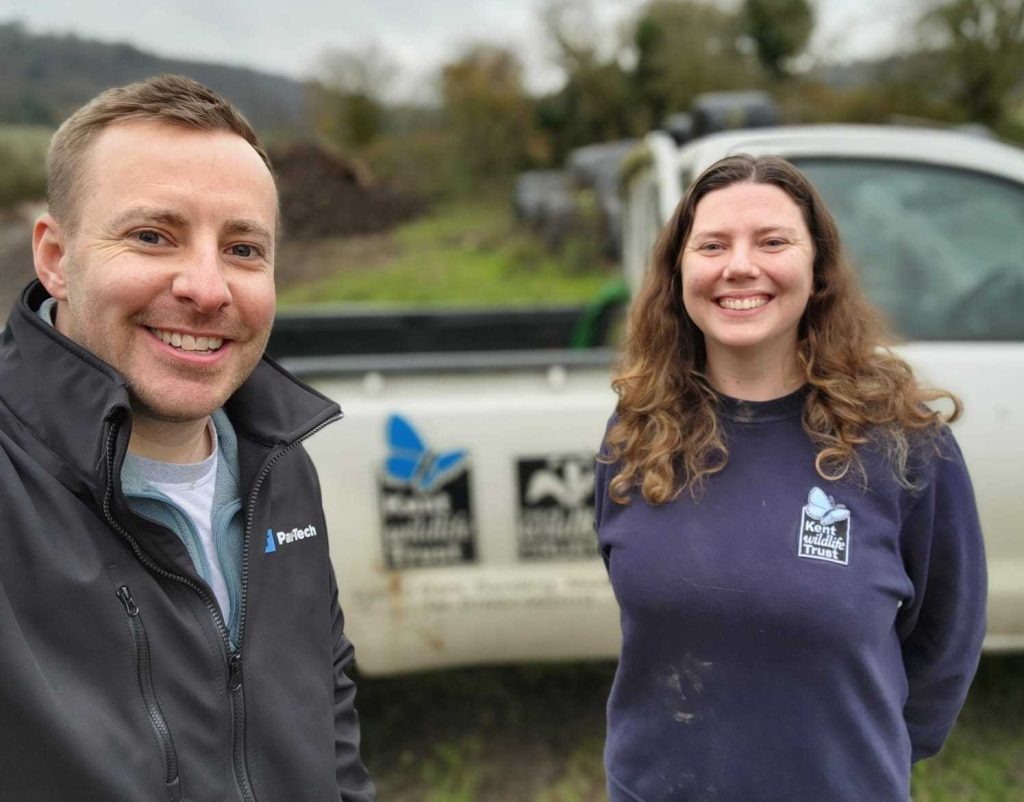






 ip21
ip21




 HGF Limited


 Aethr Associates Ltd






 Ceres Research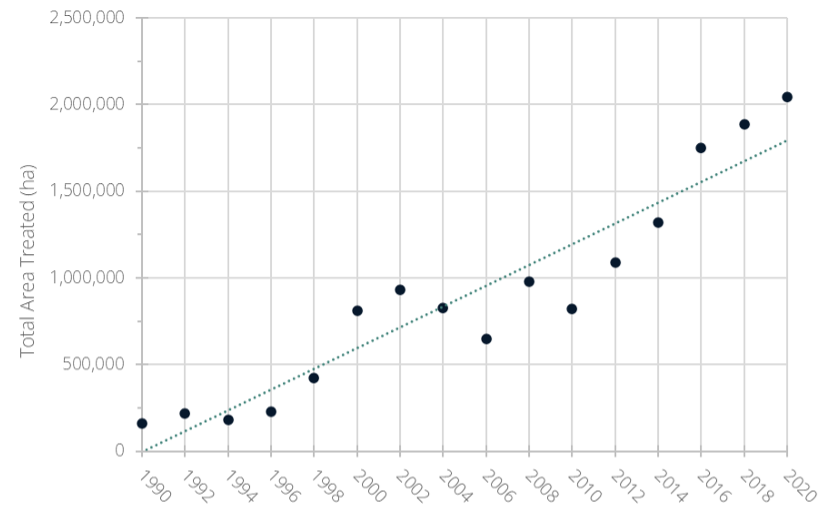

 Norwich Research Park


















 Sagentia Innovation


 British Beet Research Organisation





 Niab
Niab