The views expressed in this Member News article are the author's own and do not necessarily represent those of Agri-TechE.
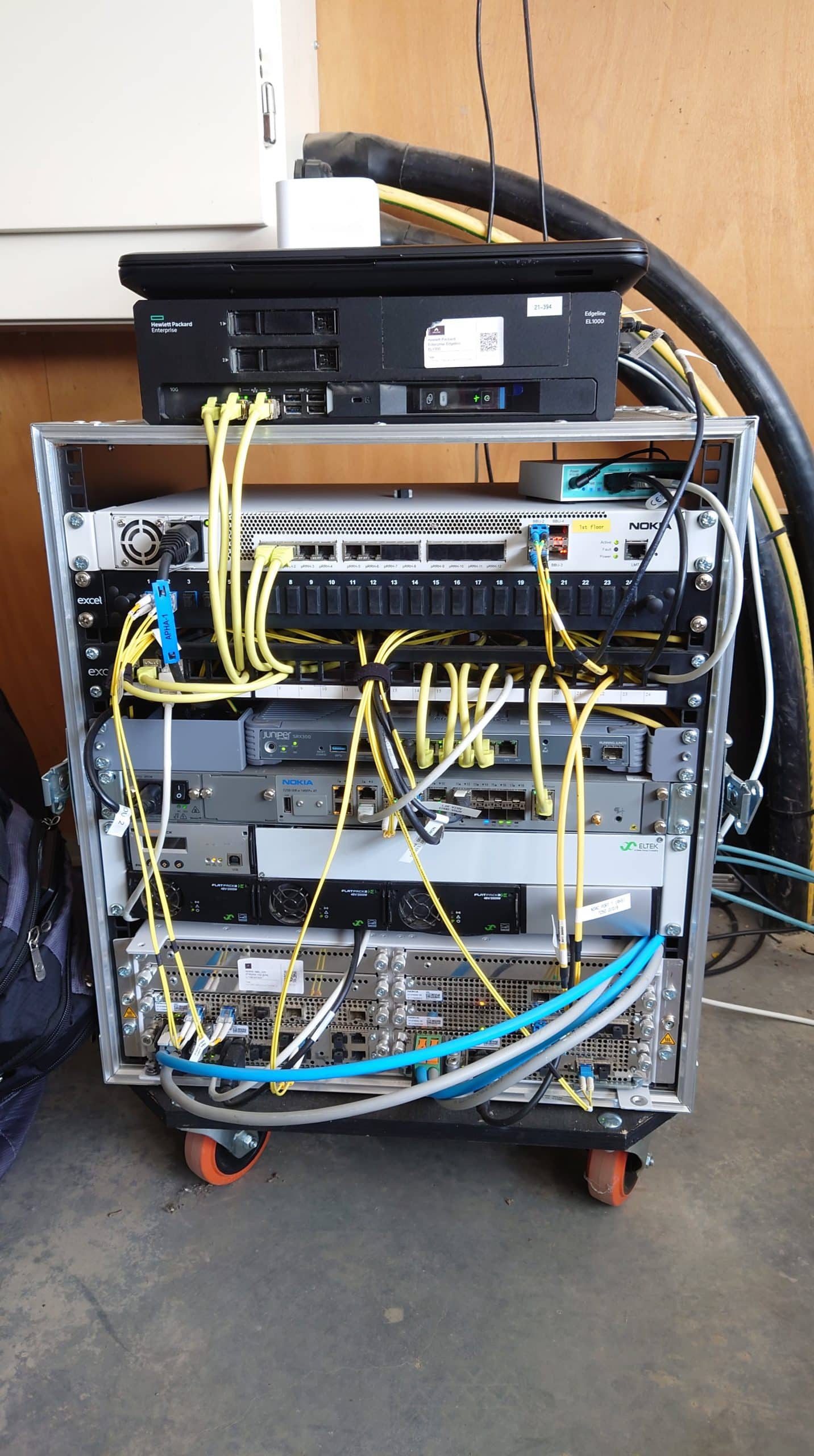
Virgin Media O2 Business and River Severn Partnership Advanced Wireless Innovation Region (RSPAWIR) have today announced a new collaboration to trial cutting edge 5G connectivity at Overbury Farms on the border between Worcestershire and Gloucestershire.
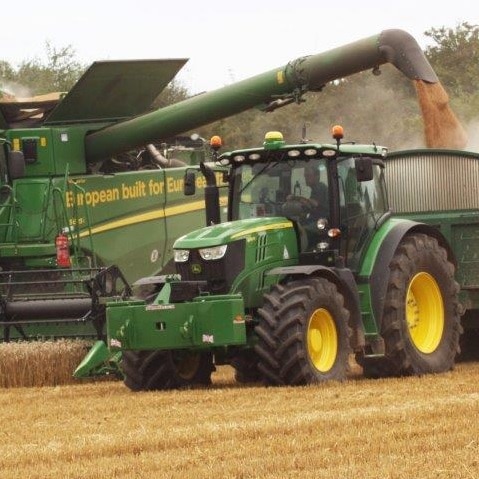
By installing a portable 5G Private Network on the farm, this trial will showcase innovative use cases, laying the groundwork for the connected farms of the future and demonstrating the transformative power of technology in crop protection and environmental preservation.
Overbury Farms, a 1,600 hectare award-winning estate and the chosen trial site, has long been a leader in digital farming, utilising connected tractors, Internet of Things (IoT)-enabled weather stations, and real-time data analytics. The farm will now serve as the ultimate testbed for the portable 5G Private Network, covering a 1-kilometre trial area to unlock advanced applications for farming, driving the future of agriculture.
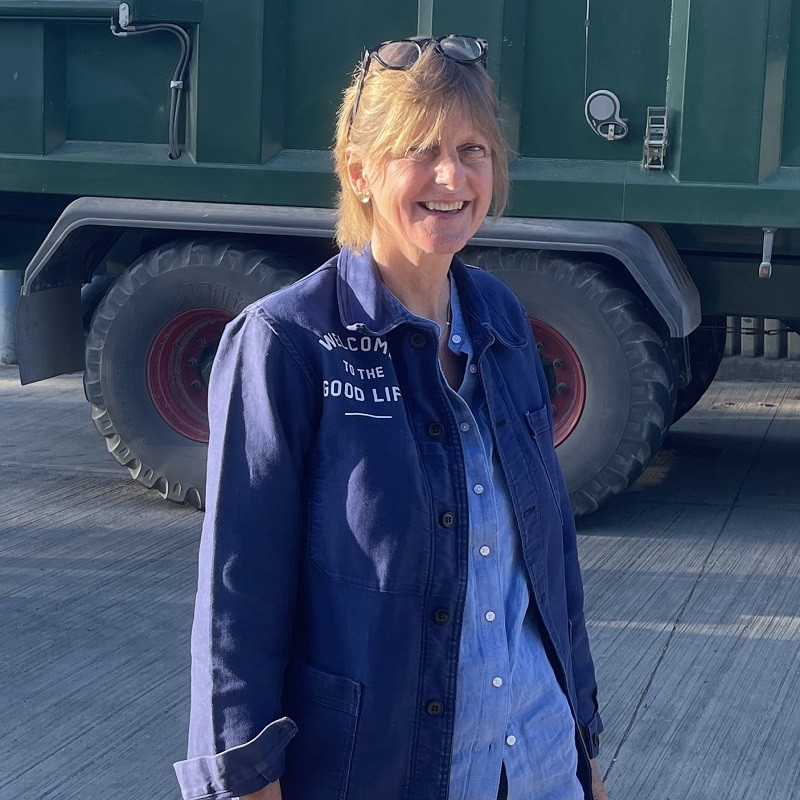
Committing to share the findings from this innovative trial, Penelope Bossom, Overbury Farms’ owner, commented: “This exciting collaboration will give us the opportunity to test a variety of sensors collecting data over a private 5G network. The benefits of better information, warnings and the collation of data will provide new opportunities to our sector. Hopefully, we will overcome the constraints of variable connectivity to show the benefits of the network technology for a business in the countryside.”
Paving the way for further 5G-driven innovation in the agricultural sector, Overbury is a member of Agri-TechE , an organisation that brings farming experts together to foster new innovations in the Agritech space.
Read the full article and announcement on Virgin MediaO2.
Post Overview
This story has been submitted by an Agri-TechE member.
The views expressed in this Member News article are the author's own and do not necessarily represent those of Agri-TechE.
Soil monitoring is the foundation of successful farming, as it helps farmers understand soil health in real-time. It affects everything from nutrient availability and water retention to crop yields and long-term sustainability. Yet, many farmers still rely on periodic soil tests, which provide only a snapshot of conditions at a single point in time. But what if you could see exactly how your soil is changing—every day, throughout the growing season?
Continuous soil monitoring gives farmers real-time insights into nutrient levels, temperature, and moisture, enabling smarter decision-making, optimised resource use, and improved yields. But how does it work, and why is it becoming an essential tool for modern agriculture?
Baseline Nutrient Levels: The Foundation of Smart Fertilisation
Before plants start actively growing, it’s crucial to understand the baseline nutrient levels in the soil. The baseline indicates the amount of plant-available nutrients in the soil without mobile nitrogen compounds (nitrate nitrogen, NO3-N), giving a more accurate picture of long-term nutrient reserves.
With this data, farmers can:
Adjust fertilisation plans to match actual soil needs
Minimise over-fertilisation, reducing costs and environmental impact
Improve nutrient efficiency for better crop performance
Instead of guessing, farmers can now fine-tune their fertiliser applications based on real-time soil data—maximising both sustainability and yield potential.
Tracking Nutrient Dynamics with Real-Time Soil Monitoring
Nutrient availability isn’t static—it changes throughout the season as plants absorb key elements and as external conditions shift. Tracking nutrient reserves at different depths provides valuable insights into leaching and nutrient movement within the soil profile.
One of the most critical nutrients to monitor is nitrogen. Since it moves quickly through the soil, farmers need to ensure that nitrogen is available when plants need it—before it leaches into lower layers and becomes inaccessible.
With continuous data collection, farmers can:
Understand how and when plants absorb nutrients
Optimise organic and synthetic fertiliser applications
Reduce nitrogen losses, improving both farm profitability and environmental sustainability
Soil Temperature & Moisture: Critical Factors in Fieldwork Planning
Timing is everything in farming. Knowing the real-time soil temperature and moisture levels allows farmers to plan fieldwork at the most optimal times, reducing risks and improving efficiency.
Sowing at the Right Time: Soil temperature signals the beginning of the growing season. Sowing too early can expose seeds to frost, while delaying can shorten the growing period and impact yield potential.
Fieldwork Readiness: Moisture levels determine when soil is suitable for tillage and machinery operations. This is especially crucial for heavier clay soils, where the ideal moisture range for tillage is very narrow.
Overwintering Insights: Freeze-thaw cycles impact soil structure and crop survival. Monitoring winter soil conditions helps farmers anticipate risks and adjust their spring planning accordingly.
With continuous monitoring, farmers don’t have to rely on outdated weather models or guesswork—they have real-time data to make informed decisions.
A Season-Long Overview of Soil and Crop Conditions
Having access to soil data throughout the entire growing season gives farmers a powerful advantage. Instead of reacting to problems after they occur, they can take proactive measures to optimise plant health and yield.
Understanding Nutrient Availability: See exactly when fertiliser nutrients become available to plants and how they move through the soil.
Maximising Crop Health: Ensure crops receive the right nutrients at the right time for optimal growth.
Preventing Risks: Identify issues like nutrient deficiencies or excess moisture early, before they impact yield.
Effortless Access to Actionable Data
One common concern among farmers is whether continuous soil monitoring adds extra workload. The reality is the opposite—automated monitoring solutions collect and transmit data directly to an easy-to-use interface every few hours. No manual measurements. No guesswork. Just clear, actionable insights.
By leveraging real-time soil data, farmers can spend less time worrying about soil conditions and more time optimising their farm operations.
Make Data-Driven Decisions for a More Profitable Farm
Continuous soil monitoring isn’t just about data—it’s about making better farming decisions every day. Whether it’s optimising fertilisation, planning fieldwork, or mitigating risks, real-time insights give farmers the confidence to act.
Want to take the guesswork out of soil management? Paul-Tech’s soil monitoring solutions provide continuous, real-time data to help you make smarter decisions and improve your farm’s performance.
*I have permission from the copyright holder to publish this content and images.
Post Overview
This story has been submitted by an Agri-TechE member.
The views expressed in this Member News article are the author's own and do not necessarily represent those of Agri-TechE.
Why Technology Readiness Levels (TRLs) Matter
At eg technology, we specialise in turning innovative ideas into market-ready products. One of the key tools we use to assess and manage this journey for our clients is Technology Readiness Levels (TRLs).
Originally developed by NASA, TRLs provide a structured framework to evaluate a technology’s maturity and ensure a smoother, more predictable development process.
In this blog, we’ll explore why TRLs matter in product development and how they are essential in helping to mitigate risks, optimise resource allocation, and accelerate time to market.
What Are Technology Readiness Levels (TRLs)?
The product development TRL framework is comprised of a nine-level scale that measures the maturity of the critical technology upon which your core IP or innovation is being built, from basic research (TRL 1) through to full commercial deployment (TRL 9).
This scale helps innovators, businesses, investors, and developers understand where a product stands in its journey and what steps are needed to progress it to market.
The TRL Scale at a Glance
TRL 1-2: Research and concept phase
TRL 3-4: Experimental proof-of-concept and early prototype development
TRL 5-6: Validation and demonstration in relevant environments
TRL 7-8: System integration, regulatory approvals, and pre-commercialisation
TRL 9: Full commercial deployment
Why TRLs Are Important in Product Development
Risk Mitigation
Developing new products involves uncertainty, but TRLs help break down the process into manageable stages. By assessing the feasibility of a technology at each level, companies can identify potential risks early, preventing costly failures later.
Efficient Resource Allocation
By understanding a technology’s readiness, businesses can allocate resources effectively, ensuring that investment, time, and talent are directed toward the right activities at each stage. This prevents premature scaling or unnecessary delays in development.
Better Communication & Collaboration
TRLs provide a common language for stakeholders—engineers, investors, regulatory bodies, and marketing teams—ensuring clear expectations and alignment throughout the development cycle.
Smoother Regulatory Compliance
Regulatory approval is a critical step when developing medical devices. TRLs help teams align their product development with compliance requirements, ensuring that testing and validation occur at the appropriate stages. By understanding the required actions which need to be completed in order to progress to the next TRL, you effectively create a roadmap for compliance.
Faster Time to Market
By systematically progressing through TRLs, businesses can streamline development, avoid costly redesigns due to development omissions, and accelerate time to market, gaining a competitive edge.
How eg technology Uses TRLs in Product Development
At eg, we integrate TRLs into our development process to create a complete and quantifiable roadmap which aligns all project stakeholders, including investors.
We regularly encounter innovators who believe they are further along the TRL scale than they are; however, due to omissions in their programme – usually in the regulatory, quality and verification and validation streams – their TRL score is actually much lower than they believed. It is incredibly easy to focus on the design, development and commercial aspects of a product but the journey to market must incorporate usability, human factors, regulatory and quality management, verification and validation and risk management. By skipping through these phases, innovators leave themselves open to non-compliance and costly redesigns.
By leveraging TRLs, we help our clients create transparency, reduce risk, improve efficiency, and accelerate their route to market.
Conclusion
Whether you’re developing a medical device, industrial system, or consumer product, TRLs provide a structured roadmap for success. At eg, we use this proven framework to de-risk each development, enhance collaboration, and deliver high-quality, market-ready products.
You can find out your project’s TRL by taking part in our quick, free TRL self-assessment. Within a couple of minutes, you will receive a personalised report detailing your TRL score for each development area (from product development & human factors to regulatory & commercial), plus some recommended areas for attention, which will help you progress to the next TRL.
If you’re looking to bring a new technology to market, please get in touch with our team and we’ll guide you through every stage of the journey.
If would like to chat with one of our team about your product design and development requirements, please do not hesitate to get in touch:
The views expressed in this Member News article are the author's own and do not necessarily represent those of Agri-TechE.
Science, research and innovation are core disciplines that will undoubtedly help the human race address many of the key challenges it faces. Whether it is dealing with climate change, ending world hunger or living healthier and longer lives, we need to create environments that will enable scientists and researchers to make ground-breaking discoveries to be made. That means building a support network to work alongside them made up of individuals with other skills and disciplines.
Raising awareness of the opportunities for non-scientists to work in the science sector was the theme of an event organised by Norwich Research Park at the Norwich Science Festival. Aimed at young people who are starting to think about their future career, it featured short talks from members of the Norwich Research Park community about their jobs and careers in disciplines as varied as research, marketing, finance, construction, facilities management, therapy, architecture, operations management and nursing.
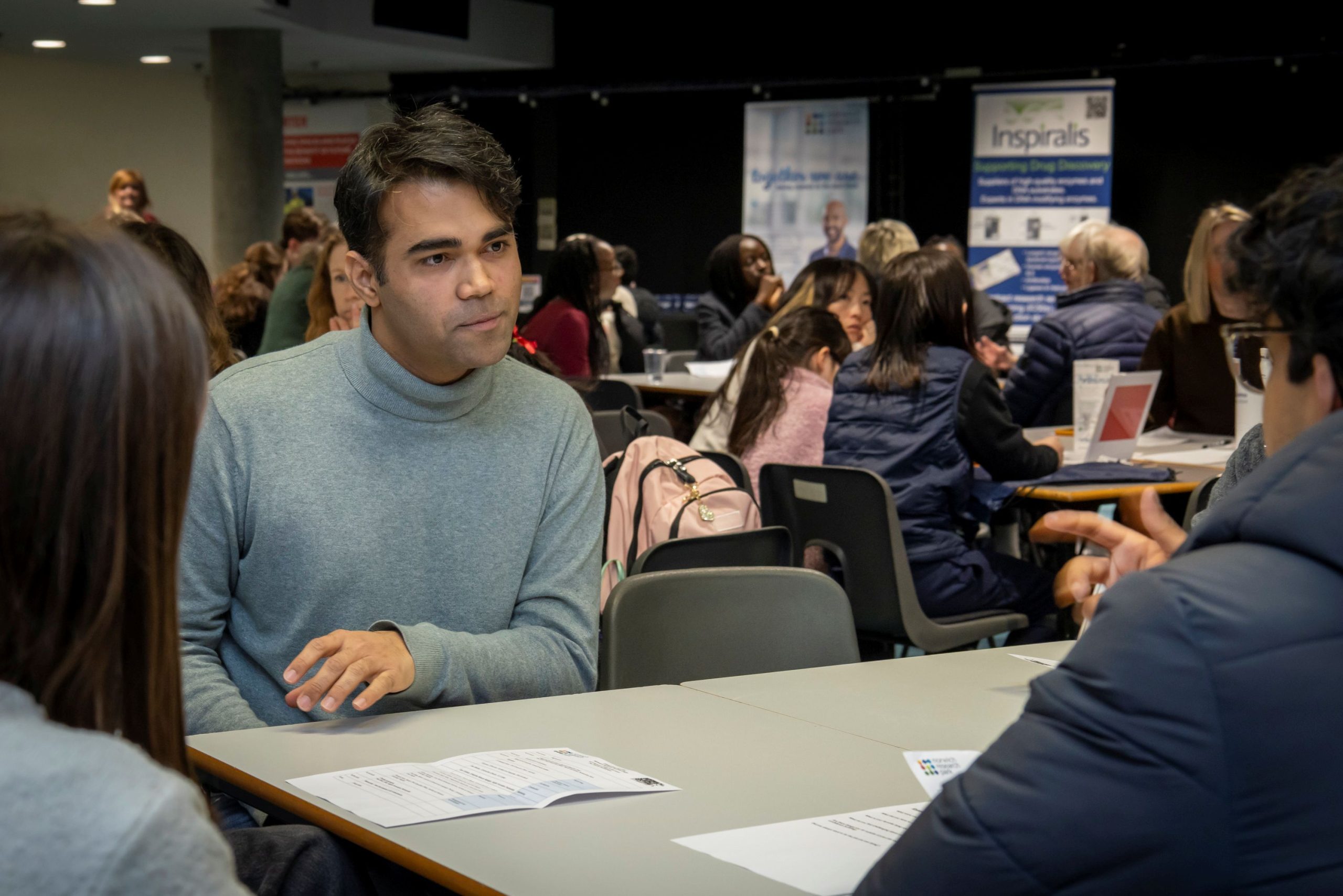
The talks were followed by a lively ‘speed-dating’ style Q&A where attendees were able to quiz the presenters about their individual roles and day-to-day activities, how they got into their line of work and the opportunities they have to contribute towards ‘making the science happen’.
Roz Bird, CEO of Anglia Innovation Partnership, the campus management organisation at Norwich Research Park, opened the event by talking about the growth plans for the park campus, which has 30,000 people on site. With 100,000 sq. ft of start-up accommodation, 1.6m sq. ft of land with planning consent available and a number of new buildings about to be started, there is a real sense of excitement about the coming years.
She said, “As we grow, so will the number and variety of jobs on offer as new companies are established and grow and other businesses relocate to Norwich Research Park. And, it won’t just be jobs for scientists. There will be all sort of jobs, as we are showcasing today. It’s important that we share news of these opportunities with the people of Norwich. Norwich Science Festival is an excellent platform for us to engage with young people who are starting to think about their future careers.
Roberta Hook, Deputy Chief Operating Officer at Norfolk and Norwich NHS Foundation Trust, looks after the day-to-day operations at the hospital from patient admission to the point they are discharged.
She said, The beauty of today’s event is that we can show young people just how many career paths there are and the different ways they can start working in a research-based environment at both the hospital and across the park campus. Whilst academic qualifications are important, we also showed that passion for something can open just as many career doors. The important thing is to keep being curious and find out what is really possible.”
Emma Waters, a postdoctoral research scientist at the Quadram Institute, works with dangerous pathogens in her work sequencing DNA.
She said, “I grew up in Norwich and discovered the Research Park thanks to an A-level summer placement at the John Innes Centre. That experience introduced me to the diverse science community and incredible research happening right on my doorstep and inspired me to become a scientist. I only spend about a third of my time in the lab; the rest involves collaboration, communication and global travel to places I’d never have imagined visiting before.”
Natassja Bush is CEO and co-founder of Inspiralis a company created as a result of research carried out at the John Innes Centre. It supplies enzymes to institutions around the world for use in further research.
She said, “Science is one of the key drivers of economic growth in the world and there are lots of jobs in it. Engagement with young people in our communities is vitally important to show them what options exist. One of the most important lessons I learned is that you can be involved in research without having to be a researcher.”
Samantha Graham, Enterprise Network Manager of Anglia Innovation Partnership, shone a light on the different services, facilities and skills that a fledgling company emerging from research needs to succeed.
She said, “When researchers have an idea for a business they don’t really know where to go for support on things like patenting their intellectual property (IP), creating a web site, designing a brand, raising finance or establishing industry partnerships. The support network we are building at Norwich Research Park has to support these very real needs and that means great job potential.”
Sarah Bennion, Finance Director at Norwich Bioscience Institutes (NBI) Partnership, manages the finances for the four research institutes at Norwich Research Park, the John Innes Centre, The Sainsbury Laboratory, Earlham Institute and Quadram Institute.
She explained, “Finance is really important in science as so much of it is publicly-funded from Government so accountability is key. My job is to take care of the finances so that the researchers can focus on what they do best without any distractions. Whilst my expertise is in finance, I still feel involved in being part of something really worthy and it is very rewarding to know we are supporting our scientists.”
Gurpinder Singh Sidhu, a postgraduate researcher at the John Innes Centre, talked about his exciting work at the interface of computational sciences, physics and biology.
He said, “I love working in science because I like solving complicated problems. I think the only two qualities you need to succeed in science are curiosity and a drive for learning. If you have those, you can gather the skills and knowledge needed to investigate a problem and help advance our knowledge of this world.”
Elissa Manzi, is a lecturer in Speech and Language Therapy at UEA, specialising in stroke rehabilitation and brain trauma.
She said, “The therapy I deliver crosses many streams of science, both biological and neurological. Many people are unaware how varied speech and language therapy can be and that we can work with people at all stages of life, from neo-nates to end of life care. I want to raise awareness of the opportunities speech and language therapy offers as a career. As well as the medical and scientific aspects, you also need a certain amount of creativity to tailor therapy to each individual. What we do really does make a difference to people’s lives.”
Suzanne O’Donovan, from SRA Architects, talked about how architects design buildings for the science sector that are inspirational, beautiful, sustainable and safe.
She said, “I think back to when I was young and the value of being given a steer on where to look for a career. There isn’t just one path into any job and I think it is important that we break down some of the misperceptions that exist around science. We need to inspire young people and get them interested in all of the opportunities available to them.”
Alex Mackay, Construction Director at R G Carter, gave an overview of the specialist aspects of building premises for science-based research.
He said, “I have been involved in building projects at Norwich Research Park for 20 years. When embarking on a build for science it is very important to understand what you are housing and the specific requirements of the organisation and its people who will be working in it. It is incredibly rewarding to finish each job knowing that you have played a role in supporting world leading research to take place in Norwich.”
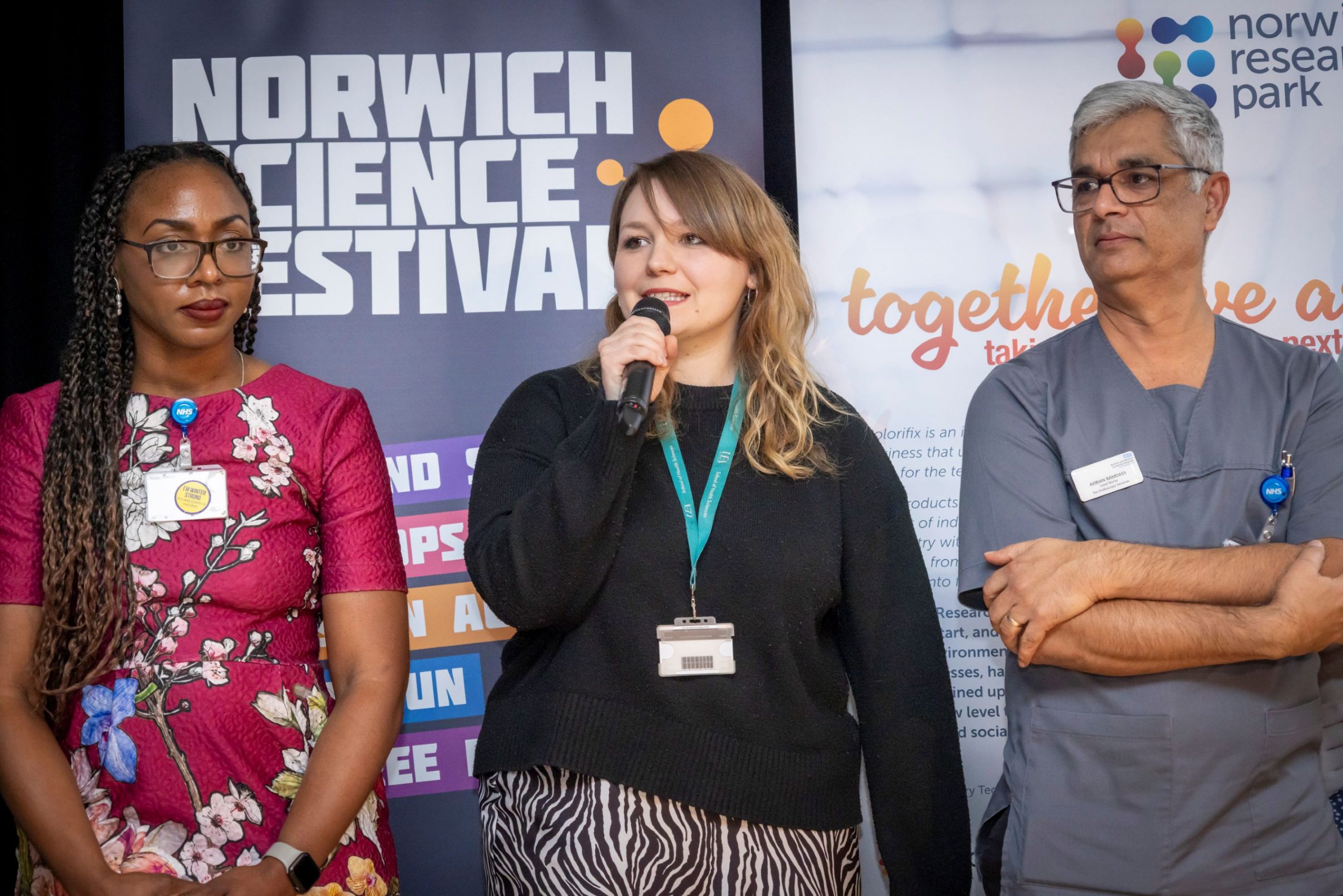
Adrian Ramdass is a Lead Nurse Endoscopy Services at the Quadram Institute/Norfolk and Norwich Hospital.
He said, “One of the most important jobs we have is to generate sufficient interest amongst young people so that they can replace us when it’s our time to retire! It’s not just nurses and doctors working at the hospital, it’s physiotherapy, IT support, communications and lots more disciplines. Most people don’t see half of what goes on behind the scenes to make the hospital run smoothly. It’s a very rewarding environment to work in, alongside so many different talented people.”
The event was well received by those that attended. Parent, Antony James, said, “It’s been an eye-opening event and it is great to have direct access to the speakers. Their message, that as long as you have a passion for science there is a pathway for you to work in the sector, is a powerful one.”
Paul Pearson, 16, of Wherry School Sixth Form, said, “I found the event to be very informative and I have established an interest in this field, especially in microbiology. I found it to be very educational and a really good introduction to what Norwich Research Park offers in terms of careers.”
*I have permission from the copyright holder to publish this content and images.
Post Overview
This story has been submitted by an Agri-TechE member.
The views expressed in this Member News article are the author's own and do not necessarily represent those of Agri-TechE.
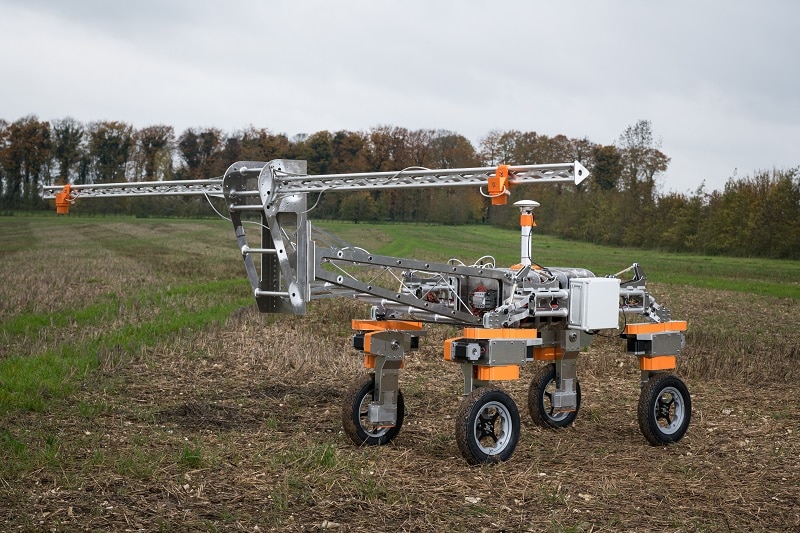
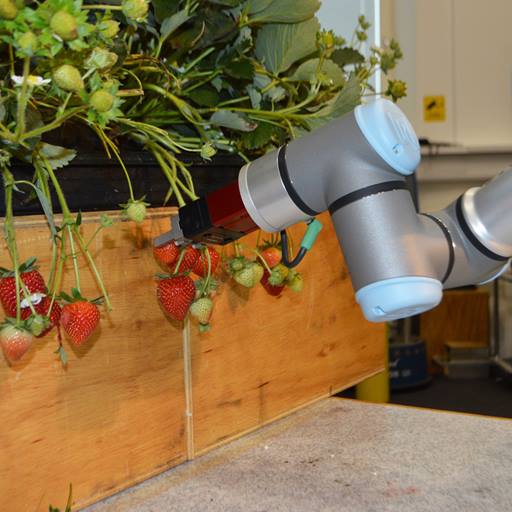
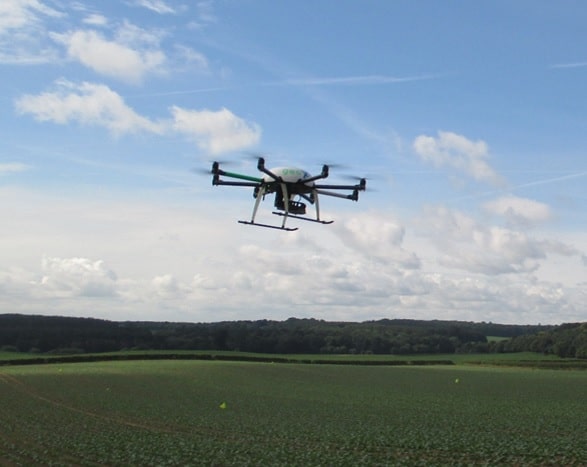
According to the retailer, the combination of techniques and technologies used demonstrated a carbon reduction of 47% in the growing phase compared to standard methods. The technology included two robots for bed farming, planting and weeding, two different types of drones to monitor and maintain crop health, and scientific testing on soil health and carbon impact.
The field also included various measures from M&S’s Farming with Nature programme to improve biodiversity of both wildlife and soil. One of these was the introduction of AgriSound technology to monitor pollinator numbers, with specialist listening devices situated on farm.
Through the trial, AgriSound found there was more pollinator activity in the trial field compared to the standard field, demonstrating another environmental benefit to farming this way, the supermarket said.
The views expressed in this Member News article are the author's own and do not necessarily represent those of Agri-TechE.
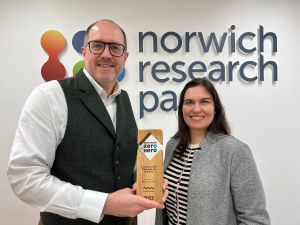
Norwich Research Park has won a prestigious industry award at the inaugural Commute Zero Hero Awards, hosted by climate tech provider Mobilityways. The awards honour organisations and individuals driving innovative commuting solutions that reduce carbon emissions and foster a culture of sustainability.
Norwich Research Park has won the Most Innovative Commuting Solution Award which recognises organisations that develop creative, forward-thinking solutions to transform the commuting experience.
Norwich Research Park won the award for its creative and data-driven approach to fostering a cycling culture. Building on a strong green travel strategy, Anglia Innovation Partnership, the campus management organisation at Norwich Research Park, launched a successful travel survey and created engaging in-person events such as Bike Day. With initiatives like the Beryl bike sharing scheme and free on-site bike repairs, it has made cycling more accessible, even for students who do not own a bike.
Its commitment is further reflected in the strong engagement it has established, with over 20% of staff cycling to work regularly. By using data to drive decisions, Anglia Innovation Partnership has laid the groundwork for future investments and has built a collaborative, supportive community across the park campus. In summary, Mobilityways said, “This innovative, community-focused approach sets Norwich Research Park apart as a leader in sustainable commuting.”
The Commute Zero Hero Awards, which cover the whole of the UK, recognise initiatives that have supported more than 53,000 individuals to make greener journeys over the last twelve months. Among the other winners are Heathrow Airport, West Sussex County Council and University Hospitals Dorset.
Nick Goodwin, COO of Anglia Innovation Partnership, the campus management organisation at Norwich Research Park, said, “We are delighted that our efforts to move towards more sustainable travel across the park campus have been recognised with this award. When you consider the growth of our campus and the number of people that are here every day, it is important to offer solutions that help our community to use more sustainable modes of transport to and from work.
“The institutions and companies at Norwich Research Park have a real sense of community and desire to make the park campus accessible to our local communities. We are on a journey to deliver on our strategy and continue our collaborative effort to improve the way we travel. This award is recognition for everyone who has completed surveys, communicated to staff and chosen to share a car, get the bus, walk, run or cycle to work – well done!”
Mobilityways Managing Director, Julie Furnell, commented, “The Commute Zero Hero Awards recognise those leading the charge in making commuting greener, healthier and more efficient. Our winners have developed best practices that deliver measurable impacts in the mission to make zero-carbon commuting a reality. From reducing emissions to improving the health, wealth and happiness of their teams, these organisations demonstrate the transformative power of sustainable commuting solutions. We’re delighted to celebrate their success and inspire others to follow suit.”
*I have permission from the copyright holder to publish this content and images.
Post Overview
This story has been submitted by an Agri-TechE member.
The views expressed in this Member News article are the author's own and do not necessarily represent those of Agri-TechE.
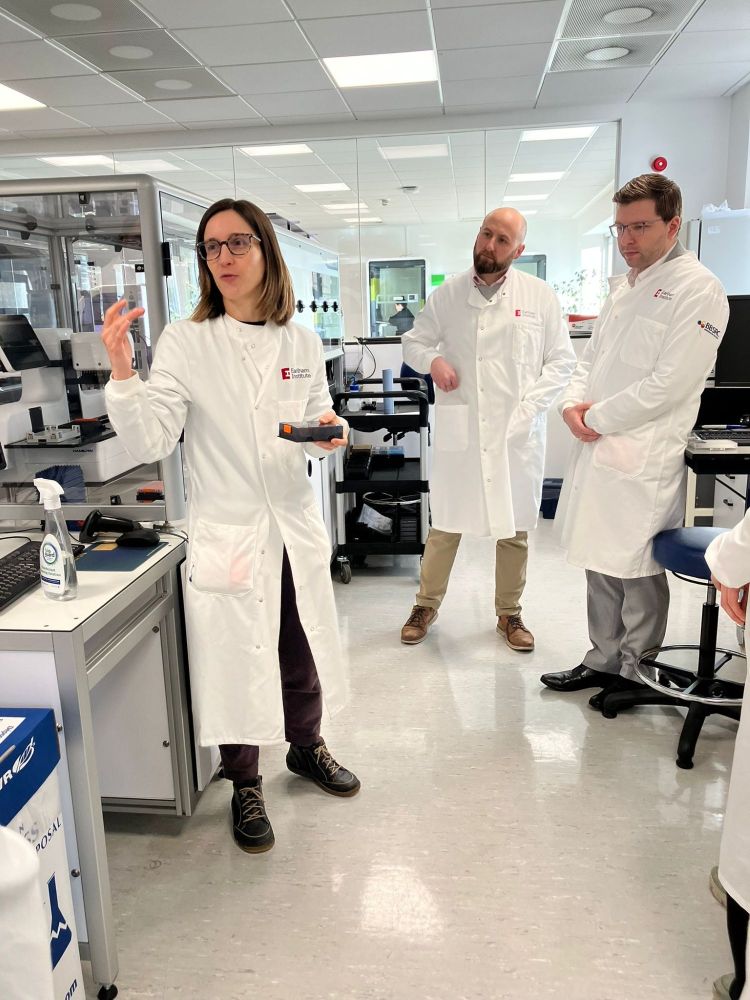
On 30 January, a high-level delegation from the Department for Science, Innovation and Technology (DSIT) visited Norwich Research Park, to see the cutting edge research and innovation in Engineering Biology that is being conducted on campus.
The team, led by Dr. Isabel Webb, Deputy Director for Technology Strategy and Security, visited Norwich Research Park’s BBSRC (Biotechnology and Biological Sciences Research Council) research institutes – the Quadram Institute, Earlham Institute and John Innes Centre.
Hosted by Roz Bird, CEO of Anglia Innovation Partnership, the campus management company for Norwich Research Park, the delegation initially met with the directors of the research institutes for a strategic discussion. Roz highlighted the opportunity for the campus to participate in, and where appropriate lead, transformative programmes of work that she termed ‘bio-transitions’.
This term describes the work being undertaken by the large cluster of microbiologists, based on campus, where they are making new discoveries to tackle climate change, food security and the health of the nation. This ‘bio-transitions’ work, to create new innovations, will ultimately support the Government’s growth agenda by creating new high-value jobs and improve productivity.
The department’s team were given a detailed presentation and tour of the Earlham Institute’s technologies, where they met Director of the Earlham Institute, Neil Hall, and the Head of Plant Genomics Anthony Hall. The DSIT team was particularly interested in the use of the BioFoundry and its advanced capabilities.
A networking lunch was held where they were introduced to many of the entrepreneurs who have set up successful companies at Norwich Research Park including Colorifix, Tropic, Alora and Inspiralis.
Lunch was followed by a series of presentations from the John Innes Centre, including a progress update on the Next Generation Infrastructure (NGI) project, the work of the Insectary and the work of Professor Anne Osbourn’s lab on plant natural product biosynthesis.
Next was a visit to the Quadram Institute where they were hosted by Dr Patricia Hart who explained the ground-breaking research being undertaken which included several aspects of engineering biology, from environmental applications to human health and plant biotechnology.
The DSIT visitors were introduced to PhD student Brenda Mionki who talked about her research into how gene-edited tomatoes could provide a new way of supplementing vitamin D for individuals lacking this important vitamin and Dr Rokas Juodeikis, a Quadram Institute Bioscience Fellow, who is developing novel strategies to improve health and address nutrient deficiencies using bacterial extracellular vesicle (BEV) engineering. The visit to the Quadram Institute was concluded by a discussion with Prof Mark Webber and his team around their use of functional genomics in Engineering Biology.
At the conclusion of the visit, Roz said, “This was a great opportunity to showcase the ways in which Norwich Research Park is leading the Engineering Biology scene in the UK, in terms of the critical mass of activity, the diverse range of work, the deep-tech nature of the curiosity-driven science and applied science, and the way in which the campus is supporting new spin-outs and industry partners to maximise the impact of publicly-funded research which is creating jobs and generating growth for the economy.
“With further support from our partners, in government, we will be able to create growth in the economy through ‘bio-transitions’ workstreams which involve all areas of industry and society and which will help mitigate the impact of climate change, ensure food is nutritious and that people stay healthier for longer.”
*I have permission from the copyright holder to publish this content and images.
Post Overview
This story has been submitted by an Agri-TechE member.
The views expressed in this Member News article are the author's own and do not necessarily represent those of Agri-TechE.
Syngenta Crop Protection and TraitSeq announce a pioneering collaboration which could help farmers transition to more sustainable practices.
Syngenta and the pioneering artificial intelligence (AI) company TraitSeq are combining forces to use the full power of AI for the development of innovative, high-performance biostimulants.
Syngenta, a world leader in developing the next generation of biologicals products for agricultural use, will use its extensive knowledge of crop biology to complement TraitSeq’s proprietary AI methods to identify highly specific indicators of a plant’s cellular state called biomarkers. When activated, these biomarkers can indicate how well a plant is responding to efforts to boost its health or to block the effects of external, abiotic stressors.
Biostimulants are products applied to plants, seeds or the root environment that enhance natural plant processes, leading to an improved nutrient use efficiency, increased tolerance to abiotic stress or better crop quality. Biostimulants are a vital and growing component of sustainable agriculture, yet their performance can vary depending on environmental factors such as temperature and local climate.
Syngenta has extensive data across different branches of science – such as genomics, proteomics, metabolomics, and phenomics. Using TraitSeq’s sophisticated proprietary platform, scientists from both teams hope to leverage AI to analyze complex biological big data, to uncover the intricate molecular interactions that impact a crop’s ability to utilize available nutrients in the soil. Once specific biomarkers can be identified, scientists hope to be able to quickly and accurately assess the efficacy of a new biostimulant in enhancing plant health.
The development of such biostimulants also fits in Syngenta’s efforts to support farmers transition to regenerative practices and its commitment to sustainability. Syngenta’s recently launched Portfolio Sustainability Framework (PSF) rates Syngenta’s products for sustainability and stakeholder alignments into 3 tiers. New products are also included with the aim to shift the portfolio towards the top tier.
Camilla Corsi, Head Crop Protection Research & Development, said: “At Syngenta, we are accelerating the pace at which we innovate, to deliver solutions farmers urgently need. Technologies such as TraitSeq’s AI-driven platform enable us to revolutionize our research, attain important data-driven insights, so that we can develop the next-generation of sustainable solutions faster – while further strengthening our pipeline of innovative agricultural technologies.”
Dr. Joshua Colmer, CEO of TraitSeq, said: “This partnership highlights how TraitSeq’s versatile platform can transform agricultural input development by uncovering predictive biomarkers that directly link molecular insights to biostimulant performance. By equipping Syngenta’s innovation pipeline with these capabilities, we aim to optimise and accelerate the development of new biological solutions, which will support farmers in adopting more sustainable agricultural practices.”
Biostimulants offer an important solution to farmers seeking to improve the sustainability of their farming operations while addressing challenges arising from an increasingly constrained toolbox of available agricultural technologies and evolving consumer demands.
The views expressed in this Member News article are the author's own and do not necessarily represent those of Agri-TechE.
About every six months or so, Casey Darrow used to do a Google search: record-keeping apps for fruit growers.
He needed a better way to keep track of the pesticide applications on his 110-acre farm in Vermont, Green Mountain Orchards. But it seemed like every app he tried had no idea what fruit farmers needed.
There were a few options geared toward corn and soybean growers. But Casey didn’t have much need for an app that helped him calibrate a 40-foot-wide sprayer. One app that was targeted more toward specialty growers seemed hopeful — until a report that was supposed to streamline Casey’s work turned out to be nearly 400 pages.
For years, Casey kept searching and trying out new apps as they became available. Every time, he would end up going back to the same trusty spreadsheet that he’d spent hours building himself.
That is, until he was scrolling through some posts in the Next Gen Fruit Growers Facebook group. Someone had left a comment about a new app called Farmable that was supposed to help out with record-keeping.
“I immediately downloaded it, and right away, I was like, ‘Oh my gosh, this is what I’ve been looking for all these years,’” Casey said.
Casey’s acres — which grow mostly apples and blueberries — include 29 different blocks that he needs to keep track of. With Farmable’s import tool, Casey integrated maps of those blocks directly into the platform. Now he can track each block’s application records, pesticide and fungicide mixes, irrigation zones, and more. No spreadsheet necessary.
“Most of the materials we use have limits on how much you can use per acre or how many times per year you can apply it,” Casey said. “I used to have to go down the spreadsheet and manually count the applications, from 29 different fields. With Farmable, now I can just say, ‘show me all the applications of this product in this block between these dates.’ It spits it right out.”
This has saved Casey about 2-4 hours of manual work each week — so he can focus on more important strategic work around the farm.
He’s also used Farmable to set specific application tasks, then assign that work to specific employees. Once they finish, each employee can check off applications right in the Farmable app. Now Casey no longer has to walk around the fields at the end of the day, searching for certain employees and verbally asking if they finished an application or if they’re running low on a certain product. He can just pull out his phone and get real-time updates.
As Casey integrates more of Farmable’s features into his day-to-day operations, he’s also been pleased with Farmable’s ability to listen to their customers and adapt to new needs.
For example, sometimes Casey’s employees will do an “alternate middle” application on the operation’s fields. In this situation, they spray every other middle, then go back a day or two later and fill in the rest. Early on, there was no way to record these types of applications in the Farmable app — instead, it showed up as two applications (and double the product used).
“I emailed the team, and they told me they were already working on an update for that,” Casey said. “Their responsiveness has been great, and it’s really allowed me to finetune the platform to my operation.”
If you’re interested in seeing how Farmable can help you streamline operations, keep better track of your crop treatments, easily manage your employees’ workflows, you can download the Farmable App and get started for free.
*I have permission from the copyright holder to publish this content and images.
Post Overview
This story has been submitted by an Agri-TechE member.
The views expressed in this Member News article are the author's own and do not necessarily represent those of Agri-TechE.
Hack your Apple Harvest in 2025.
If you are growing apples this season, it’s time to simplify your harvest.
February 1, 2025
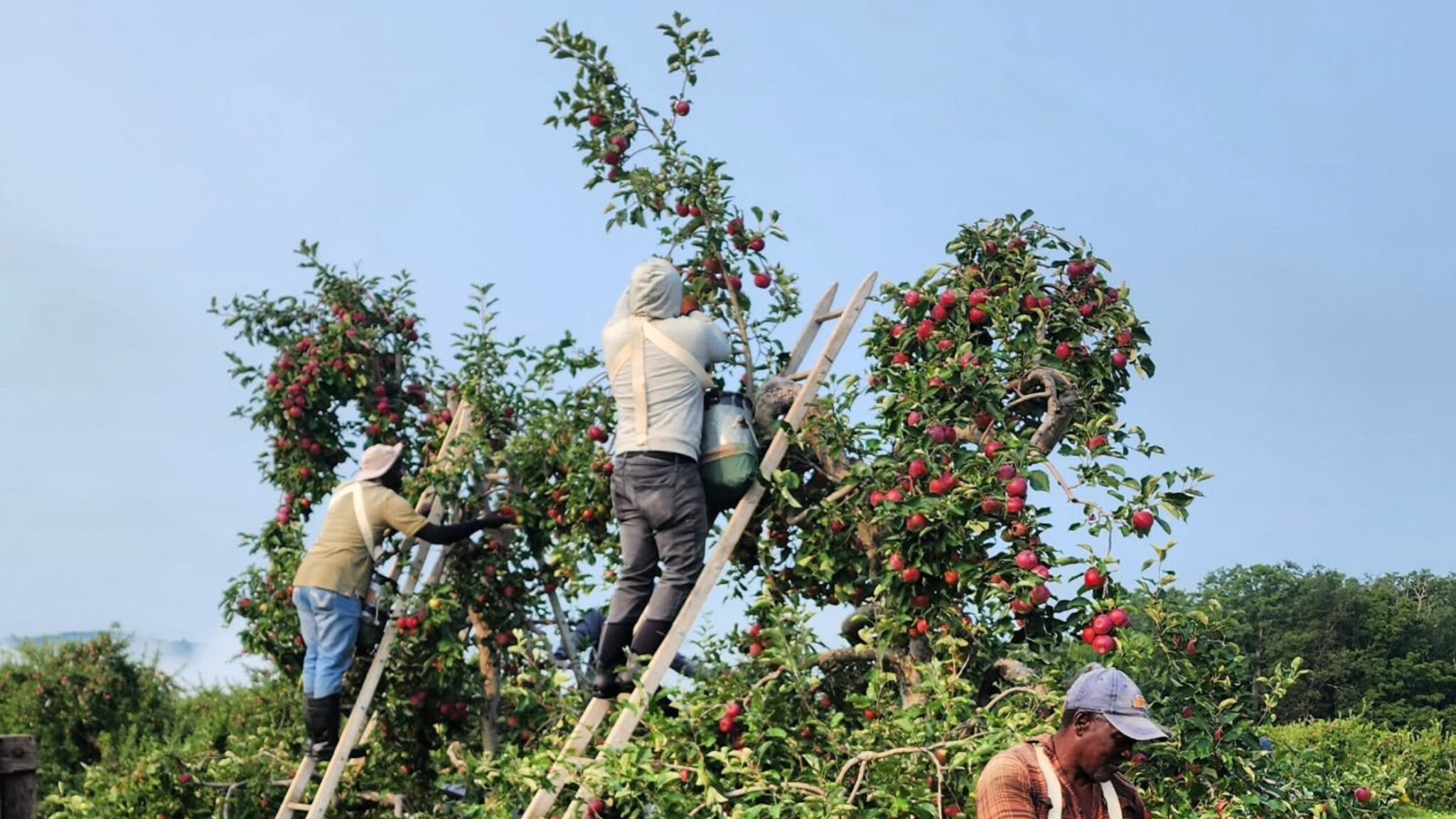
When harvest season arrives later this year, millions of crates of fruit are being picked and loaded into packhouses and cold storage.
How do you keep track of it all?
Solutions can range from expensive barcode systems to permanent markers and A4 paper. During the 2024 season, a simple and low cost technology for managing harvest made its way into apple farms in Germany. UK family-owned farms, stand to benefit all the same.
A Game Changer in Apple Harvest
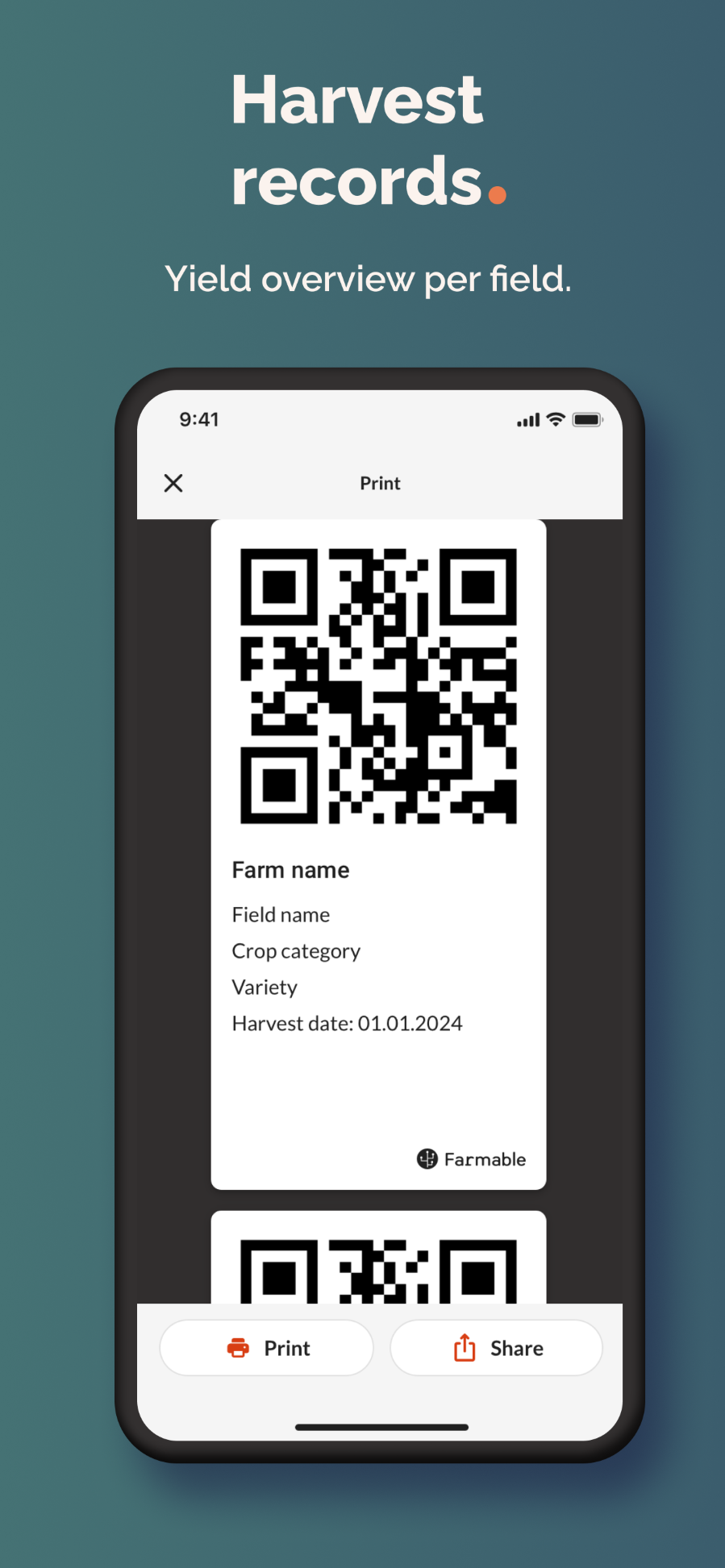
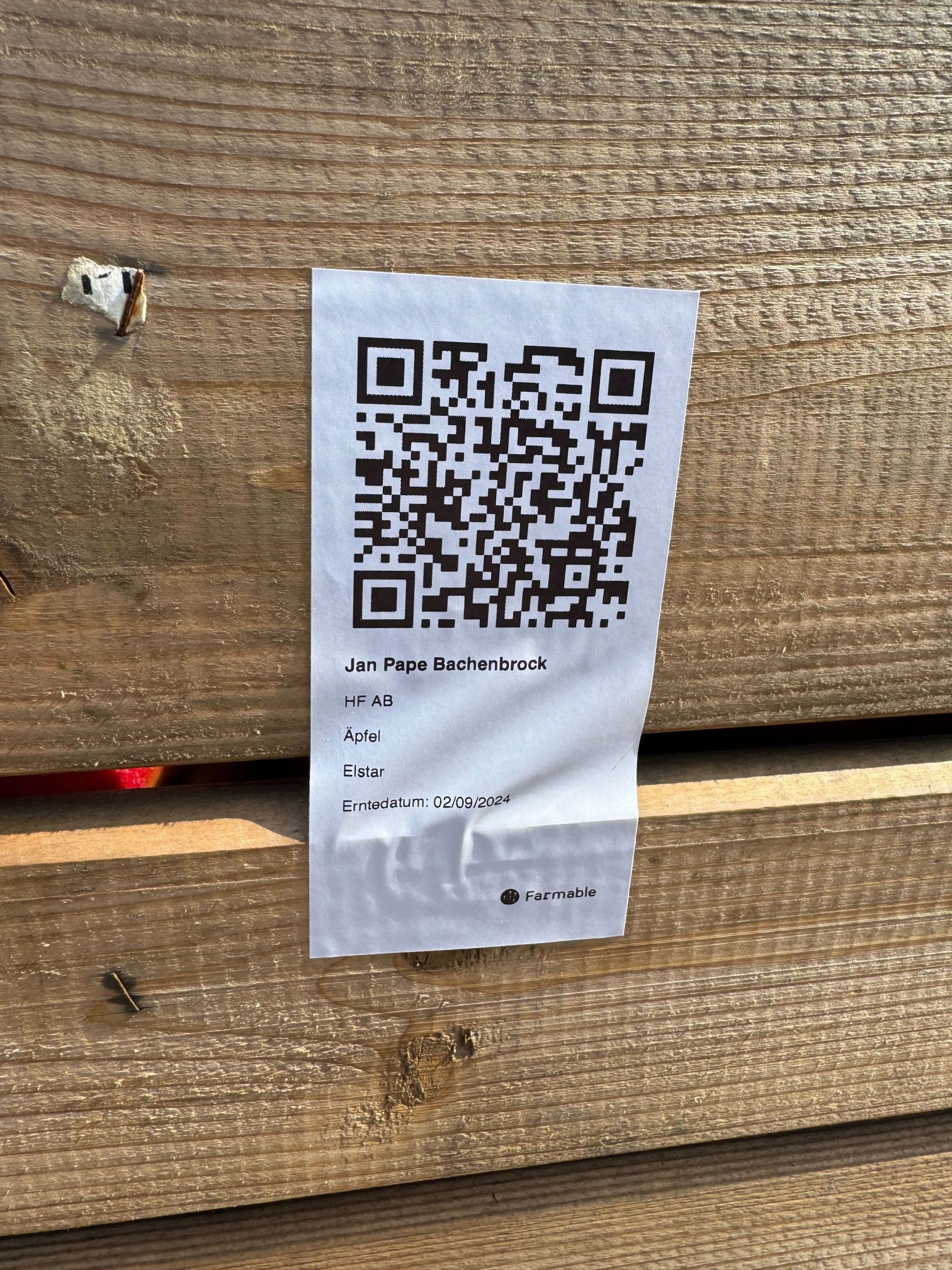
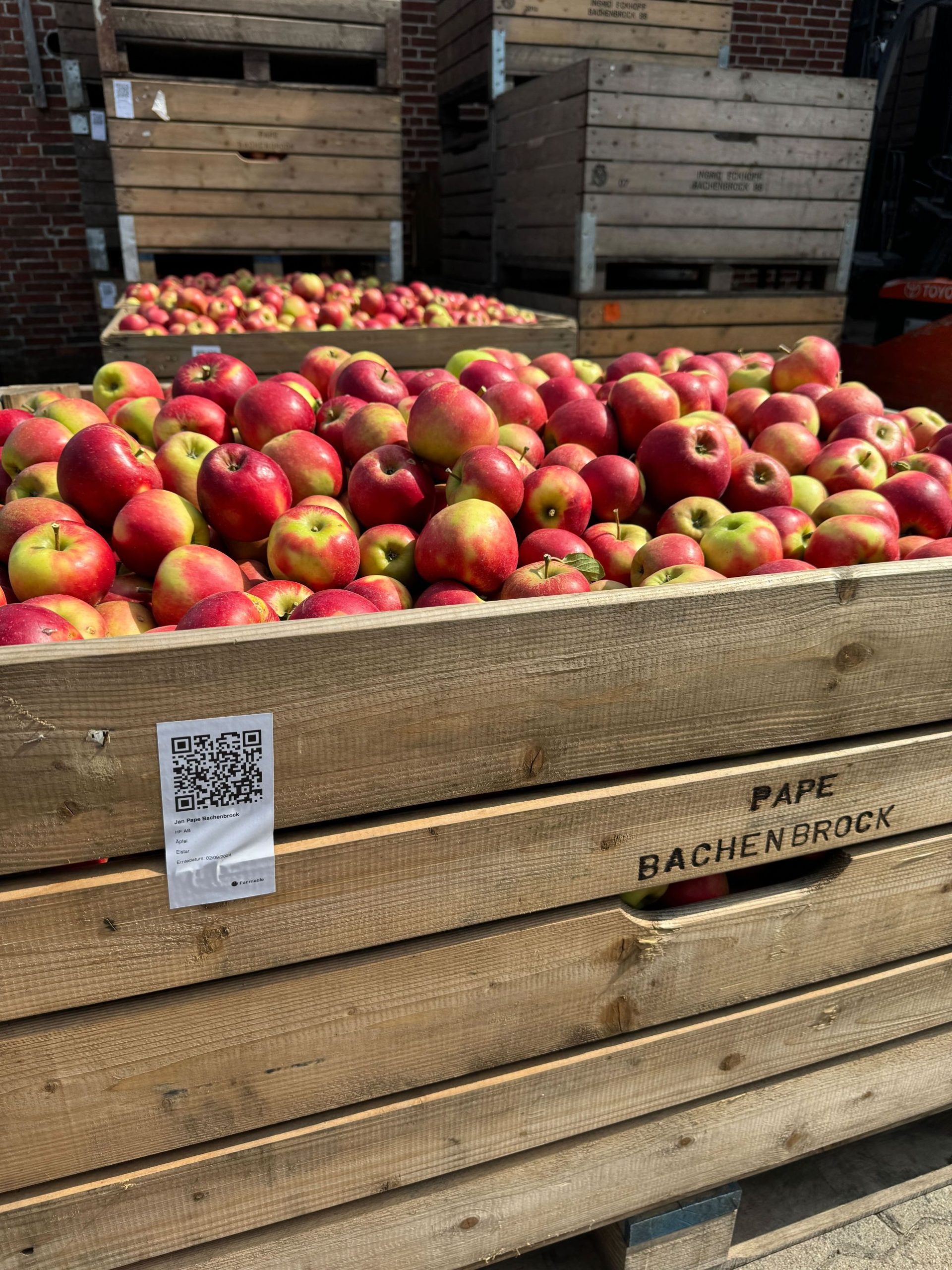
Farmable is a user-friendly farm management app for recording crop treatments, field notes and most importantly; harvest records. At £299 for an annual subscription, the tool is a no-brainer for simplifying record keeping. At the request of several apple growers, Farmable launched a new feature for harvest labels in August 2024. It immediately got adopted by German apple grower Jan Pape, from outside Hamburg, who grows Elstar apples on his 100 acre farm.
“I manage the harvest recording securely in one place. There are hardly any errors made by employees or me, the farm manager, when preparing or following up the harvest day,” says Pape.
Super Easy Set-up
We asked Jan to comment on the new harvest label features. Here is what Jan and his team had to say about adopting a new tool, just days before harvest began.
How did you label your harvest bins last season?
“I used a program for printing business cards – always 10 business cards on an A4 sheet; then cut it up… sometimes you have too few in the morning, but sometimes just too much… or I could forget it altogether.”
How much time did it take him to get started with the Farmable harvest labels?
“The setup is super easy/foolproof and was done in just a few minutes”
Who is benefiting from the harvest labels most in his operation?
“I think we all have a benefit. By record harvest and printing labels directly via the app, it seems to me that the susceptibility to errors when allocating harvest quantities is very low”
How can you benefit from Farmable in your orchard?
Map the field you are harvesting from in the Farmable App
Record your harvest production easily from your mobile phone
Print labels on the go with a low cost, handheld label printer
Labels for harvest bins can be created and printed, including all key data points such as field, apple variety, and harvest date. Each label also includes a QR code that can be scanned to retrieve even more detailed information about the harvest and the batch. This simplifies traceability and provides a level of detail that is essential for managing large-scale operations.
For farm managers, the benefits of this feature are clear: with access to all relevant information, they can ensure that each bin is handled correctly, reducing the risk of mix-ups or errors.
A team member on Jan’s farm explains,: “I can print it directly and flexibly with every harvest record and don’t have to print anything on a PC or change templates.”
A Total Harvest Solution for under £500.
On Jan’s farm, he purchased a Brother Thermal Label Printer for £299, but you can find wireless label printers on Amazon starting at £100. Throw in an extra £50 for labels and your Farmable Pro subscription for £299 . All in, you can radically simplify harvest management and save a lot of stress for less than £500.
Whether you want to start using Farmable in tomorrow’s harvest or start planning for next season, you can get started in a few minutes by downloading the Farmable App.
Find it in your app store and try it for free.
*I have permission from the copyright holder to publish this content and images.
Post Overview
This story has been submitted by an Agri-TechE member.
The views expressed in this Member News article are the author's own and do not necessarily represent those of Agri-TechE.
In the latest development on the new proposed legislation for the regulation of NGT (gene-edited) plants in the EU, the Polish Presidency have proposed an amendment which removes the proposed patent ban for NGT plants, plant material and plant products.
By way of reminder, in preparing legislation to relax the regulatory process for the marketing of NGT plants, the EU Parliament proposed an amendment which effectively excluded from patentability “NGT plants, parts thereof, genetic information, and the process features they contain”. The proposal also included restrictions on the scope of protection of existing patents and applications for all NGT plants. The purpose of the proposed ban was to avoid legal uncertainties, increased costs and dependencies on large agritech companies for farmers and breeders. This, they argued, was in line with the EU Commission aim to develop sustainable agriculture and increase food security in the region.
Since the proposed amendment, there has been debate over the scope of the exclusion, which could have been interpreted as extending to the genetic tools used for targeted mutagenesis. There has also been understandable reluctance in having to revise existing legislation such as the EU Biotech Directive, the UPCA and the Trips agreement, as well as questions over the amendments that might be needed to the European Patent Convention. Despite softening the proposal to be limited to the lower-risk NGT1 plants only by the Belgian Presidency, theywere unable to secure a majority vote.
The current Polish presidency have recognised that in order to implement the regulatory legislation, the deadlock between the EU member states on the proposed patent ban has to be promptly addressed. With the objective of stimulating innovation in the EU whilst enabling free access to varieties by breeders, the Polish Presidency have proposed the following:
There will be a distinction between patents which protect basic technologies and patents for plants and processes which result in a specific plant trait.
Reproductive material of an NGT1 plant can be placed on the market without any further restrictions, if it is not protected by a product patent, or a process patent which results in a specific trait of the plant.
If there are patents which protect the reproductive material, or which protect a process which results in a specific trait, then the reproductive material can still be put on the market, but it may be subject to further restrictions if a Member State wishes. Such restrictions include: a ban on use of the reproductive material for cultivation of reproductive material and a labelling requirement. These restrictions would aim to protect national farmers and breeders against patents.
The proposal includes a verification procedure to determine the existence of patents or applications which may be relevant, and this burden will fall to the party putting the reproductive material on the market.
It is notable that the provisions don’t relate to plants per se, or plant products but only to reproductive material. The requirements are also limited to NGT1 plants, and any other reproductive material will not be subject to the verification procedure.
Many have welcomed the removal of the proposed patent ban, and if the Polish proposal is accepted then the legislation may progress forward, although there are still many non-IP related issues to resolve.
The views expressed in this Member News article are the author's own and do not necessarily represent those of Agri-TechE.
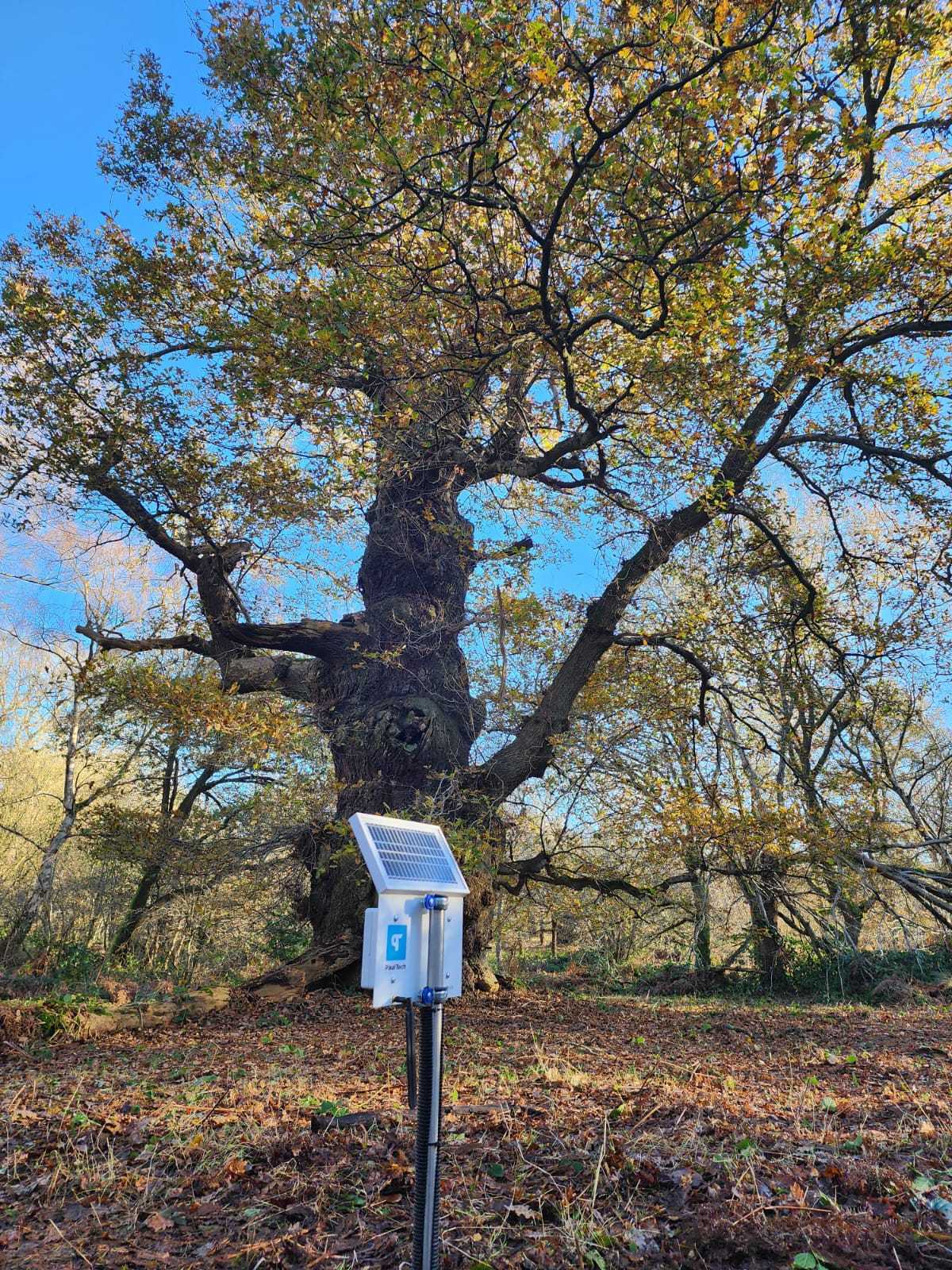
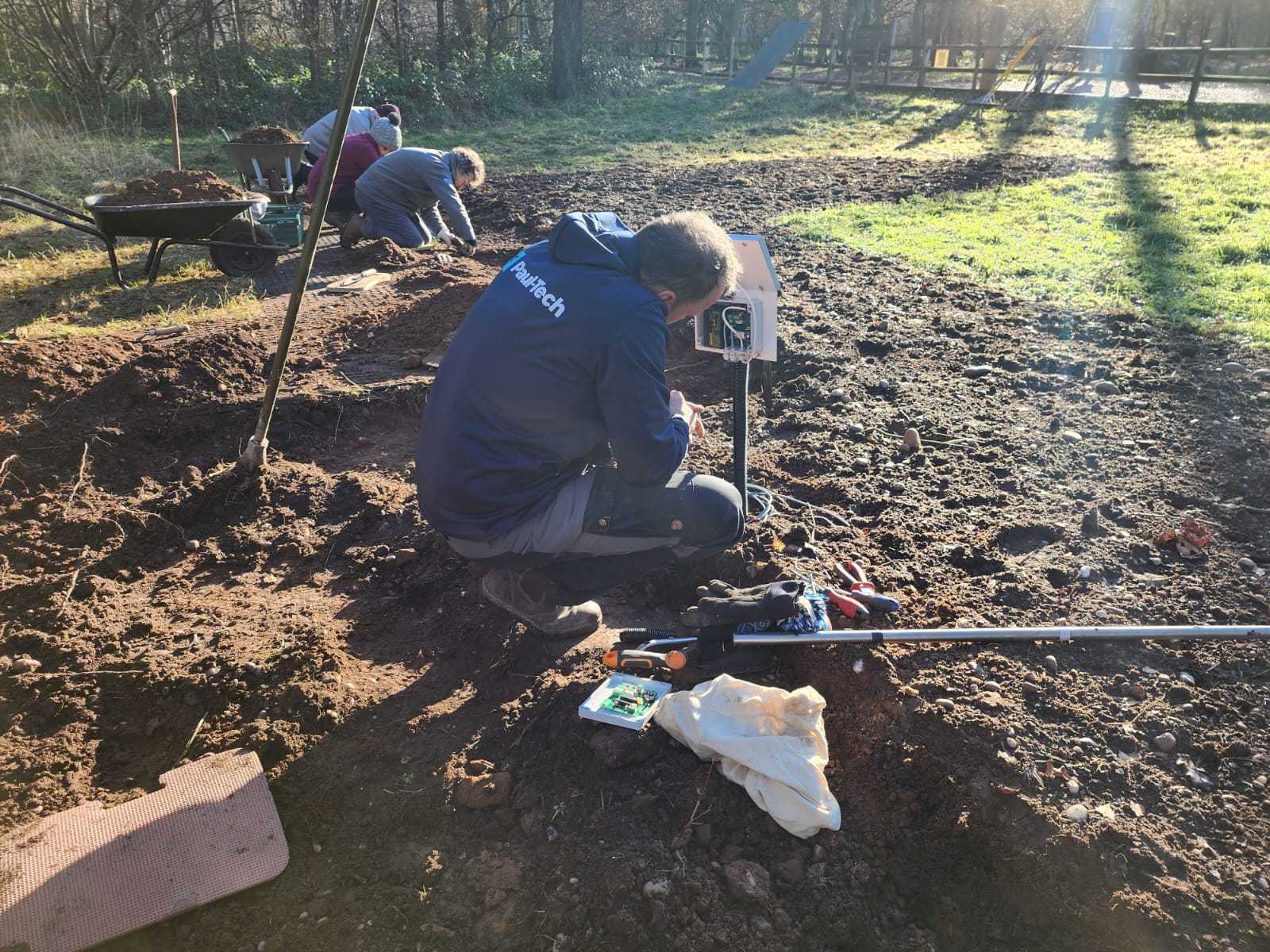
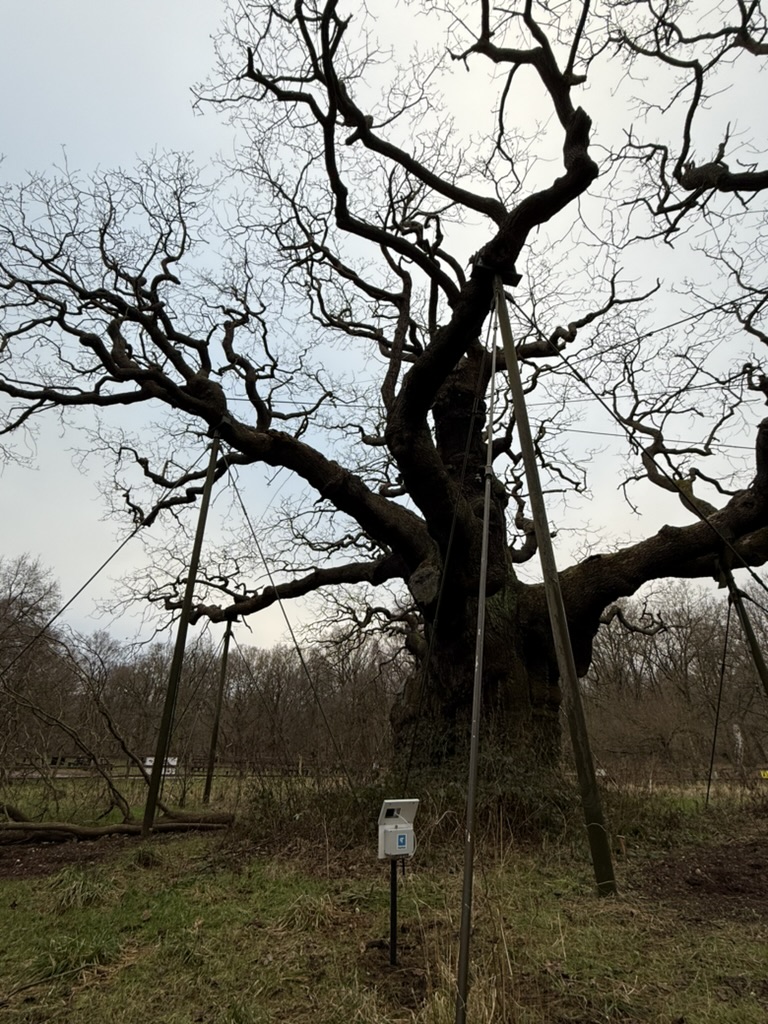
Paul-Tech has installed its innovative soil stations to closely monitor one of the UK’s most famous trees, The Major Oak, located in Sherwood Forest, Nottinghamshire.
This advanced soil station enables real-time monitoring of soil conditions, offering valuable insights to better understand and care for the health of this iconic tree.
The Major Oak – one of Britain’s largest and oldest oaks – is said to have been the hiding place of Robin Hood and his band of outlaws in Medieval times. The legend attracts around 350,000 people from across the globe to visit Sherwood Forest each year, most hoping to see the 1,200-year-old native English oak (Quercus robur).
Over the years, numerous measures have been implemented to protect The Major Oak, including support structures and fencing to safeguard its soil and roots. Previously, the soil surrounding the tree was periodically tested to assess its quality and identify potential risks to the tree’s health.
Now, with the real-time data provided by Paul-Tech’s soil station, experts can continuously monitor key soil parameters, such as moisture, temperature, and nutrient levels. This data allows for more precise evaluations of the tree’s condition and the ability to adjust maintenance measures as needed.
The project is a collaboration between the UK’s largest nature conservation charity The Royal Society for the Protection of Birds (RSPB), which manages Sherwood Forest, SoilBioLab, the UK’s leading soil health company. Also involved are partners from academia, woodland and conservation organisations, and independent experts in tree health and hydrology, all carrying out vital work to support the oak throughout the year.
Simon Parfey, Managing Director of SoilBioLab, explained, “We have been analysing the soil around The Major Oak for years, studying its microbiology, including the fungi and bacteria it hosts. Paul-Tech’s soil station offers us the opportunity to better understand the hydrology – from water requirements to movement and absorption. Nutrient availability is also a major focus, and the ability to access this data in real time is a significant advantage.”
“The Major Oak is a symbol of Britain’s natural and cultural heritage, and it is a great honour to be part of its preservation,” said Mikk Plakk, Chief Executive Officer of Paul-Tech. “Our soil stations are primarily used in agriculture to help farmers make data-driven decisions. This project, however, allows us to apply our technology in an entirely new way – protecting a historically and ecologically significant tree. We are excited to see how the data we collect will enhance our understanding of heritage conservation.”
Chloe Ryder, the RSPB Estate Operations Manager for Sherwood Forest, said: “Sherwood’s ancient oak trees make it one of Europe’s rarest habitats and it is our privilege to have the responsibility for maintaining the delicate eco-system which has shaped the character of the woodland over thousands of years.
“Supporting the health of the Major Oak requires partnership and expertise. We are working alongside those who understand best how we can create the optimum conditions for the Major Oak to continue its already incredible lifespan.
“The RSPB is a science and evidence-led organisation, so harnessing technology like the Paul-Tech soil station to obtain vital real-time data is essential not just to learn how we can support this tree but other ancient oak trees throughout Sherwood Forest and elsewhere in the future. We’re all really excited to be able to share more clearly and accurately what is happening to the Major Oak and how the work we’re carrying out is benefitting it.”
Paul-Tech is a science-driven agricultural platform that enables farmers to make precise, data-informed decisions through real-time soil monitoring. Its soil sensors, developed over multiple generations of research, measure soil nutrient availability and fertiliser efficiency, providing farmers with valuable insights into soil processes. Founded in 2019, Paul-Tech operates in Estonia, Finland, Sweden, and Lithuania. Last year, the company expanded into the UK, where more than 100 soil stations are now in use.
*I have permission from the copyright holder to publish this content and images.
Post Overview
This story has been submitted by an Agri-TechE member.

 Overbury Enterprises




 Paul-Tech Ltd

 eg technology Ltd




 Norwich Research Park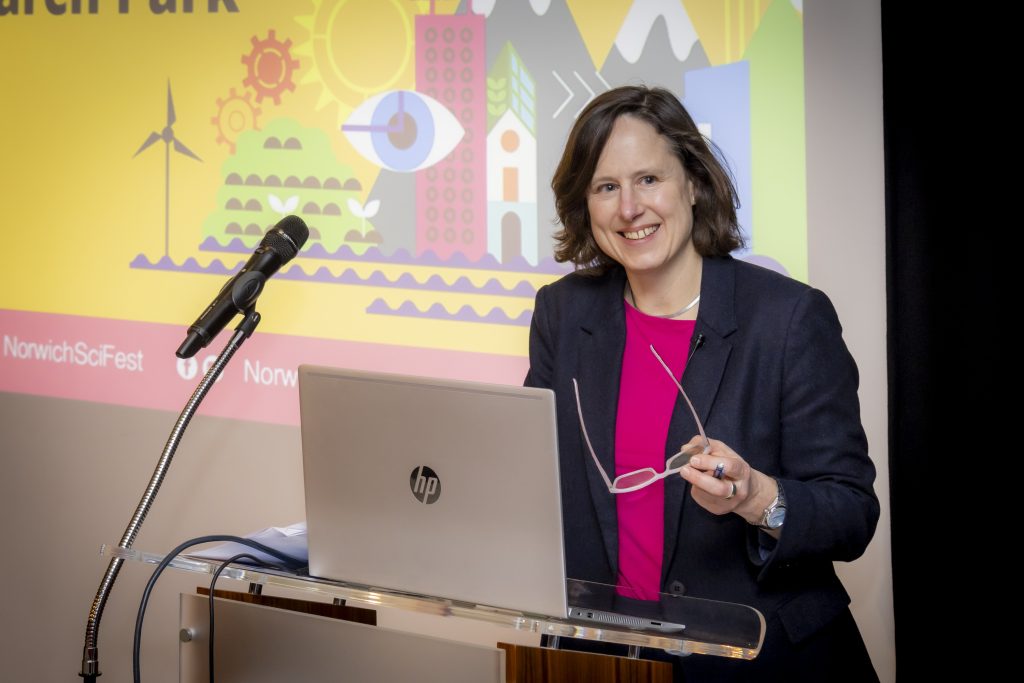




 AgriSound Ltd





 Syngenta





 Farmable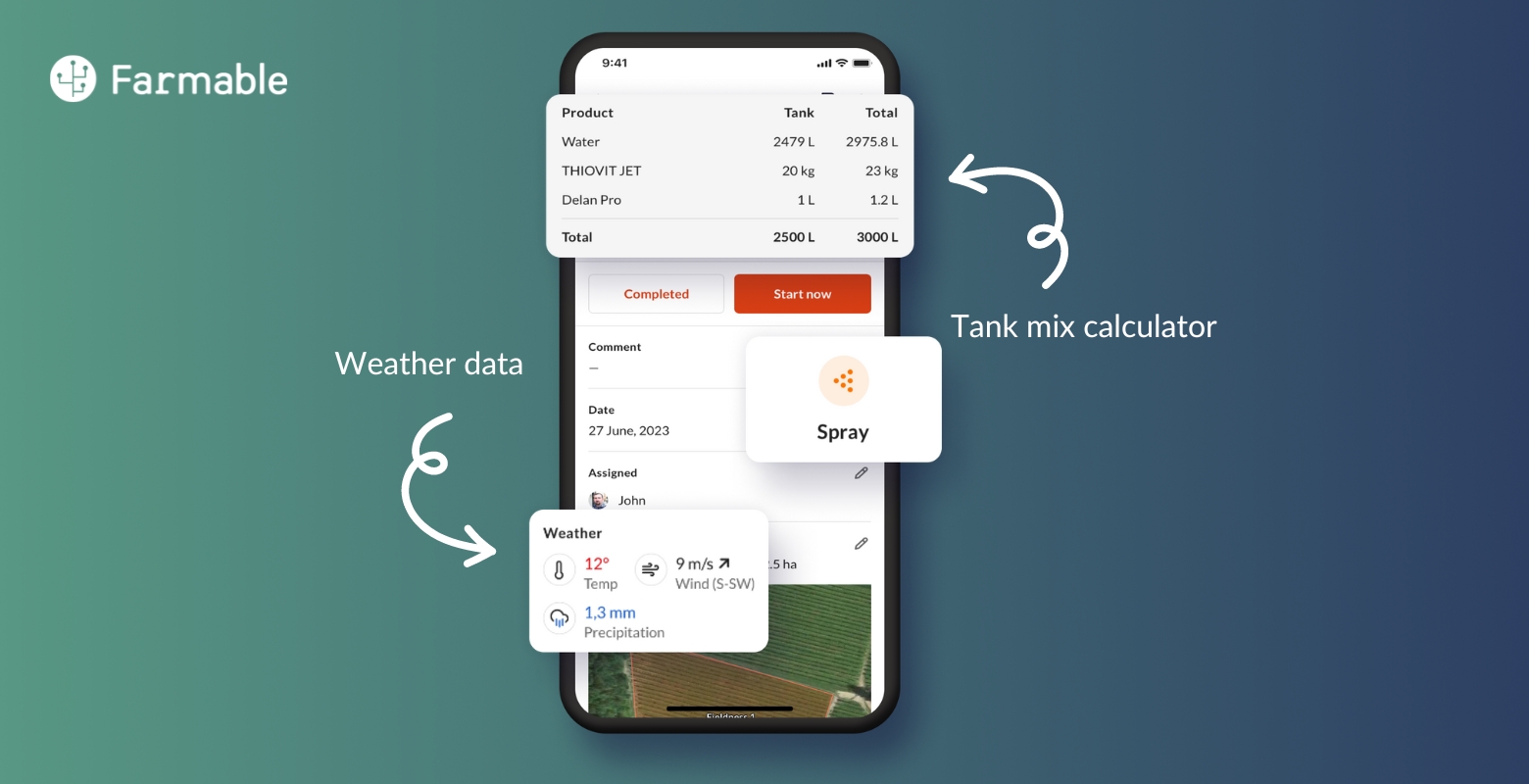



 HGF Limited