Burleigh Dodds Science Publishing launch new generative AI-based knowledge platform for the agricultural industry

Member News
The views expressed in this Member News article are the author's own and do not necessarily represent those of Agri-TechE.

The advent of Artificial Intelligence (AI) has been celebrated as one of the greatest technological achievements of the 21st century.

“The development of AI is as fundamental as the creation of the microprocessor, the personal computer, the internet and the mobile phone,” writes Bill Gates – co-founder of Microsoft – in a ‘Gates Notes’ blog post.

“Entire industries will reorient around it…and businesses will distinguish themselves by how well they use it,” he adds.

And less than two years after making this comment, he couldn’t be more right. Industries across the globe, from healthcare, manufacturing and finance, to fashion, agriculture and publishing, are utilising AI to transform their business operations.

Paving the way in the UK academic publishing sector is Cambridge-based publisher Burleigh Dodds Science Publishing.

Burleigh Dodds Science Publishing are an academic publisher specialising in publishing edited collections summarising key trends in agricultural science research.

As the business approaches its ten-year anniversary, Managing Director Rob Burleigh has announced that their product portfolio will be growing with the addition of AgNetZero.

“AgNetZero is a brand new intelligent knowledge SaaS solution which is powered by our internationally-trusted content,” says Rob Burleigh, Managing Director of Burleigh Dodds Science Publishing.

Developed alongside UK-based technology partner Librios, AgNetZero equips users with the ability to search across more than 2,300 research documents created by internationally renowned authorities in agricultural and food science working in academia and industry.

Additional features allow subscribers to upload their own documents to a safe and trusted environment to sit alongside the Burleigh Dodds content and perform AI powered analysis to create an array of editable and exportable documents, spanning from research summaries, to presentations, training guides and a range of marketing and communication outputs.

“AgNetZero has added a different dimension to the content we produce,” says Rob Burleigh.

“It has brought the research we publish to life and taken it off the page and screen, allowing users to truly engage with that same research in a way that hasn’t been possible before,” he adds.

Despite the capabilities of AI and the excitement it brings to publishing and other sectors, there remains some uncertainty surrounding its use, namely its misuse and the production of unreliable AI-generated outputs.

“AgNetZero is simply not in that space and we can say that because our platform is ringfenced to only contain the content that we have published which has been peer-reviewed by experts in the sector,” he adds.

For more information about AgNetZero, please contact rob.burleigh@bdspublishing.com

  • *I have permission from the copyright holder to publish this content and images.

Key Take Aways from ruumi’s 2025 start of season webinar – Kick-start your grass-growing season

Member News
The views expressed in this Member News article are the author's own and do not necessarily represent those of Agri-TechE.

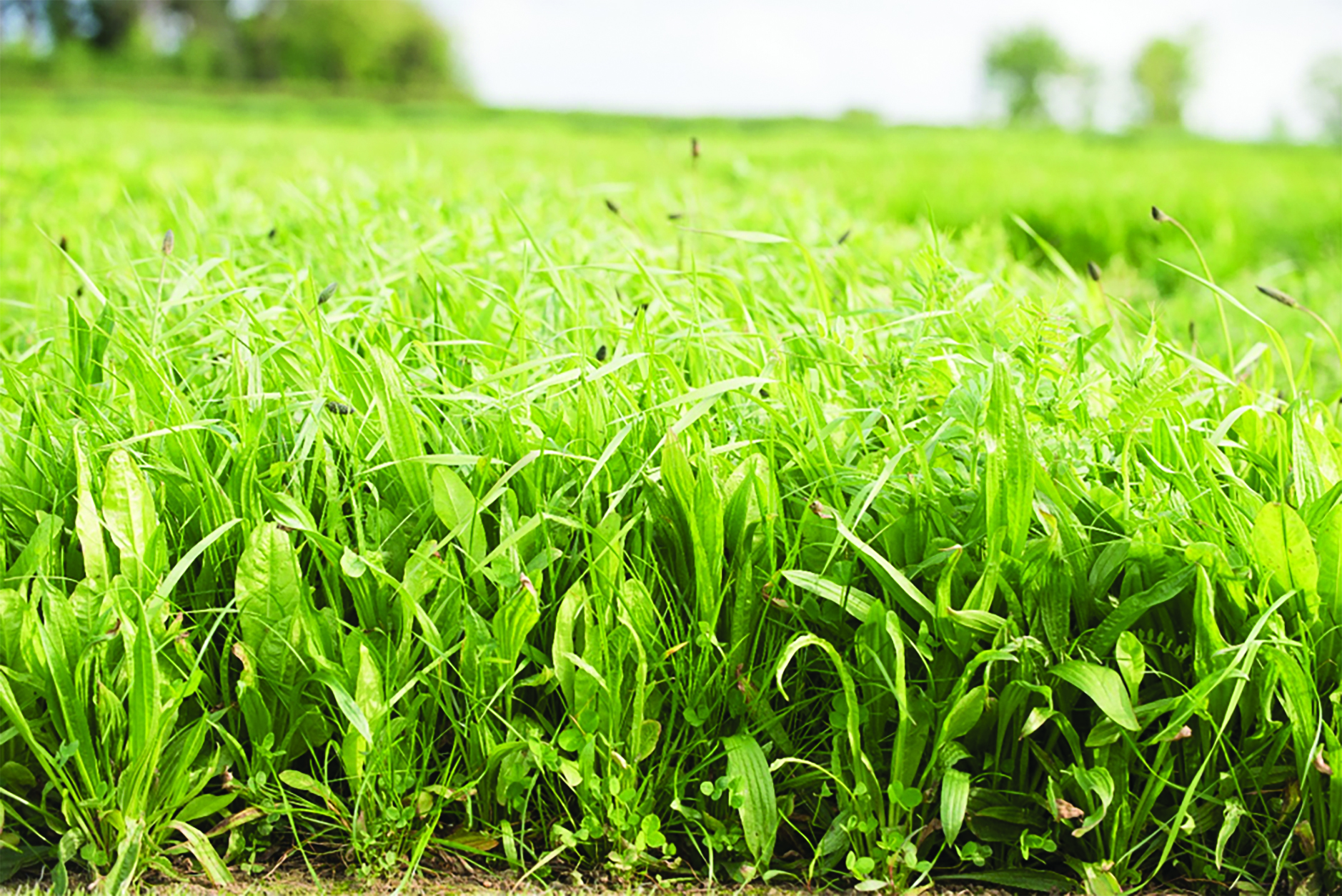
We were really pleased with James Daniel’s ruumi webinar on Wednesday 112th March: “Kick off your grass-growing season with ruumi – Top tips to boost performance”. It was very informative.

See the YourTube link to the full recording below

We know not everyone has time to rewatch the whole webinar so have listed the key takeaways for you below.

  • Spring grass is always high-quality! High protein, high DM.
  • Spring grass (March to April) has sufficient energy and protein for growing and lactating animals – providing there is enough of it and it has a adequate content of minerals included:
    • Thanks to excellent market prices it pays ££££ to optimise production from pasture.
    • Each extra tonne of Dry Matter grown and utilised is potentially worth £200-400/ha! Spring provides the best opportunity to do this!
  • Turning out early has two distinct advantages:
    1. Earlier grass has high dry matter content (due to low temperatures meaning slow growth) this aids the transition of animals from winter ration and allows rumen microbes time to adapt minimising growth check.
    2. Removal of overwintered plant leaves, triggers plants to grow resulting in more total dry matter production and increases tillering.
  • In spring, soil temperature is the limiting factor for grass growth, grasses start growing when soil temperatures average 5 degrees and legumes at 8 degrees.
  • At low soil temperatures, nitrogen is not the limiting factor for growth. Make sure not to fertilise too early, as it might result in wasted money and an unnecessary negative impact on soil and water quality.

Please feel free to get in touch with any questions about the webinar or ruumi.
We look forward to speaking to you soon.

The modern handshake: How Research and Development Corporations are approaching agrifood commercialisation

Member News
The views expressed in this Member News article are the author's own and do not necessarily represent those of Agri-TechE.

From collaborative partnerships to impact investing and innovation challenges, Australia’s Research and Development Corporations (RDCs) are exploring new ways to accelerate agrifood commercialisation. Here Dairy Australia, Grains Research Development Corporation (GRDC) and Wine Australia share their strategies, and how AgriFutures growAG. is helping drive impact.

Being at the forefront of the latest agrifood innovation, research and development (R&D) projects, and commercialisation opportunities is key to enhancing industry strategies and accelerating global impact.

In this dynamic landscape, AgriFutures growAG. has emerged as a vital tool for the agrifood community to better locate up-to-date information and opportunities, help foster connections with partners, and deliver innovation across the supply chain.

Wine Australia has used the growAG. portal to access collaborators for various commercialisation opportunities – a move Paul Smith, Development & Extension (RD&E) Program Manager says has resulted in several leads over the years from partners.

“It’s been really valuable to have the transparency of our projects on growAG. as well as the visibility over other RDC projects. This helps us to meet our transparency requirements and ensures people can be aware of what we’re doing,” Paul says.

RELATED: AgriFutures growᴬᴳ⋅ launches in New Zealand

Understanding and seeing how other RDCs approach their problems is always valuable, Paul adds.

“There are key opportunities for potential collaboration with Hort Innovation across the table grape sector for example, and shared challenges, such as autonomy in perennial row crops, which we’ve had genesis conversations around,” he says.

Open innovation and capturing market opportunity

The growing market for mid-strength, low-strength and no-alcohol wines presents huge industry opportunities, however it comes with a range of food production technology and regulatory challenges.

Wine Australia is currently exploring alternative pathways and emerging technologies to create high-quality products and taste profiles, but without producing the alcohol in the first place – avoiding the added processing costs of removing alcohol.

Exploring novel production solutions complements Wine Australia’s strategic investment shift into “impact projects”, involving technologies with some proof of concept or field trial work, and building partnerships around those technologies to support business use-cases and market viability.

“It’s quite a process to collect the right sorts of partners around a project like that. We see growAG. supporting us, not just for hard commercialisation leads where the product is reasonably matured, but doing work in that messy middle where tech is emerging from the lab, but hasn’t quite got the maturity to live in the real world yet. growAG. has the potential in helping us flush out the right partners to build these projects out,” says Paul.

RELATED: Sharing the load: How Trans-Tasman collaboration can drive agritech innovation

Dairy Australia is embracing a similar openness to innovation and ‘non-traditional’ pathways to accelerate value for its dairy producers.

“We’re looking at how we can accelerate opportunities that are valuable to the industry – either independently with innovators, or collaboratively with other organisations that are complementary to Dairy Australia,” says Emily Samyu, Dairy Australia’s Head of Innovation.

“We’re looking both domestically and globally for innovators in agtech and outside our own sector, whether that be in mining or energy, where innovations can be applied to our dairy industry and tailored towards pasture-based systems.

“We have eight different dairy regions in Australia, each with unique farming systems and climates. Finding solutions that suit all those different types of regions is a challenge in itself.”

As part of its commitment to ‘non-traditional pathways’, Dairy Australia has hosted two successful interactive innovation showcase webinars in the past six months to expose Australian dairy farmers to local and global innovations, educate them about available technologies, and raise awareness of future possibilities.

RELATED: Seeding success across the Trans-Tasman: New Zealand opportunities open to Australia

Some of the showcase technologies included: Halter, from New Zealand; Alternate Energy Innovations (AEI) SmartBoxPairtree IntelligenceFarmo’s WaterRatLivestock Water Recycling, from Canada; and Zetifi.

growᴬᴳ⋅ helps RDCs build partner networks and learnings

Dairy Australia has recently featured three open innovation challenges on AgriFutures growAG.: methane reduction; workforce attraction; and data connectivity interoperability [now closed].

“The objective was to look for innovative solutions to those particular problems to see what’s happening out there, and what we weren’t already across. It was interesting to see what sort of applications and innovators responded to the challenges,” Emily says.

RELATED: Dairy Australia’s new approach seeks global solutions to shared challenges  

“The growAG. concierge service helped us screen the innovators first that weren’t as relevant, and then redefine the challenges to be more specific around the types of solutions we’re looking for.

“As a result of going through this process with growAG. and building our connections and partnerships within the agritech ecosystem, we are more open to looking at investing in these types of organisations, whether it be financial or non-financial investments.”

growAG. is also providing value to GRDC to explore more innovative partnership models to support its traditional R&D investment models, explains Fernando Felquer, GRDC Business Development and Commercialisation Manager.

“As an objective of GRDC’s new RD&E Plan 2023-28, we are expanding the way in which we partner,” he says.

Fernando says GRDC has been innovative in its engagement with the startup community through its $50 million investment fund, GrainInnovate, managed by Artesian Venture Partners – supporting over 22 companies in its portfolio, and close to 100 startups through its accelerator programs.

RELATED: Reframing the ‘down under’ narrative: Reflections from World Agri-TechE Innovation Summit

“The area we’re lacking and where growAG. can help us is in our global expansion and driving that international pipeline. GrainInnovate not only invests in Australian companies but also international companies that can demonstrate value for Australian growers. So we need to develop those international pipelines more, and we see growAG. as a valuable channel for this,” Fernando says.

Strategic investments to drive global value

Fernando notes two strategic investment areas of GRDC’s new RD&E Plan: harnessing existing potential, such as decades of research in genetics, varieties, fertilisers etc; and growth areas to capture market value, such as step changes in productivity, input use efficiency and supply chain optimisation.

“Ensuring that the grower captures more value from their crop is one of the most important areas for us – whether it’s through increased pricing, access to new markets or optimising supply chains – but it’s been a challenging area for GRDC to invest in,” he says.

“The further you get from the farm, and further down the supply chain the harder it is to demonstrate that the grower is capturing the value.

“We believe the solutions might come from outside of the grains industry, even outside of agriculture, and it’s an area we need to reach out as wide as possible to capture the innovations, and where growAG. can definitely help us.”

RELATED: How GrainInnovate and growᴬᴳ⋅ are building connections down under to solve global food challenges

“The growAG. concierge team has made great introductions to expand our international reach and in Australia, which is valuable for potential investment opportunities and connecting us with other investors, such as Carrot Ventures,” Fernando explains.

“Through growAG., we met Rebecca Robinson from Kansas State University Innovation Partners at evokeAG. 2024 and had a productive chat, which may lead to future R&D type collaborations; or potential licensing opportunities.”

“There are many commonalities between the Australian and American grains farming systems – and comparing notes with Rebecca on the two different regions, and needs of the different growers is super valuable.

Fernando concludes, “The same global trends affect all grain growing regions – requiring feeding more people with less inputs in a more sustainable manner. So while not all technologies and research, say in Kansas, are transferable and useful in Australia, there’s enough overlap for potential collaboration.

Prof Jonathan Jones, of The Sainsbury Laboratory selected as a 2025 Wolf Prize Laureate

Member News
The views expressed in this Member News article are the author's own and do not necessarily represent those of Agri-TechE.

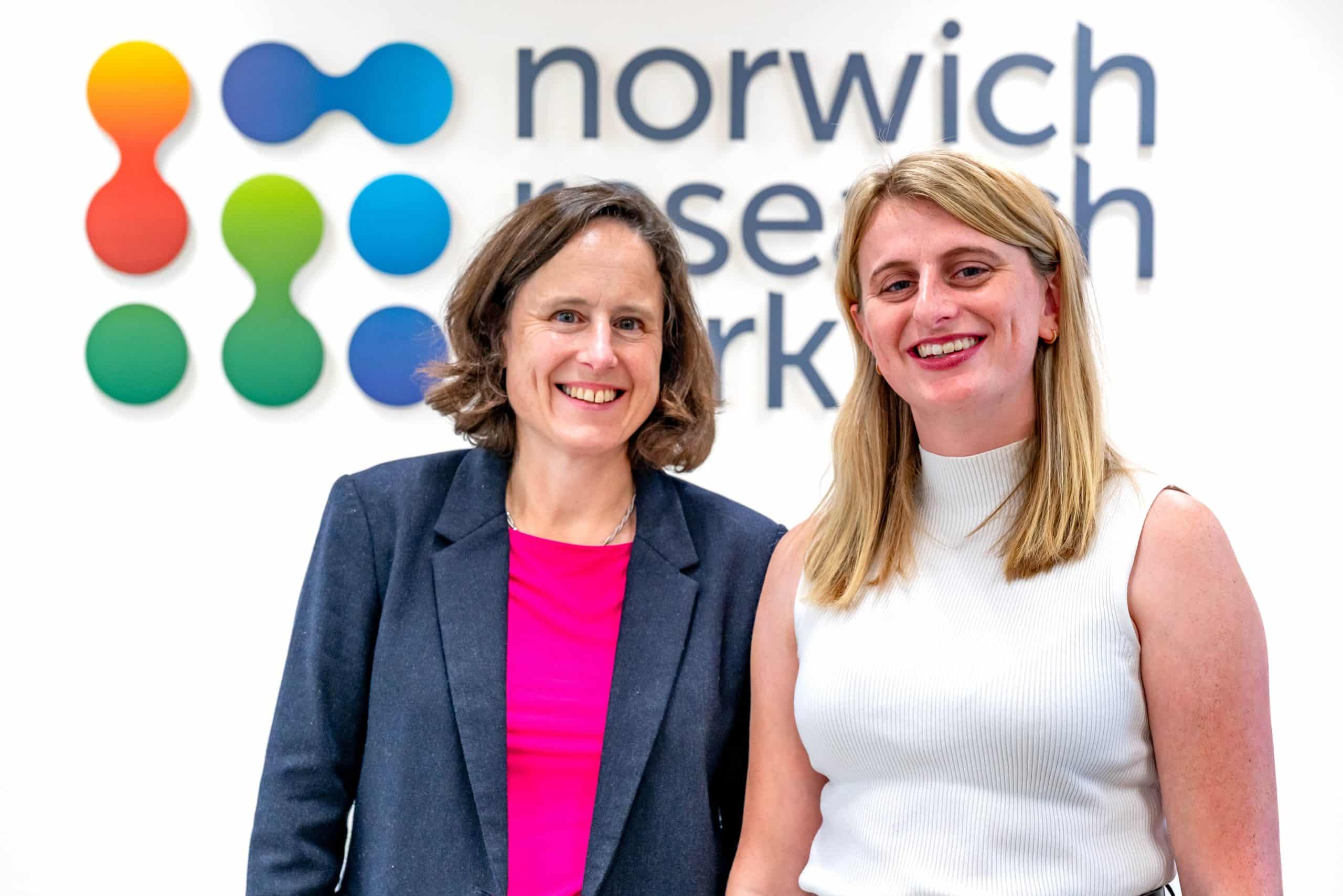
Prof Jonathan Jones of The Sainsbury Laboratory at Norwich Research Park awarded Wolf Prize Laureate

Prof Jonathan Jones, of The Sainsbury Laboratory at Norwich Research Park, has been selected as a 2025 Wolf Prize Laureate in Agriculture along with Professors Jeffery L. Dangl and Brian J. Staskawicz “for groundbreaking discoveries of the immune system and disease resistance in plants.”

The Wolf Prize is awarded annually to exceptional individuals across scientific and artistic disciplines. In science, the prize is awarded in Medicine, Agriculture, Mathematics, Chemistry, and Physics. Now in its 46th year, the Wolf Prize has recognized 382 scientists and artists worldwide for their transformative contributions.

Prof Nick Talbot, Executive Director at The Sainsbury Laboratory said, “Crop diseases claim up to 30% of the global harvest each year and controlling them sustainably is critical for food security. The Wolf Prize in Agriculture 2025 recognises the contributions of three exceptional scientists whose work has been critical to our understanding of plant immunity. We now have the knowledge to develop durably disease resistant crops, which will be of huge benefit to humankind.

“I am very proud that the work at The Sainsbury Laboratory by Professor Jonathan Jones has been recognised in this way. Our institution has now won the equivalent of the Nobel Prize for agriculture twice in its 35 year lifetime, which is an extraordinary achievement. I am also pleased that Professor Brian Staskawicz and Professor Jeff Dangl, who have served on our advisory board, have also been recognised for their outstanding contributions.”

This marks the ninth Wolf Prize in Agriculture awarded to a scientist in the UK of which the last three were consecutively awarded to scientists based on their work at Norwich Research Park.

Prof Jones said, “It’s wonderful to see this recognition of the importance of understanding the basic mechanisms that underpin plant disease resistance; without that knowledge, we will not be able to establish durable disease resistance in our crops.
“I’ve been very lucky to have received sustained funding from David Sainsbury’s Gatsby Foundation over more than three decades, and from BBSRC and the EU, and to have had the privilege of working with an outstanding diversity of international talent whose brilliance, dedication and hard work underpinned the discoveries that this Wolf prize recognizes.

“The Sainsbury Laboratory on Norwich Research Park has been a fantastic location for a research career. Many thanks to my wonderful colleagues, our greater research community and our many outstanding advisory board members (two of whom are my cohonorees) that have enabled The Sainsbury Laboratory to become an incredible engine of discovery.”

  • *I have permission from the copyright holder to publish this content and images.

Australians look to World Agri-TechE to fill hort, grains investment pipeline

Member News
The views expressed in this Member News article are the author's own and do not necessarily represent those of Agri-TechE.

For more than 30 years, Australia’s rural R&D corporations have partnered with traditional research providers to drive innovation that solves industry challenges. Now, they’re also looking to the startup ecosystem for faster, bolder solutions that reach producers sooner. And they’re hoping to find them at World Agri-TechE in London.

“Investing in Australia is a huge North Star for us, but we’ve got an additional AUD$500 million over the next decade to seize big opportunities and deliver the range of solutions growers want. And we can’t rely just on Australian agtech companies to do that.”

Delivered through proven procurement approaches, this ongoing stream beckons strategic collaborations, inviting stakeholders from all corners of the sector to join forces to advance industry innovation.

For Hort Innovation’s Jesse Reader, World Agri-Tech is the perfect place to scout early-stage innovations that could benefit Australia’s horticulture industry. The Head of Investment, Growth and Commercial will join a delegation of Australian’s heading to Europe’s leading agtech networking event on 30 September – 1 October 2024.

“We have to start filling a funnel of companies that we think are investable – and who we want to foster a relationship with to understand the trajectory of their technology,” explained Jesse.

“World Agri-TechE provides a platform for us to reach European companies and tell them, ‘we’re open for business.’”

Driving collaboration between Europe and Australia and strengthening international relationships among innovators, corporates, government entities and ecosystem players is also a key objective for Harriet Mellish, AgriFutures Australia General Manager for Global Innovation Networks.

“We’re interested in creating a stronger global ecosystem where we can look to our international partners and how they are addressing challenges, and also offer solutions that have strengthen Australian industries too.

“The AgriFutures growAG. platform partially does this through promoting agrifood and technology opportunities, expertise and research from Australia and across the globe. We want to connect stakeholders through the platform to drive the commercialisation  of innovation that will go on to solve these shared problems,” explained Harriet.

Hort Innovation is one of Australia’s rural research and development corporations – a unique model for agricultural innovation where Australia’s federal government and primary producers co-invest to drive industry-relevant research.

Tailored to specific sectors (15 in total, from horticulture to dairy, grains, and wine) ‘the RDCs’ have helped drive Australian agricultural innovation since 1989.

But there’s growing appetite for new co-investment approaches that are more ambitious, attract new investors, and deliver transformative innovation streams.

To propel the horticulture industry forward fast, and at scale, Hort Innovation has introduced three co-leveraged investment pathways with AUD$500 million of currently uncontracted potential:

  • Australian-grown Innovation to nurture grassroots innovation – supporting growers and supply chain partners to pressure test their ideas or validate a business model.
  • Incubate and Accelerate to launch Australian and international startups wanting to scale their solution within the horticulture domain.
  • And the Hort Innovation Venture Fund, which will channel resources into Australian and international high-growth early-stage startups to propel innovative products and services into grower hands.

Fertile testing ground for European innovators

Australia is widely regarded as a test bed for international agtech solutions – with its diverse climate zones, varied production systems, and high adoption of technology.

But partnering with an RDC like Hort Innovation takes the value proposition up a level.

“I keep asking myself, ‘What are we doing that’s different to others?’” said Jesse. “Because we’re not the first people to play in the area of accelerators and incubators [and funds]”.

“But we’ve got the biggest hort address book in Australia. We’ve got deep engagement with an enormous group of members across 37 industries. And we’ve got incredibly strong data and insights,” he added.

“And for early-stage businesses, those things are critical advantages in assessing your go-to-market proposition, which part of the market you’ll address, and who your cornerstone customers are.”

“There’s huge value in that.”

If you have ideas for investment or are interested in partnering with Hort Innovation, visit here.

Industry: investor collaboration delivers revolutionary VC model

Hort Innovation joins a trade delegation being led by the Australian office of global alternative investment management firm, Artesian. Now in its 20th year, the certified B Corp manages money for government organisations, pension and superannuation funds, insurance companies, family offices, corporations, and industry groups.

Among them is Australia’s Grains Research and Development Corporation – GRDC – and its GrainInnovate venture fund. Artesian Senior Manager Agrifood, Victoria Prowse, explained that the partnership yielded more than just fund management.

“Artesian is a sector-focused VC firm with a key specialization in agrifood. Our unique VCaaS (Venture Capital as a Service) platform enables government organizations, industry groups, corporations, and research institutes to leverage the financial and strategic returns of high-growth startups. GrainInnovate, launched in partnership with GRDC six years ago, is one of our earliest VCaaS collaborations,” she said.

The idea was to establish a platform that enabled GRDC to participate in private equity markets to invest into emerging technologies – but as a single LP [Limited Partner]. “It was paramount that they had full control over their strategic mandates and investment fit,” added Victoria.

Balancing the financial + strategic fit

GRDC takes an atypical VC approach – and Artesian accommodates that. “GrainInnovate is not a two-three year fit [for quick financial return]” explained Victoria. “GRDC is looking a decade ahead and saying, ‘This is what we’re trying to achieve: firstly, support grain growers, and secondly, support the growth of the startups who can help them.’”

For Artesian as fund managers, it’s not just financial delivery that matters.

“It’s very much about the strategic angle as well – finding investable opportunities that are very closely aligned to the needs of Australian grain growers,” explained Victoria.

VCaaS doesn’t replace GRDC’s traditional investment model, but complements it, giving it the ability to move quickly and nimbly, and capitalise on exciting technologies emerging outside of traditional pathways.

“We’re seeing interest come through now with other RDCs and corporates wanting to use VCaaS to play a more active role in this early-stage space to accelerate growth, scale technology, and support industry in the process.”

VC with genuine mutual benefit

From Artesian’s perspective, World Agri-TechE is about learning what’s investable in Europe and the UK; what are other investors looking at; and what are the emerging themes.

“But it’s also about startup pipeline engagement and being early to the conversation with companies that we wouldn’t get access to if we weren’t on the ground spending that time with them,” added Victoria.

International startups stand to benefit from partnering with Australia’s RDCs, too. “Every Australian grain grower invests into GRDC, providing an enormous strategic network that’s incredibly powerful for a startup to leverage,” explained Victoria.

“[As Jesse said,] being invested in by an RDC is incredibly beneficial from a strategic level, not just a financial one. That’s what’s really exciting.”

  • *I have permission from the copyright holder to publish this content and images.

The easiest way to create connections across the international agrifood community

Member News
The views expressed in this Member News article are the author's own and do not necessarily represent those of Agri-TechE.

Success in the agrifood industry isn’t just about what you know – who you know can often play just as big a role in reaching your end goal. Creating an online profile on AgriFutures’ growAG. platform can help you tap into an international database of nearly 500 organisations, creating connections between industry, investors and innovators across the world at the click of a button.

growAG. contributor Michelle Meehan sat down with AgriFutures growAG. Customer and Growth Coordinator Amelia Cooper to discuss how easy it is for organisations to make the most of this thriving global community.  Amelia supports growAG.’s engagement team as they help new and existing organisations effectively navigate the online platform, providing guidance on everything from posting opportunities to engaging with industry networks.

What type of organisations create profiles on growᴬᴳ⋅ and how many different countries are they from?

There are almost 500 organisations listed on growAG. who represent a diverse range of sectors within the agrifood ecosystem, including research institutions, universities, agribusinesses, startups and government bodies. These organisations focus on areas such as food production, sustainable farming practices, biotechnology, animal health, crop science and agritech innovation.

The platform features profiles from countries across the globe, making it a truly international network that spans Australia, New Zealand, the United States, Europe, Asia, and the UK. This wide geographical representation allows for rich cross-border collaboration and knowledge-sharing in the agrifood space.

Why should an organisation choose to join this global community – what are the main benefits of being listed on growᴬᴳ⋅?

It’s more than just a ‘platform’ – it is supported by our engagement team who can assist with all aspects, whether that be finding the right strategic partners, making connections, highlighting potential grants and more. Our concierge service is free, easy to use and we are always happy to have a chat with anyone who might have questions about the ecosystem.

Time is money in business, so it’s essential to make the process of listing their organisation as quick and easy as possible. What steps are involved in creating an organisational profile?

It is a very simple process. Our submit form is located on our website. Simply select ‘organisation’ and fill out the questions. Once submitted we will review and be in touch when it is published live on growᴬᴳ⋅ This is a great chance to tell us about what kind of collaboration or engagement you are seeking.

Our concierge team members are always happy to chat, and we are always available to update or amend any information on your profile.

Are there any specific requirements or eligibility criteria for organisations that want to create a profile and how long does the process take?

To be listed on growᴬᴳ⋅ your organisation must be;

  • Related to agrifood and technology innovation, whether that be a corporate, startup or research organisation.
  • You must have an ABN or your country’s equivalent.
  • A website is ideal, so users are able to access you directly and a good logo is essential.
  • We encourage both Australian and international applications.

Once an organisation is listed, what comes next? How do other users interact with and make the most of this organisation list?

Once your organisation is published on growAG., our users will be able to see and interact with your profile. Our ‘visit website’ button allows users to access and browse your website directly.

Your profile is also a great opportunity to showcase a brief outline of what your organisation does and include any other promotional materials you might have, including presentations, videos, brochures etc.

Are there any guidelines for reaching out to other organisations listed on growᴬᴳ⋅?

There are no strict protocols, but best practice includes researching the organisation, personalising your message, being clear and concise about your purpose, and highlighting potential collaboration opportunities.

Again, if you require any help, or would like a personal introduction, our concierge team is more than happy to assist.

What other opportunities or features of the growAG. platform can an organisation tap into once they have created their own profile?

Listing an organisation profile is just the beginning. There are a range of opportunities to enhance visibility and foster collaboration within the agrifood and technology sector.

The platform allows organisations to showcase their innovations, research outcomes, and technologies, attracting potential partners and investors. They can also list funding opportunities, submit research for commercialisation and signal openness to collaboration. We have also launched a user portal this year which allows users to save their interests and get notifications directly to their inbox.

growAG. connects organisations with a global network of researchers, startups and industry professionals, facilitating partnerships and market expansion.

By engaging with growAG.‘s diverse features, organisations can accelerate innovation and drive impactful industry connections.

To find out more visit www.growag.com/submit/organisation.

Barenbrug has announced a ‘select release’ of its latest perennial ryegrass

Member News
The views expressed in this Member News article are the author's own and do not necessarily represent those of Agri-TechE.

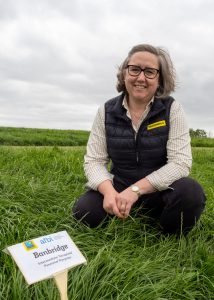
Barenbrug has announced a ‘select release’ of its latest perennial ryegrass, Banbridge, for spring 2025.

The new variety, an intermediate tetraploid, is one of the strongest in its class according to agriculture product manager Janet Montgomery.

“We’re very excited about Banbridge,” she says. “This is a class in which Barenbrug has enjoyed a long-standing reputation for high-performing varieties, so for this to top-out over favourites such as Seagoe, Fintona and Tollymore is remarkable.

“Its stellar genetics really stand out in conservation use, where Banbridge has become the leading variety in its class, sporting very high yields of dry matter and ME.”

In grazing, meanwhile, Banbridge is second only to Tollymore for early and late spring yield.

“I would not be surprised if those who have been impressed with Seagoe these last few years start to find a new favourite,” Janet enthuses. “The combination of the two together promises a cracking outcome in BarForage mixtures such as Combi and Prota Sile.”

Banbridge is marked for Provisional General Use in the England and Wales Recommended Grass and Clover Lists, and 1st Choice (P) in SRUC’s Grass and Clover varieties for Scotland.

IASP International Women’s Day event

Member News
The views expressed in this Member News article are the author's own and do not necessarily represent those of Agri-TechE.

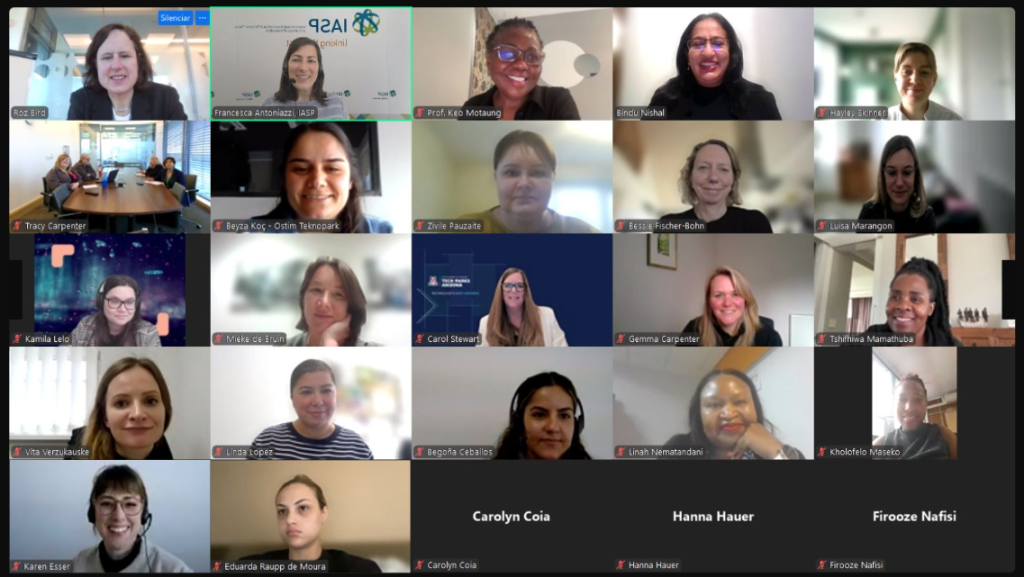
To mark International Women’s Day, the Women in IASP (International Associations of Science Parks) held a global meeting to discuss some of the important issues facing women in science. Women in IASP is a group that was set up to share knowledge and increase the visibility of women in innovation communities worldwide.

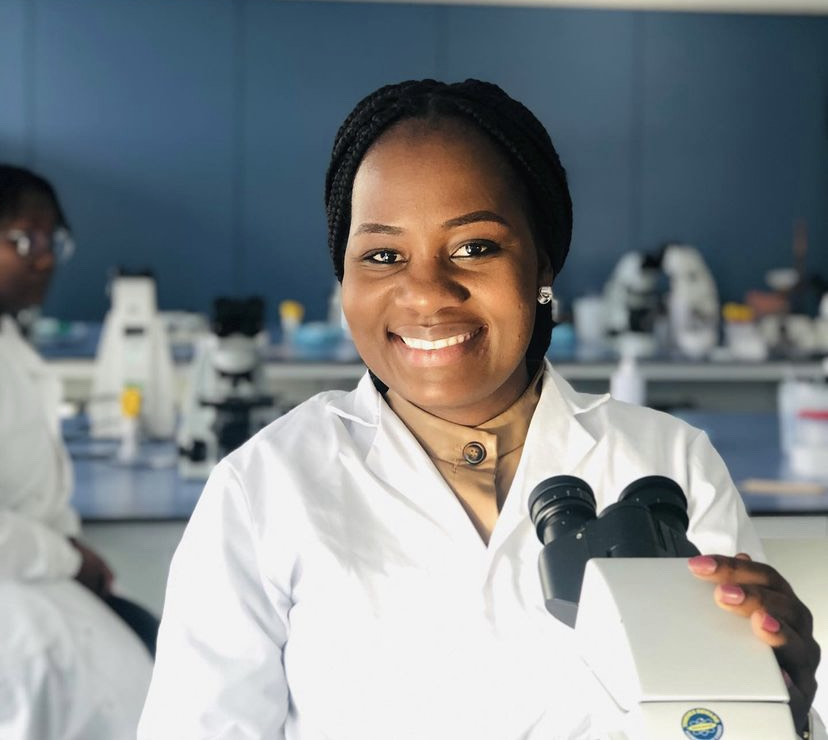
Moderated by Roz Bird, CEO of Anglia Innovation Partnership at Norwich Research Park in the UK, the audience heard from Dr. Bindu Nishal from Agri Innovations and One Health at IKP Knowledge Park, India and Prof Keo Shirley Motaung, CEO of Global Health Biotech in South Africa.

One of the key points for discussion was the global issue of how to close the gender gap in STEM (Science, Technology, Engineering and Mathematics). Dr Nishal shared her experiences running the SheLeads in Science programme, which aims to foster gender diversity, support professional growth and promote innovation at IKP.

She spoke about the ‘inexplicable gap’ that currently exists with women being significantly underrepresented in STEM. In 2023, around 29% of the worldwide workforce in STEM fields were women compared to around 49% of the total employment in non-STEM fields.

Despite graduating at higher rates than men, women are less likely to study in STEM fields, are less likely to take a career in STEM and those that do tend to leave their careers earlier than men. She also explained that women in STEM are published less and are typically underpaid.

Prof Motaung highlighted the need to encourage grassroots efforts and mentorship to promote innovation and improve women’s participation in STEM. From her work, she believes that gender diversity fuels innovation and research advancements and that inclusivity is key.

To address this, she suggested joining mentorship, coaching or advocacy programmes, supporting policies promoting women in STEM and spreading the word to encourage more interest in STEM as a career choice amongst young women.

Commenting on the event, Roz said, “What a great session we had today ahead of International Women’s Day. It was fantastic to host two international speakers and hear their inspirational stories which will encourage us all! I truly hope that 2025 will be a year where we see more women in technology and innovation spaces and where we make significant progress in closing the gender gap.”

  • *I have permission from the copyright holder to publish this content and images.

eg technology bolsters global presence with appointment of Paul Anglim

Member News
The views expressed in this Member News article are the author's own and do not necessarily represent those of Agri-TechE.

eg technology Ltd have started 2025 with a key appointment as Paul Anglim joins the specialist product design, engineering and development consultancy as we continue our international expansion.

In response to increased global demand for integrated product development services and eg technology’s recently established office in Galway, Ireland, we are pleased to welcome former BioInnovate Ireland strategic lead, Paul Anglim, to our growing Business Development team.

eg technology has been bridging the gap between innovation and market-ready products for 23 years from bespoke facilities in Cambridge. However, based in eg’s Galway office, the PorterShed, Paul will be a direct liaison for our Irish network, further facilitating the delivery of client projects to the Irish, European and US markets.

With over 20 years’ experience in Life Sciences, MedTech and Digital Health, Paul has worked with Multinational Corporations, SMEs, Startups, academic institutions, investment companies, government agencies and hospital groups to help them achieve their goals in market strategy, commercialisation, needs-led innovation, and identify opportunities for growth and scale.

With a BSc in Biotechnology from NUI Galway, and a PhD in Molecular Biology from University of Southern California, Paul lectures at RCSI and University of Galway (where he is an Honorary Clinical Fellow). He is also the Founder of Angles Consulting, former Health Lead at the Guinness Enterprise Centre and advisor to the Innovators Initiative DigiBio Fellowship.

As the MedTech industry evolves and markets remain transient, providing innovators in Ireland, Europe and America with access to our development services will help reduce barriers when delivering products to global markets”, eg Director, Rouzet Agaiby says.

“Paul is a fantastic addition to our team and has extensive experience and established networks within the Irish healthcare and life sciences ecosystem. He is joining a remarkable team, and I have no doubt that his expertise in identifying and validating needs and market opportunities, commercial de-risking, and market adoption strategy will be integral in further driving eg’s success, growing our international client base and delivering on our strategy of becoming the chosen product development consultancy for clients and employees alike”.

Paul Says: “Joining eg is both a pleasure and a privilege. I have a wide and varied background in the Life Science and MedTech sectors, and I am looking forward to drawing upon my technical and commercial experience to help support innovators looking to access Irish, European, US and UK markets. I have a particular passion for HealthTech and needs-led innovation and I am excited to work with eg technology who are experts at developing emerging technologies and working with innovators dedicated to optimising patient outcomes and improving their route to market.”

If you are based in Ireland and would like to discuss how we can accelerate your route to market, please connect with Paul here.

For more information on getting your technology or ideas to market, or to chat with one of the eg team about your product design and development requirements, please get in touch:

  • *I have permission from the copyright holder to publish this content and images.

The draft of The Genetic Technology Regulations 2025

Member News
The views expressed in this Member News article are the author's own and do not necessarily represent those of Agri-TechE.

In a recent blog post we discussed the Precision Breeding Regulatory Framework developed by the Food Standards Agency (FSA). Further details on the application process for Precision Bred Organism confirmation have now been revealed, with the recent publication of the draft Regulations implementing the Genetic Technology (Precision Breeding) Act 2023.

This draft legislation provides detailed procedures for applicants seeking confirmation, release, and marketing authorisation for precision bred plants in England.

Confirmation of precision bred status may be obtained by submitting a marketing notice to the Department for Environment, Food & Rural Affairs (DEFRA). The marketing notice must provide a general description of the precision-bred plant and list its intended use, and include the purpose of the genetic modifications and a comprehensive description of these.

Specifically, the applicant must provide the details, location and stability of the intended and unintended genetic changes and include, if relevant, a description of any genetic elements and information relating to their origin.

While the legislation does not specifically mention the need to submit sequence data, it is not clear whether such data may be needed to support the description of genetic modifications. In addition, scientific evidence must be provided to demonstrate that the modifications meet the legal definition of precision breeding (i.e. the genetic modifications have been performed using modern biotechnology and could have occurred naturally or through traditional breeding).

If the application is successful, the confirmed precision bred plant will be added to the precision breeding register, allowing it to move forward in the regulatory process. Of note, such marketing notice may be used for other precision bred plants, provided that they belong to the same species and share the same genetic modifications.

Before releasing a precision bred plant into the environment, for example for R&D trials, applicants must submit a notice of release to DEFRA, at least 20 days before the plant release. The notice must contain a description of the precision bred plant, including taxonomy and genetic modifications, and list the modification techniques used. In addition, confirmation must be provided that appropriate containment measures will be put in place to prevent the marketing of the released plant. Release notices will also be included in the register.

Specific rules apply to food and feed produced from precision bred plants, for which an additional marketing authorisation from the FSA is required. In this case, applicants must provide further evidence that the products derived from a confirmed precision bred plant are safe for consumption (for example, evidence of historical safe use) and may require assessment by the FSA before authorisation can be granted. The FSA has published draft guidance documents for applicants seeking marketing authorisation of precision plants for use in the production of food and feed (https://www.food.gov.uk/business-guidance/what-are-precision-bred-organisms).

The full draft legislation may be consulted here https://www.legislation.gov.uk/ukdsi/2025/9780348269123/contents.


This article was prepared by Trainee Patent Attorney Delphine Lauté-Caly.

Advancing global food security by harnessing AI and 3D printing to combat hidden crop killers

Member News
The views expressed in this Member News article are the author's own and do not necessarily represent those of Agri-TechE.

The challenge of global food security is vast, but a significant part of it revolves around understanding and mitigating crop losses caused by pests and pathogens. Crop diseases and pests are major constraints, causing yield losses that can vary from small to total crop loss. These losses and their severity are due to sporadic incidences of pests and disease that ultimately can lead to severe food insecurity in some regions. Notably, there are “orphan diseases”, diseases that even though are important due to their effect on crop yield, are underappreciated, even by farmers. Among these, plant parasitic nematodes are a prime example and the subject of Dr Sebastian Eves-van den Akker’s research, head of the plant-parasitic interactions research group. These root-parasitic, soil-borne nematodes are challenging to detect and thus often overlooked by farmers and researchers, yet they significantly impact crop health by draining plant resources from within the roots.

Sebastian’s lab focusses on understanding and combating these hidden threats. One of the significant obstacles in this research field is phenotyping: determining the extent of nematode infection (i.e. how many nematodes are currently infecting a given plant?) and their effects on plants (i.e. how many nematodes will there be in the next generation?). Traditionally, this has been a painstaking manual process where researchers must physically look at plants and visually quantify whether a given plant is diseased at any specific point in time. To address this, Sebastian’s team developed a four-step process that allows researchers to (1) see the roots, (2) see the nematodes, (3) measure the number of nematodes present and (4) do this in tens of thousands of plants, in real-time and without using destructive processes. They developed an innovative, high-throughput phenotyping system using 3D printing and Artificial Intelligence (AI). This system allows the rapid visualisation and analysis of tens of thousands of plants (in only 3 hours), thus significantly accelerating the ability to study nematodes in situ.

The approach involves infecting the model plant Arabidopsis thaliana with beet cyst nematodes (Heterodera schachtii) and using the custom-designed machines to capture detailed images of infected roots. These images are then analysed using AI-driven software, developed in collaboration with Prof Ji Zhou’s labs at Niab and Nanjing Agricultural University, which accurately counts nematodes and assesses various phenotypic traits such as size, shape, and colour. This non-destructive method allows the team to track the dynamics of nematode infections over time, providing a holistic view of the entire infection process.

One of the most significant findings from this study is the competitive interaction between nematodes, infecting the same root area. Contrary to the initial hypothesis that nematodes might assist each other, this study revealed that nematodes compete for resources, negatively impacting each other’s growth. This was further confirmed through extensive biological replicates, providing robust new insights into nematode behaviour.

This study is the largest nematode infection trial conducted to date, measuring millions of nematodes, infecting thousands of Arabidopsis plants (using a mapping population consisting of 550 different ecotypes or varieties of Arabidopsis), to map the genetic basis of nematode resistance. By correlating phenotypic data (size, shape, and colour) with genotypic information, specific regions of the Arabidopsis genome have been shown to be associated with resistance traits. This comprehensive genetic mapping is extremely important as it can inform the development of crop varieties with enhanced resistance to nematodes.

This type of innovative research underscores the importance of a dynamic approach to plant pathology, moving beyond static measurements to consider the growth rates and interactions of pathogens over time. By leveraging advanced technologies such as AI and 3D printing, the collaboration between researchers at The University of Cambridge and Niab, joined at the Crop Science Centre, are not only uncovering new biological insights, but also paving the way for innovative crop protection strategies. This holistic and dynamic understanding of plant-nematode interactions holds promise for improving global food security by developing crops that can withstand these hidden, yet devastating pests.

Published by the Crop Science Centre.

Protecting IP in vertical farming stacks up

Member News
The views expressed in this Member News article are the author's own and do not necessarily represent those of Agri-TechE.

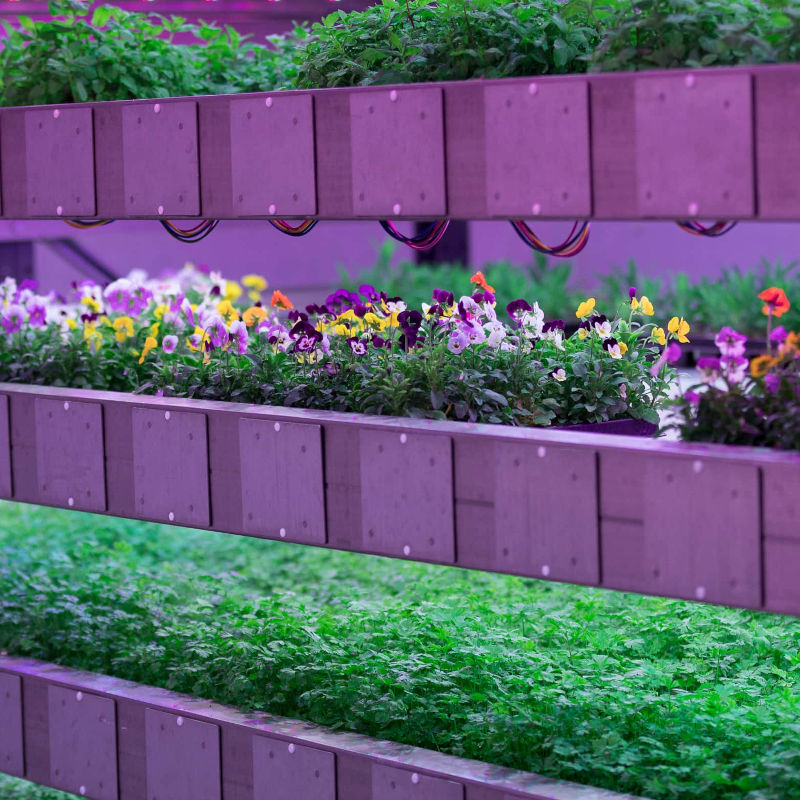
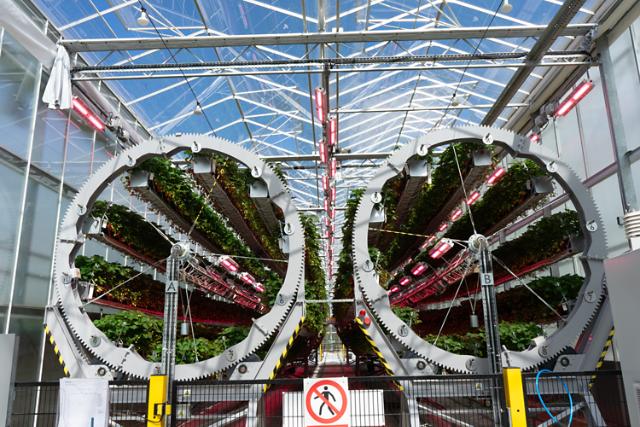
What do cars and vertical farms have in common? Plenty, it turns out, as showcased in the Hyundai Motor Group Innovation Center Singapore (HMGICS). Operational since late 2023, the seven-storey centre spanning 935,384 square feet (about 86,900 square meters) of floor space contains two smart farms which make use of robotics and automation (technology commonly used in car production), to produce various greens. There is a 5-meter tall vertical farm with automated rotating conveyors and robots that take care of processes from seeding through to harvesting.

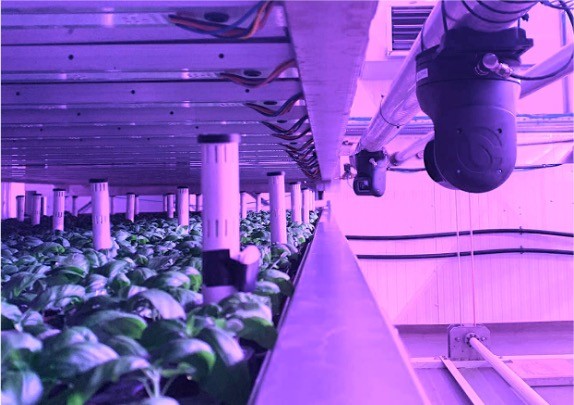
Vertical farming is the practice of intensively growing plants in vertical stacks within a highly controlled environment. The super low footprint of a vertical farm is perfectly suited for producing fresh, high quality fruit and vegetables in an urban setting, especially in land-scarce, highly populated areas.

Although the concept has been around for decades, many regard Sky Greens’ facility in Singapore as the world’s first commercialised vertical farm. Set up in 2012, rotating, multi-layer troughs in a nine-metre-high vertical A-frame are used to grow plants hydroponically, or in soil. Natural lighting and water-powered rotation means the entire system is low energy, as well as low footprint. The inventor of the Sky Greens system, Mr Jack Ng, filed a patent application in Singapore in 2010, then made use of the Patent Cooperation Treaty (PCT) system to obtain protection for his invention in a range of countries around the world.

Market research firm MarketsandMarkets has predicted that the global market for vertical farming will be worth $13.7 billion by 2029, growing at a compound annual growth rate (CAGR) of 19.7% from 2024 to 2029. As awareness for the need for food security increases, government funding support in the agritech area has also been increasing globally, thus encouraging increased innovative activity.

In Singapore, there is a 30 by 30 initiative, which is a goal to increase the amount of Singapore’s nutritional needs that are produced locally and sustainably by 2030. A S$60 million (about US$44 million) Agri-food Cluster Transformation (ACT) Fund was set up in 2021, to encourage local farmers to upgrade their capabilities to raise productivity, resource efficiency, and reduce pollution and waste, and upscale their technologies.

In Korea, during the 3rd Agriculture, Forestry and Fisheries Future Technology Forum conducted in March 2024 by the President’s Special Committee on Agriculture, Fisheries and Rural Affairs, 243 billion won (about US$167.8 million) worth of funds were planned for supporting investments in green food technology, smart agriculture, among others.

According to a report from LexisNexis, there have been nearly 200 patent applications filed for documents that expressly use the phrase “vertical farming” in either their title, abstract, or claims with the top ten global patent authorities (Canada, China, France, Germany, Japan, Republic of Korea, Russia, the United States, the European Patent Office, and World Intellectual Property Organization). This does not account for any of the patent applications with applications in vertical farming that do not name it explicitly.

IP associated with vertical farming has also expanded in recent times to cover – amongst other things – sensors which monitor the plants, robots to tend to their needs, specialised lighting to ensure perfect all-year-round growth, and AI technology to manage it all. This “growing” trend is not limited to vertical farming, but encompasses many other Agritech sectors. In particular, the WIPO Patent Landscape Report on Agrifood shows substantial growth in the number of Agritech international patent families in the past 10 years. The sub-domain of connectivity/sensors/smart farming is among the top three sub-domain for patenting in Agritech, and has steadily grown over the years.

Innovation in the vertical farming sector is provided by an exciting mix of established agri-companies, global market leaders in non-agritech sectors, and new start-ups.

For example, Malaysian start-up BoomGrow, developed a system using repurposed shipping containers to grow pesticide-free produce grown in a controlled hydroponic environment. BoomGrow currently has pending patent applications in various Asia-Pacific countries, and received pre-Series A funding in 2023 to expand in Southeast Asia.

Urban Crop Solutions, a Belgian indoor vertical farming solutions provider, collaborated with global giant BASF SE in 2023 on a project to cultivate weed species for scientific research and develop innovative solutions to modern agricultural challenges. The company also recently partnered with Inagro and Ghent University to launch and validate the first of three vertical farming towers at Agrotopia, a research centre for urban food production in Belgium. Urban Crop Solutions currently holds several pending patent applications covering their vertical farming systems and facilities.

Danish start-up Nordetect, founded in 2016, produces portable lab-on-a-chip devices that enable vertical farmers to quickly identify and correct nutrient deficiencies in their crops, thereby obtaining optimum yield. Nordetect obtained a US patent grant in 2023 relating to their microfluidic device and method and system for performing inorganic determinations and has raised more than US$1.5 million in funding to-date.

As agritech companies continue to innovate, this emerging area of vertical farming presents an opportunity for growing intangible assets, whether it is to secure first-mover advantage, or to unlock licensing prospects for alternative revenue streams and/or collaborations. Whether you are a start-up or a multi-national, protecting your technology is paramount. Marks & Clerk’s Agri-tech team brings together years of expertise in biochemistry, engineering, AI, electronics and software. With our branches in the UK, Europe, Canada, Singapore, Malaysia and China, we are ideally placed to help grow your IP – around the world.

Article written by Nikki Lai, Associate Marks & Clerk


  • *I have permission from the copyright holder to publish this content and images.