The views expressed in this Member News article are the author's own and do not necessarily represent those of Agri-TechE.
Don’t invest unless you’re prepared to lose all the money you invest. This is a high-risk investment and you are unlikely to be protected if something goes wrong. Take 2 minutes to learn more
Muddy Machines is now raising funds on Crowdcube!
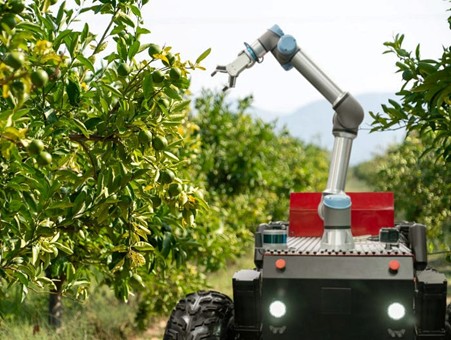
Muddy Machines creates advanced AI-powered robots to automate labour-intensive tasks in horticulture, tackling severe labour shortages and boosting economic efficiency on farms.
Key highlights:
Signed expressions of interest from growers for over 650 robots.
Secured over £2.8m in Innovate UK grant funding since 2021.
Patented asparagus harvesting robot successfully tested in field trials.
Significant opportunities in a global agricultural robotics market projected to reach $99bn by 2030.
Funds raised will help progress our robots from prototypes to production-ready units and expand grower trials across the UK.
Visit our campaign on Crowdcube to find out more and invest: LINK
*I have permission from the copyright holder to publish this content and images.
Post Overview
This story has been submitted by an Agri-TechE member.
The views expressed in this Member News article are the author's own and do not necessarily represent those of Agri-TechE.
Almost 11% of agricultural land in the European Union (EU) is organically farmed and the number of organic producers is increasing at a steady rate year on year.
But what does the term ‘organic farming’ actually mean?
For IFOAM Organics – one of the leading international organisations in the organic space – organic agriculture can be defined as: ‘A production system that sustains the health of soils, ecosystems, and people.’
To be organic is to rely on natural ecological processes, biodiversity and cycles adapted to local conditions, rather than turn to inputs which negatively impact both the environment and human health, such as synthetic pesticides, herbicides and fertilisers.
For some, organic farming is the answer to our sustainability dilemma.
However, in an era where global livestock production (particularly dairy) has been heavily scrutinised for its contribution to climate change, how can these organic principles translate to more sustainable livestock production?
“Dairy cattle farming has played a key role in the development of organic principles, regulations and practices,” says Dr Mette Vaarst, Senior Researcher at Aarhus University, Denmark and co-editor of this new book.
This is the focus of Advances in organic dairy cattle farming – a new book edited by three of the world’s foremost authorities on organic animal farming: Dr Mette Vaarst (Aarhus University, Denmark), Dr Stephen Roderick (Duchy College, UK) and Dr Lindsay Whistance (Organic Research Centre, UK).
The book considers how organic dairy farming has the potential to address major environmental challenges, whilst also meeting the four key organic principles of health, ecology, fairness and care.
“The environmental footprint of conventional dairy farming is significant and we can’t hide away from that fact,” says Francis Dodds, Editorial Director at Burleigh Dodds Science Publishing.
“But perhaps what needs to be highlighted and spoken about more is organic farming and its remarkable potential to not only reduce the environmental impact of dairy production, but also how it can promote biodiversity and enhance other ecosystem services,” he adds.
Conventional dairy farming often relies on intensive livestock management, imported feed and synthetic fertilisers and pesticides for pasture management which collectively contribute to higher emissions. In contrast, organic dairy farms utilise natural processes and inputs, including a higher reliance on pasture, organically-sourced feed supplements and regenerative methods for optimising pasture quality.
By working with nature, organic farms can promote biodiversity and create more resilient and sustainable agroecosystems able to deliver key ecosystem services, including pollination, pest control and water regulation.
“However, whilst organic dairy farming does offer numerous environmental benefits, it also presents challenges that need to be addressed,” says Francis Dodds.
“These challenges include potentially lower yields associated with more extensive production systems as well as health and welfare issues given a lower reliance on antibiotics and anthelmintics,” he adds.
However, these challenges also present opportunities for innovation and growth within an already exciting sector which offers a promising path to greater sustainability for the wider agricultural sector.
Note:
Agri-TechE members can redeem 20% off their purchase of the book via the BDS website. Simply enter code AGRITECH at checkout.
*I have permission from the copyright holder to publish this content and images.
Post Overview
This story has been submitted by an Agri-TechE member.
The views expressed in this Member News article are the author's own and do not necessarily represent those of Agri-TechE.
A recent case in the US District Court for the Northern District of Texas (Dallas Division) once again highlights how important the initial pleadings and evidence in patent infringement cases can be.
The case is between David Austin Roses Ltd and GCM Ranch LLC[1] and is based on alleged willful infringement of US plant patents held by David Austin covering several varieties of roses, and corresponding trademark infringement. David Austin Roses Ltd is a major British rose breeding company. The varieties bred by David Austin are well known as the company has been established for a long time and consistently obtains PVR protection for its roses around the world, including under the US Plant Patent Act. They also typically file trademarks for the tradenames of each rose covered under a corresponding plant patent.
In this case, David Austin alleged that GCM Ranch infringed nine granted US plant patents by selling rose varieties that fall under the plant patent claims. However the evidence they provided in their pleadings was based mostly on screenshots of the rose products on the GCM Ranch websites resembling the patented varieties, and reviews indicating sale of the products to consumers.
In response, GCM Ranch argued that the evidence was not sufficient to prove patent infringement because David Austin failed to provide any explanation of how the alleged infringing plants were produced. According to USC 163, in the case of a plant patent, the grant shall ‘include the right to exclude others from asexually reproducing the plant, and from using, offering for sale, or selling the plant so reproduced, or any of its parts, throughout the United States’. It was clear that David Austin demonstrated that the plant was being offered for sale and sold, but did not satisfy that said plants were proven to be asexually reproduced from the patented plant. GCM Ranch seized on this point of law in their response, as did the Court. Despite the striking similarities in the plants being sold to the protected varieties, and the agreement that GCM Ranch new of the plant patents at issue, the Court granted GCM Ranch’s motion to dismiss the plant patent infringement case. The Court stated that ‘even though the roses resemble one another, David Austin has failed to plausibly allege that GCM Ranch’s roses were asexually reproduced from David Austin’s roses. For example, David Austin did not allege how GCM Ranch was asexually reproducing the patented roses—i.e., whether they did so by grafting, budding, or layering’.
It is clear that for plant patent infringement in the US the pleadings must be sure to provide factual evidence of how the infringing plants were actually derived from the patented plant, in addition to evidence of sales of the infringing plants. It seems that simply alleging that the patented plant variety has been asexually reproduced is not enough. A full case should be presented at the pleadings stage to avoid surprising dismissal.
The views expressed in this Member News article are the author's own and do not necessarily represent those of Agri-TechE.
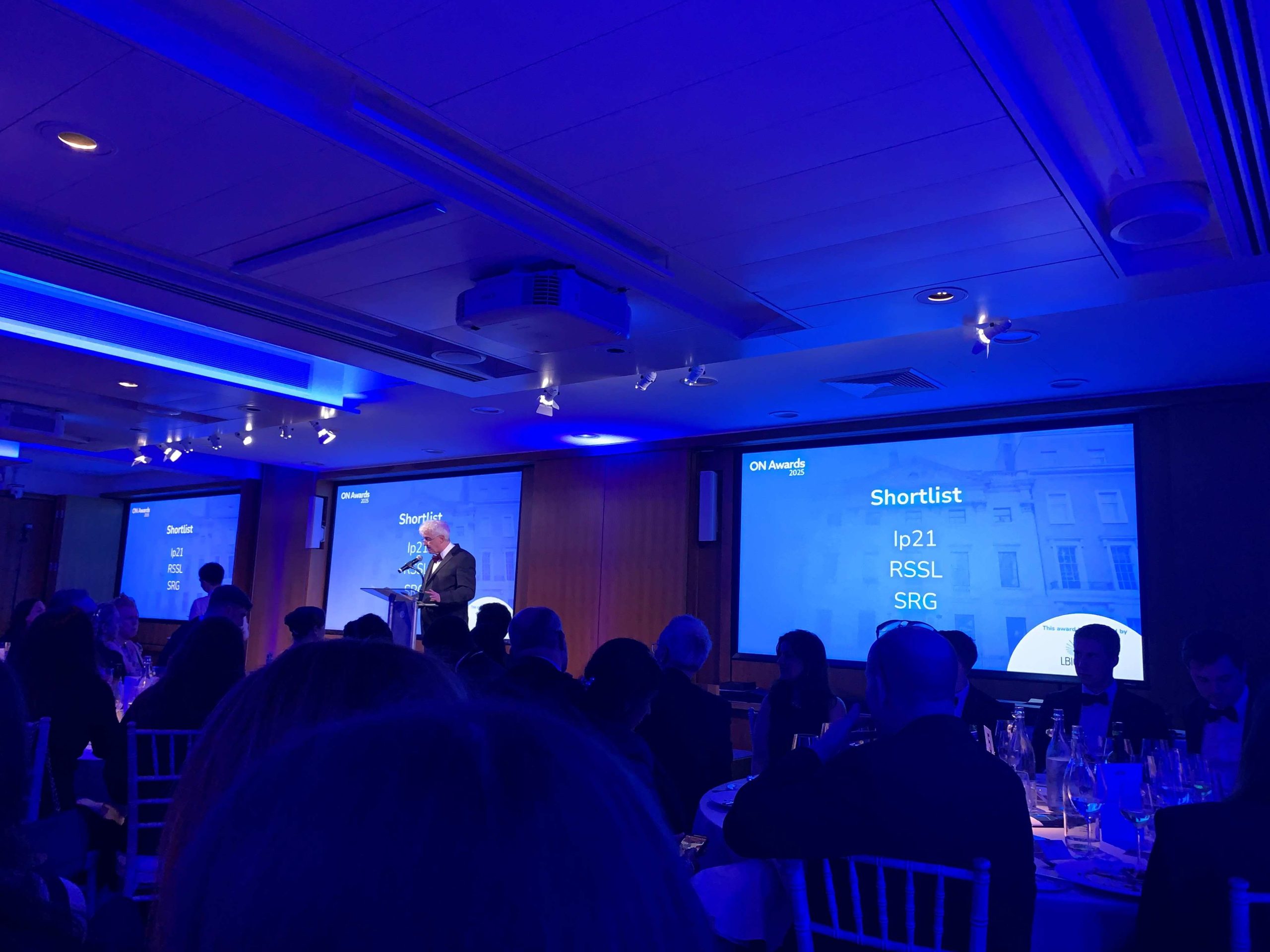
ip21 are delighted to have been named a finalist in the Best Professional Services category at the prestigious One Nucleus Awards. This recognition underscores the company’s commitment to excellence in supporting the life sciences sector and reflects the dedication to driving innovation alongside other outstanding organisations.
The awards evening was a fantastic celebration of achievement, bringing together leading companies focused on advancing science and technology. ip21 extends sincere thanks to One Nucleus, the dedicated team, and valued clients and partners for their continued support.
Congratulations to all winners and fellow finalists—your contributions are truly making a difference in the industry. ip21 looks forward to continuing to support innovation and growth in life sciences.
*I have permission from the copyright holder to publish this content and images.
Post Overview
This story has been submitted by an Agri-TechE member.
The views expressed in this Member News article are the author's own and do not necessarily represent those of Agri-TechE.
Spring is a critical period in agriculture, where every decision impacts the entire season’s yield. One of the most important factors in spring fertilisation is timing—applying fertiliser at the right moment maximises soil moisture utilisation and ensures nutrients are available to crops when they need them the most.
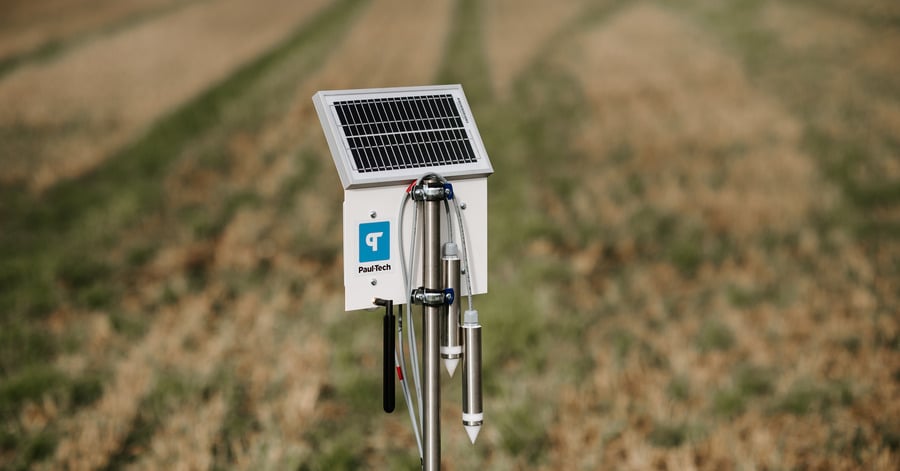
But how do you determine the right time and amount of fertilisation? How can you accurately assess the availability of nitrate nitrogen (NO3-N) in the soil and decide whether additional fertiliser is needed? This is where Paul-Tech’s soil station becomes invaluable, offering real-time insights into nutrient dynamics and soil processes.
How Plants Absorb Nitrogen
Nitrogen is one of the most essential nutrients for plants, and they absorb it primarily in its mineral form as nitrate ions (NO3-). NO3-N is highly mobile and fast-acting—it is either taken up by plants or leaches away with soil water movement.
During the growing season, changes in Paul-Tech’s nutrient indicators are largely driven by NO3-N levels. By tracking NO3-N dynamics, we can quantify the amount of dissolved and plant-available nitrogen, as well as how much has been absorbed or lost through leaching, measured in mg/kg or kg/ha throughout the season.
Ammonium Nitrogen in Soil
Ammonium nitrogen exists in the soil as NH4+ ions, which are far less mobile and remain bound within the soil structure. Because of this, ammonium nitrogen has minimal impact on soil electrical conductivity.
However, ammonium nitrogen (as well as organic nitrogen present in the soil) becomes plant-available only after undergoing nitrification—a process facilitated by soil bacteria that converts NH4+ into NO3-. This transformation is directly reflected in Paul-Tech’s nutrient indicators, and the formation of NO3-N (in kg/ha) can be monitored through Paul-Tech’s nutrient graphs.
What Is the Initial Nutrient Level?
The initial nutrient level, also known as INL, represents the amount of dissolved nutrients in the soil solution before fertilisation in early spring. Typically, this does not include NO3-N (nitrate nitrogen).
What Does the Initial Nutrient Level Indicate?
It is recorded in early spring and serves as a reference for fertilisation decisions.
It shows the amount of plant-available nutrients without mobile nitrogen (NO3-N).
It helps monitor nitrogen consumption, leaching, and the movement of nutrients across soil layers.
The Initial Nutrient Level provides a foundation for fertilisation strategies and tracking nutrient availability throughout the growing season.
By assessing the amount of mobile nitrogen at the end of the season, farmers can make informed decisions about cover crops and winter crop fertilisation for the following year.
The Role of Initial Nutrients Level in Fertilisation Decisions
Paul-Tech’s soil station determines the initial nutrient level in early spring before the growing season begins. This initial nutrient level indicates the quantity of plant-available nutrients in the soil, excluding mobile nitrogen compounds (NO3-N).
With this data, farmers can make precise fertilisation decisions, reducing the risk of over-fertilisation while optimising crop yields.
Monitoring Nutrient Dynamics
Soil stations collect continuous data, revealing how plant-available nutrient reserves change over time. Sensors placed at different soil depths provide insights into nutrient leaching, helping farmers better understand their soil’s characteristics and plan fertilisation accordingly.
Tracking Nitrogen Uptake and Leaching
Nitrogen is one of the most mobile soil nutrients, meaning that nitrogen applied in autumn is either absorbed by plants or leached into deeper soil layers. Soil stations allow farmers to monitor nitrogen uptake and movement within the soil, ensuring better fertilisation decisions—this is particularly crucial when using slurry on fields.
Making Informed Fertilisation Decisions with Soil Station Data
Paul-Tech’s nutrient indicators provide a comprehensive view of all nutrients present in the soil solution at any given moment. The impact of different elements on these indicators is determined by their role in mass flow uptake mechanisms.
The initial nutrient level (INL) represents soil fertility by indicating the overall nutrient content without added mineral nitrate nitrogen (NO3-N). This is a characteristic soil value that remains relatively stable throughout the growing season.
Nutrient level fluctuations during the season are largely driven by changes in NO3-N concentration, fertiliser dissolution, plant uptake, and leaching. Paul-Tech’s nutrient graphs allow for precise quantification of NO3-N in the soil, expressed in mg/kg or kg/ha. For fertilisers containing sulphate (SO4), the changes in sulphate ion concentration are also reflected in nutrient readings.
By using real-time soil data, farmers can make smarter, data-driven fertilisation decisions—ensuring nutrients are applied at the right time, in the right amount, for maximum efficiency and yield improvement.
*I have permission from the copyright holder to publish this content and images.
Post Overview
This story has been submitted by an Agri-TechE member.
The views expressed in this Member News article are the author's own and do not necessarily represent those of Agri-TechE.
Enhancing Sustainable Farming Through Advanced Nitrogen Management
As modern agriculture evolves, optimising nitrogen use efficiency (NUE) is becoming increasingly essential. Effective nitrogen management is critical for maximising crop yields and minimising environmental impact.
NutriSphere-NL has emerged as a cutting-edge solution. It significantly improves nitrogen retention and reduces nitrate losses, leading to higher productivity and sustainability.
This article explores NutriSphere-NL’s benefits, drawing on extensive research studies in the UK and USA that demonstrate its effectiveness in improving crop nitrogen availability and soil health.
What is NutriSphere-NL?
NutriSphere-NL is a specially formulated nitrogen stabiliser designed to enhance the efficiency of urea-based liquid nitrogen fertilisers (UAN). By reducing nitrogen loss due to volatilization and leaching, NutriSphere-NL ensures that more nitrogen remains available for crop uptake, boosting yields and improving soil nitrogen balance.
The Key Advantages of NutriSphere-NL
Greater Nitrogen Use Efficiency (NUE)
NutriSphere-NL enhances nitrogen retention, ensuring that more of the applied fertiliser is absorbed by plants, reducing environmental waste.
This leads to improved plant growth, higher yields, and more effective nitrogen utilisation.
Reduced Nitrate Losses to the Environment
Sponsored research by the Niab (National Institute of Agricultural Botany) in the UK found that NutriSphere-NL reduces nitrate losses to field drains by 14%.
A separate study in Iowa, USA, reported a 21% reduction in nitrate loss, showcasing its effectiveness in diverse agricultural conditions.
Enhanced Soil Mineral Nitrogen (SMN)
Over a six-month period, soil treated with NutriSphere-NL showed 22% higher SMN levels than untreated soil.
This means more nitrogen is retained in the soil, making it available for crop uptake throughout the growing season.
Field Trial Insights: NutriSphere-NL in Action
Water Drainage and Nitrate Concentration
A field study at Salle Farms, Norfolk, UK, examined NutriSphere-NL’s impact on nitrate concentrations in soil pore water. The results were compelling:
Tile drain nitrate concentration was reduced by 14% on average.
The largest reduction—24% lower nitrate concentration, was observed in fields treated with NutriSphere-NL.
Crop Growth and Yield Improvements
A sponsored replicated agronomic trial at Morley Farm, Norfolk, measured NutriSphere-NL’s impact on crop growth and nitrogen retention.
Key findings include:
22% increase in soil mineral nitrogen (SMN), improving crop nutrient availability.
2.6% increase in average grain yield, with grain weight rising from 74.4 kg/hl to 75.5 kg/hl.
Higher nitrogen content in harvested grains, increasing from 1.81g/100g (UAN only) to 1.83g/100g (UAN + NutriSphere-NL).
Lowers nitrate runoff into soil pore water and waterways, supporting sustainable farming.
A Smarter Approach to Nitrogen Management
With increasing pressure on Growers to improve productivity while minimising environmental impact, NutriSphere-NL offers a science-backed, highly effective solution. By integrating it into fertiliser applications, growers can:
Achieve higher crop yields
Optimise nitrogen retention
Reduce environmental losses
Support long-term soil sustainability
NutriSphere-NL is a proven, innovative solution for growers who want to maximise crop performance while embracing more sustainable farming practices.
Find Out More
View our latest research and field trial results in our NutriSphere-NL Brochure: Download the Brochure.
Want to learn more about how NutriSphere-NL can transform your fertilisation strategy? Contact us today.
*I have permission from the copyright holder to publish this content and images.
Post Overview
This story has been submitted by an Agri-TechE member.
The views expressed in this Member News article are the author's own and do not necessarily represent those of Agri-TechE.
A Breakthrough in Nitrogen Retention for Future-Proof Farming
In modern agriculture, the challenge of balancing high yields with environmental responsibility has never been greater. While traditional nitrogen stabilisation methods have been relied upon for decades, their long-term impact on soil health and sustainability raises concerns.
Nutrisphere presents an innovative alternative. It offers farmers a cutting-edge solution that enhances nitrogen efficiency while safeguarding the natural ecosystem.
The Shortcomings of Traditional Nitrogen Management
For over 40 years, nitrogen stabilisers such as NBPT (N-(n-butyl) thiophosphoric triamide) and DCD (dicyandiamide) have been used to manage nitrogen loss. However, these methods come with limitations:
NBPT only inhibits urease bacteria, reducing ammonia volatilisation but failing to prevent nitrate leaching.
DCD slows nitrate conversion, yet it does not address ammonia volatilisation, leaving nitrogen vulnerable to loss.
Chemical-based inhibitors can disrupt the soil biome, affecting beneficial microbial activity.
While effective in specific areas, these conventional approaches do not provide a comprehensive or sustainable solution.
Nutrisphere’s Advanced Mode of Action
Nutrisphere takes a fundamentally different approach—leveraging a physical, non-chemical mechanism to protect nitrogen while maintaining soil health. This is achieved through two key mechanisms:
Cation Exchange Capacity (CEC) for Metal Ion Retention
Nutrisphere’s electrostatic charge binds in the microzone around the urea with key metal ions such as Nickel (Ni), Copper (Cu), and Iron (Fe). These elements are crucial for harmful bacteria to facilitate nitrogen conversion into volatile forms. By restricting these elements access to the bacteria, Nutrisphere naturally disrupts nitrogen loss without harming beneficial soil microbes.
Localised pH Regulation for Nitrification Control
Nutrisphere lowers the pH in the immediate area surrounding urea, creating an unfavourable environment for nitrifying bacteria. This reduces nitrogen loss via volatilisation, leaching, and denitrification, ensuring a more stable crop supply.
Key Benefits of Nutrisphere for Farmers
Nutrisphere’s innovative approach to nitrogen management delivers multiple benefits for farmers striving for increased efficiency and sustainability:
Greater Nitrogen Retention
Minimises nitrogen loss, ensuring crops have consistent access to essential nutrients.
Leads to improved plant health, stronger growth, and better yield potential.
Preserves Beneficial Soil Microbes
Unlike traditional chemical stabilisers, Nutrisphere does not disrupt beneficial bacteria.
Protects the natural balance of the soil biome, promoting long-term soil fertility.
Lower Environmental Impact
Prevents the release of ammonia and also nitrous oxide (N₂O), a greenhouse gas 273 times more harmful than CO₂.
Reduces nitrogen runoff into waterways, supporting cleaner and healthier ecosystems.
Future-Proofing Soil Health
Unlike traditional stabilisers that can contribute to soil degradation, Nutrisphere maintains soil vitality for future generations.
Offers a sustainable farming solution that enhances productivity without compromising environmental health.
A Smarter Approach to Sustainable Agriculture
Nutrisphere is a progressive, science-driven alternative to traditional nitrogen stabilisation techniques. By employing a physical rather than a chemical process, it provides a groundbreaking, environmentally responsible solution to nitrogen retention.
For forward-thinking growers looking to optimise yield, reduce waste, and improve environmental sustainability, Nutrisphere is the future of crop nutrition.
Want to learn more? Contact us today to discover how Nutrisphere can transform your nitrogen management strategy.
View our latest presentation on how Nutrisphere’s unique Mode of Action (MOA) works View the presentation.
*I have permission from the copyright holder to publish this content and images.
Post Overview
This story has been submitted by an Agri-TechE member.
The views expressed in this Member News article are the author's own and do not necessarily represent those of Agri-TechE.
Driving Sustainability in Modern Farming
The agricultural industry faces a crucial challenge: maximising yields while minimising environmental impact. Nitrogen fertilisers play a key role in crop productivity, but inefficient nitrogen use can lead to volatilisation, leaching, and denitrification, resulting in lost nutrients, soil degradation, and environmental pollution.
The latest Nutrisphere Environmental presentation explores how Nutrisphere transforms nitrogen management by reducing emissions, improving soil health, and enhancing fertiliser efficiency. This article summarises the key findings and real-world trial results demonstrating Nutrisphere’s role in sustainable farming.
The Role of Nutrisphere in Environmental Protection
Nutrisphere has been developed to optimise nitrogen efficiency while maintaining soil health and reducing environmental risks. Preventing nitrogen losses ensures more fertiliser is retained in the soil, benefiting crops and the environment.
Key benefits of Nutrisphere’s mode of action (MOA) include:
Reduces nitrogen loss through volatilisation, leaching, and denitrification
Minimises nitrate leaching by over 20%, protecting water quality
Retains up to 4x more ammonium in the soil, improving nutrient availability
Decreases ammonia volatilisation by up to 85%
Reduces nitrous oxide (N₂O) emissions by over 50%
These findings confirm Nutrisphere’s effectiveness in improving nitrogen retention while safeguarding the environment.
Proven Impact on Soil Health and Clean Air
Nutrisphere’s ability to preserve soil biodiversity differentiates it from traditional nitrogen stabilisers. Extensive research confirms:
No negative effects on crucial soil microbes or earthworms
No impact on freshwater aquatic life, ensuring clean water systems
Cuts nitrogen-related air pollution, helps to reduce agriculture’s carbon footprint
Nutrisphere supports a more sustainable and eco-friendly approach to fertiliser application by addressing these critical factors.
Field Trials: Real-World Success in Enhancing Crop Yields
Over the past six years, Nutrisphere has undergone 58 field trials across Europe, including in France, Poland, Turkey, and Germany. These trials demonstrate its ability to boost crop productivity while maintaining soil integrity.
5.4% average increase in crop yields
87% of trials reported positive yield improvements
12% higher nutrient utilisation efficiency (NUE)
3.5% increase in grain nitrogen content
1.5% average grain weight increase
Nutrisphere consistently performs across different soil types (pH 5.1 – 8.1) and is proven to work under varied agricultural conditions.
Sustainable Nitrogen Utilisation for Future Farming
As the agricultural sector seeks more sustainable fertiliser management, Nutrisphere presents a scientifically validated solution that ensures:
Less nitrogen waste → More fertiliser retained in the soil
Cleaner water sources → Reduced nitrate runoff into rivers and lakes
Higher farm profitability → Improved crop performance and efficiency
By integrating Nutrisphere into modern farming systems, growers can increase productivity without compromising sustainability.
Nutrisphere is redefining nitrogen efficiency, helping farmers achieve high yields while protecting the environment. Whether you want to enhance soil health, reduce fertiliser waste, or improve nitrogen retention, Nutrisphere is the solution for a more resilient agricultural future.
Contact us today to learn how Nutrisphere can help optimise your nitrogen strategy.
*I have permission from the copyright holder to publish this content and images.
Post Overview
This story has been submitted by an Agri-TechE member.
The views expressed in this Member News article are the author's own and do not necessarily represent those of Agri-TechE.
ADAS Webinar: Optimising crop nutrition through in-season ‘checks’ and ‘adjustments’
Tuesday, Apr 01 – 8:30am – 9:30am
Crop nutrition management requires urgent transformation to reduce costs and pollution, and secure future food production. The NUTRI-CHECK NET project has developed a three-step checking approach to support farmers in ‘checking’ their crops’ nutritional performance – ‘Plan, Check & Adjust, Review’
In this webinar, ADAS Crop Physiologists Sarah Kendall and Kate Storer will :
Give an overview of the ‘Plan, Check & Adjust, Review’ approach
Provide guidance on the use of checks this season and how farms can make adjustments to their nutrient applications
Explain how measuring and monitoring crops can aid in making the most informed decisions, particularly focussing on nitrogen and sulphur management in winter wheat crops
Introduce a range of tools and technologies that are available to farmers and advisors to support these checks
Sarah and Kate will be joined by farmers Andrew Williamson (Shropshire) and David Aglen (Fife). Andrew and David will share their crop nutrition strategies and experiences in a Q&A session.
The views expressed in this Member News article are the author's own and do not necessarily represent those of Agri-TechE.
AutoSpray Systems secures CAA approval for Beyond Visual Line of Sight (BVLOS) agricultural drone operations
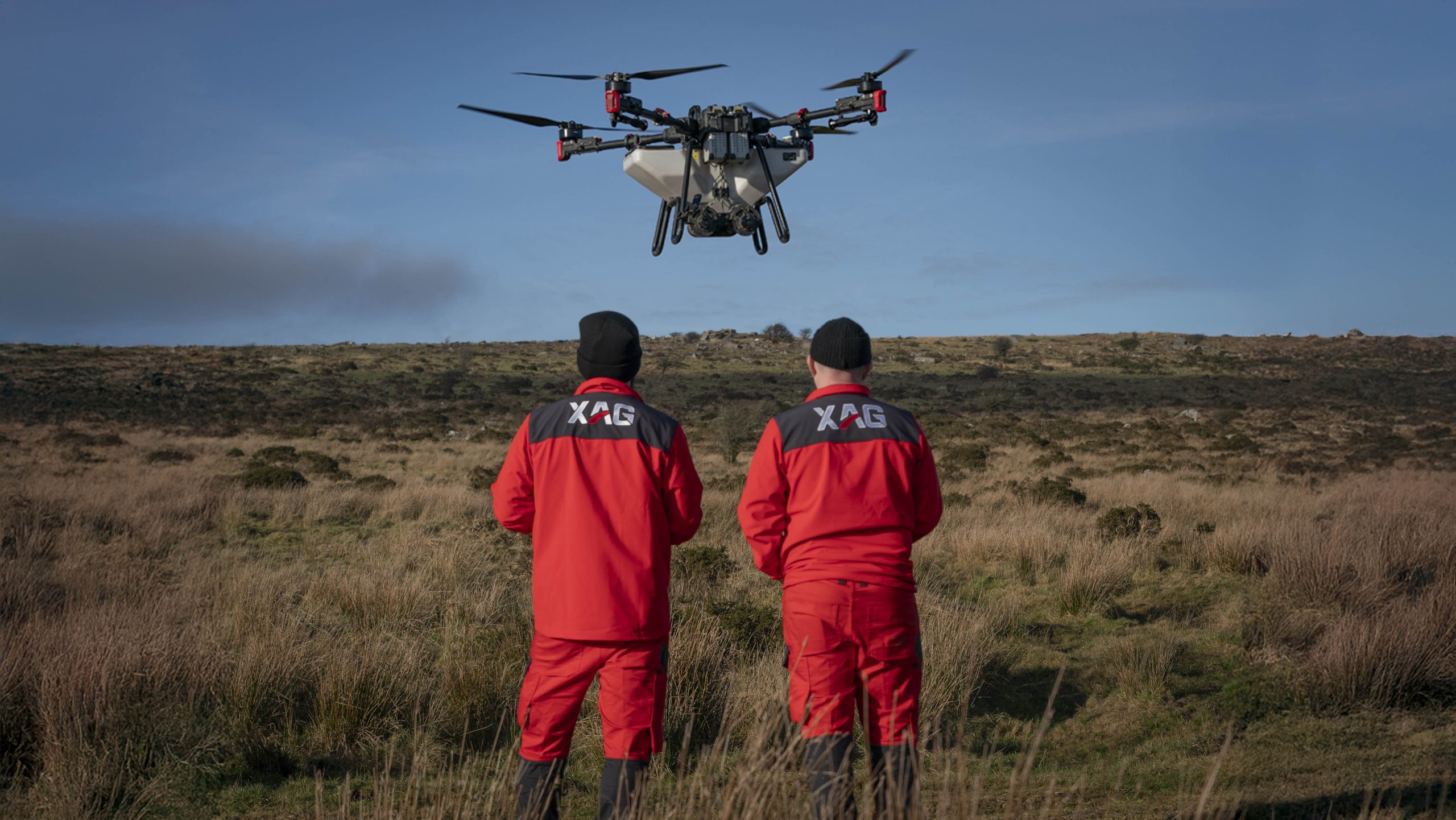
AutoSpray Systems is proud to announce that they have obtained an Operational Authorisation from the UK Civil Aviation Authority (CAA) (received on 11th March 2025) to conduct Beyond Visual Line of Sight (BVLOS) operations in an Atypical Air Environment (AAE). This milestone marks a significant advancement in agricultural drone applications, unlocking new commercial opportunities across multiple sectors.
Expanding Our Capabilities
With this approval, AutoSpray Systems is authorised to operate their 120kg agricultural drone for spraying liquids and spreading granules across agriculture, horticulture, forestry, and many other use cases. Unlike previous restrictions that limited operations to within 500m of the remote pilot, this BVLOS AAE approval allows them to operate without distance limitations, subject to location-specific risk assessment.
Unlocking Commercial Opportunities
Andy Sproson, Director of AutoSpray Systems stated-
“Historically, our low-level drone operations were restricted by distance regulations, limiting their full potential. With BVLOS approval, we can now reach even more remote and inaccessible areas, making a profound impact in sectors such as:
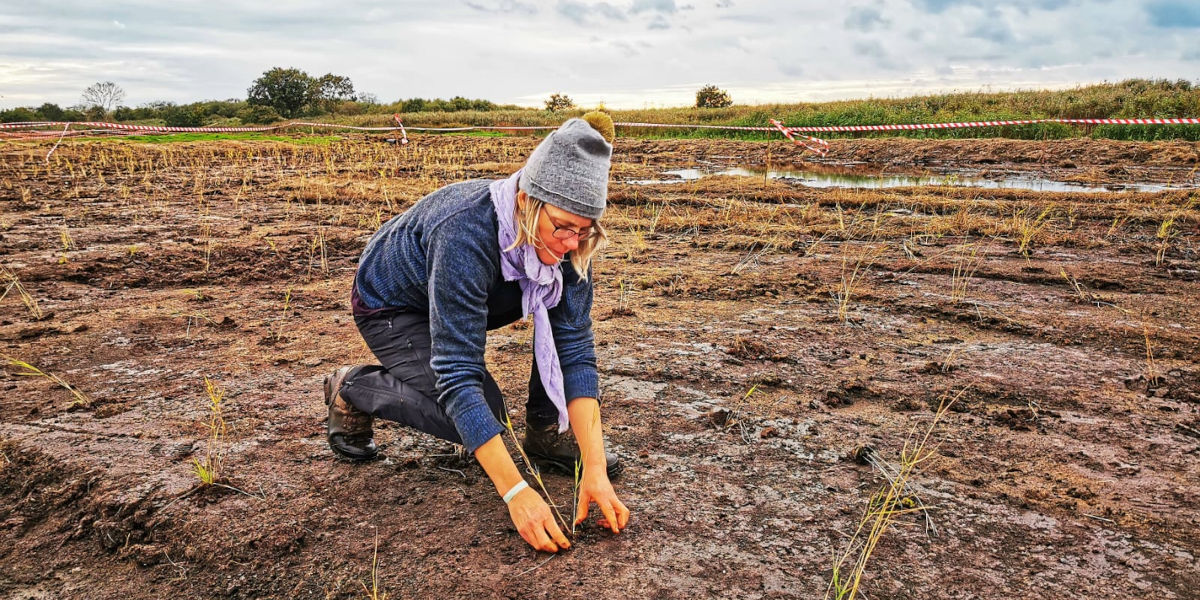
Peatland Restoration – Enabling large-scale reseeding and rehabilitation of degraded peatlands.
Paludiculture Crop Seeding – Supporting the cultivation of wetland-adapted crops to enhance biodiversity and carbon sequestration as part of our work with DEFRA, as part of the SEAD Artists consortium.
Reforestation Projects – Deploying drones for tree seeding and afforestation in challenging terrains where human access is impractical.
This authorisation significantly expands our ability to scale sustainable land management solutions, reinforcing our commitment to innovation in aerial agriculture.”
Acknowledgments
Achieving BVLOS approval is a testament to the dedication and collaboration of multiple industry and academic experts. We extend our sincere gratitude to the SEAD Artists:
Who are SEAD Artists:
This is a consortium of organisations and individuals with the sole aim to become a singular voice and point of contact for the agriculture and environmental industry when they are looking to interact with drones and new technology – speaking with one voice.
It is an initiative that supports an evidence-based data approach to facilitate environment and agriculture which will be as inclusive of all users and operators, and representative bodies as is reasonably possible.
Aleks Kowalski – Skypointe Ltd
Hasan Hasan and Mohammed Hasan from IT Surveillance
Dr Owen McAree from The University of Liverpool
Gareth Whatmore and Karina Nasretdinova from DronePrep
Abu Hassan from Theory and Practice of Software
Andy Sproson / Robert Pearson and Scott Dowell of AutoSpray Systems
A special thanks also to the RPAS team at the CAA and all other colleagues involved in shaping the BVLOS AAE policy whose support has been instrumental in achieving this milestone.
When can we see this happening?
Additional information will be released in due course and we will be hosting an open day, conducting live demonstration flights week on Monday 28th April 2025, in the Greater Manchester Area.
Post Overview
This story has been submitted by an Agri-TechE member.
The views expressed in this Member News article are the author's own and do not necessarily represent those of Agri-TechE.
Anglia Innovation Partnership, the campus management organisation at Norwich Research Park, is hosting the 8th Enterprise Tuesday Showcase event at the John Innes Conference Centre, Norwich Research Park, on 3 June, from 1.30-6pm.
This showcase event – ‘Exploring the Ecosystem at Norwich Research Park’ – will provide the strategic backdrop to Norwich Research Park, explain why the campus partners were brought together and give an overview of the campus-wide vision of HP3 – Healthy Plants, Healthy People, Healthy Planet – of finding solutions to the global challenges of feeding the world, climate change and improving health.
The event will bring to life how Norwich Research Park’s ecosystem works through enterprise, science collaboration, community building, partnerships with industry, funding and investment. It is an ecosystem that is high-impact focused and driven by its people, place, innovation and ideas.
This event is kindly sponsored by Novagraaf UK. For 135 years, Novagraaf has been helping iconic brands and innovative organisations around the world to power their competitive advantage by delivering a connected IP perspective.
The event will be followed by a drinks and canapes reception held in Centrum building adjoining the conference centre starting from 6-8pm. Tickets for the reception are limited.
There are two types of ticket available for the event. One for the afternoon event only and one for the afternoon event and evening reception. Please make sure you book the correct ticket. Booking closes on 19 May. Please note due to the limited availability, only two people per company can register.
The views expressed in this Member News article are the author's own and do not necessarily represent those of Agri-TechE.
On 18 November 2024, a broad majority of the Danish Parliament reached a political agreement that will significantly push a green transition of Danish agricultural production, transform the Danish landscape, create more nature and ensure a healthy aquatic environment.
The agreement builds on the multi-stakeholder agreement proposing a CO2 tax on emissions from agricultural production and the transformation of 15 percent of Denmark’s agricultural area into nature. The agreement sets aside around 4.92 billion GBP to implementation of the comprehensive reorganisation of Denmark’s land area.
According to the agreement, Denmark must continue to have a strong and competitive agricultural sector that produces high quality and healthy food products. Therefore, it is essential that, in line with the rezoning of agricultural land, production can be done in a more efficient manner on the remaining robust agricultural areas.
The green transition of the Danish agriculture and food sector must take place in a way that supports increasingly sustainable, high-tech and land-efficient agricultural production, so that Denmark will continue to have a competitive industry with attractive business potential and jobs.
In other words, it is the goal to find the right balance between maintaining a profitable agricultural production in the future while at the same time achieve a significant reduction in the CO2e emissions from farms.
Overall, the measures in the agreement are estimated to have the potential to reduce emissions by between 1.8 million and 2.6 million tonnes CO2e by 2030.
Denmark and the UK share ambitions on making agricultural production more sustainable and at the same time maintaining productivity, food security and profitability for the farmers.
It’s not an easy task to find the right balance – but the UK had led the way in some areas while Denmark is leading the way in others. There are plenty of possibilities for enhancing the cooperation and sharing of knowledge and lessons learned in both countries.
Strengthening the cooperation between Danish and British farmers and authorities is the goal of the Danish embassy for the years to come.
We start on 3 April 2025 by hosting an interesting panel debate about the forthcoming green transition of Danish agriculture and putting a spotlight on the new green technologies that needs to be adopted by Danish farmers. And it is the plan to bring British stakeholders to Denmark to visit farmers who successfully have adopted new greener technologies and vice versa.
If you’re interested in learning more – please feel free to contact Minister Counsellor for Food, Agriculture and Fisheries at the Royal Danish Embassy – Mr. Jan Bay-Smidt on jansmi@um.dk
Want to sell into Denmark or learn from its agri transition?
On 10 June, our online Round the World: Denmark event with the Danish Embassy and Danish AgroIndustry will spotlight what technologies Danish farmers need right now — and what UK farmers can learn from their green transition.
If you’re developing agri-technologies or working on sustainability, this is your chance to understand where the demand is, who’s buying, and how collaboration could benefit you. Book here.
Post Overview
This story has been submitted by an Agri-TechE member.

 Muddy Machines Ltd


 Burleigh Dodds Science Publishing Limited




 HGF Limited


 ip21
ip21





 Paul-Tech Ltd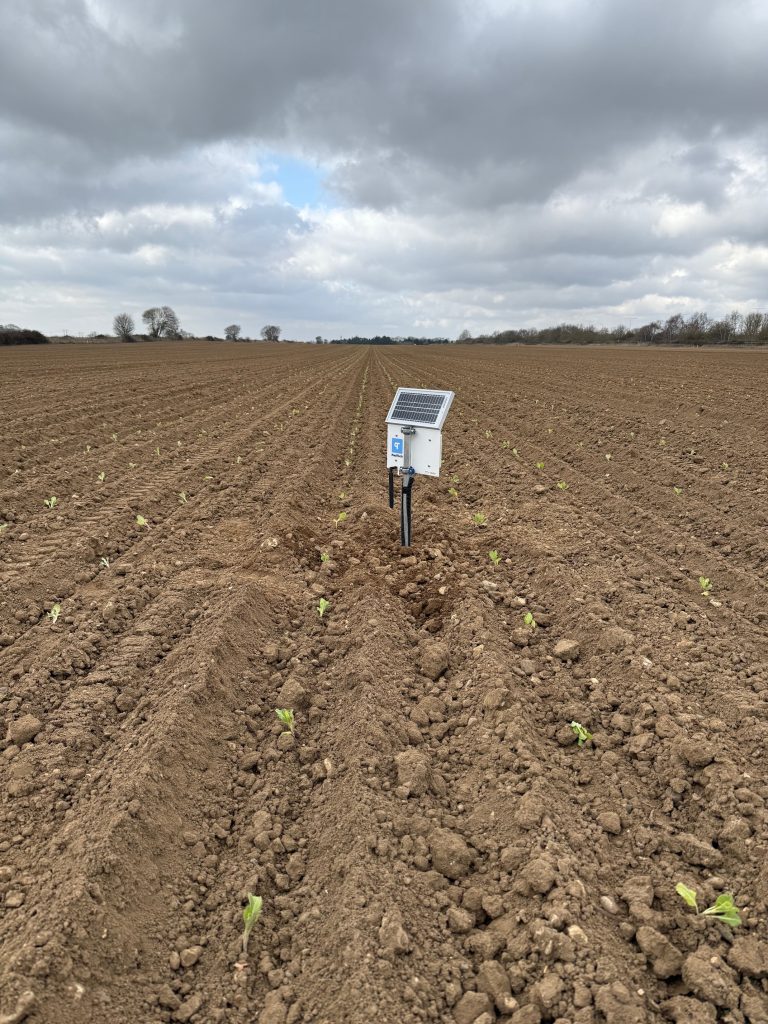



 Verdesian Europe & Africa






 ADAS
ADAS



 SEAD Artists



 Norwich Research Park



 Ministry of Foreign Affairs of Denmark