Patenting, Trademarks, Copyright, Trade Secrets...
In the next installment of our micro-learning series, we’ll explore potential legal solutions to help you keep your ideas safe and sound.

UK Precision Breeding Act – transforming crop development and food security

Member News
The views expressed in this Member News article are the author's own and do not necessarily represent those of Agri-TechE.

The UK’s agricultural sector is entering a new era with the implementation of the  Genetic Technology (Precision Breeding) Act 2023, positioning England as a European leader in agri-tech innovation. This landmark legislation opens the door for advanced breeding techniques like precision breeding, which promises faster, more accurate crop development to meet the challenges of climate change and global food security.

From traditional breeding to precision science

For centuries, plant breeding has relied on crossing two parent plants and hoping nature delivers the right combination of traits. While this process is guided by expertise, it involves uncertainty and can take decades to achieve desired results.

Precision breeding changes the game. Instead of waiting for chance, scientists make targeted adjustments to a plant’s existing genetic material—without introducing foreign genes. Unlike GMOs, which transfer genes from other species, precision breeding works within the plant’s own DNA, creating improvements that mimic what traditional breeding could achieve, only much faster.

How is precision breeding different from gene editing?

The term gene editing was widely used in the past, but the scientific community now prefers precision breeding to avoid confusion with genetic modification (GMO), which involves adding foreign DNA. Precision breeding simply accelerates natural processes without introducing external genetic material.

Speed and accuracy: Cutting development time by a decade

One of the most significant advantages of precision breeding is speed. Experts estimate it can reduce the time to develop a new variety by 5–10 years, accelerating innovation for growers and consumers alike. This efficiency is crucial as the global population approaches 10 billion and the demand for resilient, high-yield crops intensifies.

Traditional breeding often introduces unintended genetic changes, while older techniques like mutagenesis—used since the 1960s—cause widespread, random modifications. Precision breeding avoids these pitfalls by making defined, targeted changes, ensuring better outcomes for farmers and the environment.

Legislation unlocks innovation

The UK’s new regulatory framework makes it easier to test and commercialize precision-bred plants. This science-led approach supports sustainable agriculture by enabling crops that are more resistant to disease, better adapted to climate extremes, and capable of producing higher yields with fewer inputs like fertilizers and pesticides.

As policymakers and industry look for ways to futureproof the nation’s food system, the conversation is increasingly shifting from whether we should adopt new breeding technologies to how quickly we can deploy them responsibly. The pressures driving this shift are not abstract—they’re felt in everyday life, from rising food prices to the growing unpredictability of global supply chains. Against this backdrop, the role of precision breeding becomes clearer: it is not simply a scientific advancement, but a practical response to a world where food security can no longer be taken for granted.
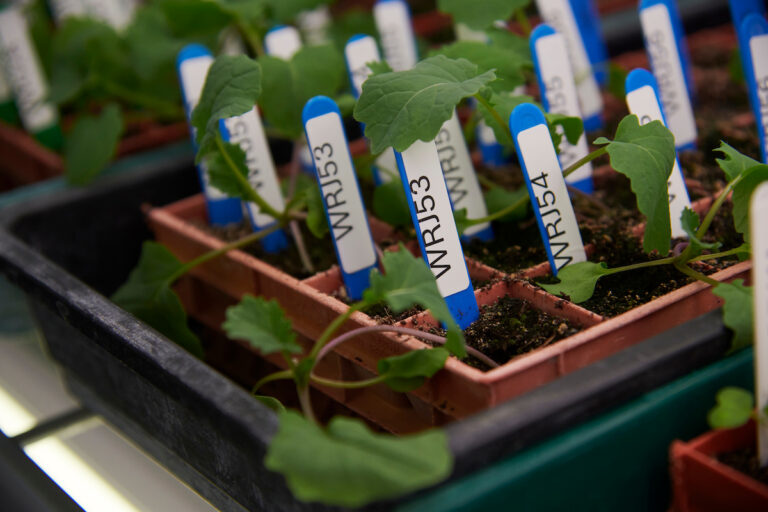
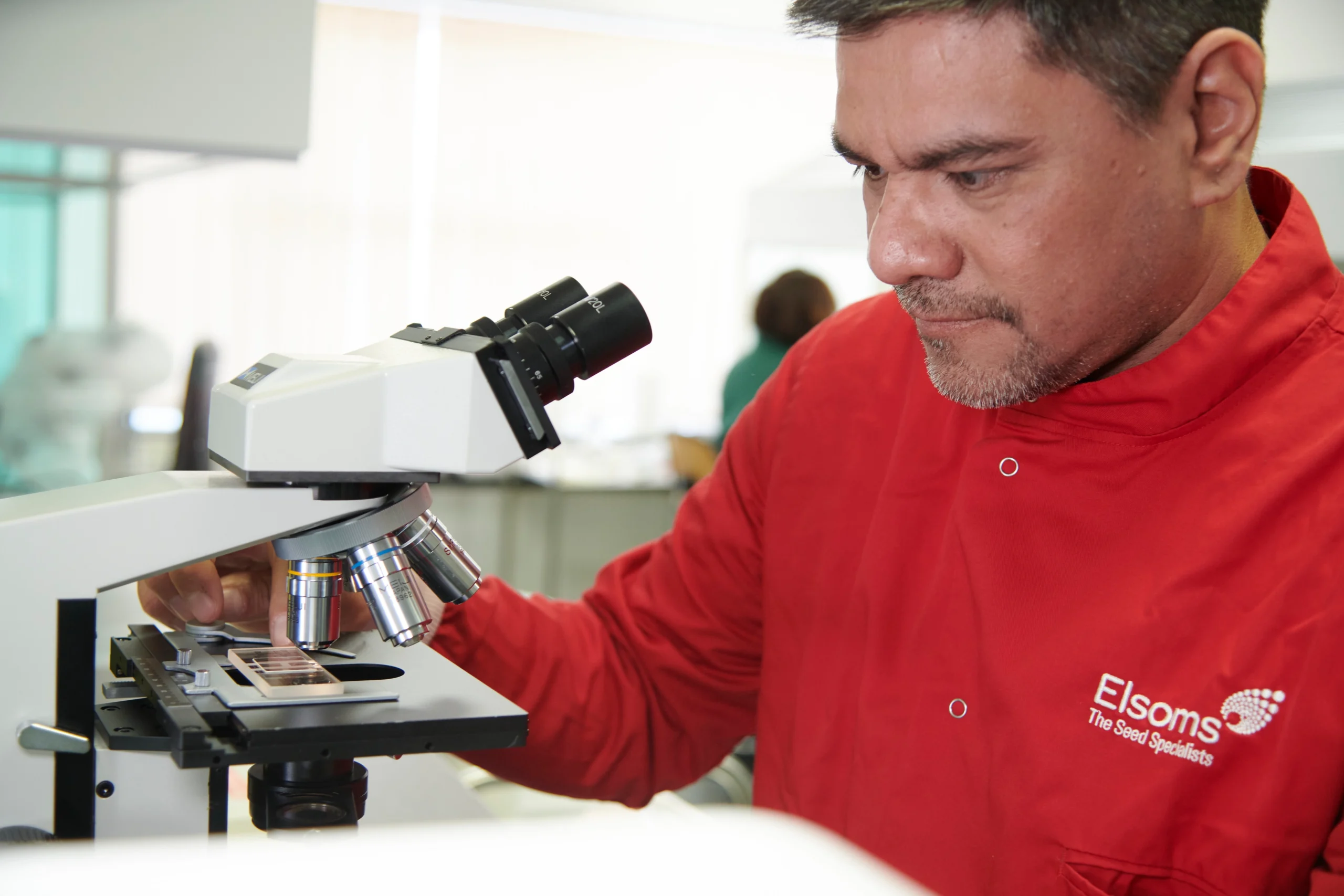
Elsoms_26March25_071-768x512
Rodrigo-Lab-RandD

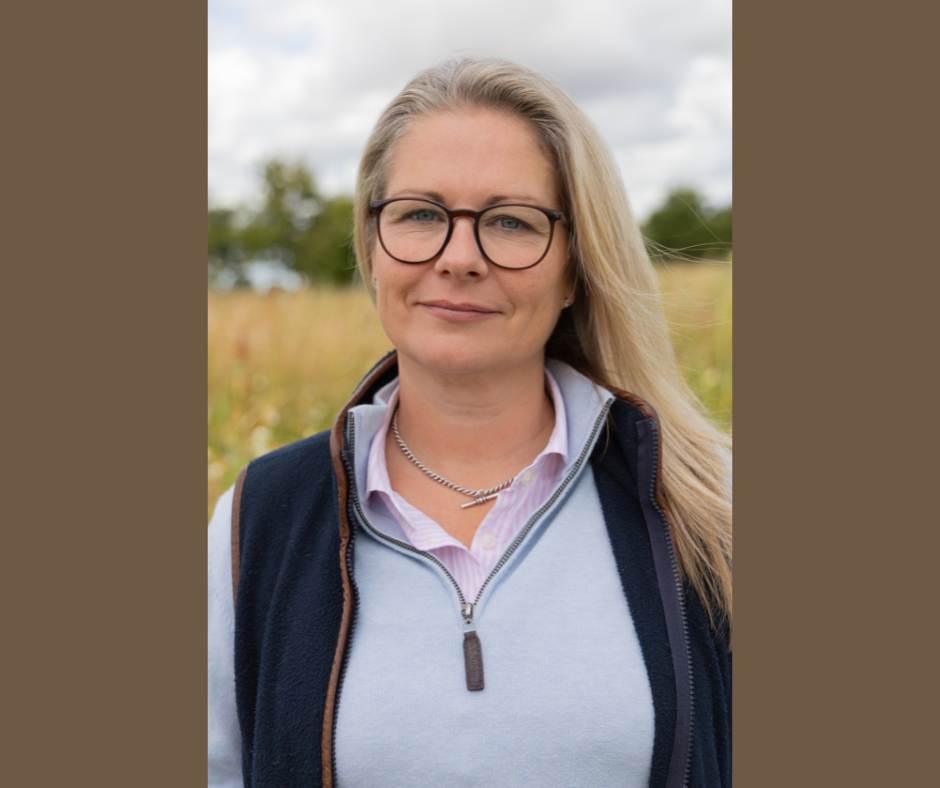
Rodrigo Echegoyén-Nava, Elsoms Head of Research and Lab Services, captures this reality succinctly:

“We’re currently living in a world that constantly presents challenges in nearly all aspects of our lives. You might not have the newest flagship model phone, stop your news feed or follow your favourite musician on social media, but you will still need to eat something every single day.

Food security has become one of the main concerns globally. Precision breeding emerges as an additional tool to allow breeders and scientists develop higher yield, more resilient plant varieties, by exploiting crops at their full potential.”

Addressing public perception

Despite its benefits, precision breeding faces misconceptions. Many assume it’s radically different from traditional breeding, but in reality, it’s a more precise version of what breeders have done for millennia. There’s nothing extra left in the plant, no foreign DNA—just improvements that nature could have produced over time.

Why it matters

Without continued investment in plant breeding, agriculture risks stagnation. As David Coop, Elsoms Managing Director warns:

“If no company can afford to produce new varieties, we will simply have to make do with what we’ve already got. Nature will catch up with us, and we won’t be able to produce enough food for a growing population.”

Precision breeding offers a solution—faster innovation, stronger crops, and a sustainable future for farming.

CASE STUDY: Development of a Handheld Soil Health Measurement Device

Member News
The views expressed in this Member News article are the author's own and do not necessarily represent those of Agri-TechE.

In this case study we share how Cambridge-based product design, engineering and development specialist, eg technology worked with PES Technologies to develop their Handheld Soil Health Measurement Device from concept to commercialisation.

Background

PES Technologies, a family-founded start-up, set out to revolutionise how soil health is measured. Building on a PhD in experimental solid-state physics, they developed a sensor capable of detecting biological, chemical and physical indicators of soil health within minutes, directly in the field. This was a significant leap from traditional lab-based methods that typically take days.

With early prototypes in hand and a vision for scalable impact, PES approached eg technology to help refine their concept and bring a commercial product to life.

By reducing the friction of data collection, PES empowers farmers and advisors to make informed decisions.

Soil health is at the core of effective agronomy, shaping recommendations, guiding research and influencing long-term sustainable land management strategies.


From Concept to Commercialisation

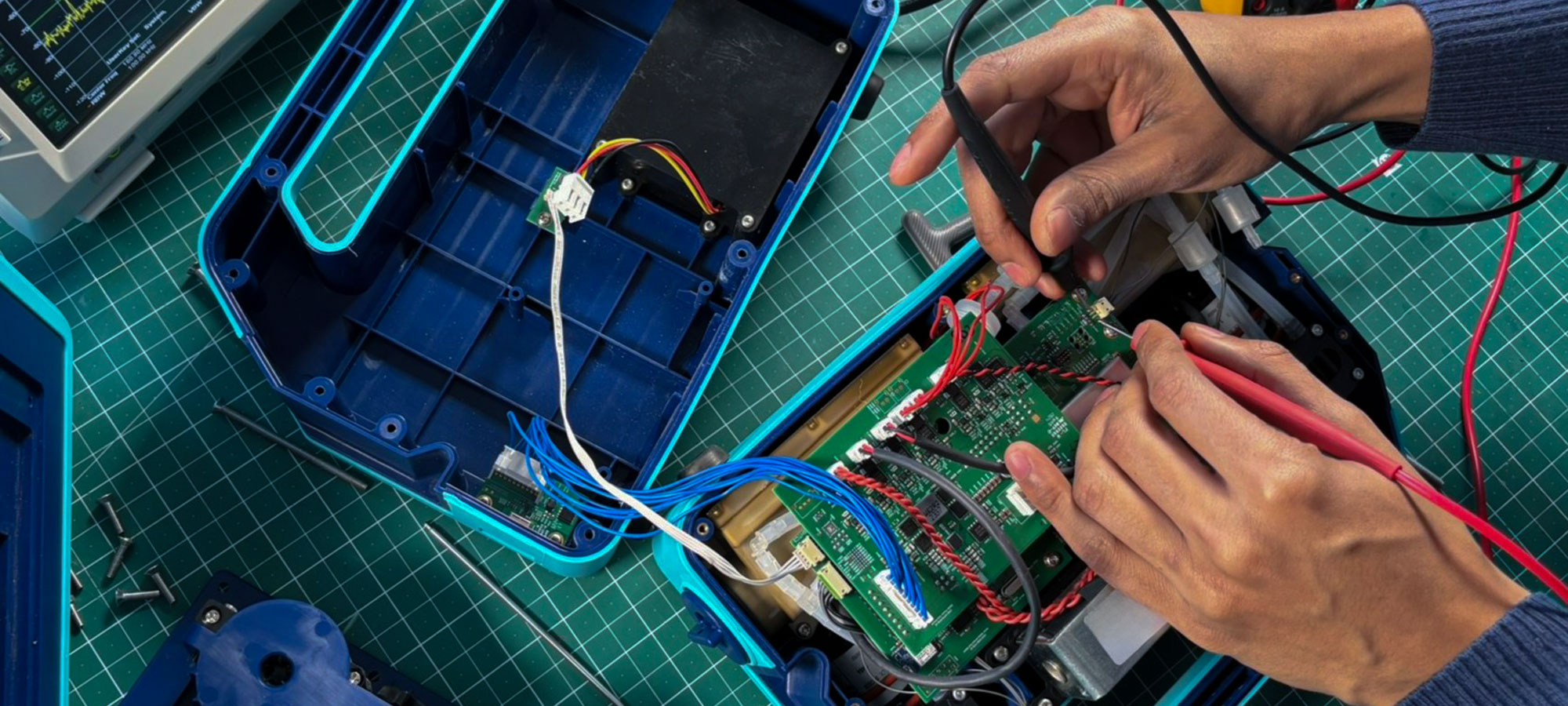
Our initial engagement focused on the critical technology – developing a sensitive, accurate and robust measurement circuit, so that reliable measurements could be taken, using PES Technology’s sensors in the field. This foundational work helped PES secure funding and build an alpha prototype. As the company grew, they returned to eg technology to develop a fully integrated, Bluetooth enabled portable soil testing device and to support its transfer to manufacture.

With investor timelines looming and limited internal resources, PES needed a partner who could deliver a marketable product for use by agronomists, in just six months. We assembled a dedicated, cross-disciplinary team to meet this challenge head-on.

“Time, cost and complexity can prevent meaningful engagement from farmers and land managers.” – PES Technologies

PES-electronics
PES-from-concept-to-commercialisation

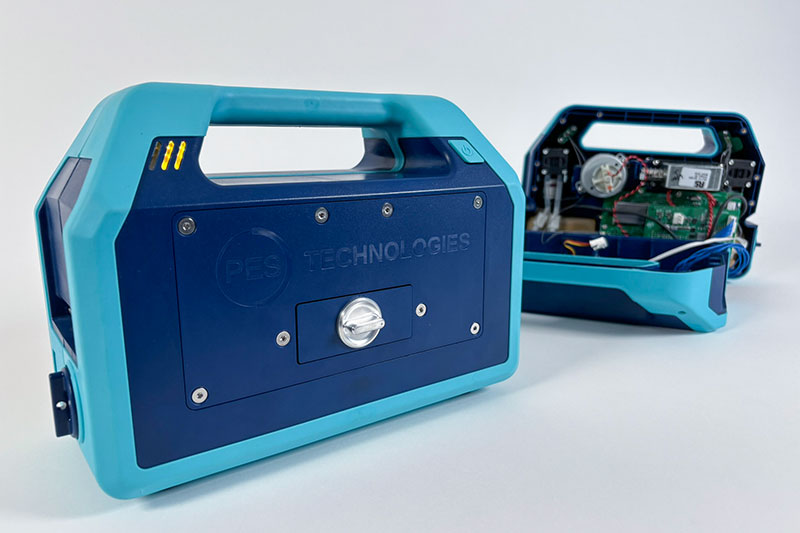
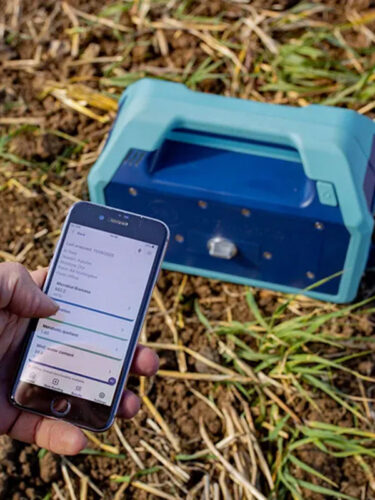
The PES device measures 12+ key indicators of soil quality in minutes, including microbial biomass, organic matter & pH levels

Designing the solution

Working closely with PES engineers, we developed a detailed project plan and executed a phased development programme. The project involved the technical development of the mechanical and electrical subsystems, as well as the embedded device software.
The project began with understanding the use case, industrial design and designing the system architecture to address complex challenges, such as ‘how to package a reel of sensors into a bespoke cassette to protect them until use’, and managing real-life situations such as ‘preserving data until a cloud connection is available’.
The usability of the final product form was progressed in tandem with the programmable electromechanical systems, and alongside the client’s app development and sensor production, requiring tight collaboration between the different disciplines, as well as with the client. From our experience of working with other science-led start-ups, we were aware that measurement protocols tend to evolve as the client’s experience with the underlying science develops. Therefore, we ensured that it was easy for PES to adapt the measurement protocols from their smartphone application.

There were many moving parts in this development, and considerations had to be made for the environment in which the final device would be operated. The unit needed to be physically and aesthetically robust, not only to protect the sensitive components inside, but also to give the user confidence in its successful operation in harsh environments. The client also specified the final device should be intuitive, simple to use, easily paired with the accompanying mobile application and should hold a sufficient charge to last for a full day’s use in the field.

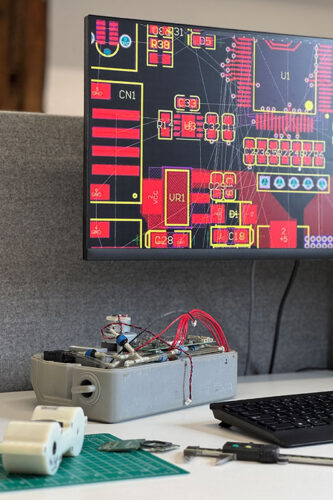
Significant use of prototyping and development of test harnesses allowed us and PES to efficiently test and debug the real-world performance of the device, cassette and app, prior to finalising the design for manufacture and releasing data for an initial small batch build, assembled by the client.

The development journey consisted of:

  • Concept generation and proof-of-principle model
  • Alpha and beta prototypes
  • Pre-production prototype
  • Performance testing
  • Transfer to manufacture

Throughout this phased project, we supported PES in solving technical challenges and aligning the product with commercial goals.

A variety of prototyping methods were used across the development process to de-risk different elements of the design


A Scalable, Field-Ready Solution

Working closely with PES, our engineers designed a robust, hand-held, rechargeable design, suitable for scale-up manufacture. The smartphone-controlled device, with its cassette of sensors enables rapid testing of soil, and in conjunction with PES’ mobile app and cloud-based machine learning, delivers real-time, in-field, GPS-stamped soil health indicators from organic matter to Nitrogen, Phosphorus, and Potassium levels directly to the user.
The project advanced their Technology Readiness Level from TRL 3-4 to TRL 7-8, positioning them for commercial rollout. Our managed, collaborative approach enabled PES to meet their tight deadlines without compromising on quality or functionality.
Regulatory compliance was prioritised, with the final device passing relevant electrical and mechanical safety tests, including EMC, for each of the target markets. The unit is UKCA marked and PES are working towards a CE Mark.
In 2024, PES received industry acclaim as they won the award for Innovation Excellence at the FPC Fresh Awards and were crowned Agri-Tech Innovator of the Year 2024 at the British Farming Awards.


eg technology’s collaborative approach and technical expertise were instrumental in turning our vision into a reality. Their team helped us move from a promising prototype to a field-ready product, in an accelerated and challenging timeframe. eg delivered a robust, intuitive device that empowers agronomists with real-time soil health insights. We’re excited to continue working with eg technology as we scale our impact.

Steve Lock | PES Technologies


“Collaborating with PES Technologies to transform their pioneering soil health sensor into a robust, field-ready device was a rewarding journey. Our engineering team worked across disciplines, from concept generation through to transfer to manufacture, advancing their technology readiness significantly, and we’re proud to continue supporting PES as they scale their product and vision.”

Ollie Godbold | eg technology


Are you ready to develop your innovation?

For further information on how eg technology can support in getting your technology or ideas to market or to chat with one of the eg team about your product design and development requirements, please get in touch.

BOFIN Webinar: get involved with a new OSR project and knowledge exchange community

Member News
The views expressed in this Member News article are the author's own and do not necessarily represent those of Agri-TechE.

Arable farmers, researchers and agronomists are invited to a webinar on Thursday 26 March to learn about a major farmer-led oilseed rape research project and two early ways farmers can get involved.

The webinar, which will run from 8.30-9.30am, will outline exciting new research into light leaf spot carried out by the LLS-ERASED project and involvement opportunities.

This includes the free ‘OSR Circle’ community which connects growers, scientists and other experts to share knowledge and help shape research priorities.

Members of this community will be the first to be invited to become the project’s ‘Spore Scouts’ and send in leaf samples to researchers at the University of Hertfordshire.

The webinar will also be the first chance to hear about a new precision-bred OSR line with significantly reduced susceptibility to this devastating disease, currently being multiplied up ready for farmer-led field trials – the first across Europe.

LLS-ERASED is a three-year £2.5m farmer-led project funded by Defra’s Farming Futures R&D fund. Led by the British On-Farm Innovation Network (BOFIN) it brings together farmers, plant breeders, crop scientists and agronomists to tackle light leaf spot using precision breeding alongside new disease-management tools.

Speakers for the webinar are Tom Allen-Stevens of BOFIN, Dr Faye Ritchie of ADAS and Prof Yongju Huang of the University of Hertfordshire. They will also be joined by the project’s technical lead Dr Rachel Wells of the John Innes Centre, and Scottish Agronomy’s Adam Christie, for a Q&A session.

Tom Allen-Stevens urged anyone with an interest in the future of oilseed rape to register for the webinar to find out more.

“Oilseed rape is an important break crop, but light leaf spot is a growing threat to its viability. I encourage farmers and other industry experts to join us to hear about the fascinating work being undertaken to tackle this damaging disease, and the opportunities to get involved.

“The OSR Circle community offers an opportunity to tap into expertise and experience from growers and other experts from across the country. Anyone with an interest in the crop is welcome to join and contribute. And for those keen to do something practical, we will also launch our Spore Scout campaign which invites farmers and agronomists to send leaf samples to our scientists at the University of Hertfordshire.”

To find out more and register for the webinar via this LINK.

  • *I have permission from the copyright holder to publish this content and images.

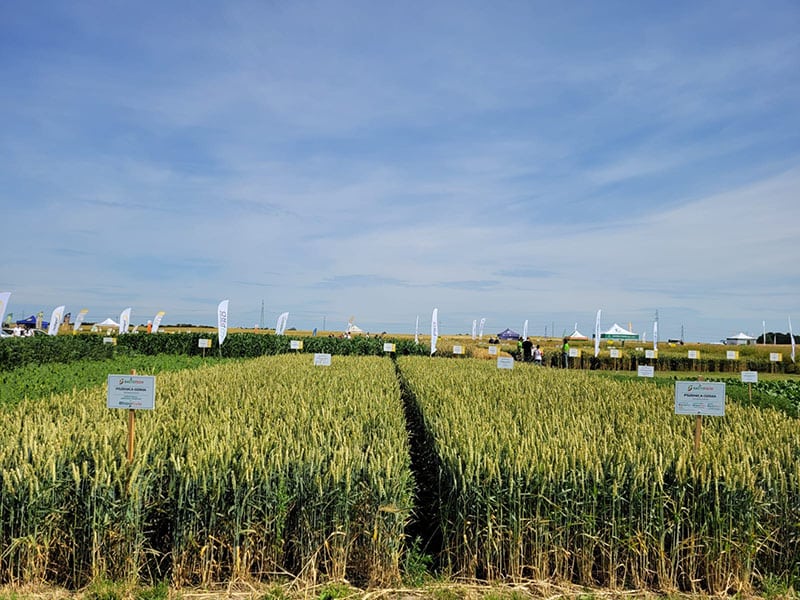
Cut Synthetic Nitrogen by 50% on Wheat? What Our Field Trial Showed

Member News
The views expressed in this Member News article are the author's own and do not necessarily represent those of Agri-TechE.

Why this trial matters

Nitrogen remains one of the biggest costs on farm. At the same time, growers face more pressure to improve nutrient efficiency, protect water, and cut waste. That creates a simple but important question:

Can you cut synthetic nitrogen and still protect yield?

We wanted to test that question in the field, not just discuss it in theory.

What we tested

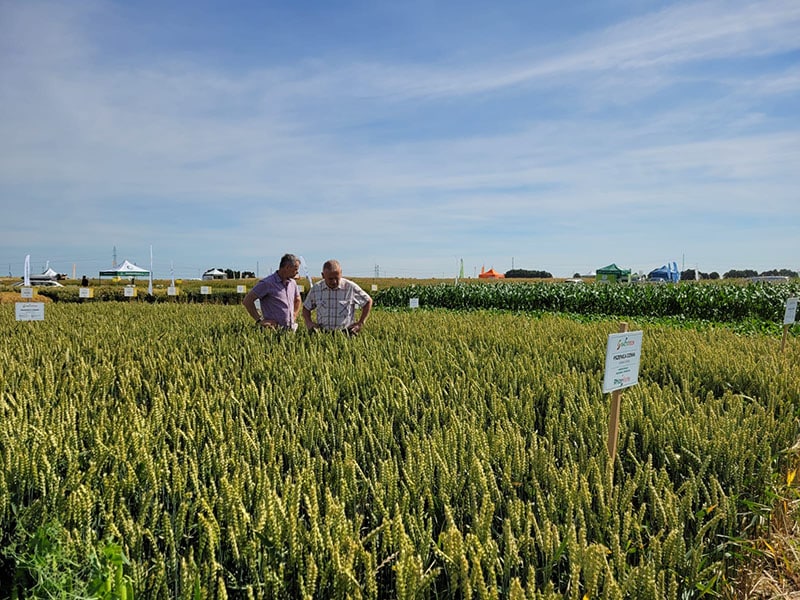
We compared two wheat fields under the same general conditions:

Control field: full standard synthetic nitrogen rate

Test field: 50% less synthetic nitrogen

We kept the variety, soil type, drilling, crop protection, and general management the same. On the reduced-N field, we also used biological support:

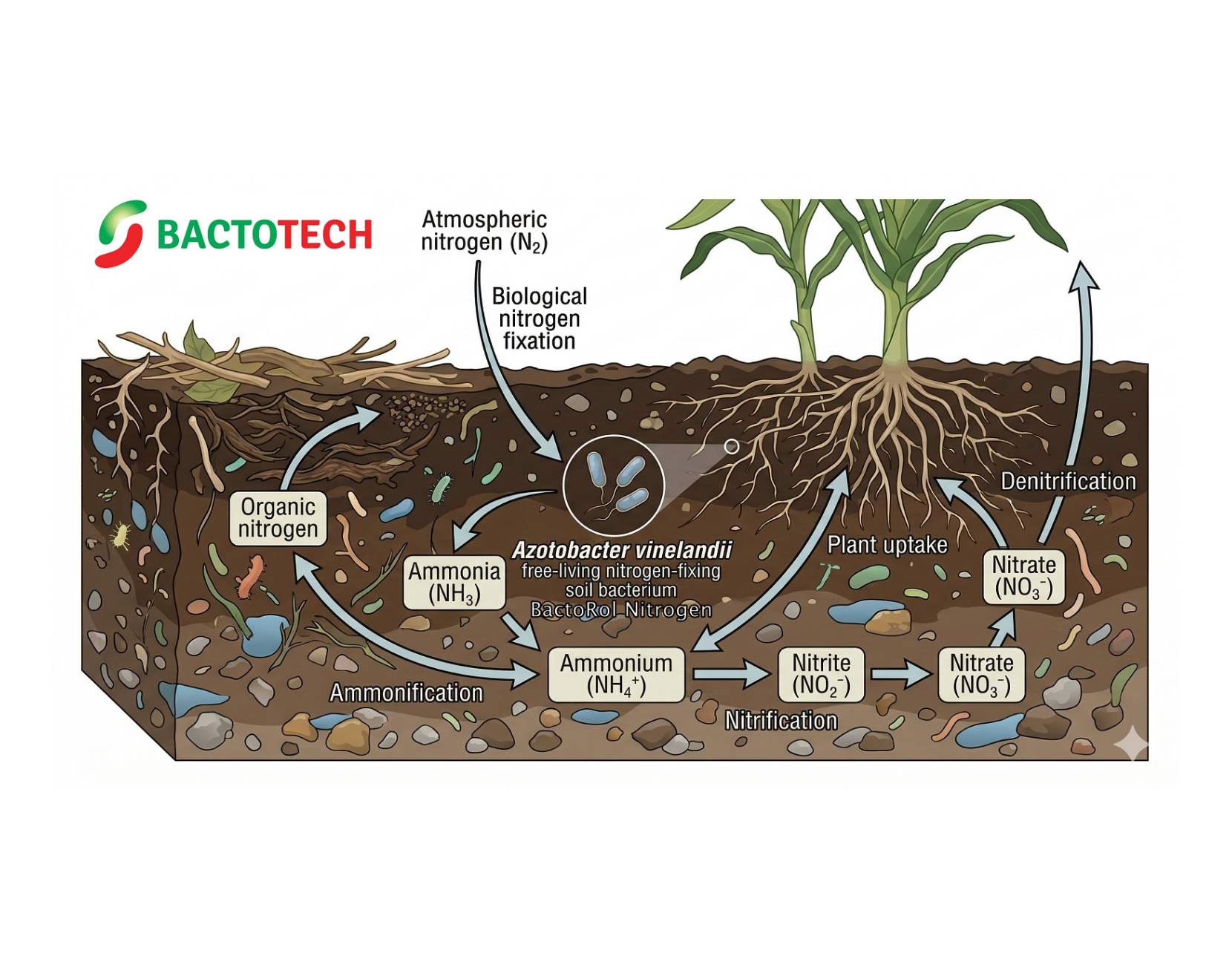
BactoRol Nitrogen

BactoStym Nitro

RhizoForte

The aim was not to remove fertiliser completely. The aim was to see whether biological support could help the crop perform well with less synthetic nitrogen.

What happened

At harvest, the result was clear:

The field with 50% less synthetic nitrogen matched the yield of the full-rate control.

That also meant lower fertiliser cost per hectare on the test field.

This is what made the trial so encouraging. On this field, under these conditions, a large cut in synthetic nitrogen did not reduce output.

What this does – and does not – mean

This result matters. However, it does not mean every farm should cut synthetic nitrogen by 50% next season.

This was a real field trial, but it was still one field, one setup, and one season. Soil type, rooting, crop stress, weather, and grain-quality targets all affect the risk.

So the real takeaway is not “halve nitrogen everywhere.”

The real takeaway is this: reduced synthetic nitrogen is worth testing more carefully than many growers assume.

Why we would start lower on real farms

For most growers, a smaller first step makes more sense.

Instead of jumping straight to 50%, we would suggest testing around a 30% reduction on a small area, with a proper control beside it.

That gives growers:
a lower-risk starting point,
a fair field comparison,
and real farm data before making a bigger decision.

Which fields suit this best?

This kind of test suits fields that are:
even, well rooted, in decent soil structure, and not already under heavy stress.

We would be more cautious on fields with:
compaction, patchy establishment, shallow roots, high stress, or uncertain soil nitrogen supply.

Milling wheat can also carry more risk, because protein matters as much as yield.

What should growers measure?

If you want to test a reduced synthetic N approach, keep it practical.

Measure:
crop evenness,
root depth,
soil structure,
total N applied,
crop colour and vigour,
final yield,
and grain quality where relevant.

Most importantly, compare the reduced-N strip with a proper control.

Why this matters now

This trial is not just about fertiliser units. It is about nitrogen efficiency, margin, and risk.

If a crop can hold performance with less synthetic N in the right situation, that gives growers another way to think about input pressure. Not by cutting blindly, but by testing properly and scaling what works.

Conclusion: this trial showed that wheat can, in the right conditions, hold yield with far less synthetic nitrogen than many growers expect. The safest next step for most farms is not a 50% jump, but a smaller, measured trial that proves what works under their own conditions.

Read the full trial breakdown

We have published the full field-trial breakdown on our website, including the setup, the limits of the result, and what farmers should check before trying a reduced-N approach themselves.

Cut Synthetic Nitrogen by 50% on Wheat: Field Trial Results and What We Learned, here’s the link.

  • *I have permission from the copyright holder to publish this content and images.

SPS Agreement is nearing the end of negotiations with the EU

Member News
The views expressed in this Member News article are the author's own and do not necessarily represent those of Agri-TechE.

The UK and European Union are nearing an agreement on Sanitary and Phytosanitary (SPS). Negotiations are still ongoing and expected to be finalised later this year for an agreement to take effect from mid-2027. To support this process, the Department for Environment, Food and Rural Affairs (Defra) has launched a six-week call for evidence to develop its understanding of the potential impact on business. With the government closing in on negotiations, now is the time for businesses to engage with ministers and officials to ensure the government acts in the interest of British businesses.

There are significant areas of concern where detail on the UK government’s position is lacking. The impact of ‘dynamic alignment’ with the EU’s approach to precision breeding risks constraining British innovators that are capitalising on a more agile regulatory regime following the Genetic Technology (Precision Breeding) Act 2023. The scope of the agreement is also unclear and whether it will extend to on-farm animal welfare standards and food labelling. A further consideration relates to implementation and the practical need for a transitional period for businesses that are already making operational decisions for 2027. An impractical deadline, without reasonable exemptions or a clear lead-in time, will increase both the cost of food production and regulatory burden for the sector to comply with a new regime.

GK Strategy is a political consultancy that advises businesses on regulatory change. We have extensive experience in supporting food, farming and agriculture businesses to navigate government policy and regulation, especially where domestic regulation intersects with international policy frameworks. We’re on hand to support how businesses operating in these sectors can minimise any risks related to the SPS Agreement and shape government thinking on its scope, implementation and regulatory implications.

To discuss the SPS Agreement and how GK can support your organisation, please reach out to James at james.allan@gkstrategy.com

  • *I have permission from the copyright holder to publish this content and images.

Fertiliser Price Spike 2026: Practical Fertiliser Alternatives to Cut Nitrogen Risk

Member News
The views expressed in this Member News article are the author's own and do not necessarily represent those of Agri-TechE.

A fertiliser price spike always triggers the same question on farm: what are my alternatives right now? Most farmers do not mean “zero fertiliser tomorrow”. They mean “how do I rely on it less, without losing yield”.

This post shares a calm playbook for spring 2026. It starts with efficiency and uptake. Then it adds biology as a measured support tool that complements fertiliser, not a full replacement.

What’s driving the fertiliser price spike

Disruption around the Strait of Hormuz has slowed shipping and increased risk across fertiliser supply chains. That matters because large volumes of fertiliser raw materials and finished product move through that route.

The immediate knock-on looks like this:

  • Urea and ammonia availability turns patchy

  • Quotes jump quickly

  • Delivery dates drift

  • Buying becomes reactive

Why farmers are searching for fertiliser alternatives

A fertiliser price spike does not just raise costs. It squeezes decisions and timing. It can also push farms into “insurance nitrogen”, bought under pressure.

So the goal is not to guess the market. The goal is to reduce exposure:

  • Make every unit of N work harder

  • Improve uptake so response stays reliable

  • Add biology to smooth performance when timing matters

The most realistic fertiliser alternatives focus on efficiency first. Next, they fix uptake blockers like cold roots, compaction, and residue tie-up. After that, they use biology to support steadier rooting and nitrogen response alongside fertiliser. A simple strip trial keeps it honest.

A calm 3-step nitrogen plan during a fertiliser price spike

Step 1 – Efficiency
Start with a clear base plan. Then tighten timing. Split where it makes sense. Cut waste first.

Step 2 – Uptake
Nitrogen only pays when roots work. Check rooting depth, root hairs, moisture at depth, and soil structure. Solve the limiter before you chase leaf colour.

Step 3 – Biology (as a complement)
Biology fits best when it helps you rely less on perfect deliveries and perfect weather. It should support steadier uptake and response. It should not replace nutrient planning.

Two biological tools we use for nitrogen resilience

BactoStym Nitro (foliar)
Use it when timing matters but response feels patchy. Think: cold starts, dry spells, and “N went on but the crop did not move”.
What it contains: Paenarthrobacter (formerly Arthrobacter) nicotinovorans.
How it’s been tested: in a nitrogen-free lab medium, with weekly sampling and external lab analysis under ISO/IEC 17025 quality standards. Results showed a strong rise in ammonium nitrogen across the test period.

BactoRol Nitrogen (soil / rhizosphere)
Use it when nitrogen feels “leaky” and response varies by zone or season. It fits well as a base tool before key growth periods.
What it contains: Azotobacter vinelandii plus Bacillus partners (B. subtilis, B. amyloliquefaciens, B. licheniformis).
What we’ve seen in controlled trials: in maize grown with no mineral nitrogen (P+K only), treated plants reached 179 cm vs 166 cm at week 12, with improved growth traits. Cob performance also improved in the same trial set (fresh mass, dry mass, and grains per cob).

When to apply (simple on-farm calendar)

Autumn (post-harvest to pre-drilling)

  • Best for: building a steadier base and reducing next-season exposure

  • Consider: BactoRol Nitrogen

Drilling to early emergence

  • Best for: setting up uniformity so N pays later

  • Consider: BactoRol Nitrogen in the soil zone

Early spring restart

  • Best for: stabilising response when nitrogen feels unreliable

  • Consider: BactoRol Nitrogen

In-season foliar windows

  • Best for: “N is on, but the crop is flat”

  • Consider: BactoStym Nitro during active growth

Stress and recovery periods

  • Best for: helping crops pick up after cold or dry checks

  • Consider: BactoStym Nitro when leaves can take up product

How to trial any “fertiliser alternative” properly

Keep it simple:

  • Run one treated strip and one control strip

  • Measure plants/m² and tillers/plant at fixed points

  • Do quick root digs (depth + root hairs)

  • Track growth stage spread across the drill width

  • Compare at harvest (yield map or weighed loads)

Final thought

We can’t control global events. However, we can build nitrogen plans that stay calm when supply tightens. Efficiency and uptake come first. Biology comes next. Proof keeps it honest. READ MORE HERE.

  • *I have permission from the copyright holder to publish this content and images.

Say hi to BACTOTECH UK’s Microbes! A practical guide

Member News
The views expressed in this Member News article are the author's own and do not necessarily represent those of Agri-TechE.

Hello! We are new to Agri-TechE, so we thought it would be good to write that first post and introduce ourselves – and actually the most useful way of doing that is introducing our tiny workers – so say hi to our MICROBES! Tiny factories that help farmers – are you worried about artificial fertilisers right now? We might just have the right solution for farmers.
.
We’ve just published a new guide that explains soil microbes for farming in plain English. It walks you through the main microbial species used in agriculture and shows when each one helps most in real field conditions.
.
Inside the guide you’ll find:
• What the key soil microbes actually do
• When they help with nitrogen efficiency, phosphorus availability and rooting
• How to match the right biology to the right farm problem
• Practical examples farmers can apply in their own fields
.
If you’re interested in nutrient efficiency, soil health and practical agronomy, the guide might be useful. https://bactotech.co.uk/soil-microbes-for-farming/
.
Quick note: At BactoTech UK, we focus on one simple idea: help farmers make better use of what is already in their soil. Instead of relying only on inputs, we look at the living system around the roots – the microbes that support nutrient cycling, root development and crop resilience.
.
If you’d like to discuss soil biology or microbial solutions with us there, feel free to reach out.

  • *I have permission from the copyright holder to publish this content and images.

Inside JEPCO’s sustainable shift to indoor leafy salad production

Member News
The views expressed in this Member News article are the author's own and do not necessarily represent those of Agri-TechE.

JEPCO is blending decades of growing expertise with cutting-edge indoor systems to drive resilient, high-quality salad production all year round.

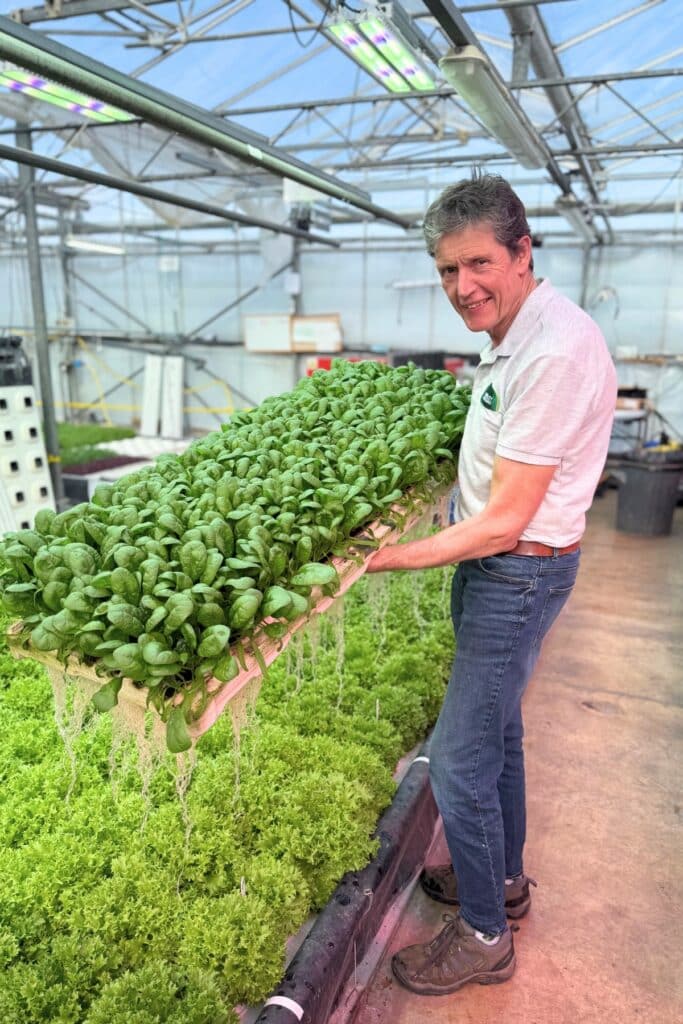
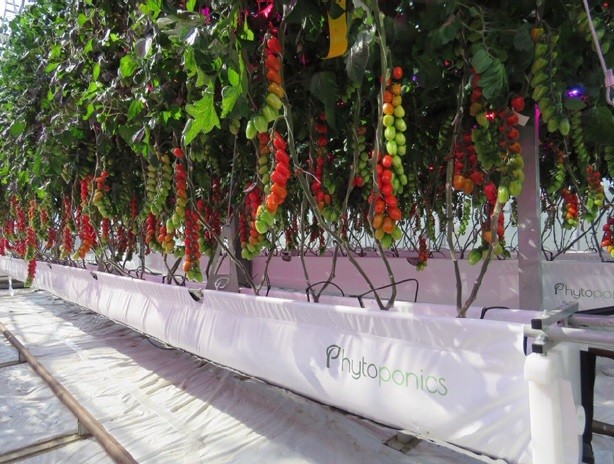
The loss of tools to combat pests, weeds and diseases in the salad sector, combined with changes in market dynamics, has encouraged Lincolnshire-based third-generation leafy salad producer JEPCO who grow 800 Ha of outdoor leafy salads to increase its glasshouse production capacity. They see controlled environments as providing an opportunity to adopt new technologies to boost output whilst improving produce quality and consistency.

As part of that programme, Jepco has been preparing production strategies with an in-house development team and research facility.

“Our goal with indoor production is to be carbon neutral, produce 52 weeks of the year and mitigate a lot of the risks we take outdoors with climate change,” says Richard Pett, development manager at JEPCO. “Producers are getting more and more extremes, with dry times, wet times, or hail. Since the middle of August, the sector have also had difficulty controlling aphids in the field.

“We’re just not getting the tools to control field pests anymore. Weed control is another example where fewer herbicides are available to us. We have been using camera guided and GPS hoes for 20 plus years, and we’re looking at robotic and laser weeders. There aren’t those options with pest control.”

Moving some production into greenhouses will allow JEPCO to remove aphids, other insect pests and foreign contaminants from their growing equation, says Richard.  They have also seen that indoor production gives them much more control over the quality needed for specific catering markets, such as sandwich production.

“Soil from outdoor lettuce is a huge problem. If we get heavy rain just before harvest, soil splashes onto the leaves. It must then be washed vigorously before being sent to customers, which affects its shelf life.

“Since moving our lettuce production destined for sandwiches indoors, we have almost eliminated non-conformities,” he adds.

The obvious challenge to increasing indoor production is the capital investment required to build the facility. That is why Richard and JEPCO’s assistant development manager, Hannah Greensmith, have been examining the latest glasshouse technology to maximise output. “There is so much technology and innovation out there at the moment. It’s about identifying it and seeing how it can help us,” says Richard.

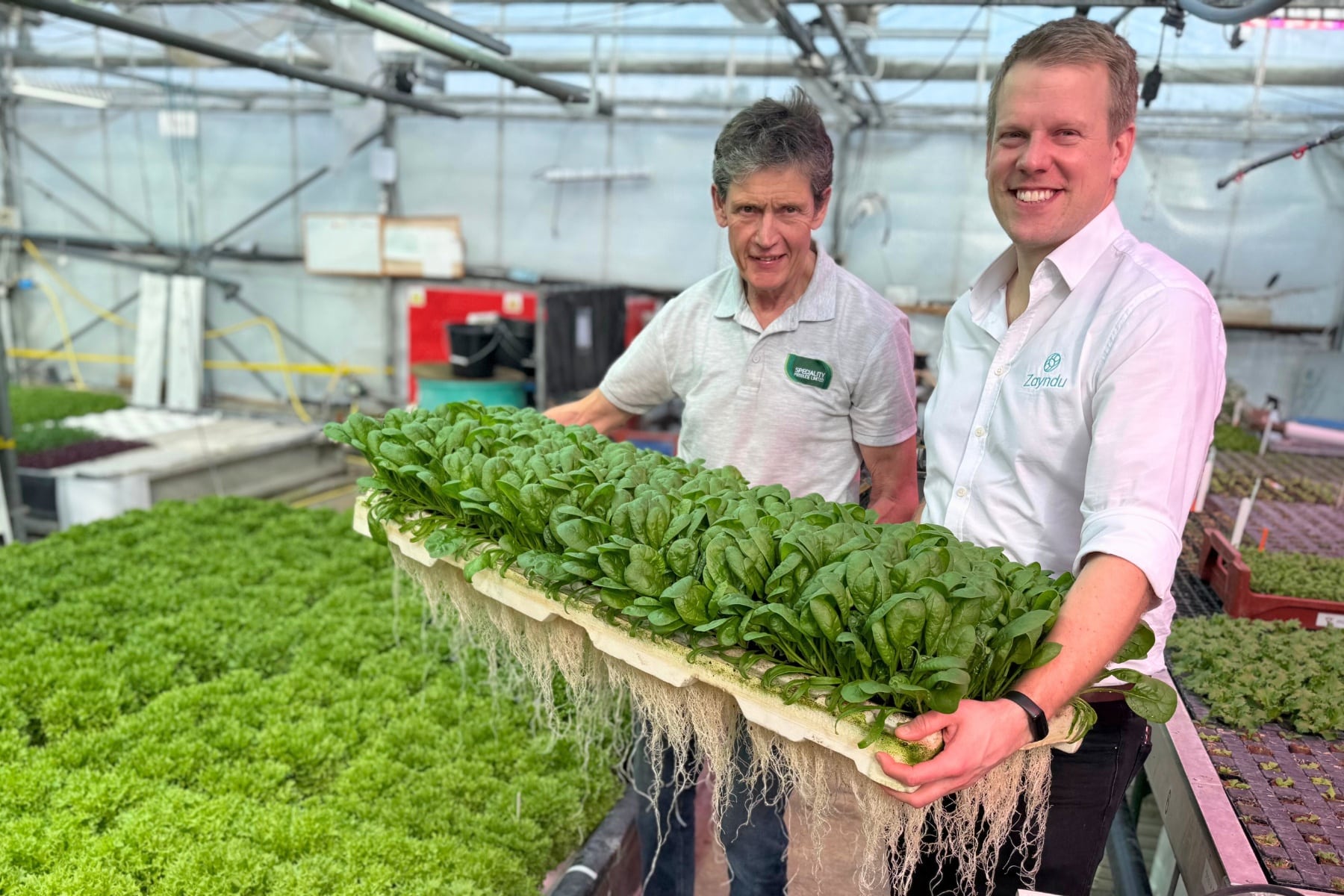
One innovation JEPCO has been trialling is Zayndu’s ActivatedAir plasma seed priming. Based in Loughborough, Zayndu sells its on-site seed-priming system globally to vertical farms and glasshouses. Nathanael Dannenberg, UK and North America business development manager for Zayndu, introduced Richard to ActivatedAir, having previously collaborated on other technologies.

“We deploy machines into growers’ facilities that are capable of priming seeds using Zayndu’s cold plasma technology,” says Nathanael. “The process is pesticide and residue-free, and being based on-site, it gives growers control over when they prime seeds.

“The priming creates microfissures in the seed surface, which increases water absorption. It also kick-starts the seed’s biochemical pathways, stimulating germination. This makes seeds germinate quicker and more evenly.”

In short-cycle crops, the impact on output can be astonishing, states Nathanael. In JEPCO’s case, a yield increase would manifest as a shorter time to harvest. This would increase output from the same capital investment in the glasshouse, as Richard explains: “A key driver for working with Zayndu is that if we reduce the number of days to harvest by three days per cycle, then we can get another crop cycle in per year.”

The trials on ActivatedAir were conducted in JEPCO’s dedicated research greenhouse. Smaller than a commercial greenhouse, Richard says that they can accurately replicate a production situation. In this case, he observed an average 11% increase in spinach yields and 13% in rocket across multiple replicates over a nine-month period.

“There does seem to be a definite difference, and we have done quite a few trials now across rocket and spinach. The results are reliable; we are seeing a difference every time, which is exciting.”

Richard sees all the technologies they are testing as building a cumulative effect, which supports the justification for a significant capital outlay to build more glasshouse capacity.

“You take 11-13% from priming the seed, perhaps another 3% from adding a biome to the water in the hydroponic system, plus other measures, and it all adds up. We most definitely see a role for technologies like Zayndu’s seed priming,” he concludes.

Zayndu was established in 2019, harnessing cold plasma to create the powerful plant stimulant, ActivatedAir™. Now, a world leader in the industry, the business supports growers worldwide in generating stronger, healthier plants with increased disease resistance. The seed dry priming process is simple, uses no artificial chemicals and leaves no residue.

Get in touch

Want to know more about how you can increase your yields up to 25%? Find out more on our website or book a discussion with one of our experts.

  • *I have permission from the copyright holder to publish this content and images.

How Truth Travels in Healthy Organisations-what strong leaders build so reality reaches the top intact

Member News
The views expressed in this Member News article are the author's own and do not necessarily represent those of Agri-TechE.

What strong leaders build so reality reaches the top intact

In my last piece, The Fog at the Top, I explored why senior leaders and boards so often make decisions based on distorted or overly positive information.

Information that is softened, simplified, or selectively optimistic by the time it reaches boards and executive teams. This article focuses on the flip side.

Some organisations do get this right, truth does travel. Issues surface early enough for leaders to respond, rather than react. But the difference is rarely systems or reporting packs. It is behaviour, trust, and design.

Truth does not flow upwards by default

One of the biggest myths in leadership is that truth naturally rises.

It does not, truth only travels when organisations actively create the conditions for it to move. In healthy organisations, leaders assume that:

  • Reality will be uncomfortable
  • Signals will be incomplete
  • People will hesitate before speaking

So, they design for honesty rather than hoping for it.

What healthy organisations understand

Organisations where truth travels share a few common beliefs.

Truth is fragile It is easily diluted by hierarchy, status, fear, and incentives.

Silence is data A lack of issues being raised is treated as information, not reassurance.

Messy input beats polished answers. Leaders value early, imperfect signals over late, well-rehearsed explanations.

This mindset shapes everything that follows.

How truth actually moves

In practice, truth travels through multiple, intentional channels. Not just formal reporting or the CEO updates. But a combination of structured and informal mechanisms.

Here is what I consistently see working:

1. Leaders go where the work is

In healthy organisations, senior leaders do not rely solely on summaries.

They spend time close to operations, customers, and teams.

They listen more than they talk.

They ask open questions and resist the urge to solve immediately. This does two things:

  • Leaders gain unfiltered insight
  • People learn that honesty is genuinely welcome

Presence reduces distortion.

2. Questions matter more than answers

Truth travels faster in organisations where leaders ask better questions.

Not performance questions, sense-making questions. Questions such as:

  • What feels harder than we expected right now?
  • Where are we quietly compensating to make this work?
  • What worries you that is not in the plan?
  • If this fails, where will it fail first?

These questions signal that reality is valued over reassurance.

3. Middle managers are supported, not squeezed

Middle managers are the single most important carriers of truth.

In unhealthy systems, they are squeezed from above and below. In healthy ones, they are supported to:

  • Escalate early without blame
  • Share uncertainty without judgement
  • Say “I do not know yet” without fear

When middle managers feel safe, truth flows, then they feel exposed, it stops.

4. Bad news is separated from blame

Healthy organisations are explicit about this.

Bad news is treated as information, not failure.

Leaders respond to issues with curiosity first, not consequences.

They are slow to judge and quick to understand. Over time, people learn a simple lesson: Raising problems makes things better, not worse.

5. Boards create space for reality

Boards play a critical role.

In organisations where truth travels, boards:

  • Invite dissent and alternative views
  • Ask what has been left out of the pack
  • Request direct exposure to people below the executive level
  • Treat culture and behaviour as seriously as numbers

Good boards reduce pressure to perform certainty.

They make it safe to say, “This is still unclear.”

What this looks like in practice

When truth travels well, you see different behaviours.

  • Issues surface earlier
  • Fewer surprises reach the boardroom
  • Decisions feel calmer and less reactive
  • Leaders talk openly about trade-offs
  • People trust the system, even when decisions are hard

This is not softness.

It is a strength.

A Populi reflection for leaders and boards

If you want truth to travel in your organisation, start here:

  • Where does information currently get polished?
  • Who is carrying risk silently on behalf of the system?
  • What behaviours do leaders reward without realising?
  • Where are people choosing silence over honesty?

And the most important question of all: What would change if people trusted that telling the truth would not cost them?

Healthy organisations do not eliminate fog. But they notice it sooner.

And they act before it becomes dangerous.

A practical call to action

If you want truth to travel more reliably in your organisation, treat this as something to design, not something to hope for.

Over the next 30 days, choose one deliberate intervention:

  • Ask one leader or manager for an honest view of what is harder than it looks right now
  • Invite a dissenting perspective into a live decision before it is finalised
  • Review a recent board or leadership discussion and ask what was not said in the room
  • Spend time closer to the work or the frontline and listen without correcting or reassuring

For Chairs and CEOs, make one expectation explicit:

Early, imperfect truth is more valuable than late, polished certainty.

If you would benefit from an independent perspective to help boards or senior teams design healthier information flow, surface reality, and strengthen decision-making, that is exactly the work I do.

You are welcome to get in touch for a confidential conversation.

Populi works with boards, CEOs, and senior teams to improve clarity, decision-making, and people-led performance.

  • *I have permission from the copyright holder to publish this content and images.

Global experts meet in Cambridge to advance the future of the Bambara groundnut

Member News
The views expressed in this Member News article are the author's own and do not necessarily represent those of Agri-TechE.

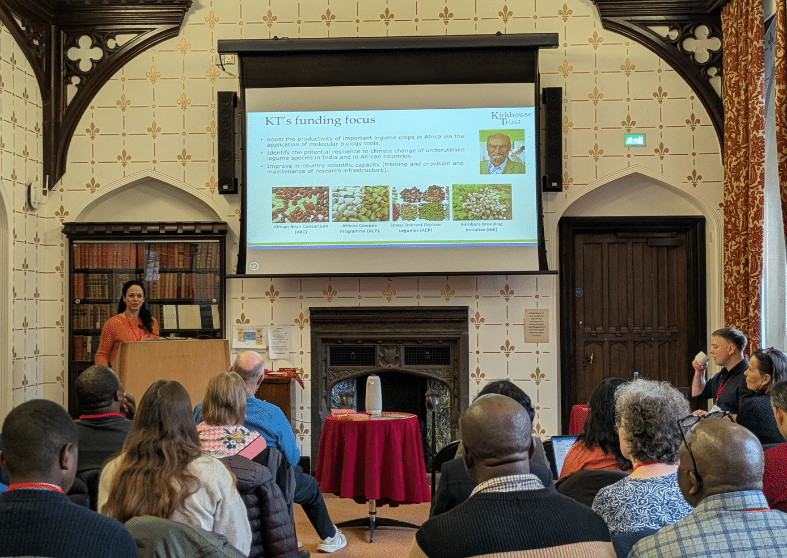
On 12-13 February 2026, the Crop Science Centre (CSC) welcomed world-leading researchers and development partners for the inaugural UK-CGIAR Bambara groundnut consortium meeting at St John’s College, Cambridge.

The two-day event brought together members of the UK-CGIAR Centre project for the genetic improvement of Bambara groundnut for future nutrition and climate resilience – a global alliance dedicated to unlocking the potential of Bambara groundnut (Vigna subterranea) as a flagship crop for climate resilience, nutrition and smallholder livelihoods.

Bambara groundnut is a crop with huge potential to address global food and nutrition security challenges. It thrives in poor soils, supports soil health through nitrogen fixation, and provides a highly nutritious food source – especially valuable in areas affected by poverty, malnutrition, and water scarcity.

This UK-CGIAR project aims to create genomic resources and tools to accelerate breeding innovation and develop new varieties of the crop to encourage its wider use. Project teams are working in Ghana, India, Kenya, Nigeria, South Africa and Tanzania with a focus on addressing the needs of farmers in Bambara groundnut growing areas in West and Southern Africa.


Strengthening connections for Bambara groundnut improvement

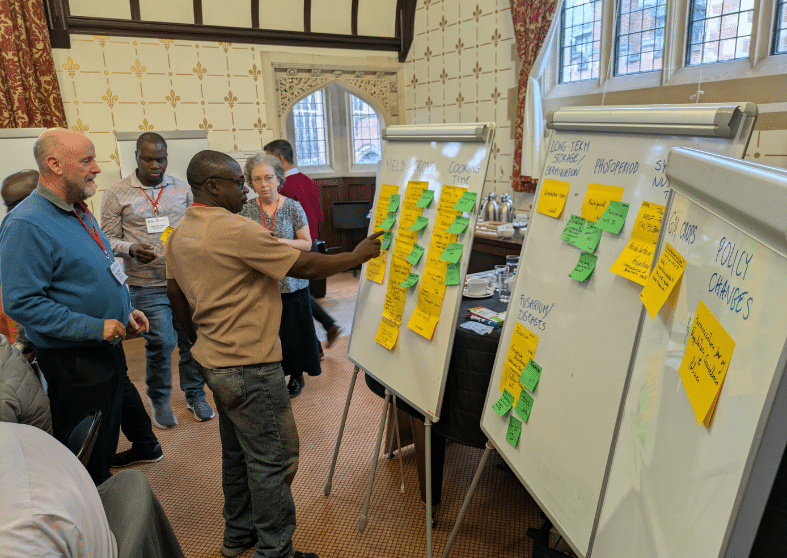
The Cambridge meeting brought together project partners to strengthen collaborations, address some of the challenges in Bambara groundnut breeding, and explore new opportunities.

It was attended by representatives from consortium members including CSC, the International Institute of Tropical Agriculture (IITA), the International Crops Research Institute for the Semi-Arid Tropics (ICRISAT), the Alliance Bioversity International and CIAT–Tanzania, Niab, the University of Nottingham, the Kirkhouse Trust, the University of KwaZulu-Natal (UKZN) in South Africa, and the CSIR–Crops Research Institute in Ghana.

The meeting was coordinated by Christian Rogers, CSC Head of International Partnerships, Aga Alexander, CSC Impact Manager, and Dr Natasha Yelina, Head of the Crop Breeding Technologies group at CSC and Co-Investigator on the project.

Dr Yelina said: “Bambara groundnut is an underutilised African gem — a highly nutritious, drought-resilient crop with huge potential to strengthen food and nutrition security in a warming climate.

“It was incredibly valuable to meet in person, strengthening connections across the project, enabling deeper discussions and helping us see how we can work even better together.

“What really stood out was seeing such diverse expertise come together around a shared vision — creating real energy, collaboration and momentum towards meaningful breakthroughs in Bambara groundnut improvement,” she said.

Addressing regional bottlenecks

A recurring theme was the ‘Bambara wish list’ – a set of goals aimed at addressing production, breeding, and adoption bottlenecks.

In a series of local perspectives, delegates highlighted hurdles in Bambara cultivation in their regions including low production rates and slow adoption by farmers.

The meeting also focused on three work packages designed to modernise Bambara groundnut breeding with a focus on smart breeding and field trials, genomics and trait discovery and precision breeding and gene editing.

Dr Kennedy Agyeman, Senior Research Scientist at the CSIR-Crops Research Institute, Ghana, said: “The two days of discussions in Cambridge were truly inspiring and broadened my perspective on the global momentum behind Bambara groundnut.

“It highlighted the crop’s untapped potential in breeding, value chain development, and farmer adoption, and reinforced that Bambara groundnut is evolving into a strategic climate-resilient crop with strong nutritional and commercial value.”

Dr Phil Howell, Research Lead for crop genetic resources at Niab said: “It was great to meet so many colleagues for the first time, hear of their experience working on this important underutilised crop, and feel part of an exciting set of projects working together to bring its improvement a step closer.”

Dr Yelina thanked the participants for their commitment to this ‘forgotten’ crop. While the challenges are significant, the consensus in Cambridge was clear: through integrated smart breeding, genomics, and international cooperation, the Bambara groundnut can become a cornerstone of sustainable agriculture in the face of a changing climate.

Professor Uta Paszkowski, CSC Acting Director and Cambridge lead for the project said: “There was a wonderful team spirit throughout the event as we shared complementary expertise across the African and British partners to advance Bambara for greater agricultural potential in a changing climate.”

Funding

The UK-CGIAR Centre brings together scientists from the UK and CGIAR to form impact-focused research collaborations.

It is funded by UK International Development and the Biotechnology and Biological Sciences Research Council (BBSRC).

The UK-CGIAR Centre’s Secretariat is hosted by CABI, an international, intergovernmental, not-for-profit organisation that improves people’s lives worldwide by providing information and applying scientific expertise to solve problems in agriculture and the environment.


You may also be interested in:

Unlocking the potential of Bambara groundnut for food security and climate resilience


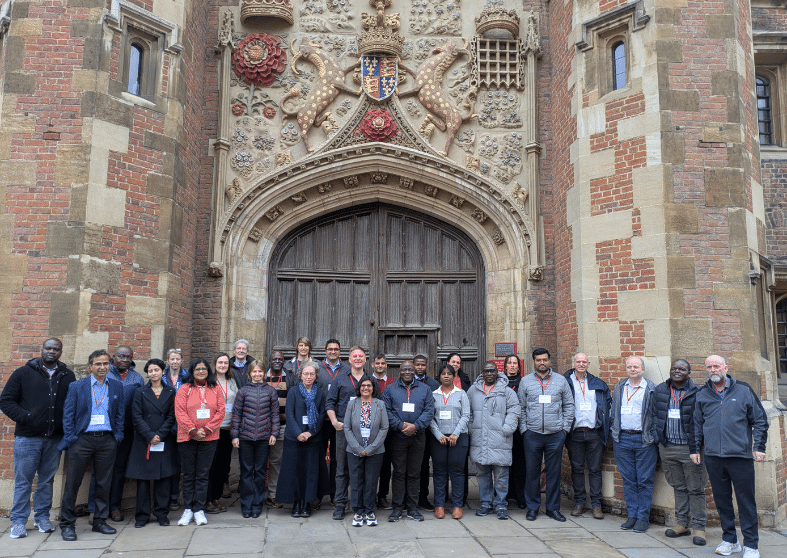
Image: UK-CGIAR Bambara groundnut consortium members outside St John’s College, Cambridge. Credit: Aga Alexander / Crop Science Centre, Cambridge.

  • *I have permission from the copyright holder to publish this content and images.

New tool unlocks non-GM routes to fast-track breeding and crop innovation

Member News
The views expressed in this Member News article are the author's own and do not necessarily represent those of Agri-TechE.

A new tool to fine-tune plant genomes without changing their DNA could offer a fast and precise alternative to GM breeding and play a key role in developing resilient crops in response to climate change.

A study led by members of the Chromatin and Memory group at the Department of Plant Sciences, University of Cambridge has uncovered a new way to reprogramme plant genomes using ‘epigenetic engineering’ to change gene activity without altering the underlying DNA sequence.

Epigenetics is the system that sits on top of the DNA and turns genes on and off. The process works by chemical tags or ‘biological switches’, known as epigenetic marks, attaching to DNA and telling a cell to either use or ignore a particular gene.

The research found that a specific biological switch, H3K4me3, can directly activate genes and encourage genetic recombination – the exchange of genetic material to create DNA with new traits – even in areas of the genome that are normally hard to access.

The work opens the door to non-GM approaches to precisely modify plant characteristics, allowing breeders to transfer useful plant features like disease resistance from wild varieties to elite cultivars.

“Increasing the resilience of crops in response to a changing climate is one of the most pressing problems of the 21st century,” said Associate Professor Jake Harris, Head of the Chromatin and Memory group at the Department of Plant Sciences and last author of the paper.

“This technology could accelerate plant breeding by increasing genetic mixing in regions of the genome that are usually locked down. It could also enable non-GM enhancement of key traits such as disease resistance, stress tolerance, and yield stability,” he said.

The paper was published in the journal ‘Nature Communications’ on 31 October 2025.

H3K4me3 causes fundamental genome changes in plants

Building on the latest advances in genome engineering technologies, the team used CRISPR gene-editing tools to precisely place H3K4me3 at specific points in the genome.

They found that directing this chemical signal to specific genes can turn on normally silent genes, enhance disease resistance by activating defence genes, and increase genetic material exchange (meiotic crossovers) in regions that are normally difficult to reach.

“We were intrigued by the long-standing question of whether histone marks like H3K4me3 actually cause changes in gene activity or merely reflect them,” said Harris. “Advances in CRISPR-based ‘epigenome editing’ made it possible to test this directly, so we built tools to do just that in plants.”

“We engineered a modular CRISPR SunTag system that recruits enzymes capable of depositing H3K4me3 at chosen genomic sites. We then measured changes in gene expression, disease resistance, and recombination using molecular, genetic, and sequencing-based approaches.”

“The study shows that H3K4me3 can directly activate genes and promote genetic recombination when precisely placed using CRISPR tools. It demonstrates that this modification can be causally linked to fundamental genome functions in plants,” he said.

Opening new opportunities to accelerate breeding

The key collaborator for this work was Professor Ian Henderson and his Genetic and Epigenetic Inheritance in Plants group – who the Harris group share lab space with.

“One of the most exciting results in the manuscript is about stimulating crossovers,” said Harris.

Increasing genetic mixing in areas of the genome that rarely recombine or shuffle could be key to speeding up the breeding process for future crop improvement.

“We have Ian Henderson and his lab to thank for this. Without Ian there is no way we would have even thought to test this and would certainly not have been able to design the guide RNAs or test them accordingly.”

“We were surprised by how powerful the modification was at stimulating recombination. With a single guide RNA we could blanket entire megabase-spanning regions, because they were repetitive in nature.”

“It suggests that chromatin marks can actively shape the genomic landscape in ways we hadn’t appreciated before,” he said.

Team effort building on previous research

Harris is keen to emphasis the incredible team effort behind this work, especially the first authors, Dr Jenia Binenbaum, Postdoctoral Research Associate, and Vanda Adamkova, PhD student – both based in the Harris lab.

The study also builds on epigenetic gene regulation work from Steve Jacobsen’s lab at the University of California, Los Angeles (UCLA) where Harris was a postdoctoral researcher until 2021.

“The initial discoveries for this work were made by researchers in Steve Jacobsen’s lab back when I was a postdoc in his group. They found that this H3K4me3 depositing version of SunTag was able to switch a reporter from silent to active – this was a key discovery.”

“When I moved to Cambridge, as my lab was going to focus on these types of marks, Steve kindly let me continue to work on and develop these approaches in my own group.”

In terms of next steps, the team hope to move some of these insights into crop species to test whether similar effects can be achieved in agriculturally important genomes.

“On the research side, we’re exploring other chromatin modifiers that might be even more effective or specific and ways to express them in particular tissues or on demand. It’s an exciting time,” Harris said.


Funding: This work was supported by a Royal Society and the European Research Council.

Reference: Jenia Binenbaum, Vanda Adamkova et al., ‘CRISPR targeting of H3K4me3 activates gene expression and unlocks centromeric crossover recombination in Arabidopsis’. Nature Communications, DOI: 10.1101/2025.02.07.636860

Image: Conceptual 3D rendering of chromosome. Credit: Koto Feja (Getty Images).

  • *I have permission from the copyright holder to publish this content and images.

Why Human Factors Will Drive Business Growth in 2026

Member News
The views expressed in this Member News article are the author's own and do not necessarily represent those of Agri-TechE.

When was the last time you abandoned a product because it was frustrating to use? When products are frustrating to use, users will abandon them, share their discontent or fail to adopt them in the first place.

For start-ups, that could mean losing customers or a potential investment opportunity. For global enterprises, this could mean millions in lost revenue and reputational damage.

The simple truth is that human factors and usability aren’t just side-lined design considerations anymore; they’re business imperatives.

The Business Case: Human Factors Drives Measurable Outcomes

Human Factors (HF) is no longer optional; it’s a strategic growth driver.

In today’s hyper-competitive market, products succeed or fail based on how well they fit into human lives. Human factors or usability engineering ensures that technology adapts to people, not the other way around. And the outcomes are beneficial to start-ups all the way through to global multinationals.

For start-ups, every dollar truly counts, which makes early investment in usability an essential part of building a successful product. Addressing usability from the outset helps prevent costly redesigns later and supports faster overall growth. By identifying critical usability issues before designs are finalised, teams can reduce time to market and avoid the rising costs that come with late-stage changes. Strong usability also improves adoption and long-term retention by creating a simple, intuitive first-use experience that removes unnecessary friction and helps new users feel confident from the start.

For multinationals, scale inevitably brings added complexity. Integrating Human Factors into development helps with the understanding of diversity across markets, whilst supporting regulatory compliance and safeguarding brand reputation. By designing for diverse contexts, languages and cultural norms, organisations can de-risk global releases and ensure products feel intuitive to users everywhere. Robust Human Factors evidence also strengthens compliance across regulated environments, helping protect brand reputation. With repeatable usability methods embedded into development, teams can scale more consistently and reduce variability across regions. Thoughtfully considered workflows also cut the support burden by reducing confusion and minimising user errors.

When products fit humans, business metrics move. Conversion improves, error rates drop, customer complaints fall, and customer loyalty rises. The return on investment is real, not theoretical.

Why 2026 is a Turning Point for Human Factors

Accelerating innovation, tighter regulations and rising user expectations have transformed Human Factors from a ‘nice to have’ into a core business strategy. It is no longer a design debate; it is now a growth decision.

Technology is evolving faster than ever. AI-driven experiences, automation and global markets are reshaping how people interact with products. Regulatory complexity is raising the bar on accessibility and sustainability, while diverse users are demanding inclusivity, clarity and calm human-centred digital experiences. These shifts are making Human Factors indispensable.

Here are just a few reasons why Human Factors matters more than ever in 2026:

AI-Driven Experiences Require Human Factors Integration
Intelligent systems demand interfaces that feel intuitive and trustworthy. The integration of Human Factors into the development of these systems, ensures clarity, control and transparency, without which adoption stalls.

Zero UI and the Rise of Minimalism
User interfaces are moving beyond clicks and towards voice, gestures and predictive interactions. Designing for intent, reducing cognitive load and prioritising simplicity over clutter is essential in a world of constant screen time and digital noise. Simplicity is a necessity; think clarity over clutter.

Ethical and Inclusive Design
The ‘average user’ myth is dead. Human Factors is championing diversity by designing for neurodiversity, accessibility and digital wellbeing. Inclusive user testing creates products that meet users where they are, not where assumptions place them. Aim for designs to be inclusive and human.

Human-Centric Automation
Careful consideration is needed when using automation to reduce user workload, ensuring it does not unintentionally add complexity. Human Factors ensures careful balance between humans and systems, enhancing efficiency with control for optimal use.

Sustainable UX
Designing for longevity and digital efficiency reduces e-waste and aligns with global sustainability goals – an area of importance for many larger corporations. Environmental responsibility ought to be a part of the initial design conversation.

Healthcare and High-Stakes Systems
Increasing complexity and compliance in healthcare demands intuitive, error-resistant designs. Human Factors mitigates risk and improves safety in critical environments.

As we move into 2026, there is an emphasis on humanising technology to feel more intuitive and integrated, while ethically navigating the challenges of AI and increased digital presence. Human factors is the discipline that keeps pace with these forces, aligning product decisions with real human behaviour and needs.

Make Human Factors Your Growth Driver: Practical Strategies

1. Integrate Human Factors Early

Integrating Human Factors early in your development is essential because late-stage usability fixes can be expensive, ineffective, and often only address symptoms rather than the underlying causes of poor UI design.

Beginning early allows teams to validate the user need before defining the solution, ensuring the problem being solved is the right one. It also enables a clear understanding of the context of use, including environmental conditions, constraints, stressors and variations in user capabilities and limitations, which shape system requirements.

At this stage, it is also useful to consider function allocation within the system architecture by determining what tasks are performed by the system versus the human to optimise overall performance.

2. Adopt Agile Usability

Adopting an agile usability approach ensures that usability is continuously improved throughout the development. The iterative nature of an agile development is ideal for allowing teams to identify and address use-related issues early, rather than after they become embedded in the design and are costly to change. This approach keeps the product aligned with evolving user needs and maintains a strong user‑centred focus.

In addition to user testing, applying analytical methods to identify high‑risk use steps and design for tolerance, recovery and prevention is also critical.

3. Understand the Diversity of your Users & Markets

To understand the diversity of your users and markets, you need to look past any ‘one‑size‑fits‑all’ assumptions and make decisions grounded in robust early‑stage user research. This helps ensure you truly understand who you are designing for and the range of abilities, experiences and contexts they represent.

Building accessibility in from the start is essential, creating interfaces that are Perceivable, Operable, Understandable and Robust (POUR), by default. To avoid biased outcomes, user studies should include representative and diverse participants across abilities, experience levels and geographies.

To scale effectively while localising appropriately, language and terminology must be culturally appropriate and should go beyond simple translation by adapting to local norms, such as date formats, numeracy conventions and other cultural expectations.

4. Align Human Factors with Business KPIs

Aligning Human Factors with business KPIs ensures that usability improvements directly contribute to measurable and meaningful outcomes, such as higher conversion and retention rates, fewer customer complaints or product recalls and reduced operational costs.

By tying usability efforts to measurable indicators, teams can demonstrate the tangible value of user‑centred design and prioritise changes that have the greatest business impact. This includes linking usability enhancements to safety‑related indicators such as incident reports, use‑error rates, training time, and monitoring and analysing costs related to user complaints, support demands and productivity impacts.

5. Treat Instructions as Part of the Product

Treating Instructions for Use (IFUs) as an integral part of the product is essential. IFUs that pass formal review but fail in real‑world use can lead to user error, non‑compliance, complaints and increased risk. Effective instructions must therefore be designed around real tasks and real conditions (not to just satisfy compliance requirements), and should be tested early for readability, comprehension and practical usability. This ensures any improvements can be made well before launch. It is also worth noting that safety‑critical or emergency scenarios require particular attention, with clear affordances and error‑proof steps designed to support users under stress.

Training and guidance should also be considered as part of the overall solution to minimise cognitive load and help users operate the product confidently and effectively.

Is Your Product Human-Centred?

Whether you’re bringing a first product to market or scaling a global portfolio, Human Factors can de-risk decisions, facilitate growth and accelerate time to market. If you’d like a practical plan tailored to your context, we can map your Human Factors strategy to the outcomes that matter – adoption, safety, compliance and brand trust.

Please get in touch with our dedicated Human Factors team to begin.

Get in touch

Contact us via email on design@egtechnology.co.uk, by giving us a call on +44 01223 813184, or by clicking here.

Written by Bec Wilkins – eg technology Ltd

  • *I have permission from the copyright holder to publish this content and images.