LettUs Grow’s Advanced Aeroponics Unlocks Multi-Million Pound Market Opportunity: Vitamin B12-Fortified Salad Crops
Member News
The views expressed in this Member News article are the author's own and do not necessarily represent those of Agri-TechE.

LettUs Grow, the Bristol-based pioneer in Advanced Aeroponics™ technology, announces the successful completion of a ground-breaking research project that enables commercial-scale fortification of salad crops with Vitamin B12, opening a significant new market opportunity for controlled environment agriculture (CEA) growers.

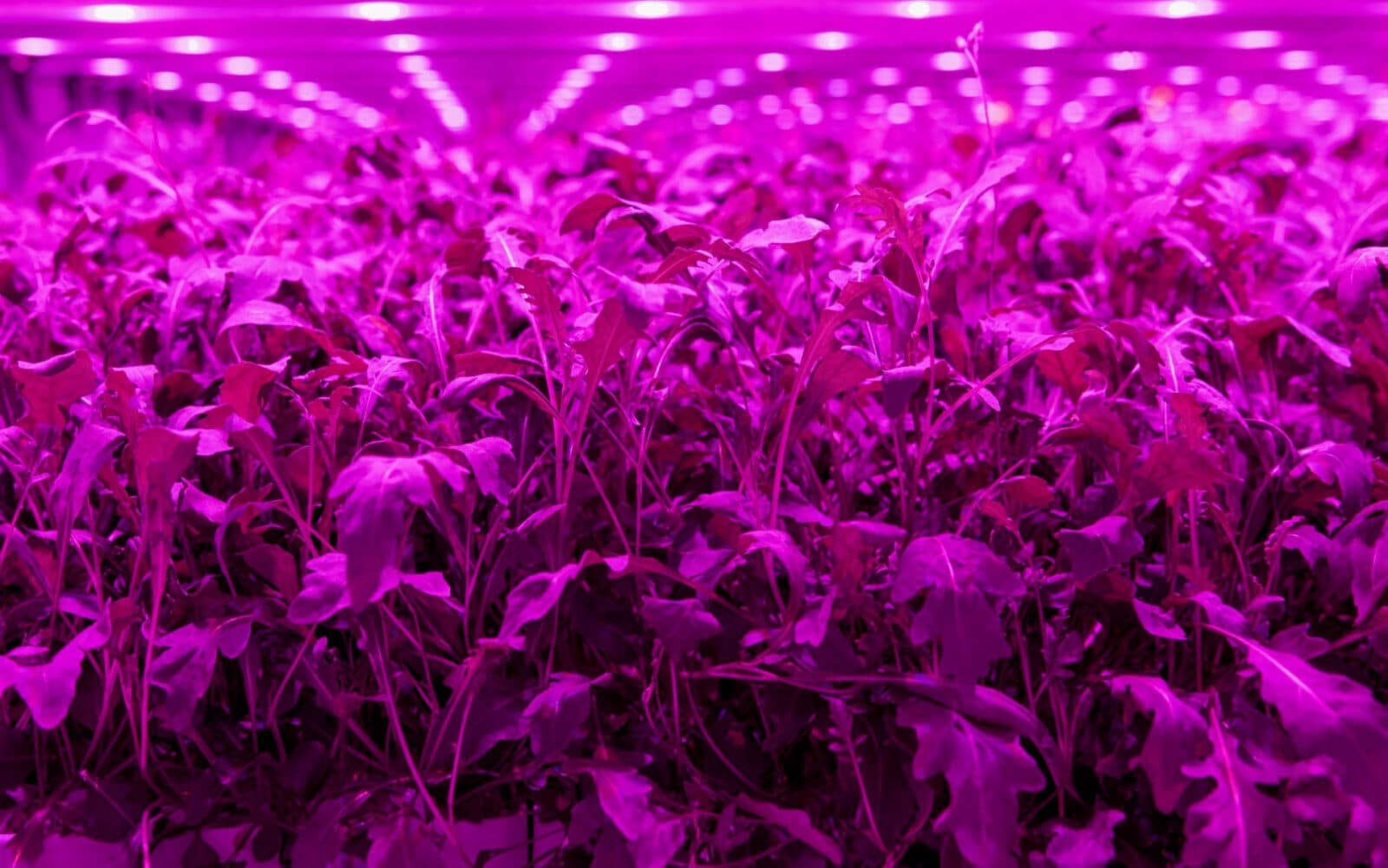
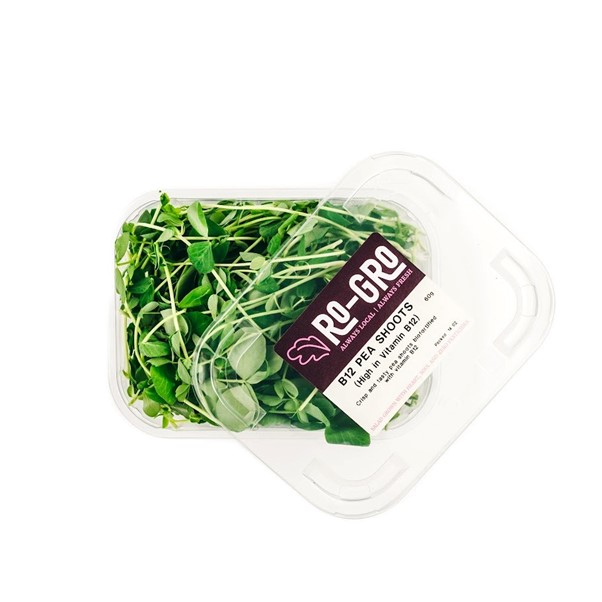
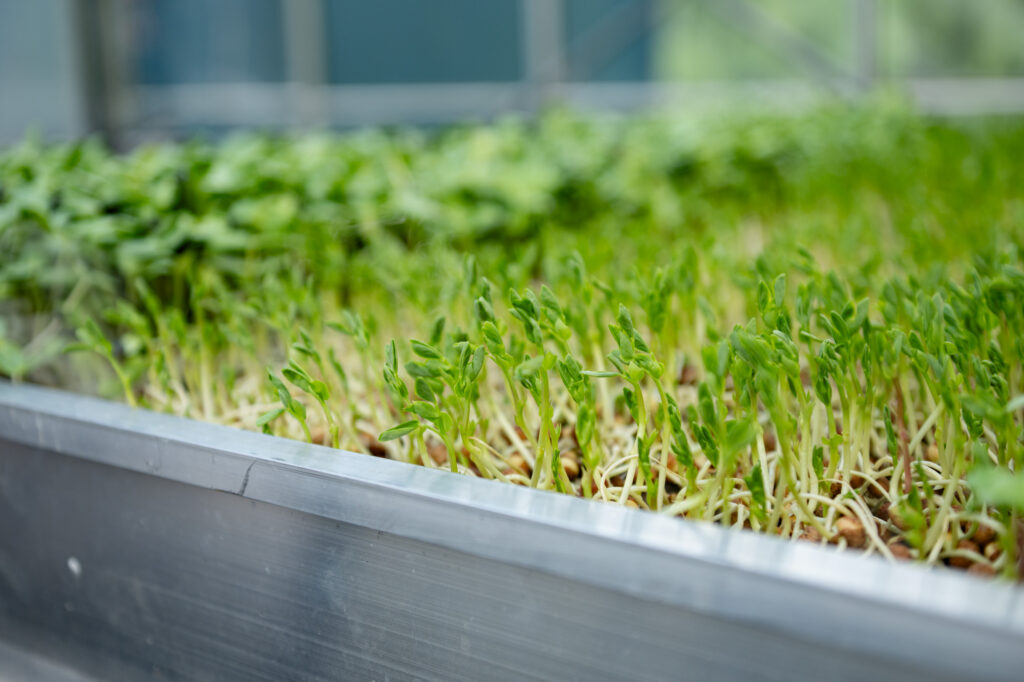
The multi-year collaboration between LettUs Grow, the John Innes Centre, the Quadram Institute, and the University of Bristol has demonstrated that pea shoots grown using Advanced Aeroponics can deliver the recommended daily allowance (RDA) of Vitamin B12 in a single 15-gram serving at an additional production cost of less than one penny per bag.

First-of-its-kind research partnership demonstrates how aeroponic technology can deliver new revenue streams for UK growers while addressing a major public health need.

With an estimated 6% of the UK population deficient in B12 and a further 44% with insufficient levels, the breakthrough offers growers a commercially viable route to premium-priced, nutritionally enhanced produce for health-conscious consumers particularly those following plant-based diets.

The research, published first in Communications Biology, confirms that B12-fortified pea shoots maintain shelf-life, retain nutrient content through cold storage, and deliver bioavailable nutrition that the human body can absorb all critical factors for commercial viability.
The Market Opportunity

Vitamin B12 deficiency represents a growing public health challenge, particularly as consumers adopt more plant-based diets. Globally, B12 insufficiency is common, especially in populations consuming low amounts of animal-derived foods and in older adults.

Current solutions, primarily tablet-based supplements, face adoption barriers: they’re easily forgotten, less effective when taken without food, and many consumers prefer to receive nutrients through whole foods rather than supplements.

This creates a significant market gap that fortified salad crops can fill:

Premium pricing potential: Health-enhanced produce commands higher margins
Growing consumer demand: Plant-based diet adoption accelerating
Minimal cost addition: <1p per bag fortification cost
Differentiation: First-to-market advantage for early adopters
Retail appeal: Clear consumer health benefit, easy messaging


How Advanced Aeroponics Enables Commercial-Scale Fortification

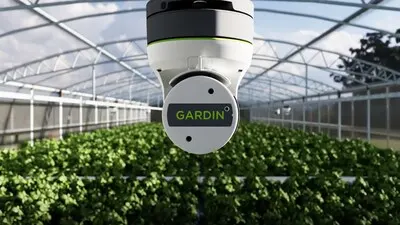
LettUs Grow’s patented ultrasonic aeroponic technology was critical to achieving commercial viability.

The system delivers a nutrient-enriched mist directly to plant roots suspended in air, allowing precise control over B12 application. During the eight-day cultivation period, plants absorbed the most bioavailable form of B12 (cyanocobalamin), with leaves accumulating sufficient quantities to deliver the RDA in a single serving.

Key advantages of the aeroponic approach:

Precise nutrient delivery: Ultrasonic misting ensures controlled, efficient B12 application
Cost-effectiveness: Much more cost-effective than any prior methodologies
Scalability: Works in both vertical farms and horticultural glasshouses
Proven performance: Exceeded RDA targets while maintaining crop quality and shelf-life

Critically, experiments confirmed that the fortification persists through cold storage and that simulated human digestion successfully releases the vitamin for absorption as essential factors for retail distribution.

Commercial Pathway for Growers

LettUs Grow is now working with commercial partners to bring B12-fortified salad crops to market.

Jack Farmer, Chief Scientific Officer at LettUs Grow, commented:
“The exciting thing about this project is that it is the first time the enhanced yield potential of aeroponics has been combined with the nutrition enhancement of B12 fortification in a way that can be scaled up to commercial volumes.

“For growers and retailers, this represents a genuinely unique market opportunity. The additional cost is minimal, less than 1p per bag, but the consumer value proposition is clear: a convenient, food-based source of an essential nutrient that millions of people struggle to get enough of.

“We’re already in discussions with growers and retailers about commercial deployment. Pea shoots are the first application, but the technique is adaptable to other rapid-cycling salad crops grown in controlled environments.”


Beyond Pea Shoots: The Broader Opportunity

While the initial research focused on pea shoots, the fortification method is predicted to work across other salad crops commonly grown in CEA environments, including:

  • Microgreens and baby leaf salads
  • Leafy greens (lettuce, spinach, rocket)
  • Herbs and specialty crops

This positions Advanced Aeroponics as an enabling technology for a new category of “functional foods” as crops grown specifically to deliver enhanced nutritional benefits.

The approach also addresses “hidden hunger” when people consume sufficient calories but lack essential micronutrients necessary for good health. With rising interest in sustainable diets and growing awareness of nutritional deficiencies, market demand for fortified produce is expected to accelerate.

Research Partnership Delivers Commercial Innovation

The project exemplifies how industry-academic collaboration can accelerate commercial innovation in agriculture.

Dr Bethany Eldridge, first author of the study and recipient of BBSRC grants to facilitate the research-industry partnership, said:
“The beauty of this work is how it marries high tech and low tech in such a cost-effective way. Pea shoots are literal sponges for B12, while controlled environment farms provide an environment in which we can tailor its uptake by the plants.

“This method diversifies ways of getting B12 naturally into your diet, especially if you are not consuming meat and dairy as vegans or vegetarians, or if you are consuming them in smaller quantities as part of a flexitarian diet. Globally B12 levels are in decline and if we can find a variety of ways that we can get it into food in a bio-accessible way, then that is exciting.”

Professor Antony Dodd, Group Leader at the John Innes Centre and corresponding author of the study, added:
“This novel fortification method can be done at extremely low cost to growers as a way of providing consumers with a cost-effective way of supplementing their diet with Vitamin B12 in a form that their body can use.”

Professor Martin Warren, Chief Scientific Officer at the Quadram Institute, noted:
“Vitamin B12 deficiency is often framed solely as a concern for people following vegetarian or vegan diets, but the reality is far broader. Across many populations, inadequate B12 intake contributes to what nutritionists call ‘hidden hunger.’ Developing practical ways to incorporate B12 into everyday foods offers an exciting route to improve nutritional resilience.”

Growth Potential

LettUs Grow is working with growers and retail partners to bring B12-fortified pea shoots to supermarket shelves in 2026.

The company is also exploring applications of the fortification technique across other micronutrients and crop types, with potential to create a new generation of nutritionally enhanced fresh produce.

For growers interested in exploring B12 fortification or other applications of Advanced Aeroponics technology, LettUs Grow facilitates trials, and delivers turnkey greenhouse and indoor farm projects through its global network of delivery partners.


Learn more: lettusgrow.com

For media enquiries:

Portia Hill
portia.hill@lettusgrow.org

  • *I have permission from the copyright holder to publish this content and images.

AgriScale: Is this new grant opportunity right for you?

Member News
The views expressed in this Member News article are the author's own and do not necessarily represent those of Agri-TechE.

An exciting new UK grant scheme has just arrived from Innovate UK and Defra. And if you’re an agri-tech business with a product beyond the early stages of development, it’s one certainly worth taking a look at.

Unlike the Farming Innovation Programme or Farming Futures initiatives, AgriScale is not a feasibility fund or an early-stage R&D support programme. It has been specifically created to fill a critical, and all too familiar, gap in the innovation pipeline that previous schemes haven’t addressed; the point at which your technology is developed, your market is defined, but scaling it reliably and commercially remains out of reach.

Often referred to as “the valley of death” – AgriScale is here to help build your bridge.

What Makes It Different?

AgriScale is designed to transition innovative agricultural technology from prototypes to commercial, large-scale production. It draws on proven scale-up models from advanced manufacturing sectors, like automotive, and applies that same thinking to agri-tech for the first time.

The focus throughout is firmly on late-stage innovation. If your project is still at concept or feasibility stage, this scheme isn’t for you. But if you have a product with demonstrated potential that’s being held back by manufacturing, supply chain, performance gaps, or adoption challenges, this competition is designed with you in mind.


A Two Strand Approach

The grant funding is available in two separate strands: Industrial Research and Experimental Development.

The Industrial Research strand targets businesses that need to close specific technology or performance gaps before a product can be commercially accepted. UK registered businesses can apply for a share of up to £5 million, for projects with costs of £250k–£750k and a duration of 6–12 months.

The Experimental Development strand is for those a step further along, ready to take a product to market and accelerate end-user adoption. In this strand, UK registered businesses can apply for a share of up to £8 million, for projects with costs of £1m–£3m and a duration of 6–18 months.

Both strands are collaborative (you’ll need at least one project partner to form a consortium), and both are focused on technologies that enable automation to reduce labour demands and improve productivity and sustainability in agriculture, forestry, horticulture and aquaculture, including automated sensing and observation systems with associated data processing and intelligence systems.


So, Is It Right for You?

If this new scheme feels like a good fit for where your business or technology is currently at, ask yourself…

Is your technology largely developed, but facing real barriers to manufacturing at scale?

Do you have a reliability or performance gap standing between your current product and commercial adoption?

Can you demonstrate genuine farmer or grower demand, and a credible route to market?

If you’re answering yes to these questions, then there’s a good chance AgriScale is for you.

New Scheme, New Standards

Because AgriScale has no previous rounds, there’s no established template for success. No previously funded projects to reference and learn from, no pattern of what assessors have rewarded before. For applicants, that means the quality of your positioning; how you frame your technology maturity, your manufacturing roadmap, your commercial case etc., is crucial.

Choosing the right strand, articulating the right gaps, and telling a compelling story about your route-to-scale will be the difference between a competitive application and one that falls short.


Free Scoping Support for Agri-TechE Members

Tatton Consulting has an established track record securing funding for innovative start-ups and SMEs across Innovate UK and Defra programmes, including £15 million+ for agriculture, food, and agri-tech projects. With 30+ years of sector-leading expertise, we know what strong applications look like, and we know how to assess honestly whether a business is genuinely well-placed before committing time to an application.

And because AgriScale is brand new, we think that an honest assessment is even more important.

That’s why we’re offering all fellow Agri-TechE members a free Scoping and Eligibility Call. A straightforward conversation to discuss your project and work out whether this scheme is a real fit for your business and what your prospects look like.

This is alongside our existing Member Benefit of a “No-Win No-Fee” option for our full grant writing support service.

So don’t miss your opportunity to benefit from this new and unique scheme – visit tattonconsulting.co.uk to find out more, or email funding@tattonconsulting.co.uk to book your call.


  • *I have permission from the copyright holder to publish this content and images.

Cranfield University research aims to overcome sprouting challenge

Member News
Research Digest
Agri-TechE

Finding a breeding solution to the problem of dormancy break in potatoes during long term storage is one of the key objectives of a £3.6m BBSRC-funded Prosperity Partnership project.

Understanding the genetics that control dormancy could enable the breeding of new potato varieties with enhanced dormancy, addressing several challenges, according to Dr MariCarmen Alamar, Senior Lecturer in Postharvest Biology at Cranfield University and academic lead on the project alongside PepsiCo (industry lead) and hybrid potato breeder Solynta.

“It could help us reduce reliance on chemical sprout suppressants, and potentially allow longer storage at relatively higher temperatures, lowering energy costs and improving the carbon footprint of the crop,” she explains.

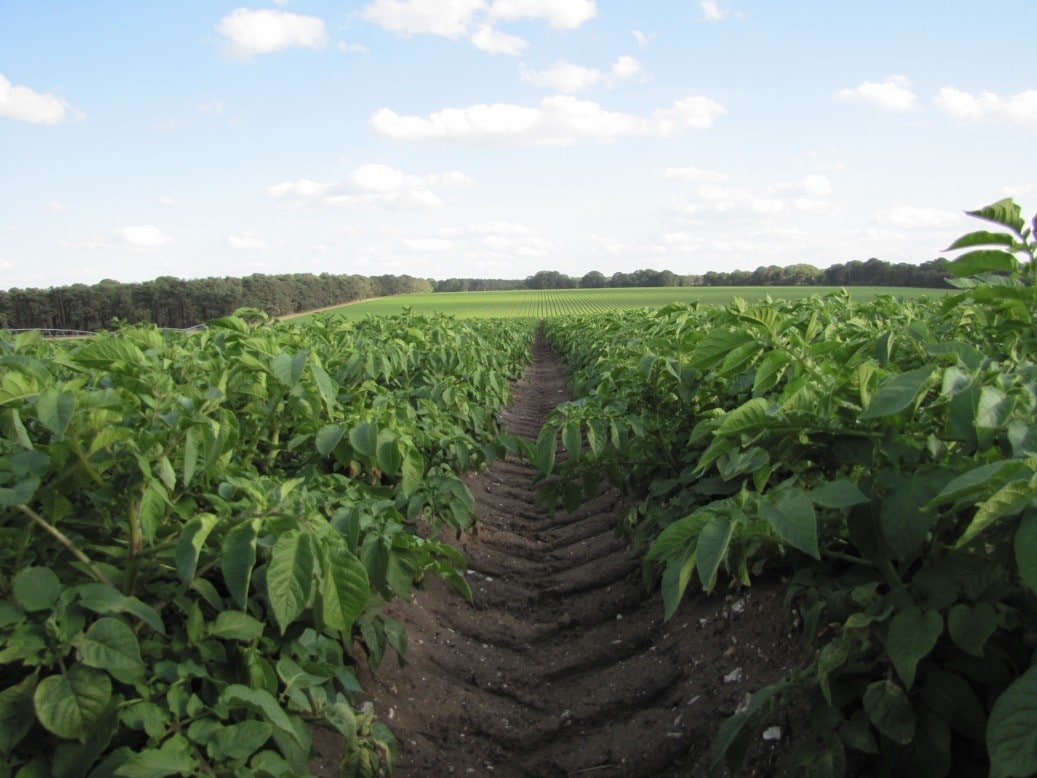
potato sprout Cranfield
flower Cranfield potato

The genetic basis of potato dormancy

The project is taking two approaches to investigate the genetic basis of dormancy. One uses dedicated breeding populations from Solynta to screen for tubers with contrasting dormancy, which will be used for genetic studies to identify genetic signals that can ultimately lead to the identification of causal genes.

This information will then be used to support marker assisted breeding of varieties with naturally enhanced dormancy, MariCarmen says.

“Because Solynta works with well-characterised diploid germplasm, rather than the more complex tetraploid genetics of the current commercial varieties, it becomes much easier for scientists to study the genetics and biology of traits such as dormancy.”

A second, more targeted approach uses analysis of selected genes known to be involved in tuber initiation and development that could influence tuber dormancy as well.

“We will functionally characterise these candidate genes by silencing or over-expressing them under laboratory conditions to evaluate their role in dormancy.”

The findings could eventually be used to breed new potato varieties with enhanced dormancy, which could be achieved more rapidly using state-of-the- art precision breeding, MariCarmen suggests.


Pre-harvest growing environments

The project also explores how pre-harvest growing environment and management, can influence tuber dormancy.

These methodologies are being supported by the development of a rapid phenotyping model that can act as an early warning system for dormancy break. “We are taking thousands of images of potatoes to train an AI-model that will automatically identify early signs of sprouting using a machine learning approach originally used in medicine.”

From a research perspective, an accurate model would help speed up and increase accuracy of assessing potatoes produced during screening of breeding lines, MariCarmen notes.

In addition to visual detection, the project is also examining whether electrical signals – detected by minute electrodes installed in plants in the field or tubers in store can be used to predict dormancy break by detecting changes in electrophysiological measures.


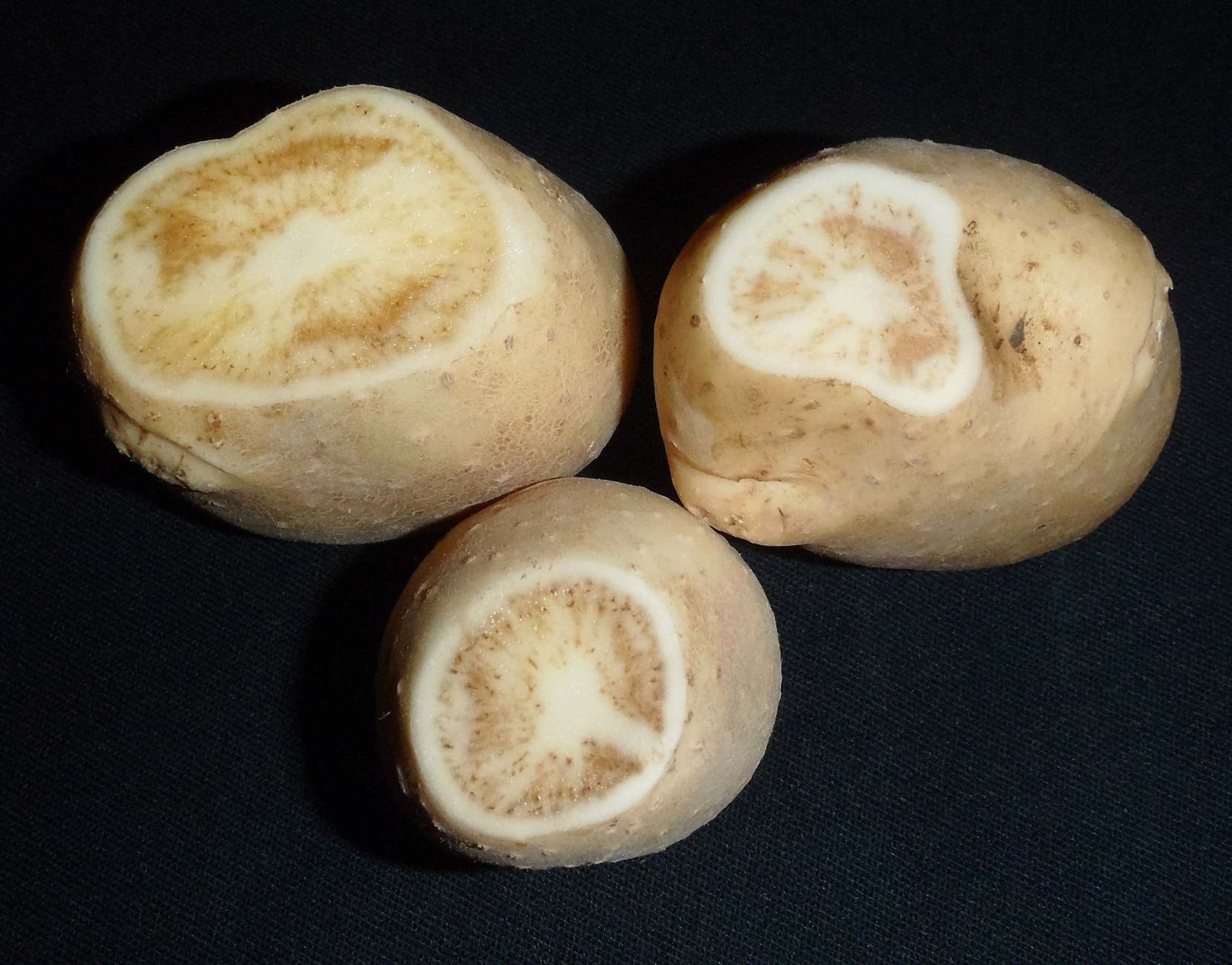
ZebraChip. d2395-1 by USDAgov is licensed under CC BY 2.0. Cranfield potato
potato Cranfield potato

Pests and soil-borne Pathogens that pose a risk to potatoes

Cranfield University is also one of 18 partners in an EU-funded Horizon project, PataFEST, researching the potential future pests and soil-borne pathogens that might pose a risk to potato production. One such disease is zebra chip, caused by a bacterium, Candidatus Liberibacter solanacearum, which affects potato crops in South America.

Transmitted by plant lice not currently present in Europe, it not only has a big impact on yield but also quality, MariCarmen reports. “The tubers have a discolouration inside that makes them unsuitable for processing.”

Part of the research is looking for potential pre-harvest solutions, such as foliar sprays that would prevent the psyllid from feeding on the plant, development of resistant varieties through breeding programmes and real-time diagnosis tools for early disease detection but MariCarmen’s team is focused on postharvest technologies.

These look at ways of slowing down the progression of some fungal diseases, such as black dot and silver scurf, which get worse the longer the potato is stored. Examples of possible solutions include the use of controlled atmosphere environments in store that contain higher levels of carbon dioxide and lower oxygen concentrations, and edible coatings that the potatoes can be dipped in or sprayed with that reduce disease progression.

“We’re also looking at tools for early detection, not only for zebra chip, but also other diseases like dry rot. We are trying to identify volatile organic compounds released in the very early stages of the disease, which we can then develop sensors for and further install in stores to detect the disease much earlier.”

While this wouldn’t stop the disease, early detection would allow timely and informed management decisions that will help reduce storage losses, she concludes.

Ponda Featured on BBC Radio 4’s ‘Farming Today’: Exploring the Future of Paludiculture

Member News
The views expressed in this Member News article are the author's own and do not necessarily represent those of Agri-TechE.

We are thrilled to share that Ponda was recently featured on BBC Radio 4’s flagship agricultural programme, Farming Today! Our Agricultural Lead, Austin Shepherd, sat down with the BBC team to discuss a subject we are deeply passionate about: paludiculture.

What exactly is Paludiculture? If you are new to the term, paludiculture is the practice of farming on wetlands, such as bogs, fens, and re-wetted peatlands. Instead of draining these landscapes for conventional agriculture—a practice that damages the ecosystem—paludiculture embraces the water, allowing for the cultivation of crops in a way that works with the wetland environment rather than against it.

Why Keeping Peat Wet Matters The environmental stakes surrounding our wetlands are incredibly high. The UK’s peatlands are a massive carbon sink, storing an estimated 3 billion tonnes of carbon. When peatlands are drained, the exposed peat oxidises and releases this stored carbon into the atmosphere as CO2, directly contributing to global warming.

By keeping the peat wet through paludiculture, we can lock that carbon safely in the earth while still making the land agriculturally productive.

Recognising the urgent need to protect these landscapes, the Department for Environment, Food & Rural Affairs (Defra) recently awarded grants to 12 pioneering projects dedicated to exploring how we can successfully grow crops in lowland peat.

Putting it into Practice Real-world exploration is already underway. The Holker Estate, located on the beautiful southern coast of Cumbria, is one of the sites actively investigating the commercial and environmental potential of paludiculture, paving the way for a more sustainable future in farming.

Want to learn more about how wet farming works and Ponda’s role in this exciting agricultural shift?

🎧 Listen to the full BBC Radio 4 episode featuring our Agricultural Lead, Austin Shepherd, here: https://www.bbc.co.uk/sounds/play/m002tptf

  • *I have permission from the copyright holder to publish this content and images.

What are genetic technologies and how are they used in crop science?

Member News
The views expressed in this Member News article are the author's own and do not necessarily represent those of Agri-TechE.

Genetic technologies are methods that customise the genetic code of an organism. In crop science, genetic technologies allow researchers to introduce beneficial traits, for example to confer resistance to pests, reduce food waste, and improve drought tolerance.  Genetic engineering can often go beyond or move faster than “conventional” crop breeding techniques.

Common terminology

Many genetic customisation techniques exist and terminology is often inconsistent, so it is always worth clarifying what exactly is being discussed. Frequently used terms include:

  • Random mutagenesis: artificially increasing the rate at which mutations (changes) arise in DNA using UV light or chemical mutagens, and then screening for mutated plants which display useful functional changes. This is the oldest of the genetic tools available, and the resulting plants are not subject to the EU’s regulations for genetically modified organisms
  • Genetic engineering encompasses:
    • Genetic modification (GM) which can include:
      • Transgenesis (sometimes also itself referred to as genetic modification): inserting a functional unit (gene) from a different species or organism to confer a new trait. For example, glow-in-the-dark genes have been inserted into petunias using transgenesis.
      • Cisgenesis: inserting a functional unit (gene) from the same species. For example, a disease resistance gene found in a wild potato cultivar might be introduced into a commercial potato variety by cisgenesis. Equally, genetic sequences that act as ‘on’ or ‘off’ switches can be moved about and/or duplicated within the genome to modulate gene activities.
    • Gene editing (also often known as targeted mutagenesis): making specific, intentional mutations in genetic material without inserting new genetic material. For example, the activity of some genes can be modulated in agronomically significant ways by changing even just one letter of DNA code (one ‘base pair’).
  • Techniques such as RNAi also allow modulation of pre-existing functionalities in a plant, and might be introduced by genetic modification or through exogenous application.

As with most techniques in the biosciences, these processes take inspiration from techniques that occur naturally in biology; but biotechnology has applied these biological principles to new contexts. For example, one ‘older’ method of gene insertion uses a bacterium (Agrobacterium tumefaciens) that naturally pastes genetic material into a plant’s DNA. Scientists can replace the genetic material to be inserted with a gene conferring a desired function to generate a modified crop with new functionality.

A ‘newer’ method also derives from bacteria: CRISPR/Cas9 is a protein-RNA machine which inserts or changes genetic material at a precise, specific location in the genome which can be deliberately selected by a scientist. Now that genome sequencing is a routine technique, resulting genomes can be readily sequenced to validate where exactly a gene has been inserted or modified.

These technologies are methods that modulate functionality of an organism, but they do not fundamentally change the organism itself. A lecture by Prof Jonathon Jones of the Sainsbury Laboratory described genetic modification of a crop as equivalent to installing a new app on a phone: it’s still the same phone, but now it can do something new.

What can genetic technologies do?

The following examples demonstrate the powerful and wide-reaching impact of these technologies.

Pest resistance: Genetic technologies have already produced numerous crops with resistance to key pests. For example, ‘Bt’ toxin is a pesticidal toxin which is naturally produced by a bacterium, and it was traditionally applied by spraying onto crops.  This is a messy process which can ‘contaminate’ neighbouring plants. However, crops have been modified to express Bt toxin in their leaves. This constrains resistance to the crop itself, removing the need for broad spraying and reducing the impact on non-target beneficial insects like bees.

Input reduction: Genetic technologies have also produced crops with the ability to metabolise alternative forms of minerals (like absorbing phosphite instead of phosphate), reducing the need to mass-spray fertilisers. A landmark 2014 meta-analysis concluded that adoption of GM technologies had – even a decade ago – reduced chemical pesticide use by 37%, increased yields by 22% and increased farmer profits by 68%, with improvements more marked in developing countries. As well as the direct benefits that the engineered trait confers, more subtle environmental benefits can also be seen, for example freeing up land for nature restoration.

Food waste reduction: Genetic technologies can also be leveraged to reduce food waste. For example, Tropic Biosciences has used gene editing to reduce browning in bananas. The non-browning banana may reduce waste and CO2 emissions from spoilage and is the first product to clear the Philippines’ new gene edited regulatory determination process.

Climate resilience: Other companies are focusing on increasing yields in the face of changing climates. UK spin-out Wild Bioscience is testing wheat genetically modified to have elevated photosynthetic efficiency, while Argentinian company Bioceres Crop Solutions has developed wheat with improved drought tolerance.

Environmental remediation: The Centre for Novel Agricultural Products in York in the UK has shown that GM native grass species can mop up explosive residues from contaminated soil.

Global health: Perhaps most famously, ‘Golden Rice’ – into which beta carotene (the precursor of vitamin A) has been inserted – was developed for humanitarian use in tackling blindness and death caused by vitamin A deficiency, but has been stalled by anti-GM lobbying and regulatory and legal hold-ups around the world.

Are genetic technologies safe?

Genetic technologies have been historically contentious, but a briefing from the UK Royal Society summarises that “risks are predictable and specific to the change being made.” The briefing explains that years of data generated through field trials and global use of genetically altered crops can provide reassurance on the safety profile of genetic approaches and underscore the technologies’ potential to benefit human nutrition, health and the natural world.

Humans have altered the genetic content of food throughout history by selectively breeding the best-performing plants. Some staple foods even originally evolved through natural transgenesis events. For example, genetic analysis has revealed that the sweet potato is the result of a natural gene transfer event.

Moreover, modern genetic techniques can in some ways be seen as less ‘risky’ than chance breeding events in that they target and monitor the change (via a site-specific targeted introduction and/or via screening to sieve products having the desired change). This means that the resulting genetic change is smaller, more precise, and deliberately tracked and assessed.

The changes can also be contained to the engineered plant itself: by the very definition of a species (organisms which can breed to give fertile offspring), traits cannot cross routinely into different species; engineered plants can also be made sterile in order that a trait cannot spread to other members of the same species.

Scientific support for the technologies is certainly strong; a petition led by WePlanet in support of proposals from the EU to update regulation of some genetically engineered plants was signed by 35 Nobel Laureates and more than a thousand scientists, and thousands of scientists across the EU publicly placarded ahead of the vote. Public support may also be more favourable than many think: a paper by researchers at the Alliance for Science suggests that sentiment across both traditional and social media is now trending in favour of gene editing.

We are also beginning to see genetically modified plants aimed at consumer appeal, like the Big Purple Tomato from Norfolk Healthy Produce and a pink pineapple from Fresh Del Monte, both of which are on sale in the US. It is possible that these will improve the GM brand image.

It looks like we may be at a tipping point of the adoption curve for genetically altered food. It remains to be seen how Europe responds and how scientific capabilities will be leveraged in Europe in the future.

What next?

A huge amount of genetic innovation is already cropping up across the ag-bio space and the pace looks set to accelerate. The UK and EU have traditionally been viewed as having more burdensome GMO regulations than those in other areas of the world. However, both jurisdictions have been updating their laws to loosen regulation for gene-edited plants which are comparable to plants which could have been created by traditional breeding methods.

The UK introduced the Genetic Technologies (Precision Breeding) Act in 2023, while the EU has agreed a draft text for a new ‘New Genetic Techniques’ regulation, which is expected to come into force by the end of 2028. For more details on this new legislation and the key IP considerations to look out for, read our news item: How the EU is re-shaping the regulation of gene-edited plants.

How J A Kemp can help

As genetic technologies continue to shape crop science, it is important to consider not only the science, but also the legislative and intellectual property issues that come with innovation in this area. J A Kemp advises clients working across plant and crop science, biotechnology and life sciences, gene editing and engineering, genomics, food and nutrition, and green energy and climate tech. This breadth of expertise allows us to support businesses and innovators developing and protecting technologies in this fast-moving field, including in areas where scientific progress, regulation and commercial strategy increasingly overlap.

  • *I have permission from the copyright holder to publish this content and images.

El Niño, La Niña and the 2027 Growing Season

Member News
The views expressed in this Member News article are the author's own and do not necessarily represent those of Agri-TechE.

The UN’s latest warning highlights that Earth’s climate is now more out of balance than at any point in recorded history, with a developing El Niño expected to kick in later this year. For farmers and growers, understanding what El Niño and La Niña actually are – and how they’ve shaped weather patterns in previous years – is essential for planning the 2027 season.

What Are El Niño and La Niña?

El Niño

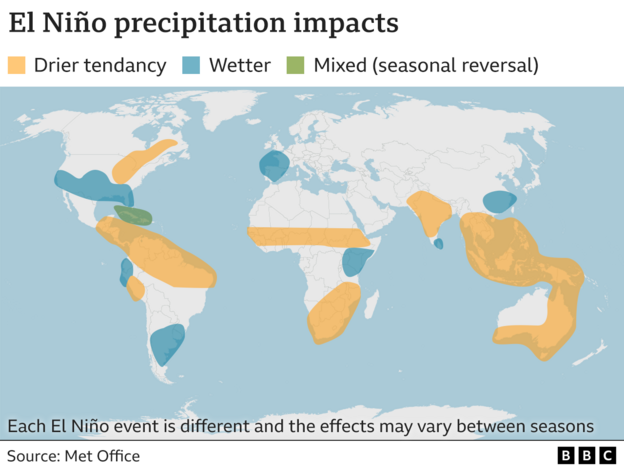
El Niño is a natural climate pattern where warm water builds up in the central and eastern Pacific Ocean. This shifts global atmospheric circulation and tends to raise global temperatures, often contributing to record-breaking heat years. Scientists warn that the upcoming El Niño could bring further heat records as the climate is already in a state of extreme “energy imbalance”.

Typical global impacts:

  • Hotter global temperatures
  • Increased drought risk in some regions
  • Flooding and intense rainfall in others
  • Disruption of normal storm tracks

global map illustrating el nino impacts on wet and dry areas across the globe

La Niña

La Niña is the opposite phase – cooler‑than‑normal waters in the Pacific, which often temporarily dampen global temperatures. For example, 2025 was slightly cooler than 2024 (relatively speaking) due to a La Niña phase, despite being one of the warmest years on record overall.

Typical global impacts:

  • Cooler global averages
  • Stronger Atlantic hurricane seasons
  • Wetter conditions in some regions, drier in others
  • Altered jet stream patterns

How El Niño and La Niña Have Affected the World in Previous Years

Global Impacts

El Niño years are strongly associated with:

  • Severe drought in parts of Africa, Australia and South America
  • Major flooding in South America and Asia
  • Greater crop failures, reduced harvests, and global commodity volatility
  • Increased wildfire activity in drought‑stricken regions

The 2024/25 period saw one of the three warmest years ever recorded, boosted by El Niño, and coincided with record ocean heat, glacier loss and low polar sea‑ice levels.

La Niña years, by contrast, often:

  • Increase moisture in some agricultural regions
  • Reduce heat stress globally
  • Delay heat‑driven pest pressure in some crops

However, La Niña does not undo long‑term warming, it only temporarily slows the pace.

How Past El Niño/La Niña Events Have Affected the UK

While the UK is far from the Pacific, these events influence the position and strength of the jet stream, which shapes UK weather. We briefly spoke about how surface air pressure and other northern hemisphere climatic patterns impact UK weather in one of our monthly Agronomy Clubs back in May. 

Past patterns have included:

El Niño influences on the UK

  • Milder, wetter winters
  • Increased storminess
  • Higher risk of winter flooding, affecting early fieldwork
  • More variable springs, with rapid swings between warm/dry and cool/wet spells

La Niña influences on the UK

  • Colder winters with an increased chance of cold snaps
  • Fewer intense winter storms
  • Potentially drier summers, though not reliably so

These patterns aren’t guaranteed, but they increase the likelihood of certain conditions.


What the UN Warning Suggests for 2027 Growing Conditions

Scientists warn that the upcoming El Niño in the latter half of 2026 is developing in a world already experiencing extreme heat accumulation. The World Meteorological Organization notes that the Earth has reached a record “energy imbalance”, storing more heat than ever before due to high greenhouse gas concentrations. This additional heat intensifies El Niño’s effects.

What farmers and growers may face in 2027:

1. Higher temperatures during key growth stages

  • Increased risk of heat stress at flowering/grain fill
  • Faster evaporation and reduced soil moisture
  • Greater irrigation needs on light soils

2. More intense rainfall events

With ocean and atmospheric heat at record highs, storms could be more vigorous:

  • Short, high‑impact rainfall bursts leading to waterlogging
  • Increased soil erosion risk
  • Narrower spraying and drilling windows

3. Greater pest and disease pressure

Warming combined with El Niño‑driven humidity can:

  • Accelerate fungal disease cycles (septoria, rusts, blight)
  • Extend activity periods for pests such as aphids

4. Challenges for winter crops and establishment

If El Niño delivers a mild, wet UK winter, growers may face:

  • Difficult drilling conditions
  • Poor slug control opportunities
  • Waterlogged soils slowing root establishment


Practical Steps to Prepare for a Potential El Niño‑Driven 2027 Season

  • Diversify varieties for resilience to heat, disease and variable conditions
  • Focus on soil structure and organic matter to buffer water extremes
  • Review drainage and cultivation approaches to handle intense rainfall – Ceres Research Members have access to the latest Farming Update Plus publication which focuses on future-proofing land drainage, available here.
  • Strengthen monitoring of pests and diseases, especially early‑season
  • Build flexibility into drilling plans and consider multiple drilling windows

Final Thoughts

With the UN warning that 2027 will be shaped by a mix of natural variability from El Niño and record levels of stored global heat, UK farmers should plan for the very real possibility of an El Niño‑driven mild, wet winter, bringing difficult drilling conditions, higher slug pressure, waterlogged soils and establishment challenges. Taking steps now to build flexibility into cropping plans, strengthen soil structure, and ensure drainage and field access are fit for a wetter winter will put farms in a stronger position to cope with another highly variable season.
If you’d like to learn more, or become a Ceres Research Member, please visit here. Remember, Agri-TechE members receive 10% off the membership through the Member Discount Scheme! Enquire with us to find out more. 
  • *I have permission from the copyright holder to publish this content and images.

How the EU is re-shaping the regulation of gene-edited plants

Member News
The views expressed in this Member News article are the author's own and do not necessarily represent those of Agri-TechE.

Upcoming changes to European Union legislation will significantly alter the regulation of gene-edited crops. This article outlines the main trends of the EU’s new framework for plants obtained by New Genomic Techniques (NGTs), and the critical intellectual property considerations for innovators.

EU approach to genetically engineered plants

To date, genetically modified organisms (GMOs) have been regulated according to Directive 2001/18/EC. While plants bred by conventional breeding techniques or traditional mutagenesis are generally exempt, a landmark 2018 ruling (Case C-528/16) by the Court of Justice of the European Union (CJEU) interpreted this strictly.

The CJEU held that newer, targeted mutagenesis techniques fall within the scope of the GMO Directive, subjecting them to the same rigorous risk assessments and labelling requirements as transgenic crops. This high regulatory hurdle historically stifled the introduction of gene-edited plants to the European market.

New EU rules for how to handle NGTs were provisionally agreed in trilogue negotiations between the EU Parliament, Council, and Commission at the end of 2025. As the European Commission highlighted in a 4 December 2025 press release, these rules will “enable more innovative plant breeding in the EU, helping farmers to grow plants that are more resilient to climate change and making them more sustainable as producers will require less resources, fertilisers and pesticides to fight pests.”

According to the provisionally agreed Regulation text, NGT plants are those that have been created by targeted mutagenesis, cisgenesis, or a combination of the two techniques, and which do not contain any genetic material which originated from outside the gene pool available for conventional breeding. Therefore, any plants created by transgenesis, for example, fall outside the NGT regulation and will continue to be regulated by Directive 2001/18/EC.

NGT plants are to be split into ‘Category 1’ and ‘Category 2’.

Category 1 (NGT1) = plants, and any conventionally crossed progeny, that:

DO fulfil specific ‘criteria of equivalence’ to conventional plants which are set out in Annex I of the draft Regulation text, and which set limits on the type, extent and number of modifications that can be made;

AND

DO NOT contain traits to herbicide-tolerance or production of a known insecticidal substance.

Category 2 (NGT2) = any other type of NGT plant. These will continue to be subject to GMO legislation.

Verification of a plant as NGT1 can be requested. Once verified, NGT1 plants will then be deemed excluded from the GMO legislation and treated in the same way as conventional plants.

In other words, the intention of the new legislation is to relax the regulations associated with NGT plants which could have occurred naturally or through conventional breeding processes (even though, in practice, they were generated through quicker gene editing techniques).

Intellectual property considerations

Trilogue negotiations had previously stalled on the question of whether to permit the patenting of NGT plants. The concern from some had been whether small farmers and breeders would be able to navigate the landscape of intellectual property rights and access germplasm. However, following assessment by a specially commissioned expert committee, it has been agreed that NGT plants will remain patentable.

However, to help ensure that farmers and breeders are able to benefit, emphasis is being placed on transparency and steps for reducing the practical burden of Freedom to Operate (FTO). Therefore, when requesting NGT1 verification, the requester must declare, to the best of their knowledge, any patents or published patent applications which include claims to the NGT1 plants. It is not just patents and applications held by the requester which will need to be declared, but also any relevant patents and applications held by third parties. These details will not be checked during the verification process, but they will appear on a public database and there will be a duty to notify the competent authority of any changes.

There will also be an option for a requester to declare a willingness to license relevant patents or applications covering the NGT plant to third parties under fair and reasonable conditions in all Member States or to declare membership of any licensing platforms, such as the Agricultural Crop Licensing Platform (ACLP).

The draft Regulation text includes a Recital 46b which flags to Member States the importance of taking appropriate steps to implement breeders’ exemptions. It is possible, therefore, that we will see more countries implementing such exemptions in the coming years.

Next steps

Once formally adopted, the final Regulation text will be published in the Official Journal. This is expected by the end of 2026. A two-year transition period will apply, so it is anticipated that the NGT regulations will be in force by the end of 2028.

The economic, environmental and social effects of implementation of the draft Regulation are to be monitored by an expert group established by the European Commission. The expert group will review the effect of patents and the operation of breeders’ exemptions on NGT plants and innovation, seed availability and competitiveness of the EU plant breeding sector, with the view to publishing conclusions within one year of implementation.

  • *I have permission from the copyright holder to publish this content and images.

Farming Update – March 2026

Member News
The views expressed in this Member News article are the author's own and do not necessarily represent those of Agri-TechE.

Welcome to the Ceres Farming Update, a publication that provides independent insights on agricultural issues, from policy and grant funding, to administrative updates and key market information.

Read the update here.

For a printer-friendly version, click here. Please consider the environment before printing this publication. A ‘PLUS‘ version of this publication is now available to Ceres Research members, which takes a deeper dive into the key topics covered. With extended analysis, expert commentary, and exclusive content, it’s your essential companion for staying ahead in agriculture.

Members can read this here. Not yet a member? Sign up today here. Remember, Agri-Tech E members get 10% off membership through the Member Discount Scheme – get in touch for your exclusive discount code!

  • *I have permission from the copyright holder to publish this content and images.

Global AgInvesting Australia: June 10-11 2026

Member News
The views expressed in this Member News article are the author's own and do not necessarily represent those of Agri-TechE.

The inaugural Global AgInvesting (GAI) Australia conference will take place between June 10-11 in Brisbane, Queensland, Australia. Beyond the conference itself, delegates have the option to tour around Central Queensland, Toowoomba, the Lockyer Valley and the Port of Brisbane. It will be an immersive week for international delegates to learn first-hand about Queensland’s excellence in agriculture.

Queensland’s primary industries contributed a hefty A$26.8 billion of gross value to the Queensland economy in FY2024/25. Queensland exported A$15.6 billion of primary goods within the same period, beef accounting for more than half of this figure. Queensland’s primary industries continues to be resilient and adaptable, achieving strong success year-on-year.

If you would like to learn more then please get in contact Johnny Henwood, john.henwood@tiq.qld.gov.au


Government consultation on updated Nutrient Profiling Model (NPM) for advertising and promotion restrictions

Member News
The views expressed in this Member News article are the author's own and do not necessarily represent those of Agri-TechE.

The government has recently published a new consultation on the application of the Nutrient Profiling Model (NPM) to advertising and promotion restrictions for ‘less healthy’ food and drink products.

This follows the government’s commitment in the 10 Year Health Plan to align existing restrictions with the latest dietary advice and introduce more impactful regulation.

Current advertising and promotion rules are based on the UK Nutrient Profiling Model developed between 2004 and 2005. Although the model was updated in 2018, these revisions were not previously applied to advertising and promotion policies.

The consultation invites businesses to provide views on how the updated NPM should be implemented within:

  • The Advertising (Less Healthy Food Definitions and Exemptions) Regulations 2024
  • The Food (Promotion and Placement) (England) Regulations 2021

In addition, the Government is seeking feedback on proposed implementation timelines for the updated model.

As part of this process, businesses are encouraged to consider and provide evidence on the potential impacts of applying the updated NPM, including effects on:

  • Children
  • Businesses
  • Groups with protected characteristics

A separate consultation on the development of healthier food targets and associated reporting requirements is expected to be published at a later date.

If you are interested in submitting a response to the consultation, or would like further information, please get in touch with lauren.atkins@gkstrategy.com

  • *I have permission from the copyright holder to publish this content and images.

The Discipline of Creating Space

Member News
The views expressed in this Member News article are the author's own and do not necessarily represent those of Agri-TechE.

Why the best leaders step back when everything tells them to step in.

A lot is happening in the world right now.

Markets are shifting, geopolitical tensions remain high, and economic uncertainty continues to place pressure on many sectors, including agriculture and amenity. And alongside all of that, the constant flow of information, emails, meetings and decisions that arrive before the previous issue has fully settled.

In environments like this, something quietly disappears. Space.

Space to reflect. Space to gather thoughts. Space to think properly about priorities and direction.

For many leaders, the instinct is to move faster. More meetings, more updates, more activity. The pressure to stay on top of everything becomes relentless.

But good judgment rarely improves under constant reaction. It improves with perspective.


The Hidden Risk in Busy Leadership

The issue is not that leaders are not working hard enough. The issue is that they are often working too close to the problem.

When everything is immediate, everything feels important. When everything feels important, priorities blur. And when priorities blur, organisations drift.

What follows is predictable:

  • Decisions become reactive rather than considered
  • Issues escalate upwards because clarity is missing
  • Leadership teams spend more time reporting than thinking
  • The organisation becomes dependent on a small number of people

From the outside, it looks like activity.

From the inside, it often feels like noise. And noise is not progress.


A Lesson I Learned Earlier in My Career

Earlier in my career, I attended a leadership course that ran for twelve months. As part of the commitment, one Friday every month was completely dedicated to the programme. No meetings, no phone calls, no operational involvement.

At the time, it felt uncomfortable. Like many leaders, I believed the business needed me to be constantly present.

What I discovered, however, was that the business continued perfectly well.

Decisions were made. Issues were resolved. Work progressed.

The organisation did not grind to a halt.

What changed instead was my perspective.

Those days created a rare opportunity to step out of the operational noise and think properly about the business. About strategy, culture, leadership and direction.

In many ways, those days away improved the quality of the decisions made on the days I was present.

The lesson was simple. Space is not indulgence. It is leadership discipline.


The Cost of Constant Reaction

When leaders operate continuously in response mode, several things begin to happen. Decisions become reactive rather than considered. Priorities blur because everything feels urgent. Teams begin to escalate more issues upwards because the organisation senses uncertainty. And personally, the mental load increases.

Many leaders carry more than people realise. Without deliberate moments to step back, the pressure accumulates quietly.


The Boardroom Consequence

This is not just a leadership issue. It is a governance issue.

Boards often mistake activity for progress. Full agendas. Frequent updates. Detailed reports.

But without space to think, challenge, and reflect, the quality of decision-making deteriorates.

The risk is subtle, but significant.

  • Strategy becomes short-term
  • Risk is managed reactively rather than proactively
  • Leadership teams operate tactically rather than intentionally

In these environments, organisations do not usually fail quickly.

They drift.


Creating Space is a Design Choice

Space does not appear naturally in busy organisations.

It has to be created and protected.

In practice, that means:

  • Setting aside time for strategic thinking.
  • Creating forums where leadership teams reflect rather than simply report.
  • Encouraging decision ownership lower in the organisation.
  • Or simply protecting time to think before reacting.

These are not luxuries. They are part of how good organisations maintain clarity under pressure.


What Changes When Leaders Step Back

When leaders step back, even briefly, something changes. Noise becomes pattern. Urgency becomes priority. Complexity becomes clearer.

And importantly, leadership becomes less about constant presence and more about thoughtful direction.

In uncertain times, it is tempting to move faster. But clarity rarely comes from speed alone. Sometimes it comes from stepping back long enough to see properly.


A Few Questions Worth Asking

For those leading organisations today, a few simple questions are worth reflecting on:

  • When was the last time you deliberately stepped away from the operational noise to think properly about direction?
  • Are decisions drifting upwards because people lack clarity, or because they lack confidence in their authority?
  • If you stepped away for a day, a week or even longer, what would actually stop, and what might quietly improve?

Creating space is not always easy.

But in my experience, it is often where the most important leadership thinking happens.

If you stepped away for a day, a week, or even longer, what would actually stop?

And what might quietly improve?


A Final Thought

In uncertain times, the instinct is to move faster and stay closer. But the organisations that navigate uncertainty best are rarely the busiest.

They are the clearest.

And clarity does not come from constant motion. It comes from space.

The question is not whether you can afford to step back. It is whether you can afford not to.

  • *I have permission from the copyright holder to publish this content and images.

Data-driven environmental monitoring highlights significant variations in bird biodiversity

Agri-TechE Article
Member News
Agri-TechE
On farm Todd and WIlder Sensing (1)
Wilder sensing 2

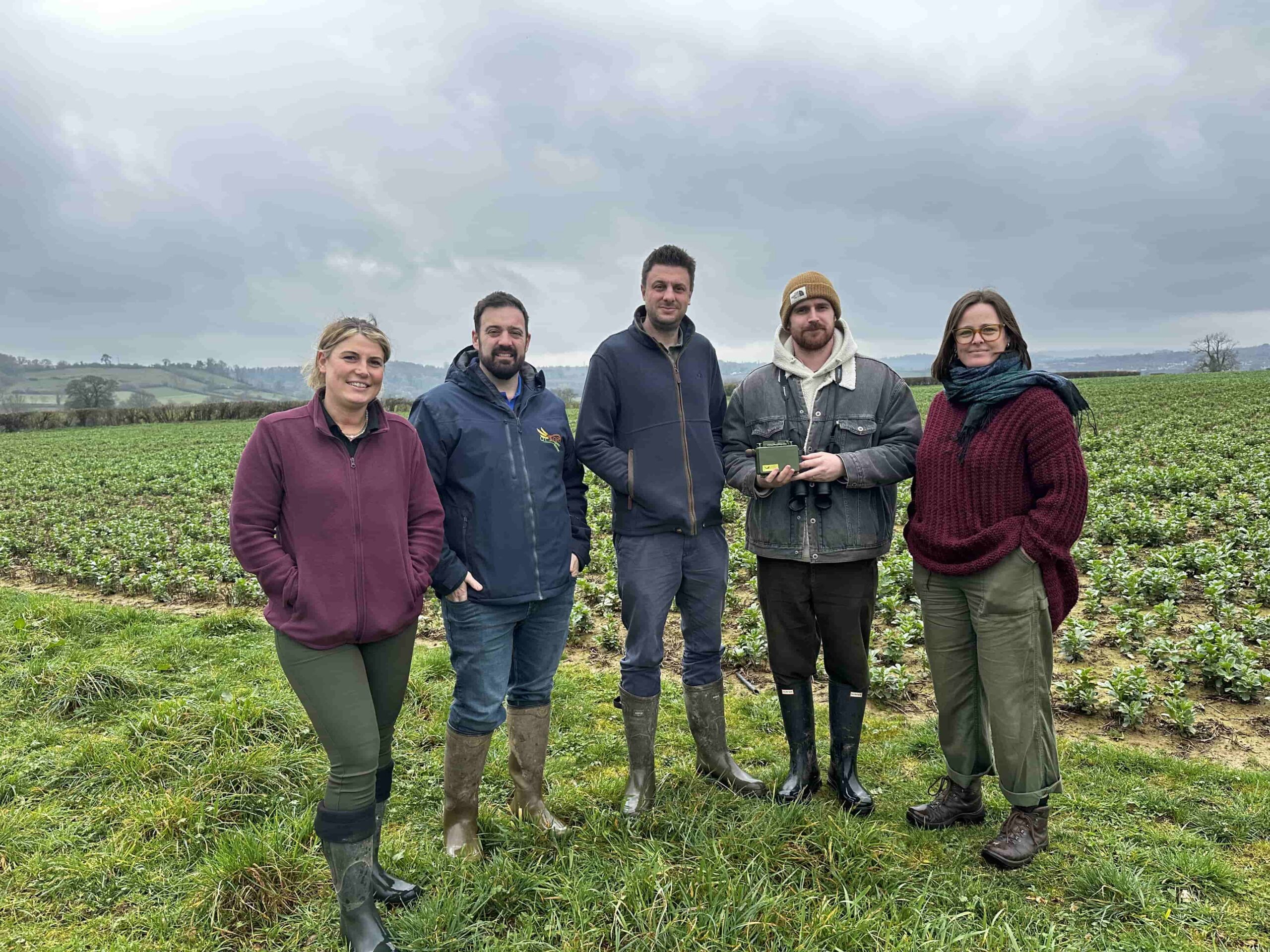
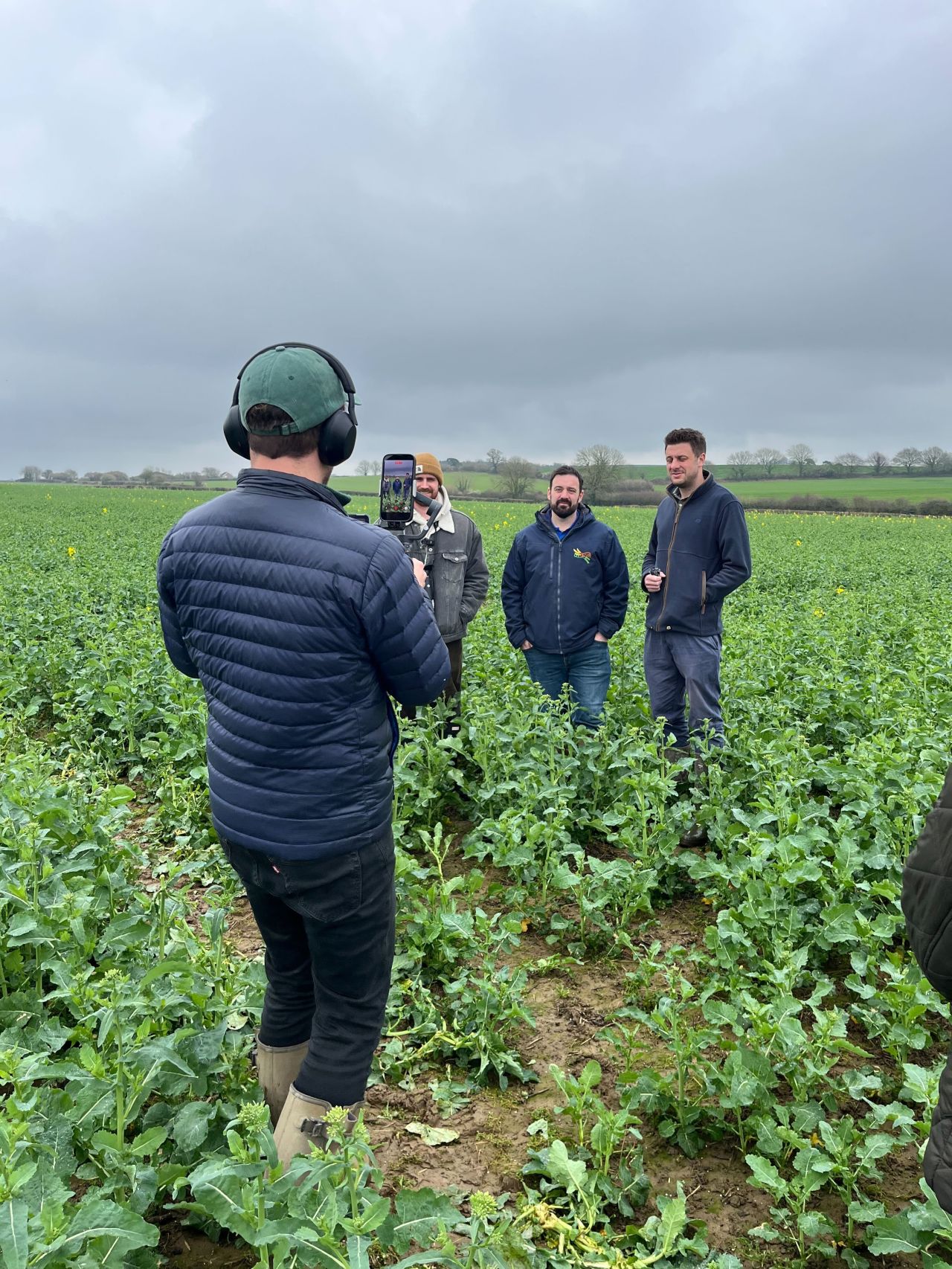
Todd Jex, partnered up with Agri-TechE member Wilder Sensing ahead of the upcoming Nature Technology event on April 28th to see how analysis of recorded bird song can be a bellwether for biodiversity across two farming systems.

Despite his passion for regenerative farming, supported by Todd as his agronomist, Oli Harris of QT Agri, who farms at Barton Farm in Dorset, has a portion of the farm that is still farmed using conventional tillage. This is because of a contract to grow turf for the family’s other business, Sherbourne Turf.

Having two contrasting farming systems within the same farming enterprise provided a fantastic opportunity for Todd to work with Oli to test the Wilder Sensing technology to see the benefits that regenerative farming brings.

“Originally, we adopted no-till regenerative farming practices for financial reasons to scale up the business,” says Oli. “Contractors were doing much of the work, and it was a way to bring all operations back on the farm and take control of arable production.

“Very quickly, it became a passion to see the environmental benefits the new system was having. We have seen a benefit to the wildlife and soil health.”

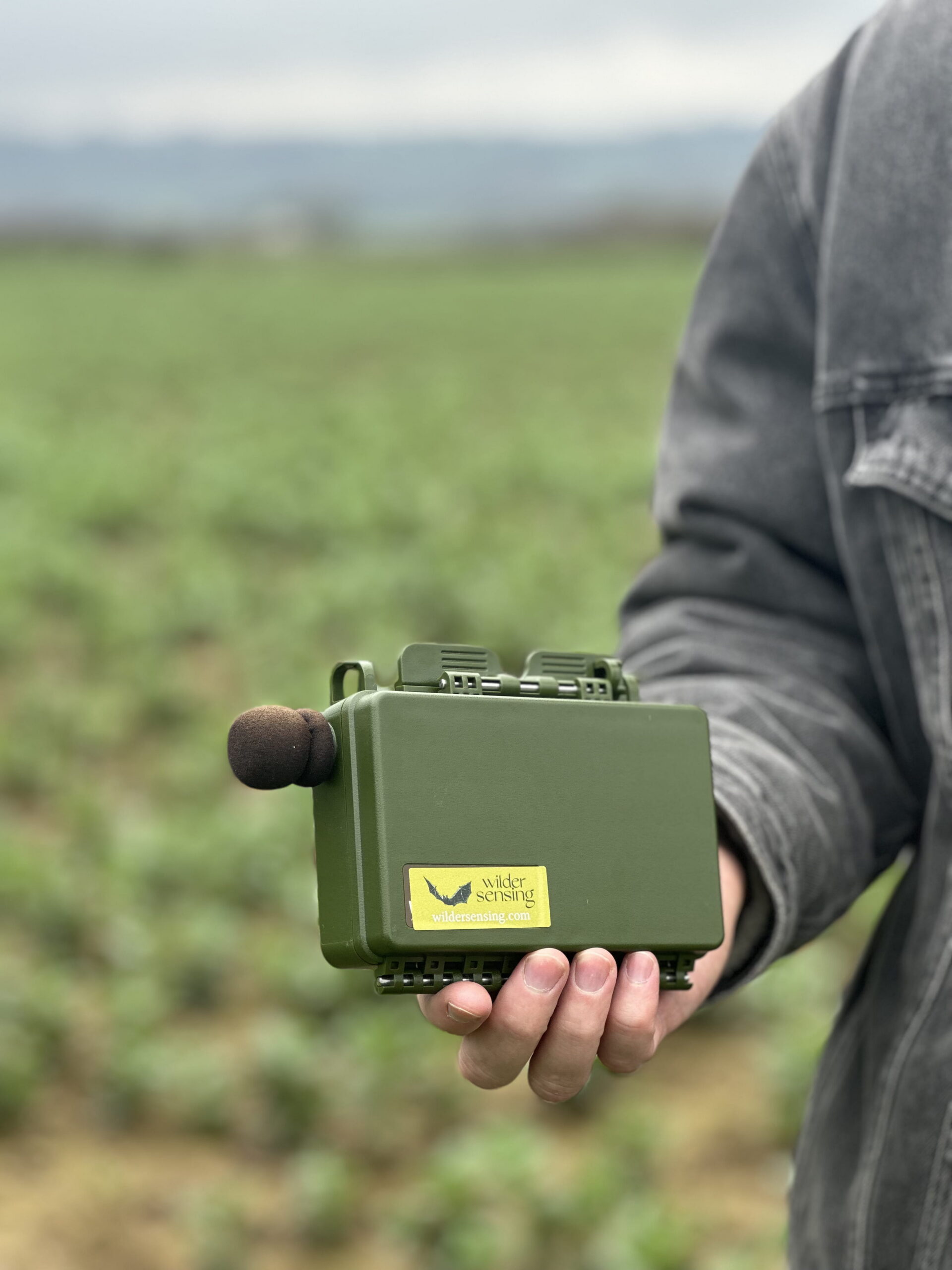
Todd set up two off the shelf recording devices on the farm, which Wilder Sensing can supply, although its technology is based on data processing and analysis rather than the physical devices, explains George Caterer, business development manager at Wilder Sensing.


George Caterer
George Caterer
Business Development Manager, WIlder Sensing

“These recording devices have been available for a long time,” says George. “The limiting factor in their use is the amount of data you get from them and the time it takes to analyse it.

“The trial with Todd ran for six days, and we recorded 20,000 bird calls.

It would take an ecologist days to analyse that data, with varying levels of accuracy, whereas our AI can do that within 24 hours.”

The devices can confidently record a bird’s noise within 50 metres. Because birds can cover a wide area of farmland, he says that each device can cover a decent area. And even though it is only recording the presence of one taxonomic group, birds are a fantastic reference for the health of an ecosystem because they cover all levels of the food chain, according to George.

Wilder Sensing licenses the BirdNET database to give them a reliable reference for every possible bird species in the UK. They have built a cloud-based platform for users to easily access and interpret the analysis.

“The overall number of bird calls isn’t the interesting number. These are the overall numbers and types of species. This gives you a much better idea of the ecological condition of the land,” explains George.

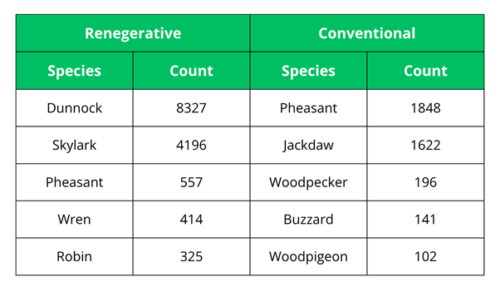
Table 1. The top five species recorded from Wilder Sensing monitoring of Barton Farm, Feb-Mar 2026


Looking at the data gathered at Barton Farm, the conventional field was dominated by corvid and generalist urban birds. Moving over to the regenerative field, there are many more insectivorous and seed-eating birds, notes George. One of the starkest comparisons was between the skylark calls: the regen location had over 4,000, whereas the conventional area only had 11.

Todd has worked with many farmers over the years to help them transition to a regenerative system, and he believes recording baseline data at the start of this process is a vital first step. From here, you can retest after several years to assess the effect of the new system.


Todd Jex
Todd Jex
Agronomist, Agrii

“You need to have the baseline at the point of change to see what is happening for good or for bad,” says Todd.

“You can then make appropriate recommendations if things aren’t evolving the way we want them to.

“The soil analysis we do is very in-depth. Biodiversity is the part we aren’t very good at capturing at the moment, and it’s such a massive part of it.”

Oli adds that historically, biodiversity has been impossible to measure at scale. Whereas soil parameters, such as pH, are much simpler. He is excited that the technology now exists to do this and can see the benefits for his farm.

“It’s reaffirmed that we are doing the right things. We are tenant farmers, and our landowners are keen to see us improve the environment. This data puts us in very good standing with them.

“It also gives us a point of differentiation if we ever try to grow the business by tendering for new land. Often, the people who can offer the most money are those who farm the most intensively, for growing potatoes and the like. Many big landowners want more than that now. This data is a great way to show how we farm sensitively to the environment,” says Oli.

It’s because of benefits like this that George says Wilder Sensing has generated much interest in the technology within the regenerative farming sector. They also have markets developed with renewables, water utilities, housing developers, NGOs and ecology consultants. “It’s about data-driven improvement,” he adds.


Wilder Sensing and Todd Jex will be at The Productive Landscape: NatureTech for Profit and Planet on 28th April at Rothamsted.

Speakers include:  Dr Robert Bradburne, Chief Scientist for the Environment Agency, Diane Mitchell, Chief Environment Advisor at the National Farmers Union and David Webster, CEO of LEAF.

For more information and to purchase tickets, visit the the event page: The Productive Landscape.

1773159999359
1773159999261