The Productive Landscape: NatureTech for Profit and Planet
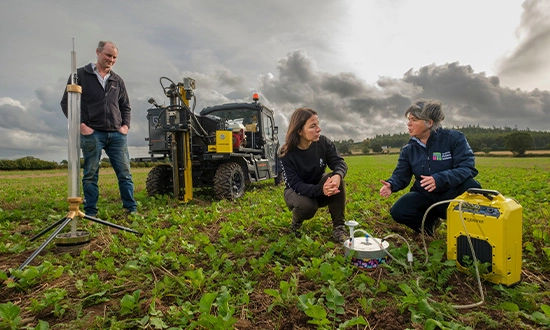
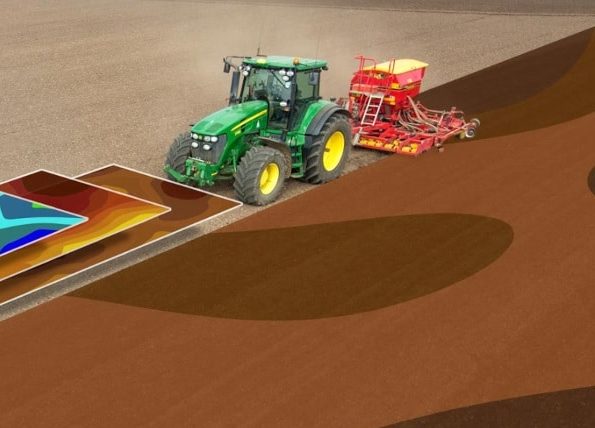
How can technology enable delivery of food, nature recovery, and climate resilience - all at once? The Head of the Environment Agency is asked: what's the national plan for dealing with land use pressures, plus you’ll hear from technologists and land managers working on nature-based and tech-enabled solutions for water, soils and climate adaptation.

Increasing the Utility of Non-Pathogenic Clostridia with CLEAVE™ Technology

Member News
The views expressed in this Member News article are the author's own and do not necessarily represent those of Agri-TechE.

Non-pathogenic clostridia are exploited for a diverse range of applications. These include established use within the solvent manufacturing industry, as well as utility for food production and treating cancer. Using our proprietary CRISPR-Cas technology, CLEAVE™, to directly manipulate the clostridial genome, we aim to both enhance existing applications and facilitate further development opportunities.

How are clostridia used for solvent manufacturing?

Solvent-producing clostridia have been of interest to researchers for over 100 years, with the advent of WW1 driving the use of Clostridium acetobutylicum for acetone production via the Weizmann acetone–butanol–ethanol (ABE) fermentation process. This represented the first large-scale industrial fermentation process of global significance and paved the way toward using ABE-producing clostridia for other forms of solvent manufacturing. However, while clostridia have become established tools for the chemical and biofuel markets, the associated cost of feedstocks has presented an ongoing challenge for those engaged in developing more sustainable fermentation routes1.

How are clostridia used in agricultural food production?

In addition to being exploited for the substances they naturally produce, clostridial strains are also used directly as dietary supplements within the food production industry. For example, Clostridium butyricum has been added to chicken feed to promote growth performance (for reduced production costs) and improve resistance to infectious diseases (as an alternative to using antibiotics), with studies showing it to be more tolerant of low pH compared with Lactobacillus and Bifidobacterium2. Clostridium butyricum has also demonstrated encouraging results within pig and goat production, where it has improved weight gain and feed efficiency3.

How are clostridia used to treat cancer?

Strategies utilizing clostridia to treat cancer are largely focused on selective tumour targeting and destruction. Clostridia-based methods investigated for oncology include clostridium directed enzyme prodrug therapy (CDEPT), where genetically engineered clostridial species function to cleave a pro-drug into an active form; clostridium directed antibody therapy (CDAT), which involves clostridial production of anti-tumour antibodies; and combined bacteriolytic therapy (COBALT), where clostridia known to demonstrate direct anti-tumour effects are administered with other forms of cancer treatment4.

Why clostridia?

The non-pathogenic clostridial strains are anaerobic, giving them a major advantage for improving or establishing processes where this feature is essential. Examples include applications targeting environments that are inherently deficient in oxygen, such as the gut microbiome, tumour microenvironment, and soil, as well as processes like anaerobic digestion and waste treatment. Additionally, the fact that non-pathogenic clostridia don’t produce endotoxins provides further opportunities to explore diverse applications.

What is CLEAVE™ and how can it be used to expand the capabilities of clostridia?

CLEAVE™ is our patented technology based on the CRISPR-Cas system, which creates precise modifications in the clostridial genome to accelerate the production of recombinant strains. It is suitable for all modifications, including single nucleotide polymorphisms (SNPs), deletions, insertions, and promoter exchange. Importantly, by eliminating the need for secondary selection markers, CLEAVE™ minimizes screening requirements and ensures the resultant strains are completely free of un-desired plasmids and antibiotic resistance markers.

What’s in biocleave’s clostridial pipeline?

To date, we have used our technology for the scalable production of high-quality recombinant proteins. Our product portfolio includes the clostridial toxin light and heavy chains, terpene synthases, and several recombinant protozoal proteins implicated in neglected tropical diseases (NTDs). Other product classes currently under development include poly ADP-ribose polymerases (PARPs), neurite growth inhibitors, and various signalling peptides.

Recombinant protein expression is just the beginning for clostridia – there is so much more these exciting microbes can do and we are working on ways to harness this untapped potential. To learn more about our clostridium platform and how it could accelerate your research, contact us today!

References:

  1. Poehlein A, Solano JDM, Flitsch SK, et al. Microbial solvent formation revisited by comparative genome analysis. Biotechnol Biofuels. 2017;10:58. Published 2017 Mar 9. https://doi.org/10.1186/s13068-017-0742-z
  2. Li W. Xu B, Wang L, et al. Effects of Clostridium butyricum on Growth Performance, Gut Microbiota and Intestinal Barrier Function of Broilers, Front. Microbiol., 08 December 2021 https://doi.org/10.3389/fmicb.2021.777456
  3. Cai L, Hartanto R, Zhang J, et al. Clostridium butyricum Improves Rumen Fermentation and Growth Performance of Heat-Stressed Goats In Vitro and In Vivo, Animals 2021, 11(11), 3261; https://doi.org/10.3390/ani11113261
  4. Umer B, Good D, Anné J, et al. Clostridial spores for cancer therapy: targeting solid tumour microenvironment. J Toxicol. 2012; 2012:862764. doi: https://doi.org/10.1155/2012/862764

Smart farming: why it pays to invest in technology

Member News
The views expressed in this Member News article are the author's own and do not necessarily represent those of Agri-TechE.

Farmers are increasingly under pressure to produce more, at higher quality and in a more sustainable way.

Automation and new technology can help farms achieve targets and increase profitability.

There may never have been a more testing time to be a farmer, as agriculture in the UK faces a perfect storm of challenging market conditions.

A rapidly growing population, climate change, soil degradation, rising energy costs, water pollution, biodiversity loss, and the commercial pressures of preserving farm workers’ livelihoods have all aligned to make agricultural food production tougher than ever.

Covid-19 has only intensified the situation and Brexit has affected the availability of the seasonal, migrant workforce, placing even more pressure on UK producers.

To counteract these challenges, experts believe it is vital that the industry innovates and embraces new technology to work alongside existing farming practices.

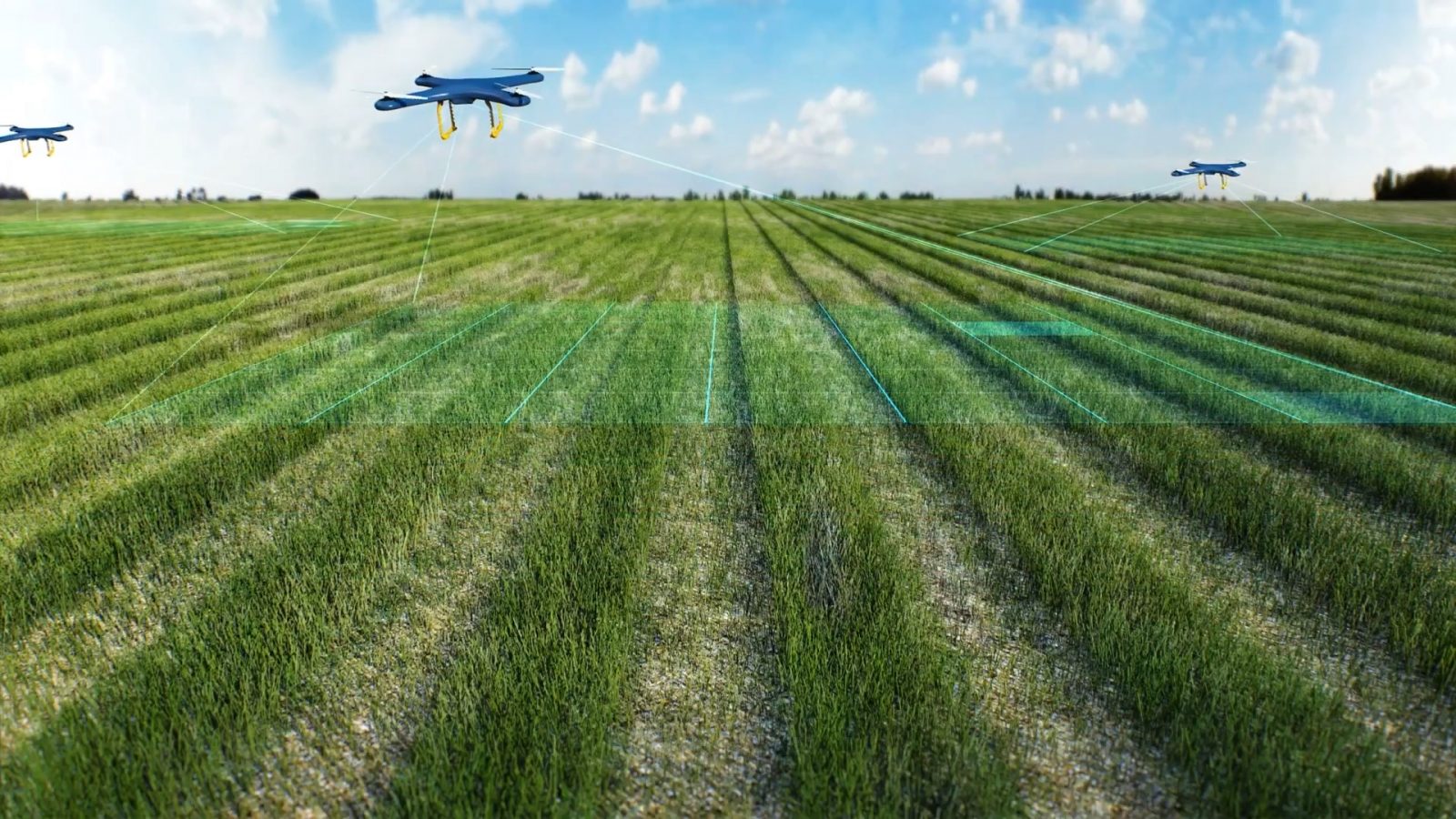
Agricultural technology, or agri-tech, is helping transform the food production sector by reducing the human input required to perform repetitive, labour-intensive jobs. And smart farming software applications can help to predict yields, automate irrigation and monitor soil health, as well as many other tasks.

Agri-tech applications

  • Robotics and autonomous vehicles
  • Automatic irrigation
  • Remote crop-yield optimisation
  • Management of livestock
  • Soil health monitoring
  • Greenhouse monitoring
  • Precise weather forecasting
  • Predictive analytics for crop sustainability
  • Weed control
  • Animal health monitoring

John Giles, Divisional Director of agri-food consultants, Promar International, says: “Farming is a difficult way of earning a living just now. We have the combination of a number of things coming together, making it challenging for even the most competent of farmers. 

“It’s imperative that we find and employ the appropriate technology to help take the strain. It’s not a silver bullet, but the use of technology can play a big part in mitigating these factors.”

A new revolution

Other parts of the farm-to-table supply chain are already employing smart technology, so it’s vital that agricultural businesses follow suit, says John.

“Britain’s history of innovation can be traced back to the agricultural revolution. We’ve always been at the forefront of innovation, but this is a new revolution.

“Food processing, storage and the rest of the supply chain are using AI [artificial intelligence] and other types of tech,” he says. “Farmers have to follow suit, otherwise they risk being left behind.

“There’s actually a bewildering amount of technology available now, and the biggest challenge is educating farmers about what is appropriate for their businesses.”

We’re at a pivotal crossroads in the industry at the moment and technology and innovation are underpinning it. So it’s a pretty safe bet that embracing technology is an investment in the future

Dr Belinda Clarke

Director, Agri-TechE

Agriculture and horticulture are facing four major problems: the global population is growing quickly, so there are more mouths to feed; there is a permanent shortage of staff available for harvesting; consumers increasingly want sustainably produced food; and there is the NFU’s challenge of achieving carbon neutrality by 2040.

The current world population of 7.6 billion is expected to reach 8.6 billion in 2030, 9.8 billion in 2050 and 11.2 billion in 2100. With the world’s population set to reach 9.8 billion by 2050, the UN has forecast that if current patterns of food consumption continue, approximately 60% more food will be required globally in 2050. 

What’s more, the UK is currently lagging behind other regions, with productivity increasing only 1% annually, as compared with 3% in the US and The Netherlands.
An investment in the future

Nearly all UK farms are already using some form of technology, whether it’s a GPS-enabled tractor, or a mobile weather app, says Dr Belinda Clarke, director of Agri-TechE , a membership group which advocates smarter farming.

“We’re at a pivotal crossroads in the industry at the moment and technology and innovation are underpinning it,” she says. “So it’s a pretty safe bet that embracing technology is an investment in the future.”
With a large choice of new agri-tech, she acknowledges that it can be difficult to know where to begin, but some of the most useful applications are the easiest to access and operate.

“Anything that will give you additional insights into your plants, your animals, your soils, is a good place to start,” she says. “Understanding the variability across the field and using that data to make informed decisions is key.”

By introducing advanced technologies, agri-enterprises can be more profitable, more efficient, safer and remain environmentally friendly.

While there are already robots milking cows, in the next few years many more smart robots will be introduced into the daily routines of farmers. 

For instance, robotic devices can be used to extract weeds from the ground, reducing the need for harmful pesticides. Or they can measure water or CO2 levels in the soil, without the need for back-breaking, manual testing.

Robotriks, based in Cornwall, is one business developing a robotic tool for farmers. The company’s autonomous tractor, the Robotriks Traction Unit (RTU) is in its final stages of testing, and will help farms monitor, plant and harvest crops, with minimal soil compaction impact. Its estimated cost of £7,500 should make it affordable for most agriculture businesses, too. 

Company Director Jake Shaw-Sutton says labour shortages, soil degradation and unpredictable weather patterns are making autonomous vehicles essential on a modern farm.

He says: “Having a small-platform robot – a miniature electric tractor effectively – that can go out and do all of the manual inspection for you, day and night, is a huge benefit to farm businesses.

“You could have one unit in one field and another unit in another field, performing a different set of tasks, feeding data back to a central point. It takes all of that manual management away, which gives the operator more time to focus on other issues.”

LettUs Grow partners with Octopus Energy to reduce energy costs for vertical farming

Agri-TechE Article
Meet the Network
Agri-TechE

Energy consumption can account for between 40-50% of production costs in vertical farms and lighting costs alone can account for 25-30% of the operational costs. LettUs Grow,LettUs Grow energy efficiency has integrated an Agile Business tariff into its Ostara management system that enables indoor farmers to adjust their plant’s growth cycles to align with lower energy costs.
The partnership with Octopus Energy has just won the Best Energy Efficiency category of the Zenith Global Vertical Farming Awards.
Jack Farmer, co-founder and Chief Scientific Officer of LettUs Grow explains that the crops are given ‘down time’ between 3-7pm when electricity is in high demand and most expensive. “This can ultimately cut down on costs, reduce the environmental impact of vertical farms and also takes some pressure off the electrical grid at times when the UK usually has to call on fossil fuel generators to meet demand. Octopus have developed a tailor made tariff ‘Vertical Power’ especially for vertical farms.”

Optimising performance minimising cost

Ostara is a farm management toolbox which can provide agile, closed-loop control and be used to optimise plant growth.
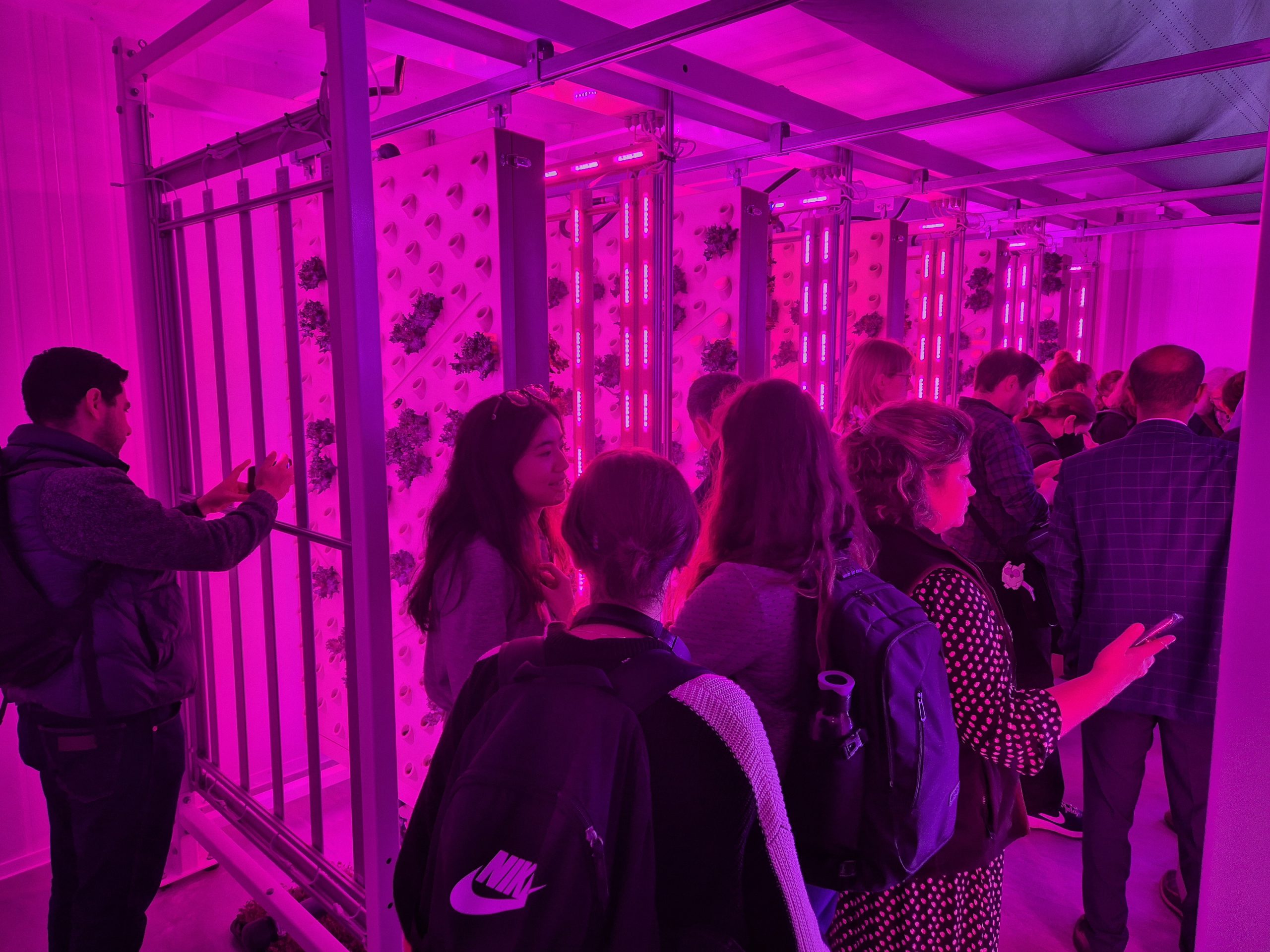
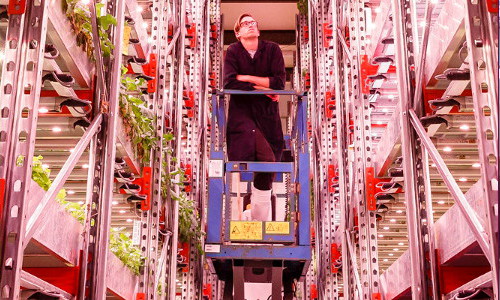
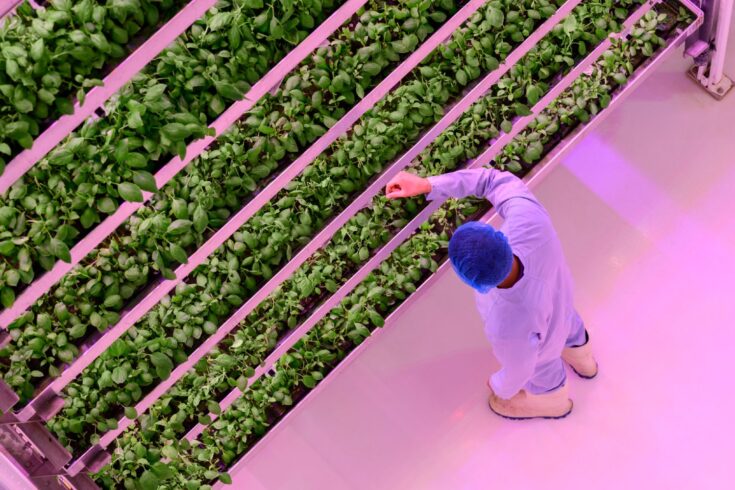
Vertical farming – growing crops indoors under fully controlled conditions using LED lights – is undoubtedly an energy-intensive process, however vertical farms are steady and predictable energy users that have been proven to integrate well with renewable energy production. If supplied by renewable energy, vertical farming can have a carbon footprint of zero, which will help the UK work towards its goal of net zero by 2050.

Agri-TechE CEA speaker Jack Farmer - Lettus Grow
Jack Farmer, LettUs Grow

Jack continues: “Our two research and development vertical farms, based in Bristol, are both powered by Octopus Energy’s 100% renewable energy. We have also teamed up with Octopus Energy to integrate our very own farming management software platform Ostara with their Agile Octopus smart tariff, which received recognition at the Global Vertical Farming Awards and the Better Society Energy Awards this year.
By integrating an Agile Business tariff into Ostara, indoor farmers can adjust their plant’s growth cycles to align with lower energy costs.
Here at LettUs Grow, we are dedicated to reducing carbon footprints, as well as food waste; we are always looking for ways to reduce our environmental impact and reliance on fossil fuels. We are thrilled about winning two energy awards this year with Octopus Energy, and hope our collaboration can continue to bring forth more positive impacts.
More about LettUs Grow
 
 
Agri-TechE has an event on 22nd February 2022 about the use of light for agriculture and it will feature a number of energy-efficient technologies. More information Let There Be Light – Powering Plant Production
 

Morrison replacing soy with insect protein from Better Origin

Meet the Network
Agri-TechE

Better Origin insect factories
Mini insect factories produce chicken feed

Better Origin is to provide insect mini farms for generating feed for 10 egg suppliers to Wm Morrison,  UK’s fourth-largest grocer.
The automated farms are housed in shipping containers and will produce insects fed on waste from Morrisons’ fruit and vegetable processing site in Yorkshire as part of  a “circular agriculture” scheme.
Insects are a natural feed for chickens, but rearing the birds indoors means that the bulk of the feed comes from soyabeans and grains. According to the British Free Range Egg Producers Association, the largest contributor to emissions on a free range egg farm is bought-in feed, which typically makes up more than 85 per cent of an egg’s carbon footprint.
The 320,000 free-range hens on the 10 farms will also be fed a supplementary diet of British beans, peas and sunflower seeds. Morrisons says it aims to start selling its carbon neutral eggs laid by insect-fed chickens next year.
More about Better Origin
 

Three new pea varieties added to PGROs Descriptive List

Agri-TechE Article
Agri-TechE

“Farming is often at the sharp end of unpredictable weather events. Varieties that can provide growers with agronomic performance and still serve the market requirements will gradually come to the fore,” says Stephen Belcher, Principal Technical Officer for the Processors and Growers Research Organisation (PGRO), discussing the reasons why varieties are included in the 2022 Descriptive Lists (DL) for pulse crops. The PGRO has added three new varieties: Rivoli, Carrington and Pantani.
The move from a ‘Recommended List’ to a ‘Descriptive List’ last year means information on yield and resistance to prominent diseases is presented in line with modern grower requirements.
Stephen continues: “Since changing to a Descriptive List model in 2020, we are in a transitional phase, so there were no changes to the sites this year and we are still using a five-year data set, with no changes to the rigour or quality of data. “However, the changes we have made mean that varieties can be viewed in terms of consistency of performance, helping growers to make informed decisions when it comes to making decisions on seed for the next season.” He gives the example of varietal resistance to downy mildew which can vary depending on the races present in the soil: “several varieties on the Descriptive List this year are showing very good resistance to the disease. Powdery mildew, which was a significant problem in 2020, was much less so in 2021.”
Reviewing the year, he continues: “Spring beans had a good year with all but one trial taken through to harvest. As with peas, the difference in maturity between early and later maturing varieties was more pronounced in 2021.”
The full downloadable Descriptive List tables will be published on the PGRO’s website by 11am on Wednesday 24 November 2021. The Descriptive List 2022 is available in both pdf and Excel formats at PGRO’s website. Find out more about PGRO on their member page.

Bayer announces strategic partnership with Microsoft

Agri-TechE Article
Meet the Network
Agri-TechE

Bayer is to work with Microsoft to build a new cloud-based set of digital tools and data science solutions for use in agriculture and related industries to support sustainability across value chains.

The company already offers its Climate FieldView™  platform, which is used on more than 180 million farming acres across more than 20 countries. FieldView helps farmers to easily collect, store, and visualize field data — recording every pass throughout the season.  Data can be collated directly from many equipment types such as tractors, combines, liquid applicators, and planters without the hassle of manual data entry.

Under the agreement, Bayer will work with Microsoft to co-develop new solutions that address critical industry scenarios such as farming operations, sustainable sourcing, manufacturing and supply chain improvement. Bayer will also migrate its digital farming core capabilities to the new infrastructure for its own customer-facing solutions. This is a significant, strategic step forward in Bayer’s ambitious target of 100-percent digitally enabled sales in the Crop Science division by 2030.

The partnership builds upon a longstanding relationship between Bayer and Microsoft and aims to unlock even greater agricultural innovation by bringing together Bayer’s agronomic expertise and the power of Microsoft Azure to produce data driven insights.

Bayer is a global enterprise with core competencies in the life science fields of health care and nutrition. In fiscal 2020, the Group employed around 100,000 people and had sales of 41.4 billion euros. R&D expenses before special items amounted to 4.9 billion euros.

For more information, go to www.bayer.com.

xarvio® FIELD MANAGER expands weather station connectivity with integration of METOS by Pessl Instruments and Sencrop

Member News
The views expressed in this Member News article are the author's own and do not necessarily represent those of Agri-TechE.

Cologne, Germany – xarvio® FIELD MANAGER, from BASF Digital Farming, has expanded weather station device connectivity options for farmers by enabling the integration of data from METOS by Pessl Instruments and Sencrop.

Enabling the connection of weather station devices from both recognized companies increases choice among compatible weather stations for xarvio® FIELD MANAGER customers. It also enhances crop production decisions, as hyper-local weather data from connected devices is seamlessly integrated into xarvio’s agronomic algorithms and models. xarvio® FIELD MANAGER constantly analyses the incoming weather data to support growth stage models, fertilization, crop protection and growth regulator timing, as well as product recommendations.

For xarvio® FIELD MANAGER customers with Sencrop devices, connection and weather data integration possibility is increased to now include Austria, Belgium, Czech Republic, Germany, Hungary, Netherlands, Poland, United Kingdom and Ukraine. In France, Sencrop has been integrated in xarvio® FIELD MANAGER since January 2021.

Linking a weather station device from either company with xarvio® FIELD MANAGER is a quick and smooth process using state-of-the-art IT security. Customers simply log into xarvio® FIELD MANAGER, click on “Weather stations” in the user settings menu, select the manufacturer of their weather station, then enter a unique key that is automatically generated by the device manufacturer. The process only takes minutes to complete, with the weather data from the connected device immediately integrated into xarvio® FIELD MANAGER.

“Our focus is on providing farmers with convenient and timely access to precise agronomic information and recommendations to optimize crop production”, says Parvathy Chandrasekhar, Global Product Manager xarvio® FIELD MANAGER, BASF Digital Farming GmbH.

“We already offer connection possibilities with the weather station devices from Arable, so adding METOS by Pessl Instruments and Sencrop gives customers greater choice. Furthermore, it highlights the value we place on partnering with leading-edge companies to deliver digital farming solutions that continually improve agronomic outcomes and support sustainability.”

Putting strawberries on your table a month early: a joint research project between Kroptek and Surexport

Member News
The views expressed in this Member News article are the author's own and do not necessarily represent those of Agri-TechE.

Kroptek and Surexport have started working in collaboration on an exciting project to sustainably grow strawberries, with the ultimate goal to fast-forward the strawberry season by a full month with the best quality of fruit. 

A mutually beneficial research project 

This project is a mutually beneficial research agreement between the British and Spanish companies, with Kroptek providing its expertise on horticultural lighting to sustainably grow strawberries within Surexport’s brand-new state-of-the-art 1Ha greenhouse in Huelva, in the south of Spain. 

Thanks to their advanced product development capabilities and agile manufacturing, Kroptek can deliver highly customised lighting solutions in a cost-effective manner. Surexport will be able to provide continuous feedback and propose adjustments in order to optimise the project setup and start harvesting delicious strawberries as early as the beginning of December. 

We’re eager to meet the needs of our customers and at the same time go ahead of the environmental standards. Kroptek gives us technical and material support to help us meet our goals and we’re excited to be partnering with them.” – Iván Pérez, Production Manager at Surexport

Testing the boundaries of sustainability 

In addition to the high-performance and energy-efficient LED lights, solar panels were also installed to power the operation with clean electricity. This packaged solution was provided by Kroptek, with the help of a local partner. 

It was important for both parties to evaluate the use of solar energy during the darker seasons in order to develop a commercially viable and environmentally sustainable solution as the project scales up.  

With the ongoing and escalating energy crisis in many countries, Kroptek is actively developing solutions that reduce power consumption in agriculture and generate power using solar energy. Most recently, Kroptek won grants from Innovate UK along with academic and commercial partners to develop photovoltaic glasshouse panels with testing to start this winter. 

About Surexport 

Surexport is one of the largest berries producers in Spain, with additional production facilities in Portugal and Morocco. They sell most of their production in Northern Europe, with their main customer base being major UK retailers.
For more information about Surexport, visit surexport.es/en/  

Data matters! Artificial Intelligence and Machine Learning in Agriculture

Member News
The views expressed in this Member News article are the author's own and do not necessarily represent those of Agri-TechE.

Nowadays, artificial intelligence and machine learning are being used in various agricultural applications.

But what are artificial intelligence and machine learning and how can they be used for agriculture?

Artificial intelligence (AI) is a concept that uses computers and machines to replicate the human mind’s problem-solving and decision-making abilities. Machine learning (ML), on the other hand, is a subset of AI that focuses on using data and algorithms to mimic the way humans learn while continuously improving accuracy.

ML is being utilised in agriculture to increase crop output and quality. Seed retailers combine the data with agricultural technology to develop better crops. It is used by pest control firms to identify different bacteria, bugs, and vermin. AI is used to determine which conditions will offer the highest yield.

Additionally, many businesses are increasingly employing deep learning algorithms and technology. Drones and other software are being used to gather data on the crops and the soil. They also work on the software to manage the soil’s fertility. Farmers can find effective strategies to save their produce and protect it from weeds by using innovative agricultural technologies. For the food technology industry, AI and ML are beneficial because crops are being managed and monitored by robots. Sensors assist in the collection of crop-related data.

However, it is not that easy…

To maximise efficiency, the future of farming lies in collecting and analysing data. To develop effective AI solutions and understand how smallholder farmers can use AI and ML, agri-tech companies need high-quality data. ML requires a lot of it; however, a large gap in data collection, preparation and benchmarking capabilities still exists today. This makes modelling a challenge.

Farmer Charlie aims to overcome these challenges bringing Wi-Fi internet connectivity to the field, weather and field sensors, and high-quality data evaluation to make farming more efficient for smallholder farmers.

-Farid Ibtida Tashbeeh

#ATW21 Friday: Carbon avoidance or carbon capture?

Agri-TechE Article
Agri-TechE

“Carbon avoidance, or carbon capture? What is the best strategy for Net Zero in agriculture?” asked delegates at the final Agri-TechE Week event of 2021, hosted by Niab’s Eastern Agri-TechE Innovation Hub, headed up by Dr Lydia Smith.

Eastern Agri-TechE Innovation Hub
Eastern Agri-TechE Innovation Hub is focussed on waste reduction and also on sustainable heat and power

Coming hot on the heels (literally) of the frenetic closing stages of the COP26 conference, the low carbon hybrid event showcased approaches to reduce emissions through innovative tech-based solutions, and capture / storage options through different agricultural practices.

There is no shortage of technologies to help avoid or reduce carbon emissions, and a number are in development at the Eastern Agri-TechE Innovation Hub in Soham, managed by Niab. From Inspro’s automated bioconverter system using black soldier flies and food waste, to Cambond’s valorisation of low grade carbon materials (such as brewers’ spent grain, straw, hemp fibres and paper waste sludge) for the construction industry, and the hydroponic vertical farming system funded through the Interreg Hy4Dense project.

Hydroponic cultivation of salad vegetables

The Hy4Dense project is investigating the feasibility of year around production and also ways to reduce water use in cultivation, with a hydroponic system.

“As well as a 99 % reduction in water use, we can get 10-11 harvest cycles a year in a hydroponic system without supplementary heating, lighting or cooling,” commented Hy4Dense Project Manager Graham Taylor. “We’re also trialling different substrates such as flax, hemp and bamboo and are trialling reusable meshes to help reduce the carbon footprint.”

Graham suggests that natural light is often overlooked in controlled environments and yet even in winter daylight is a useful resource. He also revealed a surprising finding that green LEDs increased the yield of rocket, potentially as it is able to penetrate the dense canopy.

Agri-volteic farming – an alternative way of delivering solar farming

Fens in numbers carbon

“We just lack the data” said Luke Palmer of FC Palmer & Sons, sharing his frustration about ambitious Government targets for lowland peat restoration amid a lack of information to inform appropriate practices to achieve them.

With 50 % of the UK’s Grade1 land in the Fens, making the right decisions now is critical to protect and manage this unique and productive resource.

Luke is working with Niab and the Centre for Ecology and Hydrology on an Innovate UK-funded project to develop a novel gantry-based solar production system on his farm to enable water harvesting and storage as well as multi-cropping between the avenues of the solar panels.
All operations will happen from the gantry, protecting the soil from damage in the autumn.

Multispecies herbal leys  – a role in reducing in GHG emissions?

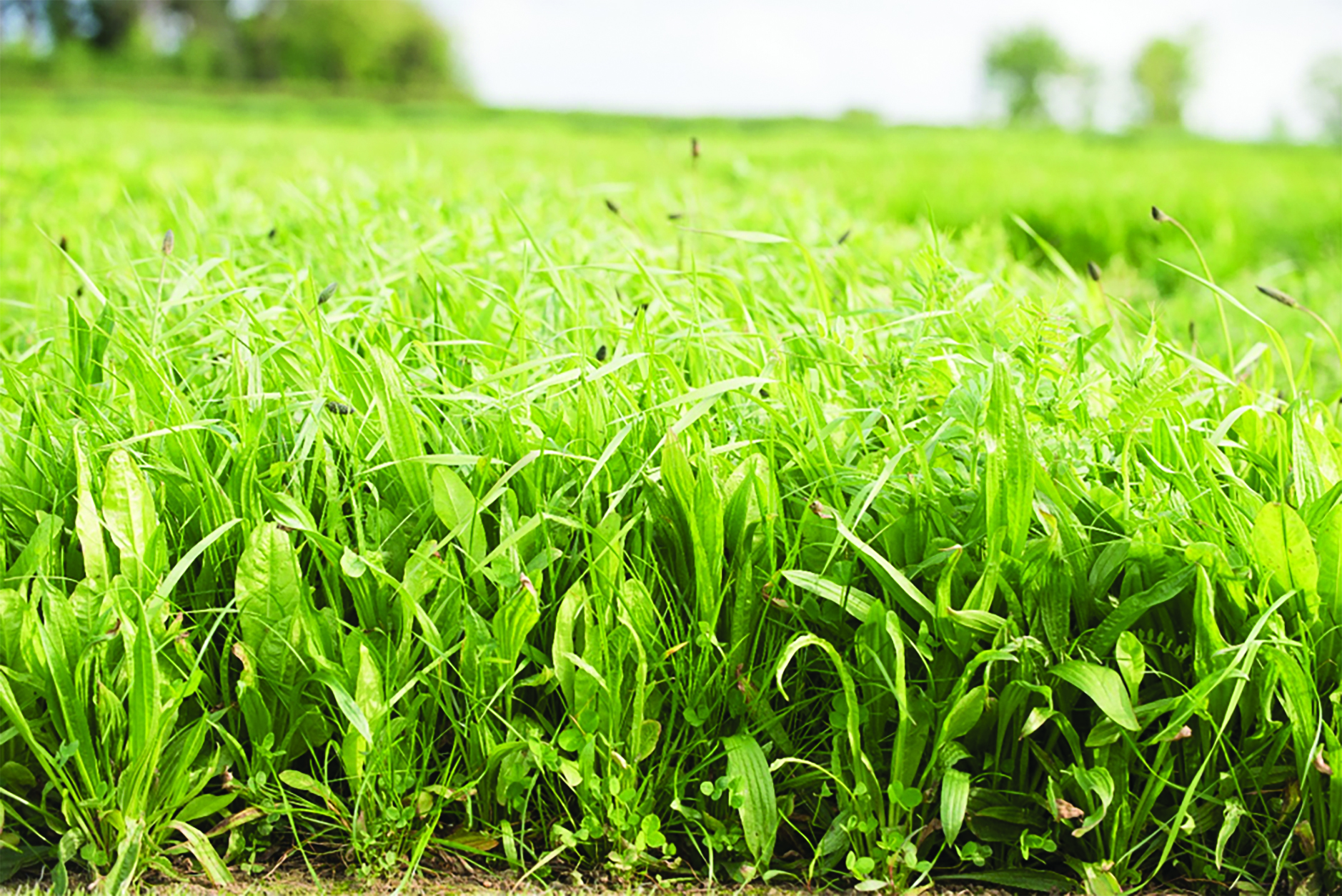
Multispecies ‘herbal’ leysHerbal leys are permanent pasture with a mix of grasses and herbs. “We know herbal leys improve soils and increase ecosystem services,” said Emily Cooledge of Bangor University, “but we don’t know the impact they might have on productivity and GHG emissions in the animals grazing on them.”

With a wealth of heroically collected data (yes, urine and dung samples) from several sheep flocks, Emily has found a big reduction in ammonic emissions from lambs grazed on herbal leys. The loss of ammonia was almost halved.

She has also seen changes in blood biochemistry and live-weight gain in the animals grazed – the theory being that plants such as plantain, chicory, lucerne and sainfoin naturally contain secondary metabolites which impact the animals’ metabolism.

Carbon capture in biomass

The go-to species when it comes to carbon sequestration are usual tree based, but according to agro-forestry consultant Jeremy Sweet, not all trees are created equal, and their future is not at all certain. “Beech, downy birch, oak, ash and elm are all projected to be more vulnerable in the east of England due to climate change” he pointed out, while extolling the virtues of inter-cropping as well as ensuring a cash return for fruit, nut, timber or biomass from tree crops.

Other crops – such as hemp – may also have a major role to play in carbon capture. “One hectare of industrial hemp can absorb 22 tonnes of environmental CO2”, claimed Nathaniel Loxley, Founding Director of the British Hemp Association. “And its big tap root  and rhizomal root network help to improve soil structure.”

British Hemp Association is working with the Innovative Farmers project to demonstrate the agronomic value of this versatile crop.

Carbon sequestration and biodiversity 

Viewers of “Autumnwatch” in the UK will be familiar with the Ken Hill estate in North west Norfolk.
Nick Padwick, the estate manager, discussed the benefits of putting biodiversity and carbon sequestration together. “Collaboration and partnership is key,” he commented “we direct drill, and use strip tillage (with shared machinery) and are in a partnership with a shepherd to bring his sheep onto the estate.”

A recurring theme of Agri-TechE Week – collaboration really does seem to be at the heart of making progress, whether it is carbon management, technology development or increasing on-farm productivity.

This event was hosted by Niab.
Agri-TechE Week features a mix of in-person and virtual events that are designed to showcase exciting developments in agri-tech. It is coordinated by Agri-TechE working closely with partners across the innovation ecosystem and aims to provide opportunities to attract new customers and partners and to broker collaborations and international connections.

#ATW21 Thursday: RNAA identifying golden days

Agri-TechE Article
Agri-TechE

The “Five Golden Days” in the farming year are becoming easier to spot with hindsight, according to Catalyst Farming data scientist Dominic Swan, “The trick now is to ensure we are ready for them.”
The fifth Agri-TechE Week 2021 event was hosted by the Royal Norfolk Agricultural Association and showcased a unique partnership of data sharing and benchmarking across four major Norfolk farming businesses.
Inspired by the discussions with a UEA data scientist at a previous REAP conference, Salle Farms Director Poul Hovesen became convinced of the value of data sharing and collaboration to improve farm performance.
And he set about doing something practical, convening a unique partnership combining people, technology and data.

Catalyst Farming provides analytical insights

The Catalyst Farming Programme brings together four major Norfolk farming businesses – NE Salmon, Salle Farms, the Holkham Estate and Raynham Estates – to share data and best practice, all empowered by the analytical insights revealed by unprecedented information sharing.
The aims are simple and clear: to increase outputs, reduce inputs improve quality of the products and reduce the environmental impact.
Newcastle University graduate Dominic Swan is the full -time data analyst for the programme, and Steve Baldock of Prime Agriculture is the strategic agronomist across the 7000 ha area, spread over 700 fields.
Pooling and analysis of data has revealed an optimum time window for crop establishment and where – obviously depending on direct costs and commodity prices – maximum gross margins are likely to be made, These are the so-called “Five Golden Days” – revealed by combining all the data sets and analysing the yield performance and price alongside the costs.
As well as hosting trials to investigate alternative practices, the programme data analytics are enabling the Catalyst farmers to calculate that all-important unit cost of production – resulting in a more granular analysis of the performance of individual fields, and total farm businesses.
And the data has enabled a shift in culture and attitudes on the farm as well.

Reduced idling time by up to 35%

According to Poul Hovesen, “One of the biggest impacts has been the education and empowerment of the team on the ground across the four farming businesses. “Showing the tractor drivers the data around idling time of tractors and asking them for their ideas to reduce it, resulted in a drop in idling time from 35% to 26% – and all without spending any money.”
In addition, a better understanding of field performance has led to a more resilient cropping system. Variability in the nutrition needs across fields has reduced as overall soils health has improved, and the extra time and capacity gained from increased efficiency enables more in-depth consideration of the overall farming system, the rotation and the crops within it. To find out more about Catalyst Farming, follow them on Twitter @CatalystFarming.

This event was hosted by the Royal Norfolk Agricultural Association.
Agri-TechE Week features a mix of in-person and virtual events that are designed to showcase exciting developments in agri-tech. It is coordinated by Agri-TechE working closely with partners across the innovation ecosystem and aims to provide opportunities to attract new customers and partners and to broker collaborations and international connections.

#ATW21 Thursday: Sustainable Agriculture

Agri-TechE Article
Agri-TechE

Researchers on the Norwich Research Park are supporting sustainable agriculture with cutting-edge science, this includes using a novel approach in their work to tackle a major global cereal disease. Attendees at the Norwich Research Park’s Agri-TechE Week event heard from:

  • Dr Joe Win, The Sainsbury Laboratory, about how ‘open science’ is helping to better understand the spread of wheat blast disease
  • Professor Brian Reid, University of East Anglia about the risks of soil carbon trading
  • Dr Jose De Vega, Earlham Institute,  about increasing resilience of crop plants to climate change
  • Marco Fioratti, John Innes Centre, about the management of cover crops and the impact on subsequent yields
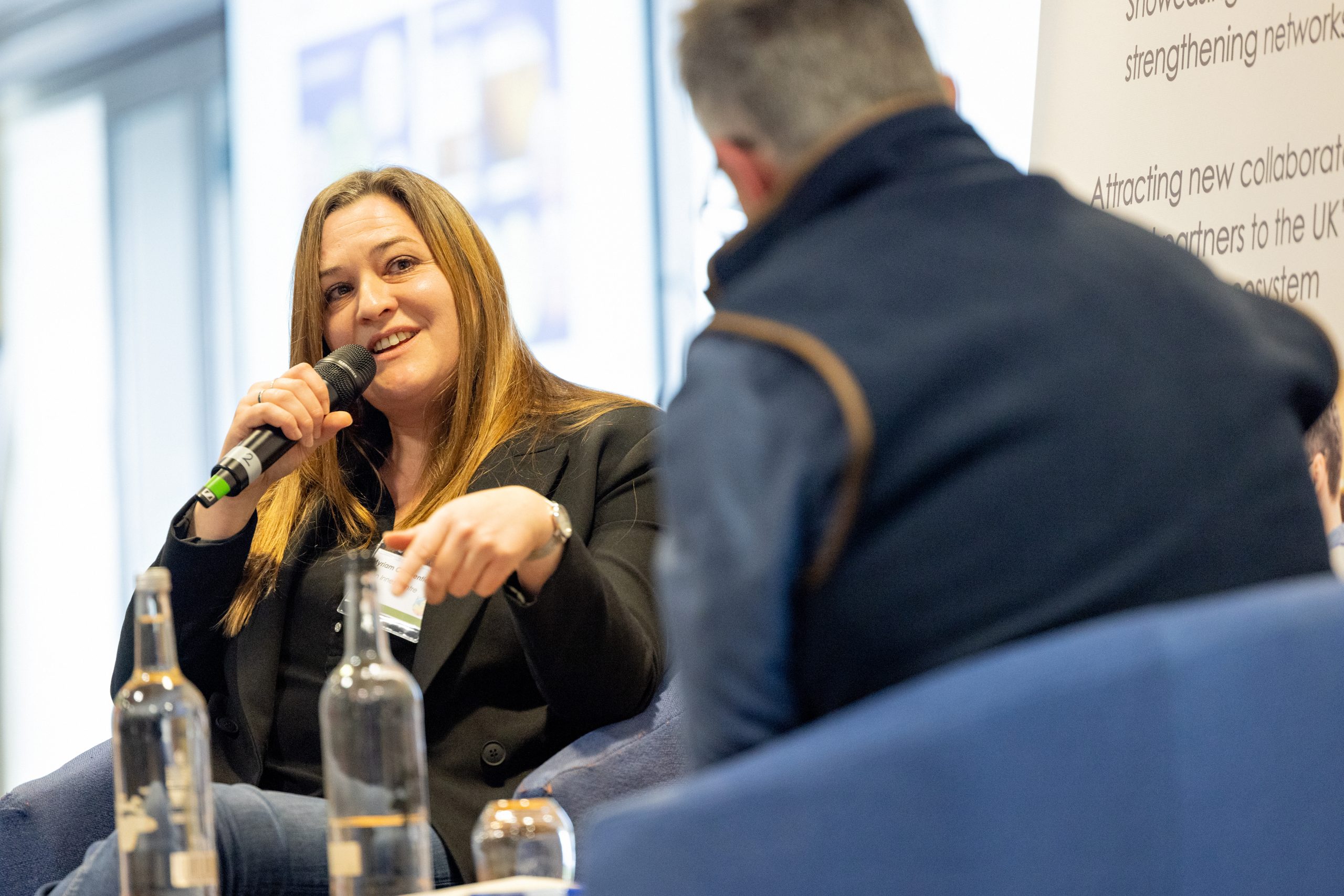
  • Dr Myriam Charpentier, John Innes Centre, who covered the importance of root endosymbiosis

Open science accelerates discovery

“An open science approach enhances data integrity. It fosters transparency, encourages cooperation among researchers to accelerate scientific discovery, and realises the benefits of research much more rapidly”, explained Dr Win.
Dr Win’s research focuses on wheat blast disease, which was first identified in Brazil in 1985, and which causes between 75% and 100% yield loss in affected crops. Since then the disease has spread to a number of other South American countries, and more recently to other continents. It was identified in Bangladesh in 2016 and Zambia two years later, and Dr Win’s work has been instrumental in understanding and publicising the spread to help reduce the risk of the disease spreading further. The data and other elements of the research which Dr Win has been involved in is all published at www.OpenWheatBlast.net.

Will there be a ‘carbon bubble’ 

Delegates also heard from Professor Brian Reid who explained the science behind some of the risks associated with the current rush for soil carbon trading, a rush which some have described as a ‘carbon bubble’.
There is current huge interest in the concept – and practice – of farmers and landowners trading their soil carbon credits, which they can potentially increase through adopting regenerative and associated agricultural management approaches, to corporate customers seeking to offset their own emissions.
“But not all soil carbon is created equal,” warned Prof Reid, who explained that some soil carbon is ‘labile’ and supports soil biology and soil health but is not stable in the long term, and is subject to respiration by organisms and release back into the atmosphere. This includes the carbon found in crop residues. On the other hand, ‘stable’ carbon, such as that found in humus and in some inert organic forms, delivers long term carbon storage and is appropriate to use as the basis for carbon credits in carbon trading and offsetting schemes.
“People today are often trading all of their soil carbon, including the labile stocks which are not stable in the long term. This means that the buyers of these credits face the risk that this carbon will at some point be lost to the atmosphere. So it’s not enough just to measure your soil carbon – you really need to understand what different types you’ve got.”

Resilience to climate change

Dr Jose De Vega’s research focuses on finding novel rice diversity in Vietnam to help breed more resilient varieties.
“The impacts of climate change on food production are obvious, but to help reduce these impacts we need to make crops more resilient,” he explained. “The great changes in plant breeding we’ve seen over the past 100 years have seen wheat plants reduced in height from shoulder height to our modern dwarf varieties, which are less susceptible to lodging. But we now need to focus on breeding for other traits, such as resilience to the impacts of climate change.”
“The developments which we’ve seen historically underline the importance of gene banks and diversity – all of the genes which have been exploited to improve crops are a product of natural diversity.”
Dr De Vega described how rice production in Vietnam is highly susceptible to climate change, due to a combination of factors including increasing salinity and drought. But the rice landraces found in Vietnam contain a vast amount of genetic diversity. In fact, 672 varieties of rice from throughout the country have now been genetically sequenced and work is underway to identify the different genes in these ancient varieties which can impart greater resilience to modern crops.

Below ground biodiversity and importance of roots 

Also presenting at the event were Marco Fioratti who gave an excellent presentation entitled ‘Below ground biodiversity’, which covered his research on how the management of cover crops affected a range of variables such as soil biodiversity and crop yield, and Dr Myriam Charpentier who covered the importance of root endosymbiosis in nutrient uptake by plants and supporting crop growth.

This event was hosted by Norwich Research Park.
Agri-TechE Week features a mix of in-person and virtual events that are designed to showcase exciting developments in agri-tech. It is coordinated by Agri-TechE working closely with partners across the innovation ecosystem and aims to provide opportunities to attract new customers and partners and to broker collaborations and international connections.