The Productive Landscape: NatureTech for Profit and Planet
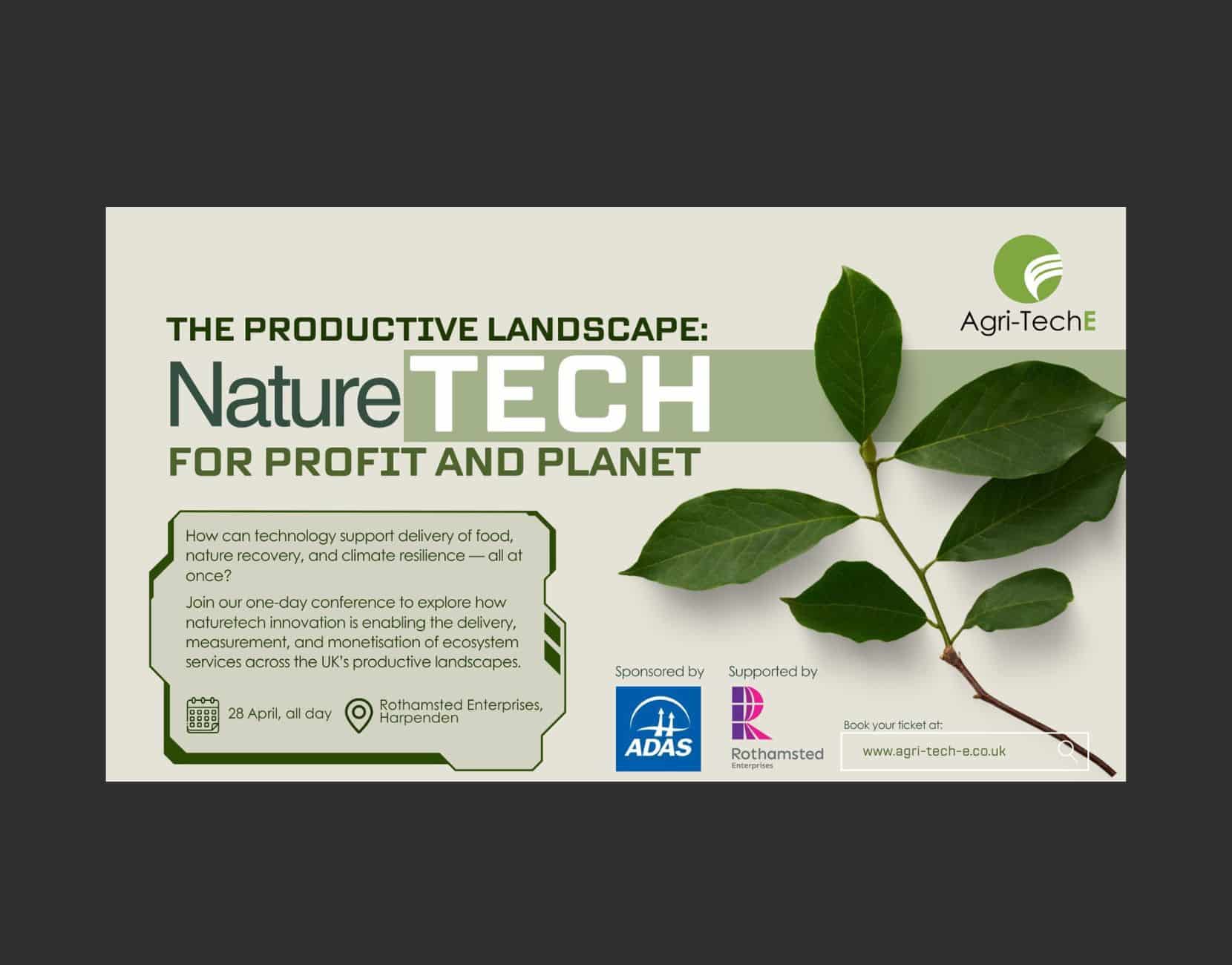
How can technology enable delivery of food, nature recovery, and climate resilience - all at once? The Head of the Environment Agency is asked: what's the national plan for dealing with land use pressures, plus you’ll hear from technologists and land managers working on nature-based and tech-enabled solutions for water, soils and climate adaptation.

Sofa Session: Back to the Future at REAP 2021

Agri-TechE Article
Agri-TechE
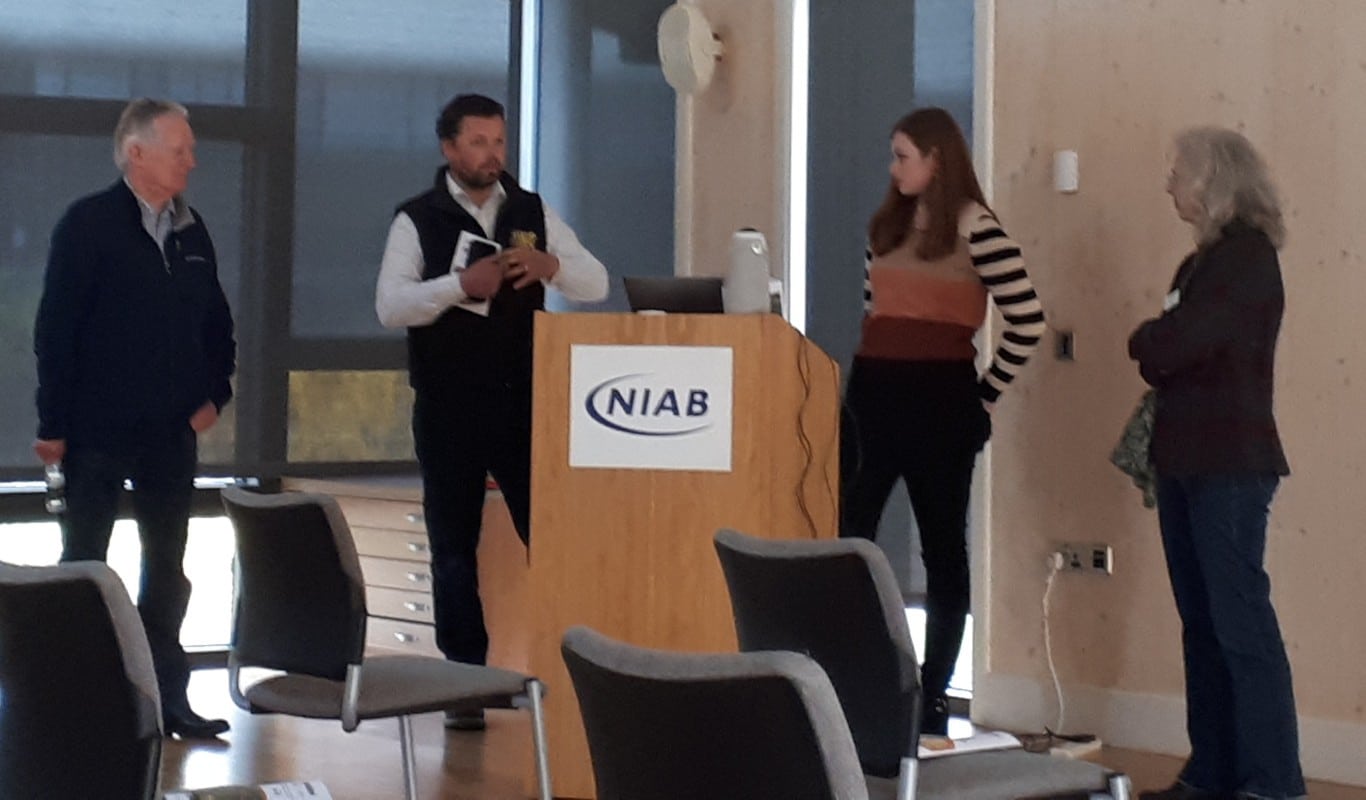
Looking at an issue from a different perspective creates the opportunity for innovation, and this is a feature of the Sofa Session of REAP. It aims to draw together the themes of the day and challenge current thinking in a free-flowing discussion.
This year the session was chaired by Vicky Foster, Head of the British Beet Research Organisation (BBRO), and included:

REAP 2021: Changing Time(s) for Agriculture10th November 2021

Imagine a world where agriculture is not constrained by time. The ability to manage and manipulate time is increasing and REAP 2021 will explore the advances in technology and breakthroughs in science that is making this possible.
REAP brings together people from across the agri-tech ecosystem who believe that innovation is the engine for change. The conference bridges the gap between producer needs and technology solutions and showcases exciting agri-tech start-ups. 

Start-Up Showcase at REAP 2021

Meet the Network
Agri-TechE
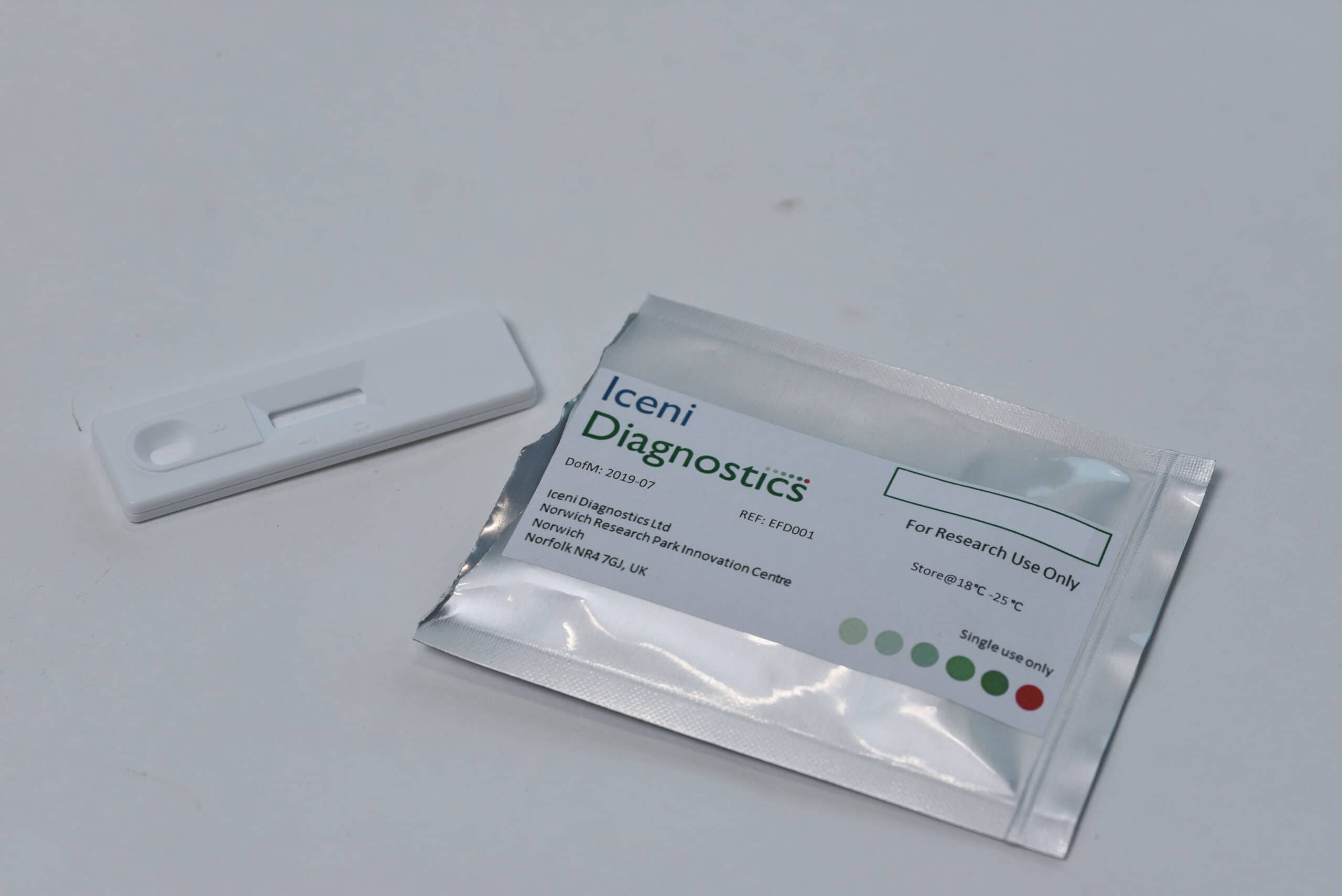
The REAP 2021 Start-Up Showcase, sponsored by Rothamsted Enterprises, features a line-up of exciting early-stage agri-tech ventures – energy saving for glasshouses; pollination innovation; baits for insect pests; diagnostics for plant health; yield prediction that helps inform decision making on interventions and automation for asparagus and raspberry harvesting.

Some are seeking investment, all your advice and input, while others are already near market.

Who from the cohort of REAP 2021 will make it into the Agri-TechE Hall of Fame?
The REAP 2021 Start-Up Showcase is sponsored by Rothamsted Enterprises.

REAP 2021: Changing Time(s) for Agriculture10th November 2021

Imagine a world where agriculture is not constrained by time. The ability to manage and manipulate time is increasing and REAP 2021 will explore the advances in technology and breakthroughs in science that is making this possible.

REAP brings together people from across the agri-tech ecosystem who believe that innovation is the engine for change. The conference bridges the gap between producer needs and technology solutions and showcases exciting agri-tech start-ups. 

AgriSound launches timely pollination monitor at REAP 2021

Agri-TechE Article
Agri-TechE

Targeted pollination can double the yield of soft fruit and increase the quality of the produce. To enable farmers to increase pollinator levels, AgriSound is launching an insect listening device called POLY, which displays a heat-map on a smartphone to show insect activity. It highlights pollination deficits on-farm as well as providing proof that interventions increase ecosystem services. 
Casey Woodward, CEO of AgriSound, presented in the REAP 2021 Start-Up Showcase. He says: “We would love to meet people that have a genuine interest in getting pollination right and want to be working with us as early adopters.  
“Once you have the ability to tell the difference between species of insects, you can then monitor biodiversity, which will provide evidence of natural capital assets.  
“We’d like to talk to farmers and growers about their challenges and find out how to use our data in new ways.” 
Find out more at agrisound.io 

REAP 2021: Changing Time(s) for Agriculture10th November 2021

Imagine a world where agriculture is not constrained by time. The ability to manage and manipulate time is increasing and REAP 2021 will explore the advances in technology and breakthroughs in science that is making this possible.
REAP brings together people from across the agri-tech ecosystem who believe that innovation is the engine for change. The conference bridges the gap between producer needs and technology solutions and showcases exciting agri-tech start-ups. 

New bait spray from Microbiotech traps the fruit-fly before it spoils the strawberries

Agri-TechE Article
Agri-TechE

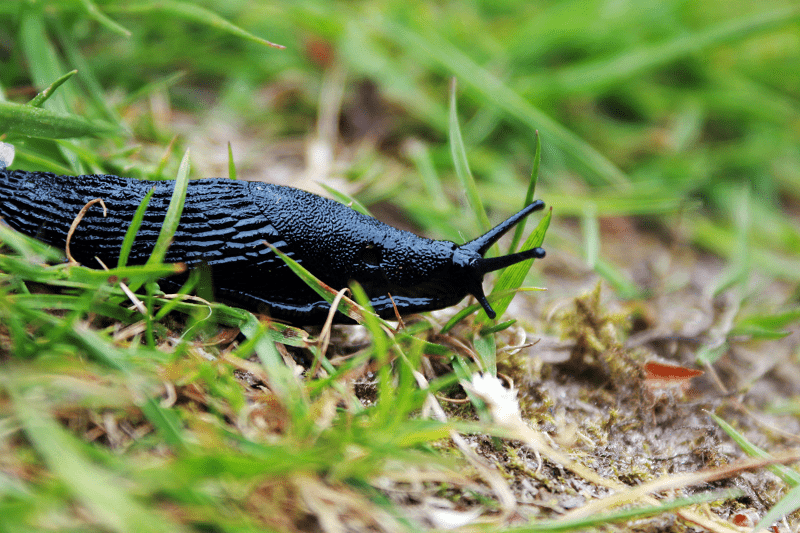
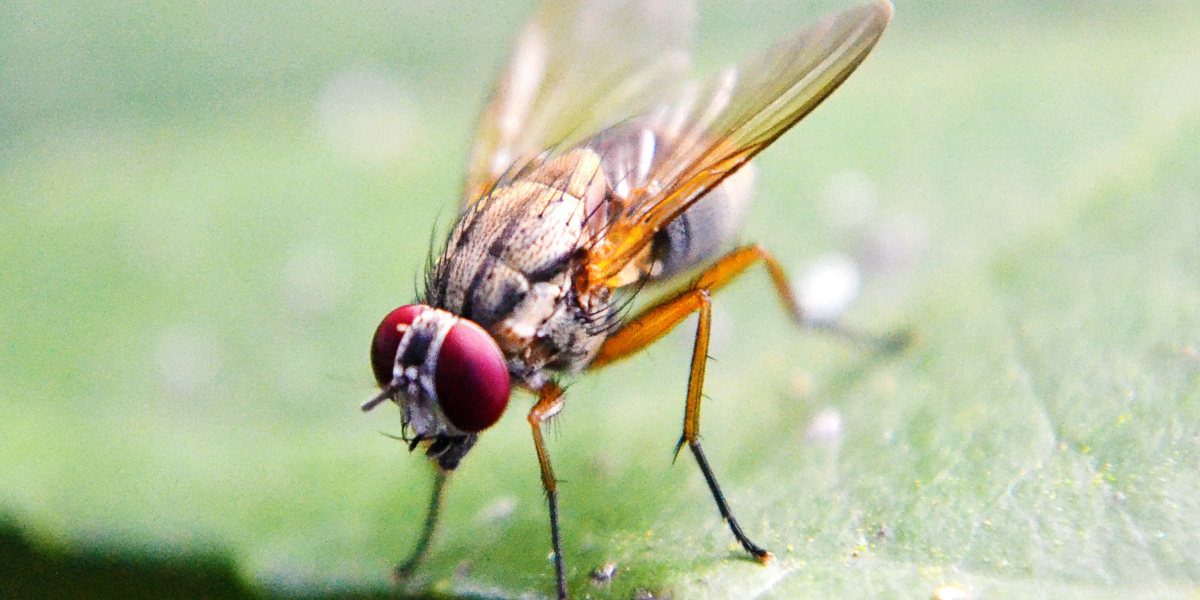
A new molasses bait spray, being developed by Cambridge-based Microbiotech in collaboration with Niab, will lure Spotted-Wing Drosophila, an invasive fruit fly, to its death before it has a chance to lay its eggs on fruit crops. The new product is not attractive to beneficial insects and only uses a tiny amount of insecticide against one of UK horticulture’s biggest threats.
Prof Ralph Noble, CEO and co-founder of Microbiotech, presented in the Start-Up Showcase at REAP 2021. He says bait sprays offer a huge time-saving:
“The amount of time required to apply a bait spray is probably about 10% of the time required to apply a standard spray, just because you don’t need to be covering the entire crop. You also don’t have to return to fill up the tank so often because you’re applying 40L per hectare rather than 500L.”
Ralph is keen to meet both fruit and mushroom growers interested in trials.
“We would be happy to include them in our development programmes. It’s always nice to do experiments on sites where the grower is actively getting something out of it.
“We’d also like to meet any companies who are testing new products, new growing media and new control methods; we’d be interested in including those products in our experiments. We also do commercial trials for companies, testing products against pest and disease problems.”
Find out more at microbiotech.co.uk

REAP 2021: Changing Time(s) for Agriculture10th November 2021

Imagine a world where agriculture is not constrained by time. The ability to manage and manipulate time is increasing and REAP 2021 will explore the advances in technology and breakthroughs in science that is making this possible.
REAP brings together people from across the agri-tech ecosystem who believe that innovation is the engine for change. The conference bridges the gap between producer needs and technology solutions and showcases exciting agri-tech start-ups. 

Gardin’s new device gives rapid insights into plant physiology

Meet the Network
Agri-TechE

Detecting changes in the rate of photosynthesis can give a fast indication of the plant physiological state, resulting from the levels of water, light, temperature or nutrient levels. Gardin announces at REAP 2021 it has developed an optical phenotyping sensor, this low-cost device gives the grower timely recommendations for action.  
Fabrizio Ticchiarelli, Lead Biologist at Gardin, presented in the Start-up Showcase at REAP 2021. He says: “We wanted to provide a tool that measures plant health, produce quality, ripeness, and plant yield – but we want to be able to measure that directly, to be able to react quickly to problems or engineer desired responses, such as fruiting or increasing the content of specific nutrients. 
“Existing phenotyping devices measure plant features such as height, leaf size, shape and texture, which allows them to report on how well the plant is growing. However, these physical plant metrics are the end-result of processes in the plant cells that have been going on for days or weeks, so there is a lag in these metrics.  
“To get a much more immediate indication of plant health and activity, you need to measure plant cell processes directly. That’s what we’re doing.  
“The optical phenotyping sensor we are currently developing uses chlorophyll fluorescence, which is a signal that allows us to monitor photosynthesis directly, telling us how efficiently photosynthesis is occurring in each leaf and each part of the plant. 
“Our prototype has completed trials in controlled environments with key clients; we would now like to talk to more growers and to tech developers about integration with automated systems and applications within precision agriculture.” 
Find out more at gardin.co.uk 

REAP 2021: Changing Time(s) for Agriculture10th November 2021

Imagine a world where agriculture is not constrained by time. The ability to manage and manipulate time is increasing and REAP 2021 will explore the advances in technology and breakthroughs in science that is making this possible.
REAP brings together people from across the agri-tech ecosystem who believe that innovation is the engine for change. The conference bridges the gap between producer needs and technology solutions and showcases exciting agri-tech start-ups. 

Albotherm’s greenhouse coating maintains optimum temperature

Agri-TechE

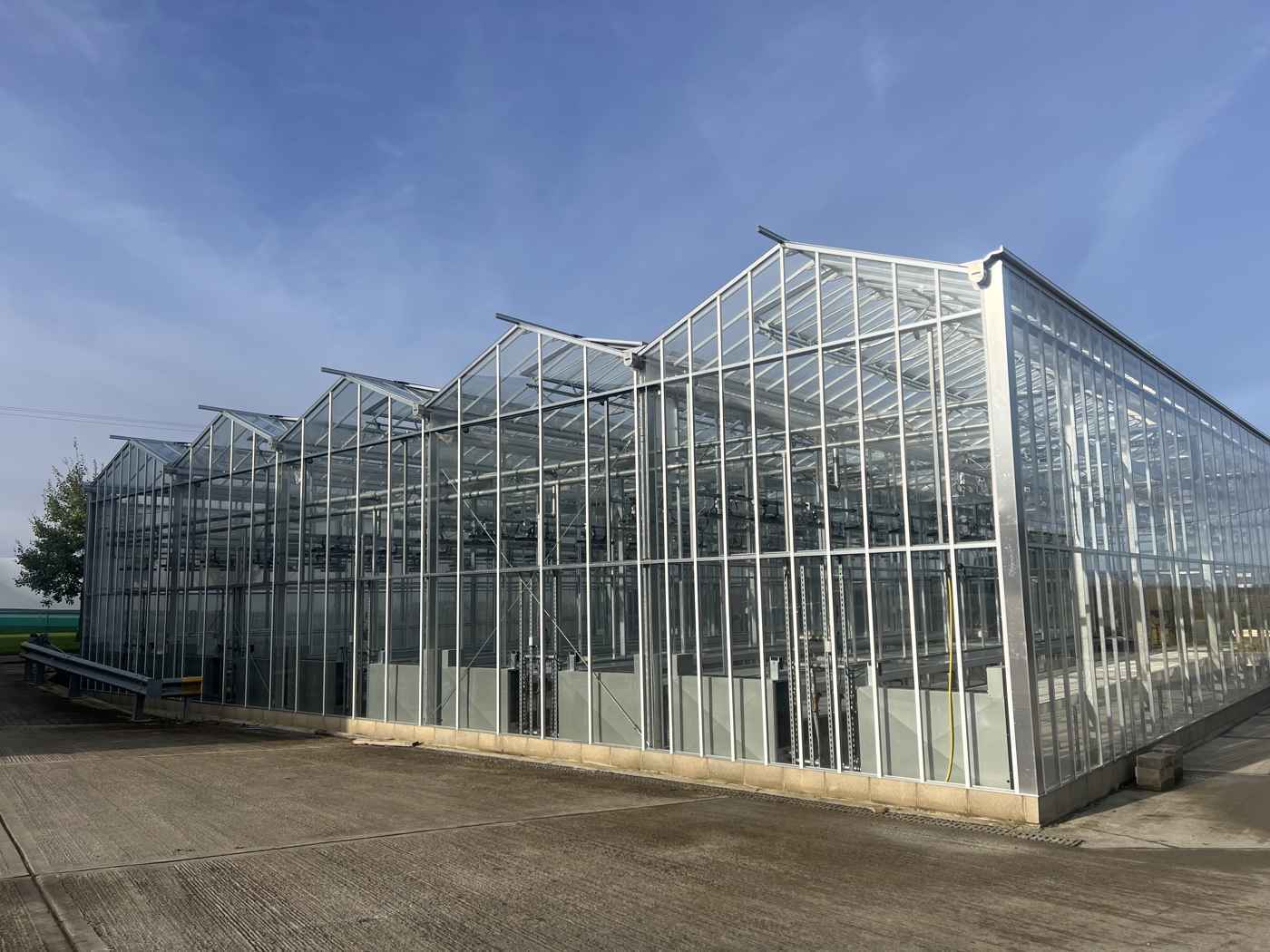
A heat sensitive coating for greenhouse glass, that would maintain optimum temperatures all year around and remove the annual cost of applying and removing shading, is being developed by University of Bristol spin-out Albotherm. 
Molly Allington, CEO and Co-founder of Albotherm, says: 
“When the required temperature is reached, the transition from transparent to white is nearly instantaneous – a few seconds; it’s just a matter of the glass having the time to change temperature, and then it’s very, very quick.” 
Molly is looking forward to talking to potential partners, growers, and investors at REAP 2021. 
“At the moment we’re based in Future Space, a start-up incubator based at UWE in Bristol, and testing the products in the lab. We are talking to partners about further product trials and scale-up of our facilities.” 
Find out more at albotherm.com. 

REAP 2021: Changing Time(s) for Agriculture10th November 2021

Imagine a world where agriculture is not constrained by time. The ability to manage and manipulate time is increasing and REAP 2021 will explore the advances in technology and breakthroughs in science that is making this possible.
REAP brings together people from across the agri-tech ecosystem who believe that innovation is the engine for change. The conference bridges the gap between producer needs and technology solutions and showcases exciting agri-tech start-ups. 

Mark Else: How is the discovery of plant hormones, in the 1970s, inspiring a new approach to smart irrigation today?

Agri-TechE Article
Agri-TechE

The Crop Science and Production Systems group at Niab has been working on deficit irrigation techniques for over 20 years and have shown in scientific experiments that water savings of over 40% can be achieved whilst improving crop productivity and quality, reducing waste and lowering emissions.
Group leader Mark Else explains: “Although the benefits of various deficit irrigation have been proven scientifically, these techniques require careful management, especially during changeable weather, and so implementing them in commercial production systems has been too risky. Instead, we’ve focussed on developing and delivering precision irrigation strategies for commercial growers, where demand is matched with supply”
“But recent advances in sensor technologies, wireless systems and access to real-time data has opened up new opportunities for us. Working with our partners and suppliers, we’ve developed sensor networks and predictive models that enable accurate monitoring of what’s going on in the crop and in the substrate, now and over the next few days, and so 20 years later, we now have the tools and the scientific knowledge to help growers to better manage deficit Irrigation and to reap the rewards.”

REAP 2021: Changing Time(s) for Agriculture10th November 2021

Imagine a world where agriculture is not constrained by time. The ability to manage and manipulate time is increasing and REAP 2021 will explore the advances in technology and breakthroughs in science that is making this possible.
REAP brings together people from across the agri-tech ecosystem who believe that innovation is the engine for change. The conference bridges the gap between producer needs and technology solutions and showcases exciting agri-tech start-ups. 

Liangxiu Han: 1843: What did the longest running crop experiment discover about nitrogen?

Agri-TechE

Nitrogen is the nutrient with the biggest impact on crop growth but monitoring its use by the plant is problematic.
Prof. Han has led the development of innovative precision agriculture solutions such as automated crop disease diagnosis and automated nitrogen diagnosis tools using big data/machine learning/ AI, robotics and various large datasets from remote sensing (Satellite, Drone), Smartphone and IoT to address challenges to food security.
Prof. Han explains: “Current methods of analysing crop metabolism are destructive and time consuming and require laboratory analysis of plant material. Measuring nitrogen in soil is also difficult as it is impacted by soil type, temperature, moisture content and microbial activity, so removing samples can also change the relative amounts of different forms of nitrogen.
“What is required is an autonomous, non-destructive method of measuring nitrogen that can determine the gap between bioavailability in the soil and the requirement from the plant.”
Prof. Han is working with Dr Mark Lee, Royal Botanic Gardens Kew, an expert in plant leaf and soil analysis, and Aron Kisdi of GMV Innovative Solutions, developers of the robotic rover platform to offer automated intelligent soil and plant nitrogen diagnosis.

REAP 2021: Changing Time(s) for Agriculture10th November 2021

Imagine a world where agriculture is not constrained by time. The ability to manage and manipulate time is increasing and REAP 2021 will explore the advances in technology and breakthroughs in science that is making this possible.
REAP brings together people from across the agri-tech ecosystem who believe that innovation is the engine for change. The conference bridges the gap between producer needs and technology solutions and showcases exciting agri-tech start-ups. 

Sarah Morgan – 1980s: What does Techno have to do with cattle grazing?

Agri-TechE Article
Agri-TechE

Sarah’s research interests encompass developing more efficient forage-based ruminant production systems which result in consistent, high-quality products for the consumer whilst also safeguarding the environment.
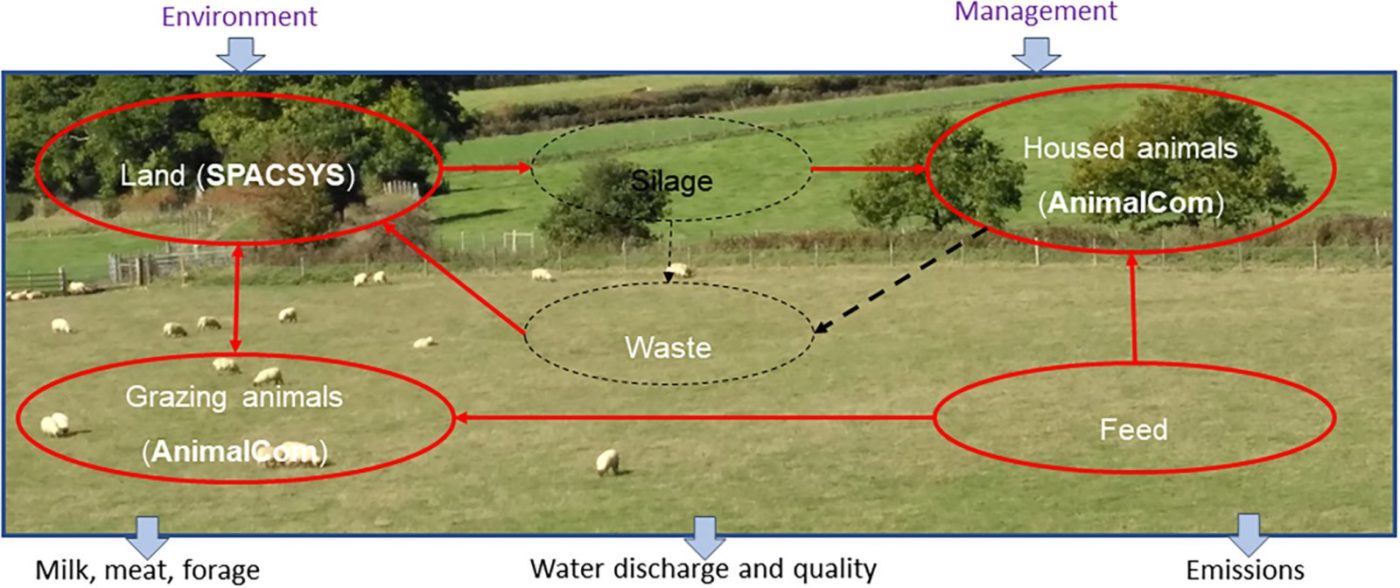
She is currently leading the Cell Grazing project which aims to evaluate the environmental, economic, and social sustainability of traditional set-stocked grazing in comparison to a management intensive grazing system known as ‘techno-grazing’.
Sarah says:
“Techno-grazing is a management system based on the principle of ‘graze and rest’, where animals are fenced into a small area at very high stocking density and are rotated to new pastures every day or two.”
“Plenty of anecdotal evidence on farm suggests techno-grazing can improve productivity per hectare whilst yielding greater biodiversity and higher carbon sequestration in the soil – but there is little scientific evidence of this. If our research supports the claims then clearly it will be a win-win.”

REAP 2021: Changing Time(s) for Agriculture10th November 2021

Imagine a world where agriculture is not constrained by time. The ability to manage and manipulate time is increasing and REAP 2021 will explore the advances in technology and breakthroughs in science that is making this possible.
REAP brings together people from across the agri-tech ecosystem who believe that innovation is the engine for change. The conference bridges the gap between producer needs and technology solutions and showcases exciting agri-tech start-ups. 

How can captured carbon stop plants from going hungry?

Agri-TechE Article
Agri-TechE

Ruben Sakrabani, Associate Professor in Soil Chemistry, Cranfield Soil and Agrifood Institute, is working to validate carbon capture fertilisers, in which waste organic matter is used to fix waste CO2 to create a high-carbon organic alternative to industrial fertiliser.
Ruben has more than 15 years of experience in determining nutrient dynamics in soils associated with application of organic amendments such as compost, manure, slurry, sewage sludge, biochar and digestates.
His current work is on validation of carbon capture fertilisers, in which waste organic matter is used to fix waste CO2 to create a high-carbon organic alternative to industrial fertiliser.
“We’re working on this project capturing CO2 from point sources and fixing it into organic waste, such as food waste or potato peelings, and converting that into a pelleted fertiliser. We need to find out what is the efficacy of this fertiliser to meet crop demand but also what is the potential for the carbon trapped in the pellet – is it going to be permanent in the soil or is it going to be released?”

REAP 2021: Changing Time(s) for Agriculture10th November 2021

Imagine a world where agriculture is not constrained by time. The ability to manage and manipulate time is increasing and REAP 2021 will explore the advances in technology and breakthroughs in science that is making this possible.
REAP brings together people from across the agri-tech ecosystem who believe that innovation is the engine for change. The conference bridges the gap between producer needs and technology solutions and showcases exciting agri-tech start-ups. 

Broadband in the sky – ubiquitous satellite connectivity and imaging opens global market for agri-tech

Agri-TechE Article
Agri-TechE

Time and place are two key factors in precision agriculture and there are some significant developments happening in Earth observation and connectivity that will be enablers of a new generation of agri-tech. By 2050 there will be transformational change in the way the technology is deployed, enabling automation in even remote areas and the development of intelligent, hybrid connected supply chains – both underpinned by a step-change in satellite connectivity.
Calum Kelly, Agri-TechE Solutions Lead at the Satellite Applications Catapult, spoke at REAP 2021. He sees opportunities for space tech across agri-food systems. “My role at the Catapult is to identify opportunities for space-enabled technology to help solve some of the big challenges across our food system.
The increasing demand in the agri-food industry for technologies – robotics for harvesting, autonomous vehicles across the supply chains – is partly driven by the challenges faced by the food industry, such as access to skilled reliable labour, but there are far wider applications within the sector and the cost of providing ubiquitous coverage and high levels of connectivity – the pre-requisites for this technology – is coming down.
This is partly because it is becoming cheaper to put satellites in space but also it is becoming possible to build and manufacture satellites in space.
As a result, we are seeing the growth of commercial low Earth Orbit (LEO) satellite networks (~1200 km) and very Low Earth Orbit – vLEO ( ~550 km) constellations deployed by OneWeb and Starlink respectively, which will provide connectivity to users and enterprises of multiple verticals and this is creating a major disruption to the industry.
The difference between the public programme and the data from commercial satellites is the level of resolution. The Copernicus Sentinel Satellite imagery resolution is 20-25m2, so although this provides plenty of potential use cases, greater resolution is required for customised applications and this is becoming available – at a cost. There are three key capabilities through space tech
There are broadly three capabilities enabled by satellite technologies.
Earth observation – looking at the Earth through optical or radar sensing provides an enormous amount of data for applications such as change detection, weather and climate services, forecasting, and modelling, which enables multiple applications.
There have been significant advances in the accuracy, resolution and frequency of data collection and the trend is towards ubiquitous imagery from space, hyper-localised, in real time and customised.
The cost of access to that data is coming down enormously thanks to the declining cost of putting satellites into space and the increase in applications and end users extracting value from the data.
Connectivity – using satellites to connect different parts of the world, moving data and information around, has huge applications for agriculture as typically food is produced in rural areas of the world where on-the-ground connectivity infrastructure is lacking.
Satellites can fill that gap, with organisations such as OneWeb and the likes of Elon Musk’s Starlink creating big constellations of satellites that, within the next five years, will enable access to broadband anywhere in the world – at the moment we are using cables under the sea!
In addition to broadband, there are other LEO constellations with a focus on IoT that would be of interest for rural areas and farming as they will provide connectivity to sensors (LoRaWAN, NB-IoT) from the field directly to the satellite.
Again, the cost of access to that connectivity is coming down. Position, Navigation and Timing (PNT) – this is enabling hyper-local positioning of devices, like robotics, autonomous vehicles and drones, which in turn facilitates asset tracking, the monitoring of products moving around the world. This hypersensitive local positioning is only possible because of the significant constellations of satellites working together.
In the case of OneWeb, the plan is to add PNT capabilities to their second generation of satellites (in service in 2024-2025) a service that will compete with Galileo or GPS.
This would then enable extremely precise robotics. Still challenges for satellite technologies
There are some challenges for the use of satellite data where the cost-benefit has not yet been established.
For example, in prediction and forecasting, the level of resolution needed to look at the maturity or ripening of crops is very high and expensive. The investment case might not be there yet, but if the cost drops in future it might be.
Also, optical satellite imagery is often blocked by clouds (which is particularly problematic in the UK, for example) and struggles with distinguishing different types of green, which is a requirement for classification of ground cover.
It is thought that advances in LEO satellites can potentially overcome those issues and that other technologies may also fill the gaps – for example drones are becoming more advanced and can fly below the cloud line.
Radar Satellites cut through the cloud and fire a beam down to Earth, which will bounce back to build up an image of what’s on the ground.
Satellites are not the silver bullet solution to all challenges facing our global food system. However, there is a specific role that they can play, particularly alongside other technologies – the value is in bringing those technologies together.

REAP 2021: Changing Time(s) for Agriculture10th November 2021

Imagine a world where agriculture is not constrained by time. The ability to manage and manipulate time is increasing and REAP 2021 will explore the advances in technology and breakthroughs in science that is making this possible.
REAP brings together people from across the agri-tech ecosystem who believe that innovation is the engine for change. The conference bridges the gap between producer needs and technology solutions and showcases exciting agri-tech start-ups. 

1660: Why is Newton’s prism important for high density salads?

Agri-TechE

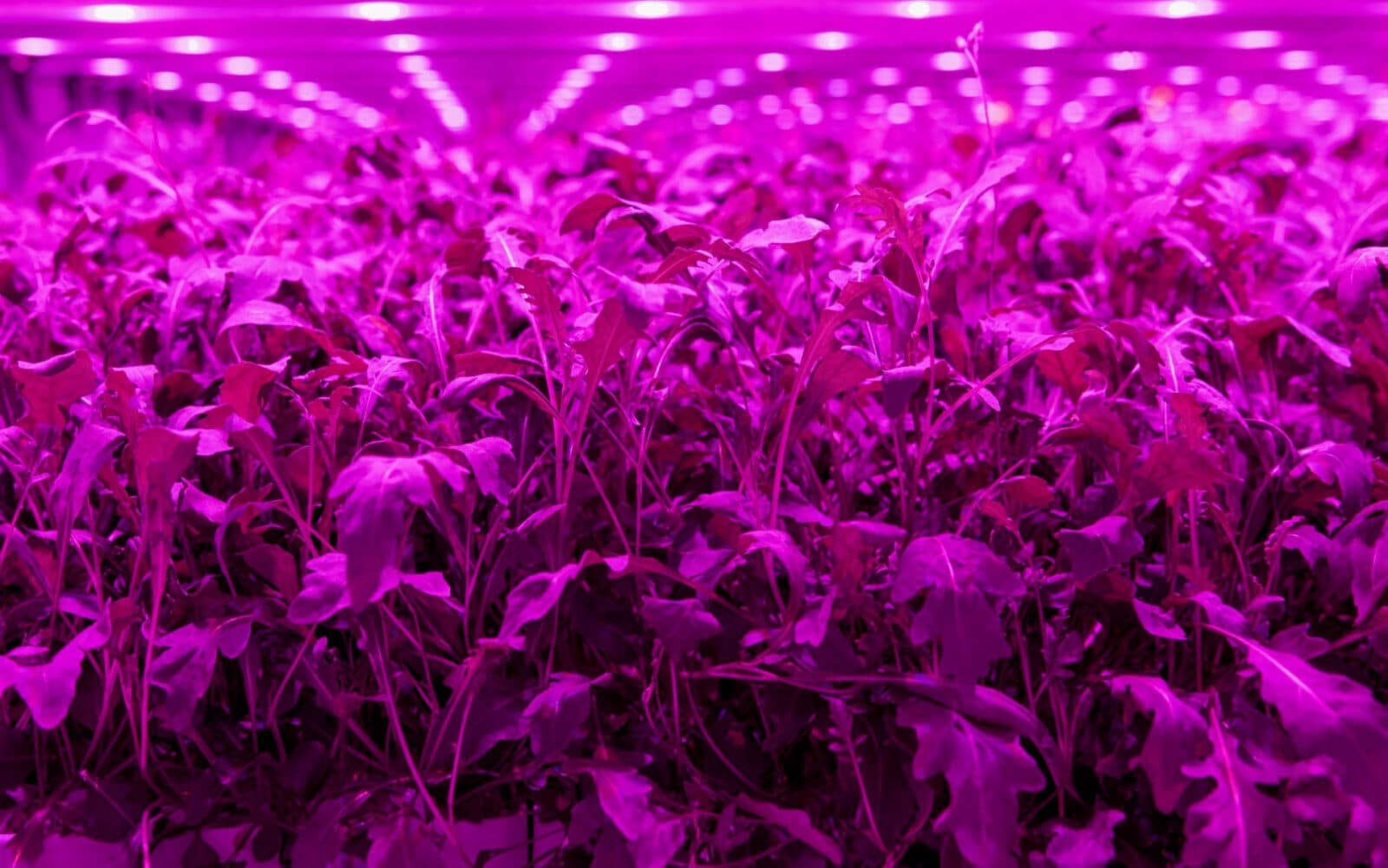
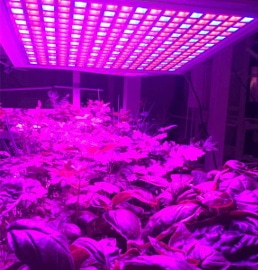
John Stamford is investigating how light can be used to both measure plants and regulate their growth and performance. He has previously investigated non-invasive physiological tools such as chlorophyll fluorescence, thermography, and spectral reflectance, which are used to monitor crop performance and health.
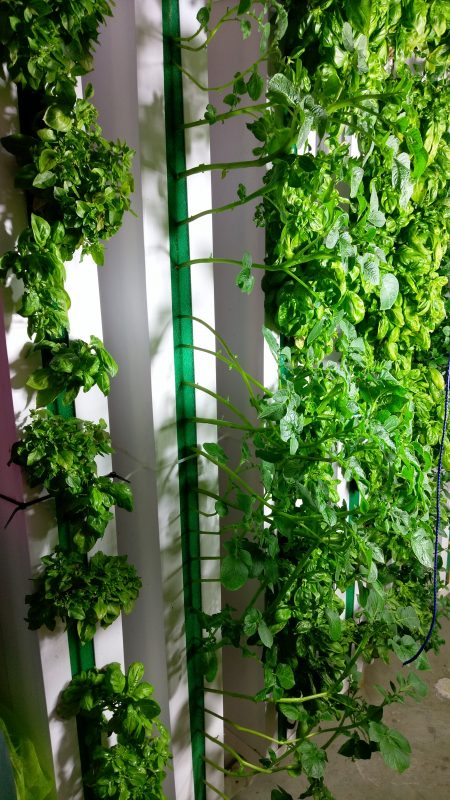
He is currently working on the Interreg 2Seas funded Hy4Dense project, which aims to develop a novel hydroponic cultivation system for high density growth of baby leaf salads. His particular interest is the role of LED lighting spectra and regimes on plant growth, morphology and performance.

REAP 2021: Changing Time(s) for Agriculture10th November 2021

Imagine a world where agriculture is not constrained by time. The ability to manage and manipulate time is increasing and REAP 2021 will explore the advances in technology and breakthroughs in science that is making this possible.
REAP brings together people from across the agri-tech ecosystem who believe that innovation is the engine for change. The conference bridges the gap between producer needs and technology solutions and showcases exciting agri-tech start-ups.