The Productive Landscape: NatureTech for Profit and Planet
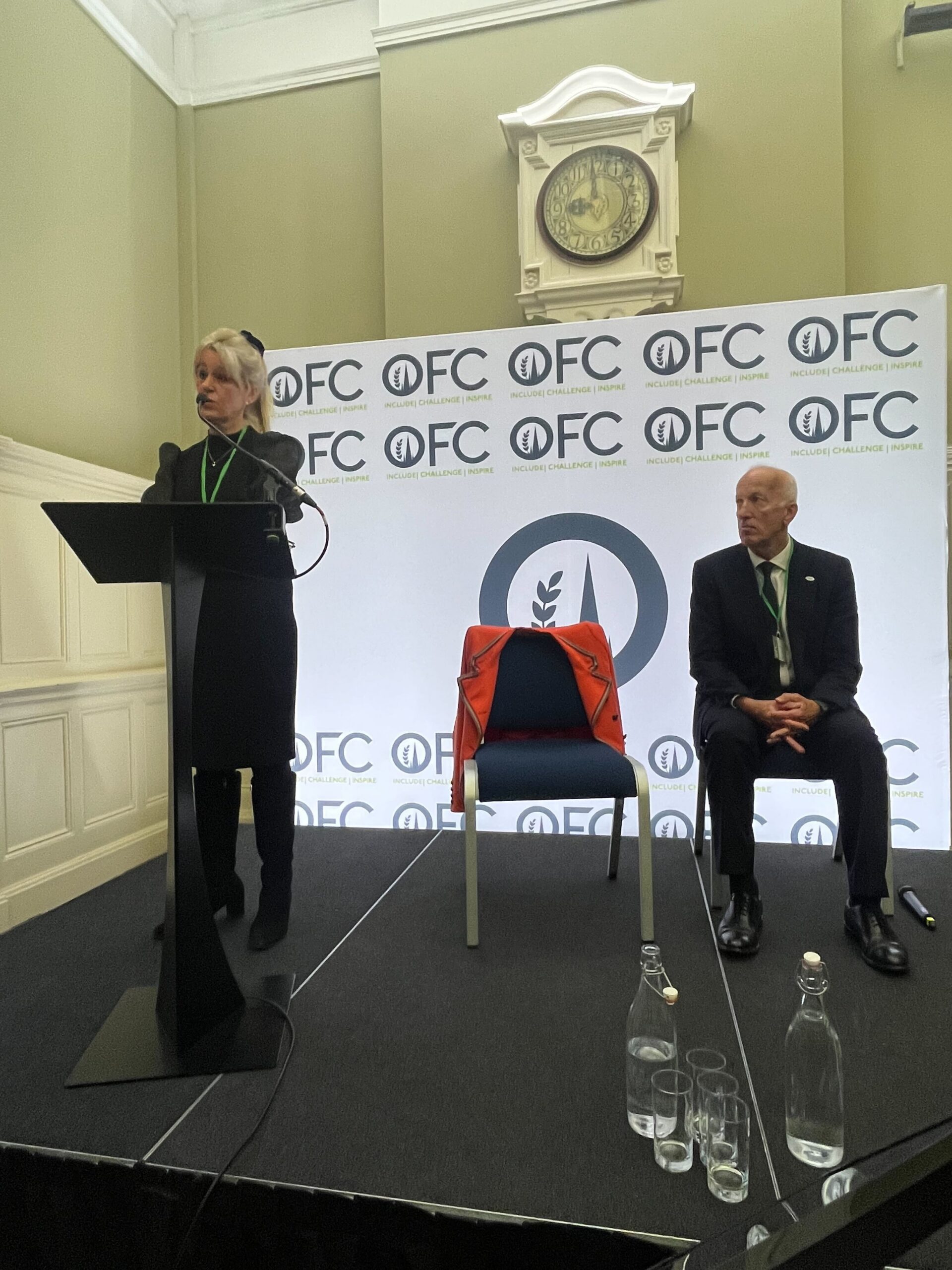
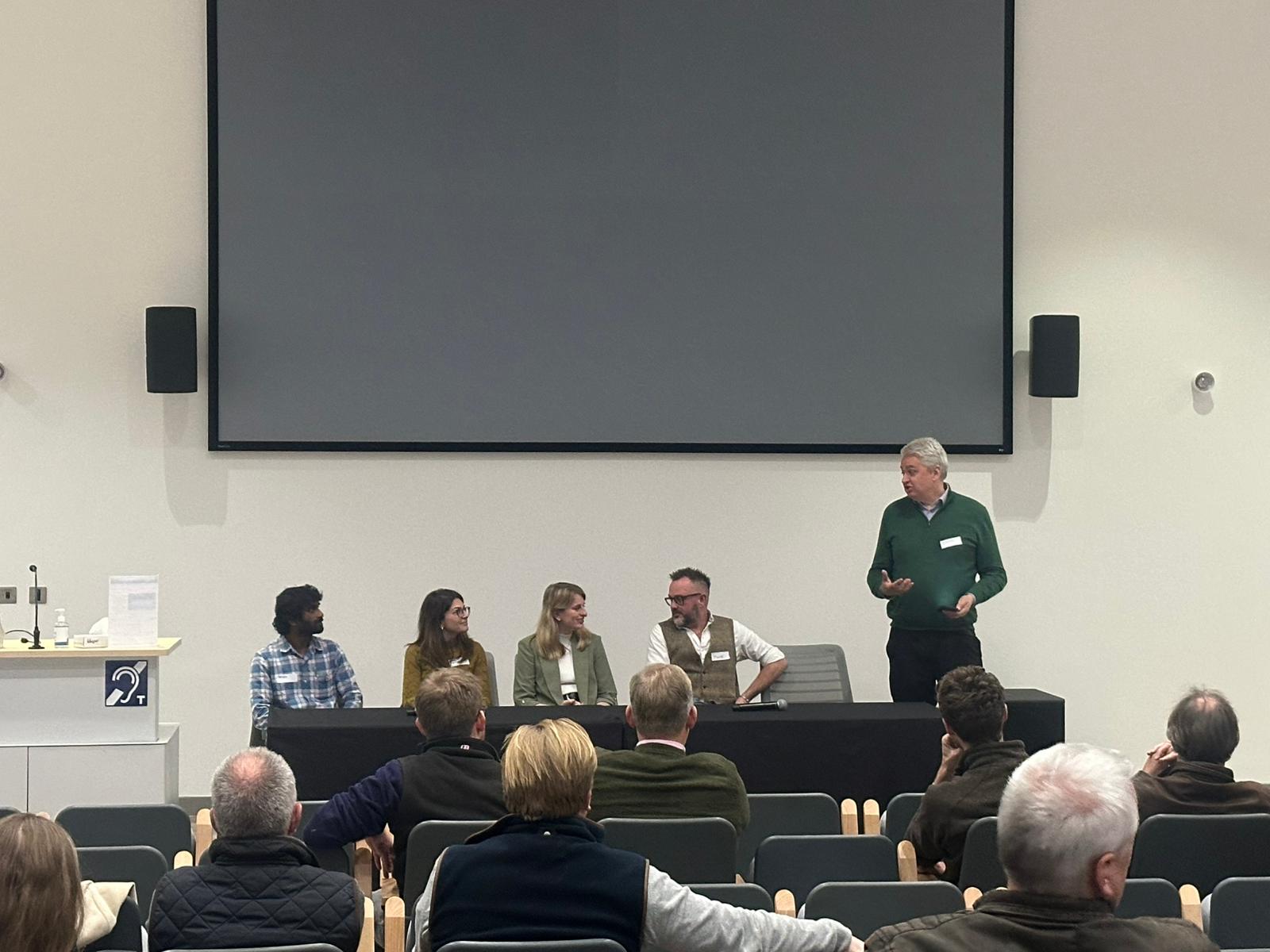
How can technology enable delivery of food, nature recovery, and climate resilience - all at once? The Head of the Environment Agency is asked: what's the national plan for dealing with land use pressures, plus you’ll hear from technologists and land managers working on nature-based and tech-enabled solutions for water, soils and climate adaptation.

Aquagrain to deploy UAE’s first ever organic waste to soil enhancing technology

Member News
The views expressed in this Member News article are the author's own and do not necessarily represent those of Agri-TechE.

ABU DHABI – Tadweer has announced a $2.5m pilot project with Aquagrain, a company which has developed a unique soil enhancing technology that harnesses organic waste to enable crops to be grown in arid land, sandy soils or pots using up to 50 percent less water and inorganic fertilisers.

Aquagrain’s innovative method converts organic food industry waste into a biodegradable polymer that absorbs and releases water, thus serving as food and drink reservoir for plants.

The project

This project is supported by an AED100 million R&D fund launched by ADQ, an Abu Dhabi-based investment and holding company, in 2022.

The fund forms part of ADQ Growth Lab, a community of innovators across ADQ’s portfolio that realises the company’s commitment to accelerating innovation and R&D with a focus on unlocking growth opportunities and driving value creation and sustainability across priority sectors of the UAE’s economy.

Ali Al Dhaheri, Managing Director and CEO of Tadweer, said, “We are proud to partner with Aquagrain and introduce a vital soil improving technology that harnesses organic waste to significantly enhance the economic and innovative value of circularity in the waste management sector.

Together, we are confident we can have a significant impact on sustainable and regenerative farming, delivering measurable progress towards reducing emissions, whilst increasing food and water security in the UAE and beyond.”

Paul Smith, Chief Executive Officer of Aquagrain, commented, “We are delighted to be working with Tadweer on this pilot project, which marks a significant milestone in Aquagrain’s development. Since setting up in the UAE earlier in 2023, it was clear that this is a nation not just talking about sustainability, but actively investing in achieving it.


The project will see the first-ever commercial scale Aquagrain production facility built in Abu Dhabi with organic food industry waste, currently sent to landfill, converted into Aquagrain. It will be used to produce food and reduce water and fertiliser use in farming and horticulture, diverting carbon away from the atmosphere and putting it back into the land.

Winners

Aquagrain was declared one of the four winners of the UAE’s FoodTech Challenge (FTC) in 2023, organised by the UAE Ministry of Climate Change.

The FTC is a global competition for the world’s most innovative, exciting start-ups and provides a platform for solutions that address food security and ensure sustainability across the food supply chain and the planet.

CeraPhi Energy, the one to watch!

Member News
The views expressed in this Member News article are the author's own and do not necessarily represent those of Agri-TechE.

Geothermal energy company CeraPhi Energy have yet again been recognised by its peers at an awards ceremony hosted by the East of England Energy Group.


Shortlisted within the ‘One to Watch’ category, sponsored by Generate at the EEEGR Innovation Awards, the award commended a start-up or a small business with potential.


Karl Farrow, CEO said “It’s great for the team to be recognised for its efforts over the last 12 months with another award specifically the “One to Watch” category as we end another successful year on a high, and prepare to announce several large energy contract awards in early 2024 putting our closed loop geothermal technology on the map as an East of England commercial export”.


CeraPhi Energy based in Great Yarmouth, founded in 2020, have had quite a year. The small team of 20 have hit some major milestones, their most significant being the successful completion of their commercial demonstrator on a well site in Yorkshire to prove their technology in repurposing end of life oil and gas wells.


Earlier this year CeraPhi won the ‘Most Innovative Idea Award’ at the Small Business Awards hosted by the FSB (Federation of Small Businesses) in London, they were shortlisted at the Spectator Awards for ‘Economic Innovator of the Year’ and the EDP (Eastern Daily Press) ‘Environmental and Sustainability Award’. They were also recognised at a formal ceremony for achieving Silver Status as part of the Armed Forces Covenant Employer Recognition Scheme.


CeraPhi continues to grow with the recent addition of the CeraPhi Drilling Solutions business, allowing them to offer a vertically integrated solution for deep Geothermal energy production.

Digital twins, virtual twins; I keep hearing about them, but what are they? from XD Innovation

Member News
The views expressed in this Member News article are the author's own and do not necessarily represent those of Agri-TechE.

You will often hear the terms digital twin or virtual twin spoken and it’s certainly a subject we hear a lot more about at XD Innovation. We believe this is a technology that will become more prevalent over time and more mainstream. However……..what is it?

Digital twin and virtual twin are in fact two different methods. Although incredibly easy to confuse I will try and break these down to a digestible interpretation. You will often hear them used universally and sometime contextually incorrect but there’s a clear definition in the words below.

Digital twin, in the eyes of Gartner who are the go to for all software technology research and our good friends at Dassault Systèmes. A digital twin is a digital representation of a physical object, a process, a person or an abstraction which has a process that can be twinned. It can be a living breathing virtual model of the real. Fed by data you can play out scenarios with the digital twin before you apply them in real life to avoid issues which may have been unforeseen. This can go a long way in speeding up time to market and reduce costly re-engineering or shutdowns. The key thing to remember here is that the digital twin is always a digital representation of a real-world object or process.

Now it gets a bit trickier, virtual twins are easier understood if based on a hypothesised scenario. As outlined by Dassault Systèmes, they go beyond the capability of a digital twin. Rather than working with a physical object, they can start to formulate in the concept stage of a product or process. As the project moves from concept to design, to engineering and so on. The virtual twin will evolve in line with these milestones. It will give a representation of your vision and once equipped with enough data. It can be a simulation of your intentions.

Like with a digital twin, you can expose this simulation to scenarios like weather, or a failure and the outcomes of this can feed the design process and help steer engineering. It gets to a cycle-like phase where the virtual twin evolves with all new data added. Once you move to a physical product or process you are now into the digital twin world as described above, but with the advantage of all the data and knowledge captured and incorporated on the journey to this stage. A virtual twin aligns with the lifecycle of the product and in the connected world we now live in. It can be a cradle to grave process.

The largest deployment of virtual twin technology I am aware of is with Team Tempest; the next ambitious 6th gen fighter jet collaboration between multiple geographies and engineering companies. A more relative example would be with Claas Tractors – they have a virtual twin methodology in place at their production lines in Le Mans. This has been heavily utilised for the engineering and manufacturing of the Axion 900 Terra Trac. No mean feat! The video gives some insight into the value this offers their operations.


The value these methods bring to business is the chance to test scenarios before putting them into practice. This can save time, save material waste and contributes to a more sustainable process. Healthcare, automotive and manufacturing have started to embrace these technologies at scale and no doubt they will become more accessible as time goes by.


So why am I banging on about it to you? Despite the big rollouts given in this blog, it works for any size of business, wherever you are disrupting and innovating it has its place to bring visons to fruition with less headaches. If you have the data, you can twin it! Be it a CAD model or a customer’s farm, an output from a machine or moisture reading.


My last comment on this topic is like all data heavy practices, it’s only as good as what you put in. Data integrity is critical at any phase but paramount in this application. The GIGO (garbage in garbage out) acronym has been around for years and is more prevalent now than ever. You need to know what you want from the twin, ensure you feed it with good data and don’t use data unnecessarily. Just because you capture it does not mean you have to use it.

Visit XD Innovation’s member page for more info.

LettUs Grow reduces strawberry plant production period with aeroponics

Member News
The views expressed in this Member News article are the author's own and do not necessarily represent those of Agri-TechE.

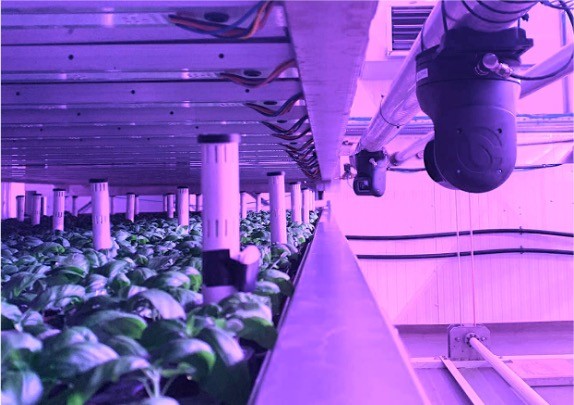
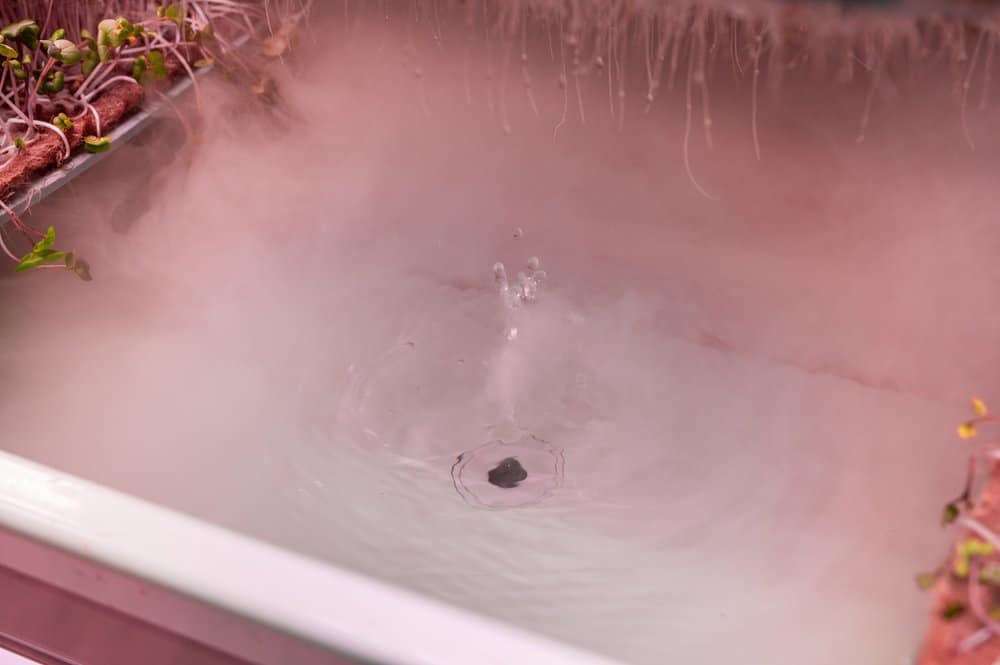
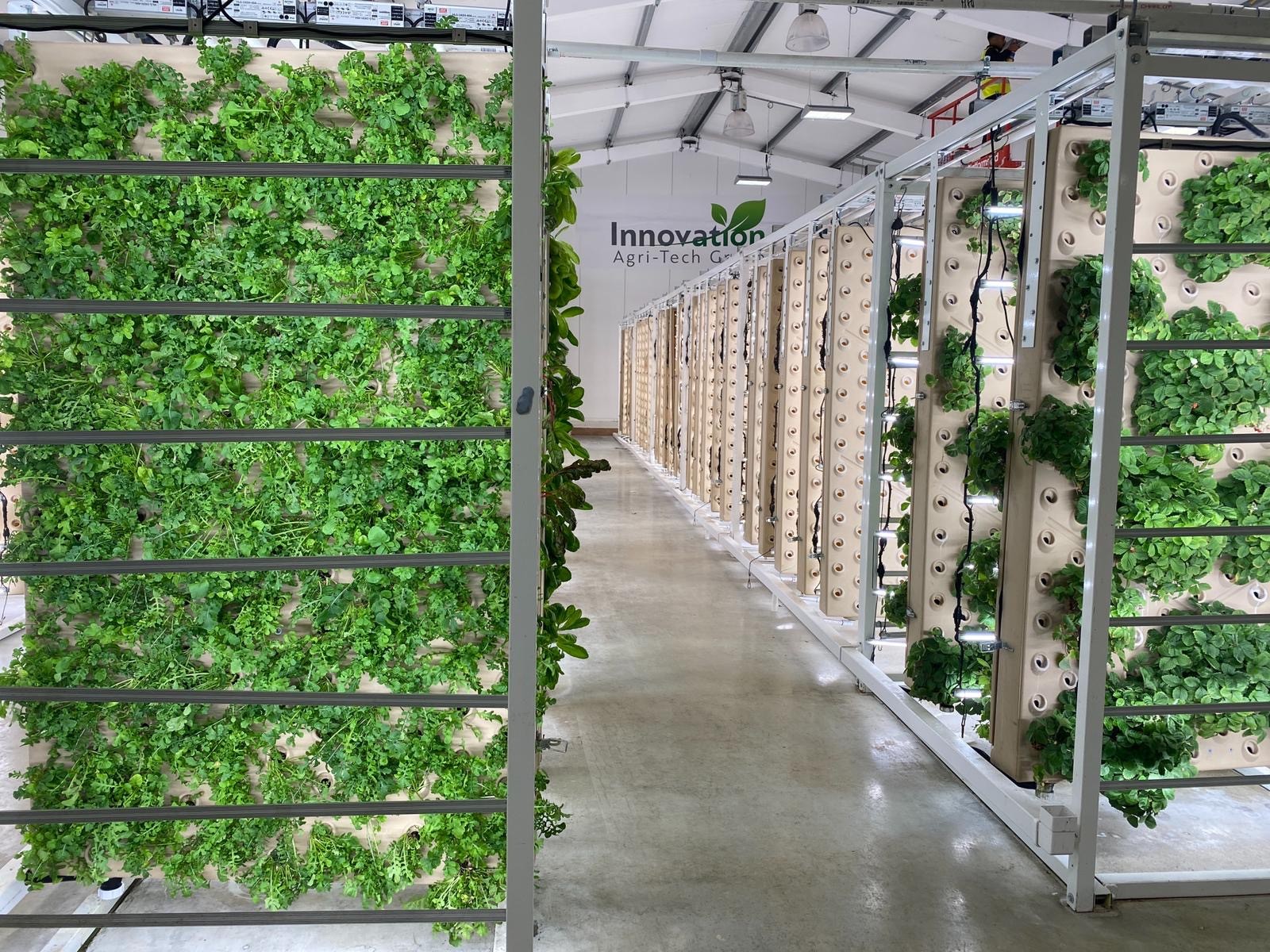
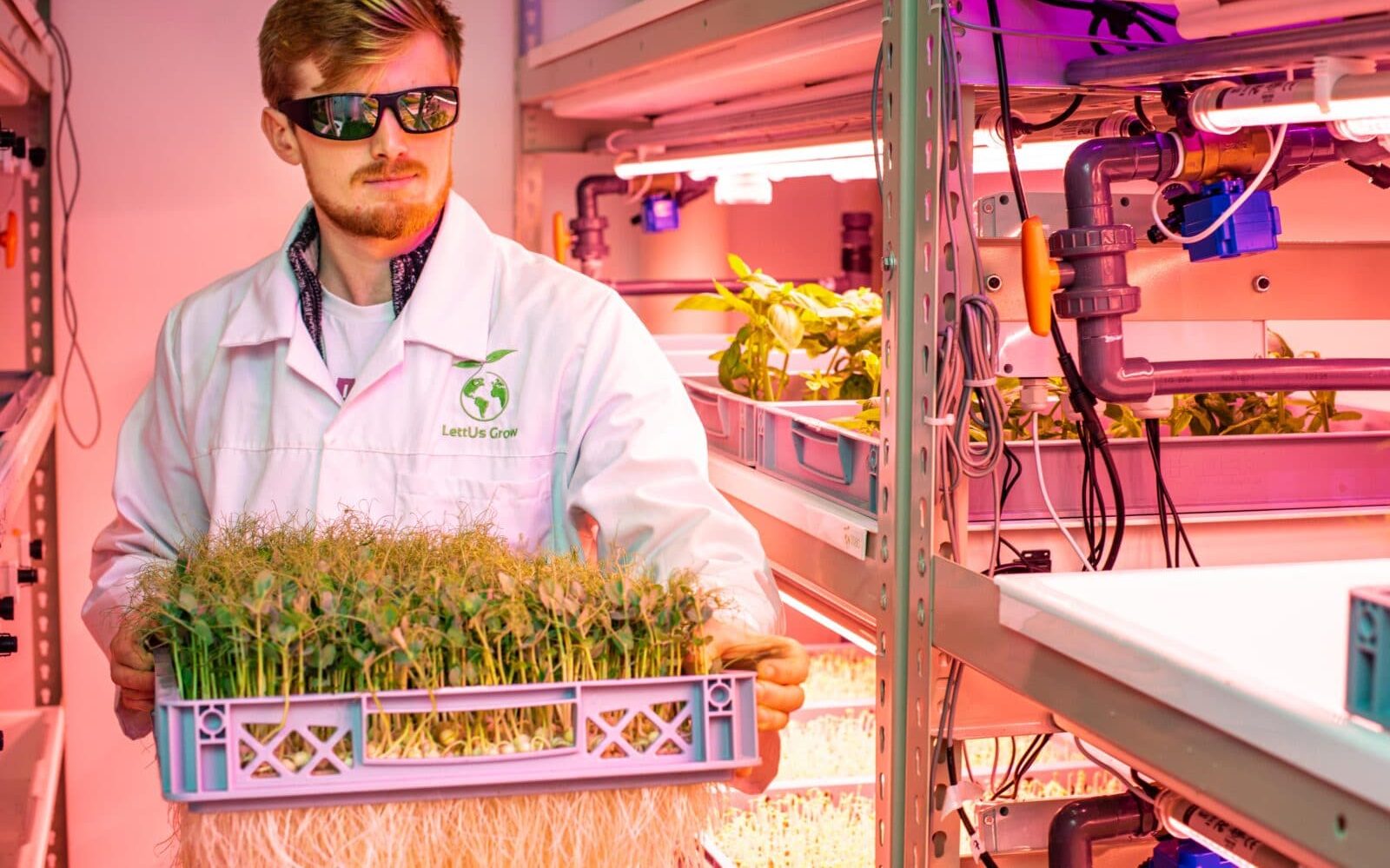
At LettUs Grow, a large portion of our work is dedicated to exploring the potential of controlled environment agriculture beyond growing herbs, salads and leafy greens. By using aeroponic technology at key stages of plant development, particularly during propagation phases, we can potentially increase the productivity, efficiency and sustainability of the growth cycles for many different plants. During this set of trials, we explore propagating strawberries in an aeroponic indoor farm.

Continue to the LettUs Grow website to read the full article

UEA: Help to Grow Management Course

Member News
The views expressed in this Member News article are the author's own and do not necessarily represent those of Agri-TechE.

Management Course – grow your business with Norwich Business School

Are you interested in learning new skills, boosting profits and improving business performance, resilience and long-term growth? Make plans now for 2024 and beyond. Kickstart your personal and business development by joining the University of East Anglia’s (UEA) Help to Grow: Management course with Norwich Business School. Led by UEA academics, who are experts in their field, the course equips your business with tools and strategies to bolster your resilience.

Help to Grow: Management is a nationwide course, and as a member of the Small Business Charter, Norwich Business School is delighted to invite applications for its fourth cohort starting on 4th March 2024. You can hear more from course academics and graduates from previous course cohorts here.

The course supports managers and leaders of SMEs with 5-249 employees. Those with 10+ employees may apply for two places. The 12-week programme is designed to fit alongside full-time work commitments and is 90% funded by the Government, meaning the fee payable by participants is just £750.

Who is it for?

The course is designed for business owners, CEOs and tomorrow’s senior business leaders, who each bring a diversity of experience. 50+ regional businesses from a wide range of sectors including science and technology, electronics and aviation, social enterprise, retail and logistics have participated to date. Over 1,350 teaching hours have been delivered since November ‘22, as well as 400 hours of mentoring and 320 hours of peer-to-peer advice.

The Curriculum

The course curriculum has been created alongside business leaders and industry experts with expertise in growing businesses. Participants will enhance their management and strategic capabilities, learn how to innovate in their business, grow national and international markets and adopt digital technologies to boost productivity and operational agility. Via the alumni programme, participants continue to benefit from ongoing learning and networking opportunities.

GET IN TOUCH to reserve a place and let the programme help grow your business. Email: info.helptogrow@uea.ac.uk or visit the Help to Grow website at http://www.uea.ac.uk/business/grow-your-business/help-to-grow-management

SRUC joins new centre tackling food security and climate change

Member News
The views expressed in this Member News article are the author's own and do not necessarily represent those of Agri-TechE.

Scientists from SRUC will carry out research into plant breeding and animal nutrition to increase productivity and reduce greenhouse gas emissions as part of a new centre announced by UK Prime Minister Rishi Sunak.

The UK-CGIAR Centre

The UK-CGIAR was launched at a global food security summit hosted by the Bill & Melinda Gates Foundation, the Children’s Investment Fund Foundation and the Foreign, Commonwealth & Development Office (FCDO) in London yesterday (20 November).

With funding from the Foreign, Commonwealth & Development Office, the UK-CGIAR aims to harness the country’s strengths in science and technology to help tackle the interconnected challenges of global food security and climate change.

It will do so by strengthening existing partnerships and forging new collaborations between CGIAR – a global partnership that unites international organisations engaged in food security research – and science centres in the UK and the Global South.

International Livestock Research Institute

Scientists at SRUC will work with the International Livestock Research Institute (ILRI), part of CGIAR and co-hosted by Kenya and Ethiopia, to drive a step change in the breeding and manipulation of forages and crop residues for use in ruminant production systems.

The project, which starts next year, will combine ILRI’s expertise in plant breeding and SRUC’s track record on ruminant nutrition, to develop tools to accelerate the development of new forages and plant residues for Sub-Saharan Africa that boost animal production while decreasing greenhouse gas emissions.

Lead researcher Professor Jamie Newbold, Provost and Deputy Principal at SRUC, said: “Livestock is a fast-growing, high-value agricultural subsector accounting for 15–80 per cent of GDP in low- and middle-income countries. In Africa and Asia, demand for livestock products is expected to grow 200 per cent by 2030.

“Ruminants can make use of feed substrates such as crop residues and forages not otherwise nutritionally available to humans. However, such systems are associated with higher levels of greenhouse gas emissions and low productivity, particularly in the Global South.

“There is a need to develop solutions that increase the productivity of livestock systems in Sub-Saharan Africa while also reducing their environmental impact.”

The summit sessions can be viewed live on Zoom: https://ukglobalfoodsecuritysummit.com/programme

More information here

Time for Research

Agri-TechE Blog
Agri-TechE

It’s been quite the year for agriculture-focussed research in the UK with frequent accolades and good news to share, reinforcing again the quality and impact of British science.

But amid all the glory and greatness, we ask “how can this better benefit farmers?”

Looking beyond the horizon

In September, we reported that the Horizon Europe funding programme would be open for UK scientists to once again collaborate with European partners.

This was a seismic decision for science – and a major relief to partners inside the bloc and among our membership… enabling strong research links and accessing cutting-edge science from across the EU to benefit farmers and the wider value chain.

The potential impact of Brexit on Dutch-UK collaboration was a big topic of discussion with our agri-tech academic and industry friends from the Netherlands we hosted in the summer, and we hope UK agriculture should reap the benefit for years to come.

Becky Dodds running a session with the Dutch Outdoor Hortitech Innovation Mission

Collaborative research for global agriculture

The leadership position of UK science on the international stage was further cemented in an announcement by the Prime Minister of the creation of a new virtual research Centre to support global agriculture and nutrition, which will be led by the John Innes Centre.

This will be the UK’s first as part of the CGIAR global network – which already supports collaborative research into major agricultural challenges across the world.

Their key priority areas will be:

  • Confronting climate change and environmental degradation through sustainable crop management and climate-smart agronomic practices 
  • Crop genetic improvement for future climate resilience 
  • Enhancing nutrition 
  • Livestock improvement, animal health, nutrition, and welfare 

Scientific excellence and public benefit

In yet more good news, SRUC and Lincoln Institute for Agricultural Technologies (LIAT) were honoured with the prestigious Queen’s Anniversary Prize. The award celebrates not only excellence and innovation but also public benefit resulting from their work.

At an individual level, another five UK researchers from across our membership were awarded the status of Most Highly Cited Researchers™.

Highly Cited Researchers are collated based on the extent to which their work is quoted – or cited – by other scientists working in the same of a related field. To be more frequently quoted in high impact publications is an indicator of the value and relevance of the research. It serves as further evidence of the UK’s standing as a world leader in science.

Start-Up Showcase 2023 - Tony Miller, PlentySense (web)
Tony Miller, one of the most Highly Cited Researchers – Senior Scientist at the John Innes Centre, presenting his spin-out PlentySense at REAP 2023

Excellent… But with impact

Of course, research is just the first step in the journey to put new innovations into the hands of farmers. How can we make sure this excellence eventually translates into real on-farm impact?

Key to this is obviously strong links between the producer and research community. While some research projects need years to gather the data and deliver tangible farmer benefit, in other cases, a single encounter with a researcher can result in farmer adoption.

An example of this is our Chairman, John Barrett, who is now growing some alternative crops resulting from the showcase of the BBSRC Seeding Catalyst projects we held in February.

Scientists explaining their research to G’s farmer, James Green, at Emerging-Ag REAP 2023

And there has been a huge interest in the “soundscape” of worm highways and extracting protein and oil from grass resulting from our Emerging Agri-TechE session at REAP. This session featured scientists from our research members explaining snippets of science with direct relevance to farmers and the wider supply chain.

The hope and expectation for research to deliver benefits continues unabated…

A science superpower to deliver a Farming Future

The Government has just released its response to the Science and Technology Framework outlined in March – aimed at making UK research more dynamic, diverse, resilient and welcoming for private and philanthropic investment.

Let’s hope the new Framework enables celebration and enhancement of excellence, with serious farmer impact – fulfilling the UK’s “science and technology superpower” ambition while also creating a functional farming future.

The John Innes Centre announced as UK’s first CGIAR Centre

Member News
The views expressed in this Member News article are the author's own and do not necessarily represent those of Agri-TechE.

The John Innes Centre will play a leading role in driving a global food security initiative.

The UK Prime Minister announced the launch of the UK-CGIAR Centre at the Global Food Security Summit in London on November 20. 

Hosted by the Bill & Melinda Gates Foundation and the Children’s Investment Fund Foundation, the event involved 200 representatives and partners from around the globe.  

The Prime Minister said: “We are launching a new UK-CGIAR Science Centre to drive cutting edge research on flood tolerance rice, disease resistant wheat and much more. These innovations will reach millions across the poorest countries as well as improving UK crop yields and driving down food prices.” 

The UK government wants to harness the country’s strengths in science and technology to help tackle the interconnected challenges of global food security and climate change.

Continue reading the full article here.

NatureMetrics and BigSis in Bloomberg Top 25

Meet the Network
Agri-TechE

The aim of the list was “to find the most interesting areas of innovation, the best ideas, the smartest founders.” The result was an eclectic mix of entrepreneurial companies.

“I’m truly thrilled by our inclusion as one of these 25 companies,” says BigSis Founder and CEO Glen Slade.

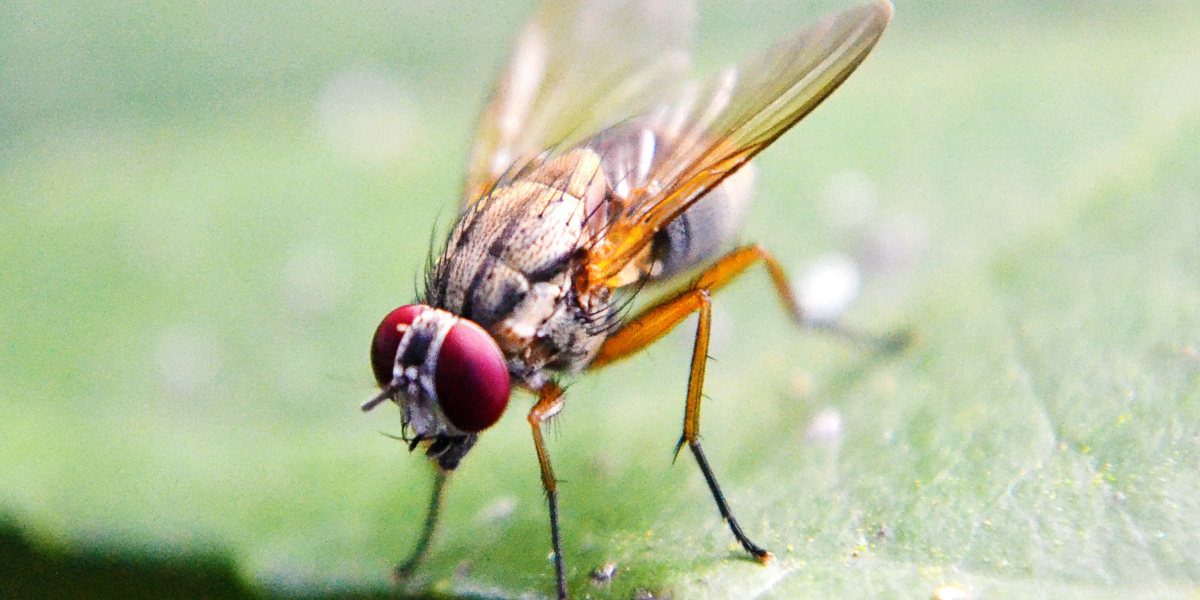
BigSis is tackling the problem of fruit flies in soft fruit. It has automated the rearing of sterile male insects that mate with wild females to reduce populations and prove affordable, chemical-free pest control.

In a project with Niab and Berry Gardens, the UK’s largest berry suppliers, the technology reduced the population of destructive “spotted wing drosophila” in a strawberry crop by 91%. Last year, BigSis raised £4.5 million, led by UK agritech fund Regenerate Ventures.

Glen Slade continues: “To have been selected from what was undoubtedly an impressive bank of entries is a great vote of confidence in the value of our work to reduce chemical insecticide usage and surely reflects BigSis’ unique and innovative approach to this problem.”

Fruit fly

NatureMetrics is a biodiversity-monitoring company that analyses traces of DNA found in soil and water samples to identify the organisms present.

The company says it is 10 times cheaper than traditional survey methods and identifies five times the number of species. Its platform is used by over 500 companies in 100 countries and it has recently launched a ‘nature intelligence platform’ to support impact reporting. The company has raised over £20 million in the last 18 months and won the recent Tesco Agri T-Jam, an ag-tech startup competition.

There are many exciting companies within the Agri-TechE ecosystem and ahead of the Agri-TechE REAP conference we experienced a big influx of new members.

The theme around ‘innovation in a time of extreme events’ resonated with many people and the benefits of being interconnected to tackle these challenges, has never been more apparent.

Being part of an ecosystem, sharing ideas with others from different perspectives and using networks to access skills, contacts and knowledge is vital for innovative companies, and among the benefits of joining Agri-TechE

To find out more information about membership do get in contact.

Does CHAP hold the key to sensor-based pest monitoring?

Member News
The views expressed in this Member News article are the author's own and do not necessarily represent those of Agri-TechE.

Over the last two years, Crop Health and Protection (CHAP) has led a two-phased project alongside a multidisciplinary and international team, including Knowmatics, Ystumtec and CABI, and supported by consortium members, MSSRF, Tamil Nadu Agriculture University (TNAU) and Pushkaram College of Agriculture Sciences, to develop an innovative sensor-based pheromone trap to help effectively monitor fall armyworm (FAW) in India.

Continue to the CHAP website to read the full article.

Norwich Research Park part of £150 million venture fund for climate change and biodiversity loss

Member News
The views expressed in this Member News article are the author's own and do not necessarily represent those of Agri-TechE.

Specialist fund manager Greensphere Capital announces it is bringing together the world’s largest group of globally-renowned bioscience and environmental science institutes to launch the Gaia Sciences Innovation partnerships. Greensphere will raise a £150 million fund designed to invest in and scale world-leading businesses that successfully commercialise solutions that mitigate against the dual crises of climate change and biodiversity loss.

Gaia Sciences Innovation brings together leading British partner institutions that are home to more than 4,000 scientists, researchers, and conservationists, including RBG Kew, ZSL, University of York, UK Centre for Ecology & Hydrology, and via the Anglia Innovation Partnership, the Earlham Institute, John Innes Centre, Norfolk and Norwich University Hospitals NHS Foundation Trust, Quadram Institute, The Sainsbury Laboratory, and the University of East Anglia.

Based across the UK with a particular focus in regional research hubs such as York and Norwich, the fund will invest into start-up, spin-out and scale-up businesses linked to these institutions, that can help tackle biodiversity loss and climate change. These companies will then benefit from ongoing access to leading-edge scientific expertise in areas such as plant, fungal and animal sciences, ecology and hydrology, soil and microbiomes, and engineering biology.

The wider arrangement will see partner organisations benefit from any new spinouts through profit share (via co-ownership) and license fees which allows organisations to fund future research and further build their organisational capacity. The spin-out companies should also provide a virtuous loop of valuable data from operating environments for scientists to refine and improve intellectual property.

Divya Seshamani, Managing Partner at Greensphere Capital, said:

“In the face of the global climate and biodiversity crisis, we urgently need more investment into solutions based on the best available science. Mitigating these real risks requires evidence-led, science-based solutions, not anecdotes and spin.”

“Britain is home to many of the world’s best bio and environmental science researchers, but the commercial potential in their breakthroughs is too often being overlooked. We want to unlock a pipeline of exciting ventures that are based on brilliant ideas, that operate with scientific integrity, that are grounded in a contextual understanding of the complex natural systems and are alert to the risks of unforeseen consequences.”

The fund will focus primarily on investments across three focus areas:

• Greening real assets: making agriculture and forestry more sustainable and enhancing or restoring land and water-based ecosystems, with applications such as natural pest control, green fertiliser and products that enhance soil health, afforestation and habitat restoration advisory, enhanced carbon dioxide sequestration, and improved watershed management.

• Green fintech: providing technology and expertise that can underpin and unlock green financial markets. This includes technologies to measure, monitor and verify biodiversity and climate impacts, including technologies for environmental DNA collection and sequencing, sensors for tracking water and soil health, computational genetics, and AI for assessing climate and nature-related risks.

• Human supply-chain resilience: investing in solutions that improve the resilience of human supply chains (from food to medicine) and ease pressures on ecosystems or adapt to changing conditions, for example through climate-resilient food crops, developing alternatives that displace drivers of deforestation such as meat, dairy and palm oil, and using plants for drug discovery or producing bioactive compounds.

In December 2022, international governments agreed the Kunming-Montreal global biodiversity framework with a goal of halting biodiversity loss by 2030, protecting 30% of the planet for nature. According to World Economic Forum, $44 trillion of global economic value is moderately or highly dependent on nature and its services, making up over half of global GDP. ZSL and WWF’s Living Planet Index reveals that since 1970, there has been a 69% decline in global monitored wildlife populations, and it is predicted that by 2050 1 million species are on course for extinction. This fund sets out to address these interdependent challenges of climate change.

Professor Monique Simmonds, Deputy Director of Science at The Royal Botanic Gardens Kew, commented: “Addressing biodiversity loss and climate change through science is at the heart of Kew’s mission. When we work with others, innovate and deliver science-based solutions, we know we will see change. It is now a question of pace. We are ready, we have the knowledge and the expertise, but it is the arrival of critical funding that will help us realise the solutions.”

Matthew Gould, Chief Executive at ZSL, commented: “This is a brilliant opportunity for us to expand our impact and scale ZSL innovation at the kind of speed the world needs. It means our scientists and conservationists will have access to experts and investors as they develop solutions for our planet.”

Professor Charlie Jeffery, Vice-Chancellor at University of York, commented: “We have some of the best researchers working on solutions to many of society’s most challenging environmental issues. This vital collaboration highlights the University’s commitment to creating a fairer and more sustainable future for all by harnessing knowledge from our discovery-led research to provide innovative solutions in the global fight against climate change and biodiversity loss. We look forward to working with Gaia Sciences Innovation on a range of exciting projects that have the potential to make a real difference to the world we live in.”

Norwich Research Park

Roz Bird, CEO of Anglia Innovation Partnership (AIP), the science park management company at Norwich Research Park, commented: “The research and innovation at Norwich Research Park is important because it is addressing global challenges like food security, human disease and the effects of climate change. Companies on the campus spinning out of the research community are developing new ground-breaking technologies that will benefit society and the environment and contribute to the economic growth of the UK. We are delighted that as a result of AIP’s enterprise strategy this new partnership with Gaia Sciences Innovation has been formed which will help businesses on the park campus to grow and succeed.

Dr Stuart Wainwright, Chief Executive at UKCEH, commented: “We are excited to be a founding institute in this initiative, which will catalyse innovation across UKCEH, from reversing biodiversity loss to improving soil health and mitigating climate change to managing landscapes sustainably. This presents a fantastic opportunity to maximise the impact of our research and innovation, as well as to build new science collaborations across partner institutes, in order that together, people and nature can prosper.”

Notes to editors:

About Greensphere Capital
Greensphere Capital was founded in 2011 to invest in sustainable technology, companies and projects that help to mitigate the dual crises of climate change and biodiversity loss. As the first fund manager to the UK Government’s Green Investment Bank, a mandate it won in 2012 against 23 other British and European fund managers, it has grown green and sustainable businesses in some of the most challenging social and economic environments for over a decade over two successive funds.

About Kew
Kew Science is the driving force behind RBG Kew’s mission to understand and protect plants and fungi, for the well-being of people and the future of all life on Earth. Over 470 Kew scientists work with partners in more than 100 countries worldwide to halt biodiversity loss, uncover secrets of the natural world, and to conserve and restore the extraordinary diversity of plants and fungi. Kew’s Science Strategy 2021–2025 lays out five scientific priorities to aid these goals: research into the protection of biodiversity through Ecosystem Stewardship, understanding the variety and evolution of traits in plants and fungi through Trait Diversity and Function; digitising and sharing tools to analyse Kew’s scientific collections through Digital Revolution; using new technologies to speed up the naming and characterisation of plants and fungi through Accelerated Taxonomy; and cultivating new scientific and commercial partnerships in the UK and globally through Enhanced Partnerships.

About ZSL
Founded in 1826, ZSL is an international conservation charity, driven by science, working to restore wildlife in the UK and around the world; by protecting critical species, restoring ecosystems, helping people and wildlife live together and inspiring support for nature. Through our leading conservation zoos, London and Whipsnade, we bring people closer to nature and use our expertise to protect wildlife today, while inspiring a lifelong love of animals in the conservationists of tomorrow. Visit www.zsl.org for more information.
About the University of York
A member of the Russell Group, we are a dynamic, research-intensive university.
Our teaching, learning and student experience is outstanding, recognised by a Gold rating from the Office for Students in the 2023 national assessment (Teaching Excellence Framework).

We work collaboratively in partnership with institutions across the world to develop life-saving discoveries and new technologies that tackle some of the most pressing global challenges.
Our 30+ academic departments undertake ground-breaking research that underpins our inspiring teaching and challenges students to dream big, think critically and change the world.

About Anglia Innovation Partnership (AIP)
AIP is the science park management company at Norwich Research Park, one of the largest research clusters in Europe. The campus is home to 6 main partners; the John Innes Centre, Earlham Institute, Quadram Institute, The Sainsbury Laboratory, the University of East Anglia and the Norfolk and Norwich University Hospital, as well as a community of over 30 businesses. The Park is one of 5 BBSRC research and innovation campuses in the UK, and the only one with three strategically funded BBSRC research institutes in one location.
The research and enterprise activity on campus aligns to four global markets, agribiotech, industrial biotech, food biotech and medtech. The campus is an ideal location for businesses that want to benefit from the specialist facilities and expertise, a dedicated on-site support team and a growing profile.

About UKCEH
The UK Centre for Ecology & Hydrology is a world-leading centre for excellence in environmental sciences across water, land and air. The Centre has a long history of investigating, monitoring and modelling environmental change. Its 500+ scientists provide the data and insights that researchers, governments and businesses need to create a productive, resilient and healthy environment. The UK Centre for Ecology & Hydrology is a strategic delivery partner for the Natural Environment Research Council, part of UK Research and Innovation.

ATW23: Explore first-hand how technology is at the root of vegetable consumption

Agri-TechE Article
Agri-TechE

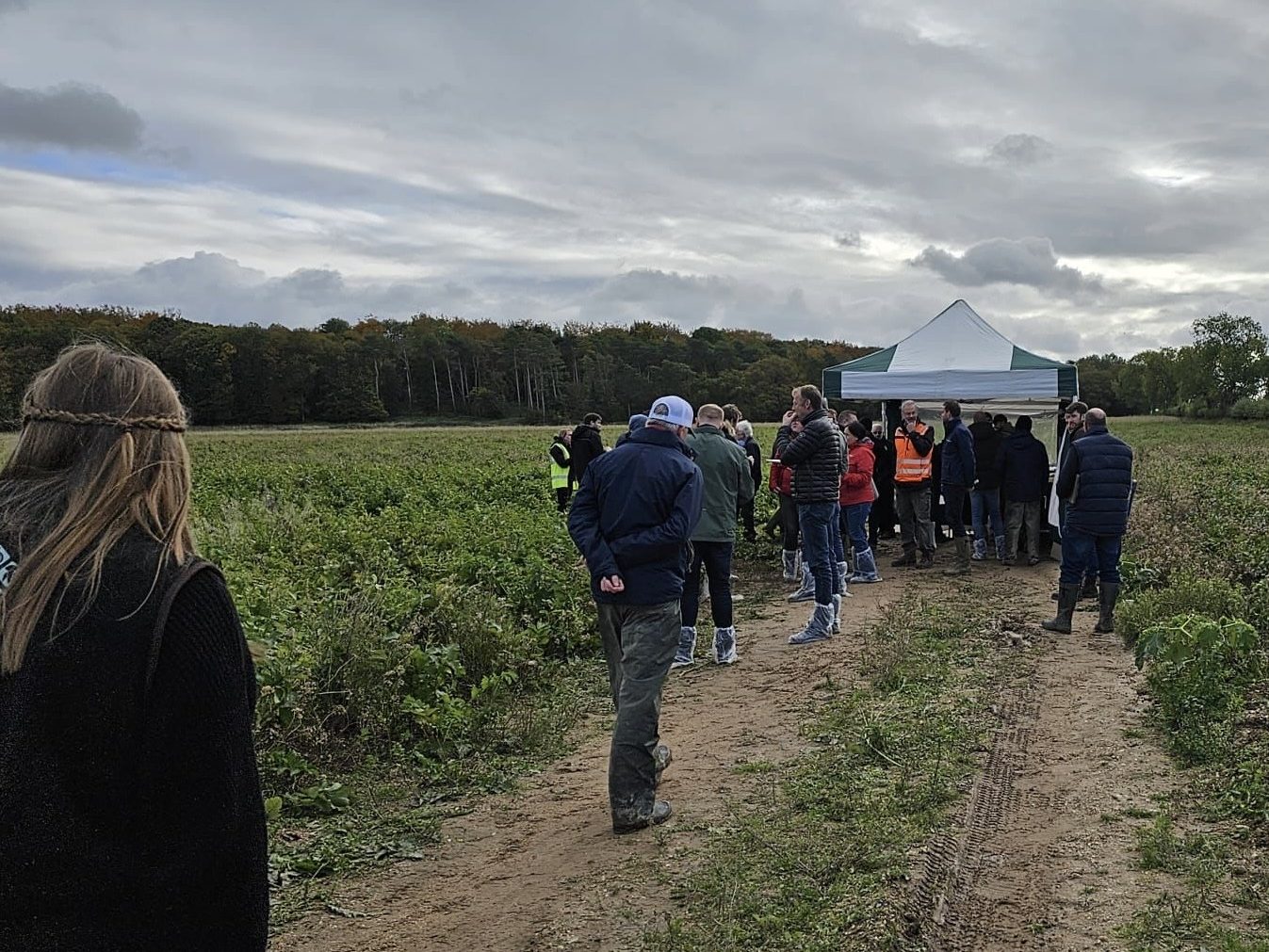
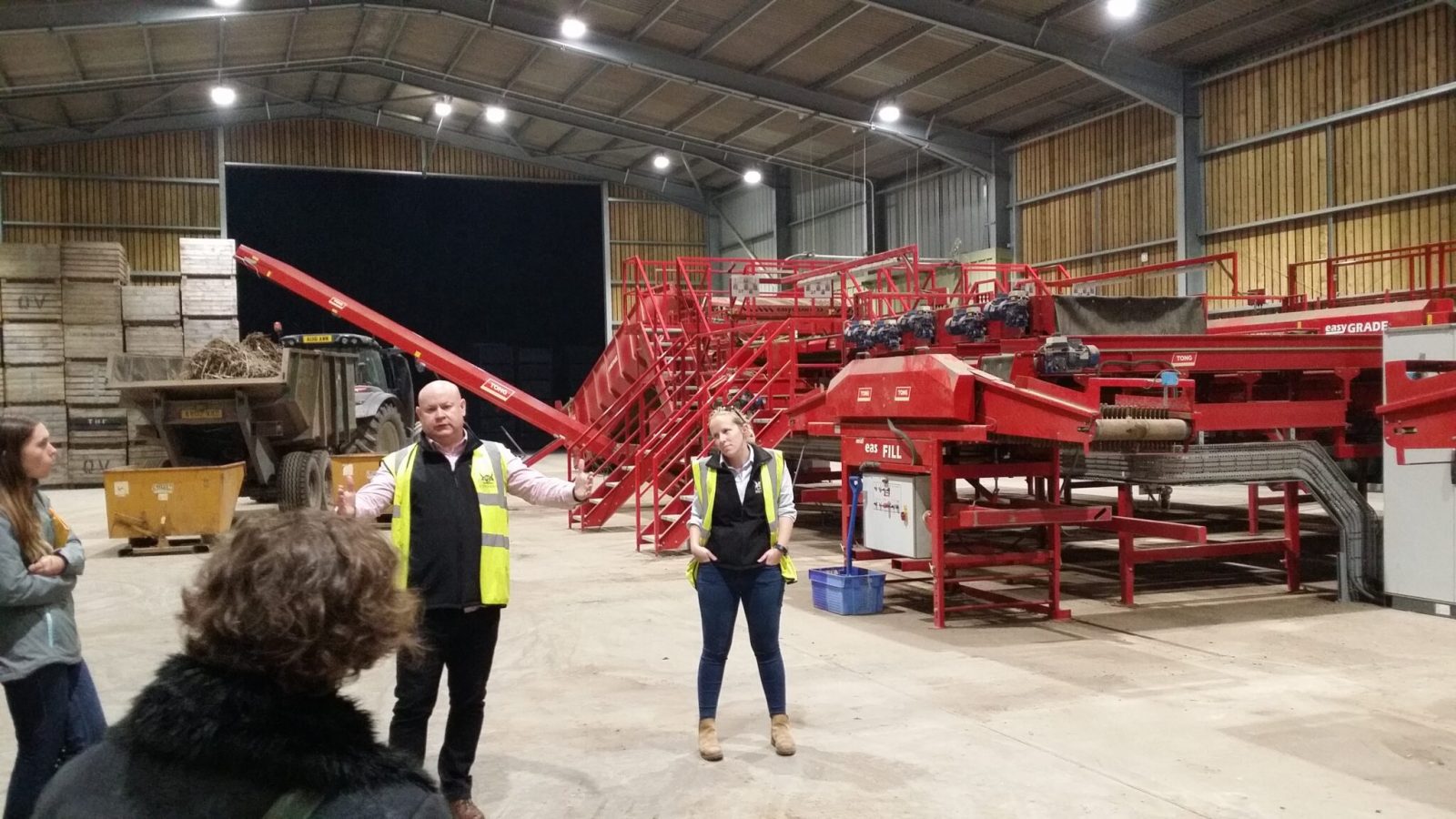
What goes into producing a parsnip for your Christmas dinner plate? Thursday’s Agri-TechE Week event, hosted by the Royal Norfolk Agricultural Association, took us to Frederick Hiam in Suffolk to find out how our favourite festive roots and staple cereals are produced and processed.

The event attracted a hoard of farmers eager to discover more about Hiam’s robotics and automation. Hiam has implemented these technologies in the past few years to make their business increasingly resilient.

Robotti

The day began with an introduction by Jamie Lockhart, Managing Director, who provided the group with insights into the long-established business and its partnerships. We then split into groups to explore the factory.

Jamie and his colleagues gave us incredible detail into their journey of adoption – what has worked, what has been a challenge, and what they have learnt along the way. A few key themes stood out…

Strength in numbers: the mutual gains of collaborative partnerships

The tour featured some of the different businesses that Hiam are working with, including Select Software, Vegetable Consultancy Services and Autonomous Agri Solutions.

It was clear that the strong working relationship between the growers and tech partners has accelerated innovation at Hiam. Despite initial risks and efforts, the collaboration allows Jamie’s team direct input, shaping technology development according to their needs – creating almost bespoke solutions – without sacrificing usability.

Collaboration also helps spread the risk between businesses – distributing potential challenges while capitalising on the diverse knowledge and expertise contributed by each party involved. The significance of partnerships becomes evident in the realisation that collaborating with neighbouring companies, those in disparate sectors, or even potential rivals, can yield substantial benefits for all involved.

There is certainly strength in synergy!

Vegetable Consultancy Services
Frederick Hiam

Diversifying beyond the norm: maximizing farm productivity and minimizing waste at Hiam

Farm diversification often conjures images of glamping huts or event spaces, however diversification opportunities go well beyond this – as Hiam has discovered.

As well as their own produce, Hiam has the capacity to process crops from other growers, for a fee. They have also created flexible processing systems so that they can package products in a variety of ways to suit the needs of each individual retailer.

Secondly, they have expanded their own on-farm electricity production, which helps mitigate energy price volatility.

Hiam has also diversified by finding new ways to monetise what has traditionally been thought of as ‘waste’.

To achieve this, Hiam is taking a two-pronged approach: they’re producing less ‘waste’ in the first place by having accurate grading systems that ensure only the wonkiest of wonky vege is actually discarded. They’re also working with a variety of food manufacturers with different needs so that “wonky” vege is used more economically such as in producing soups and cooked meals.

In these ways, on-farm waste is reduced, and more of the crops are put to effective – and economic – use.

Looking ahead: future proofing and continuous improvement

A big project involved investing in digital infrastructure across the whole site. By getting the foundations right, Hiam is future-proofing the business.

It’s also enabling upgrades to old systems so they can integrate with the new platform – rather than buying new, expensive bits of kit that might not work quite as they need to. One centralised system will be simpler and more efficient to manage, and it removes some of the administrative hassle of coordinating with multiple suppliers.

Hiam has utilised recent government grants to de-risk investments and explore new research projects to better improve their product.

They have projected costs for labour (assuming they can even source adequate workforces), which has allowed them to calculate their ROI to replace with automated lines. Perhaps most importantly, Jamie has kept on top of what is happening in the business, and how that fits with wider trends.

Jamie Lockhart
Jamie Lockhart, Frederick Hiam

Whilst it is difficult in the busy ‘day-to-day’ to take time to reflect on how the business is doing and what challenges we might face in the next five years, it is clearly time well spent to help mitigate or even eliminate risks.

One thing is for sure – I will be enjoying my Christmas parsnips even more now I understand just what it takes to get it onto my plate!