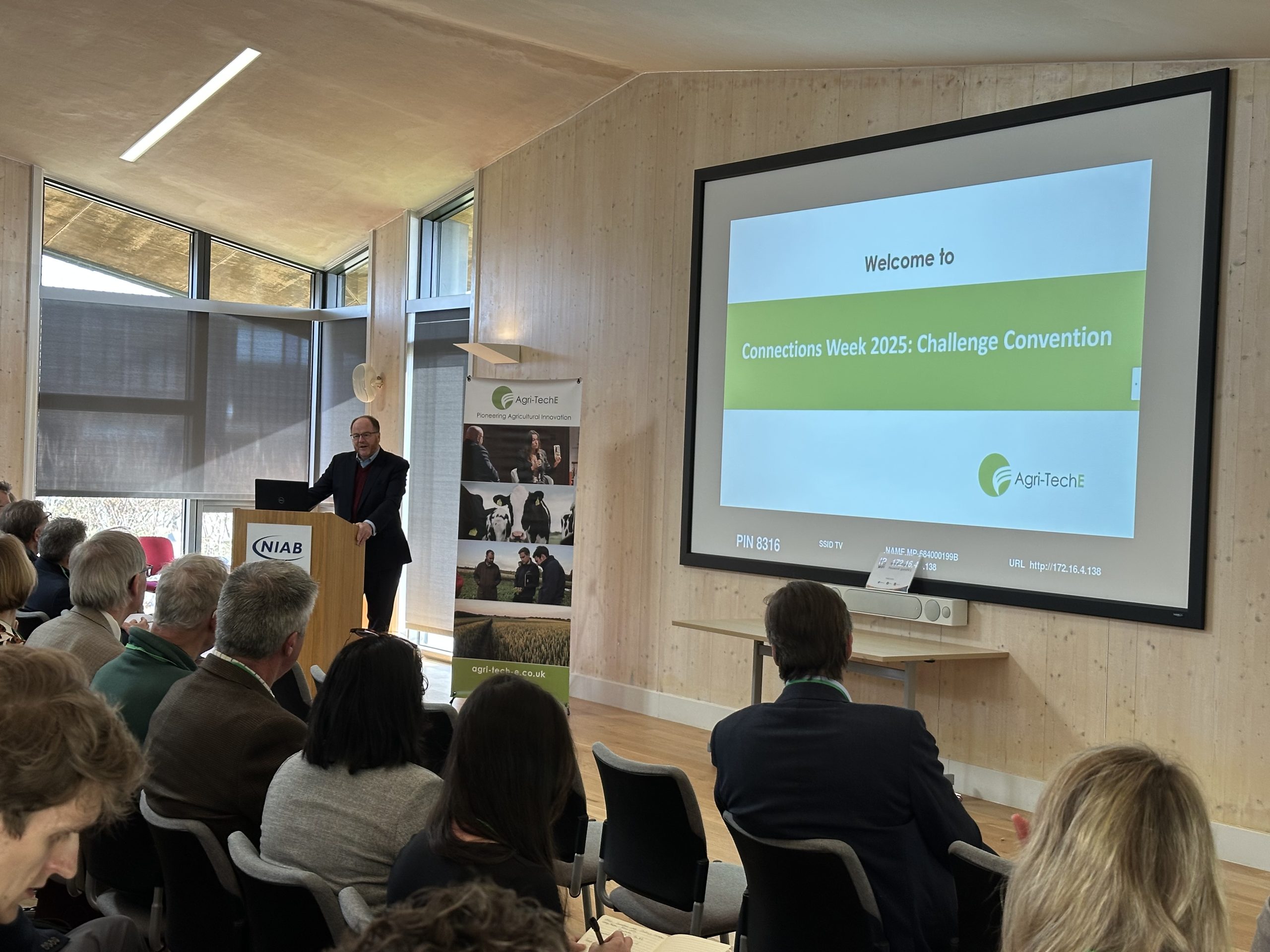
The Productive Landscape: NatureTech for Profit and Planet
How can technology enable delivery of food, nature recovery, and climate resilience - all at once? The Head of the Environment Agency is asked: what's the national plan for dealing with land use pressures, plus you’ll hear from technologists and land managers working on nature-based and tech-enabled solutions for water, soils and climate adaptation.

ATW23: Crops to products; building those value-chains

Agri-TechE Article
Agri-TechE

Introducing crop diversity into the arable rotation is easy to say, but potentially harder to implement. As well as needing access to suitable varieties, knowledgeable agronomy, and perhaps specialist machinery, the deal-breaker is often the accessibility, size and potential of the market.

Niab hosted the final event of Agri-TechE Week 2023 where delegates explored the role of emerging and niche crops and the crucial value chains they underpin.

The endless power of plants

From plant-based natural alternatives in cosmetics, to medicinal and bioactive phytochemicals, as well as colourants and flavouring, waxes, oils and fuels – there is seemingly a plant option for everything.  

“There is no shortage of potential applications for these crops,”

Stated Lukie Tolhurst of Lucid Insights. These alternatives have the potential to replace products that currently rely on fossil fuels or synthetic production. But the commercial production of crop-derived materials relies on the 3 ‘A’s: Affordability, Accessibility, and the Attributes of the products. Growing the right crop, in the right place, with the right infrastructure is key – as well as understanding the risk-benefit cycle.

The “Chicken and Egg” of speciality oils

“You need both the market and the product at the same time” commented Nigel Padbury of Premium Crops:

“The crop needs to be economically viable for the farmers, in their climate and in their arable context. And all stakeholders need to see a profit and the risk and reward needs to be spread pretty evenly through the value chain.”

Premium Crops places contracts with growers sometimes 18 months ahead of the harvest, so parties need to be confident in their market predictions and indeed resilient to changes. Nigel’s analysis suggests that the value of oils for cosmetics are increasing but that food market prices have remained relatively static. This means high volume is going to be crucial.

This brings into question the land-use strategy, particularly for the UK, given the other demands for woodland, habitat recreation, and food and biomass production.

Construction without destruction

Alex Sparrow of Hempcrete Ltd is optimistic about hemp fibre’s potential as a construction material. Their building components allow not only the possibility of repurposing at the end of their lifecycle, but they also boast the added benefit of being carbon negative. In addition to the woody cord (known as the ‘shiv’), hemp fibre stands out as a valuable resource for building insulation. Alex states:

“We want to get more farmers growing hemp for our supply chains. These materials are breathable, and provide long-term carbon capture, so are ideal for this industry.”

Taking the pulse of a participatory approach with farmers

“The farmers in BOFIN are keen to take part in trials, but they need to be paid!”

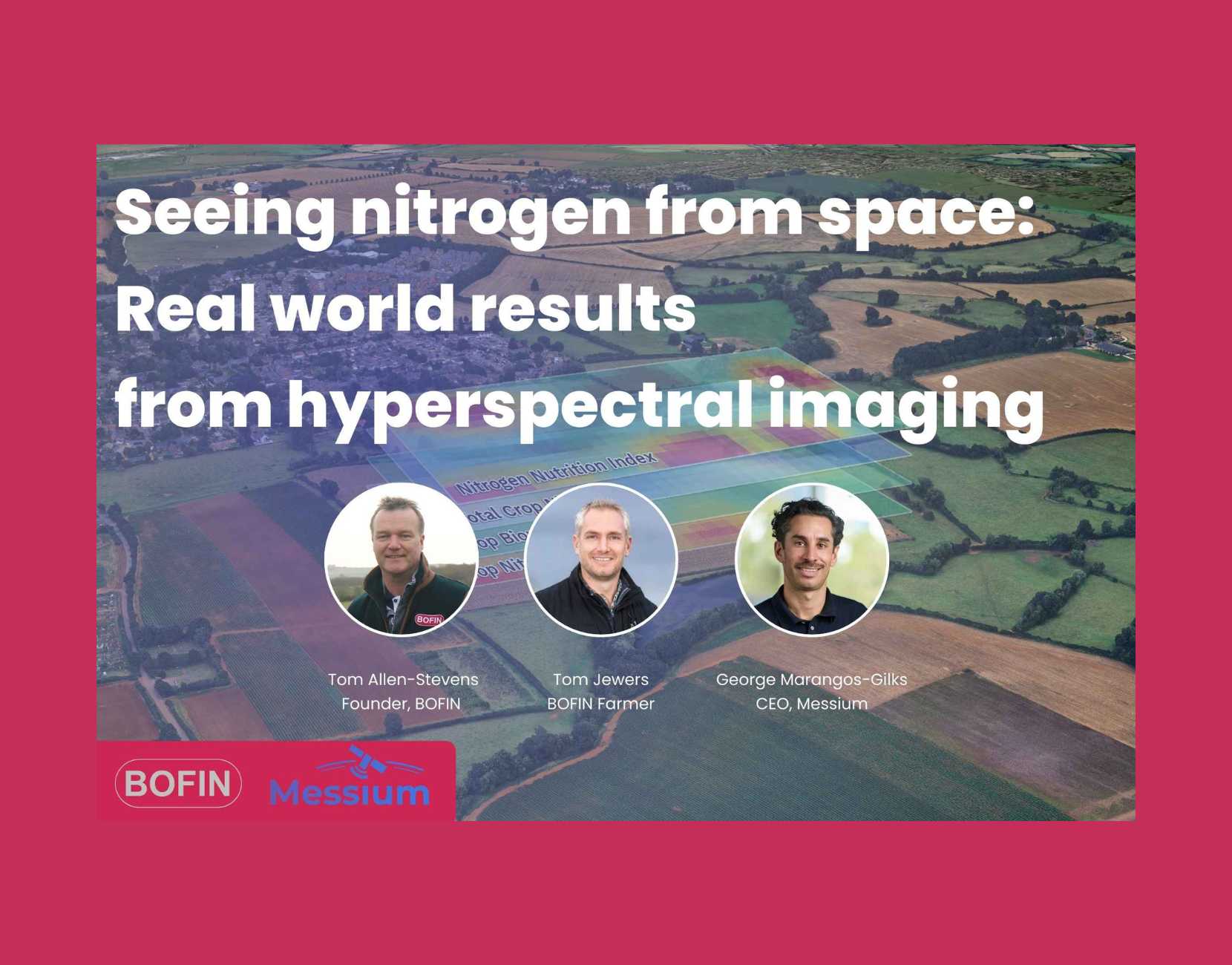
Said Tom Allen-Stevens, convenor of the British On-Farm Innovation Network. BOFIN farmers are taking part in several trials, including an ambitious four-year project (in collaboration with PGRO), with 200 farms aiming to increase pulse and legume cropping from 5% to 20%.

“Our ‘Pulse Pioneers’ are hosting and monitoring trials and are our project ambassadors,” explained Tom.

Tom Allen-Stevens, BOFIN
Lydia Smith, Niab

A new ‘Centre for High Carbon Capture Cropping’

Niab is coordinating a major four-year project with 17 partners. This includes farmers who will be evaluating cropping options and establishing a UK knowledge hub to quantify carbon removals, identify value chains, and understand the life cycle analysis of the resulting materials.

The Centre for High Carbon Capture Cropping is funded by Defra as part of its Farming Innovation Programme. It aims to build farm resilience through diversified cropping. According to Project Manager Lydia Smith from Niab, understanding the cropping rotation required by these new alternatives is as important as whether new markets can be opened sourcing these crop products. Lydia continues:

“From rotational cover crops to annual fibre crops, perennial biomass crops as well as perennial food, feed and forage crops, we are aiming to support enhanced industrial value chains.”

ATW23: Gene editing and genetic modification  

Agri-TechE Article
Agri-TechE

At the 6th Agri-TechE Week event of 2023, hosted by Rothamsted Research, discussions centred around genome engineering, precision breeding tools, and the commercialisation of scientific advancements.

The world’s oldest agri-research station excels in newest breeding tools 

Rothamsted has always been in the vanguard of GM technology, and it is embracing the new precision breeding tools of gene-editing as well.

Its Genome-Editing Unit can handle a wide range of crops including wheat, rice, oilseed rape, tomatoes and beans, and it will offer this on a contract service is capacity allows.  

Novel forage crops with a higher lipid content are being developed to help reduce methane emissions from ruminant livestock without compromising nutrition. Trials on a new type of wheat with a lower risk of producing harmful acrylamide are also underway.  

The researchers are hopeful that the new Genetic Technology (Precision Breeding) Act which came into force earlier in 2023 will speed up their research and the ability to translate it. As Nigel Halford explained:

“Regulation drives the kind of science we do and how we do it.”  

A Precision Breeding Working Group has been convened by Defra at the request of Number 10, to understand what is needed for gene-edited material to become commercially available. Consisting of researchers, plant breeders, growers, food manufacturers and retailers, the plan is to explore and facilitate routes to market.  

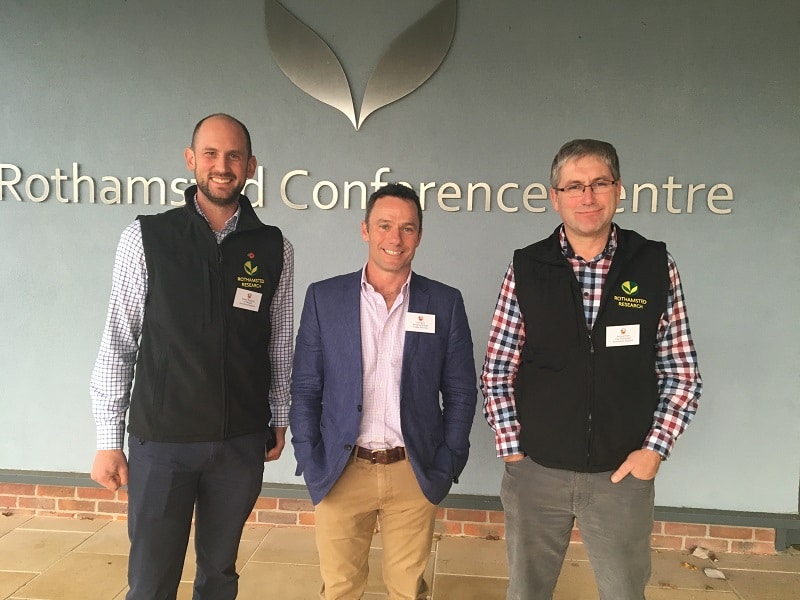
William Pelton, CEO Phytoform; Vladimir Nekrasov, Rothamsted Research; Mary Ellis, CEO PheroSyn; Peter Eastmond, Jonathan Napier, Freddie Theodoulou, Richard Haslam, Nigel Halford, Georgia Mitrousia, all Rothamsted Research. 

The commercial angle

As well as needing to do great science, funding for the research needs to be secured, the regulatory landscape must be navigated, and there is public perception to consider. 

“Translating this kind of research into commercial practice is really hard – and it takes a long time!” 

said Prof Jonathan Napier, Omega-3 Camelina Development Flagship Leader at Rothamsted.  

He should know – he has spent the last 25 years working to produce camelina plants with omega-3 oil that has the same composition as that produced by fish. The goal is to ease pressure on fish stocks and to provide a land-based source of nutrition.  

However, Rothamsted is also home to several spin-out and start-up businesses. PheroSyn, for instance, uses synthetic chemistry to replicate identical insect pheromones, to use either to disrupt mating, or employ as a “lure and kill” pest management strategy.  

Phytoform uses large data sets to train AI models around modulating the activity of different genes. With six programmes on potato, tomato and lupin, field trials are due to start next year.  

Ask the audience 

During a short workshop session, delegates (consisting of researchers, processers, breeders, tech developers and food manufacturers) agreed on the need to prioritise and coordinate education and regulation in parallel. This would build confidence and enhance understanding simultaneously. Key quotes included: 

“Avoid making it a political issue.” 

“Focus on products with consumer benefit.”

“Clear messaging and clear food labelling.”  

When asked to identify agricultural challenges where gene-editing could potentially have an impact, delegates highlighted pest control, nitrogen-fixation and traits for climate resilience.  

These new research tools are allowing science to be done faster, more efficiently and more cost-effectively than ever. But the science is only the first step in a long series of steps to get a viable product into the hands of the end-users along the supply chain.  

So perhaps the most important question of the day was around how to coordinate this journey from laboratory bench to the commercial marketplace? It’s not cheap, not fast and not easy. But a successful transition to net zero for the food system depends on being able to do it better than has been done in the past.

ATW23: Integrated pest management in action

Agri-TechE Article
Agri-TechE

Managing pest and disease pressures in a farming system does not always mean reaching for the (ag-chem) can as a first resort. Integrated Pest Management (IPM) principles offer a holistic approach of prevention, detection, and control measures.

At this ATW23 event, farmers and agronomists were given a taste of what IPM implementation could look like and what support tools are available from ADAS to put it into practice.

IPM in action: stories from farm managers on IPM and biodiversity conservation

We heard from individuals of their experiences of IPM in action. RSBP Farm Manager Georgie Bray and research agronomist Andrew Christie shared their respective knowledge of promoting IPM good practice and enhancing natural pest control.

Andrew explained how, in Scotland, the James Hutton Institute (JHI) is helping farmers to reduce their inputs while still maintaining outputs. Through a local IPM Hub and his role as Hub coach, Andrew brings together farmers trialling alternative methods of disease control in arable crops, and who are keen to learn from each other. This IPM hub is part of an EU-wide network of farms demonstrating and promoting cost-effective IPM strategies as part of IPMWorks.

One successful example of JHI’s IPM Hub in Scotland, has been in companion cropping trials using oilseed rape to control cabbage stem flea beetle (CSFB) – an emerging threat in Scotland.  While the trial took place in a low-pressure year for CSFB, the companion cropping treatment still showed improved crop establishment, no yield penalty was observed and the farm achieved a cost saving of £155/ha.

Phil Walker, Duncan Coston & Lynn Tatnell, ADAS; Andrew Christie, James Hutton Institute;
Georgie Bray, RSPB Hope Farm

In Cambridgeshire, the ethos at RSPB’s Hope Farm is to produce food and maintain a thriving wildlife population while turning a profit at the same time, emphasised Georgie. The farm follows the principles and key actions of the Farm Wildlife approach, which aims primarily, to improve wildlife on the farm, but has extended benefits such as enhanced pest control.

Flower margins pack a punch in a small area, though they do require careful management. This starts with identifying the right areas to provide connected habitats – think linear passageways rather than pockets of isolated margins. Then comes suitable seed mixes. Here, it’s worth considering which pollinator species you want to encourage as this will guide decisions on the best shapes, sizes and flowering period of the mix. Hard management in the first couple of years is important to ensure flower margins establish well and aren’t taken over by grasses and weeds.

By integrating flower margins and other key actions from Farm Wildlife – such as biodiverse boundaries and wet features – Hope Farm has been able to increase and maintain population numbers of birds and pollinators well over the national index baseline.

Supporting farmers and agronomists implementing IPM

Georgie and Andrew’s experiences show that managing pests on the farm can take very different facets. So how do you decide what to put in place and how to integrate it?

To build a strategy, you first need the tools. With so many projects, systems and tools available out there, it can be very difficult to identify what is relevant for your farm. Phil Walker and Mark Ramsden provided some examples of the support tools that ADAS has been involved in developing, to help farmers and agronomists build IPM strategies relevant for their farm.

IPMWorks and IPMDecisions both aim to bring all these isolated solutions with a useful ‘one-stop shop’ dashboard that can easily be tailored. IPMWorks focuses on non-chemical control methods whereas IPMDecisions provides tools with a focus on reducing pesticide use.

The IPM Planning Tool helps farmers create an IPM action plan by providing an integrated overview of control measures that they can tailor to the crops they grow and the pests, diseases or weeds that they want to tackle. This tool was developed as part of the Sustainable Farming Incentive, a mechanism for farmers to get paid for public goods.

Weeding innovations and accessibility: tools, challenges, and partnerships

Weeds require an integrated approach to keep them under control. Farmers now have a range of tools available to them in the weed management toolbox.

From robotic, electric or mechanical weeding, to living mulches and targeted herbicide use, the science and technology has moved on considerably through the R&D and commercial pipeline. When it comes to take-up however, a survey showed that, while the interest in new weeding technologies has increased, they remain too expensive and hard to access.

To address these barriers, ADAS is partnering in Oper8, an EU-wide project aiming to increase accessibility and encourage the uptake of alternative weeding methods. The project is building a network of demonstration sites, easily accessible training material and videos.

Conclusions

Now a familiar concept to many, IPM continues to evolve with emerging tools and technologies providing much needed solutions to help farmers and agronomists implement these key principles on farm.

ATW23: Extreme events driving innovation in agri-tech, REAP conference reveals

Agri-TechE Article
Agri-TechE

“Extreme events over recent years have brought the recognition that if you want to stay in business, you need to be open to change. All the companies in this year’s REAP Start-Up Showcase were addressing a real-world problem that is becoming more urgent – but they are also viewing the challenge through a different lens, and this brings hope,” says Dr Belinda Clarke, Director of Agri-TechE .

She comments that it was noticeable this year that farmers are working closely with innovators to co-develop farm-ready technologies: “The rising cost of labour and inputs based on fossil fuels are driving innovations that will reshape the sector.”

The Start-Up Showcase included innovations for: benchmarking progress towards sustainability metrics; improving soil health through real-time monitoring of soil nitrogen and biological activity; increasing the immune response of plants to pathogens; smart automation for asparagus farmers; support for precision livestock production; and a new high-value crop for vertical farms.

REAP Start-Up Showcase 2023
Nicole Sadd (Rothamsted Enterprises) (centre) with the presenters from the REAP 2023 Start-Up Showcase (l-r): Robyn Sands (Autopickr), Nima Eskandari (Agtelligence), Martin Stocks (HotHouse Therapeutics), Tony Miller (PlentySense), Matthew Dobbs (HerdVision) and Jim Bailey (PES Technology) (not pictured is Cian Duggan from Resurrect Bio, who appeared via video)

The REAP 2023 Start-up Showcase line-up featured:

Agtelligence to provide financial institutes with a ‘sustainability rating’ for arable land

Providing evidence of best environmental practice ‘when the computer decides’ is currently difficult to do for farmers. A new tool, ‘FarmScore’ from Agtelligence, aims to distil this complexity into a simple score that can be used by banks, financial institutes, and funding agencies to quickly benchmark progress against sustainability metrics.

Read more.

Agtelligence - REAP 2023 Start-Up feat

PlentySense offers real-time monitoring of soil nitrogen availability under growing crops

Around 50 percent of nitrogen (N) applied to crops is not taken up and can leach into the environment. Now sensors developed by PlentySense, a spinout from John Innes Centre, can measure the amount of nitrate taken up by the crop and the reserve available in the soil, thereby optimising fertiliser usage.

Read more.

PlentySense REAP 2023 Start-Up feat real-time monitoring of soil nitrogen

PES Technologies uses an electronic nose to measure biological soil health

An electronic nose to sniff out soil health that will deliver results to a farmer’s phone in five minutes is being developed by PES Technologies. The company is able to create an aroma fingerprint from gas released by microbes in the soil. These organisms are essential for breaking down organic matter and making nutrients available to plants, but current biological lab tests are expensive and take ten weeks to provide results.

Read more.

PES Technologies - REAP 2023 Start-Up feat

Resurrect Bio changes the code to unlock plant defences

Plants have a sophisticated immune system that has co-evolved as a defence against pathogens, but it may be lying inactive in many crop varieties. Now Resurrect Bio, a spin-out from The Sainsbury Laboratory (TSL) in Norwich, has found a way to re-engineer the disease response mechanism in plants to restore resilience.

Read more.

Resurrect Bio - REAP 2023 Start-Up feat

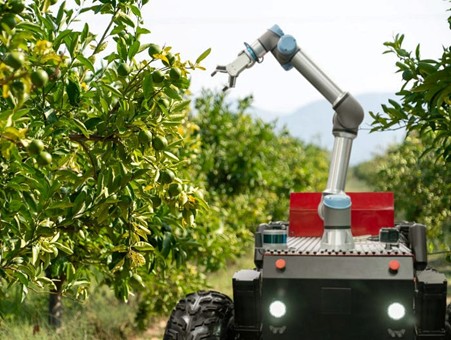
Autopickr presents Gus, its adaptable asparagus harvester

“Shortage of labour is forcing smaller asparagus growers out of business, so they ask us three things: how much does our robot harvester cost, does it work and is it reliable?” explains Robyn Sands, Co-founder and CEO of Autopickr, the developer of Gus, an affordable, robust robot for field and undercover operations. Designed to solve a major challenge for the industry, it also offers potential to extend the harvesting season and shelf-life of this high-value crop.

Read more.

Autopickr - REAP 2023 Start-Up feat

HerdVision brings body condition scoring to DairyComp

HerdVision, a robust camera system for objective body condition and mobility scoring, will soon be integrated into the dairy management software system DairyComp, enabling real-time health updates each time a cow exits the parlour, and supporting precision livestock production.

Read more.

HerdVision - REAP 2023 Start-Up feat

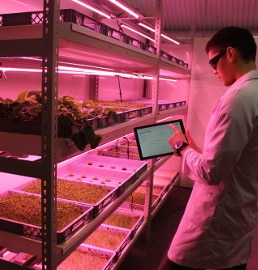
HotHouse Therapeutics uses a plant factory to mass produce rare medicinal drugs

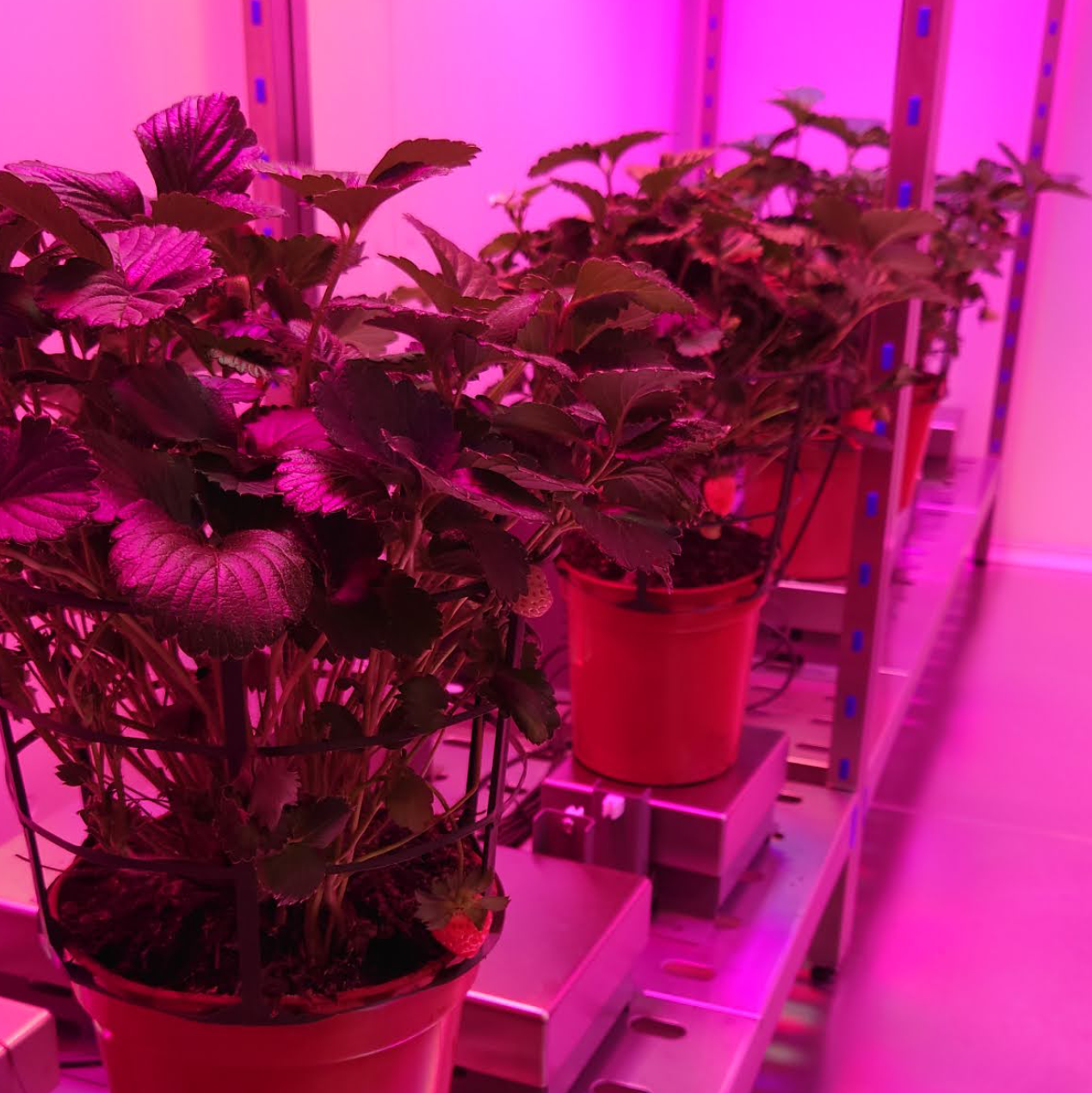
Some of the most potent drugs known to mankind are produced by plants, but issues such as accessing source material from rare plants and modifying the complex chemicals have meant they have been largely abandoned by the drug discovery industry. This challenge has been overcome by HotHouse Therapeutics’ technology, which enables any naturally occurring medicinal compound to be reproduced by a host plant, creating a high value crop for Controlled Environment Agriculture.

Read more.


REAP 2023 logo

REAP Conference 2023:
Adaptation Through Innovation; Beyond the Comfort Zone

Wednesday 8th November, 9:30 am – 6:30 pm
Rowley Mile Conference Centre, Newmarket

Surviving and thriving under increasingly extreme and unpredictable challenges is the theme of the 2023 REAP conference. To build a productive, profitable and sustainable agri-food industry, we must move away from the comfort zone and become open to the new opportunities that exist when we ‘stretch’.  Be a part of that future – bring yourself and your ideas to REAP.

reapconference.co.uk

ATW23: Heat and Drought – University of Essex 

Agri-TechE Article
Agri-TechE

Industry representatives and researchers from the Essex Innovation Centre at the University of Essex got together to discuss the impact of unpredictable weather patterns in agriculture and to explore solutions that farmers are already implementing in the field alongside emerging academic research. 

What impact does climate change have on crop production? 

The impact of unpredictable and extreme weather events varies from crop to crop. Three different crops – sugar beet, wine grapes and onions, illustrated this variety.  

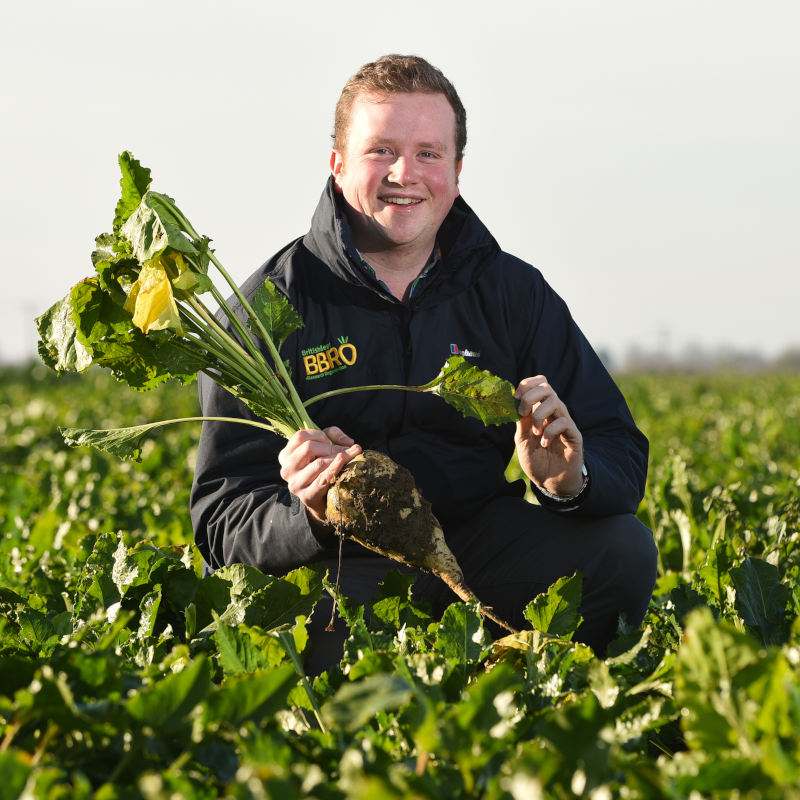
‘Sugar beet is water demanding’ explained British Beet Research Organisation’s Georgina Barrett. This means that when water is lacking, as has been the case during recent spells of drought, leaves wilt and the sugar content drops. Droughts are particularly damaging early in the season, before the crop has properly established, resulting in increased levels of seedling deaths. 

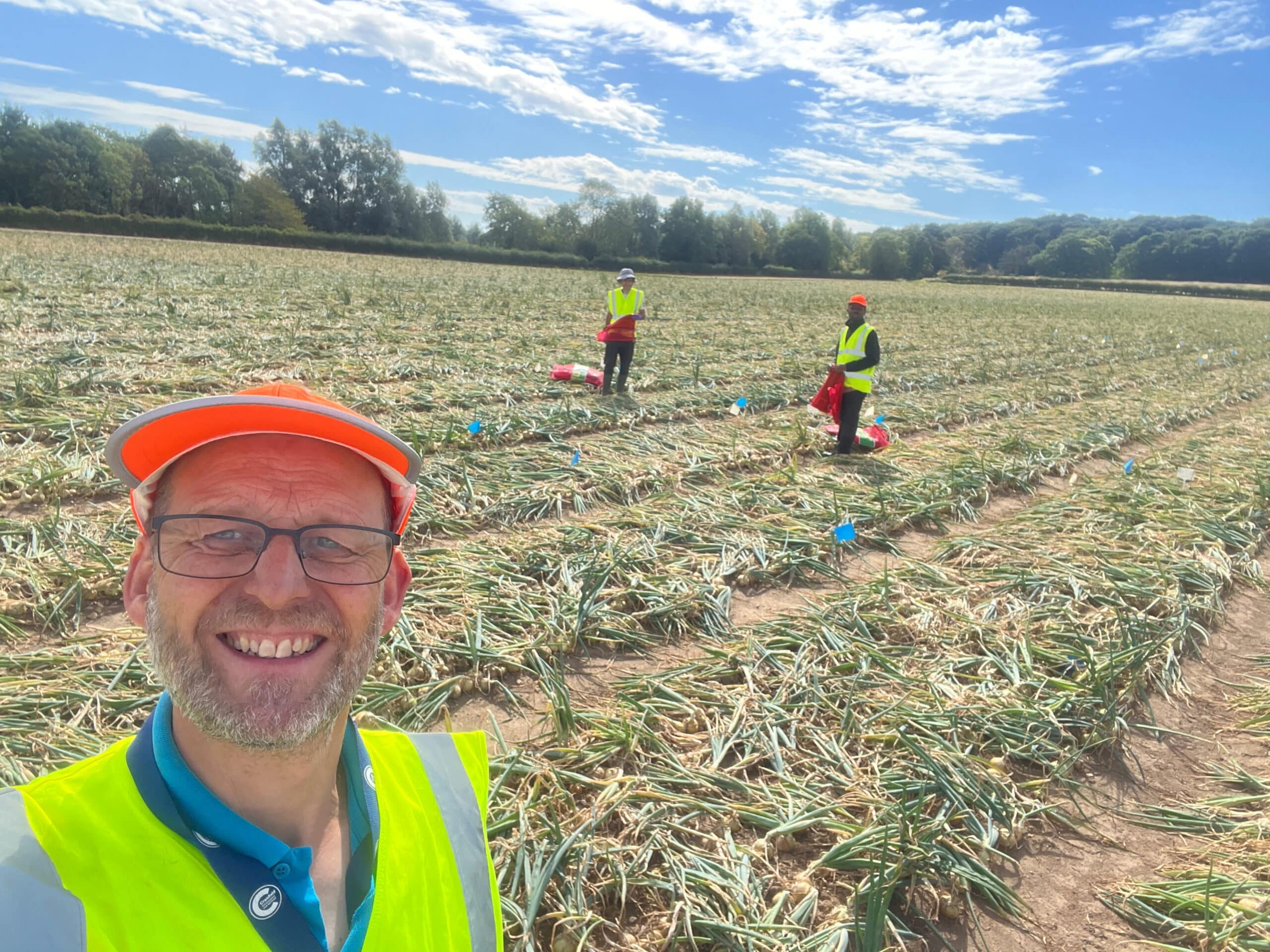
In onions, climate change means dealing with different types of challenges year on year. Jonathan Bell, a farmer from Stourgarden, described how, in 2022, dry weather and lack of sufficient irrigation limited root growth which caused yield losses of up to 30%. In contrast, 2023’s wet July led to markedly larger onion bulbs which meant a higher percentage of the crop fell ‘out of spec’ for retailers to sell. 

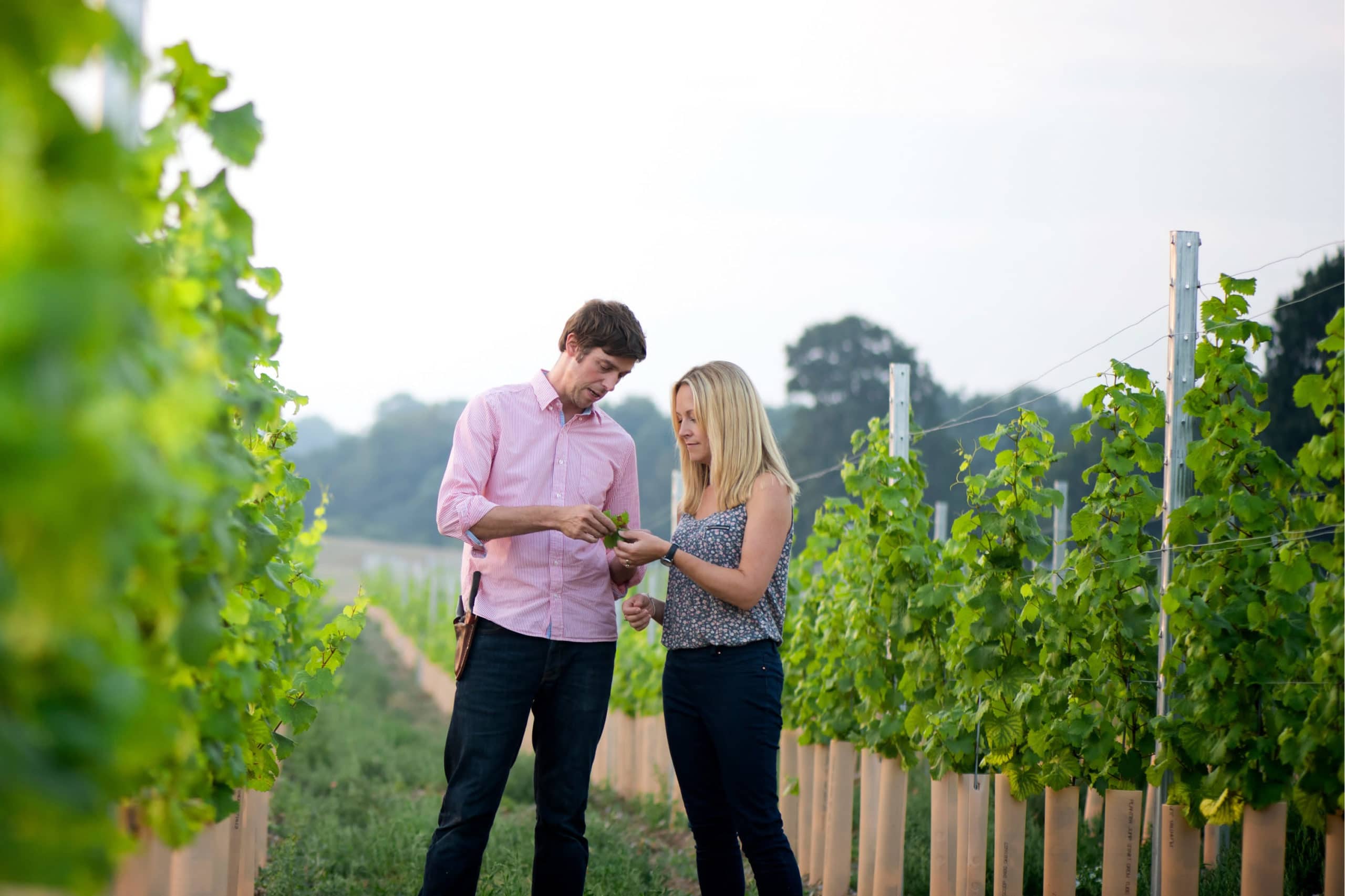
Wine grapes are the fastest growing edible crop in terms of acreage in the UK. But it’s not all rosy for Rosé, reflects Phoebe French from WineGB:

“Climate change is often portrayed as a catalyst for the growth of the [British wine] sector, but it has actually brought about a lot of challenges”  

Warmer temperatures may have led to more reliable grape ripening in the UK, but spring comes with increased risk of frost damage.

Daniel Johns, Managing Director, Water Resources East 
Dr Georgina Barratt, Applied Crop Specialist at British Beet Research Organisation 

How is the industry coping and what solutions does emerging research offer? 

Daniel Johns from Water Resources East stressed how the East of England is already classified by the Environment Agency as an area of ‘serious water stress’. Precision irrigation, rainwater storage and improved soil structure are already in the farmers’ toolbox, but they can’t be achieved overnight.  

Stourgarden is applying organic matter to improve soil health and, ultimately, soil structure; the farm is also trialling drip irrigation to better direct water at the crop, but this currently remains an expensive option.  

The BBRO is investing in soil health research and, together with the University of Essex, is also exploring potential avenues of collaborative research in the areas of plant physiology and photosynthesis to help address the challenges faced by beet growers. Increased collaborations between researchers and industry will be a key contributor in identifying new solutions. 

Research at the University is providing a better understanding of how specific traits like non-leaf photosynthesis in legumes, stomatal density, and light sensitivity cam improve photosynthesis and crop thermal resilience in crops in periods of high heat and drought. 

From left to right top row: Dr. Georgina Barratt, BBRO; Dr. John Ferguson, University of Essex; Mengjie Fan; William Atkinson; Jonathan Bell, Stourgarden; Robert Crook, Innovate UK. From left to right bottom row: Amanda Milliken, Dr. Amanda Cavanagh, University of Essex; Prof. Tracy Lawson, Plant Innovation Centre. 

Conclusions

Climate change will continue to have an impact on crop yields and quality, and periods of extreme weather events will become the norm. But collaborations between research and agriculture will go a long way in continuing to identify solutions. 

Burleigh Dodds Science Publishing Limited: Mechanisms of soil organic carbon sequestration and implications for management

Member News
The views expressed in this Member News article are the author's own and do not necessarily represent those of Agri-TechE.

A new book from Burleigh Dodds Science Publishing Limited:

Chapter Title: Mechanisms of soil organic carbon sequestration and implications for management*

Authors: Ingrid Kögel-Knabner, Technical University of Munich, Germany; Martin Wiesmeier, Technical University of Munich and Bavarian State Research Center for Agriculture, Germany and Stefanie Mayer, Technical University of Munich, Germany

*This chapter features in our book: ‘Understanding and fostering soil carbon sequestration’.

Introduction and definitions

A major potential for increasing carbon sequestration in mineral soils is in agricultural systems under cropland use (Amelung et al., 2020). Understanding organic carbon (OC) sequestration in (mineral) soils requires considering the pathways and the associated different types of organic matter (OM) input. As
pointed out in Box 1, OC sequestration refers to ‘the process of transferring CO2 from the atmosphere into the soil of a land unit, through plants, plant residues and other organic solids which are stored or retained in the unit as part of the soil organic matter (humus)’ (Chenu et al., 2019; Olson et al., 2014). If we accept this definition, all processes are relevant that lead to a storage or retention of OC in soils. A number of mechanisms have been described that lead to the retention of OC in soils. As the OC that enters the soil is in dynamic equilibrium, all the different OM pools that are retained in a soil must be considered. SOC sequestration implies raising soil organic carbon (SOC) levels, where they are currently undersaturated, and to maintain maximal OC levels in well-managed soil systems (Lehmann et al., 2020).

Olson et al. (2014) pointed out that it is essential to strictly differentiate between the application of any of OM to soils from sources external or outside a land unit (e.g. amendments like manure, compost, biochar) and OC sequestration sensu strictu. Sequestration of OC in soils as defined here (Box 1) requires that atmospheric CO2 is fixed through photosynthesis and stored in the soil. No atmospheric CO2 is converted and stored as a result of amendment transfer and it does not add to reducing atmospheric CO2 levels. Therefore, we will not consider the application of organic amendments in this chapter. As organic amendments may in specific cases influence SOC sequestration through their impact on plant growth and soil microbial functioning, their management is discussed in Chapter 9 of this book.

Organic matter input to soils

Organic C enters the soil mainly as:
• aboveground litter or crop residues,
• belowground litter or crop residues, and
• rhizodeposition.

Both above and belowground litter or crop residues are mainly composed of OC bound in large polymers (celluloses, hemicelluloses, lignin, cutin, suberin) in leaves, stems, twigs and other woody debris, or roots, with only a small contribution of low-molecular weight organic components (Kögel-Knabner, 2017). They are either deposited on the mineral soil surface, or in different soil depths as root litter. Incorporation of OC from aboveground litter occurs via bioturbation or leaching of soluble components. In contrast, rhizodeposition consists mainly of low molecular weight compounds released from roots into the surrounding soil at various depths.

Long-term OC storage in soils occurs primarily when OC derived from plant biomass is stabilized in soils as soil OM. Plant biomass makes up the majority of OC input also to agricultural soils. But we have to take into account that OM is also added to cultivated soils through fertilization and waste disposal (e.g. liquid manure, compost, sludge, animal excreta, biochar, biogas digestate), which contribute significant amounts (Jacobs et al., 2020). Soils are often also contaminated with organic constituents from the petroleum
and coal chemistry/industry, as well as from coal combustion, e.g. tar oil, coal dusts, black carbon, specifically in industrial-urban areas (Kiem and KögelKnabner, 2003; Schmidt and Noack, 2000), as well as plastics (Rillig et al., 2021). Geogenic C such as kerogen or black shale can also be inherited from the parent material (Fox et al., 2020 and references therein). This short listing demonstrates the large diversity of OM input to soils. Lehmann et al. (2020) suggest that the molecular diversity of the organic compounds rather than the material properties of individual compounds controls decomposition in soils. As pointed out above, the amendments help to increase the OC content and stocks of a soil, but may not help sequestering OC in soils. At the same time, it is important to return organic residue materials to soils, rather than burning them or using them otherwise, e.g. for energy production or production of chemicals.

Read the full chapter here

ATW23: Research to tackle the impacts of climate change 

Agri-TechE Article
Agri-TechE

At Agri-TechE Week 2023, “Ferrari” sugar beet met “Caveman” sea beet. Delegates learned that soil carbon can be categorised as either “scones with jam and cream” or “Brussels sprouts”, according to a soil carbon fate model, and heard about a novel cover crop proposed by the farmers  – all inspired by research underway at the Norwich Research Park

Roz Bird, CEO of Anglia Innovation Partnership. Photo by Farrel O’Keeffe, Norwich Research Park

All Carbon is Not Created Equal 

A “soil carbon fate model” developed by Brian Reid at the University of East Anglia (UEA) is providing a better understanding of the long-term fate of this increasingly valuable commodity in our soils.  

Crucial to this is the recognition that not all carbon is the same. Some, such as the carbon from fresh and degraded crop residues, is degradable and supports soil life, health and ecosystem services. Other organic carbon, such as humus, is stable, and delivers long-term carbon storage.  

“The degradable carbon is like jam and cream scones in the soil!”

Brian explained: “It’s the preferred and easy choice to be broken down and digested. The longer-term storage is not so easily degraded by life in the soil. Thus is the “Brussels sprout” option when it comes to being chosen by soil life to support itself.” 

Understanding the ratio of the two, and how to enhance them is key to UEA’s model and for informing payments that farmers might receive for their carbon. Profiling carbon stability, advised Brian, will help with decision-making around how best to manage soils for effective carbon management.  

Of Prof. Brian Reid, UEA

Cavemen and Ferrari – breeding better sugar beet 

Sugar beet accounts for 50% of the UK’s sugar demand and is proving not only a model system to understand crop domestication, but it also yields new insights into options for disease resistance.  

“Sugar beet was only relatively recently domesticated from its wild relative – sea beet,” explains Mark McMullan from the Earlham Institute.

“You can imagine one is a high-performance Ferrari, while the other is a relatively undeveloped caveman. But the caveman version is well adapted for the conditions in which it is growing. So, there’s a big, untapped reservoir of locally adapted genetic diversity for UK growing conditions which we can potentially introduce into commercial beet varieties.” 

Working with the British Beet Research Organisation and breeders KWS, the team at Earlham is working to identify novel genes for disease resistance and other “climate sensitive” genes that could improve the UK sugar beet crop. Over 50,000 sea beet seeds have been collected from populations in East Anglia, the Humber and Merseyside and they are being screened for genes that have a potential role in breeding for the climate of tomorrow.  

The grass pea’s promise and peril: overcoming its toxicity barrier

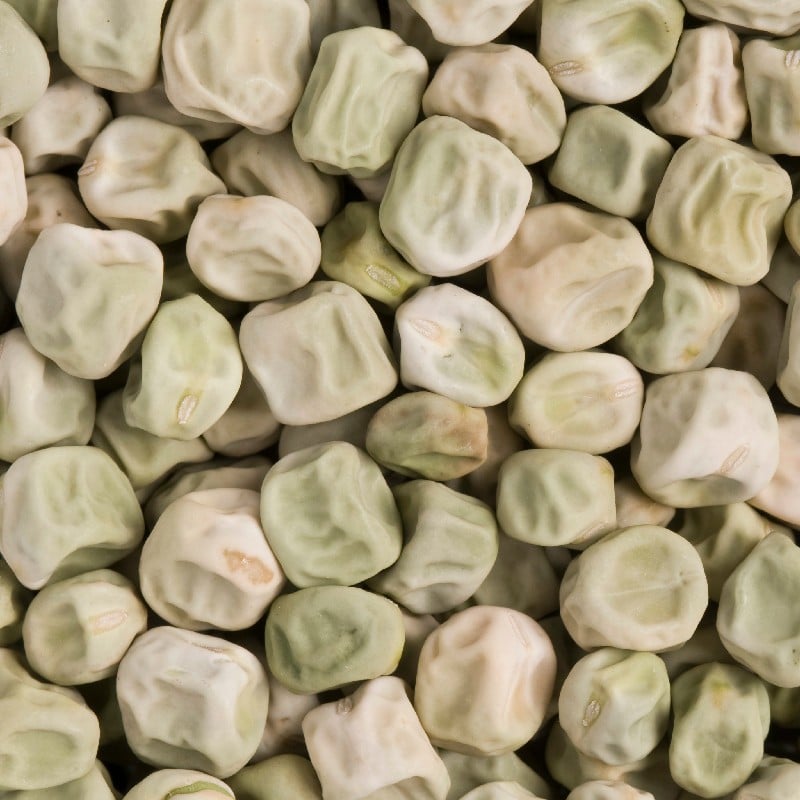
Grass pea is a highly nutritious relative of sweet peas and, like all legumes, it can fix atmospheric nitrogen and is drought tolerant, due to its origins in parts of Africa and Asia. Surely a wonder crop ready to transform agriculture and food security? 

Alas not – or not yet anyway.  

“Grass pea currently has one big drawback,” says John Innes Centre PhD student, Jasmine Staples: “It is toxic to humans and livestock if eaten in large quantities over a long period of time”.  

This toxicity has created a stigma about the grass pea which Jasmine’s research aims to address, by transforming the performance and reputation of this legume. There are few commercial varieties, so identifying the genetic pathway of the toxin’s production would pave the way for breeding new varieties in which this toxin-producing pathway removed.  

Toxin-free grass pea could be a major new opportunity for both human and livestock nutrition which – as one delegate pointed out – could make for a very exciting new cover crop if sheep could safely graze it down.  

Nick Goodwin, Anglia Innovation Partnership; Sanu Arora & Jasmine Staples, both JIC; Mark McMullan, Earlham Institute; Jonathan Jones, The Sainsbury Laboratory

P(r)ea-dicting root rot in pea crops 

Sticking with the pea theme, the John Innes worldwide pea collection has been harnessed to help understand more about the genetic basis of disease resistance in peas.  

Group Leader Sanu Arora is working with the Processors and Growers Research Organisation (PGRO) to tackle yield instability in green and dry peas.  

“Peas are susceptible to many pests and pathogens,” explained Sanu, “they differ across the world but in the UK it is mainly root rot and downy mildew, and key chemicals to combat them are starting to be withdrawn.” 

By screening the JIC pea collection, a “genetic diversity panel” has been developed which is helping identify new ways of identifying root rot. This has led to a new diagnostic, to predict if a field is low, medium or high risk for root rot.  

Sanu is looking for farmers keen to help trial the new device – those interested should get in touch with us and we will connect you with Sanu.  

New Genetics for a New Revolution 

Today’s talk made clear that it’s the combination of traditional plant breeding and new tools, such as gene-editing, that holds the key to a new, genetically powered agriculture. On behalf of the Royal Society, Jonathan Jones, Senior Scientist at The Sainsbury Laboratory has just co-authored a new report entitled “Enabling Genetic Technologies for Food Security.” 

Alongside the world-leading technologies and science being deployed at the Norwich Research Park, one thing is certain – biology is the future for adapting to climate change.

Lombard: How technology helped a poultry farmer grow his business more sustainably

Member News
The views expressed in this Member News article are the author's own and do not necessarily represent those of Agri-TechE.

A Move Towards Sustainability

As energy prices remain persistently high, poultry farmer Gordon Whiteford has embraced a sustainable, more cost-effective future by investing in solar technology for his business.

Gordon runs his company, Highland Eggs, from the 150-hectare Lower Mill of Tynet Farm in Moray, in the north-east of Scotland, along with his wife, June.

The farm is mixed, with some arable land, 40 cows, a small flock of sheep, and 9,000 free-range laying hens and 6,000 organic-laying hens, producing award-winning brown and white eggs.

Lombard’s Support and Expansion

With Lombard’s support, Gordon recently installed 120 solar panels on the roofs of his hen sheds, to produce 40 kw of energy for the farm. He also received financing for new, multi-layered laying machinery which feeds and waters the birds and collects the 90,000 eggs they produce every week.

Gordon says: “We already had 12kw of solar energy, and Lombard helped us with the additional investment to expand that. With the price of electricity going up so much, we decided it was the right time.”

Gordon says that although the purchase of the panels increased his costs initially, the additional units were needed to help power his expanding milking operation, which can be a high energy consumer.

“It’s an investment for the future because once the panels have been paid off, they’ll still be producing electricity for you, and there’s very little upkeep required,” he says.

“First and foremost, you’re always trying to make a decent margin, but anything you can do to make yourself more sustainable helps – and it’s good to put that message out there so that people can support you.”

The bulk of the eggs produced on the farm find their way into supermarkets like Aldi and Lidl via wholesalers or are purchased by hotels and restaurants.

Connecting with the Community

But, eager to serve the local community, Gordon has installed five vending machines in the farm shop, where visitors can purchase eggs and other farm produce like milk – dispensed in reusable glass bottles – milkshakes and home baking. He also has plans to install an ice-cream vending machine as his dairy operation grows.
“That’s a pretty good source of income for us,” says Gordon. “And it’s a nice way to have a closer connection with our neighbours here.”
After studying Agricultural Business Management, Gordon received financing from the Prince’s Trust and a local enterprise grant to get his organic egg business off the ground in 2005. From there, he managed to secure a tenancy with Crown Estates in 2012, which meant he was able to expand the farm and build a packing facility on site.
He spent a year studying animal-welfare best practices through a Nuffield Scholarship. He now applies these techniques on the farm which, he says, not only help to improve the environment but also produce higher quality produce.
His ambition is to develop his business further, and he is especially keen to grow his dairy herd, despite it being an unusual practice in his region.
“Dairy farming is quite rare in this part of Scotland now, so everyone thought we were a bit crazy when we decided to develop a dairy herd, but we’ve grown it organically,” he says.
“It’s quite successful because there isn’t much competition, and the milk is locally produced and doesn’t have to be brought in on lorries from further afield. We sell about a third of our milk directly through our own vending machines too, so there is a good margin for us.”

Overcoming Challenges and Future Ambitions

Despite the recent success of Highland Eggs, building the business from the ground up hasn’t been without its challenges. Currently, for instance, there is the constant threat of avian flu – which has the capacity to wipe out entire flocks – and higher feed prices.

But with careful cash flow management, and a philosophy of always putting the hens’ welfare first, Gordon hopes he can continue his profitability and maintain the standards of hygiene and care on the farm.
“We’re quite lucky in that we have a healthy retail market for eggs in the UK, and because we pack our own eggs, we have control of the price,” says Gordon. “We have to stay on top of hygiene, but our hens are cared for to the highest welfare standards.”

Lombard’s Role in Agricultural Sustainability

Lombard’s agricultural relationship manager, Adam Peters, says: “It’s great to help our customers become more sustainable through our support. We’re helping them not only potentially reduce their own carbon footprints, but also potentially save them money in the long term, enabling them to invest that money elsewhere in the business.”

Find out more about how Lombard might be able to help you grow your agricultural business.
Security may be required. Product fees may apply. Business use only. Subject to status.

Agtelligence – REAP 2023 Start-Up Showcase

Meet the Network
Agri-TechE

Agtelligence to provide financial institutes with a ‘sustainability rating’ for arable land

Providing evidence of best environmental practice ‘when the computer decides’ is currently difficult to do for farmers. A new tool, ‘FarmScore’, from Agtelligence aims to distil this complexity into a simple score that can be used by banks, financial institutes, and funding agencies to quickly benchmark progress against sustainability metrics.

Nima Eskandari, Chief Executive Officer at Agtelligence, says:

“Many insurance companies currently reduce premiums for farms with additional security against theft; FarmScore would provide evidence of de-risking natural assets. We are currently in discussion with financial institutes about how they could better support farmers that have a good score. It could be a virtuous circle.”

Agtelligence was recently awarded funding through the UK Space Agency and will be showcasing FarmScore in the UK pavilion at COP28.

Find out more at www.agtelligence.space.

Start-Up Showcase 2023 - Nima Eskandari, Agtelligence (web)
Nima Eskandari, Agtelligence, presenting in the REAP Start-Up Showcase 2023

Screenshots of FarmScore:

Agtelligence FarmScore screenshot

REAP 2023 logo

REAP Conference 2023:
Adaptation Through Innovation; Beyond the Comfort Zone

Wednesday 8th November, 9:30 am – 6:30 pm
Rowley Mile Conference Centre, Newmarket

Surviving and thriving under increasingly extreme and unpredictable challenges is the theme of the 2023 REAP conference. To build a productive, profitable and sustainable agri-food industry, we must move away from the comfort zone and become open to the new opportunities that exist when we ‘stretch’.  Be a part of that future – bring yourself and your ideas to REAP.

reapconference.co.uk

Resurrect Bio – REAP 2023 Start-Up Showcase

Meet the Network
Agri-TechE

Resurrect Bio changes the code to unlock plant defences

Plants have a sophisticated immune system that has co-evolved as a defence against pathogens, but it may be lying inactive in many crop varieties. Now Resurrect Bio, a spinout from The Sainsbury Laboratory (TSL) in Norwich, has found a way to re-engineer the disease response mechanism in plants to restore resilience.

Speaking at Agri-TechE ’s REAP conference, Dr Cian Duggan, co-founder of Resurrect Bio, says: “Our research suggests there could be a multitude of resistance genes sitting in crop genomes that are suppressed by pathogens, and that we could potentially resurrect or otherwise improve. This intriguing possibility drove us to establish a spinout company.

“Essentially, we have resurrected resistance genes by bioengineering the helper receptor.

“And this doesn’t just apply to a specific gene; it can be implemented with a host of other resistance genes. This is a huge breakthrough and has potential to be a game-changer in plant protection.”

The initial targets are Soybean Cyst Nematode and Asian Soybean Rust which collectively cost the US more than $2Bn annually, Resurrect Bio is exploring how to re-engineer the disease response.

Find out more about Resurrect Bio at resurrect.bio.

Resurrect Bio
Dr Cian Duggan, co-founder of Resurrect Bio

REAP 2023 logo

REAP Conference 2023:
Adaptation Through Innovation; Beyond the Comfort Zone

Wednesday 8th November, 9:30 am – 6:30 pm
Rowley Mile Conference Centre, Newmarket

Surviving and thriving under increasingly extreme and unpredictable challenges is the theme of the 2023 REAP conference. To build a productive, profitable and sustainable agri-food industry, we must move away from the comfort zone and become open to the new opportunities that exist when we ‘stretch’.  Be a part of that future – bring yourself and your ideas to REAP.

reapconference.co.uk

PES Technologies Secures £2.4M to power Product Launch in 2024

Member News
The views expressed in this Member News article are the author's own and do not necessarily represent those of Agri-TechE.

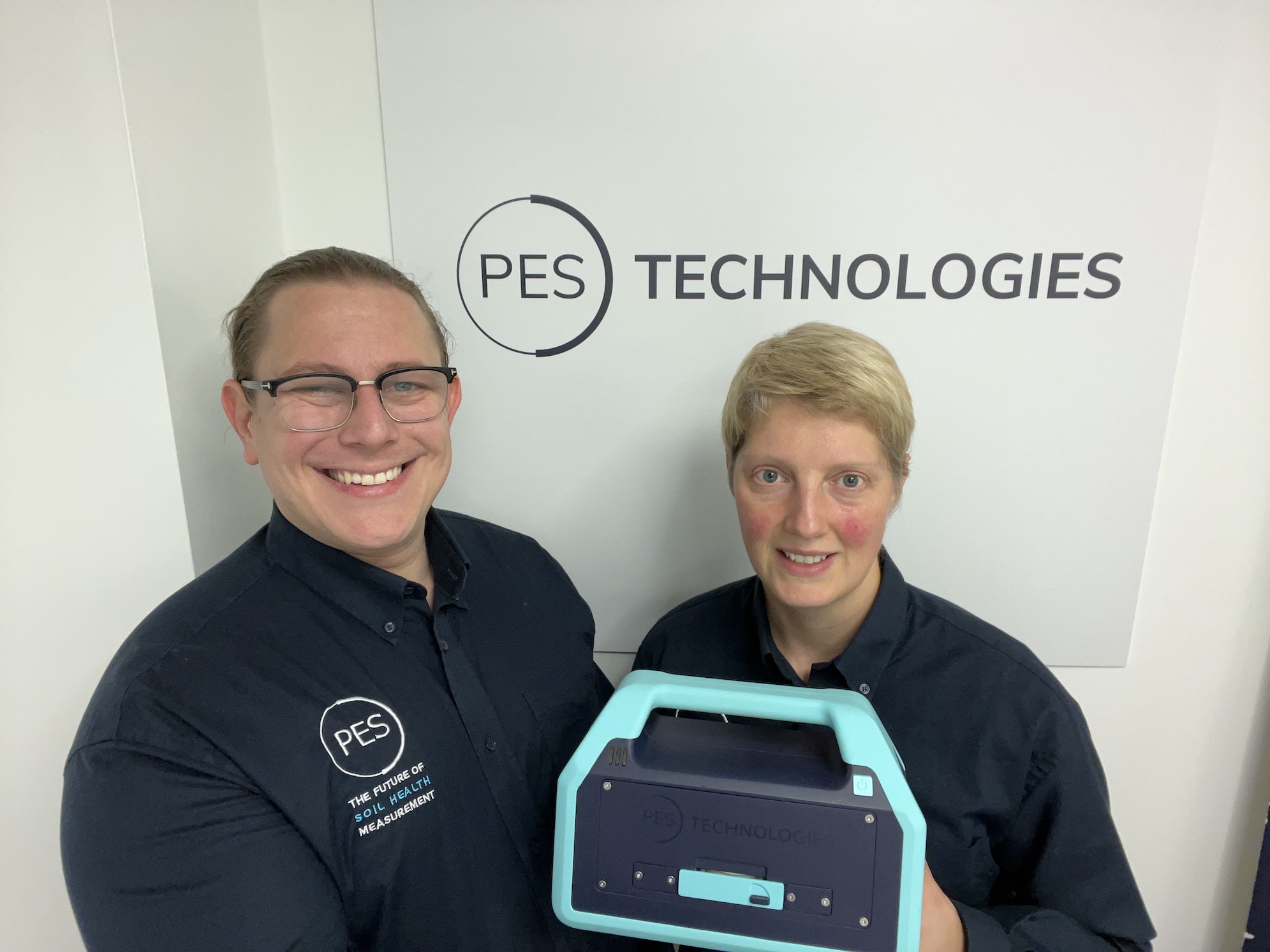
UK-based PES Technologies has closed its £2.4M Seed Investment round. This will enable PES to make their revolutionary in-field soil health measurement tool market-ready and power its launch in Spring 2024.

TSP Ventures

The funding round was led by TSP Ventures, with participation from Kero Development Partners, Green Angel Ventures, Moorhampton Investments Limited, Climate.vc and Generation-RE Holdings as well as angel investors and existing shareholders. The round is also supported by Innovate UK, which will add an additional £625k of non-dilutive funding on top of the raise.

Based in Norfolk, PES Technologies has developed a product that provides industry-leading, biology-based soil health information in-field in 5 minutes. The product is built around PES’ unique VOC-sensing (or “smell-based”) technology that, with one test, provides the multiple biological, chemical, and physical indicators agronomists use for soil health assessments.

Soil is a finite and non-renewable resource that should be teeming with life, especially microbial life –without it, soil is not soil, but just dust. Unfortunately, a significant amount of our world’s soils are degraded or heavily degraded , and the cost of land degradation has been estimated to be $231B per annum globally . Moreover, soil in poor health produces less food and is less resilient to climatic extremes, making it more prone to flooding and drought.

While governments, industry and farm businesses worldwide are increasingly looking to protect soils’ health, a lack of good-quality, affordable testing for soil biology has hampered their efforts and hindered the uptake of environmentally sustainable farming practices. PES solves this testing problem by using its unique technology to detect smells produced by microbial life in soil and link it to known soil health indicators with its affordable and easy-to-use product.

Founders

Founded in 2017 by CTO Jim Bailey, CEO Andrej Porovic and Graham Bailey (now retired), PES sees itself as “The Future of Soil Health Measurement”. It employs a team of 5 and is looking to strengthen with multiple hires over the coming months. It was recently featured on the Cleantech Group’s 2023 50 to Watch (selected from 1,814 companies) and was one of the FoodTech 500 in 2022.

Launch of world’s first Crop Microbiome CryoBank

Research Digest
Agri-TechE

The importance of microbes to plant and soil health is increasingly recognised, now the world’s first Crop Microbiome Cryobank has been launched to provide a publicly available resource to support further research. The microbiome includes six major crop plants and a range of UK soil types.

Sustainable yield improvement through knowledge of microbes

A microbiome is a community of micro-organisms that live together in a particular ecosystem. In this case, it is those associated with the roots of six major crop plants and in unplanted bulk soil. A beneficial microbiome should result in sustainably produced healthy plants, less dependent on agrochemical inputs and yielding better-quality food.

Scientists from the UK’s foremost agricultural research institutes created the facility, which will safeguard future research and enable sustainable yield improvement for six food crops including barley, oats, faba bean, oil seed rape, sugar beet and wheat.

The Crop Microbiome Cryobank (UK-CMCB) will be hosted by CABI (Centre for Agriculture and Biosciences International) and brings together the expertise of Rothamsted Research, Scotland’s Rural College (SRUC), James Hutton Institute and the John Innes Centre.

It uses state-of-the art cryo research techniques to preserve important crop microbiome samples obtained from different crops cultured in a range of UK soil types. The resource also includes living microbial material as well as genomic and metagenomic sequences (DNA) from the crop root environment.

First time complete crop microbiome collated

Dr Tim Mauchline, plant and soil microbiologist at Rothamsted Research, said: “The UK-CMCB will allow us to better understand the profile and function of microbes in our soils, which is important in advising farmers how to produce crops more sustainably.

Mauchline and his colleagues drew on Rothamsted’s extensive experience of soil microbiome research in farming systems for their contribution to the project.

He said: “This is the first time the root microbiome has been studied at such great scale for such an important range of crops. It will give us unique insights into how the soil microbiome interacts with different plants in a range of soil types and generate new microbial candidates for plant inoculation.”

All the resources were characterised using advanced DNA sequencing techniques. This allowed the scientists to discover what microbes – fungi, bacteria, archaea (single-celled microorganisms with structure like bacteria) and viruses – are present, in the root microbiome and improve understanding of their function and potential to enhance crop growth.

harvesting

BioProtection for international benefit

CABI, formerly the Commonwealth Agricultural Bureaux, hosts a number of projects that address international agricultural and environmental issues. This includes the CABI BioProtection Portal, which is a global resource for natural, non-toxic biocontrol and biopesticide products, and the development of a fungi collection of 28,000 samples, that is now housed at the Royal Botanical Gardens, Kew.

Dr Matthew Ryan, Research Lead, Biological Resources at CABI, said: “We are delighted that the construction of the UK Crop Microbiome Cryobank has now been completed.

“It is the first synchronised resource covering the total microbiome of a variety of crops in standardised soil types, supported by bioinformatics, microbiologists, plant health experts and world class storage facilities.

“As part of the work, we also looked at the utility of the UK-CMCB for the isolation of plant growth promoting bacteria and synthetic community construction.”

The UK Crop Microbiome CryoBank (UK-CMCB) project will provide a comprehensive bank of cultures, resources and information to help facilitate research into optimizing plant yields using a sustainable agricultural approach.

More information about the UK Crop Microbiome CryoBank