The Productive Landscape: NatureTech for Profit and Planet
How can technology enable delivery of food, nature recovery, and climate resilience - all at once? The Head of the Environment Agency is asked: what's the national plan for dealing with land use pressures, plus you’ll hear from technologists and land managers working on nature-based and tech-enabled solutions for water, soils and climate adaptation.

Bloomberg UK names BigSis in its 25 ‘Startups to Watch’

Member News
The views expressed in this Member News article are the author's own and do not necessarily represent those of Agri-TechE.

BigSis, the British agtech start-up offering robust yet chemical-free insect control solutions to farmers, has been named today as one of Bloomberg UK’s 25 Startups to Watch.
From more than 1,500 applications received, BigSis is one of just 25 startups to feature in the inaugural list compiled by Bloomberg. The financial and media company says the final selection represents the most innovative, new UK businesses: those that are growing fast, working on something truly unique, and which demonstrate their commitment to diversity.
“I’m truly thrilled by our inclusion as one of these 25 companies,” says BigSis Founder and CEO Glen Slade. “To have been selected from what was undoubtedly an impressive bank of entries is a great vote of confidence in the value of our work to reduce chemical insecticide usage and surely reflects BigSis’ unique and innovative approach to this problem.”

Company Background

Founded in 2017, BigSis has harnessed AI and robotics in its quest to help farmers control insect pests without the use of harmful pesticides. Its in-house technology (Slade has a computer science degree from Cambridge and 25 years’ experience in agribusiness) has automated the individualised rearing of sterile male insects as a means to produce millions of them. These can be released into a crop, where they mate with wild females, which then produce no offspring. This prevents the rapid increase in pest populations that leads to crop damage. Farmers will subscribe to a season-long service, with BigSis taking care of insect releases and crop monitoring.
“The beauty of our system is that it’s species-specific, non-toxic, non-GMO, and demands minimal regulation,” notes Slade. “Despite its minimal impact on the environment, BigSis solutions are capable of outperforming chemical insecticides in many agricultural and horticultural crops, with further opportunities in pest control for public health.”

Collaboration

BigSis partnered with Berry Gardens, the UK’s largest berry supplier, and the National Institute of Agricultural Botany (Niab) in early field trials to prove the technology worked against Spotted Wing Drosophila (SWD), an invasive fruit fly. Introducing the sterile male insects reduced SWD populations in strawberries by as much as 91% compared to untreated plots. This year, trials in raspberries showed up to 88% reduction in SWD populations compared to plots treated with one spray of a chemical insecticide.
The clear success of the company’s trials has caught investors’ attention. BigSis Series A closed over-subscribed in November 2022 at £4.5m, with the round led by the specialist agricultural innovation fund Regenerate Ventures. BigSis is currently raising £3m to replicate its production system to treat up to nine times more hectares in 2024 compared to 2023; most of this is pre-ordered.

Production

The company’s current production plant is located within its headquarters in Reading, Berkshire, but the individualised insect rearing technology was designed to be easily scaled up by replicating the processing units. BigSis’ business model is to build its automated production facilities in each country or state where there is demand.
“This ties to our strategy to minimise environmental impact, which has the important benefit of minimising regulatory hurdles,” says Slade. “While most life sciences companies spend millions of pounds and many years pursuing regulatory approvals, our solutions are so safe that they need no permit for commercial sales in England; the same is true for four US states.”
BigSis is already developing solutions for other crop pests. “There’s enormous scope for our solutions in crops worldwide,” says Slade. “As regulatory pressure increases on chemical insecticides, we aim to facilitate producers to pivot towards regenerative practices and meet consumers’ demand for ‘greener’ food.”

SRUC: Capturing impact and evidence through collecting data on-farms

Member News
The views expressed in this Member News article are the author's own and do not necessarily represent those of Agri-TechE.


HUW JONES, HEAD OF INDUSTRY AND PARTNERSHIPS, SCOTTISH RURAL UNIVERSITY COLLEGE

As the quality of data being collected on farms improves, we are seeing a rise in the use of on-farm information helping to drive innovation.

At times it feels that the agriculture industry is under more pressure than ever before. Production costs have increased dramatically, whilst output prices have very rarely followed suit. Pressure to reduce any negative environmental impacts is at an all-time high, and the welfare of our livestock is continually under the microscope.
I strongly believe that the best response to such pressure is to innovate, adapt and evidence the good work we are doing.

Industry and Partnerships

As Head of Industry and Partnerships, I have the pleasure of working across SAC Consulting and SRUC, supporting and driving forward the creation of real industry impact from new innovations. I have a front row seat for many of the exciting developments in agri-innovation, but also know all too well that generating real industry impact from using them is not always that easy.
Over the last decade we have seen a growing focus on developments in Agri-tech, like electronic tagging, advanced sensors, digital cameras, use of satellite imaging, the wireless transfer of data and on-line data management software. We now have many opportunities to generate new information that can help you better manage your farm, whilst improving efficiency and reduce environmental impact. However, innovation isn’t and can’t be a one size fits all approach, each farm needs to evaluate what works for them.
Currently, our research and consultancy teams are involved in trailing and evaluating a number of tools and approaches, ensuring we are well placed to provide independent and knowledgeable advice for farms.

Data collection


As the quality of data being collected on farms improves, we are seeing a rise in the use of on-farm information helping to drive innovation. This brings with the opportunity to reliably quantify the impact of any on-farm improvements that are being adopted.
We are also seeing growing interest in developing more joined up thinking. Measurements are being taken and stored in such a way that it’s not only useful for its intended primary purpose, but also linked to other data sets that are held on the farm or by other partners. What that means in practice, is that over time there should be more opportunities to gain more value from the information you are collecting. There should also be less need to input data in manually, and less need to input the same data twice or even several times!
Obviously, the wish for more joined-up thinking and added value is not new. We already have several examples where it has been a key component of successes that SRUC helped deliver.

EGENES Unit

Did you know that through our EGENES unit, SRUC runs some of the most advanced genetic evaluations for dairy cattle, beef cattle and sheep in the world. At the core of that service is the analysis of data that has typically been collected primarily for another purpose by farmers or our partners. For example, milk production and quality, fertility and health data for dairy cattle that is recorded and used by milk recording companies, lifespan from traceability records, and Bovine Tuberculosis resistance for cattle from government led testing programs. This year the EGENES unit is celebrating 20 years of successfully running UK national genetic evaluations, so we’ve learned a lot in that time. It’s important to realise that the majority of our success stories have required careful combing of some enormous data sets. The analysis for dairy currently includes more than 75M records! In applying advanced analytics alongside many years of fine-tuning and effective collaborations, we have helped industry achieve substantial impacts. The value to the UK beef and sheep sectors alone is estimated a >£20M a year, with the value to the dairy sector even higher.

Collaboration


Our experience, knowledge and collaborations are now being used to develop new products and services in several other areas. delivering real value for the UK economy. For example, new digital tools to support animal welfare monitoring and herd health planning will be available later this year.
Regular readers of Perspectives may have also seen in the last addition that our web-based carbon calculator tool ‘Agrecalc’ is being moved to a cloud-based platform. This will vastly improve its flexibility and ability to link into other digital tools and data sets. Over time this should help farmers generate a more complete picture of their enterprises to help best inform and evidence the impact of positive on-farm decisions aimed at getting the industry closer to the net zero target.
These are just some examples of the advances and innovations we have made, but there is much more to come.
There is little doubt that as we move forward, data collected on farms will play an increasingly important role in driving Agri-innovation and demonstrating positive impact. However, not all data is useful, and careful consideration of what and how to record can make a big difference in terms of the benefits you can capture from it. Having friends that can help you make best use of it also helps!

Burleigh Dodds Science Publishing: Is a better understanding of fungicide resistance required to protect global food production?

Member News
The views expressed in this Member News article are the author's own and do not necessarily represent those of Agri-TechE.

Since the widespread introduction of fungicides in the 1940s, fungicides have emerged as a basic component of modern IDM programmes.

However, the sheer effectiveness of fungicides has proven to be – in part – their downfall, with widespread application and improper use contributing to the emergence of fungicide resistance.

“There is no doubt that fungicides will remain a vital component of modern agricultural production systems for the foreseeable future,” says Dr Gregory M. Kemmitt, Global Leader in Disease Management, Integrated Biology and Field Sciences at Corteva Agriscience.

“However their development and use within agronomic production systems will likely need to be adapted and grounded within a more holistic and sustainable system of food production,” he concludes.

A new book published by Burleigh Dodds Science Publishing explores the emergence of fungicide resistance in agricultural and horticultural systems, as well as how fungicide use and application can be optimised to reduce the impact of fungicide resistance on global food production.

Understanding and minimising fungicide resistance has been edited by Dr Francisco J. Lopez-Ruiz who currently leads the Fungicide Resistance Group at the Centre for Crop and Disease Management, Australia.

“This new book provides a comprehensive coverage of the issue of fungicide resistance in agriculture,” says Dr Lise Nistrup Jørgensen, Senior Scientist at Aarhus University, Denmark.

“Edited by a leading name in the field and featuring contributions from a very impressive list of international experts, the volume promises to be an excellent reference for the future management of fungicide resistance,” she adds.

Systemic Fungicides

Since the development of systemic fungicides in the 1960s, a core group of fungicides has provided the foundation for effective disease control over the last 50 years: sterol biosynthesis inhibitors (SFIs), quinone outside inhibitors (QoIs), succinate dehydrogenase inhibitors (SDHIs) and oxysterol binding protein inhibitors (OSBPIs).

Through the inclusion of a select number of informative case studies, coupled with discussions exploring the science behind the emergence of fungicide resistance, the book reviews our current understanding of resistance to the four key groups of fungicides mentioned above, as well as the role of good practice in minimising the development of resistance in key staple crops.

“These four groups of fungicides have proven to be extremely effective in preventing the onset of disease in crops and are extremely popular with farmers around the globe,” says Francis Dodds, Editorial Director at Burleigh Dodds Science Publishing.

“This popularity with farmers emphasises the need for a more informed understanding of the mechanisms of resistance of each fungicide group and I’m confident that this book can contribute to achieving that,” he concludes.

The need for farmers to have a more informed understanding of the crop protection products they’re applying on their farms is reinforced through the contribution of chapters written by experts working at some of the world’s most renowned agrochemical companies, including Bayer, Syngenta and Corteva Agriscience who are largely responsible for the development of these same fungicides.

Burleigh Dodds Science Publishing: Is vertical farming the answer to our global food supply problem?

Member News
The views expressed in this Member News article are the author's own and do not necessarily represent those of Agri-TechE.

The global population is estimated to reach 9.7 billion by 2050, with global demand for food set to increase by 60% as a result.

However, with the agricultural sector already heavily criticised for its contribution to global warming, and the sector vulnerable to climate change impacts, increasing global food production to feed an additional two million inhabitants using conventional models is no longer seen as viable.

Plant factories with artificial lighting (PFALs) – more widely known as vertical or indoor farms – are recognised as a promising model that protects food production from weather extremes, optimises yields and can reduce the overall impact of agriculture on the environment.

Burleigh Dodds Science Publishing: Advances in plant factories: New technologies in indoor vertical farming.

In their latest venture, two pioneers of indoor farming – Toyoki Kozai and Eri Hayashi – have collaborated with an impressive range of international experts to produce a new book: Advances in plant factories: New technologies in indoor vertical farming.

“Professor Toyoki Kozai and Dr Eri Hayashi have had a major influence on the advancement and global understanding of vertical farming,” says Christine Zimmermann-Lössl, Chairwoman of the Association for Vertical Farming, Germany.

Key Topics

“This new book addresses key topics such as energy modelling, the nutritional components of crops and spectral manipulation. We see tremendous value in this latest publication from Burleigh Dodds Science Publishing and are confident that it will become a standard reference book in this area,” she concludes.

The book provides an authoritative review of the latest research in the development and application of PFALs for a range of crop, including the application of machine vision, plant phenotyping and spectral imaging to monitor plant health and growth.

PFALs are viewed by many as a more resources-efficient production model with less environmental impact. For example, when compared to conventional open-field production, PFALs have been proven to reduce water consumption by 90% per kg of produce and pesticide and herbicide usage by almost 100%.

And it’s the technology within the system that enables this.

“One of the core technologies of the PFAL derives from the use of an airtight and thermally insulated cultivation room with sensors for measuring all resource inputs, product outputs, environmental factors and plant traits or phenotype,” says Professor Toyoki Kozai, co-editor of this new book.

“This means that plant environmental factors can be controlled at an optimum point with minimum resource inputs and waste outputs, regardless of local weather, soil and ecosystem conditions,” he adds.

What makes this book particularly valuable is that it also addresses the continuing challenges that indoor farming faces.

The editors and authors, identify where more research and investment is required to tackle some of the biggest obstacles facing indoor farming, including the current rate of resource consumption (electricity, plastics and fertilisers), as well as the emission of greenhouse gases during the construction and operation of PFALs.

‘Techno-grazing’ more efficient and promotes soil health

Research Digest
Agri-TechE

It was in the REAP 2021 Emerging Agri-TechE panel that Sarah Morgan of Rothamsted Research outlined a new techno-grazing approach to managing grassland that kept the cattle penned into smaller cells and regularly moved to make more efficient use of the land.

Now a study published in the Journal of Environmental Management has shown that grassland can recover just as well from a highly-stocked cell-based approach as the traditional (set stocked) grazing model. The findings could have major implications for livestock management, allowing farmers to use less land to deliver similar quantities of high-quality protein without adversely affecting soil conditions.

Sarah Morgan at REAP 2021
Click to watch Sarah Morgan speaking in the Emerging Agri-TechE Session at REAP 2021 (video opens in new tab)

The study, undertaken at Rothamsted’s North Wyke farm in Devon, compared soil disturbance in traditionally grazed and cell-grazed fields.

The issue with the traditional method is that the pasture isn’t grazed evenly and grass can be trampled. Also animals tend to cluster around features like water troughs leading to compaction and bare patches. The cell grazing animals are restricted to a small area and regularly moved. In this way more grass is grown and harvested, but there were concerns that the concentration of animals would damage the soil structure.

Techno-grazing offers high quality protein on less land

By measuring soil compaction in both systems over a season, the researchers found that there was no significant difference in how grazing affects soil structure and how well the pasture recovered over the winter break.

“The results suggest that with careful management of cell grazing including appropriate stocking densities and resting periods, stocking rates on grassland could be increased with no detrimental consequences in soil structure beyond what would normally occur on grazed pasture,” said Dr Alejandro Romero-Ruiz who led the study. “This means we can deliver more high-quality protein using the same land – thus contributing to meet the growing demand for animal-origin foods.”

GPS collars used to create ‘Moovement Model’

The team tracked the steers’ daily grazing patterns using GPS collars. The patterns were similar in both systems suggesting that the animals’ foraging was not affected by the relatively small size of the enclosures.

The grazing pattern was consistent with Lévy walk process, a phenomena observed in groups of animals, (including humans navigating through crowded pavements), which is considered optimal when searching for unpredictably distributed resources.

Using information from the trackers the research team developed a so-called “Moovement Model” linking grazing patterns with soil structure and soil functions which may have applications to assess the impacts of grazing in other localities.

Future versions of this could include the prediction of areas of dung and urine deposition. These can be linked with variations in vegetation and increased numbers of microbial communities that may represent hot-spots of increased greenhouse gas emissions from the soil.

“A better understanding of how livestock move and interact with their environment may offer new insights on how grazing practices impact soil and ecosystem functions. This will potentially also offer solutions to reducing the impact of cattle on soil health and the environment,” said Romero-Ruiz.

To read the paper: Grazing livestock move by Lévy walks: Implications for soil health and environment
Alejandro Romero-Ruiz, Sarah Morgan et al.

REAP Emerging Agri-Tech

The REAP Emerging Agri-TechE session provides an opportunity to gain an update on exciting science developments. You can also see more about livestock technology in our Knowledge Hub.

Scientists at REAP 2023 include:

Dr Richard Green Harper Adams University: Grasslands
Dr Jolanda van Munster SRUC: Livestock
Dr Ewan Gage Cranfield University: Vegetable Nutrition
Dr Jacqueline Stroud University of Warwick: Soil
Jonathan Ashworth Earlham Institute: Biodiversity
Dr Myriam Charpentier John Innes Centre: Crop Traits
Dr David Withall Rothamsted Research: Insects

REAP 2023 logo

Influence of nature and nurture – Antler Bio provides insights

Meet the Network
Agri-TechE

Subclinical signs of stress are difficult to detect but the new platform EPIHERD, developed by Antler Bio, is harnessing gene expression data to reveal the impact of nature and nurture on the status of the herd. Farmers are given advice on targeted interventions.

Maria Jensen, CEO of Cambridge-based Antler Bio, says that results from its recent collaborative research project have exceeded expectations.

“Using EPIHERD we are able to do a deep dive to investigate, for example, why genetically similar individuals in the herd have lower milk yield, and to report this back to farmers so they can take action.”

The company was recently awarded follow on funding from the Innovate UK Better Food for All.

Benefiting from the Agri-TechE ecosystem

After presenting in the REAP 2022 Start-up Showcase, Antler Bio joined Agri-TechE . The membership organisation supports innovation in agricultural technologies, and Maria was keen to benefit from the network.

Director Dr Belinda Clarke comments that Antler Bio is a welcome addition to the innovation ecosystem.

She says: “Changing climate patterns are making our crops and livestock vulnerable to new strains of disease and to a shortage of resources – such as water.

“Identifying stress at an early stage can help improve livestock performance in suboptimal environments. Antler Bio’s technology answers a key question in animal welfare and provides insights for pragmatic interventions.”

Maria Jensen of Antler Bio

Impact of nature and nurture – Antler Bio can give the answer

Cows with the same genetics may perform very differently to one another; this means that gene expression may be influenced by environmental factors.

Maria says: “By measuring which genes are actually active in an animal, and their level of activity, we can bridge the existing data gap between the animal’s DNA and its performance.

“Our project aimed to understand the gene expression profiles between top and underperforming dairy cattle. We have succeeded in identifying novel biomarkers that are linked to productivity, and these are being patented. We have also developed a highly sophisticated data analysis and validation methodology and have built this into our EPIHERD reporting platform.

“By understanding events that promote desirable or undesirable gene expression we can give precision recommendations regarding habitat, animal husbandry and feed in order to unlock the herd’s full potential and support herd health in a natural way.”

Signatures that indicate dehydration

Maria gives an example of one herd where they were able to determine that the significant difference between high and low performing individuals were signatures of dehydration between these groups.

“When we presented this to the farmer, he thought it was most likely due to the combination of herd dynamics and the positioning of the water troughs. He immediately bought a water unit and installed it at a strategic spot, enabling better water access to the high-potential but submissive animals.

“The data from another herd revealed a need for omega-3 fatty acids and choline, which previously had gone unnoticed even though they conduct routine analysis on the forage with nutritional experts. This farm started supplementing the herd and have reported an increase in milk yield ever since.

“Another example was a farm where herd data indicated that the cows were stressed due to suboptimal hygiene conditions in the barn. Although the animals were healthy and unaffected on a visible level, our data showed that they were constantly diverting energy that could be used for milk production towards counteracting infections. Through simple hygiene improvements the farm was able to increase milk yield.

“These few examples highlight the power and the potential of the data that we bring to the farmers’ fingertips.”

Creating opportunities from challenge at REAP 2023

The theme of the 2023 Agri-TechE REAP Conference is ‘Adaptation Through Innovation; Beyond the Comfort Zone’ and it will explore strategies for creating opportunity from challenge. It includes a carefully curated Start-Up Showcase of early growth companies with promising technologies.

Antler Bio presented last year and Maria reports that since then they have been delighted with the response from farmers to their decision support platform.

The company has since attracted further funding. Antler Bio is building towards a seed round, has recently closed a bridging funding round with the Nest Family Office, and secured a Women TechEU award from the European Commission.

The Start-Up Showcase at REAP has provided profile for many exciting early-stage businesses with collaborators, end-users, and investors – here we ask some: where are they now? This year’s line-up is being kept under wraps until the conference on 8th November 2023.

Find out more about Antler Bio at www.antlerbio.com.

Find out more about REAP at reapconference.co.uk.

Maria Jensen of Antler Bio presenting in the Start-Up Showcase at REAP 2022

REAP 2023 logo

REAP Conference 2023:
Adaptation Through Innovation; Beyond the Comfort Zone

Wednesday 8th November, 9:30 am – 6:30 pm
Rowley Mile Conference Centre, Newmarket

Surviving and thriving under increasingly extreme and unpredictable challenges is the theme of the 2023 REAP conference. To build a productive, profitable and sustainable agri-food industry, we must move away from the comfort zone and become open to the new opportunities that exist when we ‘stretch’.  Be a part of that future – bring yourself and your ideas to REAP.

reapconference.co.uk

Meet the Team at HOPS AgTech

Member News
The views expressed in this Member News article are the author's own and do not necessarily represent those of Agri-TechE.

In 2022 HOPS were awarded the Seasonal Worker Scheme license to operate. Since this license was awarded the HOPS team has grown from three people to fifteen. They have recruited people with agricultural backgrounds, two of whom are Angus and Lloyd who will be driving HOPS AgTech forward from this point.

Meet the Team at HOPS AgTech

Lloyd is Senior Accounts Manager for the East of England and joined HOPS in April of this year. Lloyd graduated from Harper Adams University and then undertook the MDS Ltd graduate scheme which he completed in 2017. Over the last 6 years he has spent his time in Farm Management for large scale fresh produce businesses.

Angus is our Account Manager for the West of the UK from Cornwall to Lancashire and joined the HOPs team in May of this year.  Angus joins us with a wide range of experience across the agricultural industry hailing from a farming background and having recently completed the MDS Ltd graduate scheme. 

Burleigh Dodds Science Publishing: Supply chain safety key to keeping contaminated food off our plates

Member News
The views expressed in this Member News article are the author's own and do not necessarily represent those of Agri-TechE.
 isThe estimated financial burden of the disease is claimed to be as high as €3 billion.

In the US, it’s suggested that Salmonellosis is the cause of more than 1.35 million infections, over 26,000 hospitalisations and more than 400 deaths each year.

Although Salmonellosis can be contracted from an array of sources, including through direct animal contact, 94% of Salmonellosis cases are transmitted by food.

Safe handling and management of food along the supply chain is considered key for reducing and/or preventing the risk of food contamination by harmful pathogens, such as Listeria and E.coli.

Advances in ensuring the microbiological safety of fresh produce

A new book published by Burleigh Dodds Science Publishing considers the importance of ensuring food safety along the fresh produce supply chain.

Advances in ensuring the microbiological safety of fresh produce features contributions from a pool of international experts in food safety and has been edited by Dr Karl R. Matthews – Professor of Food Microbiology at Rutgers University in the US.

“Increasing consumer demand for low-input cultivation and minimal processing has significantly increased the risk of microbiological contamination of fresh produce,” says Francis Dodds, Editorial Director at Burleigh Dodds Science Publishing.

“As well as presenting a major health risk to consumers, this also undermines the trust in the food supply chain from farm to fork,” he adds.

The deterioration of food as a result of microbial contamination is a major concern in terms of food waste, human health, financial burden and economic loss.

A significant amount of research is currently being undertaken to develop methods which measure both product safety and quality, such as high-throughput screening techniques and rapid detection.

“Rapid and accurate analytical procedures are critical to ensuring product quality, label compliance and safety,” says Dr Chunlei Shi, Professor of Food Science at Shanghai Jiao Tong University, China.

“Rapid screening of spoilage microorganisms in food during manufacturing and processing would facilitate their detection in a timely manner, thus controlling the spread of microbes and ensuring safe food supply,” she concludes.

The risk of contracting a foodborne illness from fresh produce is significantly higher than many other food types as fresh produce is typically consumed in its raw form. Any pathogens which may be present can’t be ‘killed off’ during the cooking process.

Packaging is key

With this in mind, the packaging of fresh produce, including fruits and vegetables, is crucial to reducing the risk of contamination via an external source.

One recent development in this area is the emergence of smart packaging – a process which utilises technology to enhance the functionality of packaging materials. For example, QR codes are now printed on packaging to allow consumers to track the journey of their food from farm to fork. Key developments, such as the use of QR codes are discussed in this new authoritative text.

See more here.

Burleigh Dodds Science Publishing: How will climate change affect agriculture in years to come?

Member News
The views expressed in this Member News article are the author's own and do not necessarily represent those of Agri-TechE.

The impact of climate change can be felt worldwide – from continent to continent.

For example, UK growers have highlighted concerns about the 2022 heatwave in which the country experienced its highest ever temperature on record (40.3 degrees Celsius), threatening yields of crops such as cereals, brassicas and top fruit.

And it’s not just the UK that’s heating up. According to research, the average surface temperature across the contiguous U.S. states has risen at an average rate of 0.1 degrees Celsius per decade since the start of the 20th century (Basso, Millar and Price, 2023).

Although for some the damage may already be done, many see great promise in the use of modelling techniques to predict the future impact of climate change on agriculture, as well as the efficacy of climate change mitigation measures.

Modelling climate change impacts on agricultural systems

A new book published by Burleigh Dodds Science Publishing promises to be the ‘go-to’ reference on this topic.

The book features contributions from an array of international experts in the field of climate change modelling and has been edited by Professor Claas Nendel who was the Principal Developer of the MONICA model. This simulates biophysical processes in agroecosystems to allow assessment of regional impacts of climate change.

“This book examines issues from the small scale, via regional to global, and explores current approaches and the gaps that need to be filled to make projections more robust,” says Professor Tim Benton, Director of the Environment and Society Programme, Chatham House, UK.

“It allows readers to judge the extent to which we really understand how climate change will affect agriculture in years to come, and what we need to do better in order to do so,” he concludes.

Modelling climate change impacts on agricultural systems provides a global perspective on the impact of climate change on different agricultural systems, including both crop and livestock production, in Europe, Asia, Africa, Australia and the Americas.

One of many concerns surrounding climate change is its impact on delivering key ecosystem services that underpin agriculture and deliver wider benefits such as improved air, soil and water quality.

“Invertebrates and micro-organisms living in the soil maintain its fertility and structure, but are vulnerable to disruption or damage to the soil,” states Dr Charlotte Weil, Swiss Federal Institute of Technology Lausanne, Switzerland.

“However, rising temperatures increase the rate of soil organic matter decomposition, causing losses in soil fertility that may be further compounded by climate-induced changes to soil invertebrate and microbial composition – both of which could compromise soil ecosystem services,” she adds.

“Climate change continues to wreak havoc on agricultural production worldwide,” says Francis Dodds, Editorial Director at Burleigh Dodds Science Publishing.

“It was therefore essential that our new book review the latest research on how modelling can better capture the impact of climate change and assess how effective potential mitigation measures might be in both adapting to and reducing its effects,” he adds.

Find out more about the book here.

How accessing science is accelerating innovation at G’s

Agri-TechE Article
Meet the Network
Agri-TechE

Investing in a network of connections is the way that G’s is accessing science, explains James Green, the Group Director of Agriculture.

James is chairing the Emerging Agri-TechE session at REAP 2023, when he will be having a series of short chats with some of the UK’s leading agricultural researchers.

Science relevant to G’s

James explains the importance of science to his farming business: “The connections we seek out are those that broadly fit with what we are trying to achieve on-farm – such as regenerative agriculture, improving the soil microbiome, smart water management, better crop prediction, automation – but we also want to keep an open mind, because we are looking for fresh thinking and you don’t know what will come from left field that may be useful and perhaps disruptive.

James Green, G's Fresh
James Green, Group Director of Agriculture for G’s

“Not every meeting will lead somewhere, but someone from outside the business will have different perspectives that are of interest.”

Importance of the innovation ecosystem

James continues: We keep in touch with the academic community, talk to consultants and other businesses, and participate in networking organisations like Agri-TechE and grower association R&D panels.”

It was at an Agri-TechE meeting that G’s met Microsoft – and this developed into a project that now enables an accurate forecast of when a crop of iceberg lettuces is ready to harvest and signal the potential opportunity for interventions to speed up maturity if required. This led onto the use of ‘eye in the sky’ technology first to count the heads, and this year to plant-by-plant nutrition to increase consistency in the crop, thereby saving resources and improving quality.

James continues, “It is particularly important for G’s to network and share resources, because the type of equipment we need is specialised. Not many organisations need a harvester designed to pick Romaine lettuces, so we need to look internationally and work with other partners to spread the costs of innovation.”

Agri-TechE members lettuce harvesting at G's. Accessing science is important to the grower
Agri-TechE members lettuce harvesting at G’s during a members’ event

Accessing science through dialogue

In-house, G’s has dedicated teams focussed on agronomy R&D, digital ag and data science. It has a future farming team spearheading its move into regenerative agriculture, that is actively talking to experts researching ways to improve soil health.

James continues: “As we move to low input regen farming then the crop varieties, we are using haven’t been bred for that. However, it could be that there is genetic material out there that has been bypassed, and that would be well-suited to exploiting a more natural soil environment. We are starting to have these types of conversations with seed breeders and academics, who are exploring the potential of self-fertilising crops.”

“Our mantra is to produce more with less – less fuel, less fertiliser, fewer chemicals, less water – even to the extent of using no artificial fertilisers or no chemicals, which is really where we’d like to be in a few years’ time.

“We think that’s feasible, although we don’t yet know exactly how in all areas, which is where the science comes in.

Emerging Agri-TechE Session at REAP 2023

At REAP 2023 James will be asking the ‘so what?’ question to which farmers in the room would want to know the answer, to scientists including:

  • Dr Richard Green Harper Adams University: Grasslands
  • Dr Jolanda van Munster SRUC: Livestock
  • Dr Ewan Gage Cranfield University: Vegetable Nutrition
  • Dr Jacqueline Stroud University of Warwick: Soil
  • Jonathan Ashworth Earlham Institute: Biodiversity
  • Dr Myriam Charpentier John Innes Centre: Crop Traits
  • Dr David Withall Rothamsted Research: Insects
  • Dr Ali Kafash Hoshiar University of Essex: Soft Robotics

“I am really looking forward to chairing this session at REAP and hearing about what is coming over the horizon,” he concludes.

Agri-TechE members lettuce harvesting at G's
Agri-TechE members lettuce harvesting at G’s

REAP 2023 logo

REAP Conference 2023:
Adaptation Through Innovation; Beyond the Comfort Zone

Wednesday 8th November, 9:30 am – 6:30 pm
Rowley Mile Conference Centre, Newmarket

Surviving and thriving under increasingly extreme and unpredictable challenges is the theme of the 2023 REAP conference. To build a productive, profitable and sustainable agri-food industry, we must move away from the comfort zone and become open to the new opportunities that exist when we ‘stretch’. Be a part of that future – bring yourself and your ideas to REAP.

reapconference.co.uk

Using agri-tech to make farmers part of the solution

Agri-TechE Article
Agri-TechE

“I think as challenging and uncertain as things are for farmers at the moment, these times are equally exciting and full of possibility,” comments livestock farmer and NFU vice-president David Exwood.

David will be giving a keynote presentation at the 2023 Agri-TechE REAP Conference, ‘Adaptation Through Innovation; Beyond the Comfort Zone’. He will speak alongside Defra Chief Scientist Professor Gideon Henderson.

Trying to farm profitably and do the right thing

David comments that while farmers are open to science, there are many sources of information and a lack of clarity from government and the supply chain on how to achieve targets.

“If a farmer asks the question ‘what is the right thing to do for net zero, biodiversity and climate?’ you could get a hundred different answers. Trying to farm profitably while doing the right thing in all those directions – well that is the challenge. We can do it, but it’s not easy.”

Circular farming systems are the future

With his wife and sons, David farms over 1,200 tenanted hectares in the heart of the Sussex Weald. The business has arable, dairy beef, Sussex suckler herd and sheep enterprises.

Although grazing has helped shape the British countryside, intensive livestock farming with a reliance on bought-in feed and concentrated manure production is still a major cause of greenhouse emissions. David comments that there is a lot of noise around livestock farming and the role of meat in the diet.

“We have been the problem for many years, but we are starting to turn a corner where we are the solution. I would say that anyone looking at any kind of circular farming system would understand the value of livestock and would be really positive about what this means for biodiversity in the landscape.

“We can deliver all the things that people want to see, but we’ve got to make sure that farmers are recognised for that, and they get the value. I actually think we’ve got a great story to tell.”

Precision beef

David was one of the first to use Breedr’s ‘precision beef’ application, to improve the consistency of his delivered product.  It is based on science from Rothamsted Research that showed there is a point of ‘peak production’, after which additional feed is converted to fat and methane emissions increase. Breedr helps farmers to gauge that point for individual animals and to trade their ‘digital twins’ in an online market.

David Exwood, NFU Vice President (credit Lawrence Looi and NFU)
David Exwood, NFU Vice President (credit: Lawrence Looi and NFU)

David continues: “Feeding livestock is complex, especially when you are supplementing grazing. Understanding how your cattle are growing, how starch from grass is being turned into meat, the amount of protein and fat on the carcass, the time taken to do that, and the return you’re getting for every kilo you’re putting into them is really important. Technologies, like Breedr, which is brilliant, enable us to break down this challenge into the things we need to do and to see how it can be done better.

“I think there are two things there. It’s about a consistent deliverable product, which has a value to the supply chain, but also creating the data to prove the value of what you are doing. So, when a customer, a processor or retailer, says to a farmer ‘what are you doing for the environment or for sustainability?’ you can codify it in a way we haven’t been able to in the past.”

Shopping list for REAP

Looking ahead to REAP and the discussion of agri-tech David is particularly interested in hearing about technologies that will improve resilience to extremes.

“As technology gets cheaper and more widely available a whole range of possibilities opens up. Livestock produces nutrients in the form of manure, which is often seen as a waste and a pollutant, but we can turn that into sustainable fertilizer through better use of technology.

“I think herbal leys and different grazing systems that will use less fertilizer and can cope with more extreme weather are vital. To support this, GPS collars could be a novel way to graze sensitive areas or to feed them more sustainably.

“Then finally, obviously, is robots. Robotic feeders and milkers could be rolled out further.

“All this would help to make us more resilient and to keep profitable, and crucially, to be truly sustainable in terms of climate and the environment and changing weather.

“We need to turn the clock forward, not back, and I firmly believe that better use of technology is the answer here.”


REAP 2023 logo

REAP Conference 2023:
Adaptation Through Innovation; Beyond the Comfort Zone

Wednesday 8th November, 9:30 am – 6:30 pm
Rowley Mile Conference Centre, Newmarket

Surviving and thriving under increasingly extreme and unpredictable challenges is the theme of the 2023 REAP conference. To build a productive, profitable and sustainable agri-food industry, we must move away from the comfort zone and become open to the new opportunities that exist when we ‘stretch’.  Be a part of that future – bring yourself and your ideas to REAP.

reapconference.co.uk

Looking forward to Agri-TechE Week 2023

Agri-TechE Article
Agri-TechE

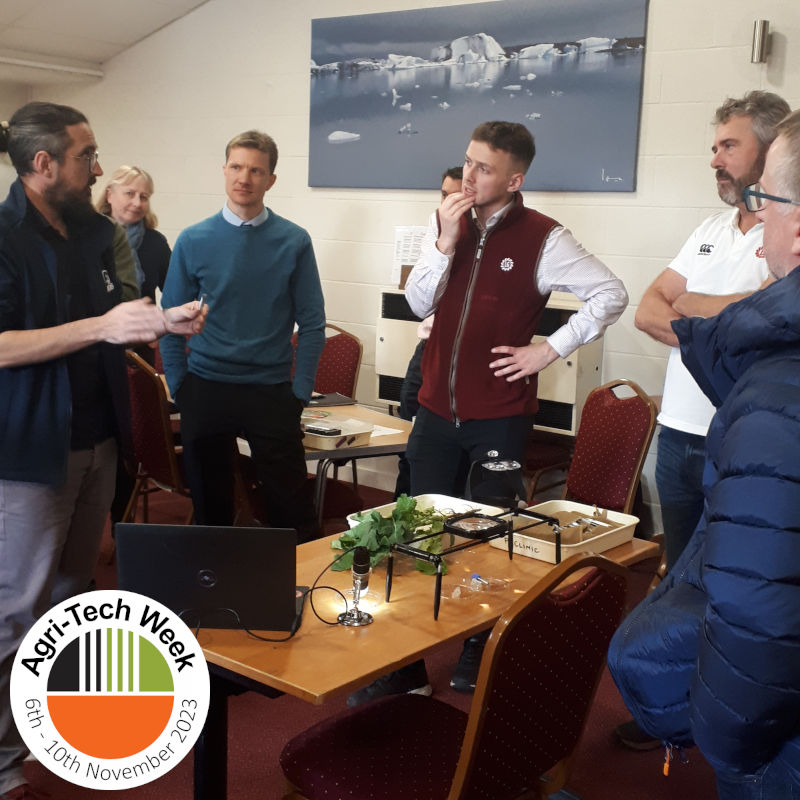
Agri-TechE Week creates a unique opportunity to meet the people behind the latest science and innovations and to visit those on-farm that are adopting cutting-edge technology.

The week aims to showcase exciting developments in agri-tech through a dynamic mix of events, workshops, farm visits and, of course, the Agri-TechE REAP conference.

More detailed information about the events is available on the Agri-TechE Week microsite.

Monday 6th November

Real-world solutions to tackle the impacts of climate change

Chance to gain an insight into five ground-breaking projects that are providing novel solutions to real world challenges. Topics include:

  • Decision support for policy
  • Improving soil health
  • Biofortification and disease resistance
  • Biotechnology as alternative to fossil fuels
  • Developments in the circular economy

In-person event hosted by the Norwich Research Park, at the Centrum, NR4 7UG

Click here to read our event report.

3 CPD Basis Points are available to attendees.

Heat and drought

Many crop growing regions are expected to experience reduced rainfall and prolonged droughts, which can have serious implications for agriculture productivity. In this event researchers will explore various mechanisms to predict and mitigate these impacts on food security.

This free in-person event is hosted by the University of Essex, and looks at innovations that may offer a lifeline to this sector.

Click here to read the summary of the day.

water

Tuesday 7th November

Integrated pest management in action

This interactive event discusses learning points from three EU funded integrated pest management projects. It will signpost the tools and information that are available and discuss the results of field based demonstrations.

This free in-person event is hosted by ADAS RSK at the Over Community Centre, Cambridge, CB24 5NW.

Read our event summary here.

pests

3 CPD Basis Points are available to attendees.

Embedding entrepreneurship in research

Commercially-driven scientists discuss how they have spun out new companies from their research in areas such as plant-based therapeutics, made-to-order disease resistance and biofortification.

This event at The Sainsbury Laboratory, Norwich, NR4 7UG, explores the success of its Entrepreneur-in-Residence Programme and includes interactive displays.

Read the summary of the day here.

TSL

2 CPD Basis Points are available to attendees.

Wednesday 8th November

REAP conference 2023: Adaptation through innovation; beyond the comfort zone

Can agriculture improve its resilience to increasingly frequent ‘extreme’ events and what is the role of science and innovation in creating opportunity out of challenge?

Expert speakers drawn from farming and policy, ground-breaking scientists and technology visionaries discuss at Agri-TechE ’s REAP conference 2023 at the Rowley Mile Conference Centre, Newmarket, CB8 0TF.

Find out more at reapconference.co.uk or read the summary and the Start-Up Showcase is unveiled!

REAP 2023

6 CPD Basis Points are available to attendees.

Thursday 9th November

Gene editing and genetic modification

The first European field trial of genome-edited wheat at Rothamsted Research showed a significant reduction of asparagine, with no effects on yield or nitrogen content of the grain. This is one of the breakthroughs that will benefit from the new Genetic Technology (Precision Breeding) Act that will enable the development and marketing of gene edited crops in England.

This free event hosted at Rothamsted Research, Harpenden, AL5 2JQ, reviews the technology and its potential.

Read the summary of the day here.

6 CPD Basis Points are available to attendees.

4 CPD Basis Points are available to attendees.

Explore first-hand how technology is at the root of vegetable consumption

Farming and fresh produce company, Fredrick Hiam Foods Ltd, has introduced automation technologies in its field operations and factory. There will be a chance to see Robotti demonstrated by Autonomous Agri Solutions and a Laser Weed Sprayer demonstrated by VCS Agronomy and the parsnip processor Wyma in the packing shed.

This event is hosted by Royal Norfolk Agricultural Association and takes place at Fredrick Hiam Foods Ltd, Brick Kiln Farm IP27 OSE

Read our summary of the day here.

Robotti

2 CPD Basis Points are available to attendees.

Friday 10th November

Crops to products; building those value-chains

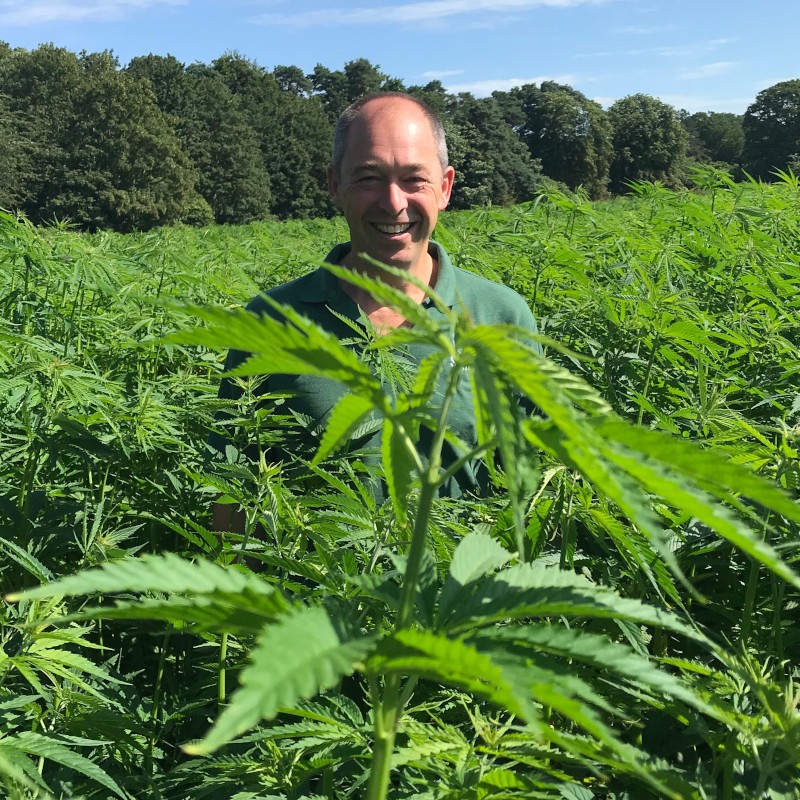
Novel crops offer resilience and new market opportunities, but how do you grow and harvest them and what are the market opportunities? Niab’s Centre for High Carbon Capture Cropping aims to answer these types of questions.

This lively event brings together a diverse range of speakers to talk about the value chains and products.

A hybrid event taking place at Niab Park Farm, Cambridge CB24 9NZ.

Click here to read our summary of the day.

hemp

2 CPD Basis Points are available to attendees.

Agri-TechE Week 2023