The Productive Landscape: NatureTech for Profit and Planet
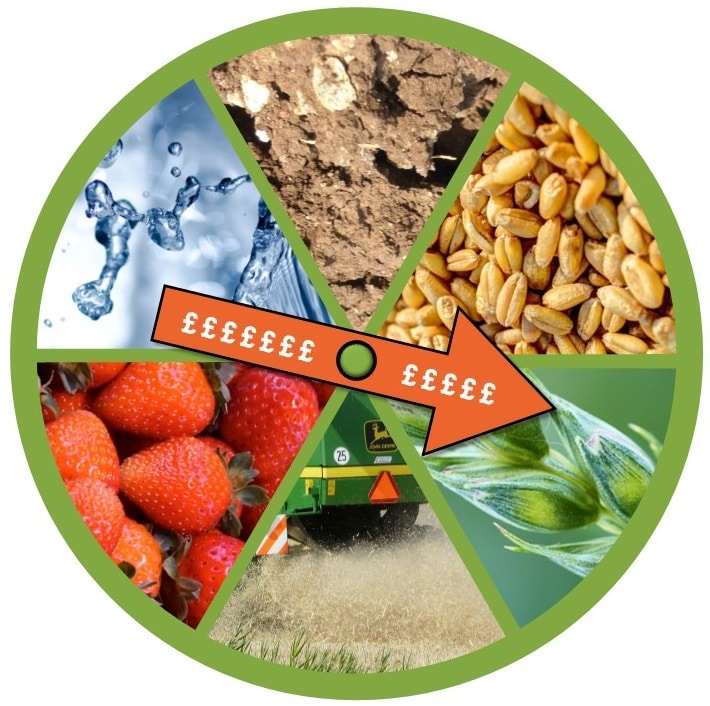
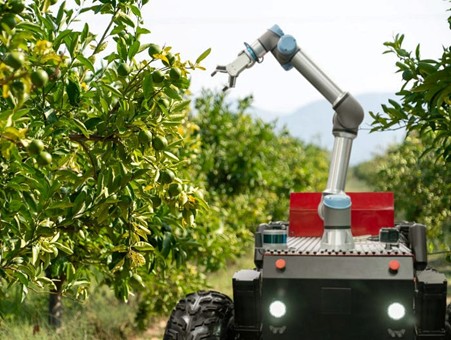
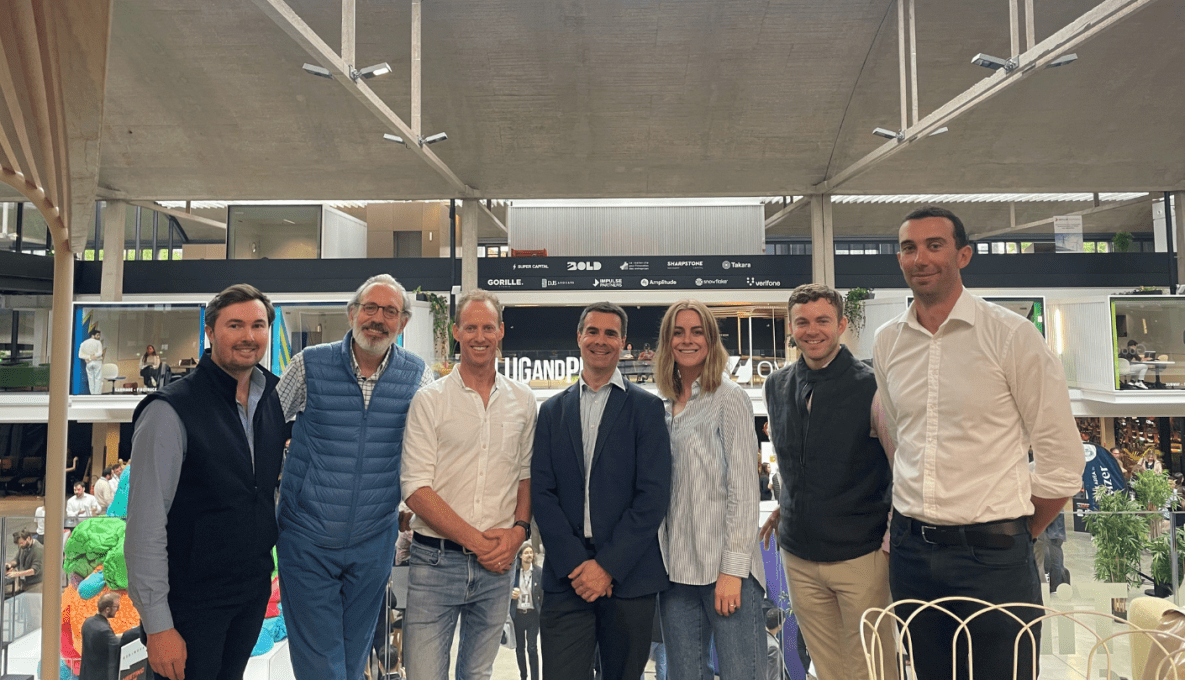
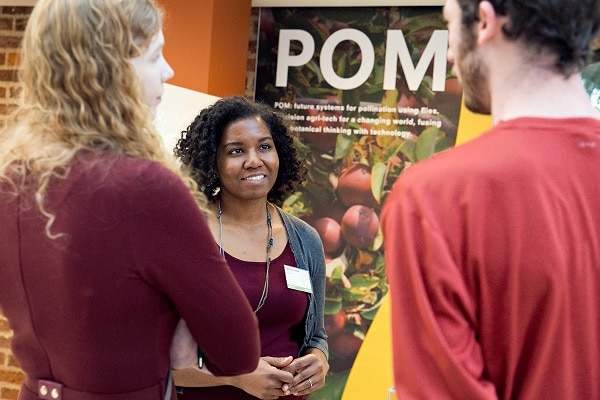
How can technology enable delivery of food, nature recovery, and climate resilience - all at once? The Head of the Environment Agency is asked: what's the national plan for dealing with land use pressures, plus you’ll hear from technologists and land managers working on nature-based and tech-enabled solutions for water, soils and climate adaptation.

Hutchinsons launch Helix project

Agri-TechE Article
Agri-TechE

Hutchinsons HelixHutchinsons has launched its Helix project, which it says is the first of its kind to look at how technologies can be linked with knowledge to deliver a greater level of advice to farm businesses.

The Helix project will act as a central research hub bringing together all aspects of crop production through to field data and input measurement.  To include:  sensors and prediction software, soil management and analysis to environmental aspects such as surveillance and predictive systems, nutrition, input and new trait technologies.

The national Helix Technology Development Farm is being hosted courtesy of Andrew and William Pitts of JW Pitts & Sons located at Mears Ashby and Whiston in Northamptonshire.
Andrew Pitts says: “We are running over 1700 acres here and our aim is to be productive, efficient and ultimately profitable, otherwise we have no farm. The relationship with the agronomist in future will become more strategic and inclusive of whole farm advice. I see a future when we will spend much less time field walking and more time on strategic discussion about the farm and sustainability.”
Working alongside the Pitts are Hutchinsons agronomists James MacWilliam and Michael Shemilt.
Michael is the ‘pilot’ agronomist of the future, testing and managing technologies with the farm to understand how they will work and their value in the farm scale situation. Work has already begun on the farm on areas such as climate and pest prediction, nutrition technology, variety trait work and environmental sustainability.

“We will aim to demonstrate these technologies by various means and not just the traditional farm open days. After all, this is about use and benefit of technologies, so technology will be used to demonstrate it, “ says Stuart Hill, Head of Technology & Innovation at Hutchinsons.

Hutchinsons’ Helix project will focus on three key project areas to start with that will align new and old technologies, evolving and developing these to improve crop management decisions. More projects will become apparent during 2019

  1. Project Predict & Justify – predicting and monitoring risk analysis with regards to disease, pests, crop growth, lodging risk. This will help growers to identify and understand where there is risk and to help justify farm decisions. For example BYDV risk forecasting- making this field specific and for warnings to come before threshold levels are reached.
  2. Project Sustainability – sustainability encapsulates a sustainable farm business. This project looks at the sustainable use of inputs and sustainable farm environment. For example Hutchinsons are developing technology to enable mapping of pollination species in appropriate locations and timings on farm.
  3. Project Nutrition – soil and tissue testing are challenging and time consuming processes. The nutrition project aims to simplify decision making by enabling live analysis alongside developing knowledge.

More information about Helix  www.hlhltd.co.uk

Hummingbird Trinity drone offers improvements to data capture

Agri-TechE Article
Agri-TechE

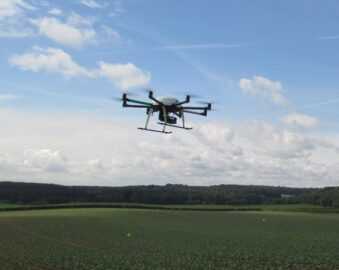
The new Trinity drone has been a fantastic addition to Hummingbird Technologies operational offering for this season. Featuring vertical take off capability, longer flight times and ability to carry both the RBS and Multispectral cameras, the company says the technology is already showing huge improvements to data capturing.
Hummingbird is also extending its team with the appointment of Hendrik Knyp as its new VP of Operations & Head of Germany, Central and Eastern Europe. Hendrik was brought up on a family farm in Germany and is a graduate from Insead Business School.
More information about Hummingbird. 

PGRO Comment on the Pulse Market

Agri-TechE Article
Agri-TechE

PGRO pulse market updatePGRO comments that at the end of 2018 feed values for UK pulses had risen considerably and forward values for crop 2019 were already rising. This was good news for growers, reflecting the continued demand for the product in markets right across Europe as well as in the UK.
Whether peas or beans, there appears now to be little open market crop of good quality available for new trades – and International short sellers making good their commitments have been keeping bean prices high.
The European market for vegetable protein continues to be strong and indications are that this strength is a long-term trend.
Australian faba bean harvest has yielded significantly better quality than that enjoyed in Europe from the 2018 crop and their produce is fetching as much as US$ 750/t delivered to Egypt.
Egypt normally imports around 600 – 700,000k t of beans but it is believed that there may be as little as 450,000t available to them from 2018 crop, even with reduced acceptability standards. A temporary switch to lentils and chickpeas seems inevitable, which means good quality new crop 2019 will likely be in strong demand.
More information 

fieldmargin launches DroneDeploy to plan flights

Meet the Network
Agri-TechE

Drones are becoming an increasingly important bit of kit on farms, allowing farmers to collect real time imagery of what is happening on the ground quickly and easily. But once you’ve collected this data how do you put it to use?

DroneDeploy integrates with fieldmargin
Drone image of field amended with areas to investigate showing how DroneDeploy integrates with fieldmargin

DroneDeploy makes it easy to plan drone flights and convert the images from them to maps. fieldmargin’s integration with DroneDeploy lets you plan drone flights using your existing field boundaries and to view the resulting maps in context alongside the rest of your fieldmargin data.
Once you have imported your maps from DroneDeploy you can use them to:

  • Track changes in your fields over time
 – imported drone maps appear on your field in chronological order so you can track their performance over time.
  • See the impact that that issues you have noted are having on performance – 
existing notes are overlaid on your map so you can see what effect the waterlogging you noted over the winter has had on crop health.
  • Identify problem areas to investigate
 – make notes about areas showing problems such as poor growth so that you can target your work on the ground to investigate the cause.
  • Cross reference with other mapping data
 – overlay your drone maps with other mapping data such as yield and drainage maps to help identify the causes of problems.

More advanced agriculture-specific functionality includes:
• Crop health measurement with RGB and vegetation indexes.
• Measure slopes, stockpiles, rooftops and more with volume, slope, surface distance and surface area calculations.
• Automated reports of fields of crops, including stand count and plant populations.
• NDVI analysis to identify areas of crop stress.
More about fieldmargin.

Incubyte supports potato insights company AxoMap

Member News
Agri-TechE

Support from Incubyte is helping AxoMap to bring its technology to market.
AxoMap is a remote sensing application that is able to identify potato tubers during harvesting. It provides tech and big data solutions for potato growers and harvesters.
Founder, Keith Geary, has been an Incubyte member since November 2017.
Rob Precious, Founder of Incubyte comments: “AxoMap is at an exciting stage now whereby Keith can prove the software delivers impactful data for potato farmers and processors.
“Agriculture is cyclical by nature, so it’s been a long but interesting journey of development and it’s great to see that investment of time, technology and expertise proving itself.”
More information about Incubyte. 
 

Map of Ag acquires precision farming company Precision Decisions

Agri-TechE Article
Agri-TechE

Map of Ag, a leading provider of agricultural insight and knowledge to the agri-food industry, has acquired Precision Decisions Ltd, further expanding its data reach capabilities.
This acquisition, complemented by the recent acquisition of Evidence Group (EBVC) in the veterinary animal health sector, is key to Map of Ag’s strategy to derive insights and provide valuable data to the food and agricultural supply chain. Precision Decisions provide a range of products and services to the agricultural sector including precision soil sampling, market leading sensor technologies and variability mapping solutions through their MiFarm™ platform, as well as a range of consultancy services. They are focused on developing new technologies to provide data, insights and image analyses which enable farmers to manage their farm and field variability and make better, data-driven decisions.
Map of Ag Founder Forbes Elworthy said of the acquisition: “Our purpose is to connect agricultural and food industries via data so that we have better information, better communication and better, more profitable businesses as a result.
“Precision Decisions’ expertise in precision farming methods, soil health and farm IT solutions is a significant step in achieving a transformational and global agricultural information platform, which will empower farmers in decision making, as well as providing farm-based analyses and insight to the agri-food supply chain.”
Precision Decisions Managing Director and founder Clive Blacker added: “We are on the cusp of an agricultural data revolution and connectivity is the holy grail. As we advance data capture tools and insight, the way we farm will change dramatically along with the ability to improve food production for an ever-increasing global population and raise profitability of farms.”
In July 2018 Precision Decisions won the Future Food Award at the BBC Food and Farming Awards for its Hands-Free Hectare (HFH) project.
Agriculture and food production as an industry collects enormous amounts of data from farming, processing and packaging right up to when the food reaches consumers’ plates. These recent acquisitions provide Map of Ag with the foundation to create an agri-tech data powerhouse, where capturing, enriching and managing this data will enable its customers to continually generate valuable, actionable insights for the agri-food supply chain and farmers alike.

Martin Lishman’s ImpacTrack wins Gold at LAMMA 2019

Meet the Network
Agri-TechE

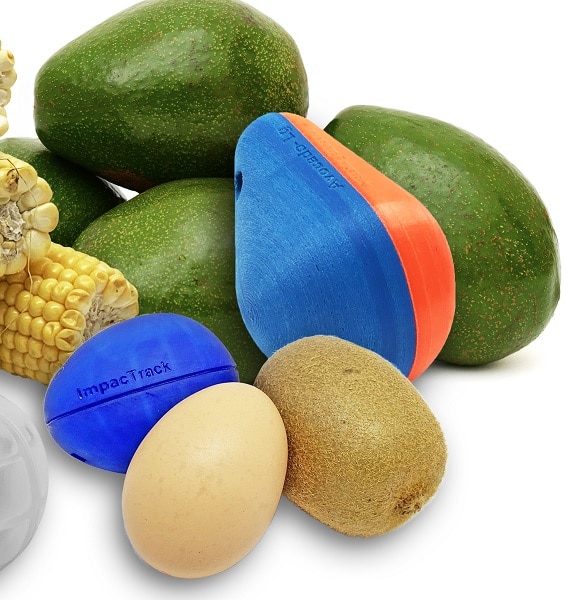
Martin Lishman - Gold Award ImpacTrack ShapesImpacTrack – a new, low-cost data logger with a family of synthetic food shapes, developed by Martin Lishman Ltd – has impressed the judges of the Innovation Awards at LAMMA 2019, who have awarded it a Gold Medal in the Future Innovations category. Using low-cost digital Agri-TechE solutions to meet the challenge of reducing food waste in agriculture has been the driving force behind the development of this novel concept.
“The fact that 1.3bn tons of food are wasted globally each year, with almost 60% of crops spoilt, damaged or wasted during post-harvest operations, presents a huge challenge to the food production industry”, says Dr Gavin Lishman, Managing Director of Martin Lishman Ltd. “But digital Agri-TechE solutions, leading to more efficient post-harvest methods, do not need to cost the earth and can reduce losses to as low as 1-2%.”
ImpacTrack is a small data logger cube that can be installed within the packaging of any fresh produce to monitor temperature and impact shock during transit over any distance by road, rail, sea or air. The data gathered can be downloaded at the end of the journey via Bluetooth to any smart phone or tablet using the ML Sensing App. The logger can also be encased in a 3D printed shape that mimics the size, shape and density of the fruit or vegetable being processed, which allows real-time monitoring or recording of damage during handling by machines or humans at any stage from the field to the shop floor.
Martin lishman Carrier-Shell
The ImpacTrack dummy shape reproduces the movement characteristics of fruit and vegetables prone to damage and bruising during handling and transport and therefore gets as close as possible to a realistic representation of impact ‘black spots’ in handling machinery. If handling is in water, as with apples, the dummy is also able to float with the real fruit. Shapes already created are Gala apple, sweetcorn, Haas avocado, carrot, parsnip, strawberry, potato and egg. Other shapes such as onion, mango, banana and peach are equally possible.
ImpacTrack is a vital quality control tool for the reduction of damage and bruising whilst fruit or vegetables are in transit or in the picking or packing process. The ability to monitor impacts during these processes will result in fewer discarded items, leading to less waste and higher production yields.
ImpacTrack is believed to be the first low-cost device to record both impact and temperature while also mimicking the characteristics of the produce being monitored. As well as reducing financial losses due to waste, it will help handlers and shippers to be more aware of the effects of their processes, both positive and negative, leading to more sympathetic handling systems, fewer insurance claims and potentially lower premiums.
“ImpacTrack is an example of a game-changing technology that can be used worldwide and adapted to suit all types and sizes of production and handling facility,” says Dr Lishman, “It will make a significant contribution to the challenge of reducing waste losses and increasing food production.”

A Guide to Claiming R&D Tax Credits for Farm Businesses

Member News
Agri-TechE

R&D credits were introduced in 2000 to help stimulate innovation in the UK. They subsidise companies innovating either in the form of a reduction in the amount of tax companies pay or a credit against tax. So there’s money waiting in HMRC’s coffers for deserving farm businesses who are innovating in their field!
Despite agriculture contributing £8bn to national GDP and directly employing 425,000 people, the value of R&D claims made to government from the sector was only 0.2% of the total amount claimed. So it’s widely agreed that agricultural businesses are missing out on a lot of potential credit from the government.
EmpowerRD are a digital-first R&D claims advisor who combine industry-leading expertise with an intelligent claims platform to dramatically reduce the cost of claiming for R&D credits. They charge claimants 5% of their credit or less – which EmpowerRD estimates makes them 3-4 times cheaper than traditional advisors and accountants.

Common Misconceptions

You needn’t wear a white coat to claim R&D credits, sometimes a pair of wellies will do!
While many farm businesses will be employing a lot of advanced technologies on site, they may think that only the manufacturers of those technologies have the right to claim. However, we know that many farm businesses in the UK are eligible for R&D tax credits but aren’t currently claiming.

Activities that Qualify

To help understand the opportunity, here are three areas of activity that could qualify for R&D credits, but might be overlooked by farmers:

  1. Developing different processes to check their success: e.g. experimenting with new feed compositions or feeding techniques.
  2. Experimenting with bespoke technical solutions to solve a problem on the farm: e.g. implementing novel odour control methods.
  3. Appreciably improving technical solutions to increase their efficacy: e.g. improving an irrigation system to make it functional to the topography of your farm.

Even if a business’s attempts to innovate end up being unsuccessful they can still make a claim. So, if you’re unsure about whether you are eligible to claim then get in touch and one of our team will be able to advise.

Timac Agro UK Launch new website and competition

Member News
Agri-TechE

To improve and support the business visibility, Timac Agro UK has launched its brand new website today: www.uk.timacagro.com
Timac Agro UK is a specialist in plant and animal nutrition,  offering a specific range of fertilisers adapted to local soils and farmers’ needs.
New features include:

  • Improved and more interactive functionalities such as:
  • Insightful explanation about the wider Roullier group and Timac Agro International’s DNA including the CMI by Roullier, our industrial capability and commercial presence
  • Added news section with regular content coming both from our UK operation and the international group
  • Revamped product catalogue providing description, technical information and many more
  • A dedicated career page to get insight on what it is to work for Timac Agro UK

We hope that this is another development in TIMAC AGRO UK in 2018!
To mark the occasion of our brand new website, we have also included a competition to win a TIMAC AGRO UK branded Schöffel©. Details are on the website, and there are plenty of ways to enter. Find out more and enter.

Field bean quality very variable this year says PGRO

Member News
Agri-TechE

High levels of bruchid damage and very dry weather at harvest in 2018 have led to variable bean seed quality.
Field bean samples tested at PGRO from August to October 2018 had an overall average germination capacity of 79.5%, with winter beans having an average of 79% and spring beans 83%. Germination can be affected by physical damage to the seed caused when harvesting over-dry crops, chemical contamination by glyphosate, or insect damage such as bruchid damage, and if saving seed on-farm, it is important to test seed for germination capacity.
At low levels of bruchid infestation, germination losses may not be significant in larger seeded varieties, although damaged beans can be more susceptible to moulds. It’s likely that lightly infested seeds have a greater chance of survival, with the size of seed and portion remaining following larval feeding being important determinants of germination capacity.
At high levels of seed damage by bruchid, germination is affected, and losses between 10 and 15% germination have been recorded in laboratory tests when bruchid damage is between 40% and 80%. There is potential in the field for the damage to cause seeds to decay before germination occurs, and damage close to the point of attachment with the hypocotyl can cause establishment failure.
This occurs more frequently when bruchid damage levels are high. Crops that are harvested at low moisture content, particularly when less than 12%, may incur mechanical damage during harvesting or cleaning.
Mechanical damage to seed causes seedling abnormalities and increased infection by soil-borne pathogens such as damping off (Pythium spp.), lowering the germination capacity.
If glyphosate has been used as a desiccant, seedling abnormalities are likely to arise if the seed from the treated crop is used.
You can see their full Winter 2018-19 magazine online.
PGRO

Niab says gene editing shows promise

Meet the Network
Agri-TechE

Gene editing has the potential to underpin the next agricultural revolution. As a quicker, more accurate way of selecting desired genetic traits in plant breeding it offers the promise of a step-change increase in agricultural productivity, more durable pest and disease resistance, improved nutrition and resilience to climate change.
Gene editing is a new technique which allows a specific gene to be altered, but only at a very specific point, sometimes without the introduction of any new DNA. It means that plant breeders could precisely improve specific crop traits, for example disease resistance or drought resistance. This technique has been widely used in human, animal and plant cells.
Niab research has shown that genetic innovation (in the form of new crop varieties) accounts for around 90% of yield gain over time in our major arable crops. No amount of investment in robotics, artificial intelligence, satellite and digital technologies can increase a crop’s basic genetic potential. In contrast, gene editing is the latest tool in our wheat breeding research which offer step-change increases in yield.
Niab has recently published its latest findings showing that efficient gene editing in wheat is now possible with similar efficiencies of wheat transformation alone (BMC Plant Biology journal: Efficient generation of stable, heritable gene edits in wheat using CRISPR/Cas9).

KisanHub expands weather station network

Meet the Network
Agri-TechE

KisanHub now has 90 weather stations installed across its grower base, recording weather data at a 15 minute intervals.
The network now runs from North Yorkshire to Cornwall, with another 30 stations yet to be installed in 2018. Although every weather station has been allocated to a grower and positioned on farm, any KisanHub platform user can access the live weather information.
The weather stations that have been deployed are the Davis Vantage Pro-2 Plus. These are capturing:
Rainfall
Temperature
Solar radiation
Relative humidity
Wind speed
Wind direction
Pressure
Dew point
Wind chill
Heat index
If you would like more details or are interested in becoming a KisanHub Crop Intelligence Platform user then please contact the team at business@kisanhub.com