The Productive Landscape: NatureTech for Profit and Planet
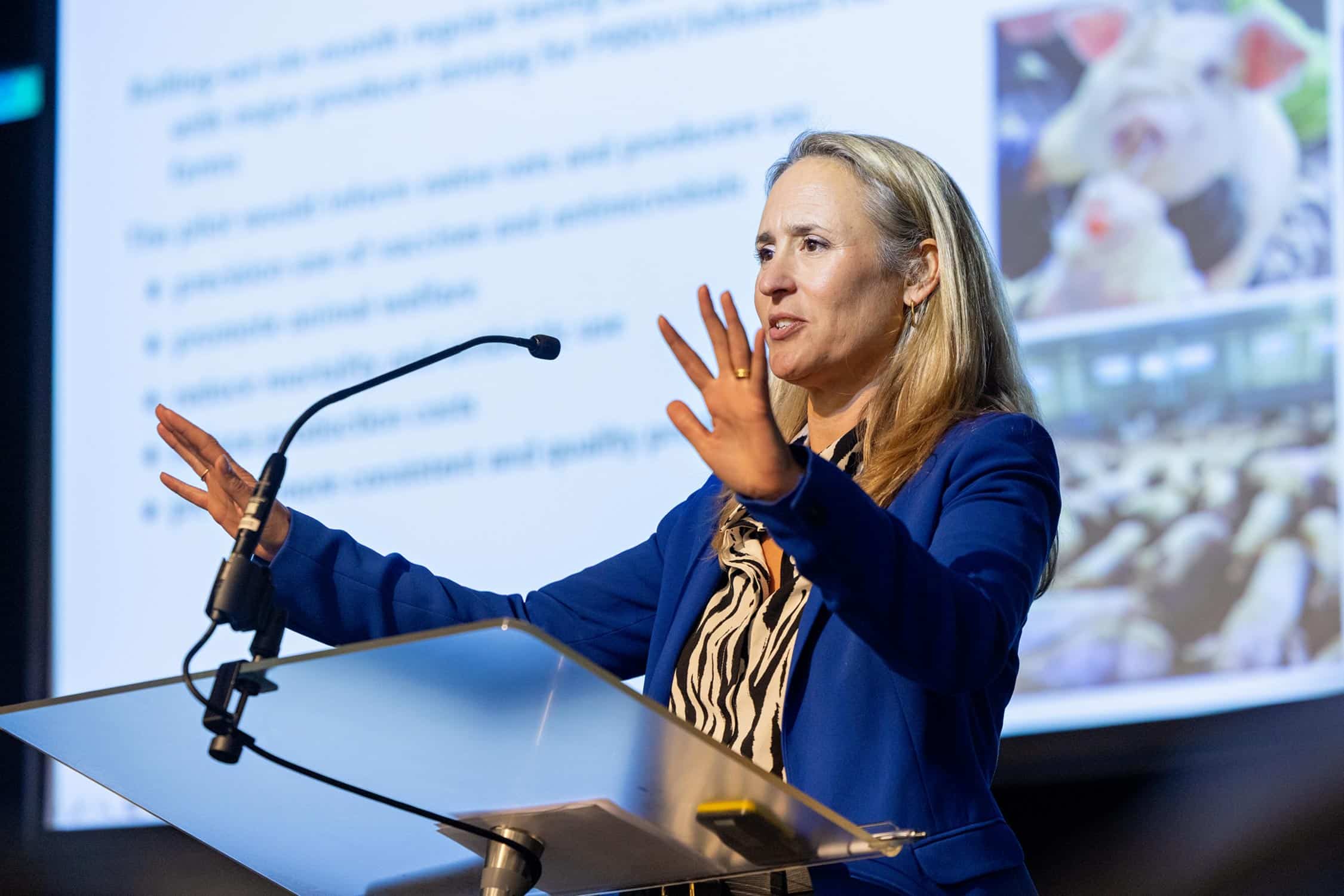
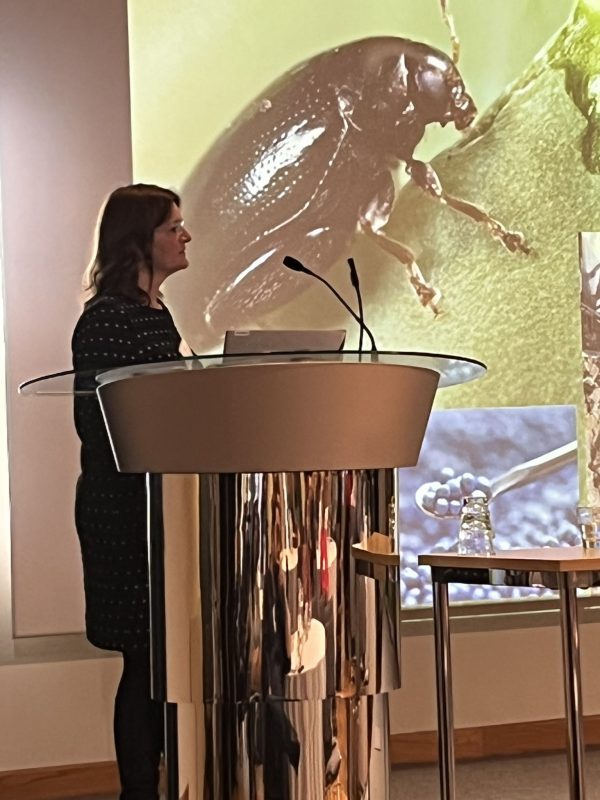
How can technology enable delivery of food, nature recovery, and climate resilience - all at once? The Head of the Environment Agency is asked: what's the national plan for dealing with land use pressures, plus you’ll hear from technologists and land managers working on nature-based and tech-enabled solutions for water, soils and climate adaptation.

Colin Morgan joins ADAS as business development director

Meet the Network
Agri-TechE

Boxworth, UK. His appointment as business development director comes at an exciting time of growth for the team and enables expansion of the current client base by developing new client relationships and increasing our service offering to existing clients.
Colin joins the team from DNV Global. His 15 years’ experience in sustainability includes global supply chains in food and commodities, as well as working with global food brands to support them in developing and strengthening responsible sourcing strategies.
With broad experience across all aspects of sustainability, Colin’s recent projects have included working in food and farming businesses across the world. This encompasses projects in Burkina Faso with the shea sector, in Bangladesh on human rights in farming, and in Saudi Arabia using sustainability frameworks with food production businesses. He has also worked extensively with UK food producers. Colin is interested in new and emerging food and farming systems and approaches, including novel crops, and is highly competent in understanding the challenges in modern farming and the opportunities open to the sector to improve wellbeing in society. He will be responsible for implementing a growth strategy to enable the Sustainable Food and Farming business to expand its offering in the corporate food sector.
You can find out more about the team’s service offerings on the Sustainable Food and Farming section of our website. For more information, please contact Sarah Wynn. Interested in joining the ADAS team? You can view our current job openings here.

“Game-changing” funding success for European research alliance

Agri-TechE Article
Agri-TechE

A major grant to fund curiosity-driven research into plant communication has been awarded to a John Innes Centre researcher and colleagues from two European institutes.
Professor Richard Morris, programme leader in plant health at the John Innes Centre, is part of an interdisciplinary team which includes Dr Friedrich Kragler from the Max Planck Institute of Molecular Plant Physiology in Potsdam, Germany, and Professor Julia Kehr from the University of Hamburg.
The successful team, which receives €6.1m over six years, is one of only 27 from across Europe to be awarded a European Research Council (ERC) Synergy Grant. “It’s been a highly rewarding experience to develop new ideas within such an excellent team,” said Professor Morris.
“The synergy was apparent early on and, of course, we’re super-excited about what we’re proposing to do. We’re absolutely delighted to have been selected for funding.”

Richard Morris JIC
Professor Richard Morris – full credit given to the originator of this image

The philosophy of the ERC Synergy programme is simple, said Professor Morris: “They encourage researchers from different disciplines to come together think freely and develop a research programme ‘bottom up’ following their curiosity. He continued: “In my view, it’s a recipe for success and innovation. Scientific progress is driven by the free flow of ideas, data and people and the ERC Synergy programme promotes exactly that.”
John Innes Centre Director, Professor Dale Sanders congratulated the team and said: “The ERC Synergy programme fits really well with the philosophy of the John Innes Centre, achieving excellence in fundamental research and giving scientists the freedom to follow their curiosity. This is a fantastic achievement for the team and it is encouraging to see European partnerships coming together to answer key questions which will push the boundaries of our understanding.”
The highly-coveted grants, worth €250 million in total, enable groups of 2 to 4 lead researchers to bring together complementary skills, knowledge and resources to address research problems at the frontiers of knowledge.
Carlos Moedas, European Commissioner for Research, Science and Innovation, said: “The purpose of this EU funding is to group together top scientific talents and bring out their best. It equips researchers on their quest to put European science on the global stage and make discoveries that will ultimately improve European lives.”
Professor Morris’s research uses mathematical modelling and computational approaches to solve problems in biology. His focus is on how plants encode, transmit and decode information about their environment. He believes the ERC funding is a “game-changer” for his long term scientific goals.
“This grant will be game-changing for my interest in biological information processing in that it brings together leading groups from across Europe in the areas of cell biology, protein biochemistry and mathematical modelling to unravel the mechanisms of RNA-based communication. This funding gives us the freedom to build and develop truly interdisciplinary research teams and train the next generation of researchers. It’s very exciting,” he said.
The fundamental research, explained Professor Morris, will have broad implications in helping to understand how plants adapt to their environment and how grafted plants may use communication strategies to increase specific traits such as disease resistance.
“This is blue skies science that will shed light on how plant cells can talk to one another over long distances to co-ordinate development,” he said. The grants are part of the EU’s research and innovation programme, Horizon 2020. Ends

Scale, Disruption and Brexit

Agri-TechE Article
Agri-TechE

A new dawn for the UK food supply chains?
The UK grocery sector is undergoing a period of unprecedented structural change. The growth and adoption of technology, evolving behavioural trends, fiercer competitor dynamics and momentous industry consolidation has caused a fundamental shift in the power differential between wholesalers, retailers and consumers. Despite the uncertainty of the coming years and Brexit looming on the horizon, one thing is for certain – a new paradigm for the grocery sector is dawning.
Our new report examines how the fast-paced evolution of consumer preferences has left retailers struggling to adapt business models to meet customers’ heightened expectations. Successful strategies and the ability to capitalise on new trading opportunities as they arise will be key to maximising the potential opportunities. The race is on to pivot business models fast enough to be fit-for-purpose in today’s digitally-driven age.
More at https://www.barclayscorporate.com/insight-and-research/industry-expertise/scale-disruption-and-brexit.html

Assessing the economic future of precision farming in the UK

Agri-TechE Article
Agri-TechE

Precision farming technologies that were considered almost ‘space-age’ at the start of the decade (e.g. GPS auto-steering, drones etc.) have now become commonplace. Whilst many of these technologies undoubtedly have potential, there is little information on how their application improves on-farm financial performance.
To assess the cost-benefit of precision agriculture, we have used Andersons’ Loam Farm model to trial precision farming on its wheat enterprise (300 Ha). Loam Farm is a notional business, based in the East of England, which has been running since 1991 and tracks the fortunes of combinable cropping farms. It comprises 600 hectares in a simple rotation of milling wheat, oilseed rape, feed wheat and spring beans, and is based on real-life data. The financial performance for Loam Farm as a whole (i.e. all enterprises) is shown in Figure 1 for 2017 under the status quo and precision agriculture scenarios. The precision agriculture techniques applied included soil mapping and GPS auto-steering whilst variable rate application was also built-in to the equipment used.
Performance was assessed by dividing the wheat enterprise into a series of 10×10 metre grids where seeding and application rates were varied in accordance with land capacity and needs. This meant that in some areas, input application increased and lowered in underperforming areas whilst the poorest land (3% approx.) was not cropped. By applying precision farming techniques, average wheat yield improved by 1.3%; the gross margin increased by 2.0% across the whole farm. Overhead costs rose slightly (0.3%) as the cost of the precision farming technology (£10,000) eclipsed the savings, particularly in labour, brought about by auto-steering. Overall, by applying precision farming techniques on the wheat enterprise Loam Farm boosted its profitability by around £8,400. Thus, indicating a payback in Year 2.
 
 
Figure 1 – Precision Agriculture applied to Loam Farm’s Wheat Enterprise*

£ per Hectare (unless stated) Status Quo Precision Agriculture
Wheat yield (t/Ha)  9.05 9.17
Output  1,163 1,171
Variable costs  394 387
Gross margin 769 784
Overheads  414 415
Rent and finance 243 243
Drawings 77 77
Production margin  35 49

* Trial on wheat enterprise, results shown for whole farm.
Source: The Andersons Centre
per Hectare (unless stated) Status Quo Precision Agriculture
Wheat yield (t/Ha)                          9.05                9.17
Output 1,163 1,171
Variable costs 394 387
Gross margin 769 784
Overheads 414 415
Rent and finance 243 243
Drawings 77 77
Production margin 35 49
* Trial on wheat enterprise, results shown for whole farm.
Source: The Andersons Centre
Michael Haverty, The Andersons Centre
Michael Haverty, Senior Agricultural Economist at The Andersons Centre
By its very nature, the cost-benefit of precision farming will vary from farm-to-farm. Some farms may achieve greater savings whilst for others, the overall benefit will be marginal. It is apparent that there is greater scope for precision farming to generate a return on larger farms. Indeed, for many users it is a key means to effectively manage scale. Once the data are captured on a farm management information system (FMIS) it remains easily accessible for analysis. A farm manager may be able to retain the key information for a small number of fields for the past few seasons in his/her memory. But as farm size rises, and insights from longer-term analysis are required, this will no longer suffice. A farmer’s ability to manage a larger business can be significantly enhanced by precision farming. However, farmers need to be careful in ensuring that the time spent on analysing and managing their precision farming systems is utilised effectively. It is easy to become engulfed in a torrent of data which can end-up inhibiting decision-making.
One would expect the uptake of precision farming to continue to advance. However, for companies offering precision farming products, it is vital that they show in realistic terms what return farmers could generate from investing in such technology.
The Andersons Centre has many years’ experience in conducting economic assessments at the farm, supply-chain and industry level. We are eager to support agri-tech businesses in conducting similar assessments for their products and services. For further information, please visit www.theandersonscentre.co.uk or contact Michael Haverty (mhaverty@theandersonscentre.co.uk).

Barclays investing in the future

Member News
Agri-TechE

Barclays can trace its earliest deal in UK Agriculture to being as far back as 1744 – in the following period of over 270 years since we have supported the sector through many periods of change and challenge.  While during that time we have also been at the forefront of Craig Sigley, Barclaysmuch change, innovation and financial sector firsts – from launching the world’s first cash dispenser in the 1960s to more recent innovations like cheque-imaging and Pingit, the phone-to-phone payment system. Clearly Barclays has an understanding of the need for innovation and, especially in this current era, the use of technology to improve efficiency and keep business productive, profitable, viable and vibrant.
Overall debt to the UK agricultural industry sat at over £18.5 billion in Quarter 4 2017, with credit balances sitting at over £7 billion in the same period – with debt levels being significantly higher the demand for funding and investment capital is clear. As a bank embedded within UK agriculture we often see the trends of agricultural expenditure as they happen, especially with little raw investment date available. While requests for land purchases always remain strong they in fact form less than half of the new funding requests – judged by amount. The large capital expense of a land purchase and long payback time on the investment means that some farms are looking at efficiency improvements and investment in infrastructure as a means of securing business viability in the longer term. Investment is across the board – robotic milking machines, GPS mapping for arable farms and some of the technology in use across the pig and poultry industry has been in place for many years.
From a banking perspective, not only does the investment provide efficiency and innovation it also provides an indication of the forward thinking nature of the management team. With most in the sector falling into the category of price-takers at the farm gate, it is management which most banks need to take a view on for any funding request.  However, it can also provide a huge amount of management data on enterprise performance, yields, and if tied in with a book keeping system it can all provide up-to-the minute management and financial information and ensure the business operator is in complete control of the production on the farm, and knowledgeable about finance requirement from working capital perspective – a sign of good business management.
The industry is alive with the buzz word that Agri-TechE has become and now it needs to look at how to embed new technologies into the industry swiftly and completely, as they happen. The technology that seems jaw-dropping today soon becomes tomorrow’s common place – just look at the innovation in mobile phones since they first appeared. A business which does not invest and embrace the latest innovation can soon become too out dated to catch up.
BarclaysIf you are looking to finance a budding business idea in the Agri-TechE sector or to invest in technology for your farming business to improve efficiency and competitiveness and want an informal chat, call Craig Sigley, Barclays Regional Agricultural Manager, on 07775 543705 to discuss how we might be able to help.

The circular bioeconomy – Farming, food and industry

Member News
Agri-TechE

At BioBridge we look at the market and regulatory aspects of developments in industrial biotechnology, analysing product or technology diversification, and looking for potential partners, writes Meredith Lloyd-Evans, Managing Director and Founder of the Cambridge-based company.
The ideas of interlinked processes are always on our mind and how they create the Circular Bioeconomy.
This concept, linking processes and companies so that side-streams from one become inputs into others, seems socially and environmentally virtuous and high in manufacturing efficiency.
An excellent and well-established example is British Sugar’s Wissington plant, valorising every part of the incoming sugar-beet loads in addition to the sugar, from sieved soil and aggregates, to betaine, to carbon dioxide for carbonated drinks, with excess heat and carbon dioxide used in tomato-production and, more recently, in cannabis cultivation for medicines.

Definition of waste is still an obstacle

One stumbling-block is that many side-streams are still defined as wastes that legally require discarding and cannot go for high-value uses.
This has a large impact on value of additional end-products; without legislation or standards, it blocks full value extraction even when specific processes are shown to be safe and effective at converting unpromising starting materials, such as undifferentiated food wastes or mixed domestic waste, into active components acceptable for human use in pharmaceuticals, cosmetics, nutritional supplements and other highly-regulated areas.
A start has been made in the EU with acceptance of food wastes for animal feeds*, which will help the efforts to use edible food wastes to feed insects and then produce insect oil and meal for animal feed and extracts of potentially higher-value molecules.

Getting multiple products from single source

The new trend of ‘multi-valorisation’ of raw materials is getting a lot of notice and research, development and innovation funding at national and international levels (here are two examples).
The BIC (Bio-Based Industries Consortium) is the outcome of EU support of this activity, and has now had several substantial funding calls, leading to projects in whey biorefineries, added-value products from algae, sustainable biocomposites, improved lignocellulose conversions, protein mining from cereal side streams and other promising ‘waste valorisation’ endeavours.
One of the areas I work in, blue biotechnology, recognises the usefulness of algae in first of all using side-streams such as heat, carbon dioxide and non-potable water, removing them from negative environmental balance, to produce the positives of processable biomass and cleaner water as outputs. It is now not just about algal biofuels.

Bioreactors create high value components on marginal land

Farmers could adapt non-arable or grazable land by having land-based flat-plate bioreactors for light-dependent microalgae or, if there is accessible coast, introduce suitable seaweeds, which are not only highly-productive of biomass for fractionation, but use excess nutrients introduced by river and coastal run-off of fertilisers and sewage and provide nurseries for young fish and crustacean larvae.
Once biomass from any source has been put into a manageable state, separation of components can begin, from high-fibre polymers and oligomers, anti-oxidant pigments and still-to-be-explored bioactives, to starches, oils and proteins, even before the energy value of the residues are exploited.

Circular economy is stimulating innovation

BioBridge-logoThe drive for innovation can be harnessed not only into a research aspect of exploring and exploiting all the molecules present, but into the technological side – engineering innovation is needed for down-stream processing, especially the steps involving de-watering – and into market-making for the end-products.
So, addressing the potential of the circular bioeconomy using agricultural, food and aquatic biomass can thus provide stimulus for innovation to everyone from academic scientists to market-makers via farmers, engineers and processors.
Contact me if you’d like an opportunities analysis and advice on possibilities in this area for your company or research activity:  mlloydevans@biobridge.co.uk.
 
*Commission Notice 2018/C 133/02 Guidelines for the feed use of food no longer intended for human consumption OJ 16.4.2018

Prodata take on new role as direct importer for Davis Weather Stations.

Member News
Agri-TechE

Prodata Weather Systems, the Ely-based weather and environmental monitoring system experts, are delighted to announce that they will be direct importers for the entire Davis Weather Monitoring Catalogue.
This is a new type of relationship for the two companies, although Prodata have been involved with the US-based Davis for many years.  Their strong relationship has meant that Prodata have been involved in undertaking important beta-testing new products for Davis.
Dr John Dann, managing director said: “Prodata have been Davis dealers for over 20 years.  However, this new deal will give us the ability to import weather systems directly from Davis, which will significantly enhance the services and supply options we can offer to other dealers and retail customers throughout the UK and Ireland.”
He added: “We greatly look forward to our new relationship with Davis and building on our long-held reputation for quality, excellence, support and service.  A solid and reliable set-up service is one of the main keys to our success with Davis products and we will be continuing to build on this approach.”
The Davis product range includes the innovative environmental monitoring system, EnviroMonitor.  This system is extensively used by those in the agricultural and horticultural sectors, but it can be utilised by businesses in other areas, predominately the construction, environmental and sport and leisure sectors.  For individual users and those will simpler needs, Prodata will continue to supply the well-established and renowned Vantage weather station range under this new deal.

New facial recognition technology for producers

Meet the Network
Agri-TechE

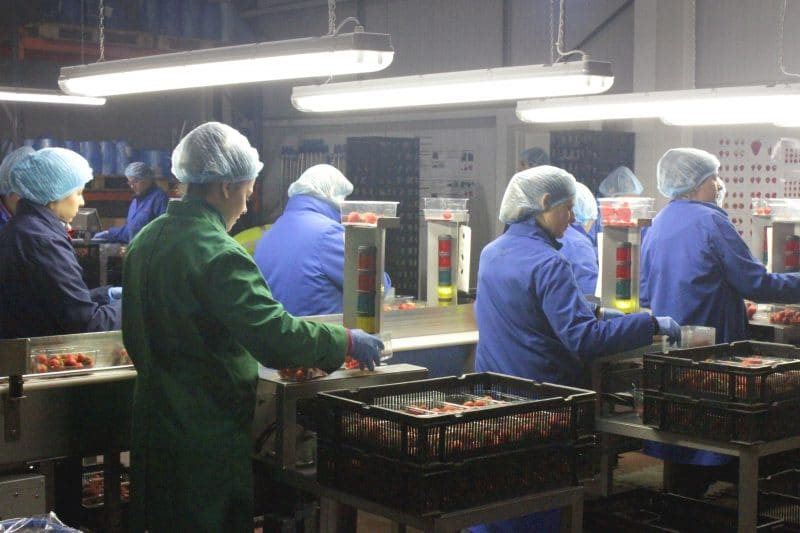
To make it easier for fruit and vegetable roducers to manage their seasonal workers, Consus Fresh Solutions has developed a new Facial Recognition feature for its traceability software. Machine learning is used to identify staff and permit access, making clocking on and off a thing of the past and improving allocation of tasks and accountability.

The system compares the photograph in the human resources (HR) database with that of the person trying to enter the packhouse. If recognised, the worker is allowed access and can be given a task, which is then logged on the system.

Consus has developed an intelligent software-based system that reduces the burden of audits and improves productivity. By linking HR records to labour deployment the facial recognition module enables accurate costing of all products and improved traceability.

Derek Thompson, co-founder of Consus Fresh, has experience of managing a large packhouse: “Accurate time and attendance records are vital in a packhouse. In peak season you will have an influx of temporary staff. It is not unknown for staff to clock each other into work or not to turn up at all after the first day.

“Additionally if there is a product recall further up in the chain you may need to be able to identify exactly who was working on a specific product line on a particular day if later audited by a customer.

“The facial recognition system works with the procedures that a packhouse will already have in place but instead of RFID tags it uses a camera to identify the staff. Details are recorded electronically and updates or amendments made remotely.″

Craig Bargery, Packhouse Production Manager at Pollybell Organic Farm in the east Midlands, comments that he is looking forward to being the first to deploy the system in the New Year.

The Consus system is built on the Microsoft Azure platform, which supports AI applications.

Dr Matthew Smith, Director of Business Development at Microsoft research, says: “Consus is meeting a growing need by organisations to harness technologies in order to improve supply chain efficiencies, response times, waste reduction and branding. It’s particularly exciting to see how they’re utilising more advanced analytical capabilities such as face recognition to make the harnessing of the necessary information itself more efficient and effective.″

The Consus team has developed the facial recognition so that it needs no training to identify people; it is also consistent with BRC and reports can be generated to meet the varying needs of auditors and retailers.

Consus sees potential for increasing the level of support to producers and demonstrated two new modules for the product – Facial Recognition for improved workforce management and Shelf-life Prediction – in November at Agri-Tech’s REAP conference and at The CropTec Show.

Rothamsted Centre for Research and Enterprise joins UK Science Park Association

Meet the Network
Agri-TechE

Rothamsted Centre for Research and Enterprise, RoCRE, part of the historic, world-renowned Rothamsted Research campus in Harpenden, Hertfordshire, has joined the United Kingdom Science Park Association (UKSPA). UKSPA represents over 130 science, technology and innovation parks in the UK, encompassing well over 4000 companies, and exists to represent innovative knowledge-based environments.
Nicole Sadd, RoCRENicole Sadd, Executive Director of RoCRE comments on the importance of being part of UKSPA: “It’s vital that the innovation centres we build here at RoCRE are fit for purpose and we’re looking forward to building many fruitful relationships with other like-minded parks and organisations. Being part of UKSPA will help us ensure that RoCRE is not only firmly on the map in terms of our state-of-the-art facilities and offering as a centre for innovation and collaboration, but will also help us build a network of relationships across the UK with other parks, to share ideas and best practice. Connecting with these businesses will cement our position in UK innovation culture. Of course, we also want to look at how we can continually keep up with and exceed the competition!”
“UKSPA are delighted to welcome RoCRE on board” says Jim Duvall, Executive Director of UKSPA. “Our work to promote the UK’s Science and Innovation sector is greatly enhanced by the scale and growth of our membership and RoCRE are an important addition to our Association. UKSPA’s mission is also to help deliver the ambitious plans that RoCRE has to expand their capacity to deliver even greater impact in the future.”
For more information, go to www.rocre-rothamsted.com or contact Claire Flawn, Marketing, claire.flawn@rocre-rothamsted.com Tel: 01582 938175.

Nova Extraction launches world’s first industrial off-grid essence extractor

Agri-TechE Article
Agri-TechE

Increasing interest in the use of herbal essences and cannabis oil for health and wellbeing has created a demand for high quality, pure botanical extracts. Early-stage company Nova Extraction has developed the world’s first industrial, off-grid, clean-tech extractor. It is now available for flower, herb and food producers to rent, providing producers with affordable and consistent technology to extract flavours or fragrances in-field. The announcement comes as part of REAP’s Start Up Showcase in Cambridge this week (7 November).

Alex Novitskiy, Nova Extraction, in the REAP 2018 Start-Up Showcase
Alex Novitskiy, Nova Extraction, at REAP 2018

Nova Extraction’s new autonomous extractor uses supercritical carbon dioxide (CO2) technology, originally developed for decaffeination of green coffee beans. Unlike other widely-used forms of extraction, supercritical CO2 separates essences without degradation or impurities. However, this high quality comes at a cost.
Nova Extraction’s Alex Novitskiy explains: “Supercritical extraction equipment is usually super expensive, so even the top five processors in the world try to outsource extraction, rather than own the equipment.”
Company co-founders Alex and Sergey Soshin re-engineered the process, designing and building every piece of their new equipment from scratch in their workshop. The equipment includes a smart-energy generation system to enable efficient off-grid processing.
Alex continues: “We’ve looked at how we can reduce the cost of fabrication and have designed a unique piece of equipment that can be deployed almost anywhere in the world, without the need for electricity or water.”
The low operating temperature of the CO2 extraction lends itself to protecting fragile fragrances, such as lavender, for high-end perfumes. Nova Extraction is also gaining interest from hemp growers about the extraction of cannabinoid oil for health benefits; and with herb producers about how to preserve over-production. The flavour and fragrance of rosemary, for example, is widely extracted in Europe to add to products ranging from memory aids to hair conditioners and Christmas stuffing.
“We have been speaking to farmers in Yorkshire, who produce herbs for restaurants, about how they can preserve this kind of crop – in, say, an essence – if they overproduce,” says Alex.
“We developed Nova Extraction to break the barrier of price for producers, as we believe there is a big demand for an easy pay-as-you-go rental model for supercritical extraction equipment. We’re seeking first-adopters to trial the equipment in the UK next year.”
Nova Extraction is one of seven emerging agri-tech companies featuring in this year’s REAP Start Up Showcase, hosted by membership network Agri-TechE to profile the next big breakthroughs in agricultural innovation.
The start up’s unique self-sufficient Supercritical extractor can process half a tonne of raw material a day and the company plans to build a larger model that will enable increased in-field throughput for producers to 2.5 tonnes of raw material per day. The larger model will fit into a standardised, 20-foot shipping container to enable flexibility of movement depending on international, seasonal need.
For more information visit novaextraction.com
Nova Extraction launches world’s first industrial off-grid essence extractor

Agri-TechE Week 2018: AHDB discusses precision spraying now and in the future

Agri-TechE Article
Agri-TechE

Investigating best practice in spray application was the topic of the AHDB event in Agri-TechE Week. The hands on event looked at the current technology, emerging themes and a peep into what is on the horizon.

One of the groups on the AHDB sprayer day during Agri-TechE Week 2018

Harry Fordham, Area Manager Essex and Kent Syngenta explained that its important to consider the wider context when looking to make spraying more efficient and precise. Check things like making sure the tractor tyres are of the right inflation (too full and they will cause a hard ride so the spray boom moves about more) and understanding the weather conditions (to maximise spray time) can provide optimum conditions.
There are only so many days a year when it is possible to spray so you have to travel at a reasonable speed to get it all done. But faster might mean you miss bits of the crop. This is where the selection of nozzle is really key.  There are many different types and you need a balance between pressure in the nozzle, application rate and speed of travel of the boom.
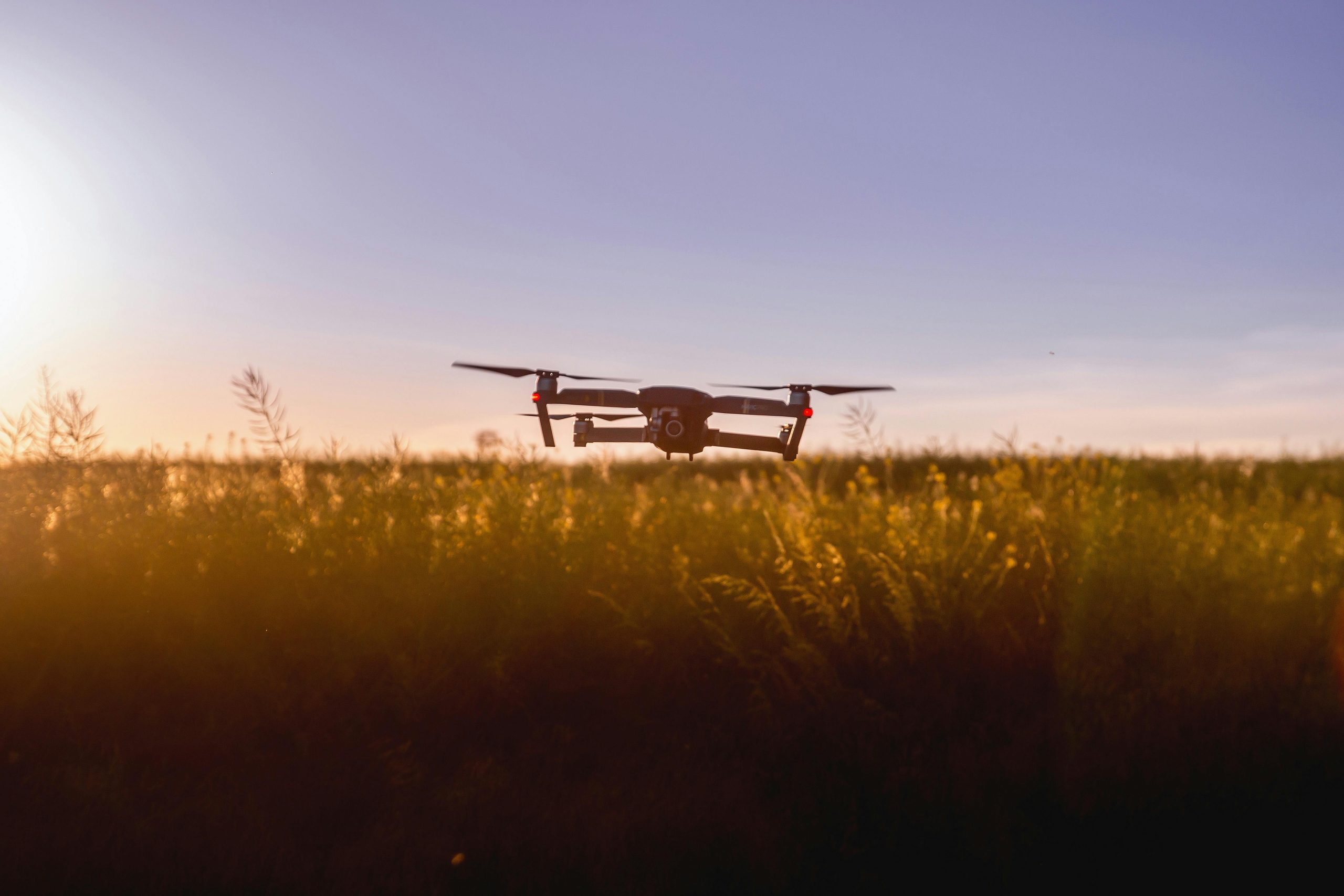
Sam Stephenson, Syngenta looked at the emerging technology such as the use of map sensors and drones and  variable spray rate technology , which is still a cause of lots of debate among farmers.
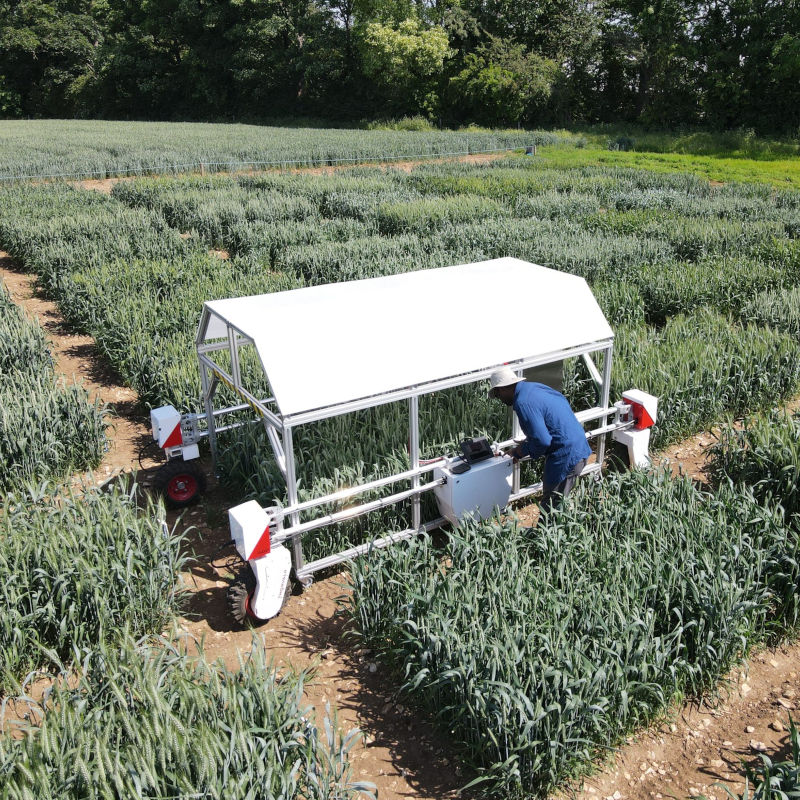
For the future, the new robotic precision spray tech  was presented by Nikolaos Koukiasas, PhD student from Reading University. The farmers asked a lot of questions about the technology and its functionality but it is still early days for this approach and a concern that it will be over-hyped before it is made robust enough for routine use.
A key sticking point was that while farmers can spray cheaply there is little incentive to invest in precision technology as the pay-back is too long.  The value of the crop needs to be high enough to justify the return on investment or there needs to be a policy to incentivise the adoption of best practice.

Increase yield by 10%, cut nitrogen by a fifth, make £9bn – find out how at REAP 2018

Meet the Network
Agri-TechE

A decade-long trial involving 21 million Chinese smallholders has shown it is possible to significantly improve crop yields while cutting use of nitrogen fertiliser by almost a fifth.

Zhenling Cui integrated soil-crop system management
Community involvement was a big part of the success behind Zhenling Cui’s integrated soil-crop system management project

The results provide strong evidence that a bespoke integrated soil-crop system management (ISSM) programme, developed by Cui Zhenling and his team at the China Agricultural University, is robust and versatile enough to support agricultural strategies that both enhance productivity and environmental performance.
To enable China to continue to feed its 1.4 billion population, while reducing the detrimental impact that food production was having on the environment, a new approach was required.
Cui Zhenling explains: “We first gathered the results of 13,123 field trials conducted on maize, rice and wheat farms across China’s vast agroecological zones to test the applicability of a comprehensive decision-support ISSM. The framework appeared to suit these needs.”
With data from the field trials, Cui’s project team developed evidence-based advice that was adapted for local conditions and given to farmers. “We developed crop model simulations for optimal use of solar and thermal resources in a given region and then, according to soil tests and the needs of specific crops, were able to combine a formula of nutrients and water to support individual crop strategies,” he says.

REAP looking at competitive sustainable production 

Cui Zhenling is providing a keynote at this year’s Agri-TechE REAP Conference.  The conference will be looking at how agri-tech innovation can support competitive sustainable food production.
The study, which was published in leading scientific journal Nature, is one of the most expansive studies into food production involving almost 200,000 collaborators, extension agents and agribusiness personnel in addition to 20.9 million smallholders.
The project’s decade of data shows an overall yield improvement of 10.8% – 11.5% and a reduction in the use of nitrogen fertilisers of between 14.7% – 18.1% per crop, when comparing ISSM based interventions and the prevailing practices of the farmers.

Agri sector £9 billion better off

Commenting on the outcome of the study, Cui says: “Production and environmental outcomes from the national campaign were positive, in line with expectations. In practice, the study led to a net increase of 33 megatonnes of grains and a decrease in use of 1.2 megatonnes of nitrogen fertiliser – equivalent to China’s agricultural sector being over £9billion better off.”
Cui Zhenling will be sharing his insight at Agri-Tech’s REAP Conference debate, held on Wednesday 7 November 2018 at Wellcome Genome Campus Conference Centre, Hinxton, Cambridge, CB10 1RQ.
REAP 2018