The Productive Landscape: NatureTech for Profit and Planet
How can technology enable delivery of food, nature recovery, and climate resilience - all at once? The Head of the Environment Agency is asked: what's the national plan for dealing with land use pressures, plus you’ll hear from technologists and land managers working on nature-based and tech-enabled solutions for water, soils and climate adaptation.

Burden of traceability eased with Consus

Meet the Network
Agri-TechE

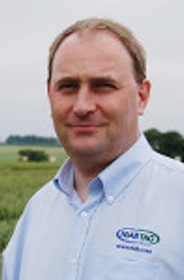
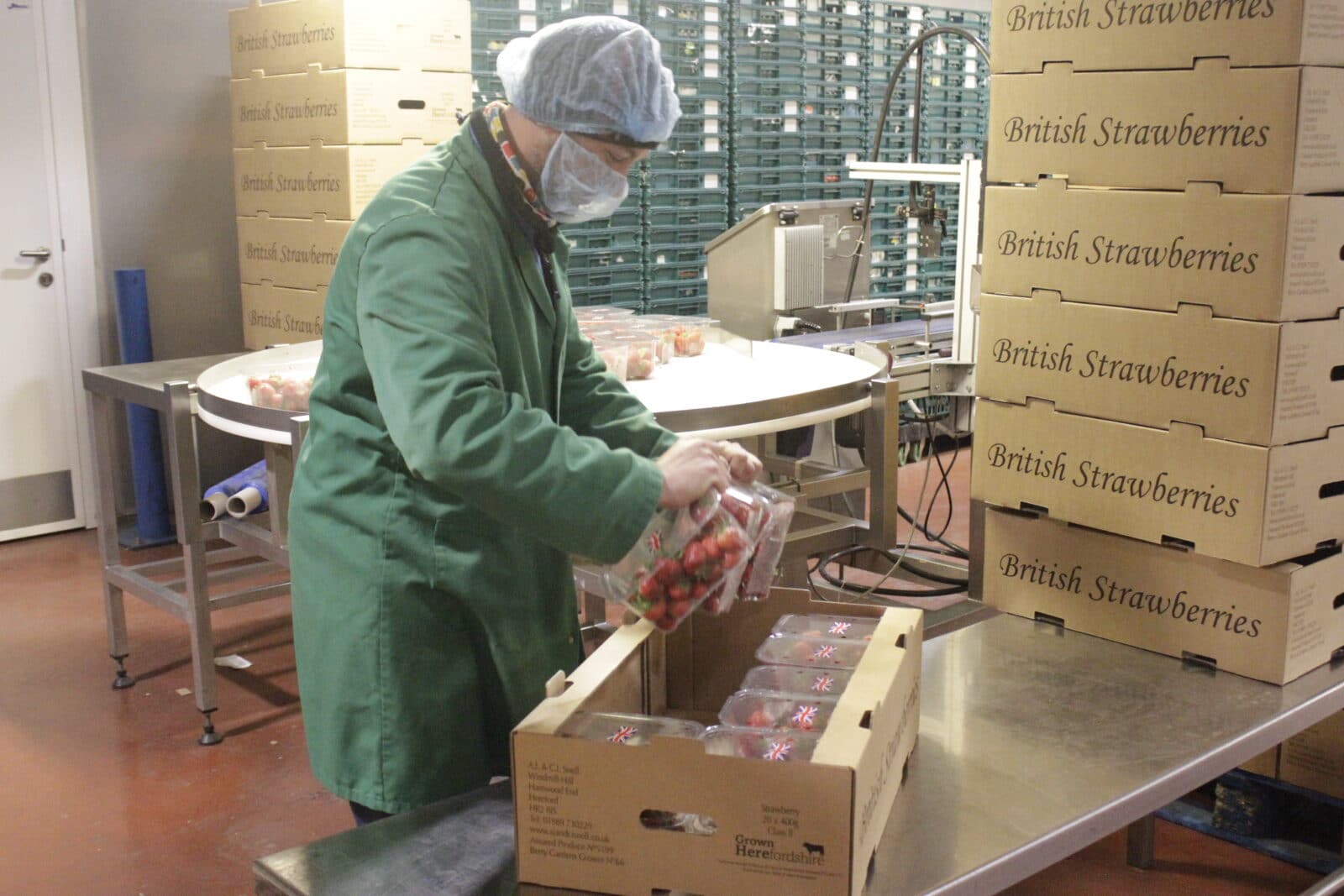
Smaller vegetable, fruit and flower producers still using paper-based systems are struggling to meet the ever-increasing requirements of retailers for quality assurance and traceability, says Derek Thompson, co-founder of Consus Fresh Solutions, Bourne, Lincs. To address this the company has developed an intelligent software-based system to reduce the burden of audits and improve productivity. (more…)

Pea protein market valued at £26.7m

Agri-TechE Article
Agri-TechE

From creating novel foods to tackling Type 2 diabetes, new agri-tech and increasing genomic knowledge is unlocking the potential of the humble pea seed, explains Professor Claire Domoney, Head of Metabolic Biology at the John Innes Centre (JIC). She will be sharing her insights at Agri-Tech’s REAP Conference later this year (7 November).
According to recent research, the pea-protein market will be worth £26.7 million by 2020. With its low carbon footprint and strong nutritional benefits, new markets are opening up for this childhood vegetable and this interest is evidenced by Japanese snack producers relocating to the UK to benefit from the strength of its pea production and research-base.

Impact on human health

Claire’s research at JIC aims to understand the impact of pea-seed composition on nutrition and human health, including the benefits of increasing resistant starch composition. This starch is digested more slowly in the upper gut, which can lead to better blood glucose control and more sustained energy levels. Undigested starch moves on to the colon and feeds gut bacteria that can produce by-products with potential health benefits.
Claire explains: “Our research is showing that it is possible to develop legumes with higher levels of resistant starch and improved protein profiles, creating the potential to deliver novel and healthier food products. This can be pea flour to use within existing foods to help tackle obesity and Type 2 diabetes, but also to create specialised products with high nutritional value for coeliacs and people with wheat allergies. Breeding new varieties will take time, but that process is being speeded up by new technologies.”
New technologies are also enabling improved technical expertise and processes to modify or mask the earthy, sometimes bitter, flavour of pea protein, which is allowing for greater use in shakes, bars and baked foods. Claire’s work on the molecular and genetic control of seed traits in pea builds on JIC’s 108 years of pea research: “Crop wild ancestors had a much richer genome. Current genomic and genetic knowledge is already enhancing our ability to tap into wild relatives to identify those genes which have been lost from cultivated lines.”
Highlighting disease resistant genes as an example, Claire adds: “Disease resistant genes are needed in abundance, as chemicals are withdrawn from agricultural use and pathogens and pests continue to evolve at a very fast rate; we need a wealth of armoury to combat these.”

Priorities for agri-tech investment

The priorities for investment in agri-tech innovation are the subject of an all-new debate at this year’s REAP Conference. Claire will be one of an 8-strong panel of scientists, technologists and producers.
Speaking ahead of the debate, Claire commented: “In a very short space of time, both historically and evolutionarily, we have moved from food scarcity to food as a killer and promoter of disease. Rather than considering food production in terms of yield and calories produced, we need to consider the production of healthy food alongside the restoration of a healthy countryside and healthy population.”
Agri-Tech’s REAP Conference will be held on Wednesday 7 November 2018 at Wellcome Genome Campus Conference Centre, Hinxton, Cambridge, CB10 1RQ.
REAP 2018
 

(Un)Successful recruitment in agribusiness

Member News
Agri-TechE

Agri-TechE member RedfoxAs a professional recruiter in agri-business and food both in the UK and internationally for a number of leading businesses, I often get asked by clients “What are the characteristics of a successful person in the sectors we operate in?”
In response, I reel off a list off attributes such as optimism, persistence, ambition and high energy. But…an equally important question much less often asked is “What are the characteristics of unsuccessful people in our sectors?”
So as a bit of a public service to you all, here are some traits of those who are likely to lose you money, so you can then avoid them at your peril:

  1. They always have an excuse. These individuals never take any responsibility for their own mistakes but instead constantly blame everyone else. Occasional excuses are forgivable but serial offenders are in denial. Good management will confess shortcomings and try to learn from errors and improve on them.
  2. They talk and write gobbledegook. We all know these people. They try to blind management, colleagues, suppliers and retailers alike with technical nonsense, because they don’t actually know what they are doing. If they do not understand their clients, market, products and the economics of their business, then in all likelihood they will fail. And if they cannot explain it in plain English, expect the worst.
  3. It is always about them. While driven people are sometimes by nature selfish, their egos should not be so overwhelming that they alienate everyone. If that is the case, good people will not work for them and the business involved will not succeed.
  4. All talk and no action. Driven people are men and women of action. Ideas are wonderful but just dreams unless someone executes them.
  5. Are they just too nice? Anyone running a business is obliged to make a tough decision occasionally. A leader who wants to be liked too much and avoids conflict at all costs will end up in trouble.
  6. A favourite one – Being overly obsessed about salary and perks. People should be working to create a business and create some form of shareholder value. If they are in it for the money, they should become an employee in a far bigger organisation.
  7. Fixated over status. Being a senior level individual within a business is a privilege. But the reason to work hard is not the kudos but the satisfaction of creating something and proving detractors wrong.
  8. Financially illiterate. Anyone at the head of a serious business must be able to comfortably interpret financial statements and know the finances of their company. They must be familiar with margins and associated cash flow.
  9. Secretive backgrounds. Do your homework and background checking to turn over any stones to avoid perhaps initially plausible but unscrupulous individuals.
  10. No team. Successful people are often loners, but companies are collaborative affairs. If someone cannot retain recruits and motivate a management team, the odds are that the business will go the wrong way.
  11. Unhealthy. Check that new employees do not have serious pre-existing conditions that will potentially harm your business.
  12. Chaotic personal lives. Individuals with messy domestic arrangements are likely to be very distracted. This is not a moral observation this is a pure commercial one.
  13. Political. Most of us have no time for office politics. It seems that many who rise to the top in big companies do so principally owing to their skills at networking and advancing their careers. Those games don’t deliver performance only institutional decay. We have all seen this
  14. An inability to delegate. Micro managers never build great companies because of their desperation for control overrides the true needs of the business. So they inhibit its growth and end up with stunted dictatorships.
  15. Humourless. Life is too short and the need to laugh is paramount. Those who take themselves too seriously are no fun to be around. Even if they are money-makers, it isn’t worth enduring the boredom and conceit.

Max MacGillivray, RedFoxI expect you all have your own horror stories of disastrous appointments and sadly, I fear there are more bad leaders than good ones out there.
In terms of gaining the right people, make sure that your company website is modern, mobile friendly and with a clear path for great people to contact your business.
And make sure your recruitment process is fast, professional, enjoyable for one and all and for senior level appointments do not be afraid to run a full background and financial check. High calibre candidates will expect it and those that refuse don’t deserve to be in your business as they have something to hide.
MAX MACGILLIVRAY founded Redfox with the sole aim of specialising in mid-management to board level recruitment for the Fresh Produce, Agri-Business and Food Retail sectors. With a track record in successfully placing top-level candidates – including Chief Executives – for UK and international blue-chip businesses, Max and the Redfox team enjoy a proven reputation for excellence in finding talented professionals for their global client base.
www.redfoxexecutive.com

What is gene editing? Scientific community raises concerns over EU classification

Agri-TechE Article
Agri-TechE

An unexpected ruling by the Court of Justice of the European Union (CJEU) has classified a promising gene editing technique as genetic modification and it is therefore banned from use. This decision is being challenged by the farming and scientific community as there are concerns that it will restrict the ability to develop new crops with resistance to disease and resilience to climate change.

What is gene editing?

Genome editing is the deliberate alteration of a selected DNA sequence in a living cell. A strand of DNA is cut at a specific point and naturally existing cellular repair mechanisms then fix the broken DNA strands. Genome editing techniques can be used to delete sections of DNA or alter how a gene functions: for example, by changing a variant that may give rise to disease to one that functions normally.
Unlike genetic modification it does not involve the inclusion of DNA from another species so the alteration being induced could have happened naturally through genetic mutation.
This distinction is supported by Defra that states:“gene-edited organisms should not be regulated as GMOs if the changes to their DNA could have occurred naturally or through traditional breeding methods”.What is gene editing?
Most uses of genome editing have so far been in scientific research – for example to investigate models of human disease. However, the potential applications of these techniques are much wider than just research.

Areas of research and possible applications for gene editing include:

  • Crops and livestock (e.g. increasing yield, introducing resistance to disease and pests, tolerance of different environmental conditions)
  • Industrial biotechnology (e.g. developing ‘third generation’ biofuels and producing chemicals, materials and pharmaceuticals)
  • Biomedicine (e.g. pharmaceutical development, xenotransplantation, gene and cell-based therapies, control of insect-borne diseases)
  • Reproduction (e.g. preventing the inheritance of a disease trait)

Farmers and scientists express concern

Farmer Tom Allen-Stevens is working with the National Farmers’ Union: “As a farmer myself, I’m greatly concerned that as a result of this ruling, the fruits of this valuable research may never reach my farm, and that research into gene-edited crops in the UK may cease altogether,” he said.
This view is supported by the scientific community.
Professor Wendy Harwood, of the department of Crop Genetics at the John Innes Centre, said: “The CJEU decision could have major negative impacts on our ability to respond rapidly to the challenges of providing sufficient, nutritious food, under increasingly challenging conditions.”
Professor Nick Talbot, director of The Sainsbury Laboratory, Norwich, described the ruling as: “a retrograde step that is not based on any scientific evidence,” adding. “Precise modern gene editing technologies allow accurate, predictable changes to be made in a genome. To classify gene edited crops as GMOs and equivalent to transgenic crops is completely incorrect by any scientific definition.”
A group of 33 signatories, which also includes farmer and landowner organisations, have sent an open letter to the government requesting a round-table meeting involving all stakeholders and Defra to agree a clear way forward on research and future use of new plant-breeding technologies.
It adds: “We feel there are significant questions that must be addressed urgently by government if the UK is to retain its strength in plant genetics, to use innovation to boost productivity and competitiveness, and to meet the challenges of nutritional health and environmental protection.”
The 33 signatories of the letter are:
John Innes Centre
Rothamsted Research
Niab
James Hutton Institute
Aberystwyth University
The Sainsbury Laboratory (Norwich)
Quadram Institute
Earlham Institute
Professor Denis Murphy
Professor Ian Crute
National Farmers Union
Tenant Farmers Association
Country Land & Business Association
Linking Environment And Farming
RASE and Innovation for Agriculture
British Society of Plant Breeders
DSV-UK
Germinal
Limagrain UK
RAGT UK
KWS UK
Elsoms Seeds
HL Hutchinson
Agrovista
Frontier Agriculture
Agrii
ProCam
Syngenta UK
Bayer
BASF Agricultural Solutions
Corteva Agriscience
Agricultural Biotechnology Council
Agricultural Industries Confederation
 
Information for this article was gained from a John Innes Centre announcement and the Nuffield Council of Bioethics

Offering smarter decisions at REAP 2018

Agri-TechE Article
Agri-TechE

The REAP technology exhibition showcase new innovations, technologies and equipment that will transform the industry.
Here is an overview of some of our exhibitors this year

30MHz – Smart sensing for agriculture

30MHz offers a wireless sensor network that provides growers with everything they need to monitor their crops, growing environment and post-harvest storage.
Customers choose the smart sensors they require and 30MHz provides a private, scalable wireless network complete with an intuitive analytics platform and real time alerts.
30MHz customers see quick paybacks with 5 per cent energy savings and reduced pesticide usage.

Agrimetrics – using data to inspire new solutions

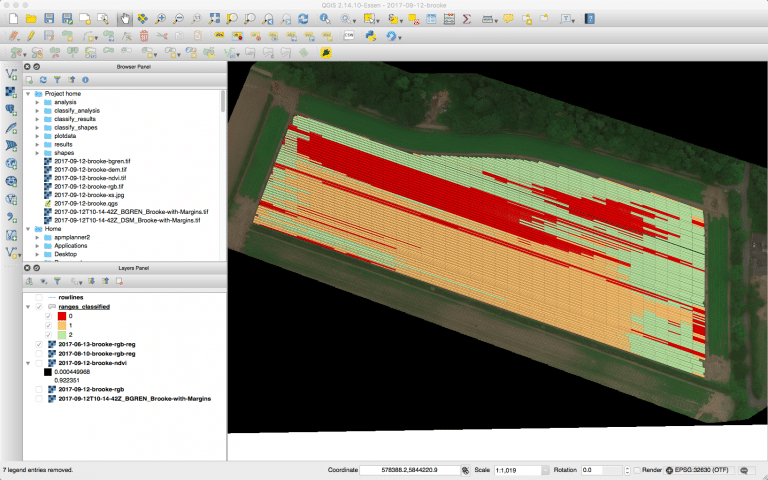
Agrimetrics Field ExplorerAgrimetrics has developed a new suite of products Field Explorer, which provide a single point of access to data on weather, cropping and soil.
These datasets together with its work in interpreting land use and land cover from aerial and satellite assessments will be invaluable to the industry as it moves forward. As determining how best to use land for both ecosystem services and food production is a key theme in Defra’s recent consultation and is expected to be important in determining future payments to farmers and growers.

Analytik – innovative scientific instruments

Analytik provides a range of scientific instruments for agri-food supported by consultancy services to tailor the solution for the client.
Applications include:

  • Hyperspectral imaging for disease and weed mapping, monitoring crop growth rate and density, canopy cover.
  • Multispectral Imaging for analysing meat, detecting food fraud and monitoring ripeness.
  • Remote sensing for use in crop and soil research, plant physiology and ecology

Consus Fresh Solutions – field to shelf traceability and quality control


Consus software has been designed to help improve the management of packing processes, cutting waste, increasing profits and reporting on traceability and quality of products in real time.
The integrated system allows customer and BRC compliance by enabling pallets to be traced from field to despatch including full packaging mass balance, pallet temperature alerts and predictive shelf life modelling.
 
DroneAG Field Agent Mobile App

Drone AG – drones for farmers by farmers 

Drone AG supplies drones and provides training courses to enable farmers to maximise the benefits.
Applications include:

  • detecting blackgrass
  • terrain mapping for flood management
  • horticultural analytics
  • high precision boundary mapping


EnviroMonitors – remote monitoring of growing conditions 

onset-hobo-rx3000-weather-station-kit-appEnviroMonitors provides affordable systems that allow remote monitoring of climate and growing environments or soil conditions. The technology provides the data for sound decision-making.
The company is a Premium Dealer for the Davis and RainWise weather stations and is seeing increasing interest from farmers for soil monitoring systems that complementthis equipment. The team is able to configure the ideal system to meet the requirements.

Niab – putting plant science into practice

Niab is at the forefront of translating the best and most recent science and information into practice for the benefit of farmers and growers.
Its innovative products and services include:

  • Online and interactive Potato Yield Modelling service from Niab Digital. By generating real-time forecasts of total and graded potato yields across the season it ensures on-farm and supply chain profitability.
  • Disease diagnostic technologies such as MiniION the portable genome sequencing technology and LAMP, the loop-mediated isothermal amplification, which offers the potential to be used as a simple screening assay in the field

Plater Bio – biostimulants from natural sources

Plater Bio - Russell SharpPlater Bio has developed a portfolio of novel biosimulants and fertilizers derived from naturally occurring materials.
Standout products include:

  • Gold Leaf – the first fertiliser to contain essential nutrients in a fully soluble form
  • Fungal Chitosan – can be used as a biofungicide or biobactericide under EU organic regulations. It is manufactured from fungi and provides a potent elicitor of plant defence mechanisms.
  • Liquid gypsum – 2,000 times more effective than granular gypsum so flocculation will occur at the time of application.


University of Hertfordshire – supporting dynamic agri-tech partnerships

Yongju-Huang-sampling-stemsweb-2

University of Hertfordshire offers Hertfordshire Knowledge Exchange partnerships, which enable companies to benefit from tailored 4-year PhD projects or alternatively to rent facilities or commission scientists to carry out work on their behalf.
This service is part of the Hertfordshire Science Partnership funded by the Hertfordshire Local Enterprise Partnership and the European Regional Development Fund.
UoH will demonstrate its recent research projects in crop protection, plant physiology and genomics and outcomes from its applied degrees.
 
REAP 2018

Considering no-till? Plater Bio is a natural choice

Meet the Network
Agri-TechE

Russell Sharp, Plater BioConcerns over soil degradation have increased interest in no-till cultivation, which, by eliminating ploughing, minimises soil disturbance. Although widely used in the US, concerns over black grass management have restricted its adoption in the UK.
To overcome the challenges Plater Bio provides a number of natural products to support no-till and is conducting a trial to see if liquid gypsum could be used as part of an IPM programme to overcome the problem of pernicious weeds. Plater Bio’s founder and Technical Director Russell Sharp will be at REAP to discuss this with farmers.

Challenges with no-till

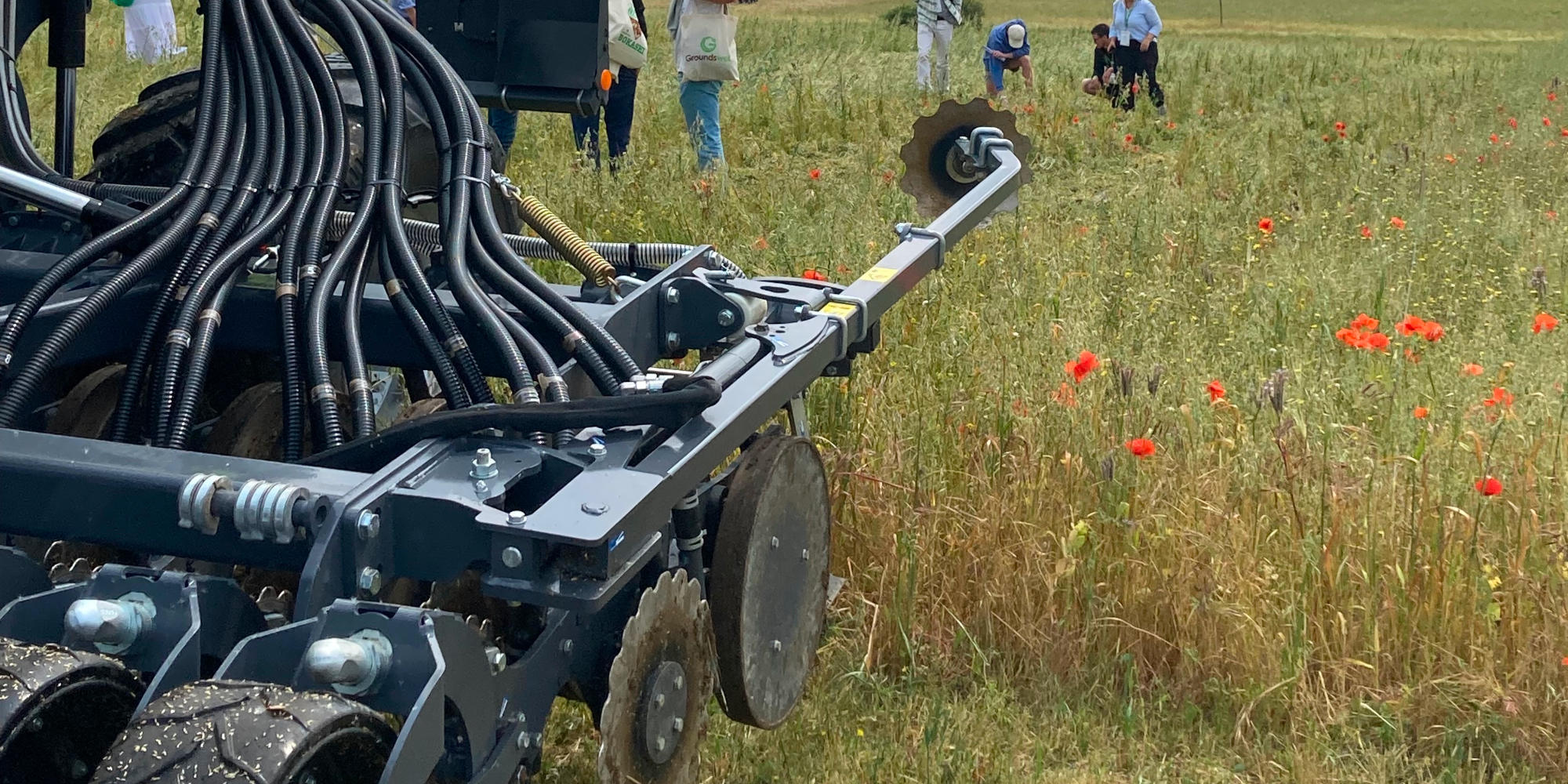
No-till cultivation involves preventing or minimising soil disturbance by drilling seeds directly into the seed bed left by the previous crop. This less intense cultivation translates into lower operational costs and long-term improvements to soil structure with associated environmental benefits.
However, there are three key challenges that prevent many farmers adopting no-till.

  • Dealing with the crop residue (stubble) left over from the previous crop
  • Ensuring adequate aeration and drainage without the need for ploughing
  • Control of weeds, in particular black grass (Alopecurus myosuroides), barren brome (Bromus sterilis), and couch grass.

To address these challenges Plater Bio has developed some innovative products
Stubble digester – Residual stubble has been found to delay germination, to be a food for slugs and a source of fungal toxins. It also interferes with the seed drill. Plater Bio’s stubble digester uses carboxylic acid to stimulate the native saprotrophic fungi already in the soil speeding up the breakdown of stubble.
The company has already seen great results from the technology in horticultural settings, and has expanded these trials to no-till arable fields. Russell will be available to discuss these trials.
Phosphorous Liberator – phosphorous is essential to plant growth but it is usually a lack of availability rather than a shortage that is the problem. Plater Bio has developed a phosphorus liberator that helps to dissolve phosphorous locked up in the soil as calcium phosphate to make it available to plants, and also to feed saprotrophic fungi which degrades organic matter in the soil.

Soil erosion from ploughing
PlaterBio’s products aim to combat soil erosion from ploughing

Liquid Gypsum – Plater Bio has been running a series of percolation tests to determine the effectiveness of Liquid Gypsum in increasing and improving the drainage of waterlogged arable fields.
Granular gypsum is worked into the top soil during ploughing and helps to create a crumb structure that improves drainage and aeration. However, this is not possible with no-till cultivation so Plater Bio has developed a Liquid Gypsum. This solution is able to penetrate the entire top soil and flocculate the soil particles at depths where the crop’s roots will be most active. Liquid Gypsum is also 2,000 times more effective than granular gypsum, meaning flocculation will occur at the time of application.
Gypsum is also a good source of calcium and sulphur, which is now deficient in many soils with the reduction of air pollution. Sulphur is particularly important for oil seed rape, as the glucosinolates they produce to resist pests and diseases are sulphur-containing. Calcium is also a key macronutrient that is known to affect crop resilience due to its importance in maintaining healthy cell walls and membranes. Without adequate calcium plants will be more susceptible to environmental stress and attack by pests and disease.
Fungal chitosan – this organic product can be used as a foliar spray or seed coating to control bacterial and fungal diseases and is a powerful flocculant. While popular in Southern Europe, farmers in Britain have yet to adopt the technology. Trials are underway to assess its efficacy on a range of pests and diseases on cereals and rape crops in the UK.
Improving soil condition to manage black grass – black grass is known to thrive in wet and waterlogged soils, and Plater Bio are hoping to assess the long-term impact of liquid gypsum as part of an IPM programme to control this pernicious weed.
Other useful products for no-till include treatments that will stimulate the beneficial soil microbial community (microbiome). This includes seaweed extracts, humates, sugars and amino acids.
Humates are not a panacea and claims that humate products will improve soil drainage or chelate micronutrients have little scientific basis. Instead it should be viewed as a substitute for insufficient soluble humus in the soil, for example in sandy soils early into a conversion program.
The major characteristic of a no-till soil is an abundance of organic matter.
 

More information

Plater Bio (www.platergroup.co.uk) will be exhibiting at the REAP conference on Wednesday 7th November.
Soil improvement is also the subject of several events being held in Agri-TechE Week.
Additionally, if you are interested in alternative approaches to traditional agrichemicals there is a Pollinator event on this subject on 15th January 2019.

Smart irrigation becoming more attractive option for spuds

Meet the Network
Agri-TechE

Irrigation from Howseman Agriculture
A sustained dry period, changes in water licences and shortage of labour are making smart irrigation systems more attractive to potato farmers, according to Andrew Howseman of Howseman Agriculture. He will be speaking at the next Agri-TechE Pollinator event, which is looking at smart irrigation, on 13th September 2018.
“Even farmers that have never needed irrigation before are considering it after this June,” says Andrew. “We’ve got people who’ve been irrigating for at least 50-60 days non-stop, which is completely unheard of.
Howseman irrigation 1
“The season was slow to get started with all of the potato crops and root crops planted late in wet and cold conditions – which weren’t conducive to good growing –and then the temperatures that we’ve seen and the prolonged dry hot weather will have had an impact. In my opinion, yield will be affected by both ends of the spectrum.
“Usually, people would irrigate for a couple of weeks and then we would have three quarters of an inch of rain and they’d have a week or ten days off before they started irrigating again. It’s normally a bit of an up and down rollercoaster really.
“But this year people started and haven’t stopped, to the extent that reservoirs are running out of water and growers have had to prioritise specific crops, such as potatoes over onions and carrots. That’s been the juggling act and it continues to be so.
Andrew with Lincolnshire Show award“A season like this is stretching labour, machinery and resources such as water to breaking point, really.”
This is where the drip system developed by Howseman Agriculture comes into its own. It puts the water where it is need and uses 25-30% less water than a traditional hose and reel system and is much less labour intensive. Its six row drip-tape layer recently gained an ‘Innovation for Water’ award at the Lincolnshire Show (image left).
Andrew continues: “Although this is an unusual year, even those who usually have lots of water have been worried and these dry spells could become more frequent and licensing stricter. With our system and a reservoir farmers have some insurance.”
Drip systems are perceived as expensive, but there is so much money riding on a crop of potatoes that the benefit of controlled water is becoming easier to justify. To help support the business case, Howseman Agriculture has started to offer a six-hectare package of drip tape irrigation together with installation and training so that growers can trial it without a big capital investment.
Andrew says: “We’re really pleased to work with Agri-TechE to help people evaluate new technology. We’ve got an open door for people to come and have a look around, open days, and if people want to see what we’re doing on some of the farms where we operate we are more than happy to extend an invitation for them to come and have a look.”
The Howseman  irrigation system
It seems likely that drier periods will become more frequent in future, which is creating more interest in smart irrigation. This is why Agri-TechE is featuring this subject in its next Pollinator on 13 September 2018, where there will be an opportunity to hear, in addition to Andrew: Paul Hammett, National Specialist, Water Resources, National Farmers’ Union; Prof Jerry Knox, Professor of Agricultural Water Management, Cranfield Water Science Institute (CWSI); Steve Moncaster, Supply Demand Strategy Manager, Anglian Water; Ed Bramham-Jones, Farm Advisor, Norfolk Rivers’ Trust; and Nigel Jupe, Chief Executive, Verdesian Ltd.
Venue: Easton Campus, Easton and Otley College, Norwich NR9 5DX
For more information about the event click here.
To see more about Howseman Agriculture visit howsemanagriculture.co.uk

Solving real world problems in the real world

Member News
Agri-TechE

David Plummer, Managing Partner of Triage, gives his insights into solving intractable challenges. 

Solving real world problems in the real world

Real world problems

Why do we qualify the word problem with “real world”? There are a number of reasons but there are three I have observed to be consistently true.

  1. Many of the problems we are trying to solve aren’t, in fact, real. A good example of this is the dominant paradigm of global food security that says we need to increase food production by between 50 and 100% by 2050. We don’t.
  2. Many of the problems we are trying to solve are peculiar to “here”, i.e. they are not universal, presenting challenges around replication and scale.
  3. Our understanding of value, what it is and why it is valuable.

Only real world problems are worth solving. We help clients with all three.

Starting with the problem

In 2016 I lived in the US and spent a lot of time with agri food tech company founders and their backers.

The two questions I asked more than any other were “what problem are you trying to solve?”, and “what’s your business model?”. Without exception no-one could answer either; not a single one. It was, at best, technology chasing a problem.

It is not a surprise, therefore, that many of these companies have subsequently failed, some quietly through an “elegant” exit, with others more publicly, leaving investors with cumulative losses of hundreds of millions of dollars.

Is the problem the problem?

The best solutions nearly always come from an alternative definition of the problem. An example of this might be the number of solutions aimed at improving yield, but is yield really the problem we need to solve?

If the majority of the world’s farmers don’t make a profit, and profit is the difference between revenues and costs, then yield is but one of a number of important variables.

The work we are doing with farmers, farmer to farmer organisations, cooperatives, and others would suggest that yield isn’t the problem we need to solve, profit is, and our work on the highest and best use of land is yielding exceptional results.

Triage web photo fieldsKeeping it simple

We need to simplify the problems we are trying to solve. One of the questions we ask regardless of context is, “what one thing is going to make all of the difference?” The answer to this question doesn’t just keep it simple, it also gives us the one thing to focus on.

A great example of this is the work we are doing at a country level in Africa where one change universally adopted and measured in one way will add more than $2.9 billion to the economy.

Another is FarmView, a data platform providing data driven location intelligence that has achieved a number of sector firsts.

Systems thinking

Systems thinking is a discipline for seeing wholes, a way of seeing inter-relationships rather than things, and for seeing patterns of change rather than static snapshots.

Technology has enabled us to see things that we previously couldn’t, from the microscopic world within soils and their critical role in earth systems to understanding the complex and interdependent relationships of agricultural economics.

Similarly, Triage sees the whole and is leading a number of systems level projects including a National Plan that puts a redesign of the food system from the ground up at the centre of government policy and its’ industrial strategy.

Triage Professional InsightsThe bottom line

Our biggest challenge in solving real world problems in the real world, however, is not in solving real world problems, but in solving the human one, so we help clients get people right first.

If you are interested and would like to discuss any of the above, then please contact David Plummer on 07770 866235

www.triage.ag

Triage web photo Malaysia

What is the impact of digestate on soil?

Agri-TechE Article
Agri-TechE

Anaerobic digestion (AD) is becoming an increasingly attractive technology for farmers, as it adds value to waste material by converting it into biogas. Digestate, the by-product generated through the AD process, is a rich source of nutrients and has emerged as an alternative to chemical fertilisers.
Some of Agri-Tech’s farmer members have AD plants and regularly apply digestate on their fields. However, nutrient losses, particularly that of Nitrogen, are a common problem and can lead to leaching through the soil or to ammonia gas emissions.

Setting up field labs on a working farm

Having encountered those issues on farm, a group of seven farmers from the East of England, including five Agri-TechE members, decided to join the Innovative Farmers’ Network to set up a Field Lab and investigate how to maximise the nutrient value of their digestate. From sandy black soil to sandy clay loam, soil types vary greatly from one farm to the next and this is likely to have an impact on the efficiency of the digestate in supplying nutrients.

Anaerobic digester
JF Temple & Son is one of the farms in the project that manages an AD plant as part of his business

Based on their experience of managing an AD plant and utilising its organic output, farmers in the group were keen to focus on nitrogen stability and availability as key areas of investigation in the project. Nitrogen stability is being tested by adding acid to the digester to generate a more alkali digestate. A mix of deep-rooting and mycorrhizal-friendly cover crops (buckwheat, vetch, radish and black oat) and the addition of organic fibre were selected as treatments to increase the nitrogen readily available for crops from the digestate. Overall, these treatments are expected to not only capture more nutrients but also to have a positive impact on soil health, by improving soil structure and living conditions for the proliferation of beneficial micro-organisms.
With support from Niab and Cranfield University as research partners, farmers opted for a simple split-plot design where a field is ‘split’ into two, with the treatment on one side and the control on the other. This type of design works well with on-farm trials since they can accommodate different soil types and fit around the already busy schedule of a working farm business.
Another area that farmers would like to explore and one that is not often directly considered is the economic impact on each of their farms of applying digestate. Do the costs of production and storage outweigh the agronomic benefits? A cost-benefit ratio analysis will be undertaken to answer this important question.

From challenges to answers

Following digestate application and cover crop drilling in the Autumn of 2017, the first set of results from soil sampling all the different treatments came in earlier this year. Although it is too early to draw any conclusions, differences in nitrogen content was observed amongst farms. The benefits from the digestate and cover crop combination should be observed when harvesting the following cash crops this summer, which will be maize and sugar beet.

Niab training session at Cereals 2018
The training session on soil measurements attracted a larger crowd than expected

Farmers will be undertaking the next set of measurements, including assessment of soil structure (VESS) and counting worms. To facilitate this, Agri-TechE organised a training session, delivered by Niab at Cereals. Although we could not get our spades in the ground, the Soil Pit provided the perfect backdrop for David Clarke and Lydia Smith to explain differences in soil structure under different conditions.
A year into the Field Lab, one of the highlights has been the challenges of undertaking soil research across different farms, with all the environmental variations that this implies. But mostly, it has been fantastic to see farmers engage in all stages of the process, from designing the field trials to accommodate the project around their business, to interpreting and discussing the significance of the results with other farmers and researchers in the group. Now is the time for the next round of soil sampling, if the weather will let us.
If you’d like to learn more about this project, join us in September 2019 for an event covering the outcomes and findings of the project. Find out more about the event.
Agri-TechE has been coordinating the Innovative Farmers digestate group, in collaboration with the Soil Association and research partners Niab and Cranfield University. Farms involved in the project are Allpress Farms, Boxford Suffolk Farms, Euston Estate, Holkham Estate, JF Temple & Sons Ltd, JH Walter Energy and Upton Suffolk Farms. To find out more about the Innovative Farmers Network, visit the website.

Novel agri-tech best way to produce enough safe, high-quality food whilst reducing environmental impact

Meet the Network
Agri-TechE

Dave Hughes SyngentaWhen Dave Hughes started working for Syngenta over 20 years ago his focus was chemistry but his interests and that of the company have developed and it is now a knowledge of biology that is providing new avenues for plant protection.
A new feature of the REAP conference this year is a debate about whether the priority for agri-tech innovation should still be food production or, if food can be produced more cost-efficiently somewhere else, should the emphasis be on more lucrative uses of land?
We asked Dave Hughes where he thinks the future direction for agri-tech lies.
Hughes is well placed to have an opinion: as Global Head of Technology Scouting, Hughes connects scientists and technologists from within Syngenta with scientists from other companies, research institutes and universities around the world creating collaborations focused on developing new technologies for agriculture. This multidisciplinary approach is reflected in the collaboration portfolio, which encompasses chemistry, synthetic biology, AI, robotics as well as genomics and engineering.

So what are the most interesting developments he is seeing at the moment?

“Our portfolio is diverse and much of the work is very early stage. Working with a range of scientists and technologies offers a spectrum of views and this creates a challenge to traditional thinking and a greater potential for innovation.
“One of the biggest technology disrupters is digital, which is radically changing the way farmers operate. This is a very dynamic space for innovation with a relatively low barrier for entry, so many companies, including start-ups and SMEs, are competing to find the best solutions for the grower.
“Another exciting opportunity I see at the moment is gene editing which can be used to create new traits in plants without introducing any foreign DNA. Many groups around the world are using this approach to create benefits for the consumer like improved flavour and nutritional content.
“The success of this technology is highly dependent on the regulatory environment. If it is recognised as no more risky than traditional breeding then it offers a huge opportunity to introduce traits benefiting the consumer in a way that has never been done before. Managed effectively this technology could be a real game changer allowing us to produce higher quality food within the same footprint.”
Hughes highlights a number of areas of special interest including the convergence of engineering and robotics. This is creating new applications such as precision agriculture and the use of AI to improve the way the company does research; mimicking the human brain to look at patterns in data and to extrapolate information from incomplete data.
“Greater understanding of fundamental biology is creating the opportunity for a new generation of highly specific pesticides. Particularly interesting is a new class of biocontrol agent based on a natural biomolecule called RNA. RNA has a sequence, just like DNA, and if a pest is treated with RNA of just the right sequence it can trigger a process which dials down the production of a specific protein of choice in the pest in a highly specific way.
This represents a new mode of action for pest control by enabling biomolecules to be developed that are much more specific than traditional pesticides, offering highly selective control of pests while protecting closely related beneficial species. Another new avenue for pest control is the use of biological agents such as bacteria; again these can be highly specific to a particular host. Hughes sees this as an exciting time to be involved in agriculture.

The market for non-food crops

“Feeding the population should be a priority,” continues Hughes, but he comments that growing crops for non-food uses is not new. “The issue is one of scale.”

Although the food versus fuel debate hinges on the relative value of the resources used and produced, growing some high value non-food crops would potentially make little impact on broad acre crops. Hughes gives the examples of plant-based pharmaceuticals such as taxol, opioids and Artemisia. Mapp Biopharmaceutical Inc. has produced a drug called ZMapp from tobacco leaves (right), which was used to combat the 2014 Ebola virus outbreak in West Africa. The Novartis Malaria Initiative is making antimalarial drugs based on Artemisia annua.
“Many of these crops, such as tobacco modified to produce vaccines, are cultivated in contained environments such as greenhouses on a relatively small scale, and so don’t compete with food crops. We are interested in this area and in supporting farmers whichever way the industry goes. UK agriculture has enormous potential and we are seeing great progress on a number of fronts,” says Hughes.

Call for objective decisions based on science evidence base 

Hughes has been asked to be an industry commentator on the Defra Health and Harmony Consultation.
“The key challenge is to support the productivity of UK agriculture and the quality and safety of our food whilst reducing the environmental impact of food production. I believe this is achievable, but we will need to embrace the best state-of-the-art technology to succeed.
“It is vital that decisions impacting the UK’s ability to feed itself are based on sound scientific evidence, not as a reaction to a few strong voices.
“The food security of our nation is vital, and any decisions affecting it should be based on an objective assessment of the very best available evidence. In a world of fake news and social media echo chambers this is becoming increasingly difficult.
“Small molecule chemistry has gained a poor reputation over the years but it is important to note that the use of synthetic pesticides in agriculture actually improves the quality, quantity and safety of our food, and by improving yields they give us a fighting chance of producing enough food in the future without having to plough up all of our remaining wild lands.”

No ‘best way’ 

“It is clear that a robust global food supply requires a diverse range of production systems. There is no single ‘best way’ of producing food: the choices farmers make depend on many factors from the microenvironment on their farms to the macroeconomic environment of the markets to their own attitude towards risk. This diversity is a good thing: it provides choice for the consumer and helps to buffer our food supply from unexpected events like extreme weather.
“We aim to provide the tools to help farmers drive the improvement of agriculture right across the spectrum of farming practices, from smallholders in Asia and Africa right up to large highly-mechanised farms in the USA and Brazil.
“I see a major opportunity arising to use technology to combine food quality, safety and productivity with improved environmental outcomes.”

DEBATE NEW FEATURE OF REAP 2018

This house believes supporting land-use for competitive sustainable UK food production should be the priority for agri-tech innovations”

Chair: Mark Suthern, Head of Agriculture, Barclays
To be discussed by

  • Dr Dave Hughes, Head of Global Technology Scouting, Syngenta
  • Dr Stuart Knight, Deputy Director, Niab
  • Prof. Claire Domoney, Head, Metabolic Biology Department, John Innes Centre
  • Tony Bambridge, Managing Director, B&C Farming, former NFU Norfolk Chairman
  • Andrew Spicer, CEO, Algenuity
  • William Cracroft-Eley, Lincolnshire farmer and Chairman, Terravesta
  • Guy Poppy, University of Southampton, Chief Scientific Advisor to the Food Standards Agency

More information about the speakers REAP 2018

Three steps to raise seed investment

Meet the Network
Member News
Agri-TechE

What is Angel investment?

Hannah Smith, Anglia Capital GroupI help to operate a network of business angel investors across Norfolk and Suffolk, called Anglia Capital Group. We hold pitching events throughout the year at which carefully selected companies are invited to pitch to our investor-members for potential equity investment.

Angel investment is a form of finance for early-stage businesses provided by wealthy individuals, usually successful ex-entrepreneurs or professionals, in return for a share of equity in the business. It is typically one of the earliest equity investments made into a start-up business and is actually the largest source of early stage capital in the UK. Approximately £1.5 billion is invested in this format in the UK, per annum.

Business angels tend to band together in networks, like Anglia Capital Group, in order to share knowledge, expertise and to syndicate deals.

How do I achieve angel investment?

STEP 1: Put yourself in their shoes

Before you can begin to understand what an angel investor might be looking for in a business, you have to put yourself in their shoes.

Set aside between 10 to 20% of your investable capital to invest in high-risk securities.

You know that high risk investing could return much larger returns than low-risk investing, but you are also aware that you could lose everything you invest in this form overnight.

In order to try and achieve these potential high returns you are looking for products or services that are unique and that have the potential to disrupt whatever market place they intend to operate in. You are looking for innovation.

You most likely want to do a bit more than just put your money somewhere, you want to give time and knowledge alongside your capital, to a business that you feel you can work with and make a difference with.

When you invest in a business, you are tying yourself in to a close relationship with the company for an absolute minimum of three years, but sometimes up to ten!

Scale up businesses usually have more than one investment round, and you want to be sure that they will have enough capital to make it through to profitability. Will you have to invest more money in the business down the line?

You know that 90% of start-up businesses fail.

You are going to use your best judgement to make sure you are backing the right horses. So, this is where the due diligence comes in…

You’re going to look in depth at the business plan, the route to market, you’re going to do a market analysis, ask about their exit strategy (i.e. when and how am I going to see a return on my investment?), understand their intellectual property and protection, and scour their finances. But most of all you want to know that you trust and like the people that you are giving your investment to, that they are the right people to take their product or service to market.

In fact, 90% of business angels say that PEOPLE are the deal breaker.

STEP 2: The deal

Understand this: When you stand there in front of an angel investor and pitch your business, you are PROMISING that person that you GENUINELY BELIEVE that you can multiply their money SIGNIFICANTLY if they hand it over to you and your business.

STEP 3: Think about the small things that might put them off:

Mistakes in your business plan.

This is on par with mistakes on a CV… except that you could be asking someone for hundreds of thousands of pounds worth of investment and you can’t be bothered to triple check you spelling and grammar?

Incomplete information, or avoidance of the truth.

Just be honest otherwise it will look worse down the line, when whatever it was that you were hiding or exaggerating comes to the investors attention. Give the investor all of the information you have, don’t leave anything out, that is the least you can do.

Pre-occupation with the technology/ product.

Often founders are not from a business background. They are scientists, engineers, academics, inventors, etc, etc. And there is absolutely nothing wrong with that, as long as you can prove to investors that you, or someone in your management team, has the capability to think as much about your business strategy as you do your product. You need to be able to sell your product after you’ve built it! Remember, people are the most important aspect to a business angel. Surround yourself with advisors that can fill skill gaps and experience gaps in your management team.

Arrogance.

Sounds obvious, right? But a lot of entrepreneurs act as if they are entitled to investment, that they know everything, and that nothing can go wrong for them. Very off-putting and very wrong. Something always goes wrong and it is more comforting to an investor if the entrepreneur can accept this and be ready for it.

Also, don’t forget that when you invest in a start-up, you are signing up to at LEAST a three-year relationship with the entrepreneur…. Would you want to commit to a three-year relationship with someone that, frankly, you don’t like?

Keeping them waiting.

Recognise that investors have a lot of other options in terms of what they could do with their money. Do not keep them waiting, they will get bored and give their money to someone else! Make sure that you have everything ready before you start pitching, including legal documents, a full business plan and financials.

A silly company valuation.

Valuing their start-up is something a lot of entrepreneurs get stuck on. Understandably so, because it is extremely difficult to value a start-up business, in comparison to valuing an established business. The best thing to do is to look at what similar businesses, have been valued at, at a similar development stage, in a similar market.

And then think of your company like a cake… An investor wants to purchase a slice of your cake as he believes that your cake has the potential to become more expensive in the future, and then he will be able to sell his slice of the cake and make a profit. He has a £10 note to invest. If you price your cake at £40 he can buy 25% of the cake. He might well decide to invest his £10 for 25%, if your cake is a beautifully decorated, 3-tier wedding cake… he definitely will not if you have a cupcake!

Anglia Capital GroupThere are many other things to think about when approaching an angel investor, but every case is different. Ultimately, it is all about relationship management. Just put yourself in their shoes!

If you would like to speak to someone about potentially pitching your business to Anglia Capital Group, please contact Hannah@angliacapitalgroup.co.uk

No more lost sheep with Movetech sheep tracker device

Meet the Network
Agri-TechE

Losing sheep in a snowdrift or when about to give birth creates a severe economic loss to upland farmers, but now a new ultra lightweight tracking device offers a cost-effective way to monitor animal behaviour. 
The device was originally developed for tracking wild birds for research into migration, however the insights it offers into animals’ behaviour suggested that it might be of interest to livestock farmers.

The researchers from the University of East Anglia met with Jamie Lockhart, former Farm Manager at Honingham Thorpe Farms, to discuss potential applications. These included detection of eating habitats to provide early warning of ill health or food shortage; detection of lameness; unusual heart movements providing indication that the herd is being worried by a dog or locating the sheep in poor weather.

Stealing of sheep and deer is not uncommon so the device might provide early warning of a crime and the ability to track the animal if the device is undetected.
Aldina M.A. Franco is part of the research team; she comments: “There is a need to train the system before it can identify what is abnormal. This is achieved by collecting data and looking for patterns; if the animal behaves in a certain way for sometime and then changes this behaviour it can indicate stress or change in circumstances.”

Data management

Movetech devices use the mobile phone network to transmit the data. Where access to a network is not possible, they can store up to 60,000 records and will transmit these when network access is restored. The devices are network agnostic and will switch between networks depending on the strongest signal. In the UK, for example, they can access all the main carriers.
The information from the tag is sent to the Movetech server where it is stored and it can be simply  accessed via a standard web browser. There is also opportunity for the processing of the data and to determine various metrics from it – this can be tailored to each application. The standard device includes a GPS, accelerometer and temperature sensors. A barometric (pressure) sensor is also available. Accelerometers measure the change in movement (acceleration) of the tag and this can be used to infer aspects of the animal’s behaviour. It can be used as a mortality sensor (e.g. sudden decelerations such as when a bird is shot from the sky, or long periods of total inactivity).

Movetech experts in solar

Movetech are experts in wild animal tracking and use these devices in their research and sell them to other uses in the wildlife market. The devices are reliable and efficient and can be used in solar-powered versions (from 12 grams upwards) or using primary batteries. They can be easily integrated into other systems.
Movetech are expert in small solar-powered energy management systems and can use standard solar panels or very high efficiency (30% efficient) panels. The energy-harvesting system allows power to be generated, even in low light situations.

Future plans 

Phil Atkinson of the British Trust for Ornithology, one of the collaborators, says:  “Whilst we know the wild animal market, and are users of this technology ourselves, we are looking for partners to licence and develop the technology in other sectors in other markets.  “Livestock, pet and other asset tracking (e.g. drones) are all large markets and our devices would be suitable for all of these. The electronics in our smallest device weigh under 4 grams and these would be suitable for small animals and drones. Moving upwards we have larger devices that would be perfect for tracking larger animals.

“We of course do not lack ideas! We have a road map of what we want to achieve moving forward and this includes expanding the communications options to include download to local base stations, satellite data transfer to ensure truly global coverage and the development of ‘smart’ tags that process data on board and make decisions about how to respond based on this. We would be delighted to discuss and explore funding opportunities to make these ideas a reality.”

Find out more information about the Innovation Hub at the 2018 Royal Norfolk Show.

Read more articles on livestock technology in our Knowledge Hub.