The Productive Landscape: NatureTech for Profit and Planet
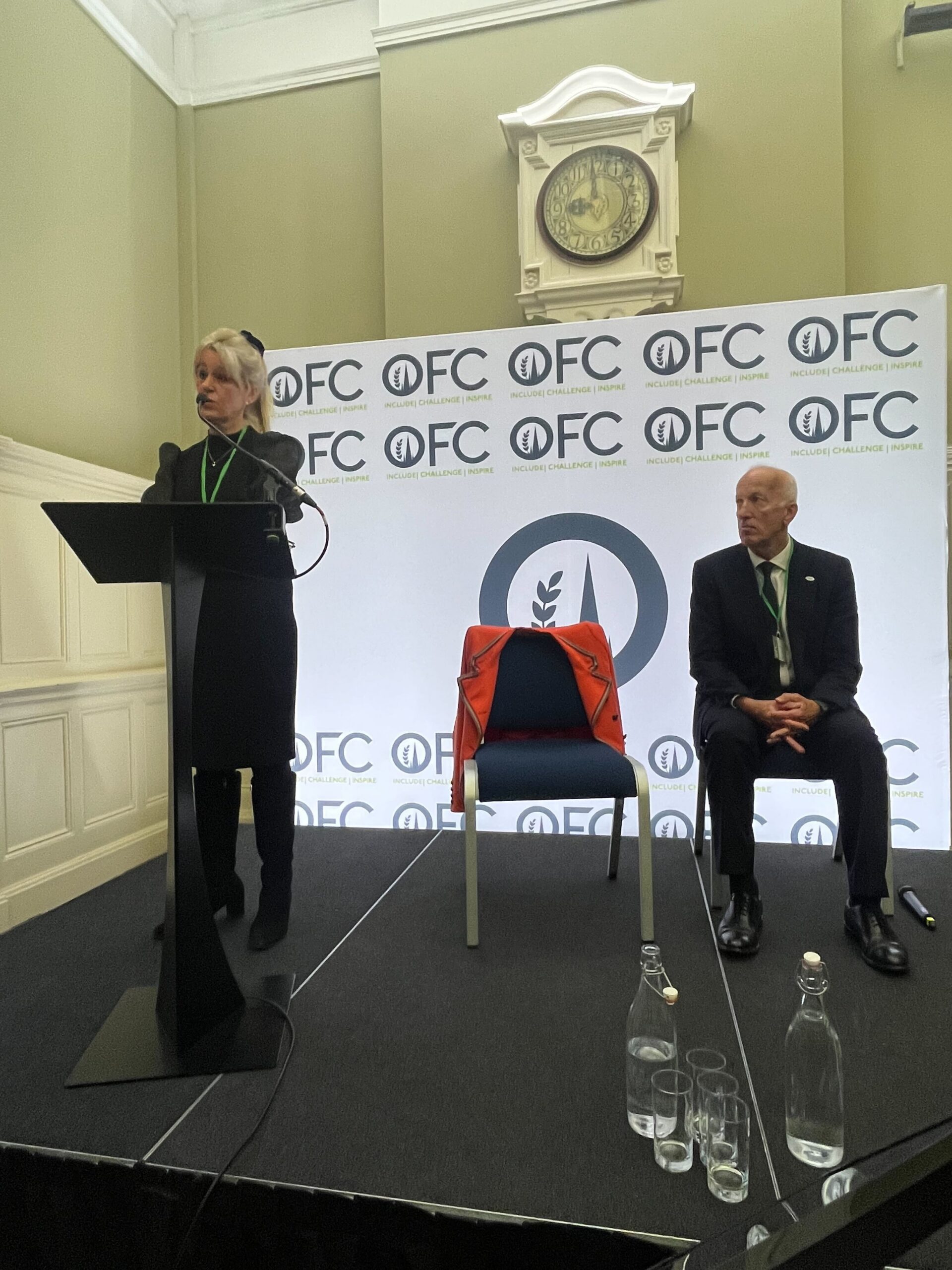
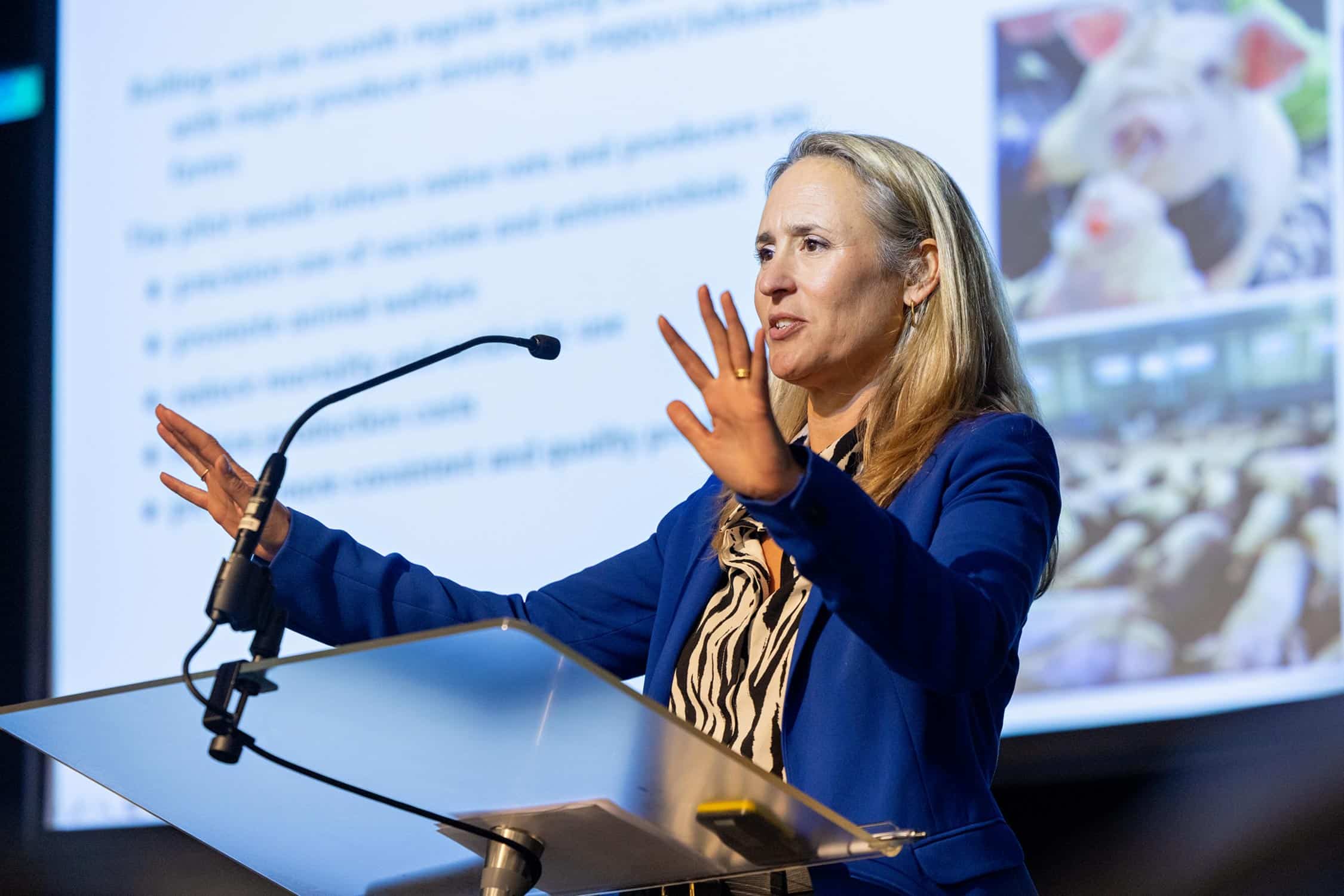
How can technology enable delivery of food, nature recovery, and climate resilience - all at once? The Head of the Environment Agency is asked: what's the national plan for dealing with land use pressures, plus you’ll hear from technologists and land managers working on nature-based and tech-enabled solutions for water, soils and climate adaptation.

Young Innovators’ Forum: Farming in Stretham

Agri-TechE Article

Agri-TechE
This blog is written by Funmi Ladejobi, who has recently completed her PhD at Niab working on wheat and rice pre-breeding and joined us for a visit to a Wicken Fen farm.

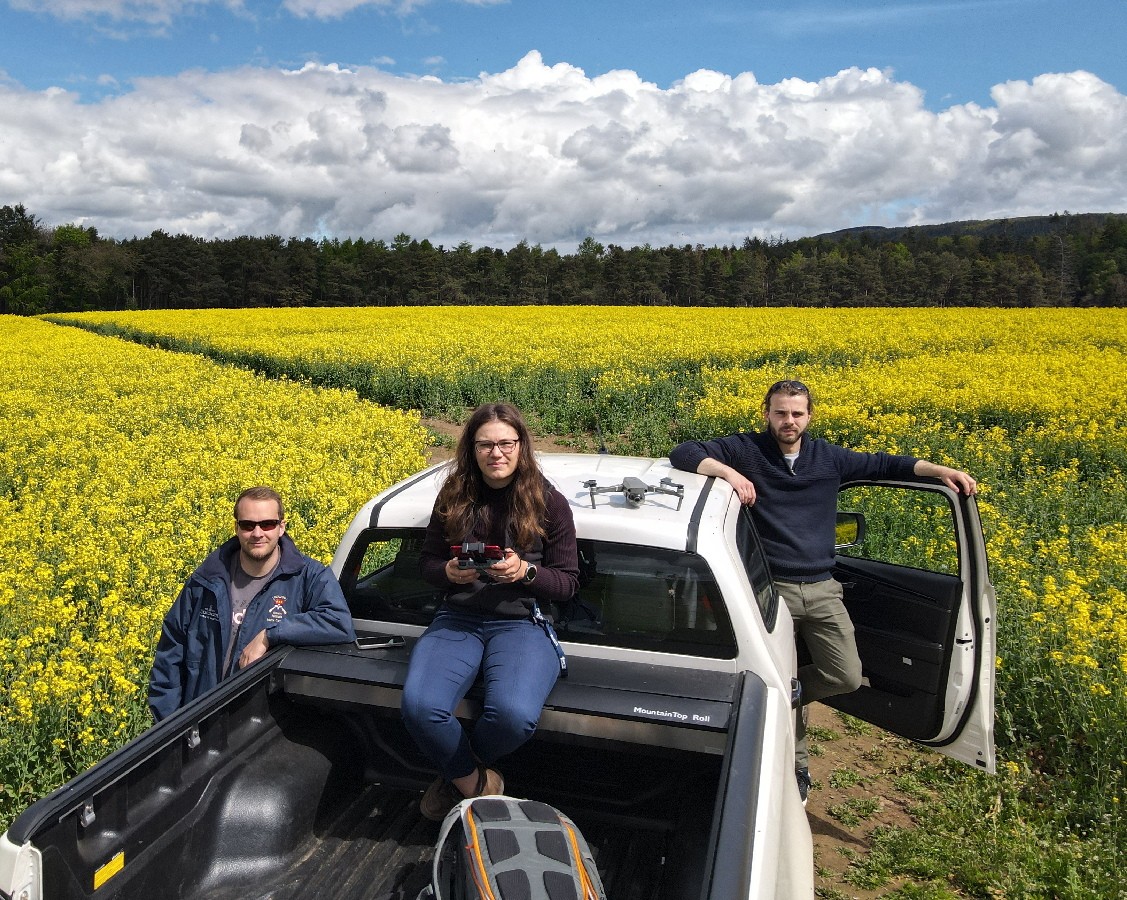
The Young Innovators’ Forum had a very educative visit to Wicken farm, hosted by farmer Luke Palmer. The farm is a highly innovative one which features a unique irrigation and water management system, tillage trials, solar panels and robotics system for potato packaging.

Upon arrival, we were given a brief history of the Fen and a tour of the Stretham Old Engine house, which houses the last of the steam engine pumps that had been used in the mid-19th to the early 20th century for draining the Fens. Drainage of the Fens began as far back as the 17th century and as a result, organic matter in the Fens, mainly comprising of peat, started to rot and the Fens began shrinking. Most of the irrigation used in the farmers’ fields around this area come from flood water in the Fens. The farmers around the Fens have installed water controllers in their fields in order to control the water level around the farms and to allow for sub-irrigation.

We were next shown around various parts of the farm. The farm grows specialist crop varieties for a number of companies. In the hybrid barley fields, they were also conducting trials for sowing density. We were taken to the fields where a new commercial soybean was being grown and simultaneously used to conduct tillage trials. Three different tillage levels were being tested in this field. The zero tillage method was working best at the time as the crops in this field grew fastest and they had the least problems with weeds.
However, they did not recommend any particular tillage method as the results of tillage trials could often be inconsistent. They recommended that tillage methods should be applied on a case by case basis. We were given a brief demonstration of the GPS system being used to coordinate farm machineries such as the drills and sprayers. The farm also boasts its own solar panels which currently generate about 90 megawatts of electricity and also allows them grow sheep under the panels. They plan to use the electricity generated to run the robotics system and to acquire more electric farm machinery.
 
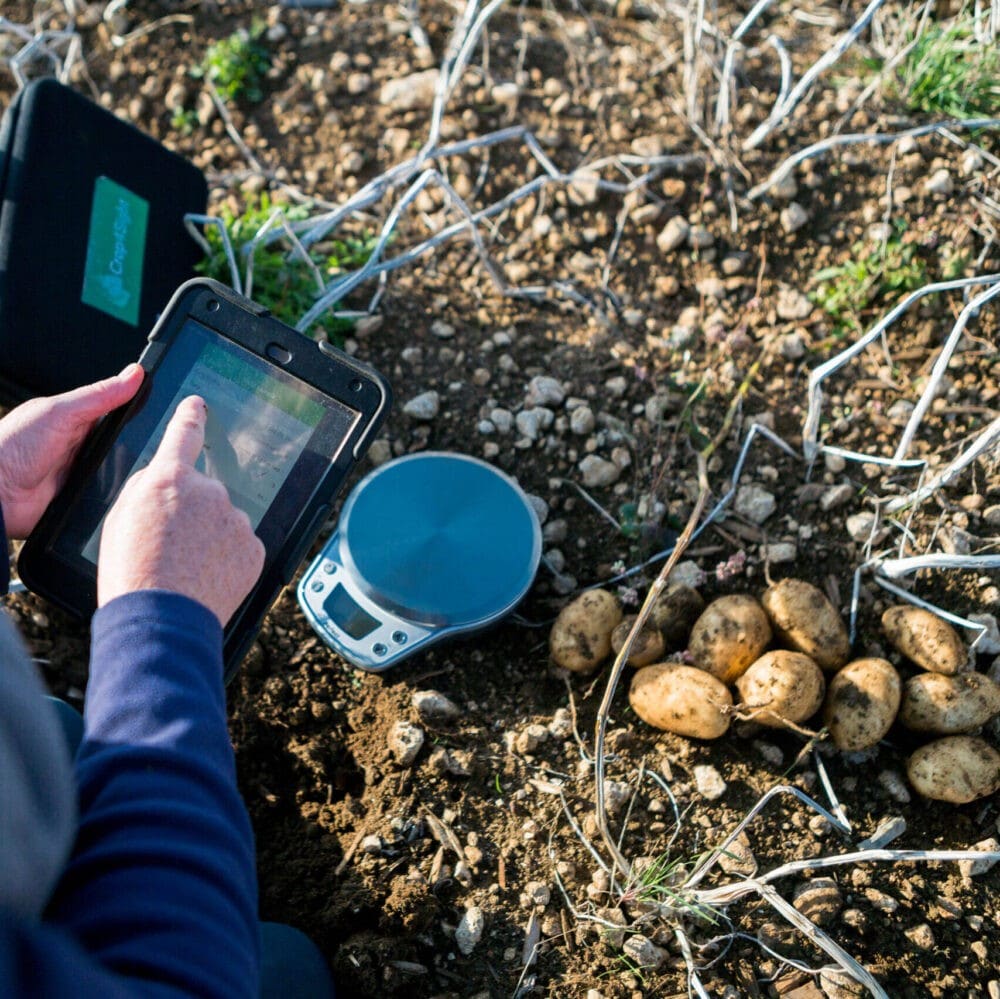
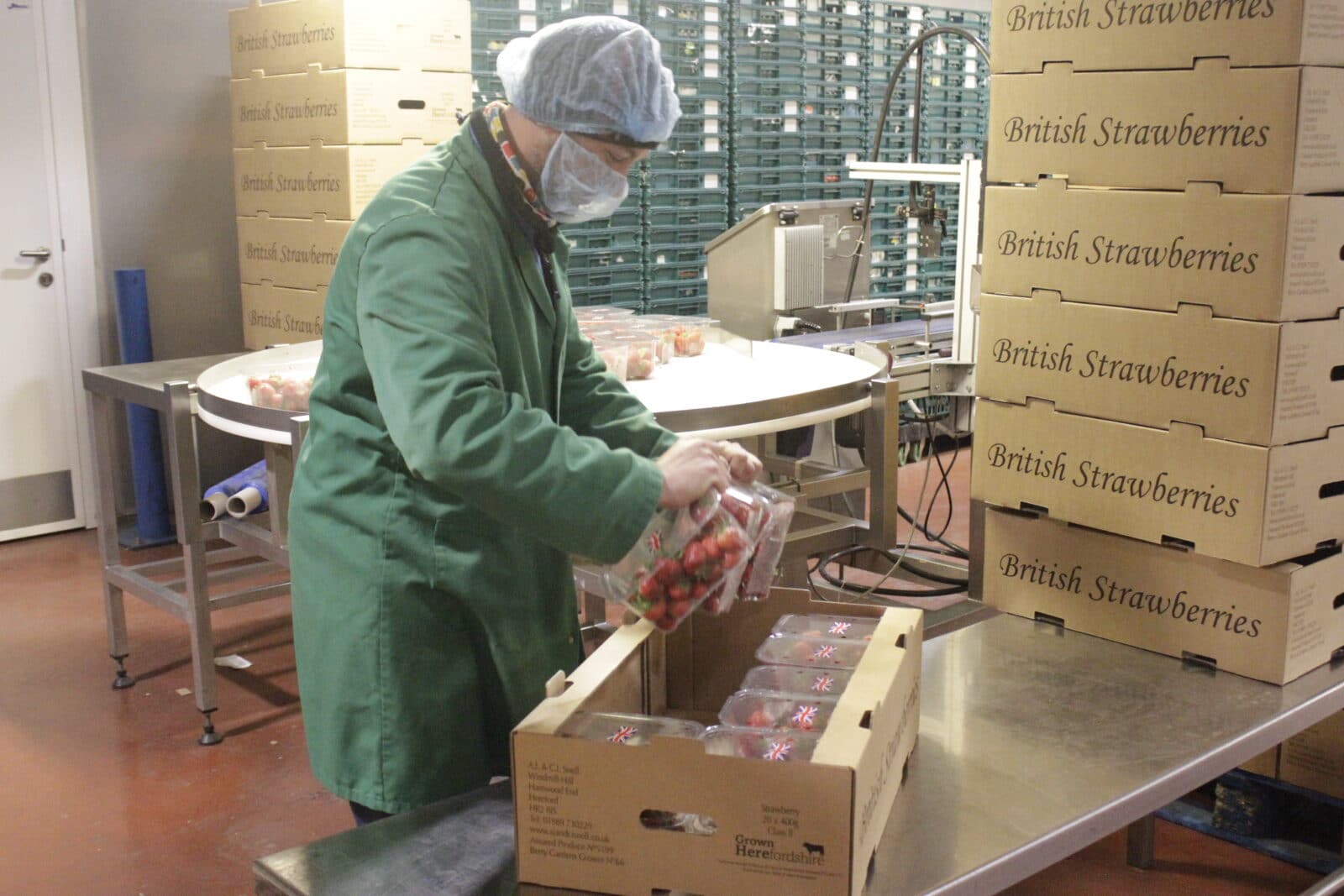
Lastly we were shown the potato shed where the farm had a robotics system installed for potatoes packaging. After harvest, potatoes were stored at 8°C, a temperature which they discovered was optimal for maintaining the quality after harvest. The semi-automated robot were currently used to sort and stack potatoes in crates. They plan to procure more robots with higher levels of automation in order to reduce manpower and to compensate for labour shortage on the farm.
 

Agri-Tech’s Young Innovators’ Forum, kindly sponsored by The Morley Agricultural Foundation, is designed to help farmers and scientists understand more about each other’s worlds through a series of free to attend events. Cambridgeshire events are coordinated through CambPlants and Cambridgeshire Young Farmers.

Using earthworms as indicators of soil health

Meet the Network
Agri-TechE
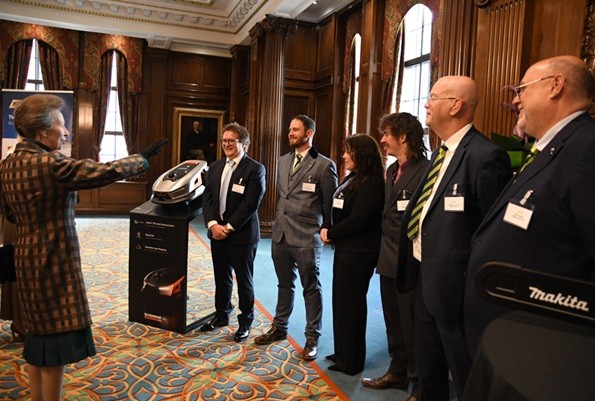
Using earthworms as indicators of soil health - Jackie Stroud, Rothamsted Research
Image from www.rothamsted.ac.uk

Earthworms are like the miner’s canary, indicating a problem with the underground world. They are sensitive to pH, water-logging, compaction, rotations, tillage and responsive to applications of organic matter. This is why there is a major project underway to investigate the use of earthworms as indicators of soil health.
Jackie Stroud, NERC Soil Security Fellow, is a world leading authority on earthworms, or “soil ecosystem engineers” as she calls them, and she has been investigating the relationship between type and abundance of earthworms and healthy soil.  She is one of the speakers at ‘Waiting for Worms’ the topic of our Water and Soil Health Special Interest Group event on 16th May 2018.
(more…)

The future skills set of agri-tech workforce is in ‘our’ hands

Member News
Agri-TechE

Easton Otley study programme framework
As colleges we have a ‘study programme’ framework to adhere to (click to enlarge)

The educational skills needs of our society have been constantly evolving as they should. The role of further education colleges is critical in ensuring vocational education is delivered to meet the skill needs of employers and the industries to which we serve.

The government’s EDUCATION ACT 2012 states that a young person must do one of the following until they are 18:

  • Stay in full-time education, for example at a college
  • Start an apprenticeship or traineeship
  • Spend 20 hours or more a week working or volunteering, while in part-time education or training

The opportunity to study whilst in work through an Apprenticeship:

NAME LEVEL EQUIVALENT EDUCATIONAL LEVEL
Intermediate 2 GCSE
Advanced 3 A level
Higher 4, 5, 6 and 7 Foundation degree and above
Degree 6 and 7 Bachelor’s or master’s degree
Easton Otley academic levels
Academic levels (click to enlarge)

We operate at the heart of one of the fastest growing economies in the country – here in the East, food, drink and agriculture is by far the biggest sector and employs the most people. It is critical that for colleges to stay credible and up to date we need to deliver the skills required by industry covering a range of specialist skills, sciences and innovation that will be needed in the coming decades.

However, it would be impossible and wrong for colleges to work in isolation as we would fail miserably. Success lies in active collaboration.

Easton and Otley College is the region’s specialist college for the land-based and agri-food sector and has an important strategic role in developing the local economy as the food chain is the largest manufacturing sector in New Anglia region, generating more GVA and jobs than any other sector. Technology is increasingly being used to address the significant challenges the sector has around productivity, competitiveness and skills shortages. As one of the sectors that will be affected by Brexit more than most, the agri-food sector will need many more skilled and qualified people to adopt and make best use of the new technologies designed to deliver more product, with less resource and with a reduced impact on our environment.

We are committed to the development of high-level programmes and qualifications to meet employers’ and skills shortages identified through LEP skill plans. We recognise that by working collaboratively with both other educational institutions and industry, we can have a much greater beneficial impact than we could individually by enhancing quality standards, increased coverage and improved efficiency of delivery.

We will become a national leader in specialist skills and sciences, a leading academic institution known for innovative ways in which to develop courses to meet the skills needs of our region and our society. We need to be at the forefront of developing technology, science and academic thought development as the country moves into a post Brexit era.

Easton and Otley CollegeIf you wold like to be at the forefront in collaborative and industry led training and upskilling the young people of our future please do get in touch.

Jane Townsend, Principal of Easton and Otley College: jane.townsend@eastonotley.ac.uk

Fintech and Agri-tech – where’s the linkage?

Member News
Agri-TechE
Chrissie Freear, PwCCan two industries with apparently different purposes really be thought of as comparable and able to support each other? The answer – yes, absolutely, says Chrissie Freear of the PwC Agri-tech team.

As joint leader of PwC’s R&D Financial Services team and recently taking on the exciting task of forming PwC’s Agri-tech team with PwC partner, Stephen Oldfield, I often get asked – “What’s the connection between Agri-tech and Fintech? How can you specialise in both?”

For me, it’s obvious – not only are both embracing many of the same technologies, such as blockchain, robotics and AI (Artificial Intelligence), and can clearly benefit from working together in evolving the application of these technologies – Agri-tech and Fintech businesses can support each other to solve strategic problems and grasp opportunities.

I recently came across a business that has developed a solution that combines satellite imagery, drone technology and data analytics to help farmers track crop performance more accurately. In developing their solution, the business identified the possibility of extending its use to the Insurance market to solve one of the major issues faced by Agri Insurers – how to accurately and easily value agricultural loss events. By using the data analytics and machine learning provided by this Agri-tech solution, insurers have a more accurate picture of the actual loss to farmers from insured events.

This is just one example of how tech innovations from one sector can be used to solve issues in another. There are many more, including the use of innovative weather prediction technology originally developed for the insurance market to help farmers identify potential future risks to crops.

However, this is more than just the sharing of technical solutions, Fintech and Agri-tech businesses have the opportunity to work together to achieve substantial and sustainable growth. Globally, one of the challenges facing the agricultural sector is that it is still fragmented and unorganised in certain key countries such as India and Africa, where the industry is dominated by smallholders. And this negatively impacts productivity.

It’s clear Agri-tech businesses have a fundamental role to play in overcoming productivity issues and many have developed brilliant solutions to help, but Fintech businesses also have a role to play. Many Fintech businesses offer new and innovative ways of accessing finance and marketplaces – using digital solutions accessed via mobile devices. This is particularly important in countries like Kenya and Rwanda where traditional methods of accessing global markets or providing finance are of limited use to smallholders due to the lack of credit history on which banks justify loans. Providing smallholders with a bigger marketplace and greater access to finance means that they are not only able to benefit from the productivity increases offered by scale, but also to finance for the purchase of Agri-tech solutions which provide major productivity improvements.

PWC logoI can see a real benefit of Fintech and Agri-tech businesses collaborating and working together, not only in developing technology but also in going to market to offer their products and services, helping to solve real-world problems.

A goal of the newly formed PwC Agritech team is to bring together knowledge, experience and relationships from other industries to help support Agri-tech businesses.

If you would like to find out more about the PwC Agritech team and how we can support your business, please contact Stephen Oldfield (stephen.m.oldfield@pwc.com) or Chrissie Freear (christalle.r.freear@pwc.com).

New Zealand farmer cooperative LIC meets Agri-TechE members

Agri-TechE

New Zealand farmer cooperative LIC meets Agri-TechE membersWe were delighted to welcome a board level delegation of farmers, scientists and businesses from LIC, New Zealand’s largest farmer co-operative focusing on herd improvement and agri-tech, to Cambridge this week.

The co-operative has over 10,000 shareholder farmers and aims to empower livestock farmers through the delivery of superior genetics and technology.
LIC’s strategic themes:

  • Genetics and information to create superior livestock
  • Information to improve decision making to enable superior livestock performance
  • Hardware and systems to improve productivity and decision making
  • International focus on key markets to add value for shareholders

The meeting was hosted by PwC in their Cambridge offices. It offered an opportunity for a number of agri-tech companies in the Agri-TechE ecosystem to meet the international delegation and showcase their expertise in data analytics, data management, sensor technology and software solution design.
The companies involved were: Delta-T Devices, 30MHz, Agrimetrics and After the flood,
PwC senior partner and agri-food lead Stephen Oldfield commented: “It was a great meeting of minds from both sides of the globe, with many of the same issues being faced by farmers in New Zealand and the UK. In particular, we are all on a shared learning curve as to how best to unlock the value of agricultural data across the value chain and deliver benefit to farmers and consumers.”
We anticipate follow-up discussions to build further linkages between the two agri-tech innovation ecosystems and opportunities to collaborate.
If you have a product or service that might be of relevance to LIC, please get in touch.
New Zealand farmer cooperative LIC meets Agri-TechE members
Images from LIC.co.nz

Data-driven insights in agriculture – international players discuss AI in Ag at sell-out event

Agri-TechE Article

Agri-TechE

A deluge of rain during the 2017 harvest slashed profits overnight – wheat for milling and barley for malting were downgraded and producers incurred additional costs for drying. Few industries have so much at stake than agriculture, and so much to gain from accurate, timely information.
The interest was clearly seen at the ‘AI’m of Machine Learning in Agriculture’ Pollinator, which had to change to a bigger venue to accommodate all the interested farmers, plant scientists and technologists.

Data-driven insights – PA Consulting latest research

Aaron Croucher, ‎Engineer & Consultant at PA Consulting, opened the meeting with findings from PA’s report “Transforming Agriculture with Data-Driven Insights”. He explained how advances in Artificial Intelligence are being used to simplify complexity and improve decision making.

data-insights in agriculture PA Consulting and Fujitsu
Aaron Croucher of PA Consulting and Karl Verhulst, Advanced Technology Division, Fujitsu Global discuss AI with farmers

“Big names in the machine and equipment and agriscience sectors are now fully alert to the opportunities from digital agritech. They’re looking to collaborate with technology companies and start-ups, assembling and analysing data from different sources to unlock new insight and help farmers make smarter decisions,” he comments.
The report identifies eleven companies that dominate the  agritech space. They’re a mix of agriscience leaders (BASF, Bayer, Dow, DuPont, Monsanto, Syngenta) and machine and equipment manufacturers plus two key technology players: Iteris and Trimble.
It suggests that the trigger for interest in AI was Monsanto’s acquisition of the data analytics firm The Climate Corporation. “The $930-million deal seems to have acted as a wake-up call to the rest of the industry.”

Insights from real-time-real world data – Iteris key technology player

John Lord from Iteris spoke at the event alongside industry speakers from After the flood, Fujitsu, Kings College London, and Microsoft.
Lord explains that combining crop and environmental data with artificial intelligence (AI) can help farmers make key decisions.

 data-driven insights Iteris
Data-driven insights

“The UK harvest in 2017 was very disrupted by weather and farmers had a difficult decision over when to make the cut. Is it better to harvest wet and take the expense of drying or to wait for better weather and risk the chance of the grain sprouting in the ear?
“Mechanical drying is a major investment and grain moisture and environmental conditions can change rapidly so timing is everything. By bringing together crop health modelling with field level atmospheric data, our ClearAg app provides harvesting insights that allow users to make more informed decisions on when and where to harvest and dry crops.” He went on to explain that large US farms are reporting a significant return on investment from implementing the technology in this way.
Iteris is also using AI for smart water control. Lord explains that specific land surface models are used to forecast the soil moisture at crop rooting zones. After submitting further information and user feedback, AI is used to validate and augment the complex model process, thereby building confidence in the models and keeping them current.

New era for active data – After the flood

Humans have evolved to quickly extract information from patterns. After the flood is using AI to take data visualisation to a new dimension. It takes insights from multiple interactions (people-machine and machine-machine) and displays the findings as deceptively simple dashboards.

Nick Cross, After the flood

After the flood’s Chairman Nick Cross, who also manages his family farming business, explains: “Traditional data analytics are based on collecting data and then providing retrospective insights. We are moving into a new era of active data that uses real-time data to provide intelligent services.
After the flood creates a dynamic interpretation of live data. This allows fast reactions and the ability to create systems that learn from experience to respond to changes in their environment.
Within agri-food this could be using customer buying behaviours to predict demand for perishable goods, or monitoring fungal spores and weather conditions to allow preventative, precision spraying.
Cross continues: “I think there will be exciting opportunities to create intelligent data flows between customers, stores and the producers themselves, allowing farmers to be more responsive to specific consumers’ tastes and dietary needs. Perhaps there will come a time when food production will be personalised!”
Read more here about After the flood’s dynamic interpretation of live data.

When is machine learning artificial intelligence  – Microsoft explains 

Matthew Smith, Director of Business Development at Microsoft Research, agrees: “I’ve always been excited by creating information services for the food supply chain – finding ways to get the right information, to the right people, at the right time, in the right way. That information supply chain still doesn’t exist as it should; it is fragmented and inefficient.
“Wonderfully, technology is approaching a maturity to create the information supply chains the world needs, harnessing things like cloud computing, IoT, AI and block chain.”
Smith explained the difference between machine learning and AI.
“Machine learning is the ability to infer relationships from data, rather than be explicitly programmed to do so.  Examples of this include: benchmarking, predicting shelf life, estimating soil fertility, predicting oestrus in cattle.
“Artificial intelligence is where machines gain cognitive capabilities for example; image recognition, speech. The applications within agri-food can be described as labour, safety, sustainability, productivity and efficiency.”

Needs to be meaningful and provide ROI – Agri-Tech

Dr Belinda Clarke, Director of Agri-Tech, comments: “Collaboration was identified as essential by the PA Consulting report and this networking event provided a good opportunity for farmers and plant scientists to meet personally with technologists from the companies that are shaping this emerging technology on an international stage.
“The opportunity within agri-food for learning systems that can track multiple sources of input from the environment and elsewhere and present this in a way that is easy for humans – or machines – to understand and take action is immense. But it is vital this is directed at producing meaningful information and provides a good return on investment.”

Useful information

PA Consulting Report “Transforming Agriculture with Data-Driven Insights”
Microsoft is developing Custom Vision Service – pre-trained AI to allow classification of images
Iteris is bringing its technology to the UK in partnership with Muddy Boots.
Agri-TechE brings together farmers and technologists – the next event about big-data is about block-chain and is also to be held at the Sainsbury Laboratory, Bateman Street, Cambridge.
Pollinator 24 April 2018: “ Trust, Provenance and Blockchain
Also there is an opportunity to enter a team in our first hackathon. 

Innovation with a purpose

Agri-TechE Blog
Agri-TechE

WEF - Innovation With A Purpose reportMany of the technologies identified by the World Economic Forum as being key to achieving sustainability goals are being developed within our membership ecosystem.
Most of us have heard of the Fab Four and maybe even the Famous Five but talk at the World Economic Forum is all about the “Transformative Twelve” – a collection of enabling and promising technologies that could change food production systems over the next decade.
The technologies were identified within the “Innovation With A Purpose” report, authored in partnership with McKinsey & Co, and have all been chosen for their potential impact in improving consumer nutrition, increasing supply chain efficiency and transparency and boosting farmer productivity and profitability.
Pleasingly (but perhaps not surprisingly), they include many of the technologies in our cluster.

The “Transformative Twelve” focus around three main drivers:

  1. Changing the shape of demand  – Alternative protein sources, sensing technologies for food safety, quality and traceability and nutrigenetics for personalised nutrition were highlighted. These technologies sit at the consumer-facing end of the value chain which will be influence demand and provide market pull.
  2. Promoting value chain linkages  – Big data and advanced analytics for insurance sit alongside mobile service delivery and blockchain-enabled traceability. These approaches help connect up the value chain, with the so-called “internet-of-things” providing supply chain transparency.
  3. Creating effective production systems  – these will be underpinned by precision agriculture, gene editing tools for multi-trait seeds, technologies to enhance the microbiome for increased crop resilience, and biological-based crop protection and soil nutrient management. Off-grid renewable energy generation and storage will be key to providing access to a reliable electricity supply to power many of these real-time monitoring innovations.

Transforming food systems in this way will, the report argues, require a “holistic approach engaging all stakeholders.  It will also be dependent on a wide array of actions such as improved policy, increased investment, expanded infrastructure, farmer capacity-building, consumer behaviour change and improved resource management.”

Struggling farmers underpin grand goals 

The Sustainable Development Goals (SDGs), otherwise known as the Global Goals, are a universal call to action to end poverty, protect the planet and ensure that all people enjoy peace and prosperity.
Achieving the SDG by 2030 through the efficient production of healthy, nutritious, inclusive, sustainable food for everyone is a massive undertaking which requires a global collaborative effort.
Yet underpinning these somewhat overwhelming grand global challenges are farmers and growers, many of whom are struggling to make their farm business break even, or in extreme cases, feed their family.
Also hopes are resting on the many technology developers, breeders and innovators who are battling the hype and expectation over the day-to-day challenges of funding a small business, recruiting talent and attracting and managing investors to bring these ideas to a point where they stand a chance of being adopted in commercial reality.
Grand visions are necessary, important and align disparate interests. But let’s not forget the those delivering the necessary elements of these grand visions are individuals. Hard-working, committed and smart people whose contribution to the transformation of the food system must be recognised, supported and celebrated.
 
WEF report Innovation with a Purpose: The role of technology in accelerating food systems transformation

Could ‘flying flocks’ be the answer to soil fertility and low margins?

Meet the Network
Agri-TechE

“We know as arable farmers that we need to do something to improve soil health and structure and the inclusion of livestock in the rotation must be beneficial,” says Jamie Lockhart, Farm Manager at Honingham Thorpe Farms. But livestock farming is struggling to be profitable, and with Brexit coming many of the farmers are selling their sheep. The question arises: is there a different commercial model that would be mutually beneficial?
The farm is taking part in a novel trial to explore the benefit of introducing sheep into arable rotations for both the grazier and arable farmer.
Honingham Thorpe Farms is a contract farming business based in Norfolk. Originally a mixed enterprise with livestock and traditional Norfolk cropping of wheat, barley, potatoes, peas, beans, maize, linseed and oilseed rape, it has now streamlined its activities with less crops and more specialisation. The success of this approach has been achieved with a dedicated team and the most advanced equipment available in the sector.

Working trial

Honingham Thorpe Farms - machineryJamie Lockhart is entrepreneurial, with an interest in working with other businesses to share the benefits of spreading costs and using resources in new ways. He explains how he became involved in a pioneering trial on the farm.
“I was approached in July by Simon Wearmouth of Brown & Co who already had the backing of AHDB, National Sheep Association (NSA), the Organic Research Centre (ORC) and Frontier, to see if we were interested in running a working trial on the farm. The aim was to look at the potential benefits of having a ‘flying flock’ on an arable farm. The idea sounded exciting so we agreed immediately.”
Rather than just renting permanent pasture to the livestock farmer or growing a specific fodder crop for winter forage, the trial would look at the benefits to soil health and fertility of a grass ley (a mix of grasses, clovers and herbs) grazed and manured by livestock. If both parties achieved sufficient quantifiable benefit this could form the basis of new type of commercial relationship.
Jamie explains: “The sheep are owned by EM & JF Peacock and we would normally charge rent for permanent grazing land. Using livestock as part of rotation to build soil fertility is a different concept and it will be interesting to see if there is a yield uplift.”

Mutual benefits

Honingham Thorpe FarmsThe trial aims to demonstrate the mutual benefit for both arable and grazing enterprises of grass in the rotation, and is being conducted by Brown & Co in partnership with AHDB, NSA and Frontier Agriculture Ltd.
Honingham Thorpe Farms has about 12 ha of land that has previously grown wheat for 2017 harvest. This has been sown as a grass ley split into two blocks, one a grazing mixture of grasses and white clover and the other a herbal ley, which contains a diverse mixture of grasses, clovers and herbs, including plantain and chicory.
Weekly assessment of grass and forage availability will be made to track grass growth and to help decisions to be made in terms of fertiliser use and stocking rate. Two separate groups of ewes and lambs will graze the blocks and weights will be collected so live weight gain will be tracked up until the lambs are weaned in July/August. It will provide evidence on the best mixture in terms of grass growth rates and animal performance. The trial will also be looking at the benefits to the grazier of clean grazing for parasite control and animal performance.
The benefits to the soil may include increased accumulation of organic matter, improved microbial activity, the introduction of micronutrients and greater availability of mineralised nitrogen. The fields have been GPS mapped, they will be sampled and analysed throughout the trial by Frontier. These factors may lead to better soil structure, health and resilience and potentially an uplift in yield for the following arable crops.
To provide objective assessments, Frontier has developed soil maps for the field to provide a baseline comparison, and the farm has good yield data for three years and information for previous years.
Additionally, using livestock in the rotation may provide weed control. The selected field had a problem with blackgrass, which is becoming increasingly resistant to chemical control. Grazing the plants before they have a chance to seed may control and manage the problem.

Flying flocks a new model

Introducing livestock to arable farms requires careful management and an investment in infrastructure, such as water supplies and fencing. Jamie comments: “We need to do something about the soil and also to look beyond subsidies for directing land use. This trial should give us a good understanding of the true costs and benefits to our farm and for the grazier.”

Honingham Thorpe FarmsNote: Honingham Thorpe Farms is hosting a trial to demonstrate the benefit of introducing sheep into arable rotations for both the grazier and arable farmer. The trial is being conducted by Brown & Co in partnership with AHDB, National Sheep Association (NSA), the Organic Research Centre (ORC) and Frontier Agriculture Ltd. This project has received funding from the European Union’s Horizon 2020 research and innovation programme under grant agreement No 679302, as part of the Innovation for Sustainable Sheep and Goat production in Europe project (iSAGE – www.isage.eu).

Burying carbon in soil won’t halt climate change

Research Digest
Agri-TechE

The idea of using crops to collect more atmospheric carbon and locking it into soil’s organic matter to offset fossil fuel emissions was launched at COP21, the 21st annual Conference of Parties to review the United Nations Framework Convention on Climate Change in Paris in 2015. The aim was to increase carbon sequestration by “four parts per 1000 (4P1000)” per year for 20 years.
However, unique soils data from long-term experiments, stretching back to the middle of the nineteenth century, confirm the concept of burying carbon in the ground to halt climate change is flawed.
The findings come from an analysis of the rates of change of carbon in soil by scientists at Rothamsted Research where samples have been collected from fields since 1843.
burying carbon in soilThe Rothamsted scientists used data from 16 experiments on three different soil types, giving over 110 treatment comparisons. “The results showed that the “4 per 1000″ rate of increase in soil carbon can be achieved in some cases but usually only with extreme measures that would mainly be impractical or unacceptable,” says Paul Poulton, lead author and an emeritus soils specialist.
“For example, large annual applications of animal manure led to increases in soil carbon that continued over many years but the amounts of manure required far exceeded acceptable limits under EU regulations and would cause massive nitrate pollution,” notes Poulton.
Removing land from agriculture led to large rates of soil carbon increase in the Rothamsted experiments but would be highly damaging to global food security.
Although, returning crop residues to soil was effective at increasing carbon sequestration but, this is already done so cannot be regarded as a totally new practice.
“For example, in the UK about 50% of cereal straw is currently returned to soil and much of the remainder is used for animal feed or bedding, at least some of which is later returned to soil as manure,” says Poulton. “In many other countries, however, crop residues are often used as a source of fuel for cooking.”
“Although there can be environmental benefits from such a system, most farmers find that it is uneconomic under present circumstances,” says Powlson. “To make this change on a large scale would require policy decisions regarding changes to subsidy and farm support. Such a change would also have impacts on total food production.”
They suggest that a more logical rationale for promoting practices that increase soil organic carbon is the urgent need to preserve and improve the functioning of soils, both for sustainable food security and wider ecosystem services.
For climate change mitigation through changes in agricultural practices, they point out that measures to decrease emission of nitrous oxide, a greenhouse gas almost 300 times more powerful than carbon dioxide, may be more effective.
The paper: Major limitations to achieving “4 per 1000” increases in soil organic carbon stock in temperate regions: Evidence from long-term experiments at Rothamsted Research, United Kingdom. Global Change Biology, 2018; DOI: 10.1111/gcb.14066

Wheat from seed to seed in 8 weeks

Research Digest
Agri-TechE

Speed breeding techniques would allow six crops of wheat in a year, intensifying food production.
A speed-breeding platform developed by teams at the John Innes Centre, University of Queensland and University of Sydney, uses a glasshouse or an artificial environment with enhanced lighting to create intense day-long regimes to speed up the search for better performing crops.
Using the technique, the team has achieved wheat generation from seed to seed in just 8 weeks.
Speed breeding, says Dr Wulff, offers a potential new solution to a global challenge for the 21st century.
“People said you may be able to cycle plants fast, but they will look tiny and insignificant, and only set a few seed. In fact, the new technology creates plants that look better and are healthier than those using standard conditions. One colleague could not believe it when he first saw the results.”
The exciting breakthrough has the potential to rank, in terms of impact, alongside the shuttle-breeding techniques introduced after the second world war as part of the green revolution.

Dr Brande Wulff of the John Innes Centre

Dr Wulff goes on to say: “I would like to think that in 10 years from now you could walk into a field and point to plants whose attributes and traits were developed using this technology.”
This technique uses fully controlled growth environments and can also be scaled up to work in a standard glass house. It uses LED lights optimised to aid photosynthesis in intensive regimes of up to 22 hours per day.
LED lights significantly reduce the cost compared to sodium vapour lamps which have long been in widespread use but are ineffective because they generate much heat and emit poor quality light.
The international team also prove that the speed breeding technique can be used for a range of important crops. They have achieved up to 6 generations per year for bread wheat, durum wheat, barley, pea, and chickpea; and four generations for canola (a form of rapeseed). This is a significant increase compared with widely used commercial breeding techniques.
Ruth Bryant, Wheat Pathologist at RAGT Seeds Ltd, Essex, UK, said: “Breeders are always looking for ways to speed up the process of getting a variety to market so we are really interested in the concept of speed breeding. We are working closely with Dr Wulff’s group at the John Innes Centre to develop this method in a commercial setting.”
The full paper: Speed breeding is a powerful tool to accelerate crop research and breeding is available at Nature Plants.

Social, Strategic or Opportunistic – How Do You Network?

Agri-TechE Blog
Agri-TechE

Networking at REAP 2017 (POM)“I came here with a specific goal – to meet farmers to recruit into a new soils project – and I’ve achieved it,” a delegate from a major agri-research organisation commented on the REAP feedback form.

Another delegate, this time one of the region’s leading farmers, tweeted to a speaker in the Start-up Showcase: “Been keeping tabs on your development and then saw start up demo @AgriTechEast and thought what have I got to lose?”

And finally, “I should know everyone in this room – but I only know about 20% of them – it’s not the ‘usual crowd’ I always see at agricultural conferences.”

These quotes show the diversity of opportunities for networking and collaboration that emerged during REAP and other events held during Agri-TechE Week in November. They reveal the different ways in which new introductions are made and partnerships can form.

Brief encounter

Networking at REAP (Robert Salmon)Innovation often occurs following chance encounters. This is well recognised by architects who include cafes, seating areas and co-working areas in the design of business incubators such as the Centrum on the Norwich Research Park, the Lawes Open Innovation Hub at Rothamsted, and the Kings Lynn Innovation Hub run by NWES.

However, for many farmers and growers, opportunities to bump into others during their working day is more limited – it mainly happens at events or conferences.

So, we recognise that maximising the chances of farmers meeting new and relevant people when they come to our events is really important so we’re thinking hard about how to make the connection process even more effective. A photo board to help you identify the person you’re looking for? Sophisticated pre-event partnering software? Speed-dating? Watch this space.

The social network

Social media at REAP 2017Social media also has an important role – providing global, national and local insights into new developments, and sharing challenges and experiences. We have seen Twitter being embraced by the community as quick way to ‘bookmark’ key nuggets of information.

However, seeing for yourself and talking face-to-face are still vital communication. We are looking forward to putting this into practical application through our new initiative with AHDB, which will create more on-farm interaction around themes of mutual interest.

Many thanks to all who travelled to, talked at, and tweeted from the conference – looking forward to more interaction next year!


REAP 2017

Agrilytix making satellite sourced data accessible to farmers

Agri-TechE Article
Agri-TechE

AgrilytixStart-Up Showcase - AgrilytixAgrilytix Ltd is developing an agricultural monitoring system that uses satellite imagery and machine learning to provide enhanced decision support for smaller farmers in challenging environments.

Co-Founder Nilesh Mistry developed the idea for the service when he was working as a development consultant on agricultural development projects with smallholder farmers in Asia, Eastern Europe and Africa.

He says: “The cost of satellite imagery is expensive as only commercial sources can provide high resolution and hyperspectral data, with data analysis adding another layer of cost. Agrilytix will provide a service that makes information about weather and climate more accessible and affordable to smaller farmers and the wider supply chain.”

The company is based at Rothamsted Research and is looking for industry partners and seed funding to develop the service further.

Find out more at www.agrilytix.co.uk.


See more about the 2017 Start-Up Showcase >>