A Well‑Adapted UK signals a shift in British farming
 Agri-TechE
 The UK’s latest climate risk assessment, A Well-Adapted UK, has landed with a now-familiar and sobering reminder for those in agriculture and horticulture: the impacts are already here, the risks are escalating, and adaptation is no longer optional.
But the report also points to something more hopeful. With the right adaptation, the UK should be able to maintain the proportion of food produced domestically, even as the mix of what we grow shifts. From growing chickpeas or oranges in the south to redesigned rotations and climate‑tolerant genetics the sector will look very different by mid‑century – but one that can remain robust and productive.
Prepared by the Climate Change Committee (CCC), the report reflects on what “viable farming” could mean by 2050 – and the critical importance of enabling and encouraging farmers to take adaptation actions.
From variability to volatility
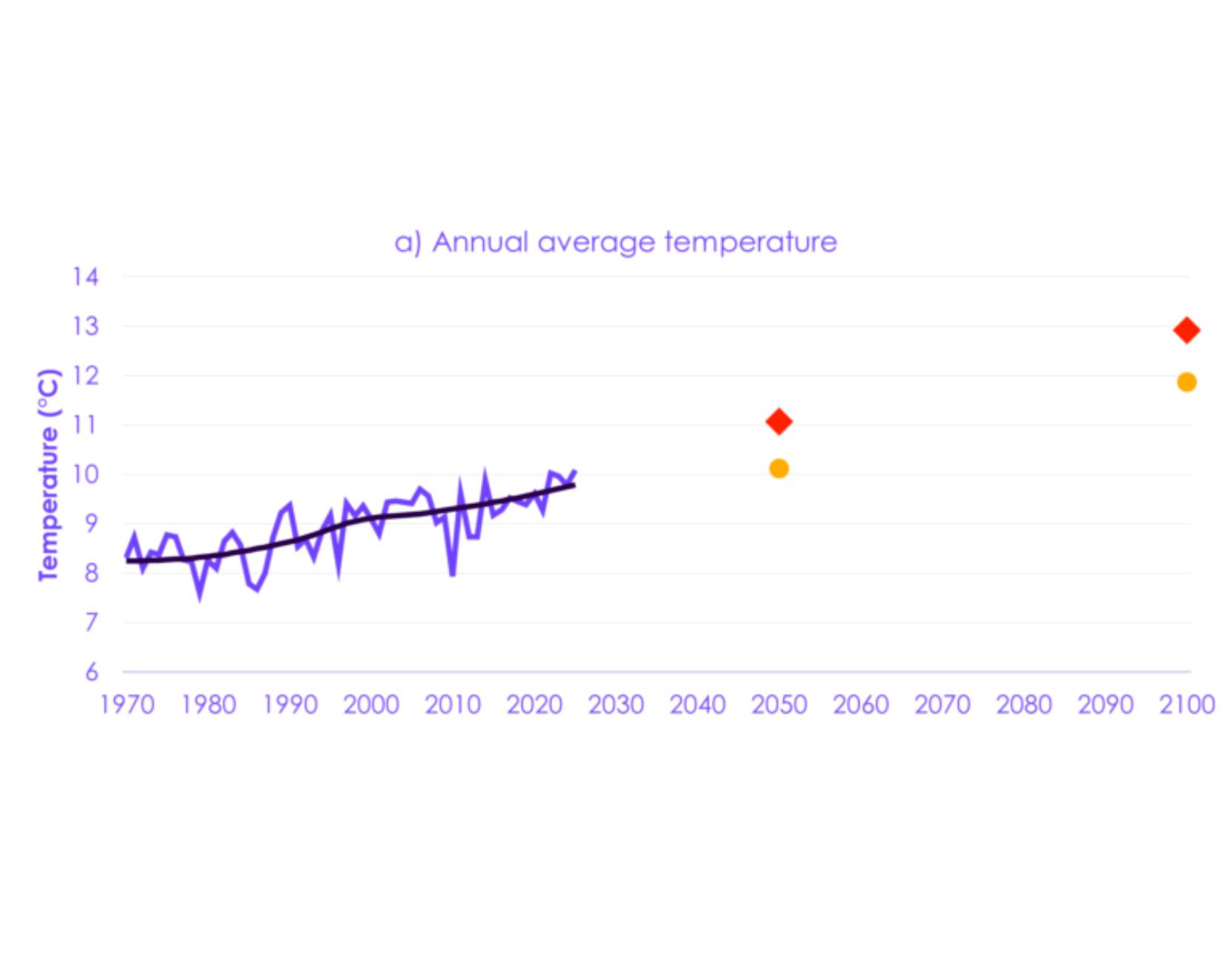
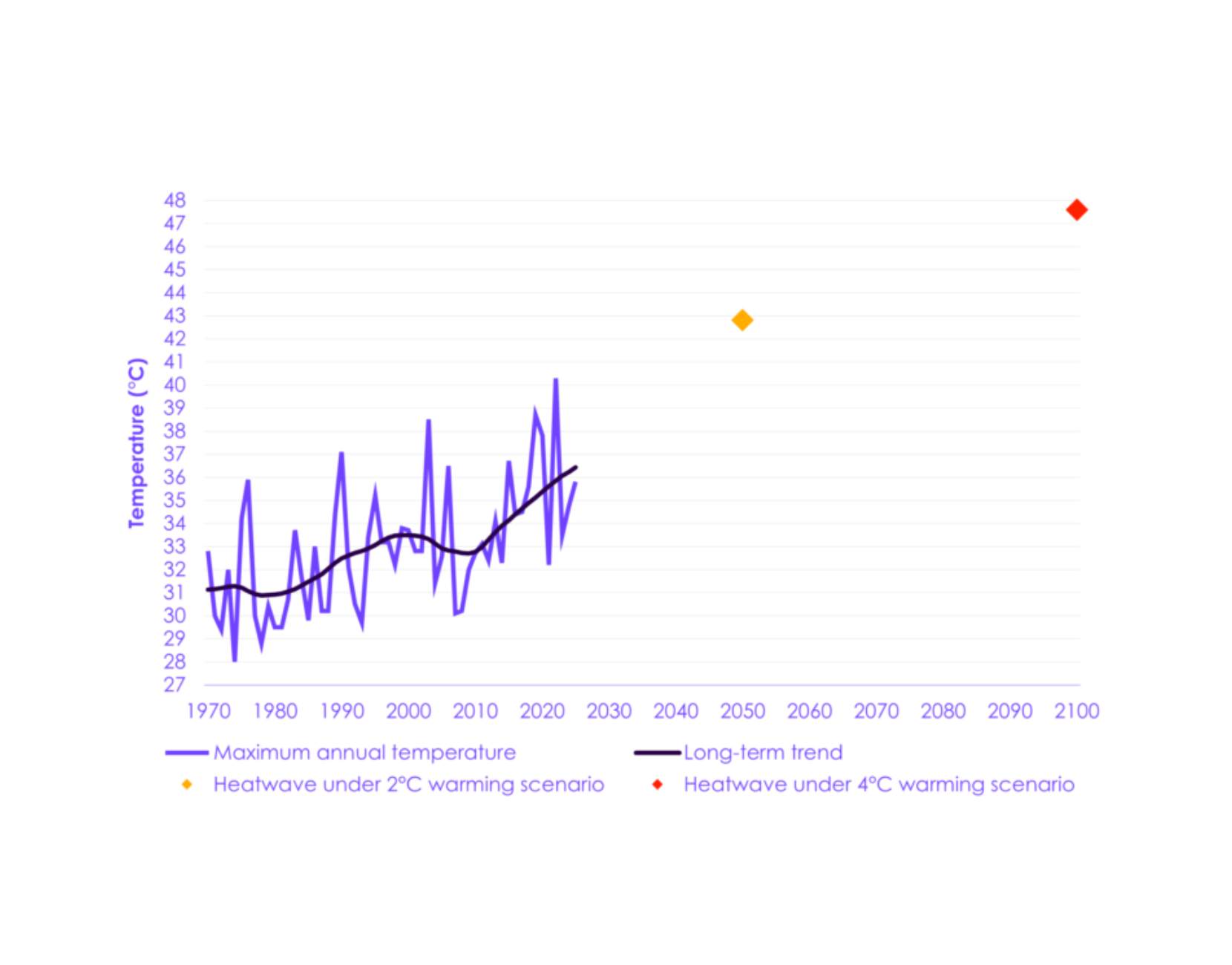
The report makes clear that UK farming has already crossed a threshold. As the extremely wet start to the 2026, followed by an unprecedented dry Spring has again demonstrated, extreme weather is no longer an episodic shock – it is becoming a defining feature of production. Last year farmers in England were expected to lose over £800 million in revenue due to the impacts of the hot and dry spring and summer in 2025 and yields for key crops such as wheat and oats were more than 10% below the 10-year average.
By the 2050s, the CCC fears that annual agricultural losses could rise significantly, with “bad years” becoming severe enough to threaten farm viability at scale. In this context, resilience is no longer about surviving and smoothing year-to-year fluctuations – it’s about surviving systemic shocks.
This, coupled with the emphasis on the implications of farm scale on viability within the Batter’s Farm Profitability Review suggests urgent action is needed.
The shrinking land base
One of the most striking findings is the projected collapse in high-quality agricultural land. Without adaptation, the proportion of top-grade farmland in England and Wales could fall from around 40% historically to just over 10% by 2050.
Under a “high‑end” climate scenario – of around 4°C of global warming by 2100 – the Fens, which contain almost half of the UK’s Grade 1 agricultural land, may see a 16‑fold increase in flood risk, and up to 110 months of severe drought in a 30‑year period.
This is not simply a land-use issue—it is a productivity and geography issue. According to the recently published Land Use Framework, 39 % of land in England is used for agriculture and horticulture. The UK’s most productive regions, particularly in the east and south-east, are also those most exposed to heat stress and water scarcity. As climate pressures intensify, comparative advantage across UK agriculture is likely to shift.
A new production logic
Perhaps the most important implication is that “what we produce” will change as much as “how we produce”. The report explicitly points to a transition in crop suitability, with warmer conditions enabling crops such as chickpeas or even citrus in southern England.
This is likely to trigger a gradual reconfiguration of UK food systems—from crop genetics and agronomy through to supply chains and consumer expectations.
At the same time, traditional staples may become less reliable. Heat-driven losses in wheat and barley are already material and projected to grow sharply. The implication is a dual transition: diversification into new crops, alongside the stabilisation—or partial substitution—of existing ones.
Soil, water, data
If there is a unifying theme in the report’s recommendations, it is the centrality of soil and water management. Increasing soil water-holding capacity and diversifying cultivars are identified as among some of the most effective adaptation measures. Already breeding for drought tolerance is a priority.
Despite making sobering reading, the report reveals the need for an even greater need for agri-tech. Precision irrigation, soil sensing, climate modelling, and decision-support tools are going to be foundational to maintaining productivity under constraint.
Equally, the emphasis on landscape-scale action—catchment management, farm clusters, and nature-based solutions—points to a more networked model of innovation. Farm-level optimisation alone will not be sufficient – as we often say, we won’t change the industry one project, one start-up, or even one farm at a time.
Policy, incentives, and the 60% question
The report sets an ambition – to maintain domestic production at 60% of food consumption by value between now and 2050. Hitting this target under worsening climate conditions will require more than tech adoption—it will require aligned policy.
Public payments, which remain an important element of farm income, are expected to play a central role in incentivising adaptation. This raises familiar questions: how do we reward resilience, not just output? How do we continue to de-risk transition for farmers operating on tight margins?
The report is also candid about the current gap. Adaptation across the UK has been fragmented and underpowered, with investment falling far short of what is required.
From adaptation to transformation – the role of Government
The report issues a clear call to arms to Government.
- By providing access to the right skills, information, and training, farmers can be empowered to make better decisions around adaptation. (It’s a separate question who could deliver such training……).
- For farmers to adapt their business models, regulatory barriers need to be eased, such as making it easier to store water on farms, can help facilitate action in the sector.
- Public money directed to those involved in agricultural production should be deployed in such a way as to provide incentives to adjust farming models as needed to adapt.
The underlying message from the report is stark. Adaptation is not a defensive strategy—it is the pathway to redesigning our agricultural system for a different climate reality.
That means new crops, new business models, new data infrastructures, and new forms of collaboration between farmers, researchers, and technology providers.
The question is no longer whether UK agriculture will change. It is whether the pace of innovation can match the pace of climate risk.
Post Overview
Agri-TechE Related Posts
Agri-TechE partners with leading farming voices in NEW ambassador programme
Patenting microbial crop products in Europe
New Phosphorus Stewardship Hub helps growers turn phosphorus limitations into action
Drone Ag Launches Skippy Scout’s Spheres Version 2
The Observer: How bulrush farming is reshaping land management, restoration and rural economies