The Productive Landscape: NatureTech for Profit and Planet
How can technology enable delivery of food, nature recovery, and climate resilience - all at once? The Head of the Environment Agency is asked: what's the national plan for dealing with land use pressures, plus you’ll hear from technologists and land managers working on nature-based and tech-enabled solutions for water, soils and climate adaptation.

EcoNomad’s ‘waste to energy’ solution accessible for smallholders

Agri-TechE Article
Agri-TechE

Anaerobic digestion (AD) turns waste into biogas and a nutrient-rich soil additive – but the current solutions are too complex and expensive for smallholdings. To give smaller farmers the benefit of AD, agri-tech start-up EcoNomad Solutions (founded by Ilan Adler and Alex Demenko) has re-engineered the technology to create a more affordable option that uses passive heating methods and naturally occurring bacteria.
Ilan has previously co-founded a charity (IRRI-Mexico) and an award-winning social enterprise in Latin America (sistema.bio), which seek to bring a range of solutions for communities and smallholders in developing markets. Now EcoNomad is bringing a refined version of those technologies adapted to the UK and Europe at large.
EcoNomad is a spin-out from the Royal Academy of Engineering and University College London. Ilan Adler explains: “What we are offering is a ‘waste to energy’ solution for small farmers, in the form of a simple and easy to operate biogas reactor. We have also patented a solar pumping and pasteurisation unit that can be used for irrigation and is a lot more affordable than most on the market. “We have received funding for prototyping and testing and plan to go to market next year. Our sister company based in Mexico has developed a biogas unit that has worked well for smallholders in warm climates. The waste goes into the system and produces biogas, with a high-quality liquid fertiliser as a by-product that can be used onsite or sold as appropriate.
“EcoNomad is adapting and commercialising the system for use in more temperate environments. It is a scaled-down version of the AD process and uses naturally occurring bacteria already present in the manure of agricultural waste. We have designed the mixing and operating process so that it is easy to use, with minimum inputs, even in off-grid locations.”
Co-founder Alex Demenko adds: “AD has attracted controversy as the big plants require a lot of input, with farmers growing ‘energy crops’ such as maize to feed the reactors, on land that could be used for food. Our product offers a pragmatic solution that could be used by smallholders with few animals, or even a riding stable.”
“Getting rid of manure can be an issue for our clients and our system turns it into a valuable commodity.”
Ilan and Alex hope that participating at REAP 2019 will provide necessary exposure and feedback to promote the solutions to the farming community in the UK and overseas.

Agri-TechE Week 2019: Agri-TechE in Action
Agri-TechE Article
Agri-TechE
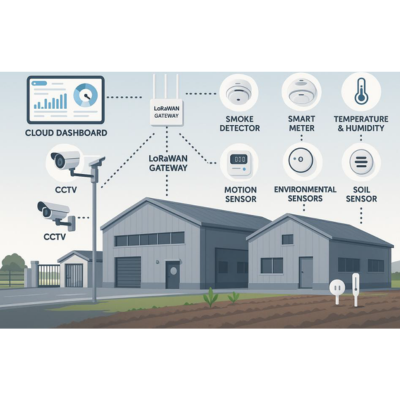
Technology that reduces cost, improves the efficiency and promotes the health of plants and animals was showcased at ‘Agri-TechE in Action’. This Agri-TechE Week event was co-hosted by the Royal Norfolk Agricultural Association (RNAA) and Easton and Otley College.
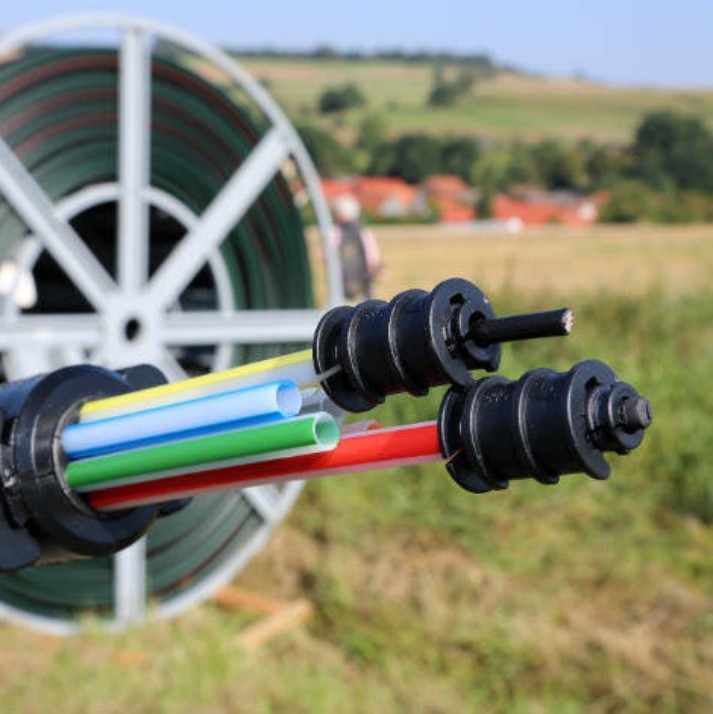
Precision enables prediction and prevention – the key words to describe the technologies discussed, which were aimed at improving the precision of seed drilling, using plants own defence systems to improve resilience and next generation ear tags that can monitor the health of cattle.
By providing early warning of issues that would not be visible with the naked eye the technology improves the ability to intervene before the problem escalates.

Farming for the future with Väderstad seed eye

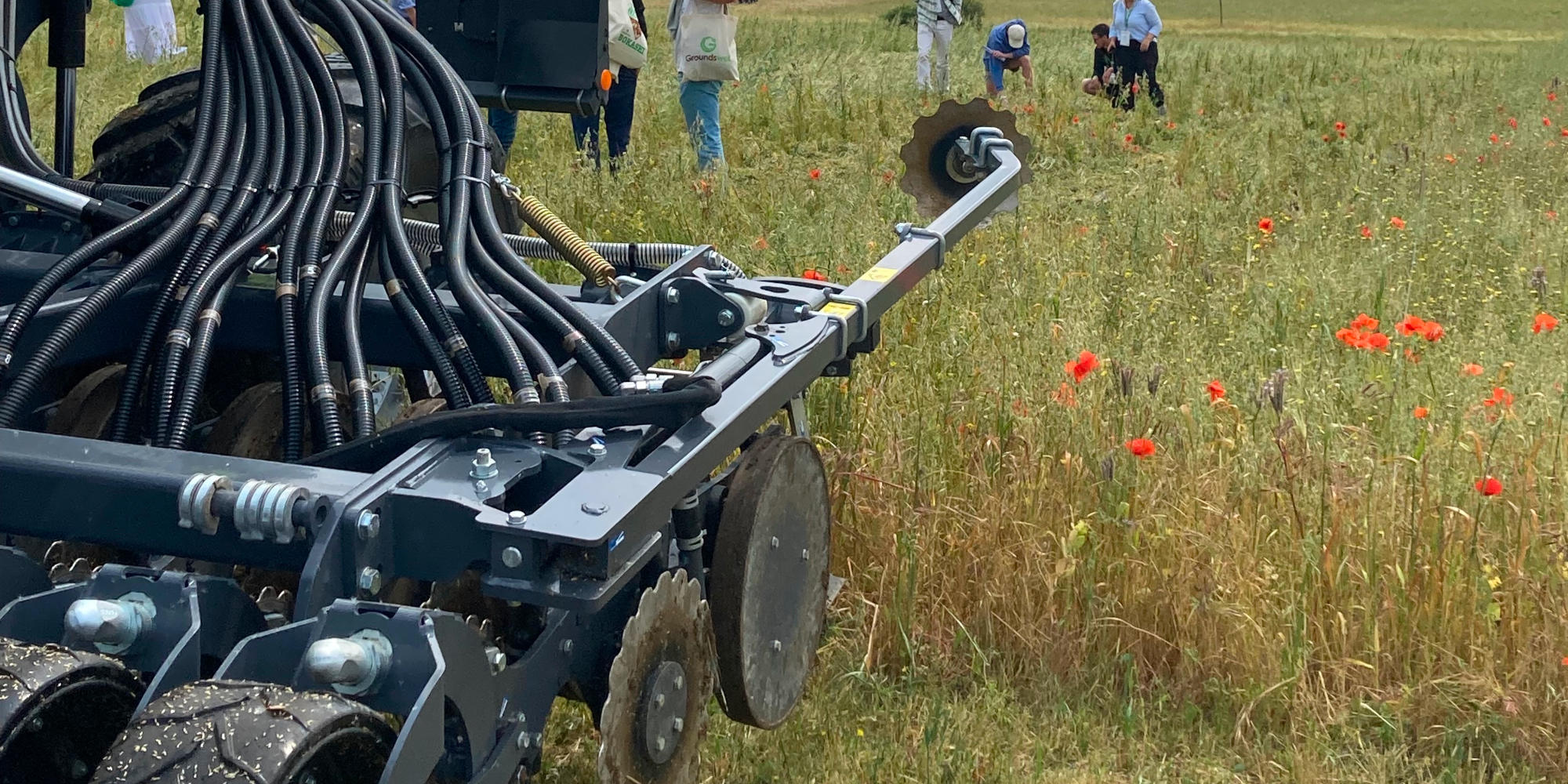
Väderstad discussed its new technology which allows variable rate seed drilling and tram lining. It uses wireless communications between tractor and device to control the drilling. The company discussed the potential of the Internet of Things – where devices are able to communicate with each other to send data in real-time – and it is ensuring that new developments offer inter-operabilty with existing farm management software.

Growing cereals without fungicide

Mark Law of Law Fertilisers talked about the company’s Enhanced Nutrient Programme, which uses scientific insights into plant nutrition to build resilience in healthy plants.
Boosting and enhancing the naturally occurring plant processes, or “elicitors”, by using added nutrition such as selenium, phosphorus etc at the right time can help the plant build even great resilience to pests and diseases and optimise growth.
It is necessary to understand the nutritional needs of the plant at times of stress and ensure deliver appropriate nutrients and ways of managing biology and chemistry in the plant.

Ear tags for cattle

Heat detection and fertility drives everything on a dairy farm and it is important to maintain consistency as cattle are more content if they have a regular routine with the same people.
Ben Nottage, from Worldwide Sires UK, has developed a wireless ear sensor that can accurately predict when a cow is going into heat or is ill. Monitors allow comparisons of each individual animal and checks and logs changes from the normal behaviour from that individual. This allows early warning before there are visual signs.

Agri-TechE Week 2019: Developing to inspire

Agri-TechE Article
Agri-TechE
New sources of funding and the opportunities for collaborative research were among the themes discussed at the Agri-TechE Week event hosted by Rothamsted Research in collaboration with the University of Hertfordshire and supported by the Green Triangle.

Sources of funding

AgRIA is a £2.7M fund to support innovation projects that bring together researchers and small businesses. The business contributes £8k to gain access to academic brains for a six-month project to the value of up to £65k. The next round is to be advertised in March 2020.
One of the companies to benefit is Phytoform Labs, a biotechnology company which aims to help breeders to cut down plant breeding times from decades to years using new gene editing technologies. CEO Dr William Pelton discussed the progress so far.
SHAKE Climate Change programme is specifically designed to attract entrepreneurs or start-ups who have developed early stage science or tech-based ideas that can have a significant impact on climate change and form the basis of a sustainable and socially responsible business within the sector. As well as receiving funding under the programme, entrepreneurs will benefit from mentoring and training programmes to help make their projects viable.
A good example of this is Th!nk Food, founded by Rothamsted Research scientist Sajeev Erangu Purath Mohankumar. The company is looking at how gamification can encourage consumer engagement in low carbon food production. The aim is to demonstrate the environmental impact of food systems, but visualising the carbon footprint of components in a food basket. The produce will allow users to track emissions and nudge for alternative food options, it captures metrics around seasonality and provenance.
It is not just retailers and farmshops that would have an interest in this concept; some towns are also adopting sustainability, for example Letchworth Garden City is involved in an initiative to support a healthy and sustainable food economy.

Collaborative research 

Students from UCL, University of Hertfordshire and Cranfield University, together with Rothamsted Research, are working on industry projects such as a programme with Syngenta to understand the factors that affect pesticide disposable foliar residues, and another with ADAS to investigate interactions between fungal pathogens.
Yongjui Han spoke about how her PhD student, James Fortune at University of Hertfordshire, had gained confidence, commercial awareness, practical agricultural experience, networking and multi-disciplinary experience from participation in collaborative research, linking academic with practical field research for ideas, developing assays and methodologies, and helping academia increase their capacity for commercially relevant research.

FarmInn

FarmInn is a programme run by Rothamsted to connect their farmers and scientists. It started in February 2019 and currently has eight active projects including:

  • Cross drilling in wheat
  • Beef quality produced from permanent pasture
  • Seed treatments to delay the emergence of winter wheat and allow blackgrass control
  • Managing fungicide input on winter wheat.

No Till 

One of the FarmInn projects was suggested by local farmer Ian Pigott, Managing Partner at Thrales End Farm, who is working with Rothamsted scientist Andrew Riche to investigate the use of biological soil actives and/or liquid fertiliser within a zero tillage system.
Within a no-till system, there is an incentive to plant autumn crops a week earlier when soil is warmer. As the soil is not being moved there isn’t the oxidisation and release of carbon which gives seeds a kick start, so farmers find the crop is slow to get away. The question being answered by the project is ‘would the use biostimulants allow a delay in drilling and still enable the crop to get up and away before the winter?’
The idea is then to apply liquid fertiliser in the spring to benefit from when the soil warms up.
Ian’s idea is innovative and to disseminate project findings they are using social media to reach groups of farmers internationally.
The event concluded with facilitated workshop groups discussing some topical issues including:

  1. Farmer-Led Innovations – What ideas could be tested on-farm to help create a more resilient and competitive UK agricultural industry?
  2. What will the world look like in 100 years if nothing is done to combat the effects of climate change.
  3. What should government and society prioritise to enable sustainable food?
  4. What do delegates consider the most useful emerging technology to be?

Agri-TechE Week 2019: Irrigation and evaporation

Agri-TechE Article
Agri-TechE

This Agri-TechE Week event, hosted by AHDB, looked at the effective use of irrigation and evaporation and best practice for soil and water management for farmers and growers in East Anglia.

Irrigation in practice at SPot (Strategic Potato Farm) North – Will Gagg, Farm Manager, RJ and AE Godfrey Gagg

Will is exploring water management and irrigation by comparing different irrigation techniques, including drip, boom and gun irrigation.
Cost benefit analysis – There was an initial investment of £350,000 into cost of the irrigation system, adapting irrigation methods to suit soil types and extensive staff training. Will has been evaluating the costs involved in the different irrigation systems he is trialling. By breaking costs down into servicing, fuel usage and depreciation for example, he has been able to identify areas where costs could potentially be reduced.
Impact on yield – Will is closely examining the impact of the different irrigation methods by assessing yield, fungal diseases like common scab and quality. Initial results from trials are showing little differences in yield between the different methods, according to Will. However, better quality appears to be achieved with the drip irrigation treatment and initial results from irrigation trials are showing that boom irrigation works better on one soil type compared to the other. It’s still early days for drawing conclusions and an additional year of trials on a different soil type will provide a clearer picture of which methods are more suitable to which soil and whether the investing in drip irrigation is justified.
Challenges – Implementing and deploying a new technology on-farm doesn’t come without its challenges. For drip irrigation, it is retrieving tape from the soil. One of the farmers in the audience suggested integrating tape retrieval with other machinery activities, to prevent an additional journey, saving costs and reducing compaction.
Looking ahead to next year’s trials, Will commented that the challenge of using pipe systems for different activities in the field has been selected for 2020.

Precision agriculture – Marcus Travers from SoilEssentials

Marcus highlighted the many different ways in which precision agriculture can be used for effective water management on farm.
Precision agriculture relies on the evaluation of several different data types, ranging from NDVI from drone imagery, to various types of soil maps such as soil texture maps, rainfall and other types of water data. Marcus explained how this data can be used to understand how different crops use water, to determine the efficiency of different application systems and to prioritise which areas require irrigation.
For example datasets such as NDVI provide insight into canopy growth and can be used to gain insight into how irrigation affect yield. Additionally, fields will very often have gradients, which can lead to water runoff or uneven irrigation if not managed effectively. Soil gradient and texture maps can therefore help farmers to zone out fields to target which areas would benefit more from irrigation.
This means that you can quantify inputs and outputs.
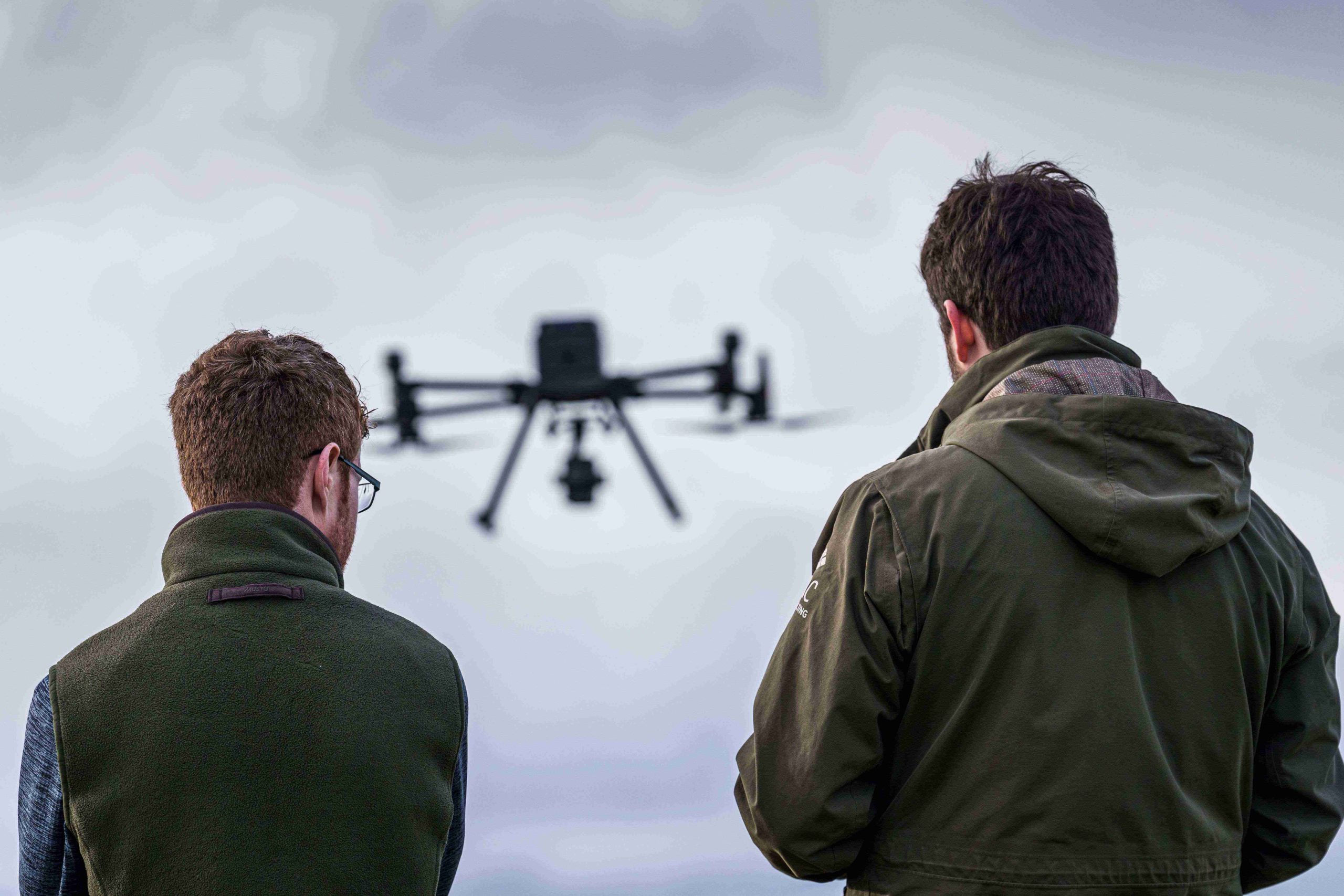
A simple starting point for assessing the efficiency of an irrigation system and identifying where to irrigate is by flying a drone during irrigation. This provides a visual indicator of the ‘water arc’ from a boom irrigation system for example.
A high degree of precision does involve costs , but these can be offset by adapting the type of machinery used or by assessing the level of accuracy that is required for decision-making i.e. does data need to be collected every 10 minutes or at the centimetre level?

Irrigation and environmental considerations – Ed Bramham-Jones, head of farming and water at the Norfolk Rivers Trust

The East of England is home to 58 of 200 chalk streams worldwide so it is vital that these ecosystems are preserved. This requires joined-up thinking and taking a multi-disciplinary approach to implementing practical and achievable solutions on a large scale.
Ed outlined how the Norfolk Rivers Trust is working collaboratively with farmers, conservationists and the wider supply chain to improve water management on farm as exemplified by the Catchment-Based Approach to managing water in the environment.

  • Impact of soil health – A soil with high organic matter content will have a higher water retention potential than a soil containing low organic matter.
  • Pre-growing season planning – match soil type with crop variety. Varieties differ in their water use efficiency and green cover e.g. with cover crops (particularly on light soils).
  • Soil compaction – Funding is available for growers to test out equipment that can mitigate the impact of wheeling and therefore decrease water runoff.
  • Post-growing – research from ADAS shows that soil cultivation is key to reducing runoff.

Other ways to mitigate water and soil runoff:
1. Silt trap interventions e.g. Salle Farm trial captured 7.5 T of soil from a single trap.
2. Fencing strategic areas. Trials in the South captured 80 T of soil in a few days.
3. Tracks and gateways around driveways on farm – trials at Elveden compared different equipment on high traffic areas.
The Norfolk Rivers Trust continues to explore innovative ways of managing water e.g. agroforestry approach: intercropping potatoes with hedges of walnut and hazelnut.
If this subject is of interest to you more information can be obtained from Teresa. Meadows(at)ahdb.org.uk,

Agri-TechE Week 2019: Getting Value from AI in Agriculture

Agri-TechE Article
Agri-TechE

Getting value from AI in Agriculture was the theme of a presentation by Matthew Smith, who has just joined Agrimetrics to head up product development.

The event was organised by the Institute for Agricultural Management and hosted at Lincoln Institute for Agri-Food Technology (LIAT) as part of Agri-TechE Week 2019.

AI in Agriculture

To implement AI in the field needs more than connectivity, it also requires a common framework for relating one type of data, eg crop data, with another such as soil data. Matthew explained how work by Agrimetrics on digitising field boundaries is helping to provide this framework and this will be super helpful for ensuring data is meaningful.
It will allow, for example, a high accuracy soil moisture map to be created with a few soil sensors on the ground combined with aerial imagery.  AI would be able to find and link the data and provide meaningful insights.
Examples are already emerging, such as the work with BASF to develop a planning tool that uses information about weather forecasts and soil moisture to determine when to spray to avoid runoff.

IoT platform FarmBeats uses white space 

Matthew, who until recently was director of business development at Microsoft, described how Microsoft’s Azure platform is being used in agriculture to facilitate the application of AI. For example, FarmBeats is an Internet of Things platform which uses unlicensed TV white spaces — the radio frequencies allocated to broadcasting services — to establish a high-bandwidth link from a farmer’s home internet connection to a base station. Sensors and drones then connect to the base station, which draws power from a battery-backed solar panel pack.
Other applications include smart tools to improve precision in time (eg crop emergence), in detail (eg identifying an intruder in a cow shed), or within forecasting (eg weather or harvest date).
Matthew also touched on robotics, for example robotic milkers reduce stress and also provide information that can be used by the farmer to improve decision making.

AI for insights 

Another area where there are tangible benefits is in traceability – collation of data at all points in the value chain can provide evidence, for example of the use of medication in livestock rearing or tracing a product back to its source. Matthew predicted that traceability is going to be as regular a part of business as accounting is now.
Matthew also predicted that there will be more organisations basing advice on data gained from generators. In South America financial people are also the agronomists and provide guidance on the data they collect from farms for accounts.
However, he did raise a number of issues:

  • Need more investment in validation of tech to ensure that its useful on farm
  • Data ownership is a big challenge – there is a need to provide value to the data generator. There are different models for doing this, for example the Dutch producers work together and pool their data to make the country more competitive at a global level
  • To gain value from your own data you really need someone to do the analysis for you and this can be a good investment in the longer term
  • EU has rules on data sharing to protect data for generators in agriculture – just like approving cookies on the internet we may have to give permission for data sharing in future.

Boosting productivity and pollinators

Agri-TechE Article
Agri-TechE

Sarah Barnsley REAP 2019“I have seen many farms across the country and beyond where the balance between food production and nature is already being achieved,” says Sarah Barnsley, Postgraduate Researcher at the University of East Anglia. “So I have enormous hope that the future of farming will be more sustainable.” Sarah is speaking in the Emerging Agri-TechE Session at REAP 2019.
“There is an increasing recognition of the importance of ecosystem functioning so that if you restore ecosystem balance, you benefit nature but also increase productivity.
“For example, over 1,000 pollinator species within the UK contribute millions in terms of increased crop yield. Of course pollination is only one of many ecosystem functions that contribute to food production.
“The research that I am undertaking is examining how we can increase food resources for pollinators in UK agricultural landscapes. I am looking at how we can use remote sensing technologies to identify various wildflower and hedgerow species and therefore the food supply that is already available on-farm. This way we would be able to identify any gaps that need to be filled either spatially or temporally.
“I am also identifying how the wildflower composition of different areas of a farm influences the pollinator community there. The nectar reward provided by different flowers might not be available for all species, for example if their tongue is not the right length to reach the nectar. We can start to piece together the building blocks of what different pollinators need and provide that on-farm, for example by changing the composition of wildflower mixes.
“By improving the food supply for pollinators as a whole you could enhance pollination services and crop yield. Putting some cropped land towards suitable habitat for wildlife doesn’t have to affect profitability either, if you take the low producing parts of a field out, for example the hard to reach corners of a field.
“A study published in 2015 by Pywell et al demonstrated that by turning up to 8 per cent of unproductive cropped land to habitat, the same level of productivity could be maintained overall.
“I believe that we have many of the answers already and that the key enabler needed is a shift of willpower across all of society to put these solutions into place. Farmers have a part to play, but so do consumers, government and advisory bodies.
“Farming can be part of the solution in terms of maintaining and enhancing biodiversity and in terms of meeting the resource requirements of a growing global population.”
Sarah Barnsley has a BSc in Animal Science from the University of Reading and an MSc in Conservation Science from Imperial College. She is currently completing a PhD at the University of East Anglia, in collaboration with HL Hutchinson Ltd, looking at how foraging resources can be managed for pollinators at the whole farm scale.
Read more about REAP 2019 here.

Walking in the shoes of medieval farmers provides context for precision farming

Agri-TechE Article
Agri-TechE

Henry Webber REAP 2019Henry Webber’s interest in archaeology started on his family’s farm in Essex, where a dig revealed its medieval origins. He was later intrigued to find that modern-day technology used in precision farming is also helping to reveal more about the extents and locations of archaeological sites.
“The way in which land was used in the very distant past can still have a significant impact on land used today for agriculture,” says Henry, now an agricultural policy advisor at Defra.
“Where people and particular farming practices have existed for long periods, nutrients can build up in soils. For example, buried Roman villas, Bronze Age burial pits and even WWII remains can all affect the nutrient levels in soils, in some cases nearly doubling the levels of phosphorus and high levels of heavy metals.
“This legacy could have implications when targeting soil analysis and for the precision application of nutrients.
“In my work I integrate precision farming and archaeology. By taking what we know about past land use of a field, it is possible to make better and more targeted decisions about the soils and crops being managed today.
“In the future we may have similar issues but at a much larger scale that could really impact our ability, for example, to increase soil organic matter without loading the soil with heavy metals.”
Henry is investigating the use of archaeological and agricultural datasets to provide better information on soil variation in the UK, within his PhD. He is discussing how a historical perspective can be used to inform precision agriculture in the Emerging Agri-TechE session of the REAP conference on 6 November 2019.
“Archaeology inherently involves a long term perspective and we can help use that to inform modern practices,” he continues. “Farming has always had to change as times goes on, the environment changes, people change, therefore as sustainability becomes embedded with society, so will the future of farming.”
Read more about REAP 2019 here.

Sustainable agriculture has important role in One Health

Agri-TechE Article
Agri-TechE

Simon Doherty“Instead of buying cheap imported animal products, which potentially have a big carbon footprint, we’re encouraging retailers and consumers to purchase UK produced, farm quality assured produce.”
Speaking in the REAP keynote panel is Simon Doherty, President of the British Veterinary Association (BVA) and champion of One Health, a collaborative approach to improving health and wellbeing, and welfare and productivity. He sees the conference as an opportunity to bring farmers to the table.
“Less and better is a bit counterintuitive in some ways, but it is going to have a direct One Health benefit.” he explains. “We’re not suggesting that Wales produces less lamb, that England and Scotland produce less beef and Northern Ireland produces less dairy, it is about reducing waste and better nutrition.”
One Health approach to antimicrobial resistance
BVA has been instrumental in establishing the UK One Health Coordination Group. Simon outlines that the purpose of One Health is to bring together the triad of human health, animal health and environmental health: “It’s that whole sphere.
He highlights tackling antimicrobial resistance as one area where the One Health approach has delivered tangible results, leading to a 40% reduction in sales of antibiotics for food-producing animals over the last five years.
Simon explains: “While antimicrobial resistance is perhaps the biggest and most cited example of the need for a One Health approach, another example would be raw milk production.
“In order to be licensed as a raw milk producer the herd needs to be clear of TB. Maintaining this requires a robust farm management and biosecurity plan – the environmental aspect – close monitoring of the animals’ health and, in terms of human health, there’s benefit of consumer choice and well-produced dairy products.”
Benefits for farming
Expanding on the role farmers have to play in the One Health agenda, Simon said:
“Sustainable production – and consumption – of animals and animal products can have a positive impact on animal welfare, and this provides an opportunity to drive consumer demand for healthier, higher welfare products.
“Until now the farming community hasn’t been explicitly part of the UK One Health Coordination Group, but I see the role of farmers, in terms of their buy-in to sustainability and the One Health agenda, is to be very much at the table.”
Simon DohertyOne Health in Action 
The UK One Health Coordination Group, currently chaired by Simon as BVA President, is preparing a One Health in Action report that will give examples of best practice. At REAP 2019, Simon will be sharing some highlights and case-studies from the report, which is due to launch in the Autumn.
He comments: “Support of the farming community is key to progressing One Health. Already, ongoing work by vets, farmers and industry has already led to a 40% reduction in sales of antibiotics over the last five years. We must maintain this joined-up momentum in the face of the ongoing global threat posed by antimicrobial resistance – and build upon current achievements.
“It is about getting the right people coming together and only then will we work out a sensible solution to the challenges we face.”

Integrated approach to help agriculture become sustainable and profitable

This year’s REAP Conference Innovating Towards One Agriculture will explore how an integrated approach to food systems that brings together the environment, humans, animals, soils, society and crops would help agriculture become more productive and sustainable.
REAP 2019 will be held on Wednesday 6 November, 10am – 6pm, at Rowley Mile Conference Centre, Newmarket. Find out more at reapconference.co.uk Bursaries are available to farmers and students studying relevant subjects.

Applying genomics to the real world – how to innovate with Earlham Institute

Agri-TechE Article
Agri-TechE

How to innovate with Earlham InstituteDecoding living systems – through research in genomics, bioinformatics, synthetic biology, phenotyping, and high-performance computing – the Earlham Institute’s (EI) science embraces innovation with the development of leading-edge technology for the bioscience community.
Applications of its cutting-edge research has the potential to provide solutions to challenges such as ensuring food safety and security; improving human, animal and plant health; and aiding conservation.
Head of Business Development and Impact at EI, Liliya Serazetdinova, said: “We need to listen to the business world on what they need and the challenges they face, and explore how we can help.
“We’re looking to diversify our engagement with Industry, promote the breadth of EI’s expertise including genomics, health and environmental diagnostics, bioinformatics tools for genome assembly and annotation, data mining and data standardisation knowledge.”
EI works with several high-profile academic and private organisations across the agriculture, food and health sectors, as well as charities and other organisations involved in conservation and protection of biodiversity.
Each year, EI’s operating impact contributes £10.3m gross value added (GVA) to the UK economy and the overall potential impact of EI’s business development on the UK economy is estimated at £235m over the next 25 years, according to its 2018 socio-economic impact assessment.
For example, current EI Industry projects such as using machine learning for image analysis to help increase yield in vegetable crops; assembling complex genomes of economically important crops such as strawberry and wheat; and bioinformatics analysis for portable sequencing to aid rapid detection of foodborne diseases and monitoring gut health.*
Offering talks, networking and discussion groups, EI is hosting an event (13 November) that will help Industry fully understand the opportunities for collaboration with EI – how engaging with the Institute’s science, genomics and synthetic biology platforms, automation and bioinformatics expertise can be of benefit to their organisations.
The event also offers tours of the EI’s BIO Foundry and Genomics Pipelines facilities. The state-of-the-art BIO Foundry provides automation to a number of workflows including high-throughput nanoscale DNA assembly, while our Genomics Pipelines offer access to the latest high-throughput sequencing platforms and expertise in developing the best analytical approach to answer specific biological questions.
EI’s Head of Business Development and Impact, Liliya Serazetdinova, continues:: “EI Innovate aims to attract and engage potential collaborators, stakeholders and clients to make them aware of our capabilities and facilitate joint projects.
“We would also like to provide wider access to our BIO Foundry (automation) for a range of projects involving nanoscale DNA assembly, screening of recombinant DNA and microfermentation, as well as share our expertise in advanced genomics, single-cell analysis and bioinformatics with the wider community.”
For more information about the upcoming event, on 13 November at the EI (NR4 7UZ), please visit the ‘EI Innovate: genomics data to advance bioscience’ webpage.

Irrigation and evaporation – an Agri-TechE Week event

Agri-TechE Article
Agri-TechE

We will be getting experiences direct from the farm for this Agri-TechE Week event which is looking at best practice and use of new technology for irrigation in the potato sector, explains Teresa Meadows, Knowledge Exchange Manager at AHDB.
RJ and AE Godfrey is a mixed arable farm in North Lincolnshire, growing around 440ha of main-crop potatoes for the packing market each year, and it considers crop quality to be of paramount importance to the business.  For farm manager Will Gagg the skin finish is of utmost importance, and at the event he will be talking about the work that they are doing looking at best irrigation practice.

Through the SPot North trials work, the farm has started to look at three different irrigation methods: drip irrigation, boom and a rain gun. Will particularly wanted to know if the higher cost of drip irrigation pays off for a high quality, high price finished product. The presentation will cover the demonstration and experiences of this year.
This demonstration will be fully assessed, taking into account financial and marketable yield, and will be continued over the following years of the project.
Irrigation best practice is not only important for the crop, the business and final yield, but also on the wider environment.
Ed Bramham-Jones, Head of Farming and Water at Norfolk Rivers Trust, will be talking about the research that they have done looking at how to improve water quality, reduce soil movement and collaboration to the benefit of the local water catchments.
All growers keep a keen eye on emerging technology and its use for the business. At this event, we will also be joined by Soil Essentials to discuss how the latest technology in the sector could be used to aid yield prediction and management in the future.

This is one of a series of events happening within Agri-TechE Week – more information here. 

Agri-TechE Week Event: Thursday 7th November
09.00- 13.00: Irrigation and evaporation – the latest in best practice and agri-tech – AHDB

This Agri-TechE Week event, hosted by AHDB at The George Hotel, Station Street, Swaffham, PE37 7LJ,  is looking at effective use of irrigation and best practice for soil and water management for farmers and growers in East Anglia. It aims to: 

    • Enhance best practice and use of irrigation in East Anglia.
    • Encourage debate and discussion about efficient water use and ways of improvement for businesses
    • Showcase the latest tools and technology in agri-tech in this area
    • Discuss soil and water management in its wider context

To register click here

INNO-VEG launches – chance to hear more at REAP

Agri-TechE Article
Agri-TechE

INNO-VEG launches
INNO-VEG  is a cross border innovation network focussed on vegetables and potatoes that aims to facilitate the wider use of crop sensing technology in field trials.
The official launch is on the 31 October 2019 at Rusthoeve Research Centre, Colijnsplaat, Netherlands but there will be a chance to talk to the UK lead partner ADAS at REAP.
In addition to the network of growers, researchers and technology developers with an interest in precision farming and sensor technology, there will also be a  programme of field experiments.
This year, 48 field experiments have been set up across the UK, France, Belgium and the Netherlands to develop an overarching protocol for integrating crop sensing data into field research methodologies.  Results from these field experiments will be presented by Jean-Pierre Cohan, Head of sensor-based phenotyping at ARVALIS at the launch.
ADAS Principal Soil Scientist Dr Lizzie Sagoo will introduce the INNO-VEG project she explains that the  INNO-VEG innovation network will focus on facilitating innovation, the network is free to join and anyone with an interest in field vegetables and potatoes is invited to get involved.
“To help us focus the network activities over the next few years, we’ve set up an online survey to collect feedback from growers and other industry stakeholders” says ADAS project lead Lizzie Sagoo. “The survey should take no more than 10 minutes to complete and we’d be really grateful for all feedback”.
Further networking events are planning in the UK, France, Belgium and the Netherlands over the next two years. In addition, the network will include a web-based ‘Innovation hub’ with members directory, project database and discussion forum.
The launch meeting is free to attend and open to all, however registration is required as places are limited. Please email inno-veg@delphy.nl to register.
The four-year INNO-VEG project began in August 2018. ADAS leads the project in the UK; the partners are Inagro vzw in Belgium, Delphy BV in the Netherlands and ARVALIS – Institut du vegetal in France. The project has received funding from the Interreg 2 Seas programme 2014-2020 co-funded by the European Regional Development Fund under subsidy contract No 2S05-032.

Hummingbird Technologies launched at REAP Start-up Showcase attracts funding from BASF and TELUS Ventures

Agri-TechE Article
Agri-TechE

Hummingbird Technologies at REAP
Will Wells presents in the Start-Up Showcase at REAP 2016

Hummingbird Technologies, featured in the REAP 2016 Start-up Showcase, has just announced it has attracted investment from BASF and TELUS Ventures among others in a series B investment round.
Hummingbird Technologies analyses images of fields captured by aerial vehicles including drones and satellites to provide insights for precision agriculture.
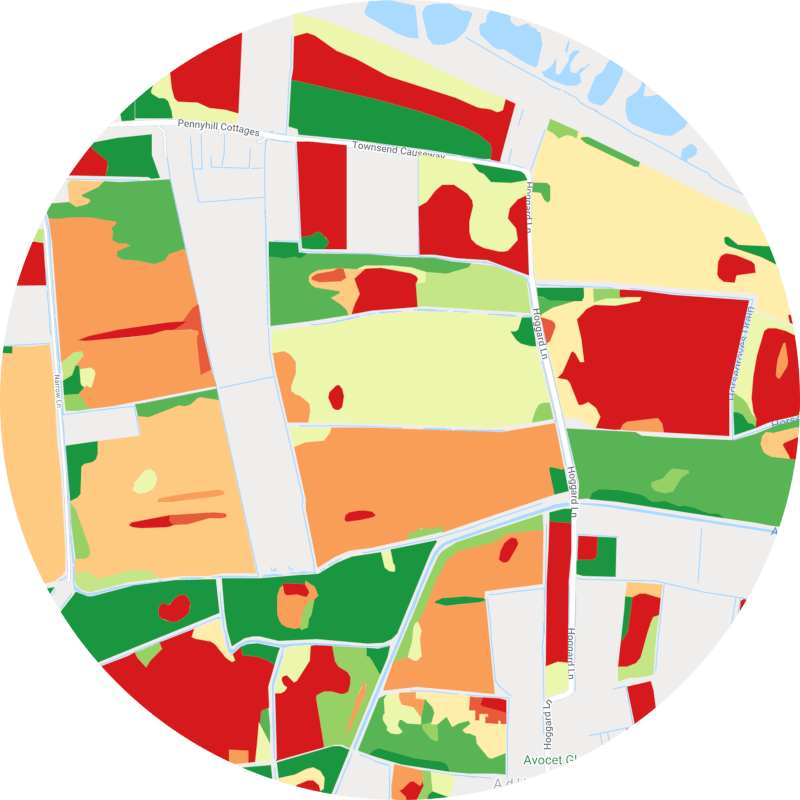
Using a blend of analytics and artificial intelligence it processes the images to identify potential pest infestation, plant diseases or planting gaps and to offer precise harvest forecast predictions.  Its in-field zone maps can be used by sprayers for the targeted application of fertilisers, crop protection products and growth regulators.
Will Wells, Chief Executive Officer, Hummingbird Technologies says: “We are delighted to have received investment from BASF and TELUS Ventures. We have a clear target to become the leading global remote sensing player in Ag Tech, and with such strong institutional backers, and technical expertise behind us, our journey towards achieving this goal has gathered serious momentum.”
“We want to support Hummingbird to develop new markets for its unique technology and establish new business models,” said Markus Solibieda, Managing Director, BASF Venture Capital who comments that colleagues in BASF’s Agricultural Solutions division are already cooperating with Hummingbird.
Agricultural experts from BASF UK have been working with the startup since 2016 and supply aerial images to farmers. Hummingbird analyzes these photos and gives farmers detailed maps of the various in-field zones for precision farming.
“We believe innovative companies like Hummingbird – that provide farmers with data-driven, user friendly platforms to drive decisions – have the potential for wide-scale adoption as farmers increasingly look for tools to improve their bottom lines and reduce their environmental impact,” said Rich Osborn, Managing Partner, TELUS Ventures. “Through our investment, we have the potential to change cultivation and help mature technology platforms to connect all aspects of the farm and food supply chain.”
To read more about the REAP Start-up Showcase Hall of Fame.
More about Hummingbird Technologies