Trusted Bytes project to facilitate flow of goods across international borders

Agri-TechE Article
Agri-TechE

The world’s first trust framework for the full food supply system is to be developed by a collaborative project funded by Innovate UK. The £2.8m Trusted Bytes project will use novel digital technology that connects the supply chain with central government and other critical partners to help facilitate the flow of goods across international borders and drive productivity within the UK food economy.

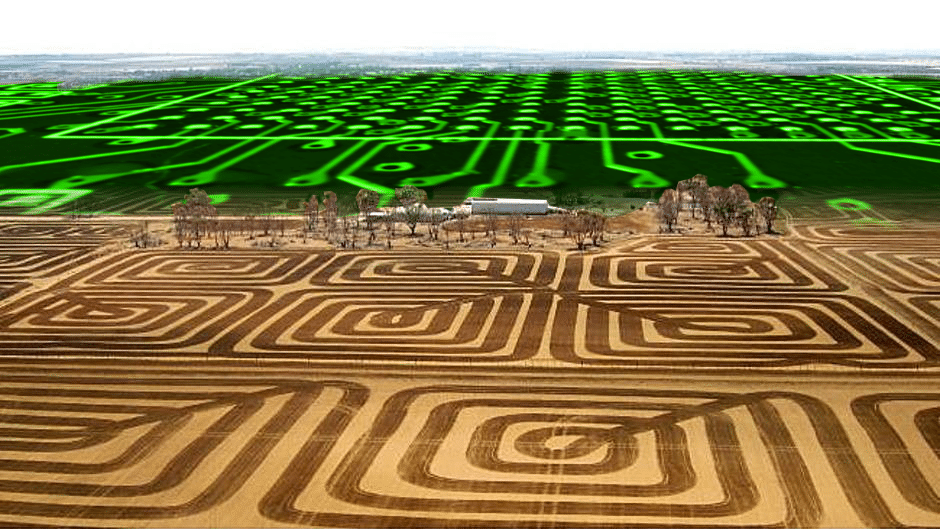
Prof Simon Pearson, LIAT, Robot Highways
Prof Simon Pearson, Director of LIAT

Professor Simon Pearson, Director of the Lincoln Institute for Agri-food Technology at the University of Lincoln, commented: “Given the changes to UK terms of trade post Brexit, this project is extremely timely. We hope to provide technology to help the flow of the fresh produce trade but also lead innovation to establish the trusted sharing of data in complex supply chains.”
Trusted Bytes will deliver a complete service that can integrate across multiple enterprise resource planning (ERP) systems, from order to compliance and submission. The information will be made available on a transparent data sharing platform that tracks conditions and location, as well as enabling this data to be easily ingested into their forms, templates, and enterprise business and procurement systems. This integration is crucial for businesses seeking to streamline their processes and regulatory compliance.
The consortium, led by Produce Logistics Limited includes leading fresh produce supply chain operators Fesa UK Ltd; Worldwide Fruit Ltd; Davis Worldwide Ltd; Hain Daniels; FreshLinc Ltd; and ukFPN Lincolnshire, supported by technology companies Contained Technologies UK Ltd; British Standards Institution (BSI); and Excelerate Technology Ltd, as well as the University of Lincoln, UK; the High Value Manufacturing Catapult’s Manufacturing Technology Centre; and the Satellite Applications Catapult.
Contained Technologies’ BlueRing software is at the heart of the project, and it is designed to integrate external systems, such as HMRC, quickly and easily. It will be extended by a new BSI standard to enable businesses to automate the Authorised Economic Operator (AEO) certification process. A further challenge for the rural food sector will be addressed by ubiquitous end-to-end telecommunications developed by Excelerate Technologies Ltd.
Angie Stuart, ukFPN Lincolnshire, said: “This is a major achievement and another great example of the level of innovation found within the fresh produce industry in South Lincolnshire. We’re super excited to be working on this project with our members and partners.”
 

NRI to lead new Food Systems Centre for Doctoral Training

Meet the Network
Agri-TechE

To support the transformation of the UK system into one that prioritises health, a new training facility is being established called the UK Food Systems Centre for Doctoral Training (UKFS-CDT).
Food Systems CentreThe Food Systems Centre aims to produce a new type of doctoral graduate with the core capabilities and characteristics necessary to contribute to food system transformation in a constantly shifting landscape with emerging challenges.
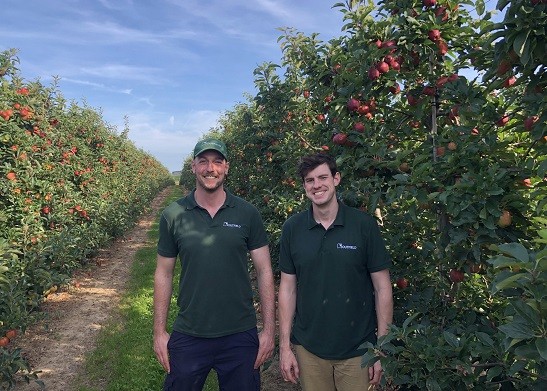

UKFS-CDT will train 60 researchers and champions and it is being led by The Natural Resources Institute (NRI) of the University of Greenwich.
In addition to the training courses, students will have their individual training needs analysed and undertake tailored training. This will be drawn from a wide range of postgraduate modules offered by the academic partners, which include: University College London; University of Sussex; Aberystwyth University; the Royal Veterinary College; City University; Brunel University London;  NRI, Niab-EMR and Rothamsted Research.
Students will benefit from project discovery rotation with both a natural science and a social science research group.
These will be inter-institutional to leverage the strengths of multiple project partners.
Each student will also benefit from a 3-month placement with a government, business or civil society partner administered through the Professional Internship for PhD Students programme.
The UKFS-CDT will provide a rich forum for networking and collaboration between food system actors. The Academy has an open membership and details can be found at the CDT website www.foodsystems-cdt.ac.uk.
For more information contact: info@foodsystems-cdt.ac.uk

‘Controlled Environment Agriculture: The Industry is Growing up’ Event Report

Agri-TechE

Agri-TechE has seen the Controlled Environment Agriculture sector grow rapidly in maturity and the dialogue has changed considerably in just a couple of years.
Significant investment in vertical farming and controlled environment operations has seen the industry develop commercial-scale operations. The challenge now is around developing the business models for deployment and investment.

Innovations aimed at reducing the cost of production, optimising the growing environment and the breeding of plants best suited to these conditions are attracting significant interest from both conventional growers and newcomers, stimulating further research developments.

The social and economic disruptions of recent months and growing recognition of the benefits of transparent and responsive supply chains is also creating a new dynamic.
The 2021 CEA conference saw speakers from across the agri-tech ecosystem, each with different perspectives, review progress, look at the recent developments and gain informed glimpses of the future.

You can find a summary report of the event here.


Yellow rust turns off genes in wheat during its attack

Research Digest
Agri-TechE

gene for yellow rust and stem rustAs rust fungi attack, they turn on and off particular genes in wheat to prevent the plant from defending itself. When successful, this stops the plant from killing the invading fungus and ultimately leads to severe plant disease.
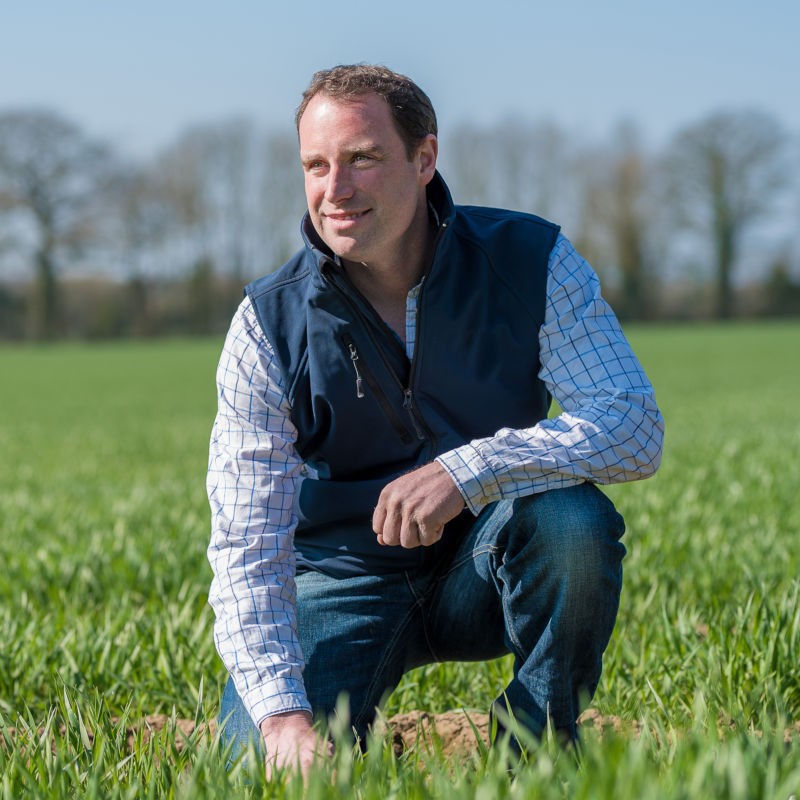
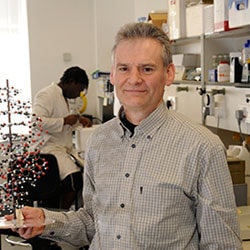
Researchers from the John Innes Centre have found that deleting a gene in wheat helps to promote greater resistance to attack from yellow rust and stem rust.
Dr Pilar Corredor-Moreno, a researcher on the project, said: “We were amazed to see that removing just this one gene in our mutant plants caused them to alert their defence responses even before they were under attack.
“This likely helped the plants to give a much speedier defence response, curtailing rust infection before it even had a chance to start.”
Disrupting the function of this gene provides resistance to two of the most economically damaging diseases of wheat worldwide – yellow and stem rust.
Further analysis of the TaBCAT1 gene showed that it takes part in the break-down of a particular group of amino acids called branched-chain amino acids. The team also found that the amount of these amino acids was different in wheat plants during successful and unsuccessful rust infections, showing that their amount could be important for the invading pathogen.
Dr Diane Saunders, who oversaw the project, said:, “This study may well have identified an Achilles’ heel for rust infection. It will be exciting to explore this gene further with our wheat breeders as a potential new source of resistance to these notorious diseases of wheat that cause severe crop losses across the world.”
 
The full study ‘TaBCAT1: ANovel Positive Regulator of Wheat Rust Susceptibility that 3Modulates Amino-AcidMetabolism‘ is published in The Plant Cell

Crops more vulnerable to weeds now than in 1843

Research Digest
Agri-TechE

Crops are more vulnerable to weeds now than before the advent of herbicides, according to a new study which says weeds pose an unprecedented threat to our food security.
Crops are more vulnerable to weedsThe Broadbalk winter wheat trials are the world’s longest running experiment. They were established in 1843 to contrast different amounts and combinations of inorganic fertilisers compared with farmyard manure on wheat yields.
Since the mid-1960s, some plots have had herbicides applied and some haven’t. On plots where herbicides have never been used, yield losses to weeds have been consistently increasing since the 1960s.
The team looked at data from 1969 onwards – around the start of the so-called ‘Green Revolution’ when higher yielding wheat cultivars, and increased nitrogen fertiliser use became the norm worldwide.
The data demonstrates that increased global yields were only made possible with a concurrent increase in the use of pesticides.
Researchers from Rothamsted Research found that less than a third of the harvest was lost to weeds in the first ten years of the dataset, but between 2005-2014, this had risen to more than half.
The team say this is due to weeds doing better than crops in a warming climate, coupled with a shift towards shorter crop varieties that get shaded out by the taller weeds.
And just like our crops, many weed species have also benefited over this period from increased use of nitrogen fertilisers.
In addition, more than half a century of consistent chemical spraying has also led to the rise of herbicide resistant weeds, threatening our ability to protect the gains in crop productivity achieved since the 1960s.
Richard Storkey, Rothamsted ResearchLead author, Dr Jonathan Storkey, said: “Reducing yield losses from weeds is increasingly challenging because of the evolution of herbicide resistance and we can no longer rely on herbicides alone to counter the increasing threat from weeds.

“If we compare yield lost to weeds in the first ten years of the dataset weeds ‘robbed’ on average 32 percent of the yield compared to 54 percent in the last ten years of data.
“Our results demonstrate that weeds now represent a greater inherent threat to crop production than before the advent of herbicides and integrated, sustainable solutions to weed management are urgently needed to protect the high yield potential of modern crop varieties.”
The study is published in the journal Global Change Biology.
Agricultural intensification and climate change have increased the threat from weeds
Jonathan Storkey Andrew Mead John Addy Andrew J. MacDonald
23 March 2021 https://doi.org/10.1111/gcb.15585

PBD Biotech secures £2.3m funding for OIE validation of its rapid, accurate bovine TB test

Meet the Network
Agri-TechE

Actiphage® is a rapid, accurate bovine TB test (bTB) that would enable farmers to effectively remove this devastating disease from their herds.

Game changer in fight against TB

PBD Biotech has secured a £2.3m investment to take Actiphage through to validation by the World Organisation for Animal Health (OIE). Full validation will enable international adoption of this novel, patented, diagnostic for mycobacterial diseases, which include human tuberculosis and Johne’s Disease.
Actiphage, has been described as “having the potential to be a game changer in tackling bTB,” by Professor the Lord Trees, head judge for the Veterinary Record Innovation Award 2021. “Actiphage was a worthy winner,” he said.
Actiphage detects mycobacteria in a blood or milk sample, giving a simple yes/no answer. It offers the potential to identify animals at an early stage of infection and remove them from the herd.

Funding accelerates progress to farms

The funding has come from a consortium led by fund managers Mercia and the Foresight Group, which were both investing from the Midlands Engine Investment Fund; the University of Nottingham; the government’s Future Fund; and private investors including farmers and veterinary practices.

Actiphage Bovine TB test gains funding
Significant unmet need for accurate TB test says CEO Mark Hammond

Mark Hammond, CEO of PBD Biotech, says: “It has been shown on-farm that when Actiphage is used within a disease management strategy it is possible to eliminate bovine TB from a herd and maintain a disease-free status. There is a significant international unmet need for a diagnostic for bTB and Johne’s Disease; with this funding we will be able to commission the trials needed to fully validate the test and capture this market.”
Sandy Reid, Investment Director at Mercia, comments: “PBD Biotech’s Actiphage test has the potential to radically improve disease control in the dairy sector, offering huge economic benefits for farmers both in the UK and internationally. This investment will accelerate its progress on to farms. And we are hugely excited about the further development of the test for detection of TB in Human blood samples.”
There are also a good number of dairy farmers and veterinary practices who, recognising the huge potential of Actiphage, have invested in order to fast-track its availability.
Torch Farm Vets is an investor, the company says: “The current TB control program is struggling to progress towards its stated aim of bovine TB eradication by 2030. The current test and cull approach has not been completely successful in eradicating bovine TB, so approaches that enable a better understanding of the cause, development and transmission of this disease are to be welcomed.”
Actiphage offers the potential for: rapid screening prior to movement; quality assurance in dairy products (which would be invaluable to artisan cheesemakers) and to differentiate infected from vaccinated animals (DIVA test), paving the way for the introduction of a vaccination programme.

OneHealth approach to eradication with bovine TB test

Jonnie Yewdall, PBD Biotech Actiphage bovine TB test
Industry needs more tools to overcome bTB, says Jonnie Yewdall, who lost the family farm after bTB

Actiphage’s use in England and Wales is currently approved by APHA as an unvalidated test for use only in a chronic bTB breakdown. OIE validation would enable Actiphage to be used in parallel with the existing skin test, offering farmers and their vets a method of managing and eliminating the disease for the first time, therefore allowing a OneHealth approach to the eradication of bTB
Up to 50% of cattle carrying bTB can be missed by the main tuberculin skin test used in Great Britain, leaving behind a reservoir of disease in the herd that results in chronic infection. Unlike the skin test, which uses the animal’s immune response to indicate the level of infection, Actiphage detects the presence of live mycobacteria in a blood or milk sample it is therefore faster and more accurate.
Former dairy farmer Jonnie Yewdall lost his family farm following a chronic bTB infection. He is one of those who has put up funds for Actiphage and says: “I don’t want any more farmers to go through what I have, which is why I want to become involved. With tools like Actiphage, the industry has an opportunity to work together to potentially eradicate this very difficult disease.”
The Midlands Engine Investment Fund project is supported financially by the European Union using funding from the European Regional Development Fund (ERDF) as part of the European Structural and Investment Funds Growth Programme 2014-2020 and the European Investment Bank.
More information about PBD Biotech

Life in 2040 – designing a sustainable future

Agri-TechE Article
Agri-TechE

If anything, this year has taught us that the future is unpredictable. And that makes planning problematic – how can you account for the impact of disruption, whether that is from a world event, extreme weather or technological breakthrough?

One approach to future-scoping is to play. To step away from the issues of today and think laterally, to imagine different scenarios, different lives and consider what would be involved to achieve them.
This was the challenge presented to Agri-TechE members in a creativity workshop facilitated by Method.
The intention was to stimulate a different approach to problem solving, to provide visions of future scenarios and then work back – what change is needed now to achieve a positive outcome in the future?

To help provoke new thinking Method created a number of artefacts from the future – a new type of food, a till receipt that gives the carbon value – and these objects were used to help transport members to the year 2040 and open their minds to look at the opportunities that a drive towards Net Zero offers for goods and services.

The workshop took us to 2040 in a world where:

  • Food production is hyper-local to support an increasingly urban population
  • Consumers are informed, involved and concerned about food production
  • ‘Food waste’ is a thing of the past with circular production fully integrated in the food system
  • The role of rural farmland is now ‘carbon farming’ and amenity as many commodities can be produced by other means
  • Technologies have expanded to produce food ingredients and to automate food production
Agri-TechE Method Net Zero event report cover

The participants in the workshop were presented with a number of briefs and asked to ‘design the solution’.

To find out more read the report.

Sharing knowledge helps potato industry rise to storage challenge

Meet the Network
Agri-TechE

The sudden removal of the potato sprout suppressant CIPC, which is used to maintain potato quality in storage, created a big issue for the industry, but LiveTrace was quick to respond and by sharing knowledge and best practice the industry managed to adopt new approaches to storage.

Data from many sources, including weather, are integrated on to the LiveTrace platform

LiveTrace was established by brothers Jon and Phillip Kemp, to provide potato suppliers with improved supply chain management. The LiveTrace Grower Management system brings together data from a variety of sources such as Farmplan, Muddyboots, Gatekeeper and John Deere Ops Centre, with weather data from Sencrop all on to one platform and offers bespoke apps to help manage variety trials and storage.
Jon explains that seed trials are a big part of the supply side. “The industry is always looking for the perfect potato variety and commercial trials. It needed a robust way of collecting the growing crop’s data, then reporting on the findings. Our Livetrace Growth Stage app does just this offering full traceability.”

The system also supports knowledge sharing and best practice

Although the potato tubers are naturally dormant, after two months in store they can begin to grow sprouts. Sprouts are unwanted, they contribute to increased weight loss, quality issues and therefore less margin.
Following the ban of CIPC new and untried sprout suppressant treatments such as Biox-M (spearmint oil) and DMN were introduced, but to ensure the quality of potatoes kept in storage for 6-8 months much more management and attention will be required.
Jon explains: “Managers are now required to frequently inspect and record, then apply the new sprout suppressant quickly using a hot fog. Applying the fog (fogging) requires new skills, better timings and understanding of how & when to apply. So, every person looking after stored potatoes has had to learn fast.”

LiveTrace Fogging for sprout suppressant

To support the industry, LiveTrace developed a new app – ‘LiveTrace Fogging’. This is an online store diary which records crop temperature, fan hours and crop condition (sprouting, breakdown etc) with photographs and a comments section.
“Our Cloud SAAS software allows sharing of information, the photographs are timed and dated to enable store managers to look back at previous visits and compare. Each store has its own record page to show target temperature, variety and photo gallery for example.”
The company has been an early facilitator of information sharing and the software is designed with sharing in mind, with seven layers of access depending on the user’s permission status.
Jon firmly believes knowledge-sharing is the future.
“We made the decision to share our new Fogging app with companies in the processing supply so all the major players have access to the database. Each fogging application is recorded using the app, this creates an invoice for the grower alongside sprout suppressant quantity, crop condition, date, fan speeds and, as always, a photograph. Live reporting on the dashboard is graphed by variety which is very useful to gain confidence to change the fogging process to make improvements to the application techniques.”
“Sharing data reduces administration and improves traceability, for example we are working with a haulage firm to allow paperless passports, load ticket weight and GPS tracking. Everything is in one place.”
Join LiveTrace as well as a number of other speakers on Tuesday 13th April as they discuss the use of data in agriculture – Data Management – More than A Numbers Game. Book now!

Big population data offers new advances in disease management: Neil Hall, Director of Earlham Institute explains

Meet the Network
Agri-TechE

Professor Neil Hall, Director of the Earlham Institute explains that the overarching aim is to take complex data and deliver something that is directly useful to breeders.

“A good example in our analysis that shows how local conditions impact the regulation of specific genes, which is important to understand how different varieties can be modified to improve their resilience to disease or adverse environmental conditions.”

Reducing disease risk

Researchers at the lab are also looking at how crop diseases (pathogens) interact with those found on wild species.

“Our theory, which is supported by preliminary data, is that wild sea beet provides a natural reservoir for pathogens of sugar beet. As wild plants have more genetic diversity than crop species they can support a more diverse population of pathogens. Therefore, diversification of pathogens in the wild can generate new strains that can invade crop species.

“Having an awareness of this will help improve crop protection. For example, the wild species may have genetic traits that make them more resilient to these new disease risks.”

“So, understanding population genetics of pathogens is very important as it helps us to predict outbreaks and also to monitor the spread and emergence of important traits such as drug resistance, pesticide resistance and virulence.”

“A great example of this outside agriculture is coronavirus, understanding parameters such as population size, mutation rate and reproduction rates are vital in predicting the emergence of new variants and we have seen how these variants have influenced the dynamics of the pandemic and the concerns around immune evasion. Genomics of coronavirus has played a vital role in understanding how the pathogen is adapting.

“Likewise, in agriculture, understanding population sizes, ecological niches and host adaption will be important to understand how pathogens may adapt in the future.”

New tools for disease management

Professor Hall says that the knowledge emerging from the Earlham Institute will give us tools to improve disease management.

“If we were able to sequence all of the fungal effector genes in a population and see how they interact with resistance genes, in the future we could perhaps make predictions about what strains would dominate in future seasons. This would provide indications of how they are distributed and therefore where to focus crop protection interventions and what crops to breed for future seasons based on the dynamics of pathogens in the wild.”

Making AI possible 

This type of big population work depends on the sharing of data and this is based on the principle of FAIR.

“Fair means Findable, Accessible, Interoperable and Reusable. It’s more specific than saying ‘open data’ which simply means is the data freely available. FAIR is about good data management, to make it findable it has to have the correct metadata attached to it. To make it accessible requires authentication. For it to be reusable, it must be in a format that allows common tools to read it and the metadata should be in a form that enable the reuse of the data in a meaningful way.

“FAIR data is what will make the use of AI possible and it enables computational tools to understand data, how it was generated and what it represents.

This is now an established principle in science now certainly among data specialists but we are trying to socialise the idea so it becomes the norm. Without FAIR data – data is rendered worthless.”

Latest advances in data management

Professor Neil Hall will join Antony Yousefian, Agri-TechE Director at Bardsley England, Matthew Guinness, Head of Sustainability at Hummingbird Technologies, Jon Kemp, CEO of Livetrace, and Derek Thompson, CEO of Consus Fresh, at the Agri-TechE event: ‘Data Management – More Than A Numbers Game’ on Tuesday 13th April at 2:00 pm – 5:00 pm

Notes

The Earlham Institute hosts the UK node of a European infrastructure call ELIXIR www.elixir.org.

Recent breakthroughs

https://www.earlham.ac.uk/newsroom/epic-genetic-hidden-story-wheahttps://www.earlham.ac.uk/newsroom/linkage-drag-first-wheat-gene-rapidly-convert-defective-traits-new

Agri-tech investment survives the pandemic… but how are you?

Agri-TechE Blog
Agri-TechE

Future looking agri-tech attracted significant funding in 2020 – insect farming, gene-editing technologies, alternative proteins – were among the innovations that attracted the eyes (and pockets) of the investors according to a recent report by Agfunder.  The findings are one indication that the agri-tech sector is responding well to recent challenges, but it is only part of the picture.
“How is the pandemic affecting your business?” is probably one of the most Frequently Asked Questions of the last year. From individual farm and agri-food businesses, to global financial systems, Governments, funding agencies and the media are keen to establish the impact of Covid-19.
We have a year of hindsight, data and evidence on which to base our collective reflections and surely the last 12 months will be the subject of huge numbers of research projects, enquiries, investigations, analysis – eventually – history lessons for decades to come.
Among the multiple unknowns of 2020 was the way in which investors would respond.

2020 AgriFoodTech Investment

AgFunder’s 2020 AgriFoodTech Investment report has analysed thousands of deals, tracked the performance of companies and investors globally, and the results are reassuringly positive about the ongoing vibrancy of the sector.
With the highest ever annual financing since 2012, an encouraging $26bn was invested into the sector, with around half of that going into companies developing technologies up to and including the farm gate (rather than down-stream consumer-facing food innovations).
Disruptive technologies and innovations that increase supply chain efficiency proved attractive  to investors – and despite a slight downturn in farm management software and sensing technologies, these held at the very respectable levels seen in 2019 in terms of value.
The UK topped the charts in terms of the European deals, ranking number four in the world (after the USA, China and India) with $1.1bn of investment over 133 deals. Given the uncertainties associated with the UK’s exit from the EU, it’s encouraging data. (Some examples of UK companies with success in fund-raising include Better Origin who have just raised $3M to develop an AI-enabled mini insect farm for black soldier flies).

The Industry is Growing Up

An important trend is reflecting the maturation of the industry, with the first wave of agrifoodtech innovation beginning to realise its potential, and those all-important exits started to happen. The “farm-tech” mergers and acquisition or other exits are starting to happen, helping to build investor confidence in the success of the sector, and also showing there is money to be made. It is probably no coincidence that Israeli irrigation-tech company Rivulis topped the charts of these kinds of deals, with an exit worth $365m – showing the increasing focus on water which will be no surprise to many farmers reading this.

So how is the pandemic affecting YOUR business?

We are proud to be working alongside colleagues in ADAS and the University of Gloucestershire and others on an Innovate UK-supported project to help establish the impact of the pandemic on knowledge exchange in agriculture.
The project aims to co-design a new digital solution – Farm-PEP – that connects projects and people. As well as a survey and interviews, we are hosting a workshop to help unpack the challenges. The outcomes will be made available in a report in early summer 2021 so stay tuned for an update!
If you’d like to get involved in co-designing Farm-PEP and shaping the future of knowledge exchange in agriculture, we would love to hear from you.

Breedr launches first smart beef contracts based on lifetime animal data

Meet the Network
Agri-TechE

Beef producers can finally plan ahead with confidence, following the launch of the world’s first smart, data-driven beef contract which sets a secure price 24 months ahead.

In a development which is set to transform the British beef industry, Breedr has launched the UK’s first ever long-term minimum-priced contract based on lifetime animal data. With price certainty giving producers confidence to invest, and the data used to improve efficiencies throughout the supply chain, this will not only reduce the industry’s environmental footprint but also improve the consistency and quality of the end product.

In addition, the team has launched a new risk-free way to buy and sell livestock, based on lifetime animal data and weights. The Breedr live trading platform means producers can buy and sell through the free app with certainty, with a price guarantee in case of any differential in the weight of weaned calves and stores between farms. Sellers are also ensured payment within 72 hours of collection, and trades will be commission free until later this year.

“As beef producers ourselves, we know how tricky it is to plan ahead with confidence – one batch of bad calves can ruin a farm, as can a downturn in the beef market,” says Ian Wheal, founder of Breedr. “But by making better use of data we can buy and sell with transparency, predict growth rates, and know that we’re supplying the processor with what they want – ensuring a secure end market and price.”

The contract is worth more than £130m to British beef producers over the next seven years, offering a 24-month minimum price for any cattle with lifetime data, with producers also receiving a proportion of any uplift in price above that. Rearers can opt to be paid on a per kg growth basis, eliminating the need for capital outlay on youngstock, while advanced payments are available to smooth cash flow. “With Brexit, the whole food industry is facing an uncertain time – but British agriculture is innovating to meet UK and global needs,” says Ian. “Being able to plan ahead with certainty finally gives farmers the peace of mind they need to invest and build profitable businesses.”

Farmers using the free app are finishing animals five months earlier than the industry average, with 24% more carcasses reaching the target specification. They are saving 1.8t/head in feed and reducing their carbon footprint by 20%, he adds.

Adam Quinney, chair of beef and lamb at AHDB, says: “At AHDB we are very supportive of technology that is helping bring certainty, and collaboration between farmer groups in the supply chain. The benefit of these supply chains encourages improvements to genetics, farm productivity and therefore environmental impact in the long term. Breedr is a good example British innovation utilising technology to develop supply chains for farmers and processors alike.”

The network now has over 2,000 members and 120,000 registered animals across the UK, many of whom are joining forces to create integrated supply chains to further improve efficiencies. By collating data on genetics, growth rates, health, and carcass grades, producers can identify the most productive breeding lines and management methods, optimising productivity throughout the supply chain.

“We run regular webinars for our members, bringing in expert speakers to help farmers improve efficiencies every step of the way,” says Ian. “This is a true community of forward-thinking farmers, who are sharing their own top tips and forming robust business partnerships. Together, farmers have the power to drive this positive change.”

Consus Fresh Launch Innovative AI-based Label Verification Solution

Meet the Network
Agri-TechE

A highly innovative Artificial Intelligence (AI) based label verification solution for the fresh produce pack-house has been announced by Consus Fresh Solutions.
The new solution could significantly reduce packhouse QC labour costs and boost operative productivity, whilst reducing Product Withdrawal Fines and associated costs due to labelling errors.
Label Verification is a time and labour-intensive process that is required at multiple points during the fresh produce packing process. A fresh produce packhouse QC operative completes an average of 200 label checks per day, using pen and paper data collection methods, at approximately two minutes per label check. Repetition and human fatigue introduce a high risk of “label blindness”, causing costly label errors to be missed and miss-labelled product reaching the supermarket shelves. Each un-detected error results in hefty fines, product re-work costs, loss of reputation and sometimes loss of contracts, not to mention the food safety risks from un-declared ingredients or allergens.
The highly innovative AI-based Consus Label Verification solution takes approximately four seconds to perform each label check. The solution uses Microsoft Azure cloud-based Artificial Intelligence to process each label photograph and returns an immediate pass or fail result. AI never experiences fatigue or loss of productivity, performing every check with the same speed and accuracy, whilst saving time and money.
A failure result will automatically halt production and issue automated alerts to relevant production staff with details of the failure. Similarly, a pass result can automatically trigger any “positive release” processes and progression to dispatch. Peter Taylor, Technical Director and Co-Founder at Consus Fresh Solutions, says: “This launch marks the culmination of an extensive technology development project and underpins Consus’ commitment to supply innovative solutions to meet both the requirements of the produce industry and also our goal to provide the latest technological solutions to drive efficiency, productivity, compliance and profitability in all our customers.”
The solution can check any labelling information against a centrally stored repository of client and product specific labelling requirements, including:

  • country of origin
  • picked from location
  • product description
  • best before date
  • display until date
  • product class
  • destination customer
  • special offers
  • allergen advice

The Consus Label Verification solution comes at an affordable monthly subscription price based on transactions, and can operate as a standalone tool, or be seamlessly used with existing Consus Packhouse solutions, or fully integrated via an API into existing production management or ERP solutions. In addition, the solution requires minimal installation and training and utilises off the shelf hardware, allowing for cost effective, rapid rollout and support.