The future of farming: integrating tradition and tech

Meet the Network
Agri-TechE

Thomas Mountain
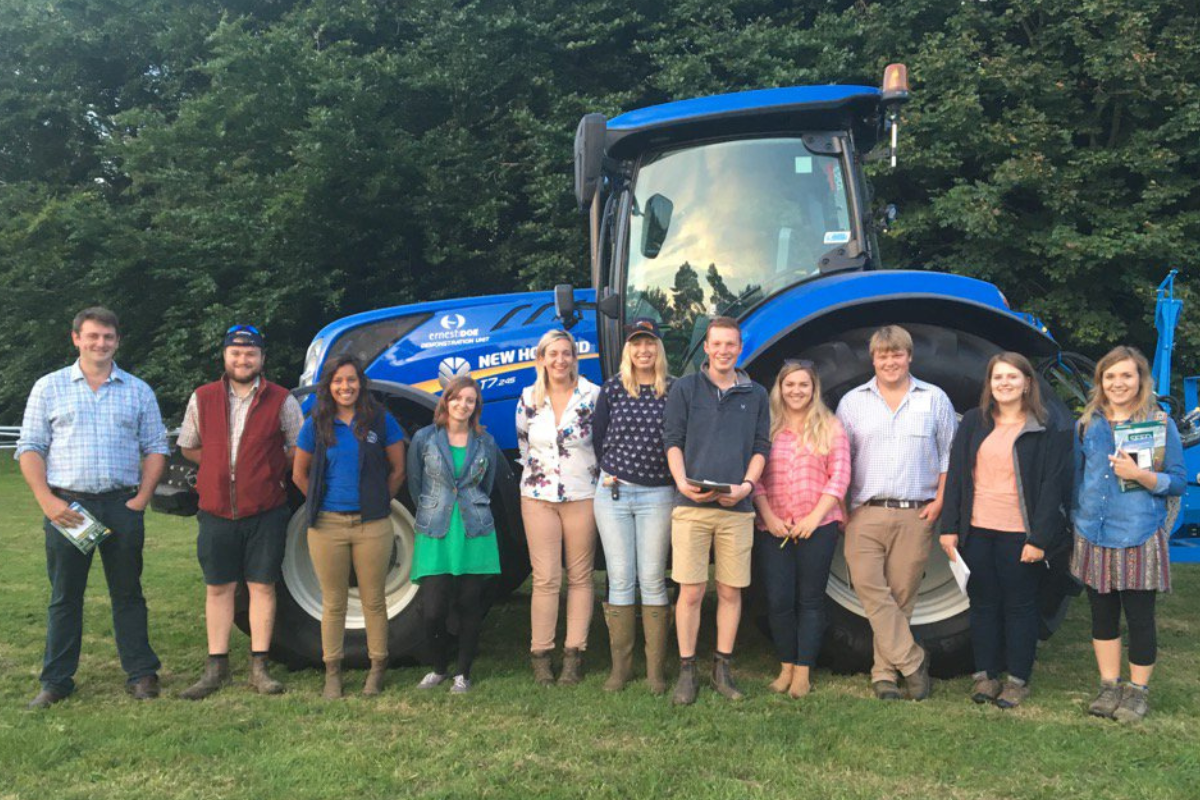
What will farming look like in 20 years’ time? As we move more online, will there be a greater focus on software? How will inputs and outputs differ? What will be future farmers’ requirements? To help find answers, Richard Anscombe, of Agri-TechE Stakeholder Group, set up the Fram Farmers Next Generation Council.
The Next Generation Council, alongside initiatives like the Young Innovators’ Forum, aims to offer younger farmers across East Anglia – and further afield – networks for information-sharing, upskilling and ideas.
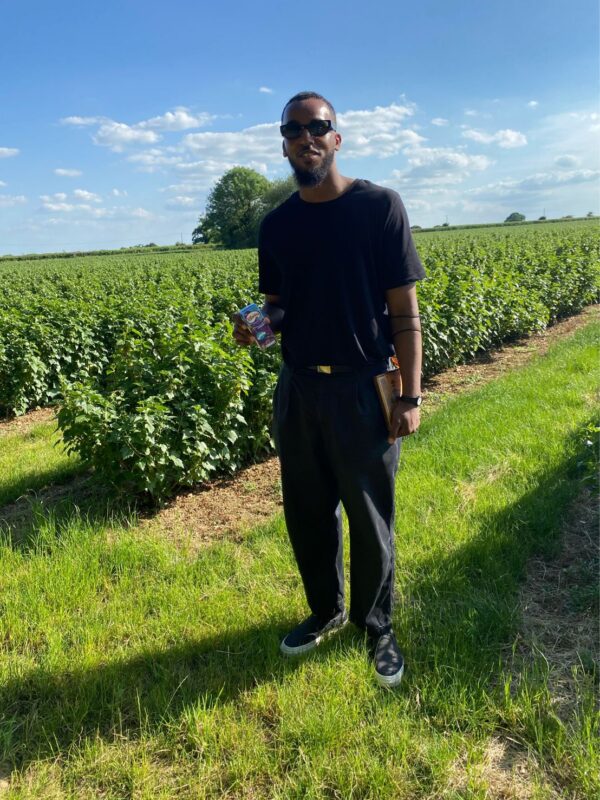
Thomas Mountain is one of four 20-somethings who manage the Council. We asked him to share what he is hearing from the next generation.

Staying ahead of the times

I don’t think it’s an unfair generalisation to say that the younger generation are more technologically interested and astute. One of the roles of the Next Generation Council is to capture those views and ensure they are heard now, as opposed to in 20 years’ time when they might take over the business.
It is important to have that insight coming through, as the earlier technology can be brought into agriculture the better.
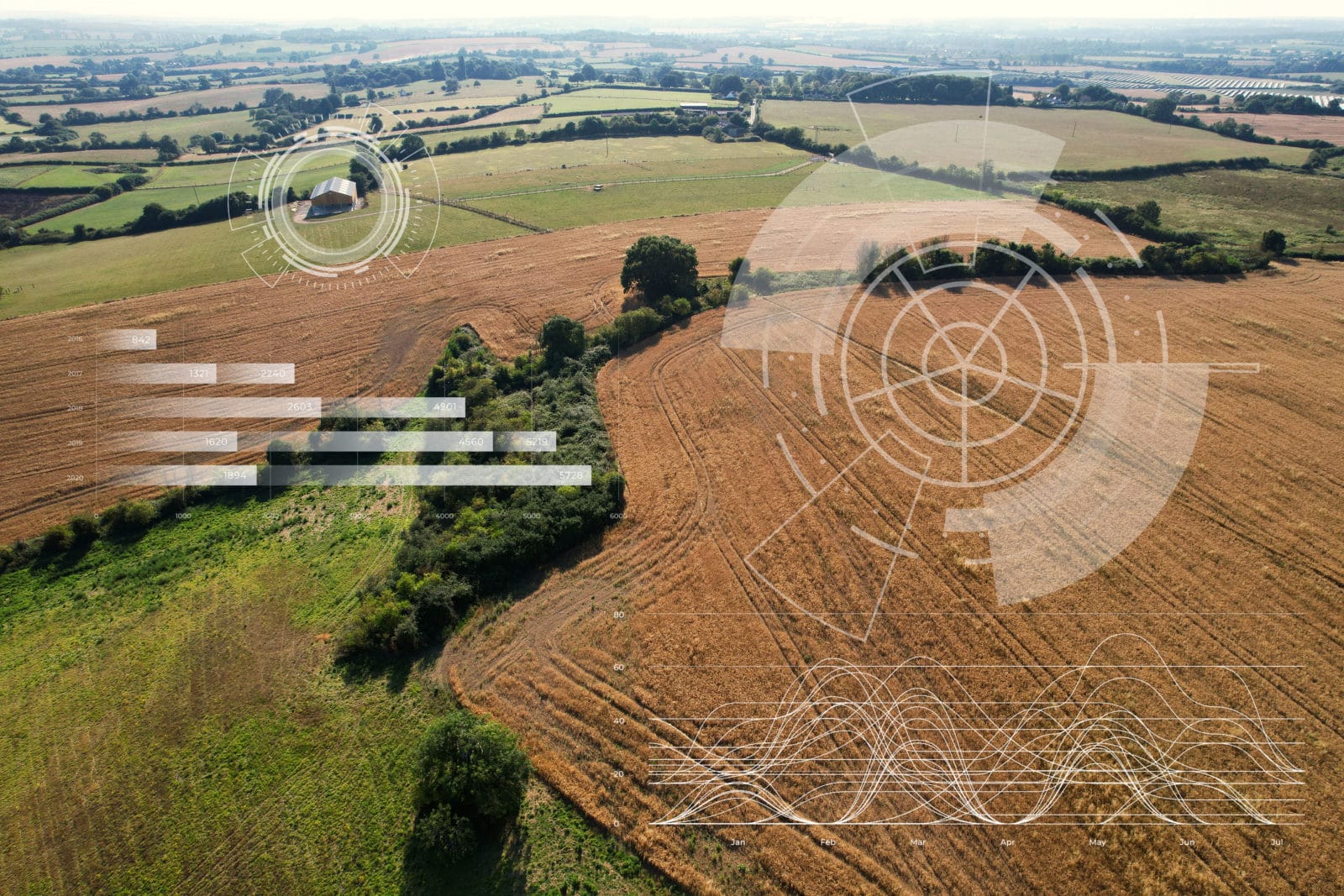
Drone spraying and soil mapping are still in their infancy, but over the next 5 years this technology will increase exponentially in terms of quality and decrease on the cost, becoming much more readily available.
The earlier technology can be brought into agriculture the betterBut having a current understanding of this technology is key. We all know farmers have to plan 2 or 3 years in advance and it is extremely important to consider the latest technological developments now, just to make sure we are going to stay with the times.
Everything is going online: you go to any meeting now and, regardless of how old attendees are, they will get their laptops out and phones set up before the meeting starts. People are constantly checking emails, Facebook, Twitter, Whatsapp to ensure they don’t miss out on anything.
We are an information-hungry generation and we want to ensure we’re kept constantly updated.

Upskilling to achieve the best in British agriculture

For us, building community is as important as exploring new technology. A big part of that is communication, that’s not just online, but face-to-face communication too. Everything from conversations around succession to negotiation tactics.
If you’ve grown up on a farm, you might have always known you are going to farm, but you might never have been in a position to have had a bit of training on how to look at people or have someone say to you, “That’s good, but if you did just this differently it would put you in a slightly stronger positon”.
Like Agri-Tech, and many other agricultural organisations, our goal is to have the best British agriculture that we can. We have to have the most forward thinking agriculturalists, the most profitable farms and a really well-educated, well trained, disciplined generation of farmers coming through to back all of that up.

Becoming a driving force

Technology is in every other industry, but in some ways the farming industry is behind when we should be at the forefront.
The amount of technology employed in agriculture, the amount of knowledge, the amount of mechanics; we need to flip it around from picking up the pieces at the end of technological innovations to agriculture being the real driving force.
If you are part of the younger generation of farmers, young at heart, or would just like to find out more about Agri-Tech’s work, sign up for our Young Innovators’ Forum newsletter.

Using earthworms as indicators of soil health

Meet the Network
Agri-TechE
Using earthworms as indicators of soil health - Jackie Stroud, Rothamsted Research
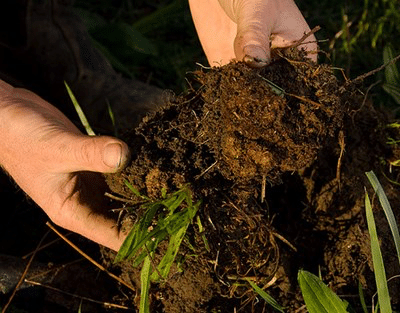
Image from www.rothamsted.ac.uk

Earthworms are like the miner’s canary, indicating a problem with the underground world. They are sensitive to pH, water-logging, compaction, rotations, tillage and responsive to applications of organic matter. This is why there is a major project underway to investigate the use of earthworms as indicators of soil health.
Jackie Stroud, NERC Soil Security Fellow, is a world leading authority on earthworms, or “soil ecosystem engineers” as she calls them, and she has been investigating the relationship between type and abundance of earthworms and healthy soil.  She is one of the speakers at ‘Waiting for Worms’ the topic of our Water and Soil Health Special Interest Group event on 16th May 2018.
(more…)

Young Innovators’ Forum: John Innes Centre

Agri-TechE

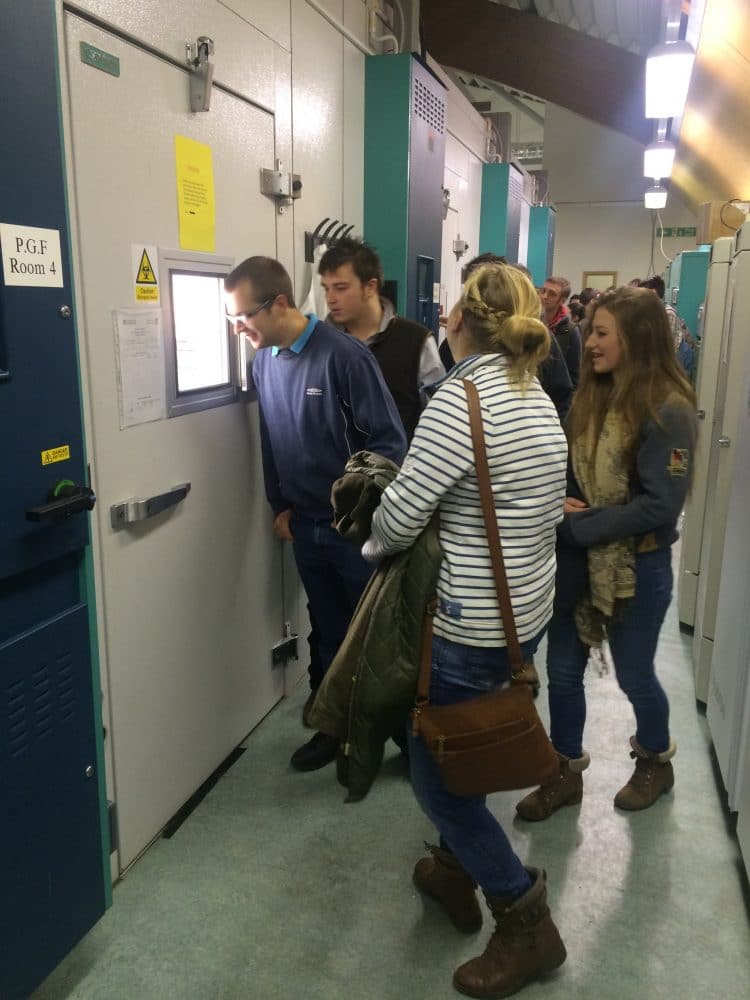
On the first sunny day for a while, we took a visit to the John Innes Centre in Norwich to learn about some of the latest plant research. JIC is an internationally renowned centre for plant science research, working on projects ranging from plant breeding, to food nutrition, to using GM techniques to improve crop resilience.
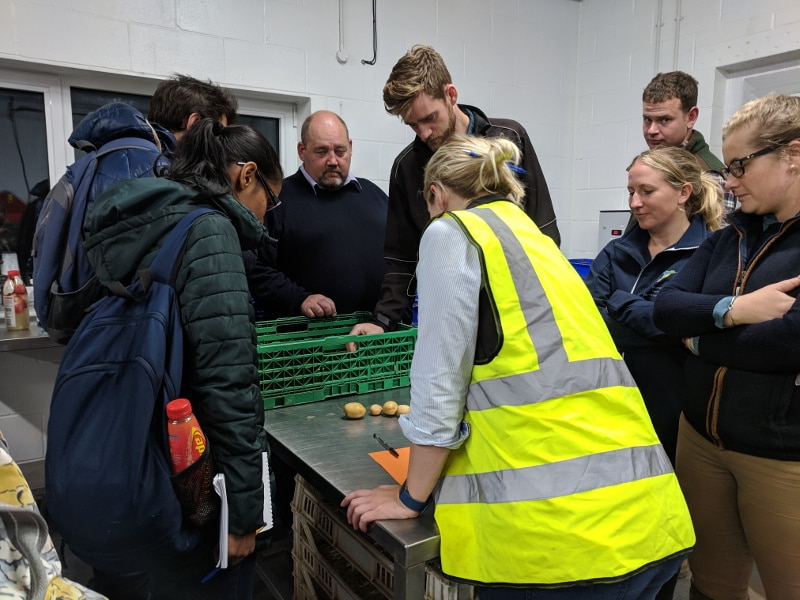
Four volunteers took us round to their various labs and experiments to help us get a sense of what was being worked on. They were each working in different labs so we learned the aims of the lab as well as their specific project. PhDs work on a particularproject for four years, from initial tests to their final report – which in some cases will have direct applications or may spawn further research based on what they discover.
First up was Ben Hales, also chair of the student voice committee. In his third year now, his research was most advanced. He showed us his experiments, situated in a plant growth chamber. In essence, he’s tying to pinpoint how Fusarium spreads in a wheat plant and identify which genes might have better resistance than others – so showing a slower rate of infection. To do this he injects Fusarium into wheat ears and documents its spread. You can then see which are being infected slower, and from there identify the key genes involved in resistance. His work is likely to provide tangible results – he’s already had some exciting developments.
Elliott Atkins was up next, working in Cathie Martin’s lab looking at improving nutritional value of crops. This research is fascinating to say the least. Elliott specifically has a goal of reducing acidity in oranges. If they can achieve this, it means less sugar will need to be added to juices and orange flavoured products – helping reduce sugar intake of the public. Elliot is using baby kumquat to experiment on – it’s genetically very similar to orange but grows much faster – so it’s quicker to see results. Elliot is using CRISPR technology to replace genetic sequences with synthetic ones in order to test his hypotheses.
Shannon Woodhouse took us to her plant growth chambers to show us her work in brassicas. She’s exploring triggers in 69 lines (anything from kale to cauliflower) to explore how temperature changes affect flowering. This will be important as we know temperatures are likely to rise over winters due to global warming. She’s also taking into consideration the trigger for change between juvenile and adult switches, to see how long the juvenile phase lasts. At the moment, the standard measurement is the pencil test – which is to say, when the stem is as thick as a pencil, that’s when they are ready to switch (so not particularly scientific). However, the goal of Shannon’s research is to make a simple assay test to help identify the flowering cycle of your specific plant and build allowances into your farm processes appropriately.
Finally, Danny Ward showed us a petri dish full of bacteria. His research was more molecular, looking at how bacteria infects plants (although it also will have applications in medicines, too). Much research has been carried out looking at more macro factors, such as soil conditions or temperature etc to try to determine how viruses can penetrate a plant, but none looking down to the level of DNA and the chemicals produced in these interactions. Hopefully Danny’s work will help us with both plant and medical virus spread.
That was a whirlwind tour of some of the research happening at JIC. I really recommend, if you’re interested to know more, going to visit yourself – there’s a whole array of work going on covering all aspects on plant science. All our hosts were remarkably good at communicating their work and talking through, not just what they are doing, but why they are doing it – how it could help farmers and growers, breeders, nutritionists, other researchers, and even consumers, which, at the end of the day, is what we are all interested in.

Digital farming: Could Farmville become real world?

Agri-TechE Blog
Agri-TechE

A screenshot from the game Farmville (image from Wikipedia)

Are you a farmer? An engineer? A scientist? An agronomist?
Chances are that if you are reading this then you could be one of those, but the next decade will see a new cohort of job opportunities, with different descriptions, requirements and probably requiring no experience of the industry.
While the existing skills and experience around crop and livestock management will always be vital, agriculture and horticulture are needing completely new roles beyond the traditional, leading to the urgent need for insourcing of new skills into the industry.
It is a widely held view that 65% of children entering primary school today will ultimately end up working in completely new job types that don’t yet exist.
Some of the biggest companies in the world – Apple, Google, Uber, Microsoft, AirBnB – are relative newcomers and their disruptive impact is also spilling over into agriculture.
Already we are seeing start-ups describing themselves as “Amazon for agriculture” or “Uber for Farming” – demonstrating the familiarity with which we can rapidly understand a business model or approach, by comparisons with business success from other sectors. As large agri-businesses are starting to reflect on their traditional business models, entirely new roles are being created to maintain market share.
For example, Bayer has a Head of Digital Farming. Quantitative agronomists are in high demand. Drone pilots are a commonplace part of the decision-support ecosystem on farms. And if you are an expert in Distributed Ledger Technology, many businesses in the agri-food supply chain may well be interested in a conversation.

Hackathon attracted newcomers with new solutions

The teams at the sudo grow hackathon get startedOur recent hackathon was a shining example of how people with different skills are poised for recruitment into the industry.
Around 50% of participants were new to agriculture, having deep technical backgrounds in coding, data analysis, software management or electronics. These people are likely to see their future working in a technology company, but the ability to attract these people into agriculture is arguably a deal-breaker to ensure “agri-tech” delivers on its anticipated potential.
The narrative almost sells itself. We gave hackathon participants “48 hours to feed the world” – an admittedly over-ambitious mission, designed for dramatic effect. But the interest and intensity in working out how to automate weed identification, model the weather or remotely manage crop production was overwhelming.
In addition, the passion of the teams to help make the lives of farmers easier and more cost -effective, while protecting the environment, was clear to see. The hackathon outputs showed what is achievable in even a short time when excellent people from disparate backgrounds focus their considerable skills on a new challenge.

So it’s time for a change

For years the industry has bemoaned that “unattractiveness” of agriculture to young people – using words like “cold, wet, muddy, low-skilled, boring” to describe the perception of the industry, especially among young people. But agriculture is now competing with other global industries to recruit smart people with the skills to do the jobs we haven’t even thought of yet, to disrupt and drive the industry into the 21st Century.
Agriculture can be muddy and cold in some parts of the world. But low-skilled and boring? Not any more.

Applying gaming tech to weed busting wins Agri-TechE Hackathon

Agri-TechE
The teams at the sudo grow hackathon get started

A number of exciting concepts emerged from Agri-TechE ‘s first hackathon, which was designed to focus the diverse talents of multi-disciplinary teams on intractable problems in agriculture.


Hosted in partnership with Allia Serious Impact, and kindly sponsored by BASF, Barclays and SmithsonHill, the sudo : grow hackathon attracted participants spanning five decades in age, with representatives from four continents and from many disciplines. Farmers, plant scientists, coders, machine learning experts and software engineers all worked together over the weekend.


The nine teams presented a number of novel solutions to three challenges articulated by the farming community. The overall winner was ‘WeedSpot’, which applies gaming technologies to artificial intelligence weed identification.

Challenge One – Supporting and enhancing traditional approaches to weed control

Louis Wells of BASF (centre) with the WeedSpot team

This topic was introduced by Louis Wells of BASF, who described the challenge of weed control, and in particular Black-grass which infests over 1 million ha of UK arable crops. Over the years, herbicide options have become more limited with weed resistance increasing in the population. This creates an opportunity for new thinking and innovation to enhance traditional approaches; from sophisticated weed spotting, to electric weeding, or something else. The challenge is to develop new techniques to enhance what we do today.


Proposed solutions: Two teams took up this challenge and the winner was WeedSpot, which used a gaming engine to create 3D visualisations of weeds. Synthetic visual data was created to help train the algorithms for weed classification supplemented by real-world data to validate. This deep learning approach also has applications for disease detection by simulating IR or LIDAR data, for example.


Another approach was WeedBeGone which electrocuted weeds using a tractor-mounted ‘zapper’. As well as WeedSpot being crowned overall winner, there was a commendation prize from the judges for Lavender Hill Mob, awarded by Eric Ober of Niab.

Challenge Two – Making food production more accessible

Jason Hawkins-Row presenting the prize to Grow
Jason Hawkins-Row (Aponic) presenting the ‘Making food production more accessible’ prize to Grow

Vertical growing systems that use water and soluble nutrients instead of soil offer the potential to grow more within a restricted space. Opening up food production in unexpected places. But the system needs sensitive control to ensure optimum growing conditions for different crops in different farming rigs. How could this be achieved?

Proposed solutions: Three teams took on this challenge and the winner was team Grow’s solution for an AI controlled system with an easy to understand dashboard; for example it could use temperature sensors to generate a heat map. It created a connected IT solution for collaborative working across different modules of vertical-farming units, allowing feedback of information about crop development in real-time and transparency with potential customers in the value-chain.

Lavender Hill Mob built a simple dashboard for vertical farming that used a traffic light system for easy identification of the priorities. It also offered potential to look at trends and compare the outcomes to the growing conditions.

Third Eye, came up with IoT-enabled sensor devices for remote sensing and management of the Aponic platform using technology inspired by gaming.

Challenge Three – Data integration to provide more accurate assessment of growing conditions

Data integration for crop management winners Durian Pi with Sachin Shende of KisanHub (centre)

Sachin Shende of KisanHub introduced this topic, explaining how farmers capture huge amounts of data from different sources when monitoring and managing their farms. From weather data and crop yield information to soil moisture and drone imagery, there is an increasing amount of ‘big data’ available in multiple formats. However the challenge is how to make the data specific enough to a particular location. For example if the weather stations are 6 miles apart and one records rainfall and the other doesn’t how do decide on the conditions for a particular field?

Proposed solutions: This challenge attracted four teams and the winner was Durian Pi. It combined existing data to identify new correlations and used interpolation techniques on these to predict weather data in-between the 26 weather stations to which KisanHub gave them access. Interpolation often leads to inaccuracies in real-time situations and to adjust for this the team correlated different parameters to help farmers get better predictive data – transforming a basic weather model into agriculturally valuable data.


Other teams included Duso, which developed a wind speed prediction tool to help farmers manage their spraying schedules, and the Water Pirates, who presented an irrigation scheduling platform.

The prize for the best tweet went to Emma Fletcher from Smithson Hill (see below or click here):

Gnome is not helping much #sudogrow pic.twitter.com/Gik6RXovzp

— SmithsonHill (@SmithsonHill) April 7, 2018

Comments from the event:

“This is long-overdue. It could be the beginning of a whole new era for putting the technology into agri-tech.” – Jason Hawkins-Row, Aponic
“A phenomenal weekend beyond our expectations! The breadth of enthusiasm and experience of the attendees shone through into some really exciting presentations.” – Paul Hughes, Future Business Centre
“These were the best presentations I have seen in a first run-through at a hackathon.” – Aaron Croucher, PA Consulting, about the first draft pitches on Sunday morning

The judges were: Louis Wells of BASF, Jason Hawkins-Row of Aponic, Sachin Shende of KisanHub and Paul Hughes of Future Business Centre.
The experts and advisors included: Robert Allen of Greenvale AP, Aaron Croucher and Will Wykeham of PA Consulting, Darren Gedge of G’s Growers, Ben Miles of BASF, Stephen Temple of SJ Temple and Sons, and Eric Ober of Niab.

Interested in joining our 2019 Hackathon?  5 – 6 July – Allia Future Business Centre.  Find out more from our events page. 

The future skills set of agri-tech workforce is in ‘our’ hands

Member News
Agri-TechE

Easton Otley study programme framework
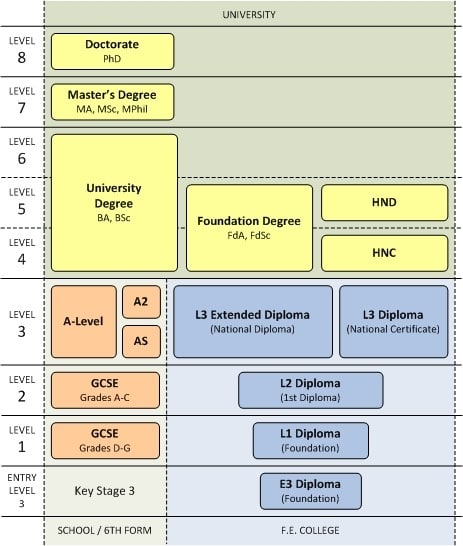
As colleges we have a ‘study programme’ framework to adhere to (click to enlarge)

The educational skills needs of our society have been constantly evolving as they should. The role of further education colleges is critical in ensuring vocational education is delivered to meet the skill needs of employers and the industries to which we serve.

The government’s EDUCATION ACT 2012 states that a young person must do one of the following until they are 18:

  • Stay in full-time education, for example at a college
  • Start an apprenticeship or traineeship
  • Spend 20 hours or more a week working or volunteering, while in part-time education or training

The opportunity to study whilst in work through an Apprenticeship:

NAME LEVEL EQUIVALENT EDUCATIONAL LEVEL
Intermediate 2 GCSE
Advanced 3 A level
Higher 4, 5, 6 and 7 Foundation degree and above
Degree 6 and 7 Bachelor’s or master’s degree

Easton Otley academic levels
Academic levels (click to enlarge)

We operate at the heart of one of the fastest growing economies in the country – here in the East, food, drink and agriculture is by far the biggest sector and employs the most people. It is critical that for colleges to stay credible and up to date we need to deliver the skills required by industry covering a range of specialist skills, sciences and innovation that will be needed in the coming decades.

However, it would be impossible and wrong for colleges to work in isolation as we would fail miserably. Success lies in active collaboration.

Easton and Otley College is the region’s specialist college for the land-based and agri-food sector and has an important strategic role in developing the local economy as the food chain is the largest manufacturing sector in New Anglia region, generating more GVA and jobs than any other sector. Technology is increasingly being used to address the significant challenges the sector has around productivity, competitiveness and skills shortages. As one of the sectors that will be affected by Brexit more than most, the agri-food sector will need many more skilled and qualified people to adopt and make best use of the new technologies designed to deliver more product, with less resource and with a reduced impact on our environment.

We are committed to the development of high-level programmes and qualifications to meet employers’ and skills shortages identified through LEP skill plans. We recognise that by working collaboratively with both other educational institutions and industry, we can have a much greater beneficial impact than we could individually by enhancing quality standards, increased coverage and improved efficiency of delivery.

We will become a national leader in specialist skills and sciences, a leading academic institution known for innovative ways in which to develop courses to meet the skills needs of our region and our society. We need to be at the forefront of developing technology, science and academic thought development as the country moves into a post Brexit era.

Easton and Otley CollegeIf you wold like to be at the forefront in collaborative and industry led training and upskilling the young people of our future please do get in touch.

Jane Townsend, Principal of Easton and Otley College: jane.townsend@eastonotley.ac.uk

Ceres Agritech Knowledge Exchange Partnership to boost multidisciplinary agri-tech research

Agri-TechE

The agri-food research community across the East of England has received a boost with a £4.78m investment in the new Ceres Agritech Knowledge Exchange Partnership.

Ceres Agritech Knowledge Exchange Partnership
Ceres is the goddess of agriculture

The Ceres Agritech Knowledge Exchange Partnership is a three year collaboration between Universities of Cambridge, East Anglia, Hertfordshire, Lincoln and Reading and the research institutes John Innes Centre, Rothamsted Research and Niab (the National Institute of Agricultural Botany).
Dr Belinda Clarke, Director of Agri-TechE says: “The grand challenges in agri-tech require a multi-disciplinary approach and we hope that the establishment of Ceres will facilitate this.
“Collectively the research base has considerable capability in fields such as nutrition,  genomics, biologics, informatics, artificial intelligence, satellite imaging, sensors and remote sensing, diagnostics, meteorology, precision farming, but all too often these specialisms reside in silos.
“As a independent business-led membership organisation, we look forward to working with Ceres to ensure emerging agri-tech is fit for purpose and it can be rapidly adopted by industry.
“Innovation requires a framing of the problems in a way that makes it possible for all stakeholders, particularly endusers, to provide direction and input.  The growing agri-tech cluster enjoys the involvement of all elements of the agri-food value chain –  from producers through to retailers – this makes it an ideal test-bed for new thinking coming out of research.”
More information about Ceres available here
Note: The Ceres funding is part of an investment of £67 million through Research England’s Connecting Capability Fund in new collaborative projects to drive forward the commercialisation of university research across the country.

Managing risk in agri-tech

Agri-TechE Blog
Agri-TechE

Risk management in agricultureNothing ventured, nothing gained – but what can you afford to lose?  The role of public money in de-risking the development and adoption of new technologies was recognised recently with the announcement of £90M investment into agri-tech via the Industrial Strategy Challenge Fund.
The funding is designed to bring together business, farmers and academics to help explore the commercial potential of new tech ideas, demonstrate innovative agri-tech projects (and how they will work in practice), as well as building a new bilateral research programme for international collaborations.
So how is this approach different to the public support that has already been provided for agri-tech, such as the £160m linked to the Agri-TechE Strategy launched in 2013?
It’s very different, according to the funding agencies. At a recent session at Rothamsted Research, the message was very clear that this investment is not “Business As Usual’, but rather it will take a challenge-led approach focussed on real-world problems. Business Secretary Greg Clark said: “As part of the Industrial Strategy, we announced a Transforming Food Production Challenge and I’m delighted to announce the government will invest £90 million to make this challenge a reality.”
Agriculture is a sector used to manage risk – from adverse weather events, to variable market prices, attack from pests and diseases to uncertain political times.
Farmers have a finely tuned risk appetite and understandably seek ways to minimise the many risks to which they are exposed. Building resilience within the value chain is one way of achieving this. So, better prediction and smart procurement are among the benefits offered by technologies such as AI, robotics and earth observation that are in the government’s tech investment portfolio.
Disruptive technology is by its nature high risk.  So to make a step change requires public money to stimulate innovation.
There appears to be widespread agreement that this will be recognised by the funding bodies as a justification for public investment. Mitigation of some of the risk incurred by companies, is, therefore, the price paid by society for the potential returns to the economy as a whole.

Assessing risk and reward 

We’ve also been thinking about risk from both an insurance and investment perspective. We are often challenged by our members who want to understand the risk and liabilities involved in on-farm adoption of new innovations, and to hear about creative ways in which this can be offset and mitigated.
Through our partnerships with investors, we’re also helping those new to agriculture to understand better the risk-reward ratio around investing in early and mid-stage agri-tech businesses.
Having appropriate business models, funding schemes and investor appetites all have a part to play in helping accelerate new innovations into the field, but they also need a strong evidence-base and the proof of the pudding is in the eating.

Fintech and Agri-tech – where’s the linkage?

Member News
Agri-TechE

Chrissie Freear, PwCCan two industries with apparently different purposes really be thought of as comparable and able to support each other? The answer – yes, absolutely, says Chrissie Freear of the PwC Agri-tech team.

As joint leader of PwC’s R&D Financial Services team and recently taking on the exciting task of forming PwC’s Agri-tech team with PwC partner, Stephen Oldfield, I often get asked – “What’s the connection between Agri-tech and Fintech? How can you specialise in both?”

For me, it’s obvious – not only are both embracing many of the same technologies, such as blockchain, robotics and AI (Artificial Intelligence), and can clearly benefit from working together in evolving the application of these technologies – Agri-tech and Fintech businesses can support each other to solve strategic problems and grasp opportunities.

I recently came across a business that has developed a solution that combines satellite imagery, drone technology and data analytics to help farmers track crop performance more accurately. In developing their solution, the business identified the possibility of extending its use to the Insurance market to solve one of the major issues faced by Agri Insurers – how to accurately and easily value agricultural loss events. By using the data analytics and machine learning provided by this Agri-tech solution, insurers have a more accurate picture of the actual loss to farmers from insured events.

This is just one example of how tech innovations from one sector can be used to solve issues in another. There are many more, including the use of innovative weather prediction technology originally developed for the insurance market to help farmers identify potential future risks to crops.

However, this is more than just the sharing of technical solutions, Fintech and Agri-tech businesses have the opportunity to work together to achieve substantial and sustainable growth. Globally, one of the challenges facing the agricultural sector is that it is still fragmented and unorganised in certain key countries such as India and Africa, where the industry is dominated by smallholders. And this negatively impacts productivity.

It’s clear Agri-tech businesses have a fundamental role to play in overcoming productivity issues and many have developed brilliant solutions to help, but Fintech businesses also have a role to play. Many Fintech businesses offer new and innovative ways of accessing finance and marketplaces – using digital solutions accessed via mobile devices. This is particularly important in countries like Kenya and Rwanda where traditional methods of accessing global markets or providing finance are of limited use to smallholders due to the lack of credit history on which banks justify loans. Providing smallholders with a bigger marketplace and greater access to finance means that they are not only able to benefit from the productivity increases offered by scale, but also to finance for the purchase of Agri-tech solutions which provide major productivity improvements.

PWC logoI can see a real benefit of Fintech and Agri-tech businesses collaborating and working together, not only in developing technology but also in going to market to offer their products and services, helping to solve real-world problems.

A goal of the newly formed PwC Agritech team is to bring together knowledge, experience and relationships from other industries to help support Agri-tech businesses.

If you would like to find out more about the PwC Agritech team and how we can support your business, please contact Stephen Oldfield (stephen.m.oldfield@pwc.com) or Chrissie Freear (christalle.r.freear@pwc.com).

Young Innovators’ Forum: AgriScience Conference 2018
Agri-TechE

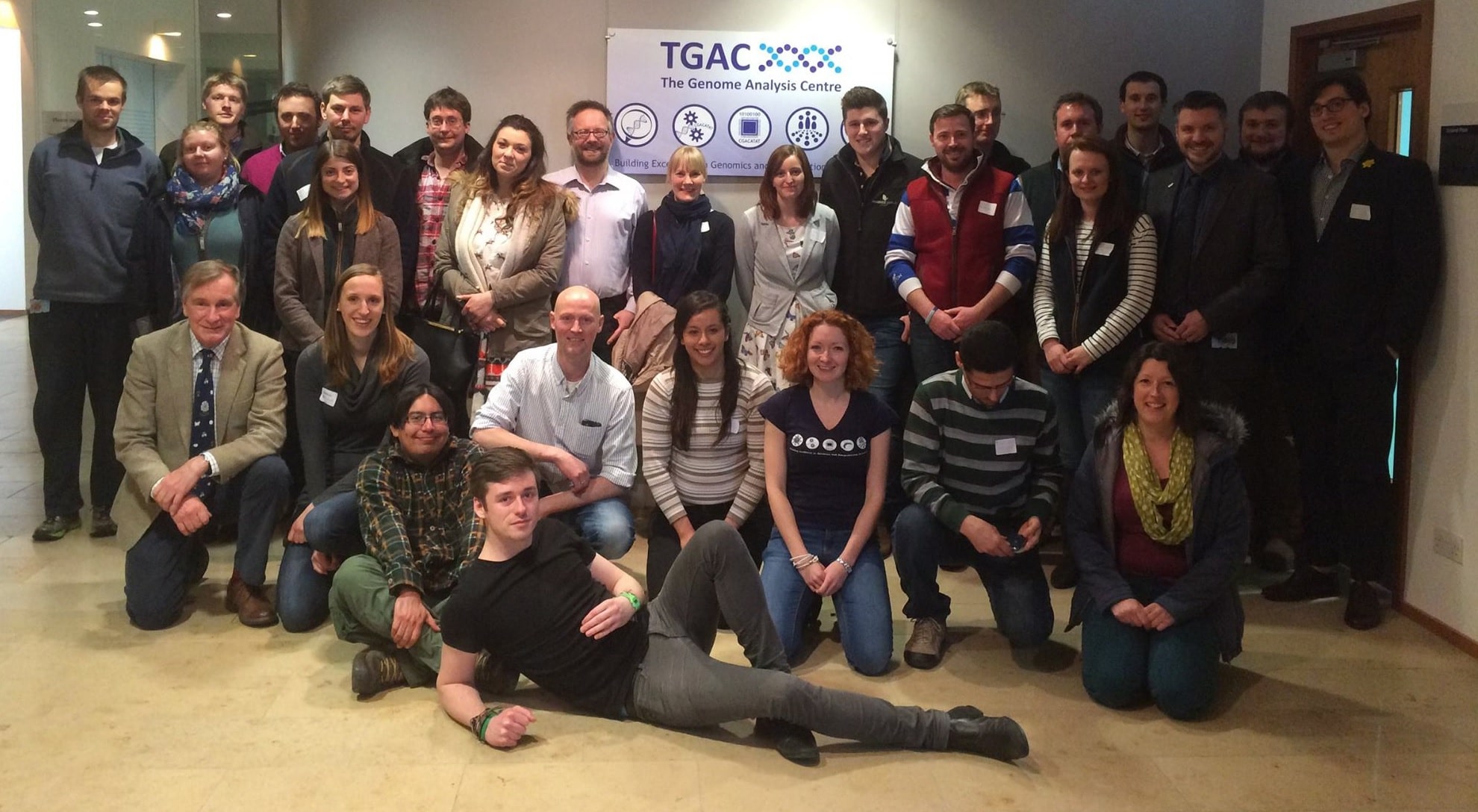
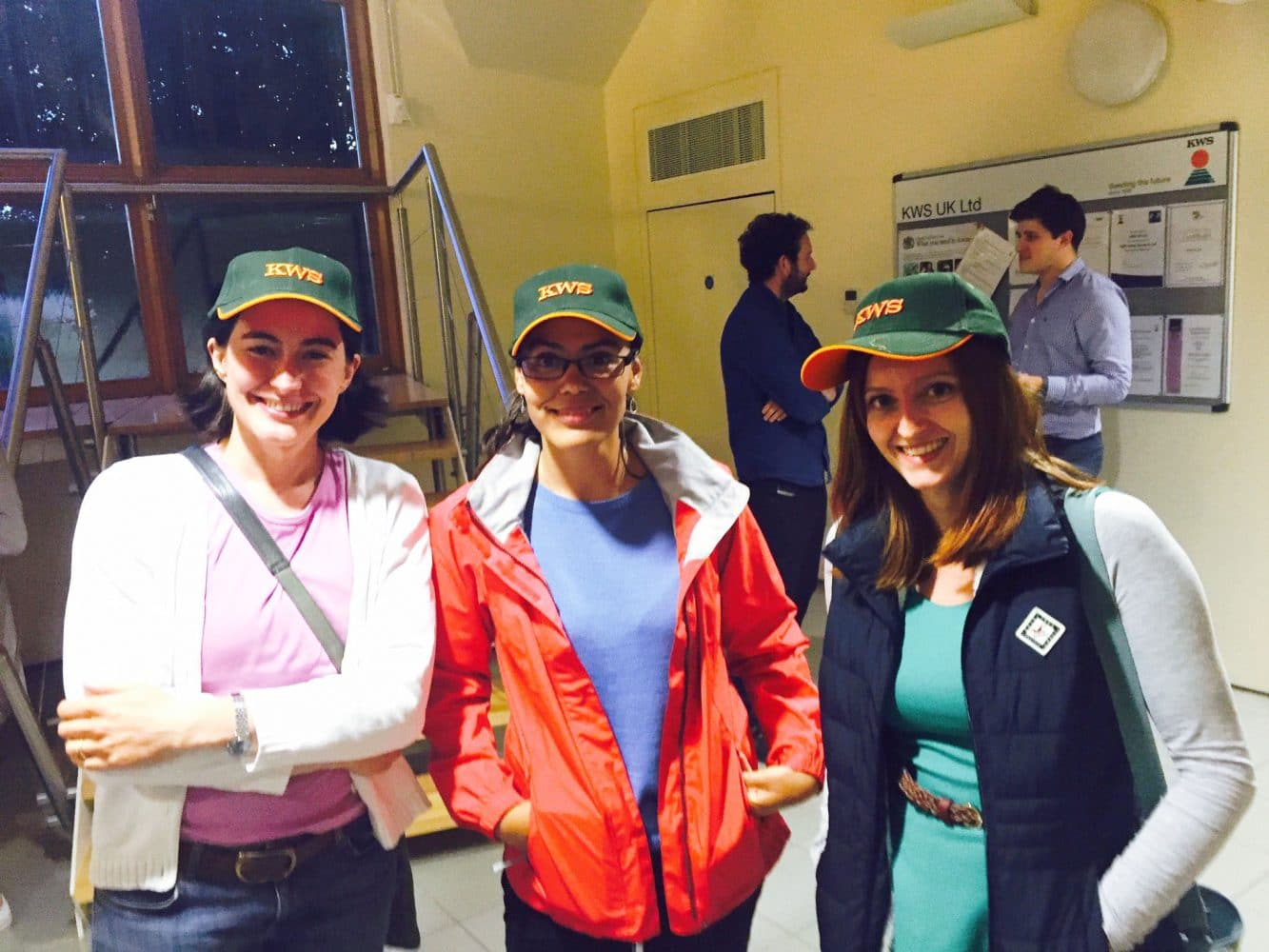
Last week we held the second Young Innovators’ Forum AgriScience Conference, with help from Niab. Once again descending on The Morley Agricultural Foundation, 40 innovators came to learn more about new agri-tech technologies and communication.
Susie Emmett of Green Shoots Productions, kicked things off with a lively presentation focusing on the communication methods we can use in the agri-tech industry, and how to use them better! To paraphrase an excellent quote, all the work going into agri-tech will count for nothing if it’s not communicated well. We covered some of the ways to communicate better visually – both through film and photography. (You can apply for her fully funded course here)
Emily Smith from AHDB was up next talking up the importance of communication between farm and science. She framed her talk with the fact that UK productivity rates are down compared to other countries – is this primarily because research takes so long to get from the lab to the farm in the UK?
Easton and Otley College students hosted a debate on whether Brexit will affect global commodity prices. Both sides of the agreement were very credible and I found myself agreeing with one, then the other! The vote was tight but we were persuaded that it would affect prices…it will be interesting in time to see who was right!
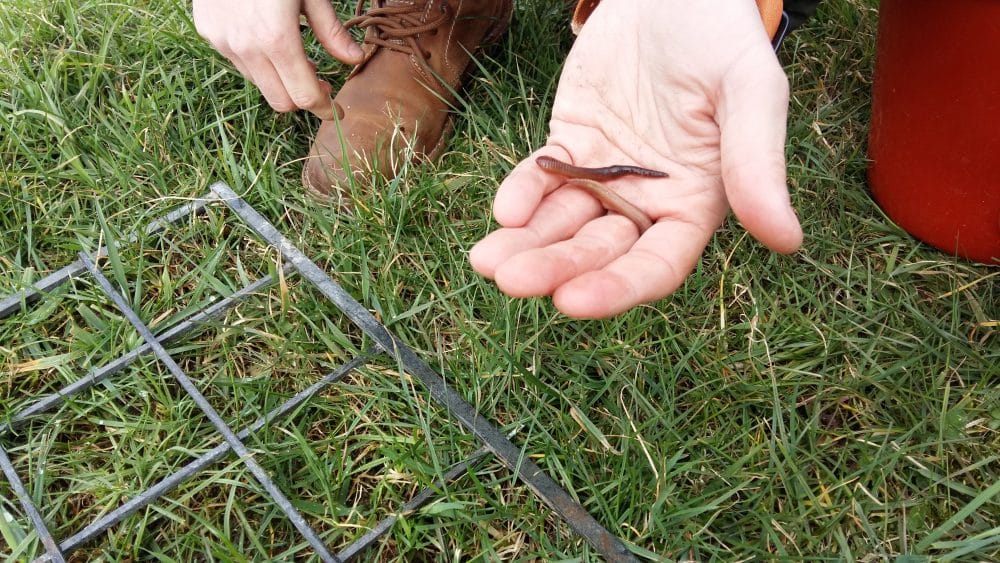
The afternoon saw us rotate round 3 different workshops. My group started with the quantifying soil health session – looking at earthworms with John Innes Centre, and mycorrhizae with Niab – really putting the field into field lab! In brief, we discovered there is a lot more going on under the soil than perhaps we realise (who knew there are 3 kinds of worms!?). I’d wholly recommend finding out more.
fieldmargin, app developers, had us coming up with ideas for apps, and then how to narrow that down to the basis of what you need. The topics we came up with were really diverse – anything from monitoring chemical store levels to anonymous alert system if you’re worried about a local farmer. It was interesting to see what doesn’t already exist that you would think does, and also gratifying to know fieldmargin are working on some them already – goes to show the value of end user input during development!
Finally, Garford Farm Machinery gave us a rundown of their mechanical weeding machines, in a bid to reduce pesticide use. Using machinery can bring aeration benefits, it’s less labour intensive and will of course help in the face of prospective chemical restriction – but it is slower and needs an identifiable row in order to work.
That’s just a super quick run through of what we covered during the day. What really came through was how important communication is to the success of the industry. As Young Innovators we have the chance to make the industry more open, more transparent and enable that two way flow of information. If you’d like any information on any of the speakers or the topics of the day, please email becky.dodds@agritechenew.wpengine.com

New Zealand farmer cooperative LIC meets Agri-TechE members

Agri-TechE

New Zealand farmer cooperative LIC meets Agri-TechE membersWe were delighted to welcome a board level delegation of farmers, scientists and businesses from LIC, New Zealand’s largest farmer co-operative focusing on herd improvement and agri-tech, to Cambridge this week.
The co-operative has over 10,000 shareholder farmers and aims to empower livestock farmers through the delivery of superior genetics and technology.
LIC’s strategic themes:

  • Genetics and information to create superior livestock
  • Information to improve decision making to enable superior livestock performance
  • Hardware and systems to improve productivity and decision making
  • International focus on key markets to add value for shareholders

The meeting was hosted by PwC in their Cambridge offices. It offered an opportunity for a number of agri-tech companies in the Agri-TechE ecosystem to meet the international delegation and showcase their expertise in data analytics, data management, sensor technology and software solution design.
The companies involved were: Delta-T Devices, 30MHz, Agrimetrics and After the flood,
PwC senior partner and agri-food lead Stephen Oldfield commented: “It was a great meeting of minds from both sides of the globe, with many of the same issues being faced by farmers in New Zealand and the UK. In particular, we are all on a shared learning curve as to how best to unlock the value of agricultural data across the value chain and deliver benefit to farmers and consumers.”
We anticipate follow-up discussions to build further linkages between the two agri-tech innovation ecosystems and opportunities to collaborate.
If you have a product or service that might be of relevance to LIC, please get in touch.
New Zealand farmer cooperative LIC meets Agri-TechE members
Images from LIC.co.nz

New Knowledge and Innovation Facilitator bringing technology into the field

Agri-TechE Article
Agri-TechE

Laura Bouvet, Knowledge and Innovation FacilitatorLaura Bouvet has been appointed Knowledge and Innovation Facilitator for Agri-TechE and the Agriculture and Horticulture Development Board (AHDB); the first time the two organisations have collaborated in this way.

As part of the new jointly funded role, Laura will support a number of innovation projects with growers – drawing on her extensive knowledge of plant pathology, genomics and advanced breeding.
Dr Belinda Clarke, Director of Agri-Tech, comments: “We have seen significant appetite from farmers and growers to be involved in the direction and implementation of trials of new technologies. We are looking to expand our involvement in this area.
“Laura brings the latest knowledge of plant pathology, genomics and advanced breeding with a hands-on enthusiasm for working in the field. We think this combination will be appreciated by our members and allow us to take forward a number of projects we have been discussing.”
Richard Laverick, Chief Technical Officer of AHDB, agrees: “Laura Bouvet’s appointment is a significant partnership for AHDB. We are working closely with Agri-TechE to co-fund this post. It represents a very practical example of the two organisations working together to deliver more effective support for the industry and to ensure innovation and new practice is communicated effectively to a wide audience. With this aim in mind Laura will also support our new national Arable knowledge exchange team.”
Laura is currently finalising her PhD at the Genetics & Breeding Department of Niab and is affiliated to the University of Cambridge.
Her PhD project focused on the genetics of wheat yellow rust resistance. She worked with the UK wheat MAGIC population, one of the latest tools available in crop breeding for the precise dissection of complex traits of interest, such as disease resistance. Her work on plant pathology has involved significant networking with growers and seed breeders.
She says: “I have a strong interest in plant science and how it can contribute practically to tackling challenges faced by agriculture. During my postgraduate training, I have had the opportunity to work on different research and technology transfer projects where interactions with end-users have been crucial.
“In this new role, I am looking forward to facilitating the implementation of agricultural innovations and establish strong connections with farmers and growers.”
For Agri-Tech, Laura will be supporting and directing a number of farmer-led research projects. The organisation is currently coordinating an Innovative Farmer Field Lab looking at the best way to use digestate (a product of anaerobic digestion) as a fertiliser.
Her knowledge will be highly beneficial for her work with AHDB, which will focus on its Sutton Bridge Crop Storage Research (SBCSR) facility, which provides controlled environment facilities for research into optimum crop storage conditions.
Sprout suppression in potatoes is an area of particular interest for growers.
Dr Rob Clayton, AHDB Strategy Director for Potatoes, says: “This is a crucial time for Laura Bouvet to join the SBCSR team to help address the immediate challenges facing our growers and store managers.
“We already know some of our stores use three times more energy than others and it’s compromising productivity and an individual’s bottom line.
“With industry introducing higher yielding thinner skinned varieties, it means that attention to detail on storage issues needs to be cranked up. And finally, keeping the sector tuned into alternative sprout suppression choices for the future is vital.”
In June the Sutton Bridge Crop Storage Research facility will play host to an Agri-TechE Pollinator event to explore a number of new innovations being used to help maintain the quality and integrity of the crop post-harvest, for short and long-term storage. ‘Post-Harvest Technologies – Innovations For Keeping Crops Clean, Cool and (High) Quality’ will take place on 20 June 2018 at Sutton Bridge Crop Storage Research, East Bank, Sutton Bridge, Spalding, PE12 9YD. Find out more on our events page.
If you are interested in getting involved in farm trials do get in touch.