Patenting, Trademarks, Copyright, Trade Secrets...
In the next installment of our micro-learning series, we’ll explore potential legal solutions to help you keep your ideas safe and sound.

The Science of Decaffeinated Coffee: J A Kemp

Member News
The views expressed in this Member News article are the author's own and do not necessarily represent those of Agri-TechE.

Caffeine provides many benefits—improved concentration, decreased fatigue, even lowering the risk of certain diseases. But research reveals a darker side to the drug. It can interfere with our sleep, cause dependence, and heighten anxiety. This has led to a widely felt demand for decaffeinated beverages. Coffee is a prime example, with 12% of coffee in Europe being decaf.

History of Decaffeination
Like many of us, the great German writer Goethe has spent much of his life struggling to reduce his dependence on coffee and so, in 1820, he presents the young German chemist Friedlieb Ferdinand Runge with a bag of coffee beans, hoping he will discover the cause of coffee’s stimulating effects. Within a few months, Runge has become the first person to isolate the caffeine from coffee.

But it isn’t until the 1900s that decaffeination is commercialised. As with many great inventions, it is discovered by accident when a German shipment of coffee gets soaked in seawater. The merchant, Ludwig Roselius, realises that the caffeine has been removed while the flavour is largely intact. Inspired, he goes on to develop a process for decaffeination and obtains a patent in 1908.

This solvent-based process can significantly affect the flavour of the coffee and historically used benzene (now a known carcinogen). Perhaps this explains why many people are still suspicious of decaf?

Then, in 1970, a patent application is made for a revolutionary process: a one-step method that ditches the organic solvent and retains more coffee aroma. While working at the Max Planck Institute, Kurt Zosel swaps the organic solvent for moist supercritical carbon dioxide (CO2). Supercritical refers to the combination of liquid and gas phase properties at high temperature and pressure, which helps the CO2 to penetrate the raw beans. Unexpectedly, the moist supercritical CO2 easily and selectively extracts the caffeine. Much of the world’s decaf coffee is still produced this way.

Future of Decaf
The Covid-19 lockdowns saw a boom in decaf coffee as many people increased their coffee intake but found themselves consuming excessive amounts of caffeine. This trend seems here to stay in the long term, with the decaf coffee market expected to grow to 29 billion USD by 2030 (up from 19.5 billion in 2022). Therefore, technical innovation is likely to continue in this area. Focus is on producing a coffee plant yielding inherently decaf beans. Growing (rather than making) decaf would make production cheaper plus retain as much aroma as possible.

For example, low-caffeine varieties of arabica coffee (the most popular species) are known to exist. The difficulty is then transferring this characteristic into a commercial variety. It doesn’t help that caffeine acts as a natural pest repellent making the cultivation of low-caffeine plants challenging. A highly promising arabica cultivar (“AC1”) was identified by researchers in Brazil and published in 2004. AC1 contains high levels of theobromine (found in chocolate) which is the immediate precursor to caffeine. Carbon-14 labelling confirmed that the final step in the caffeine synthesis pathway is suppressed in AC1. Field trials began in 2023 and could hold the key to commercially viable, naturally decaffeinated coffee. Whilst such plant varieties are often non-patentable per se, there are separate protections available such as the Convention for the Protection of New Plant Varieties.

Genetic modification (GM) provides an alternative way to produce decaf coffee plants. For example, the genes coding for enzymes in the caffeine synthesis pathway can be “silenced”. This is achieved by introducing a sequence into the plant’s genome that is complementary to the targeted gene. The inserted DNA gets transcribed to RNA which binds to the complementary RNA sequence that codes for the targeted enzyme. This stops the plant from reading that sequence, preventing caffeine synthesis. A patent application for this process was made in 1996, although many further GM methods have been suggested since. Interestingly, genetically modified plants are patentable (at least in Europe) because they are produced by a technical process. Although GM is controversial and often tightly regulated, it is a promising source of full-flavour decaf. Furthermore, unlike cross-breeding programmes, GM can be used on already high-quality coffee varieties, reducing the time needed to commercialise.

Conclusion
The pursuit of flavoursome coffee without the caffeine has inspired many exciting inventions historically—only a handful have been mentioned here. With decaffeination set to grow in popularity, many more innovations will emerge in this fascinating area, generating intellectual property across a broad range of disciplines.

J A Kemp has wide-ranging expertise in the technologies mentioned in this article. See our Specialisms section to find out more.

J A Kemp: Retained EU Plant Variety Rights – 29 Feb 2024 Deadline

Member News
The views expressed in this Member News article are the author's own and do not necessarily represent those of Agri-TechE.

European Union Plant Variety Rights (EU PVRs) granted by the Community Plant Variety Office (CPVO) before 31 December 2020 have continued to retain protection under UK legislation, and these are known as “Retained EU PVRs”. Urgent action may soon be required by rights holders to avoid unintended termination of their Retained EU PVRs.

Since Brexit, the Animal & Plant Health Agency (APHA) has migrated EU PVRs onto a UK database. In order to complete this process, APHA has formally requested holders of Retained EU PVRs to take the following steps by 29 February 2024:

(1) confirm that they hold Retained EU PVRs;

(2) confirm the varieties for which they want to continue to hold rights;

(3) provide a UK address for service, or the name and address of a UK agent; and

(4) provide details of any changes to ownership since 31 December 2020.

More details regarding this process can be found here.

If holders fail to provide the above information by 29 February 2024, their Retained EU PVRs may be terminated (where the Controller of the PVR Office is satisfied that the holders have failed to comply with this request).

If you wish to continue holding one or more Retained EU PVRs in the UK and have yet to provide the above information to APHA, or if you have any questions, please contact J A Kemp’s PVRs team as soon as possible.

Intelligent Growth Solutions launches world-first international Research Network

Member News
The views expressed in this Member News article are the author's own and do not necessarily represent those of Agri-TechE.

A research network to help bring forth advancements in vertical farming

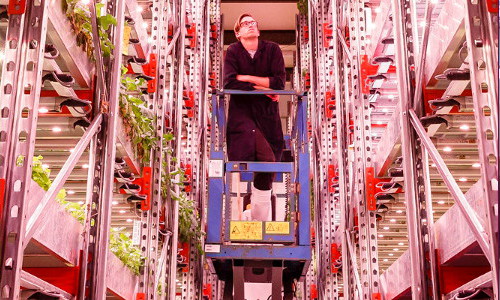
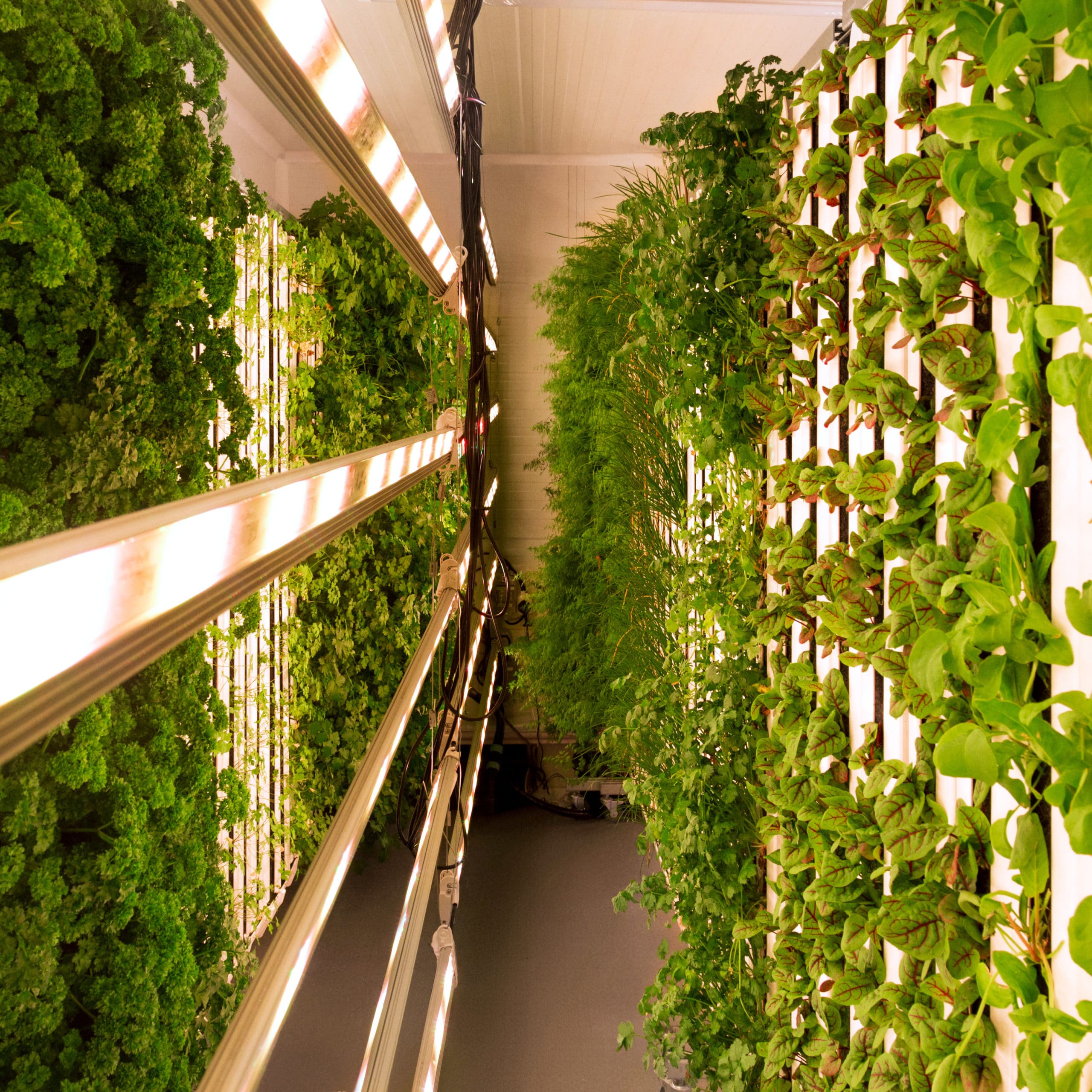
We have launched a world-first international Research Network designed to bring together leading minds in crop and data science – as well as multiple engineering disciplines – to drive innovation in vertical farming, a technology that can dramatically improve global food security.

Vertical farm infrastructure enables producers to grow crops regardless of climate, weather or environmental conditions such as soil health. It is a crucial tool in helping the world sustainably feed a growing population, improving food security and reducing food miles while catering to local needs and tastes.

The Research Network so far spans four continents, bringing together the brightest minds in plant science, data science horticulture, forestry and engineering to continue to broaden the application of vertical farming technology and the range of its applications.

Its aims include maximising and defining optimum conditions to grow regionally important crops, speed breeding, new variety development, establishing best practice to reduce energy and water consumption as well as proving the technology’s capabilities to efficiently grow novel crops.

David Farquhar, CEO of IGS, said: “Formally launching this network of globally linked research institutions is a huge milestone not only for IGS, but also for the wider CEA industry. We are confident that by bringing together diverse mindsets from all regions of the world with such a wealth of experience across key areas such as horticulture, agriculture and forestry, we will be able to continue to broaden the application of our vertical farming machinery.

“IGS has always been an engineering business with the double-helix of crop and data science at our core, so establishing a way to give the research community direct access not only to our technology, but also to a closely-linked network of like-minded institutions is a significant step. The more we understand about vertical farming, its scope, opportunities and limitations, the greater the impact our technology can have on securing a greener, more sustainable future, in close partnership with traditional growing methods.”

Among those to have so far signed up as inaugural members of the IGS Research Network are the James Hutton Institute in Scotland – a long-term research partner with IGS – England’s Nottingham Trent University, the University of Queensland, Australia, and Germany’s University of Applied Science, HSWT. Each member will build an IGS vertical farm on their site, supported by IGS, to allow them to study crop growth and performance in their own geography and environment.  

Chris Horne, who will lead the research project for IGS, said: “Our aim with the research network is to continue to drive forward crop science and indoor growing innovation by collaborating with the leading minds across the world, validating the technology across different environments and climates, thus improving even further the growth recipes we’ve already developed.

“The World Resources Institute estimates that we need 56% more food than available today to feed the global population by 2050. This work has never been more important. So far, we have proved that more than 200 varieties of crops can be successfully grown indoors – and we’ve demonstrated that having total control of the growing environment enables us to produce high-quality crops at up to six times the speed of other techniques, such as traditional farming or glass houses.”

Priority themes for research include plant analysis, photobiology, and nutrition, including studying ways to enhance nutritional density with an emphasis on produce freshness, flavour and quality. Researchers will also have the chance to work together and share knowledge across different climates and markets.

IGS’ technology is protected by more than 25 patents that uniquely allow automation of every element of the growing environment, including providing optimal light, airflow, watering and nutrition.  

Professor Derek Stewart from the Advanced Plant Growth Centre at the James Hutton Institute said: “Having worked with IGS for several years we know very clearly how the IGS system adds to our research toolbox and is complimentary to other assets like growth chambers and glasshouses. Effectively it gives us 50 lab benches in each tower to enable crop research under very precise control but also at scale. It is also what I call a “time machine” for research, speeding up cycles within projects. We are looking forward to collaborating across the IGS Research Network to accelerate crop science – it will dovetail perfectly with our existing work at the Advanced Plant Growth Centre.”

What our partners said

Professor Chungui Lu from Nottingham Trent University said: “Nottingham Trent University (NTU) is strategically positioned to make substantial investments in vertical farming. With partners from Intelligent Growth Solutions (IGS), we are establishing a Collaborative Research Centre of Excellence in Vertical Farming for our leading position in this sector around the world and to help foster impactful collaborations.  

“We are at the forefront of integrating intelligent technologies to redefine conventional crop cultivation methods. Our current research on Smart Green Grow, including AI-based light and nutrient recipes, can optimise plant growth and significantly improve profitability and ecological sustainability simultaneously. A cornerstone of our innovative approach is the deployment of IGS towers, pivotal in expanding the horizons of our research capabilities. These state-of-the-art vertical farming systems afford us precise control over environmental variables, ensuring consistent and tailored growth conditions for diverse crops.  

“What distinguishes our collaboration within the IGS Research Network is the invaluable opportunity it provides to engage with a global community of like-minded researchers and practitioners. This collaboration will facilitate knowledge exchange, and collectively pursues sustainable and efficient farming solutions, impeccably aligned with our mission at the Centre. Moreover, this endeavour grants us a unique platform for teaching and training in the realm of smart vertical farming.”

Professor Paul Gauthier from the University of Queensland, said: ““Queensland Alliance for Agriculture and food Innovation at the University of Queensland is proud to join the IGS Research Network and support the development of innovative solutions for the success of vertical farming as a solution to feed a growing global population. This initiative aligns with our vision on reaching the UN sustainable goals and increase food production by 70% by 2050 through innovations and cutting-edge science.  

“With climate change and extreme weather impacting our daily agricultural productions, it is critical to change our approach to research and develop a more collaborative network where data and results could be shared openly. We believe that the success of indoor vertical farming remains through multi-disciplinary collaboration and the IGS Research network is the first step in the right direction.  

“Such a network will allow us to develop methodologies to grow crops  that won’t be available to grow in the near future due to climate change and biological pressures. But the IGS Research Network is also about finding solutions to support current and future farmers by providing them with vigorous and adapted crops to mitigate the impact of climate change on productivity and create a resilient global food supply.”

Professor Derek Stewart from the Advanced Plant Growth Centre at the James Hutton Institute said: “Having worked with IGS for several years we know very clearly how the IGS system adds to our research toolbox and is complimentary to other assets like growth chambers and glasshouses. Effectively it gives us 50 lab benches in each tower to enable crop research under very precise control but also at scale.  

“It is also what I call a “time machine” for research, speeding up cycles within projects. We are looking forward to collaborating across the IGS Research Network to accelerate crop science – it will dovetail perfectly with our existing work at the Advanced Plant Growth Centre.”

Professor Heike Mempel from HSWT said: ““Winning IGS as a partner is a milestone for the further development of HSWT as a key player in the field of vertical farming. In the long term, this will pave the way for the ‘IGS Tower’ to be brought to the HSWT as one of the currently best technologies for vertical farming. As part of the IGS research network and with the HSWT’s Applied Science Center (ASC) for Smart Indoor Farming, which has been active since 2020, we can achieve our goal of establishing ourselves as a contact for vertical farming in Bavaria and far beyond take it to a whole new level.”

Lettus Grow: Innovate UK backs collaborative project linking AI with automation & control to improve indoor farming sustainability

Member News
The views expressed in this Member News article are the author's own and do not necessarily represent those of Agri-TechE.

A pioneering project led by LettUs Grow – in collaboration with Fotenix, Rothamsted Research, CHAP, and Vertically Urban – is set to revolutionise the Total Controlled Environment Agriculture (TCEA) landscape in the UK. The Advanced Crop Dynamic Control (ACDC) project aims to develop highly energy-efficient and sustainable indoor farming systems through image-based analysis, AI and software that optimises the growing environment based on plant health and dynamic market environments. 

Innovate UK has announced its support for this nearly million pound project, recognising its potential to transform TCEA operations into sustainable, energy-efficient crop growing systems, awarding £757,151 in funding from the Novel Low Emission Food Production Systems competition. 

The project’s core objective is to tackle the inefficiencies prevalent in TCEA by leveraging innovative technologies and methodologies – thereby improving energy efficiency. 

Energy is one of the largest operational costs for TCEA but it’s not just a question of cost; it’s also one of sustainability. Choosing the right energy source and improving energy efficiency is crucial to reducing emissions.  

By combining expertise from diverse fields, the consortium aims to pioneer novel TCEA growing methods that optimise environmental control efficiencies, encompassing lighting, irrigation, and nutrient supply. These improvements seek to address significant contributors to the carbon footprint within TCEA.

An integral aspect of this initiative is the automation of manual operations, coupled with the enhancement of produce safety, consistency, quality, and shelf-life for both retailers and consumers. This will be achieved by dynamically adjusting the growth environment, ushering in a new era of responsive TCEA technology.

Unprecedented in its approach, the project will utilise an integrated spectral imaging system coupled with an AI-based plant screening technology, designed by Fotenix, to measure crop physiological status. Fotenix CEO, Charles Veys,  said: “Farms use our cameras to detect pest and disease, so why not use this to follow recipe evolution across economy or premium recipes? This project will fast-track collaboration between key suppliers into an industry-ready package at such a pivotal time for energy and food security.”

This data will inform illumination intensity, composition, and energy management, with a focus on integrating renewable energy sources – all of which will be controlled by the software platform, Ostara – originally developed by LettUs Grow. By prioritising plant health, the project aims to devise greener production recipes using advanced responsive control methodologies.

Adam Waterman, Chief Technical Officer of Ostara said: “It’s exciting to see how Ostara can be used as the gateway linking AI to farming systems. Because Ostara seamlessly plugs into farming controls – interfacing with lighting, irrigation, fertigation and environment systems – when sensors detect plant stress, Ostara has the potential to utilise Fotenix’s AI data to dynamically adjust controls to align plant health with energy-usage”. 

Spinach, a high-protein leaf crop, holds a pivotal role in this project. Not only will it serve as a test crop to validate the integrated TCEA technology, but it also represents an alternative protein source poised to unlock new markets.

The project’s impact will be rigorously assessed by evaluating changes in crop yield against operational benchmarks, considering cost-benefit analyses and comparing outcomes against existing industry standards.

Dr Harry Langford, Innovation Network Lead at CHAP said: “Systems-level integration of novel technologies capitalises on the UK’s strengths in TCEA and delivers turn-key solutions with global market appeal, so it is excellent to have been able to secure funding for this exciting project. As well as collaborating on development work, CHAP will conduct demonstration trials within our Vertical Farming Development Centre, to engage and exchange knowledge with the sector around the operational efficiencies achieved, and the potential to deliver on Net Zero.”  

The consortium spearheading this initiative, comprises LettUs Grow, alongside two technology companies—Fotenix and Vertically Urban. Collaborating with them are notable research institutes: CHAP (a Research Technology Organisation), and Rothamsted Research (an academic partner).

Commenting on this collaboration, the consortium’s partners expressed their enthusiasm for the project’s potential to significantly reshape sustainable agriculture practices in the UK. They emphasised their commitment to driving innovation that not only addresses food security challenges but also contributes to a more environmentally conscious and economically viable future for TCEA.

“Vertically Urban is thrilled to be collaborating with leading CEA technology companies in the UK, and I am eagerly anticipating the outcomes of our endeavours” expressed Dr. Phoebe Sutton, Plant Scientist at Vertically Urban.

She elaborated, stating, “This project will unlock the efficient versatility of our Tunable luminaires by integrating seamlessly with the intelligent control features offered by Ostara and Fotenix. This synergy will result in substantial advancements in both energy efficiency and yield for an important crop.”

“Rothamsted Research is looking forward to working with partners to develop energy efficient , sustainable indoor farming systems. The integration of image-based analysis and AI to optimise the growing environment will help to optimise the growing conditions, whilst reducing the energy requirements, crucial to lowering UK emissions. Further, linking metabolite data from the plants will allow an integrated evaluation of the plants health and nutritional status.” said Dr Jane Ward, Principal Research Scientist at Rothamsted Research.

Innovate UK’s support underscores the critical importance of such initiatives in fostering innovation and resilience in the face of complex global challenges. 

Collaborative Effort by PIC®, Vetline, and AbacusBio Elevates Uganda’s Pig Farming

Member News
The views expressed in this Member News article are the author's own and do not necessarily represent those of Agri-TechE.

Improving Pig Production and Welfare in a Sustainable Manner

The team formed by PIC®,Vetline and AbacusBio, continues its mission to enhance Uganda’s pig farming industry, furthering the aim of providing economic stability for pig farmers while ensuring the health and welfare of farming families. This initiative also addresses broader food production and safety issues in the supply chain, with a commitment to delivering nutritious, healthy, and safe food. This transformative effort leverages PIC® genetics, artificial insemination, veterinary services by Vetline, and the innovative database and information platform (Dtreo) by AbacusBio.

A Path to Positive Impact:

Focused on areas surrounding urban development, this venture explores sustainable modern pig production techniques and facilities. Beyond its immediate goals, this initiative has the potential to bring about a positive transformation in Ugandan society at large.

Pig Farming’s Vital Role in Uganda:

Pig farming is one of Uganda’s fastest-growing livestock activities, offering a powerful means to increase food production, income, and employment opportunities. Uganda stands as one of the largest per capita consumers of pork in sub-Saharan Africa. However, the challenge lies in low productivity as demand consistently outpaces supply.

Project Progress Update:


The project is progressing well, with the following key milestones achieved:

– Inseminations: A total of 295 inseminations have been carried out using semen from PIC boars, covering 18 districts and reaching 151 villages. This initiative has engaged 59 inseminators, benefitting 164 smallholder farms. Among these, 56 are female farmers (34%), while 108 are male farmers (66%).

– Expectations: Currently, smallholder farmers eagerly anticipate the birth of piglets resulting from the PIC semen. Deliveries are expected to commence around October 5th, 2023. The project foresees a surge in demand for PIC semen once these deliveries start.

–Research and Monitoring: The project has recruited a master’s student who will closely collaborate with field inseminators. Their responsibilities include tagging piglets, monitoring their weights, and collecting data on health and general farm management.

–Laboratory Equipment and Testing: The laboratory equipment and technician required to run tests and analyze field-collected samples are already in place, ensuring the project’s research and diagnostic capabilities.

–Research Concept Document: A research concept document in development, which outlines the scope of work for the MSc student. They will also gather data on the weight gain of piglets born from PIC and local boars.

Looking Ahead:

The collaborative effort between PIC, Vetline, and AbacusBio builds upon the success of the PigBoost project, initiated in 2020 through a partnership involving international and local organizations. Led by genetics specialists AbacusBio and the Roslin Institute at the University of Edinburgh, in conjunction with Ugandan-based organizations Vetline Services and Makerere University, this project received support from the Kampala City Council (animal production division), Ministry of Agriculture, and the National Animal Genetic Resource.

For additional information about this groundbreaking project, please contact:

AbacusBio | Tim Byrne | Email: tbyrne@abacusbio.co.uk

About AbacusBio:

AbacusBio is a highly respected agribusiness consulting firm, delivering world-class solutions for clients and empowering them with science and business intelligence to grow resources and food for a more sustainable world. With offices in New Zealand and the UK, and a newly opened office in Canada, AbacusBio consultants are deeply engaged with agribusiness communities, leading a diverse range of projects worldwide that highlight the breadth of AbacusBio’s capabilities and services. For more information, visit www.abacusbio.com.

About Vetline:

Vetline Services stands as the premier provider of artificial insemination and pig veterinary services in Uganda. For more information, visit www.vetlineservicesug.com.

About PIC:

PIC (Pig Improvement Company) is the global leader in swine genetics, offering genetically superior breeding stock to pig producers and supporting them with technical services to unlock genetic potential. PIC is a subsidiary of Genus, a UK-based company committed to pioneering animal genetic improvement to nourish the world.

Ecometric: Nominated for the Earthshot Prize 2024

Member News
The views expressed in this Member News article are the author's own and do not necessarily represent those of Agri-TechE.

Ecometric have been nominated for the Earthshot prize 2024. Read more here.

BigSis: Biological Solution for SWD soft-fruit pest beats insecticides

Member News
Agri-TechE
The views expressed in this Member News article are the author's own and do not necessarily represent those of Agri-TechE.


Trials

UK trials of a biological – and chemical-free – technique for the control of spotted wing drosophila (SWD) in soft-fruit crops have shown how it can outperform insecticides when used in commercial conditions.

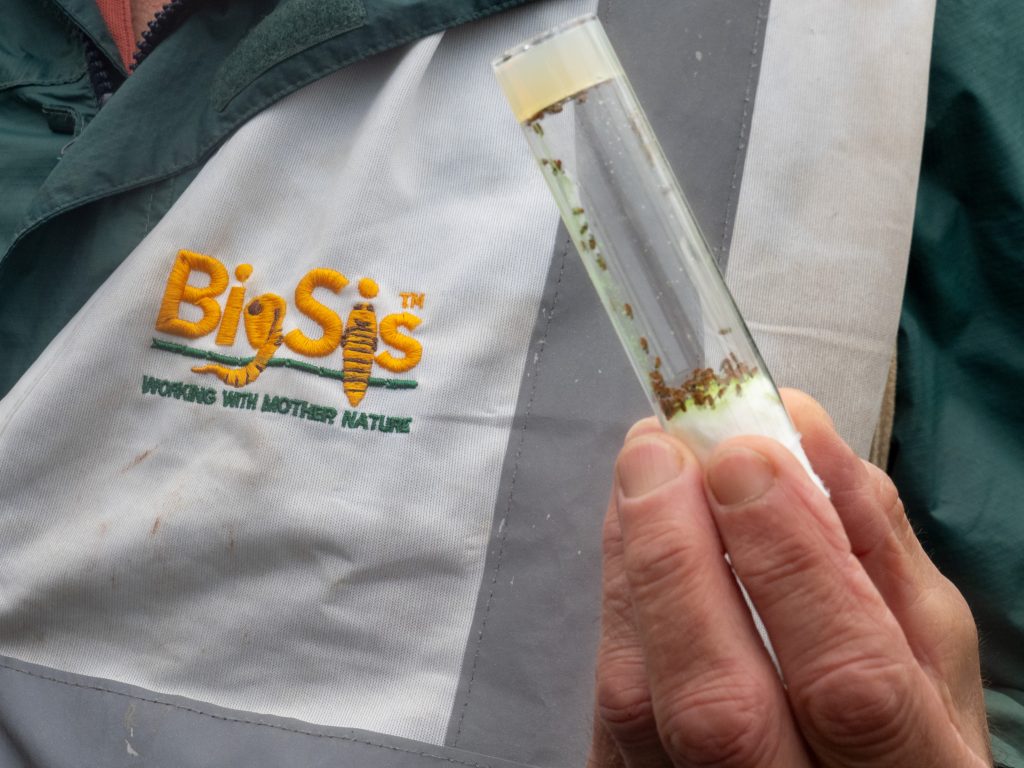
Developed by British start-up BigSis, the system – using an updated version of the sterile insect technique (SIT) – reduced numbers of the damaging adult female SWD by up to 88% compared to a conventional, sprayed control.

Funded by an international company that has been working with BigSis to validate the chemical-free solution for global use, the trials also achieved an 80% reduction in signs of SWD activity on the fruit and saw fruit waste during picking cut by more than half.

Founder

“Only two years ago we completed a world-first field trial of an SWD control solution based on SIT,” says BigSis founder Glen Slade, “with results that showed up to 91% reduction of female SWD numbers in commercial strawberries.

“To achieve such good levels of control this year, again on a commercial farm, but this time compared to industry standard insecticide use, is a vindication of SIT’s ability to provide growers with a non-chemical, non-GMO, non-toxic route to effective and affordable insect pest control.”

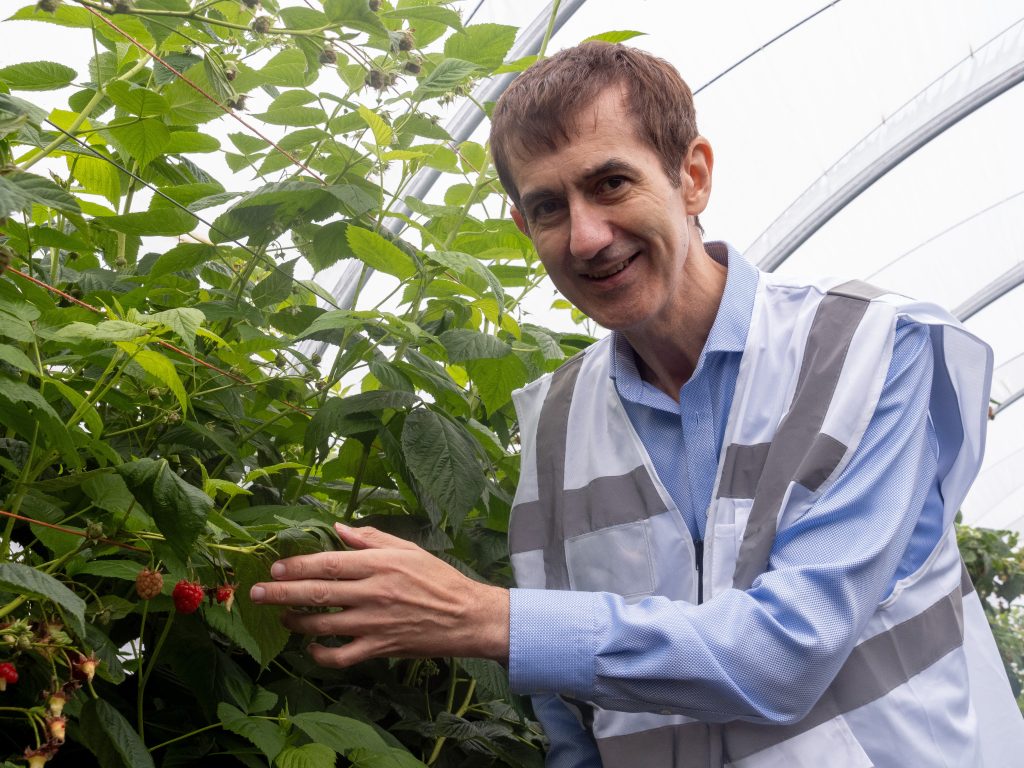
The UK trials focused on an 11-hectare field of Maravilha raspberries divided into three maturities, a common practice that allows continuous harvesting from early July to early September. In each maturity, BigSis SIT was compared to control plots that received a single spray of Tracer (spinosad). Insect traps recorded adult female numbers in each plot. The fruit waste during picking was monitored across all plots and marketable fruit were inspected for signs of SWD activity.

First deployed more than 60 years ago, SIT – which uses sterile male insects to arrest the growth of an in-crop pest population – had always been regarded as too expensive to deploy commercially.

But BigSis has revitalised interest in the technique. Its approach, which combines artificial intelligence and robotics to raise, sort and sterilise millions of male insects in an automated production facility, has effectively reinvented SIT and slashed its cost by up to 90%, making it affordable for field-by-field control.

BigSis launched its season-long insect control as a service (ICaaS) in 2023, offering growers on-farm releases of its sterile male insects.

Results

“We’re delighted with the results, as is the company that funded the trial,” enthuses Glen. “Our SIT is a zero-regulatory approach for many of the key markets in soft-fruit production, including England and four leading states in the USA.

“Effective control of SWD addresses a major global need in high-value crops, while enabling farmers to meet the expectations of regulators and consumers by reducing the use of crop protection chemicals in food crops.”

Glen Slade, Founder & CEO of BigSis, the Reading-based agtech start-up developing chemical-free insect control solutions to farmers.

Read more about BigSis Here

Gardin: FromBoer and Gardin – a case study in plant driven growing.

Member News
The views expressed in this Member News article are the author's own and do not necessarily represent those of Agri-TechE.

Pioneers Since 1968

FromBoer, a Dutch family-owned business established in 1968 and currently led by brothers Arjan and Leonard Boer, has flourished through continuous innovation. Their current 4ha facility in Dinteloord (Netherlands) is widely appreciated in the industry as a benchmark for innovation and sustainable practices.

FromBoer grows seven different lettuce varieties directly from seed and supplies fresh produce to supermarkets across Europe. However, this diversity presents a unique challenge for Leonard as each lettuce variety has its own specific needs regarding temperature, light, humidity, and nutrients. Balancing these requirements to optimise productivity for all varieties throughout the year is a complex task, even for growers like FromBoer with extensive horticultural knowledge, demanding a nuanced understanding of each plant’s preferences.

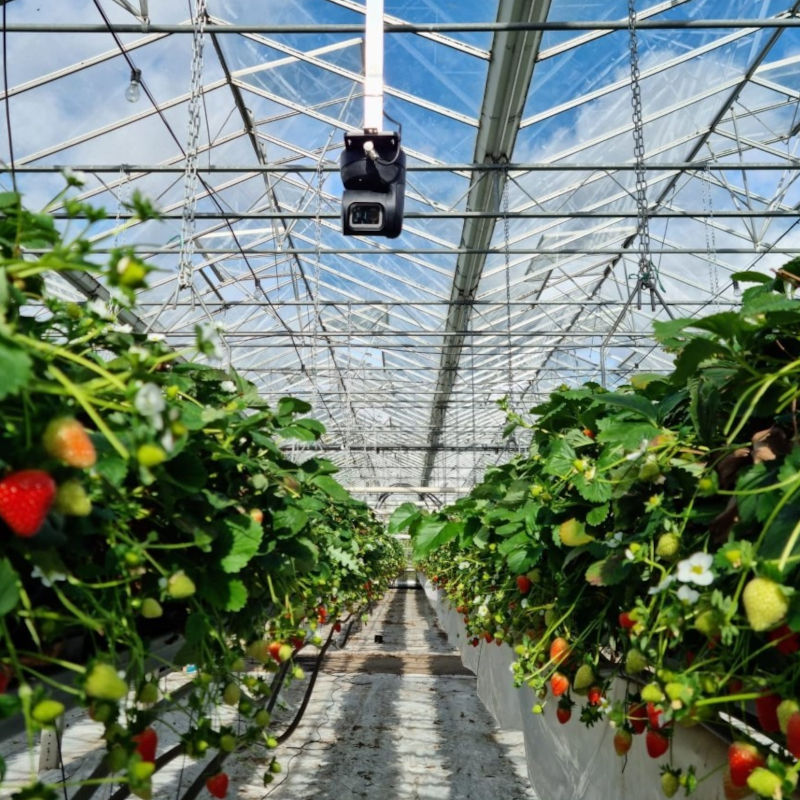
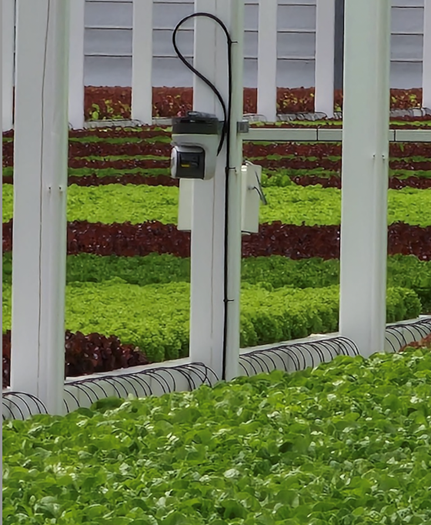
The Boer brothers realised that a significant hurdle to enhancing their farm’s potential was the lack of direct feedback from the plants after changes to their climate strategy, which delayed their ability to fine-tune for each lettuce variety effectively. Eager to maintain their pioneering status in lettuce cultivation and bridge this gap, they turned to Gardin and its groundbreaking plant photosynthesis sensor.

Read the full article here

Barenbrug Appoints New Regional Sales Manager

Member News
The views expressed in this Member News article are the author's own and do not necessarily represent those of Agri-TechE.

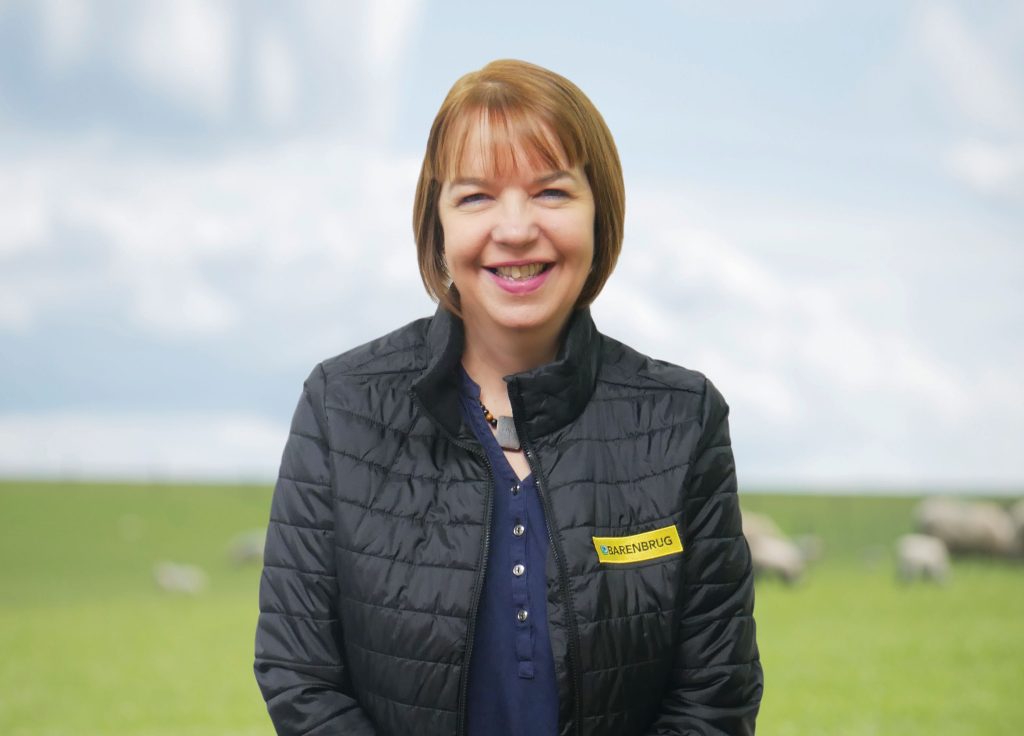
Barenbrug UK has bolstered its agricultural team with the appointment of Donna Mearns as regional sales manager for Scotland.

With 26 years of experience in the agricultural supply industry, Donna brings to Barenbrug a detailed knowledge of Scottish farming, its practices and – most importantly – its people.

“At the heart of any good business relationship lies good customer service,” enthuses Donna, “and as a ‘people person’, joining Barenbrug brings me back to a job I love doing, in a very down-to-earth way.

“I’m not one to sit behind a desk, so I’m relishing the prospect of getting out in the field and working with Scotland’s distributors, merchants and farmers.”

Donna is well-known in the Scottish agricultural supply industry, having worked for many years with the agricultural merchant Carr’s Billington, latterly as a regional operations manager. She has also served as secretary for the Scottish Seed Trade Association, a body which represents wholesale and retail Scottish seed merchants on issues relating to the herbage seed industry and in dealings with the Scottish Government.

“There’s a lot of technical knowledge within Barenbrug,” Donna notes, “and I will enjoy working with what’s a really close-knit team to build the Barenbrug brand here in Scotland.”

Barenbrug is one the UK’s largest grass-seed breeders, producing UK-bred varieties and UK-grown seed that forms the ‘backbone’ for grass-seed blends from many of the country’s leading merchants. The latest Scots-specific variety to receive endorsement from the Recommended List is Killylea, a perennial ryegrass specially selected for Scottish conditions.

Burleigh Dodds Science Publishing- Cultured meat technology: An overview

Member News
The views expressed in this Member News article are the author's own and do not necessarily represent those of Agri-TechE.

With the introduction of the cultured meat concept, the past decade has seen the remarkable rise of a new scientific field based in the food technology domain, with the potential to change our current food systems.

Burleigh Dodds Science Publishing has published a book ‘Advances in cultured meat technology’ about this subject 

Below is an abstract from one of the chapters: Cultured meat technology: An overview.

Authors: Apeksha Bharatgiri Goswami, James Charlesworth, Joanna M. Biazik, Mark S. Rybchyn and Johannes le Coutre, University of New South Wales, Australia

Published by Burleigh Dodds Science Publishing

Introduction

Cultured meat is made from animal cells grown outside an animal. The principal approach behind producing this food is based upon the idea to use cell and tissue culture techniques, originally developed for the medical science field, to grow all components of edible meat in vitro. At a minimum, this comprises muscle cells, which grow and develop into enlarged cell assemblies. Ideally, this biomass
would feature as many aspects of animal-derived meat as possible.

Briefly, the technology entails obtaining a biopsy from a live animal and growing it to the desired volume in a suitable production environment with the help of specific media to feed the development. For the creation of three-dimensionality and texture, typically a bio-scaffold is incorporated at some point during the process. The resulting material is meat, and it will have to be labelled as such. Genetically, cultured meat is identical at the cellular level to conventional meat, and in the public debate, it is also referred to as lab-grown meat, clean meat, or in vitro meat.

CellAg

The scientific and commercial domain dedicated to this innovative technology refers to itself as ‘Cellular Agriculture’ (cellAg) to highlight the idea of introducing new domestication, i.e. the scaled production of cellular material that so far had only been obtained by higher animals or plants2. The term cellAg was coined in 2015 by the New Harvest non-profit organization for animal products made without animals. The technology holds the potential to improve global food security by addressing major ethical, environmental, commercial, and public concerns.

Objectives

A key objective behind any industrial effort in the context of food is to provide food security. The emerging global food security gap necessitates the production of additional 60–70% calories by 2050, assuming a population of about 10 billion people globally3. With the intent to alleviate the burden on current food systems and to improve nutritional quality and animal welfare, the field of cellAg offers a potential solution, albeit technologically challenging to accomplish.

The technology will provide significant advantages as compared to conventional animal-based meat if the product categories are chosen well. Based upon the enclosed nature of growing biomass in bioreactors, all ingoing and outgoing material streams can be controlled.

Challenges

Still, by far the largest challenge remains scaling of the technology at an affordable cost to provide nutritious, safe, and affordable material in large and impactful quantities. Current setups and approaches are nowhere near the output of the current animal-based livestock industry.

A wealth of conceptual papers, commercial reports, and anticipated consumer scenarios are being published, although we still do not know how CellAg will live up to expectations and how the related products will be perceived. The current situation is that products will be available and even are available in minute quantities to boutique restaurants and specialty niche outlets.

Cultured meat products are being envisaged at various levels of sophistication. At the simplest level, unstructured cellular material will be available that can be diluted with water to provide for a broth or soup stock.

With increasing complexity, more texture can be introduced and minced meat or ‘ground meat-like’ structures will be available, material which at this stage already should contain additional cells or tissues such as adipocytes to provide for the organoleptic property of fatty taste or texture as well as the nutritional benefits of these cell types.

Chicken nuggets or any artificially shaped meat products from other species belong in this group as well and might be available without additional cell types. The most ambitious product form will be analogous to a meat cut. To achieve meaningful meat cut analogues, it will take considerable time and significantly more technological development.

Mimic history

The field of food science is full of examples where one material is supposed to mimic another one, from tofu-based vegetarian meat in the tenth century Song dynasty to margarine, which is designed to mimic butter, and to specific molecules that are developed to mimic the taste of salt or sugar, such as aspartame, which imparts a sweet taste.

In the cultured meat domain, it will be interesting to see if mimicking animal-based materials will be the ultimate ambition or if the derived materials will succeed to attain a food category by themselves. Why mimic animal material if you want to abandon animal-based
materials?

To make cultured meat a success story, it is not just a matter of significant advances in one technology; success is dependent on making strides in an entire technology suite if the resulting products are not just meant to serve as a gimmick in a niche market.

Read the full chapter here

Lombard Asset Finance: A roadmap for financing a regenerative agricultural transition in England

Member News
The views expressed in this Member News article are the author's own and do not necessarily represent those of Agri-TechE.


We are already in the midst of a fundamental agricultural transition, with farmers across
the country facing unprecedented levels of change and uncertainty. Farming is operating
in a system vulnerable to shocks, stresses, supply chain disruptions and price pressures,
many of which are directly caused or made worse by climate change and the loss of
nature. In the meantime, the UK remains one of the most nature-depleted countries
globally, with nearly one in six species are threatened by extinction 1. The food system is
simply not working for people or planet.

Recent polling shows that the public want to see major changes to the ways in which we
produce food, in ways that protect, not harm our nature, but actions to make this a reality
are severely lagging 2. At the same time, the UK Government has rightly recognised the
pivotal role farming will play in meeting our climate and nature goals, while continuing
to produce the food we need for a healthy and nutritious diet. Addressing the nexus of
climate, nature and food together will be the “triple challenge” of the coming decade.

Read the full roadmap here

Schneider Electric & Agri-TechE convened a workshop exploring the future of vertical farming.

Member News
The views expressed in this Member News article are the author's own and do not necessarily represent those of Agri-TechE.

Workshop Writeup: Executive Summary:

Schneider Electric & Agri-TechE

The global vertical farming industry in 2022 was worth nearly $4.2 bn and is projected to exceed $27 bn by 2030 (Fortune Business Insights, 2023). It has made significant technological advancements and inspired new thinking about the future of food production for increasingly urban populations. It has attracted significant private and public investment and has secured major capital investment to build and run extensive state-of-the-art production facilities.

Read the full report here