Patenting, Trademarks, Copyright, Trade Secrets...
In the next installment of our micro-learning series, we’ll explore potential legal solutions to help you keep your ideas safe and sound.

Lessons from the sea – Timac Agro, improving plant and animal resilience

Meet the Network
Agri-TechE
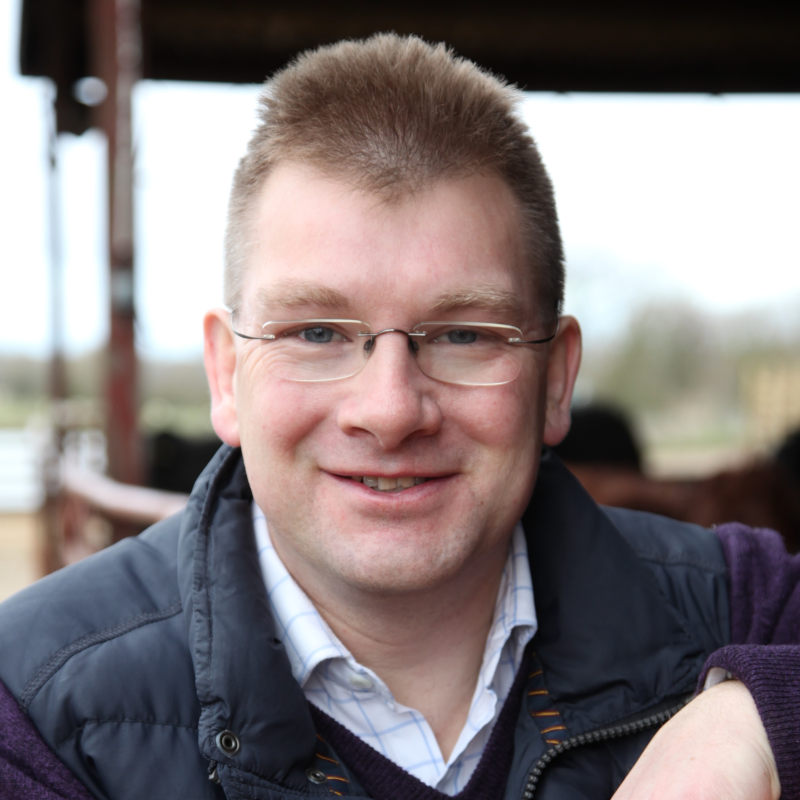
David Newton
David Newton
Technical Product Manager at Timac Agro UK

What do seaweed, lichen and moss have in common? The answer: these plants are adapted to withstand stress and to thrive. Understanding how they achieve this resilience is one strand of research at Timac Agro. The company has one of the largest privately funded agricultural research facilities in Europe and leverages this to provide innovation for the industry.

David Newton, Technical Product Manager at Timac Agro UK, says that the family run company – which was established in Saint-Malo, Brittany in 1959 by Daniel Roullier – was one of the first to see the potential of using marine calcium as a soil conditioner.

From sea to soil health

David explains: “Traditionally, Calcified seaweed is used to provide lime on agricultural land, and Roullier found a way to grind a deposit of marine calcium into a powder, called Calcimer™, to enable it to be more widely used.

“Soil pH is key to the availability of nutrients, especially phosphorus which is locked up at both high (alkaline) and low (acidic) pH. Calcimer acts a pH buffer, regulating the acidity of the soil and increasing the bioavailability of nutrients.”

These nutrients include sulphur, magnesium, boron, zinc and manganese, all of which help the crop grow, but also trace elements such as iodine, cobalt and selenium, which are crucial to livestock health.  In this way soil conditioners can increase the palatability and nutritional density of forage crop.

The company has grown organically, with over 439 subsidiaries, including the UK office, which is located within the agricultural research facility at Rothamsted.

Biostimulants are at the core of the company, which focuses on soil conditioners, plant nutrition and animal nutrition, and is always looking to provide multiple benefits from its products.

For example, new legislation came into effect in 2023 aimed at reducing ammonia emissions from unprotected urea fertilisers. This had been expected and while many in the industry have been focussed on developing a urease inhibitor, Timac Agro is developing a protection solution that not only protects Urea – reducing losses by 40-48% – but also provides a soil microbial stimulant.

Evidence for efficacy

A lack of regulation in the UK market has created some scepticism over the performance of biostimulants. This is set to change in early 2027, when new legislation is to be introduced to provide evidence of efficacy.

As Timac Agro already operates in markets where there is strict regulation, all of its products go through a rigorous testing process, similar to the UK pesticide procedure, to validate their claims.

David explains that its protected nitrogen fertilisers are a good example of this. Its phased-released nitrogen uses an organo-calcic complex to create a protective lattice around the nitrogen, binding it into the soil. Under the influence of temperature and moisture, this complex releases nitrogen at a plant-friendly rate.

The N-PROCESS molecule also releases a suite of trace elements and micronutrients which become available to the plant and increase the nutritional quality of the crop.

He says: “Research has found that the N-process molecule increases expression of a gene that makes an enzyme involved in the protein production. In effect the plant is utilising the nitrogen more efficiently so you can apply a lower rate of nitrogen without affecting performance.”

This benefit has been further evidenced with the use of root growth chambers, which can make the improved root architecture visible under a growing crop.

David is keen to distinguish biostimulants from products aimed at controlling a specific disease. In a recent trial on radish growth with Gs, it was found that improving the crop health and viability with a biostimulant also resulted in a reduction in crop damage from Black Spot. However, this was a result of greater health and vigour in the plant rather than reducing the incidence of the disease.
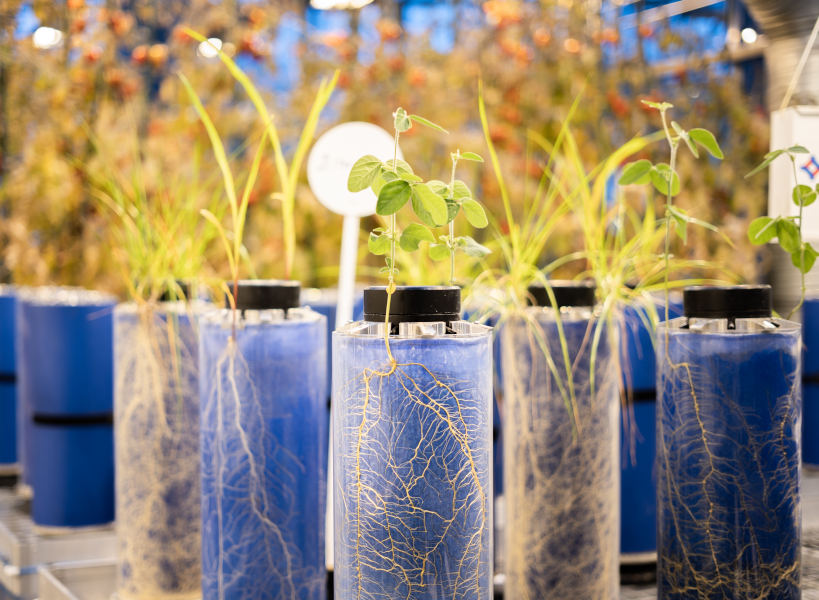

Rhizotube (credit CMI, Timac Agro)
CMI building Saint Malo (credit CMI, Timac Agro)

Left: Rhizotubes research by Timac Agro; Right: the CMI building in Saint-Malo, Brittany.
Both images courtesy of and credit to Timac Agro / CMI

Boosting beneficial microbial activity

Conditioners also boost the population of beneficial organisms in the soil, and Timac follows this approach rather than introducing microbes.

“One exception is nitrogen fixing microbes, where there can be a case for inoculation in certain conditions to enable the crop to get away faster,” David continues.

“Soil conditioning a multifaceted approach. Improving the structure means there is better oxygen flow and soils will drain better, but at the same time retain moisture in drought conditions. This also creates a more beneficial environment for the microbiome.”

2024 had a particularly wet start and David says that for several years the company has been experimenting with a starter technology, either rooting enhancement or germination enhancement or a combination of the two, to improve the conditions for microbial populations within the soils.

“The aim is to get that increased efficiency of nutrient use and the crops get away faster,” David explains.

Exciting near term and blue-sky research programmes

David continues: “Research is at the heart of what we do. We are currently reviewing the offering that we have as a group, and there are a couple of very interesting developments in the pipeline.

“Increasing shelf life is a particular focus, as an extra day of shelf life gives a huge amount of value and a reduction in waste for producers, supermarkets and end users alike.

“There is also a new generation of soil conditioners coming through that are looking at controlling the redox reaction to enhance the micro-electrical impulses throughout the soil. This has potential to improve bacterial and fungal interactions with plants, enabling further increase in the efficiency of nutrient availability and uptake.

“We’ve got a lot of development work going on in the animal health side of things looking at utilising essential oils and plant extracts to increase parasite resistance, both internal and external.

“Another major focus is reducing methane production within ruminants, and we should be making a big newsworthy announcement on this shortly.

“Looking further to the future, at Saint-Malo we have seaweed growing in one of the greatest tidal ranges in the world. It is saltwater half the time, darkness half the time, it dries out twice a day, and yet it’s one of the fastest growing plant type organisms.

“Being able to capture the natural products that confer this resilience has potential to provide a game-changing breakthrough for crop plants.”

Find out more about Timac Agro UK on the member page.

Horizon scanning at the AHDB

Meet the Network
Agri-TechE
Mike Gooding
Mike Gooding
Crop and Livestock Services and Farming Systems Director for AHDB

Mike Gooding is the Crop and Livestock Services and Farming Systems Director for AHDB. A farmer by background, he joined the AHDB a year ago, after a turbulent period in the levy board’s history, which has seen two sectors leave the board. 

With the new CEO Graham Wilkinson at the helm, and AHDB focused on delivering levy payer value, Mike’s focus is to bring a more holistic, systems-based approach to food production.

Levy payers are a diverse group including farmers in different sectors and processors such as abattoirs, millers, and maltsters, while there are many and varied stakeholders right across the industry.

We talked to Mike about the role of AHDB and his thoughts about the future.

A farmer at heart

Mike explains: “It’s a lengthy title, but what I am actually responsible for is the genetics, breeding and research of both crops and livestock, animal health and welfare, and much of AHDB’s research activities.

“I’m a farmer by training, and at heart, and have spent many years working alongside researchers and developers. My aim is to try and bridge that gap that between research and practical reality, to bring new thinking about how those things fit together, rather than sitting in defined silos.”

Horizon scanning

AHDB’s focus is four sectors: beef and lamb, dairy, pork, cereals and oilseeds. It collects a levy from operators in those areas and each sector has its own Council, which, in consultation with levy payers, determines the priorities for its sector.

Part of the remit of AHDB is horizon scanning, providing customer and market insights and an independent evaluation of what is being developed for, and supplied to, the industry.

“We are looking at where we think priorities need to lie, and where the sector councils might want to invest levy money, and that varies from sector to sector,” Mike continues. “For the livestock sectors the emphasis is on marketing activities, to ensure that as buying behaviours change, production is meeting customer needs and aspirations.

“Across cereals and oilseeds, the focus is more on research and pre-farm-gate technical improvement including efficiencies of fungicide use, nutrient uptake and performance in the variety trials.”

Mike gives the example of the newly formed R&KE (Research and Knowledge Exchange) subgroup of the Cereals and Oilseeds Sector Council. Its remit is to gather research ideas from levy payers and stakeholders, evaluate propositions, and commission research and development projects.

Recommended list

One of AHDB’s most iconic products is the Recommended List, which is celebrating its 80th anniversary this year.  This ongoing set of varietal trials provides the industry with a unique and objective assessment of new varietal performance.

The research is subcontracted to organisations like Niab, and there are technical boards around each of the cropping groups who assess trial performance. This provides the critical independence and arms-length disconnect from the commercial considerations that is a very important element of AHDB’s role and valued by levy payers.

Mike continues: “As farmers, we tend to focus on immediate problems. And I am just as guilty.  If I’m worried about fly strike in my sheep flock and there is potential for strike resilient genetics, I’d be on it tomorrow, but that might not be the most important thing for the long-term future of my sheep flock, or the sector.

“So, part of AHDB’s remit is looking at the direction of travel. We are operating in a world with changing demands on farmers. For example, it is likely we will see the withdrawal certain crop protection products, either through build-up of pest and disease resistance or through market and trading circumstances. This means that the existing arsenal of products will no longer be available to growers. It is critical that we understand these risks and work on alternatives to avoid leaving our farming businesses exposed.”

He explains that AHDB is able to provide the strategic insight that is so important to the future success of agriculture, by bringing together crop and livestock genetics, breeding, and the development of farming systems.

“Intrinsically, farmers understand the value of this,” he says. “They experience day-to-day that their farm has its own variables in soil, climate, management practices and that they are managing  a complex system that has many interacting factors.

“However, understanding that these variables always exist and that one ‘blueprint’ cannot relate to all, is not always obvious to those working in R&D that are new to agriculture. So, it is vital to communicate the wider context that new ideas and the opportunities have to operate in.

“I think this disconnect contributes, in part, to the void that people talk about between research and the practical application. Addressing this is part of my role, so in addition to the technical development activity AHDB also has engagement teams to help disseminate this knowledge.”

Mike Gooding on-farm
Mike Gooding - cattle

Q&A with Mike

Q. How do you think the Recommended Lists will evolve, for example do you see the wider use of molecular methods for assessing genetic differences? Also, in the move towards regenerative farming are priorities changing? Is returning a reliable yield under adverse conditions becoming more important than a high potential yield in perfect conditions?

A. We are sitting on a massive bank of data from varietal trials over the last 80 years. We are exploring how we might make greater use of data and new data techniques may well help.

The principles of the RL as an independent assessment are not going to change. As a farmer there is nothing quite like a field trial in your area to give you a clear indication of performance. But these trials are a big investment, so other tools for determining genetic potential are being investigated in parallel.

Additionally, although there will always be a need for the baseline and consistency provided by the RL, many levy payers would like to take the data and evaluate it in their own farming scenarios. For example, a sort of ‘RL plus’ for those moving to a lower input system. We are working on those elements.

So yes, I can see us extending and developing the RL data, benefiting from a greater understanding gained from new science, particularly around data modelling.  This will enable us to extract greater value from this resource. If we can use the levy budget to apply the data to more farming situations, then that would be an obvious direction of travel.

Q. At Groundswell earlier this year, one of your colleagues was discussing consumer insights and the difference between what consumers say they want – high animal welfare, lower environmental impacts – and what they actually buy. A member of the audience suggested that rather than adding a premium to products that have been produced more sustainably, wouldn’t it be better to introduce a carbon tax for the others, particularly imports?

A. I have great empathy with the principle that if your domestic production is required to meet a certain standard, you shouldn’t allow products to come into that market that don’t meet the same standards. International trading arrangements are riven with political challenge.

I can see a scenario in the future where we effectively have a licence to farm and if you don’t meet certain standards, you don’t farm.

That said, there is a fundamental difference between what is required as a base level of standards and what I, as an individual farmer, may aspire to in order to generate added value and attract a premium price.

Q. Looking to the future, do you think there is a need for a ‘land use strategy’?

A. There are over 8 billion people on the planet who are only alive because they eat.  As a farmer, I think it’s very humble to produce food to feed humanity, and I think we should be very proud of that.

Looking to the future, the pressure on us as food producers to feed society are going to become even greater and we’re going to have to consider how we deliver the nutrition society needs.

All I would observe is the needs of someone who hasn’t eaten for three days are very different from those who can afford to waste 30% of the food they buy each week.


To join us at REAP 2024, book your tickets here.

Celebrating Agri-TechE Week 2024!

Meet the Network
Agri-TechE


Agri-TechE Week 2024 celebrated its 11th year – our largest yet, featuring eleven events curated by Agri-TechE and hosted by our incredible member community. The week exemplified innovation, collaboration, and forward-thinking in agri-tech. The week showcased exciting developments and latest thinking in agriculture-related research and farming practice, through a dynamic mix of events, workshops, farm visits alongside Agri-TechE ‘s flagship REAP Conference.
Each event reflected the strength of our ecosystem, fostering vital connections between growers, researchers, and technology developers.

Thank you to our members for hosting and making Agri-TechE Week possible and showcasing what our community can achieve.

Check out all the events that took place across the week

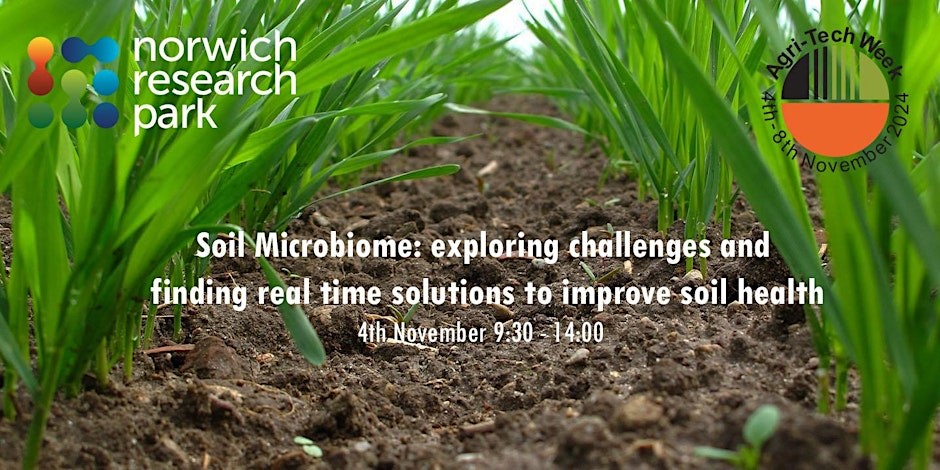
#Soil Microbiome: exploring challenges and finding real time solutions

A creativity workshop to develop in-field solutions assessing soil health and microbiome activity.

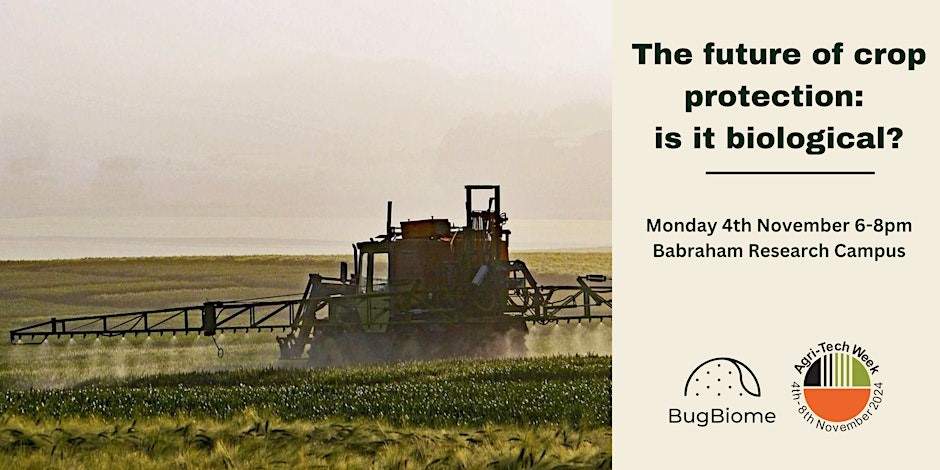
#The Future of Crop Protection: Is it Biological?

Roundtable discussion diving into biological technologies feat. a series of start-ups in the space.

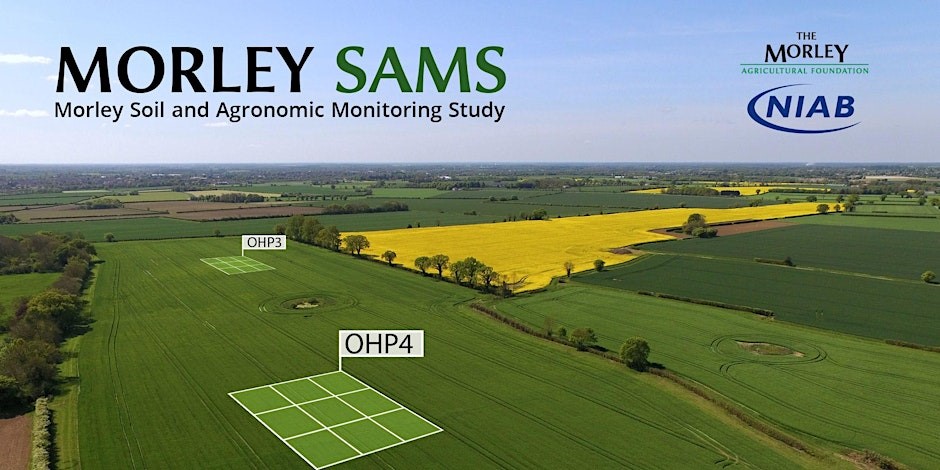
#Discover the Morley Soil and Agronomic Monitoring Study (SAMS) Project

Featuring a farm tour and insight into best monitoring practices across farms. Spade was useful!

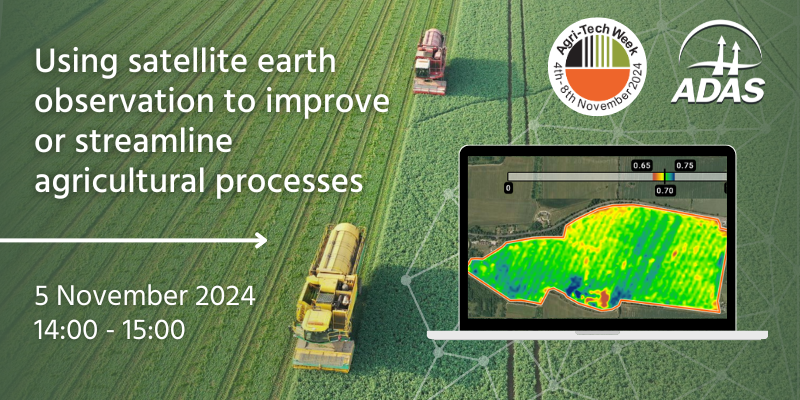
#Using satellite earth observation to improve or streamline agricultural processes

Online session of practical case-studies supporting agricultural services using satellite data from ADAS.

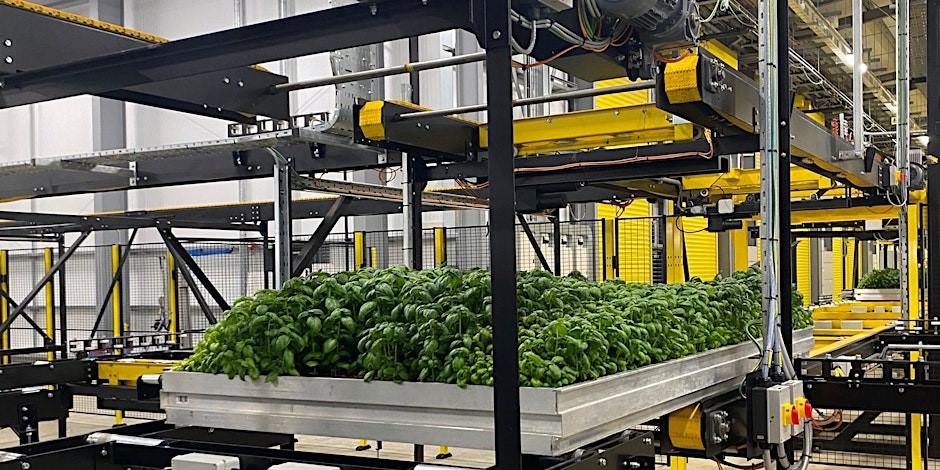
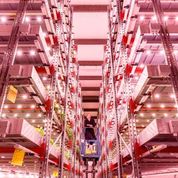
#Can Vertical Farming help feed the world?

Farm walk at Fischer Farms vertical facility and an overview of the Broadland Food Innovation Centre.

#REAP Conference: The Agri-TechE Balancing Act – Optimising One or Managing Many?
Agri-TechE ‘s flagship conference that unites the ecosystem around agriculture innovation.
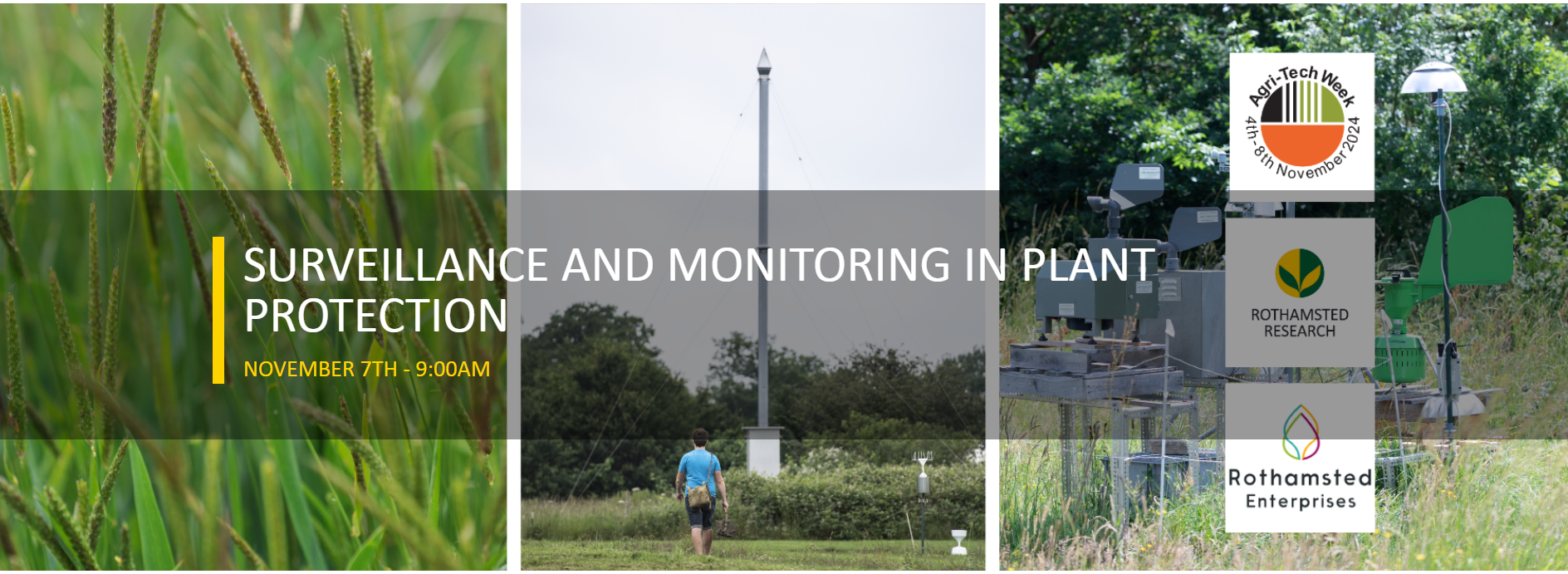
#Surveillance and Monitoring in Plant Protection

An insightful seminar, where experts discussed innovative strategies to protect crops from diseases, pests, and weeds.

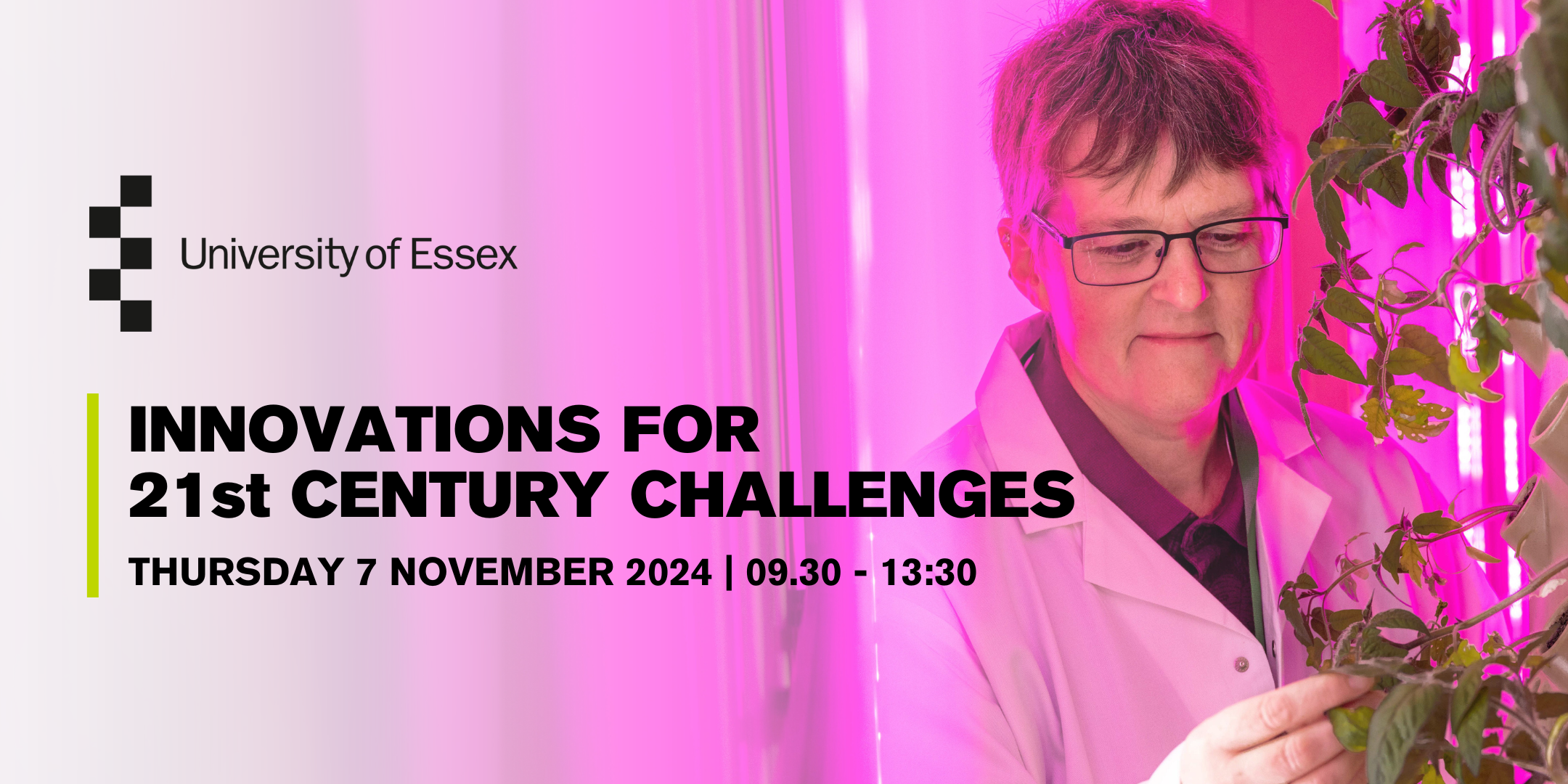
#Innovations for 21st Century Challenges

Tour of the brand new STEPS facility and discovery of the world-class research at the University of Essex.

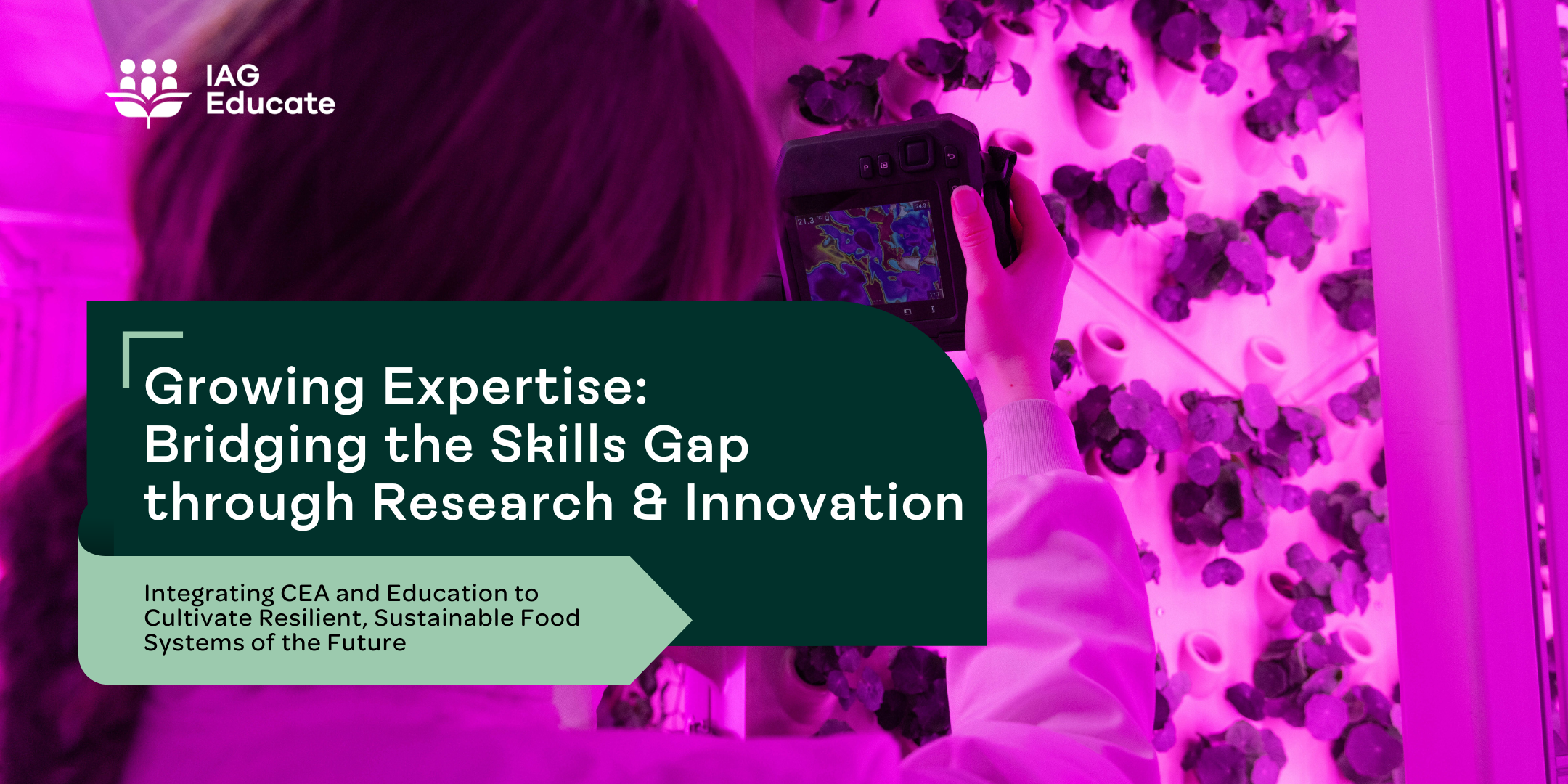
#Growing Expertise: Bridging the Skills Gap through Research & Innovation

Innovation Agri-TechE Group hosted a discussion around the pressing skills gap in agritech, integrating CEA and education to Cultivate Resilient, Sustainable Food Systems of the Future.

#Transition to a sustainable future

Visited Sustainability Farm and saw first hand sustainable agriculture in practice and how we can transition to a more innovative and technology-driven farming system.

#Can Regenerative Agriculture get us closer to Net Zero?

Niab hosted a seminar exploring the role of regenerative farming in the UK.


Soil Microbiome: exploring challenges and finding real time solutions
Monday, 4th November (Basis/Basis EAR/NRoSO - 3 points)

A half day workshop hosted by Anglia Innovation Partnership LLP took a creative format for academic researchers, farmers and industry professionals to jointly explore challenges and develop innovative real-world solutions related to soil microbiome and soil health. This event explored the needs, challenges and key parties involved in developing ground-breaking technology for assessing soil conditions and microbiome ecosystem in real-time outside the confines of a laboratory setting.

Read a summary of the event.

The Future of Crop Protection: Is it Biological?
Monday, 4th November (Basis/NRoSO - 2 points)

This event was for farmers, growers, agronomists, entrepreneurs, and researchers utilising or developing new technologies in crop protection. It aimed to enhance understanding of biological solutions and broader integrated crop management, offering networking opportunities over a hog roast with like-minded people, and contributing to the progress of crop protection practices.

Read a summary of the event here.

Discover the Morley Soil and Agronomic Monitoring Study (SAMS) Project
Tuesday, 5th November (Basis CPD/Basis EAR/NRoSO - 3 points)

A farm tour and roundtable discussion to understand how best to monitor soils across farms, gain insights into the datasets generated, and see how Morley SAMS is supporting projects that improve our understanding of soil and crop interactions across space and time.

Read about the day here.

Transition to a sustainable future
Tuesday, 5th November (Basis CPD/Basis EAR - 3 points)

This event explored the challenges in agriculture, with a particular emphasis on sustainable agriculture and the transition to a more innovative and technology-driven farming system. As the global population continues to grow, it is essential for the agricultural sector to evolve, ensuring maximum yields and economic viability for farmers while adopting sustainable practices that benefit our environment. The event presented practical solutions and strategies to address current agricultural challenges and featured engaging interactive sessions and discussions.

The event took place at Sustainability Farm, the Grange, Wellingborough, where BASF has been partnering with William and Andrew Pitts, for over 15 years, and where attendees saw first-hand how to create a resilient agricultural system meeting the needs of a growing population while safeguarding our environment.

Read about the event here.

Using satellite earth observation to improve or streamline agricultural processes
Tuesday, 5th November (Basis CPD - 1 point)


This online event focused on how satellite earth observation data can be used to support agricultural services. It provided attendees with an understanding of satellite data and some examples of how it could be/has been used in agriculture.

Read a summary of the event.

Can Vertical Farming Help Feed the World?
Tuesday, 5th November (Basis/NRoSO - 2 points)

An RNAA Agri-TechE Week event where attendees viewed Fischer Farms, along with an overview of the Broadland Food Innovation Centre at the Food Enterprise Park.
At Fischer Farms, they are creating the farm of the future. And it’s vertical. They are innovators and pioneers in vertical farming, leading the way in scalable food production to provide a more resilient and sustainable way to feed the world.

Read a summary of this sold-out event.

REAP Conference: The Agri-TechE Balancing Act – Optimising One or Managing Many?
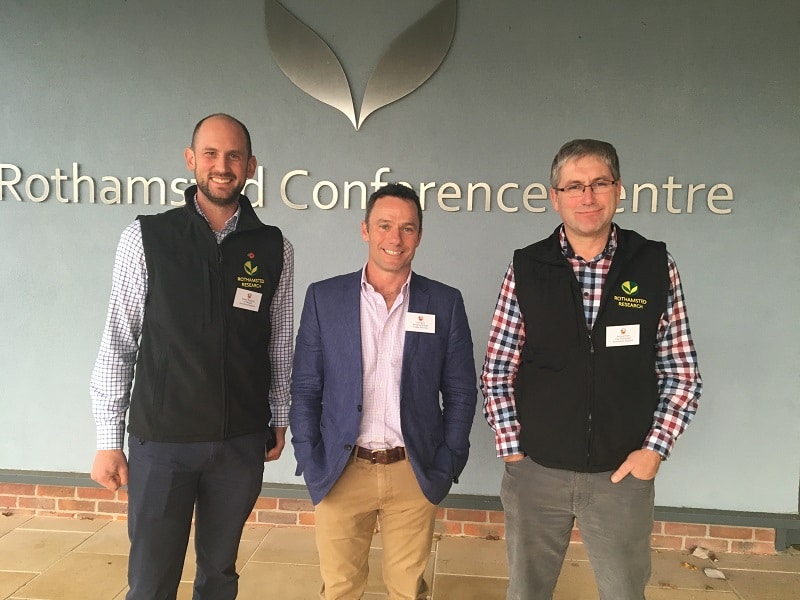
Wednesday, 6th November (Basis/NRoSO - 5 points)

Celebrating its 11th year, the REAP Conference is a cornerstone of the UK’s agri-tech event calendar. By putting farmers at the heart of the discussion, REAP helps delegates navigate the demands of 21st-century agriculture by reframing challenges to inspire new ideas and identify innovative solutions. Agri-TechE ‘s biggest event of the year attracts farmers, researchers, innovators, tech developers and investors, government officials and agribusiness leaders from across the UK and beyond.
Optimise one or manage many? Attendees of REAP 2024 learned that, in the future, both might be possible with new technologies powered by artificial intelligence.

Read our REAP round-up from the day.

Surveillance and Monitoring in Plant Protection
Thursday, 7th November (Basis/NRoSO - 3 points)

An insightful event blending learning and networking where experts discussed innovative strategies to protect crops from diseases, pests, and weeds.

A seminar covered the latest advancements in Surveillance and Monitoring in Plant Protection, featuring early detection techniques for better management, insect monitoring and control with sustainable solutions, as well as weed management tools to identify and control harmful weeds.

The event also included an interactive breakout session and pitches featuring companies based at Rothamsted Agri-tech Business Centre showcasing innovative technologies and real-world applications.

Read a summary from the day here.

Innovations for 21st Century Challenges
Thursday, 7th November (Basis/ Basis EAR - 3 points; NRoSO - 2 points)

What innovative solutions are driving efficiency in energy use, enhancing nutrition, tackling labour shortages, and increasing productivity in all growing environments from controlled-environment agriculture (CEA) to field? This event included a tour of the brand-new Smart Technology Experimental Plant Suite (STEPS), a multi-million pound facility designed to expand the already world leading research that takes place within the Essex Plant Innovation Centre (EPIC).

Hear about the day’s event here.

Growing Expertise: Bridging the Skills Gap through Research & Innovation
Thursday, 7th November (Basis/Basis EAR - 3 points; NRoSO - 2 points)

A visit to the newly installed vertical farm at the University of Essex and discussions into the role of vertical farming and controlled environment agriculture (CEA) in achieving a sustainable food production system – and how university research can help to accelerate its development in the 21st century.

There were live demonstrations of vertical farming technologies, and a discussion on addressing the skills gap in agri-tech.

Read summary from the day here.

Can Regenerative Agriculture get us closer to net Zero?
Friday, 8th November (Basis/Basis EAR/NRoSO - 3 points)

The regenerative agriculture movement has largely grown as a result of a focus on the importance of soil health to support farming system resilience. The focus has widened to include regeneration of biodiversity as well as a rediscovery of the role of biological cycles, alongside targeted use of inputs to support high-quality food production. It was therefore timely to explore the role of regenerative farming in the UK in the context of both adaptation of food systems to climate change and their role in the achievement of net zero.

Experts reflected on the issues and attendees discussed the next steps needed and what roles all stakeholders might play.

Read a summary from the day here.

Regen is the catalyst for novel collaboration, says Phil Taylor of Bayer

Meet the Network
Agri-TechE
Phil Taylor
Phil Taylor
Director of Ecosystem Development for Crop Science R&D at Bayer

“If you can plant an over-winter cover crop that protects the soil, sequesters carbon and builds soil health – and then sell it as a cash crop as low-carbon aviation fuel – it would immediately boost the productivity and profitably of a farm looking to use regenerative principles.”

The need to create these types of propositions, which involve the whole value chain and support the evolving needs of agriculture, has changed the business model for agribusinesses, according to Phil Taylor, Director of Ecosystem Development for Crop Science R&D at Bayer. Phil will be participating in the Supply Chain Panel at REAP 2024.

Regen-ag as a catalyst for change

Phil is part of Bayer’s External Innovation and Partnerships team, based in the St. Louis Agtech Cluster, a vibrant community of R&D organisations and research institutes in Missouri. Together with BioSTL, Bayer has recently created the Regen AgriFood Coalition in the Heartland (ReACH) to help global agrifood corporations meet their net-zero carbon and sustainability commitments through novel collaborations and partnerships.

Phil sees integrated value chains as the future and argues that the days of simply selling seeds, traits and synthetic chemistry are long gone, saying that regenerative agriculture is a catalyst for change.

“The world of agriculture has become more complex and there is greater need for cooperation, decision support and targeted interventions. If industry doesn’t have a value proposition for the farmer, then it is not going to happen. We can have all the tools and technologies, but if at the end of the day it doesn’t fit the farming business model it’s being plugged into, it’s not going anywhere.

“As an industry, we have spent the last five years recognising that we need to work together, and the next ten years will be about how to make the whole system sustainable and self-supporting. To achieve this, we need to find new ways of partnering.”

The impact of biologicals

Traditionally, Bayer has been seen by early-stage companies and academic entrepreneurs as a potential customer for a trade sale or acquisition of intellectual property (IP). The emergence of biologicals – active ingredients based on naturally occurring products – has changed that dynamic.

Phil explains: “Until recently, major innovations in traits or chemistry coming to the market needed a very heavy lift from a regulatory or product development perspective, and only the big guys had the firepower to deliver.

“Now the innovation landscape in agriculture is so much broader, with much more opportunity for smaller companies to contribute and stay part of the bigger story.

“With biologicals, we saw a mass of startups coming through with novel collections, screening capabilities and such, so the decision was made to lean into our strengths in development and integration.

“The result is we now take a licensing and partnership approach to the early research and let the experts drive it. We can come in with our leadership in product development and regulation and help get it out the door.

“Biologics are not going to totally replace synthetic chemistry; it’s really more working with others to increase the options and tools in the toolbox.”

First bioinsecticide for cabbage stem flea beetle

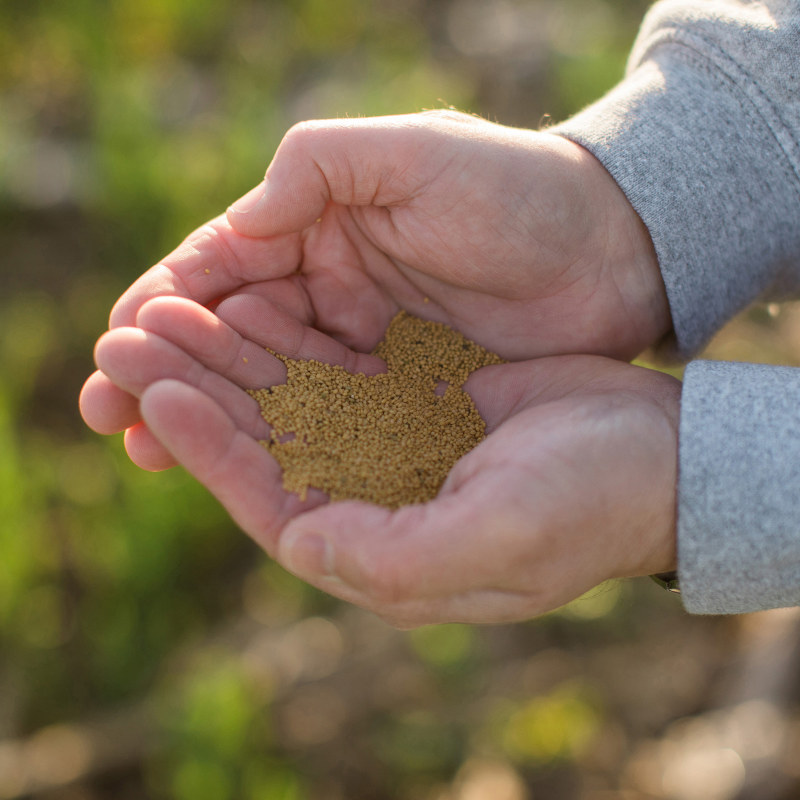
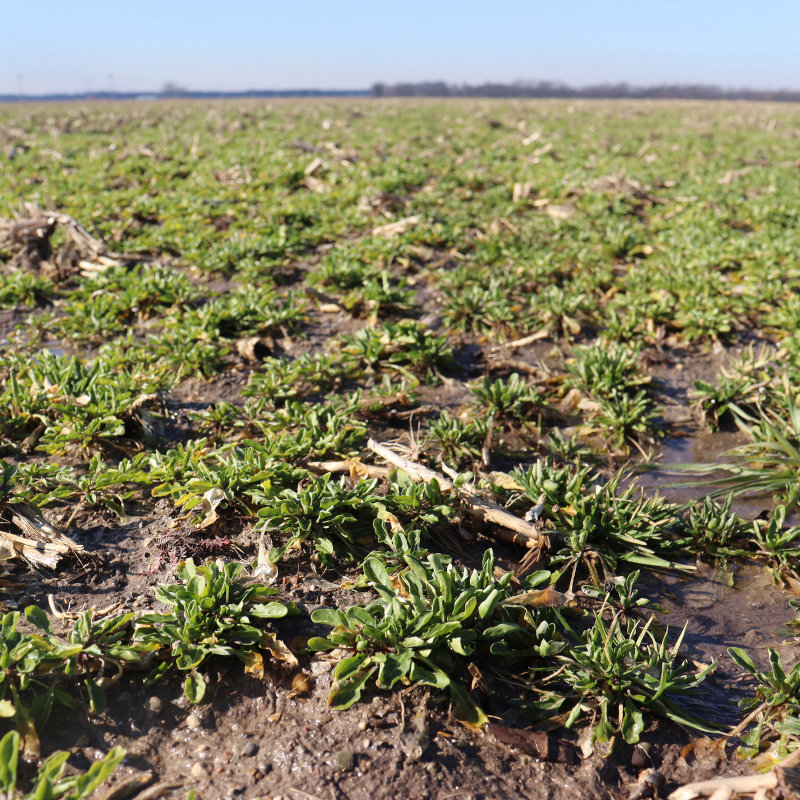
Phil gives the example of Bayer’s support for the UK early-stage company AlphaBio Control. The company has made a bioinsecticide that can target cabbage stem flea beetle in oil seed rape. Rapidly creating a potential solution to a crop devasted by the removal of inorganic pesticides a few years ago.

“With the regulatory challenges, a GMO trait would only have been viable for crops that were going to work on tens of millions of acres in somewhere like the US or Brazil.

“Biologicals are much more targeted, and the timescales are shorter than developing a resistance trait. This means that, even if the size of the potential market is smaller, a biologic can be profitable where a trait or a synthetic chemistry wouldn’t make sense.”

Bayer
AlphaBio Control

Bringing expertise in test and evaluation of agri-tech

The organisation is changing its business model to become an active player within global innovation ecosystems, such as Agri-TechE , which are seen as a ‘hot spot’ of innovation.

Phil continues: “Across the world there are these global innovation hotspots – the Agri-TechE ecosystem is clearly one of them – where we see opportunities for Bayer to contribute and become part of the ecosystem.
“As a company with an international footprint and knowledge of global regulations we have lots to bring to the table. My job as part of the External Innovation and Partnerships team is to find, identify and build partnerships. These can be anything from supporting studentships to building consortia, from licensing IPs to funding collaborations.

“The key challenge with early-stage companies is how they scale. It’s super cool to see what organizations like Innovate UK and UKRI are doing to support innovation – but it is not particularly sustainable, and we see this in the US too. Often, there is too much kindling and not enough firewood.

“This is one of the reasons we have set up ReACH. The ‘H’ is for ‘heartland’ as we are in the US Midwest and working with partners up and down the value chain. The aim of the consortium is to evaluate and test technologies in a consolidated way and, where appropriate, help get them to market,” explains Phil.

New models needed for scale-up

The commercialisation pathway for agri-tech – to ensure resource is targeted at meeting market needs – needs fresh thinking, according to Phil.

“From the outset there needs to be clear line of sight for both the innovative value proposition and the grower value proposition. Otherwise, we’re going to have some awesome innovations that will not get taken up.

“The analogy I draw here is from the pharmaceutical space, where there’s a very clear roadmap for drug discovery and you can clearly identify the stage of the innovation. Everyone understands what that means, including the expectations around spend, funding, needs, etc, and can provide the right support so that people can get it done.

“Almost everything is boutique in that sense – sometimes you need a Rolls Royce and other times a Volkswagen. The trick is having the options and clarity of objective.

“Scaling becomes a conversation of the role of government and private equity, and there is an ongoing debate about the best models, but we also see a role for large corporations.”

Agri-TechE led a mission to the St Louis AgCluster in 2021
St Louis, Missouri

Agri-TechE led a mission to the St Louis AgCluster in 2021. Left to right Tim Nowak (Executive Director, World Trade Centre STL), Sam Page St Louis County Executive), Belinda Clarke (Director, Agri-TechE ), Alan Gogbashian (Consul General, Chicago), Mark Sutherland (former CMO, Missouri Partnership)
Novel collaborations creating innovative solutions

CoverCress is a St. Louis-based start-up that has genetically improved pennycress – a weed in many Midwest states – to provide an oilseed crop that has been grown as a cover crop. Phil cites this external innovation as delivering critical new value to farmers, offering all the benefits of carbon sequestration and soil management while being harvested and sold as a bio-oil in the spring, leaving the ground available for the main commodity crop.

“The development has taken about ten years and has been supported with patient investment from our growth ventures organization.

“CoverCress exited through an acquisition, which was a very novel partnership between Bayer, who has a majority stake, Bunge and Chevron to create a renewable fuel from a low carbon feedstock.

“It is the first time that I have seen different parts of the value chain coming together to do something like this. Bayer is excited about it from a seed and an input perspective, Bunge was excited about the technology as they’re a processing company, and Chevron of course wants it for sustainable aviation fuel.

“A novel crop, a novel technology, a novel farming practice – and a completely novel partnership. Very cool and right here in our backyard in Saint Louis.”

The new CoverCress™ cash crop has the potential to decrease nitrogen loss, help store carbon in the soil and improve soil health.
The new CoverCress™ cash crop has the potential to decrease nitrogen loss, help store carbon in the soil and improve soil health. ------- Die neue Zwischenfrucht CoverCress hat das Potenzial, Stickstoffverluste zu verringern, die Speicherung von CO2 zu unterstützen und die Bodengesundheit zu verbessern.
The new CoverCress™ cash crop has the potential to decrease nitrogen loss, help store carbon in the soil and improve soil health.

The new CoverCress™ cash crop has the potential to decrease nitrogen loss, help store carbon in the soil and improve soil health. Images credit: Bayer AG.


Phil Taylor will be featuring in our Supply Chain panel at REAP Conference 2024: The Agri-TechE Balancing Act – Optimising One or Managing Many?
Wednesday 6 November 2024, 9:30 am – 6:30 pm
Rowley Mile Conference Centre, Newmarket

reapconference.co.uk


Increasing profit margins with precision livestock

Meet the Network
Agri-TechE
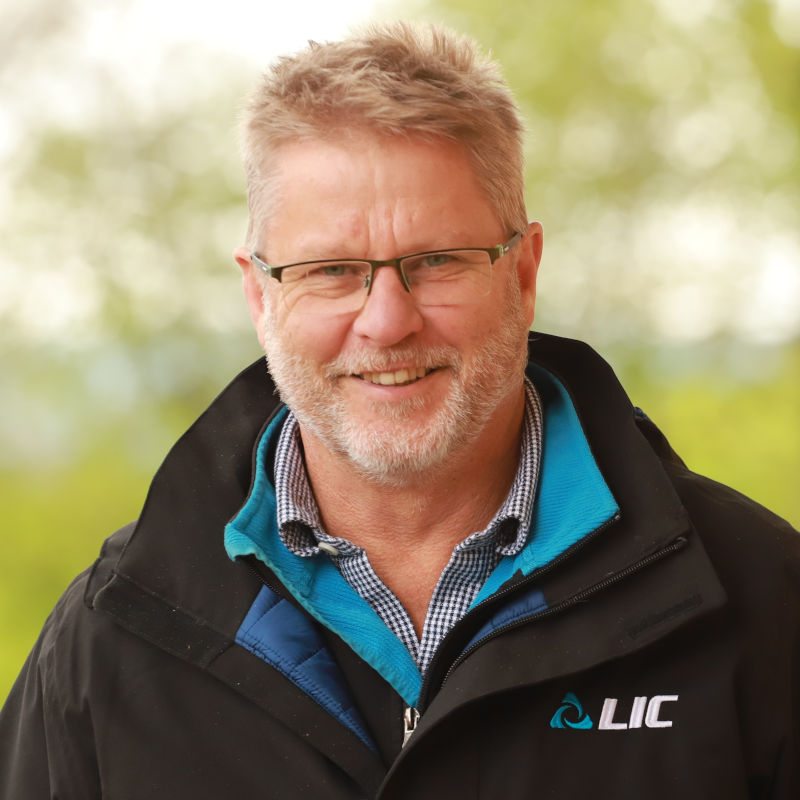
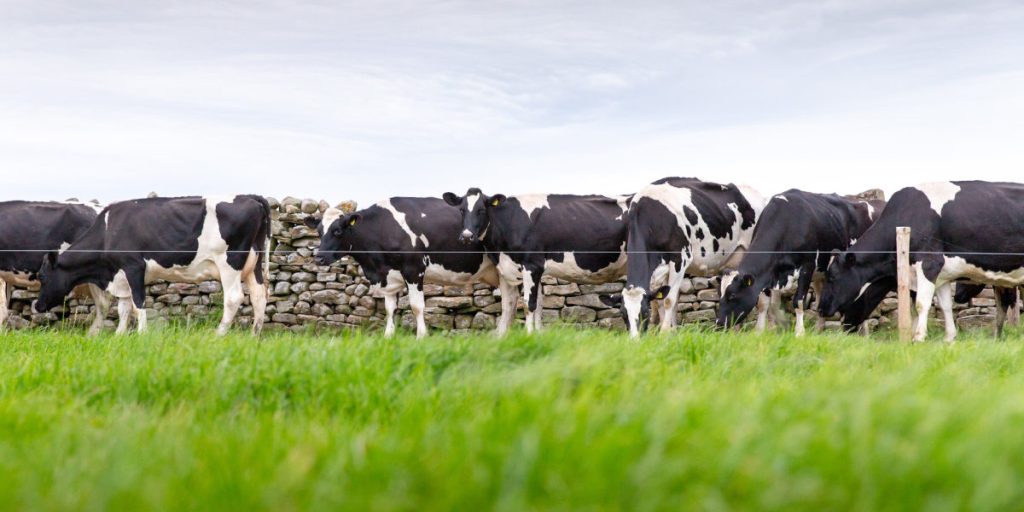
The New Zealand owned company Livestock Improvement Corporation UK Ltd (LIC) is no stranger to precision livestock. “We have been measuring the performance of cows for over 100 years,” explains Mark Ryder of LIC. “The core of the business is dairy genetics and data, and we use that information to help farmers make the best breeding decisions.”

As a small country with no subsidies, New Zealand farmers need to lower the costs of production and be as efficient as possible in order for their exports to compete on a world stage.

So, as a farmer owned cooperative, the focus at LIC is on careful management of grassland, including the use of satellite technologies, to reduce the cost of supplementary feeding and improved genetics, to reduce environmental impacts, cut waste and increase resilience to adverse conditions.

Mark Ryder, LIC
Mark Ryder, LIC

It was LIC that introduced the ‘NZ Controlled Grazing’ system to the UK. It focuses on growing high quality grass through well-managed grazing and utilisation.

The system has been widely adopted by dairy farmers keen to increase profit margins on the supply of milk to the UK’s 65M consumers each day.

However, Mark explains that to be successful this system takes effort, measuring and recording. The company is looking to automate this process with Satellite Pasture Measurement.

“The NZ farmers are already using Satellite Pasture Measurement and we are in the last stages of trials in the UK to adapt the algorithms to local conditions. The satellites pass over the farm every day and measure how much grass is on your farm. It sends you an image along with an estimate of growth rate. This can direct you where to graze next and which paddocks can be cut for silage.

“Any producer with access to grass is trying to increase the proportion of grass in the diet, so we are talking to beef farmers as well as dairy and looking to roll out the system across Scotland, Ireland, and France.”

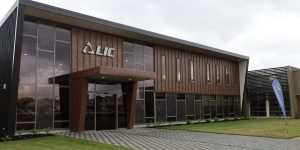
LIC Newstead

LIC was developed by farmers for farmers and an important element of this is the peer mentoring ‘Pasture to Profit’ discussion groups, which ensure the company is literally in touch with its grassroots.

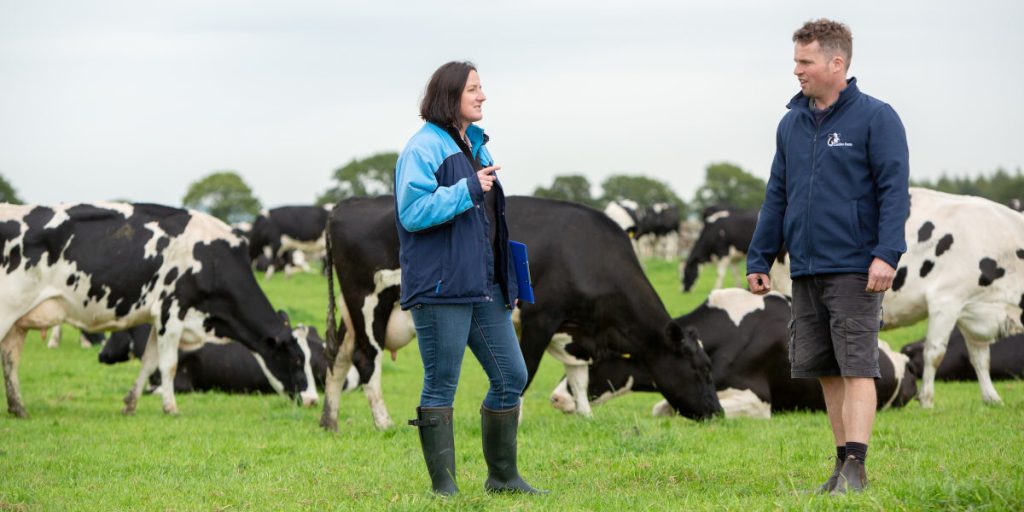
There are 8 -20 farmers in each group, and they meet up on a member’s farm. A lot of ideas come out of the group. An LIC consultant facilitates the meeting and goes through any of the technical issues that come up, as Mark explains.

“Most of the guys we work with are making a good living out of farming because of the approach they’re taking. These are early adopters of technology, so anything that makes it easier to get staff, improve work/life balance and that has a financial payoff they’ll invest in pretty quick.

“But they are very conscious of cost benefit analysis of purchases they make; it needs to deliver profit and that is their focus.”

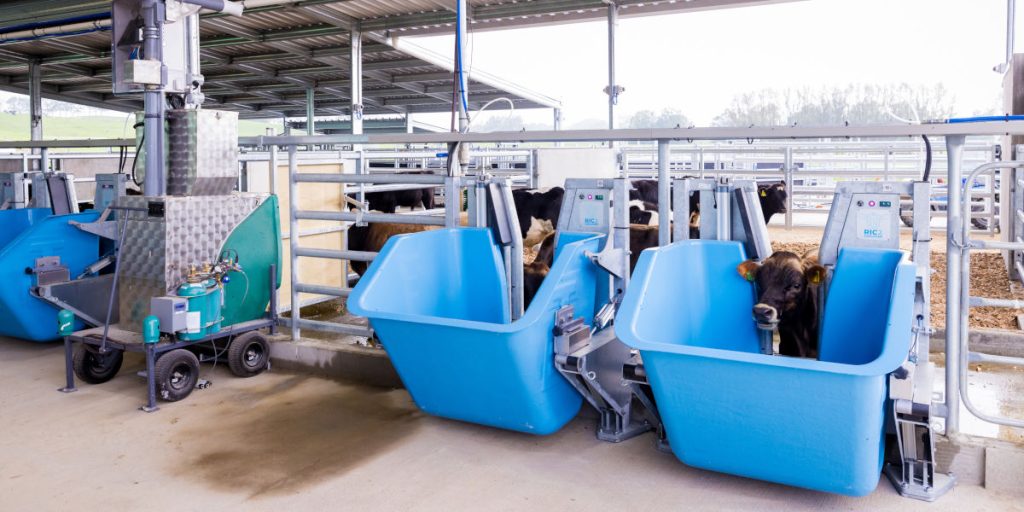
“The big thing at the moment is investment into collar technology to help detect oestrus. These smart collars are finally doing what has been promised for years and managing fertility is vital. You need to have a cow calving every 365 days to coincide with grass growth.

“It is not just investment in collars but also the systems that are enabled by them, such as sorting gates and automated data collection.”

Castiles Farm
Castiles Farm

LIC has its own team of scientists working alongside government agencies. This includes a trial to see if they can genetically improve a herd to reduce methane emission and nitrate excretion. The trial has revealed a big difference between the best and the worst performing bulls and these two extremes have been used to create heifers and monitor them through a couple of lactations.

“There are many claims of environmentally efficient genetics but very little science behind it,” Mark continues. “This trial will be one of the first to provide that, as the feed intake and outputs are being measured in a controlled environment.”

Mark expects the results to be released shortly as the calves are coming up to a year old and will be mated in August – October 2024.

Methane barn - Chudleigh farm
Methane barn at Chudleigh farm

Global warming increases the stress on cattle and another LIC project is determining the role of the SLICK gene [see lic.co.nz/news/meet-new-zealands-coolest-cows/].

Mark continues: “Our scientists discovered the SLICK gene sort of by accident.  The offspring of one of the bulls we had bred were under heat stress, and kept trying to cool off in the water troughs.

“We found it was caused by a genetic mutation and that led to the discovery of the SLICK gene. Cattle with this gene have a fine coat and lower internal temperatures. So, they can handle the heat, but their milk yield was low.

“We are trialling the development of high index bulls, that can pass on the SLICK gene without compromising the yield. This is attracting a lot of interest in the UK and Europe.”

“Going forward, there’s a lot of focus in New Zealand, and up here as well, around recording environmental information, just to make sure that we’re reducing impacts on the environment with what we’re doing.

“As we have seen with the SLICK gene, you need to look at the big picture and not optimise for just one thing.  This needs good scientific data, that is objective, and has multiple sources.

“The biggest challenge, I think, is that farmers being pushed to make decisions that aren’t based on scientific modelling of outcomes.

“Our approach of supporting independent science with real world trial, aims to provide that rigour for our farmer-base.”

Castiles Farm LIC

All images courtesy of LIC.

Greenstalk’s smart bird scarer overcomes the curse of the woodpigeon

Agri-TechE Article
Meet the Network
Agri-TechE
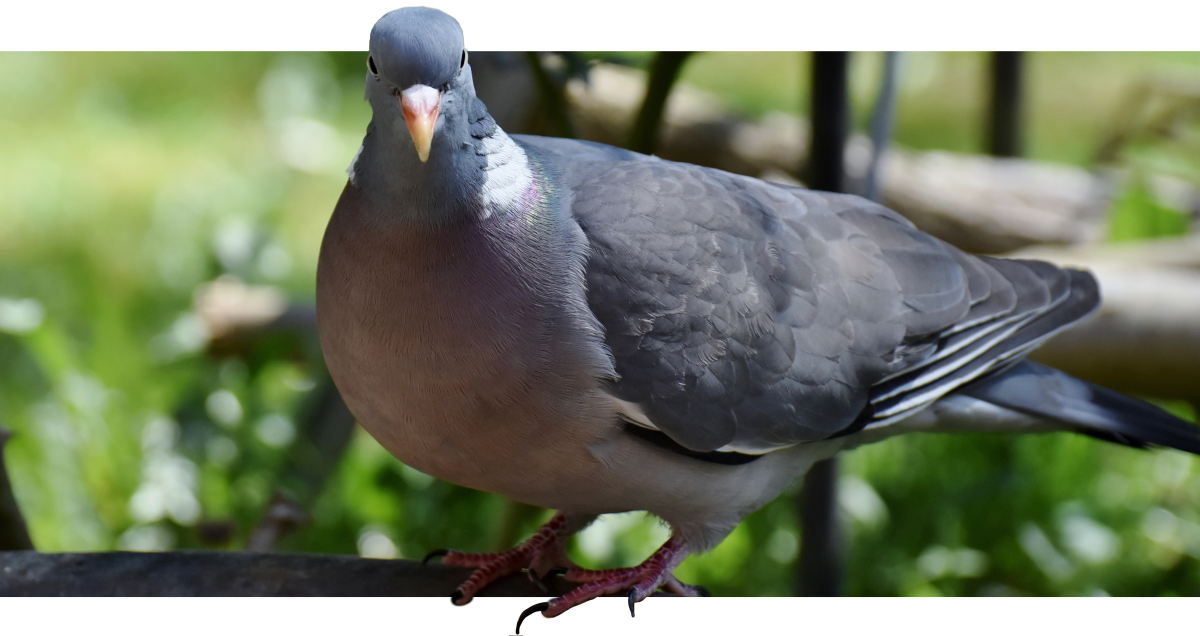
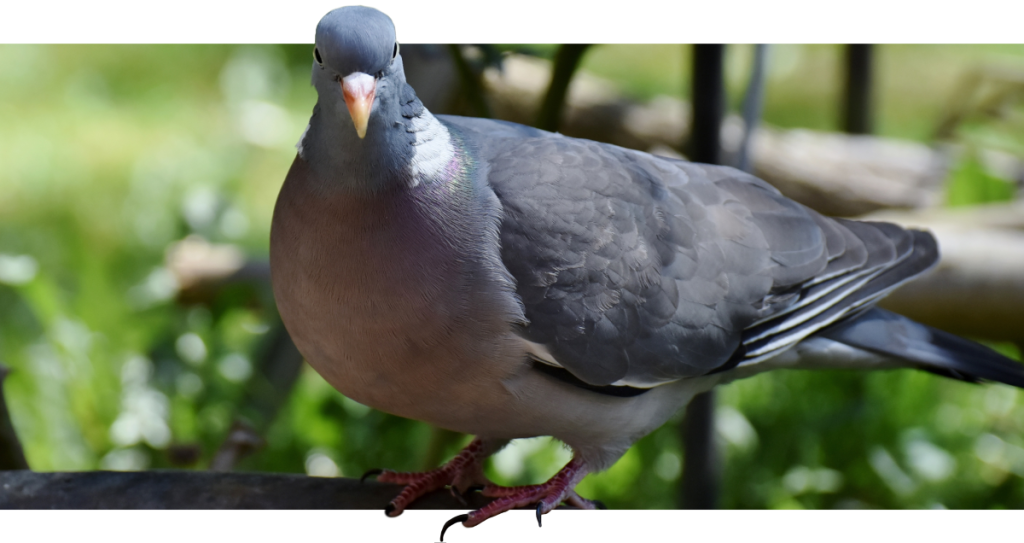
Woodpigeons are a major and increasing problem, with some growers estimating a 10-40% loss of yield in oil seed rape, peas, and brassicas*. Gas cannons are widely used to scare pests but are time-consuming to check and maintain. Now agri-tech company Greenstalk has developed a smart bird scarer that can be monitored remotely.

The curse of the woodpigeon

The smart bird scarer is fitted with a weather station and can be linked to a soil probe and other sensors, enabling it to transmit data over the internet. The farmer can then monitor all the information – and check the bird scarer is working as expected – via smartphone. It also uses ten times less gas, so is kinder to the environment.

David Aarons explains: “Getting machinery, devices and sensors to talk to each other over the internet enables farmers to manage their operations more efficiently and make data-driven decisions.”

The smart scarer was born out of a conversation with Jamie Lockhart, Managing Director at Frederick Hiam, looking at ways to add functionality to existing farm equipment and collect data from ‘things’ – such as tractors, sprayers, irrigation systems, water tanks and weighbridges.

Jamie Lockhart explains that he had a ‘wish list’ of improvements he wanted to make at Frederick Hiam’s main farm, Brandon Fields in Suffolk, including upgrading an old weighbridge to prevent it from needing to be replaced, and introducing monitoring sensors with various functions across the site.

Greenstalk first upgraded the farm’s WiFi with a 10GB (superfast) fibre connection across the entire site, and from this the project grew incrementally.

Jamie says: “Many farmers are nervous about investing in new technology, but Greenstalk’s Internet of Things approach makes existing machinery smarter and more efficient. It is something we can adapt to work with so many applications, which is what makes it so exciting.”

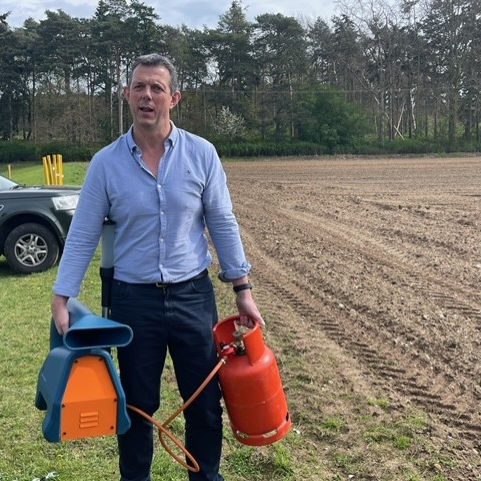
Jamie Lockhart and the gas gun
Jamie Lockhart (of Frederick Hiam) with the ‘gas gun’ project with Greenstalk

Greenstalk will be demonstrating how the Internet of Things can make legacy equipment smart in the Agri-TechE Innovation Hub at the Royal Norfolk Show 2024 on 26-27th June. The hub is sponsored by BBRO.

*ADHB Woodpigeon management strategies fact sheet 11

Is holding water in the environment the secret to sustainable food production?

Meet the Network
Agri-TechE

As a record-breaking wet winter follows one of the hottest summers, the smart management of water resources is a key priority for sustainability. The Norfolk Broads, an ecologically vulnerable area stretching from south of Norwich to near the coast at Horsey, could provide some of the solutions.

Andrea Kelly of the Broads Authority comments: “The winter rain this year has more than topped up depleted groundwater, and water tables remain high, creating difficulty for some crops, fields, and farms.

“However, with appropriate planning, permissions, and investment these excesses could potentially be used as a supply for the dry summer periods.

“The Broads National Parks grass marshes and peatland fens are able to store this water in the environment and keeping the water levels high has other benefits.  It can reduce land subsistence levels and also the amount of carbon that is lost when the peat dries out.”

Andrea Kelly

“It is estimated that for every 10cm increase in the water table, there is a corresponding reduction in emissions of three tonnes of CO2 equivalents per hectare,” Andrea continues. “In some areas, sub-irrigation of land with pipes and dykes can be used to maintain a high-water table.

“As some crops, such as celery, prefer a wetter soil, a small rise in the water table does not preclude growing essential food, but in some areas fibre crops such as thatching reed create lots more discussion about land use and public services.”

The Horsey Wetland Project

For marginal land not suitable for food crops it is possible to produce UK-grown fibre for the construction industry. These crops can have a dual role as they can filter and clean the water. The FibreBroads Project (June 2023 to March 2025) aims to overcome the barriers to achieving commercially viable paludiculture (profitable wetland crops), including the development of bio-based construction materials.

The Broads Authority is collaborating with partners including Cranfield University to develop a global model for water table management in the Broads with more precise models available for farms in the drained peat areas of the Broads.

Andrea says that they are working with Norfolk FWAG to engage with farmers to discuss methods for holding water in the environment.

FibreBroads is participating in the Agri-TechE Innovation Hub at the Royal Norfolk Show 2024 on 26-27th June. The hub is sponsored by BBRO.

Find out more about FibreBroads at broads-authority.gov.uk/looking-after/projects/fibrebroads.

Trials show CLAWS robot can accurately target weeds with killer beam

Meet the Network
Agri-TechE

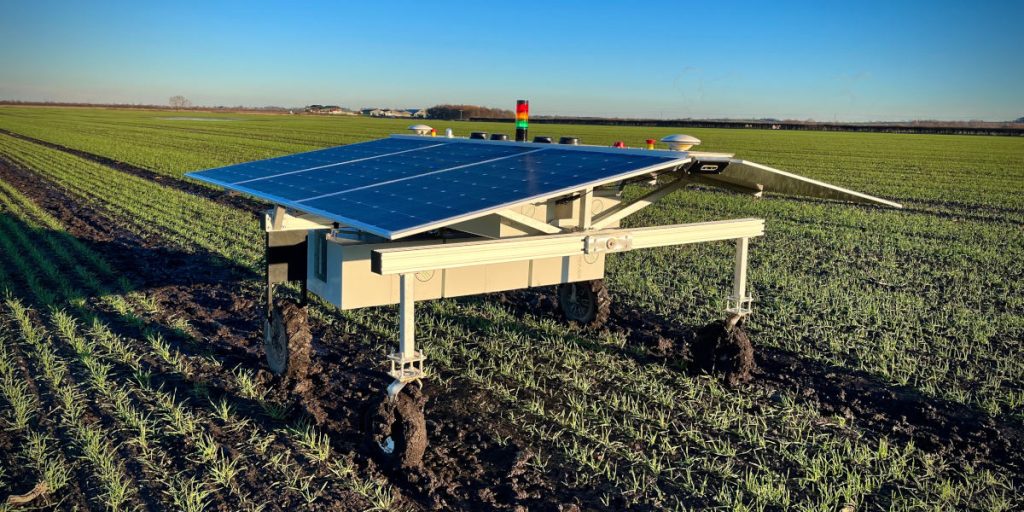
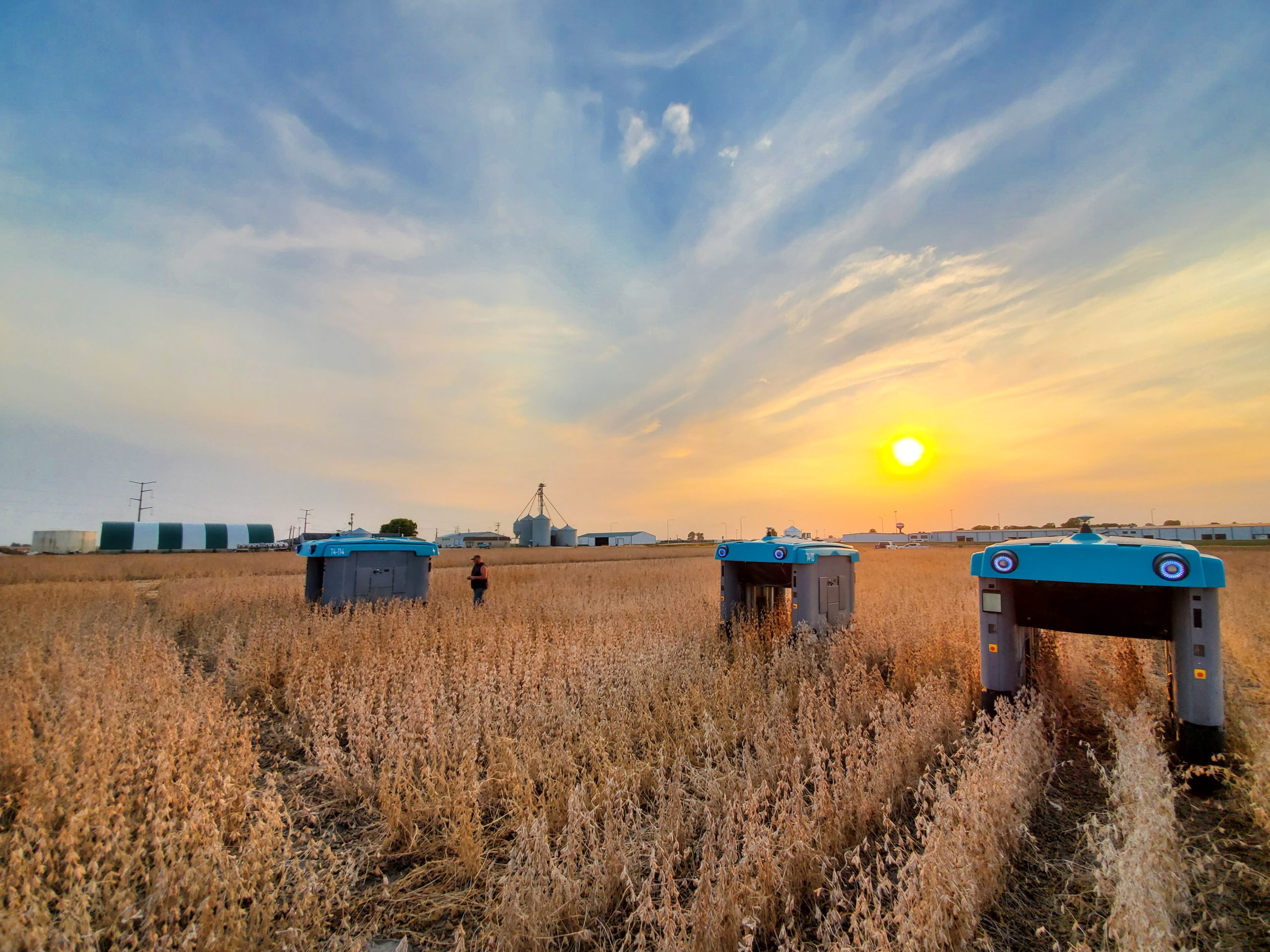
Pulsed light is being used to spot and kill weeds in commercial trials of the CLAWS (Concentrated Light Autonomous Weeding and Scouting) robot from Earth Rover. The lightweight robot uses 3D cameras and advanced AI to monitor the crop as well as identify and destroy weed seedlings at an early stage, without the need for chemicals.

Earth Rover Marketing executive Cristina García explains that CLAWS acquires its per-plant crop data by scanning the entire field, identifying and indexing each plant’s location and size. As processing is done ‘on the edge’ rather than in the cloud the scouting data is available in real time, offering incredible speed and accuracy.

CLAWS on-farm

Cristina says: “The robots are managed through a Farm Control and Intelligence System which generates a digital replica of the farm. This powerful tool enables growers to control CLAWS quickly and easily, and to use the data to enable a rapid review of critical information about the crops, including detailed maps, crop health status, and growth rates.”

CLAWS takes photos of the ground using its 3D cameras. Earlier field trials have confirmed that it is able to distinguish between crop plant and weed seedlings across a variety of crops. It uses a concentrated pulsed beam of light to target the growth point or meristem of the weed to kill it.

The pulsed light is safe as it dissipates after it reaches the target, unlike a laser which can bounce off something that is reflective such as a stone, glass or broken crockery. CLAWS can weed, scout, or do both simultaneously.

The high level of interest in trialling CLAWS in the 2024 season demonstrates the market pull for automation technology and the company sees the future as farmers having a fleet of robots providing 24/7 management of the crops.

The Earth Rover Team with CLAWS

Cristina continues: “Building on the success of last season’s trials, we are expanding the range of crops and enhancing the capabilities of the robot for this year and are collaborating with five growers across the season.

“We envision a future where CLAWS will become a standard tool on the farm, and the notion of robots working alongside farmers will become normalised, driving further innovation and advancement in agri-tech.”

Earth Rover welcomes expressions of interest in becoming a Pioneer for its 2025 field trials. Cristina invites growers to reach out via email at info@earthrover.farm. “We will be happy to arrange a call to discuss further.”

CLAWS is to be demonstrated in the Agri-TechE Innovation Hub at the Royal Norfolk Show 2024 on 26-27th June. The hub is sponsored by BBRO.

Ponda creating novel textiles from regen fibres and paludiculture

Agri-TechE Article
Meet the Network
Agri-TechE

Ponda is a biomaterials company developing novel textiles from truly regenerative fibres using paludiculture. It aims to connect the regeneration of some of our most precious ecosystems to the production of responsible materials for the textile industry.

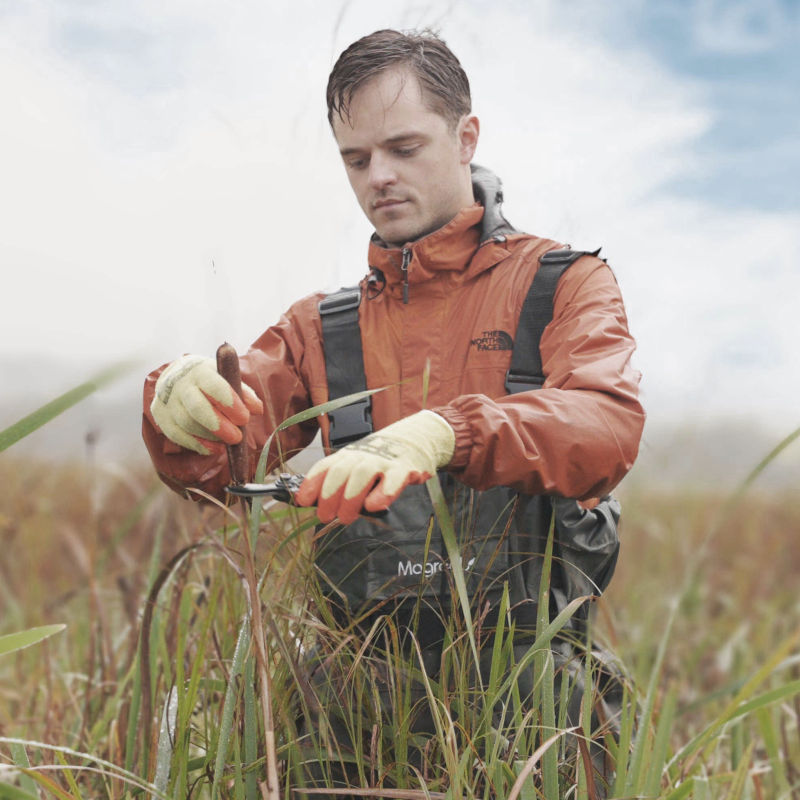
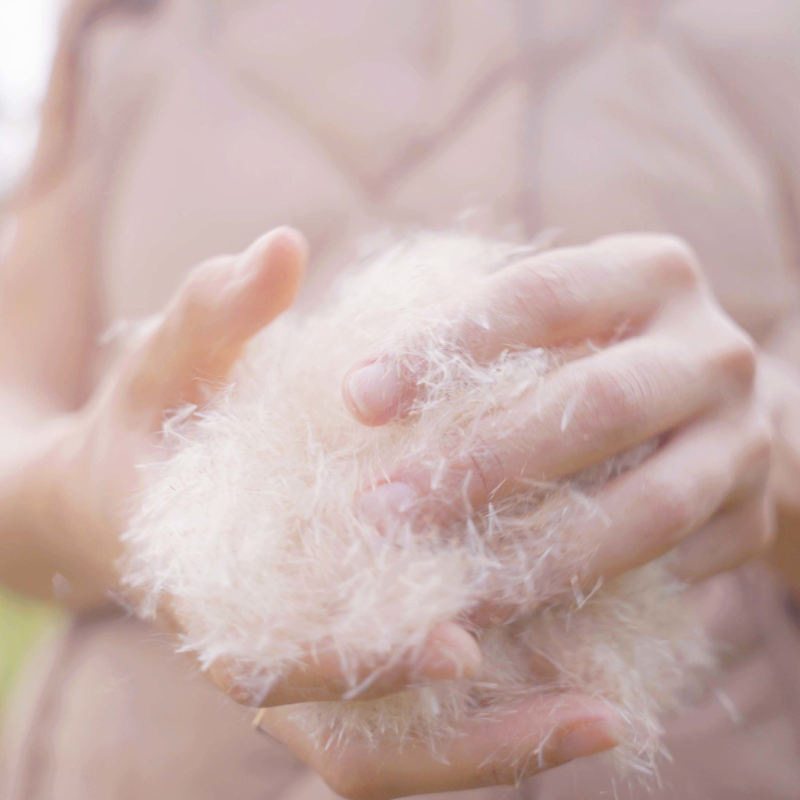
Ponda partners with farmers and conservation groups to regenerate wetlands by cultivating Typha Latifolia, a native, shallow-water, rhizomatous perennial plant. Thriving in freshwater or slightly brackish marshes, Typha proves to be an ideal, low-maintenance crop for wetland restoration. Farming under these conditions is defined as paludiculture.

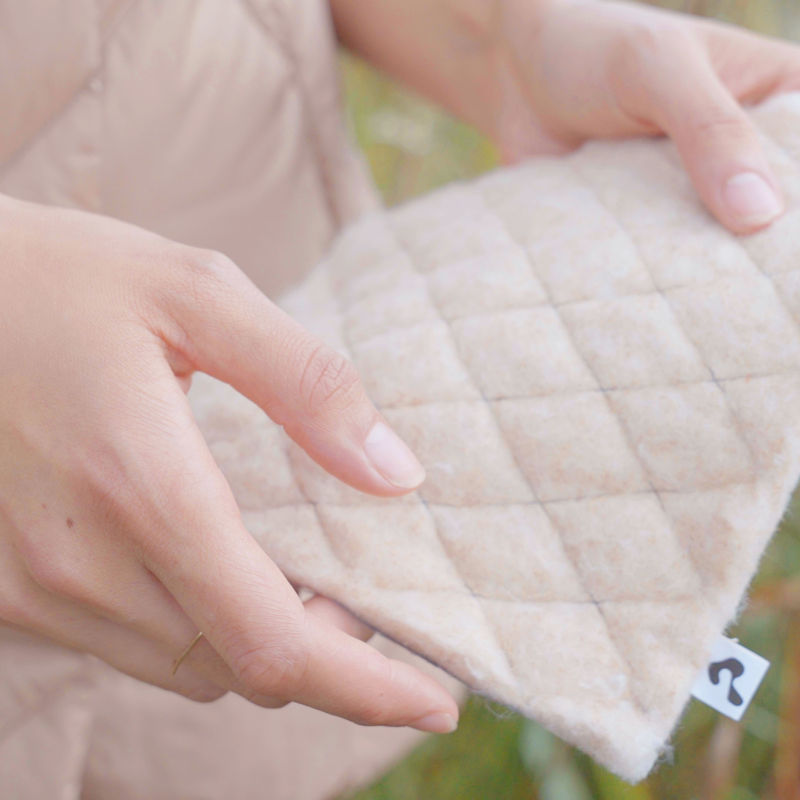
Ponda has patented a fibre extraction method to harness the seed head fibre, transforming it into a valuable insulation material for the textile industry.

Q Where did the idea for Ponda come from?

Ponda‘s origins lie in a thorough examination of materiality, addressing environmental challenges in the fashion industry. Much of the industry’s footprint originates from material choices at the beginning of the supply chain. We aimed to explore new fibres in this space. Moreover, brands and manufacturers are seeking novel, regenerative materials to replace existing, damaging textiles. Conversely, drained wetlands, often a consequence of conventional agriculture, now contribute to 5% of global CO2 emissions. These wetlands are amazing ecosystems that store twice the carbon of all trees combined and serve as habitats for 50% of all animal species. Our goal was to create a link between these worlds, where each side could benefit the other.

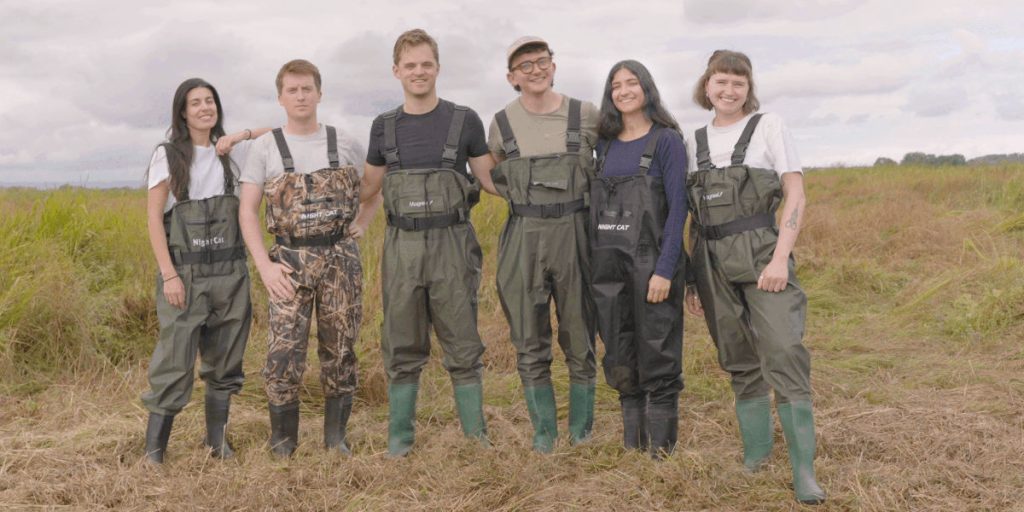
Our team comprises individuals united by a shared commitment to effecting positive change on a global scale. Originating from a Master’s course in Innovation Design Engineering, jointly offered by the Royal College of Art and Imperial College London, the founding team conceptualised an idea that was then turned into a company. We began as teammates and, over the years, developed a strong friendship.

Previously known as Saltyco, we underwent a rebranding process in the past year, emerging as Ponda. The name “Ponda” is derived from “Pond” and “Agriculture,” symbolising our focus on revitalising wetland ecosystems within farmed landscapes. Our regenerated wetland farms serve as expansive ponds brimming with biodiversity, fostering climate resilience across our environment.

Q. Why typha? Is a good substitute for something that is less environmentally friendly?

Typha was a natural choice for us due to its remarkable efficacy in wetland restoration. Our first product, BioPuff®, exemplifies this synergy between sustainable materials and environmental regeneration. Beyond providing warmth, BioPuff® actively contributes to enhancing biodiversity, capturing carbon, and fortifying the resilience of our industry. By significantly reducing reliance on conventional fillers, BioPuff® represents a leap forward in insulation technology. Its exceptional warmth, natural water repellency, and puffiness make it a great choice. Moreover, BioPuff® upholds ethical standards, being cruelty-free and fully traceable from plant to puffer. When compared to conventional materials, BioPuff® offers exceptional warmth, suitable for a wide range of temperatures, from chilly autumns to moderately cold winters.

Q. There is lots of clothing waste that could be recycled, and peatlands can be used for growing food – how would you justify the use of peatlands for clothing?

While textile recycling is a positive step in reducing waste, it’s insufficient to tackle our broader challenges. Issues like limited supply, quality concerns, and the environmental impact of recycling highlight the need for more comprehensive solutions. Regenerative practices such as paludiculture are crucial for advancing sustainability objectives.

When considering the use of peatlands for clothing production rather than food production, it’s essential to strike a balance that prioritises sustainability and resource efficiency. By repurposing peatlands for textiles, we can diversify land use, alleviating pressure on traditional agricultural areas and strengthening the resilience of food systems. Nevertheless, careful planning is essential to ensure that clothing production does not compromise food security or degrade vital ecosystems

Moreover, the cultivation of Typha Latifolia emerges as a key strategy for peatland restoration. Typha’s unique ability to absorb nutrients from water addresses growing concerns about water quality, making it an invaluable asset in ecosystem management. This sustainable solution not only sequesters carbon and supports biodiversity but also sustains farmers’ livelihoods through paludiculture practices.

Q. What are you wanting to achieve at the Royal Norfolk Show – if farmers are interested in growing typha what are the next steps?

The outcome of our exhibition aims to raise awareness about regenerative agriculture practices and their beneficial effects on modern farming. Through our exhibition, we strive to enlighten not just the public but also policymakers about the potential of regenerative methods in shaping the future of UK agriculture. Moreover, we aim to actively involve farmers, igniting their curiosity in Paludiculture techniques during the event. Our ultimate aim is to cultivate partnerships with interested farmers after the show, facilitating the exploration and adoption of Typha cultivation and other Paludiculture initiatives.

The Ponda team

Ponda will be exhibiting in the Agri-TechE Innovation Hub at the Royal Norfolk Show 2024 on 26-27th June. The hub is sponsored by BBRO.

Harper Adams is supporting farmers monetarise natural capital

Agri-TechE Article
Meet the Network
Agri-TechE

It is increasingly becoming possible for farmers to monetarise the ‘natural capital’ associated with their businesses. Harper Adams University is focused on the tools, relationships and skills to develop the monetarisation of a range of environmental services.

Since April 2024, it has become compulsory, with only a few exceptions, for developers of residential and commercial projects to enhance biodiversity by at least ten percent – already some local authorities have increased this to 20%. This Biodiversity Net Gain (BNG) is a measurable improvement for wildlife, and it can be achieved either on-site, offset, or through purchasing statutory ‘Biodiversity Credits’ that will be used to create habitat projects in the future.

Every development project will need a BNG plan to gain approval, but the calculations are complex. Harper Adams University is working with Legacy Habitat Banks to develop the tools and approaches needed to support calculations of BNG as well as to build ecological skills in specialists and other adjacent professional roles to ensure the opportunities that BNG offers are optimised both financially and environmentally.

The UK Habitat Classification is the official description and grading of habitats and feeds into the statutory Biodiversity Metric, the standard method of baselining biodiversity. However, these are difficult for non-specialists to interpret.

Scott Kirby, Harper Adams University

Scott Kirby, Agriculture and Sustainability Consultant at Harper Adams, comments: “There are real opportunities emerging for landowners to develop alternative income streams through the provision of ecosystem services and public good. Some markets like BNG are underpinned by legislation and are developing rapidly. However, they need to establish a 30-year commitment with the developer that takes into account the opportunity cost of any alternative uses for that land.

“Other services such as Carbon sequestration lack the regulatory governance and are developing in a more complicated voluntary environment with a myriad of options.

“At Harper Adams we are especially interested in horizon scanning for other ecosystem services that landowners may be able to develop. A recently established project partnering with Cranfield University is looking at how advanced remote sensing and modelling could allow landowners to monetarise and manage both high and low water flows in a catchment.

“We see a future where a range of environmental services such as nutrient removal, flood mitigation, habitat creation or peat re-wetting become an established enterprise on many farms.

“To achieve this requires good metrics to measure and manage these assets, such as those being developed by Harper Adams.”

Harper Adams University will be exhibiting in the Agri-TechE Innovation Hub at the Royal Norfolk Show 2024 on 26-27th June. The hub is sponsored by BBRO.

3CR Bioscience reduces loss of lambs through rapid ID of genetic markers

Agri-TechE Article
Meet the Network
Agri-TechE

49 percent of lamb mortality occurs within the first 48 hours following birth*, which is devastating for farmers and economically impactful. A new tool, developed by 3CR Bioscience, is making it easier for breeders to detect recessive gene variations that can be lethal when present in both parents.

Differences between individuals of the same species are known as traits and may result from particular sequences in the animals’ DNA. New tools developed by 3CR Bioscience for genotyping are making it easier for breeders to identify these sequence variants and select animals, or plants, with improved qualities and greater resilience to disease or environmental stress. This is key to increasing food security.

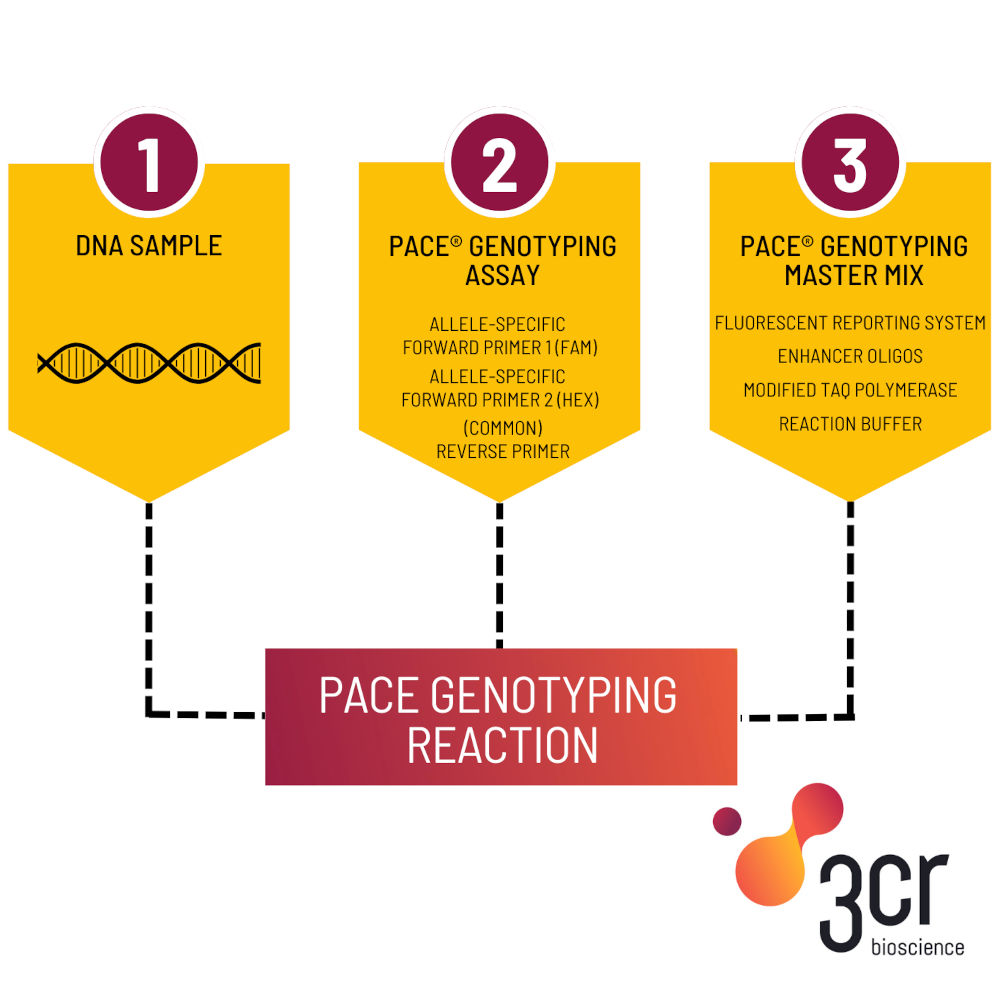
3CR Bioscience is a leader in PCR genotyping technology and has developed a patented range of reagents (PACE®) and tools that can accelerate many applications in plant and animal breeding. This includes marker-assisted breeding, pathogen detection, and gene editing, which can significantly reduce both time and costs for the breeder.

Dr Sarah Holme

Dr Sarah Holme of 3CR Bioscience explains: “DNA sequence variants called SNPs (Single Nucleotide Variants) act as useful biomarkers for breeders.

“3CR Bioscience offers a suite of productivity tools for SNP genotyping and has developed a patented range of PCR reagents (PACE®) for replicating the desired section of DNA for analysis.

“With these tools and reagents, breeders can quickly validate markers, implement genomic selection, and conduct marker-assisted selection, thereby identifying and selecting animals with desirable traits more rapidly.”

Overcoming loss of lambs

A recent project has used PACE PCR genotyping to reduce early loss of lambs in French dairy sheep**.

High mortality rates are attributable to a variety of genetic and environmental factors. Some recessive genomic variants are known to be lethal if they are present in both the ram and the ewe.

A team at INRAE in France used PACE PCR to identify these causal variants in multiple key genes. With this knowledge, it will become possible to improve the selection of rams and improve lamb survival rates.

Sarah continues: “The speed and accuracy of PACE genotyping facilitates the rapid analysis of large numbers of animals, this aids the understanding of genetic relationships for animal health as well as evolutionary patterns, and conservation efforts.”

3CR Bioscience is talking about SNP genotyping in the Agri-TechE Innovation Hub at the Royal Norfolk Show 2024 on 26-27th June. The hub is sponsored by BBRO.


*AHDB Reducing lamb losses for higher returns: projectblue.blob.core.windows.net/media/Default/About AHDB/Reducing Lamb Losses 2020.pdf

**Searching for homozygous haplotype deficiency in Manech Tête Rousse dairy sheep revealed a nonsense variant in the MMUT gene affecting newborn lamb viability. Ben Braiek et al Genetics Selection Evolution volume 56, Article number: 16 (2024)

BBRO raises a ‘wall of yellow’ against a virus set to reduce yields by 30%

Agri-TechE Article
Meet the Network
Agri-TechE

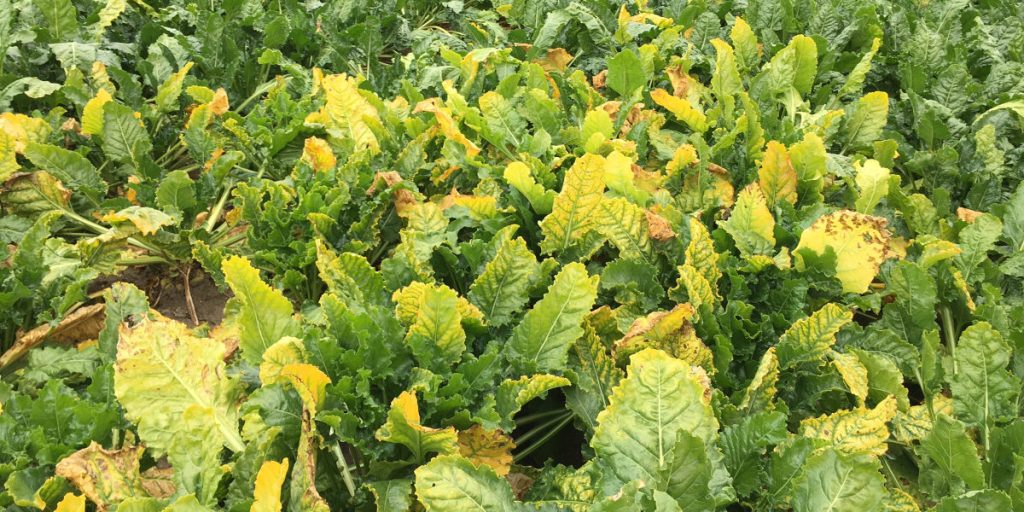
It is estimated that there will be yield loss of 30-50% for sugar beet growers this year due to a resurgence in Virus Yellows, a disease spread by peach potato aphids. BBRO is working hard to find alternatives to the neonicotinoid seed treatments that have historically been used to protect the crop.

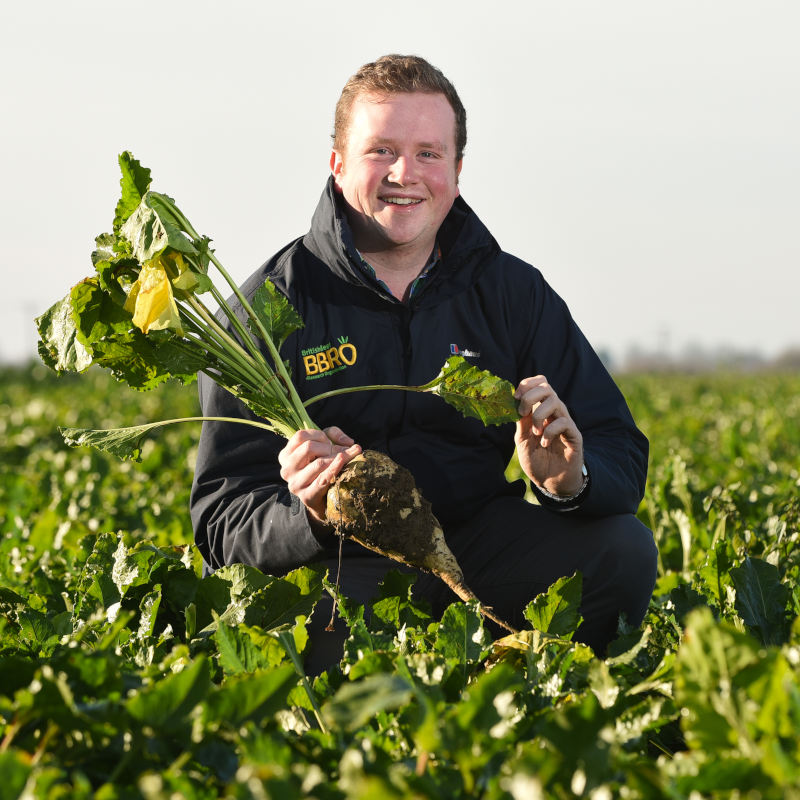
Dr Alistair Wright says the organisation will be showing a ‘Wall of Yellow’ in the Innovation Hub at the Royal Norfolk Show. It will demonstrate advances in seed breeding aimed at finding varieties of sugar beet that are tolerant or resistant to this devastating viral disease.

He says: “Virus Yellows is transmitted by aphids, which – due to our mild winter – have been able to overwinter along with the virus.

“For 2024 the Virus Risk Forecast predicts infection rates without protection to be 84%; therefore, the sugar beet industry has been authorised to use a neonicotinoid product (CruiserSB). However, we are trying a host of different approaches to avoid this in the future.”

Dr Alistair Wright, BBRO
Dr Alistair Wright

A Virus Yellows Taskforce was set-up in 2023 to ‘supercharge’ the research in this area, and work includes: investigating the development of mature resistance to the virus in aphids; push-pull strategies to draw the aphids away from the crop and into flowering or brassica strips; coloured dyes to divert the aphid away from green shoots; testing for virus tolerance/resistance in existing varieties; and gene editing.

Dr Wright continues: “The change in law has opened up opportunities to explore gene editing and we are a sub-partner in a new Innovate UK project between British Sugar, Tropic BioScience and The John Innes Centre.

Virus yellows infected plants in-field

“This work will be ground-breaking when it is commercially available – but this is still a long way off. Any advancements made will have to go through rigorous testing before entering a breeding programme. But this could finally give our crop immunity to the Virus Yellows complex”.

Sugar beet production is a vital part of Norfolk’s agricultural economy, with more than half of the UK’s national crop processed in the county each year. The crop offers an opportunity for farmers to break up pest and disease cycles on their farms, such as black grass. The crop also helps to break up workloads on-farm as it is sown in the spring and harvested in autumn and winter, whilst also providing a vital habitat and food source to migrating birds such as pink-footed geese.

More information can be found at https://bbro.co.uk/on-farm/vy-knowledge-hub/.

The ‘Wall of Yellow’ will be featured in the Agri-TechE Innovation Hub at the Royal Norfolk Show 2024 on 26-27th June. The hub is sponsored by BBRO.